
Introduction
When sourcing data cables for the US and European markets, buyers often face confusion around compatibility, quality differences, certification requirements, and pricing gaps.
Although USB-C cables may look similar externally, their internal engineering, material quality, and compliance standards can vary significantly. This directly impacts charging speed, safety, and long-term durability.
To help OEM buyers, wholesalers, and brand owners make better sourcing decisions, this article summarizes the 10 most common questions about buying data cables, based on real procurement and engineering scenarios in global supply chains.
OSKO approaches these questions from a manufacturing and engineering perspective rather than a purely retail viewpoint.

Material Science & Product Engineering Understanding
Before answering the questions, it is important to understand that data cables are defined by three core systems:
Electrical performance system (charging + data transmission)
Mechanical durability system (bending + connector strength)
Compliance system (certifications + safety regulations)
These three systems determine whether a cable performs well in real-world usage.
Case Study
US Wholesale Buyer Product Standardization Project
Customer Background
A US distributor sourcing multiple USB-C cable suppliers faced inconsistent product quality, frequent returns, and unclear technical specifications across different batches.
They needed a standardized sourcing framework to unify their data cable procurement strategy.
Engineering Problems Identified
Key issues included:
Mixed USB-PD performance (60W vs 100W confusion)
Inconsistent cable materials (PVC vs nylon braided)
Lack of certification verification (USB-IF, FCC, RoHS)
Poor durability in travel and car charging scenarios
No unified testing standards across suppliers
OSKO Engineering Solution
OSKO implemented a structured product classification system:
Segmented cables by power level (18W / 60W / 100W / 240W)
Standardized material categories (PVC / TPE / nylon braided)
Introduced full USB-IF compliant Type C cable manufacturer validation
Applied ISO9001 production consistency system
Added batch-level testing for durability and charging stability
Result
Procurement efficiency improved significantly
Product return rates reduced
Supplier inconsistency eliminated
Customer product portfolio became standardized
Market positioning strengthened in US retail channels
Selection Guide (10 Most Common Questions)
Q1: What is the difference between cheap and premium data cables?
Premium cables use better copper conductors, stronger shielding, and certified USB-PD chips, resulting in stable fast charging and longer lifespan.
Q2: Do all USB-C cables support fast charging?
No. Only cables designed for USB-PD (Power Delivery) can support true fast charging.
Q3: What length is best for daily use?
3ft: travel use
6ft: home and office standard
10ft: extended reach environments
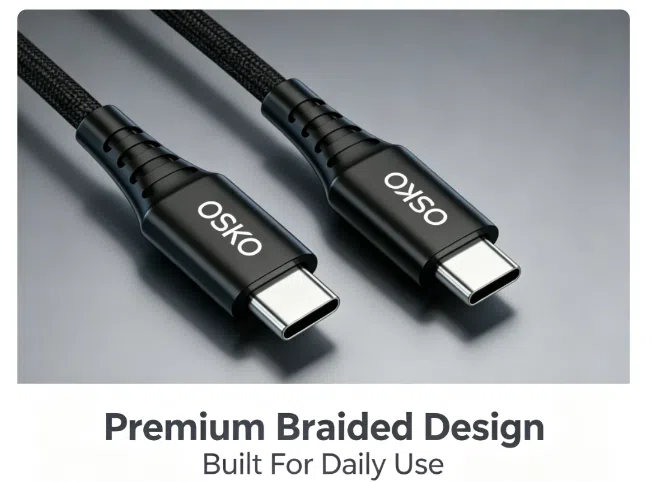
Q4: Is braided cable better than PVC cable?
Braided cables offer higher durability and resistance to bending, while PVC cables are more flexible and cost-effective.
Q5: Why do charging speeds vary between cables?
Because of differences in wire gauge (AWG), resistance level, and USB-PD compatibility.
Q6: What certifications should I check when buying cables?
Key certifications include:
USB-IF
FCC
RoHS
CE
REACH
Prop 65 (California market)
Q7: Can one cable work for all devices?
Yes, if it supports USB-C Power Delivery and appropriate wattage (60W–240W), it can work across phones, tablets, and laptops.
Q8: Why do cables break so easily?
Most failures occur due to:
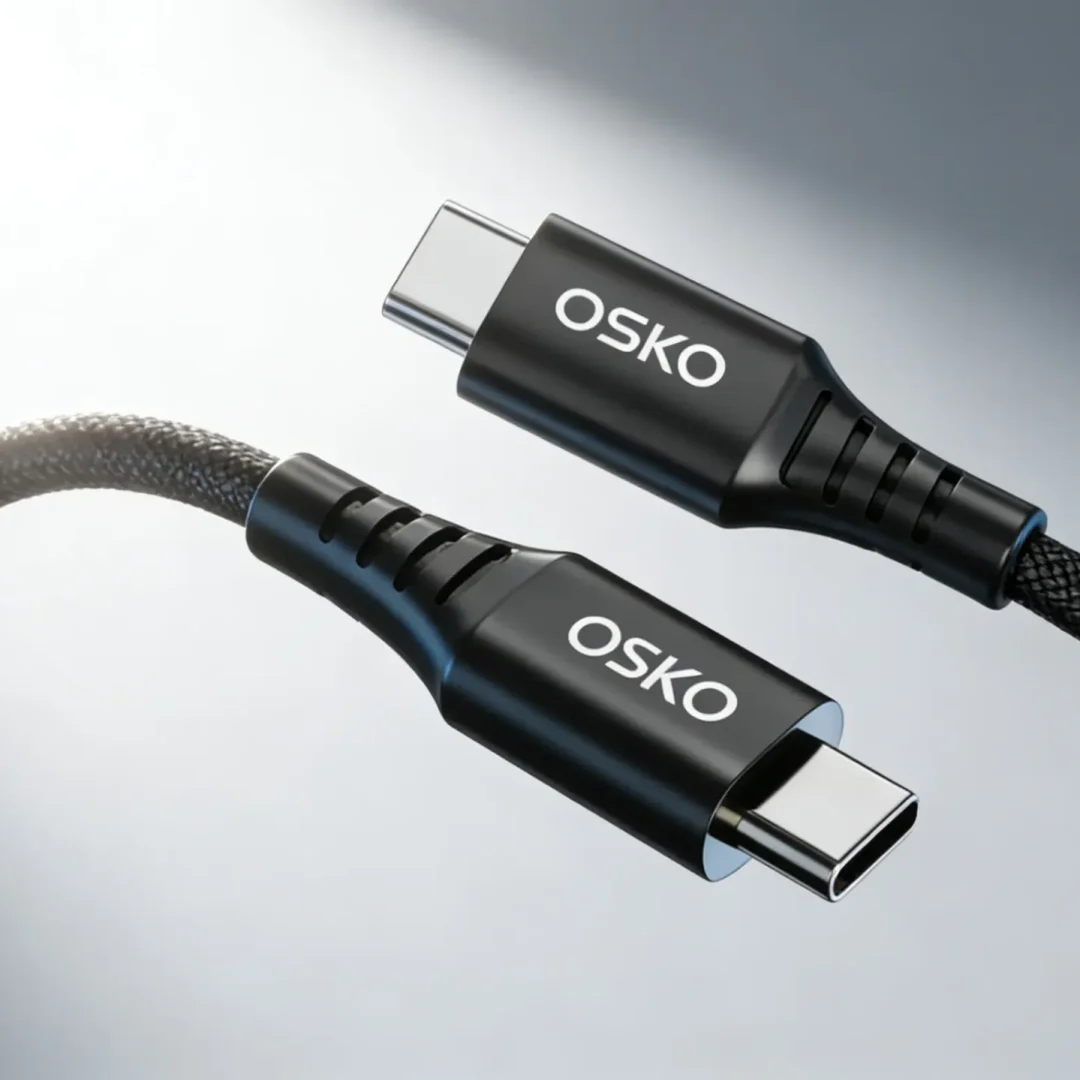
Weak strain relief design
Poor internal wire quality
Lack of bending reinforcement
Low-quality connectors
Q9: What is the safest cable for long-term use?
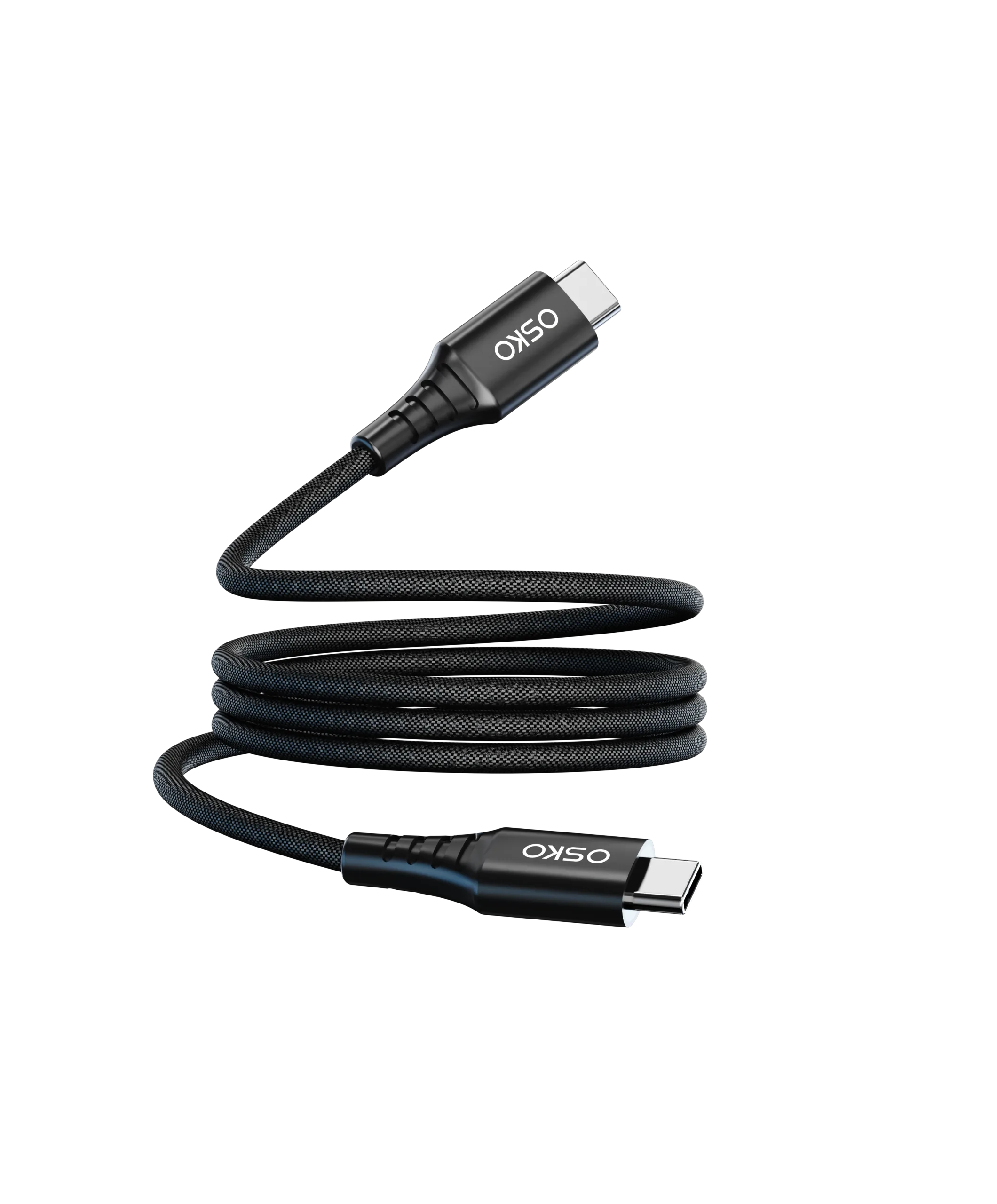
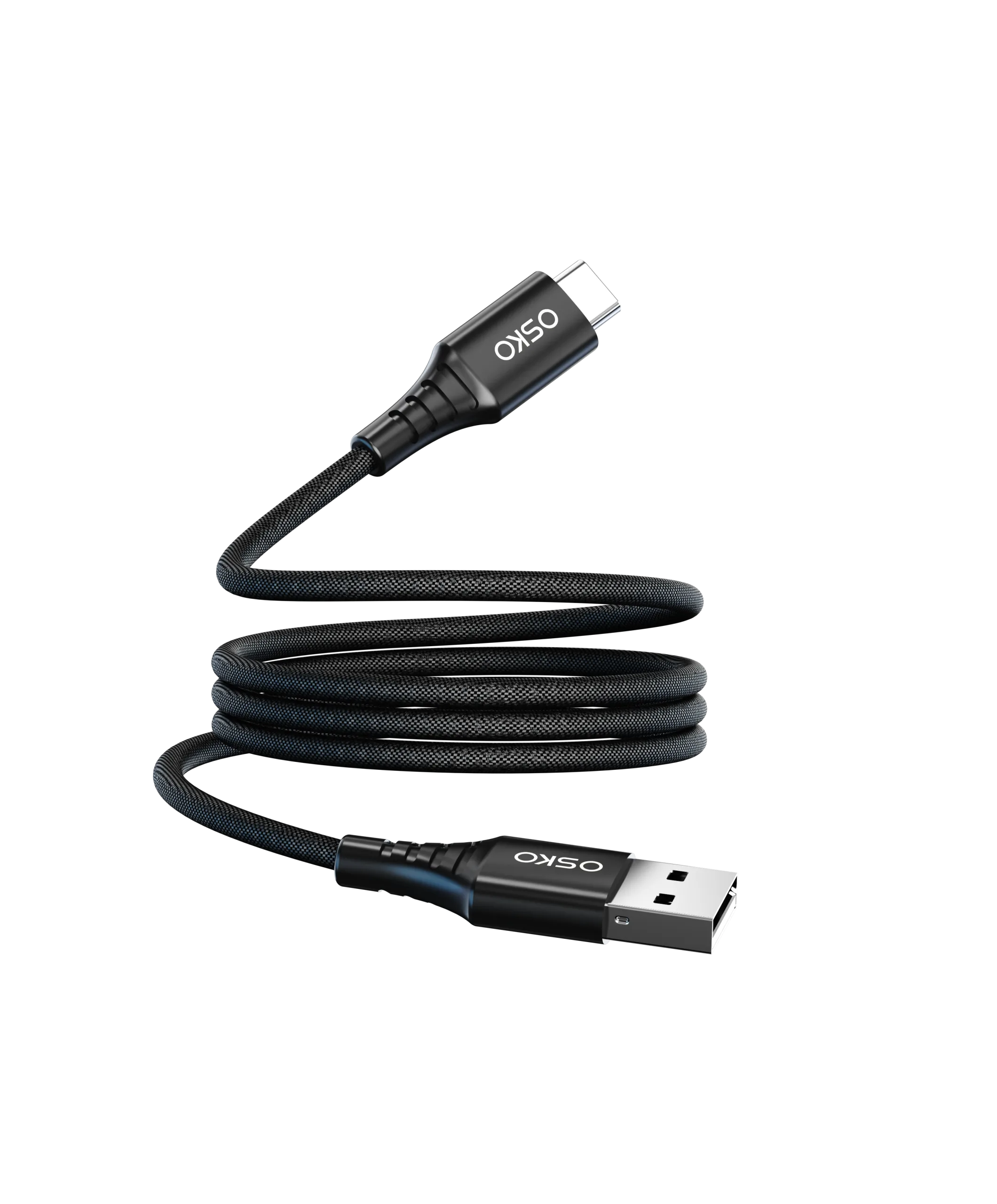
Nylon braided USB-C cables with certified USB-PD support and reinforced connectors are the most reliable.
Q10: How do I choose a reliable OEM supplier?
Look for:
ISO9001-certified factory
USB-IF compliance capability
Stable batch testing system
Engineering documentation support
Experience in US/EU market distribution
Specification Comparison Table
| Category | Entry-Level | Mid-Level | Premium |
|---|---|---|---|
| Material | PVC | TPE | Nylon braided |
| Power | 18W | 60W | 100W–240W |
| Durability | Basic | Medium | High |
| Certification | Limited | Partial | Full compliance |
| Use Case | Budget retail | Amazon sellers | OEM brands |

Application Scenarios
Data cables are widely used in:
OEM USB cables for branded manufacturing projects
ODM USB cables for customized product development
USB cables for wholesale distribution
Desktop charging cables for office workstation setups
Travel USB cables for portable charging kits
In-car charging cables for automotive charging systems
Home USB cables for multi-device household use
FAQ Summary
These common questions show that buyers care most about:
Charging speed consistency
Material durability
Certification compliance
Device compatibility
Supplier reliability
Summary
The 10 most common questions about buying data cables highlight the importance of understanding technical specifications, certification systems, material differences, and OEM supplier capability.
In US and European markets, successful procurement is not based on price alone—it depends on engineering quality, compliance validation, and supply chain stability.
OSKO supports global buyers with standardized OEM/ODM cable solutions designed for consistent performance, certified compliance, and scalable production.
Contact Information
OSKO provides OEM/ODM data cable manufacturing services including:
USB-C PD fast charging cables (18W–240W)
Braided and TPE material options
Full certification support (USB-IF / FCC / RoHS)
Amazon-ready packaging solutions
Private label customization services_
OSKO engineering team delivers reliable, compliance-ready cable solutions for global procurement markets.