
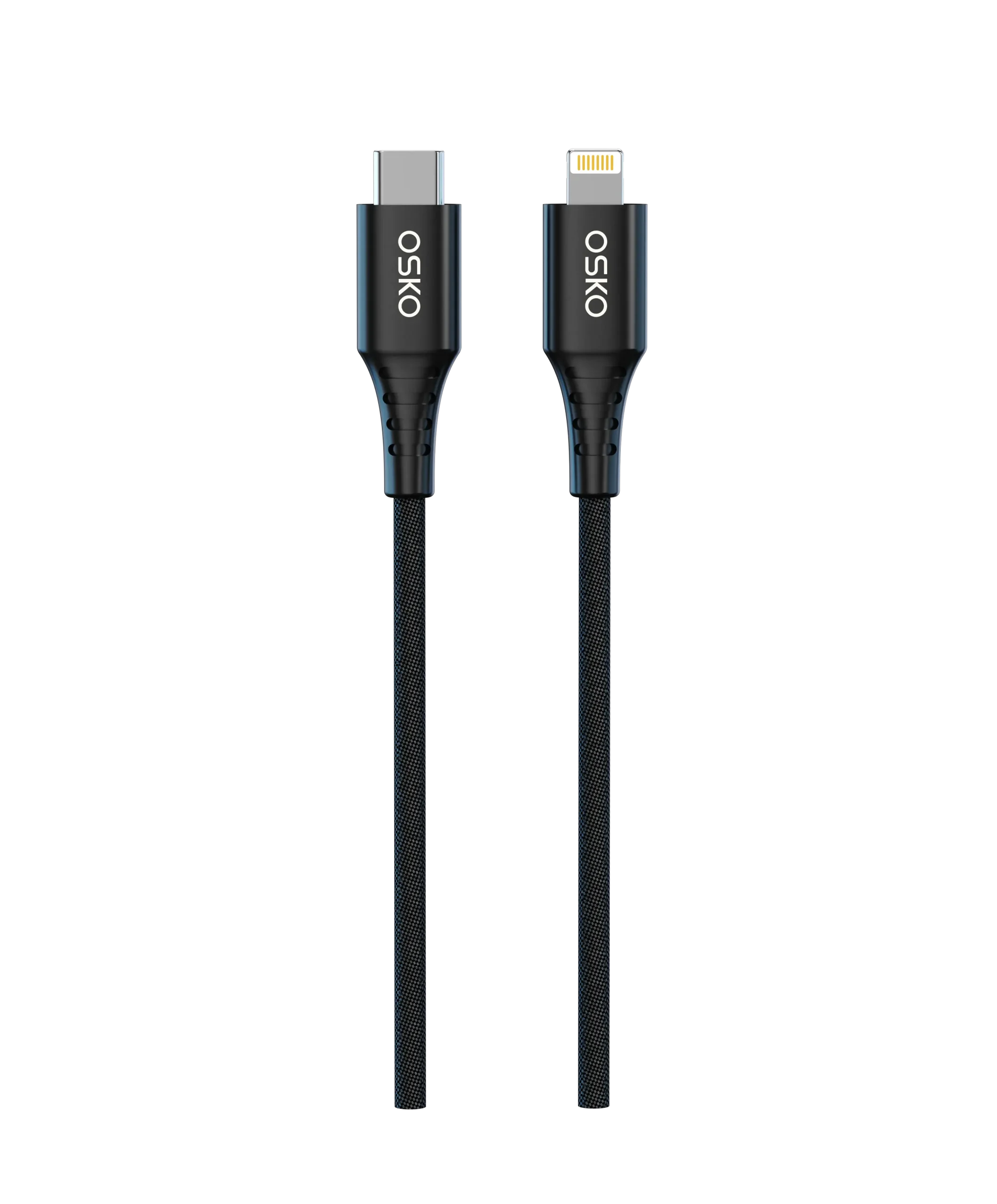
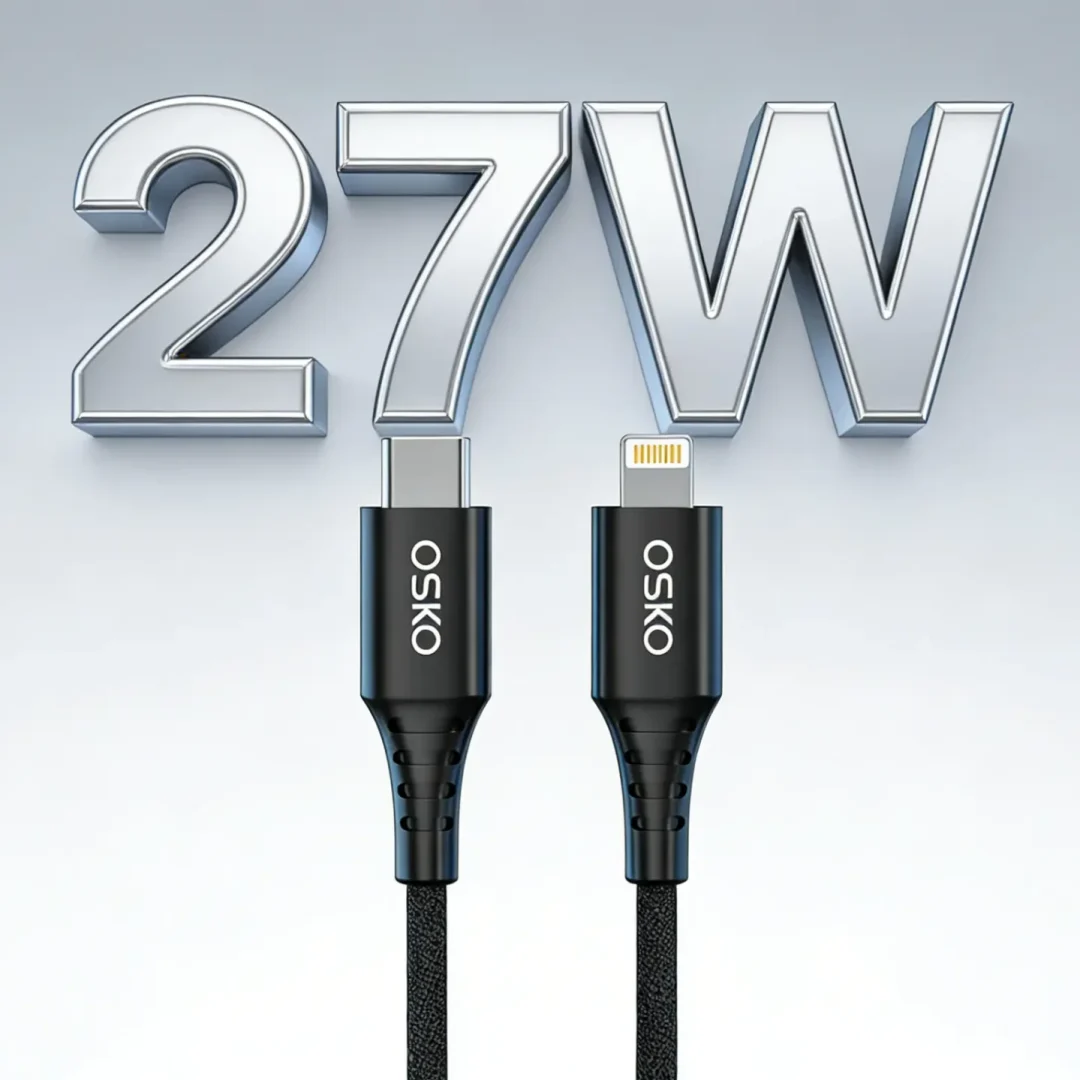
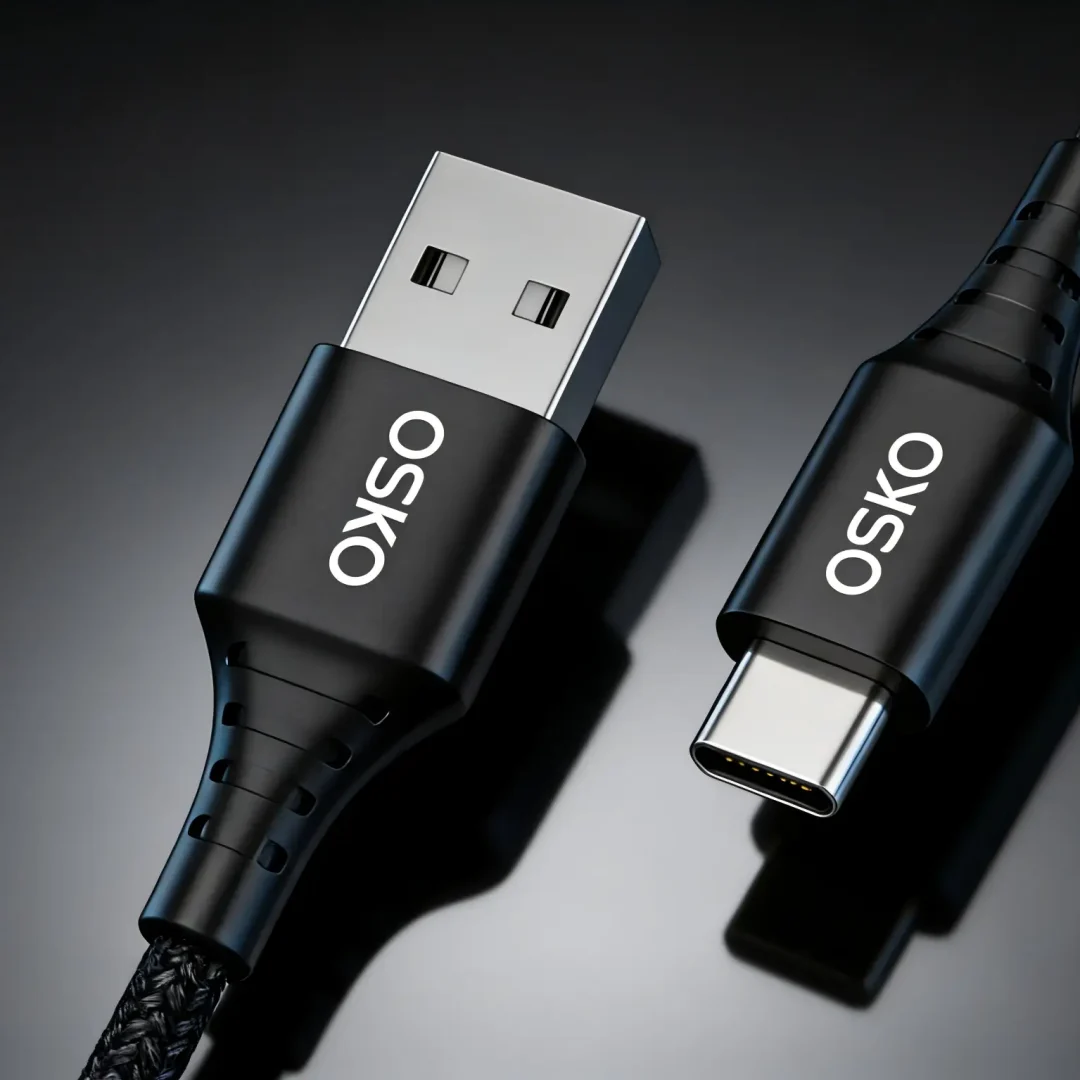
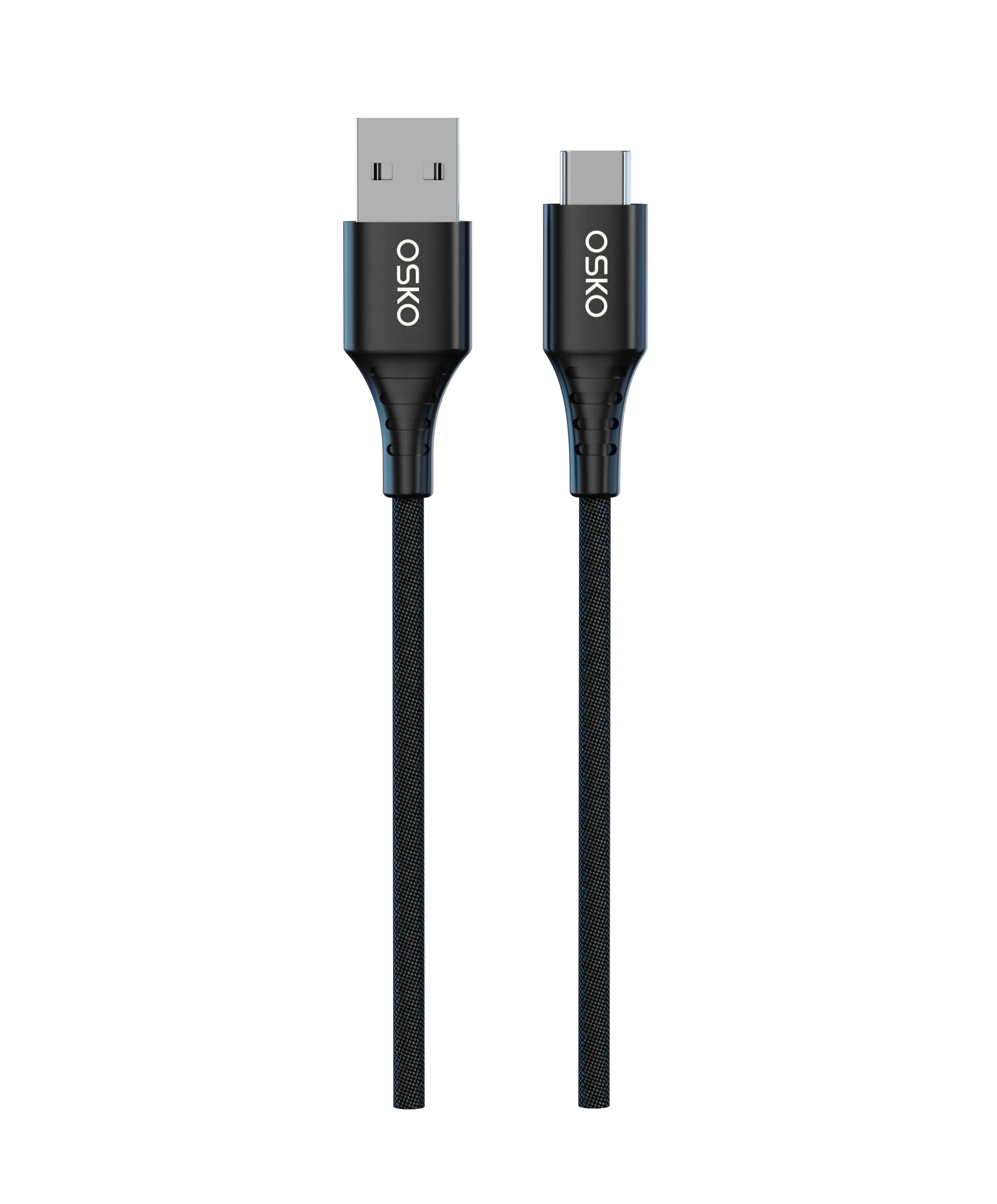
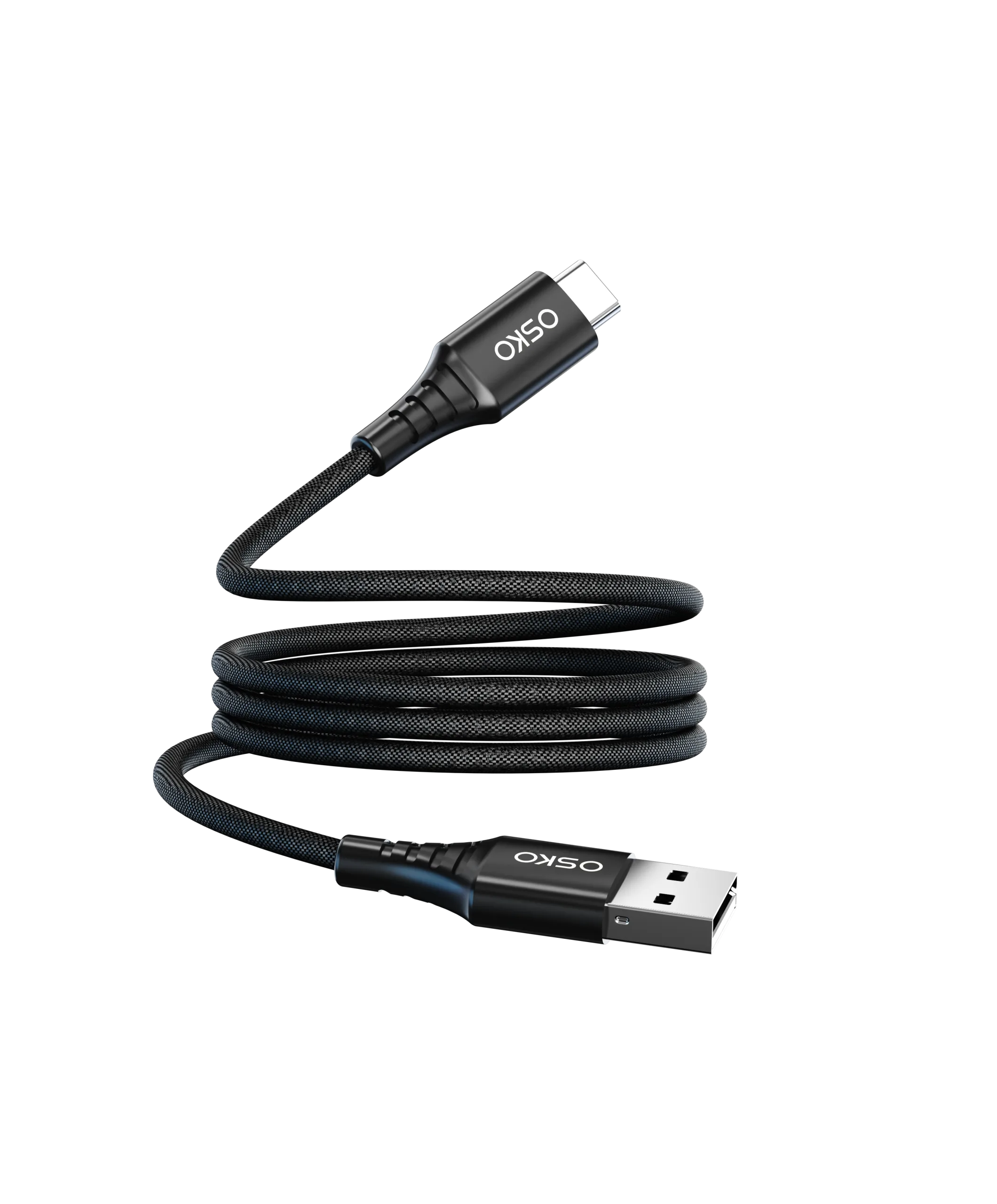
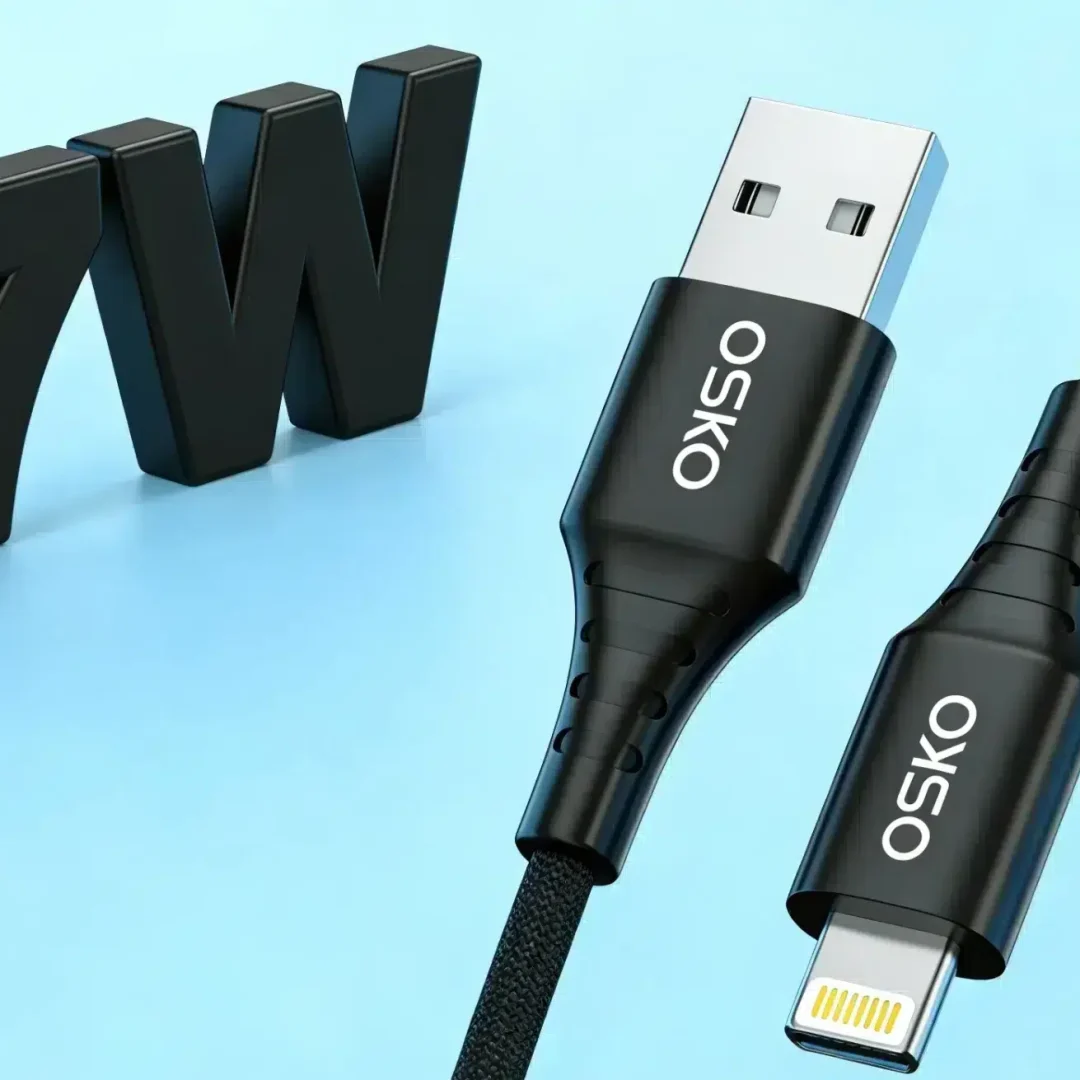
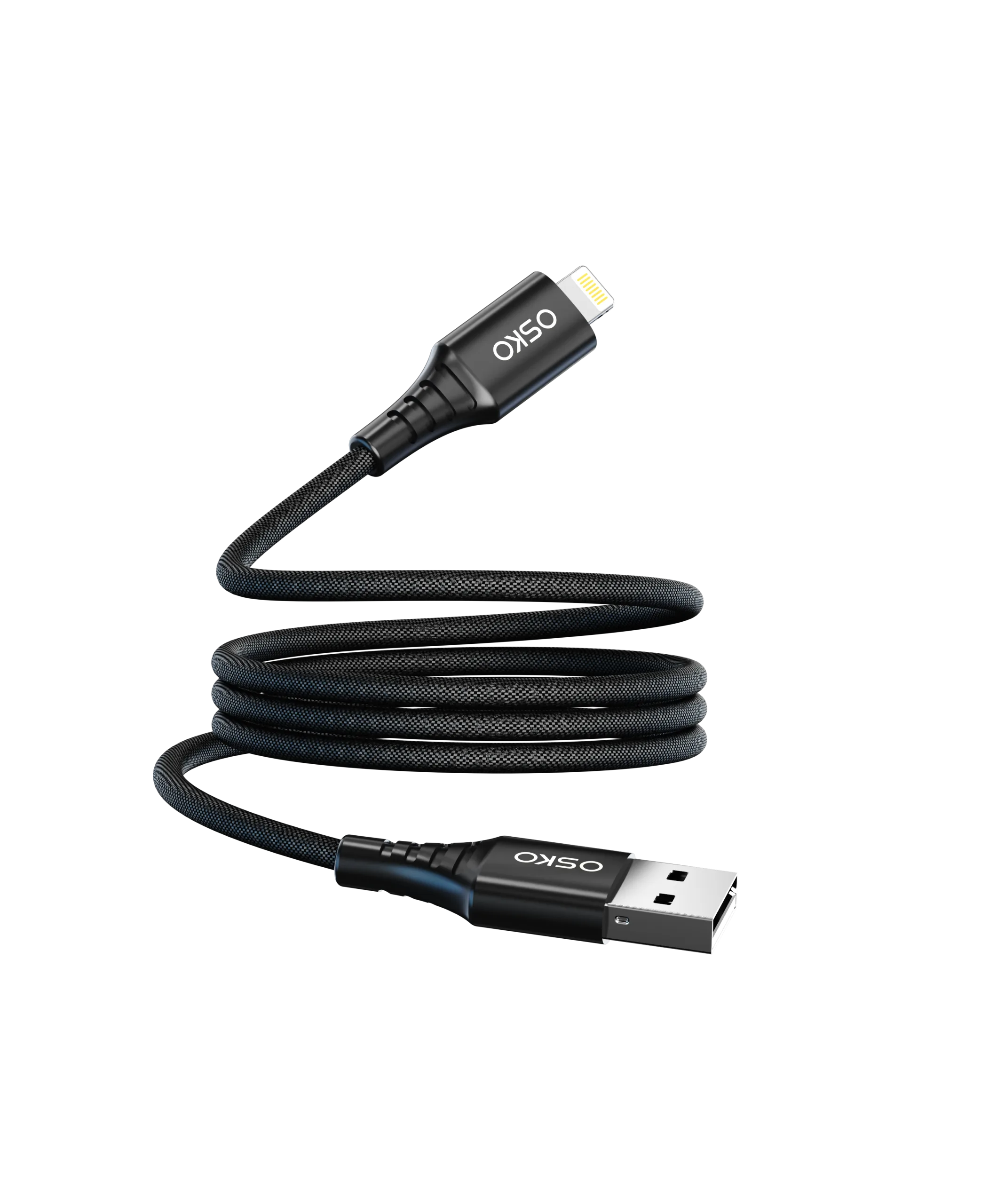
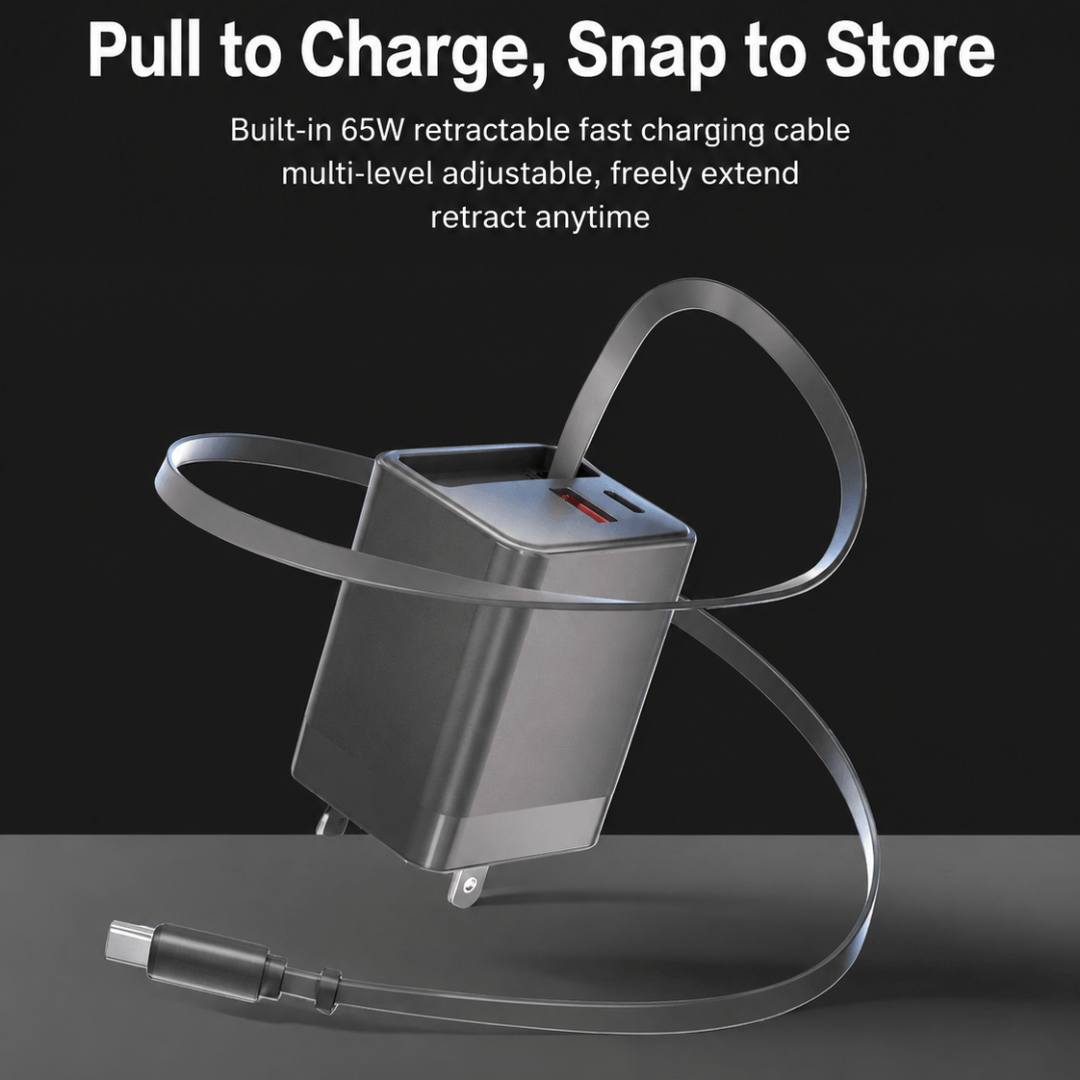
Introduction: Why 240W USB-C Cables Are Becoming the New Standard
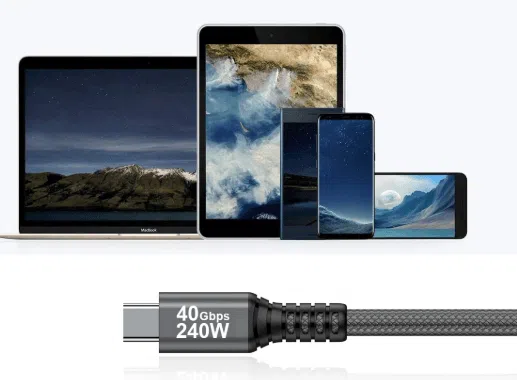
The demand for higher-power charging has increased rapidly with the growth of gaming laptops, professional workstations, USB-C monitors, docking stations, and advanced computing devices.
Traditional USB-C charging cables designed for smartphones and tablets cannot always support the power requirements of modern high-performance electronics.
A 240W USB-C cable represents the latest generation of high-power charging technology based on USB Power Delivery 3.1 Extended Power Range (PD 3.1 EPR).
Unlike standard charging cables, a reliable 240W USB-C cable requires advanced engineering, including:
High-current copper conductor design
5A E-marker chip integration
Low-resistance electrical structure
Thermal management optimization
Reinforced USB-C connector construction
High-speed electrical testing
For brands, distributors, and electronics companies sourcing charging accessories, choosing an experienced 240W USB-C cable manufacturer is critical for ensuring product safety, certification compliance, and long-term market reliability.
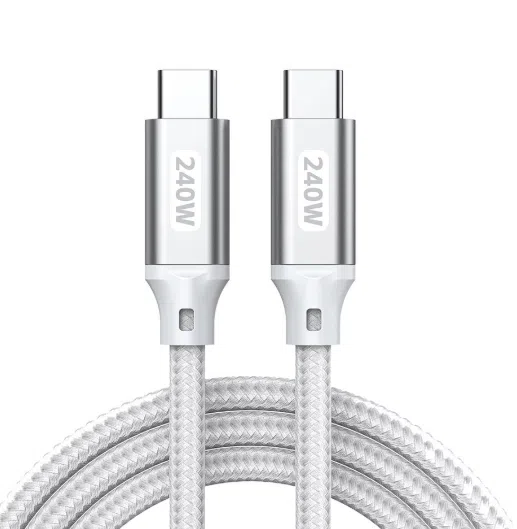
What Is a 240W USB-C Cable?
How Does USB PD 3.1 Enable 240W Charging?
USB-C charging technology has evolved significantly over recent years.
Earlier USB Power Delivery standards commonly supported:
60W charging
100W charging
140W charging
With USB PD 3.1 EPR technology, compatible USB-C cables can support:
Up to 240W power delivery (48V × 5A)
| USB-C Standard | Maximum Power | Typical Application |
|---|---|---|
| USB PD | 60W | Smartphones, tablets |
| USB PD 3.0 | 100W | Ultrabooks, laptops |
| USB PD 3.1 SPR | 140W | Professional laptops |
| USB PD 3.1 EPR | 240W | Gaming laptops, workstations |
A 240W USB-C cable does not simply transfer more electricity. It must safely manage:
Higher current flow
Increased heat generation
Signal integrity
Power negotiation communication
How Does a 240W USB-C Cable Work?
USB PD Power Negotiation Process
A high-power USB-C charging system includes three key components:
- Charger
- USB-C cable
- Device
Before high-power charging begins, these components communicate to determine:
Supported voltage
Maximum current
Cable capability
Charging profile
The cable must identify itself correctly before the charger releases 5A current.
Why Does a 240W USB-C Cable Need an E-Marker Chip?
What Is an E-Marker IC?
An E-marker USB-C cable contains a small electronic identification chip inside the connector assembly.
The chip stores important information:
Cable current rating
USB protocol support
Power capability
Data transmission capability
For 240W charging applications, a 5A-rated E-marker is required because the charger must confirm that the cable can safely handle high current.
A professional USB PD 3.1 cable manufacturer verifies:
E-marker programming
Power negotiation
Current capability
Charging stability
Material Science & Engineering Design of 240W USB-C Cables
Copper Conductor Design for High Current Charging
The internal conductor is one of the most important factors affecting cable performance.
A 240W USB-C cable requires:
Low electrical resistance
Efficient current transmission
Reduced voltage drop
Better heat control
Professional high-power cables typically use:
Pure copper conductors
Optimized AWG sizing
Multi-core power structures
Typical conductor selection:
| Power Rating | Recommended Wire Gauge |
|---|---|
| 60W USB-C Cable | 24–26 AWG |
| 100W USB-C Cable | 22–24 AWG |
| 240W USB-C Cable | 20–22 AWG |
Thicker conductors reduce resistance and help maintain stable charging during long-duration high-power operation.
Thermal Management in 240W USB-C Charging Cables
Why Heat Control Matters
Higher power transmission naturally creates more thermal stress.
Poor cable design may cause:
Excessive temperature rise
Charging instability
Reduced product lifespan
Safety concerns
A professional 240W USB-C cable design considers:
Conductor Structure
Larger copper conductors reduce heat generation.
Insulation Material
High-temperature insulation improves safety.
Outer Jacket Material
Common materials include:
TPU USB-C Cable Jacket
Advantages:
Excellent flexibility
Good temperature resistance
Premium touch feeling
Strong bending performance
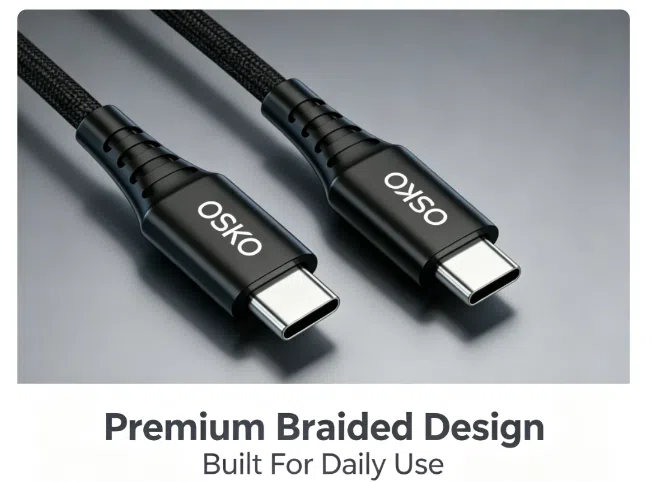
Nylon Braided USB-C Cable Design
Advantages:
Superior abrasion resistance
Premium appearance
Better mechanical protection
Reduced tangling
For premium retail products, many brands choose:
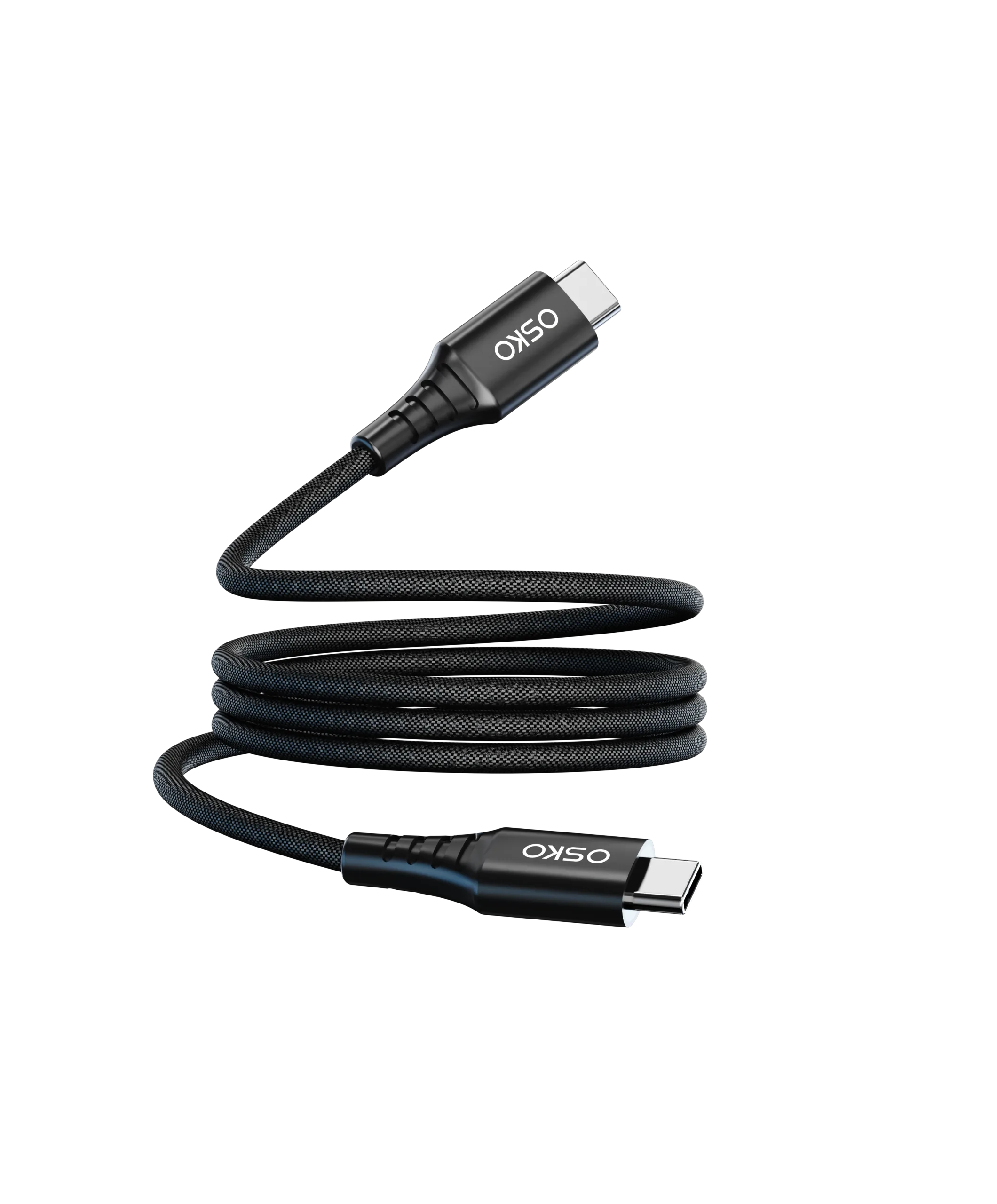
Custom braided 240W USB-C cables with private label packaging.
USB-C Connector Engineering for 240W Charging
Why Connector Quality Affects Reliability
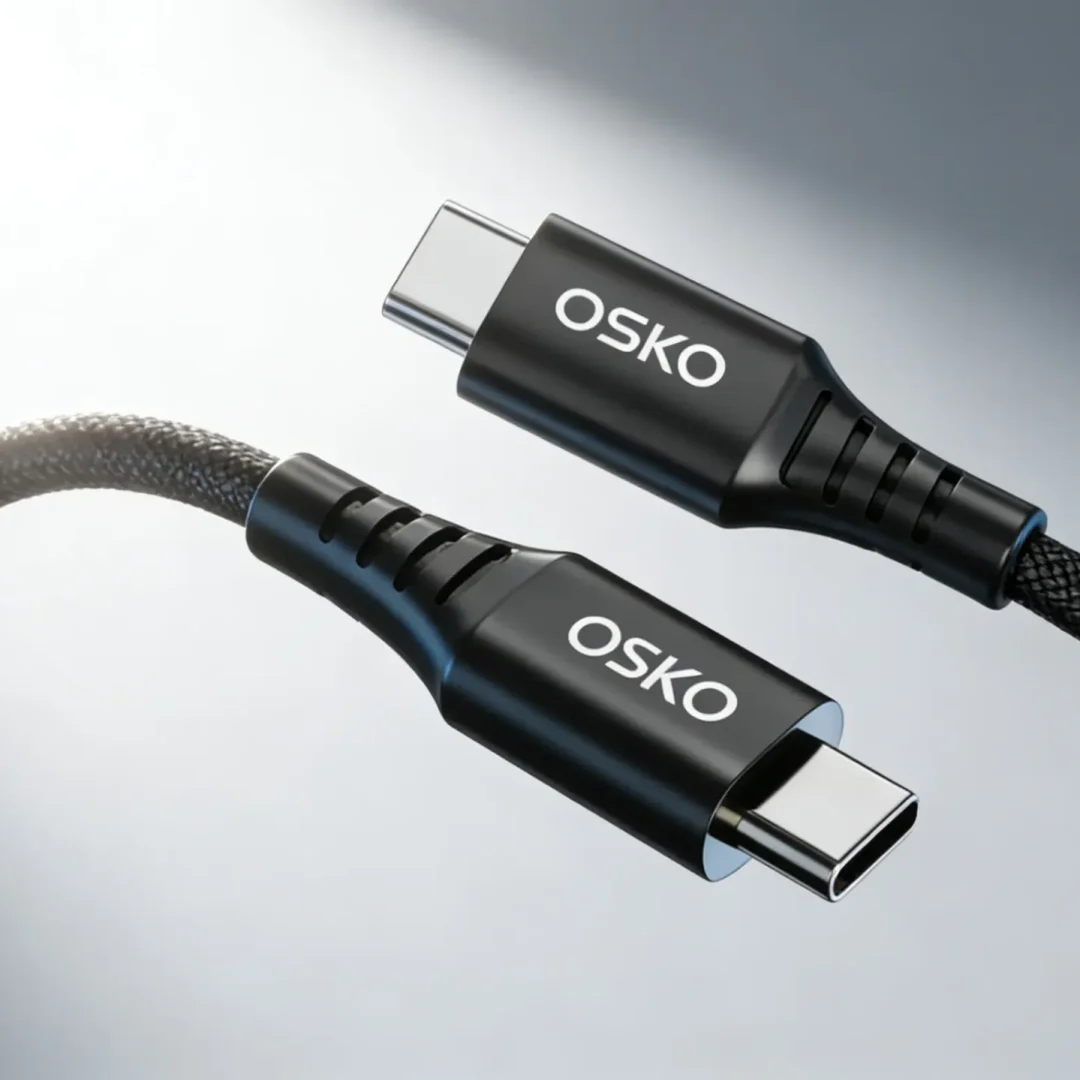
The USB-C connector is one of the most stressed components in a charging cable.
A premium connector requires:
Strong metal shell
Reliable contact terminals
Reinforced strain relief
Accurate assembly
Poor connector design may cause:
Loose connections
Charging interruption
Mechanical damage
Professional manufacturers perform:
Insertion cycle testing
Pull-force testing
Cable swing testing
High-current testing
240W USB-C Cable Applications
Where Are High-Power USB-C Cables Used?
| Application | Requirement |
|---|---|
| Gaming laptops | Continuous high-power charging |
| Professional laptops | Stable PD charging |
| USB-C monitors | Power + data transmission |
| Docking stations | Reliable power delivery |
| Enterprise equipment | Long-term durability |
As more devices adopt USB-C charging, the market demand for high power USB-C charging cables continues to grow.
Engineering Case Study: Developing a Premium 240W USB-C Cable Product Line
Customer Background
A European computer accessory brand planned to launch a premium charging cable series targeting:
Professional laptop users
Gaming customers
Online retail channels
Enterprise buyers
Their requirements included:
240W charging capability
Premium braided design
Custom branding
Stable mass production
Customer Challenge
The previous supplier provided standard 100W USB-C cables.
Problems included:
No USB PD 3.1 EPR support
Missing 240W testing capability
Limited connector options
No customized packaging support
From the procurement team’s perspective, the main risks were:
High return rates
Customer complaints
Compatibility problems
Brand reputation damage
OSKO Engineering Solution
OSKO developed a customized 240W USB-C cable solution.
| Requirement | Engineering Solution |
|---|---|
| 240W charging | USB PD 3.1 EPR design |
| High current | 5A E-marker chip |
| Durability | Nylon braided jacket |
| Heat control | Optimized copper conductor |
| Retail positioning | Custom packaging |
Production included:
OEM USB-C cable manufacturing
ODM product development
Private label packaging
Bulk production testing
The result was a stable premium charging product suitable for international retail markets.
How to Choose a Reliable 240W USB-C Cable Manufacturer
Technical Evaluation Checklist
Before placing bulk orders, buyers should verify:
Product Capability
Ask suppliers:
Does the cable support USB PD 3.1 EPR?
Is the E-marker chip verified?
What is the maximum tested power rating?
Are thermal tests available?
Manufacturing Quality
Check:
ISO9001 quality system
Production traceability
Material inspection
Final electrical testing
Certification Requirements
| Certification | Purpose |
|---|---|
| USB-IF | USB specification compliance |
| CE | Product safety |
| FCC | US electronic compliance |
| RoHS | Environmental compliance |
| ISO9001 | Manufacturing quality |
OEM Customization Options
Professional suppliers can provide:
Cable Specifications
Material Options
TPU jacket
Nylon braided
Custom colors
Branding
Logo printing
Custom packaging
Private label solutions
Common buyer searches include:
OEM 240W USB-C cable supplier
Custom USB-C charging cable manufacturer
Wholesale USB-C PD 3.1 cables
Private label fast charging cables
FAQ
What is a 240W USB-C cable?
A 240W USB-C cable is a high-power charging cable designed for USB PD 3.1 EPR technology, supporting up to 240 watts of power delivery.
Can every USB-C cable support 240W charging?
No. Only cables with suitable conductors, 5A E-marker chips, and proper testing can support 240W charging.
Does a 240W cable charge phones faster?
Not necessarily. Charging speed depends on device capability. A smartphone may only accept lower power levels.
Why is an E-marker chip required for 240W USB-C cables?
The E-marker allows the charger and device to confirm that the cable supports safe high-current operation.
What should buyers check when sourcing 240W USB-C cables?
OEM buyers should verify:
USB PD 3.1 support
E-marker certification
AWG conductor size
Thermal performance
Connector durability
Manufacturing certifications
Conclusion
The development of 240W USB-C cable technology represents a major advancement in universal charging solutions.
Unlike traditional USB cables, 240W solutions require:
USB PD 3.1 EPR technology
5A E-marker integration
Advanced conductor engineering
Thermal management design
Reliable connector construction
Professional quality testing
For brands, distributors, and electronics companies, selecting the right 240W USB-C cable manufacturer is essential for building reliable charging products.
A professional OEM supplier can provide complete support from engineering development and material selection to certification, testing, and mass production.
With the continued growth of high-performance USB-C devices, 240W charging cables will become an increasingly important category for the global electronics accessory market.