
Introduction
Choosing between a 3ft, 6ft, or 10ft charging cable may seem like a simple convenience decision, but in real-world engineering terms, cable length directly affects electrical resistance, charging efficiency, and user experience.
In USB-C fast charging systems, especially those used across North American and European markets, cable length must be balanced with material quality, conductor design, and power delivery requirements.
A shorter cable improves efficiency, while a longer cable improves usability. The optimal choice depends on where and how the device is used.

Material Science & Dielectric Properties
Cable length is not just a physical measurement—it directly impacts electrical behavior.
Resistance and Voltage Drop
As cable length increases, electrical resistance also increases.
This leads to:
Slight voltage drop over long distances
Reduced charging efficiency under high load
Increased heat generation in low-quality cables
High-quality USB-C cable engineering minimizes these effects through:
Oxygen-free copper conductors
Low-resistance internal wiring design
Optimized cross-sectional conductor area
This is why premium fast charging cable materials are critical for longer cables like 6ft and 10ft models
Signal Stability and Power Delivery
USB Power Delivery (USB-PD) systems require stable voltage negotiation between charger and device.
Longer cables introduce:
Higher signal attenuation risk
Increased electromagnetic interference sensitivity
Greater dependency on shielding quality
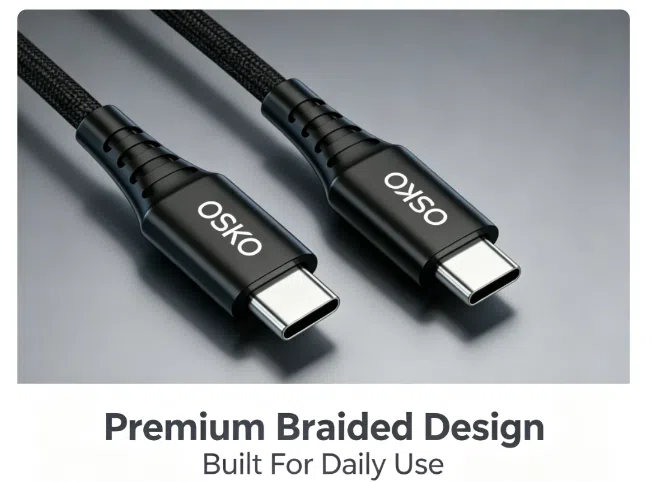
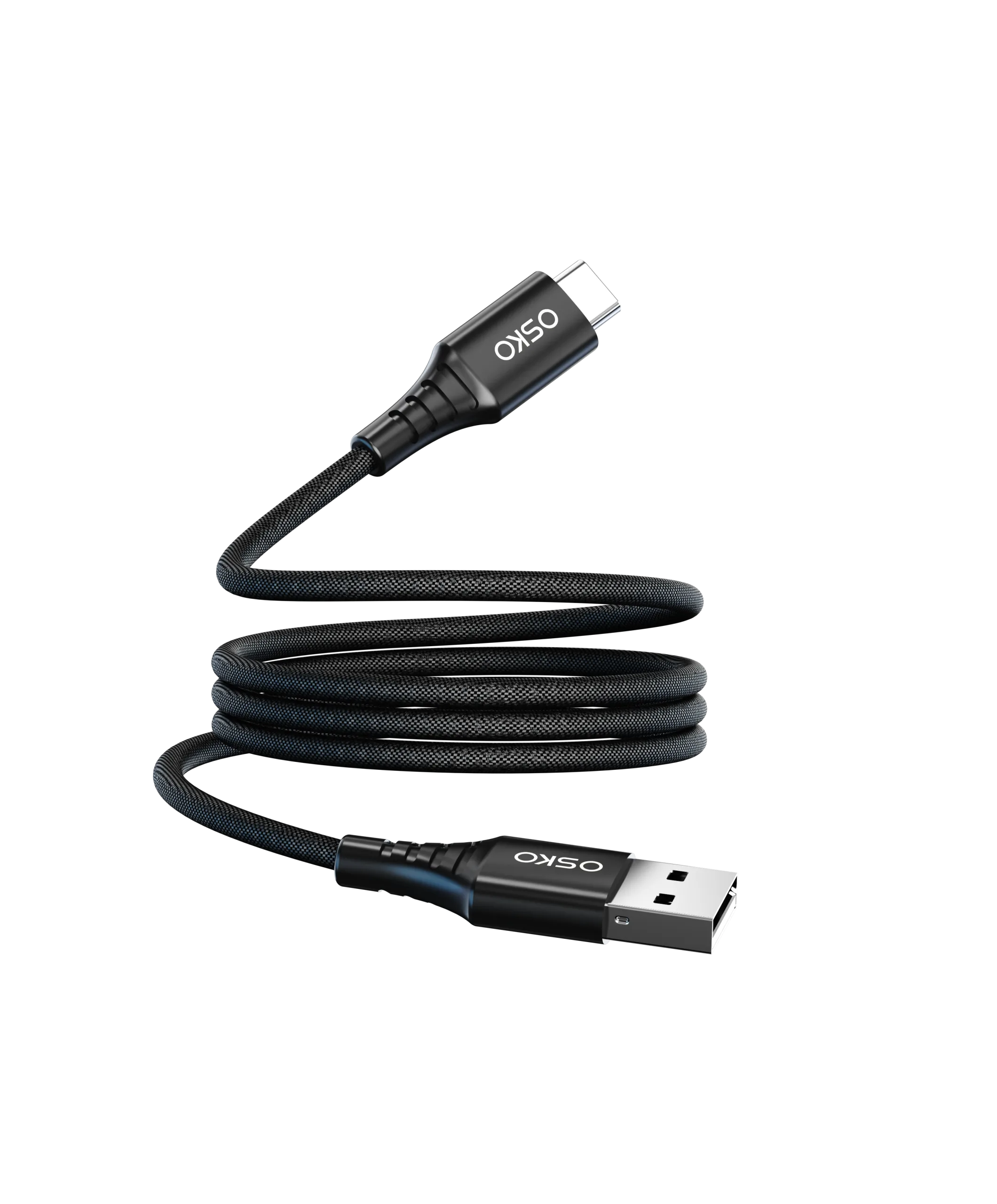
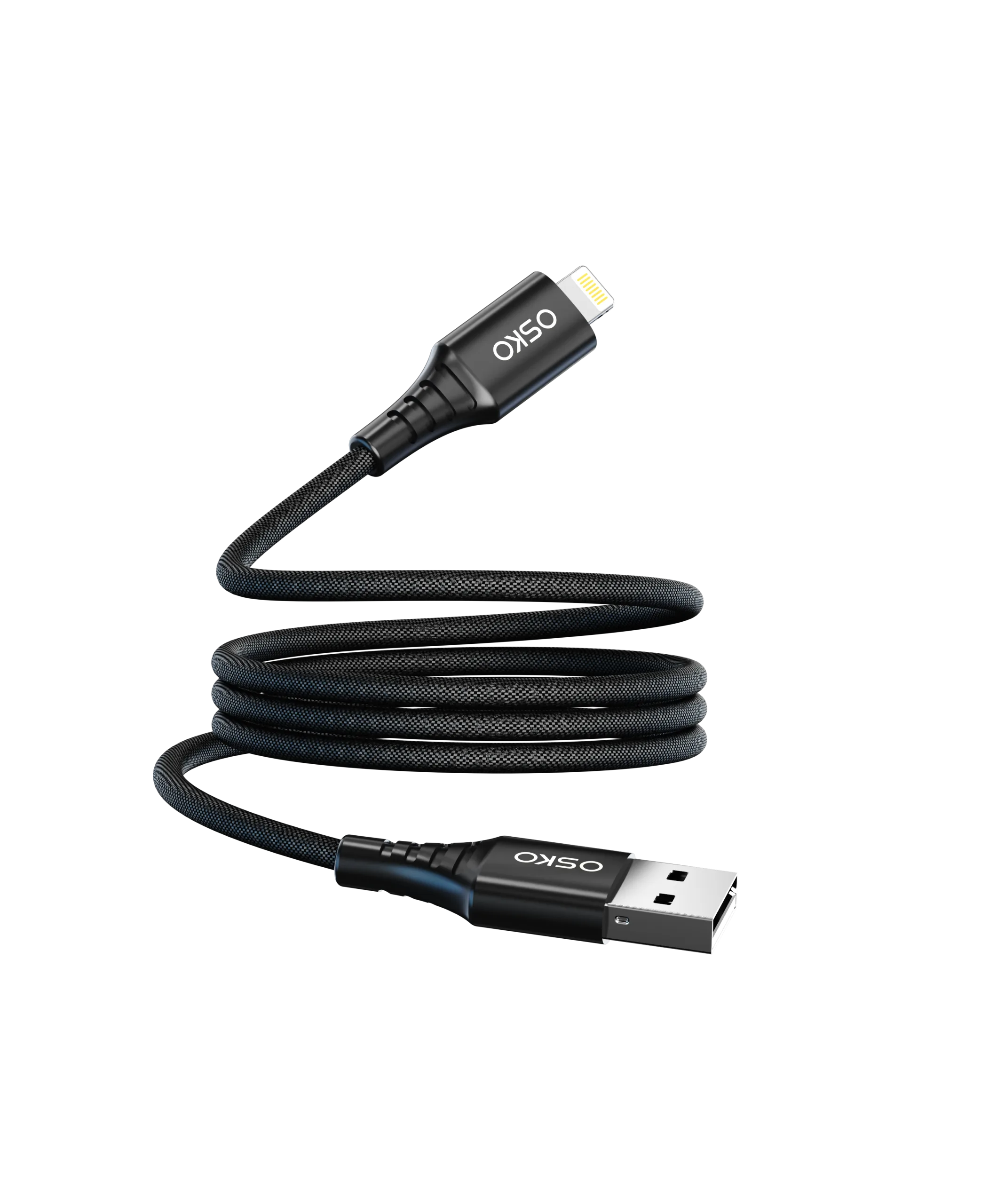
Premium designs from a braided USB-C cable factory use:
Aluminum foil shielding
Multi-layer EMI protection
Nylon braided outer jackets for mechanical stability
These structures ensure stable performance even at 6ft and 10ft lengths.

Mechanical Durability and Usage Cycles
Cable length also affects mechanical stress distribution.
Short cables concentrate bending stress near connectors
Long cables distribute stress but are more prone to tangling
Medium-length cables offer balanced mechanical behavior
This is why many OEM USB cable manufacturer designs optimize length based on target use environments.
Case Study
Global E-Commerce Cable Optimization Project
A US-based retailer selling USB-C accessories on Amazon and Shopify analyzed customer complaints across different cable lengths.
Customer Behavior Analysis
3ft cables were preferred for desk charging but considered too short for travel
6ft cables had the highest overall satisfaction rate
10ft cables were popular for home use but had mixed feedback on clutter and tangling
Engineering Problem
The main technical issues identified were:
Voltage drop in low-quality 10ft cables
Poor cable management in extended lengths
Inconsistent fast charging performance across suppliers
Misalignment between cable length and use case positioning
OSKO Engineering Solution
OSKO implemented a structured length-performance mapping system:
3ft cables optimized for desktop and power bank use
6ft cables designed for balanced portability and flexibility
10ft cables reinforced with improved shielding and thicker copper cores
OEM production included:
Bulk custom 6ft 10ft USB-C cables
OEM ODM custom length USB C cables
Custom packaging braided charging cable factory solutions
White label 240W fast charging cable wholesale integration for premium SKUs
Industry alignment included:
OEM USB cable manufacturing
ODM product customization
Wholesale distribution optimization
Results
After implementation:
Return rates decreased across all cable categories
Customer satisfaction improved for long cable performance
Charging consistency stabilized across devices
Retail conversion rates increased in US and EU markets
Selection Guide
3ft Charging Cable — High Efficiency Desktop Use
A 3ft cable is optimized for:
Desk charging setups
Laptop docking stations
Power bank short-distance charging
Advantages:
Lowest resistance and highest efficiency
Minimal energy loss
Easy cable management
Limitations:
Limited mobility
Not ideal for bed or sofa use
Common in Bulk short 3ft braided Type C cables product families (short variants for compact systems).
6ft Charging Cable — Balanced Performance Standard
A 6ft cable is the most widely used configuration globally.
It is suitable for:
Office environments
Home charging
Travel use
Multi-angle device usage
Advantages:
Balanced flexibility and performance
Good signal stability when properly engineered
Compatible with most fast charging systems
This category dominates wholesale 60w braided usb c cable and retail USB-C product lines.
10ft Charging Cable — Extended Reach Applications
A 10ft cable is designed for:
Large rooms and home environments
Gaming setups
Entertainment systems
Wall-mounted charging stations
Advantages:
Maximum flexibility and reach
Convenient for distant power sources
Engineering considerations:
Higher resistance requires better conductor design
Requires strong shielding to maintain stability
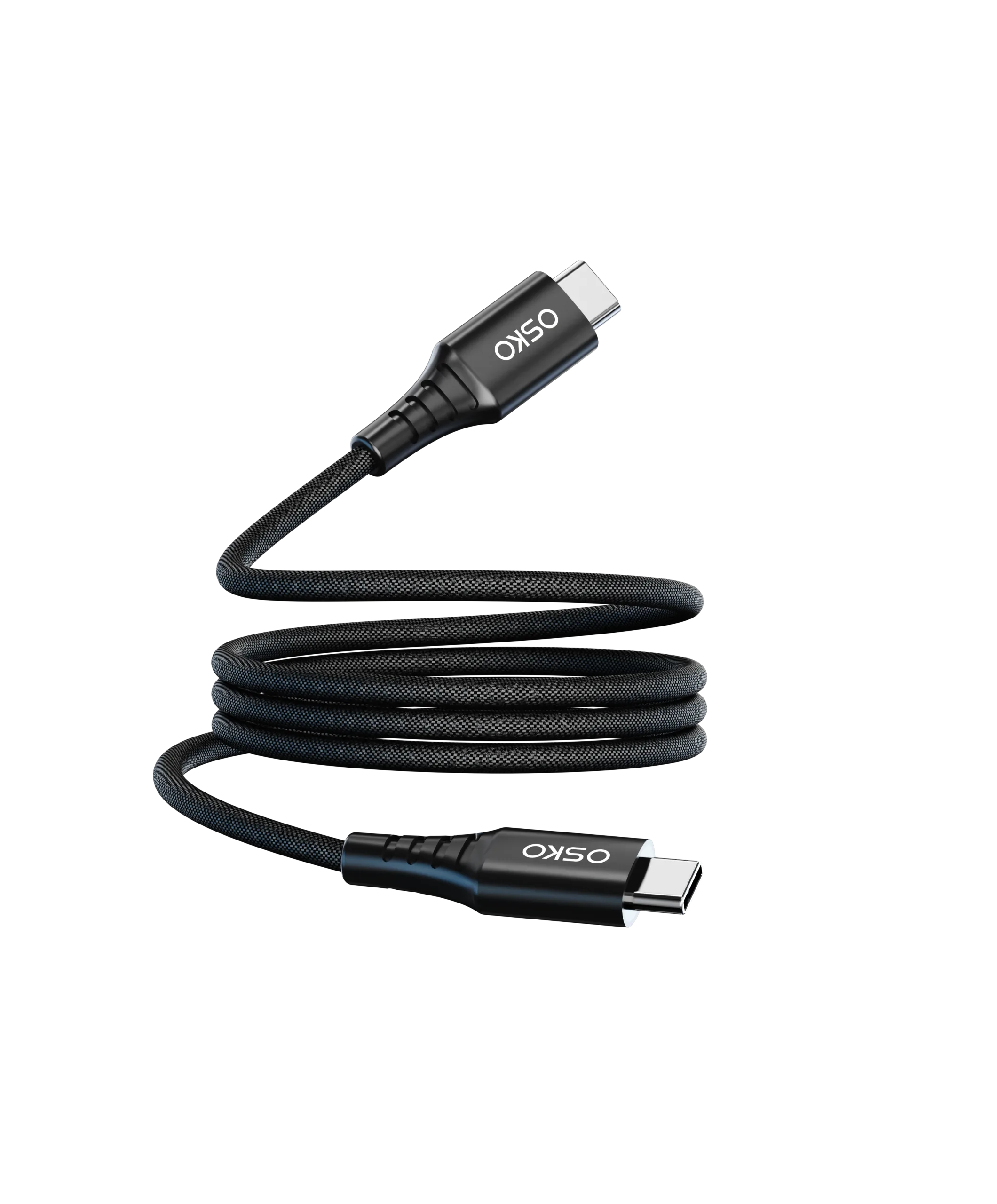
Often reinforced with braided structures
Premium versions include Tangle-free double-braided USB C cable whole designs for durability.
Application-Based Selection Table
| Cable Length | Best Use Case | Engineering Focus | Limitation |
|---|---|---|---|
| 3ft | Desk, power bank | Efficiency, low resistance | Limited mobility |
| 6ft | Home, office, travel | Balanced performance | Moderate tangling |
| 10ft | Living room, gaming | Reach + durability | Higher resistance risk |
FAQ
Does cable length affect charging speed?
Yes. Longer cables may introduce higher resistance, which can slightly reduce charging efficiency if material quality is low.
Is 6ft better than 3ft?
It depends on usage. 3ft is more efficient, while 6ft offers better flexibility.
Is a 10ft charging cable safe?
Yes, if it is properly engineered with high-quality copper and shielding such as USB-IF compliant Type C cable manufacturer standards.
Which cable length is best for fast charging?
6ft is generally the best balance between performance and usability.
Do braided cables improve long cable performance?
Yes. Braided designs improve mechanical durability and reduce internal stress over time.
Summary
Choosing between 3ft, 6ft, and 10ft charging cables depends on balancing electrical efficiency, mechanical durability, and real-world usage scenarios.
Short cables deliver the best performance with minimal resistance, medium cables provide the most balanced experience, and long cables offer maximum flexibility but require higher engineering standards to maintain performance.
From an OEM perspective, especially in North American and European markets, cable length must be matched with conductor quality, shielding design, and fast charging capability to ensure consistent user experience.
Ultimately, the best cable is not defined by length alone, but by how well its engineering design aligns with the intended application environment.