

Introduction
Choosing between a 60W USB-C cable and a 100W USB-C cable is a common challenge for users, retailers, and distributors who need reliable fast-charging solutions.
Many buyers assume that a higher wattage cable always charges devices faster. However, charging performance depends on the complete system:
Power adapter output
Cable power rating
Device charging capability
USB Power Delivery protocol
Cable internal construction
A 100W charger cannot deliver maximum power if it is paired with a cable that only supports 60W. Similarly, a 100W USB-C cable will not force a smartphone to charge at higher speeds if the device has a lower charging limit.
For consumers, selecting the correct cable prevents:
Slow charging
Unnecessary replacement costs
Cable overheating
Device compatibility issues
For businesses, understanding the difference between 60W vs 100W USB-C cables helps distributors, retailers, and OEM buyers create the right product portfolio for different markets.

Material Science & Dielectric Properties
Why 60W and 100W USB-C Cables Have Different Power Capabilities
The main difference between 60W and 100W USB-C cables is their ability to safely carry electrical current.
Power is calculated by:
Power (W) = Voltage (V) × Current (A)
USB-C Power Delivery systems commonly use:
5V
9V
15V
20V
A higher-power cable requires stronger internal components.
Internal Structure Comparison
A professional USB-C cable contains several important layers.
| Component | 60W USB-C Cable | 100W USB-C Cable |
|---|---|---|
| Conductor size | Standard | Larger conductor |
| Current capacity | Up to 3A | Up to 5A |
| Heat control | Standard design | Enhanced thermal control |
| E-marker chip | Optional | Usually required |
| Laptop support | Some laptops | Most laptops |
| Manufacturing cost | Lower | Higher |
The 100W cable generally requires an E-marker chip, which communicates cable capability between the charger and device.
60W USB-C Cable: Features and Applications
A 60W USB-C cable supports up to approximately:
20V × 3A = 60W
It is suitable for:
Smartphones
Tablets
Portable monitors
Ultrabooks
Power banks
Typical users include:
Home charging
Office desk setups
Travel charging
Common product requirements:
Flexible cable design
Compact size
Affordable pricing
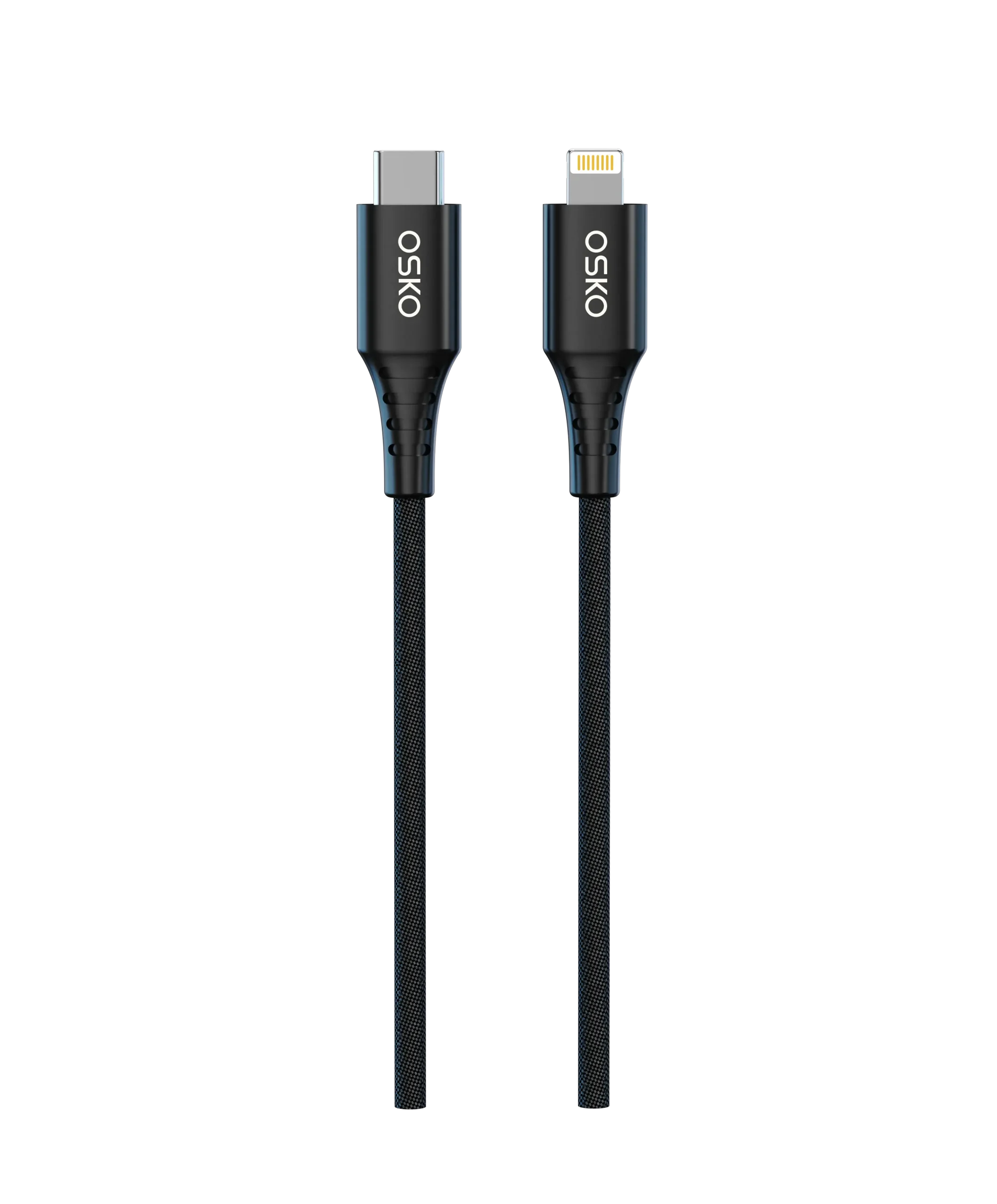
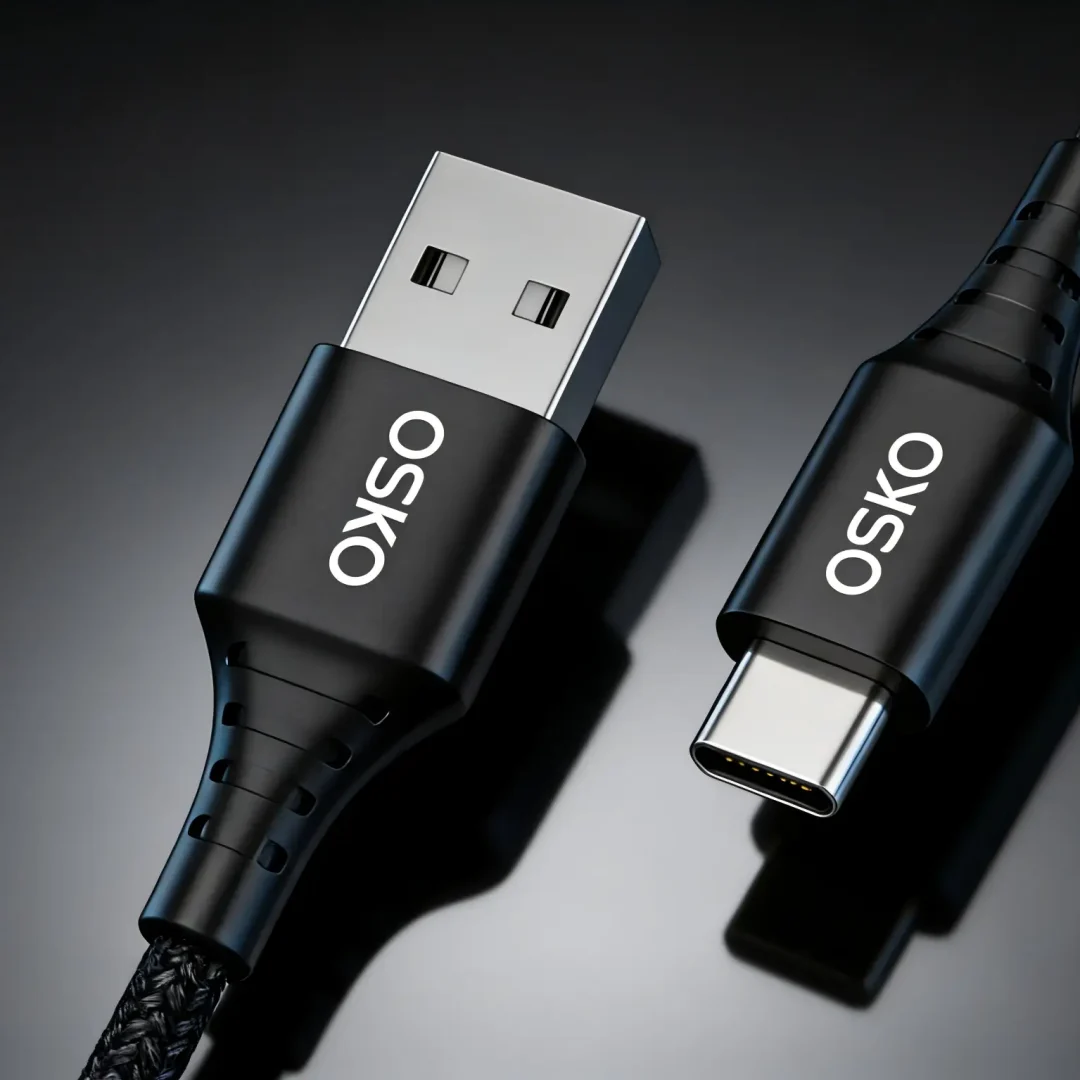
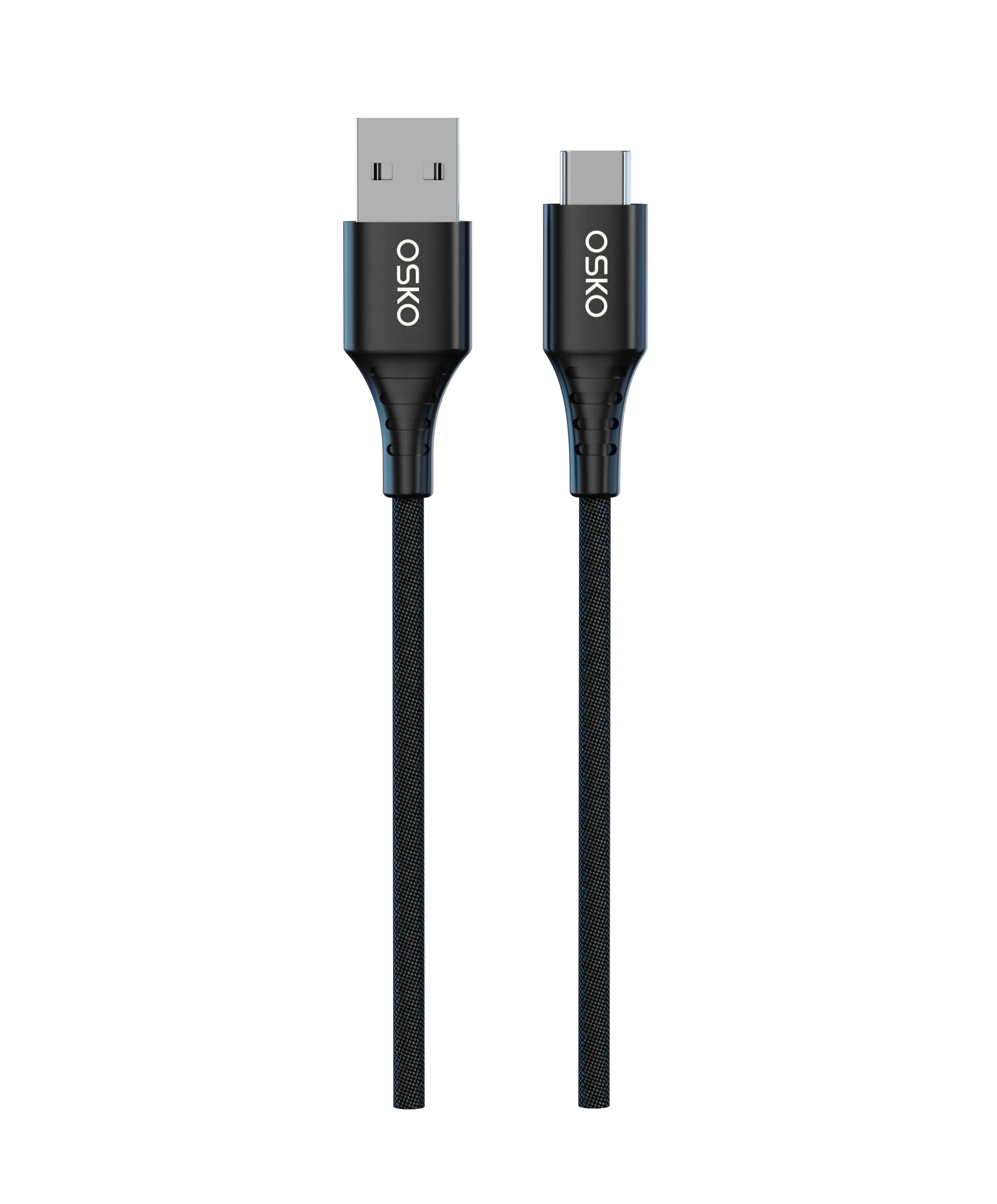
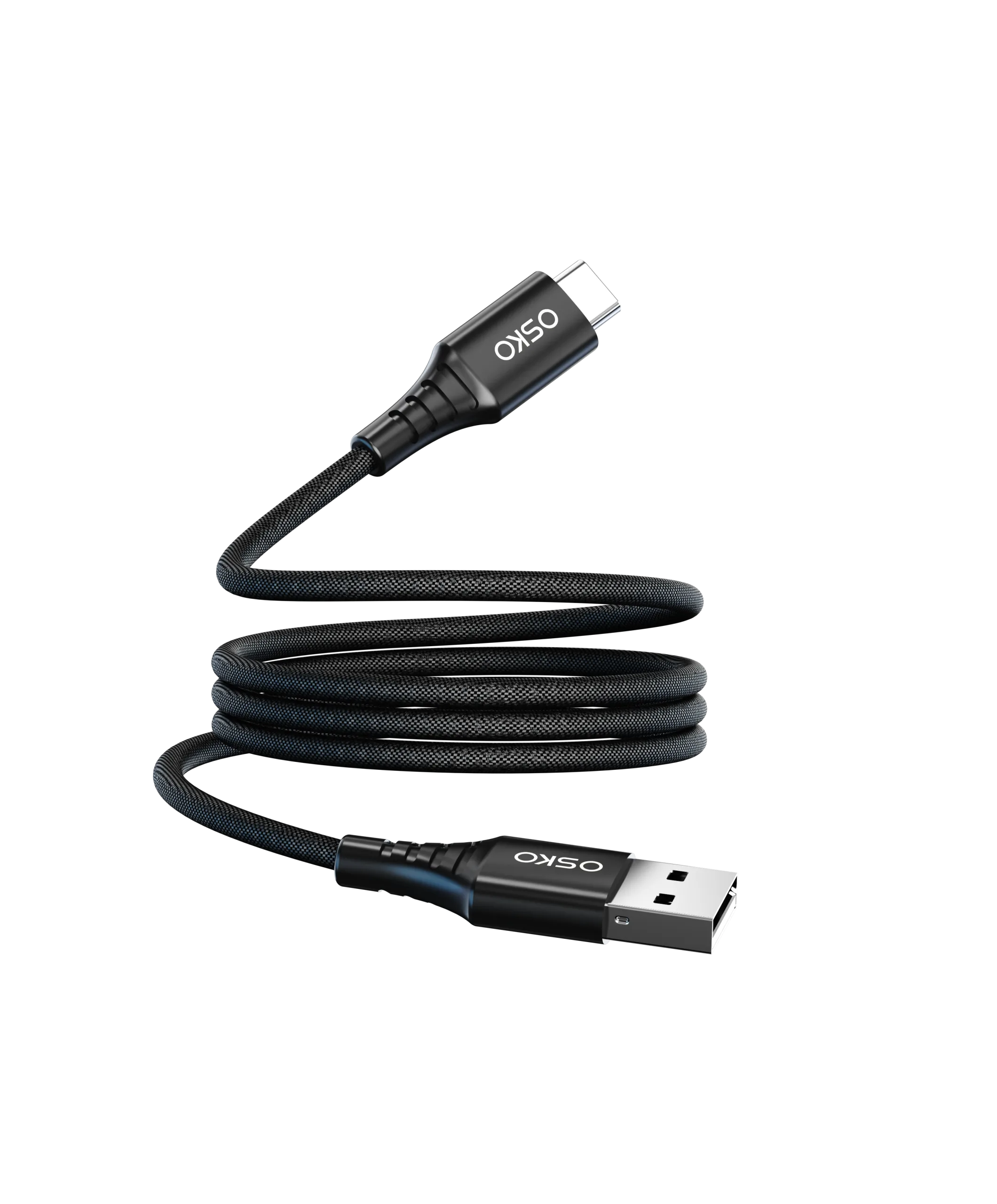
For wholesale markets, products such as wholesale 60w braided usb c cable are popular because they balance performance and cost.
100W USB-C Cable: Features and Applications
A 100W USB-C cable supports up to:
20V × 5A = 100W
It is designed for higher-power devices:
MacBook Pro
Gaming laptops
Workstations
USB-C monitors
High-capacity docking stations
Compared with 60W cables, 100W cables require:
Higher-quality conductors
Better heat management
Stronger connector reinforcement
A professional 100W USB-C charging cable manufacturer must control material quality carefully to ensure safe high-power charging.
Charging Performance Comparison
| Feature | 60W USB-C Cable | 100W USB-C Cable |
|---|---|---|
| Maximum Power | 60W | 100W |
| Current | 3A | 5A |
| Laptop Charging | Basic laptops | Professional laptops |
| Smartphone Charging | Excellent | Excellent |
| MacBook Pro | Limited models | Suitable |
| Gaming Laptop | Usually insufficient | Recommended |
| Price | Lower | Higher |
Device Compatibility Guide
Choosing the correct cable depends on the device.
| Device Type | Recommended Cable |
|---|---|
| iPhone with USB-C | 60W is sufficient |
| iPad Pro | 60W recommended |
| MacBook Air | 60W–100W |
| MacBook Pro 14-inch | 100W recommended |
| Gaming laptop | 100W+ |
| Power bank | 60W commonly used |
A higher-rated cable is usually backward compatible, meaning a 100W cable can safely work with lower-power devices.

Case Study
North American Electronics Distributor USB-C Cable Product Upgrade
Customer Background
A US electronics distributor supplied charging accessories through:
Online marketplaces
Retail stores
Corporate purchasing channels
Their product range included:
USB-C charging cables
Laptop accessories
Travel charging products
Desktop charging solutions
The company wanted to replace basic charging cables with a higher-performance product lineup.
Customer Challenges
Different Customer Requirements
The distributor found that customers had different needs:
Smartphone users wanted affordable cables
Laptop users required higher power
Business customers needed reliable charging
A single cable specification could not satisfy all markets.
Quality Problems From Previous Suppliers
Issues included:
Cable overheating
Inconsistent charging speed
Connector failures
OSKO Solution
OSKO developed two product categories:
60W USB-C Cable Series
Designed for:
Phones
Tablets
Portable devices
Features:
Lightweight structure
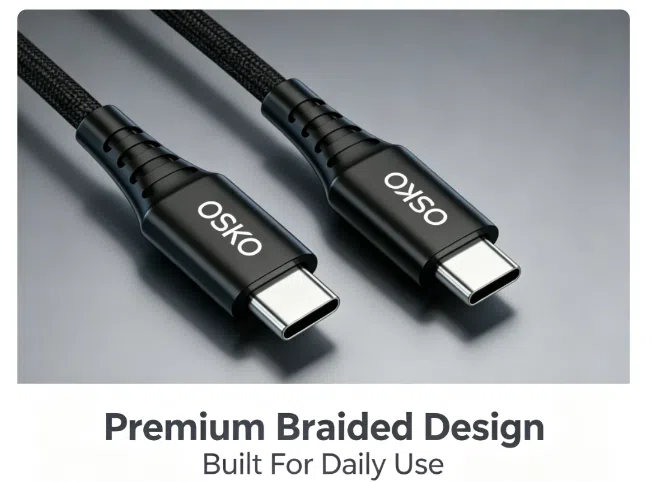
Nylon braided jacket
Cost-effective production
100W USB-C Cable Series
Designed for:
MacBook Pro
High-performance laptops
Features:
Higher current conductors
E-marker support
Reinforced connectors
The project supported:
OEM USB-C cable manufacturer
USB-C cable wholesale
Bulk USB cables
Private label USB-C cable
requirements.
Selection Guide
How to Choose Between 60W and 100W USB-C Cable
Choose 60W USB-C Cable When
A 60W cable is suitable if you need:
Smartphone charging
Tablet charging
Travel accessories
Standard office charging
Advantages:
Lower cost
Smaller size
More flexible
Choose 100W USB-C Cable When
A 100W cable is recommended for:
Laptop charging
Professional workstations
Gaming devices
High-power accessories
Advantages:
Higher power capacity
Better future compatibility
Supports demanding devices
OEM and Wholesale Buying Considerations
For distributors and brands, selecting a supplier requires evaluating:
| Factor | Importance |
|---|---|
| Power testing | Ensures rated performance |
| Material quality | Improves lifespan |
| E-marker support | Required for higher power |
| Factory capability | Stable production |
| Certification | Market compliance |
Professional suppliers should support:
OEM ODM custom length USB C cables
Heavy duty braided USB-C cable manufacturer
CE RoHS certified 240W USB C cable
Custom packaging braided charging cable factory
FAQ
Is a 100W USB-C cable faster than a 60W cable?
Only when paired with a compatible charger and device. The cable itself does not increase charging speed unless the complete system supports higher power.
Can I use a 100W USB-C cable with a 60W charger?
Yes. The device will charge according to the charger and device limits.
Can a 60W USB-C cable charge a MacBook Pro?
Some lower-power MacBook models may work, but many MacBook Pro models require 100W or higher charging capability.
Do 100W USB-C cables need an E-marker chip?
Yes. Most 100W USB-C cables require an E-marker chip to safely support higher current levels.
Are braided USB-C cables better for 60W and 100W charging?
Braided cables generally provide improved durability and abrasion resistance, especially for heavy daily use.
Summary
The difference between a 60W vs 100W USB-C cable is mainly related to power capacity, current handling, internal construction, and target applications.
A 60W USB-C cable is ideal for:
Smartphones
Tablets
Portable devices
A 100W USB-C cable is better for:
Laptops
Professional equipment
High-performance charging systems
For consumers, choosing the correct cable improves charging efficiency and safety.
For brands, retailers, and distributors, working with an experienced USB-C cable manufacturer ensures reliable engineering, customization options, and consistent bulk production.
As USB-C charging continues expanding across consumer electronics, selecting the right power-rated cable will remain essential for both everyday users and global accessory markets.
Contact Information
OSKO provides professional USB-C cable manufacturing solutions:
100W USB-C cables
240W fast charging cables
Braided USB-C cables
OEM and ODM USB cables
Private label charging solutions
Bulk wholesale production