
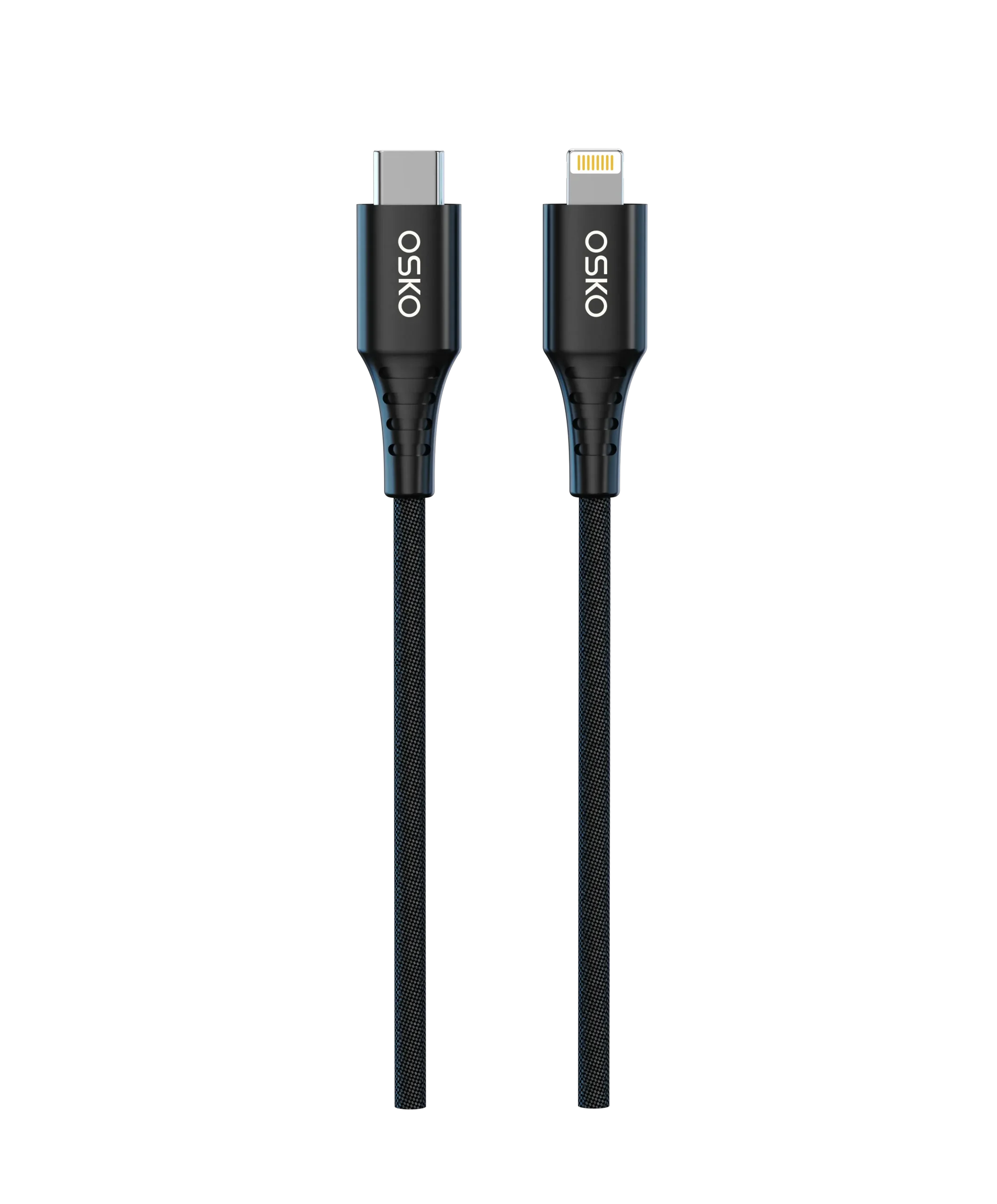
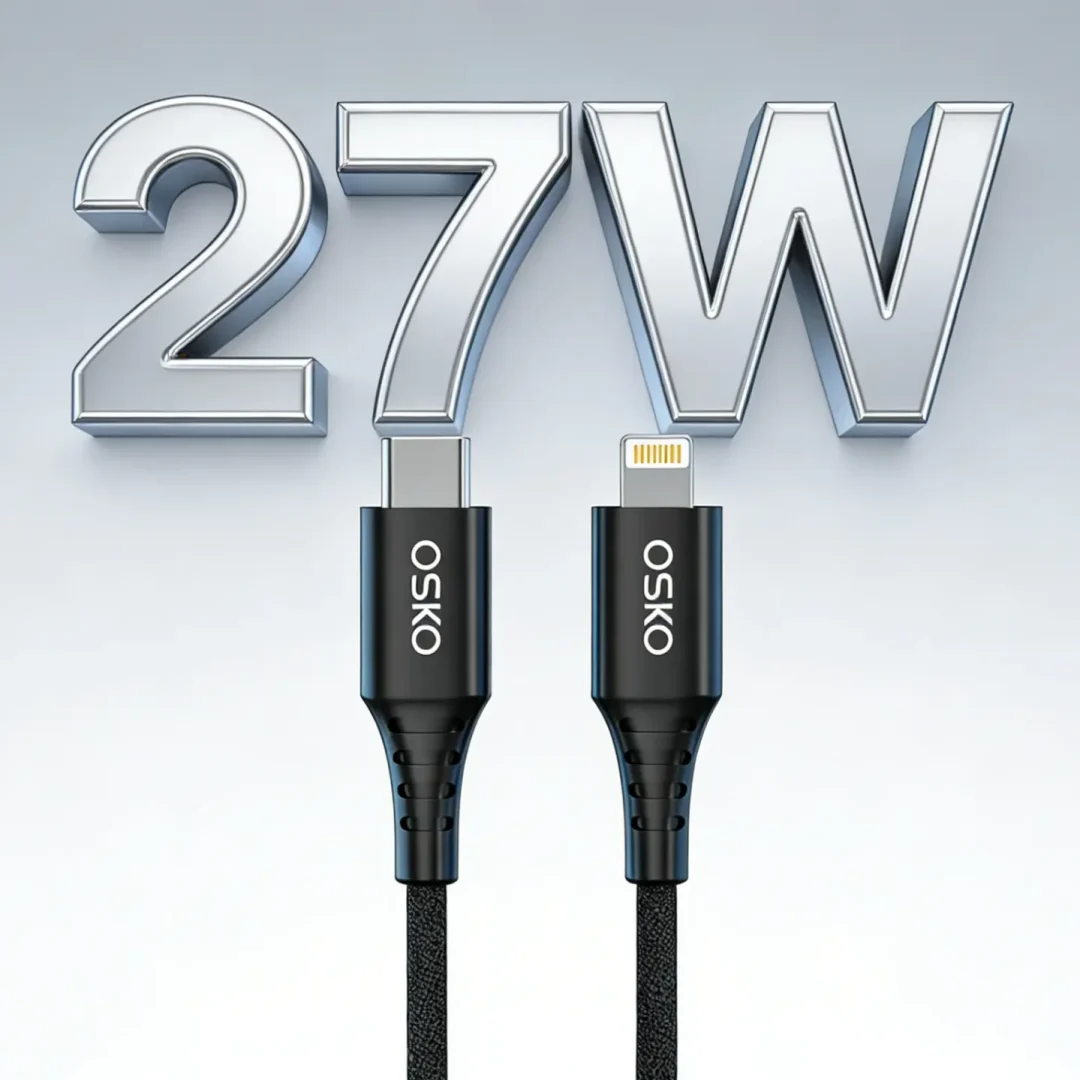
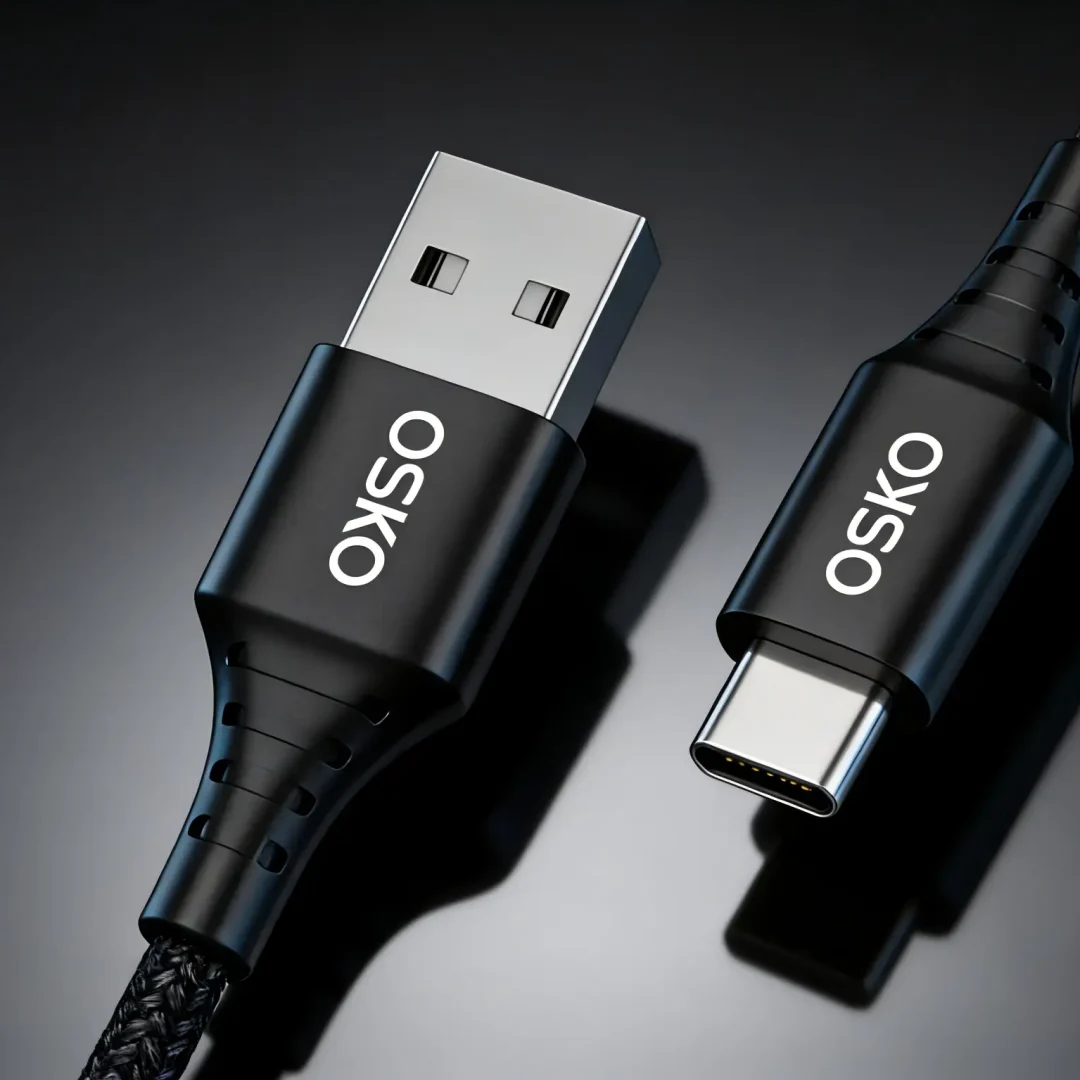
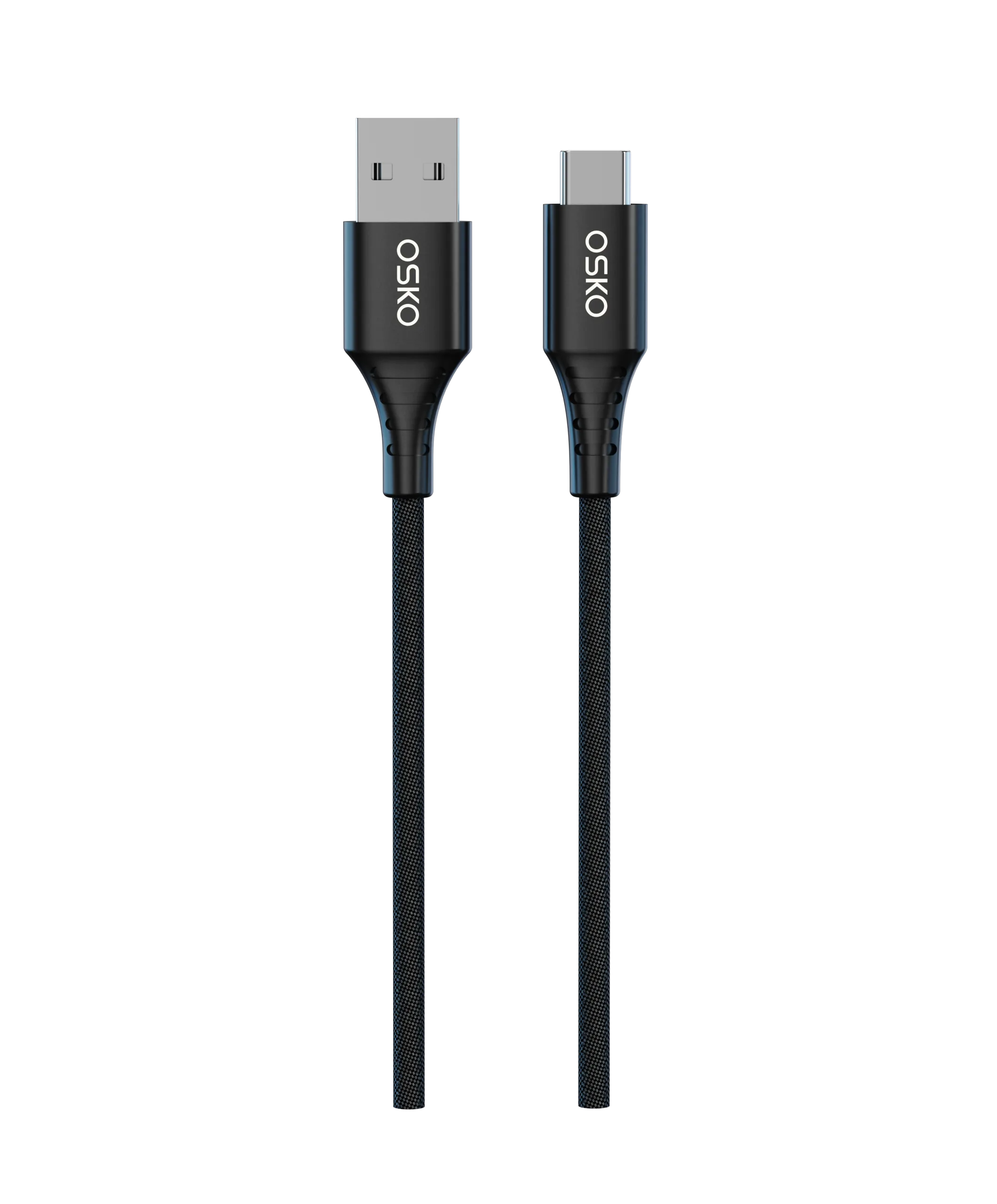
Introduction: Why Cable Construction Matters for Amazon Brands
USB-C charging cables are one of the most familiar accessories in the consumer electronics market. They are relatively compact, easy to bundle with other products, and used across smartphones, tablets, laptops, power banks, vehicles, desks, and travel setups.
But for an Amazon brand, selling another generic USB-C cable is not necessarily a strong product strategy.
The real challenge is differentiation.
A shopper comparing dozens of nearly identical listings is likely to notice differences in cable appearance, connector design, length, charging capability, durability claims, packaging, reviews, and perceived product quality before making a purchase.
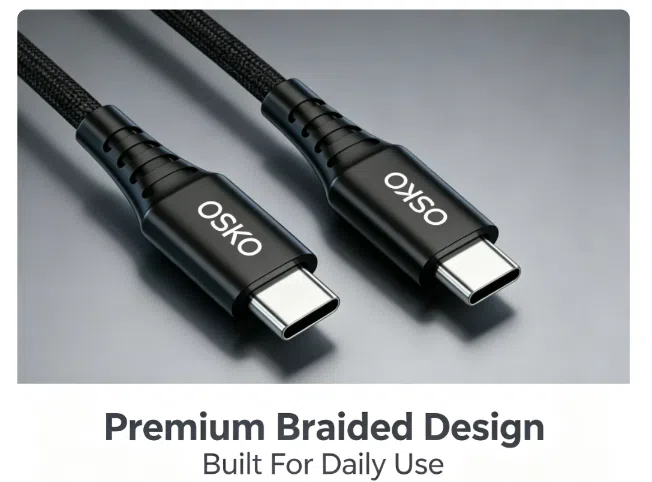
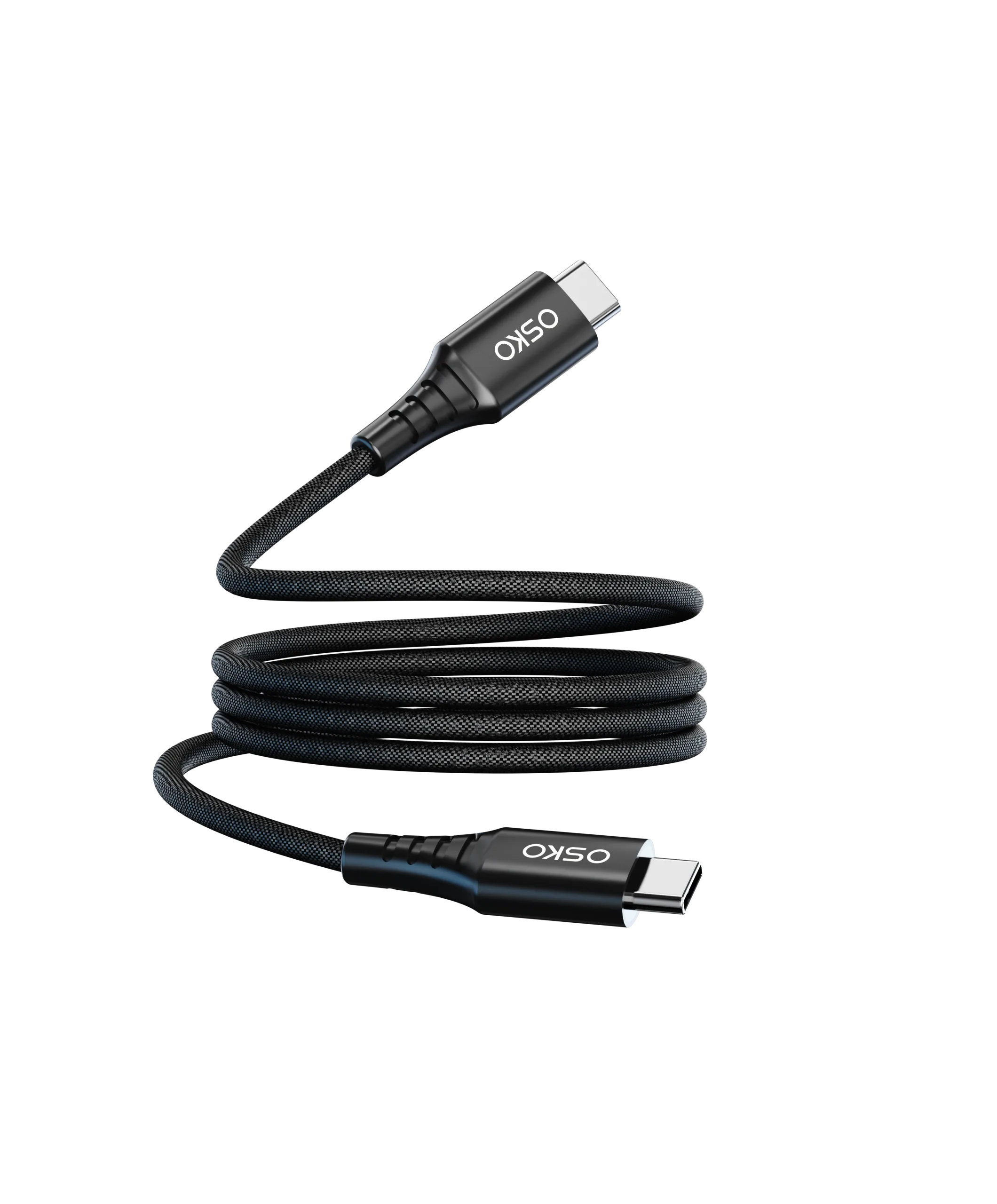
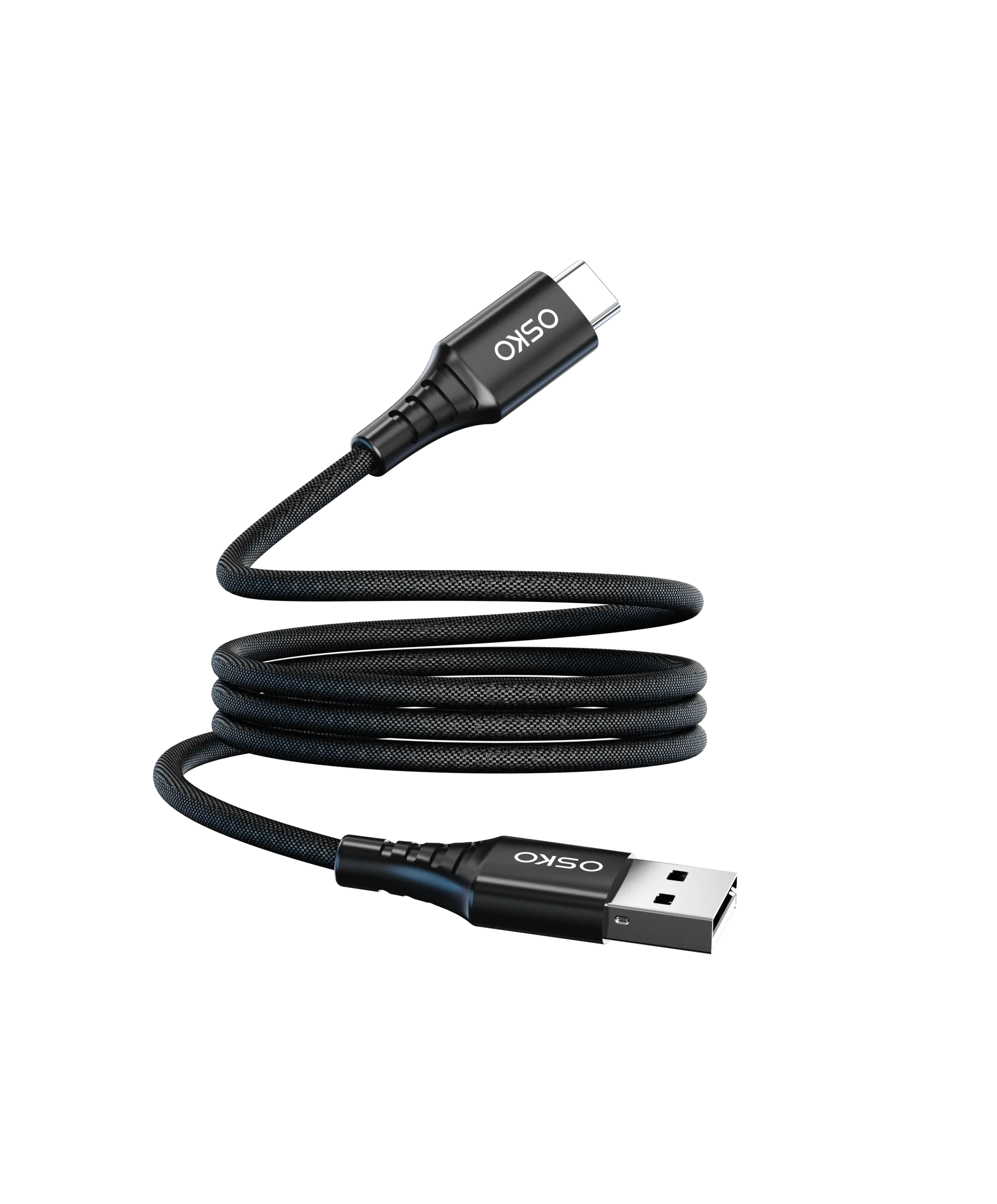
This is one reason nylon braided USB-C cables have become an important product format for brands targeting the premium and mid-range accessory market. A woven outer jacket can create a more substantial visual and tactile impression than a basic smooth plastic cable, while the underlying cable construction can be engineered around the required charging, data, and mechanical performance.
For Amazon sellers, however, the braid itself is not the product strategy.
The stronger strategy is to combine:
A differentiated exterior design
Appropriate conductor construction
Reliable connector termination
Reinforced strain relief
Validated charging performance
Appropriate data capability
Consistent production quality
Accurate product claims
Professional private-label packaging
This guide explains how brands, wholesalers, and distributors can evaluate a nylon braided USB-C cable manufacturer and build a more competitive private-label cable program.
Why Nylon Braiding Creates a Premium Product Perception
When consumers shop online, they cannot physically inspect a cable before purchasing it.
That makes visual communication especially important.
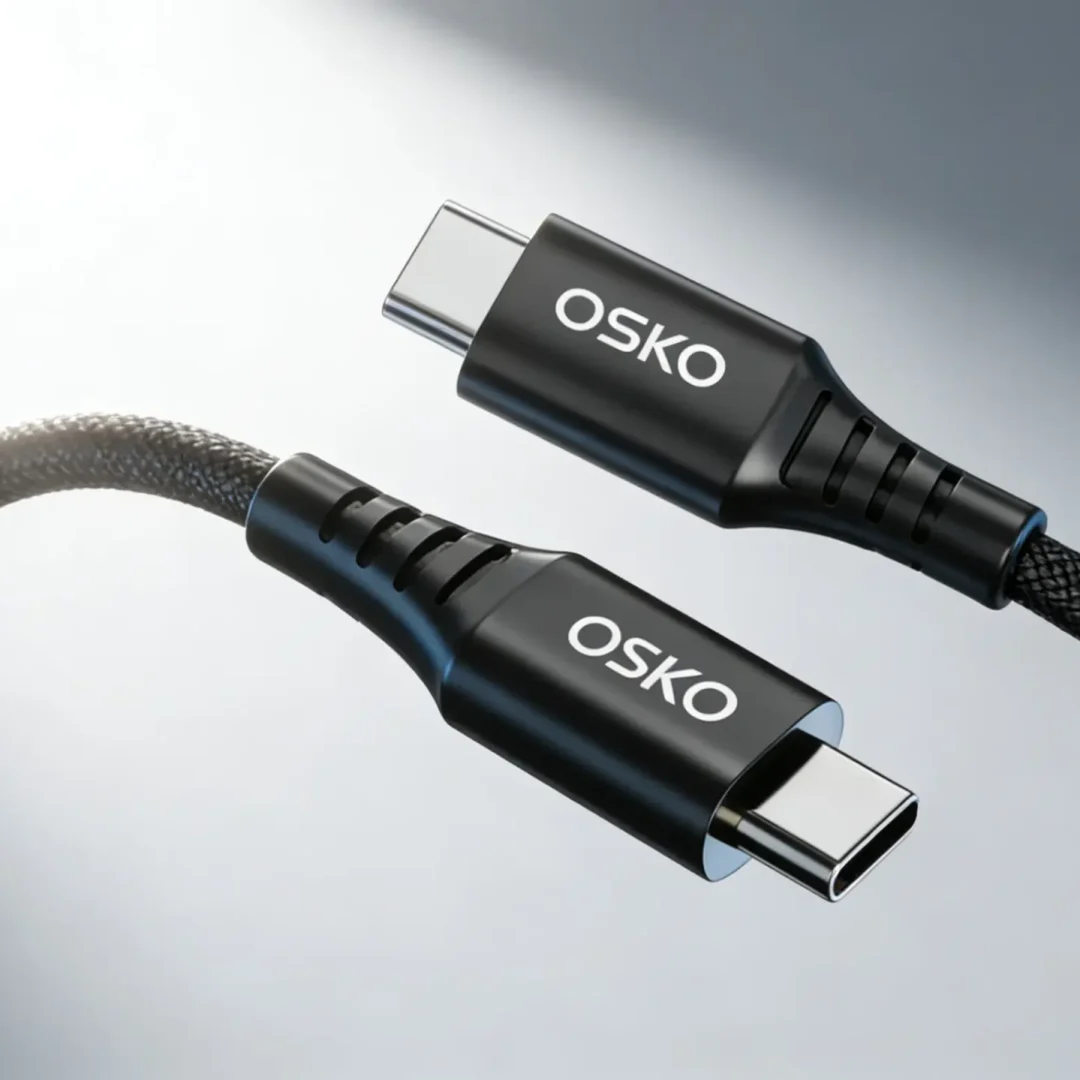
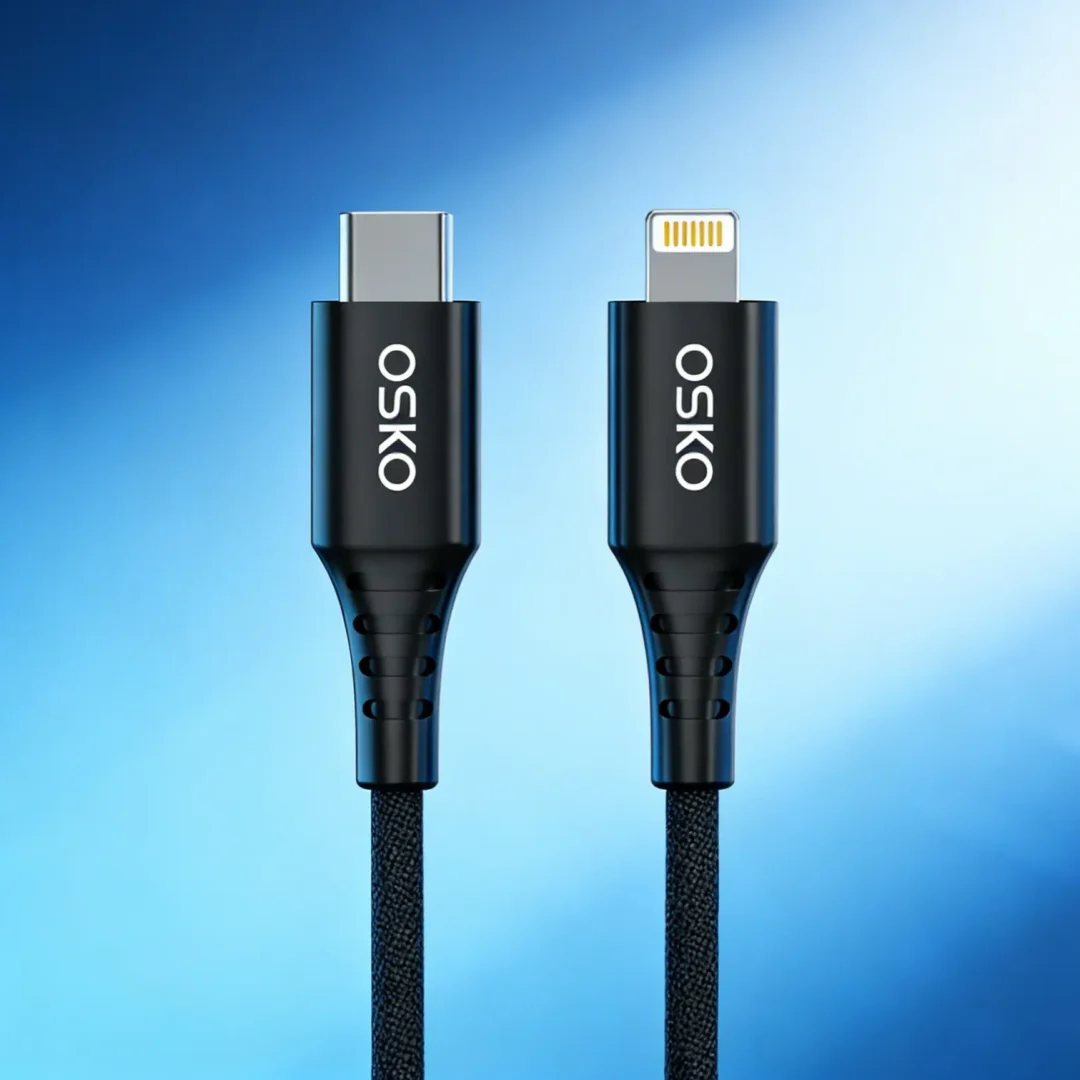
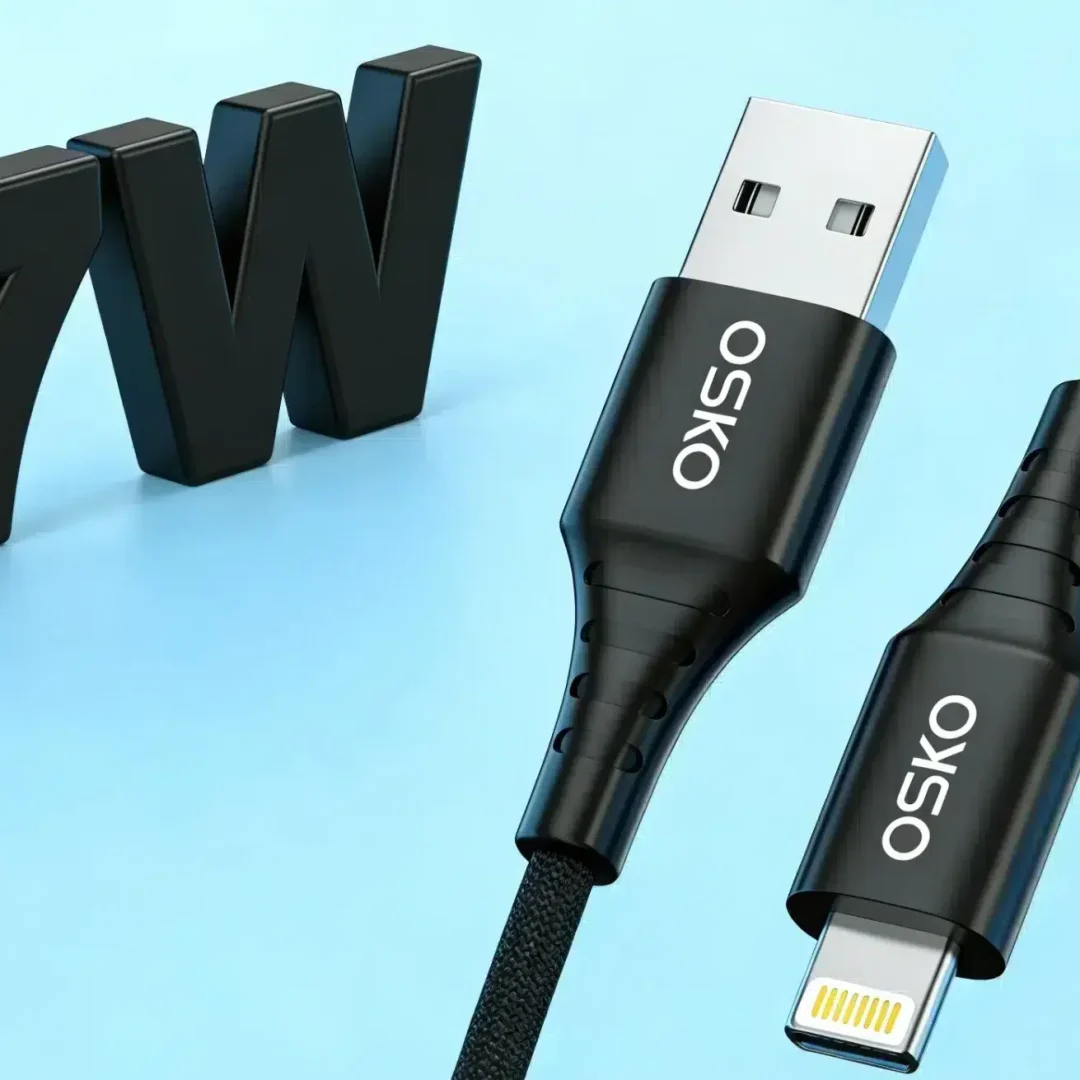
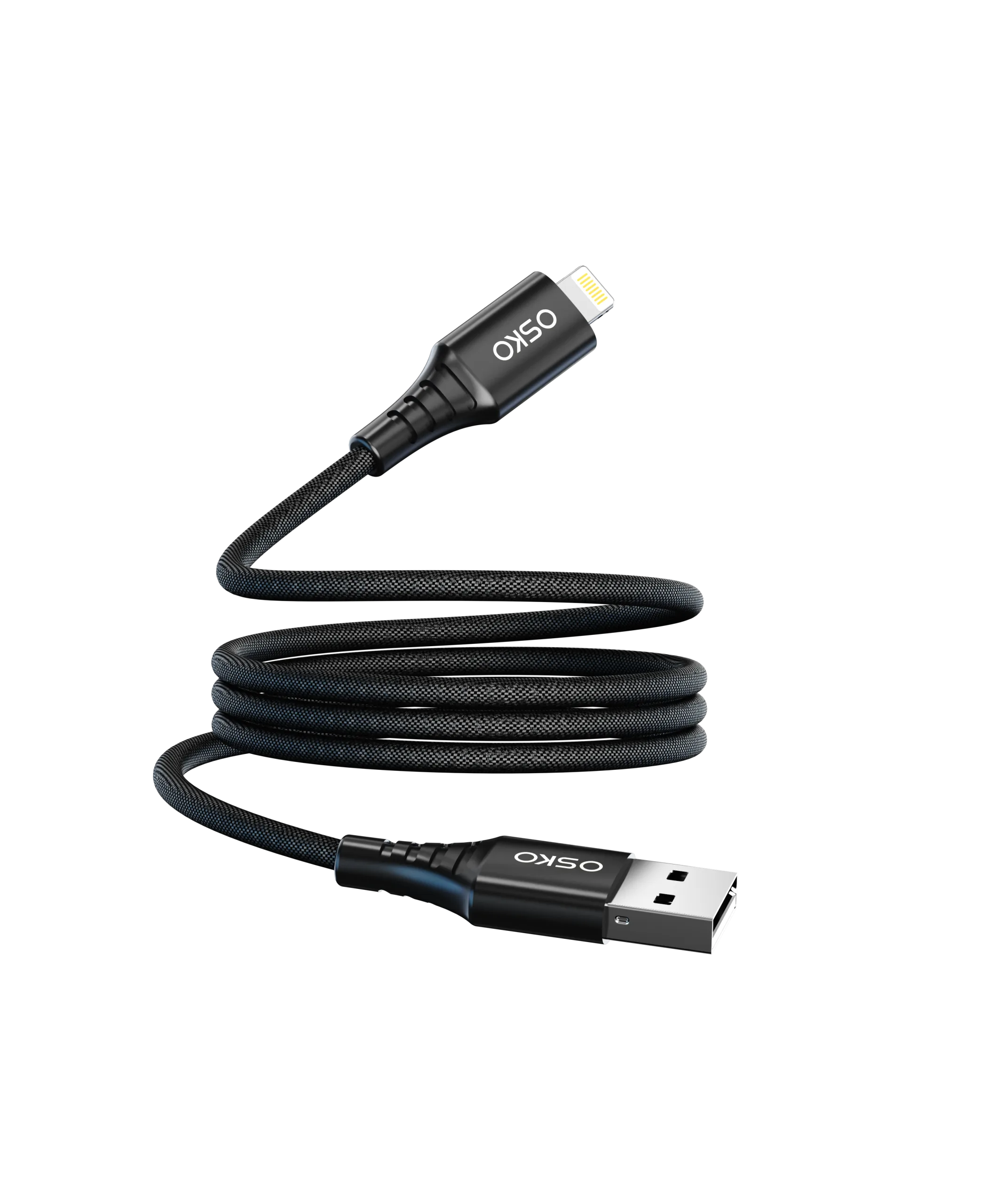
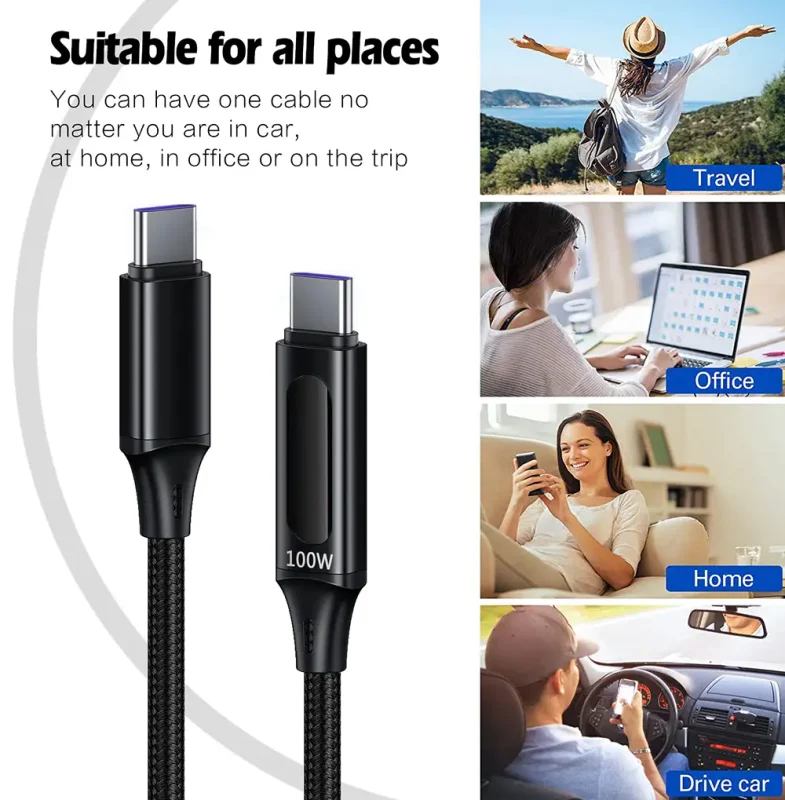
A high-quality woven jacket gives product photography more texture and depth. Close-up images can show the weave, connector housing, strain relief, and cable structure much more clearly than a basic smooth PVC or TPE jacket.
For Amazon brands, this can support a premium positioning strategy.
Nylon vs. Basic Plastic Cable Construction
| Feature | Basic Plastic Cable | Nylon Braided USB-C Cable |
|---|---|---|
| Exterior appearance | Simple | Textured and premium |
| Abrasion resistance | Depends on jacket material | Generally improved mechanical protection |
| Flexibility | Usually flexible | Depends on braid and inner construction |
| Tangle behavior | Design-dependent | Often perceived as easier to manage |
| Visual differentiation | Limited | Stronger |
| Private-label customization | Possible | Strong design opportunities |
| Premium positioning | More difficult | Easier to communicate visually |
It is important to keep the engineering distinction clear: nylon braiding does not automatically make a cable electrically better.
Charging speed, data performance, temperature behavior, and reliability still depend on the internal conductors, insulation, connector design, termination, cable geometry, and overall electrical engineering.
That distinction is important for both SEO credibility and Amazon product claims.
The Real Engineering Advantage: Mechanical Protection
One of the most common failure areas in charging cables is not necessarily the middle of the cable.
It is often the transition between the flexible cable and the rigid connector.
This area experiences repeated bending, pulling, twisting, and side loading.
That is why strain-relief design is an important consideration when sourcing a heavy duty braided USB-C cable.
A properly engineered strain-relief system can include:
Flexible TPU or equivalent overmolding
Controlled transition geometry
Adequate molding length
Strong conductor termination
Reinforced connector assembly
Controlled jacket-to-mold interface
The objective is not simply to make the cable look rugged.
The objective is to reduce mechanical stress transferred directly into the conductor and connector termination.
Why Bend Testing Matters
A manufacturer may advertise a cable as “durable,” but procurement teams should ask how durability was actually measured.
A useful factory validation program can include:
Bend-cycle testing
Connector insertion testing
Pull testing
Jacket abrasion testing
Strain-relief evaluation
Electrical continuity testing after mechanical testing
If a manufacturer claims 10,000, 20,000, or 30,000 bends, the buyer should also ask about the test conditions.
A bend number without information about bend angle, load, speed, fixture, and failure criteria is difficult to compare between suppliers.
For an Amazon brand, this matters because a technically defensible durability claim is much more useful than an impressive but poorly defined marketing number.
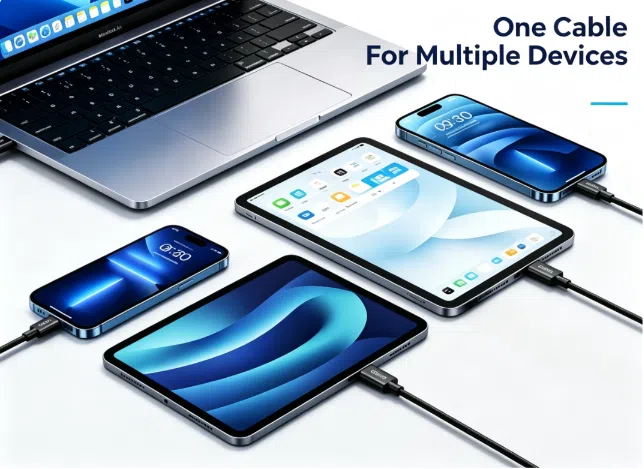
Nylon Braiding Is Only One Part of a High-Quality USB-C Cable
A premium nylon braided USB-C cable should be evaluated as a complete cable assembly.
The internal construction can include:
Copper power conductors
Data conductors
Insulation
Shielding where required
Drain wire where applicable
Filler or reinforcement
Outer jacket
Nylon braid
Connector assembly
Strain relief
Each layer has a different function.
Conductor Design
Power conductors affect voltage drop, current capability, resistance, and thermal behavior.
The appropriate conductor size depends on the cable specification, length, current requirement, construction, and applicable standard.
For this reason, a buyer should not assume that “20AWG” or “22AWG” automatically means better performance.
The complete electrical design matters.
Connector Termination
Connector quality can influence:
Contact resistance
Mechanical durability
Corrosion resistance
Electrical stability
Long-term reliability
Gold plating, for example, is primarily valuable for surface corrosion and contact reliability. It should not be marketed as a direct reason why a cable supports higher wattage.
Insulation and Jacket
The insulation system must provide appropriate electrical separation and mechanical protection.
The outer jacket and nylon braid then provide additional mechanical protection and visual differentiation.
This layered approach is especially important for brands looking for a custom braided USB-C cable manufacturer rather than a low-cost trading supplier.
Fast Charging: 60W, 100W and 240W USB-C Cables
One of the strongest commercial opportunities in the USB-C category is fast charging.
But Amazon brands need to be precise about power claims.
A USB-C cable does not independently “create” 60W, 100W, or 240W charging.
The actual charging result depends on the complete system:
Charger + cable + device + USB Power Delivery negotiation + cable capability
For example, USB PD 3.1 introduced Extended Power Range and enables compatible USB Type-C systems to support power levels up to 240W. USB-IF specifically describes 240W operation using full-featured USB Type-C cables and connectors.
That makes 240W USB-C cable wholesale an attractive high-spec product category, but only when the product is genuinely designed and validated for that specification.
Why E-Marker Matters
For higher-power USB-C cable designs, E-Marker implementation can be part of the required cable architecture.
USB-IF’s cable compliance information specifically includes E-Marker-related testing for cables that implement an E-Marker.
Therefore, an OEM buyer should ask the manufacturer:
Is an E-Marker required for the target specification?
Which E-Marker component is being used?
What power rating is the cable designed for?
Has the complete cable assembly been tested?
What power/data markings will appear on the packaging?
Are the product claims supported by test documentation?
This is much stronger than simply putting “240W” on an Amazon image.
USB4: A Different Engineering Category
USB4 cables require a different level of engineering from ordinary charging cables.
USB-IF describes USB4 as supporting multiple data and display protocols and current USB4 architecture includes operation up to 80Gbps with appropriate 80Gbps certified cables.
USB-IF’s current USB4 compliance materials also include testing for USB4 Gen2 at 20Gbps, Gen3 at 40Gbps, and Gen4 at 80Gbps.
For an Amazon brand, this creates an opportunity to build a premium USB4 cable OEM product line, but it should not be treated as simply “a braided cable with a better connector.”
High-speed cable engineering can require attention to:
Differential-pair geometry
Impedance control
Crosstalk
Insertion loss
Return loss
Shielding
Connector performance
Cable length
Signal integrity
High-frequency testing
A nylon braid is the exterior.
The high-speed electrical architecture is what determines whether the cable can reliably perform at the claimed data rate.
How Amazon Brands Should Think About Product Differentiation
The strongest private-label USB-C cable products do not rely on one feature.
They combine several product attributes into a coherent value proposition.
For example:
Premium positioning
Dense nylon braid
Aluminum alloy connector shell
Reinforced strain relief
100W or 240W charging capability where properly supported
Clearly specified data rate
Premium packaging
Everyday value positioning
Durable nylon braid
60W charging
USB 2.0 or appropriate data specification
3ft / 6ft options
Retail-friendly packaging
Competitive price
Professional connectivity positioning
USB4
High-speed signal integrity
Advanced shielding
40Gbps or 80Gbps capability where supported
Premium connector design
Professional testing documentation
This allows a brand to build multiple SKUs without simply creating different colors of the same generic cable.
Private Label Customization for Amazon USB-C Cable Brands
Private labeling becomes much more valuable when the cable itself has meaningful differentiation.
A professional private label USB-C cable manufacturer can typically help brands customize several areas.
Custom Cable Appearance
Possible options include:
Single-color nylon braid
Two-tone braid
Multi-color weave
Custom jacket colors
Matching connector shells
Matte or metallic finishes
Custom strain-relief colors
The objective is to create a recognizable visual identity across the product family.
Custom Logo
Branding can be applied through:
Laser engraving
Molded logo
Connector-shell branding
Printed jacket markings
Custom packaging
For premium products, laser engraving or molded branding can provide a more permanent appearance than conventional surface printing.
Custom Length
For the US market, common retail lengths can include:
3ft
6ft
10ft
But the correct SKU mix should be based on the target application.
A desk charging cable may require a different length strategy from a bedside cable, vehicle cable, laptop charging cable, or travel cable.
Longer does not automatically mean worse performance, but higher-speed and higher-power cable designs require appropriate electrical and mechanical validation at the selected length.
Amazon Packaging Strategy for Private Label USB-C Cables
The cable itself is only one part of the customer experience.
Packaging communicates:
Brand positioning
Product specifications
Compatibility
Charging capability
Data speed
Cable length
Quantity
Warranty information
Compliance information where applicable
A professional package should make the important specifications easy to understand.
For example:
OSKO Private Label USB-C Cable
100W Fast Charging
USB-C to USB-C
6FT / 1.8M
10Gbps Data
Nylon Braided
This is more useful than filling the front panel with vague words such as “Ultra Premium Super Fast Heavy Duty.”
The Amazon shopper needs to understand what the product actually does
Amazon Compliance: What Brands Need to Verify
Compliance is one of the most important parts of sourcing private-label electronics.
Amazon itself advises sellers to review product compliance, safety, and listing requirements and notes that requirements can vary by product.
Therefore, brands should not treat “CE, FCC, RoHS certified” as a universal checklist that automatically makes every USB cable compliant everywhere.
Different requirements apply to different products, jurisdictions, claims, and sales channels.
FCC
Do not automatically describe a passive USB cable as “FCC approved.”
Instead, determine whether the specific product configuration is subject to FCC requirements and what documentation is actually applicable.
RoHS
RoHS addresses restrictions on specified hazardous substances in electrical and electronic equipment.
For brands selling into Europe, the applicable EU requirements should be evaluated according to the specific product and supply chain.
CE
CE marking is associated with applicable EU harmonization legislation.
It should not be presented as a generic “quality certification” or as proof that a product has been universally approved by the European Union.
California Proposition 65
Prop 65 is particularly relevant to brands selling in California.
OEHHA explains that Proposition 65 concerns significant exposure to chemicals known to the State of California to cause cancer, birth defects, or other reproductive harm. Depending on the product and exposure, businesses may have warning obligations.
The important point for Amazon sellers is that Prop 65 is not simply a product certification.
A responsible OEM supplier should help the buyer identify materials and components that may require further assessment rather than simply claiming “Prop 65 certified.”
How to Evaluate a USB-C Cable Manufacturer
Choosing the factory is one of the most important decisions in a private-label program.
A supplier that can provide a low price is not necessarily capable of supporting a technically demanding Amazon product.
Before placing a production order, ask for:
Product Samples
Request physical samples matching the intended production specification.
Evaluate:
Connector fit
Cable flexibility
Braid quality
Strain relief
Charging performance
Data transfer
Connector finish
Packaging
Technical Documentation
Depending on the product, request relevant:
Product specifications
Test reports
Electrical test data
Mechanical test results
Material information
Compliance documentation
Certification records where applicable
Production Quality Control
A capable USB-C cable manufacturer should have a defined QC process covering:
Incoming materials
Connector assemblies
Conductor construction
Finished cable testing
Appearance inspection
Continuity
Charging performance
Data performance where applicable
Packaging inspection
OEM Capability
For brands, ask whether the supplier can support:
Custom logo
Custom cable color
Custom braid pattern
Custom length
Custom connector housing
Custom packaging
Private label
Sample development
Mass production
Quality inspection
This is where a factory can become a long-term product-development partner instead of simply being a source of inventory.
Engineering Case Study: Developing a Private-Label 100W Braided USB-C Cable
Consider a representative project for a US consumer electronics brand preparing a new private-label charging cable for Amazon.
The initial product concept was simple:
“Premium 100W braided USB-C cable.”
From an engineering perspective, this was not yet a complete specification.
The procurement team converted the marketing concept into a technical product definition:
USB-C to USB-C
6ft length
Target 100W charging capability
Defined data performance
High-density nylon braid
Reinforced strain relief
Custom metal connector housing
Private-label logo
Retail packaging
Production sample validation
The manufacturer then evaluated conductor construction, connector assembly, strain relief, cable geometry, and production testing against the target specification.
The Amazon content was subsequently structured around measurable product attributes instead of vague claims.
This approach gives the brand a much clearer connection between:
Product engineering → sourcing → quality control → listing content → customer expectation.
That is the real advantage of working with an experienced OEM USB-C cable manufacturer.
Why Amazon Brands Should Avoid the Cheapest Cable Supplier
The lowest factory quotation can be attractive during product development.
But cable products have a relatively low unit value, meaning a small number of product problems can quickly consume the original cost savings.
Potential problems include:
Inconsistent charging performance
Connector failures
Poor strain relief
Cable deformation
Incorrect product specifications
Packaging errors
Unstable production batches
Unsupported certification claims
Customer complaints
Returns and warranty replacements
The objective of professional sourcing is therefore not simply:
“What is the cheapest cable?”
It is:
“What specification can this supplier consistently manufacture at a commercially viable cost?”
That difference is especially important for Amazon brands building a long-term private-label product line.
Amazon US, Germany, Australia and Netherlands: B2B Search Intent
A strong international SEO strategy should reflect how procurement users actually search.
United States
Common commercial search patterns include:
nylon braided USB-C cable manufacturer
USB-C cable wholesale
private label USB-C cable
bulk USB-C charging cables
100W USB-C cable manufacturer
240W USB-C cable supplier
USB-C cable OEM China
Germany
German buyers may combine English technical terminology with German purchasing terms:
USB-C Kabel Hersteller
USB-C Kabel Großhandel
USB-C Ladekabel Hersteller
USB-C Datenkabel
100W USB-C Kabel
USB-C Kabel Lieferant
USB-C Kabel OEM
Australia
Search intent often combines application and purchasing terms:
USB-C cable supplier Australia
braided USB-C charging cable
USB-C cable wholesale
high quality USB-C cable
private label USB-C cable
USB-C charging cable manufacturer
Netherlands
Commercial searches can include:
USB-C kabel groothandel
USB-C kabel leverancier
USB-C datakabel
USB-C laadkabel
USB-C kabel fabrikant
braided USB-C cable supplier
For GEO, these variations are useful because a page can establish topical relevance around the broader entity:
USB-C cable → nylon braided cable → charging → data → OEM → private label → wholesale → manufacturer
rather than repeatedly forcing one exact keyword into every paragraph.
What Makes a Good Amazon USB-C Cable OEM Program?
A scalable program normally needs five connected elements.
Product Engineering
The cable must have a clear technical specification.
Customization
The manufacturer should be able to turn the specification into a differentiated product.
Testing
Performance and mechanical durability should be validated before mass production.
Compliance Documentation
Applicable market requirements should be identified before the product is launched.
Supply Chain Consistency
The production specification must remain consistent from sample to mass production.
For Amazon brands, these five areas are more important than simply finding a factory with the lowest quotation.
FAQ: Nylon Braided USB-C Cable OEM and Amazon Sourcing
Are nylon braided USB-C cables better than PVC cables?
Not automatically. Nylon braiding can improve mechanical protection and product appearance, but charging and data performance depend on the complete cable design.
Why are nylon braided USB-C cables popular for private-label brands?
They provide more visual differentiation and can support a premium product position. The woven construction is also useful for mechanical protection when properly engineered.
What is the best USB-C cable for Amazon sellers?
There is no single specification that fits every Amazon brand. The right product depends on target devices, charging requirements, data speed, length, price position, and customer use case.
Can I sell 240W USB-C cables on Amazon?
Yes, provided the product is legitimately designed for the claimed power capability and meets applicable Amazon and market requirements. USB PD 3.1 supports up to 240W over compatible full-featured USB Type-C cable and connector systems.
Does a 240W USB-C cable always charge a laptop at 240W?
No. Actual charging power depends on the charger, cable, device, USB PD negotiation, and the device’s own maximum charging capability.
Does every 240W USB-C cable need an E-Marker?
High-power USB-C cable designs can require E-Marker implementation depending on the applicable specification and cable configuration. Buyers should verify the exact design and compliance documentation rather than using “E-Marker” as a generic marketing term.
Are braided USB-C cables more durable?
The braid can provide additional mechanical protection, but durability depends on the complete construction, including conductors, jacket, connector termination, and strain relief.
Does nylon braiding prevent cables from tangling?
It can influence handling and flexibility, but “tangle-free” is a product-design claim that should be supported by the actual cable construction and tested user experience.
Is a USB4 cable the same as a 240W USB-C cable?
No. USB4 describes data and protocol capabilities, while 240W relates to USB Power Delivery capability. A cable can be designed around one or both capabilities depending on its specification.
Can I customize the braid color for my Amazon brand?
Yes. OEM cable manufacturers may offer custom braid colors, patterns, connector housings, logos, lengths, and packaging depending on MOQ and production capability.
What MOQ is typical for private-label USB-C cables?
MOQ varies by factory, product construction, customization, packaging, and testing requirements. For a fully customized OEM cable program, the MOQ is normally higher than for standard stock products.
What should I ask a USB-C cable manufacturer before ordering?
Ask about the exact charging specification, data rate, cable length, conductor construction, connector design, strain relief, test methods, compliance documentation, customization options, MOQ, lead time, and sample approval process.
Can a factory provide samples before mass production?
A professional OEM supplier should normally be able to provide samples for product evaluation before a large production order, subject to the product and customization requirements.
Summary: Build the Cable Around the Brand, Not Just the Connector
The opportunity in the Amazon USB-C category is not simply to sell another cable.
The stronger opportunity is to develop a product with a clear reason for consumers to choose it.
A nylon braided USB-C cable can provide an effective foundation for that strategy because the woven exterior creates visual differentiation and can contribute to mechanical protection. But the braid alone is not enough.
A competitive private-label cable should combine:
Appropriate conductor design
Reliable connector construction
Reinforced strain relief
Validated charging capability
Clearly specified data performance
Appropriate shielding where required
Mechanical testing
Consistent production QC
Accurate compliance documentation
Professional packaging
Brand-specific customization
For higher-end products, USB PD 3.1 and USB4 can create additional opportunities, but these specifications require genuine engineering validation rather than simply adding “240W” or “40Gbps” to an Amazon title.
OSKO is a professional USB cable manufacturer specializing in OEM and ODM charging cable solutions for brands, wholesalers, distributors, and retailers.
Our capabilities can support custom USB-C cable projects covering cable construction, nylon braiding, connector design, logo customization, packaging, samples, production, and quality control.
If you are sourcing private label USB-C cables, bulk nylon braided charging cables, 240W USB-C cables, or custom USB-C products for Amazon and other retail channels, send us your target cable type, length, quantity, charging specification, data requirement, branding, and packaging requirements.
OSKO can help turn the initial product concept into a production-ready cable specification.