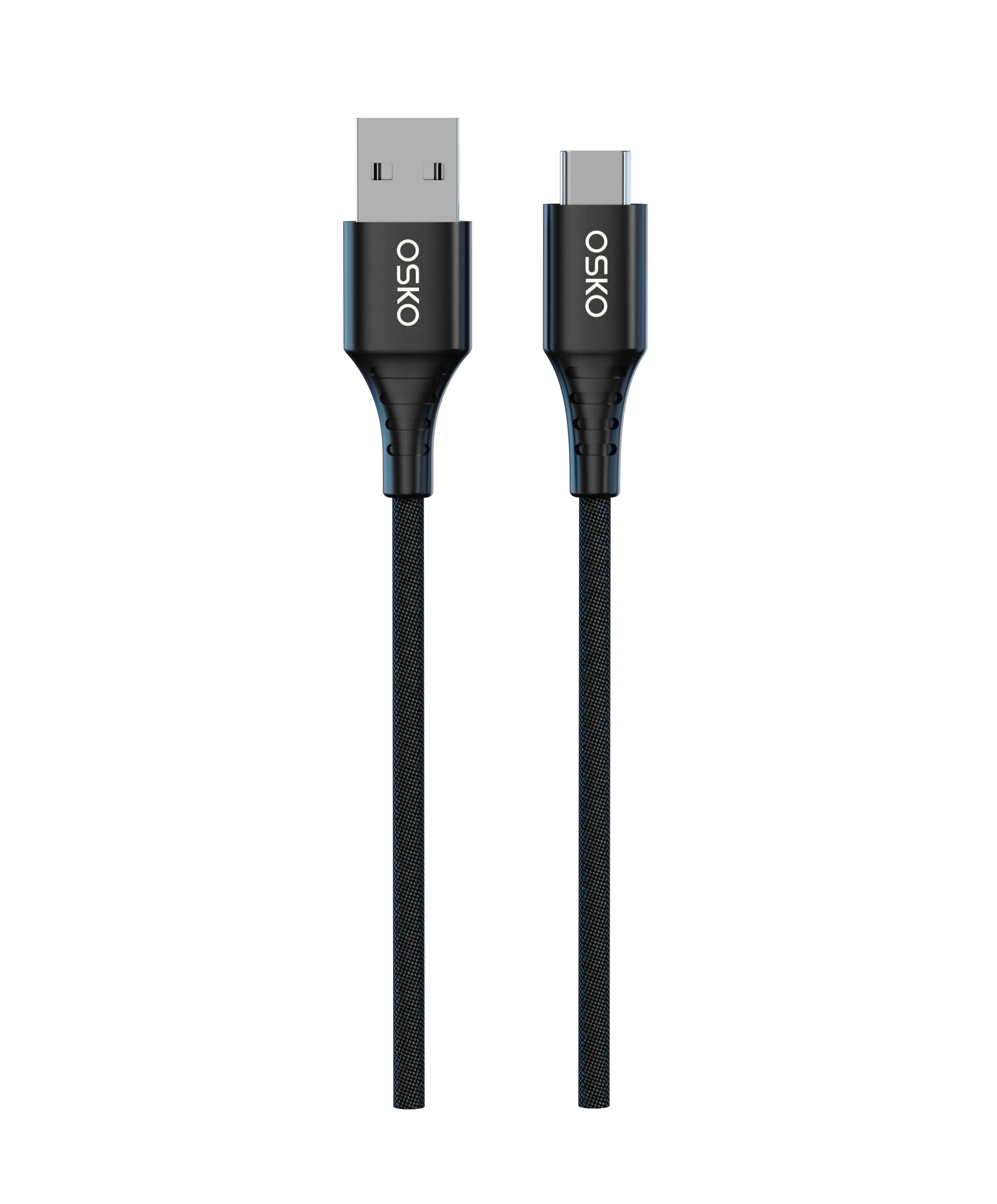
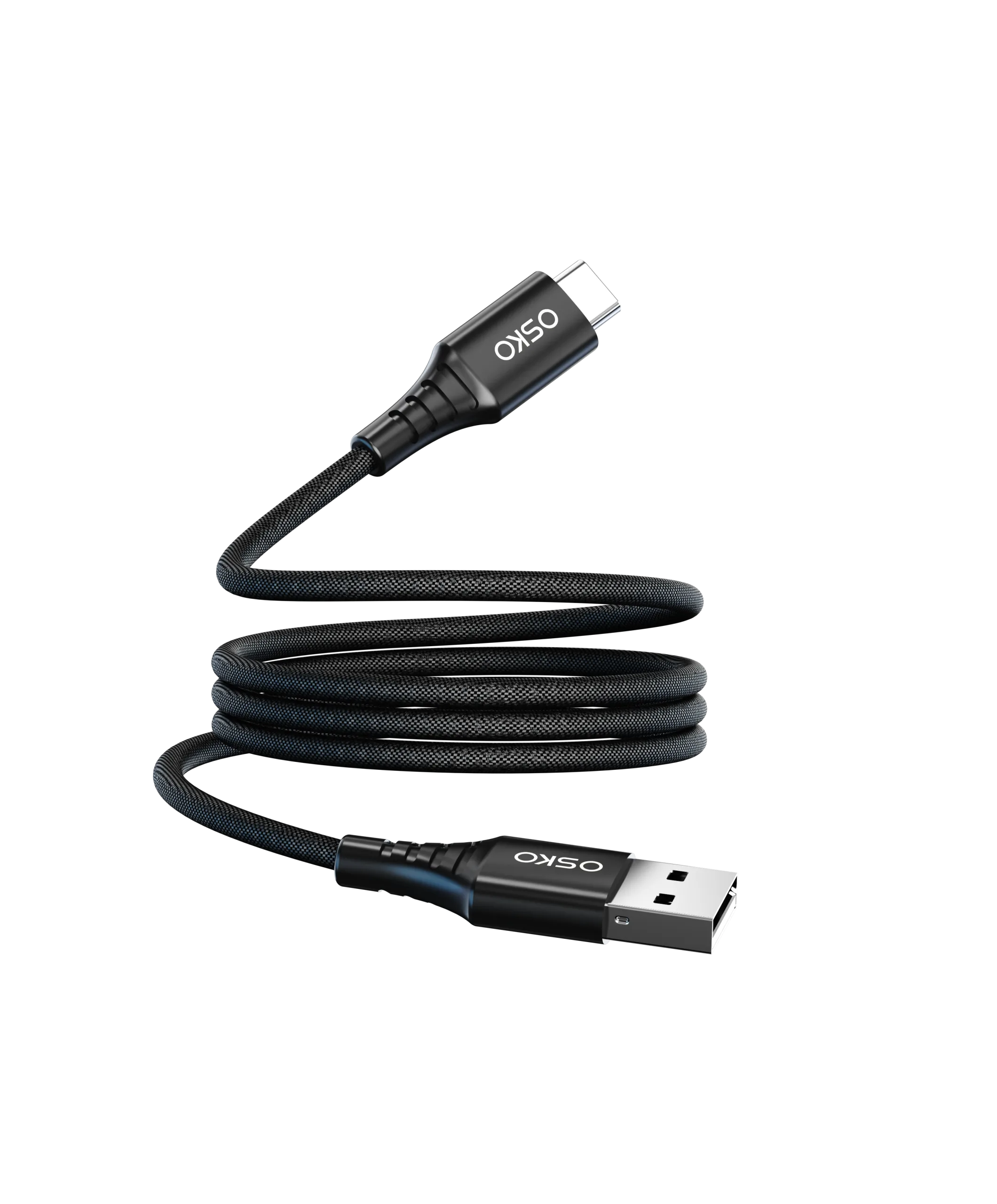
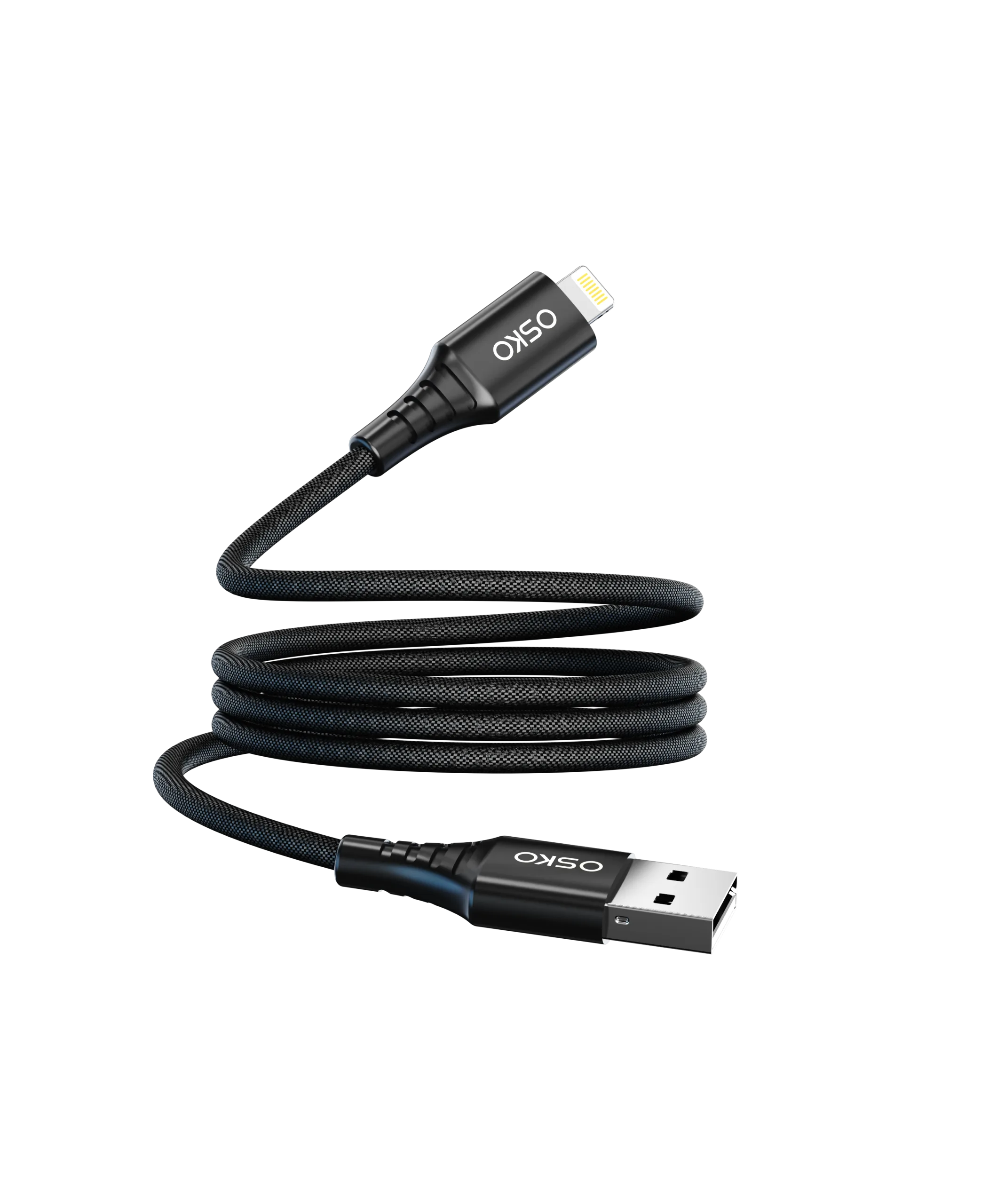
Introduction: Why Source USB Cables from a Chinese OEM Factory?
USB cables are essential components across smartphones, tablets, laptops, power banks, vehicles, docking stations, and other consumer electronics.
For brands, wholesalers, distributors, and e-commerce sellers, sourcing directly from a capable USB cable manufacturer China can provide access to product customization, engineering support, scalable production, and competitive manufacturing costs.
But choosing a factory should not be based on price alone.
A low quotation may hide differences in conductor construction, connector quality, testing procedures, production consistency, packaging, documentation, and after-sales support.
This is particularly important when sourcing products such as:
USB-C charging cables
USB-C data cables
USB-A to Lightning cables
Fast charging USB-C cables
USB PD cables
240W USB-C cables
USB4 cables
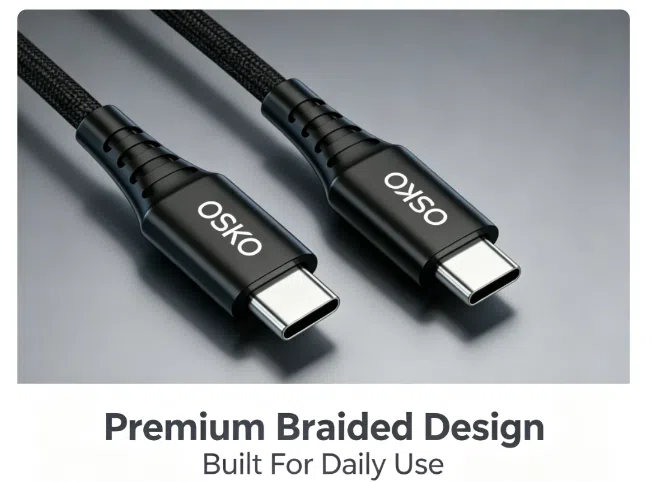
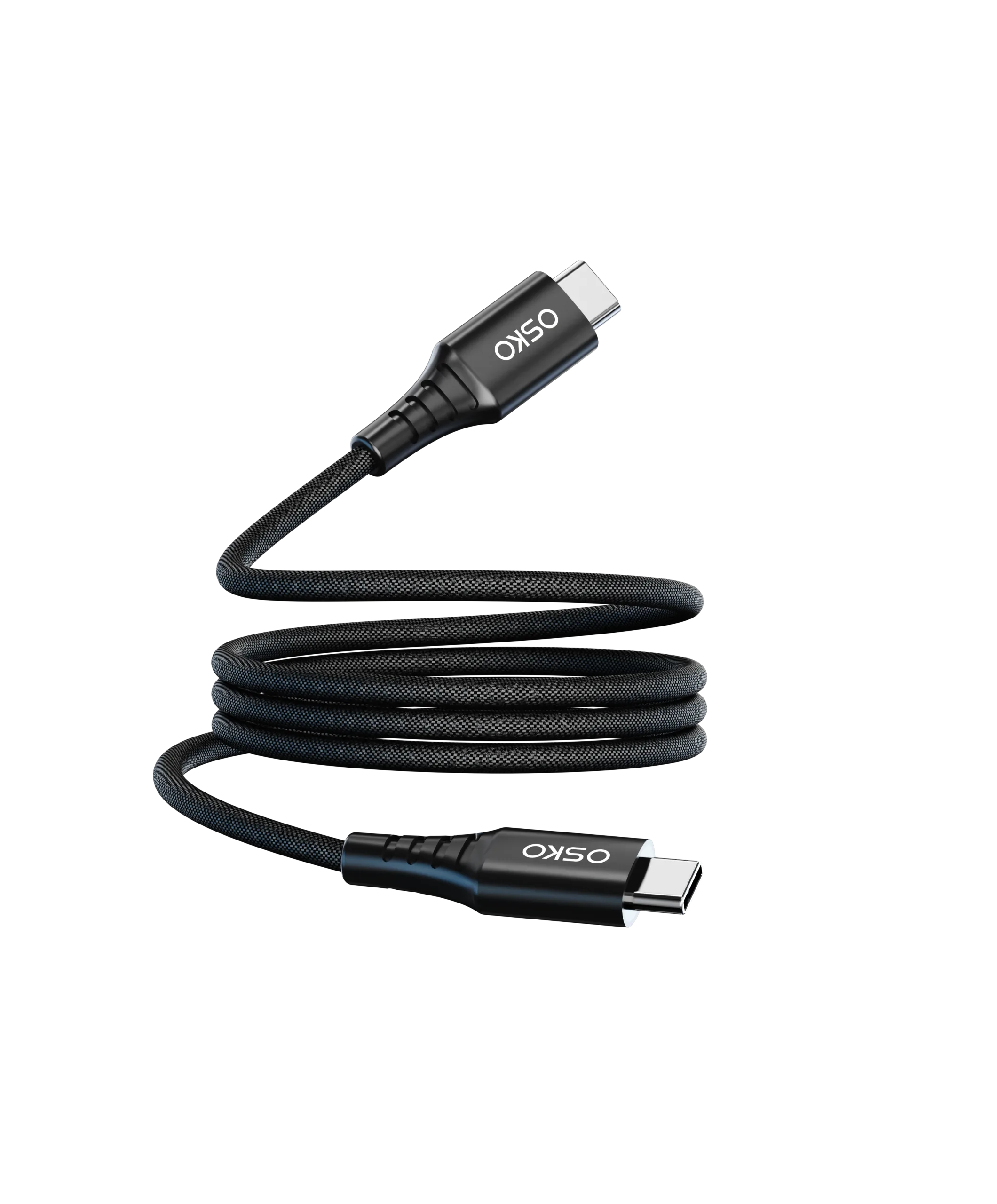
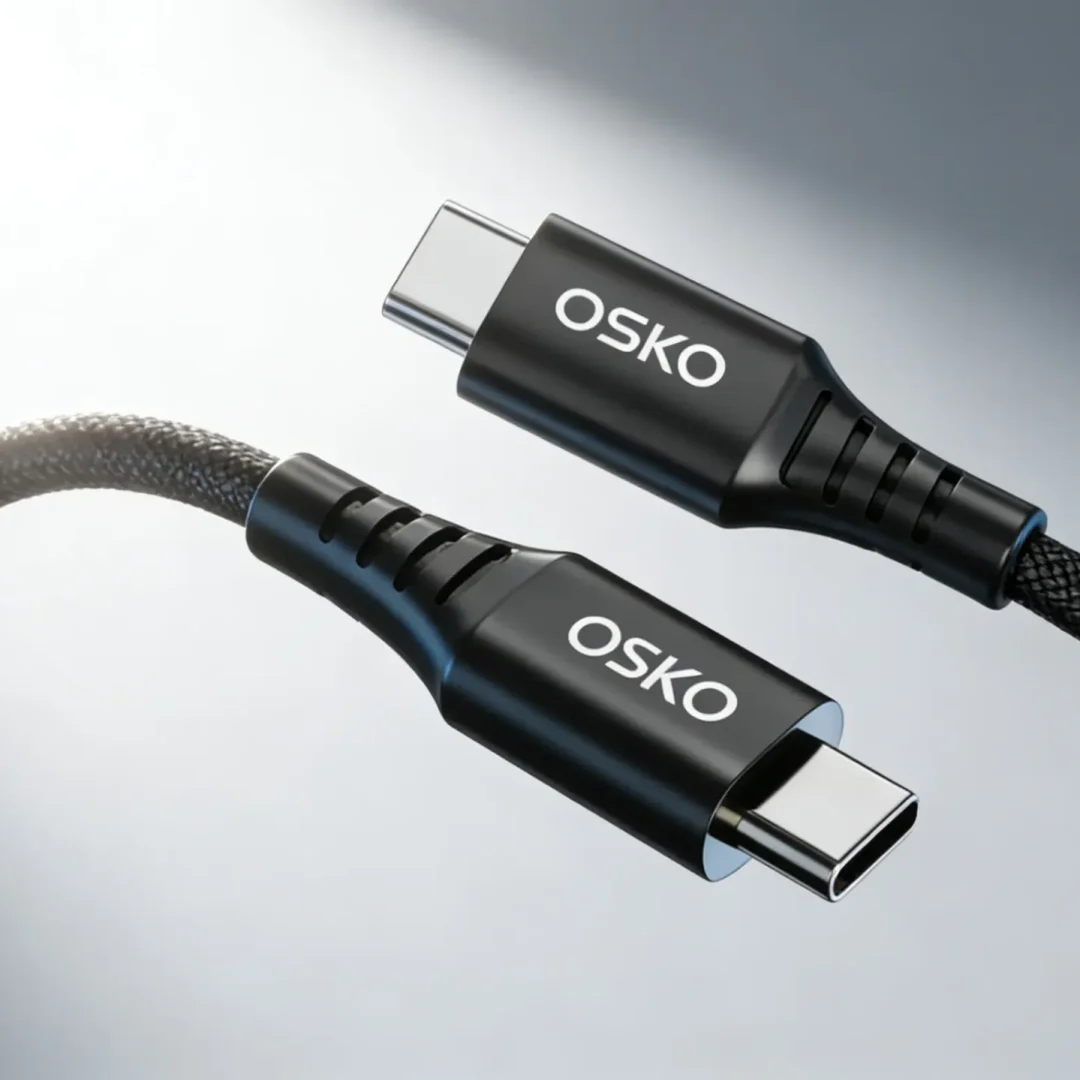
Nylon braided USB cables
Custom private-label charging cables
A professional sourcing process should therefore answer five questions:
Can the factory build the specification?
Can it prove the specification?
Can it maintain consistent quality?
Can it support your target market?
Can it scale when your sales grow?
This guide explains how to evaluate a USB cable factory China from initial supplier research through samples, QC, compliance, production, and shipping.
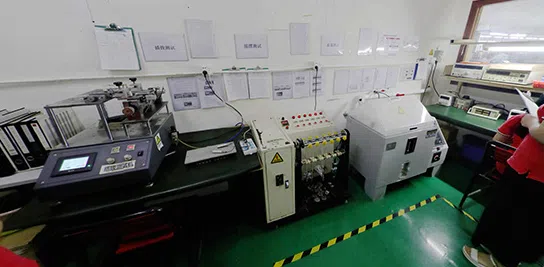
Why the Right USB Cable Manufacturer Matters
A USB cable may look simple from the outside, but the internal construction can contain multiple engineering variables.
Depending on the product, these can include:
Power conductors
Data conductors
Insulation
Shielding
Drain wires
Reinforcement
Outer jacket
Nylon braid
Connector contacts
Connector housing
Strain relief
E-Marker components where applicable
Two cables with identical connectors can therefore have very different electrical and mechanical performance.
For an importer or private-label brand, choosing the right USB cable manufacturer can influence:
| Procurement Area | What the Factory Affects |
|---|---|
| Product quality | Materials and production control |
| Charging performance | Conductor and connector design |
| Data performance | Internal signal architecture |
| Durability | Jacket, strain relief and termination |
| Customization | Logo, color, length and packaging |
| Compliance | Applicable documentation and testing |
| Lead time | Production capacity and planning |
| Warranty risk | Manufacturing consistency |
| Product development | Engineering and sample support |
A factory should therefore be evaluated as a manufacturing partner, not simply as a source of low-cost inventory.
How to Find a Reliable USB Cable Factory in China
The first step is building a qualified supplier list.
Potential sources include:
B2B marketplaces
Industry directories
Trade shows
Import/export databases
Existing industry contacts
Referrals from logistics or sourcing partners
However, appearing in search results does not prove that a company is a genuine manufacturer.
Check Whether the Supplier Is Actually a Factory
Ask for information such as:
Factory location
Manufacturing capabilities
Main product categories
Production equipment
Quality-control process
Product development capabilities
Export markets
Sample process
Customization capabilities
Production lead time
A trading company may still be useful for certain sourcing projects, but brands seeking long-term OEM development should understand who actually manufactures the product.
Ask for Product-Specific Evidence
Instead of asking only:
“Are you a factory?”
Ask:
“Can you manufacture this exact cable specification?”
Then provide:
Connector type
Cable length
Charging requirement
Data speed
Jacket material
Braid requirement
Logo
Packaging
Quantity
Target market
A capable USB-C cable manufacturer China should be able to discuss the specification in technical terms.

OEM vs. ODM: Which Model Is Right for Your Business?
Understanding OEM and ODM is important before requesting quotations.
What Is USB Cable OEM?
OEM generally means that the buyer provides the product requirements, branding, specifications, or design direction, while the manufacturer produces the product according to the agreed specification.
For example, a brand may specify:
USB-C to USB-C
6ft
100W
Nylon braided
Black
Custom logo
Retail box
5,000 units
The factory then develops samples and manufactures according to the approved specification.
OEM is useful when a brand wants strong control over:
Product appearance
Performance
Branding
Packaging
SKU configuration
What Is USB Cable ODM?
ODM means the manufacturer contributes more of the product design and development.
This can be useful for businesses that want to launch a product without developing the entire engineering specification internally.
The factory may provide:
Existing cable platforms
Product architecture
Material options
Connector options
Length options
Packaging solutions
Engineering recommendations
The buyer then selects and customizes the product for its market.
For new brands, ODM can shorten product-development time. For established brands with their own engineering teams, OEM may provide more control.
How to Evaluate a Chinese USB Cable Manufacturer
Before placing a large order, evaluate the supplier in several areas.
Manufacturing Capability
Ask whether the factory can produce your specific cable category.
For example:
USB-C charging cables
USB-C data cables
Lightning cables
PD cables
High-power USB-C cables
USB4 cables
Braided cables
Car charging cables
CarPlay cables
A supplier that specializes in basic charging cables may not have the same engineering capability required for high-speed USB4 products.
Product Development
For custom projects, ask whether the supplier can support:
Engineering review
Sample development
Connector selection
Material selection
Cable structure
Custom color
Logo development
Packaging design
Prototype testing
This becomes especially important for custom USB cable manufacturer searches where the buyer is looking for more than an existing stock product.
Production Capacity
Ask about:
Production lines
Normal monthly capacity
Peak capacity
Current lead time
Raw material availability
Production scheduling
Capacity should be evaluated against your actual forecast rather than an impressive maximum number.
USB Cable Certifications and Compliance: What Buyers Should Know
One of the most common sourcing mistakes is treating every certification as if it applies to every USB cable.
It does not.
The applicable requirements depend on the cable type, components, market, intended use, and specific product configuration.
MFi for Lightning Products
MFi is particularly important when sourcing Lightning accessories using Apple-licensed technologies.
Apple states that its MFi program covers companies developing or manufacturing accessories using MFi licensed technologies. Contract manufacturers and ODMs can participate in the program. Apple also states that distributors and resellers sourcing finished MFi goods should source them from an authorized MFi manufacturer.
The important distinction is:
Not every USB-C cable for an Apple device requires MFi.
Apple specifically lists USB-C charging accessories that do not use MFi licensed technologies or licensed components among products that do not need to join the MFi program.
For Lightning OEM projects, buyers should therefore verify:
MFi program status
Authorized manufacturing relationship
Applicable components
Product certification status
Packaging requirements
Documentation
Do not simply accept a supplier’s statement that a product is “MFi compatible.”
CE for European Markets
For buyers selling into Germany, the Netherlands, and other EU markets, CE requirements should be evaluated based on the specific product and applicable EU legislation.
The European Commission explains that manufacturers are responsible for identifying applicable requirements, carrying out conformity assessment, preparing technical documentation, issuing the EU Declaration of Conformity, and affixing CE marking where required.
CE should therefore not be described as a generic “European quality certificate.”
RoHS
RoHS relates to restrictions on certain hazardous substances in electrical and electronic equipment.
For European sourcing, buyers should ask the factory which RoHS documentation applies to the specific product and materials being supplied.
FCC
Do not assume that every passive USB cable should simply be marketed as “FCC certified.”
The applicable FCC requirements depend on the product configuration and regulatory scope.
For B2B procurement, ask the supplier to provide documentation relevant to the exact product rather than accepting a generic certificate unrelated to the cable being purchased.
What MOQ Should You Expect from a USB Cable Factory?
MOQ depends on:
Cable type
Material
Connector
Length
Color
Logo
Packaging
Certification requirements
Custom tooling
Production process
A supplier may have one MOQ for standard stock products and another for fully customized OEM products.
For example, a standard USB-C cable may be available in relatively small quantities, while a completely custom connector housing, packaging system, braid color, and cable construction may require a higher production quantity.
For OSKO’s OEM cable projects, the current typical MOQ for fully customized cable programs is 5,000 units, although the exact requirement should be confirmed according to the product specification.
Do not compare suppliers only by MOQ.
A lower MOQ can come with:
Higher unit price
Fewer customization options
Stock-product limitations
Less control over materials
Different packaging options
The better question is:
What MOQ provides the best balance between unit cost, customization, inventory risk, and product differentiation?
How to Request a USB Cable Factory Quotation
A quotation request should contain enough information for the manufacturer to calculate the correct cost.
Instead of:
“Please quote USB-C cables.”
Send something like:
Product: USB-C to USB-C cable
Length: 6ft / 1.8m
Power: 100W
Data: 480Mbps / 10Gbps / required specification
Jacket: Nylon braided
Color: Black
Logo: Laser engraving
Packaging: Custom retail box
Quantity: 5,000 pcs
Market: USA
Shipping: FOB / CIF / DDP / buyer’s forwarder
This allows the factory to quote more accurately.
For international buyers, also clarify whether the quoted price includes:
Product cost
Customization
Packaging
Tooling
Testing
Shipping
Duties or taxes
Other fees
Why Samples Should Come Before Mass Production
Never evaluate a USB cable supplier only from product photos.
Physical samples allow buyers to evaluate:
Mechanical Quality
Check:
Connector fit
Cable flexibility
Strain relief
Braid consistency
Connector housing
Surface finish
Electrical Performance
Depending on the specification, test:
Charging
Voltage/current behavior
Data transfer
USB PD negotiation
Signal performance
Compatibility with target devices
Packaging
Check:
Logo placement
Printing quality
Barcode
Product specifications
Language
Packaging dimensions
Retail presentation
The sample should represent the intended production specification.
If the final mass-production cable will use a different conductor, connector, braid, or packaging, the sample does not provide a reliable production reference.
USB Cable Quality Control: What a Professional Factory Should Test
A strong QC system begins with incoming materials and continues through finished-product inspection.
Raw Material Inspection
Possible checks include:
Copper conductor
Insulation material
Connector components
E-Marker components where applicable
Jacket material
Nylon braid
Packaging materials
In-Process QC
Depending on production, inspection can cover:
Connector assembly
Welding or termination
Molding
Cable extrusion
Braid consistency
Strain relief
Appearance
Finished Product Testing
Testing should match the cable’s intended specification.
Possible tests include:
Continuity
Short-circuit detection
Charging performance
PD negotiation
Data transfer
Connector retention
Bend testing
Pull testing
Appearance inspection
For high-speed products, buyers should ask specifically about signal-integrity validation rather than accepting a generic “100% QC” statement.
Choosing the Right USB Cable Based on Application
Different buyers require different cable specifications.
| Application | Typical Sourcing Priority |
|---|---|
| Smartphone charging | Charging performance, connector compatibility, durability |
| Laptop charging | Power rating, USB PD capability, conductor design |
| External SSD | Data speed, signal integrity, connector quality |
| Docking station | Data + display + power requirements |
| CarPlay | Device/car compatibility, data reliability, connector design |
| Retail charging cable | Durability, appearance, packaging, price |
| Amazon private label | Product differentiation, quality, packaging, compliance |
| Industrial application | Electrical/mechanical validation, environment |
| Wholesale distribution | Price, MOQ, consistency, lead time |
This is why “USB-C cable” is not a complete procurement specification.
A USB-C charging cable and a USB4 high-speed data cable may use the same connector shape while having completely different internal engineering requirements.
USB-C Fast Charging and 240W Cable Sourcing
USB Power Delivery has significantly expanded the range of USB-C charging applications.
USB PD 3.1 supports power delivery up to 240W over compatible full-featured USB Type-C cable and connector systems. USB-IF describes 28V, 36V, and 48V fixed-voltage levels corresponding to up to 140W, 180W, and 240W.
However, buyers should avoid treating “240W” as a generic USB-C cable specification.
A complete high-power system depends on:
Power adapter + cable + device + USB PD negotiation
For a 240W USB-C cable manufacturer, procurement should therefore verify:
Target power level
Cable current rating
E-Marker requirements
Connector construction
Conductor design
Temperature performance
Test procedures
Applicable certification/compliance requirements
This is particularly important when selling high-power cables under a private-label brand.
USB4 Cable Sourcing Requires More Than a USB-C Connector
USB4 is another category where buyers should avoid judging products by appearance.
USB-IF describes USB4 as a high-bandwidth architecture that works over USB Type-C and supports multiple data and display protocols. Current USB4 architecture includes up to 80Gbps operation over 80Gbps certified cables.
For a USB4 cable OEM supplier, important engineering factors can include:
High-speed differential pairs
Impedance control
Signal integrity
Crosstalk
Insertion loss
Return loss
Shielding
Connector performance
Cable length
High-frequency testing
A supplier that manufactures standard charging cables is not automatically qualified to produce USB4 cables.
Ask for product-specific evidence.
Logistics: Air Freight vs. Sea Freight from China
Once the product is approved, shipping becomes part of the sourcing calculation.
Air Freight
Air freight is useful when:
The order is urgent
Initial inventory is limited
Product launch timing is critical
The buyer needs replenishment quickly
The tradeoff is higher freight cost.
Sea Freight
Sea freight is usually more suitable for larger-volume orders where delivery time can be planned.
For many bulk USB cable orders, sea freight can significantly reduce freight cost compared with air freight.
OSKO can also work with buyers who already have their own freight forwarder.
When requesting a quotation, specify whether you want:
EXW
FOB
CIF
DDP
Buyer-arranged freight
This avoids confusion when comparing supplier quotations.
US, Germany, Australia and Netherlands Sourcing Considerations
A strong international sourcing strategy should consider the destination market from the beginning.
United States
US buyers commonly search for:
USB cable manufacturer China
USB-C cable wholesale
USB cable supplier
private label USB-C cable
bulk charging cables
USB-C cable OEM
USB cable supplier for Amazon
For Amazon sellers, product compliance, safety, listing accuracy, intellectual property, and documentation should be reviewed before launch. Amazon states that sellers should understand product compliance, safety, listing, and applicable regulatory requirements.
Germany
German procurement searches may combine technical and commercial terminology:
USB-C Kabel Hersteller
USB-C Kabel Großhandel
USB-C Ladekabel Hersteller
USB-C Datenkabel
USB-C Kabel Lieferant
USB-C Kabel OEM
Buyers should pay particular attention to EU conformity and documentation when selling into the German market.
Australia
Australian B2B searches may include:
USB-C cable supplier Australia
USB cable wholesale Australia
charging cable manufacturer
bulk USB-C cables
private label USB-C cable
Product and electrical requirements should be checked for the exact product category before import and sale.
Netherlands
Dutch buyers may search:
USB-C kabel leverancier
USB-C kabel groothandel
USB-C datakabel
USB-C laadkabel
USB-C kabel fabrikant
For EU sales, the same product compliance strategy should be evaluated across the relevant European markets rather than treating Germany and the Netherlands as completely separate technical product categories.
Common Mistakes When Sourcing USB Cables from China
Choosing Only by Price
The cheapest cable is rarely the best choice for a branded product.
A low unit price can become expensive if it causes:
High defect rates
Customer complaints
Returns
Replacements
Lost marketplace performance
Repackaging
Delayed launches
Buying Samples That Do Not Match Mass Production
Always specify that the approved sample is the production reference.
Using Generic Certification Documents
A certificate for another model or another manufacturer does not automatically prove compliance of your specific product.
Assuming USB-C Means Fast Charging
USB-C describes the connector ecosystem, not a guaranteed charging wattage or data speed.
Assuming Nylon Means High Quality
A braided exterior can improve appearance and mechanical protection, but internal engineering determines much of the electrical performance.
Ignoring Packaging
For retail and Amazon products, packaging is part of the product.
Failing to Confirm Shipping Terms
A $2.50 cable quoted EXW and a $2.50 cable delivered to your warehouse are completely different commercial offers.
Engineering Case Study: Developing a Private-Label USB-C Cable for a US Distributor
Consider a representative OEM project for a US electronics distributor preparing a new private-label charging cable line.
The buyer initially requested:
“A premium braided USB-C cable at a competitive wholesale price.”
That description was not sufficient for production.
The procurement team then converted the concept into a technical specification:
USB-C to USB-C
6ft length
Defined charging requirement
Defined data requirement
Black nylon braid
Reinforced strain relief
Custom logo
Private-label packaging
Target US retail market
Initial production quantity
Sample approval before mass production
OSKO’s engineering and production team could then evaluate the cable structure, connector design, material selection, testing requirements, packaging, and production schedule around the actual specification.
The key lesson is that successful OEM sourcing starts with a clear product specification, not simply a request for the lowest price.
For procurement teams, this also makes supplier comparison easier because every manufacturer is quoting against the same requirements.
How to Compare USB Cable Factory Quotations
When you receive quotations from several Chinese factories, create a comparison table.
| Category | Supplier A | Supplier B | Supplier C |
|---|---|---|---|
| Unit Price | |||
| MOQ | |||
| Cable Length | |||
| Charging Specification | |||
| Data Specification | |||
| Conductor Design | |||
| Connector | |||
| Braid/Jacket | |||
| Logo | |||
| Packaging | |||
| Sample Cost | |||
| Lead Time | |||
| QC Process | |||
| Test Reports | |||
| Shipping Terms | |||
| Warranty |
This makes it easier to identify whether a supplier is genuinely cheaper or simply quoting a lower specification.
Why OSKO Is a Practical OEM Partner for USB Cable Buyers
OSKO specializes in USB cable OEM and ODM manufacturing for brands, wholesalers, distributors, and retailers.
Our product scope includes:
USB-C charging cables
USB-C data cables
USB-A to USB-C cables
USB-C to USB-C cables
Lightning cables
Braided USB cables
Car charging cables
CarPlay cables
Custom private-label cable solutions
For customized cable programs, OSKO can support:
Product specification
OEM development
ODM solutions
Custom logo
Custom colors
Custom packaging
Sample development
Production QC
Bulk production
Export logistics
For fully customized OEM cable projects, OSKO’s typical MOQ is 5,000 units, with the exact requirement depending on the cable specification and customization.
The objective is not simply to manufacture another generic cable.
It is to help the buyer establish a repeatable product specification that can move from:
Concept → Sample → Testing → Approval → Mass Production → Reorder
FAQ: Sourcing USB Cables from Chinese OEM Factories
How do I find a reliable USB cable manufacturer in China?
Start by identifying manufacturers with the right product capability, then verify factory information, samples, production processes, QC procedures, export experience, customization capability, and product-specific documentation.
How much does it cost to source USB cables from China?
There is no single standard price. Cost depends on connector type, cable length, conductor construction, charging/data capability, materials, customization, packaging, quantity, and shipping terms.
What is the MOQ for custom USB cables?
MOQ varies significantly between stock and fully customized products. OSKO’s typical MOQ for fully customized OEM cable programs is 5,000 units, subject to the specific product configuration.
Is OEM or ODM better for a USB cable brand?
OEM provides greater control over product specifications and branding. ODM can reduce development time by using an existing manufacturer platform. The appropriate model depends on the buyer’s product-development resources and differentiation strategy.
Do Lightning cables require MFi?
MFi requirements depend on whether the accessory uses MFi licensed technologies or components. Apple specifically states that USB-C charging accessories that do not use MFi licensed technologies or licensed components do not need to join the MFi program. Lightning products using MFi licensed technologies require the applicable MFi process.
Does every USB-C cable for iPhone need MFi?
No. Apple states that USB-C charging accessories that do not use MFi licensed technologies or components are outside the MFi program.
Can a Chinese USB cable factory provide custom packaging?
Yes. OEM manufacturers may support custom retail boxes, labels, inserts, logos, colors, and other packaging requirements depending on MOQ and production capability.
Can I order USB-C cables with my own logo?
Yes. Common branding methods include laser engraving, molded logos, printing, connector branding, and custom packaging.
Can USB-C cables support 240W charging?
Compatible USB PD 3.1 systems can support up to 240W over appropriate full-featured USB Type-C cables and connectors. However, actual charging power depends on the charger, cable, device, and USB PD negotiation.
What should I test before placing a bulk USB cable order?
Test the actual sample for connector fit, charging performance, data transfer, cable flexibility, strain relief, appearance, packaging, and any product-specific performance requirements.
Is a braided USB-C cable better than a PVC cable?
Not automatically. Braiding can provide mechanical protection and a more premium appearance, while the actual electrical performance depends on the complete cable construction.
How long does production take?
Lead time depends on product complexity, customization, quantity, material availability, packaging, and factory production schedules. Confirm the production lead time after the final specification and sample are approved.
Should I use air freight or sea freight from China?
Air freight is faster and is useful for urgent or smaller shipments. Sea freight is generally more cost-effective for larger bulk orders when the buyer can plan for longer transit time.
Can I use my own freight forwarder?
Yes. Many OEM buyers use their own freight forwarders. When requesting a quotation, tell the factory whether you need EXW, FOB, CIF, DDP, or another shipping term.
What should I ask a USB cable manufacturer before ordering?
At minimum, confirm the exact cable specification, connector type, length, charging capability, data rate, materials, customization, MOQ, sample process, QC, test documentation, lead time, payment terms, and shipping arrangement.
Final Checklist: How to Source USB Cables from China
Before placing your first bulk order, confirm:
Product
Connector type
Cable length
Charging requirement
Data requirement
Material
Color
Construction
Customization
Logo
Connector design
Cable color
Packaging
Labeling
Quality
Sample approval
Raw-material inspection
Finished-product testing
Mechanical testing
Charging/data validation
Batch QC
Compliance
Applicable US requirements
Applicable EU requirements
MFi where relevant
RoHS where applicable
CE requirements where applicable
Product-specific documentation
Commercial
MOQ
Unit price
Tooling
Packaging cost
Lead time
Payment terms
Warranty
Shipping
EXW / FOB / CIF / DDP
Air or sea
Buyer freight forwarder
Export documents
Destination requirements
A structured sourcing process reduces the chance of choosing a supplier based on price alone and gives your brand a clearer path from sample development to repeat production.
Conclusion
Sourcing from a USB cable manufacturer China can give brands, wholesalers, distributors, and e-commerce sellers access to flexible OEM production, competitive manufacturing, product customization, and scalable supply.
But successful sourcing requires more than finding a factory with a low quotation.
The right supplier should be able to understand your product specification, develop samples, validate performance, maintain production consistency, provide relevant documentation, customize branding and packaging, and support your logistics requirements.
For US, German, Australian, and Dutch buyers, the strongest procurement strategy is to evaluate the entire supply chain:
Specification → Manufacturer → Sample → Testing → Compliance → QC → Production → Shipping → Reorder
If you are looking for a USB-C cable manufacturer China, USB cable OEM supplier, private label USB cable manufacturer, or USB-C cable wholesale supplier, OSKO can support the project from product requirements through mass production.
Send us your cable type, length, quantity, charging requirement, data requirement, logo, packaging, and target market.
OSKO can then evaluate the specification and provide an OEM solution, sample options, MOQ, lead time, and quotation.