
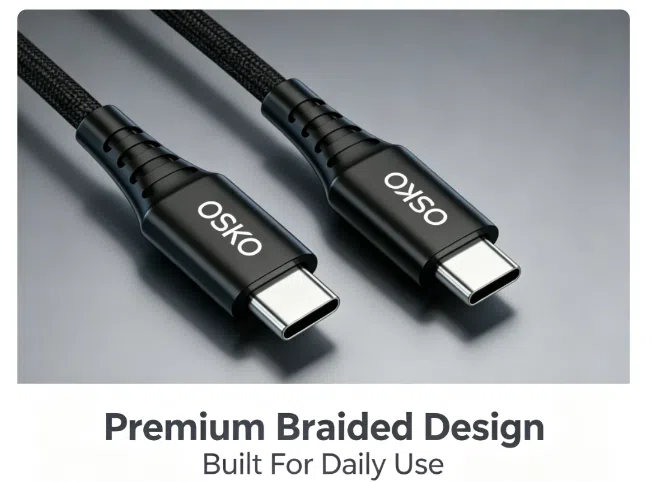
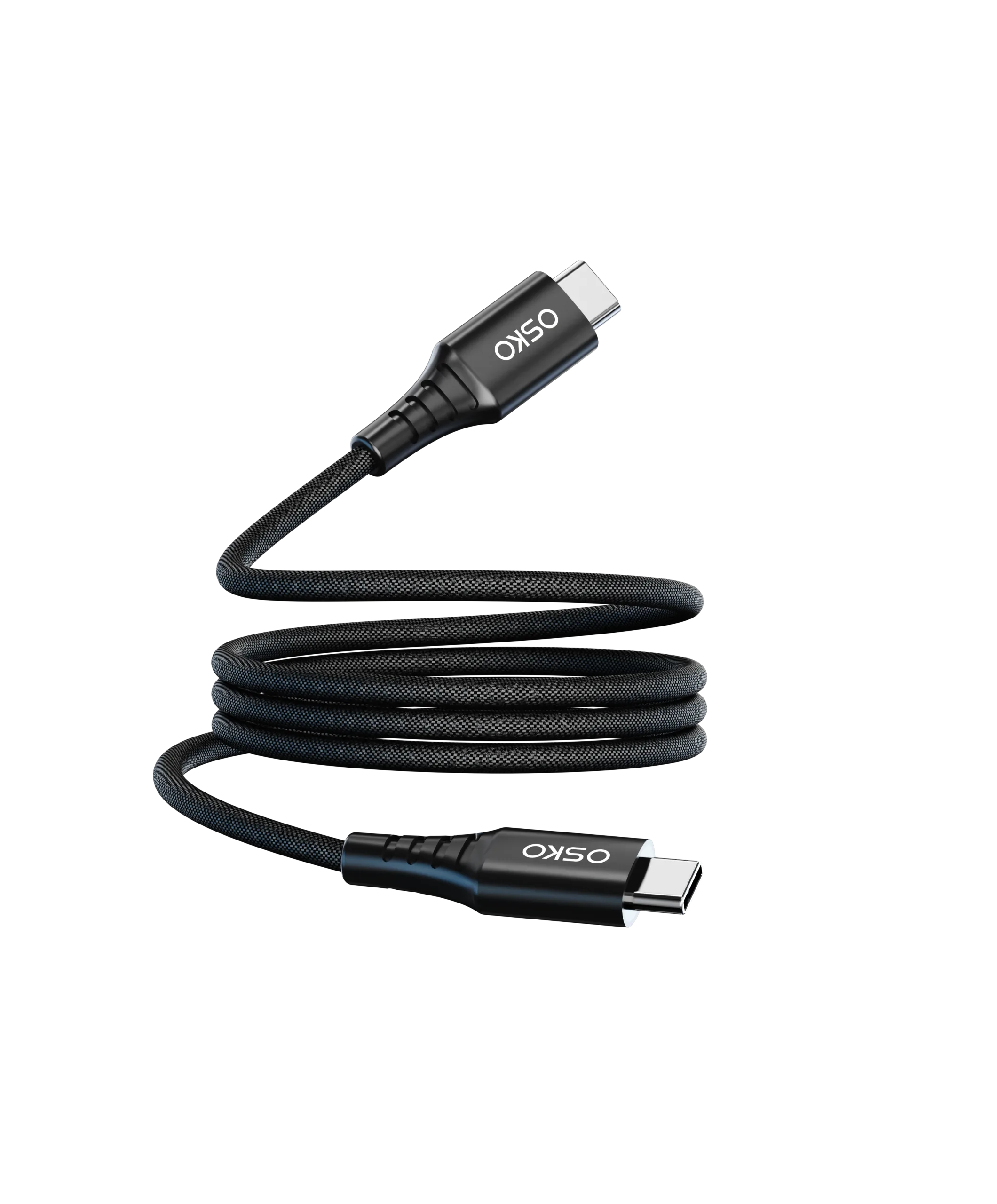
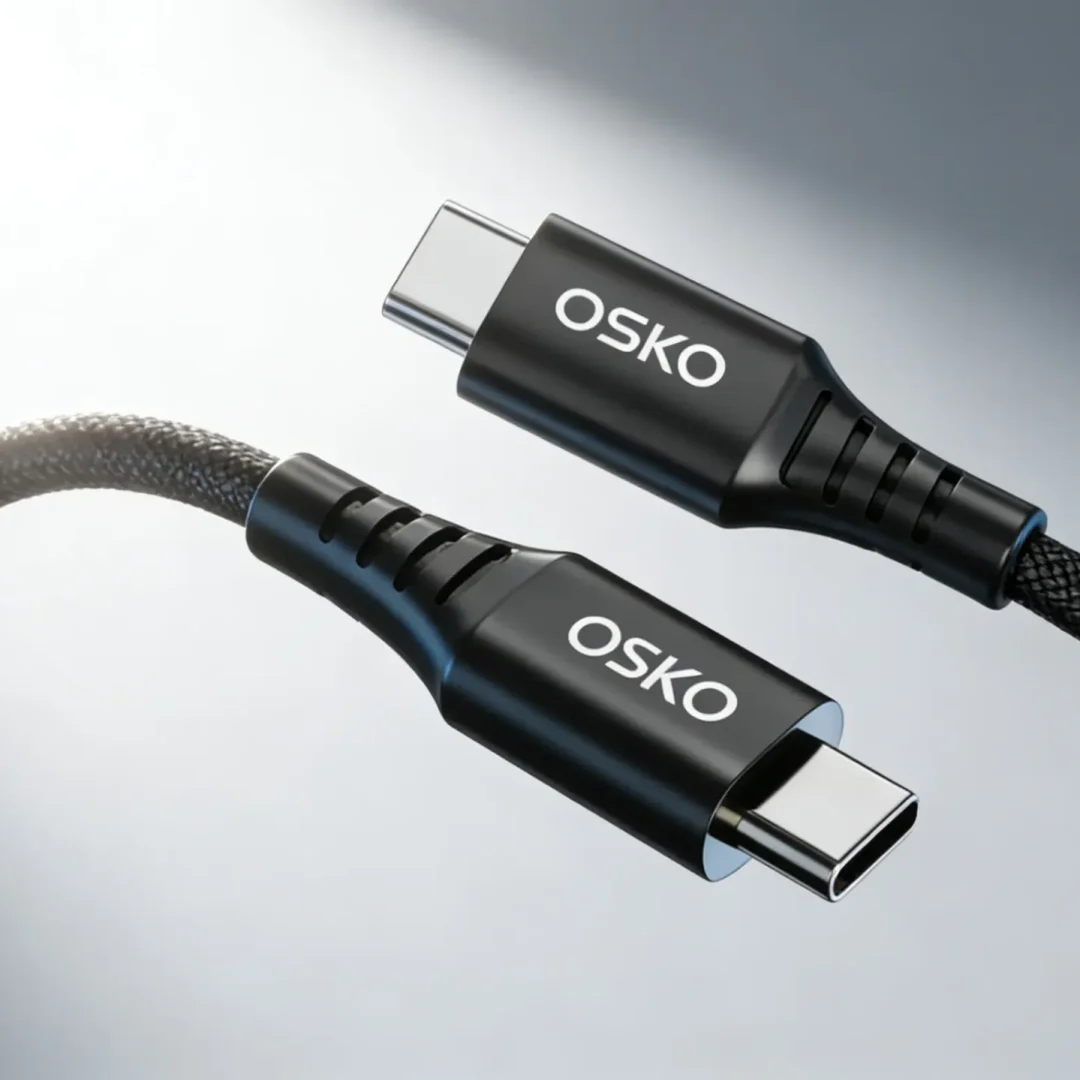
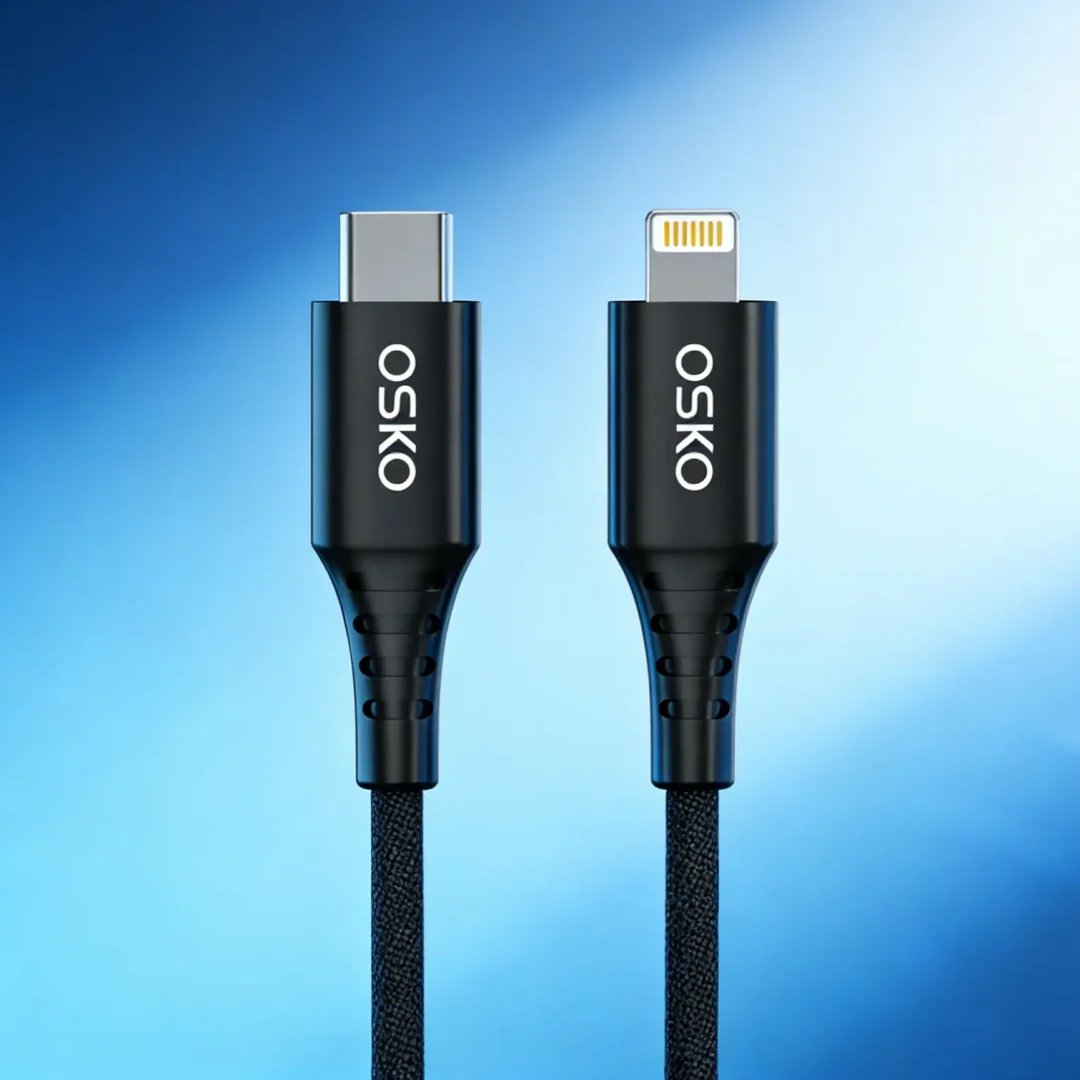
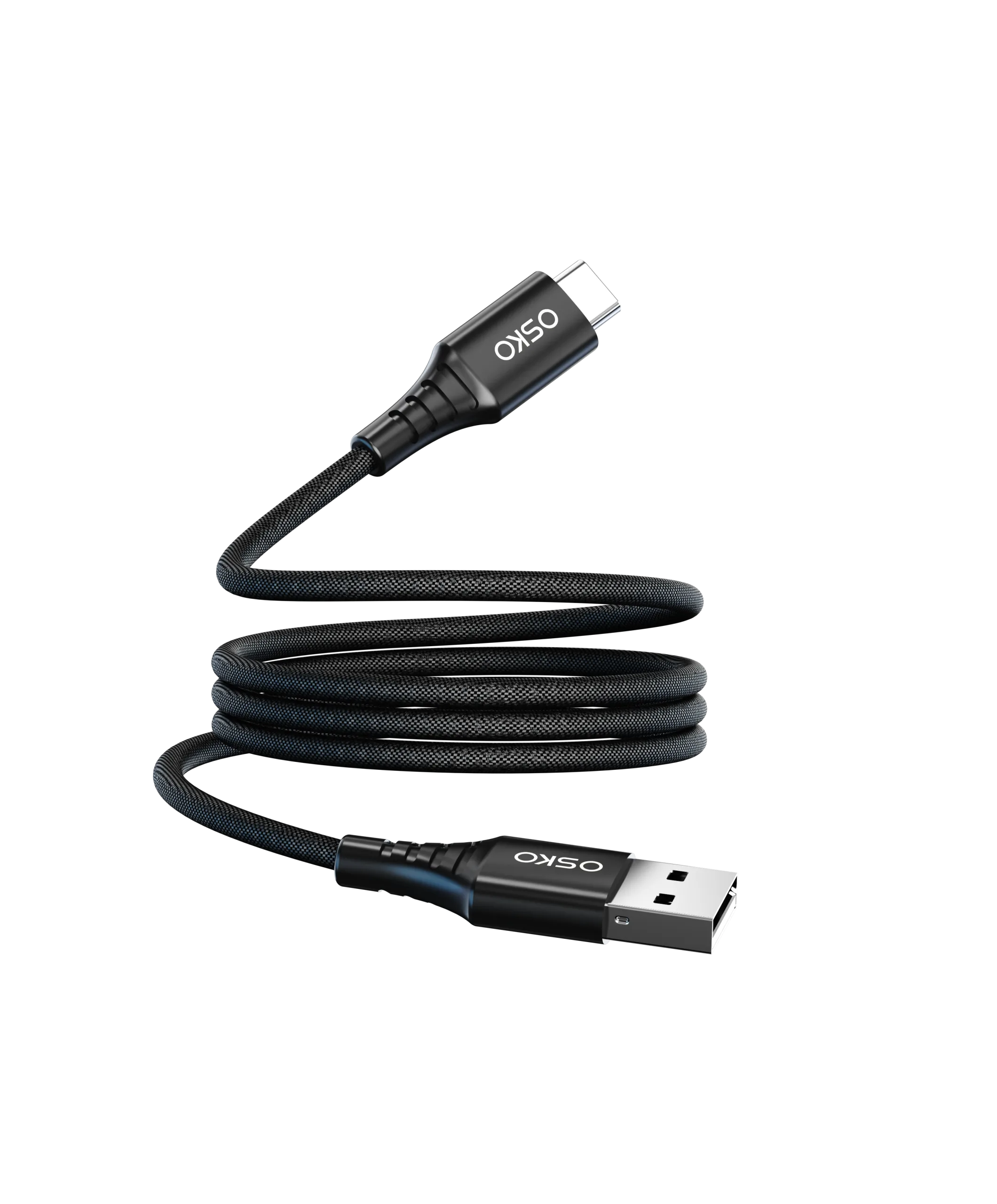
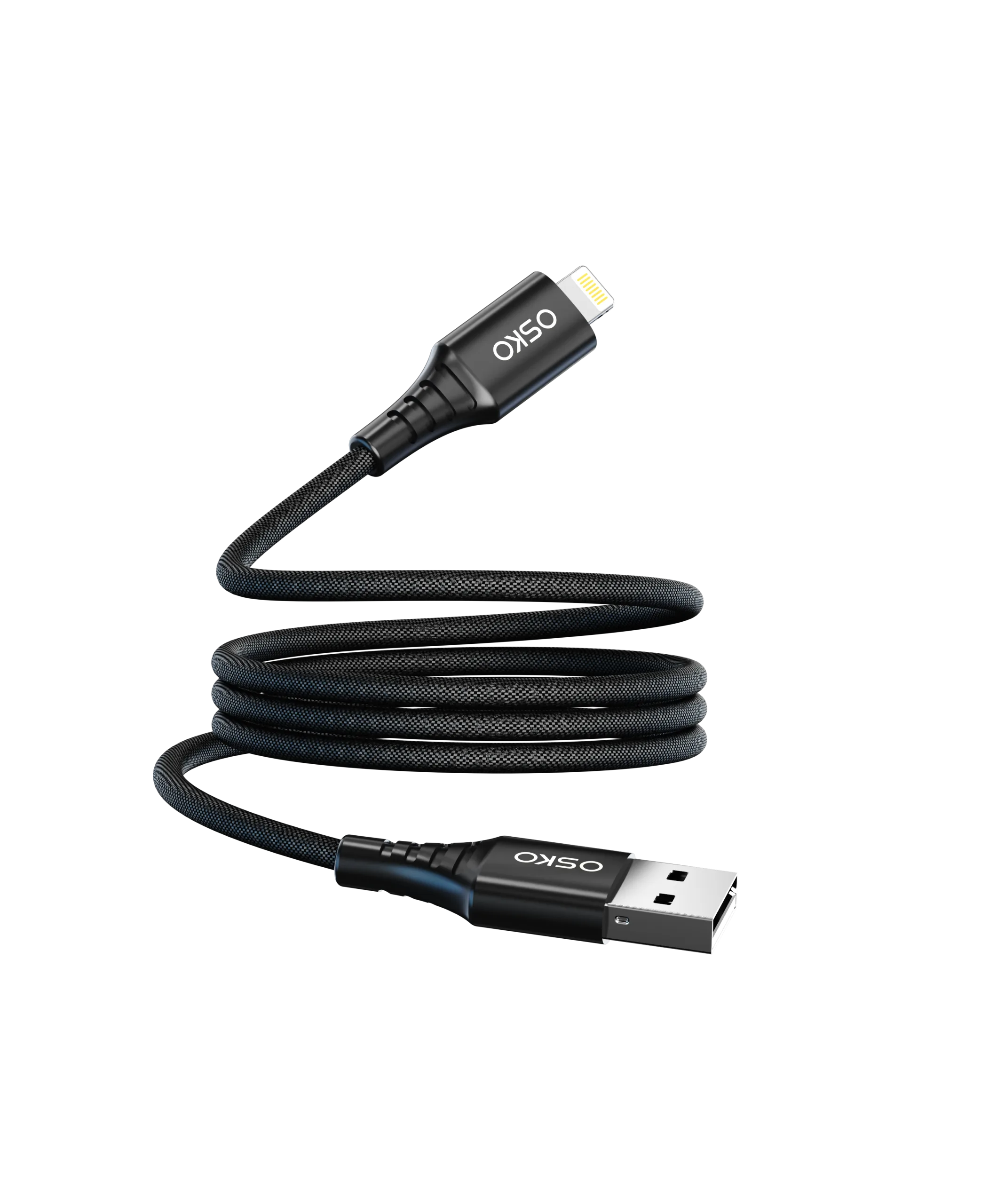
Introduction: Why USB-C Cable Shielding Matters More Than Ever
When purchasing a USB-C cable, most buyers focus on charging power, connector type, length, and data speed.
However, one critical factor is often overlooked: USB-C cable shielding.
Inside every high-performance USB-C charging cable is a complex electrical structure designed to transfer power and data while protecting signals from electromagnetic interference (EMI).
A cable supporting:
60W fast charging
100W USB-C PD charging
240W USB PD 3.1 charging
is not simply a power wire. It is also a high-frequency communication channel.
Without proper shielding, even an expensive USB-C fast charging cable may experience:
Charging interruptions
Slow data transmission
Device recognition failures
Signal instability
For applications such as:
Laptop charging
Gaming equipment
Automotive electronics
External SSD storage
Professional workstations
a properly designed shielded USB-C cable plays an important role in maintaining stable performance.
For brands, distributors, and wholesalers, understanding shielding technology also helps select a reliable USB-C cable manufacturer and avoid low-quality products.
This guide explains:
How professional manufacturers design reliable USB-C cables
How USB-C cable shielding works
Aluminum foil vs braided shielding
Why EMI protection matters
What Is Shielding Inside a USB-C Cable?
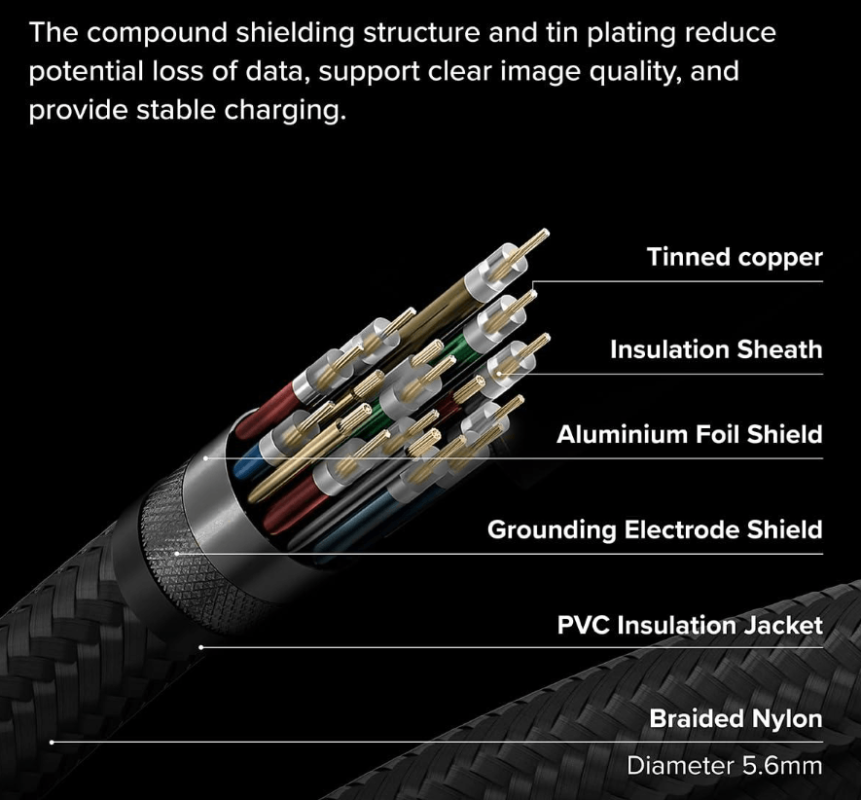
USB-C cable shielding is a conductive protection layer placed around internal wires.
Its main purpose is to:
Reduce electromagnetic interference
Protect signal quality
Improve charging stability
Maintain reliable data transmission
A professional USB-C charging cable usually contains:
| Component | Function |
|---|---|
| Copper conductors | Transfer power and signals |
| Insulation layer | Electrical protection |
| Aluminum foil shielding | High-frequency EMI protection |
| Braided metal shielding | Additional EMI and mechanical protection |
| Drain wire | Grounding connection |
| Outer jacket | Physical protection |
Typical structure:
Outer Jacket

↓

Braided Metal Shield

↓

Aluminum Foil Shield

↓

Insulation Layer

↓

Copper Conductors
Each layer has a specific engineering purpose.
Removing shielding materials may reduce:
Charging reliability
Data stability
Cable lifespan
Understanding EMI Protection in USB-C Cables
What Is Electromagnetic Interference (EMI)?
Electromagnetic interference occurs when electrical devices generate electromagnetic signals that affect nearby electronic systems.
Common EMI sources include:
Smartphones
Laptop chargers
WiFi routers
Bluetooth devices
Vehicle electronics
Wireless charging systems
USB-C cables are increasingly sensitive because modern technologies operate at higher speeds.
Examples:
USB 3.2
USB4
Thunderbolt 4
Thunderbolt 5
Higher transmission speeds require better signal protection.
A quality USB-C cable with EMI protection helps maintain:
Stable PD charging communication
Reliable data transfer
Lower signal loss
Better device compatibility
Why High-Speed USB-C Cables Need Advanced Shielding
Older USB cables mainly handled basic charging and low-speed data transfer.
Modern USB-C cables must support:
Fast charging
High-speed data
Video transmission
Professional devices
For example:
A USB4 cable connecting an external SSD or monitor requires excellent signal integrity.
Poor shielding can cause:
1. Data Transfer Problems
Symptoms include:
Reduced transfer speed
Failed file transfers
Device disconnects
2. Charging Instability
USB Power Delivery requires continuous communication between charger and device.
Poor EMI protection may result in:
Failed PD negotiation
Lower charging power
Charging interruption
3. Device Compatibility Issues
A poorly designed cable may fail to work correctly with:
Laptops
Docking stations
External displays
Therefore, shielding has become a key quality factor for premium USB-C cables.
Aluminum Foil Shielding in USB-C Cables
What Is Aluminum Foil Shielding?
Aluminum foil shielding is one of the most common EMI protection methods used in modern cables.
The structure is:
Copper Wire Core

↓

Aluminum Foil Shield

↓

Outer Protection Layer
The thin aluminum layer wraps around internal conductors.
How Aluminum Foil Shielding Works
Aluminum foil protects signals by:
Blocking Electromagnetic Noise
The conductive aluminum layer creates a barrier between internal signals and external interference.
Improving Signal Stability
It helps maintain:
Data accuracy
Charging communication
Signal consistency
Covering Internal Conductors
Because aluminum foil can provide almost complete coverage, it offers excellent high-frequency protection.
Advantages of Aluminum Foil Shielding
1. Excellent High-Frequency EMI Protection
Aluminum foil performs well against high-frequency interference generated by:
USB4 signals
Fast charging systems
Digital communication
2. Lightweight Design
Compared with thicker metal shielding, aluminum foil keeps cables:
Flexible
Lightweight
Easy to use
3. Cost Efficiency
For manufacturers producing USB-C cables wholesale, aluminum foil provides effective EMI protection while maintaining reasonable production costs.
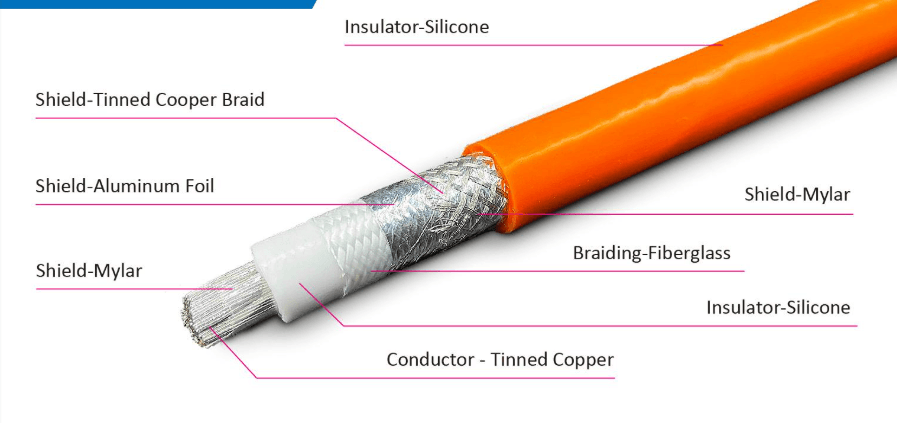
What Is Braided Shielding in USB-C Cables?
Braided shielding uses hundreds of thin metal wires woven around the cable core.
Typical structure:
Wire Core

↓

Aluminum Foil

↓

Copper Braided Shield

↓

Outer Jacket
Unlike aluminum foil, braided shielding provides both:
Electrical protection
Mechanical reinforcement
Benefits of Braided USB-C Cable Shielding
Better EMI Protection
Braided shielding improves protection against:
Lower-frequency interference
Signal crossover
External electrical noise
Improved Durability
The woven metal structure increases resistance against:
Bending
Pulling
Twisting
This is why many premium braided USB-C cables are preferred for:
Travel
Automotive use
Heavy daily charging
Better Grounding Performance
Metal braid improves grounding effectiveness, helping maintain signal stability.
Aluminum Foil vs Braided Shielding: Which Is Better?
Neither technology completely replaces the other.
The best-performing USB-C cables usually combine both.
| Shielding Type | Main Function | Best Application |
|---|---|---|
| Aluminum foil | High-frequency EMI protection | USB4, PD charging |
| Braided shielding | Mechanical strength + EMI protection | Premium charging cables |
| Double shielding | Complete protection | Professional applications |
A USB-C PD cable with EMI protection often uses a double shielding structure.
Why Premium USB-C Cables Use Double Shielding
Professional USB-C cable manufacturers commonly use:
Copper Conductors

↓

Aluminum Foil Shield

↓

Braided Copper Shield

↓

Nylon/TPE Jacket
Each layer provides different protection.
Aluminum Foil Handles:
High-frequency interference
Digital signal noise
Fast charging communication
Braided Shield Handles:
Mechanical durability
Low-frequency interference
Grounding improvement
Together they create a more reliable cable structure.
Why Cheap USB-C Cables Have More Problems
Low-cost cables often reduce production costs by removing important components.
Common shortcuts include:
No braided shielding
Incomplete foil coverage
Smaller copper conductors
Poor insulation materials
These shortcuts may cause:
Unstable Fast Charging
The cable may fail to maintain stable PD communication.
Data Performance Problems
High-speed devices may experience:
Slow transfer speed
Connection drops
Shorter Product Lifespan
Weak internal protection increases failure rates.
For retailers and wholesalers, poor cable construction can lead to:
Higher return rates
Customer complaints
Brand reputation damage
How to Choose a High-Quality Shielded USB-C Cable
Whether you are a consumer or a business buyer, evaluate these factors.
1. Check Shielding Structure
A reliable cable supplier should clearly provide:
Shielding construction information
EMI protection design
Cable specifications
Avoid suppliers that only show external appearance.
2. Match Shielding to Application
Different applications require different protection levels.
Daily Smartphone Charging
Recommended:
Standard shielding
Reliable conductor structure
Laptop Charging
Recommended:
Double shielding
High-quality copper conductors
Stable PD performance
USB4 / Professional Data
Recommended:
Advanced shielding
Signal testing
Certified performance
3. Evaluate Manufacturer Testing Capability
A professional USB-C cable manufacturer should test:
Charging performance
Data transmission
Signal stability
Bend durability
Electrical safety
Testing capability is especially important for:
OEM projects
Private label products
Bulk orders
Engineering Perspective: Shielding Is a Balance Between Performance and Design
From an engineering perspective, adding shielding is not simply adding more metal layers.
Manufacturers must balance:
Signal performance
Cable flexibility
Heat management
Production consistency
Cost control
A well-designed USB-C cable requires optimization of:
Copper conductor size
Shielding coverage
Insulation materials
Connector structure
This is why choosing an experienced USB-C cable factory is important for brands requiring stable quality
Engineering Case Study: Improving USB-C Cable Stability for a European Electronics Brand
Customer Background
A European electronics distributor supplying laptop accessories experienced customer complaints with their existing USB-C cables.
Main problems:
Charging interruptions
Unstable laptop connections
Poor durability after repeated use
The company needed a reliable USB-C charging cable supplier for premium retail products.
Engineering Challenges
The original cable design had:
Limited EMI protection
Weak shielding coverage
Insufficient connector reinforcement
Although the product supported fast charging, real-world performance was inconsistent.
OSKO Engineering Solution
OSKO optimized the cable structure:
Shielding Improvement
Added:
Aluminum foil shielding
Braided metal shielding
Electrical Improvement
Optimized:
Copper conductor structure
Power transmission performance
Mechanical Improvement
Enhanced:
Strain relief design
Nylon braided protection
Result
The improved USB-C cable achieved:
More stable charging performance
Better data reliability
Improved durability
Reduced customer complaints
This project demonstrates why selecting an experienced OEM USB-C cable manufacturer is critical for brands entering competitive markets.
How to Choose a Reliable USB-C Cable Manufacturer?
For wholesale buyers and brands, evaluate:
Manufacturing Experience
Check supplier knowledge of:
USB-C standards
PD charging technology
Shielding design
Quality Control
Important processes:
Incoming material inspection
Electrical testing
Production monitoring
Final inspection
OEM Capability
A reliable supplier should support:
Custom logo
Packaging design
Cable length
Color customization
Production Stability
Confirm:
MOQ
Lead time
Sample availability
Manufacturing capacity
FAQ: USB-C Cable Shielding
Does USB-C cable shielding improve charging speed?
Shielding does not increase the maximum charging wattage. However, it helps maintain stable PD communication and reduces charging interruptions.
Is braided USB-C cable better than aluminum foil shielding?
They serve different purposes. Aluminum foil provides high-frequency EMI protection, while braided shielding improves durability and additional interference protection. Premium cables often use both.
Do all USB-C cables have shielding?
Most USB-C cables include some shielding, but the quality and coverage vary between manufacturers.
Why do USB4 cables require better shielding?
USB4 cables transmit data at much higher speeds, making them more sensitive to electromagnetic interference.
What is the best USB-C cable for laptop charging?
A laptop charging cable should have:
Proper power rating
Reliable PD support
Strong shielding
Quality conductors
Are braided USB-C cables more durable?
Yes, braided USB-C cables usually provide better resistance against bending and abrasion.
Can poor shielding cause USB-C cable disconnection?
Yes. Poor shielding, weak connectors, and unstable power delivery can all contribute to random disconnects.
Does cable length affect shielding performance?
Yes. Longer cables require better engineering because signal loss and interference become more challenging.
What should wholesale buyers check before ordering USB-C cables?
Buyers should evaluate:
Shielding structure
Material quality
Testing standards
OEM capability
Factory experience
Why Choose OSKO as Your USB-C Cable Manufacturing Partner?
OSKO specializes in USB-C cable manufacturing and OEM/ODM charging cable solutions.
We provide:
USB-C fast charging cables
Shielded USB-C cable solutions
USB-C PD cables
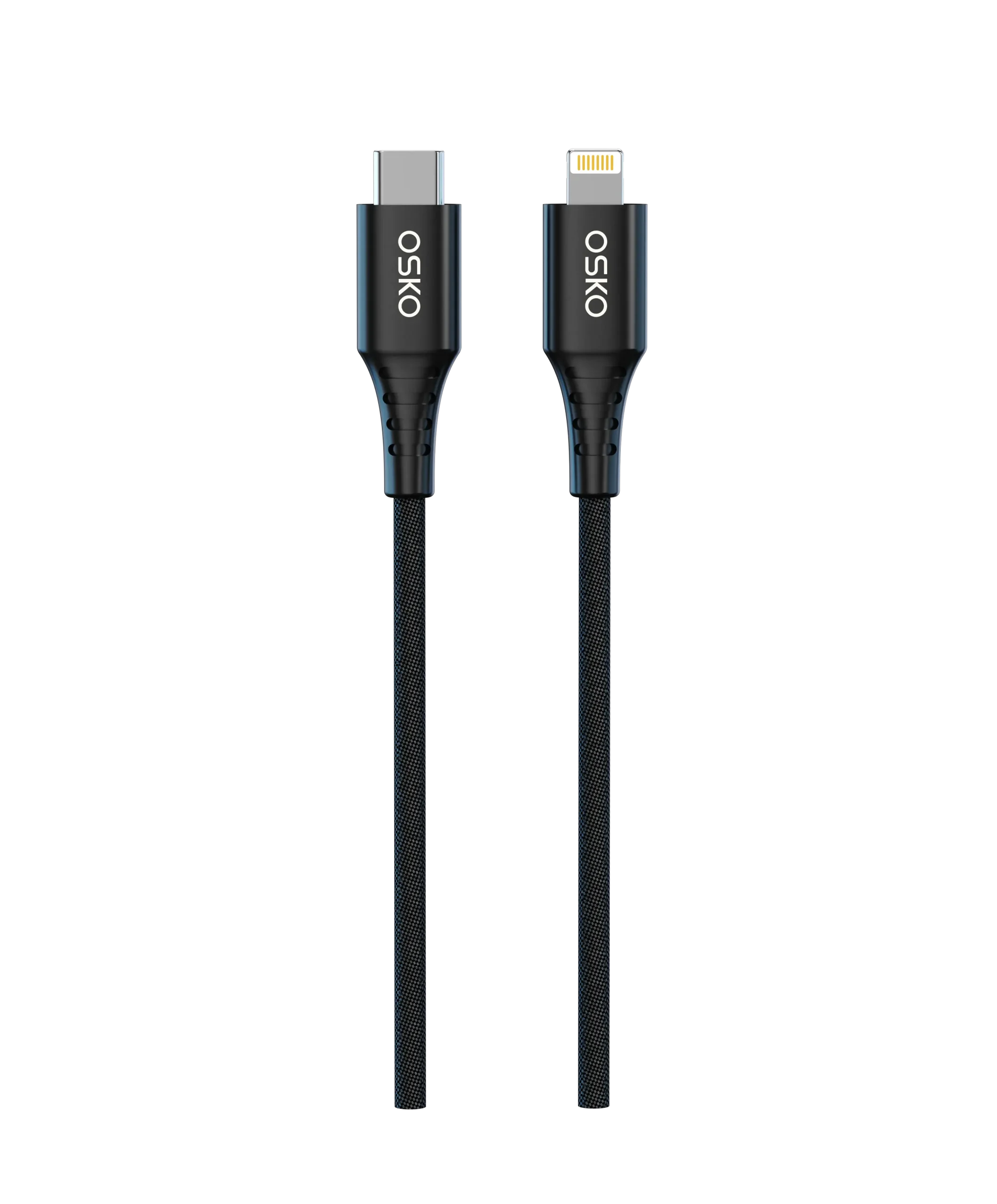
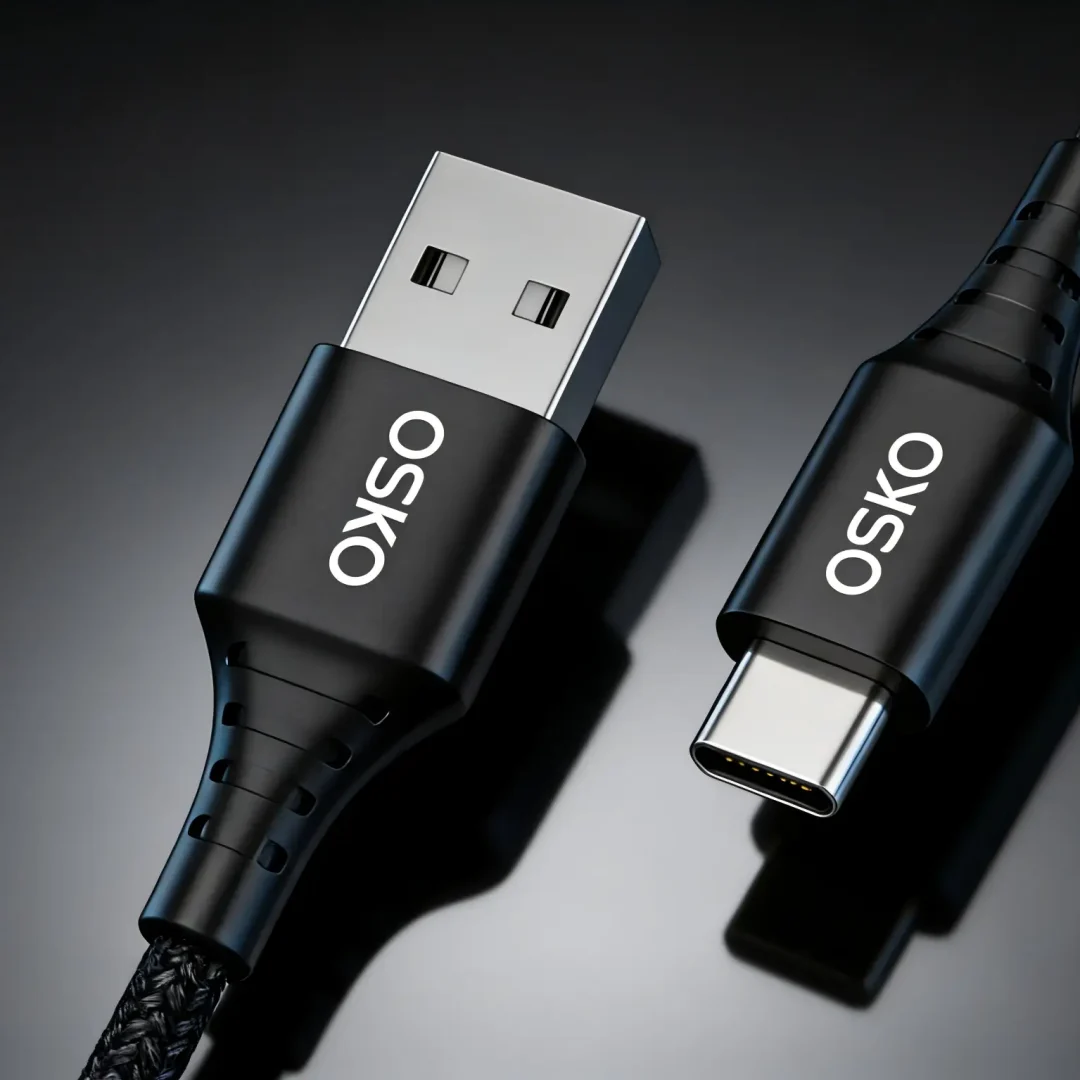
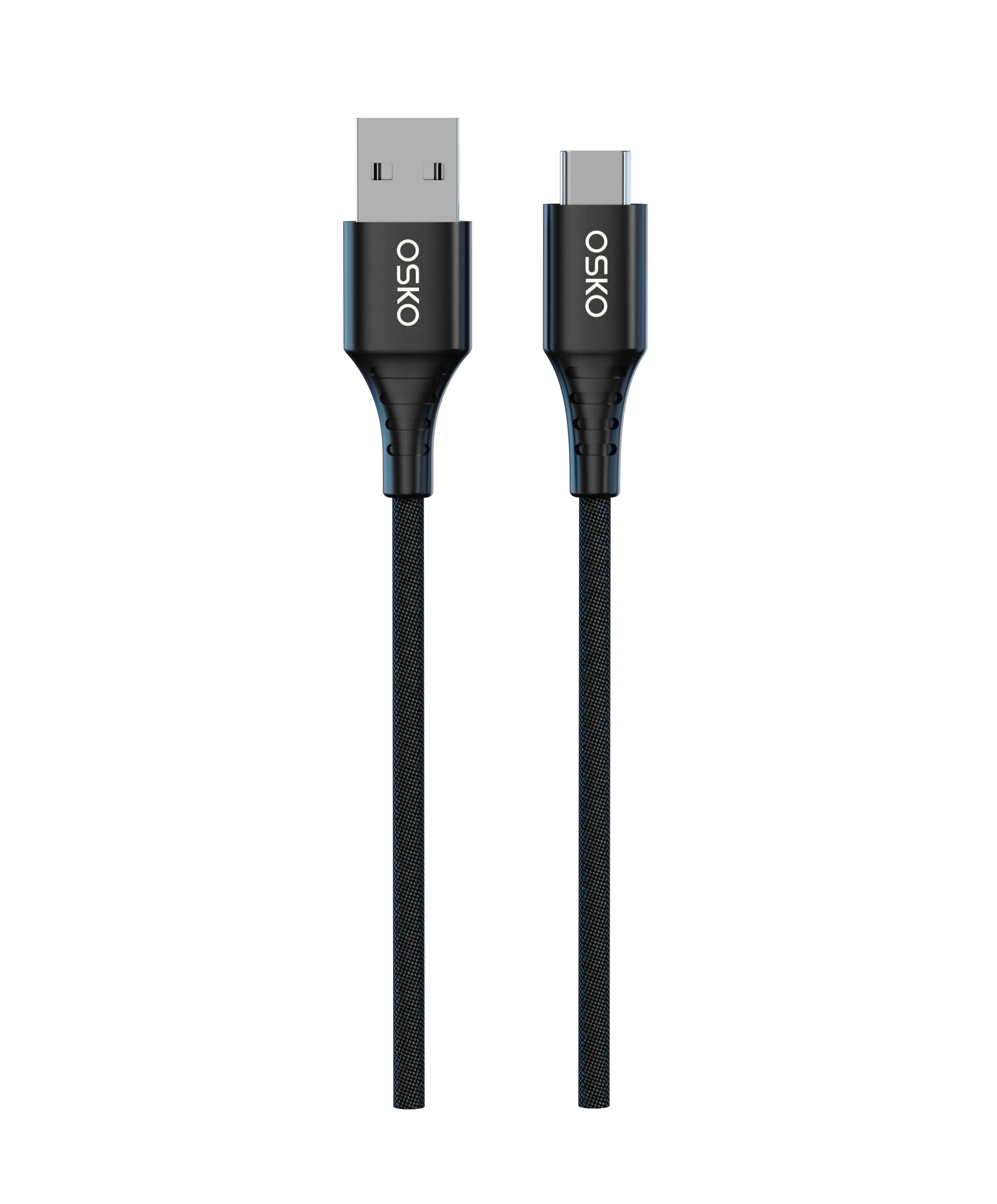
USB-A to USB-C cables
Custom OEM cable production
Our manufacturing capabilities include:
✔ Material selection
✔ Cable structure development
✔ Shielding optimization
✔ Performance testing
✔ Private label production
For electronics brands, wholesalers, and distributors looking for a reliable USB-C cable supplier, OSKO provides complete solutions from prototype development to mass production.
Contact OSKO today to discuss your custom USB-C cable manufacturing project.