
Introduction
Many consumers and tech buyers wonder whether the classic USB-A ports are disappearing in favor of USB-C. With the rise of fast charging, universal connectivity, and EU regulations, this question is increasingly relevant for manufacturers, wholesalers, and e-commerce sellers.
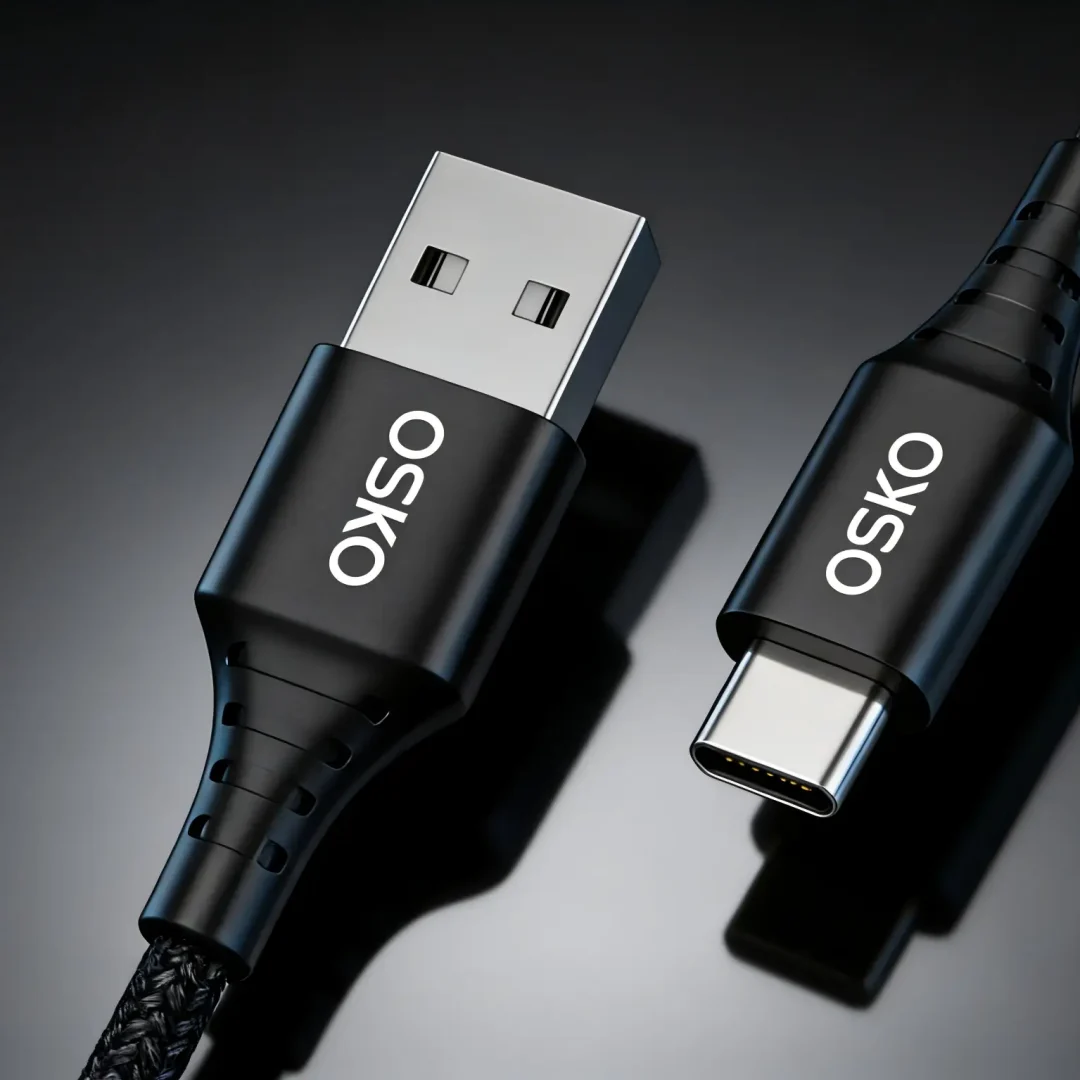
USB-C offers a single reversible connector for charging, data transfer, and video output, but USB-A still exists in many devices. Understanding the transition timeline, compatibility issues, and market trends is crucial for product planning.
Why USB-C Is Becoming Dominant
Universal Compatibility and Reversibility
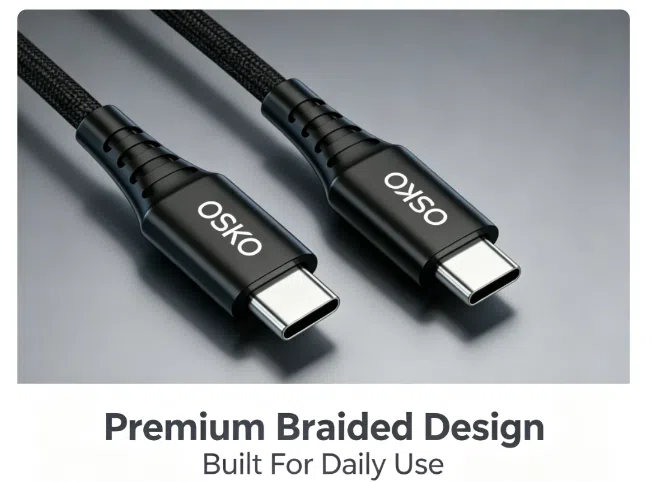
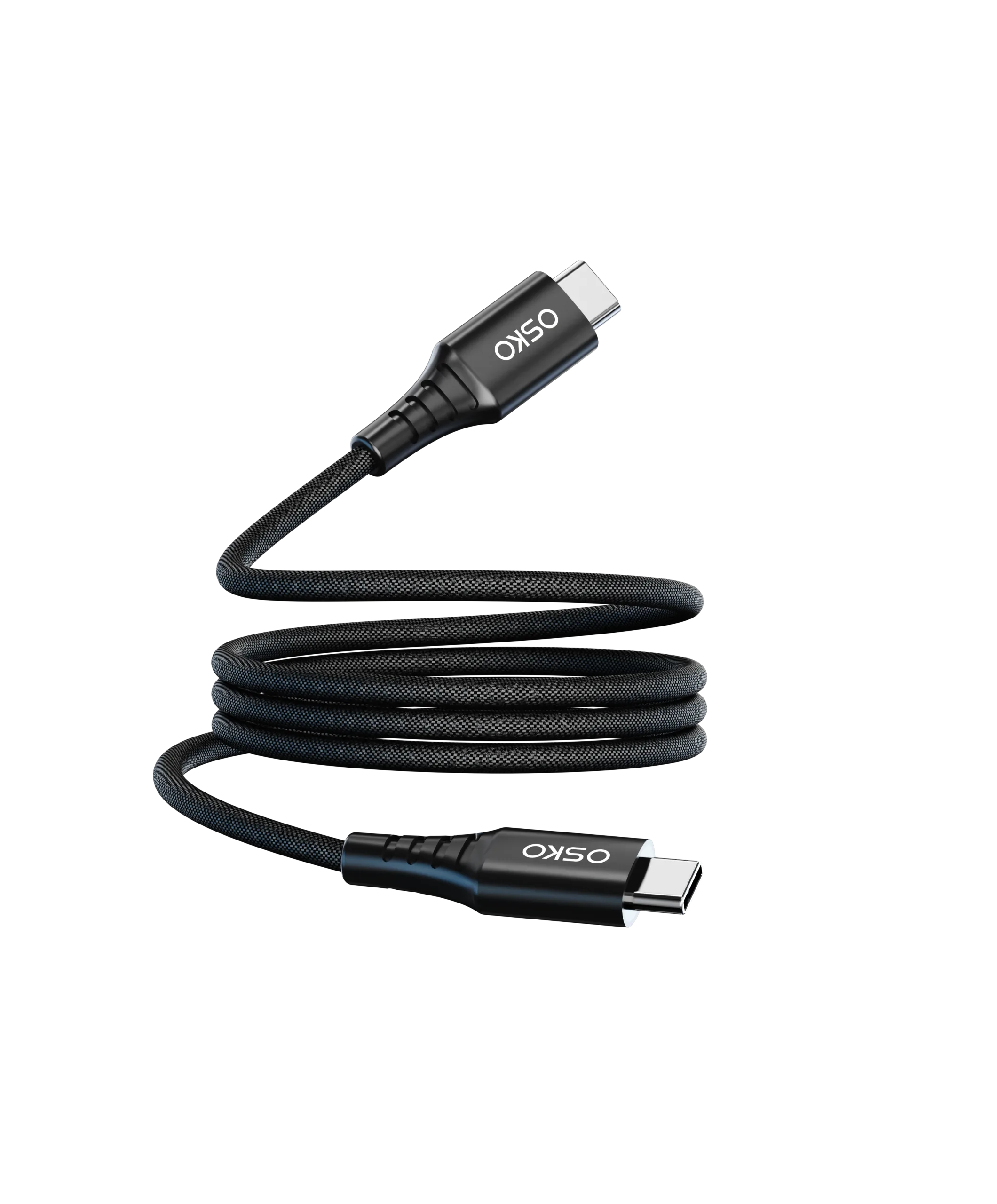
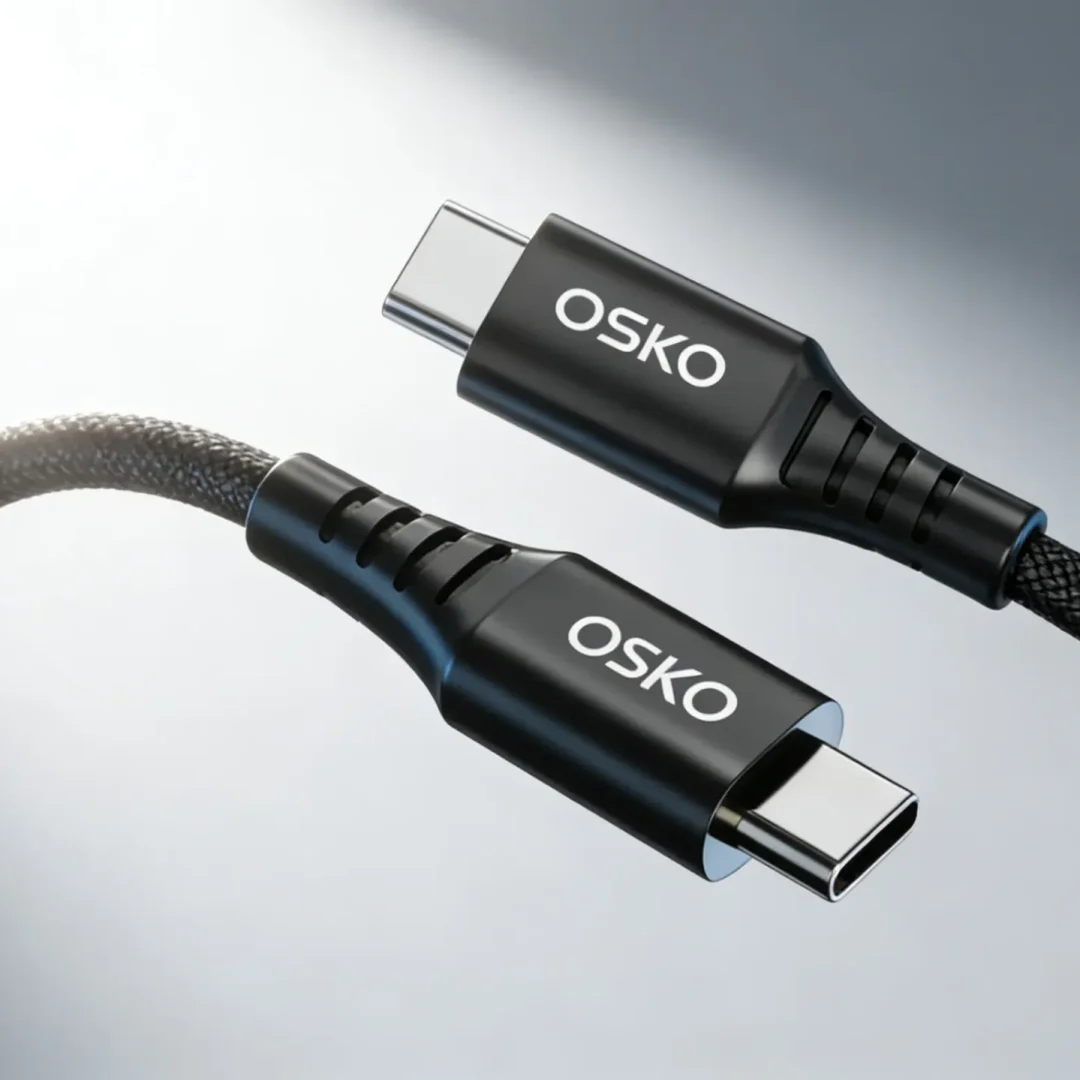
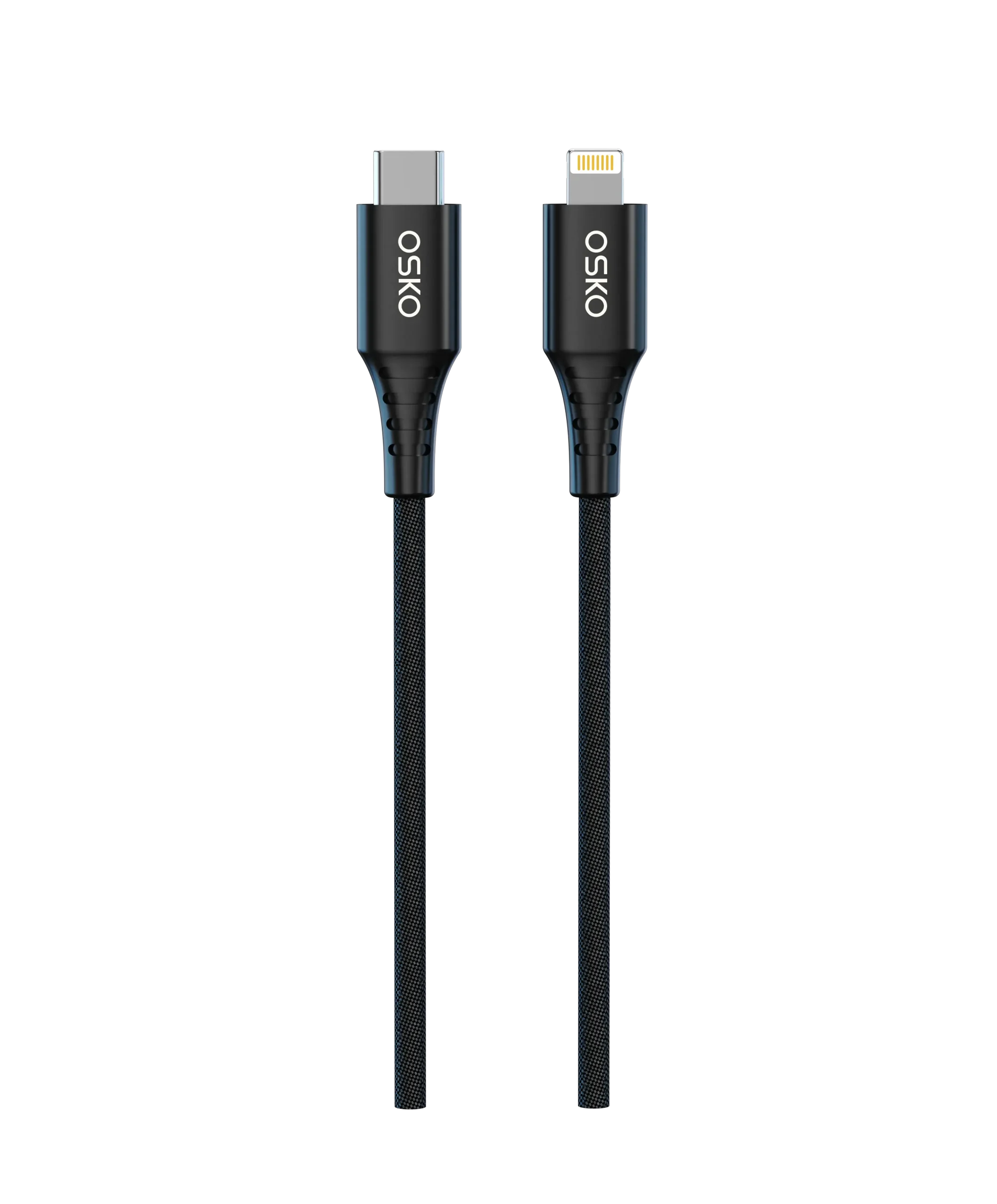
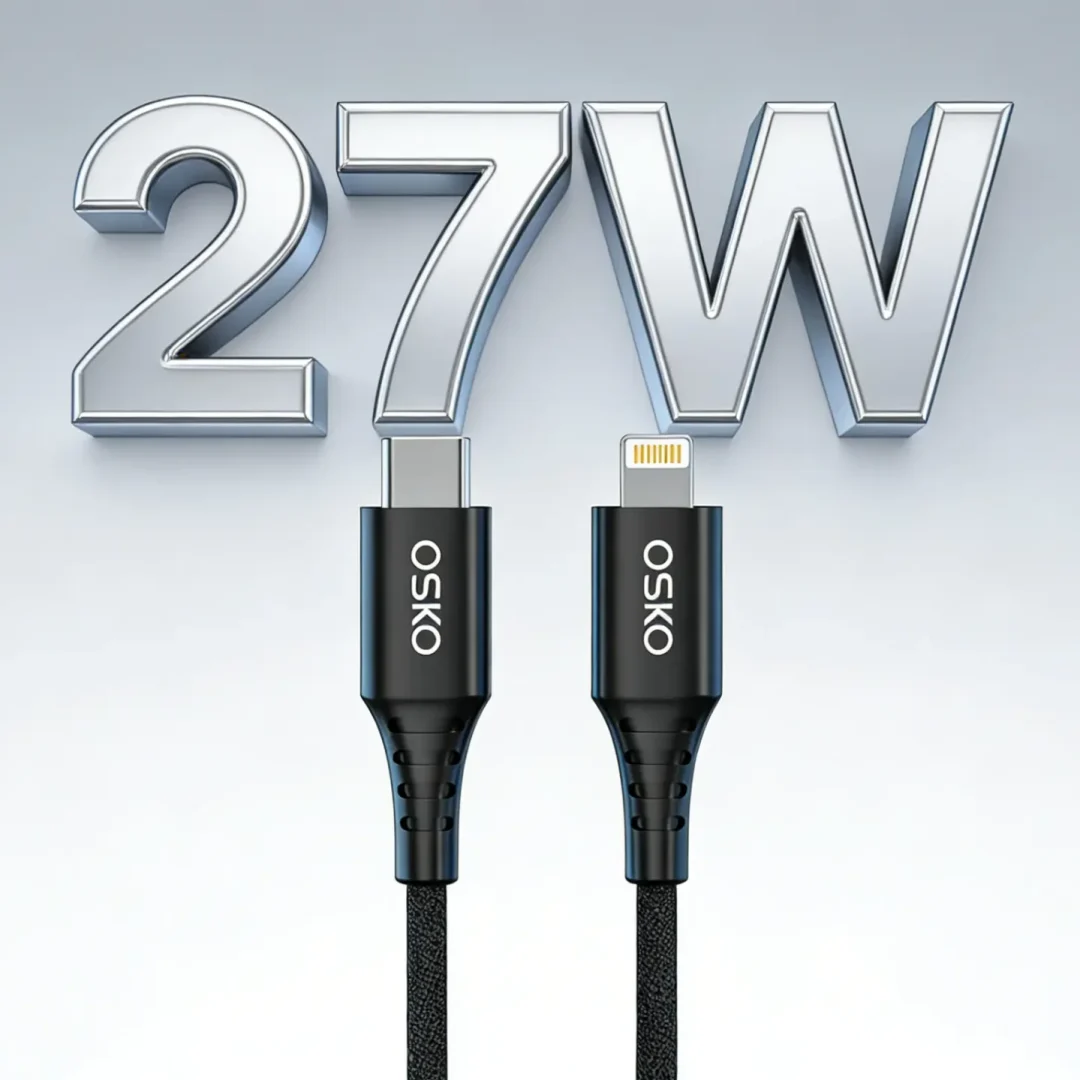
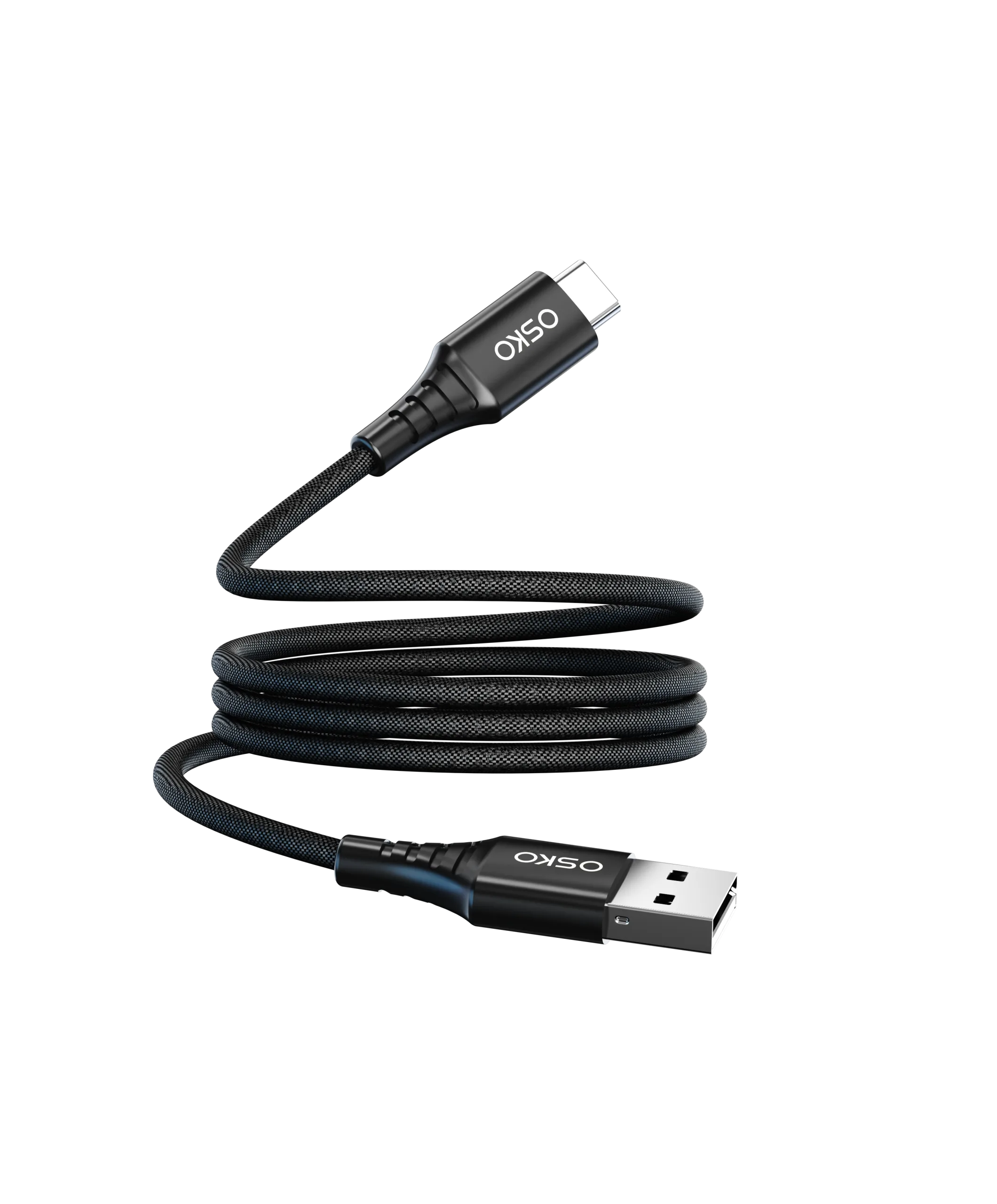
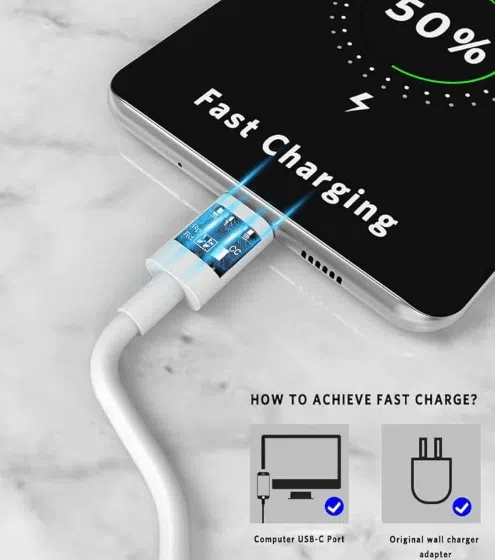
USB-C can carry both power and data, supporting USB 2.0 up to USB4 speeds and PD fast charging up to 240W. Unlike USB-A, it is reversible, making it easier for users to plug in devices without error.
Regulatory Pressure
The European Union’s Common Charger Directive (2024+) mandates USB-C for smartphones, tablets, e-readers, and some laptops. This regulation directly influences manufacturers and wholesalers targeting EU markets, accelerating the adoption of USB-C.
Technical Advantages
Higher current and voltage support → faster charging
Greater data transfer speeds → suitable for external drives, monitors, and docking stations
Smaller form factor → allows thinner laptops and smartphones
Why USB-A Remains Relevant
Legacy Devices
Many consumers still use devices with USB-A ports:
Older laptops
Dashcams and car chargers
Power banks
Peripheral accessories like keyboards and mice
Cost Considerations
USB-A cables and adapters remain cheaper to manufacture, making them attractive for budget devices or OEM bulk orders.
Transitional Adapters
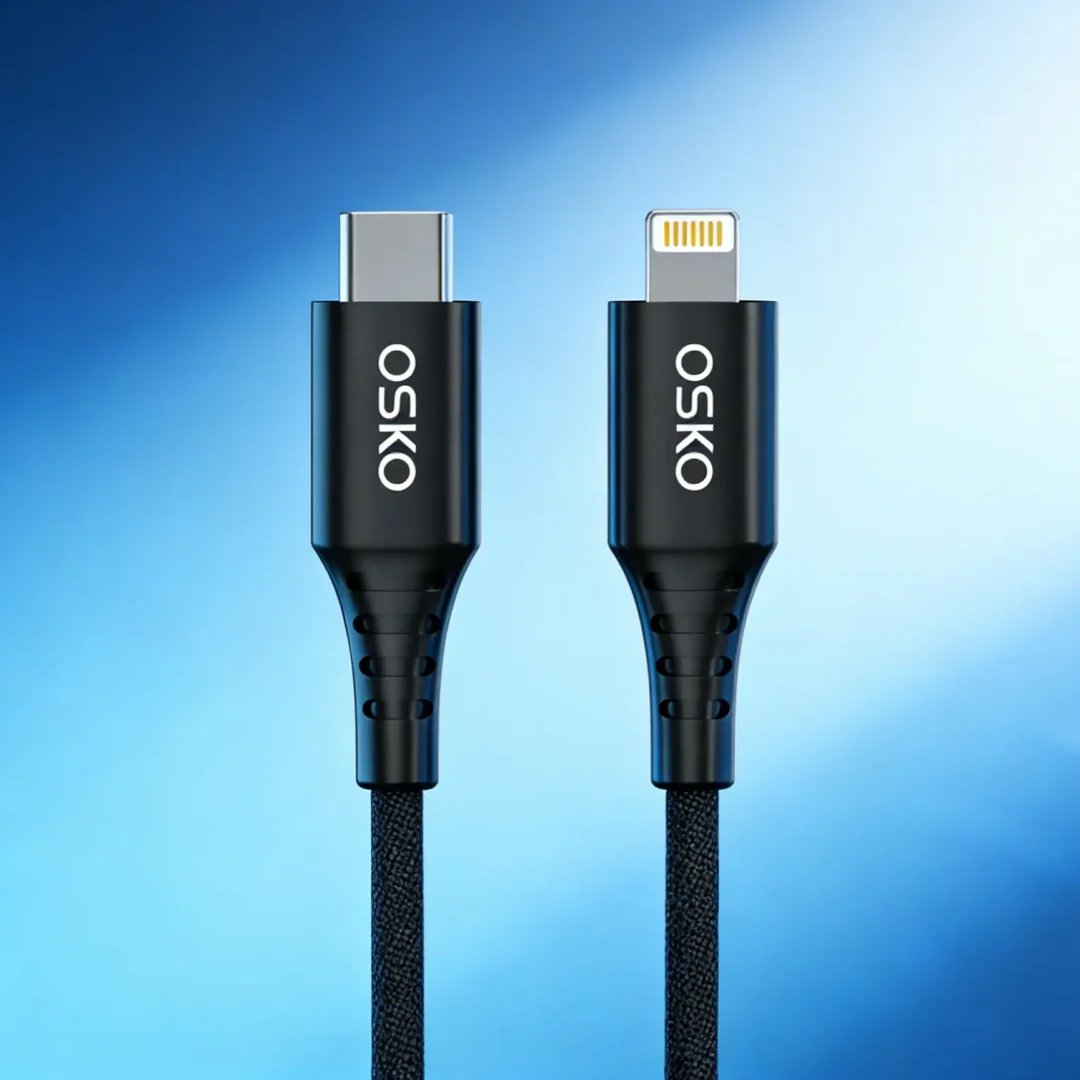
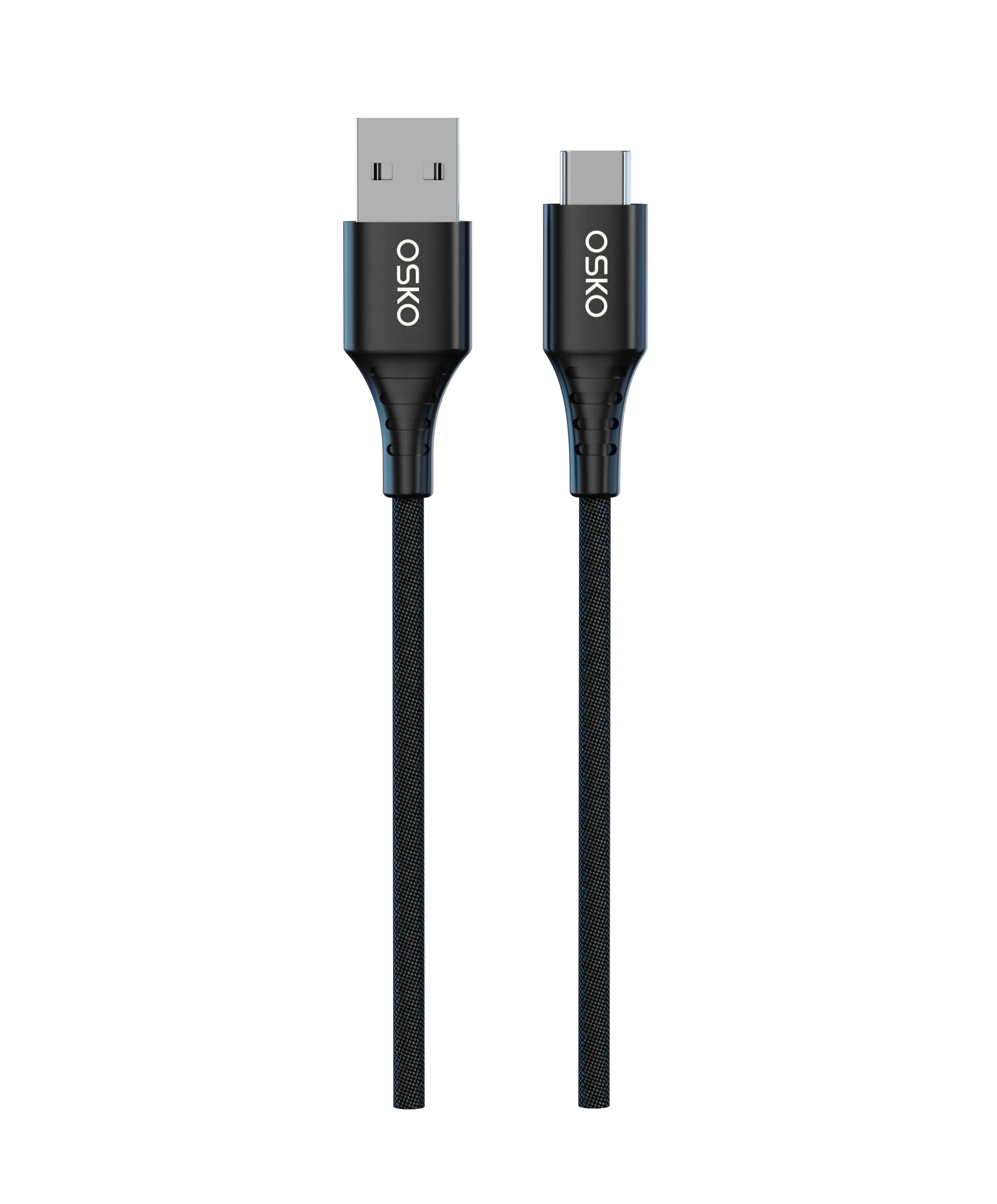
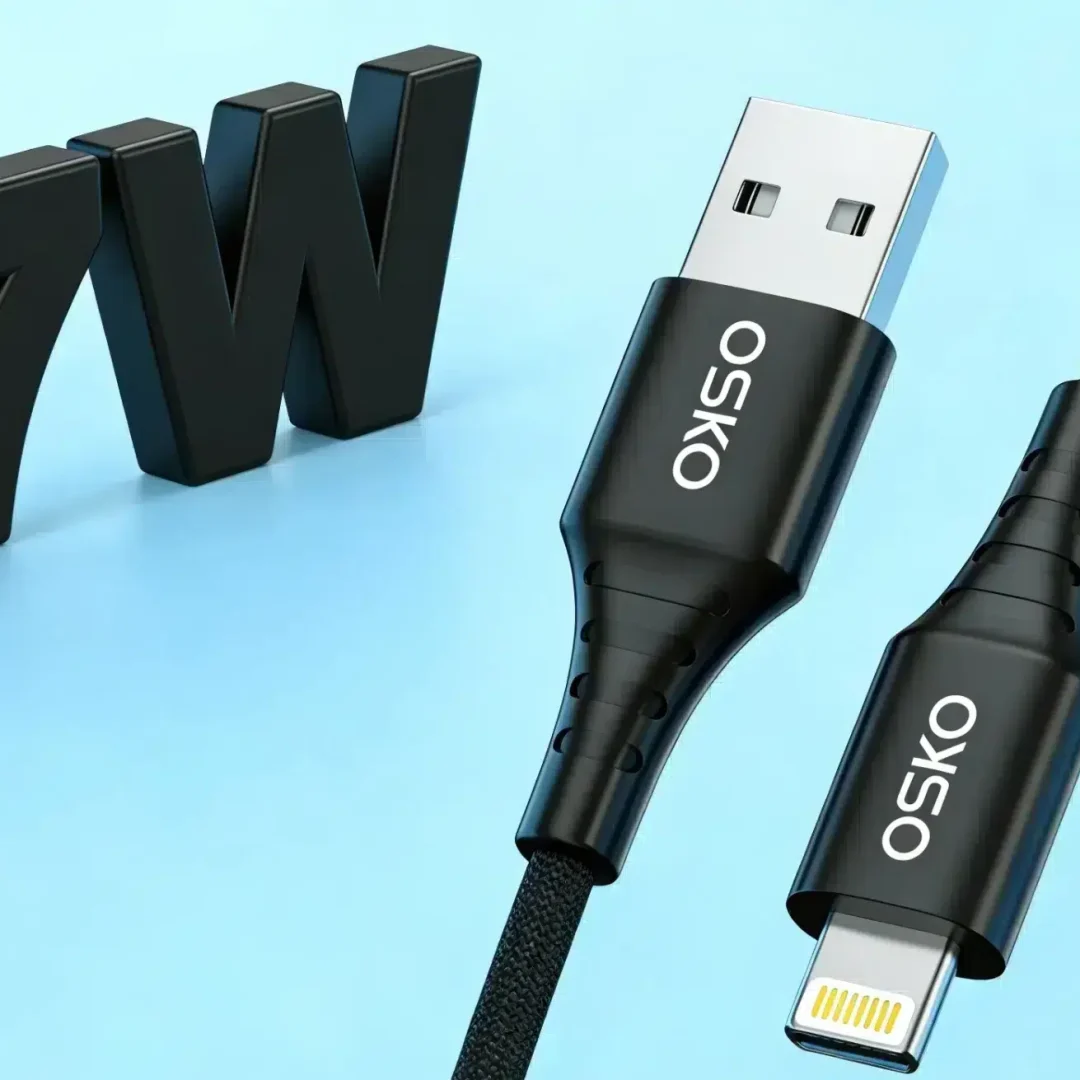
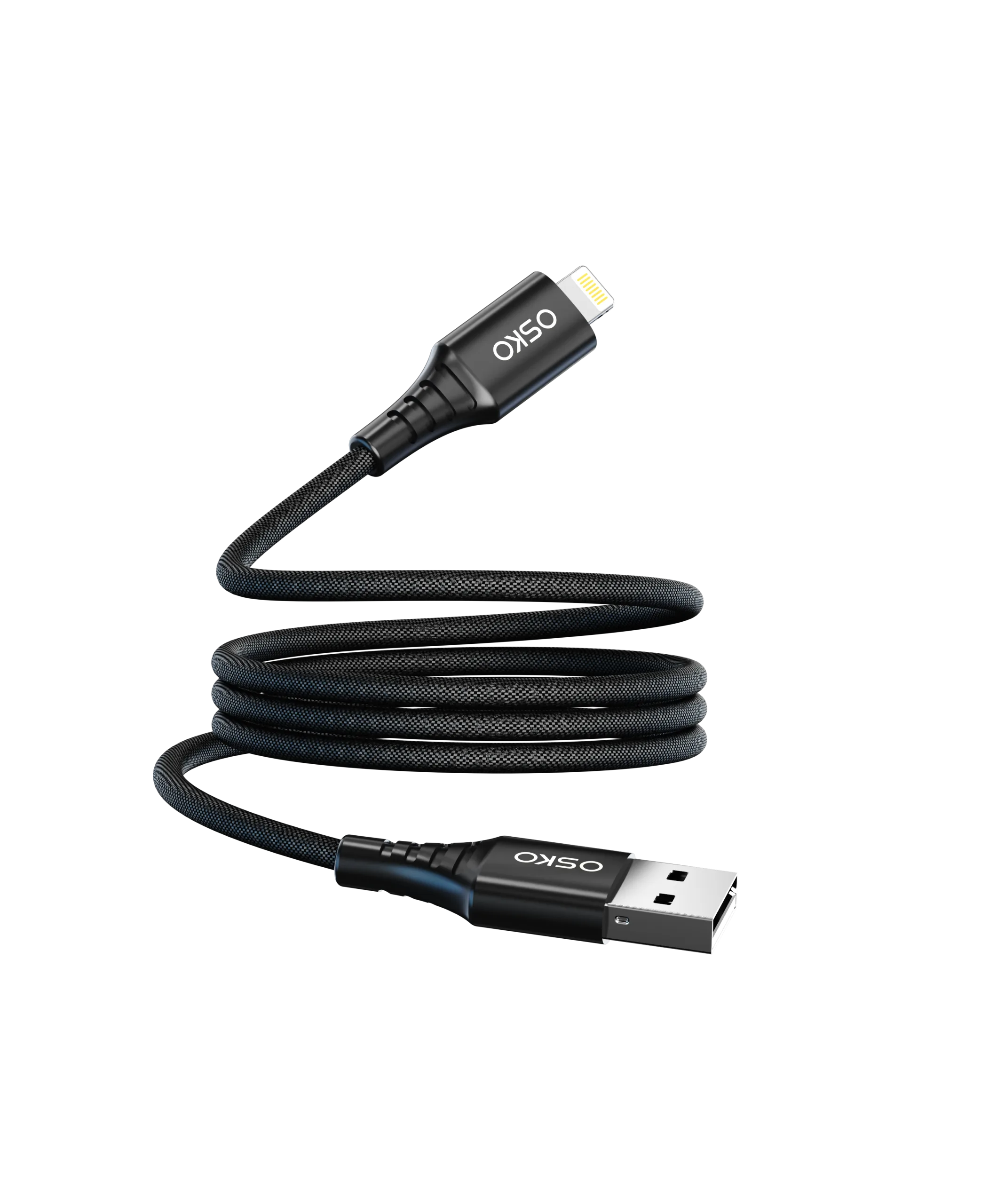
USB-A to USB-C adapters and hybrid chargers are common, allowing mixed-device compatibility during the transition.
Market Trends and OEM Considerations
North America
USB-C is growing but USB-A remains in cars, desktop hubs, and legacy electronics.
Fast charging adoption drives demand for USB-C PD chargers (30W–100W).
Europe
Stronger regulatory push for USB-C in 2026.
Private-label brands and OEMs must adopt USB-C to maintain market access.
OEM Strategy
For OEM or private-label suppliers:
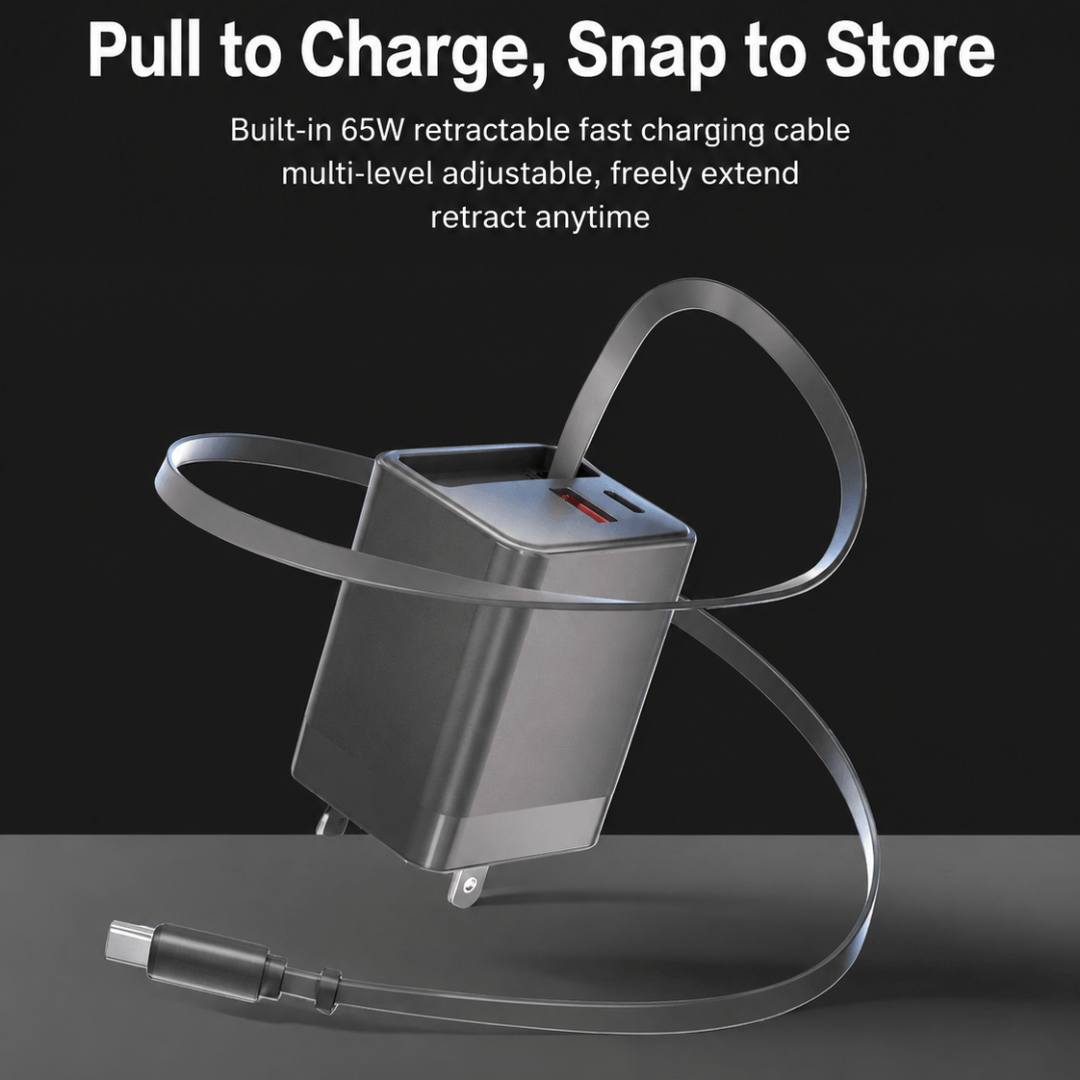
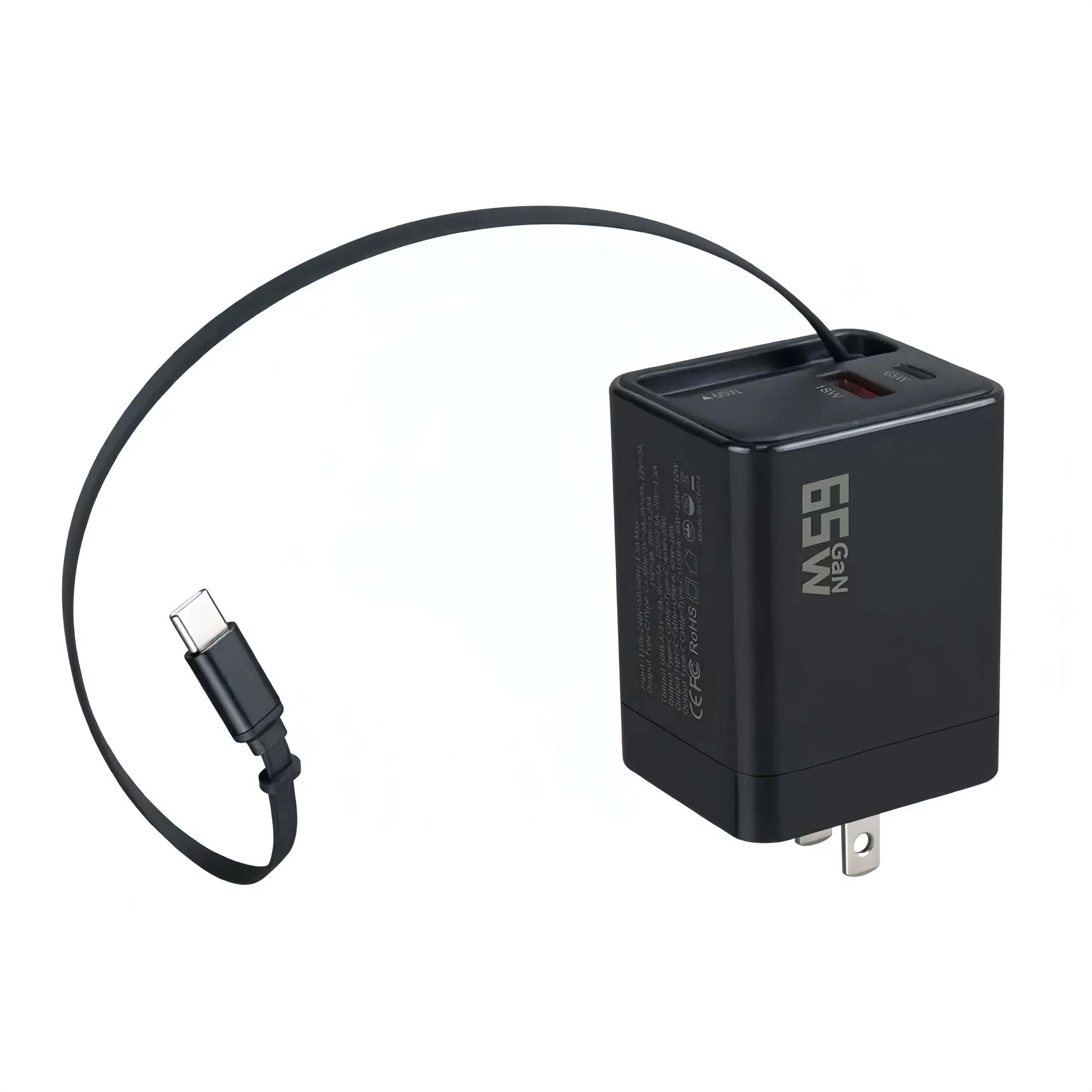
Offer hybrid chargers (USB-C + USB-A) to cover existing users.
Include certified USB-C PD cables to future-proof devices.
Plan for bulk USB-C cable orders in 3ft/6ft lengths with options for custom branding.
Comparison Table: USB-A vs USB-C Transition
| Feature | USB-A | USB-C | Notes |
|---|---|---|---|
| Connector Type | Rectangular, one-way | Reversible oval | USB-C is easier to use |
| Power Delivery | 2.5W–12W | 15W–240W | USB-C supports PD fast charging |
| Data Speeds | USB 2.0–3.0 | USB 2.0–USB4 | USB-C covers future protocols |
| Market Status | Legacy, stable | Growing, mandated | Hybrid products recommended |
| OEM Consideration | Lower cost, bulk orders | Premium, future-proof | Use both to cover existing and new markets |
Conclusion
USB is not immediately being phased out, but USB-C is rapidly becoming the universal standard.
Key takeaways for wholesalers, OEMs, and private-label brands:
USB-C is required for new EU-compliant devices and fast charging solutions.
USB-A will remain relevant for legacy devices, budget segments, and transitional products.
Hybrid products (USB-C + USB-A) offer maximum market coverage and minimize customer friction.
Bulk OEM sourcing of USB-C cables, car chargers, and adapters is essential for long-term competitiveness.
By understanding the market, certification requirements, and device compatibility, suppliers can future-proof their inventory while still serving current users.