
Introduction
If you’re sourcing charging accessories, data cables, chargers, or consumer electronics, you’ve likely noticed a major shift in the market: USB-C is appearing everywhere.
From smartphones and tablets to laptops, monitors, docking stations, and gaming devices, manufacturers are rapidly adopting USB-C as the preferred connection standard. At the same time, many consumers still own devices that rely on traditional USB-A ports.
This creates an important question for wholesalers, distributors, retailers, and OEM buyers:
Is USB-A being phased out for USB-C?
The answer is yes—but not overnight.
USB-C is clearly becoming the global standard for charging and data transfer, but USB-A remains relevant in many applications. Understanding this transition can help businesses make smarter purchasing decisions and avoid investing in outdated inventory.
In this guide, we’ll examine current market trends, compare USB-A and USB-C technologies, and explore the best sourcing strategies for OEM and private-label brands.
Why USB-C Is Becoming the Global Standard
The growth of USB-C is driven by both technological advantages and regulatory changes.
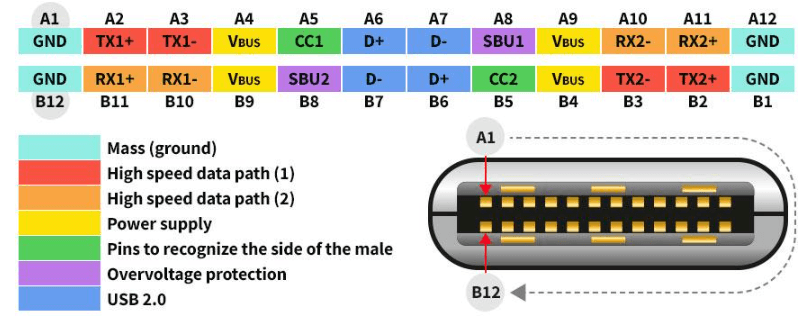
Unlike previous USB generations, USB-C was designed as a universal connector capable of handling charging, data transfer, video output, and peripheral connectivity through a single port.
As a result, manufacturers can simplify device design while improving user experience.
Faster Charging Capabilities
One of the biggest advantages of USB-C is support for USB Power Delivery (PD).
Modern USB-C cables can support:
| Power Standard | Maximum Power |
|---|---|
| Standard USB-C | 15W |
| USB-C PD 3.0 | 100W |
| USB-C PD 3.1 | 240W |
This makes USB-C suitable for:
Smartphones
Tablets
Laptops
Gaming consoles
Portable monitors
By comparison, traditional USB-A connections were never designed for such high power delivery.
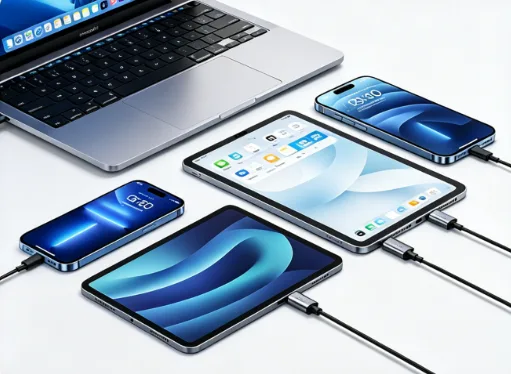
Higher Data Transfer Speeds
USB-C also supports significantly faster data transfer technologies.
| Interface | Maximum Speed |
| USB 2.0 | 480 Mbps |
| USB 3.0 | 5 Gbps |
| USB 3.2 | 20 Gbps |
| USB4 | 40 Gbps |
These speeds make USB-C ideal for:
External SSDs
Professional video workflows
Docking stations
High-resolution displays
Consequently, businesses increasingly standardize around USB-C infrastructure.
Regulatory Changes Accelerating Adoption
Another major factor is legislation.
The European Union’s Common Charger initiative has accelerated USB-C adoption across consumer electronics.
Manufacturers selling products in Europe increasingly prioritize USB-C compatibility because it simplifies compliance requirements and reduces product fragmentation.
As a result, suppliers serving both North American and European markets are investing heavily in USB-C product development.
Why USB-A Is Not Disappearing Completely
Although USB-C dominates new product launches, USB-A remains widely used.
This is particularly true in commercial, automotive, and industrial environments.
Legacy Device Support
Millions of devices still rely on USB-A connectivity.
Examples include:
Desktop computers
Older laptops
Vehicle USB ports
POS systems
Barcode scanners
Industrial equipment
Replacing all of these systems will take years.
Therefore, demand for USB-A cables and accessories continues.
Cost Advantages
USB-A accessories often remain more affordable.
For bulk OEM projects, this can be important when targeting:
Promotional products
Budget retail channels
Educational institutions
Corporate giveaways
Cost-sensitive buyers frequently choose USB-A solutions when high-speed charging is not essential.
Transitional Product Ecosystems
Many users currently own both USB-A and USB-C devices.
Consequently, hybrid products remain extremely popular.
Examples include:
USB-C + USB-A wall chargers
USB-C + USB-A car chargers
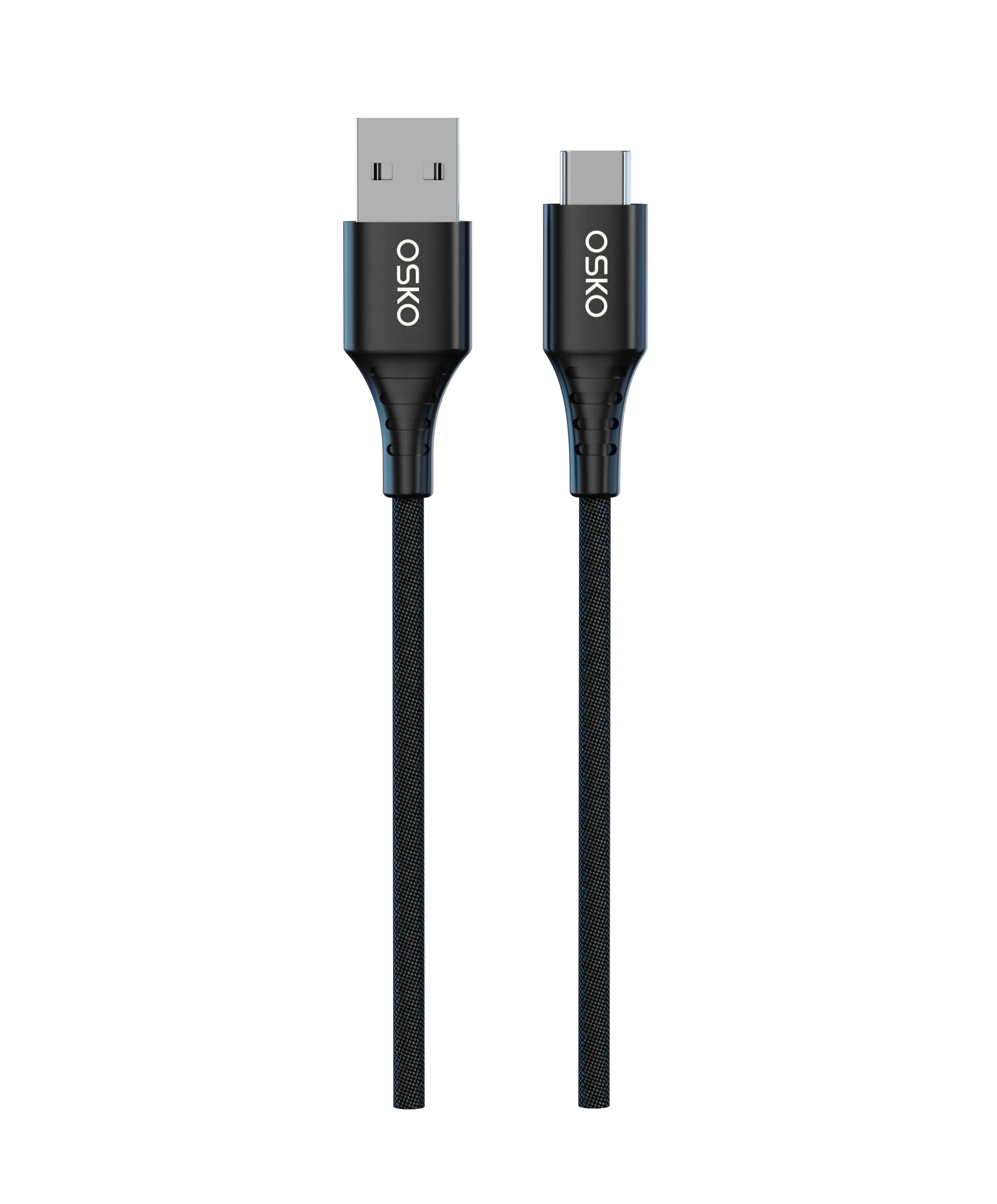
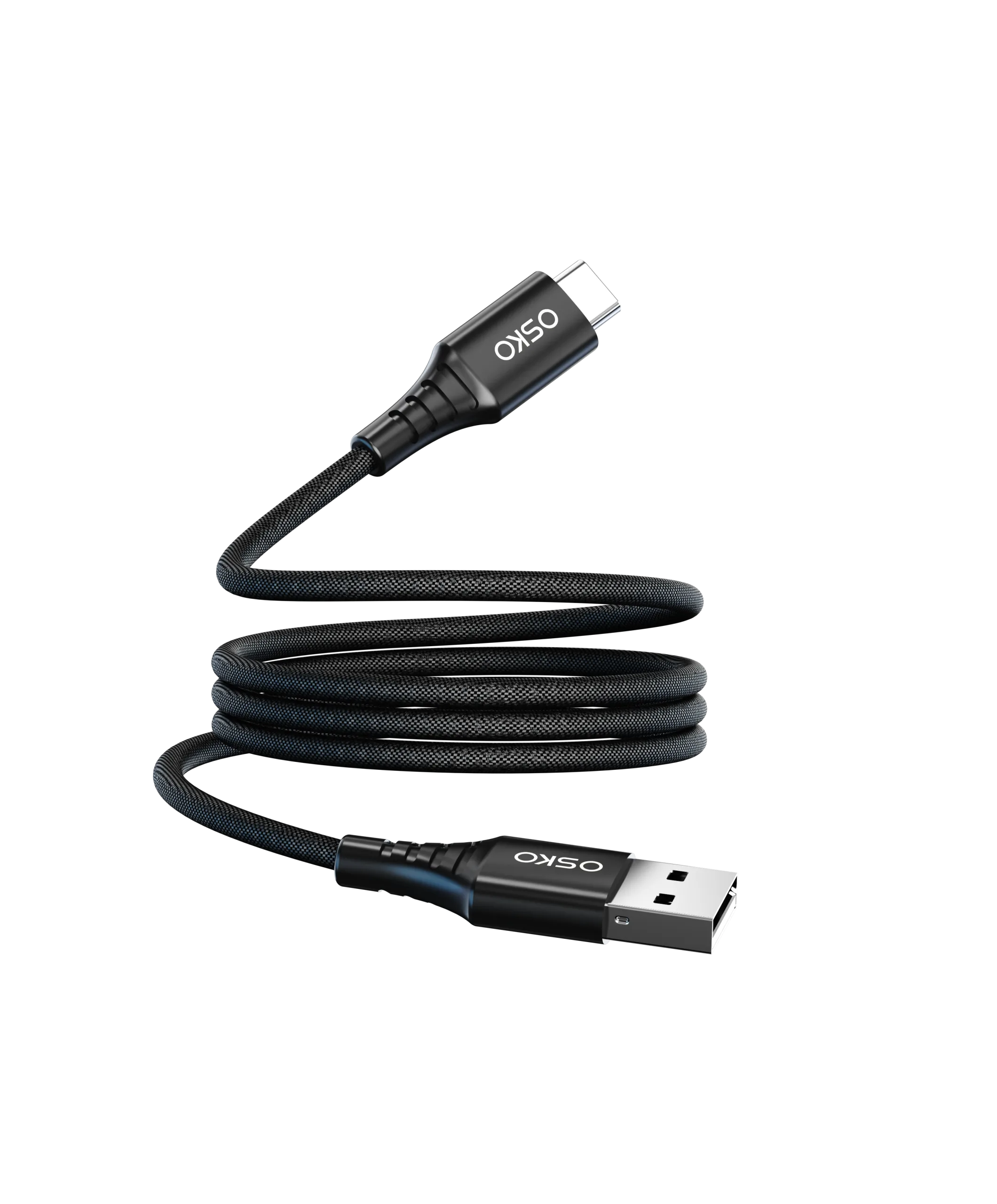
USB-A to USB-C cables
USB-C to USB-A adapters
These products help consumers transition gradually rather than replacing every accessory at once.
OEM Sourcing Strategy Comparison
For manufacturers, distributors, and private-label brands, the key question is not whether USB-C will dominate—it already is.
The real question is how to balance current demand with future growth.
OEM Sourcing Comparison Table
| Category | USB-A Products | USB-C Products | Hybrid Products |
| Market Growth | Stable | Rapid Growth | Very Strong |
| Fast Charging Support | Limited | Excellent | Excellent |
| Data Transfer Capability | Moderate | High | High |
| Consumer Demand | Legacy Users | Mainstream Users | Broad Audience |
| OEM Development Priority | Medium | High | High |
| Average Profit Margin | Medium | High | High |
| Retail Appeal | Moderate | Excellent | Excellent |
| Future Market Outlook | Declining Slowly | Expanding Rapidly | Strong During Transition |
| Best Application | Budget Products | Premium Products | Mass Market |
| Recommended Inventory Level | Medium | High | High |
Applicable Scenarios
Understanding end-user behavior is essential when selecting inventory.
Home Charging Solutions
Consumers increasingly prefer USB-C because a single charger can support multiple devices.
Popular products include:
USB-C wall chargers
Multi-port charging stations
Home users value convenience and reduced cable clutter.
Office and Business Environments
Corporate users frequently connect:
Laptops
Docking stations
External monitors
Smartphones
USB-C simplifies connectivity and improves workstation efficiency.
Automotive Applications
Vehicle charging remains one of the largest transitional markets.
Many vehicles still include USB-A ports while newer models introduce USB-C.
This creates strong demand for:
USB-C car chargers
Dual-port hybrid chargers
Travel Accessories
Travelers increasingly seek universal charging solutions.
USB-C chargers and cables reduce the need to carry multiple adapters, making them highly attractive in both North American and European markets.
What OEM Buyers Should Source in 2026
A balanced product portfolio remains the safest strategy.
Rather than abandoning USB-A entirely, successful brands are expanding USB-C while maintaining compatibility with existing users.
Recommended Product Mix
Premium Product Line
Focus on:
100W USB-C PD cables
USB-C GaN chargers
Multi-port USB-C chargers
These products align with long-term market growth.
Transitional Product Line
Include:
USB-A to USB-C cables
USB-C + USB-A wall chargers
USB-C + USB-A car chargers
These products appeal to the widest customer base.
Legacy Product Line
Maintain limited inventory of:
USB-A cables
USB-A chargers
USB-A accessories
This supports customers using older devices while inventory demand gradually declines.
Recommended Internal Links
For improved SEO and user navigation, connect this article with related content:
USB-C Cable Buying Guide
Best USB-C Cable for Fast Charging
USB-C vs Lightning Explained
100W USB-C PD Cable Guide
USB-C Cable with E-Marker IC
GaN Charger OEM Supplier
Car Charger Wholesale Supplier
Custom USB Cable Manufacturer
FAQ
Is USB-A being discontinued?
No. USB-A is not being discontinued immediately, but its market share is gradually shrinking as USB-C adoption increases.
Will all devices eventually use USB-C?
Most consumer electronics are moving toward USB-C, particularly smartphones, tablets, laptops, and charging accessories.
Should wholesalers stop stocking USB-A products?
Not yet. USB-A still serves a large installed base of devices and remains relevant in several industries.
Which USB products should OEM buyers prioritize?
USB-C cables, USB-C chargers, USB-C car chargers, and high-power PD accessories should be the primary focus for future growth.
Are hybrid USB-C and USB-A products a good investment?
Yes. Hybrid products provide compatibility with both old and new devices, making them highly attractive during the transition period.
Summary
USB-A is not disappearing overnight, but the industry is clearly moving toward USB-C as the universal standard for charging and connectivity.
The combination of faster charging, higher data transfer speeds, regulatory support, and broader device compatibility has made USB-C the preferred choice for modern electronics.
For OEM buyers, distributors, and private-label brands, the most effective strategy is to prioritize USB-C products while maintaining a carefully selected range of USB-A and hybrid solutions.
Businesses that adapt early to the USB-C transition will be better positioned to capture growing demand across North America, Europe, and global e-commerce markets.
Request OEM USB-C Cable and Charger Solutions
OSKO provides:
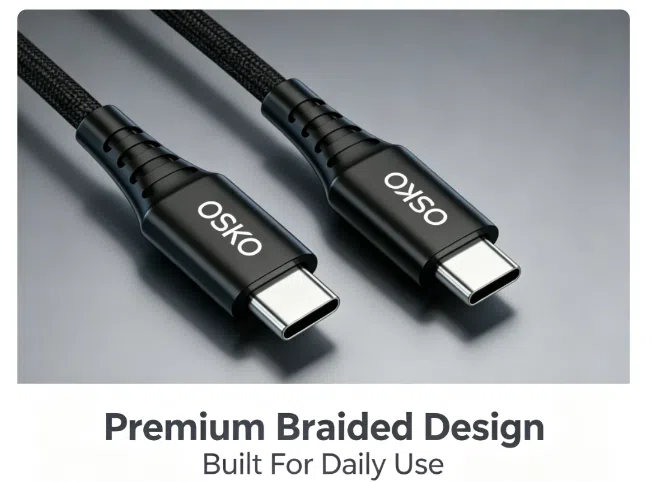
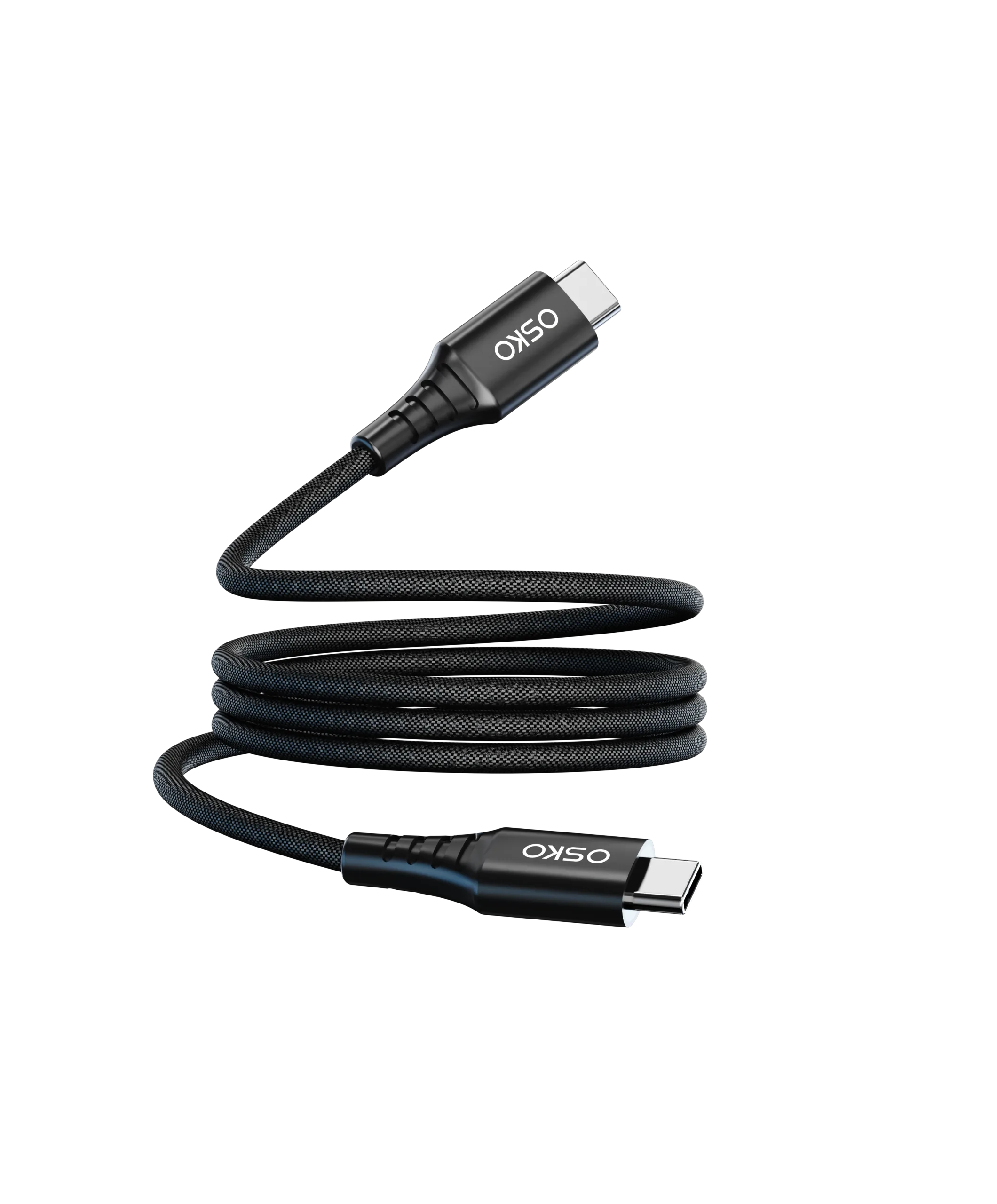
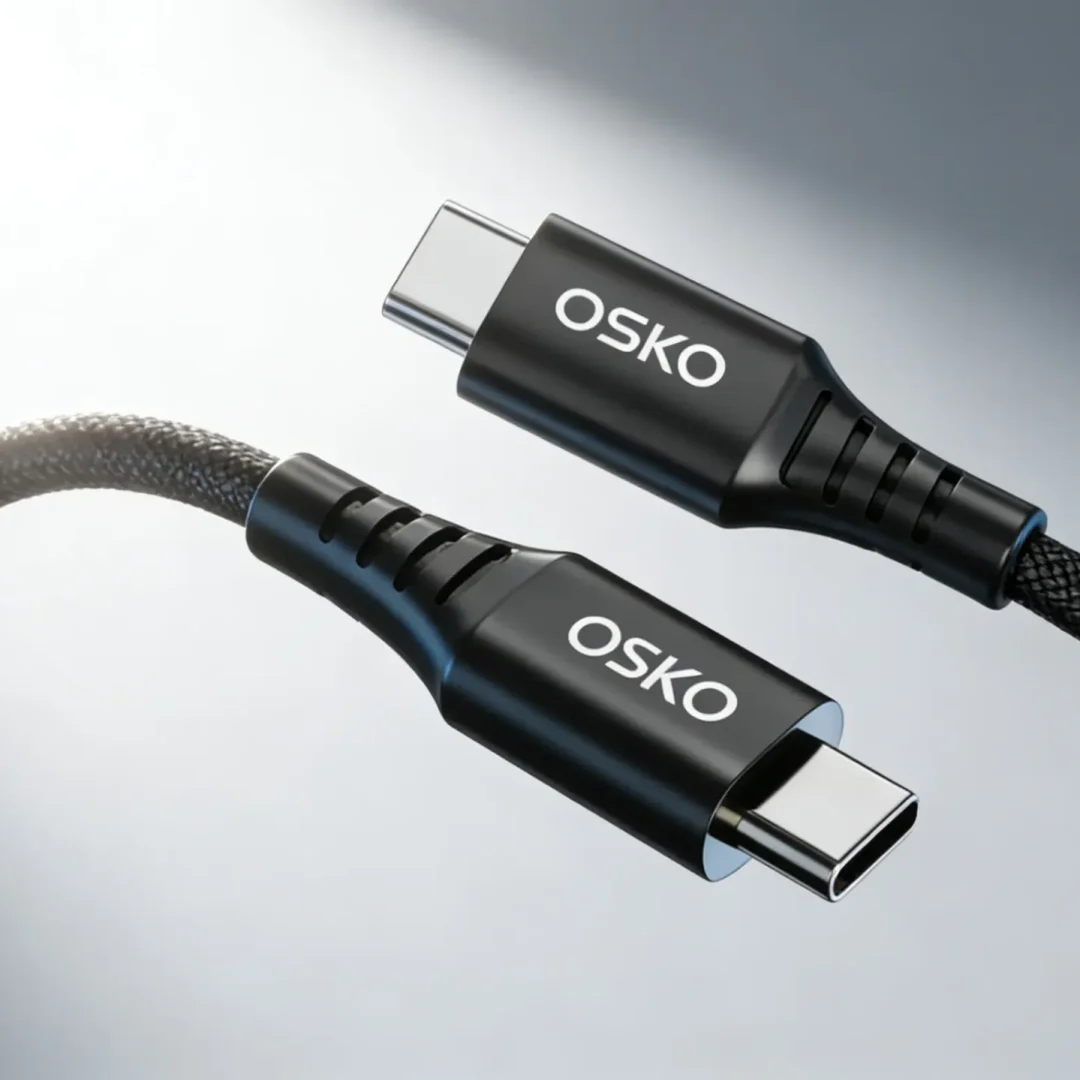
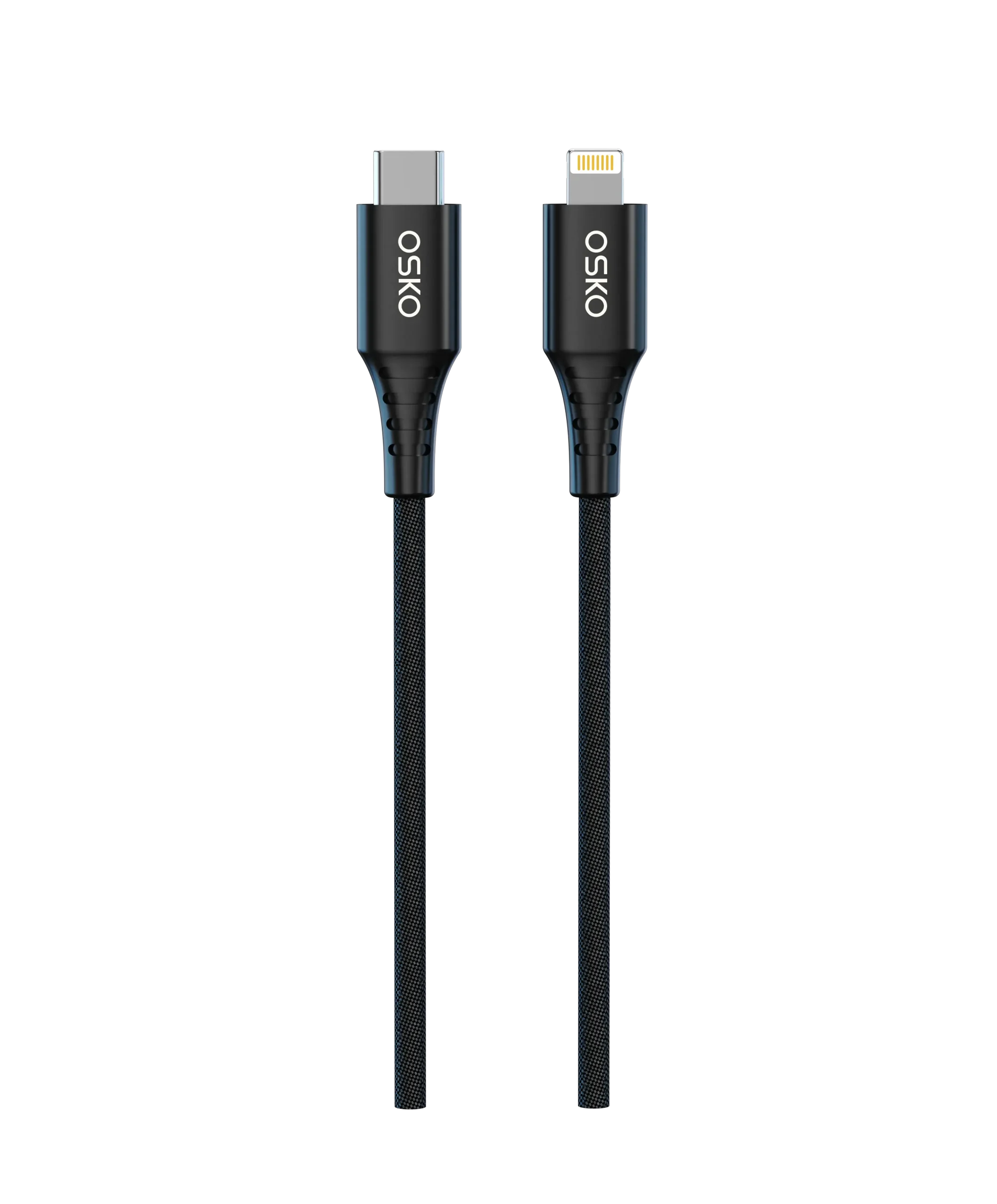
USB-C to USB-C Cables
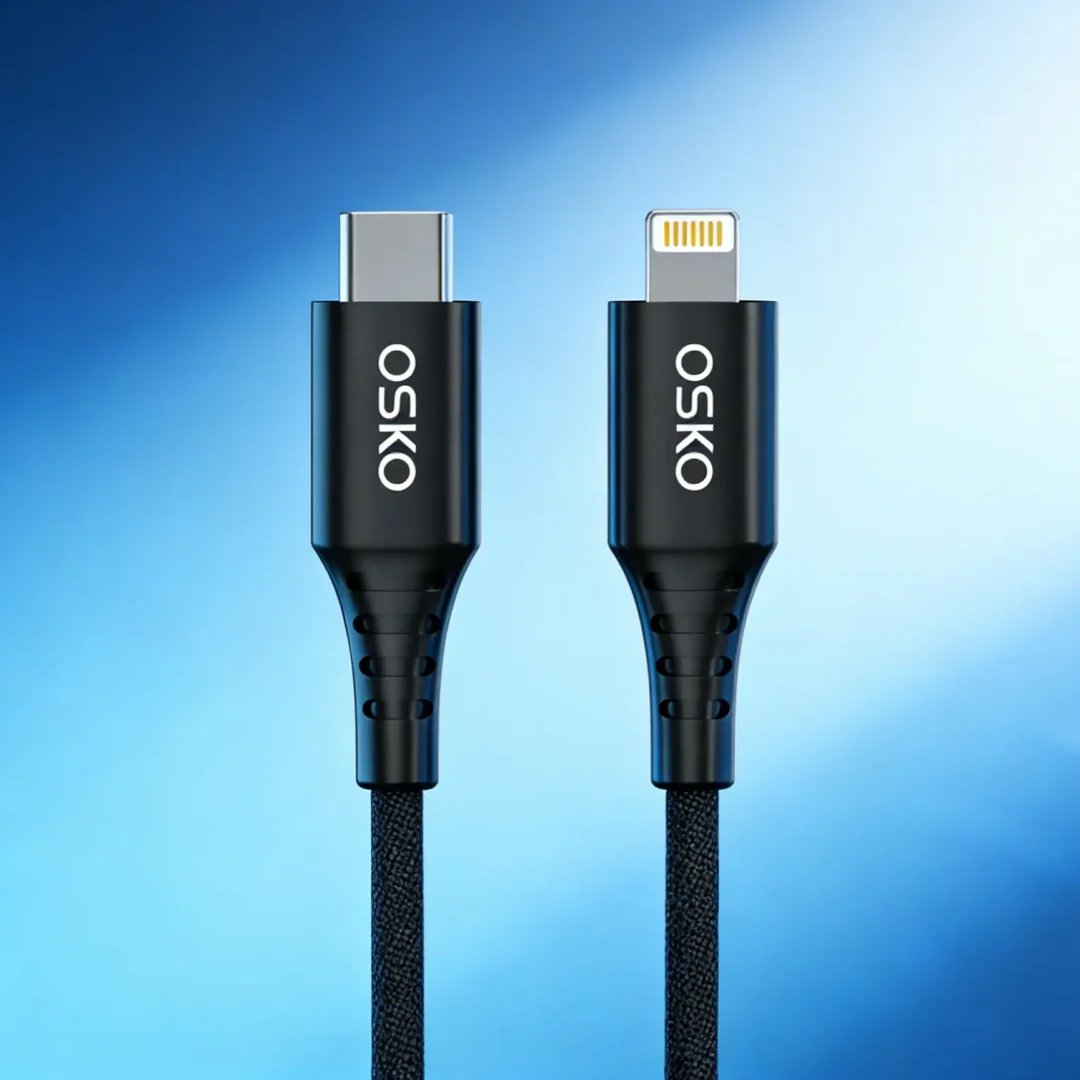
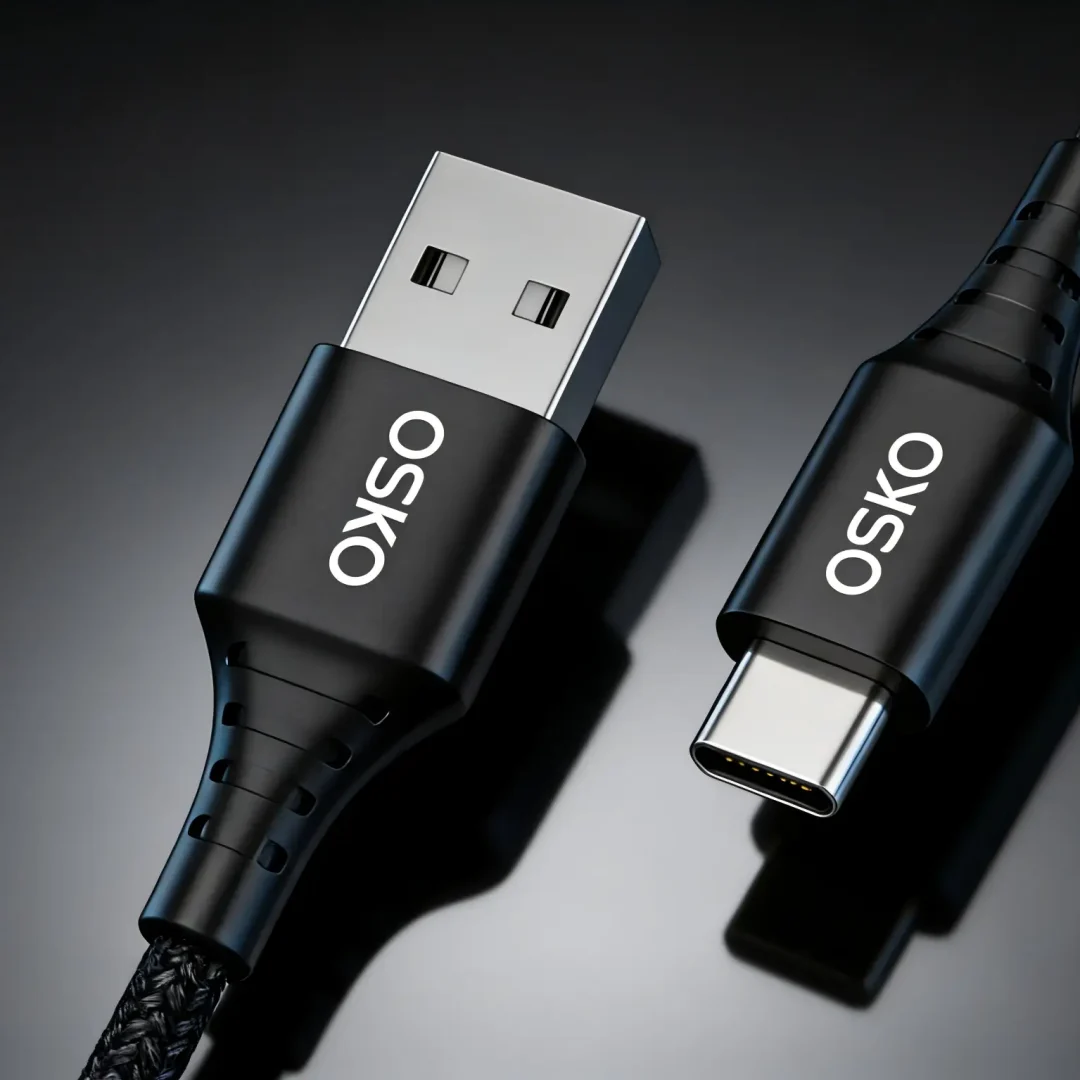
USB-A to USB-C Cables
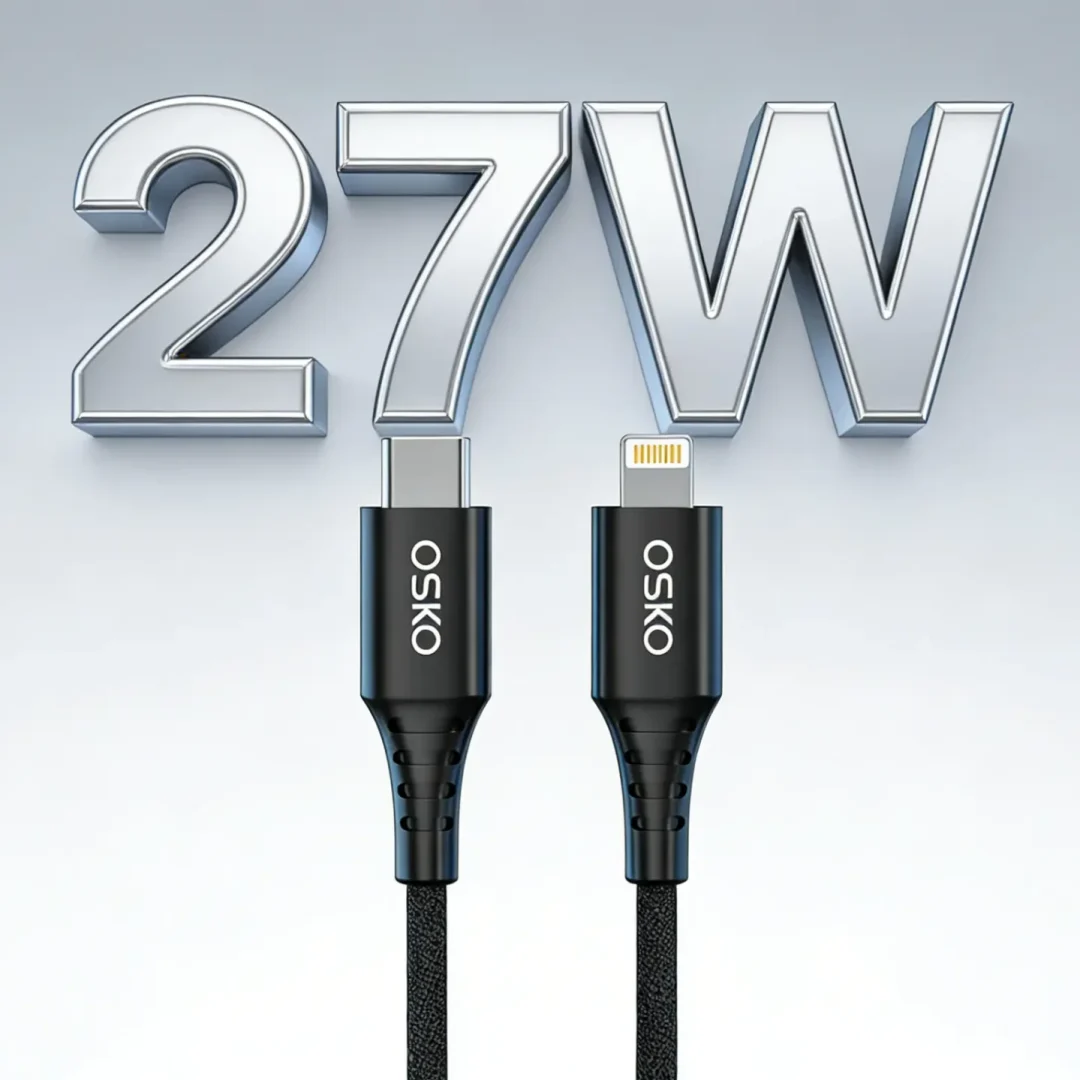
USB-C PD Fast Charging Cables
60W, 100W, and 240W USB-C Solutions
USB-C Car Chargers
GaN Fast Chargers
OEM & ODM Manufacturing
Private Label Packaging
CE, FCC, RoHS Compliant Production
Request a Quote
Name: ___________________
Company: ___________________
Email: ___________________
Product Interest: ___________________
Required Quantity: ___________________
Target Market: North America / Europe / Global
Project Requirements: ___________________