
Introduction: Why Is Your Apple Device Not Charging at Full Speed?
Modern Apple devices are designed for fast and efficient USB-C charging. However, many users experience slower charging speeds even when using powerful USB-C chargers.
The reason is simple:
The charging cable can become the performance bottleneck.
A charger may support 60W output, but an inferior cable can limit:
Charging speed
Power stability
Heat control
Device compatibility
Long-term durability
For consumers, this leads to frustration.
For distributors, retailers, and private-label brands, poor-quality cables create:
High return rates
Customer complaints
Brand reputation risks
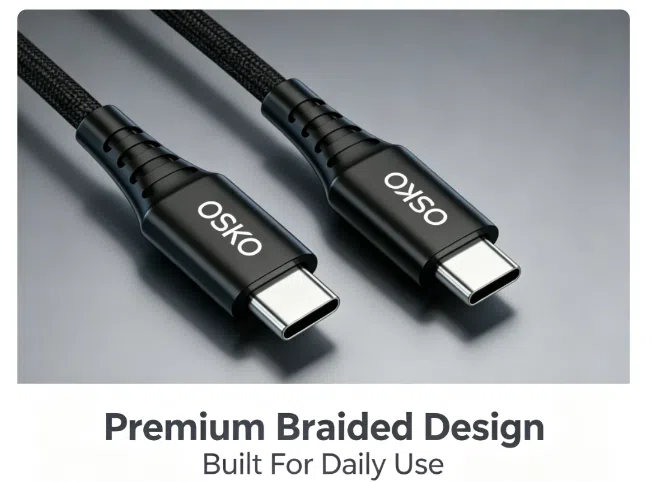
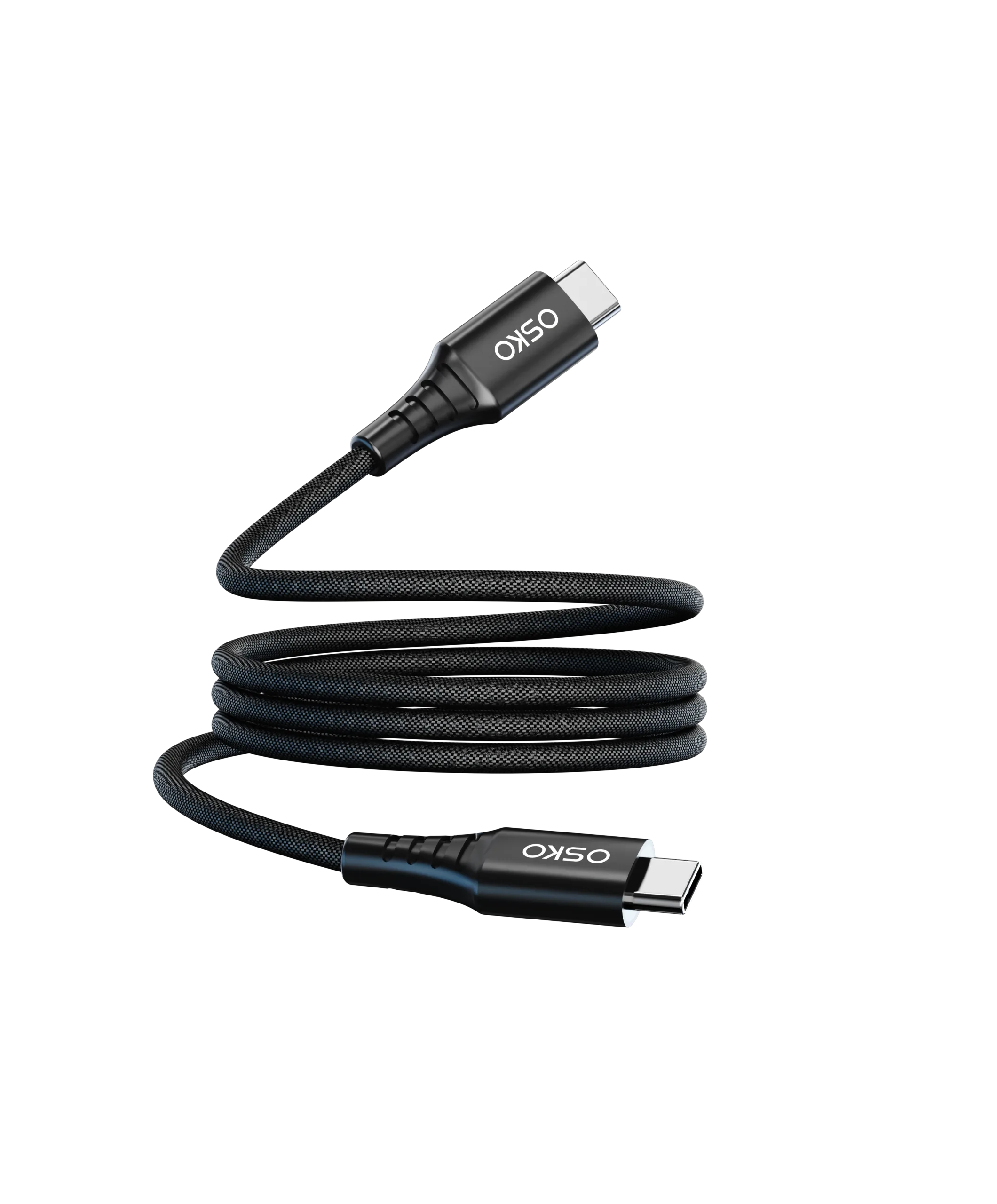
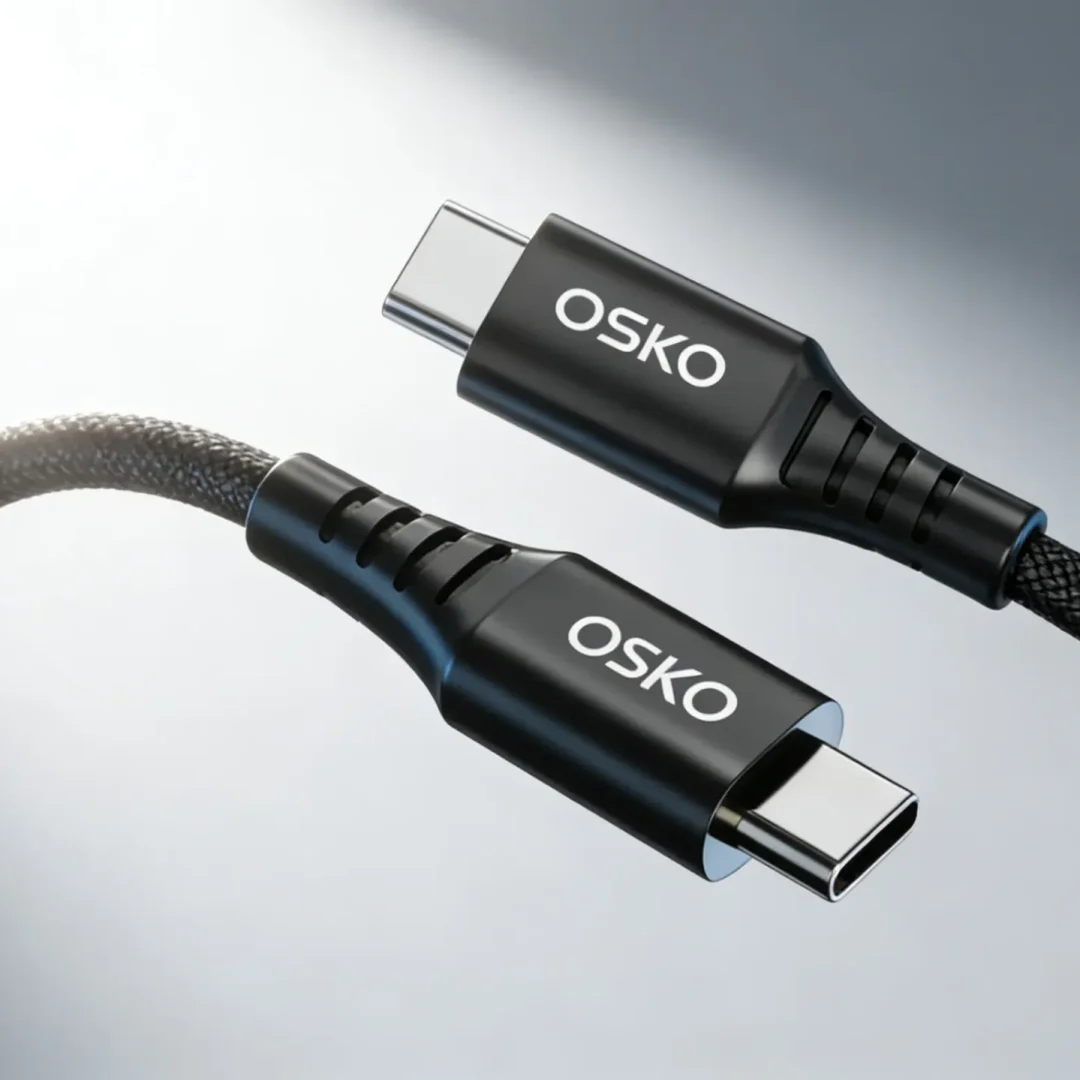
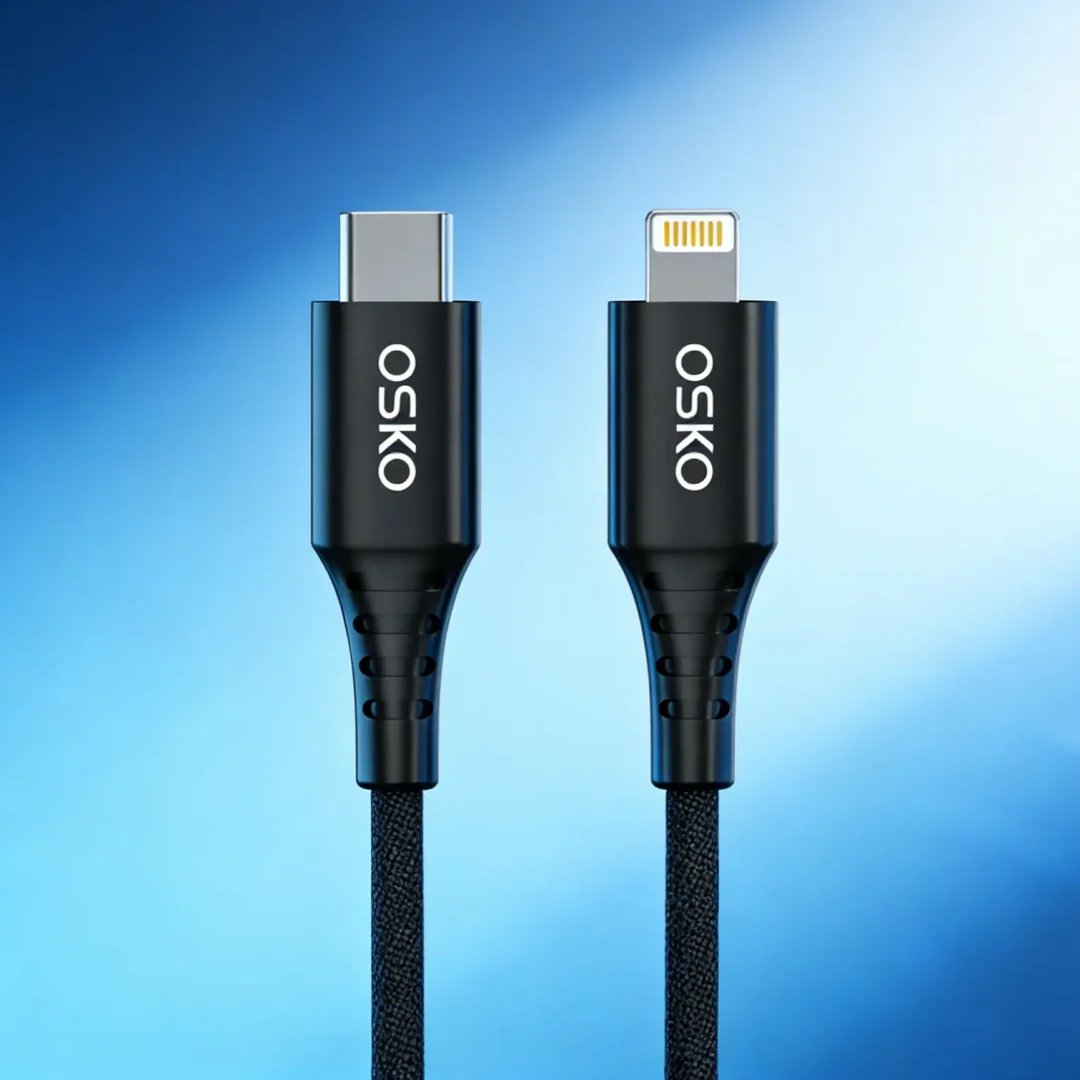
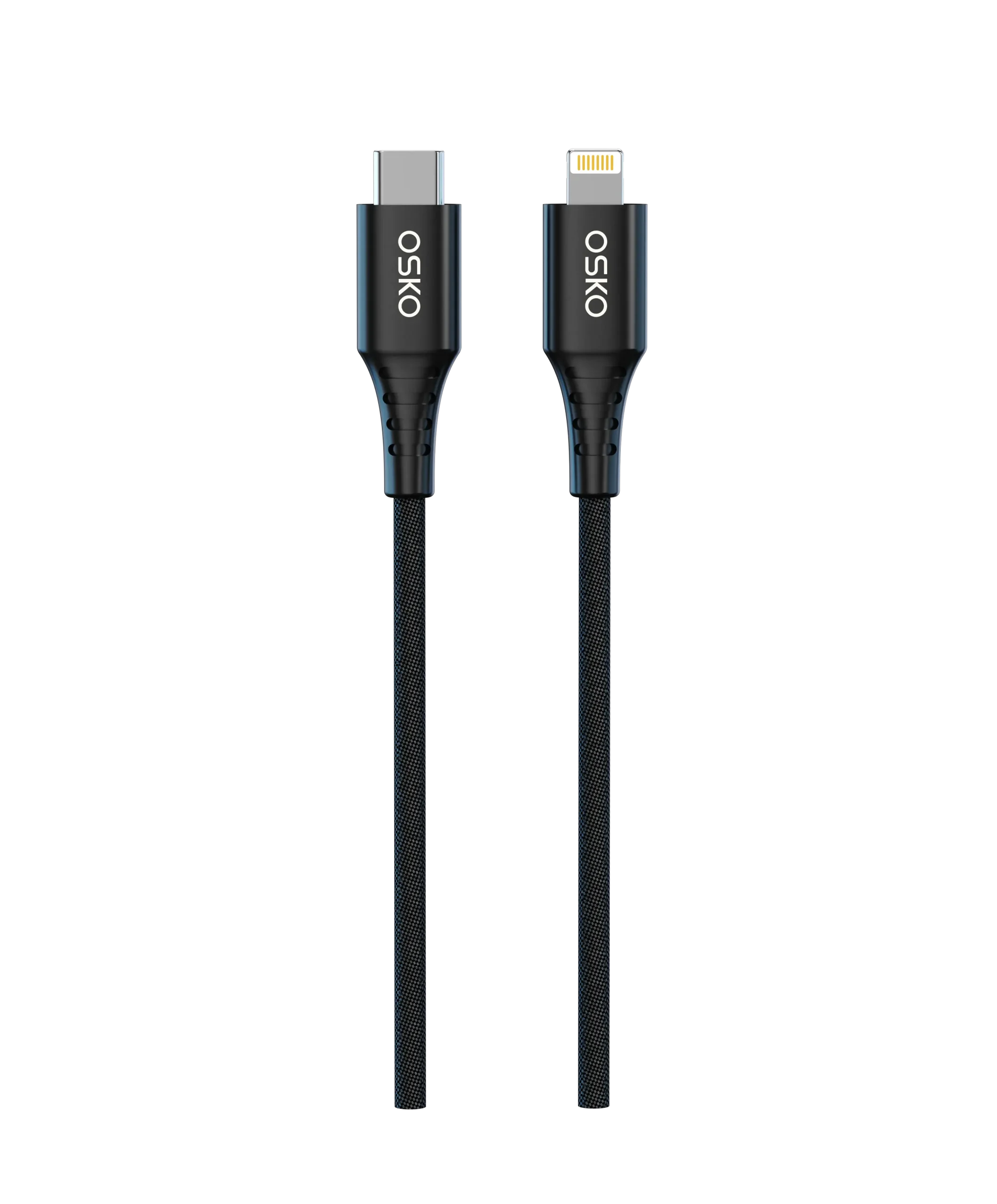
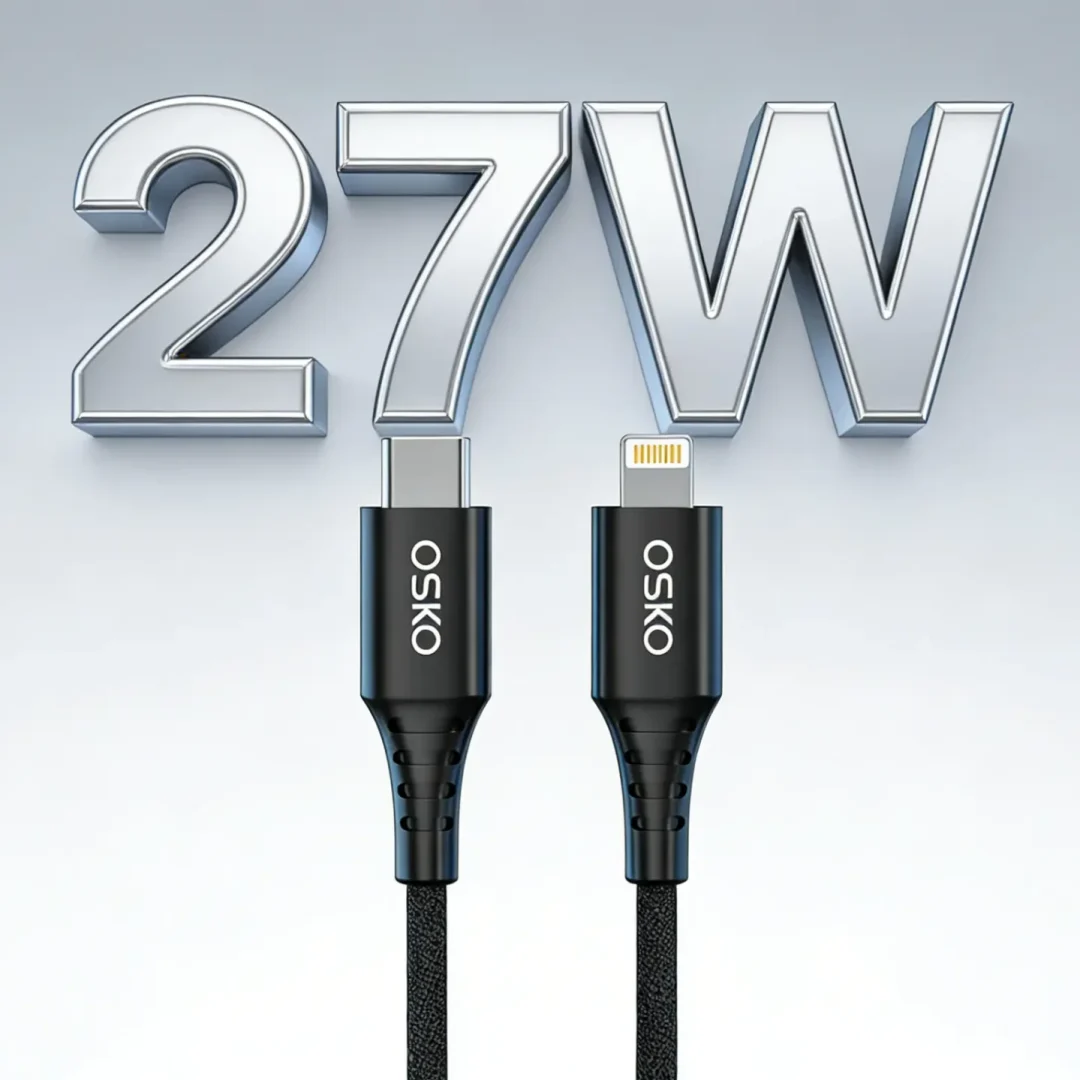
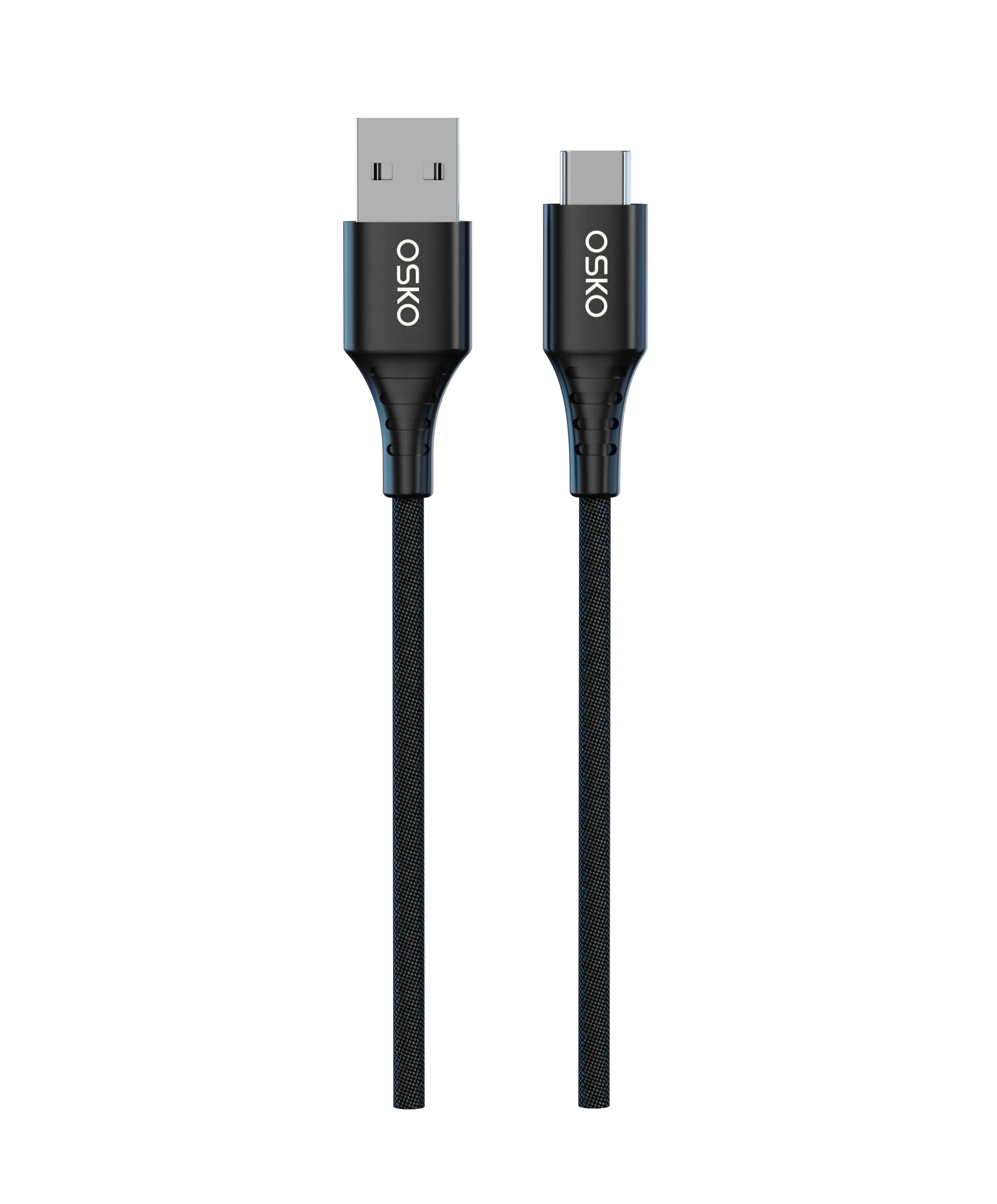
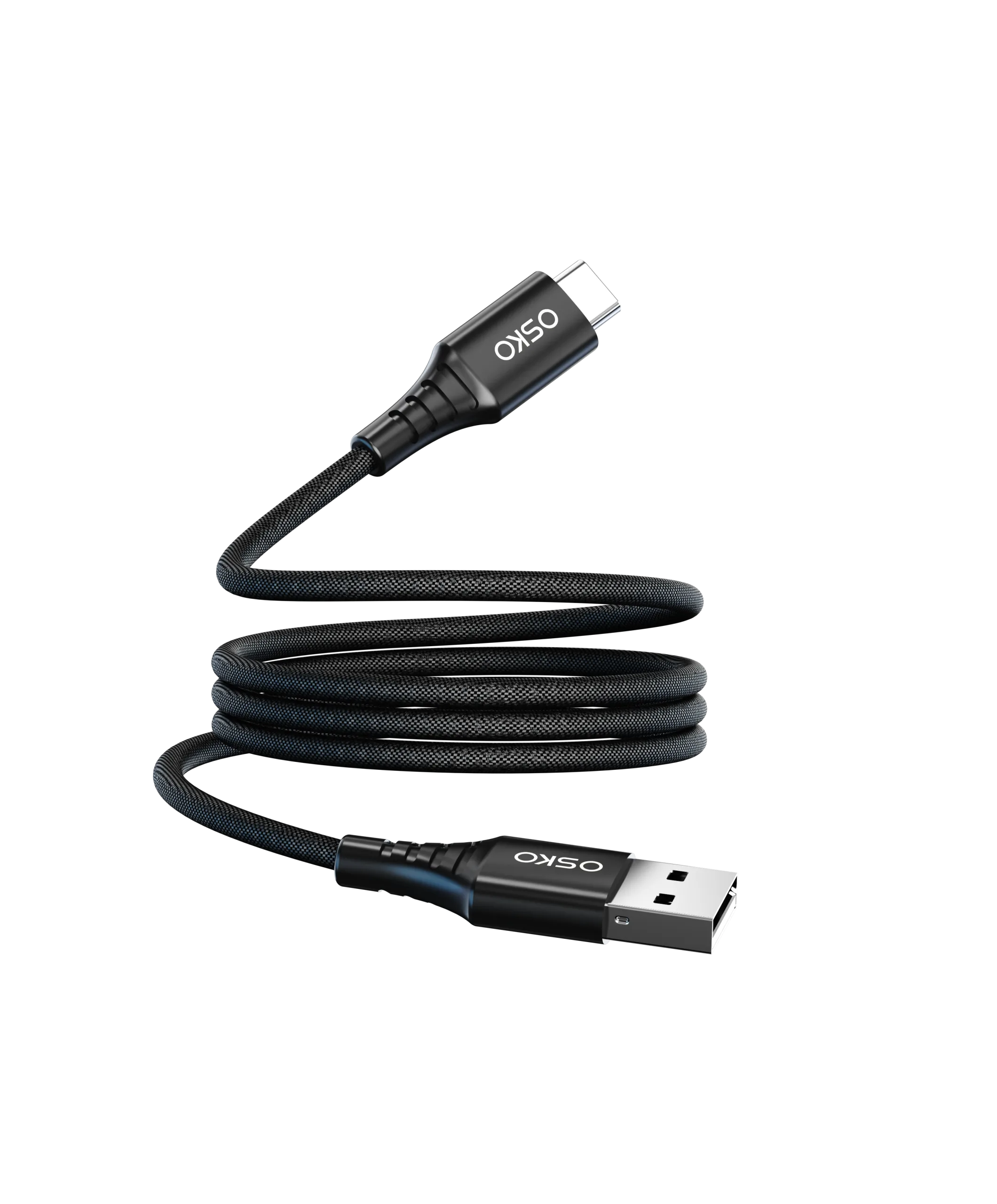
A professionally engineered 60W USB-C charging cable provides reliable USB Power Delivery (USB PD) performance for Apple devices including MacBook Air, iPad Pro, iPhone, and other USB-C products.
For companies sourcing charging accessories, choosing an experienced OEM USB-C cable manufacturer is critical for product quality and market competitiveness.
What Is a 60W USB-C Charge Cable?
A 60W USB-C cable is designed to support USB Power Delivery charging up to:
20V voltage
3A current
60W maximum power delivery
Unlike traditional USB-A cables, USB-C PD cables communicate intelligently between:
Power adapter
Charging cable
Electronic device
This allows the system to automatically select the safest and most efficient charging level.
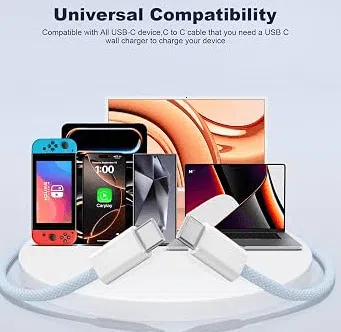
Typical applications include:
MacBook Air charging
iPad Pro charging
iPad Air charging
iPhone USB-C fast charging
USB-C monitors
Portable power stations
Desktop charging solutions
For most consumer electronics applications, a 60W USB-C cable provides an excellent balance between:
Performance
Cost
Flexibility
Product lifespan
Which Apple Devices Support 60W USB-C Charging?
As Apple continues expanding USB-C adoption, demand for reliable USB-C accessories continues growing.
A 60W USB-C cable supports many Apple devices:
| Apple Device | Compatibility |
|---|---|
| MacBook Air | Fully compatible |
| MacBook Pro 13-inch | Compatible |
| MacBook Pro 14-inch | Basic charging support |
| iPad Pro USB-C | Compatible |
| iPad Air USB-C | Compatible |
| iPhone 15 Series | Fast charging support |
| iPhone 16 Series | Fast charging support |
| AirPods USB-C Models | Compatible |
For everyday Apple users, a 60W USB-C charging cable is one of the most practical charging solutions.
How Does USB-C PD Fast Charging Technology Work?
USB Power Delivery Communication
USB PD technology allows intelligent power negotiation between devices.
The charging process includes:
Step 1: Device Detection
The charger detects the connected device.
Step 2: Cable Identification
The cable confirms its current carrying capability.
Step 3: Power Negotiation
The system selects the correct voltage and current combination.
Step 4: Stable Charging
Power is delivered according to device requirements.
Benefits include:
Faster charging
Improved efficiency
Reduced overheating
Better battery protection
Why Does USB-C Cable Quality Affect Charging Performance?
Many USB-C cables look identical externally.
However, internal engineering differences significantly affect performance.
A professional 60W USB-C cable depends on:
Copper Conductor Quality
High-quality cables use:
Oxygen-free copper
Multi-strand conductors
Low resistance structures
Advantages:
Lower voltage loss
Improved charging efficiency
Reduced heat generation
Poor conductors may cause:
Slow charging
Cable overheating
Charging interruption

Wire Gauge (AWG) Selection
Wire thickness directly affects current capacity.
Typical USB-C cable conductor selection:
| Cable Application | Recommended Wire Gauge |
|---|---|
| Standard charging | 28 AWG |
| 60W USB PD cable | 24-26 AWG |
| 100W USB-C cable | 22-24 AWG |
| 240W USB-C cable | 20-22 AWG |
A professional USB-C cable factory selects conductor size according to power requirements and cable length.
Braided vs PVC 60W USB-C Charging Cable
For OEM buyers, jacket material affects:
Durability
Product appearance
Customer perception
Market positioning
PVC USB-C Cable
Advantages:
Lower production cost
Easy manufacturing
Lightweight design
Applications:
Entry-level products
Promotional accessories
High-volume distribution
Nylon Braided USB-C Cable
Advantages:
Higher abrasion resistance
Better bend protection
Premium appearance
Reduced tangling
Applications:
Premium retail products
Amazon accessories
Laptop charging cables
Private-label brands
| Feature | PVC Cable | Nylon Braided Cable |
|---|---|---|
| Cost | Lower | Higher |
| Durability | Good | Excellent |
| Appearance | Standard | Premium |
| Bend Resistance | Good | Excellent |
| OEM Branding | Limited | Strong |
For North American and European markets, braided USB-C cables are increasingly preferred because consumers associate them with higher quality.
3ft vs 6ft USB-C Cable: Which Length Sells Better?
Cable length affects user experience and market demand.
3ft USB-C Cable
Advantages:
Portable
Easy storage
Travel friendly
Less cable clutter
Common applications:
Travel kits
Office desks
Power banks
6ft USB-C Cable
Advantages:
More convenient
Better for bedside charging
Ideal for workstations
Popular applications:
Home office
Gaming setup
Desktop charging
For US retail markets, 6ft USB-C cables are especially popular because consumers prefer longer charging flexibility.
Engineering Case Study: Custom 60W USB-C Cable Development for European Electronics Brand
Customer Background
A European consumer electronics company planned to launch a private-label charging accessory line targeting:
Laptop users
Apple device owners
Online retail customers
The customer required:
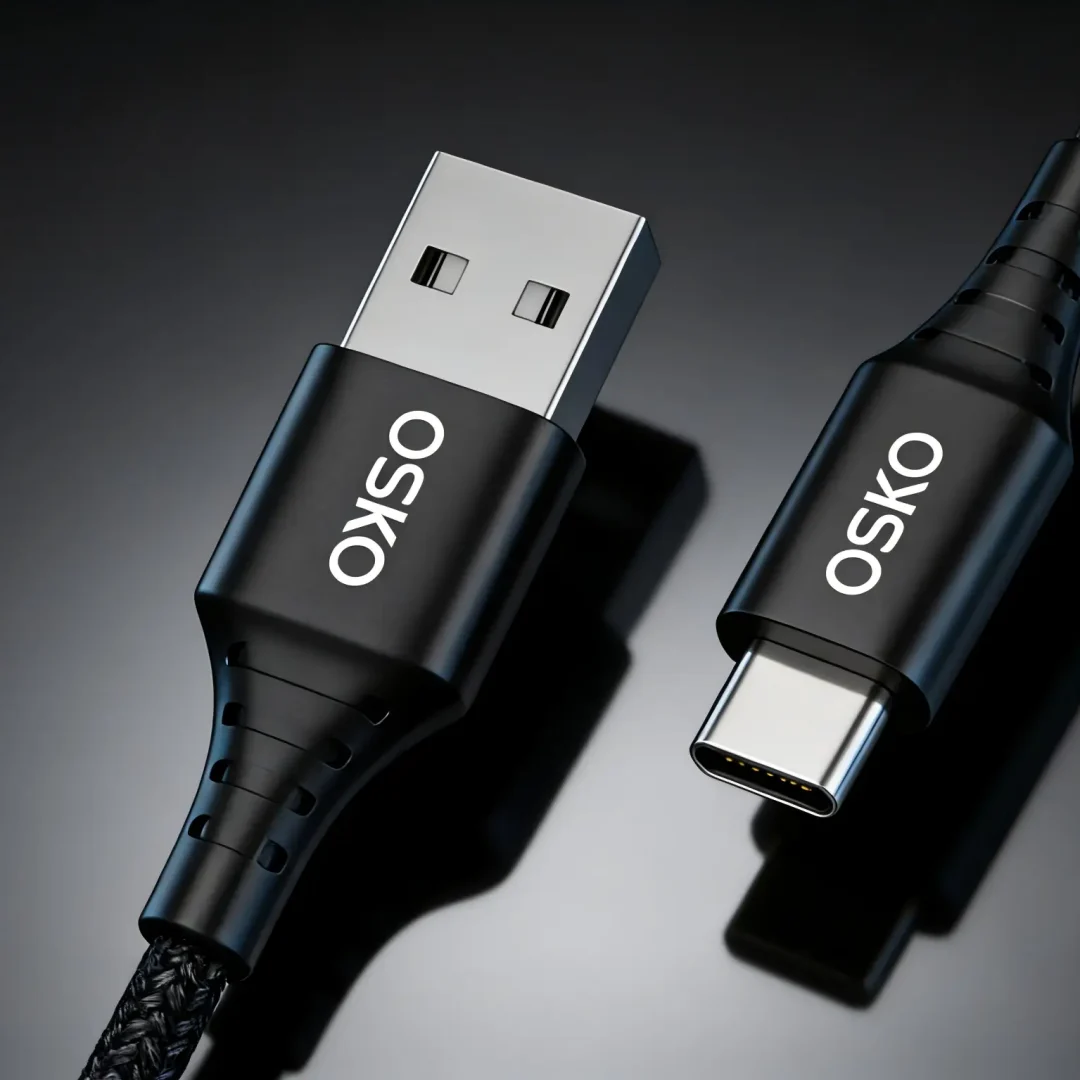
Premium braided USB-C cable
60W PD charging capability
Custom logo branding
Retail packaging
Customer Challenges
The previous supplier experienced:
Unstable charging performance
Poor connector durability
Limited customization options
High customer return rates
The buyer needed a manufacturer capable of providing consistent production quality.
OSKO Manufacturing Solution
OSKO developed a customized 60W USB-C cable solution.
| Requirement | Engineering Solution |
|---|---|
| Fast charging | USB PD 60W design |
| Durability | Nylon braided jacket |
| Stability | High-quality copper conductors |
| Branding | Custom logo printing |
| Retail sales | Customized packaging |
Production included:
Electrical performance testing
Connector durability testing
Cable bending tests
Quality inspection procedures
The final product successfully supported:
Private label sales
Online retail distribution
Wholesale accessory channels

How to Choose a Reliable 60W USB-C Cable Supplier?
Verify Manufacturing Capability
A professional supplier should provide:
USB PD cable engineering experience
OEM customization capability
Stable production capacity
Quality documentation
Check Quality Control Procedures
Important production tests include:
| Test | Purpose |
|---|---|
| Continuity test | Electrical connection verification |
| Charging test | Power performance validation |
| Bending test | Durability evaluation |
| Pull test | Connector strength |
| Aging test | Long-term reliability |
Certification Requirements
For international markets, buyers should consider:
| Certification | Purpose |
|---|---|
| ISO9001 | Manufacturing quality system |
| CE | European safety compliance |
| FCC | US electronic compliance |
| RoHS | Environmental compliance |
OEM Customization Options for 60W USB-C Cables
Professional manufacturers support:
Cable Specifications
3ft USB-C cable
6ft USB-C cable
10ft USB-C cable
Custom lengths
Material Options
PVC
TPE
Nylon braid
Branding
Laser engraving
Logo printing
Custom colors
Retail packaging
Private Label Solutions
Suitable for:
Amazon sellers
Electronics distributors
Retail brands
Corporate purchasing
Conclusion: Why Choose a Professional 60W USB-C Cable Manufacturer?
A 60W USB-C charge cable for Apple devices is more than a simple charging accessory.
Reliable performance depends on:
USB PD compatibility
Copper conductor quality
Wire gauge selection
Connector engineering
Durability testing
Manufacturing quality control
For wholesalers, retailers, and private-label brands, working with an experienced OEM USB-C cable manufacturer helps create products with:
Better customer satisfaction
Lower warranty risk
Stronger market competitiveness
As USB-C continues becoming the global charging standard, demand for reliable 60W USB-C charging cables will continue growing across the US and European markets.