
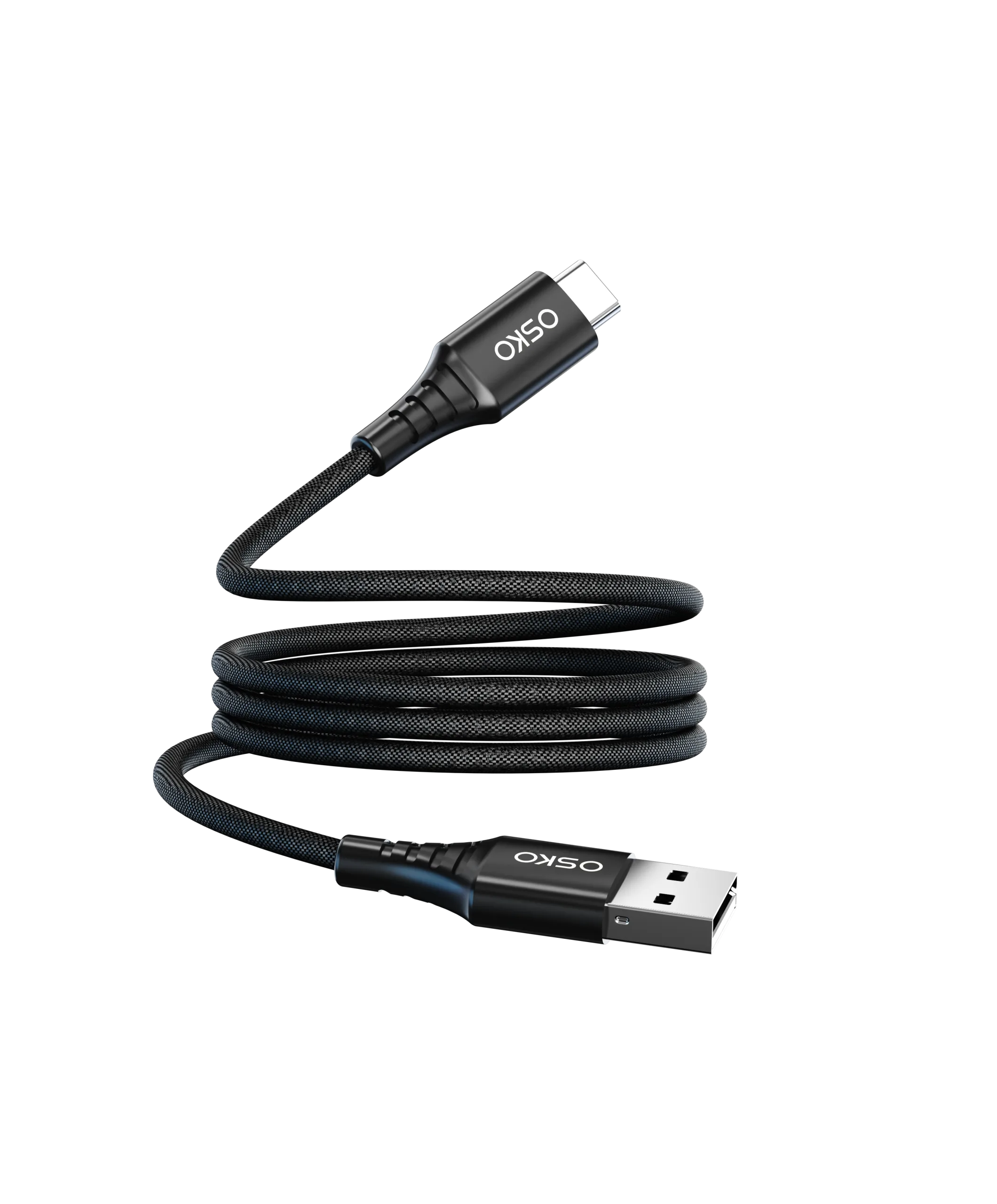
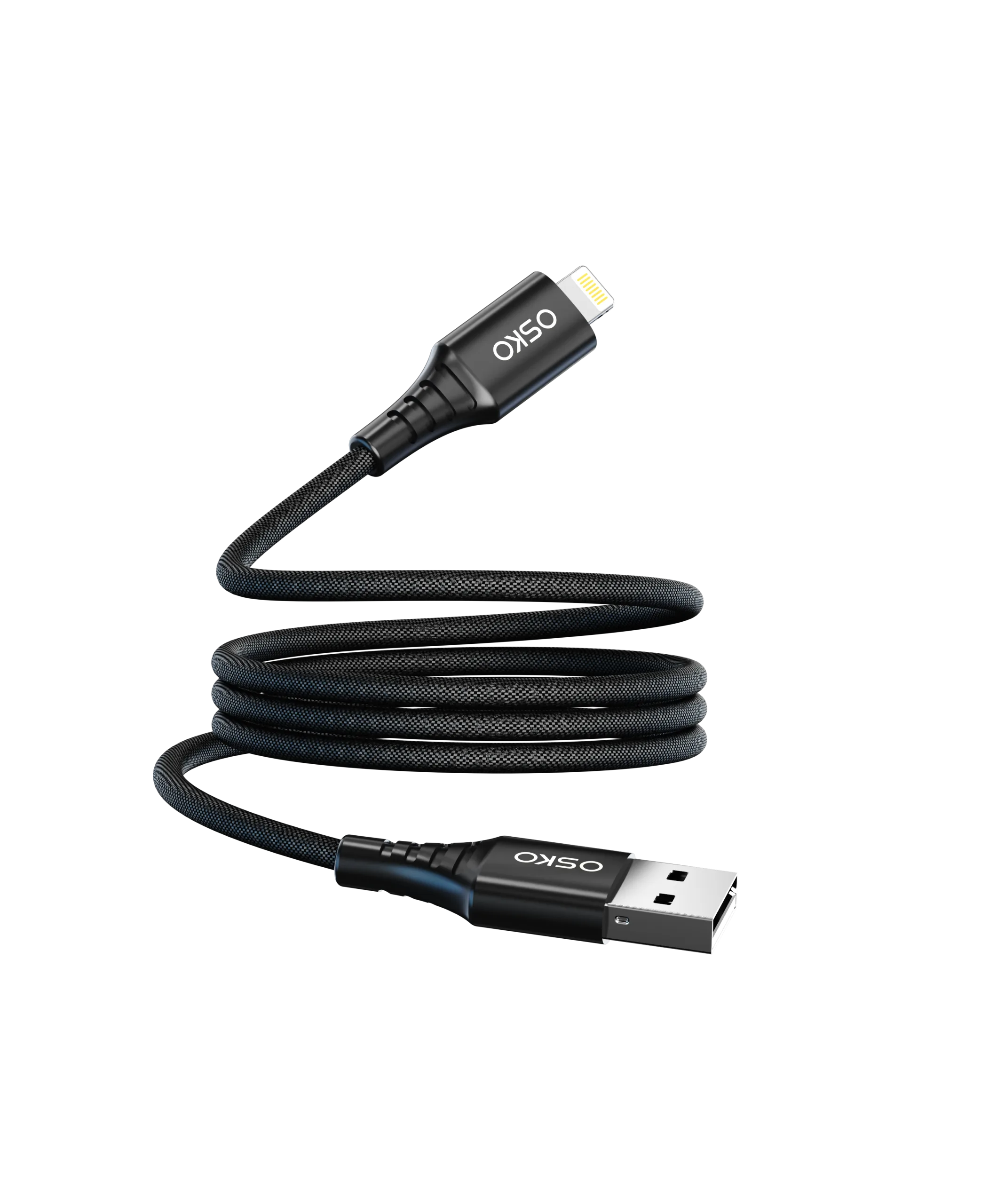
When a USB-C cable stops charging, the first thing most people replace is the charger.
Sometimes the charger is the problem. Sometimes the device is the problem.
But the cable itself can also be the failure point.
A modern USB-C charging cable is not simply a piece of wire. Depending on its design, it may need to carry significant current, support USB data communication, withstand repeated bending, maintain reliable connector contact, and operate under changing thermal conditions.
When a cable begins to fail, the symptoms can appear gradually:
Charging works only at certain angles
Charging repeatedly starts and stops
Fast charging suddenly becomes slow
The device disconnects when the cable moves
The cable works with one device but not another
The cable eventually stops charging completely
Understanding why a USB-C cable stops charging is useful for consumers, but it is even more important for retailers, wholesalers, distributors, and OEM brands. Repeated cable failures can quickly become returns, negative reviews, warranty claims, and supplier problems.
Common Reasons Why a USB-C Cable Stops Charging
The most common causes fall into several categories:
| Failure area | Typical problem | Common symptom |
|---|---|---|
| Internal conductors | Fatigue, damage, excessive resistance | Slow or intermittent charging |
| Connector contacts | Wear, contamination, oxidation | Random disconnects |
| Strain relief | Excessive bending stress | Failure near connector |
| Insulation | Aging or mechanical damage | Electrical instability |
| Electronic components | Component failure where applicable | Negotiation or charging problems |
| Manufacturing | Poor termination or inconsistent materials | Early or batch-related failures |
| Environment | Heat, moisture, chemicals | Corrosion or material degradation |
A cable can look perfectly normal on the outside and still have an internal failure.
That is why visual inspection alone is not enough.
Understanding USB-C Cable Construction
To understand cable failure, it helps to look at what is inside a quality USB-C cable.
Copper Conductors
The conductors carry electrical current and, depending on cable design, data signals.
A cable may use different conductor constructions, such as stranded copper and other application-specific designs.
Important performance factors include:
Conductor cross-sectional area
Resistance
Cable length
Stranding and flexibility
Connection quality
Thermal behavior
It is too simplistic to say that one AWG value automatically makes a cable safe or capable of a specific wattage.
For procurement, the better approach is to specify the required current or power performance and then verify the manufacturer’s conductor design and test results.
Higher resistance can increase voltage drop and heat generation, particularly as current increases.
Insulation and Dielectric Materials
Insulation separates conductors and helps maintain the electrical properties of the cable.
Common cable materials include TPE, PE, and PP-based constructions depending on the application.
Poorly selected or poorly processed insulation can contribute to:
Premature aging
Reduced flexibility
Mechanical damage
Electrical instability
The insulation also works together with the conductor arrangement, shielding, and outer jacket. Cable reliability depends on the complete construction rather than one material in isolation.
Why the USB-C Connector Is Often the Weak Point
The connector is one of the most mechanically stressed parts of a charging cable.
Every insertion and removal creates mechanical movement. When users bend, twist, pull, or hold a device while charging, additional stress is concentrated near the connector.
Common connector-related failures include:
Contact wear
Repeated use can gradually affect contact reliability.
Contamination
Dust, debris, or residue can interfere with reliable electrical contact.
Mechanical loosening
Wear or poor mechanical construction can produce intermittent connections.
Termination failure
Internal wires or joints near the connector can be damaged by repeated bending.
Typical symptoms include:
“My USB-C cable only charges at certain angles.”
“My phone disconnects when I move the cable.”
“The cable charges sometimes but not every time.”
These symptoms often point to connector or internal mechanical problems rather than the charger itself.
Why Fast-Charging USB-C Cables Have Higher Engineering Requirements
A fast charging USB-C cable must be designed for its intended electrical load.
USB-C products can support very different levels of power and data capability. A USB-C connector alone does not tell you whether the cable is a basic charging cable, a higher-power USB PD cable, or a high-speed data cable.
For higher-power applications, buyers should verify:
Cable power capability
Current rating
Conductor construction
Connector performance
Thermal performance
Applicable USB Power Delivery requirements
E-Marker implementation where required
USB-IF’s current cable compliance materials specifically distinguish cable assemblies based on capabilities, and its guidance includes E-Marker-related testing where implemented.
This matters because a cable should be engineered for the actual charging system rather than simply labeled “fast charging.”
Can an E-Marker Cause a USB-C Cable to Stop Charging?
It can, but this should not be assumed to be the cause of every cable failure.
Some USB-C cable configurations use an E-Marker to communicate cable capabilities. A failure in an electronic component can affect power negotiation or cause a device to fall back to a lower operating level.
Possible symptoms include:
Charging works at reduced power
High-power charging does not negotiate as expected
The device repeatedly reconnects
Charging behavior differs between chargers
However, many USB-C cables do not require an E-Marker.
The correct procurement approach is to identify whether the cable specification requires one and then verify the component and testing strategy.
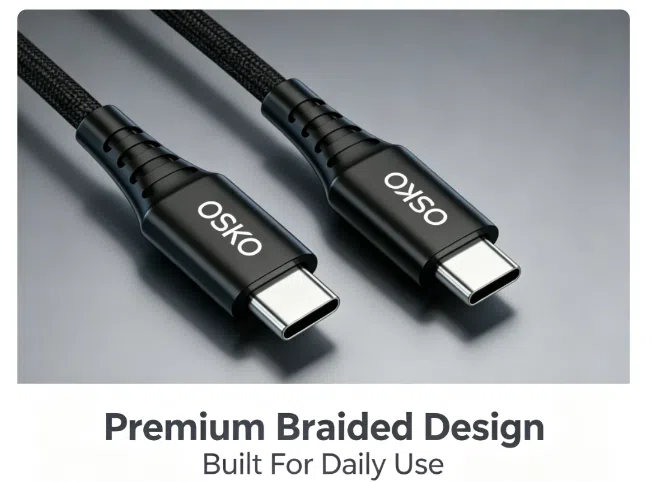
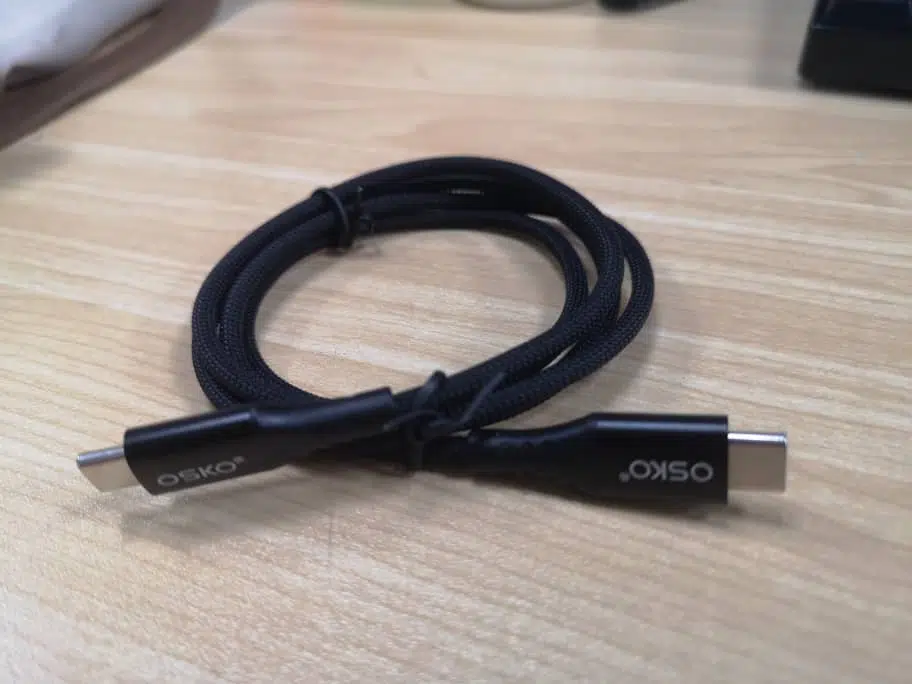
Why Braided USB-C Cables Still Fail
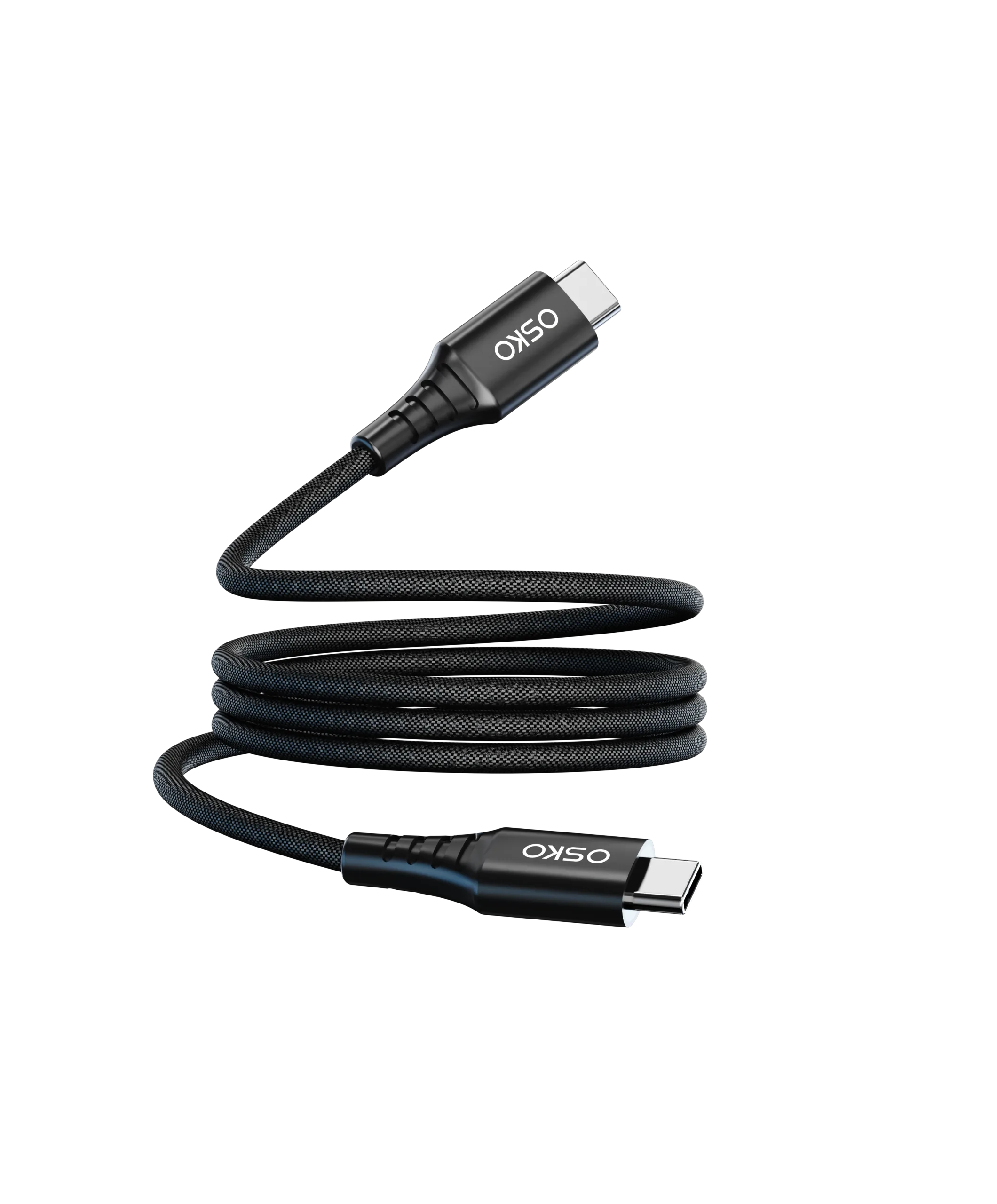
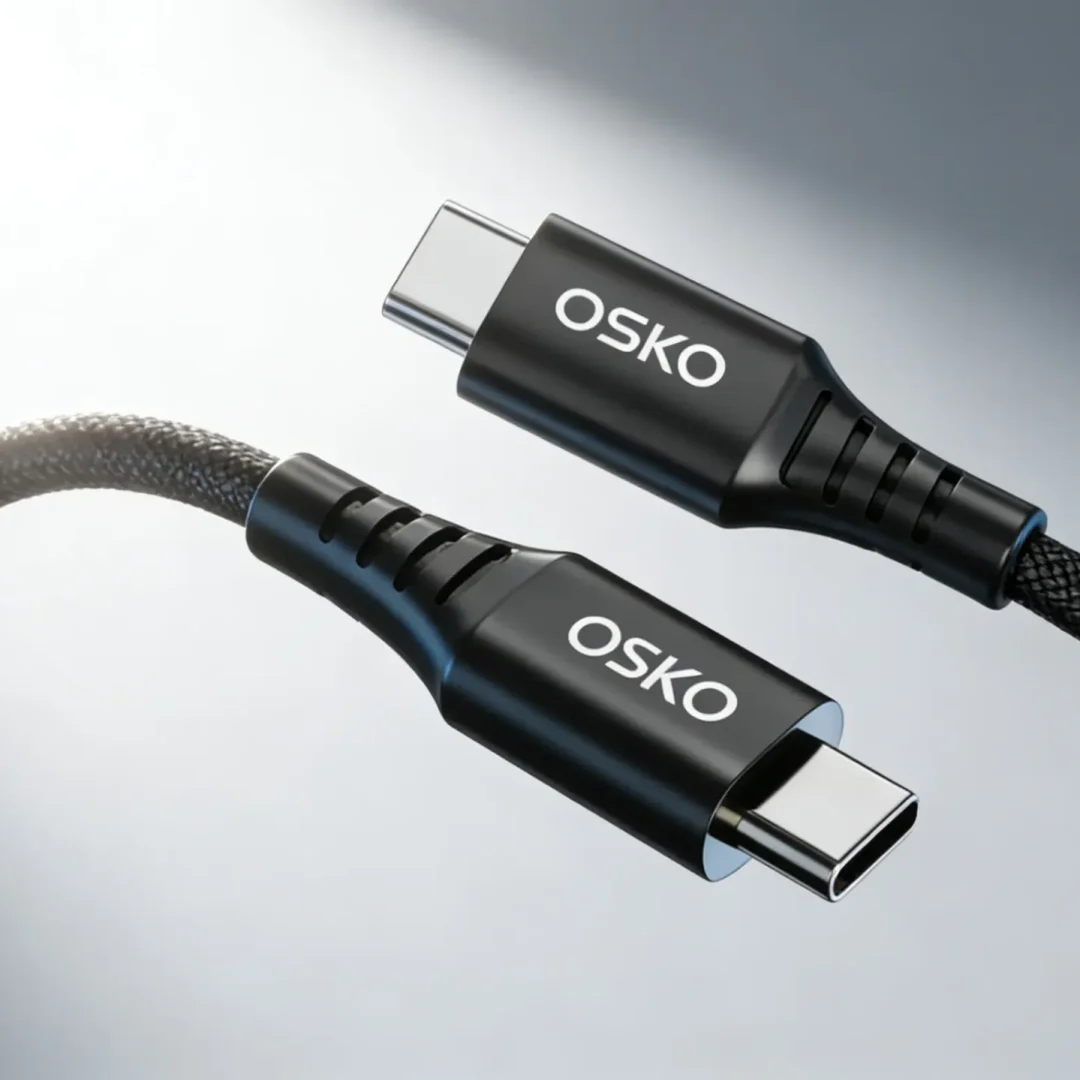
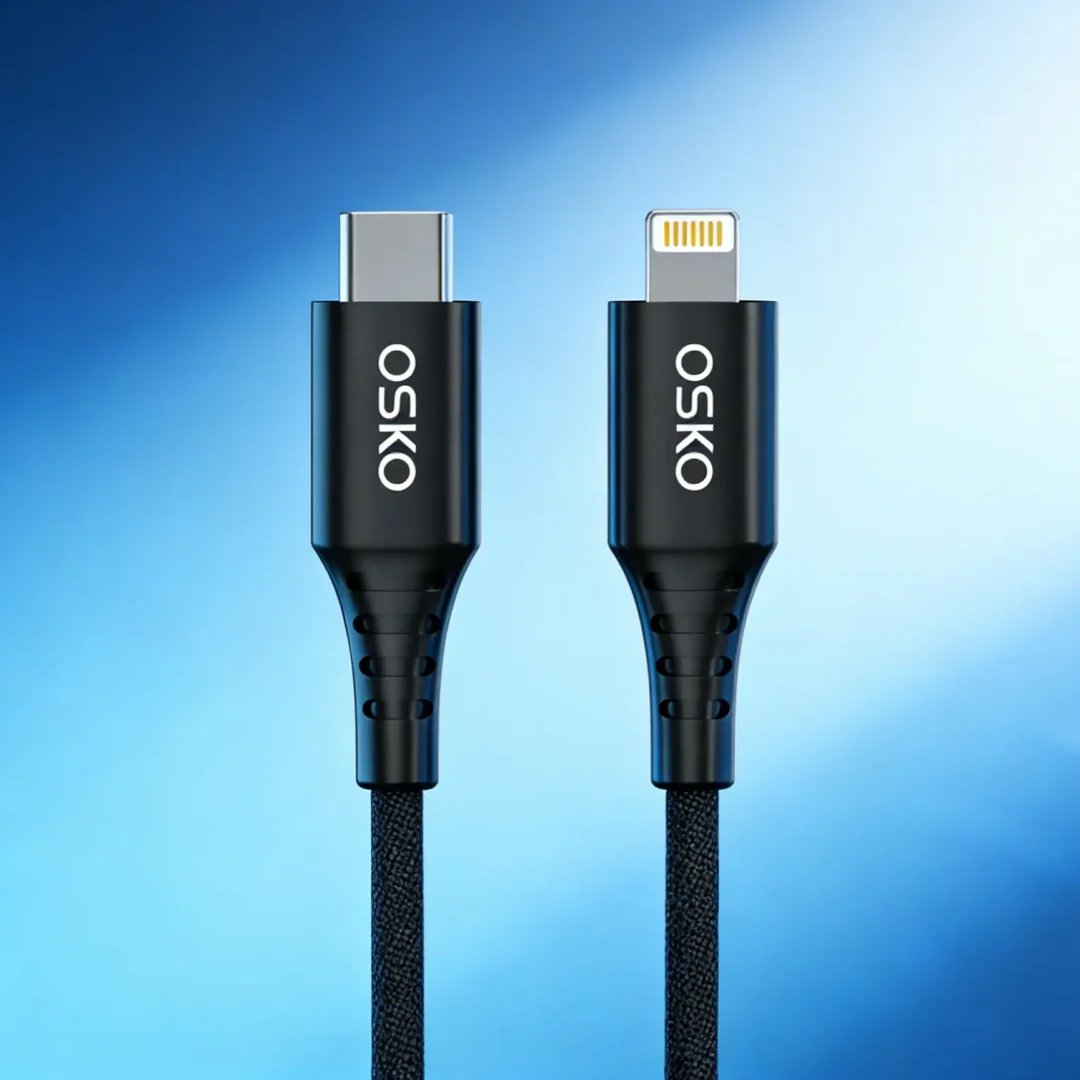
A braided jacket can improve abrasion resistance and mechanical protection, but it does not make a cable failure-proof.
A durable USB-C cable still depends on its internal design.
A braided cable can fail because of:
Broken internal conductor strands
Poor strain relief
Weak connector termination
Poor-quality connector components
Excessive bending
Heat exposure
Manufacturing variation
This is why a premium-looking cable can still fail unexpectedly.
The braid is only one part of the product.
Mechanical Stress: The Hidden Cause of Cable Failure
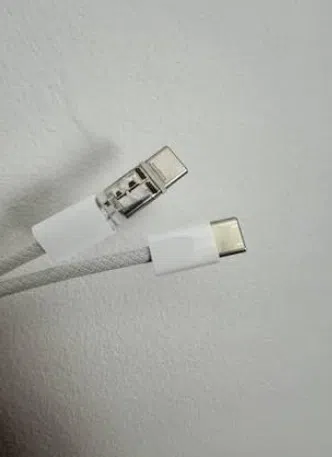
Cable failure often starts at the transition between the flexible cable and rigid connector housing.
Consider a typical daily-use situation:
A customer charges a phone beside a bed. The cable is bent sharply near the connector every night. The connector is repeatedly pulled sideways when the phone is used.
The outer jacket may remain intact.
Inside, however, repeated mechanical stress can gradually damage the conductor structure.
This can create a cycle:
Repeated bending → conductor fatigue → increased resistance or intermittent continuity → unstable charging → eventual failure
This is why strain relief is such an important part of USB-C cable engineering.
A well-designed strain relief helps spread bending forces over a larger area instead of concentrating them at one point.
Environmental Conditions That Can Shorten Cable Life
Heat
High temperatures can accelerate material aging.
Common environments include:
Vehicle interiors
Direct sunlight
High-temperature workspaces
Repeated high-power charging conditions
Heat can affect insulation, connector materials, and mechanical components.
Moisture
Humidity and water exposure can contribute to connector corrosion and other reliability problems.
A standard braided USB-C cable should not automatically be considered waterproof. Environmental protection must be designed and tested separately.
Travel and Portable Use
Travel creates a different type of mechanical stress:
Repeated folding
Compression inside bags
Tight wrapping
Pulling
Frequent connector insertion
For travel products, a flexible reinforced or braided design can be advantageous, but construction quality still matters.
Engineering Case Study: Improving USB-C Cable Reliability for a US Retail Brand
A representative US consumer-electronics brand was preparing a premium charging cable for online retail.
The original product looked attractive and passed a basic charging check, but early customer feedback showed intermittent charging after extended daily use.
The reported symptoms were:
Charging interruptions
Loose connector behavior
Failure near the plug
Inconsistent charging after repeated movement
Engineering Analysis
The supplier comparison showed that the main issue was not simply the outer jacket.
The engineering team focused on three areas.
Connector transition: Bending stress was concentrated too close to the connector.
Conductor flexibility: The internal conductor structure was not optimized for the intended repeated bending conditions.
Production consistency: The brand needed stronger control over connector assembly and finished-cable inspection.
OSKO Solution
The revised USB-C charging cable specification included:
Optimized conductor construction
Improved strain relief
Reinforced connector transition
Durable braided outer jacket
Electrical continuity testing
Charging-performance verification
Connector and appearance inspection
Samples were reviewed against the intended retail application before mass production.
The key lesson was simple:
A reliable USB-C cable is engineered as a system.
Adding a thicker braid or a more attractive connector does not automatically solve an internal reliability problem.
How to Prevent a USB-C Cable From Stopping Charging
For consumers, several habits can help reduce mechanical damage.
Choose the correct specification
Match the cable to the actual charger and device.
For example:
| Application | Practical cable choice |
|---|---|
| Smartphone charging | Standard quality USB-C charging cable |
| Tablet charging | USB-C cable matched to required power |
| Laptop charging | Appropriate USB-C PD cable |
| Travel | Flexible reinforced or braided USB-C cable |
| Car charging | Durable cable suited to the vehicle environment |
| High-power USB-C system | Cable specifically rated for the required configuration |
Avoid sharp bending
Do not repeatedly bend the cable directly against the connector.
Do not pull the device with the cable
Use the connector housing rather than pulling on the cable itself.
Keep connectors clean
Contamination can affect electrical contact.
Replace damaged cables
If you see exposed conductors, damaged insulation, bent connector parts, discoloration, or unusual heating, stop using the cable and replace it.
How Retailers and OEM Buyers Should Test USB-C Cables
A buyer should not approve a new cable based on appearance alone.
A useful sample evaluation can include:
Electrical testing
Check continuity, charging behavior, voltage drop where applicable, and performance against the stated specification.
Mechanical testing
Evaluate bending, connector insertion, strain relief, and cable flexibility.
Application testing
Use the cable with the chargers and devices expected in the target market.
Environmental testing
For automotive, outdoor, or industrial products, test temperature, humidity, and other application-specific conditions.
Production QC
Confirm that the same specification used for the sample is controlled during mass production.
USB-IF currently maintains separate compliance and test materials for USB Type-C and USB Power Delivery capabilities, reinforcing the importance of testing the complete cable configuration rather than relying on a generic “USB-C compatible” statement.
Why Choose an OEM USB-C Cable Manufacturer?
For brands, distributors, and retailers, working directly with an experienced OEM USB-C cable manufacturer can simplify product development.
A capable manufacturer should be able to support:
Engineering
Conductor selection
Power requirements
Connector design
Strain relief
Jacket and braid selection
Application-specific construction
Customization
Cable length
Cable color
Connector housing
Logo
Packaging
Private-label specifications
Quality Control
Incoming material inspection
Electrical testing
Mechanical inspection
Connector inspection
Finished-goods QC
Batch consistency
The advantage of OEM manufacturing is not simply a lower factory price. It is the ability to control the specification from development to mass production.
USB-C Cable Search Intent in the US, Germany, Australia and Netherlands
United States
Typical search phrases include:
USB-C cable not charging
why does my USB-C cable stop charging
best USB-C charging cable
durable USB-C cable
fast charging USB-C cable
B2B buyers may search:
USB-C cable wholesale supplier
bulk USB-C charging cables
USB-C cable supplier USA
Germany
German-language searches may include:
USB-C Kabel lädt nicht
USB-C Ladekabel defekt
robustes USB-C Kabel
USB-C Kabel Hersteller
USB-C Kabel Großhandel
German B2B buyers generally benefit from detailed technical specifications and clear documentation.
Australia
Common commercial intent includes:
durable USB-C charging cable
long-lasting USB-C cable
braided USB-C cable
USB-C cable wholesaler Australia
Outdoor, travel, automotive, and everyday charging are useful application themes.
Netherlands
Searches may include:
USB-C kabel groothandel
USB-C kabel leverancier
fast charging USB-C cable
braided USB-C cable
For wholesale buyers, consistent supply, product specifications, customization, and delivery reliability are important decision factors.
FAQ: Why Does a USB-C Cable Stop Charging?
Why is my USB-C cable not charging but the charger works?
Test the charger with another known-good cable and test the original cable with another compatible charger or device. If the problem follows the cable, likely causes include connector damage, internal conductor failure, contamination, or an electronic component issue where applicable.
Why does my USB-C cable only charge at certain angles?
This often indicates a mechanical or contact problem near the connector. Repeated bending can fatigue internal conductors or affect connector termination.
Can a USB-C cable stop charging suddenly?
Yes. Internal damage can develop gradually and then cross a point where reliable electrical continuity is no longer maintained.
Why does my USB-C cable charge slowly now?
Possible causes include increased resistance from conductor or connection damage, different charger/device behavior, cable capability limitations, or a change in charging negotiation.
Why does my USB-C cable work with one device but not another?
Different devices can have different charging and data requirements. A cable may support the requirements of one device while being unsuitable for another higher-power or higher-speed application.
Does a braided USB-C cable last longer?
A quality braided jacket can improve abrasion resistance and mechanical durability, but lifespan also depends on the internal conductor structure, connector, strain relief, materials, and production quality.
Does fast charging wear out USB-C cables faster?
Higher-power operation can create greater electrical and thermal requirements, but a properly engineered cable should be designed for its rated application. Failure is more closely associated with unsuitable design, excessive resistance, mechanical stress, or poor manufacturing.
Do I need an E-Marker cable for fast charging?
Not for every fast-charging setup. E-Marker requirements depend on the specific USB-C cable configuration and power/current capability. Confirm the applicable specification instead of assuming every fast-charging cable needs one.
Is a thicker USB-C cable always better?
No. Outer thickness alone does not prove better charging performance. Conductor design, resistance, connector quality, insulation, shielding where needed, and strain relief all matter.
How can wholesalers reduce USB-C cable returns?
Start with a controlled specification, approve physical samples, test actual charging performance, inspect connector construction, define QC requirements, and verify production consistency before scaling the order.
What should I ask a USB-C cable manufacturer before placing an order?
Ask about conductor construction, power capability, data specification, connector design, strain relief, testing procedures, compliance documents, MOQ, sample approval, production lead time, packaging, and defect-handling procedures.
What is the best USB-C cable for laptop charging?
Choose a cable based on the laptop’s required power, charger capability, cable length, connector configuration, and applicable USB Power Delivery requirements. Do not choose solely based on the USB-C connector or a generic wattage claim.
Conclusion
When a USB-C cable stops charging, the visible symptom is simple, but the underlying cause can be mechanical, electrical, environmental, or manufacturing-related.
The most common problem areas are:
Internal conductor fatigue
Connector wear or contamination
Poor strain relief
Excessive resistance
Thermal stress
Manufacturing inconsistencies
Application mismatch
For consumers, choosing a properly specified USB-C charging cable and avoiding excessive bending can improve reliability.
For retailers, wholesalers, and brands, the solution starts earlier: define the cable specification, test samples, verify the manufacturer’s QC, and make sure the final production matches the approved sample.
A professional USB-C cable manufacturer should be able to explain not only what the cable looks like, but also how the internal construction, connector, materials, testing, and production process support the claimed performance.
OSKO specializes in OEM and ODM USB cable manufacturing for brands, distributors, wholesalers, and retail businesses, including braided USB-C cables, fast-charging USB-C cables, custom cable specifications, private-label packaging, sample development, and bulk production.
Request an OEM USB-C Cable Quote
For a custom or wholesale USB-C cable project, provide:
Cable type
Length
Quantity
Charging requirement
Data requirement
Connector type
Braided or jacket material
Logo and packaging requirements
OSKO can evaluate the application and develop a USB-C cable solution for retail, wholesale, automotive, travel, and other commercial applications.