
Introduction
USB-C has become the global standard for charging and data transfer across modern electronics.
In 2026, almost every new device—from smartphones to laptops—supports USB-C, including devices from Lenovo and other major manufacturers.
However, despite its widespread adoption, users still face confusion:
Why does my USB-C cable not charge all devices?
Can any USB-C charger work with any device?
Why is fast charging inconsistent between devices?
Are all USB-C cables the same?
The answer is simple: USB-C is a physical standard, not a performance guarantee.
This guide explains USB-C compatibility in detail so users and OEM buyers can understand how the ecosystem actually works.

What Is USB-C Compatibility?
USB-C compatibility refers to whether devices, chargers, and cables can safely and efficiently work together under the USB-C ecosystem.
It depends on three main factors:
Physical connector type (USB-C)
Power protocol (USB Power Delivery)
Data standard (USB 2.0 / 3.x / USB4)
Important Concept
USB-C does NOT automatically mean:
Fast charging
High-speed data transfer
Universal compatibility
Instead, performance depends on internal specifications.
USB-C Device Compatibility Breakdown
Smartphones
Most smartphones in 2026 support USB-C, including:
Android phones (Samsung, Google Pixel, etc.)
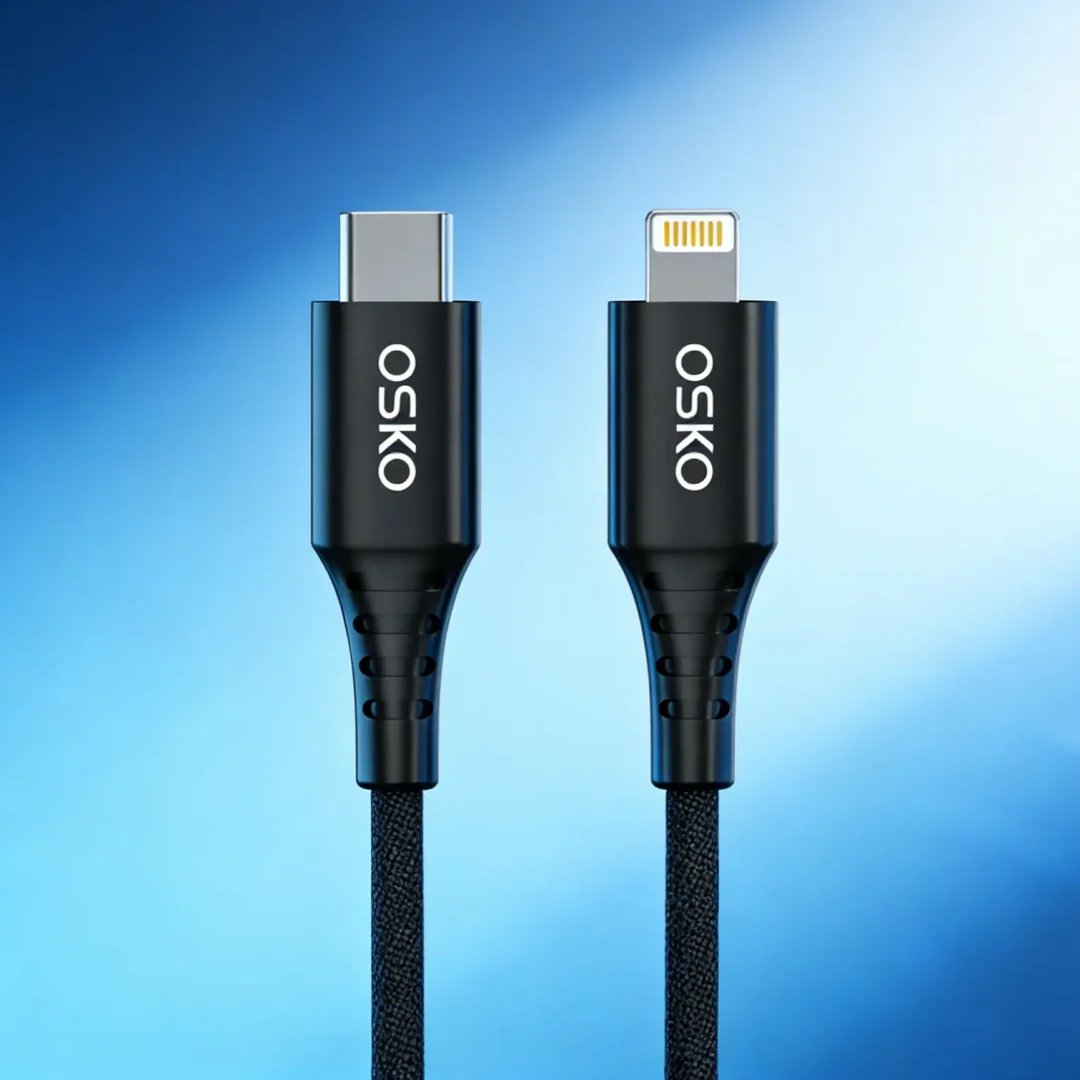
New Apple devices using USB-C (iPhone and iPad models)
Compatibility Notes:
Charging depends on PD support (20W–45W typical)
Cable quality affects charging stability
Tablets
Modern tablets such as Lenovo Tab series and iPad devices use USB-C.
Typical Requirements:
20W–45W USB-C PD chargers
Stable current delivery cables
Laptops
USB-C laptops require higher power levels:
65W for ultrabooks
100W for productivity laptops
140W–240W for high-performance machines
Not all USB-C cables support these levels.
Accessories
USB-C is also used for:
Power banks
Headphones
Docking stations
External SSDs
Compatibility depends on data and power requirements.
USB-C Charger Compatibility
Not all USB-C chargers behave the same.
USB Power Delivery (PD)
PD is the key protocol behind USB-C fast charging.
| Charger Type | Power Output | Use Case |
|---|---|---|
| 20W PD | Phones | Standard fast charging |
| 30W PD | Tablets | Balanced charging |
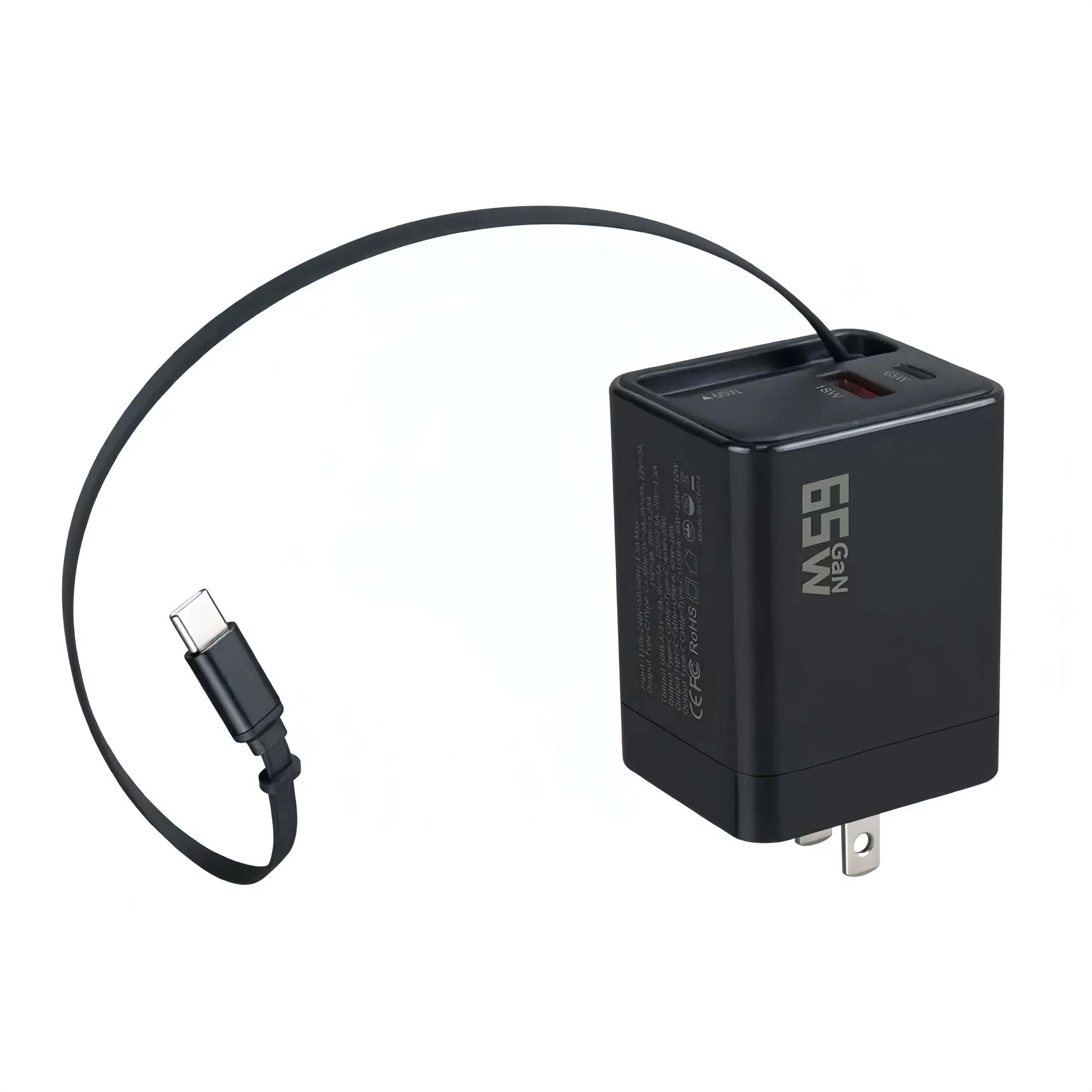
| 65W PD | Laptops | Universal use |
| 100W+ PD | High-performance devices | Gaming/workstations |
Key Insight
A USB-C charger only delivers full speed if:
Device supports PD
Cable supports required wattage
Charger provides correct profile

USB-C Cable Compatibility
Cables are often the most misunderstood part of USB-C systems.
Cable Types
1. Basic USB-C Cable
Charging only or USB 2.0 data
Up to 60W support
2. Fast Charging Cable
Supports 60W–100W
Includes better shielding and copper
3. High-Power Cable
Supports 100W–240W (E-Marker chip required)
Used for laptops and high-end devices
Common Mistake
Not all USB-C cables support high wattage.
A low-quality cable may cause:
Slow charging
Heat buildup
Device disconnects

USB-C Compatibility Matrix
| Device Type | Charger | Cable | Result |
|---|---|---|---|
| Phone | 20W PD | USB-C cable | Fast charging |
| Tablet | 30W PD | USB-C cable | Stable charging |
| Laptop | 65W PD | 100W cable | Full performance |
| Laptop | 30W PD | Low-power cable | Slow charging |
USB-C vs USB-A Compatibility
Even in 2026, USB-A still exists.
USB-A Limitations
No USB Power Delivery
Limited charging speed (5W–18W)
Slower data transfer
USB-C Advantages
Reversible connector
Higher power delivery
Faster data transfer
Universal ecosystem
Why USB-C Devices Sometimes Don’t Work Together
Common reasons include:
1. Power Mismatch
Device requires more power than charger provides.
2. Cable Limitation
Cable does not support required wattage or data speed.
3. Protocol Incompatibility
Some devices require specific PD profiles or PPS support.
4. Poor Quality Accessories
Low-quality OEM cables often fail to meet standards.
OEM and Market Perspective
For global buyers and distributors:
USB-C is the fastest-growing cable category
North America and Europe require CE/FCC/RoHS compliance
Demand for 60W–240W cables is increasing
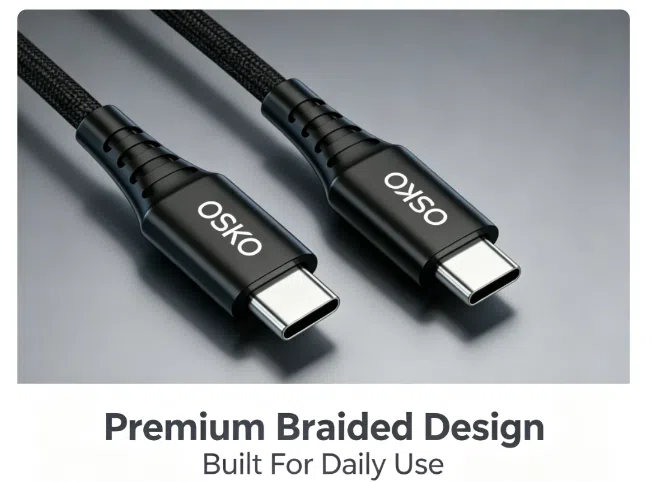
Braided premium cables dominate retail segment
Bundled charging kits (charger + cable) have higher conversion rates
Manufacturers such as USB-C cable OEM factories in China focus heavily on:
High-wattage PD cables
E-Marker chip integration
Multi-device compatibility
Best Practices for USB-C Compatibility
To ensure full performance:
Match charger wattage to device requirement
Use certified USB-C cables (60W–240W depending on device)
Avoid mixing low-quality adapters
Prefer USB-IF or CE/FCC-certified products
Case Study: Retail Charging Bundle Optimization
Background
A European e-commerce brand faced complaints about inconsistent USB-C charging performance.
Problem
Mixed cable wattage products
No clear labeling
Low-quality cables in bundles
Solution
Introduced clear compatibility labeling
Standardized 60W / 100W cable tiers
Added PD-certified chargers
Improved product education content
Result
Reduced customer complaints
Increased bundle conversion rate
Improved SEO traffic from “USB-C compatibility” searches
FAQ
Is all USB-C compatible with fast charging?
No. It depends on PD support and cable rating.
Can I use any USB-C charger for my device?
Yes, but charging speed will vary.
Why is my USB-C cable slow?
It may be limited to low wattage or USB 2.0 specification.
What is the best USB-C cable in 2026?
A PD-certified cable rated for your device wattage (60W–240W).
Summary
The USB-C compatibility guide 2026 shows that USB-C is a universal connector but not a universal performance standard.
True compatibility depends on:
Power Delivery protocol
Cable wattage rating
Device power requirements
Build quality and certification
For consumers, understanding these factors ensures better performance and device safety.
For OEM brands and distributors, clear segmentation of USB-C products (60W / 100W / 240W) is essential for customer satisfaction, and global market success.
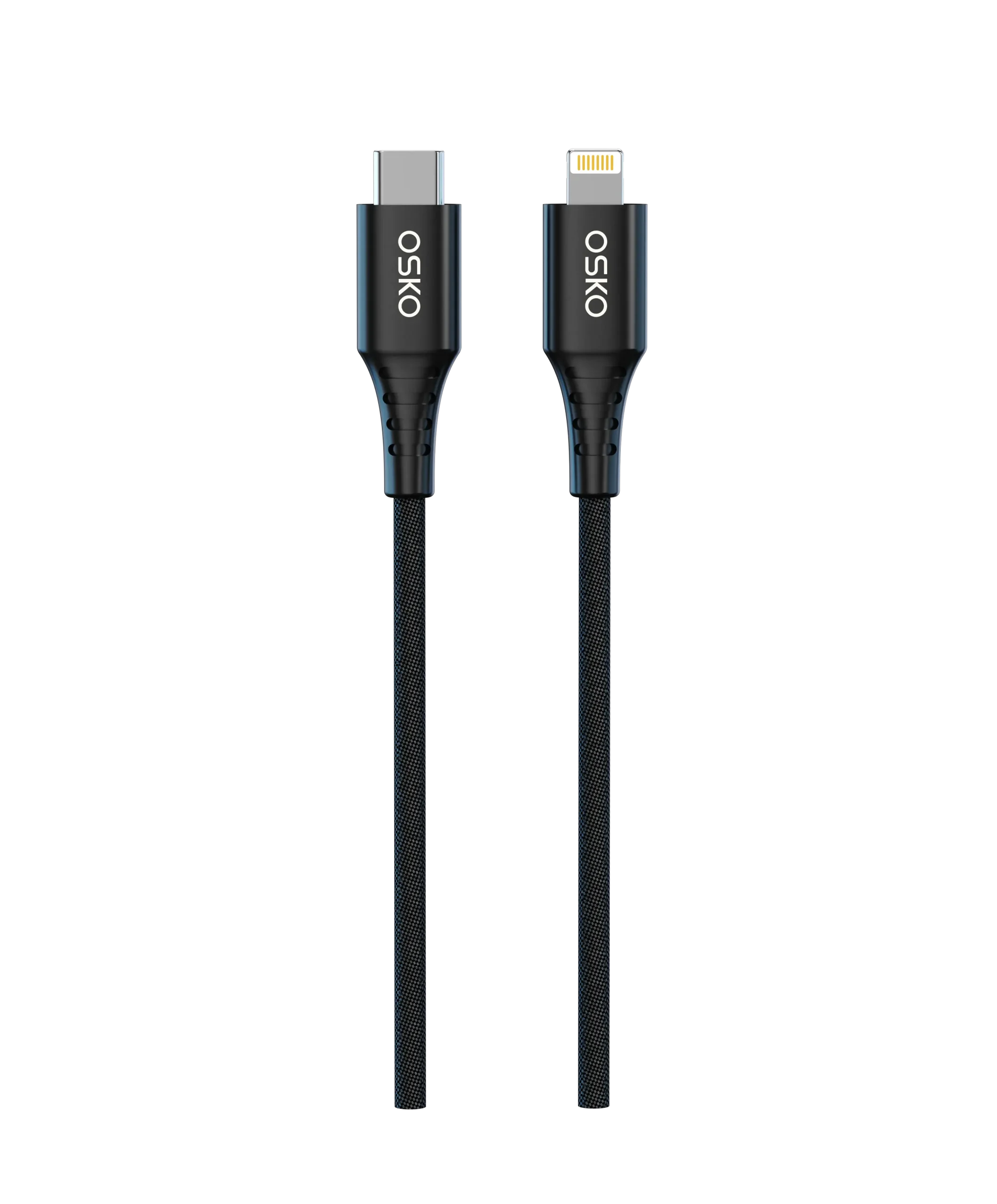
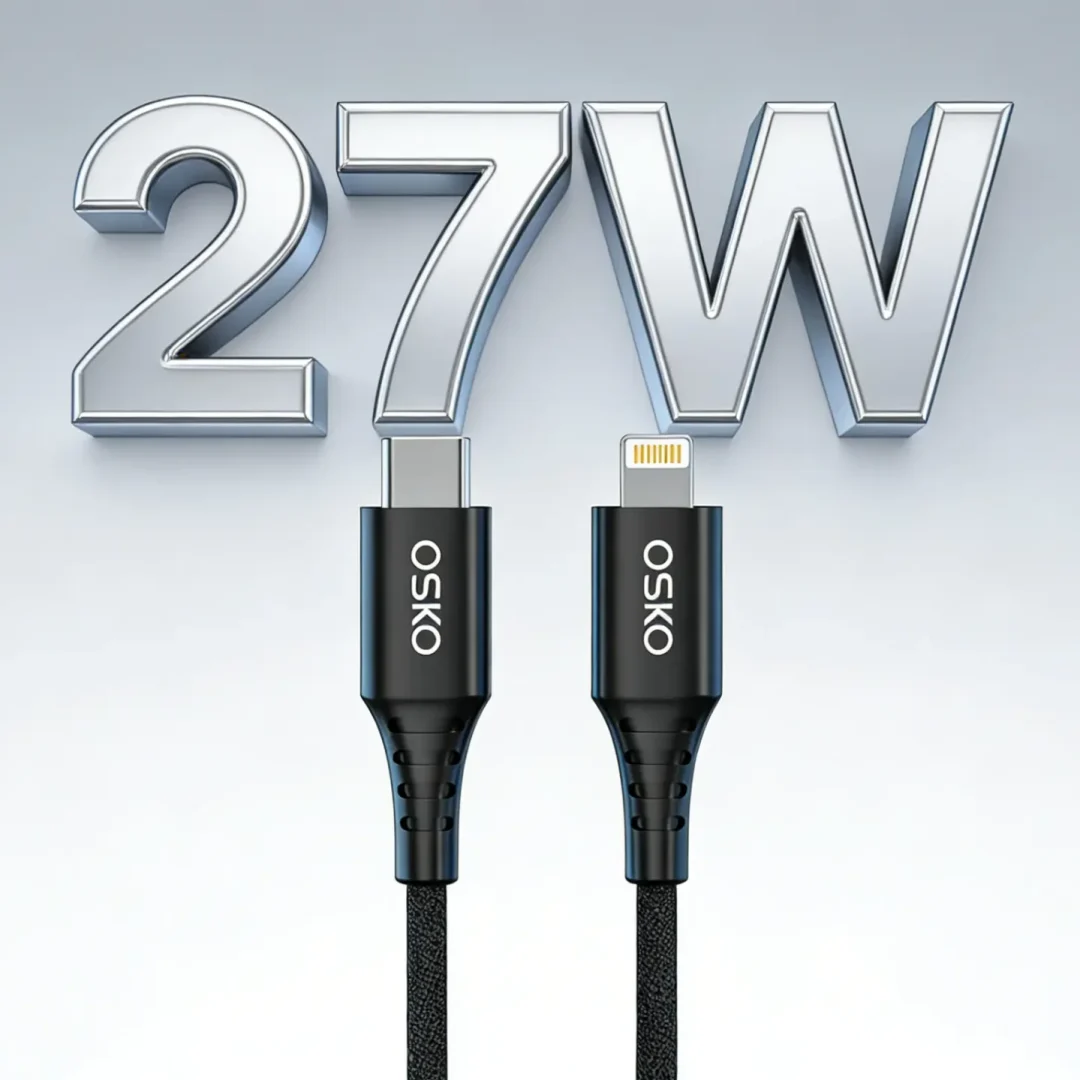
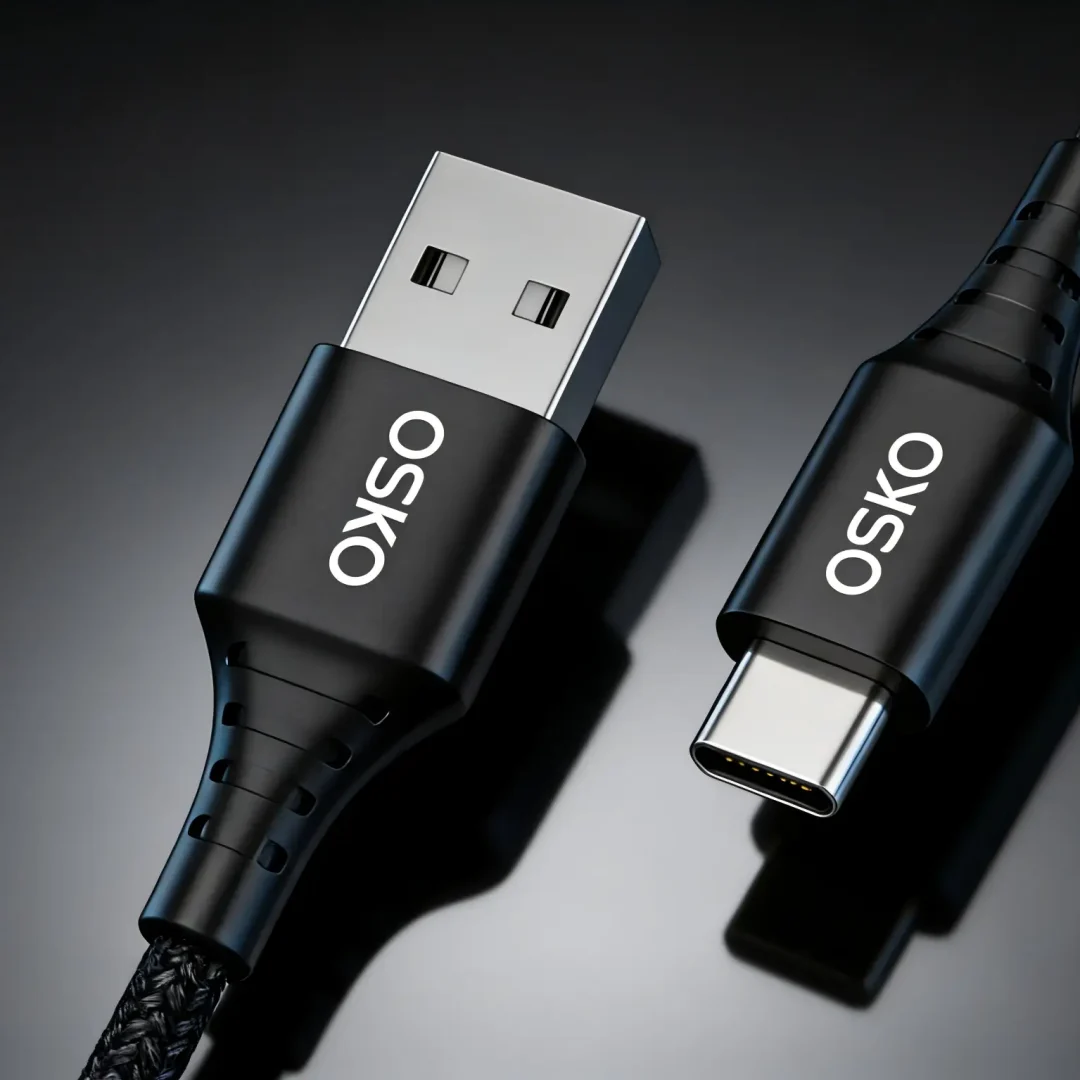
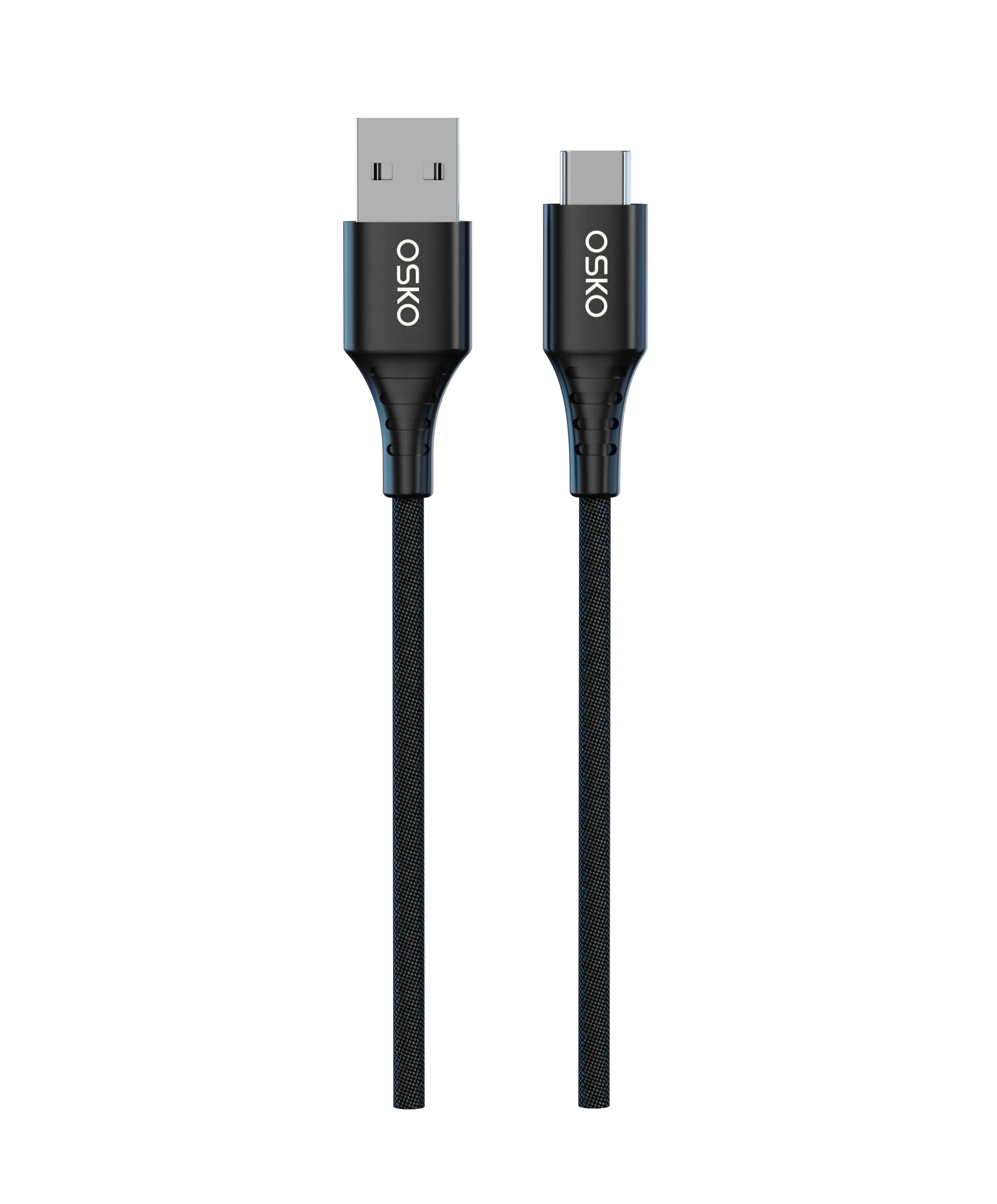
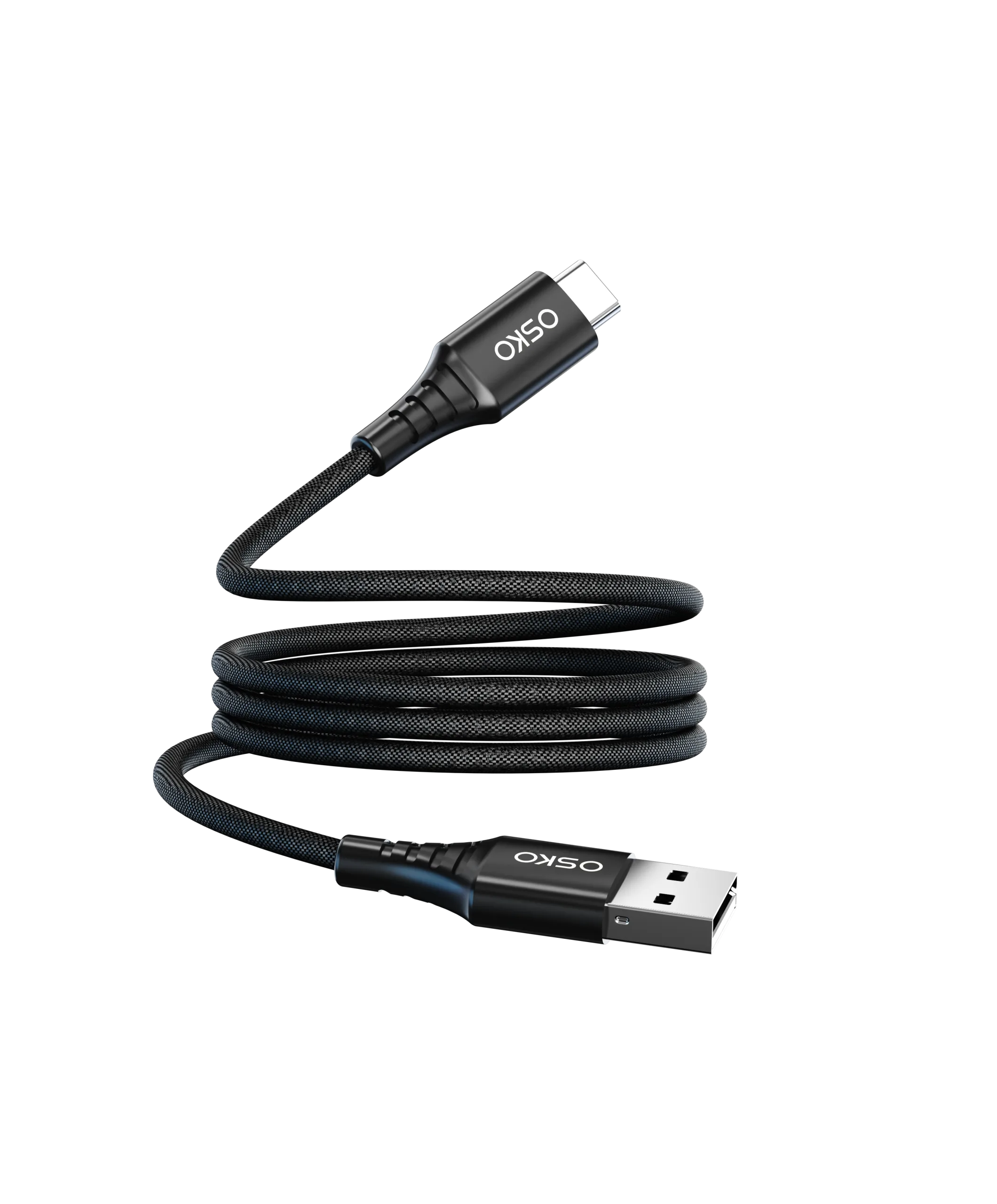
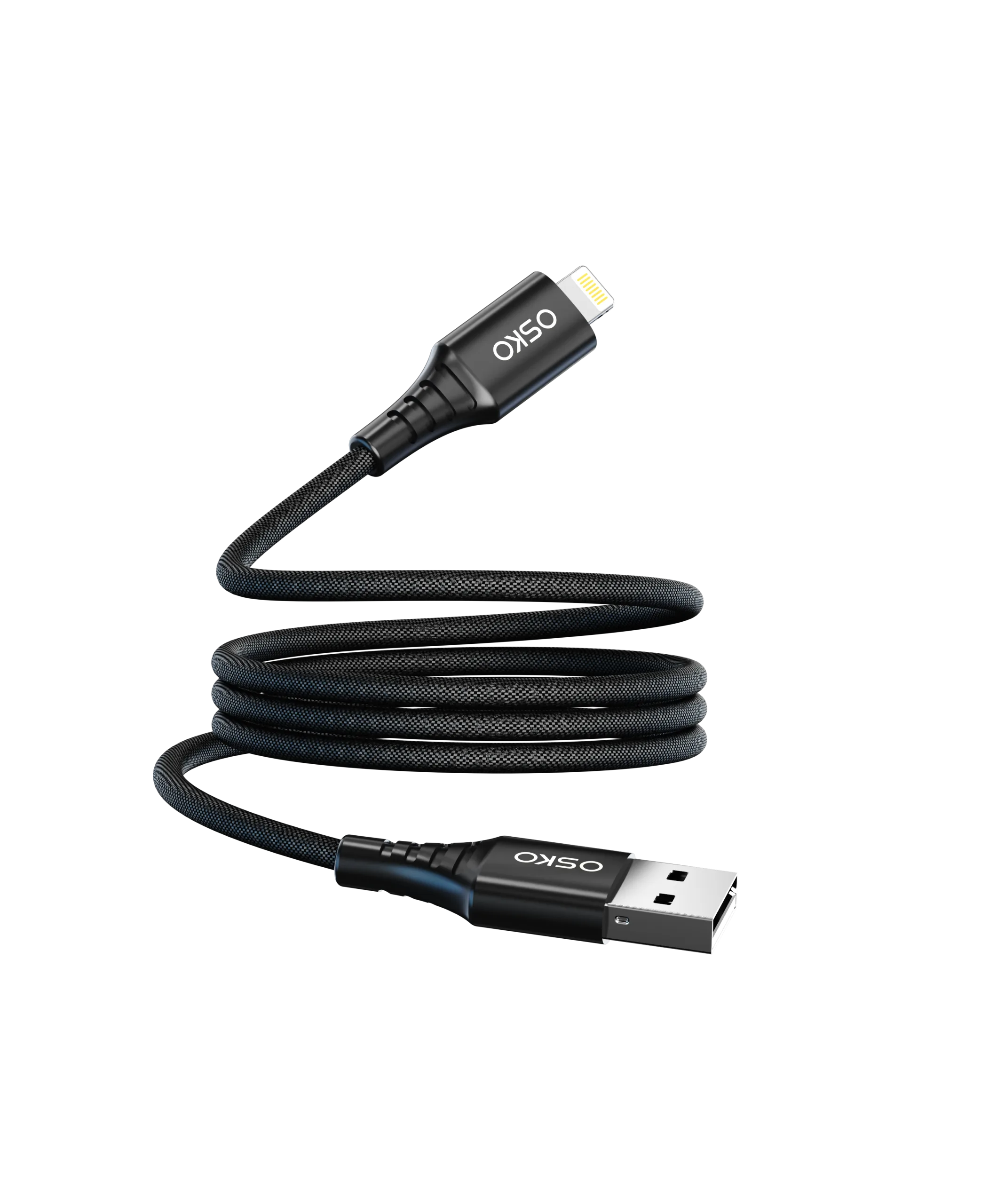
OSKO OEM USB-C Solutions
We provide:
60W / 100W / 240W USB-C cables
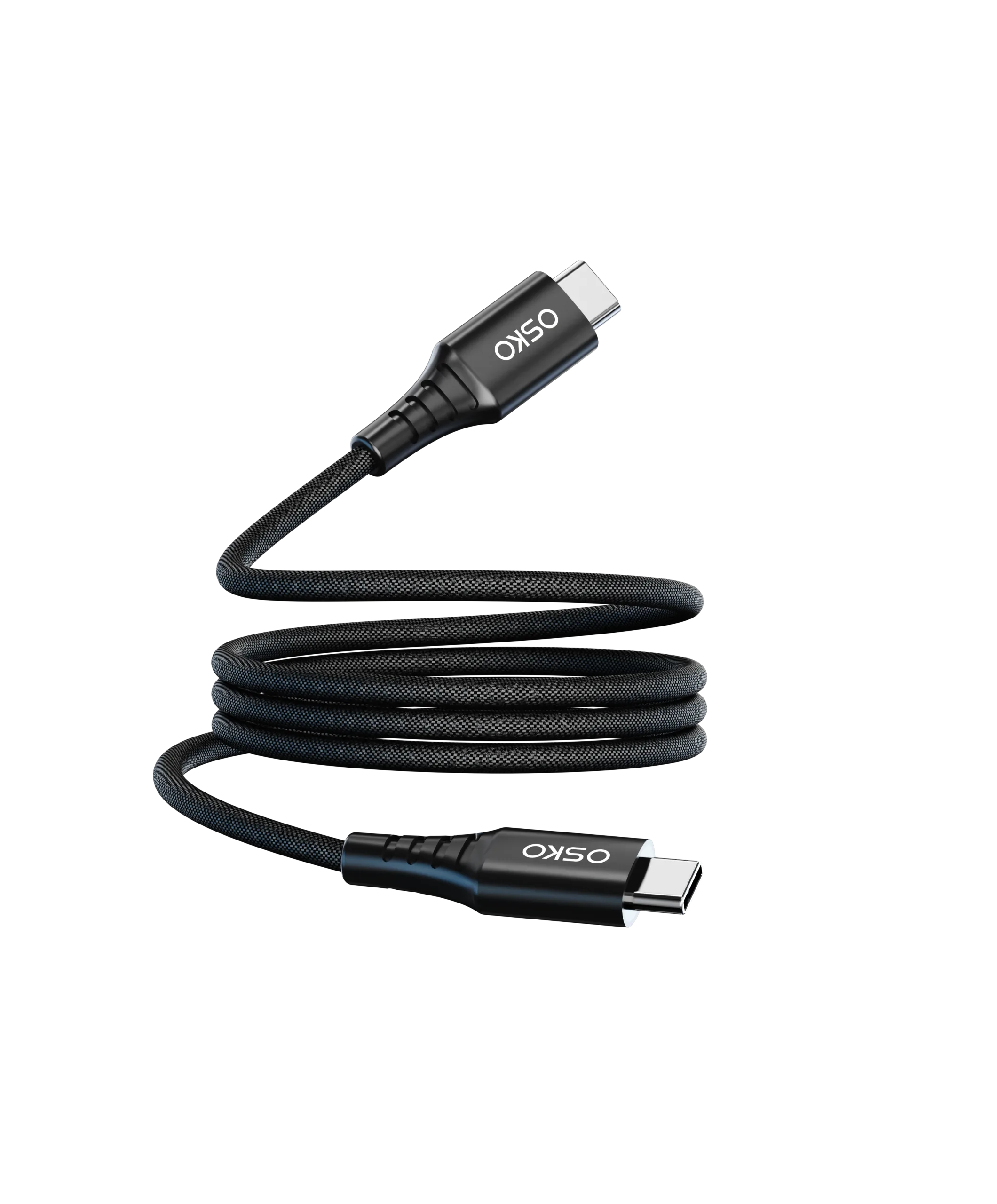
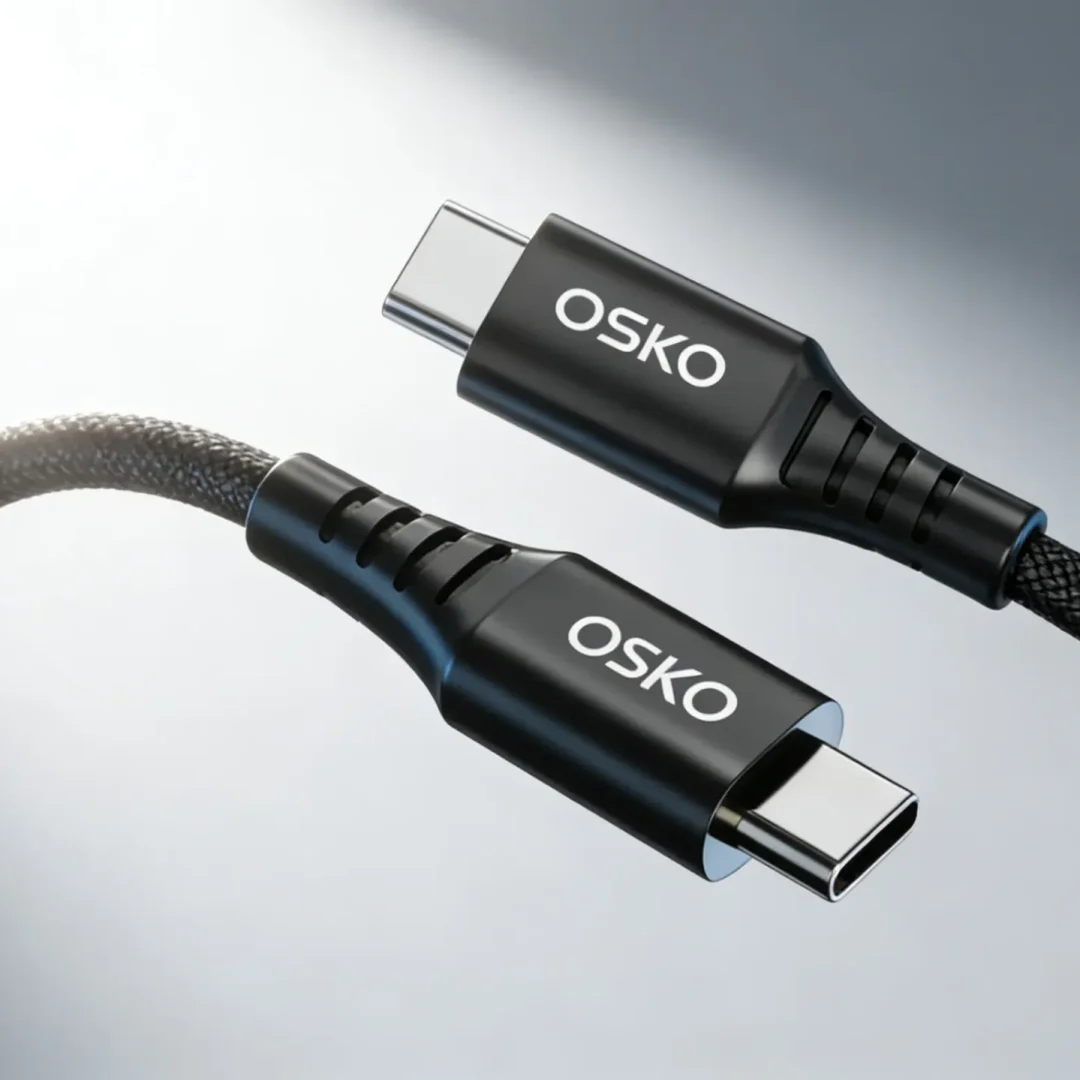
Braided premium charging cables
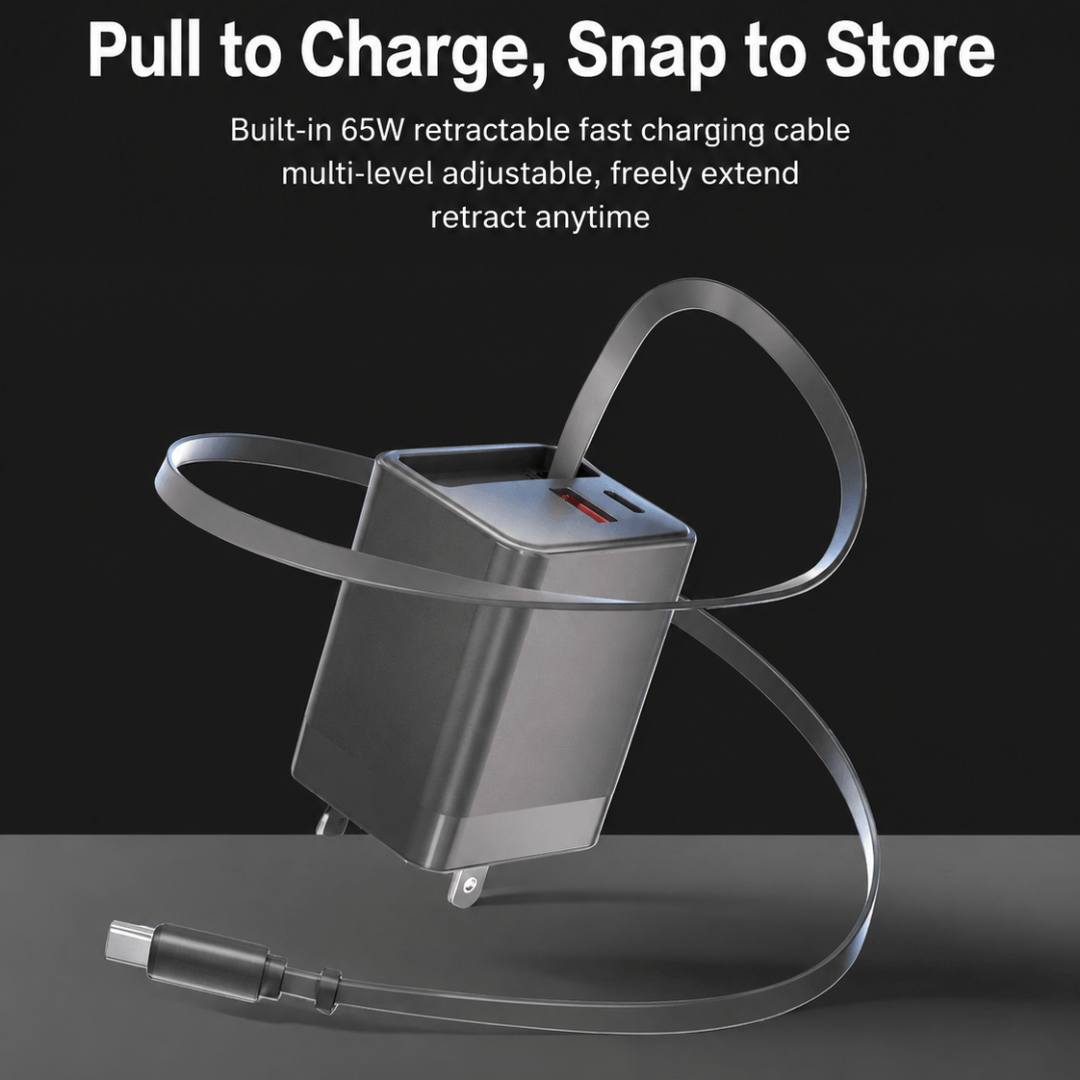
USB-C PD fast charging solutions
OEM & ODM manufacturing
CE/FCC/RoHS certified production
Custom packaging and branding