
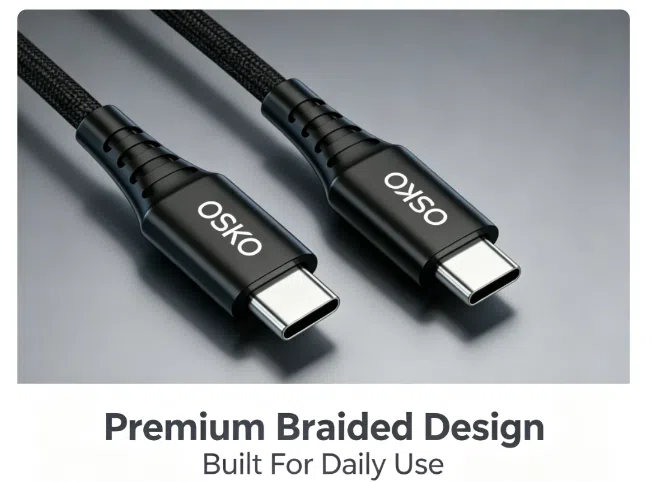
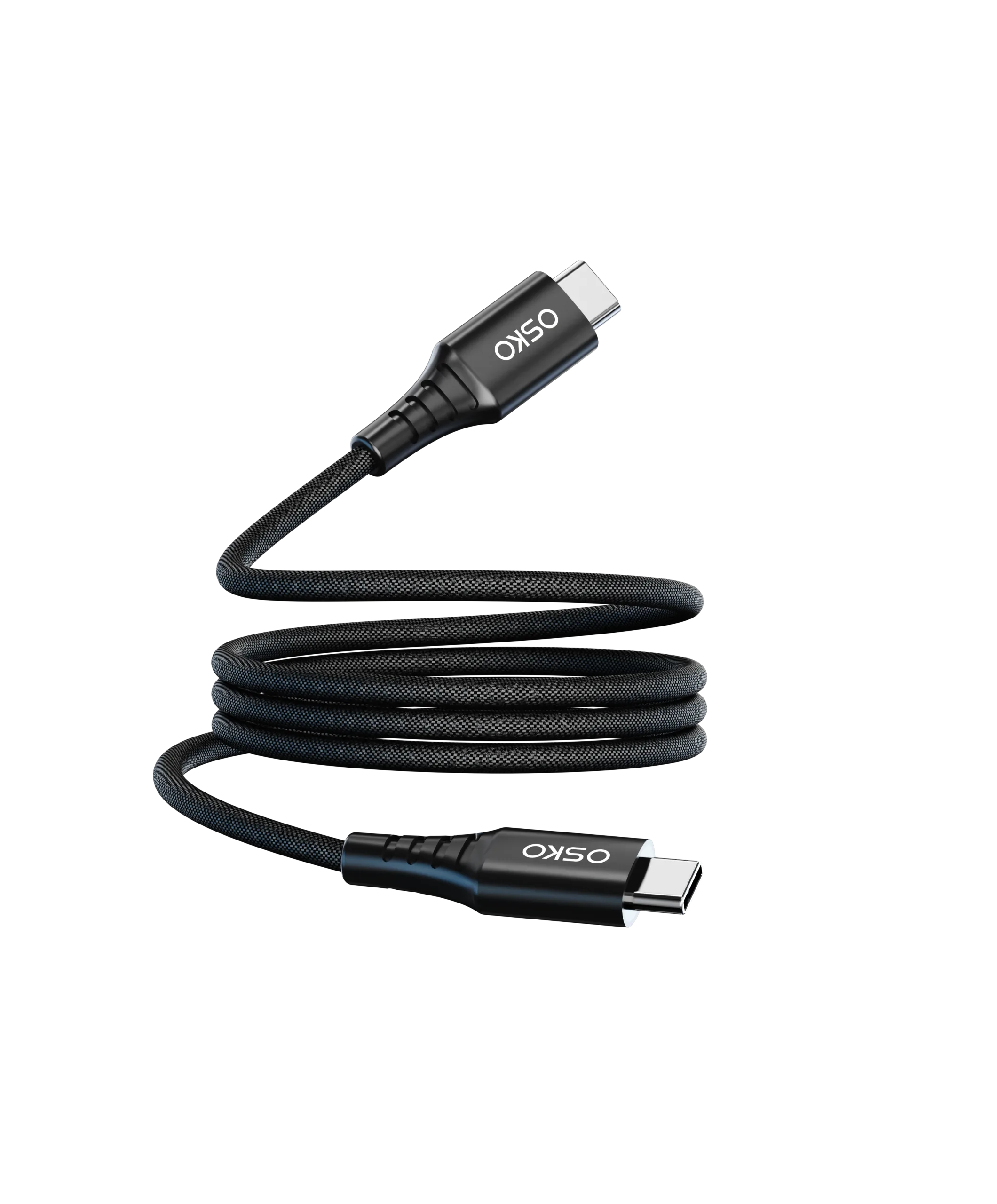
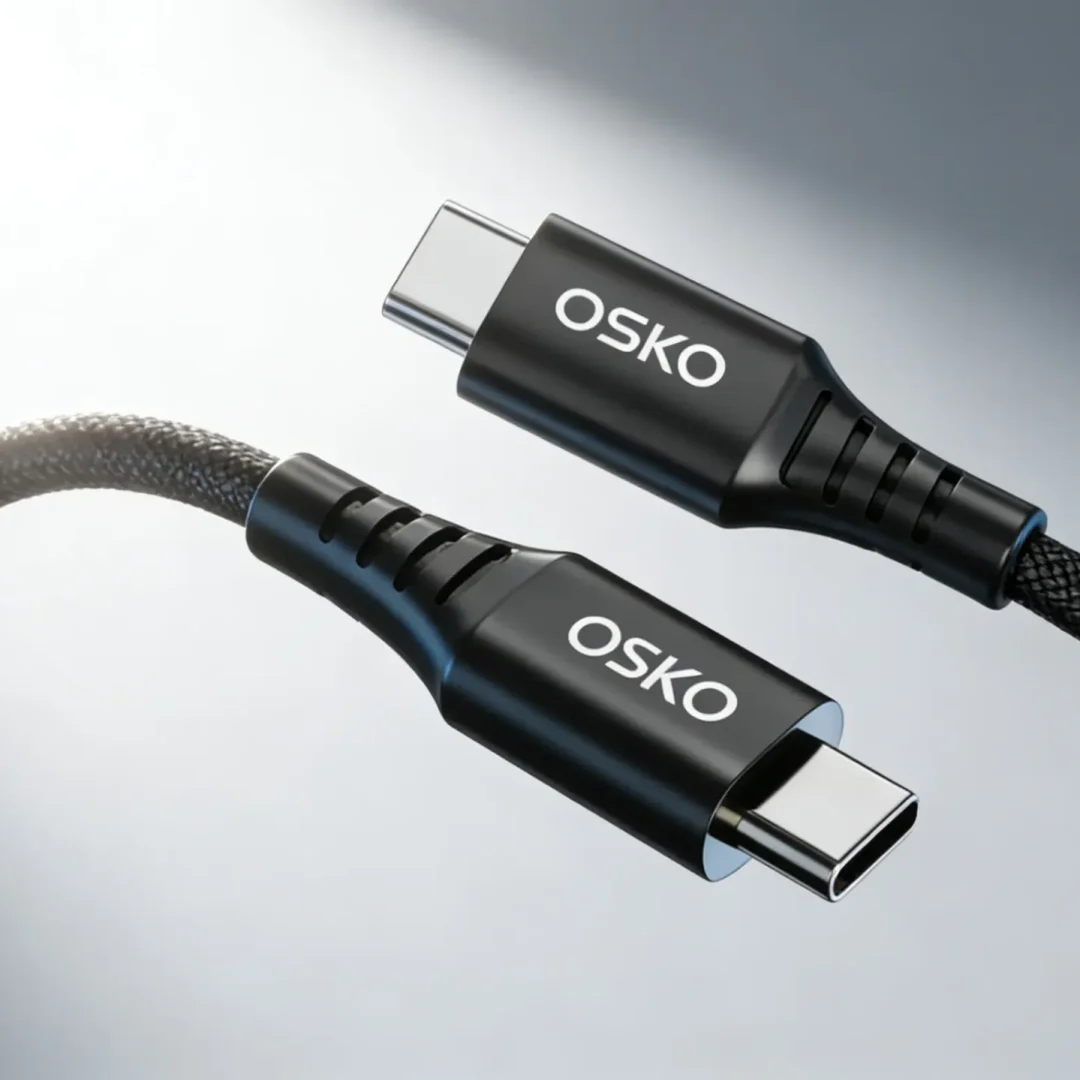
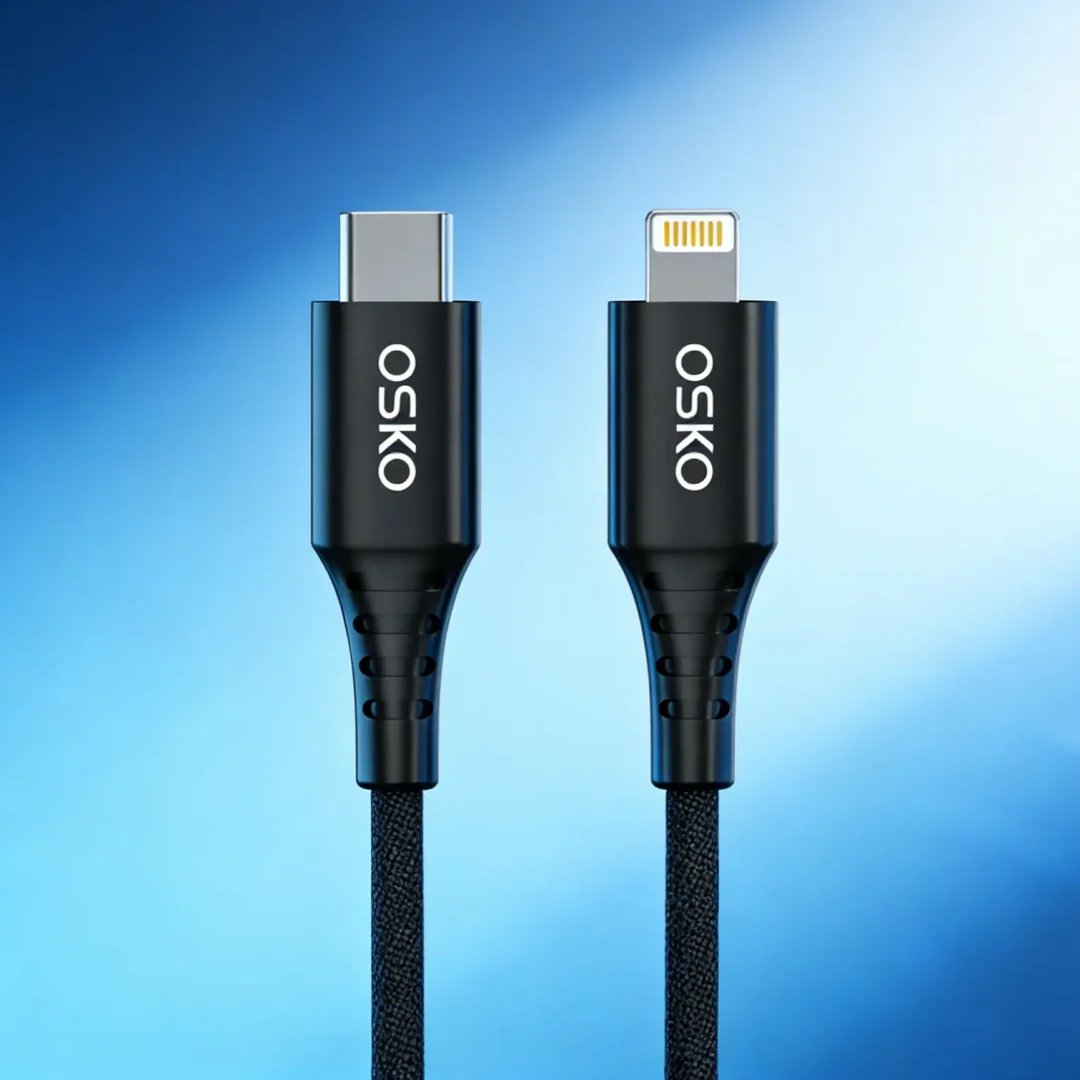
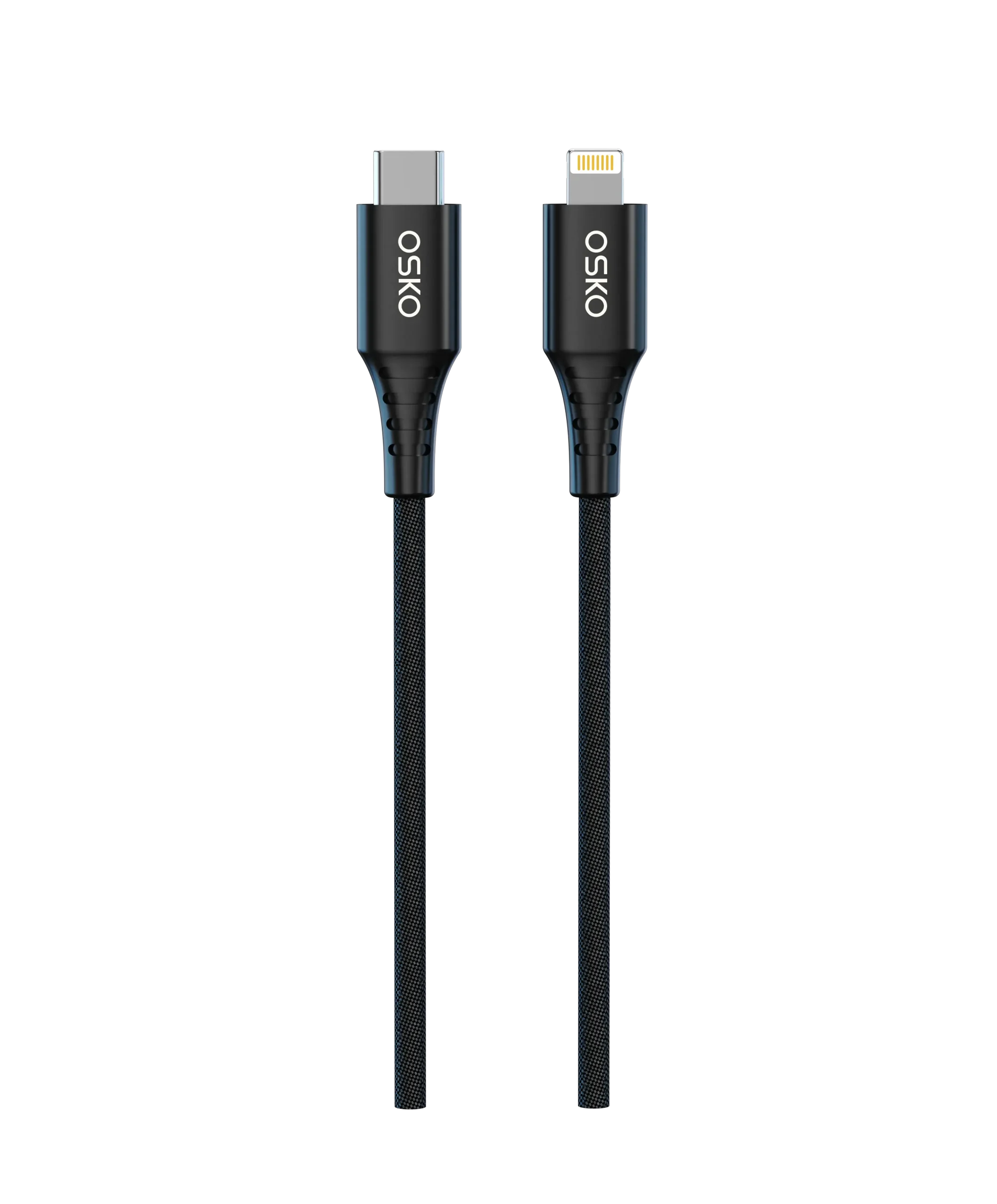
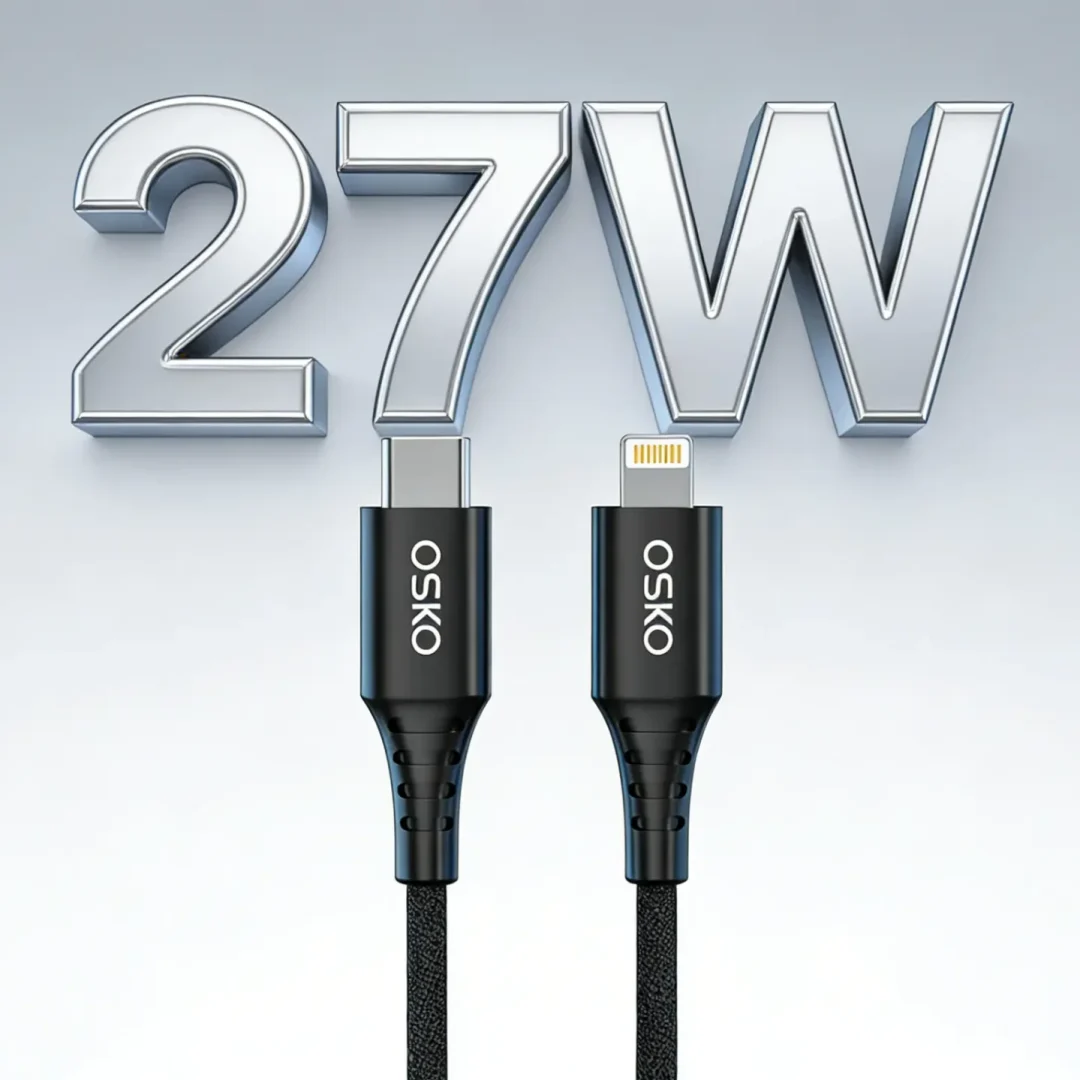
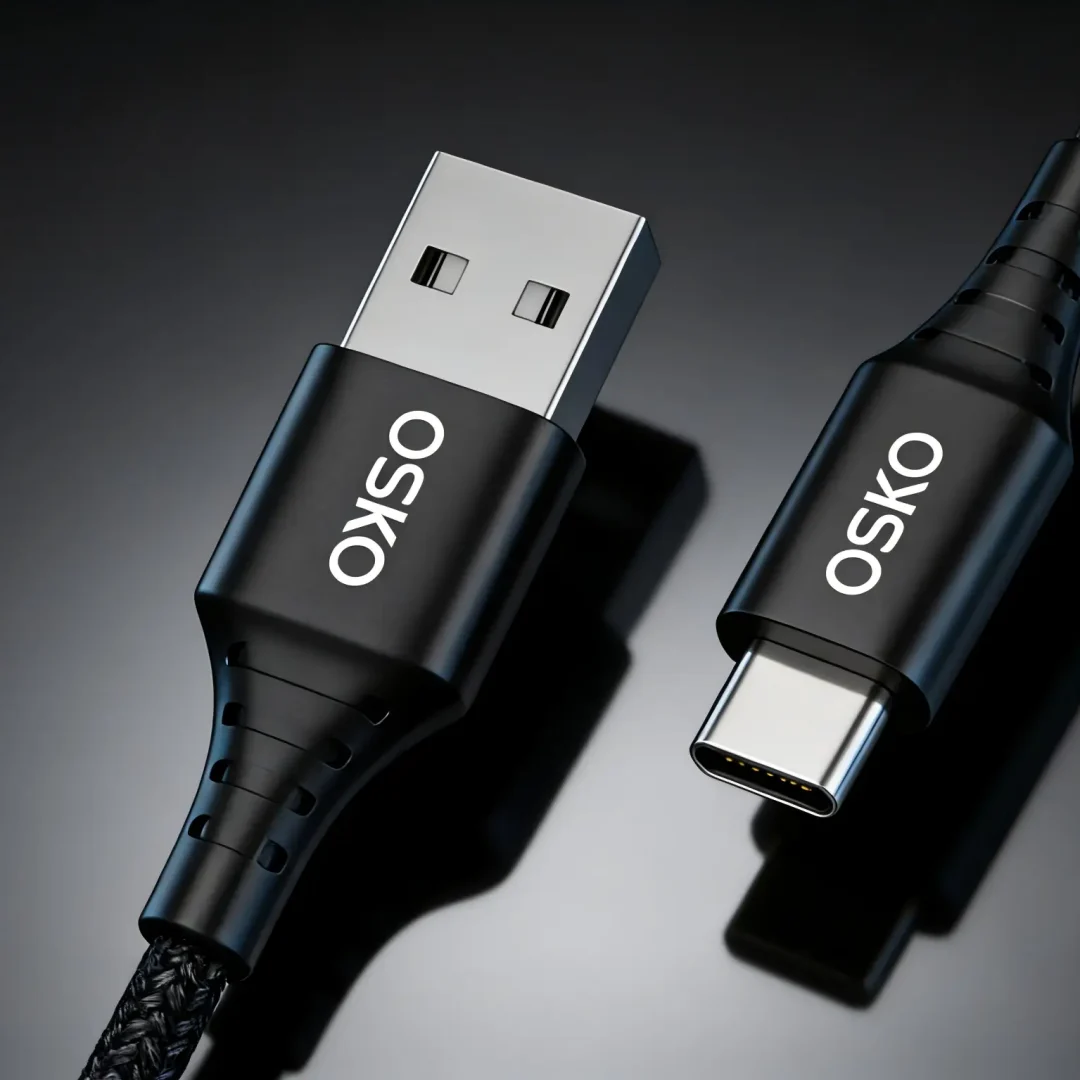
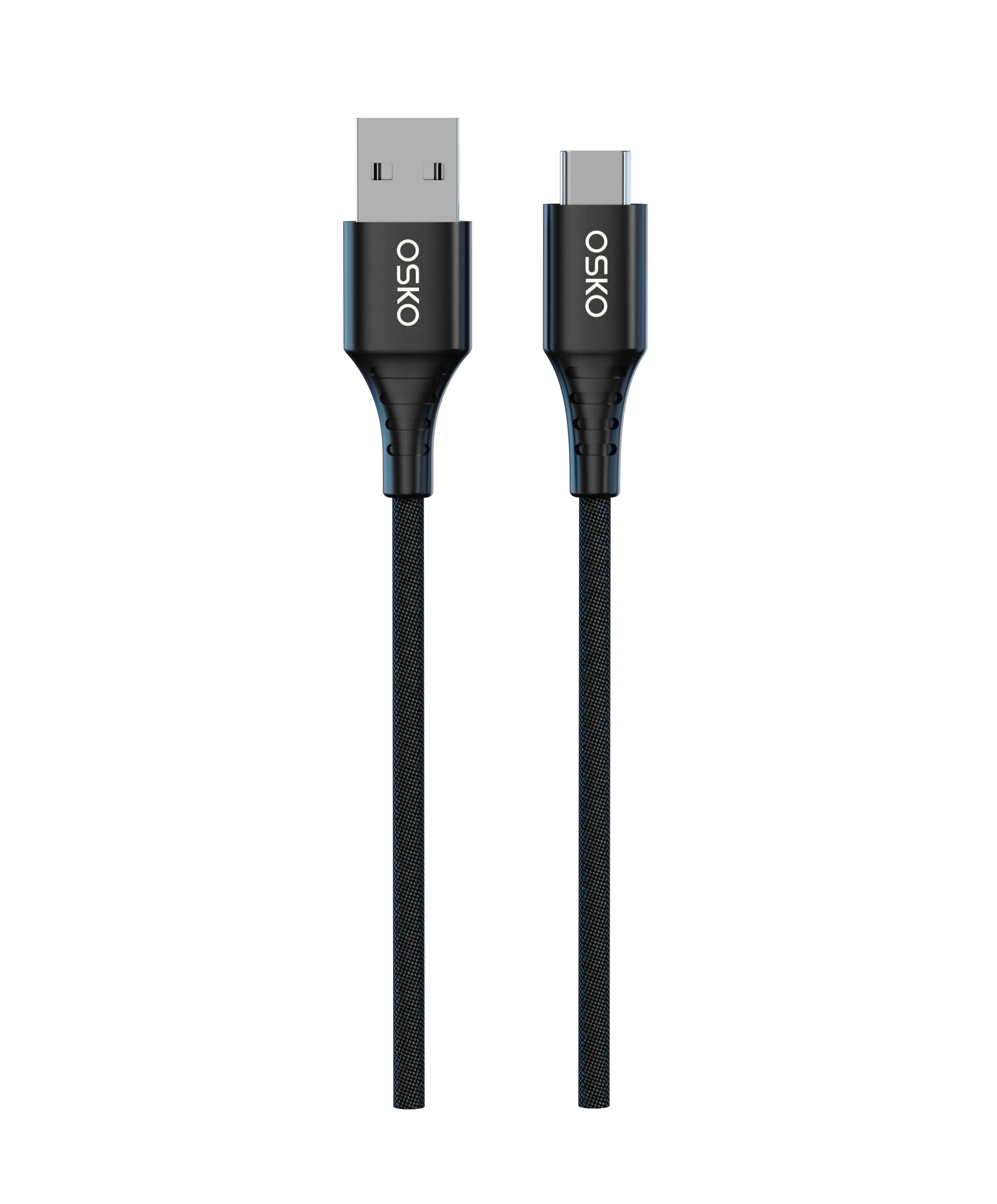
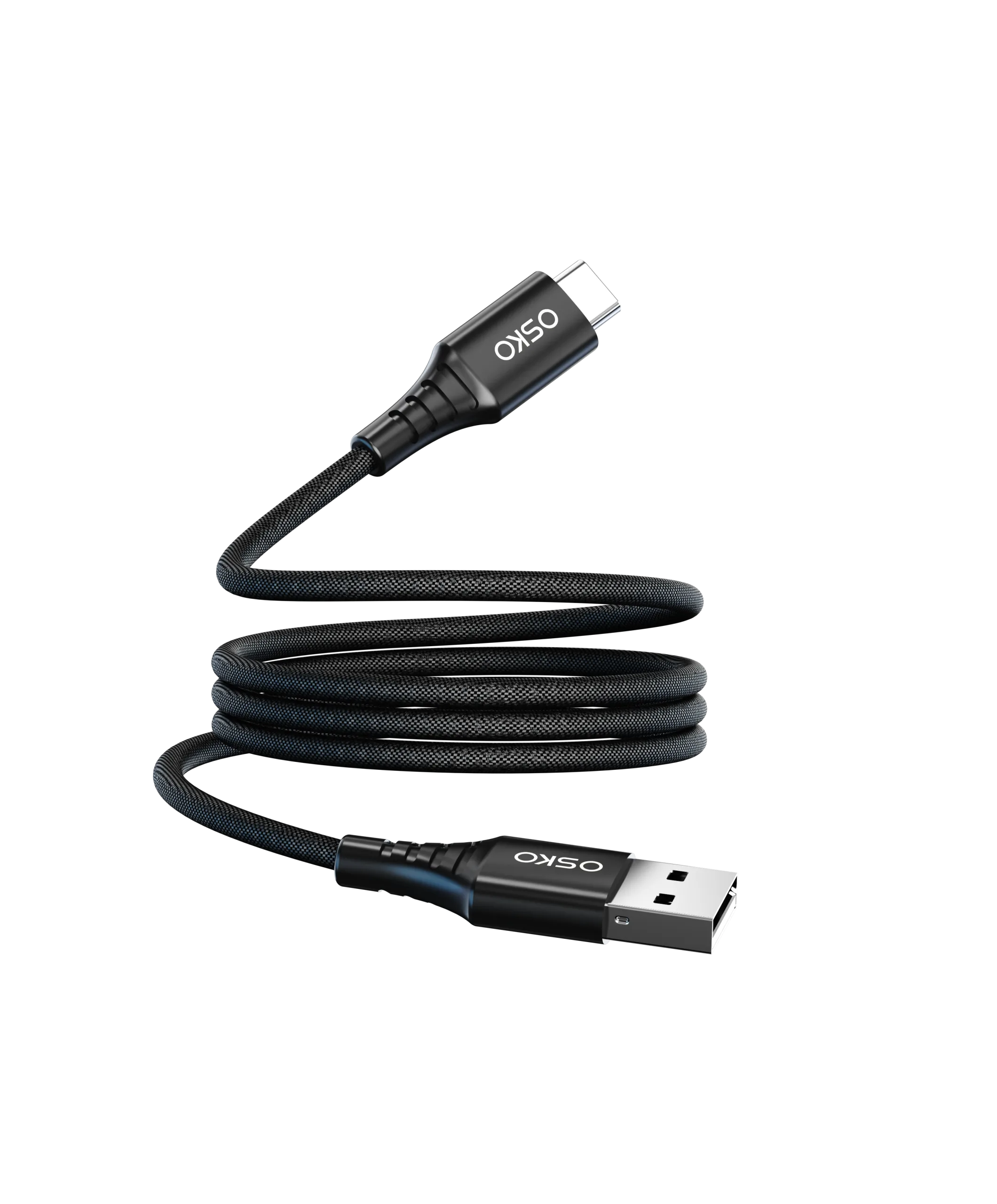
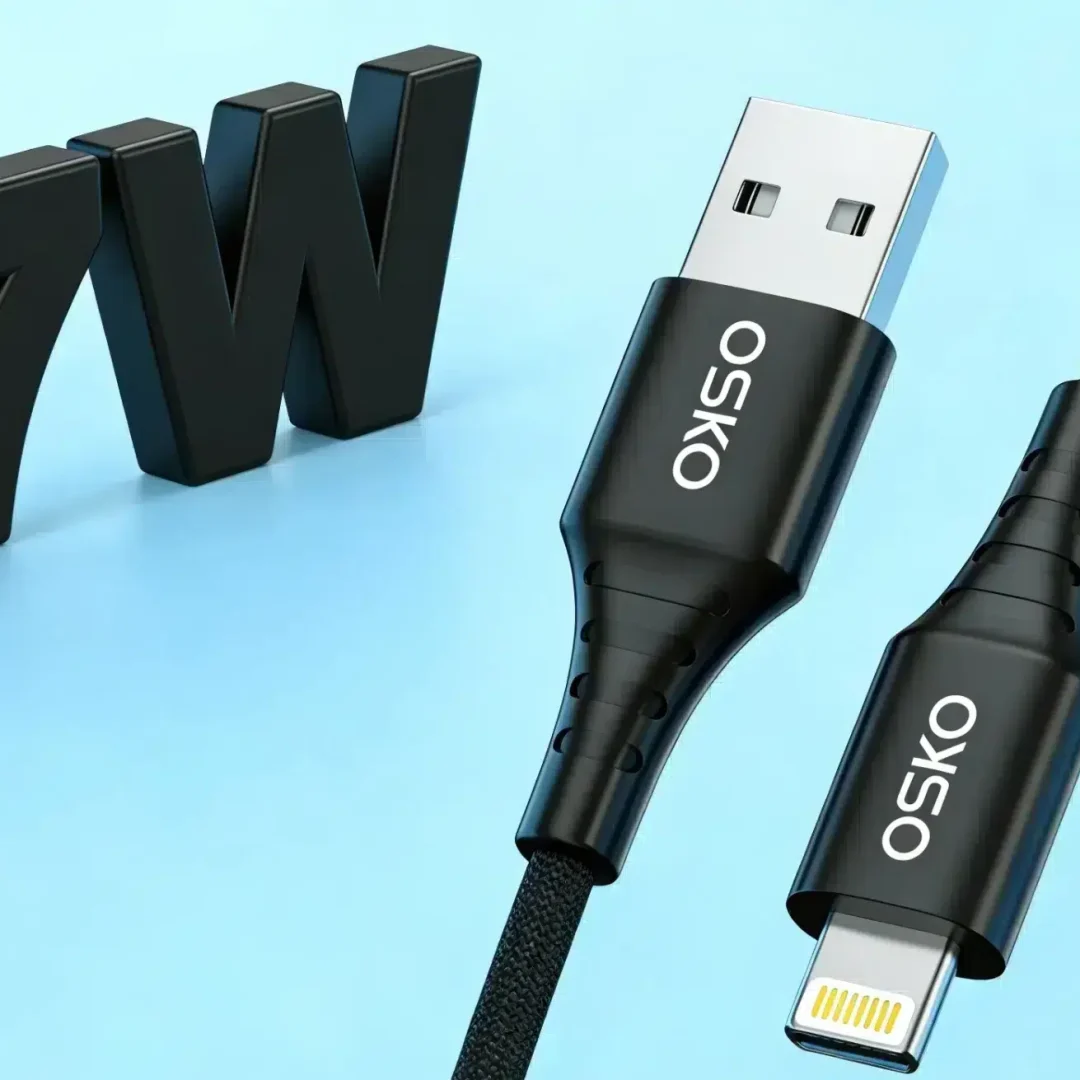
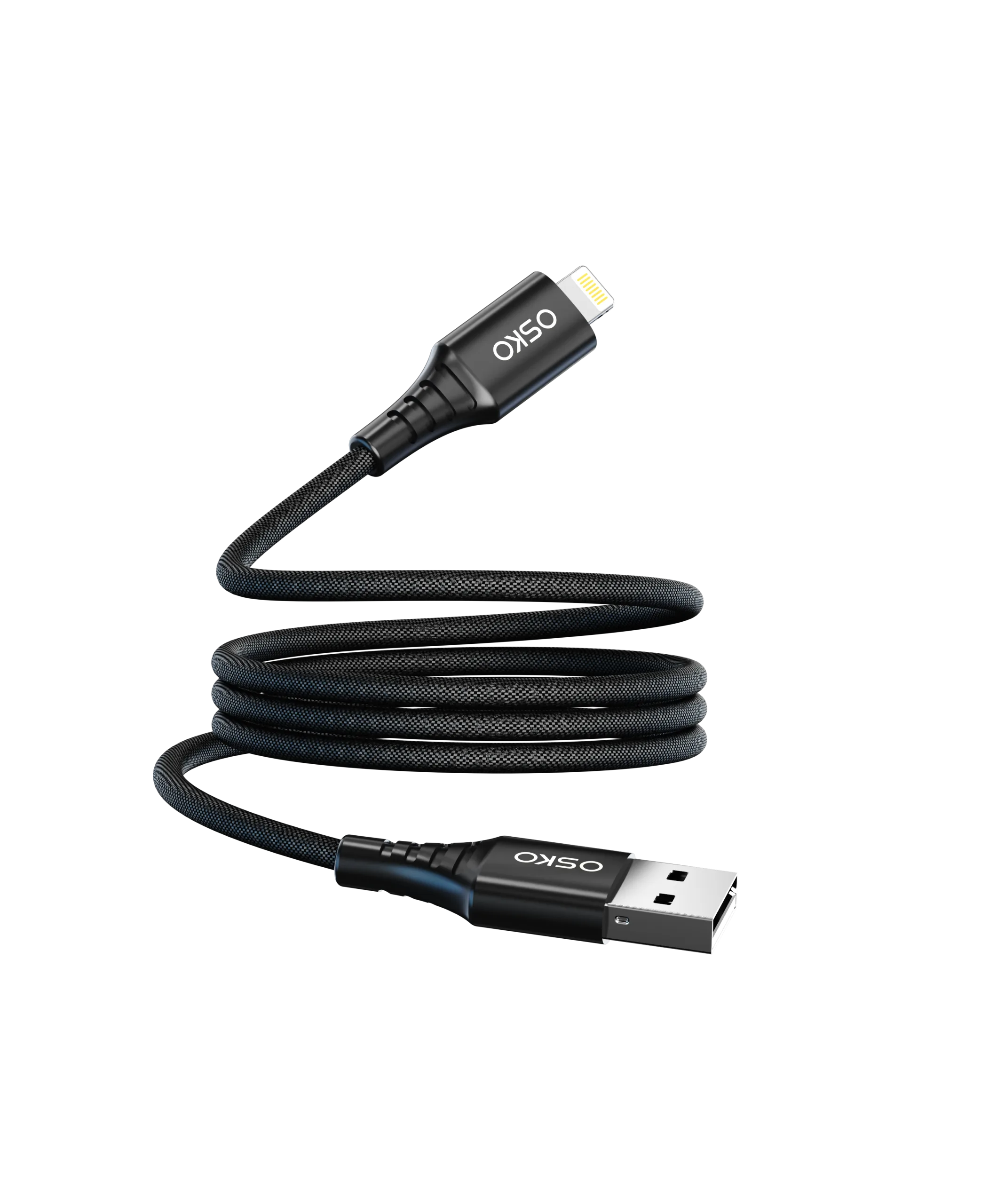
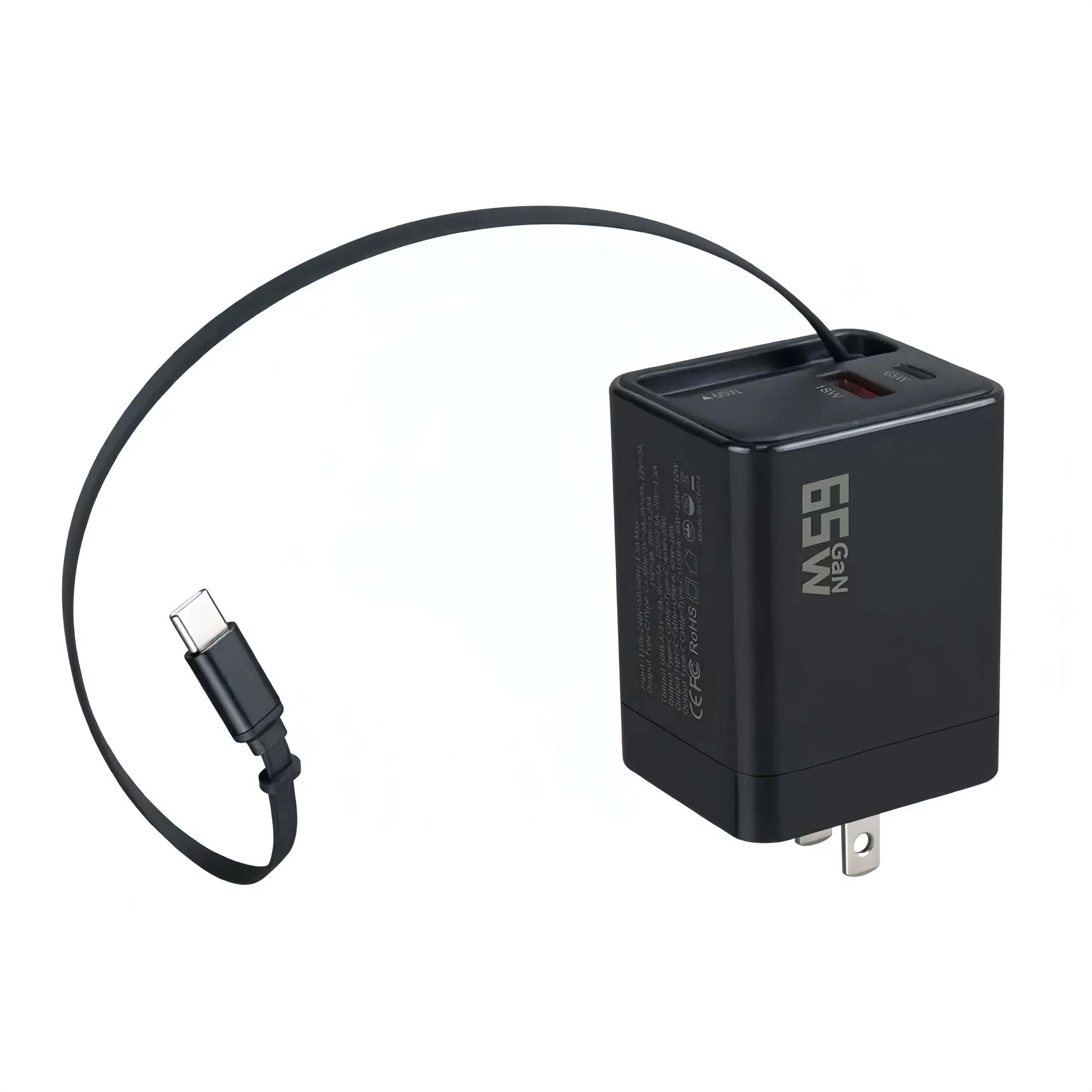

A short iPhone charging cable for car is designed to solve a very specific problem: stable, safe, and clutter-free charging inside confined vehicle environments.
Unlike home charging setups, car interiors require cables that are short enough to avoid tangling, yet durable enough to withstand constant vibration, temperature changes, and repeated bending.
In modern automotive charging systems used across North America and Europe, short cables have become the preferred choice for iPhone users because they improve safety, reduce distraction, and maintain consistent fast charging performance.

Material Science & Dielectric Properties
Car charging environments place unique stress on cable materials and electrical performance.
Why Short Length Improves Charging Stability
Short cables (0.3m–1m) reduce electrical resistance, which leads to:
Lower voltage drop
More stable fast charging
Reduced heat generation
Improved energy efficiency
This is especially important for iPhone fast charging cable systems using USB Power Delivery (USB-PD).
Conductor Quality in Automotive Use
Car environments require stable conductors due to vibration and movement.
Common materials include:
Oxygen-free copper (premium performance)
Tinned copper (balanced durability)
Standard copper (entry-level use)
Higher-quality conductors ensure stable current delivery even under unstable car power output.
Insulation and Heat Resistance
Inside vehicles, temperature fluctuations can be extreme.
High-quality cables use:
TPE insulation for heat resistance
PVC for basic cost efficiency
Nylon braided jackets for premium durability
These materials improve lifespan in car charging cable iPhone applications.
EMI Shielding in Vehicles
Cars generate electromagnetic interference from:
Engine systems
Bluetooth modules
Navigation systems
To maintain stable charging, cables require:
Aluminum foil shielding
Braided copper shielding
Noise-resistant internal structure
This ensures reliable performance of USB-C to Lightning car cable systems.
MFi Certification Importance
For Apple devices, MFi certification ensures:
Safe voltage negotiation
Stable charging performance
No accessory warning messages
Long-term compatibility with iOS updates
This is essential for any MFi Lightning cable car use scenario.
Case Study
US Automotive Accessories Retail Optimization Project
A US-based retailer specializing in car accessories experienced inconsistent performance in iPhone charging products.
Customer Feedback Issues
Long cables tangled inside vehicles
Charging interruptions during driving
Cable overheating in summer conditions
Compatibility issues with iPhone fast charging
Engineering Diagnosis
The root causes were:
Excessively long cables increasing resistance
Low-grade conductors in budget products
Weak shielding against vehicle EMI
Lack of MFi certification in some SKUs
These issues directly impacted short iPhone charging cable for car performance expectations.
OSKO Engineering Solution
OSKO redesigned the automotive cable system:
Optimized 0.3m–1m cable length standardization
Oxygen-free copper conductor upgrade
Reinforced EMI shielding for automotive environments
Full MFi-certified production control
OEM integration included:
Braided Lightning cable OEM automotive-grade versions
OEM USB cable manufacturer multi-length production lines
Custom packaging braided charging cable factory solutions for retail
Supply categories included:
Bulk custom 6ft 10ft USB-C cables (non-car use segments)
Tangle-free double-braided USB C cable wholesale for premium retail
Wholesale 60w braided usb c cable for multi-device ecosystems
Results
Reduced cable entanglement complaints
Improved fast charging consistency in vehicles
Increased product durability ratings
Higher customer satisfaction in automotive segment
Selection Guide
Best Length for Car Charging
Recommended lengths:
0.3m (1ft): minimal clutter, ideal for front-seat use
0.5m: balanced flexibility
1m (3ft): versatile for most vehicles
Shorter cables improve safety and reduce distraction while driving.

Material Selection for Car Use
| Material Type | Durability | Flexibility | Best Use |
|---|---|---|---|
| PVC | Low | Medium | Budget car kits |
| TPE | Medium | High | Daily driving |
| Nylon braided | High | Medium | Premium automotive use |
Fast Charging Requirements
To ensure stable iPhone fast charging in cars, cables must support:
USB Power Delivery (USB-PD)
Low-resistance copper conductors
Stable EMI shielding
MFi certification (for Lightning cables)
OEM and Wholesale Considerations
Automotive cable sourcing requires:
Heat resistance testing
Vibration durability testing
Certification compliance (CE, FCC, RoHS)
Packaging optimized for retail automotive kits
Common OEM categories include:
Braided right angle USB-C cable wholesale (dashboard use)
ISO9001 certified braided USB cable factory production
FCC approved nylon braided USB C cable supplier automotive exports
Prop 65 compliant USB C cable factory US compliance markets
FAQ
What is the best cable length for car charging?
0.3m to 1m is ideal for most vehicles.
Do short cables charge faster?
Yes, shorter cables reduce resistance and improve efficiency.
Is braided cable better for cars?
Yes, braided cables offer better durability and vibration resistance.
Can I use a long cable in the car?
Yes, but it may cause clutter and reduced convenience.
Do I need MFi certification for car cables?
Yes, for iPhone Lightning cables, MFi ensures safe and stable charging.
Summary
A short iPhone charging cable for car is the optimal solution for safe, efficient, and clutter-free charging in automotive environments.
Short cables reduce resistance, improve fast charging stability, and minimize distraction while driving. However, performance depends heavily on material quality, shielding design, and MFi certification.
For OEM manufacturers and global buyers in North America and Europe, automotive charging cables must balance durability, heat resistance, and compliance to meet real-world driving conditions.
Ultimately, the best car charging cable is not just short in length—it is engineered for stability, safety, and long-term reliability in demanding vehicle environments.