

Introduction
The assumption that a braided cable always performs better is common among consumers, especially in premium electronics markets in North America and Europe.
At first glance, braided cables appear superior because they look stronger, feel more durable, and are often marketed as high-end products. However, from an engineering perspective, performance depends on more than external appearance.
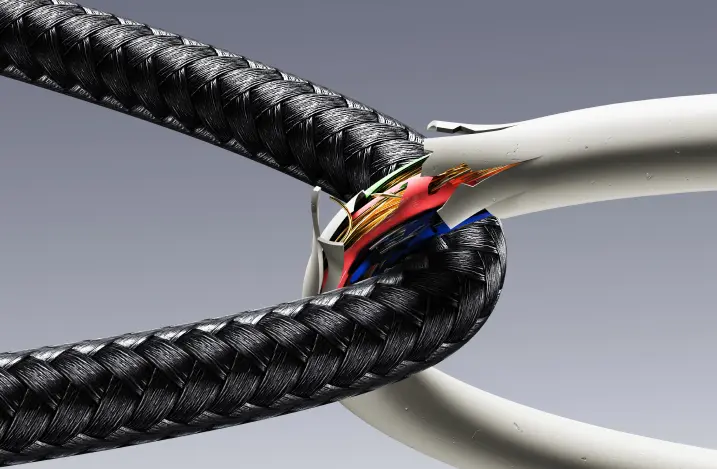
A cable is a multi-layer electrical system, and its performance is determined by conductor quality, insulation design, shielding structure, and manufacturing precision—not only the outer jacket.
To evaluate whether braided cables truly perform better, we must analyze their material structure, electrical behavior, and real-world usage conditions.
Material Science & Dielectric Properties
Cable performance is fundamentally determined by internal materials rather than external appearance.
Internal Conductor Quality
Both braided and PVC cables can use similar conductor materials, including:
Oxygen-free copper
Tinned copper
Stranded copper conductors
From an electrical standpoint, conductor quality has a greater impact on performance than jacket type.
A low-quality braided cable can still perform worse than a high-quality PVC cable if the conductor resistance is high.
This is why OEM USB cable manufacturer specifications always prioritize copper purity and conductor diameter before jacket material.
Dielectric Insulation Behavior
The insulation layer controls signal stability and electrical safety.
Common materials include:
TPE (Thermoplastic Elastomer)
PVC (Polyvinyl Chloride)
PE (Polyethylene)
Dielectric performance affects:
Charging efficiency
Data transmission stability
Heat generation
A braided outer layer does not improve dielectric performance directly, meaning it does not automatically enhance electrical efficiency.
Shielding and Signal Integrity
High-performance cables rely on shielding systems such as:
Aluminum foil shielding
Braided copper shielding
Multi-layer EMI protection
These structures reduce electromagnetic interference.
Whether the outer jacket is braided or PVC does not significantly change shielding effectiveness, which is determined by internal engineering design.
Mechanical Protection vs Electrical Performance
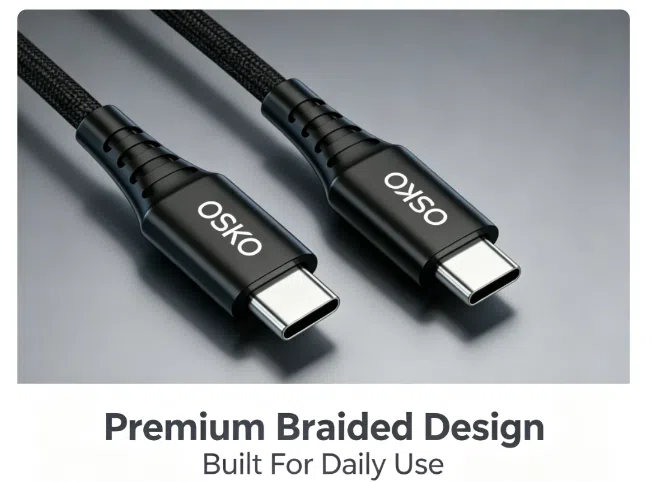
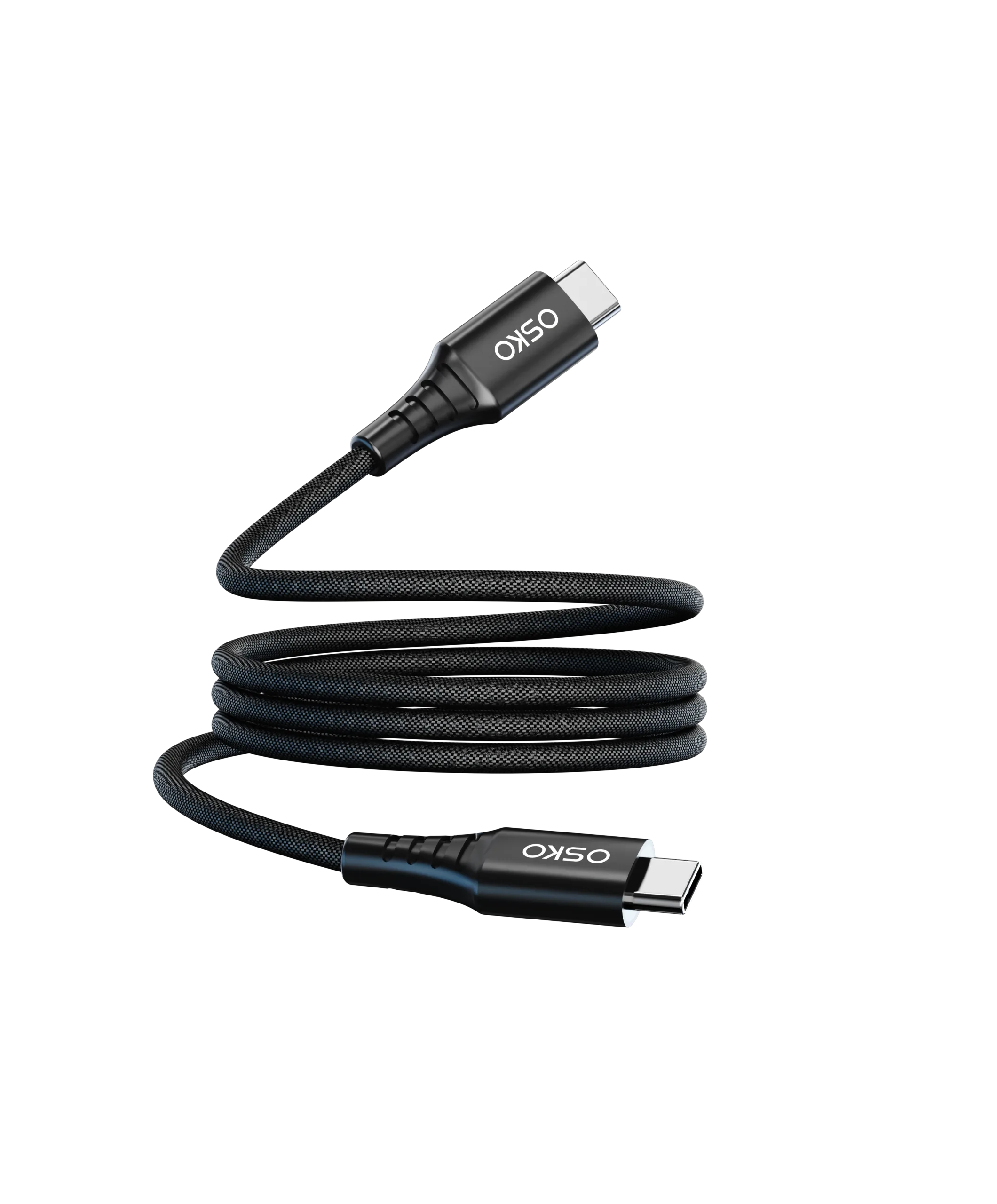
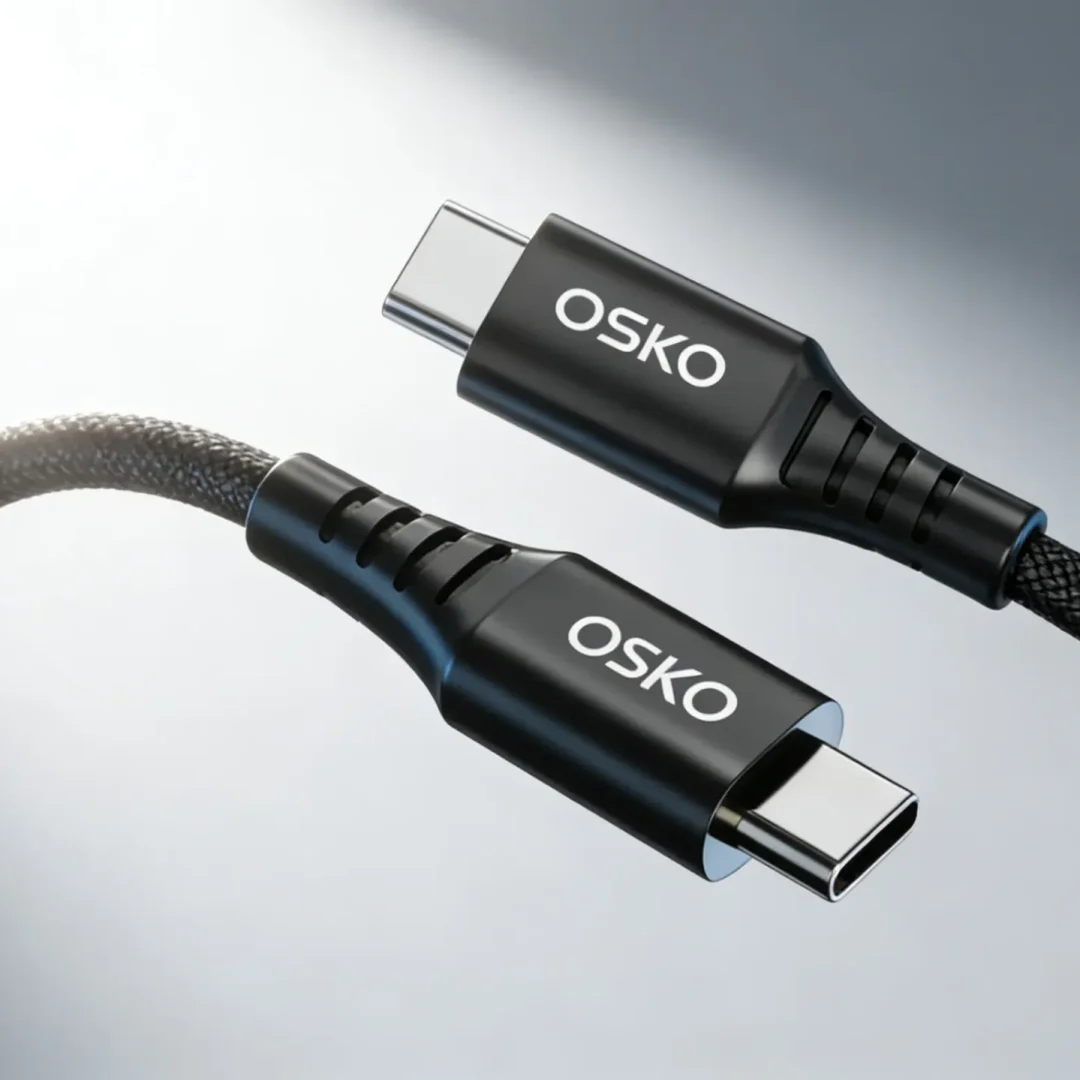
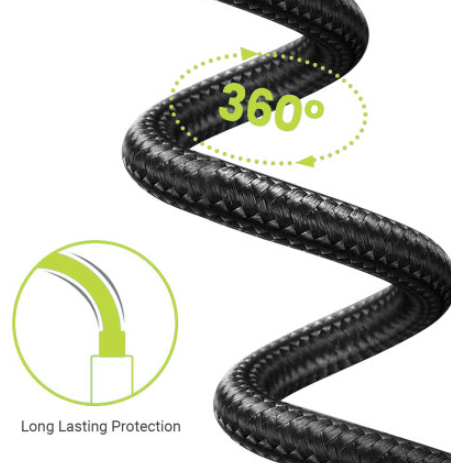
The braided layer primarily provides:
Abrasion resistance
Flex fatigue reduction
Tensile strength improvement
Aesthetic enhancement
However, these are mechanical advantages, not electrical ones.
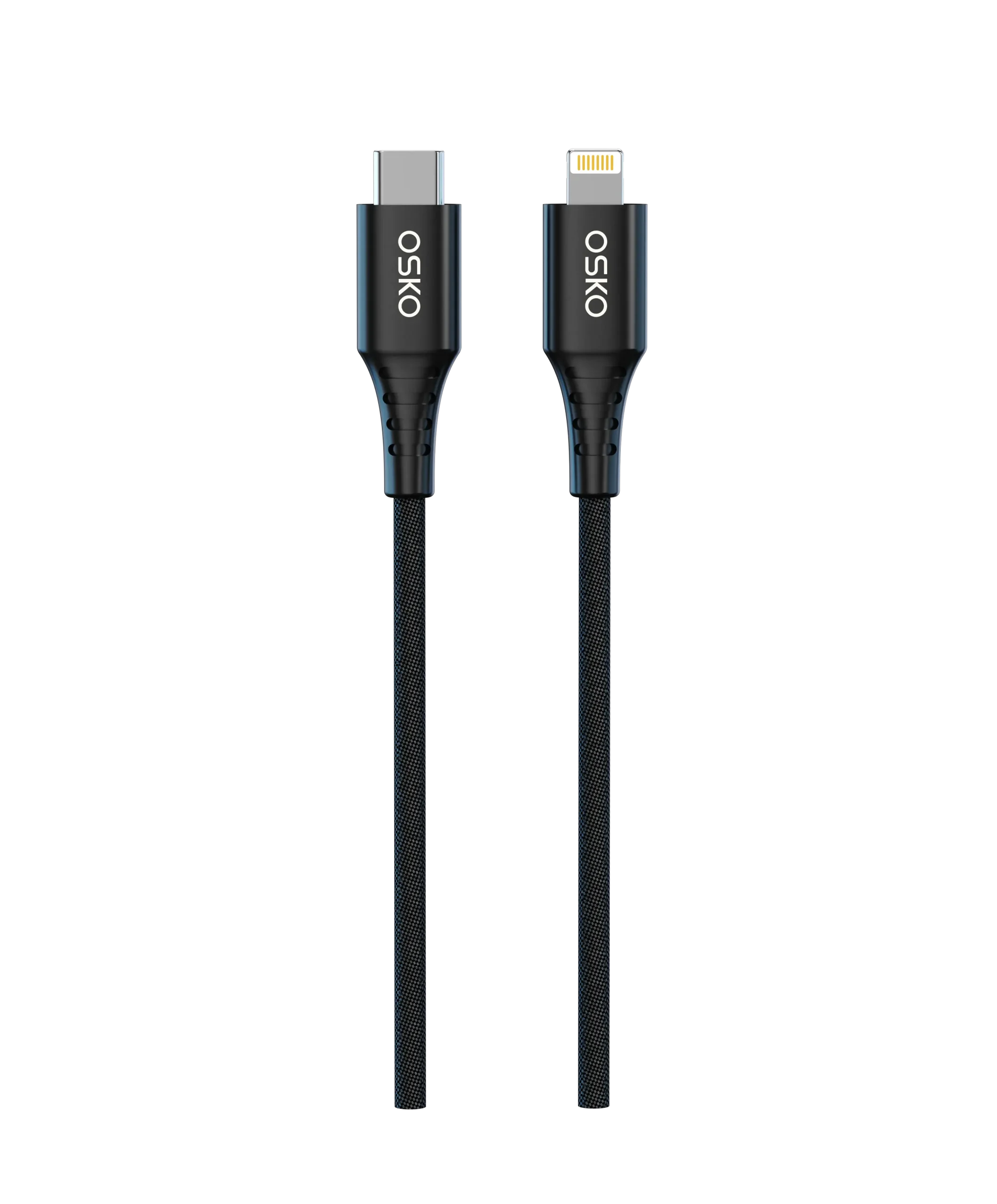
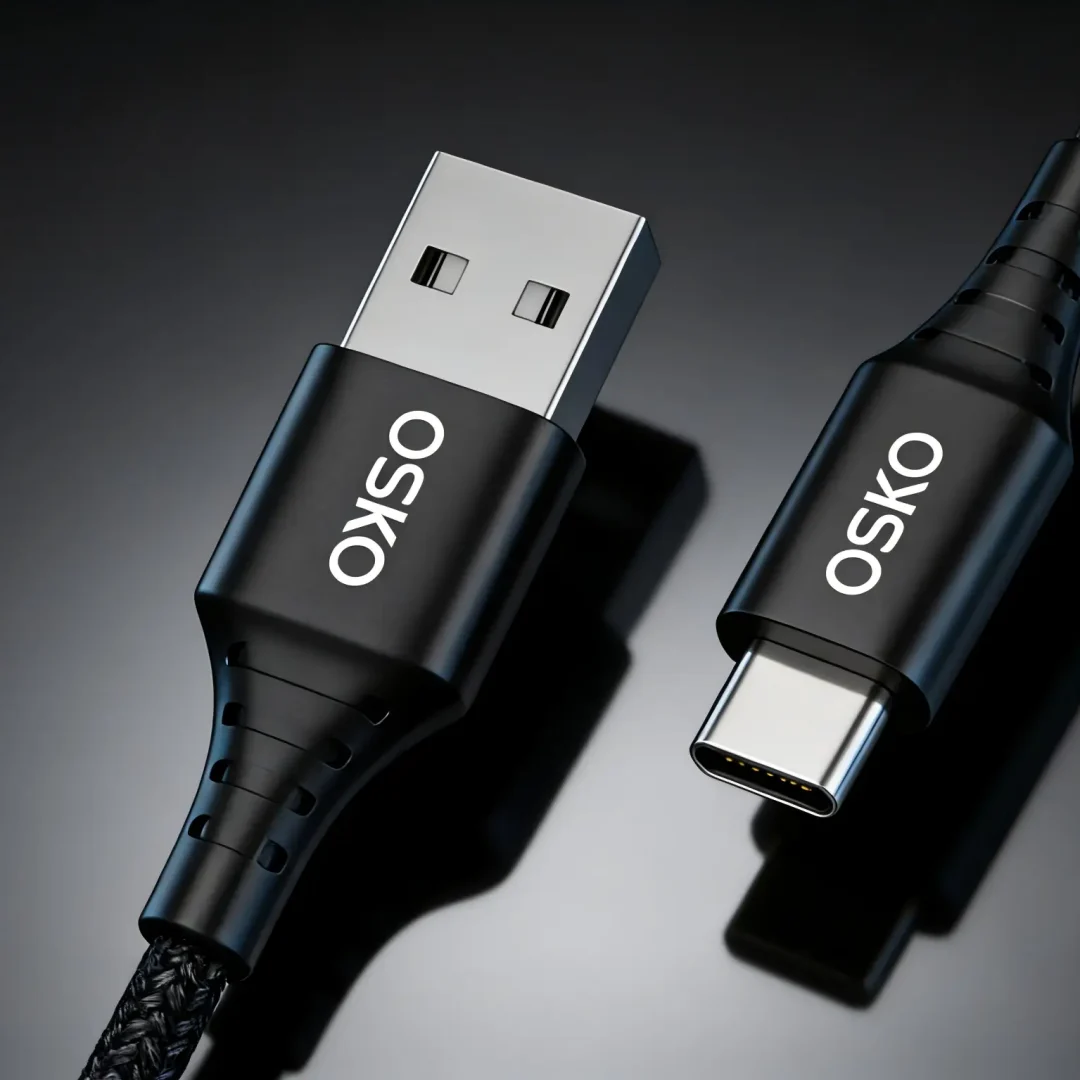
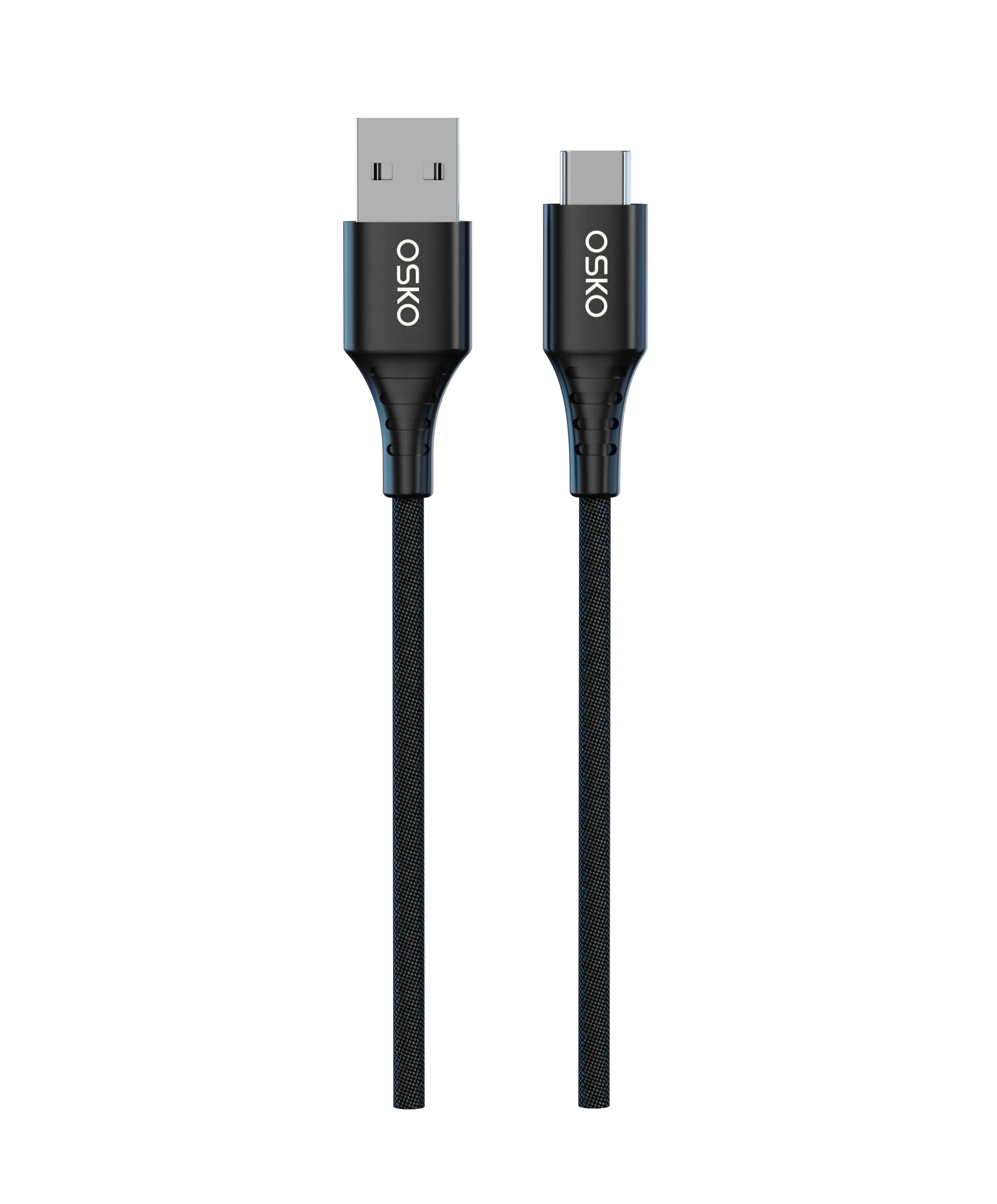
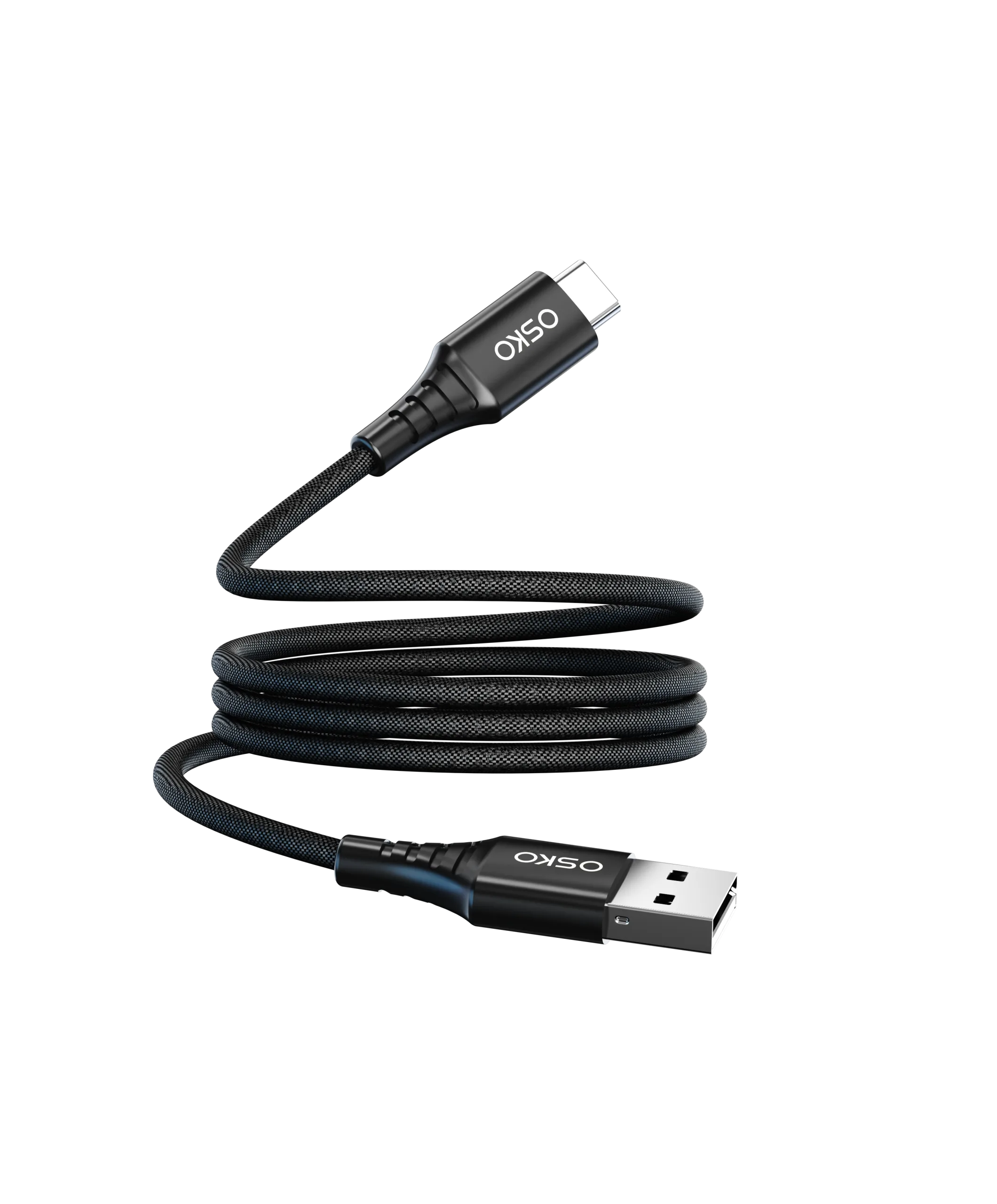
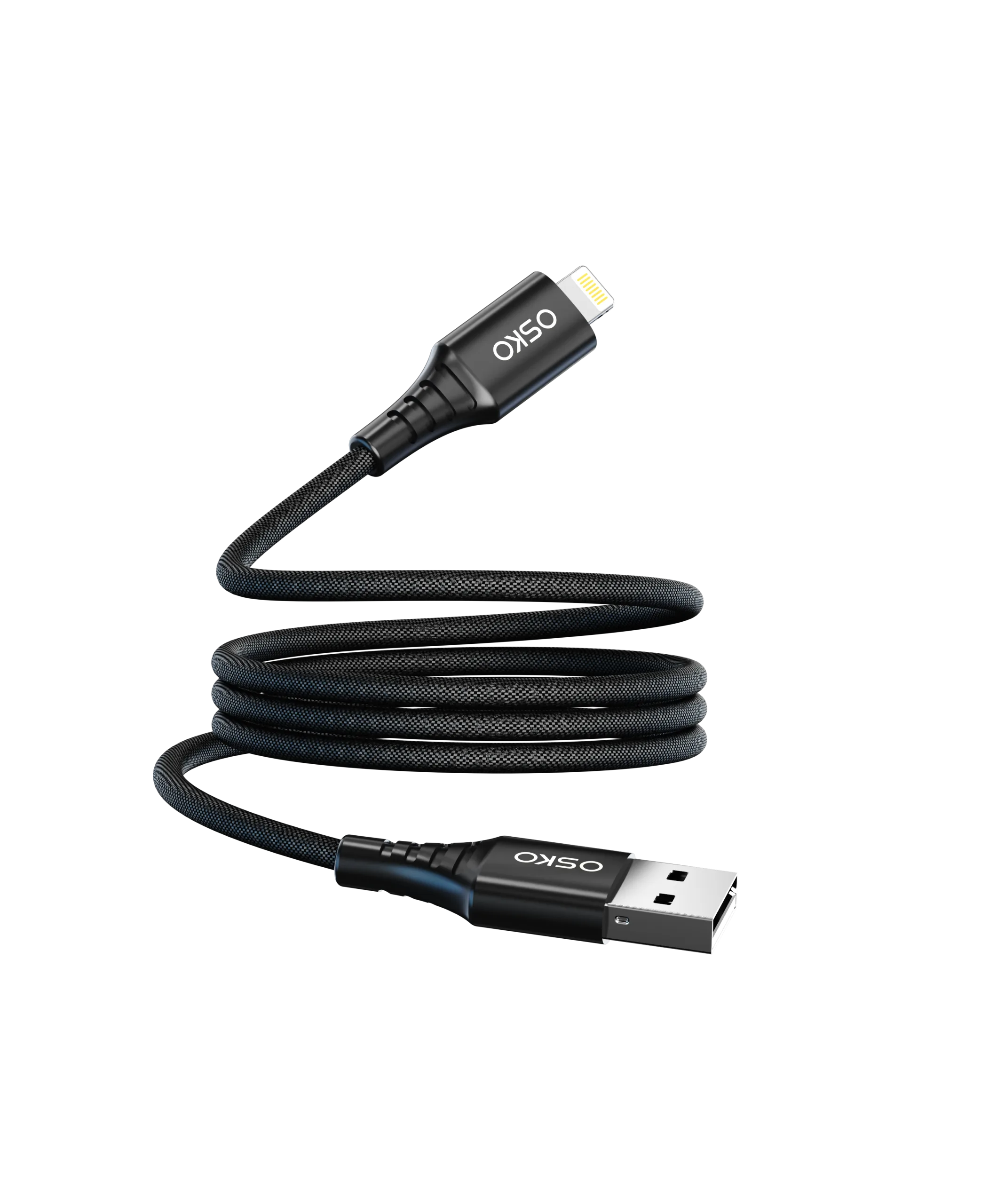
This is a key distinction when evaluating nylon braided USB-C cable designs in engineering terms.
Case Study
Retail E-Commerce Cable Performance Comparison Project
A US-based electronics brand conducted a product comparison between braided and PVC USB-C cables to determine whether braided construction improves performance.
Test Conditions
Two cable types were evaluated:
PVC jacket USB-C cable
Both used identical internal conductors and USB-C interfaces.
Testing included:
Charging speed measurement
Bend cycle testing
Pull force resistance
Heat generation analysis
Engineering Problem Observed
Initial assumptions suggested braided cables would outperform PVC cables in all areas.
However, results showed a more nuanced outcome:
Charging speed remained nearly identical
Heat generation differences were negligible
Mechanical durability was significantly improved in braided cables
PVC cables showed earlier surface wear and jacket cracking
OSKO Engineering Interpretation
The results confirmed that:
Electrical performance depends on internal conductor design
Mechanical durability depends on jacket structure
OSKO engineering teams further validated this across OEM production lines including:
ODM USB Cables
OEM USB Cables
Wholesale USB Cables
Bulk USB Cables
Retail USB Cables
The conclusion was that braided construction improves durability but not intrinsic electrical performance.
Result
The final product strategy separated use cases:
Braided cables for premium retail and high-wear environments
PVC cables for cost-sensitive and lightweight applications
This segmentation improved both customer satisfaction and cost efficiency.
Selection Guide
When Braided Cables Perform Better
Braided cables are superior in environments where mechanical stress is high.
Typical use cases include:
Travel charging
Gaming setups
Office desk environments
Vehicle charging systems
Heavy daily usage scenarios
In these conditions, braided designs such as Durable nylon braided Type C charging cable factory products provide longer service life.
When PVC Cables Are Better
PVC cables can be more suitable when:
Weight is critical
Cost optimization is important
Flexibility is prioritized
Short-term use is expected
PVC cables often outperform braided cables in:
Portability
Lightweight handling
Manufacturing cost efficiency
Performance Comparison Table
| Feature | Braided Cable | PVC Cable |
|---|---|---|
| Durability | High | Medium |
| Flexibility | Medium | High |
| Weight | Higher | Lower |
| Cost | Higher | Lower |
| Charging Speed | Same (depends on conductor) | Same |
| Aesthetic Value | Premium | Standard |
OEM and Industrial Considerations
For global buyers, selection depends on application and market positioning.
Common procurement types include:
Bulk custom 6ft 10ft USB-C cables
Wholesale 60w braided usb c cable
White label 240W fast charging cable wholesale
OEM ODM custom length USB C cables
Custom packaging braided charging cable factory
These categories reflect different market strategies rather than purely technical differences.
FAQ
Do braided cables charge faster than PVC cables?
No. Charging speed depends on conductor quality, not cable jacket type.
Are braided cables more durable?
Yes. Braided jackets provide better resistance to abrasion and bending fatigue.
Why are braided cables more expensive?
They require additional materials, production steps, and finishing processes.
Can a PVC cable perform like a braided cable electrically?
Yes. If internal conductors and shielding are identical, electrical performance is the same.
Which cable is better for OEM brands?
It depends on positioning: braided cables for premium markets, PVC cables for cost-sensitive markets.
Summary
A braided cable does not always perform better than a PVC cable because performance is determined primarily by internal electrical design rather than external material choice.
From an engineering perspective, braided jackets improve mechanical durability, abrasion resistance, and product lifespan, but they do not inherently enhance charging speed, signal integrity, or electrical efficiency.
The true performance of a cable depends on conductor quality, dielectric insulation, shielding structure, and manufacturing precision.
For OEM manufacturers and global buyers, the decision between braided and PVC cables should be based on application scenarios, market positioning, and durability requirements rather than the assumption of universal superiority.
In conclusion, braided cables are better in durability-focused environments, while PVC cables remain competitive in lightweight and cost-sensitive applications—meaning neither is universally superior.
Contact Information
OSKO provides full OEM/ODM cable engineering solutions for global markets, including:
Nylon braided USB-C cables
PVC charging cables
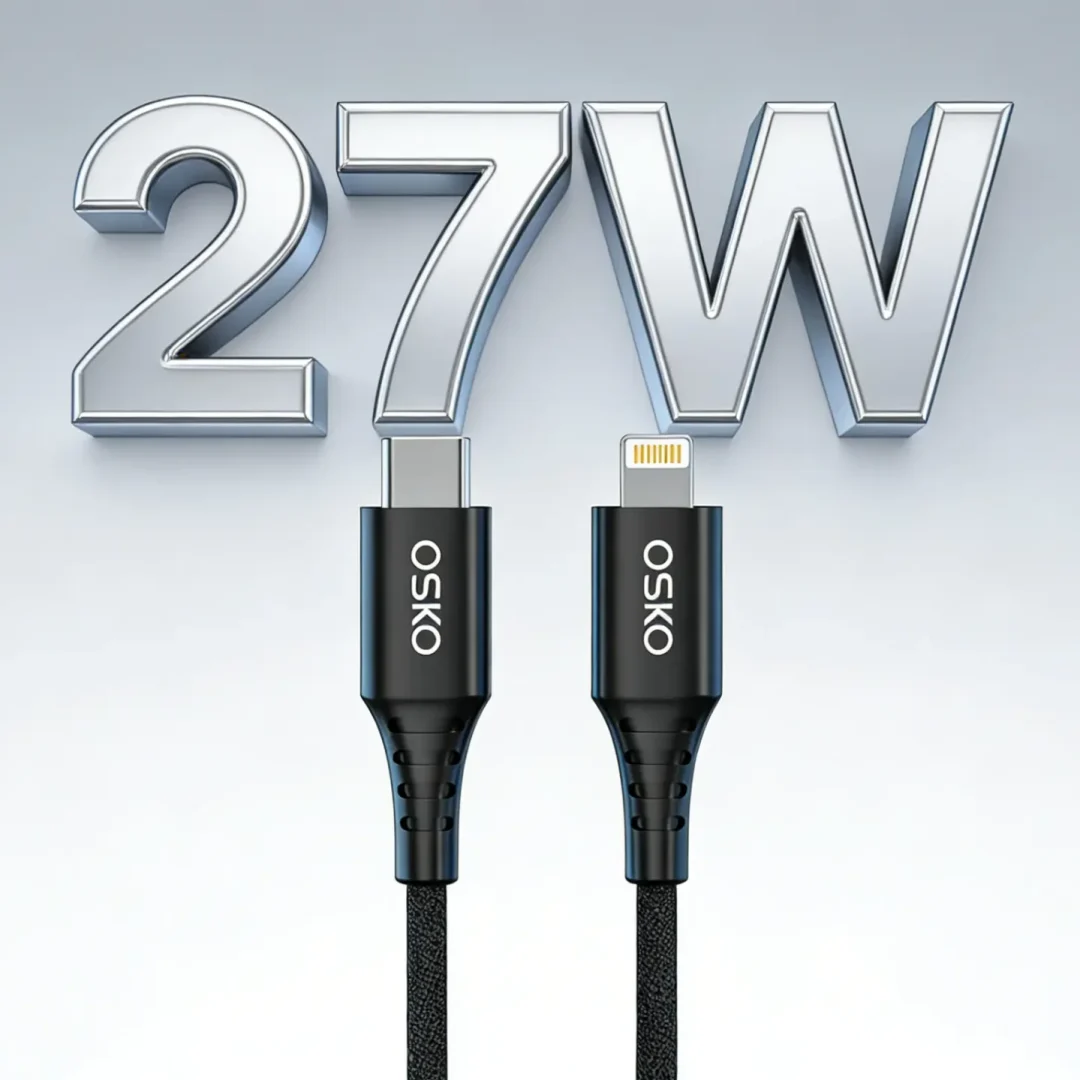
High-power USB-C PD cables (60W–240W)
Private label packaging
Wholesale and bulk supply programs
Custom engineering for North American and European markets