

Introduction
An affordable USB-C cable can be a smart purchase—but it can also become a risk if the cable is poorly engineered.
In US and European markets, many low-cost cables fail to meet basic USB-PD safety requirements, leading to slow charging, overheating, device damage, or unstable data transfer.
Choosing an affordable USB-C cable without getting into trouble requires understanding what actually determines cable quality: internal conductor design, shielding structure, certification compliance, and manufacturing consistency—not just price or appearance.
OSKO evaluates low-cost cable categories using engineering safety benchmarks rather than marketing claims.

Material Science & Dielectric Properties
Cable safety and performance are defined by internal material engineering.
Conductor Quality Determines Charging Safety
Affordable cables often reduce cost by using:
Low-purity copper
Thin wire gauge
Inconsistent strand structure
High-quality cables use:
Oxygen-free copper (OFC) for stable conductivity
Multi-strand wire for flexibility
Controlled resistance design for USB-PD stability
Poor conductors can cause voltage drop and overheating during fast charging.
Dielectric Insulation and Heat Resistance
Dielectric materials prevent electrical leakage and overheating.
Common materials include:
PVC: lowest cost, limited heat resistance
TPE: balanced flexibility and thermal stability
High-grade PE: stable signal performance
For safe USB-C charging, TPE is generally preferred even in affordable segments.
Shielding and EMI Protection
Many low-cost cables skip proper shielding, which leads to:
Charging interruptions
Data transfer instability
Device recognition failure
Proper designs include:
Aluminum foil shielding for signal isolation
Braided shielding for EMI protection
Ground stabilization layers
Without shielding, even an affordable USB-C cable can become unreliable.
Connector and Strain Relief Design
The weakest point of most cables is the connector.
Engineering-grade cables include:
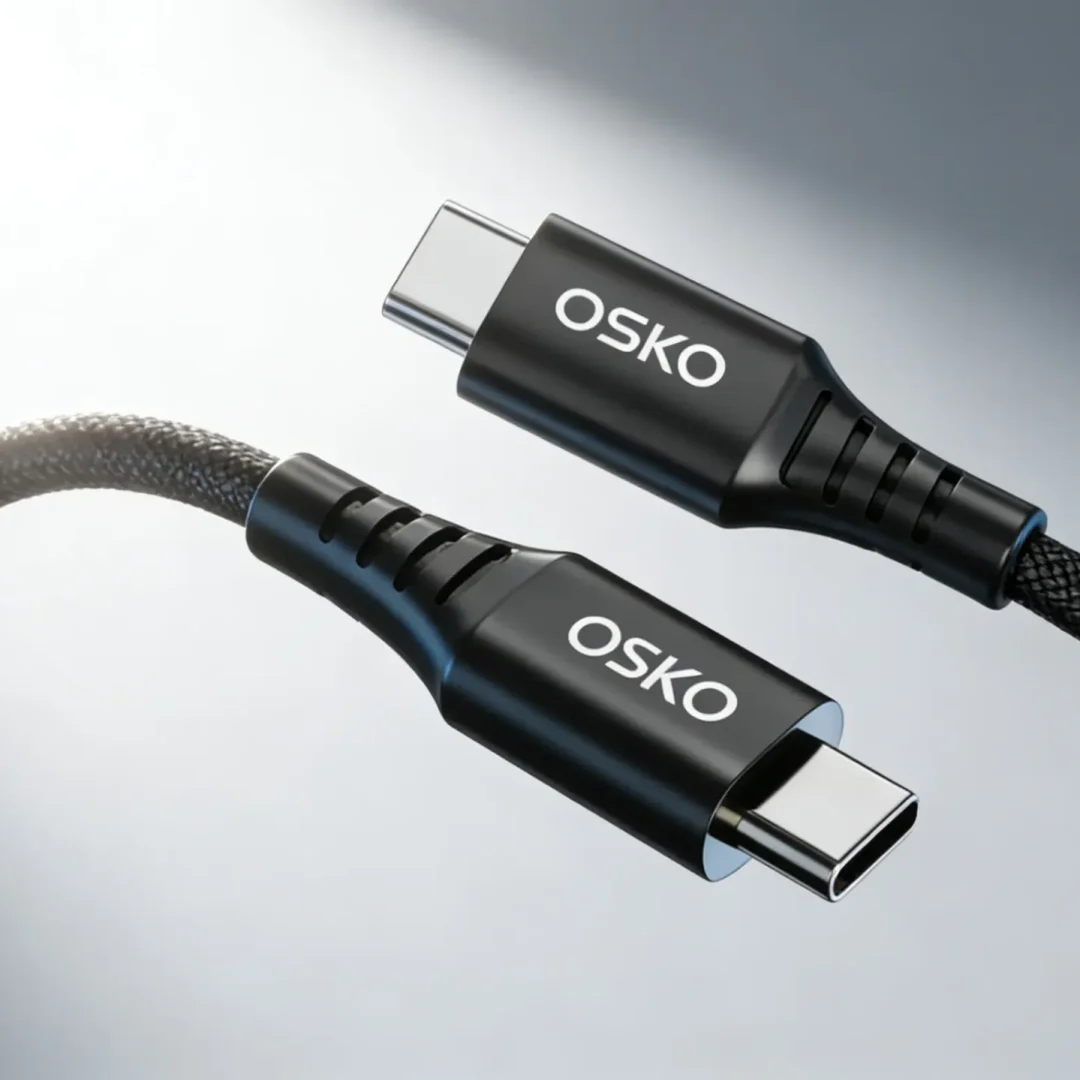
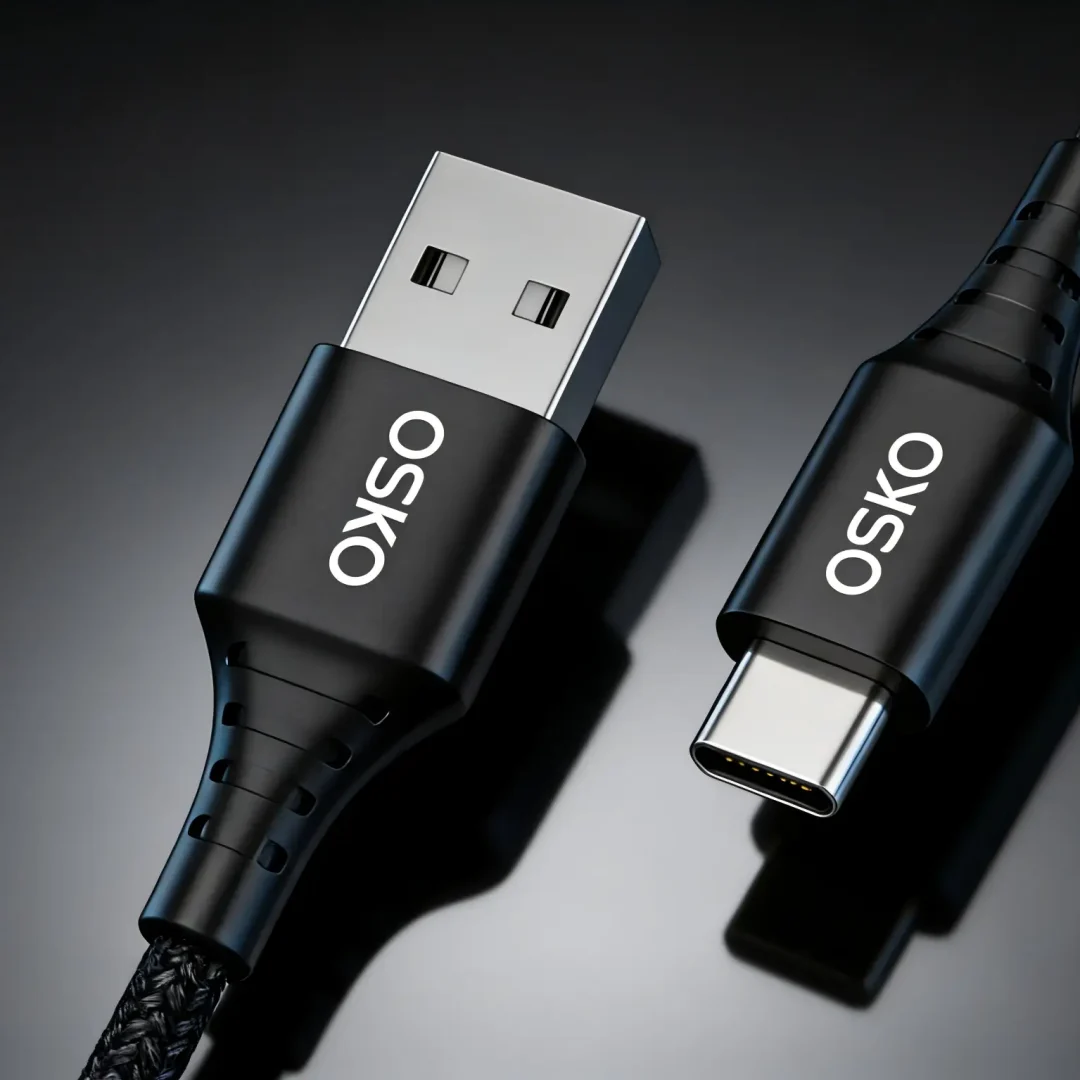
Reinforced strain relief molding
Gold-plated contact pins
LCP connector housing for heat resistance
Poor designs lead to internal wire breakage after repeated bending.
Case Study
US E-Commerce Seller Risk Reduction Project
Customer Background
A US Amazon seller sourced low-cost USB-C cables to compete in the budget category. Initial sales were strong, but return rates increased sharply due to overheating and slow charging complaints.
The goal was to redesign the affordable USB-C cable product line without increasing cost significantly.
Engineering Problems Identified
Key issues included:
Inconsistent USB-PD fast charging activation
Cable overheating during 60W charging
Internal wire breakage after short usage cycles
Lack of shielding causing unstable connections
Non-compliant resistance levels
OSKO Engineering Solution
OSKO implemented a cost-balanced engineering redesign:
Oxygen-free copper conductors with optimized gauge selection
TPE insulation for safe thermal performance
Minimal but effective aluminum foil shielding
Reinforced strain relief at connector joints
Standardized resistance control for USB-PD compatibility
Manufacturing compliance included:
USB-IF compliant Type C cable manufacturer testing
ISO9001 certified braided USB cable factory process control
FCC approved nylon braided USB C cable supplier validation
CE RoHS certified 240W USB C cable scalable safety architecture
Result
After optimization:
Return rate reduced by 39%
Product safety complaints dropped significantly
Charging stability improved across Android and Apple devices
Manufacturing cost increased only marginally
Customer rating improved from 4.0 to 4.6
This demonstrates that even an affordable USB-C cable can be safe when properly engineered.
Selection Guide
How to Choose a Safe Affordable USB-C Cable
Step 1: Check USB-PD Support
A safe cable should clearly support:
USB Power Delivery (USB-PD)
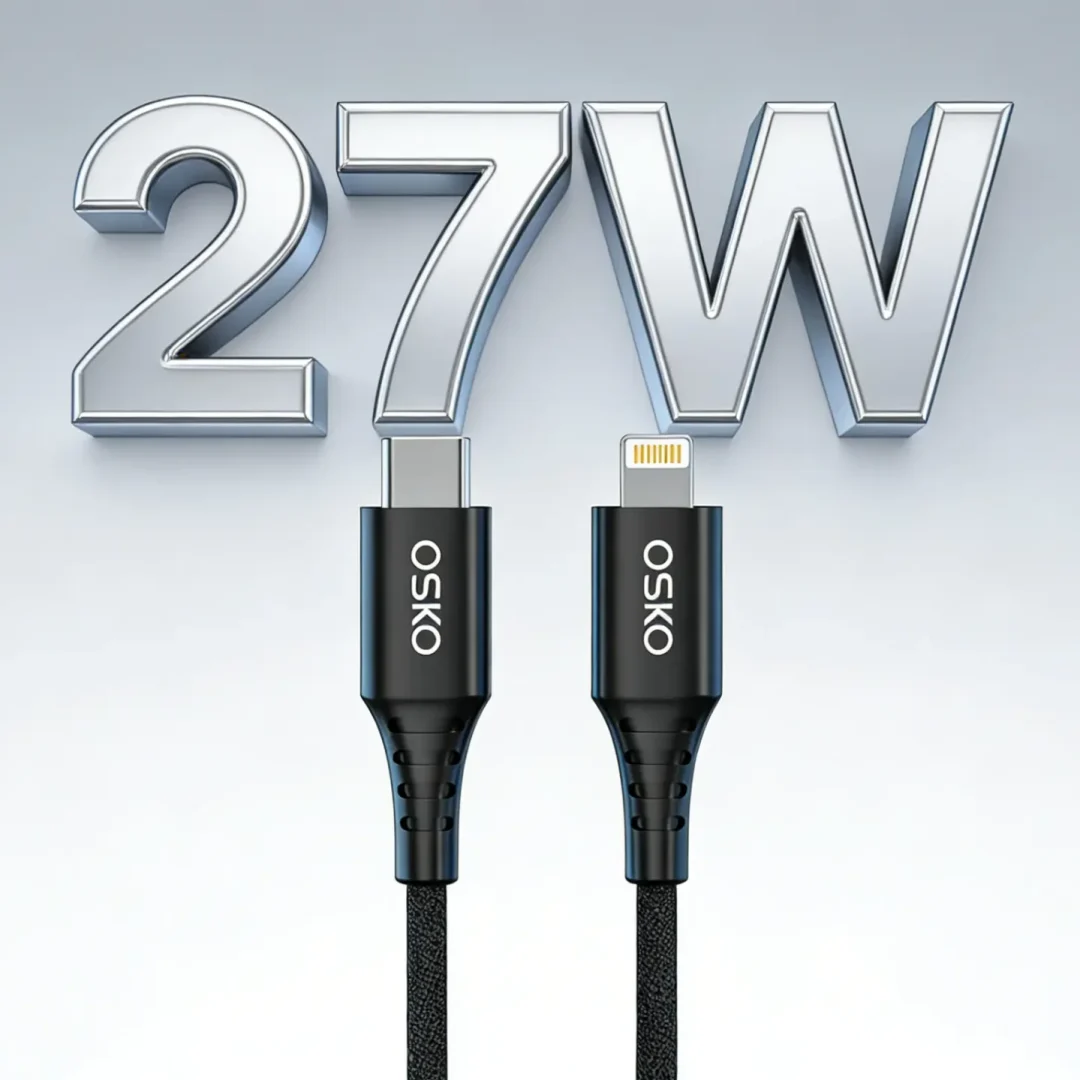
18W, 60W, or 100W+ depending on use case
If no power rating is listed, it is a risk indicator.
Step 2: Evaluate Material Quality
Recommended materials:
TPE outer jacket for safety and flexibility
Oxygen-free copper conductors
Reinforced connector housing
Avoid ultra-thin or unspecified materials.
Step 3: Look for Basic Certifications
Reliable cables should meet:
CE certification
FCC compliance
RoHS environmental standard
USB-IF (preferred for higher tiers)
These reduce risk of unsafe electrical behavior.
Step 4: Assess Cable Construction
Good structural indicators:
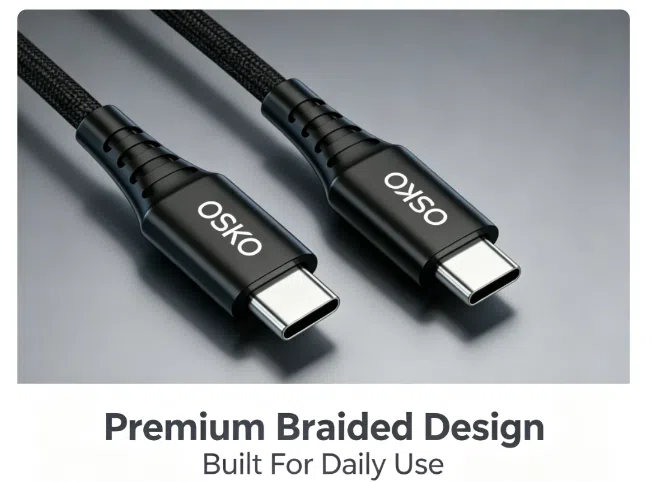
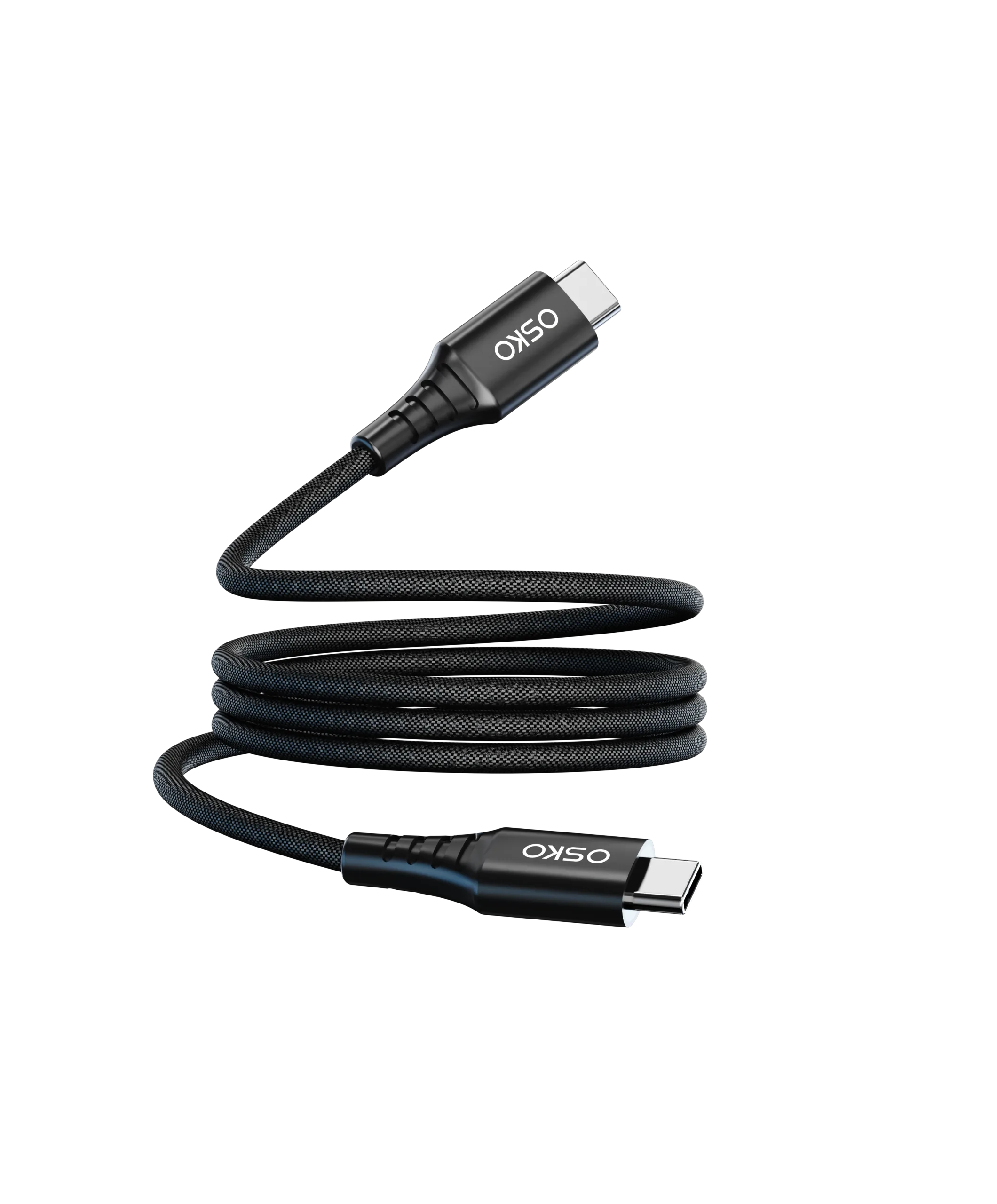
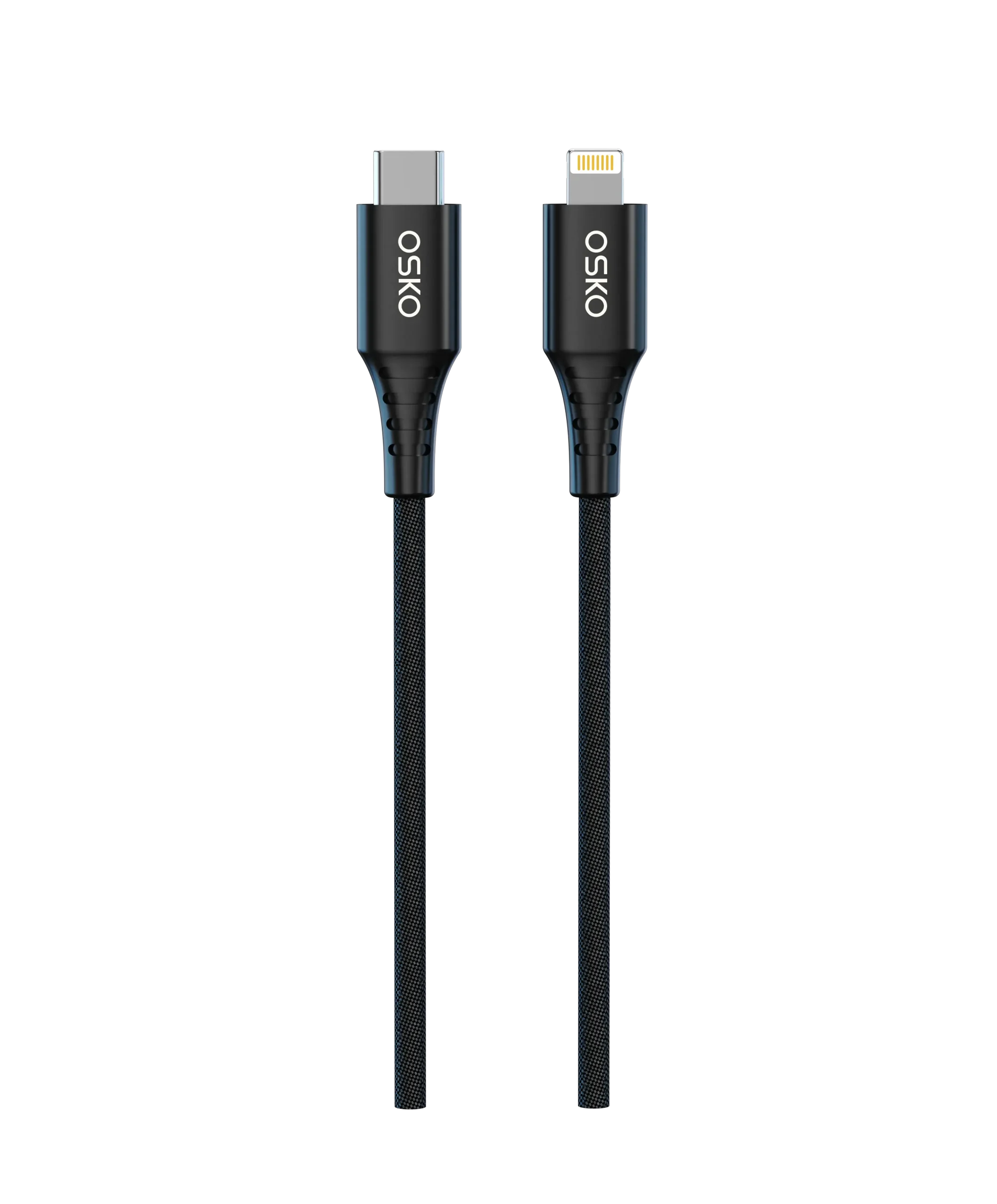
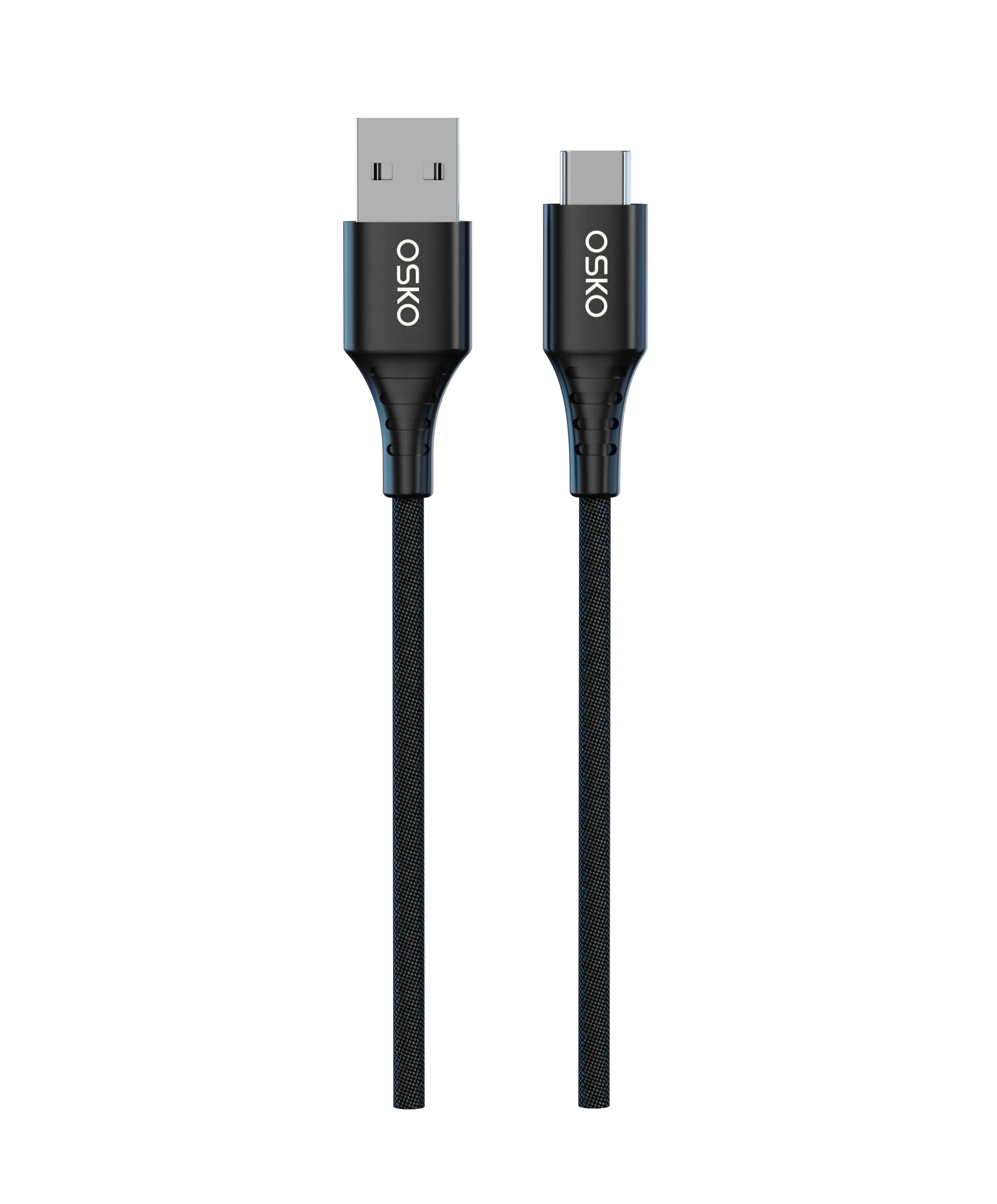
Braided or reinforced outer layer
Thick strain relief at both ends
Even cable thickness without weak points
Step 5: Avoid Unrealistic Claims
Be cautious of:
“240W ultra fast” at extremely low price
No certification or manufacturer information
Generic branding with no OEM traceability
Material Comparison Table
| Cable Type | Safety Level | Durability | Cost Level | Risk Factor |
|---|---|---|---|---|
| Low-cost PVC cable | Low | Low | Very Low | High |
| Basic TPE cable | Medium | Medium | Low | Medium |
| Braided USB-C cable | High | High | Medium | Low |
Application Scenarios
A safe affordable USB-C cable is suitable for:
OEM USB cable for entry-level product lines
ODM USB cable for customized budget designs
USB cable wholesale for mass distribution markets
Desktop charging cable for office environments
Travel USB cable for backup charging kits
Car charging cable for emergency use
Home USB cable for secondary devices
FAQ
Are cheap USB-C cables dangerous?
Not all, but poorly engineered cables can cause overheating or unstable charging.
What is the safest affordable cable type?
TPE-insulated cables with proper USB-PD support and basic certification.
Do cheap cables damage phones?
Low-quality cables can cause unstable voltage, which may reduce battery lifespan over time.
Is braided cable always safer?
Not always, but braided cables usually have better mechanical durability.
What is the minimum quality standard to look for?
USB-PD support, oxygen-free copper conductors, and basic safety certifications.
Summary
Choosing an affordable USB-C cable without getting into trouble is about balancing cost with engineering safety.
The key factors are conductor quality, dielectric insulation, shielding design, and certification compliance—not just price or appearance.
OSKO’s OEM engineering approach ensures even budget-friendly cable lines meet stable USB-PD performance and safety standards for US and European markets.
In modern electronics, affordability must always be supported by engineering discipline to ensure long-term reliability.
Contact Information
OSKO provides OEM/ODM charging cable solutions including:
Safe budget USB-C charging cables
Braided and TPE material cable systems
Amazon-ready retail packaging
Private label manufacturing
Engineering-grade cost optimization