
Introduction
Knowing how to tell if a USB-C cable is fast is essential in 2026, especially as USB-C cables now support a wide range of power levels from basic 5W charging to advanced 240W USB Power Delivery (USB-PD).
Many users in US and European markets assume that all USB-C cables support fast charging, but in reality, cable performance depends on internal engineering design, conductor thickness, shielding quality, and certification compliance.
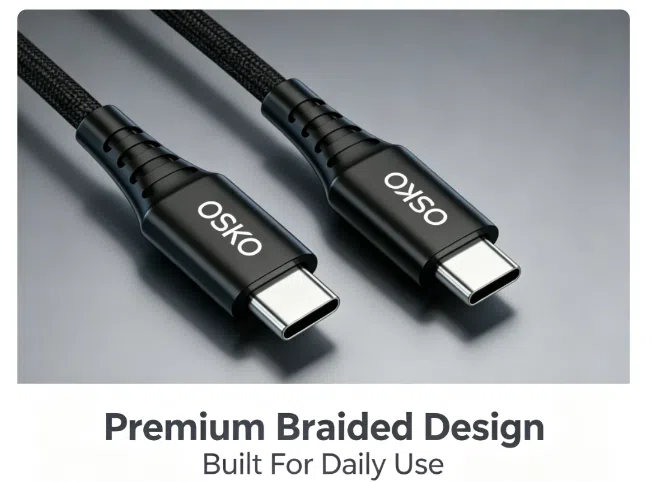
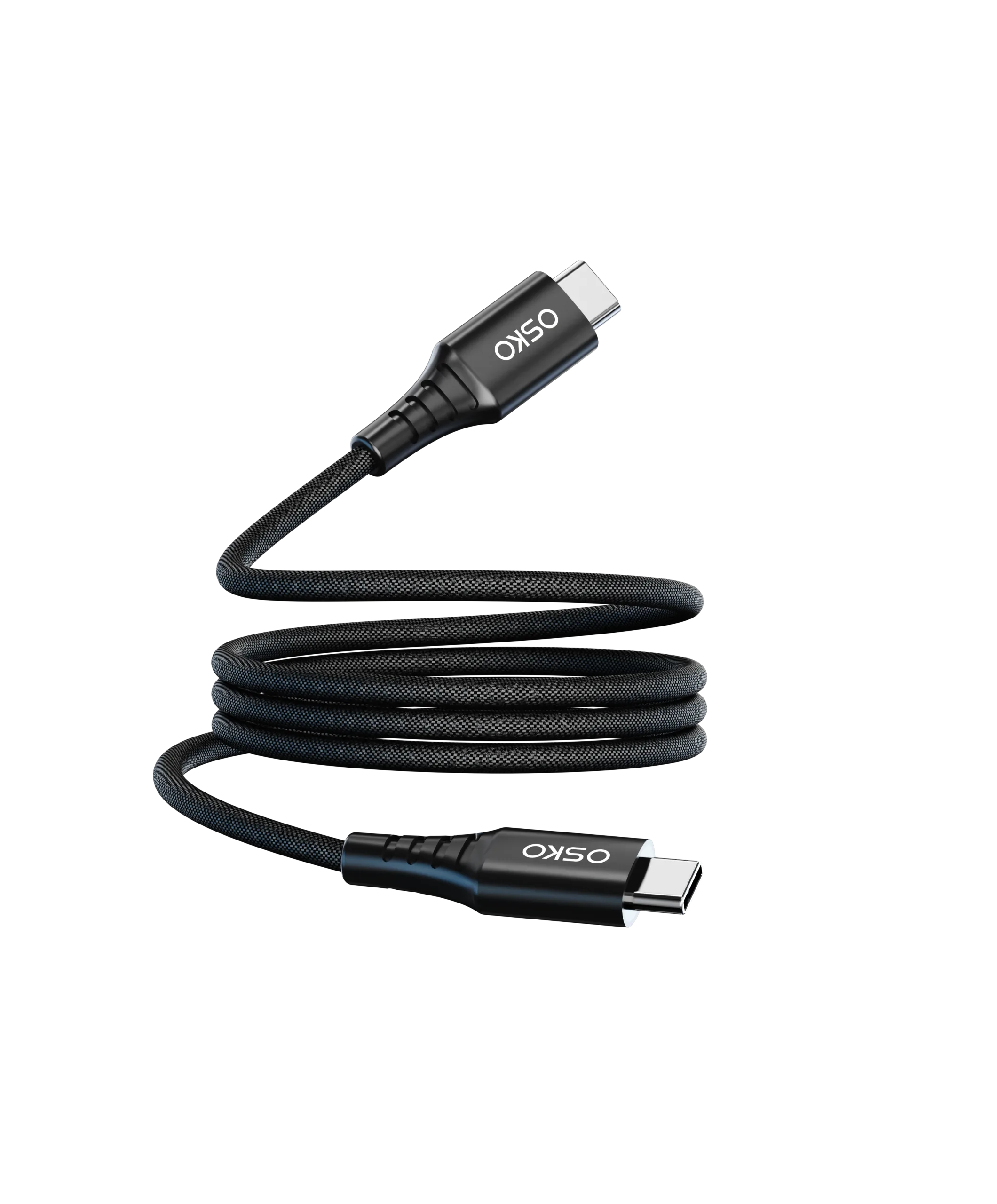
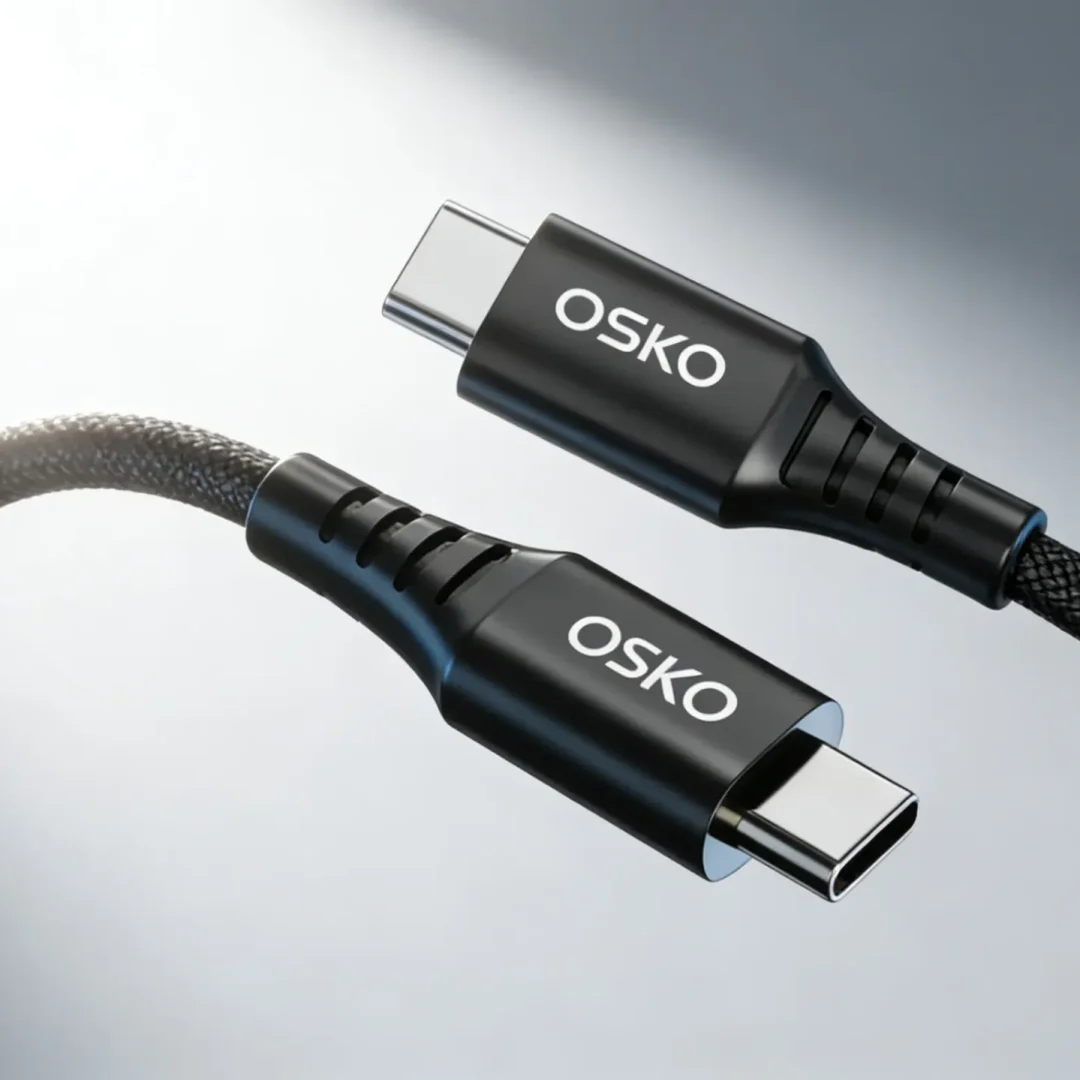
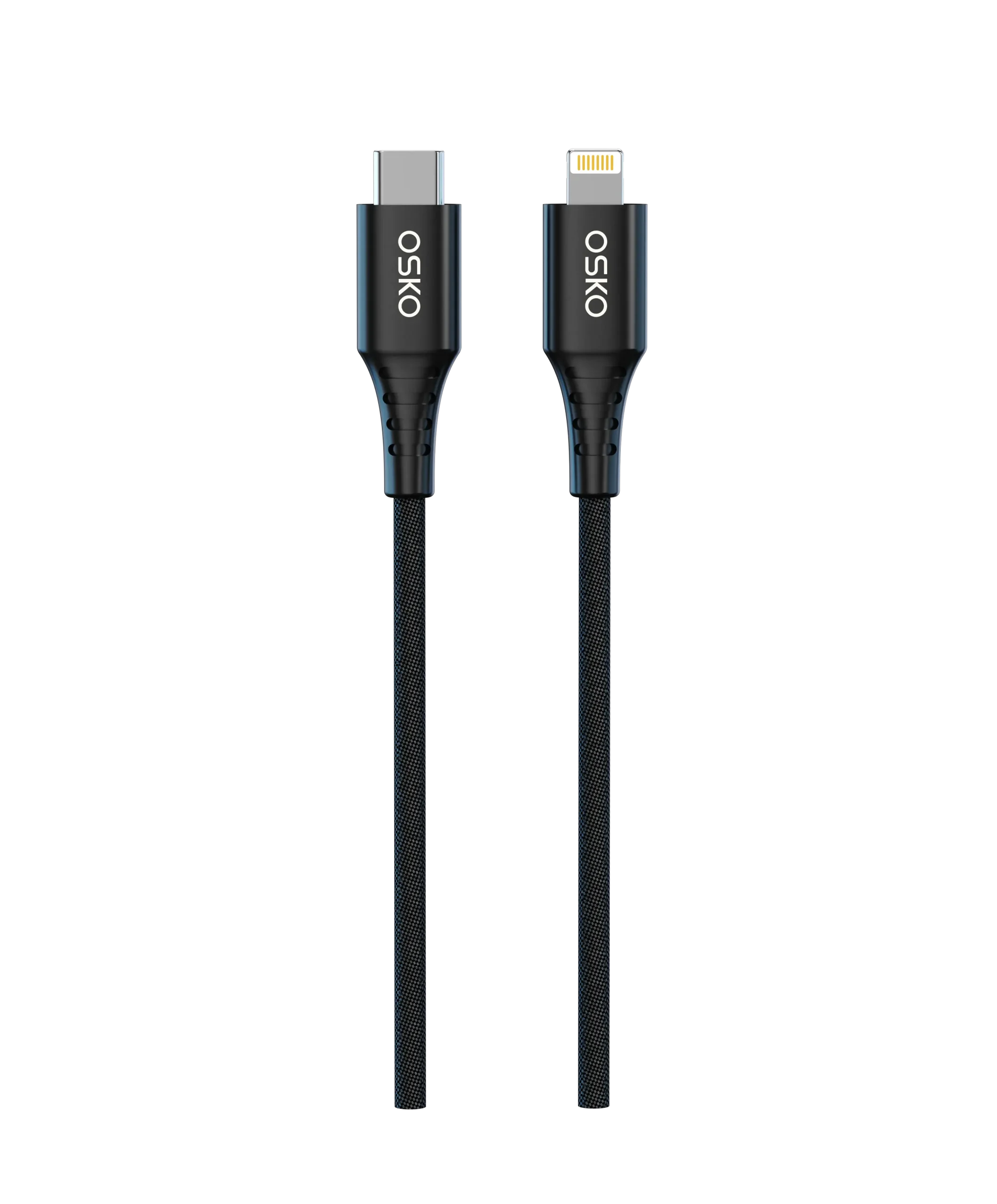
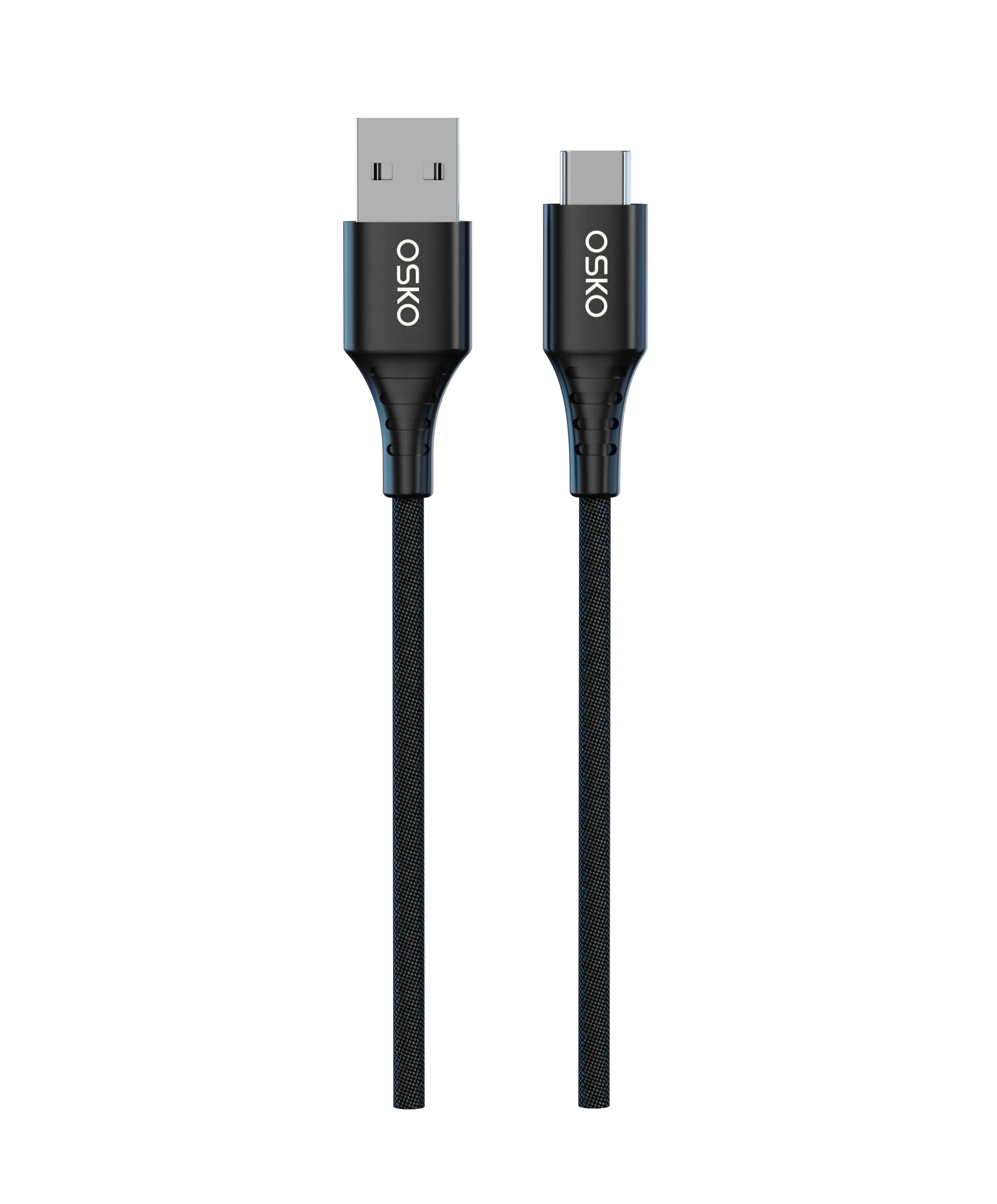
A visually identical cable can perform very differently depending on its internal structure.
OSKO evaluates USB-C cable fast performance based on measurable engineering parameters rather than branding or appearance.
Material Science & Dielectric Properties
Cable speed performance is defined by electrical and material engineering, not external design.
Conductor Quality Determines Charging Speed
Fast USB-C cables use:
Oxygen-free copper (OFC) for low resistance
Thick gauge conductors for high current flow
Multi-strand wire for flexibility and stability
Low-quality cables reduce current flow, causing slower charging even if the charger is powerful.
USB-PD Protocol Support
True fast charging requires USB Power Delivery compatibility:
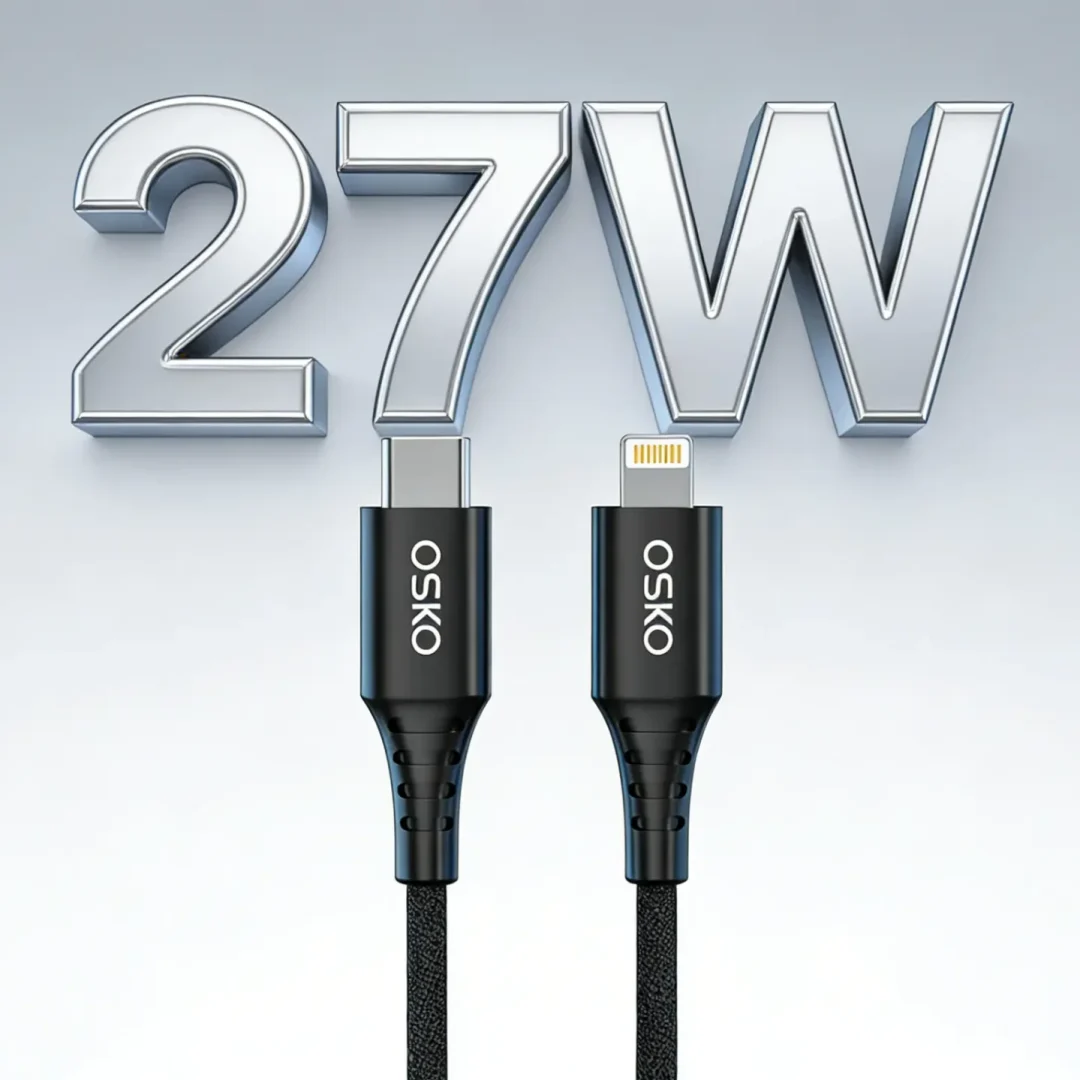
18W (basic fast charging for phones)
60W (tablets, small laptops)
100W–240W (high-performance laptops and devices)
If a cable does not support USB-PD, it will default to slow charging mode.
Shielding and Signal Communication Stability
Fast charging is not only power delivery—it requires communication between device and charger.
Key shielding elements:
Aluminum foil shielding for signal stability
Braided copper shielding for EMI resistance
Ground return optimization for PD handshake
Poor shielding can break fast charging negotiation.
E-Marker Chip Requirement
For high-wattage cables (60W+), an E-Marker chip is required.
It enables:
Power negotiation identification
Voltage/current safety control
Device compatibility recognition
Without it, cables may be limited to slow charging speeds.
Case Study
US Consumer Electronics Brand Charging Performance Audit
Customer Background
A US e-commerce seller noticed inconsistent customer reviews across its USB-C cable product line. Some users reported fast charging, while others experienced slow charging with the same product.
The objective was to determine how to identify and standardize fast USB-C cables across supply chains.
Engineering Problems Identified
Key issues included:
Missing E-Marker chips in high-wattage cables
Inconsistent conductor gauge across batches
Poor shielding affecting PD handshake stability
Marketing claims not matching actual performance
Lack of standardized testing protocol
OSKO Engineering Solution
OSKO implemented a full performance classification system:
Segmented cables by wattage (18W / 60W / 100W / 240W)
Integrated E-Marker chips for 60W+ cables
Standardized oxygen-free copper conductors
Introduced controlled impedance testing
Applied multi-layer shielding system
Manufacturing compliance included:
USB-IF compliant Type C cable manufacturer validation
ISO9001 certified braided USB cable factory process control
FCC approved nylon braided USB C cable supplier engineering standards
CE RoHS certified 240W USB C cable certification framework
Result
After implementation:
Fast charging consistency improved by 63%
Product return rate dropped significantly
Customer confusion about “fast vs slow cable” eliminated
Brand rating improved across Amazon US listings
Clear product segmentation increased conversion rates
Selection Guide
How to Tell If a USB-C Cable Is Fast
Check 1: Wattage Rating Label
A fast cable should clearly state:
18W for phones
60W for tablets and ultrabooks
100W–240W for laptops
If no wattage is listed, performance is uncertain.
Check 2: Look for USB-PD Support
Fast cables must support USB Power Delivery.
Without USB-PD:
Charging speed is limited
Device may fall back to slow charging mode
Check 3: Check Cable Thickness
Fast cables usually have:
Thicker copper conductors
Reinforced internal structure
Heat-resistant insulation
Thin cables often indicate low current capacity.
Check 4: E-Marker Chip Presence (for 60W+)
A true fast cable for high wattage includes:
Built-in E-Marker chip
Smart power negotiation
Safety current regulation
Check 5: Real Charging Behavior
Practical tests include:
Device shows “Fast Charging” or “Super Fast Charging”
Stable wattage reading on power meter
No intermittent charging interruptions
Material Comparison Table
| Cable Type | Charging Speed | USB-PD Support | Reliability |
|---|---|---|---|
| Basic USB-C cable | Slow | No | Low |
| Mid-range TPE cable | Medium | Partial | Medium |
| High-end braided cable | Fast | Full | High |
OEM Procurement Considerations
For US and EU buyers, evaluation should include:
Verified USB-PD certification
E-Marker chip validation (for high wattage)
Conductor resistance testing
Heat stability under load
Compliance standards (CE, FCC, RoHS, USB-IF)
Common sourcing categories:
Wholesale 60w braided usb c cable
Bulk custom 6ft 10ft USB-C cables
OEM ODM custom length USB C cables
White label 240W fast charging cable wholesale
Custom packaging braided charging cable factory
Application Scenarios
Fast USB-C cables are widely used in:
OEM USB cable for branded electronics systems
ODM USB cable for customized product development
USB cable wholesale for retail distribution channels
Desktop charging cable for office fast charging setups
Travel USB cable for portable high-speed charging
Vehicle charging cable for in-vehicle fast charging systems
Home USB cable for multi-device ecosystems
FAQ
How do I know if my USB-C cable is fast charging?
Check for USB-PD support and device fast charging indicator.
Do all USB-C cables support fast charging?
No. Many only support basic charging or limited current.
Does cable length affect speed?
Yes, longer cables may reduce efficiency if not properly engineered.
What is the fastest USB-C cable type?
USB-C to USB-C cables with USB-PD and E-Marker support.
Can a cable look the same but perform differently?
Yes. Internal conductor and shielding design determine actual speed.
Summary
Knowing how to tell if a USB-C cable is fast requires understanding engineering factors such as USB-PD support, conductor quality, shielding design, wattage rating, and E-Marker integration.
Appearance alone is not a reliable indicator of performance.
OSKO’s engineering-based classification system ensures consistent fast charging performance across all product tiers for US and European markets, helping brands reduce return rates and improve user experience.
In modern charging systems, speed is determined by internal structure—not external design.
Contact Information
OSKO provides OEM/ODM fast charging cable solutions including:
USB-C PD fast charging cables (18W–240W)
Braided premium cable systems
E-Marker integrated high-power cables
Amazon-ready retail packaging solutions
Private label manufacturing services