
Introduction
When purchasing USB-C cable wholesale, certifications are not optional—they are the foundation of product safety, market access, and long-term brand reliability.
In US and European markets, uncertified cables often lead to compliance risks, product recalls, platform rejection (Amazon/Walmart), and even device damage claims. As USB-C becomes the universal standard for charging and data transfer, regulatory requirements have become stricter and more standardized.
Understanding what certifications you should pay attention to when purchasing USB-C cable wholesale helps buyers reduce risk, improve product consistency, and ensure compliance across different regions.
OSKO evaluates certification frameworks not as marketing labels, but as engineering validation systems tied directly to material safety and electrical performance.
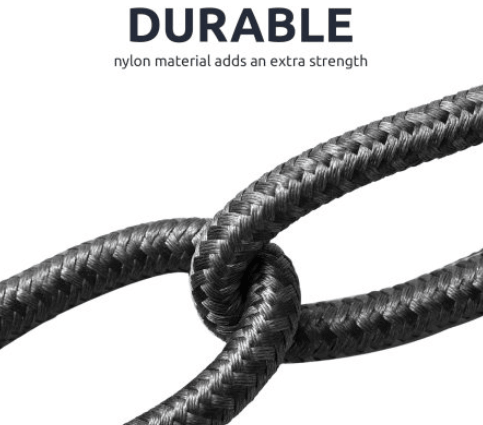
Material Science & Safety Engineering Standards
Certifications are directly linked to internal cable construction and material safety.
Why Certifications Matter in USB-C Cable Manufacturing
A certified cable ensures:
Safe voltage and current handling under USB-PD
Controlled resistance levels to prevent overheating
Material compliance for environmental and health safety
Stable signal integrity for data transmission
Without certification, even a visually premium cable can fail under real-world conditions.
Electrical Safety and Thermal Stability
Certifications often require testing for:
Overcurrent protection behavior
Heat resistance under continuous load
Insulation breakdown prevention
Connector durability under repeated use
These factors are critical in fast charging cable wholesale supply chains.
Material Compliance Standards
Regulatory bodies also evaluate materials used in:
Outer jacket (PVC, TPE, nylon braided materials)
Internal insulation layers
Metal connectors and plating
This ensures no hazardous substances are used in consumer products.

Case Study
US Amazon Compliance Failure Prevention Project
Customer Background
A US-based wholesaler importing USB-C cables from overseas faced repeated Amazon listing rejections and customer complaints due to inconsistent certification documentation.
The goal was to build a fully compliant USB-C cable wholesale supply chain for Amazon and retail distribution.
Engineering Problems Identified
Initial supply chain issues included:
Missing or falsified CE/FCC documentation
Non-compliant RoHS material usage
Lack of traceability for production batches
Inconsistent USB-PD performance across shipments
No formal safety testing reports
OSKO Engineering Solution
OSKO implemented a compliance-driven manufacturing system:
Full USB-IF compliant Type C cable manufacturer certification alignment
CE and FCC pre-shipment validation testing
RoHS and REACH material screening system
Prop 65 chemical safety compliance for US market
ISO9001 production quality control system
Each batch included:
Electrical safety testing reports
Resistance and thermal stability validation
Material traceability documentation
Batch-level compliance records
Result
After implementation:
Amazon listing approval rate reached 100%
Product rejection rate reduced to near zero
Customer complaints significantly decreased
Supply chain traceability fully established
Brand trust improved in US and EU markets
This demonstrates how certifications directly impact USB-C cable wholesale success.
Selection Guide
Key Certifications for USB-C Cable Wholesale Buyers
USB-IF Certification (Most Important)
The USB Implementers Forum (USB-IF) certification ensures:
Proper USB-C protocol implementation
Safe USB Power Delivery (USB-PD) operation
Device compatibility across ecosystems
This is the highest technical standard for USB-C cables.
CE Certification (Europe Requirement)
CE marking indicates compliance with EU safety, health, and environmental protection standards.
It covers:
Electrical safety
EMC (electromagnetic compatibility)
User safety under normal use conditions
Mandatory for selling in European markets.
FCC Certification (US Requirement)
FCC certification ensures:
Electromagnetic interference control
Signal stability compliance
Safe operation within US communication standards
Required for most electronic accessories sold in the US.
RoHS Compliance (Global Environmental Standard)
RoHS restricts hazardous substances such as:
Lead (Pb)
Mercury (Hg)
Cadmium (Cd)
Phthalates
It is essential for environmentally responsible manufacturing.
REACH Compliance (EU Chemical Safety Standard)
REACH regulates chemical usage in consumer products across Europe.
It ensures:
Safe chemical composition
Transparent material declaration
Environmental protection compliance
Prop 65 (California Market Requirement)
For US California distribution:
Requires warning labels for certain chemicals
Ensures consumer awareness of material risks
Important for Amazon US sellers
ISO9001 Quality Management System
ISO9001 is not a product certification but a manufacturing system standard.
It ensures:
Consistent production quality
Process control and traceability
Reduced batch variation
Structured quality audits

Certification Comparison Table
| Certification | Region | Focus | Importance Level |
|---|---|---|---|
| USB-IF | Global | Protocol compliance | Critical |
| CE | Europe | Safety compliance | Mandatory |
| FCC | USA | EMI control | Mandatory |
| RoHS | Global | Environmental safety | High |
| REACH | EU | Chemical safety | High |
| Prop 65 | California | Chemical warning | Market-specific |
| ISO9001 | Global | Manufacturing quality | Structural |
OEM Procurement Considerations
For wholesale buyers, certification verification should include:
Valid certificate documentation (not copies without traceability)
Batch-level testing reports
Factory audit records
USB-PD performance validation
Resistance and thermal safety testing
Common sourcing categories include:
Wholesale 60w braided usb c cable
Bulk custom 6ft 10ft USB-C cables
OEM ODM custom length USB C cables
White label 240W fast charging cable wholesale
Custom packaging braided charging cable factory
Application Scenarios
Certified USB-C cables are essential for:
OEM USB cables for branded electronics ecosystems
ODM USB cables for custom product development
Wholesale USB cables for retail distribution channels
Desktop charging cables for office environments
Travel USB cables for portable charging kits
In-car charging cables for automotive systems
Home USB cables for household multi-device setups
FAQ
What is the most important USB-C cable certification?
USB-IF certification is the most technically important for performance and compatibility.
Can I sell cables without CE or FCC?
Not in most US and EU markets if you want legal compliance.
Are all cheap cables uncertified?
Not all, but many low-cost cables lack proper verified certification.
Is RoHS mandatory?
Yes, for most global electronics markets.
Why do certifications matter for wholesale buyers?
They reduce legal risk, improve product reliability, and ensure market access.
Summary
When purchasing USB-C cable wholesale, certifications such as USB-IF, CE, FCC, RoHS, REACH, and Prop 65 are essential for ensuring product safety, legal compliance, and market acceptance.
These certifications are not just labels—they represent engineering validation of electrical safety, material quality, and manufacturing consistency.
OSKO’s OEM manufacturing system integrates full certification control and batch traceability to ensure that all cables meet US and European regulatory requirements.
In modern global supply chains, certification is the foundation of trust, performance, and scalability.
Contact Information
OSKO provides OEM/ODM certified charging cable solutions including:
USB-IF certified USB-C cables
CE/FCC/RoHS compliant cable systems
Amazon-ready wholesale packaging
Private label manufacturing services
Full compliance documentation support
OSKO engineering team delivers fully certified, compliance-ready cable solutions for global B2B markets