
Introduction
Understanding what are the common specifications for charging cables in the US market is essential for brands, wholesalers, and OEM buyers who want to build competitive product lines.
In the United States, charging cables are not only consumer accessories but also regulated electronic components that must meet performance, safety, and compatibility expectations across Apple, Android, laptop, and enterprise ecosystems.
Unlike low-regulation markets, US buyers prioritize clear technical specifications such as USB Power Delivery (USB-PD) support, wire gauge (AWG), data speed capability, material durability, and certification compliance.
OSKO analyzes these specifications from an engineering and manufacturing perspective to align product design with real market requirements.

Material Science & Electrical Engineering Standards
Charging cable specifications are defined by internal electrical and structural design.
USB Power Delivery (USB-PD) Wattage Standards
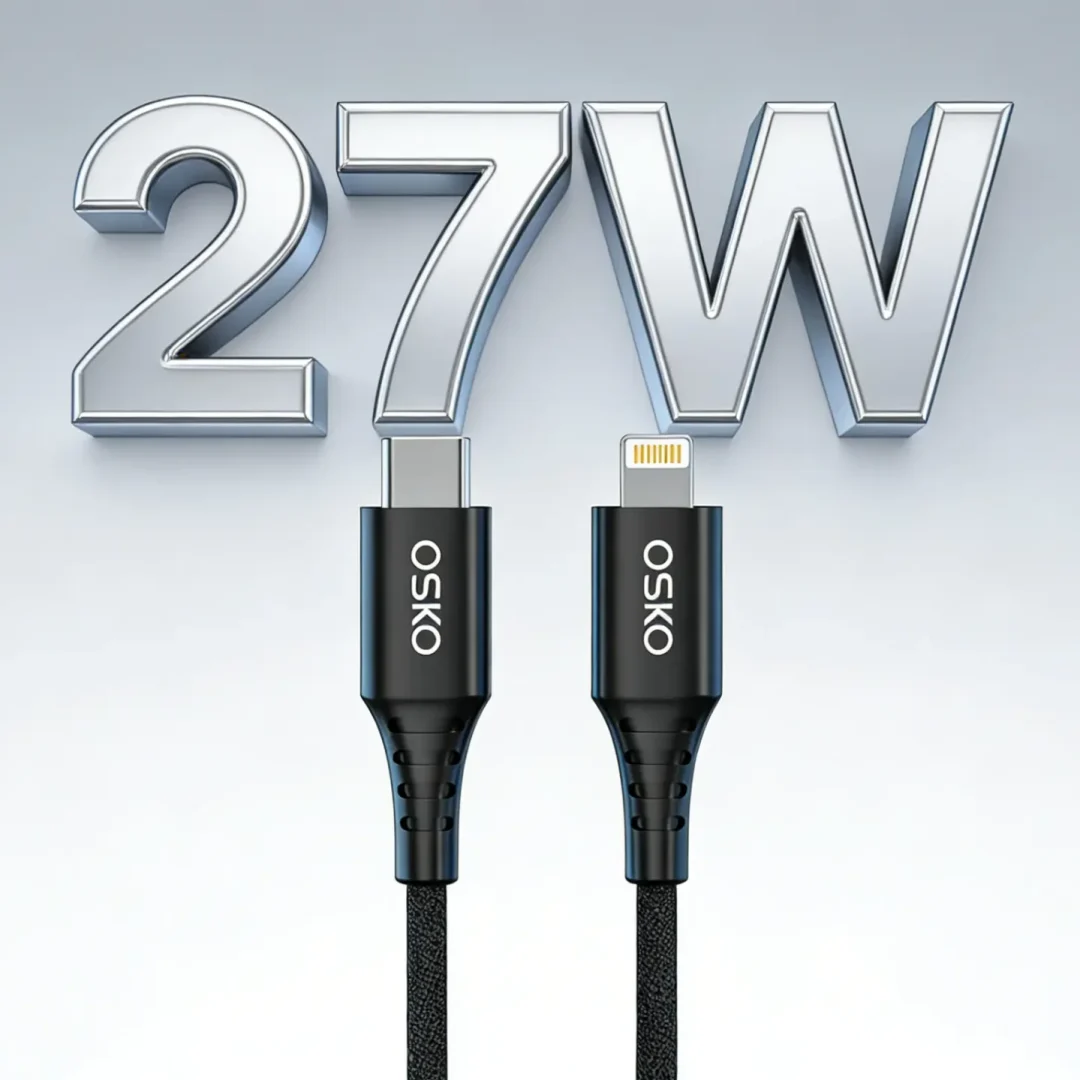
The most important specification in the US market is power rating:
5W–18W → Basic smartphone charging
30W–60W → Tablets and mid-range laptops
65W–100W → High-performance laptops
240W (USB PD 3.1 EPR) → Advanced workstation devices
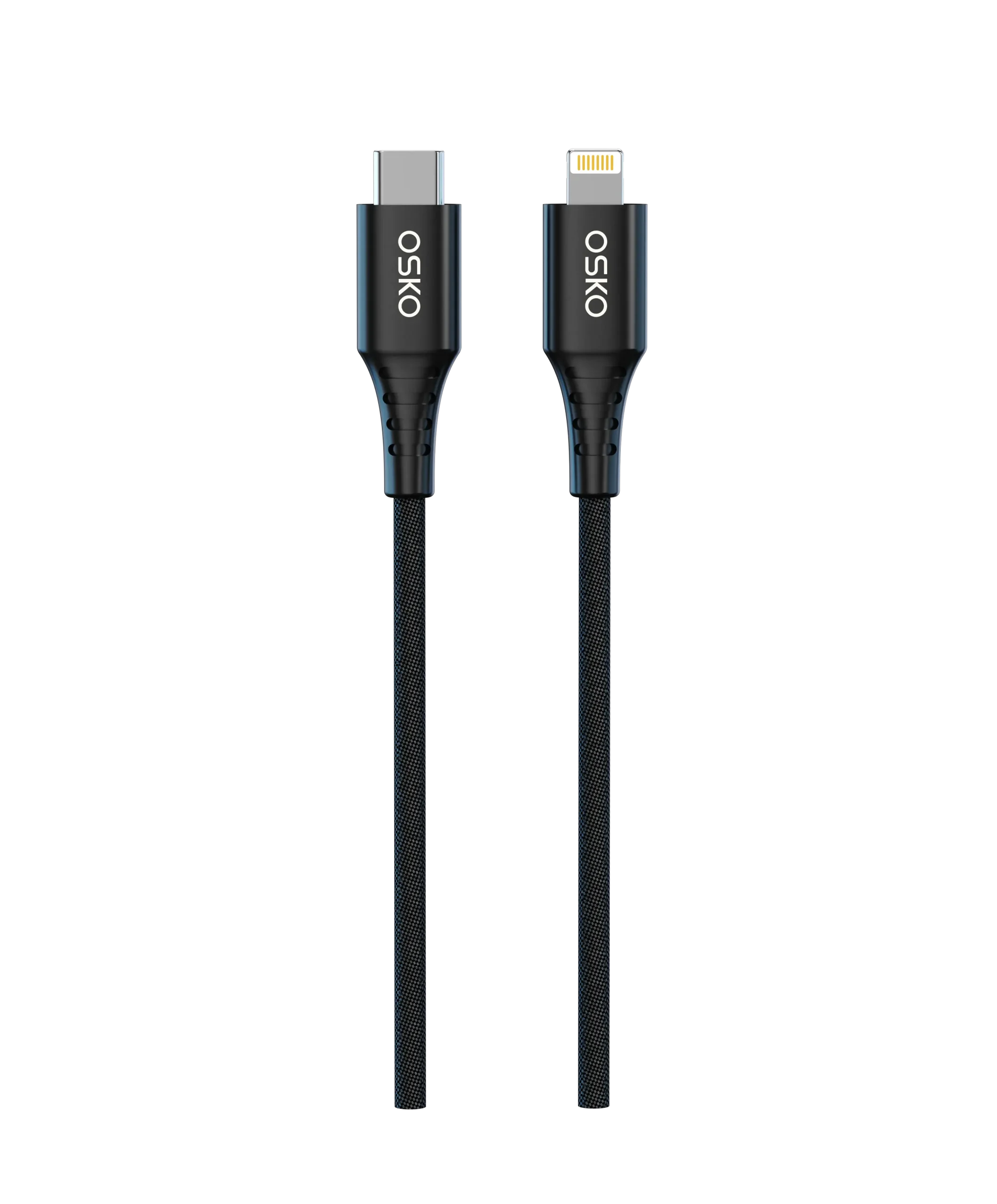
A properly engineered charging cable specification US market product must clearly define supported wattage.
Wire Gauge (AWG) Standards
American Wire Gauge (AWG) determines current-carrying capability:
28AWG → Low-power cables (data or slow charging)
24AWG → Standard fast charging cables
22AWG → High-power USB-C PD cables
20AWG or lower → Ultra-high power (100W–240W applications)
Thicker conductors reduce resistance and improve fast charging stability.
Data Transfer Speed Specifications
USB cables in the US market are categorized by data capability:
USB 2.0 → 480 Mbps (charging-focused cables)
USB 3.2 Gen 1 → 5 Gbps
USB 3.2 Gen 2 → 10 Gbps
USB4 / Thunderbolt → 20–40 Gbps
High-end docking and hub systems require verified high-speed data support.
Material Construction Standards
Common materials include:
PVC → Budget-level cables, lower durability
TPE → Balanced flexibility and heat resistance
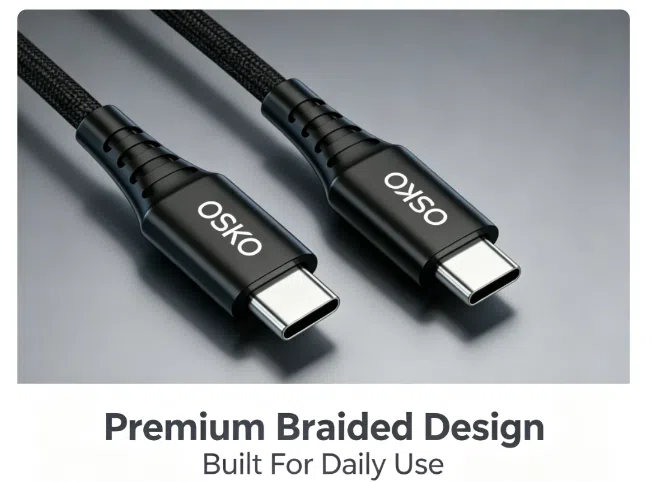
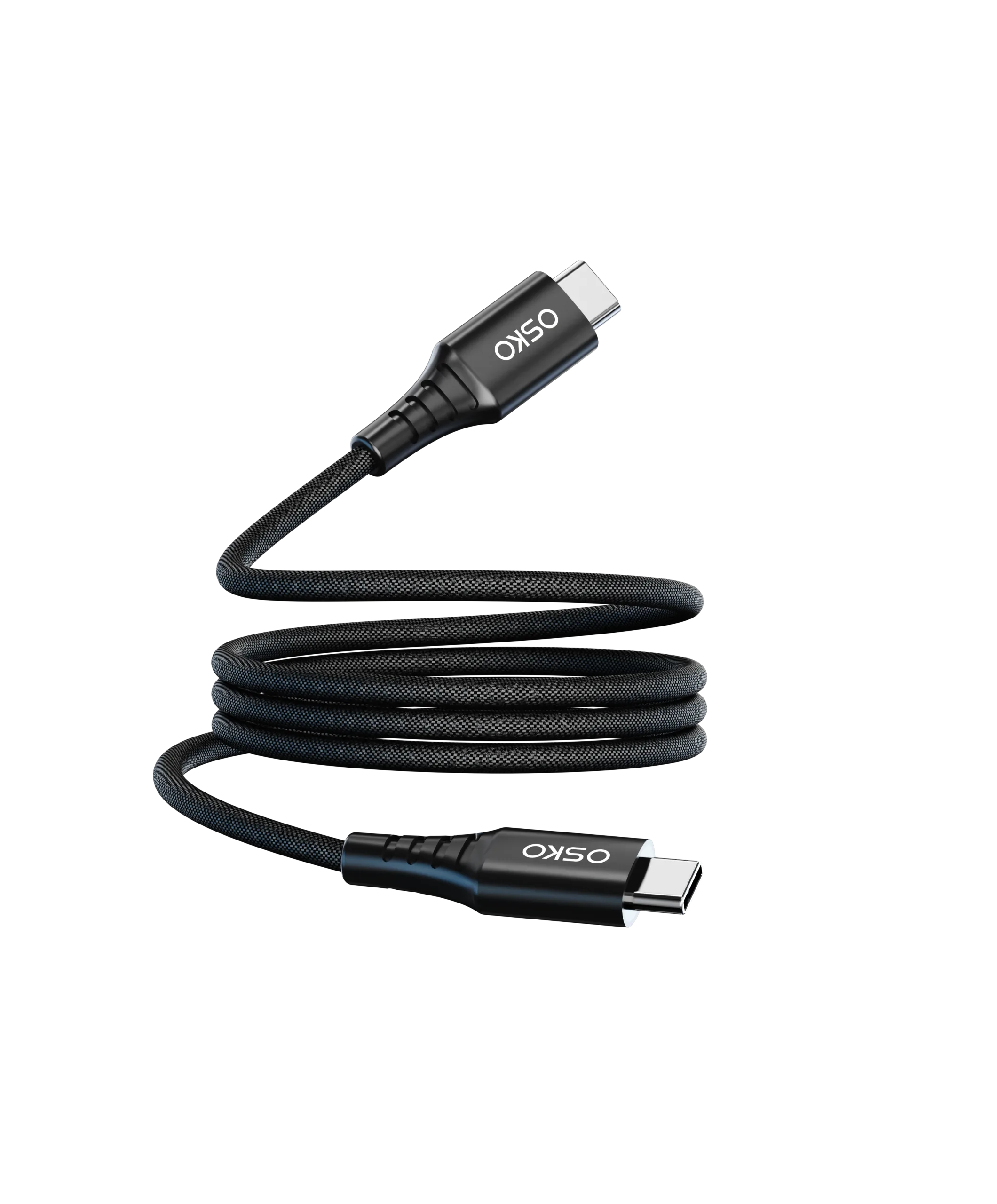
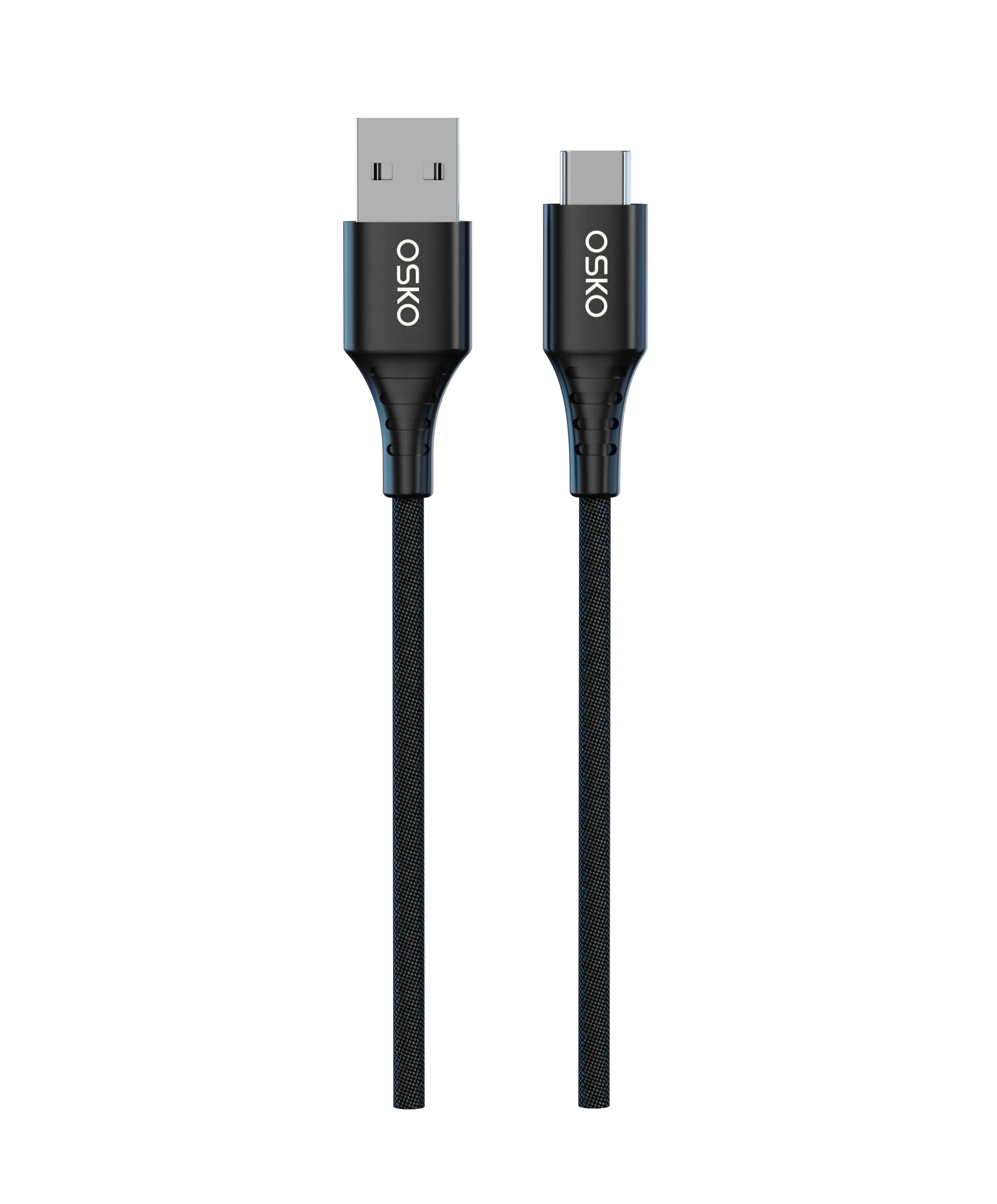
Nylon braided → Premium durability and anti-tangling
In US retail markets, nylon braided cables dominate premium listings due to durability expectations.
Connector Design Specifications
Connectors must meet mechanical and electrical standards:
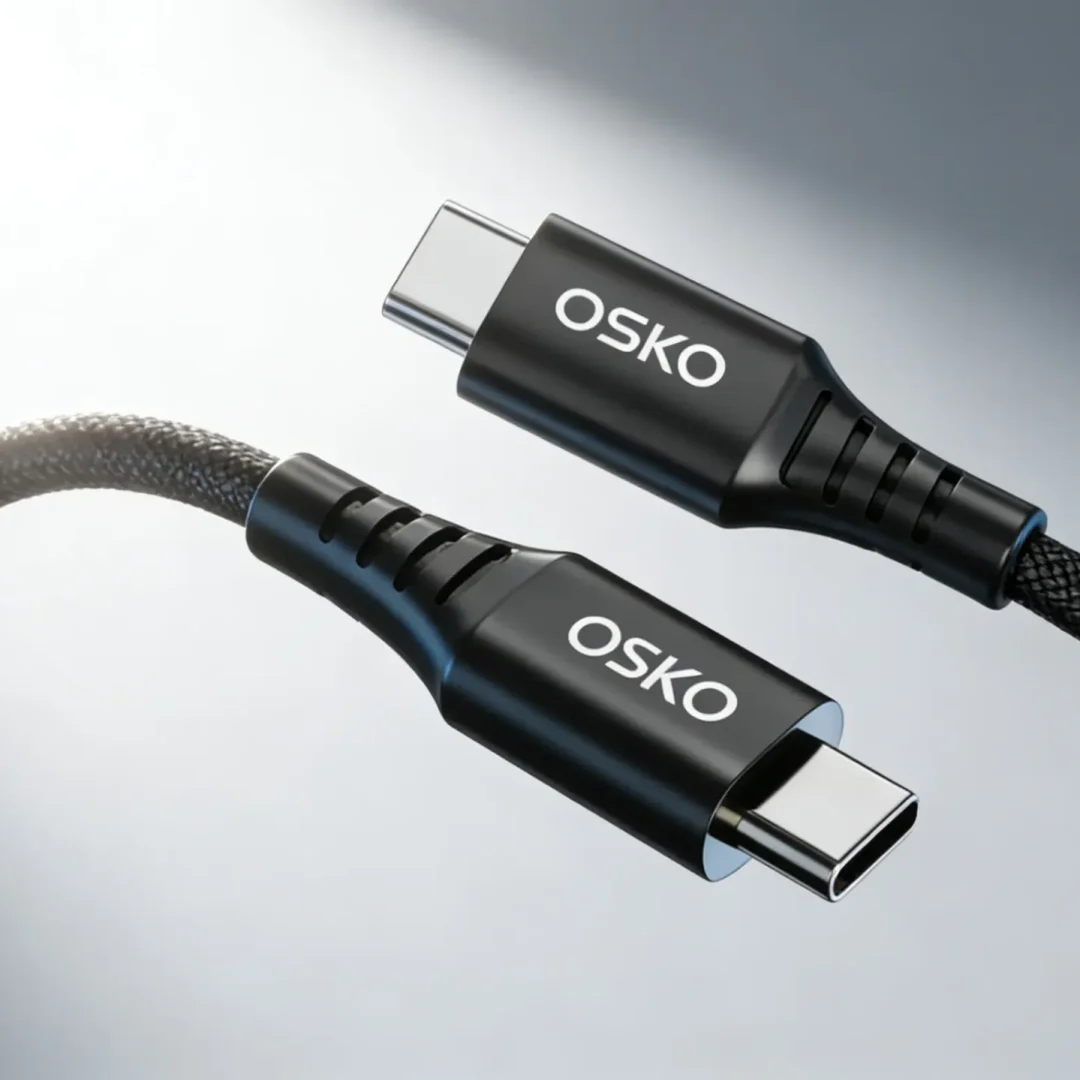
Nickel or gold-plated contacts
LCP (Liquid Crystal Polymer) housing for heat resistance
Reinforced strain relief for bending durability
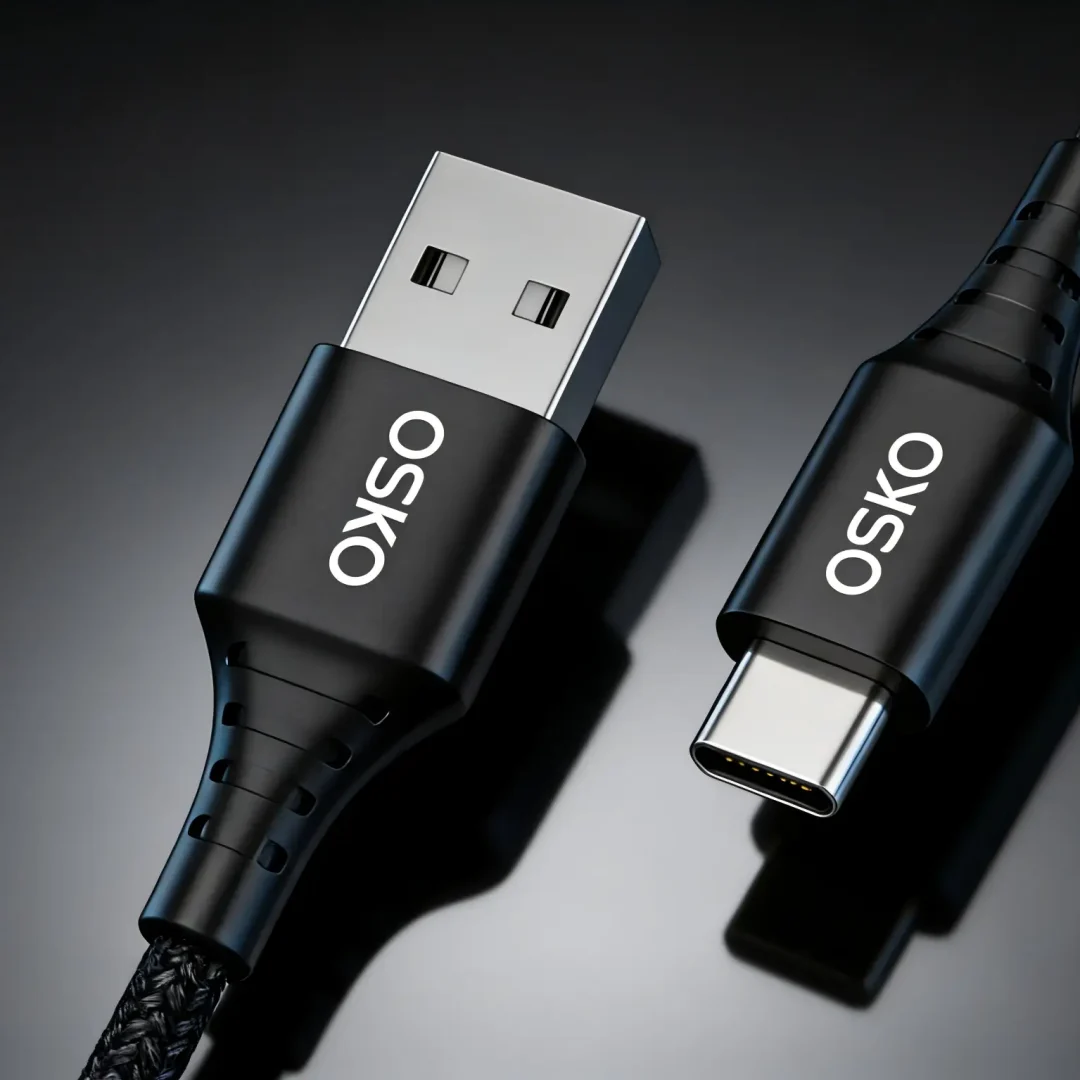
Precision USB-C interface alignment
Poor connector design is a leading cause of cable failure in US consumer returns.

Case Study
US E-Commerce Charging Cable Standardization Project
Customer Background
A US Amazon private label brand experienced inconsistent product reviews across its charging cable line. Some batches supported fast charging properly, while others failed to deliver stable USB-PD performance.
The objective was to standardize charging cable specifications for the US market across all suppliers.
Engineering Problems Identified
Key issues included:
Inconsistent AWG wire thickness between batches
Missing or unclear wattage labeling
Poor shielding causing unstable charging performance
Lack of USB-PD certification alignment
Mixed material usage (PVC vs TPE inconsistently)
OSKO Engineering Solution
OSKO implemented a unified specification framework:
Standardized 22AWG/24AWG copper conductor system
Defined product segmentation by wattage (60W / 100W / 240W)
Introduced multi-layer shielding for EMI protection
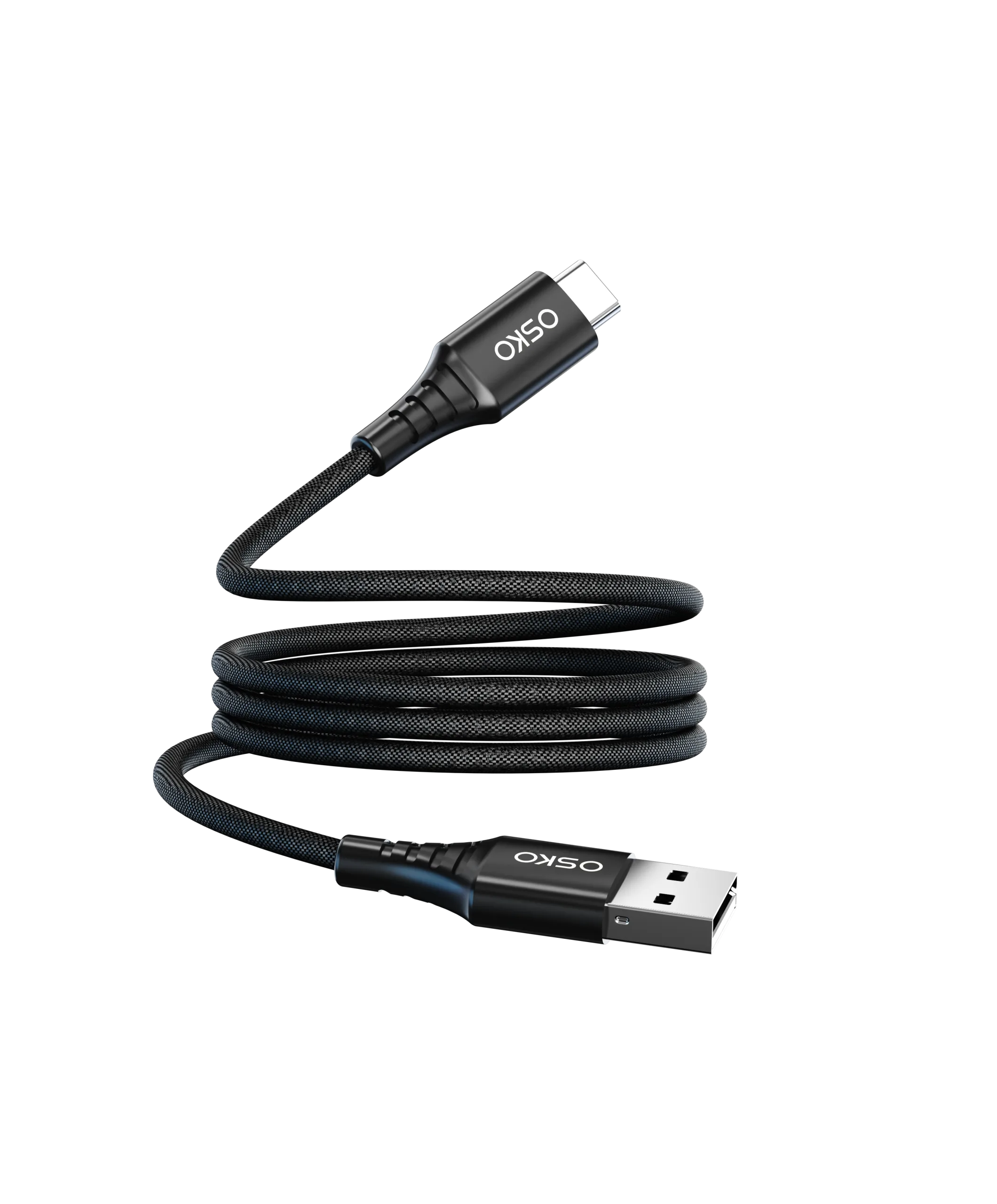
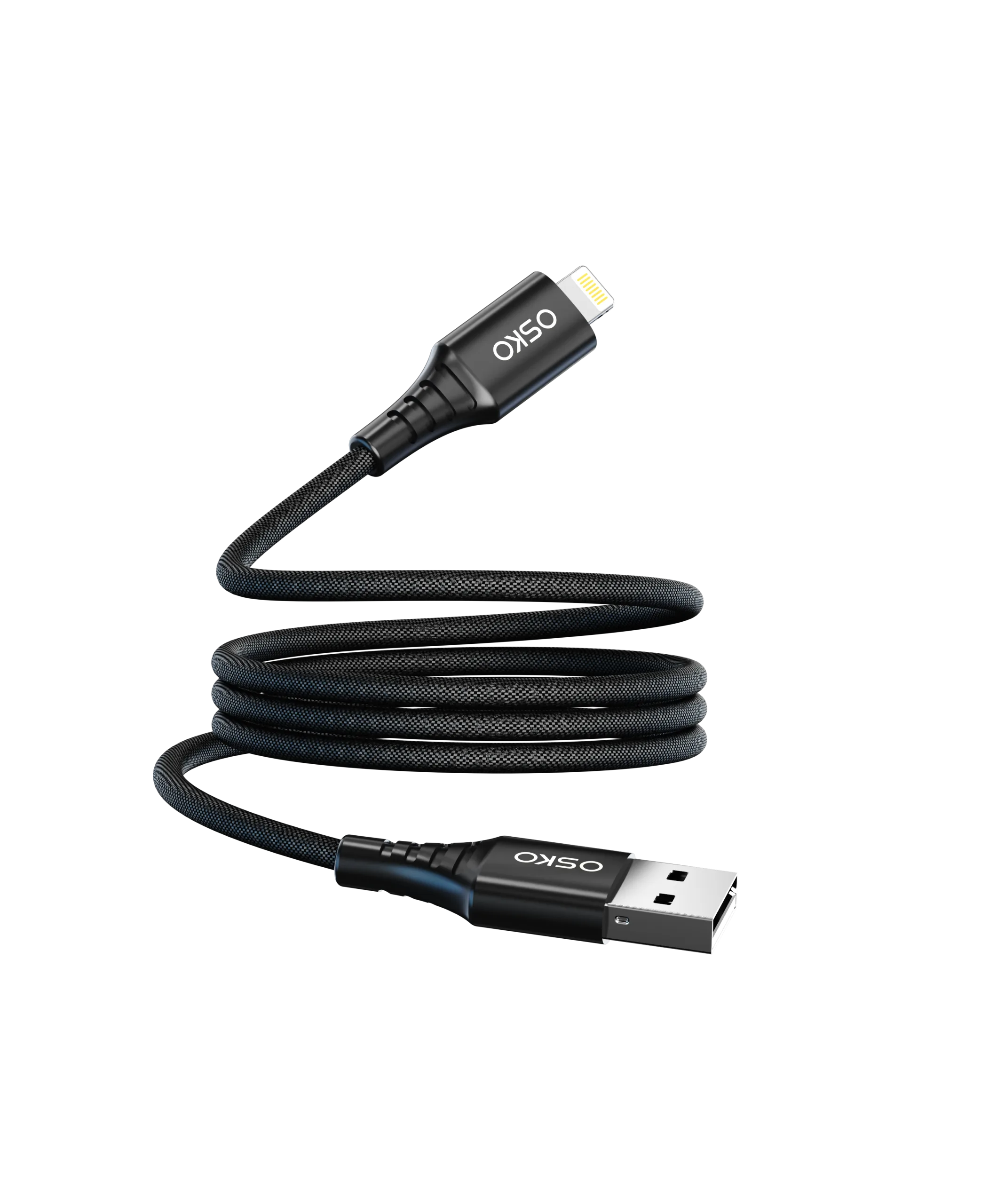
Applied TPE + nylon braided structure for durability
Established USB-PD compliance validation system
Manufacturing aligned with:
USB-IF compliant Type C cable manufacturer standards
ISO9001 certified braided USB cable factory process control
FCC approved nylon braided USB C cable supplier validation
CE RoHS certified 240W USB C cable compliance system
Result
After implementation:
Product inconsistency reduced by 70%
Return rate significantly decreased
Amazon listing performance improved
Customer confusion about specifications eliminated
Brand positioning stabilized in US market
Selection Guide
Common Charging Cable Specifications in the US Market
1. Power Rating (Wattage)
Most US market cables fall into:
18W → Mobile fast charging
60W → Tablets and light laptops
100W → Professional laptops
240W → High-end workstations
2. Cable Length Standards
Typical lengths:
0.5ft → Power banks and portable use
3ft (1m) → Travel use
6ft (2m) → Home and office standard
10ft (3m) → Extended reach environments
3. Material Standards
PVC → Entry-level
TPE → Mid-range performance
Nylon braided → Premium durability segment
4. Data Speed Classes
Charging-only cables
USB 2.0 (480 Mbps)
USB 3.2 (5–10 Gbps)
USB4 / Thunderbolt (20–40 Gbps)
5. Certification Requirements
Common US market compliance includes:
USB-IF certification (performance standard)
FCC certification (EMI control)
RoHS compliance (material safety)
CE certification (for EU export compatibility)
Prop 65 compliance (California requirement)
Specification Comparison Table
| Category | Entry Level | Mid Range | Premium |
|---|---|---|---|
| Power | 18W | 60W | 100W–240W |
| Material | PVC | TPE | Nylon braided |
| Data | USB 2.0 | USB 3.2 | USB4 |
| Durability | Low | Medium | High |
| Market Use | Budget retail | Mainstream | Premium/OEM |
Application Scenarios
Charging cable specifications are applied across:
OEM USB cables for branded electronics
ODM USB cables for customized product development
USB cables for wholesale distribution
Desktop charging cables for office environments
Travel USB cables for portable charging kits
In-car charging cables for automotive systems
Home USB cables for household multi-device setups
FAQ
What is the most common USB-C cable wattage in the US?
60W and 100W are the most widely used for consumer electronics.
Do all cables support fast charging?
No. Only USB-PD compatible cables support true fast charging.
What cable length is most popular in the US?
6ft (2m) is the most commonly used length for home and office.
What material is preferred in premium US markets?
Nylon braided cables are preferred for durability and appearance
Is USB-IF certification necessary?
It is not legally mandatory for all products but highly recommended for quality assurance and compatibility.
Summary
Common charging cable specifications in the US market are defined by power rating (18W–240W), wire gauge (AWG), data speed capability, material selection, length standards, and certification compliance.
These specifications ensure compatibility with modern USB-C ecosystems across smartphones, laptops, and enterprise devices.
OSKO’s OEM engineering system standardizes these specifications to ensure consistent performance, reduced return rates, and full compliance with US and European market expectations.
In modern supply chains, specifications are not optional details—they are the foundation of product competitiveness.
Contact Information
OSKO provides OEM/ODM charging cable solutions including:
USB-C PD cables (18W–240W)
Braided and TPE cable systems
Amazon-ready retail packaging
Custom specification engineering
Global compliance documentation support