
Introduction
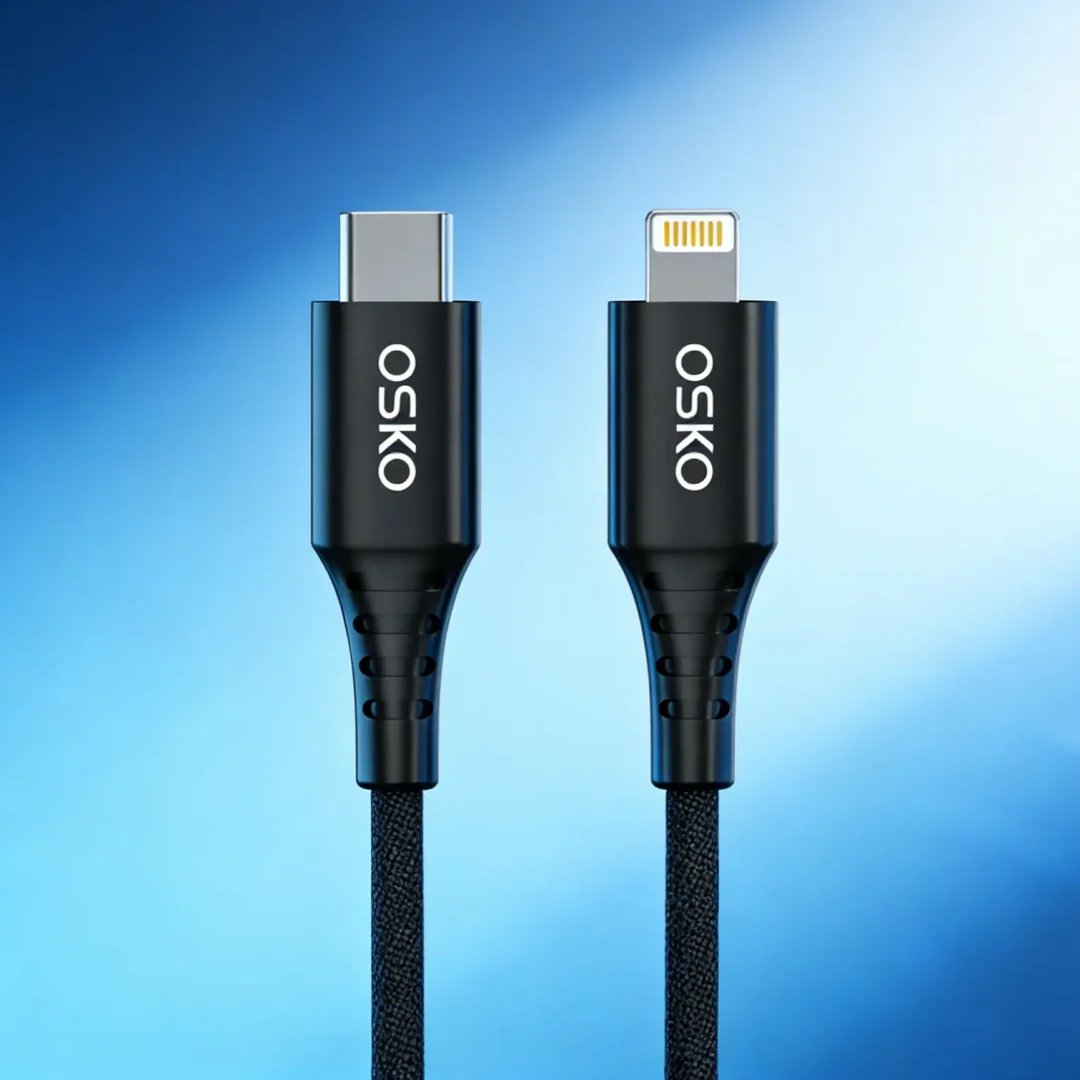
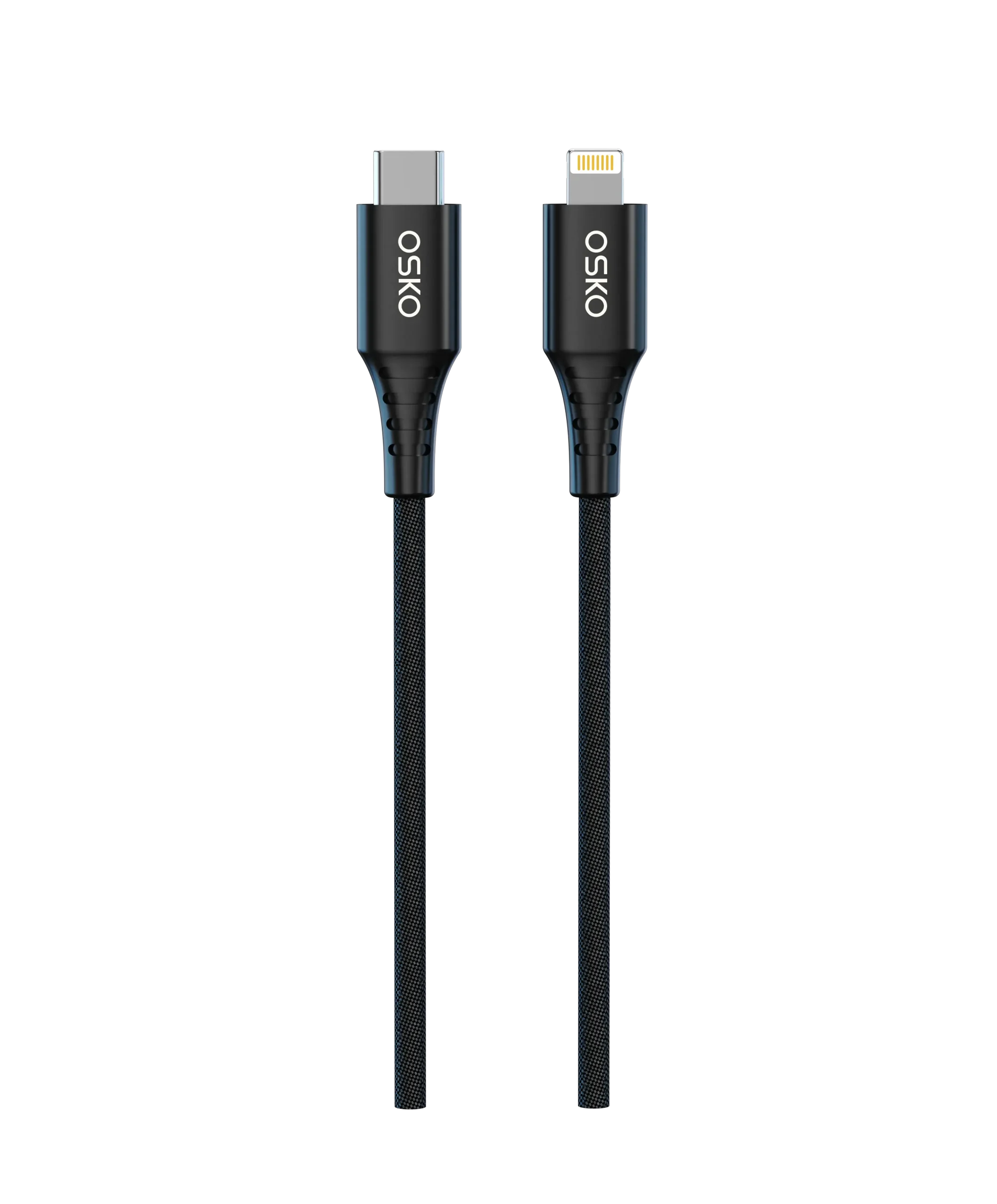
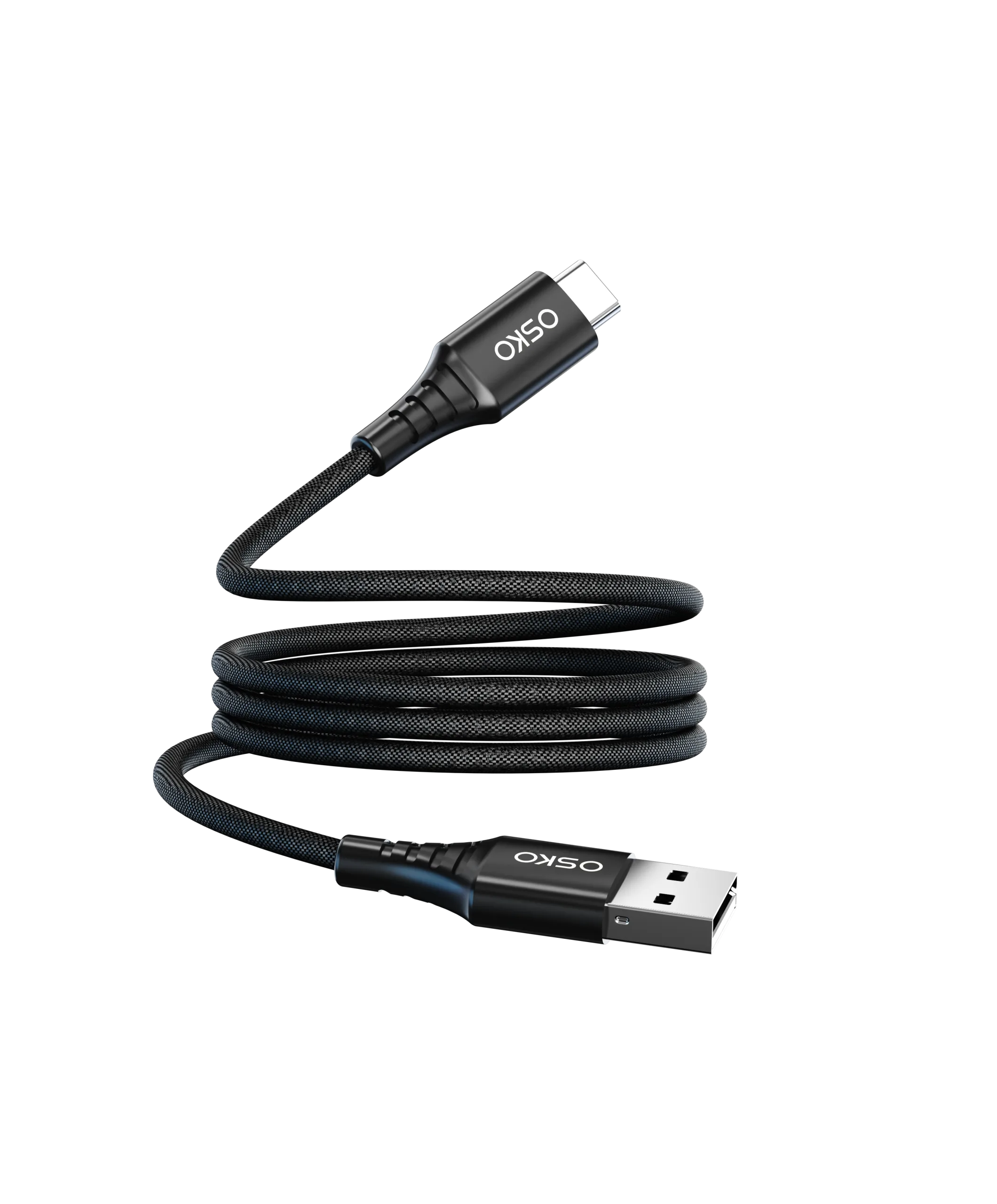
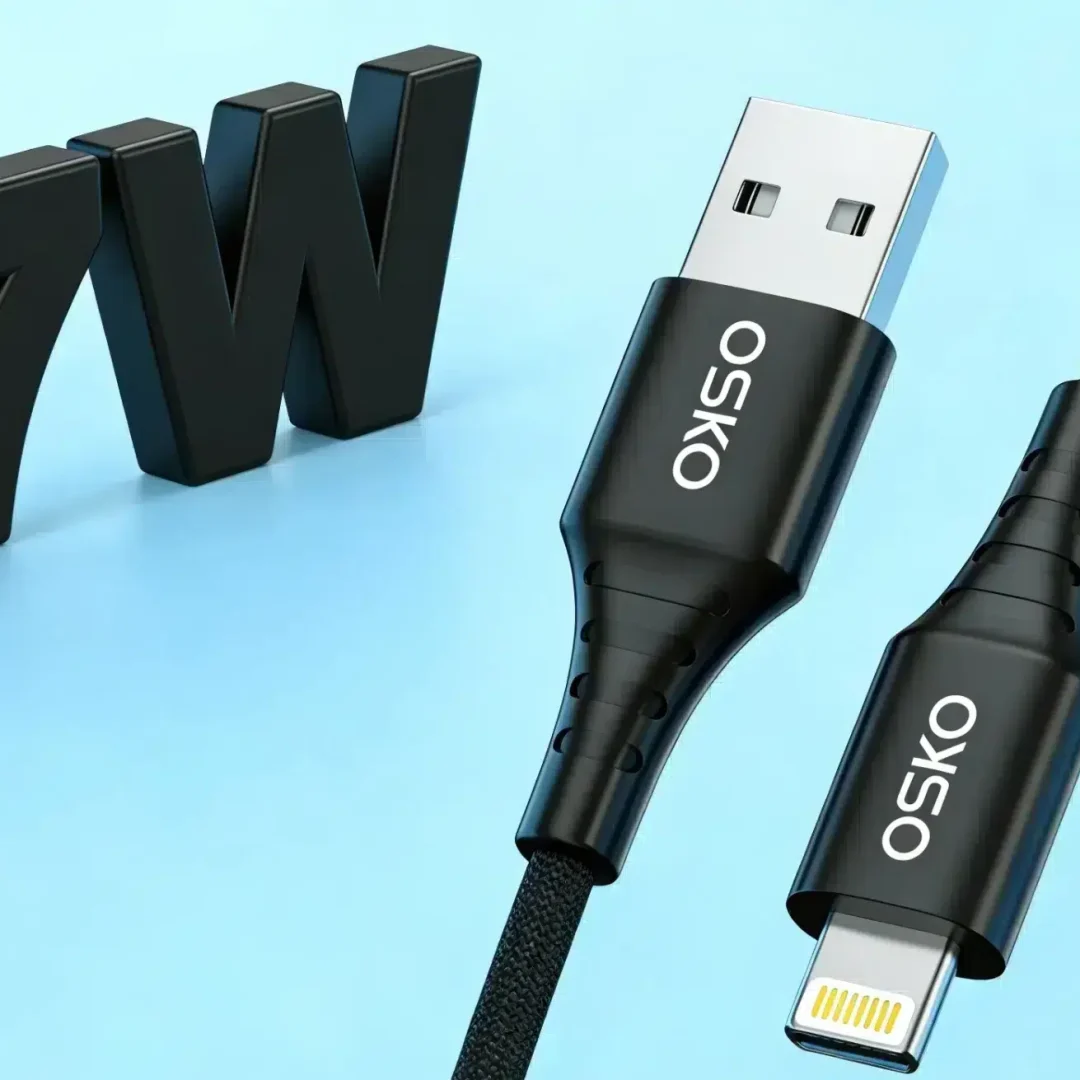
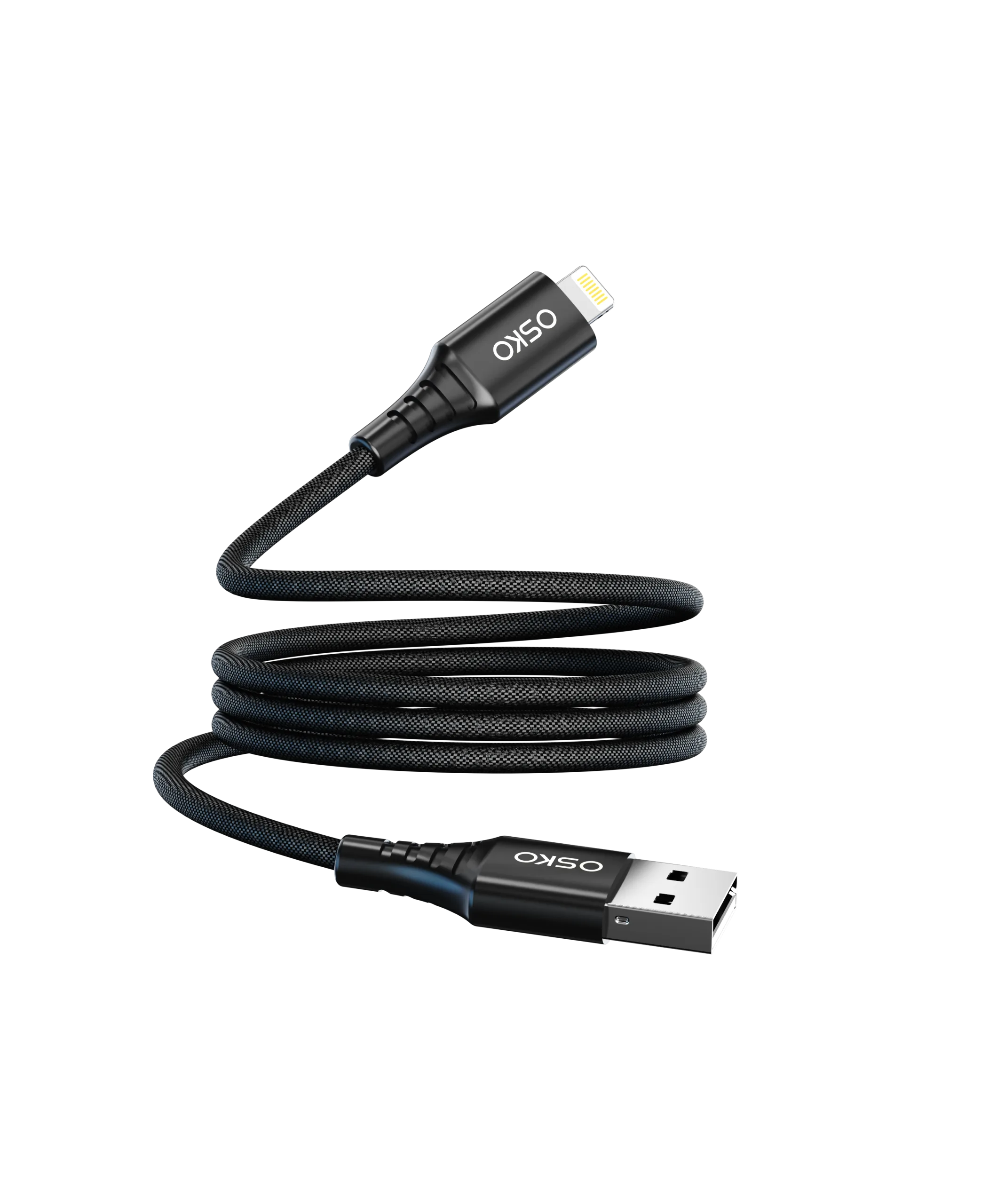
For Apple users, selecting the correct USB-C to Lightning cable Apple solution is essential for achieving stable charging performance, device compatibility, and long-term durability.
Although Apple has moved newer iPhone models toward USB-C ports, many popular devices such as iPhone 14 series and earlier generations still rely on Lightning connectors. These users need a USB-C to Lightning cable to connect their iPhone with modern USB-C power adapters, MacBook chargers, car chargers, and power banks.
The main challenge is that not all USB-C to Lightning cables provide the same charging performance. Cable quality depends on internal conductor design, Lightning connector engineering, authentication technology, insulation materials, and manufacturing control.
For US and European markets, where Apple accessories represent a major retail category, reliable cable design is especially important for reducing product returns and improving customer experience.

Material Science & Electrical Performance
How USB-C to Lightning Cable Works with Apple Devices
A USB-C to Lightning cable connects:
USB-C Power Adapter → USB-C Connector → Cable Structure → Lightning Connector → Apple Device
The cable performs three major functions:
Power transmission
Data communication
Device authentication
A properly engineered cable must maintain stable communication between the charger and Apple device to enable safe charging.
USB-C Power Delivery and Apple Fast Charging
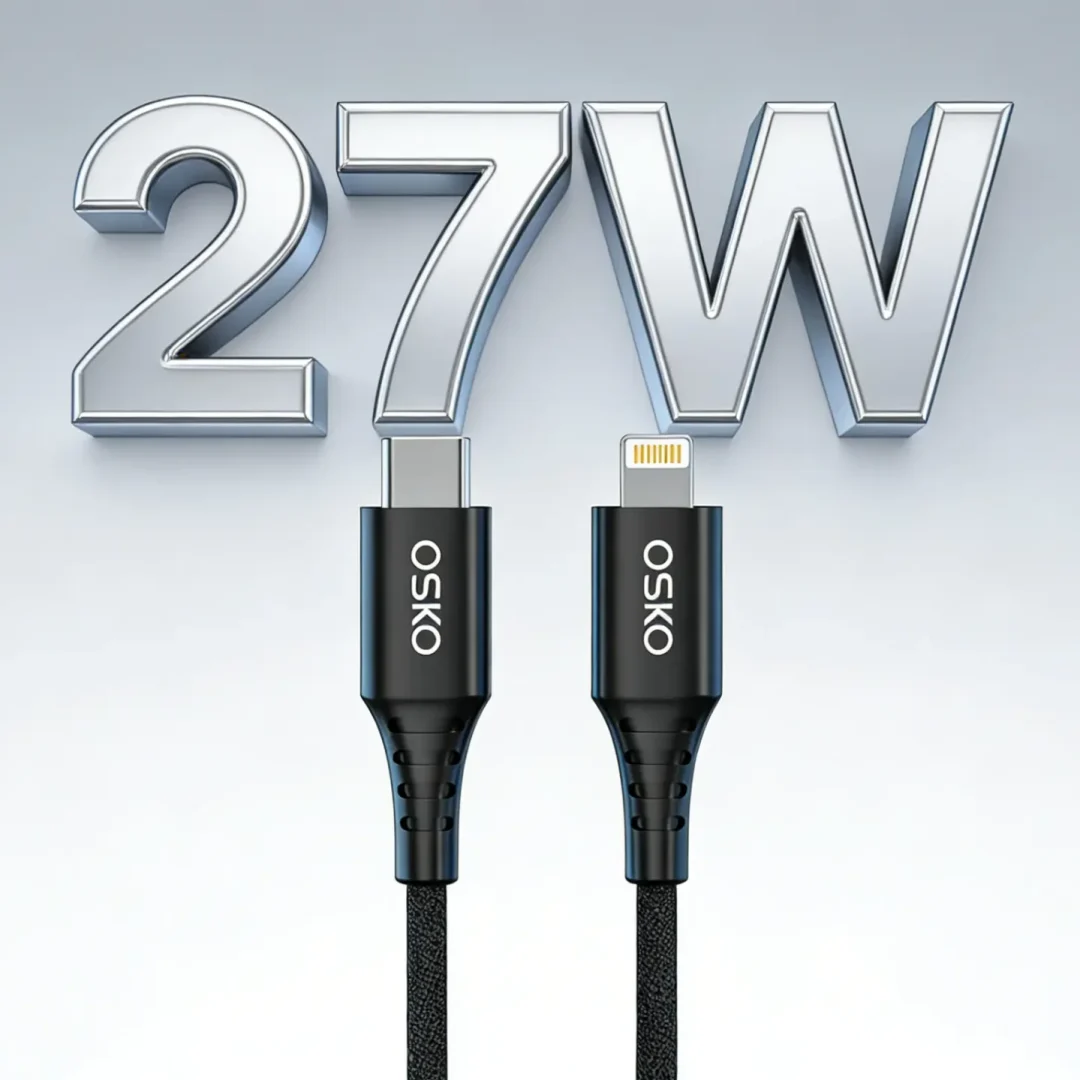
One of the main advantages of USB-C to Lightning cables is support for USB Power Delivery (USB-PD).
With a compatible USB-C PD charger, Apple devices can achieve faster charging compared with traditional USB-A charging systems.
Typical applications include:
| Device Category | Recommended Charging Solution |
|---|---|
| iPhone | USB-C PD charger + USB-C to Lightning cable |
| iPad with Lightning port | Higher power USB-C adapter + Lightning cable |
| AirPods charging case | Compact USB-C PD charger + Lightning cable |
| Travel charging | USB-C wall charger + braided cable |
The cable itself must support stable current transmission. A low-quality cable may limit charging performance even when using a high-power adapter.
Lightning Connector Engineering
The Lightning connector is different from standard USB connectors because it uses Apple-specific design requirements.
A reliable Lightning cable requires:
Accurate connector dimensions
Stable contact pins
Strong mechanical structure
Proper authentication components
Poor-quality Lightning connectors may cause:
Intermittent charging
Device recognition problems
Loose connection
Short service life
For commercial products, professional manufacturers typically perform connector insertion tests and charging stability tests.
Cable Material and Durability Design
Copper Conductor Quality
The internal conductor determines electrical efficiency.
High-quality USB-C to Lightning cables commonly use:
Oxygen-free copper
Multi-strand copper wire
Low-resistance conductor design
Advantages:
Better charging stability
Lower heat generation
Longer cable lifespan
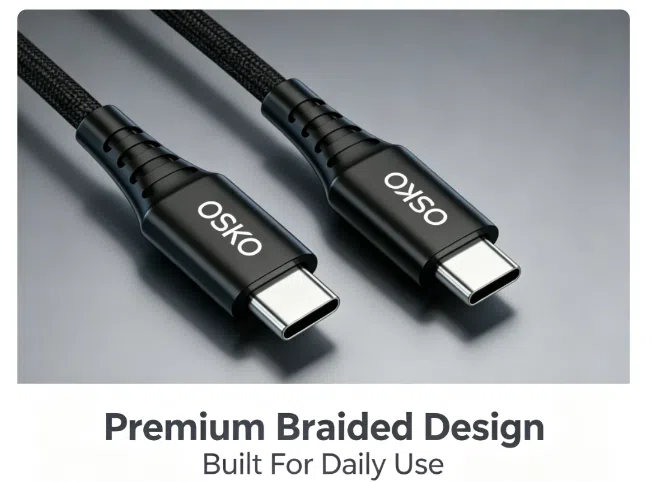
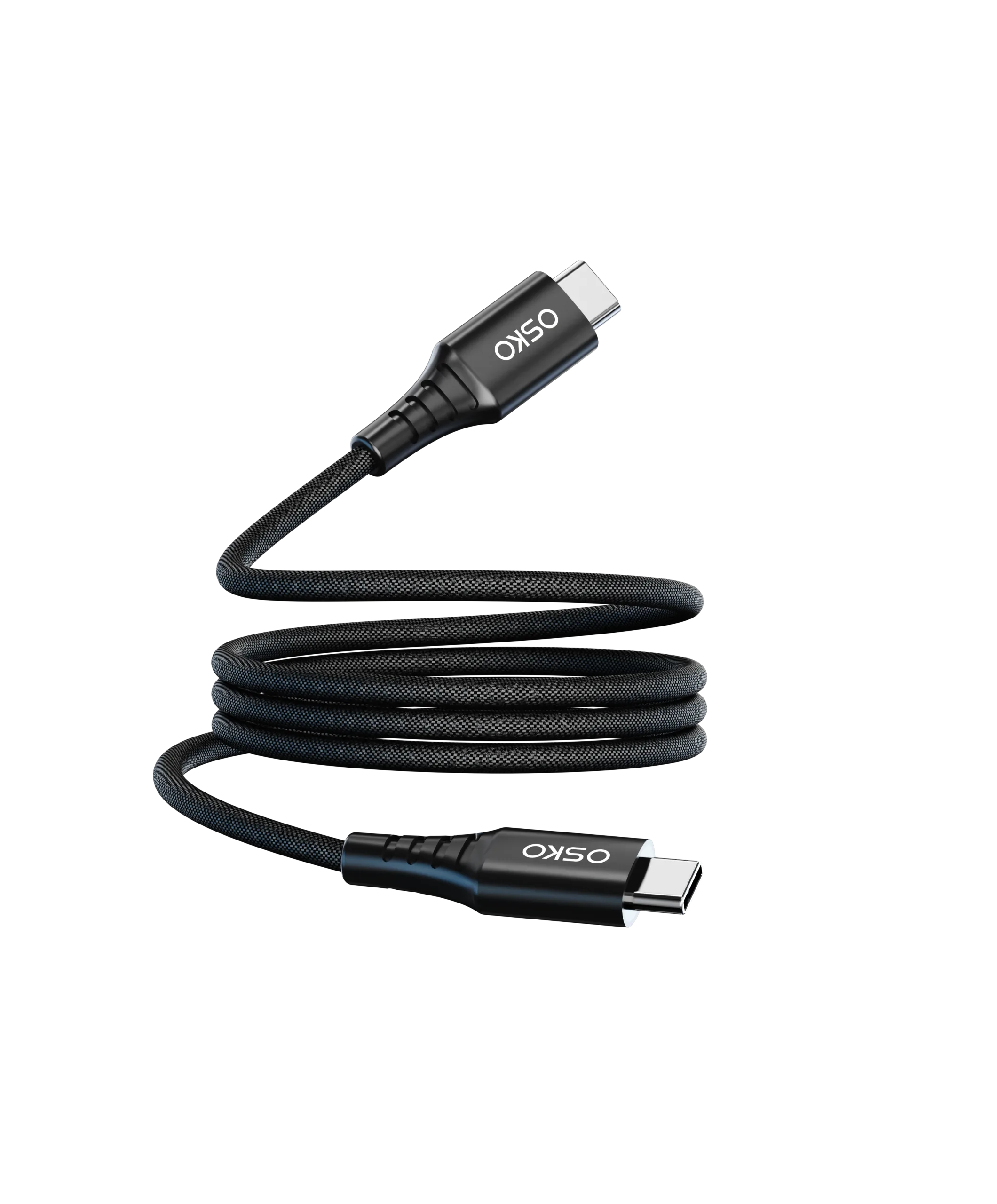
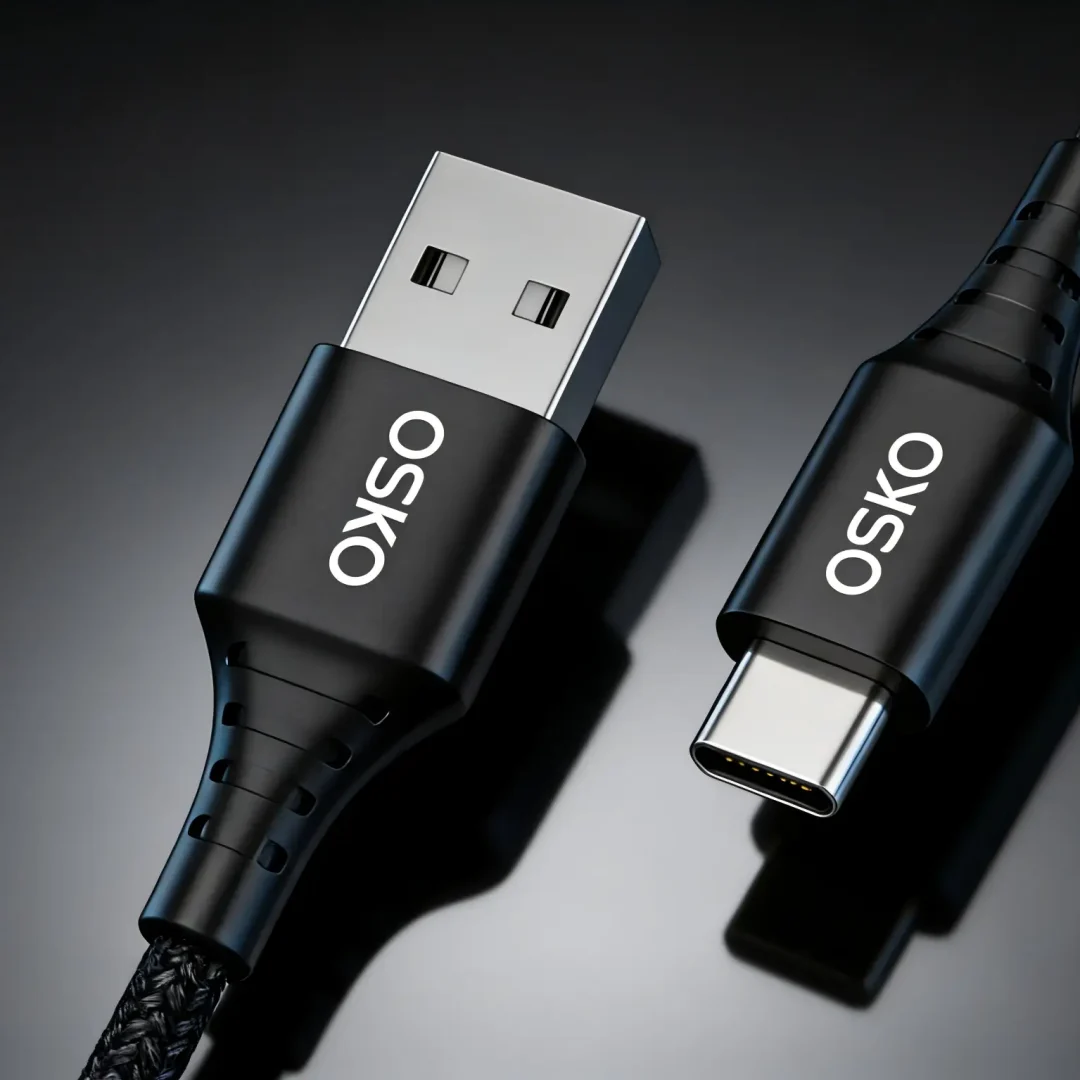
Braided Nylon Outer Jacket
A premium braided Lightning cable is designed for users who need higher durability.
Compared with standard PVC cables, nylon braided structures provide:
Improved abrasion resistance
Better bending protection
Reduced surface damage
Typical applications:
Home charging
Office charging
Travel charging
Car charging
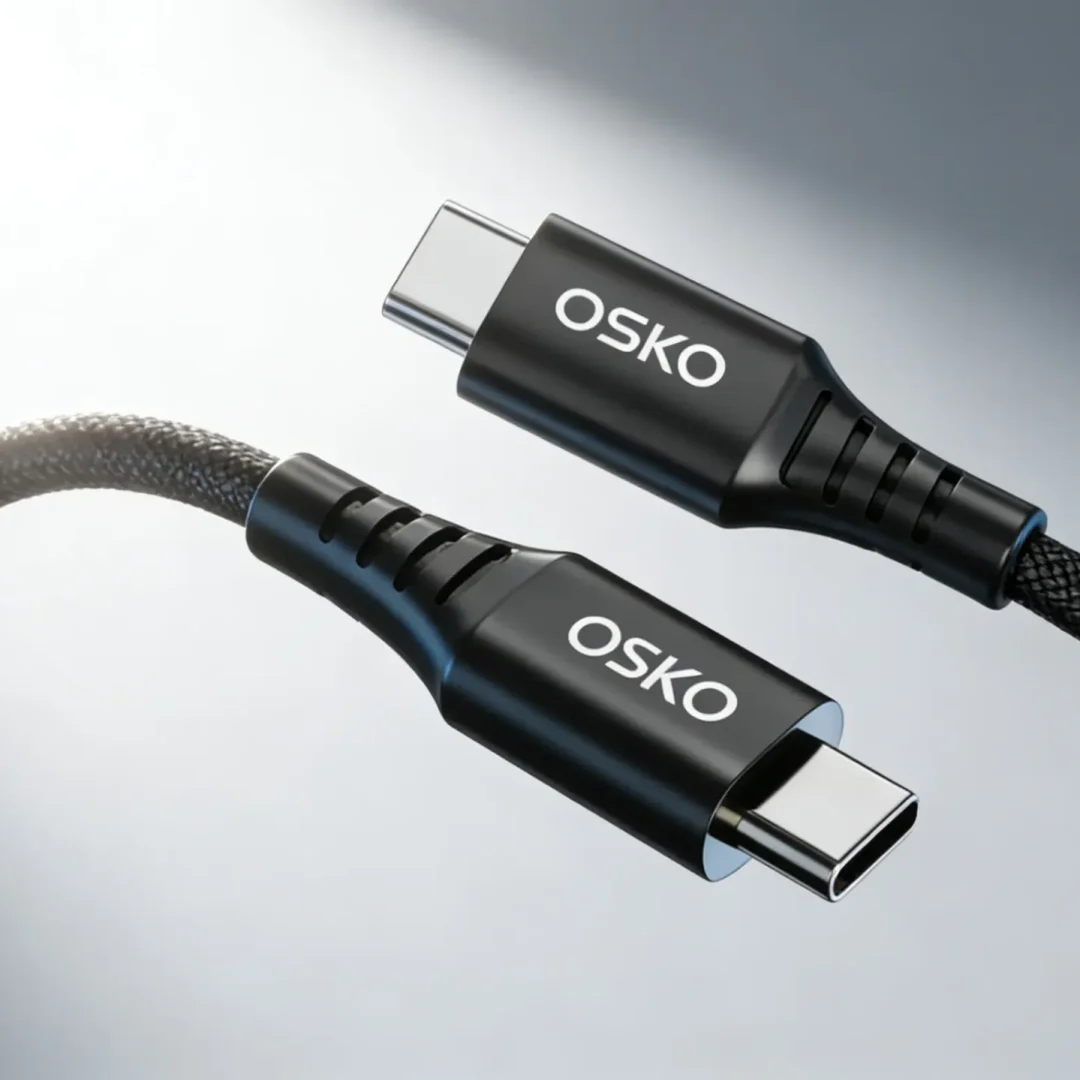
Strain Relief Structure
The connector area is the most common failure point.
A professional cable design includes:
Extended strain relief
Flexible joint protection
Reinforced injection molding
This helps prevent internal wire breakage caused by repeated bending.

Case Study
US Consumer Electronics Brand Apple Accessory Line Upgrade
A US-based accessory brand planned to upgrade its existing Apple charging cable product line.
The company sold Lightning cables through online marketplaces and retail channels but experienced several problems.
Customer Requirements
The brand needed:
Reliable USB-C to Lightning cable Apple compatible products
Premium appearance for retail customers
Better durability than standard cables
Stable fast charging performance
Custom packaging and private label support
Engineering Problems
OSKO analyzed the existing products and identified:
Weak connector strain relief
Low flexibility conductor structure
PVC jacket damage after repeated use
Inconsistent charging performance between production batches
OSKO Engineering Solution
OSKO developed a customized cable solution:
Electrical Optimization
High-quality copper conductor
Improved current transmission stability
Optimized internal resistance
Structural Improvement
Nylon braided outer layer
Reinforced Lightning connector
Multi-layer protection structure
Production Control
Connector inspection
Charging performance testing
Batch consistency verification
The solution supported:
OEM Apple charging cable projects
ODM Lightning cable development
Wholesale iPhone cable programs
Retail charging accessory lines
Project Results
After implementation:
Product reliability improved
Customer complaints decreased
Retail positioning upgraded
Production consistency increased
Selection Guide
How to Choose a USB-C to Lightning Cable for Apple Devices
Check Apple Compatibility
Before purchasing, confirm:
Compatible iPhone model
Lightning connector requirement
Charger output specification
Older iPhone models require Lightning connections, while newer models may use USB-C directly.
Choose the Correct Charging Power
For most Apple devices:
| Cable Type | Usage |
|---|---|
| Standard USB-C to Lightning | Daily charging |
| PD fast charging cable | Faster iPhone charging |
| Braided PD cable | Premium durable applications |
Select the Right Cable Length
| Length | Recommended Use |
|---|---|
| 3ft | Travel and desk charging |
| 6ft | Bedroom and office |
| 10ft | Flexible home installation |
For retail and wholesale buyers, custom lengths can help target different consumer scenarios.
Evaluate Supplier Capability
For brands importing Apple charging accessories, supplier evaluation should include:
Manufacturing experience
Quality control system
Certification support
Customization capability
Professional suppliers should support:
OEM USB cable supplier
ODM charging cable manufacturer
Wholesale Lightning cable production
Custom packaging charging cable factory
Bulk custom color braided charging cables
USB-C to Lightning Cable Comparison
| Feature | Standard Cable | Premium Braided Cable |
|---|---|---|
| Outer Material | PVC | Nylon braid |
| Flexibility | Medium | High |
| Abrasion Resistance | Average | Excellent |
| Connector Protection | Basic | Reinforced |
| Suitable For | Light use | Daily heavy use |
| Retail Position | Entry level | Premium |
FAQ
What is a USB-C to Lightning cable used for?
It connects Lightning devices such as older iPhones and iPads to USB-C chargers, power banks, and computers.
Does USB-C to Lightning support fast charging?
Yes. When paired with a USB-C PD charger, compatible Apple devices can achieve faster charging.
Is Apple USB-C to Lightning cable better than third-party cables?
Apple cables provide reliable compatibility, while high-quality third-party OEM cables can offer improved durability and customization when properly manufactured.
Why do Lightning cables stop working?
Common reasons include connector damage, internal wire fatigue, poor materials, and low-quality manufacturing.
Are braided Lightning cables worth buying?
Yes. Braided structures generally provide better durability for users who charge devices frequently.
Summary
A reliable USB-C to Lightning cable Apple solution requires careful engineering beyond connector compatibility.
The most important factors include:
Stable USB-PD charging performance
High-quality copper conductors
Strong Lightning connector design
Durable braided materials
Professional manufacturing control
For consumers, selecting a high-quality cable improves charging reliability and extends product lifespan.
For brands and distributors targeting the US and European markets, partnering with an experienced OEM manufacturer like OSKO provides customized cable development, quality assurance, and scalable production capabilities.
Contact Information
OSKO provides professional OEM and ODM charging cable solutions:
USB-C to Lightning cables for Apple devices
Braided iPhone charging cables
Custom length and color development
Private label packaging
Wholesale and bulk cable manufacturing
OSKO engineering team supports global brands with cable design optimization, reliability testing, certification guidance, and professional manufacturing services.