
Introduction
Many iPhone users ask: “How long do USB-C to Lightning cables typically last?” The answer depends on the cable structure, material quality, usage environment, and manufacturing standards.
A basic USB-C to Lightning cable may last several months under heavy daily use, while a professionally designed braided cable with reinforced connectors can often provide several years of reliable service.
The main reason charging cables fail is not usually the connector technology itself, but mechanical stress on the cable structure. Repeated bending, pulling, twisting, and exposure to heat gradually damage the internal conductors and protective layers.
For consumers, choosing a durable cable reduces replacement frequency and charging problems. For retailers and OEM buyers in the US market, cable lifespan directly affects customer satisfaction, product reviews, warranty costs, and brand reputation.
A high-quality USB-C to Lightning cable requires engineering consideration across:
Conductor materials
Insulation performance
Connector reinforcement
Strain relief design
Manufacturing consistency

Material Science & Cable Lifespan Engineering
Typical Lifespan of USB-C to Lightning Cables
The lifespan of a charging cable varies depending on design quality and usage conditions.
| Cable Type | Typical Lifespan | Common Usage |
|---|---|---|
| Basic PVC cable | 3–12 months | Light home use |
| Standard reinforced cable | 1–2 years | Normal daily charging |
| Nylon braided cable | 2–3+ years | Heavy daily use |
| Premium OEM cable | 3+ years | Commercial and professional applications |
These numbers depend on factors such as:
Daily bending frequency
Charging environment
Storage method
Connector handling
Material quality
Why USB-C to Lightning Cables Fail
Connector Stress and Strain Relief Failure
The connector area is the most common failure point.
During daily use, users often:
Pull the cable from the connector
Bend the cable near the plug
Leave the cable under tension
Without proper strain relief, stress transfers directly to the internal wires.
Common failures include:
Intermittent charging
Loose connection
Complete charging failure
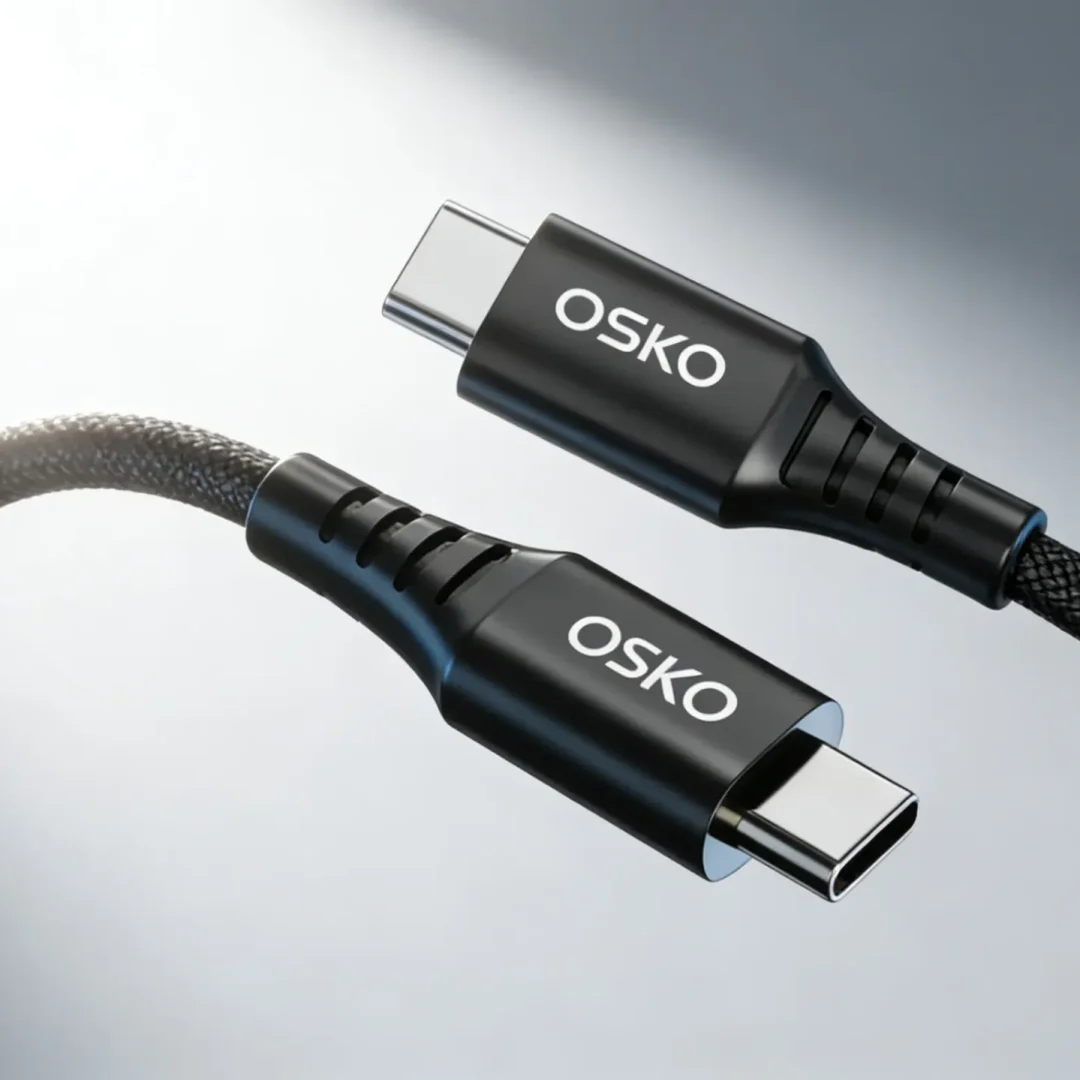
A durable cable uses:
Extended strain relief
Flexible connector housing
Reinforced injection molding
These designs reduce mechanical stress at the weakest point.
Internal Conductor Fatigue
Inside the cable are multiple copper conductors responsible for power and data transmission.
Repeated bending causes:
Metal fatigue
Internal wire separation
Increased electrical resistance
High-quality cables typically use:
Multi-strand copper conductors
Flexible wire structures
Optimized conductor thickness
This allows the cable to withstand thousands of bending cycles.
Outer Jacket Material and Durability
The outer jacket protects the internal cable structure.
PVC Cable
Advantages:
Low cost
Easy manufacturing
Disadvantages:
Less flexible
Easier surface cracking
Lower abrasion resistance
TPU Cable
Advantages:
Better flexibility
Improved wear resistance
Suitable for daily use
Applications:
Car charging
Office charging
Portable charging
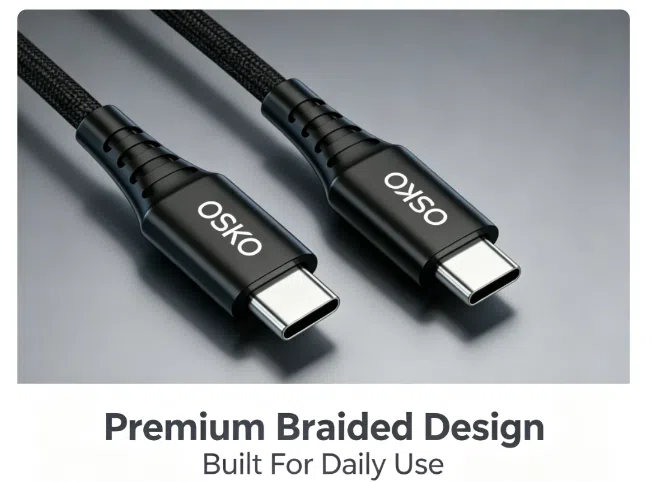
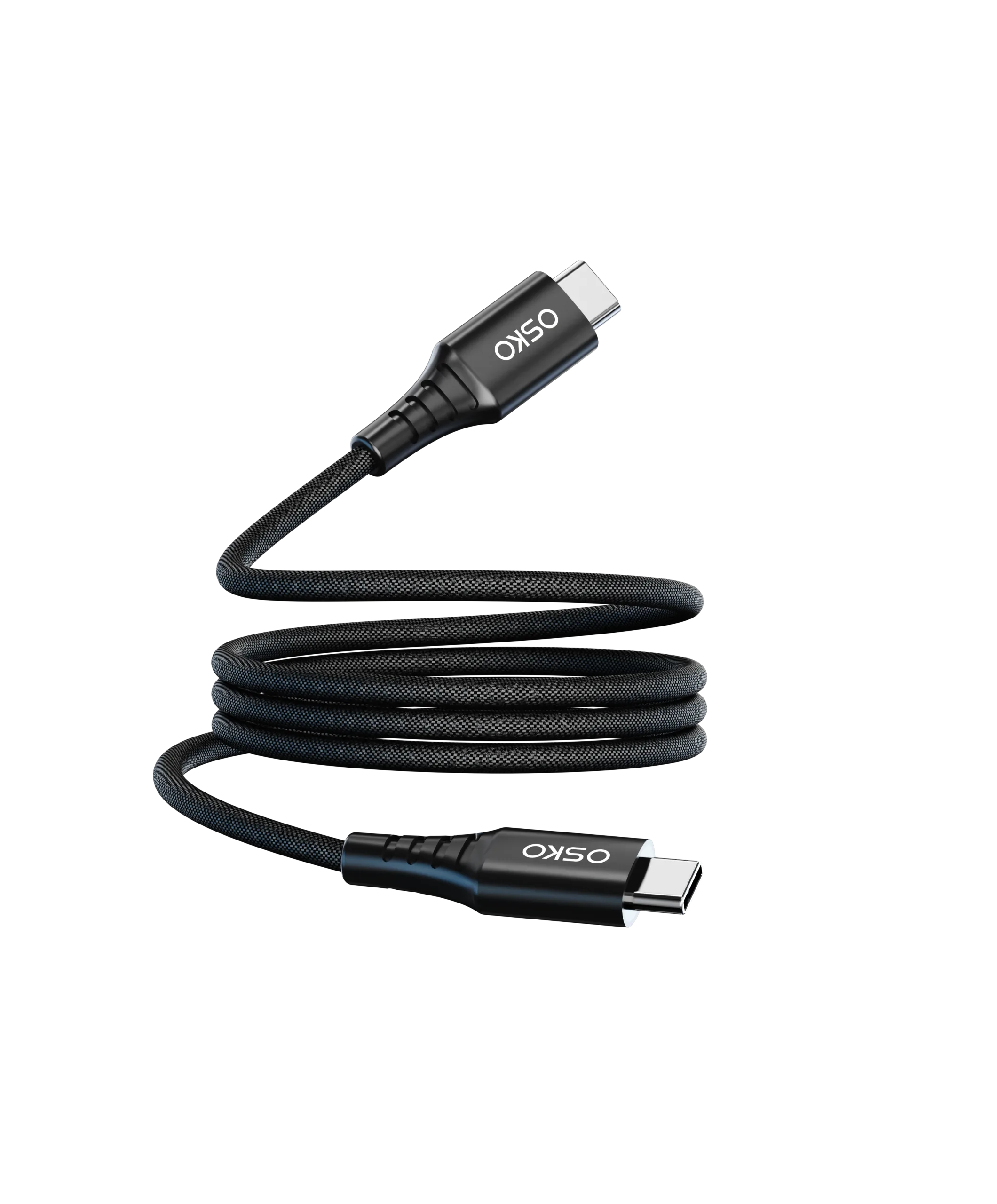
Nylon Braided Cable
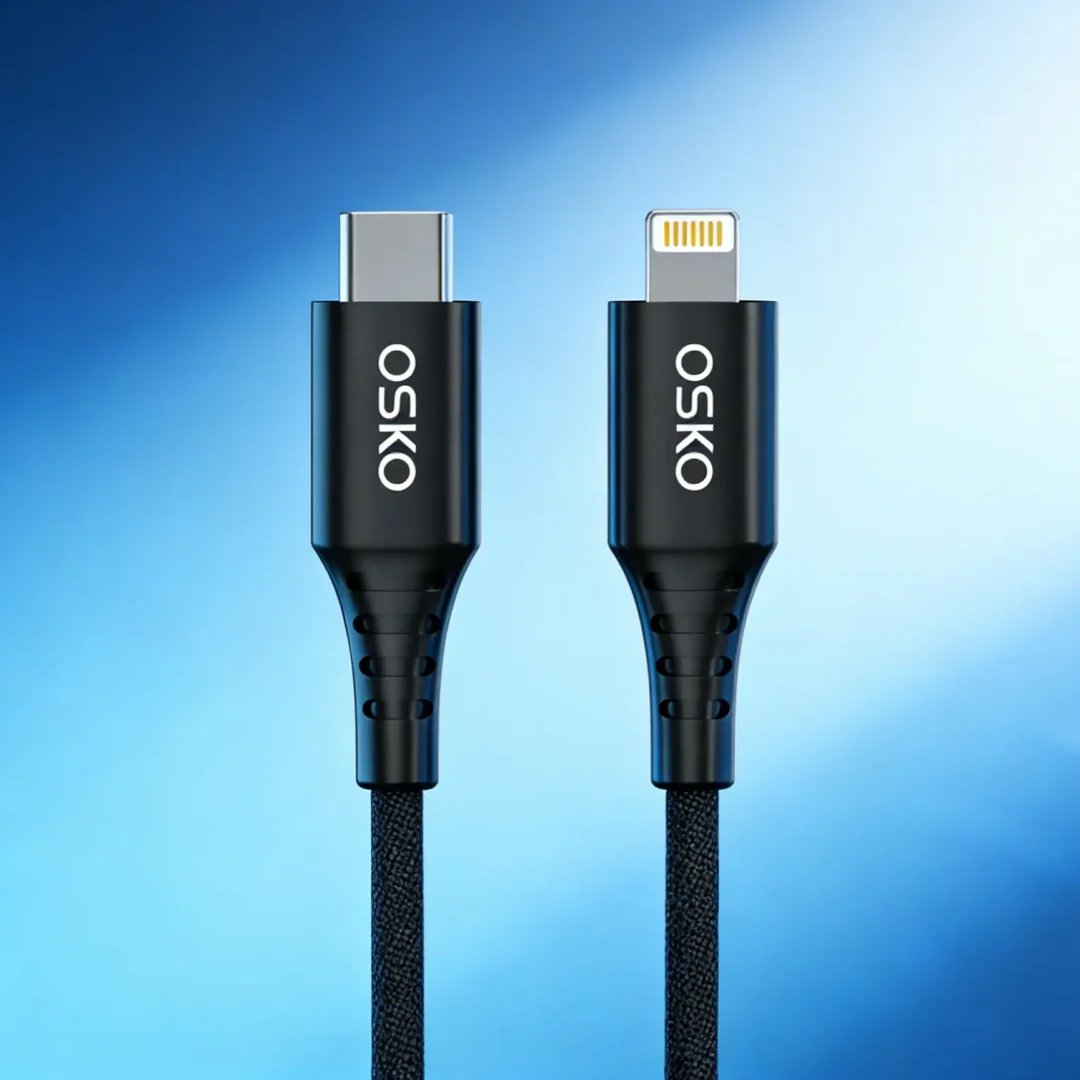
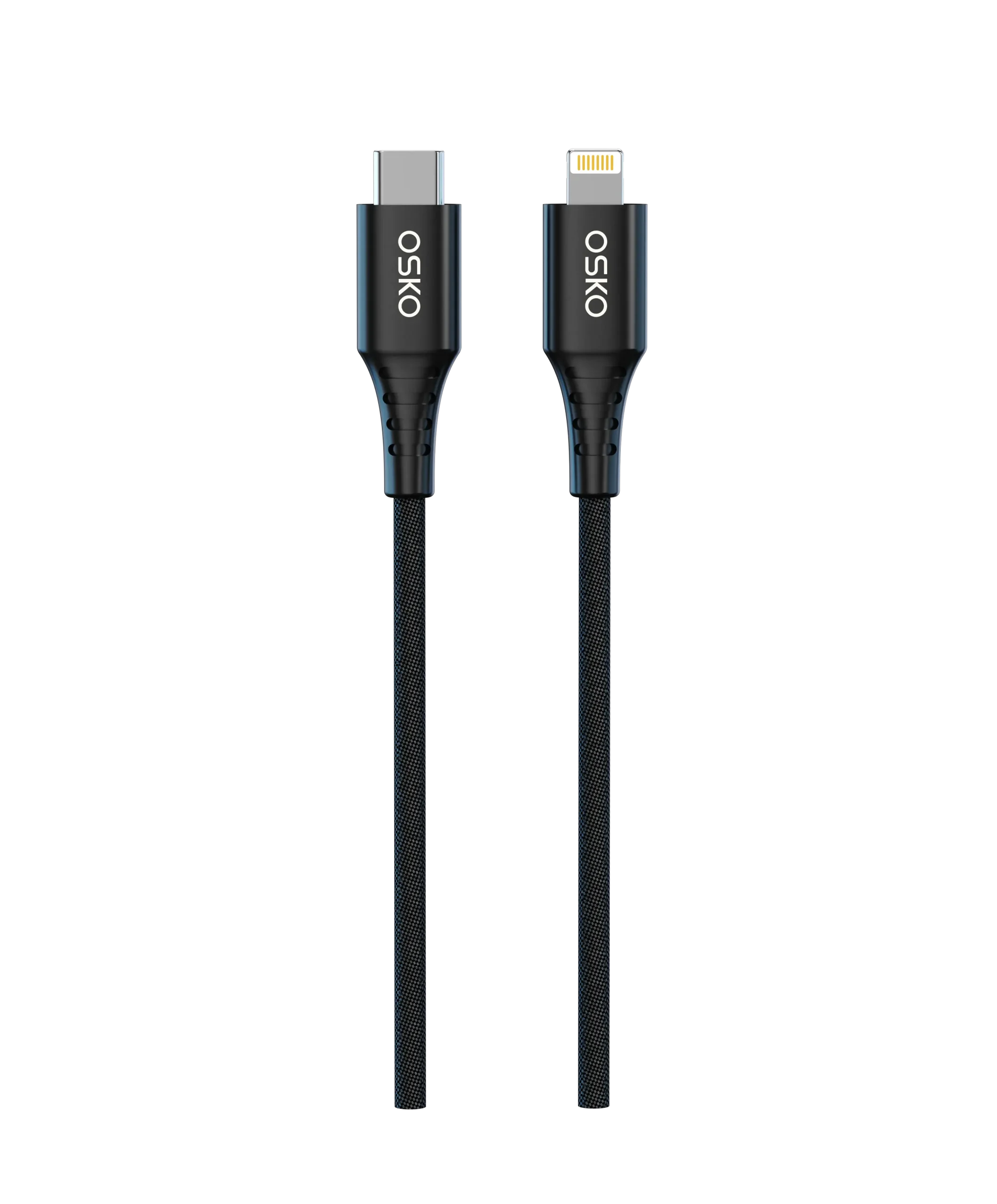
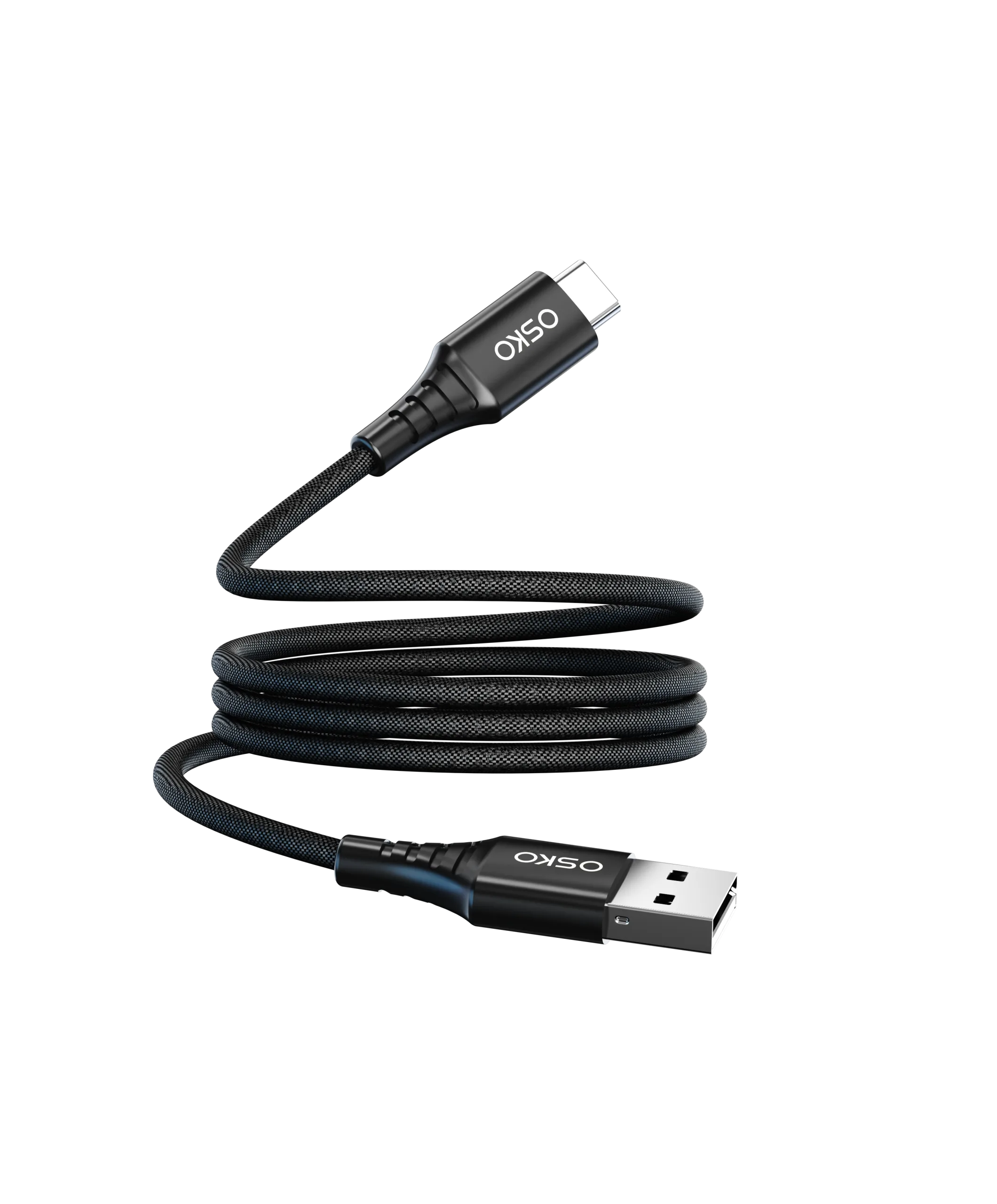
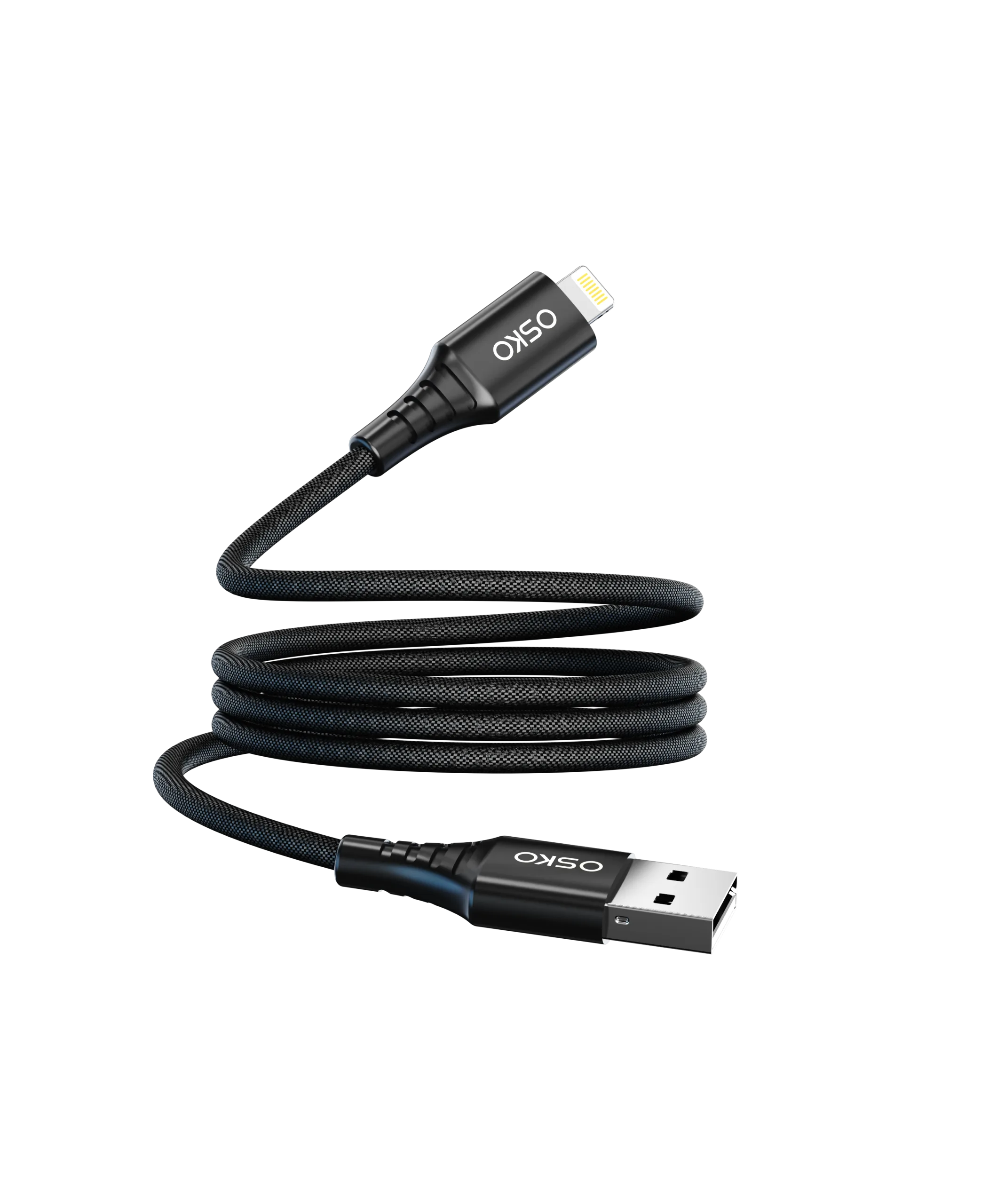
A premium braided Lightning cable provides:
Strong abrasion resistance
Better bending protection
Improved appearance
Longer service life
This is why many premium accessory brands choose braided structures for retail products.
Charging Performance Over Time
Cable lifespan is not only about physical damage.
A cable may still look normal but experience electrical degradation.
Common performance issues include:
Slower charging speed
Increased heat
Unstable power delivery
Connection interruptions
A quality USB-C to Lightning cable should maintain stable electrical performance throughout its service life.
Important factors include:
Low conductor resistance
Stable connector contact
Proper insulation
Reliable manufacturing processes

Case Study
US Retail Brand Premium iPhone Charging Cable Reliability Upgrade
A US consumer electronics company sold entry-level Lightning cables through online marketplaces.
After several months, the company received increasing customer complaints.
Customer Requirements
The brand wanted:
Longer cable lifespan
Better customer reviews
Reduced warranty replacement
Premium positioning
Stable fast charging performance
Engineering Problems
OSKO analyzed returned products and identified:
Mechanical Problems
Weak connector protection
Poor bending resistance
Thin outer jacket
Electrical Problems
High conductor resistance
Inconsistent charging performance
Limited production control
OSKO Engineering Solution
OSKO redesigned the cable structure:
Electrical Design
High-quality copper conductor
Improved current transmission
Stable PD charging performance
Mechanical Design
Nylon braided outer jacket
Reinforced Lightning connector
Improved strain relief structure
Quality Testing
Bend-cycle testing
Connector insertion testing
Charging performance testing
The solution supported:
OEM Lightning cable production
ODM charging cable development
Retail charging accessories
Wholesale iPhone cable programs
Results
After implementation:
Cable reliability improved
Customer complaints decreased
Product lifespan increased
Brand reputation improved
Selection Guide
How to Choose a Long-Lasting USB-C to Lightning Cable
Choose Durable Materials
For heavy daily use, consider:
Recommended:
Nylon braided jacket
TPU reinforcement
Multi-layer cable structure
Avoid:
Extremely thin PVC cables
Poor connector protection
Low-cost unknown materials
Check Connector Construction
A durable cable should include:
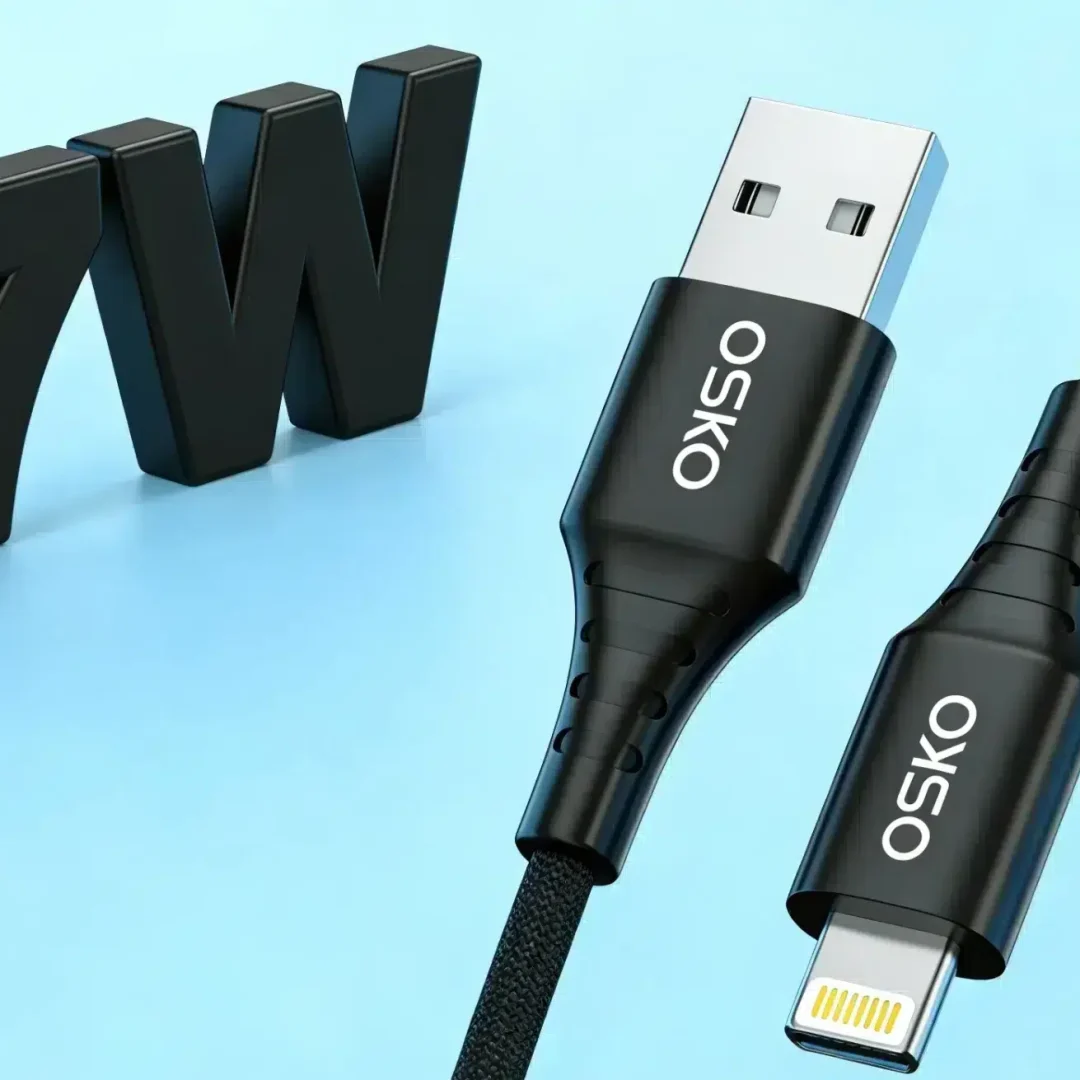
Strong Lightning connector housing
Flexible strain relief
Secure internal connection
The connector should remain stable after repeated plugging and unplugging.
Consider Usage Environment
Different applications require different designs.
| Application | Recommended Cable Type |
|---|---|
| Home charging | Braided USB-C to Lightning cable |
| Office desk | 3ft or 6ft reinforced cable |
| Travel | Compact braided cable |
| Car charging | Flexible reinforced cable |
| Commercial use | Heavy-duty OEM cable |
Durability Comparison
| Feature | Standard Cable | Premium Braided Cable |
|---|---|---|
| Outer Material | PVC | Nylon braid |
| Bend Resistance | Medium | High |
| Abrasion Resistance | Low | Excellent |
| Connector Protection | Basic | Reinforced |
| Heavy Use Performance | Limited | Strong |
OEM Procurement Perspective
For brands sourcing charging cables, durability is one of the most important product evaluation criteria.
A professional manufacturer should provide:
Cable lifespan testing
Material specification reports
Quality inspection procedures
Custom engineering support
OSKO supports:
OEM USB cable manufacturing
ODM charging cable solutions
Braided Lightning cable production
Custom length charging cables
Bulk wholesale charging cable projects
Advanced production capabilities include:
Durable nylon braided Type C charging cable factory
FCC approved nylon braided USB C cable supplier
ISO9001 certified braided USB cable factory
Custom packaging braided charging cable factory
FAQ
How many years should a good USB-C to Lightning cable last?
A high-quality cable can typically last 2–3 years or longer with normal daily use.
Why does my Lightning cable stop working after a few months?
Common causes include connector damage, internal wire fatigue, poor materials, and weak strain relief.
Are braided USB-C to Lightning cables more durable?
Yes. Nylon braided cables usually provide better protection against bending and abrasion.
Does cable thickness mean better quality?
Not always. Internal structure, conductor quality, and connector design are more important than appearance.
How can I extend my charging cable lifespan?
Avoid sharp bends, pull from the connector instead of the cable, and store the cable without tight loops.
Summary
The lifespan of a USB-C to Lightning cable depends on engineering quality, materials, and usage conditions.
A basic cable may last less than one year, while a premium braided cable with reinforced connectors can provide several years of reliable performance.
The most important durability factors include:
High-quality copper conductors
Strong insulation materials
Nylon braided protection
Reinforced connector design
Professional manufacturing quality control
For consumers, selecting a durable cable improves charging reliability and reduces replacement costs.
For brands and distributors targeting the US market, working with an experienced OEM partner like OSKO helps create reliable charging cable products with consistent quality, customization options, and long-term market value.
Contact Information
OSKO provides professional OEM and ODM cable manufacturing solutions:
USB-C to Lightning cable development
Durable braided charging cables
Custom length and color options
Private label packaging
Wholesale and bulk production
OSKO engineering team supports global brands with cable design optimization, durability testing, certification support, and scalable manufacturing solutions.