
Introduction
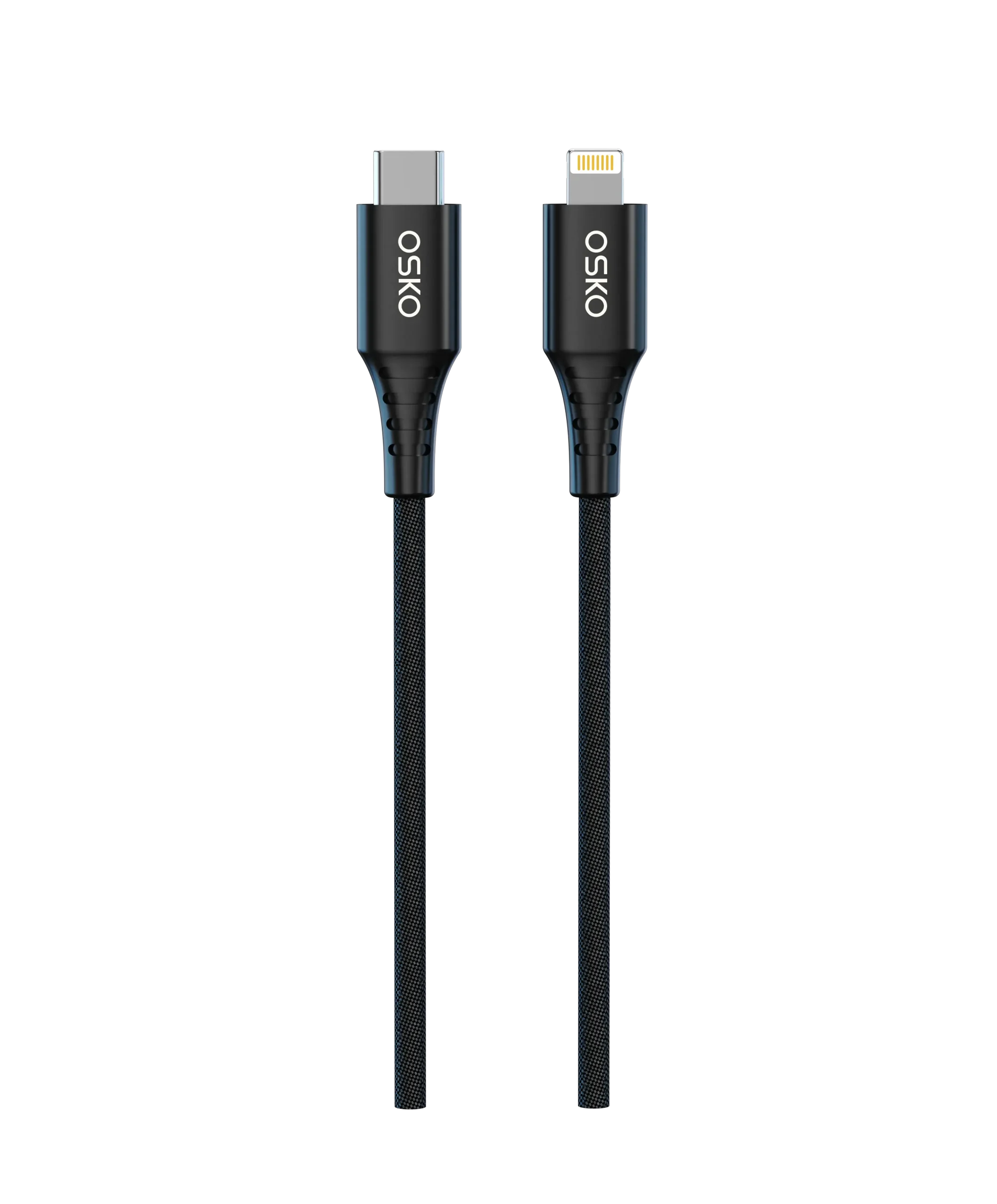
Many iPhone users ask: “Are third-party USB-C to Lightning cables safe for iPhones?” The answer is: yes, a high-quality third-party cable can be safe, reliable, and even offer better durability than some standard cables, but quality differences between manufacturers are significant.
A USB-C to Lightning cable is not simply a wire that transfers electricity. It must manage power delivery, communication signals, connector compatibility, and charging safety. Poor-quality cables may cause problems such as slow charging, unstable connections, overheating, or premature failure.
For consumers, the key is choosing cables from reliable manufacturers with proper quality control. For retailers and distributors in the US market, supplier evaluation is critical because charging accessories directly affect customer satisfaction and product reputation.
A professional USB-C to Lightning cable manufacturer should focus on:
Electrical safety design
Connector reliability
Material quality
Certification compliance
Production consistency

Material Science & Electrical Performance
How Third-Party USB-C to Lightning Cables Work with iPhones
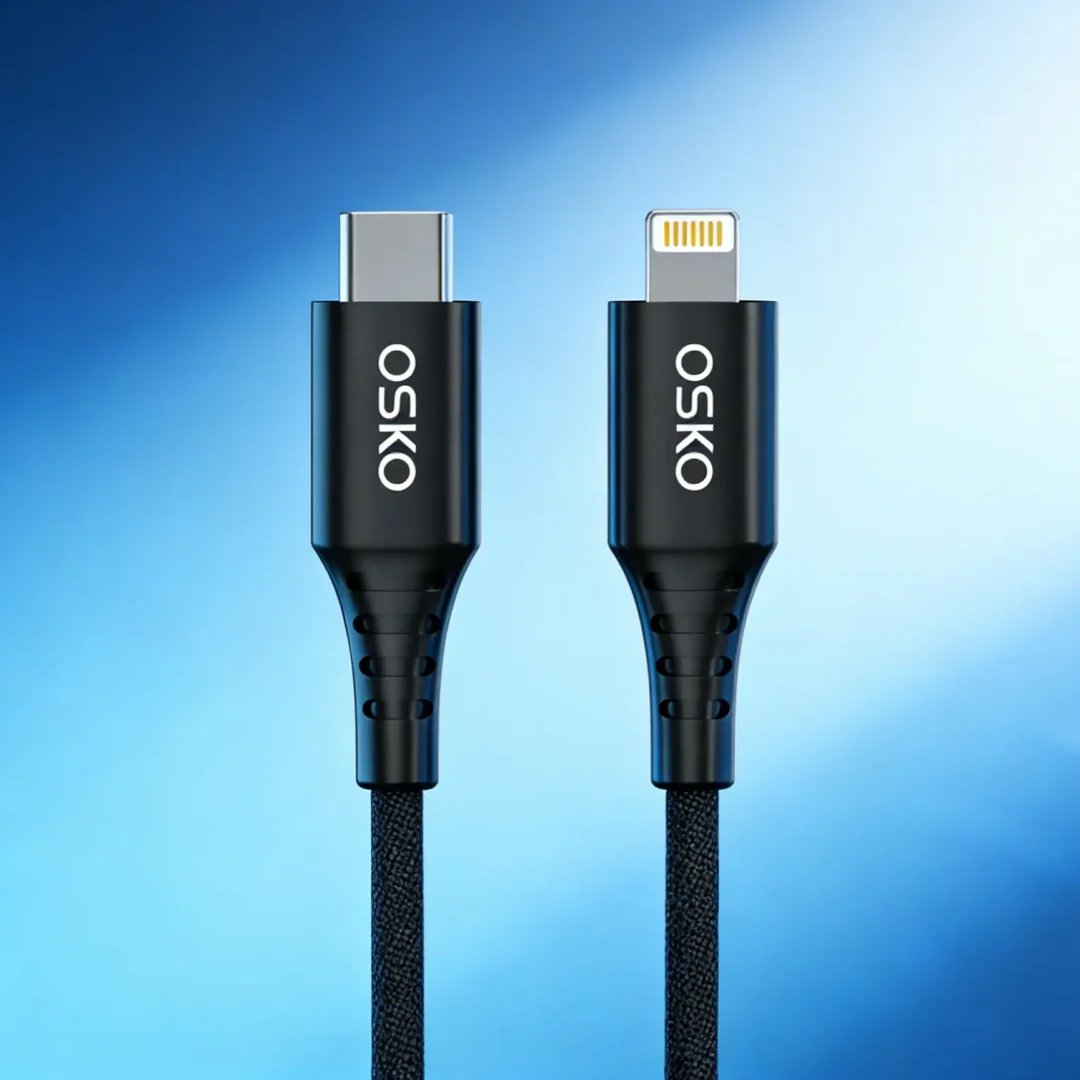
A USB-C to Lightning cable connects:
USB-C Charger → USB-C Connector → Cable Structure → Lightning Connector → iPhone
The cable performs several functions:
Power transmission
Data transfer
Charging communication
Device protection
A reliable cable must maintain stable communication between the charger and iPhone.
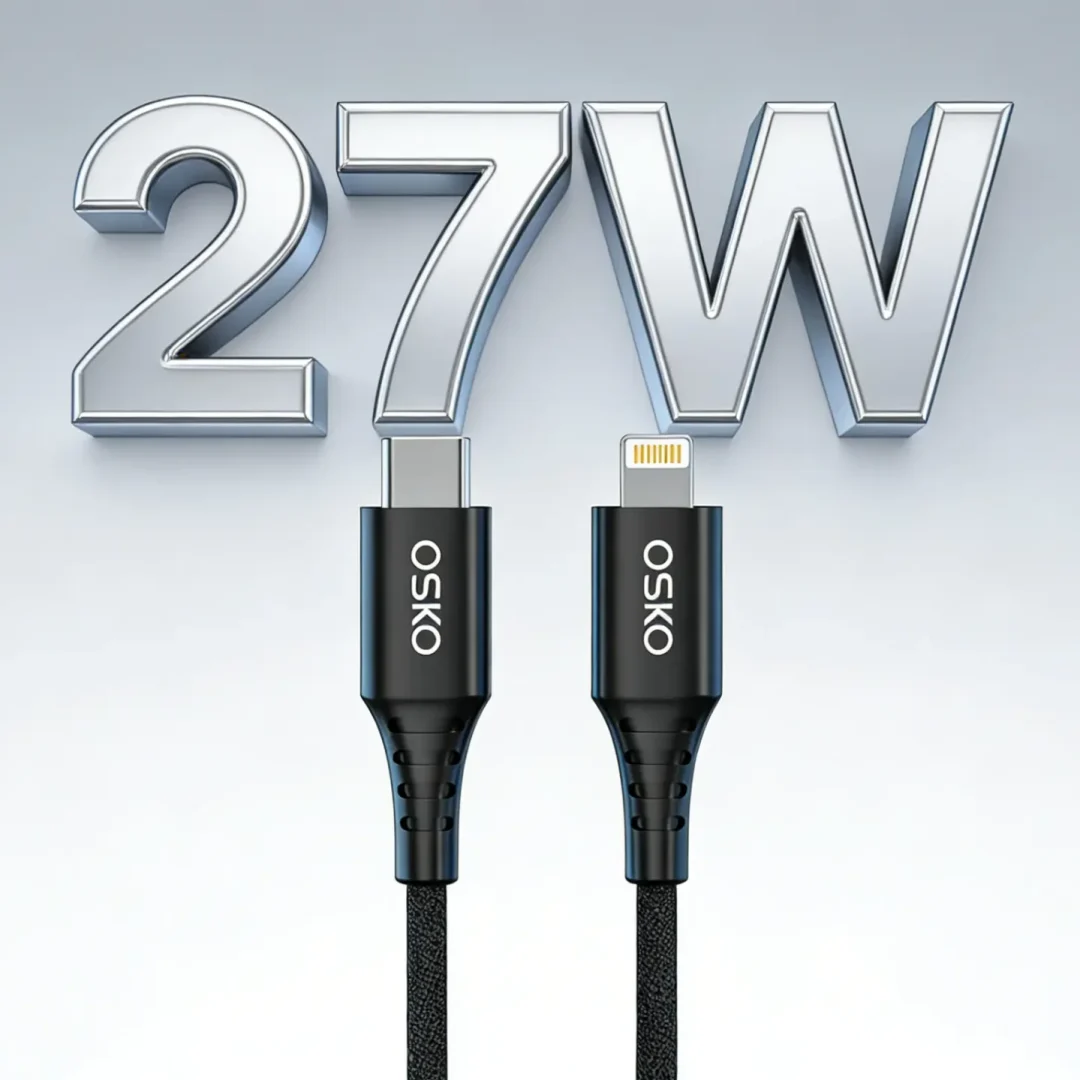
When paired with a USB-C PD charger, a quality cable can support fast charging for compatible iPhone models.
What Makes a Third-Party Cable Safe?
Safety depends on several engineering factors.
Quality Internal Conductors
The internal copper conductor determines electrical performance.
High-quality cables use:
Pure copper conductors
Multi-strand wire structures
Controlled resistance design
Benefits:
Lower heat generation
Stable charging current
Reduced power loss
Low-quality cables may use inferior materials, resulting in:
Voltage drops
Excess heat
Unstable charging
Lightning Connector Quality
The Lightning connector is one of the most important components.
A reliable third-party cable should have:
Accurate connector dimensions
Stable contact pins
Strong mechanical structure
Proper authentication technology
Poor connectors may cause:
“Accessory not supported” warnings
Intermittent charging
Loose connection
For commercial products, professional manufacturers conduct:
Connector insertion testing
Charging compatibility testing
Durability testing
Certification and Compliance Considerations
For the US market, buyers should evaluate whether a cable meets relevant safety and quality requirements.
Important considerations include:
Apple compatibility requirements
Electrical safety testing
Material compliance
Manufacturing quality systems
Professional suppliers may support certifications such as:
CE compliance
RoHS compliance
FCC testing
Quality management systems
For OEM projects, certification support helps retailers reduce compliance risks.
Braided Cable Structure and Safety Advantages
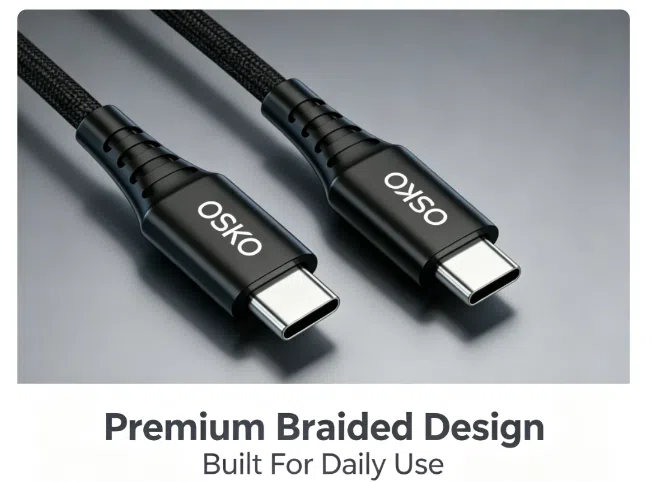
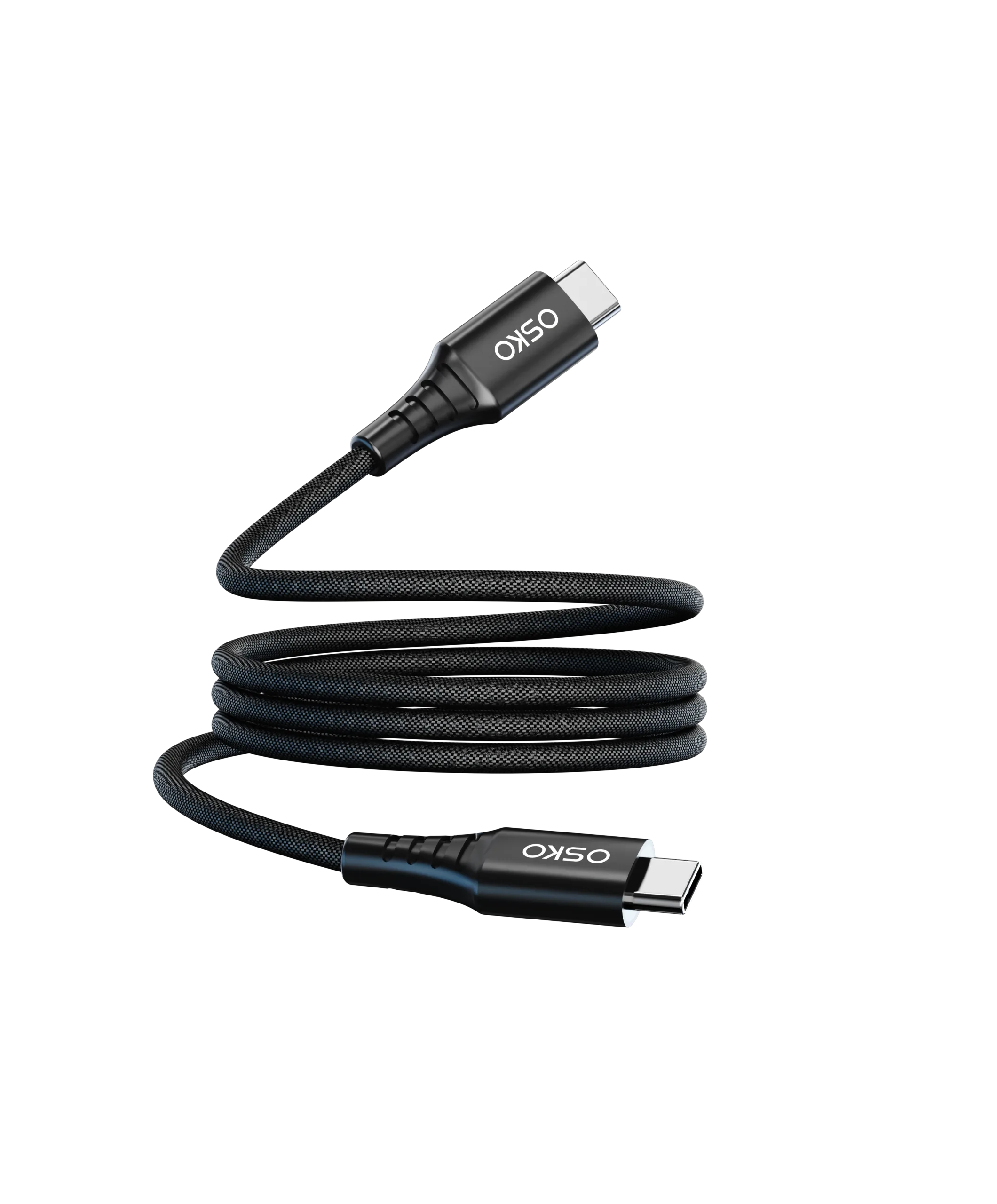
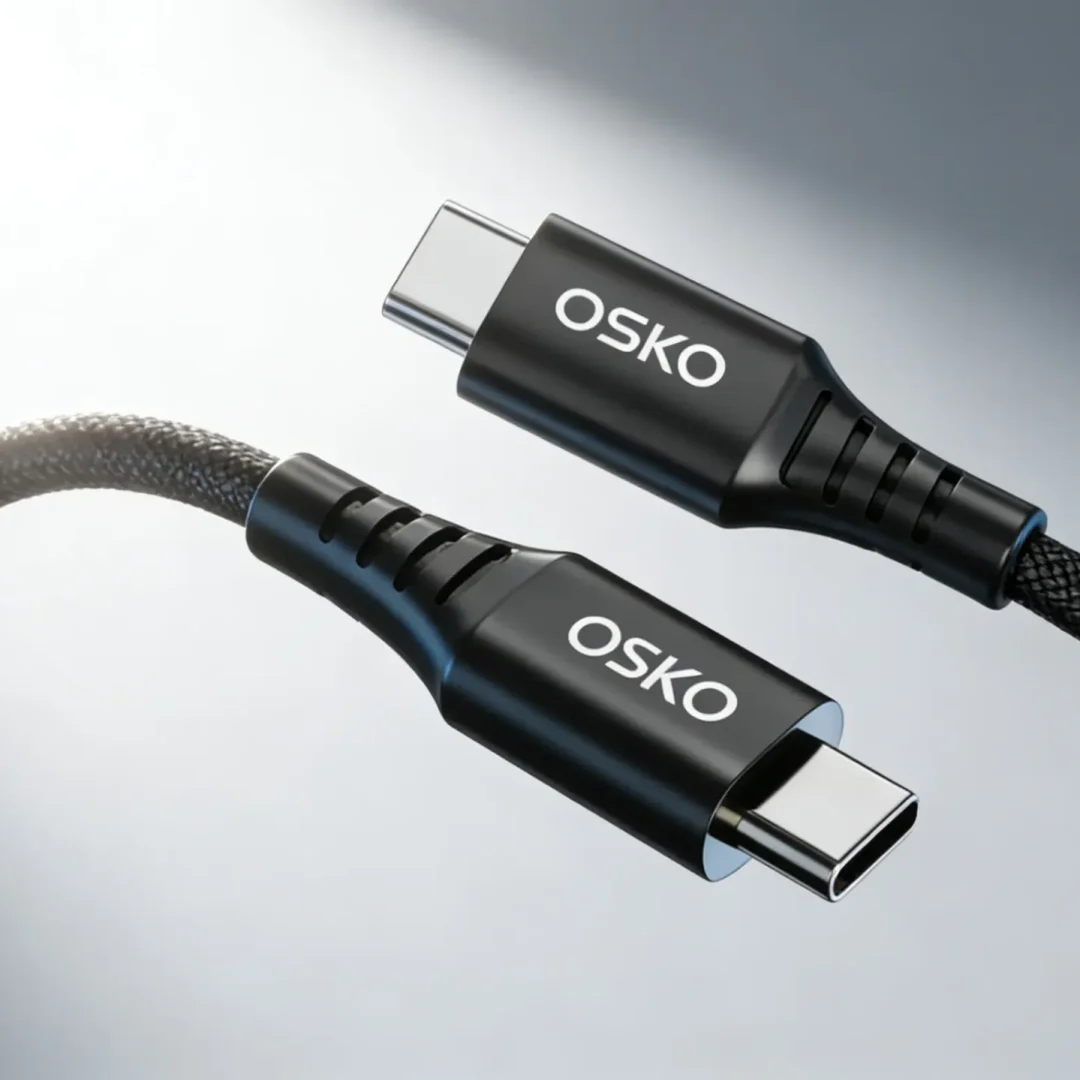
Many premium third-party Lightning cables use braided designs.
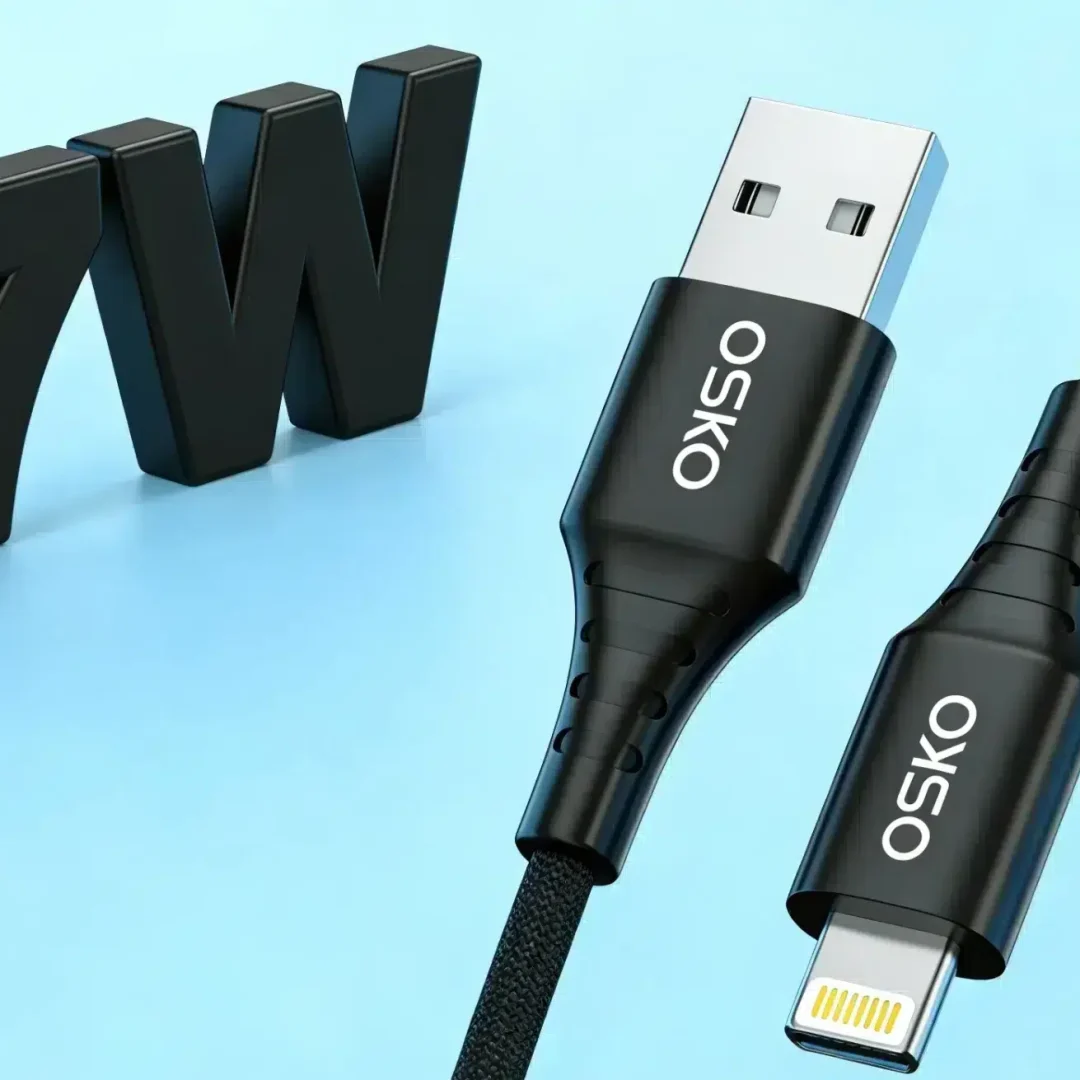
A braided USB-C to Lightning cable provides:
Better abrasion resistance
Improved bending protection
Longer service life
Compared with standard PVC cables:
| Feature | PVC Cable | Nylon Braided Cable |
|---|---|---|
| Flexibility | Medium | High |
| Abrasion Resistance | Average | Excellent |
| Daily Heavy Use | Limited | Suitable |
| Travel Use | Moderate | Excellent |
Braided structures are commonly selected for:
Travel charging cables
Desk charging cables
Car charging cables
Premium retail products

Case Study
US Mobile Accessory Distributor Upgraded Third-Party iPhone Cable Product Line
A US electronics distributor wanted to expand its third-party Apple accessory category.
The company previously sourced low-cost cables but experienced quality problems.
Customer Requirements
The distributor needed:
Safe iPhone-compatible charging cables
Better durability than existing products
Competitive wholesale pricing
Custom branding options
Stable supply capacity
Engineering Problems
OSKO evaluated the previous cable samples and identified:
Electrical Issues
Inconsistent charging performance
Higher conductor resistance
Poor batch stability
Mechanical Issues
Weak connector protection
Cable jacket damage
Short service life
OSKO Engineering Solution
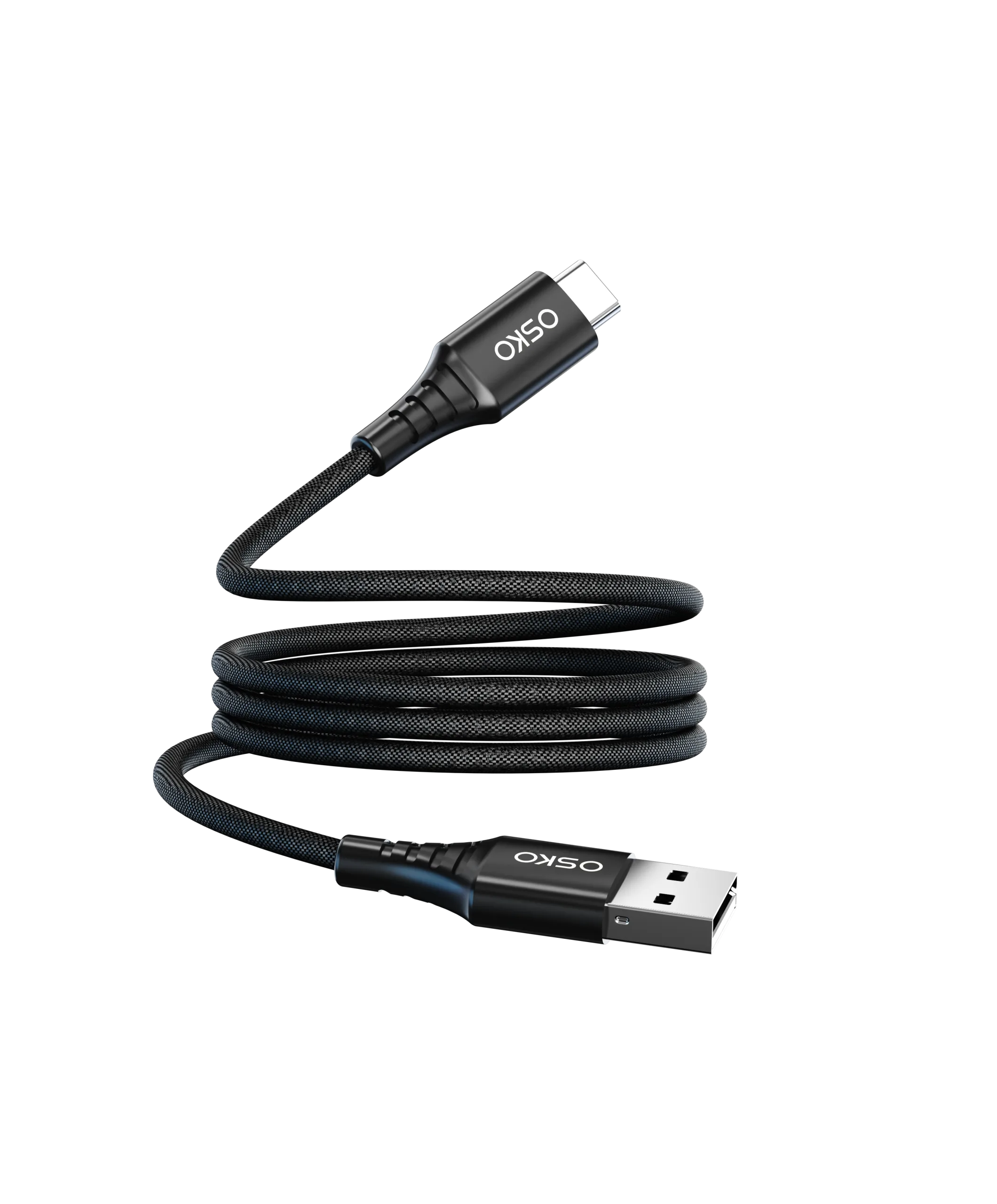
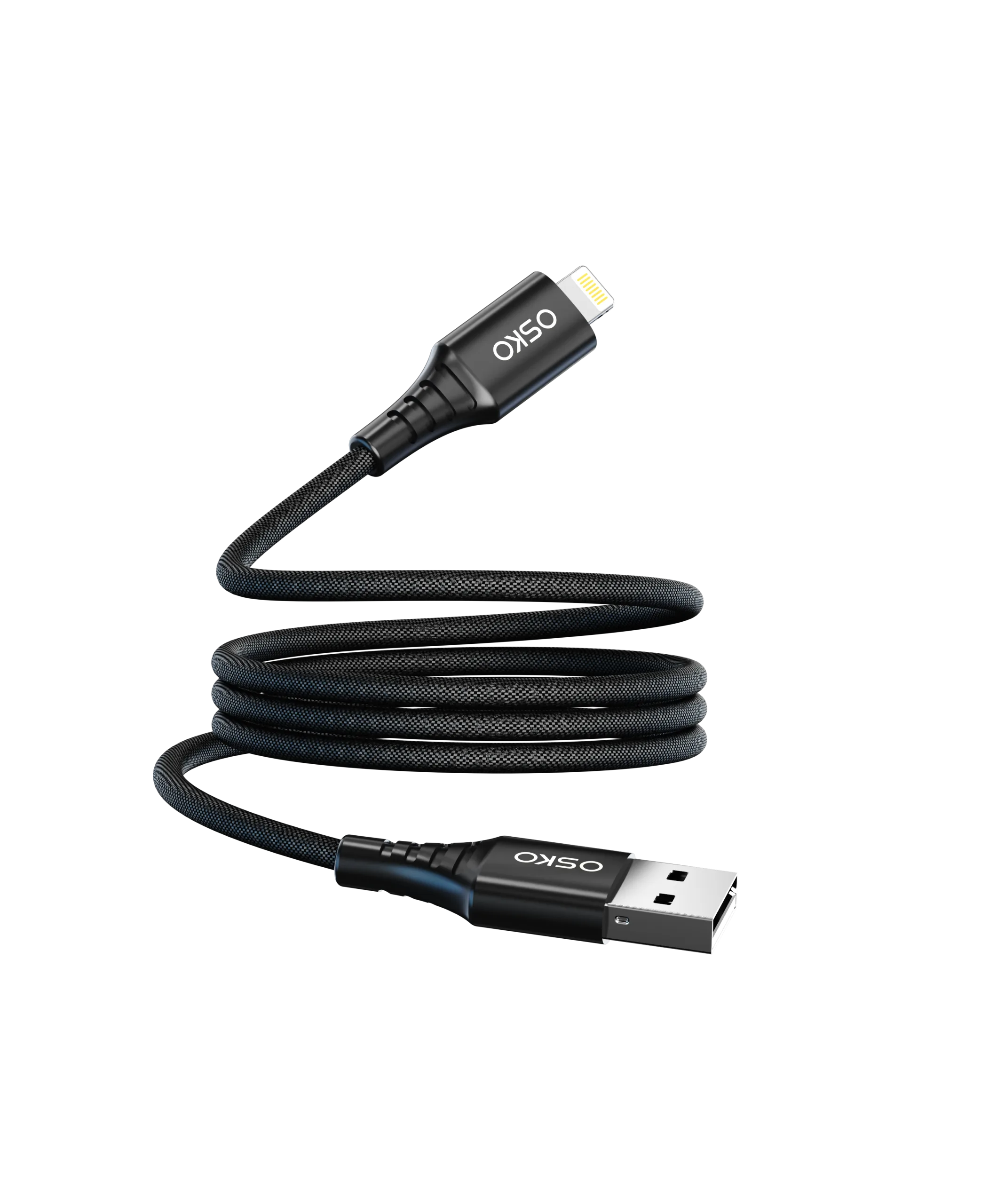
OSKO developed a customized USB-C to Lightning cable:
Electrical Optimization
Improved copper conductor structure
Stable USB-PD charging performance
Enhanced quality control
Mechanical Improvements
Nylon braided outer layer
Reinforced Lightning connector
Improved strain relief design
Manufacturing Support
Production testing
Custom packaging
Bulk supply management
The solution supported:
OEM iPhone charging cable projects
ODM Lightning cable development
Wholesale accessory programs
Retail charging products
Project Results
The distributor achieved:
Lower return rates
Improved customer satisfaction
Stronger retail positioning
More stable product supply
Selection Guide
How to Choose a Safe Third-Party USB-C to Lightning Cable
Choose a Reliable Manufacturer
Before purchasing or sourcing, evaluate:
Manufacturing experience
Quality inspection system
Product testing process
Customer references
A professional supplier should provide transparent technical information.
Check Cable Construction
Recommended features:
Braided nylon jacket
Reinforced connector
Quality copper conductor
Stable insulation material
Avoid:
Extremely thin cables
Unbranded products
Unverified suppliers
Match Cable With Charger Output
A safe charging system requires compatibility between:
| Component | Requirement |
|---|---|
| Charger | USB-C PD support |
| Cable | Stable current transmission |
| Device | Compatible iPhone model |
Using a high-quality cable with a poor charger may still create charging problems.
OEM Buyer Supplier Evaluation Guide
For companies sourcing third-party iPhone cables, supplier capability is more important than only product price.
Important supplier factors:
| Evaluation Item | Why It Matters |
|---|---|
| Cable testing | Ensures reliability |
| Material control | Improves lifespan |
| Production capacity | Supports bulk orders |
| Certification support | Reduces compliance risks |
| Customization ability | Supports branding |
Professional manufacturers can provide:
OEM USB cable supplier
ODM charging cable manufacturer
Bulk Lightning cable production
Custom packaging braided charging cable factory
Bulk custom color braided charging cables
FAQ
Are third-party USB-C to Lightning cables safe for iPhones?
Yes, if they are produced by reliable manufacturers and meet proper compatibility and quality standards.
Can third-party cables fast charge iPhones?
Yes. Compatible USB-C PD chargers combined with quality cables can support fast charging
Do I need an original Apple cable?
Not always. High-quality third-party cables can provide reliable performance when properly designed and tested.
Why does my iPhone say the accessory may not be supported?
Possible reasons include:
Poor connector quality
Compatibility issues
Damaged cable
Low-quality manufacturing
Are braided Lightning cables safer?
Braided cables are generally more durable because they provide better mechanical protection, although safety still depends on internal design and manufacturing quality.
Summary
Third-party USB-C to Lightning cables can be safe for iPhones when they are designed with proper electrical protection, reliable connectors, and quality materials.
The most important factors include:
Stable power delivery
High-quality copper conductors
Reliable Lightning connector design
Durable outer materials
Professional manufacturing standards
For consumers, selecting a trusted cable manufacturer helps ensure safe and reliable charging.
For brands and distributors targeting the US market, partnering with an experienced OEM supplier like OSKO provides customized solutions, consistent quality control, and scalable production capabilities.
Contact Information
OSKO provides professional OEM and ODM charging cable solutions:
USB-C to Lightning cable manufacturing
Braided iPhone charging cables
Custom length and color development
Private label packaging
Wholesale and bulk production
OSKO engineering team supports global brands with cable design optimization, material selection, reliability testing, and professional manufacturing services.