
Introduction
Many iPhone users expect faster charging but are often confused about why some cables charge quickly while others remain slow. The key factor is not only the charger but also the quality and technology of the cable itself.
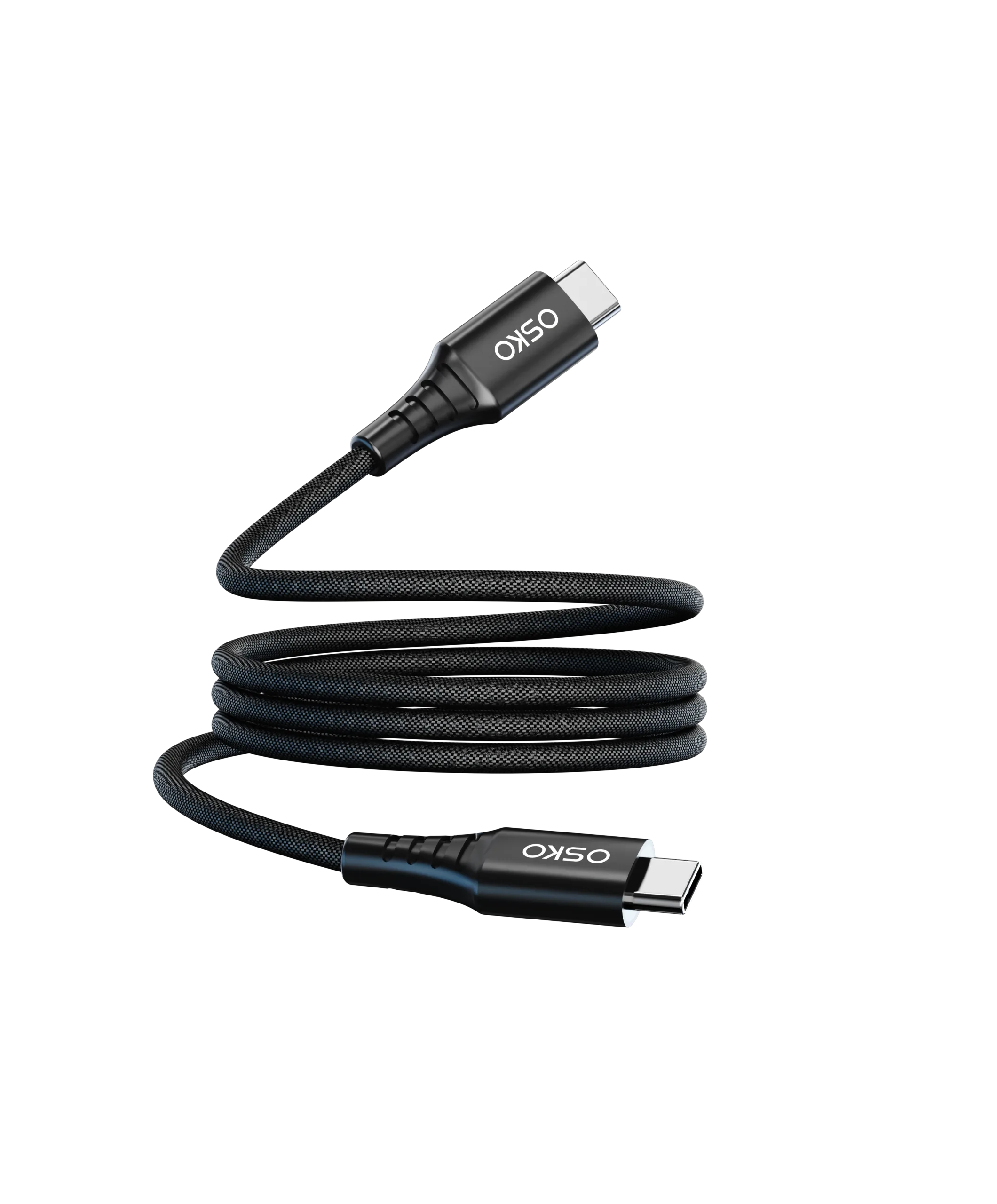
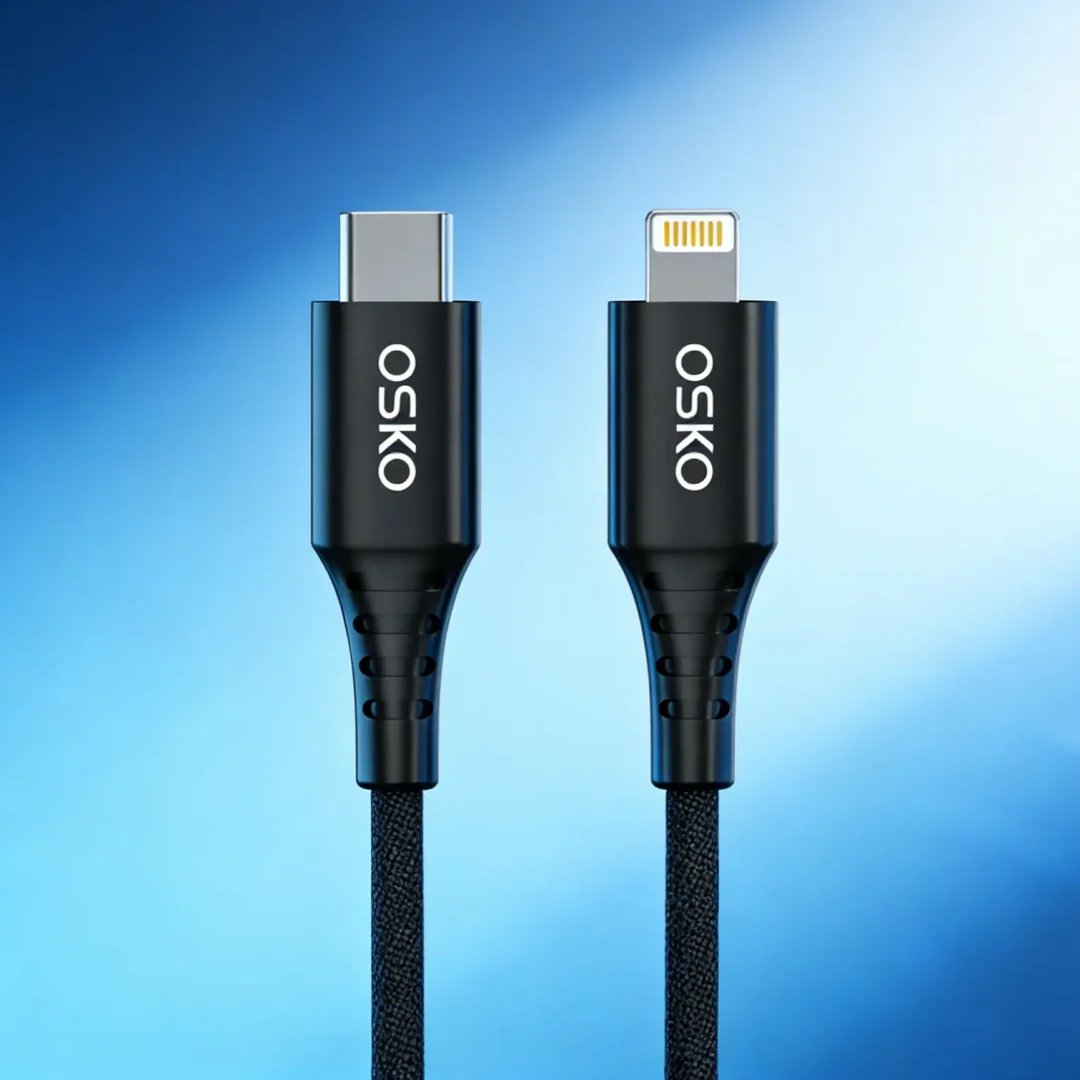
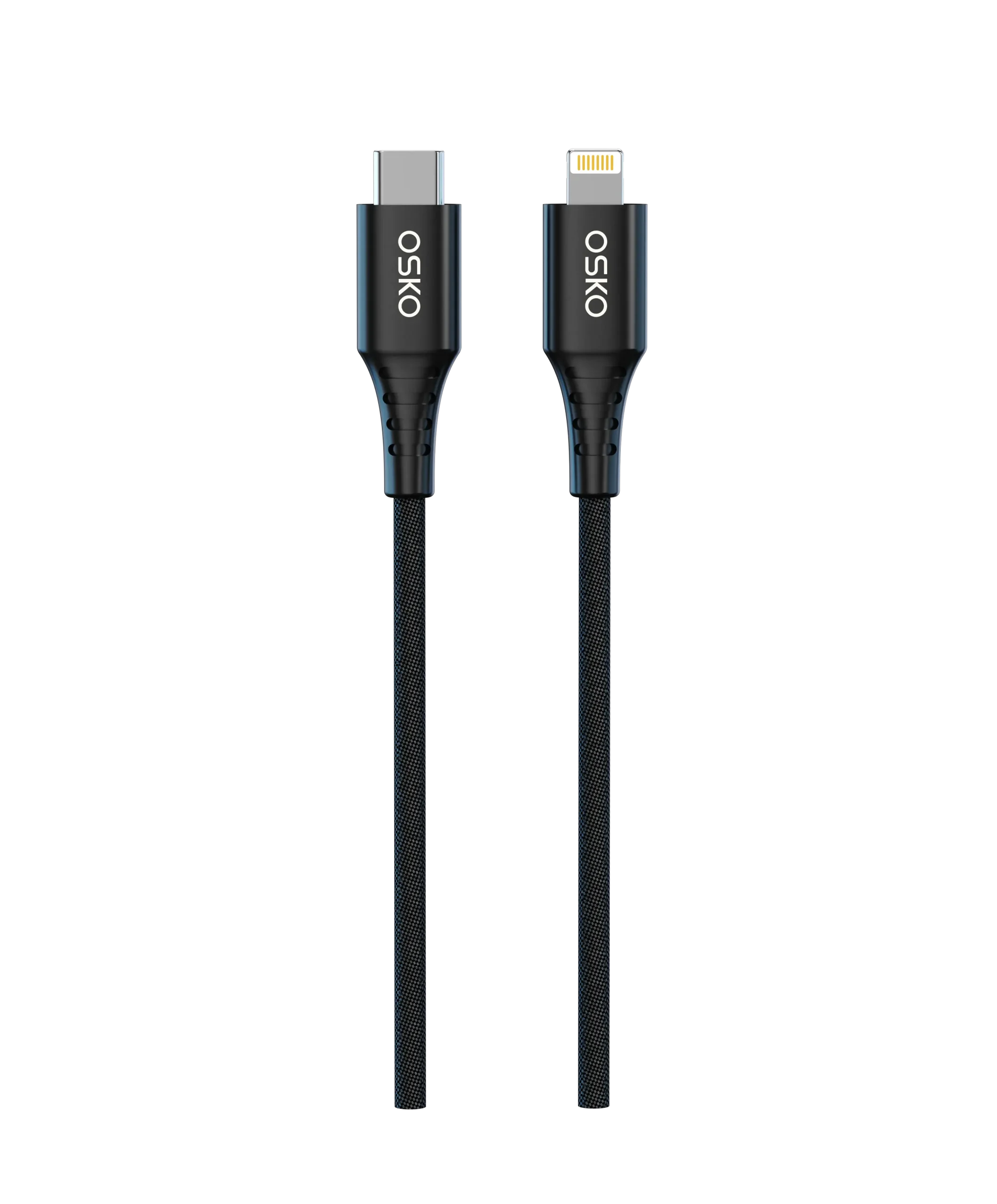
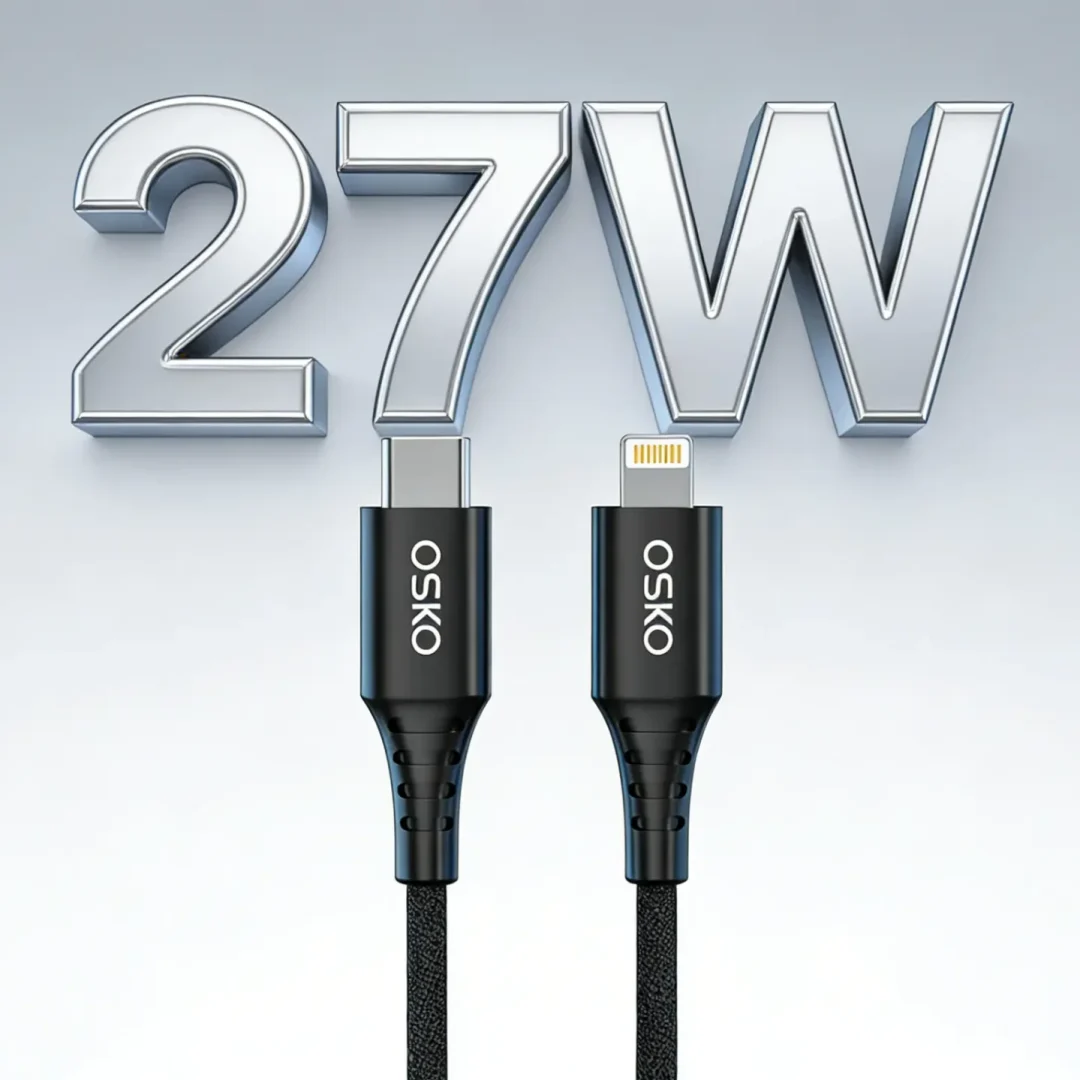
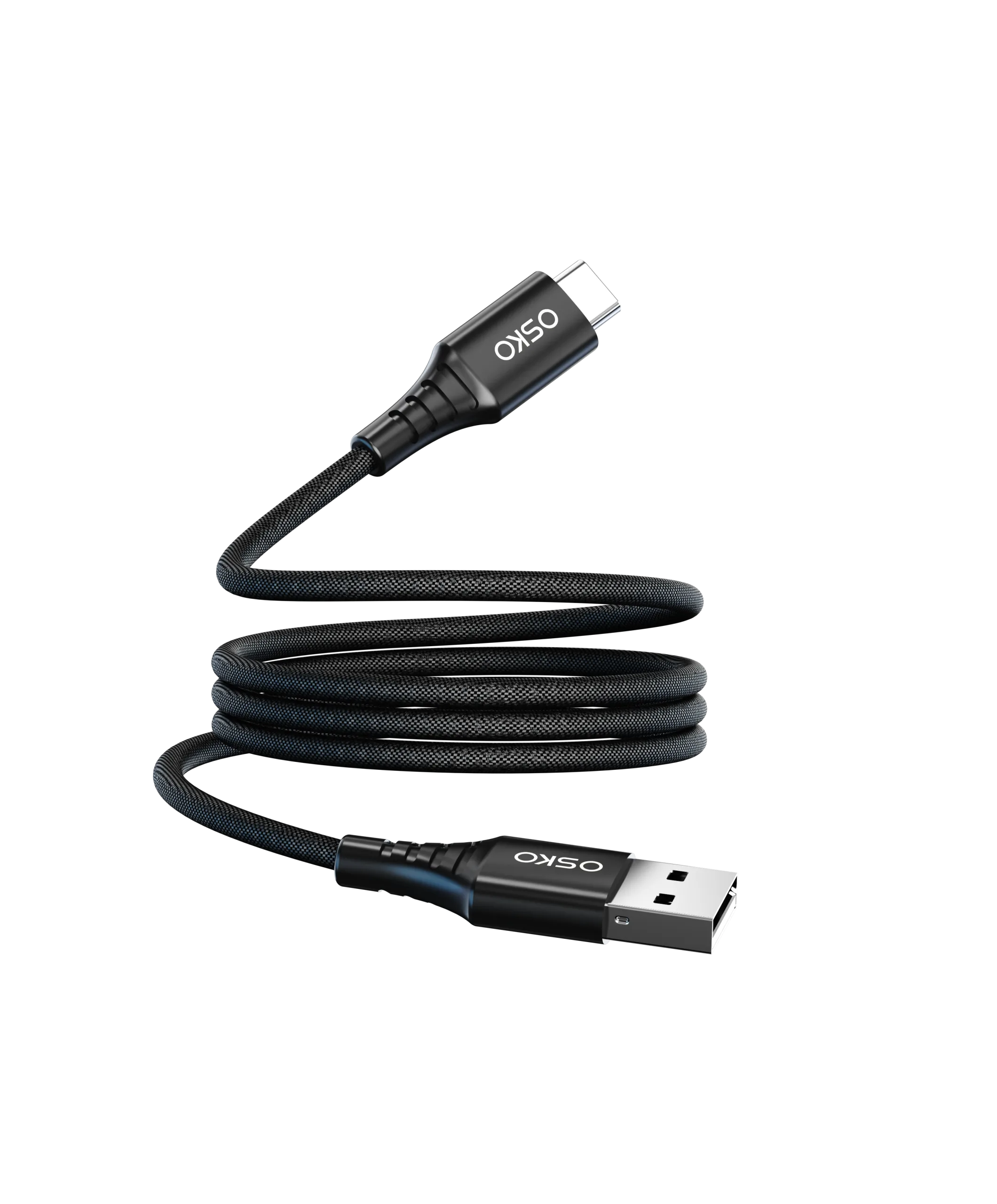
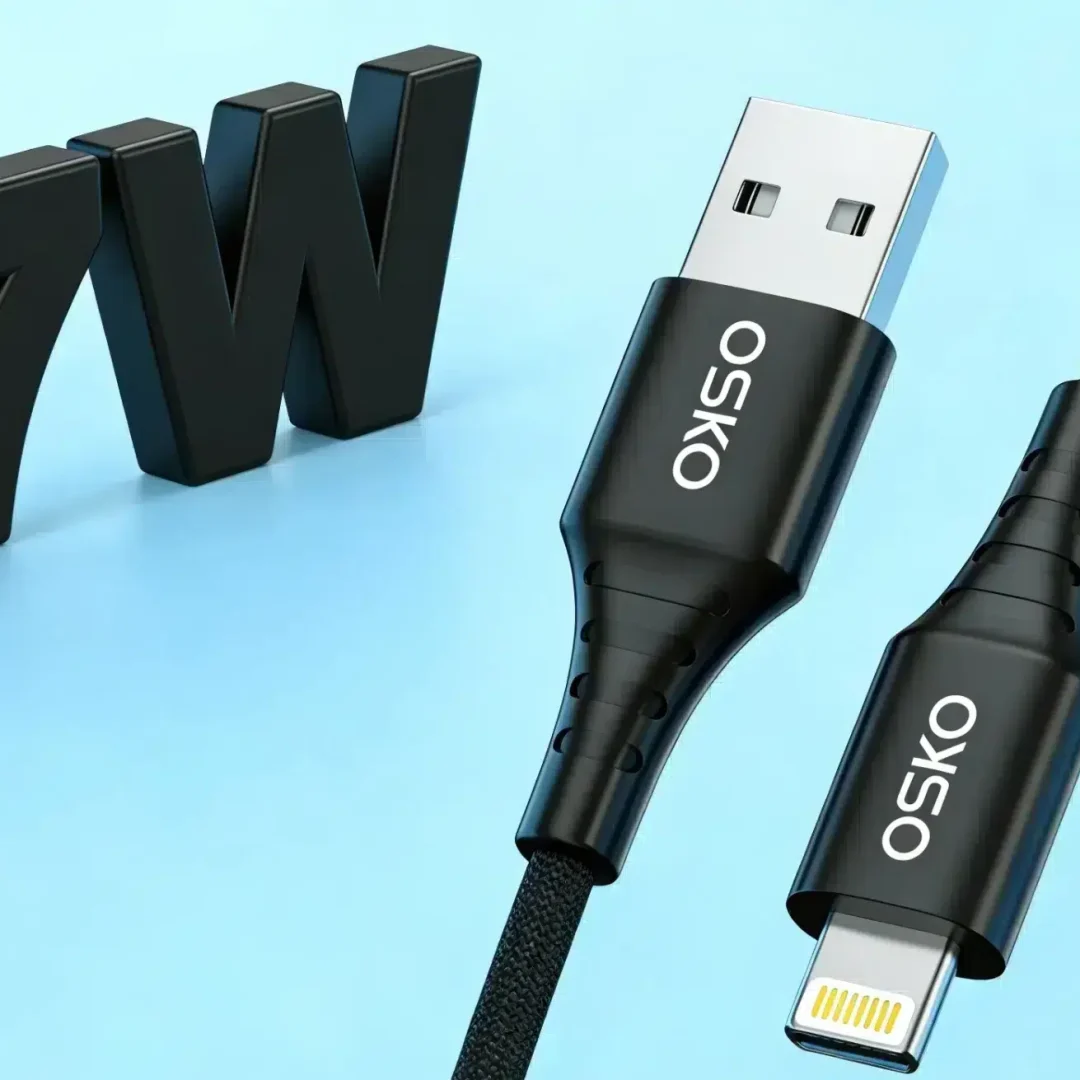
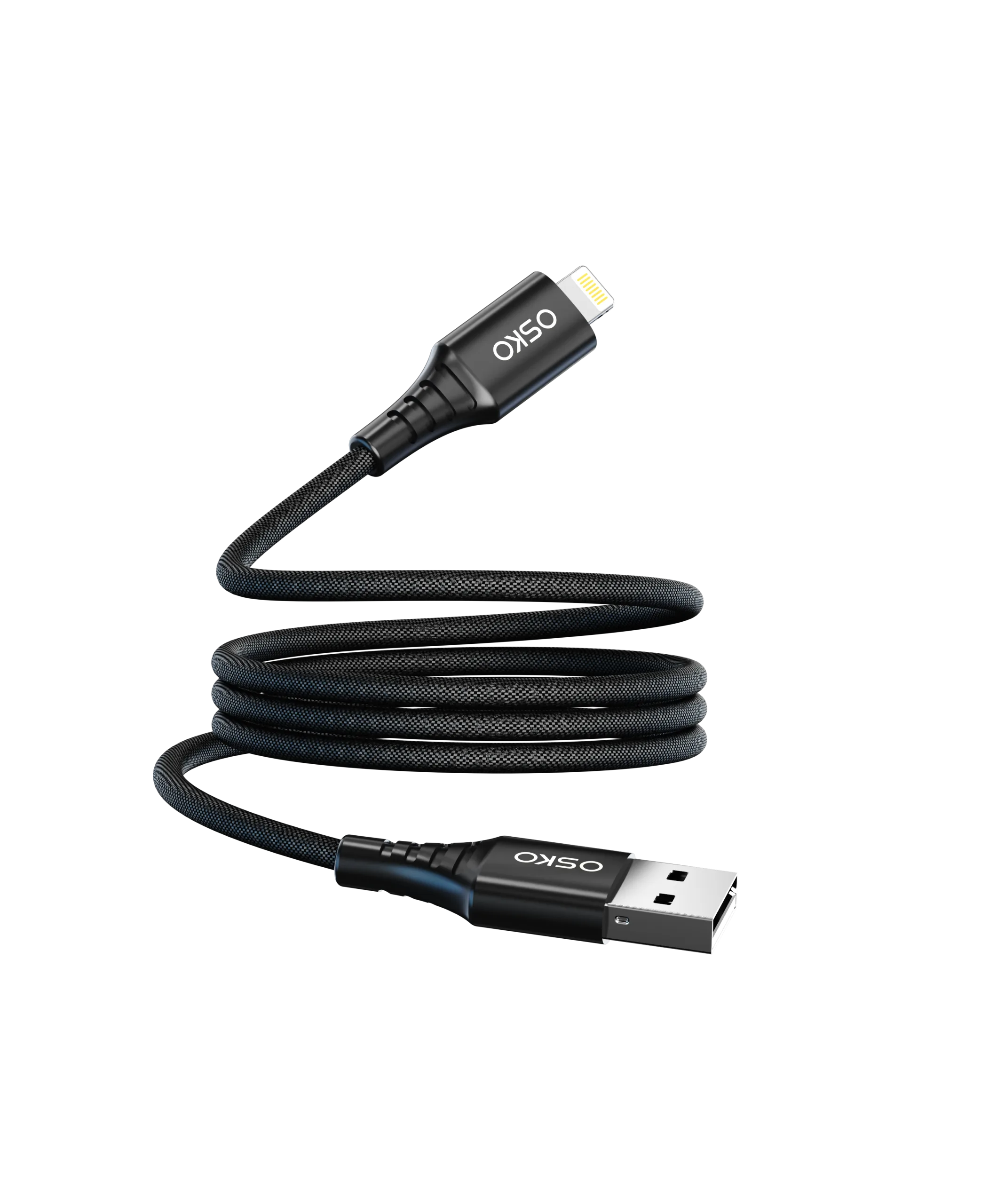
A USB-C to Lightning cable for fast charging is designed to connect an iPhone with a USB-C Power Delivery (PD) charger, enabling higher charging efficiency compared with traditional USB-A charging systems.
However, not every USB-C to Lightning cable delivers the same performance. Charging speed depends on multiple engineering factors, including:
USB-PD compatibility
Internal conductor quality
Connector design
Cable resistance
Manufacturing consistency
For consumers, choosing the correct cable improves charging efficiency and device safety. For retailers and OEM buyers in the US market, selecting a reliable supplier ensures product performance, fewer returns, and stronger customer satisfaction.
A professional USB-C to Lightning cable manufacturer must combine electrical engineering, material science, and quality control to create reliable fast charging products.

Material Science & Electrical Performance
How USB-C to Lightning Fast Charging Works
A fast charging system includes three components:
USB-C PD Charger + USB-C to Lightning Cable + Compatible iPhone
The charger provides higher power output, while the cable transfers energy and manages communication between the charger and the device.
The charging process involves:
Power negotiation
Current transmission
Voltage regulation
Device protection
If any component has limitations, charging speed may decrease.
USB Power Delivery Technology
USB Power Delivery (USB-PD) is the charging standard used by many modern USB-C chargers.
Compared with traditional USB-A charging, USB-PD provides:
Higher charging efficiency
Better power management
Faster charging capability
Typical applications include:
| Device | Charging Solution |
|---|---|
| iPhone | USB-C PD adapter + Lightning cable |
| iPad Lightning models | Higher output PD charger |
| AirPods | Compact PD charger |
| Power bank | USB-C output + Lightning cable |
A quality USB-C to Lightning cable for fast charging must support stable PD communication.
What Determines Fast Charging Speed?
Cable Conductor Quality
The internal conductor directly affects charging performance.
A high-quality cable uses:
High-purity copper
Multi-strand conductors
Low-resistance wire design
Advantages:
Reduced voltage loss
Lower heat generation
More stable charging current
Poor conductor materials can create:
Slower charging
Excessive heat
Unstable power delivery
Cable Length and Charging Efficiency
Cable length affects electrical resistance.
Longer cables require better engineering to maintain performance.
| Cable Length | Application | Engineering Focus |
|---|---|---|
| 3ft | Travel and power banks | Portability |
| 6ft | Home and office | Balanced performance |
| 10ft | Extended use | Enhanced conductor design |
A professional manufacturer optimizes conductor size and structure according to cable length.
Connector Engineering for Fast Charging
The Lightning connector plays an important role in charging stability.
A reliable connector requires:
Accurate contact structure
Stable connection points
Reinforced mechanical protection
Poor connector quality can result in:
Charging interruptions
Slow charging
Device recognition issues
For premium products, manufacturers conduct:
Plug insertion testing
Charging stability testing
Mechanical durability testing
Braided Cable Design for Fast Charging Products
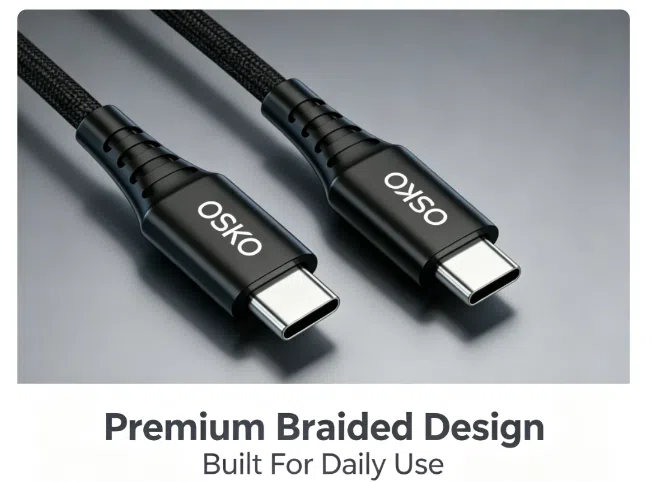
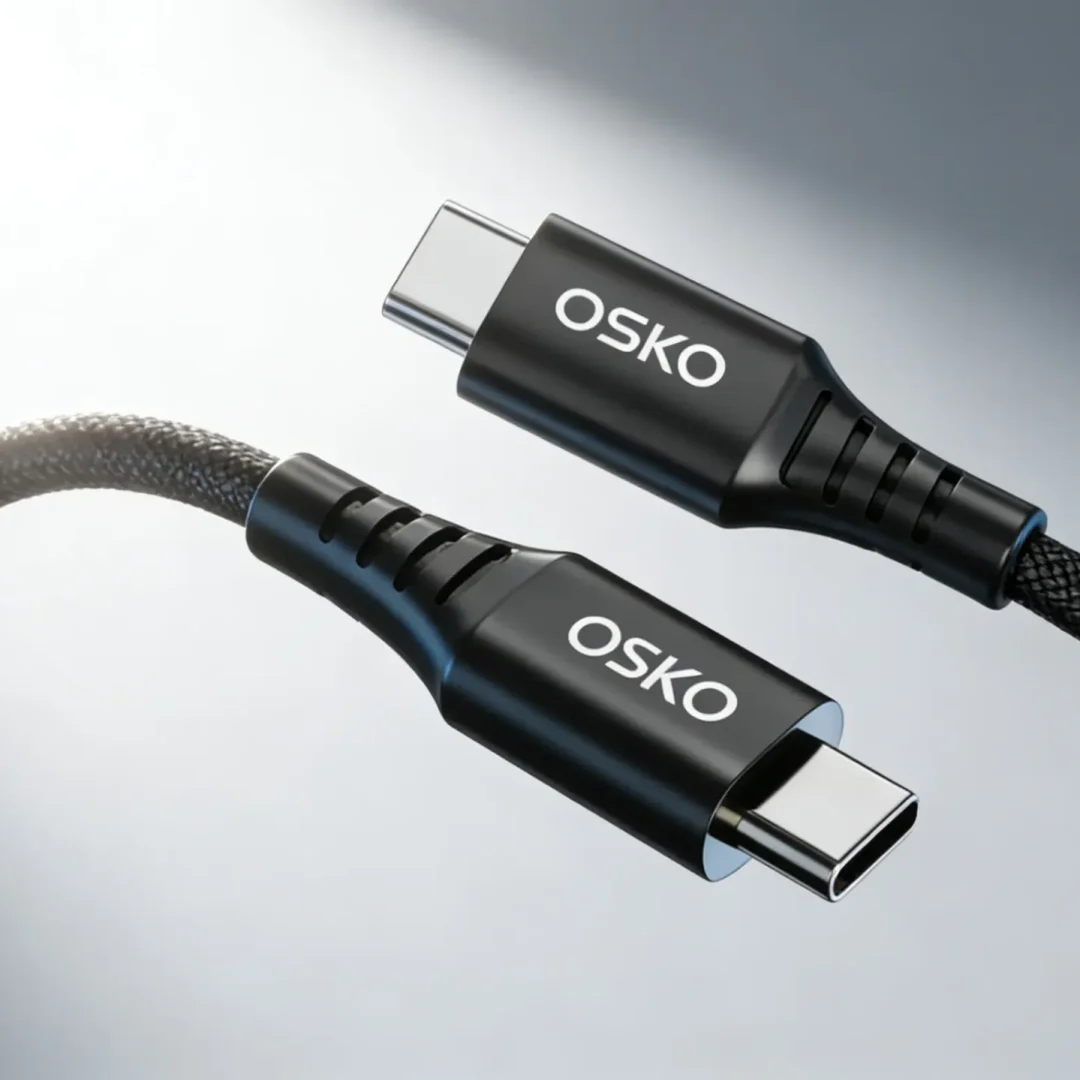
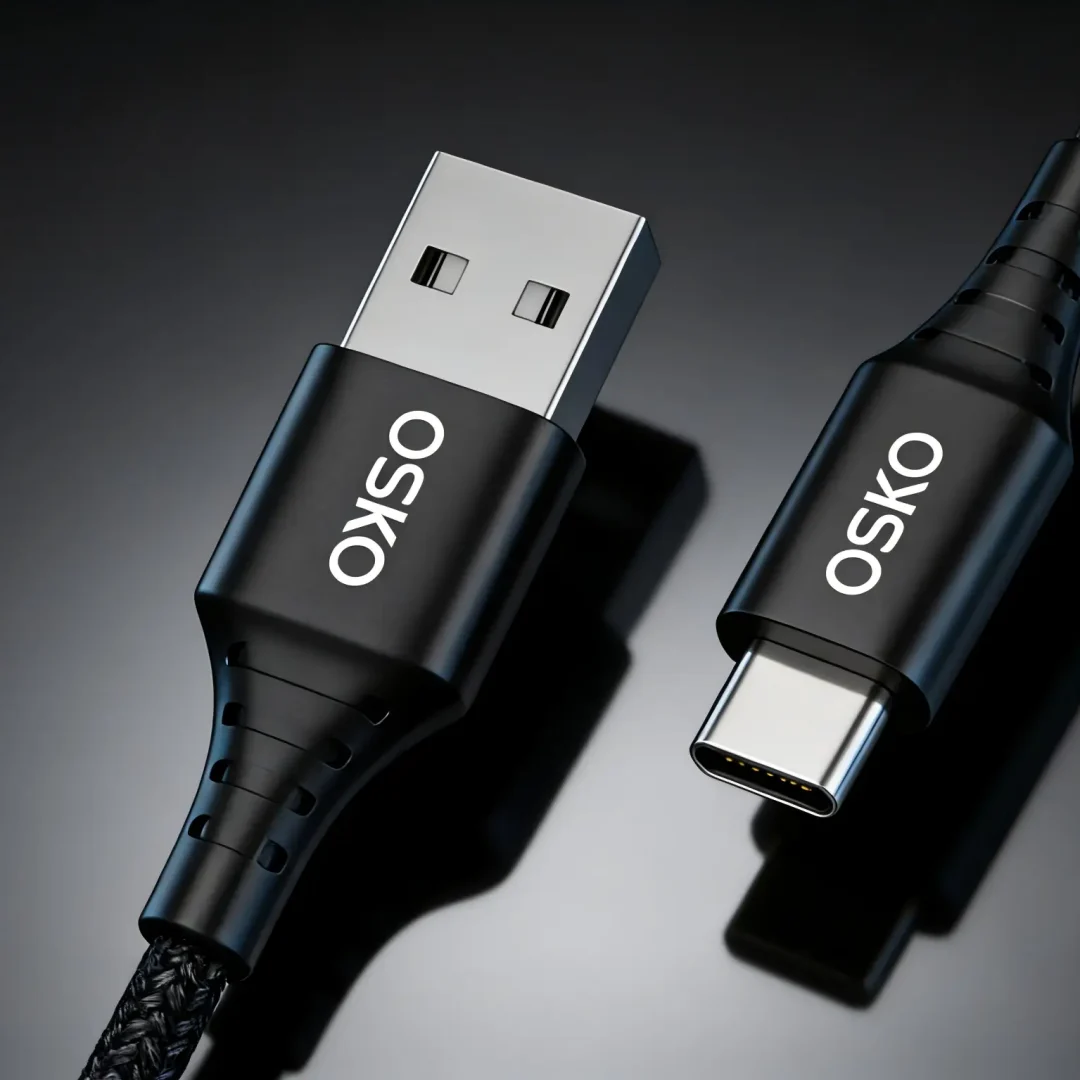
Many premium fast charging cables use braided nylon structures.
A braided USB-C to Lightning cable offers:
Better abrasion resistance
Improved bending protection
Longer service life
Compared with standard PVC cables:
| Feature | PVC Cable | Nylon Braided Cable |
|---|---|---|
| Flexibility | Medium | High |
| Durability | Average | Excellent |
| Travel Use | Moderate | Excellent |
| Premium Retail Value | Low | High |
Braided cables are widely used for:
Travel charging cables
Desk charging cables
Car charging cables
Premium iPhone accessories
Case Study
US Electronics Retailer Upgraded iPhone Fast Charging Cable Series
A US consumer electronics retailer planned to launch a premium fast charging accessory line for iPhone users.
The company previously sold standard Lightning cables but experienced:
Slow charging complaints
Cable breakage near connectors
High replacement requests
Limited product differentiation
Customer Requirements
The retailer needed:
Fast charging capability
Durable construction
Premium retail appearance
Multiple cable lengths
Stable OEM production
Engineering Challenges
OSKO reviewed the existing products and identified:
Electrical Problems
High conductor resistance
Unstable current transmission
Insufficient charging performance
Mechanical Problems
Weak connector protection
Poor bending resistance
Low durability under daily use
OSKO Engineering Solution
OSKO developed a customized fast charging cable structure:
Electrical Optimization
High-quality copper conductor
Improved resistance control
Stable USB-PD charging performance
Mechanical Optimization
Nylon braided outer jacket
Reinforced Lightning connector
Improved strain relief design
Production Support
Quality inspection
Custom packaging
Bulk production management
The project supported:
OEM iPhone charging cable
ODM Lightning cable development
Retail charging accessories
Wholesale cable supply
Project Results
The optimized cable achieved:
Improved charging reliability
Longer service life
Reduced customer complaints
Stronger retail competitiveness
Selection Guide
How to Choose the Best USB-C to Lightning Cable for Fast Charging
Confirm iPhone Compatibility
Before purchasing, check:
iPhone model
Lightning port requirement
Charger compatibility
A fast charging cable requires a compatible device and charger combination.
Choose the Correct Charger Pairing
Recommended combination:
| Cable | Charger | Result |
|---|---|---|
| USB-C to Lightning | USB-C PD charger | Fast charging |
| USB-C to Lightning | Standard USB-A charger | Normal charging |
The cable alone cannot increase charging speed without a compatible power source.

Select Durable Materials
For long-term use, choose:
Nylon braided jacket
Reinforced connector
Quality copper conductor
Strong strain relief
These features are especially important for:
Daily charging
Travel use
Car charging
Business users
OEM Supplier Selection Guide
For brands sourcing fast charging cables, supplier engineering capability is critical.
A reliable supplier should provide:
Product testing
Material specifications
Custom development
Production consistency
OSKO supports:
OEM USB cable supplier
ODM charging cable manufacturer
Wholesale Lightning cable production
Custom packaging braided charging cable factory
Bulk custom color braided charging cables
Additional manufacturing capabilities include:
MFi certified Lightning cable solutions
ISO9001 certified braided USB cable factory
FCC approved nylon braided USB C cable supplier
OEM ODM custom length USB C cables
USB-C to Lightning Cable Types Comparison
| Cable Type | Charging Performance | Best Application |
|---|---|---|
| Standard PVC cable | Basic | Light daily use |
| TPU cable | Good | General charging |
| Nylon braided cable | Excellent | Heavy daily use |
| Premium OEM cable | Excellent | Retail and professional use |
FAQ
Does USB-C to Lightning support fast charging?
Yes. When paired with a USB-C PD charger and compatible iPhone, it can support faster charging.
How fast can a USB-C to Lightning cable charge an iPhone?
Charging speed depends on the iPhone model, charger output, and cable quality.
Is a braided USB-C to Lightning cable better for fast charging?
Braiding mainly improves durability, while charging speed depends on conductor design and PD compatibility.
Why is my USB-C to Lightning cable charging slowly?
Possible causes include:
Low-quality cable
Unsupported charger
Damaged connector
Poor conductor performance
Can longer cables support fast charging?
Yes, if they are engineered with proper conductor size and quality materials
Summary
A reliable USB-C to Lightning cable for fast charging requires more than a USB-C connector and Lightning plug. It depends on electrical design, material selection, connector engineering, and manufacturing quality.
The most important factors include:
USB-PD compatibility
Low-resistance copper conductors
Stable Lightning connector design
Durable braided protection
Professional quality control
For consumers, selecting the right cable ensures faster and safer iPhone charging.
For brands and distributors targeting the US market, partnering with OSKO provides professional OEM and ODM charging cable solutions with customized designs, reliable production, and engineering support.
Contact Information
OSKO provides professional charging cable manufacturing solutions:
USB-C to Lightning fast charging cables
MFi Lightning cable development
Braided iPhone charging cables
Custom length and color solutions
OEM and wholesale production
OSKO engineering team supports global brands with cable structure design, material optimization, durability testing, and scalable manufacturing solutions.