
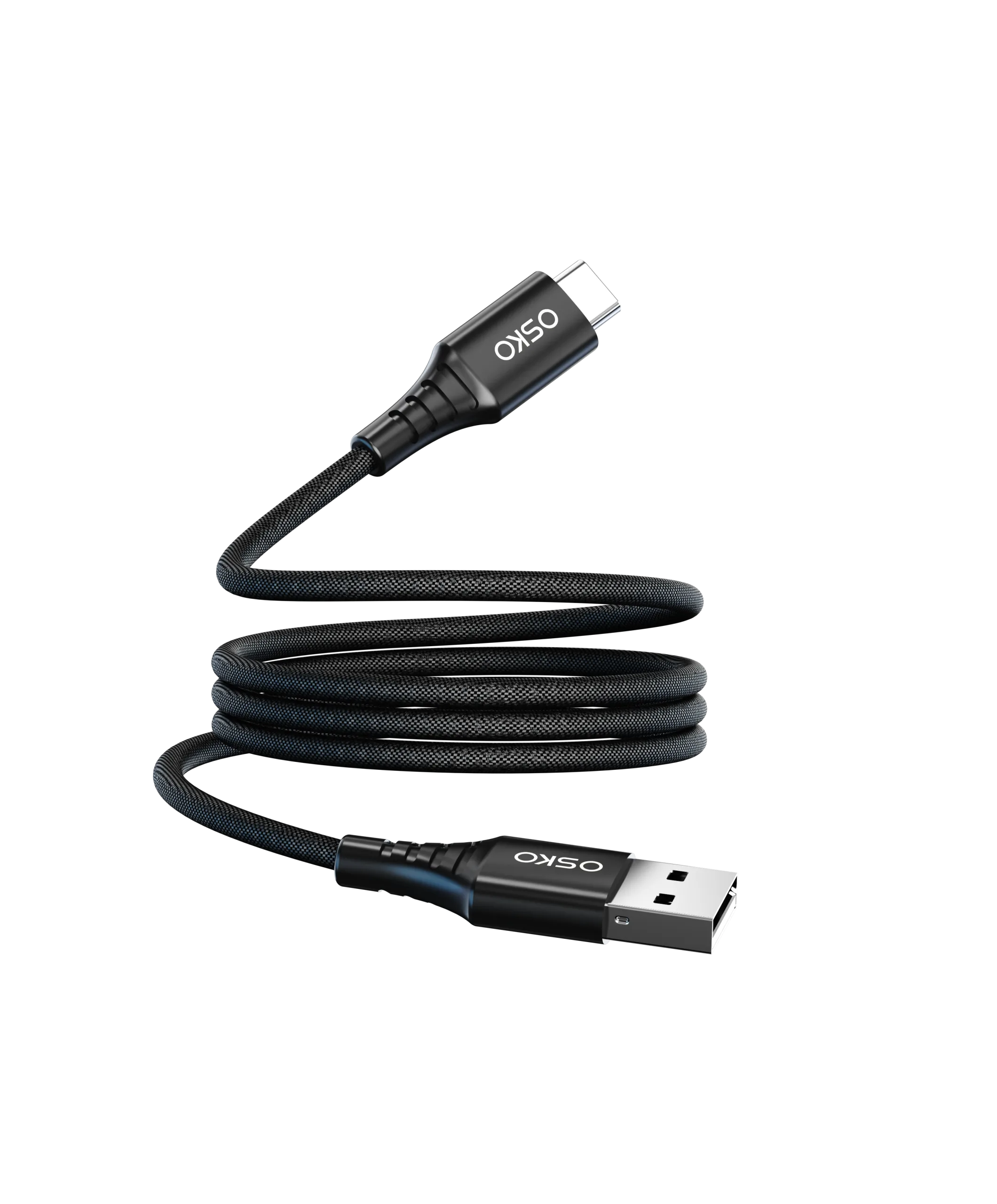
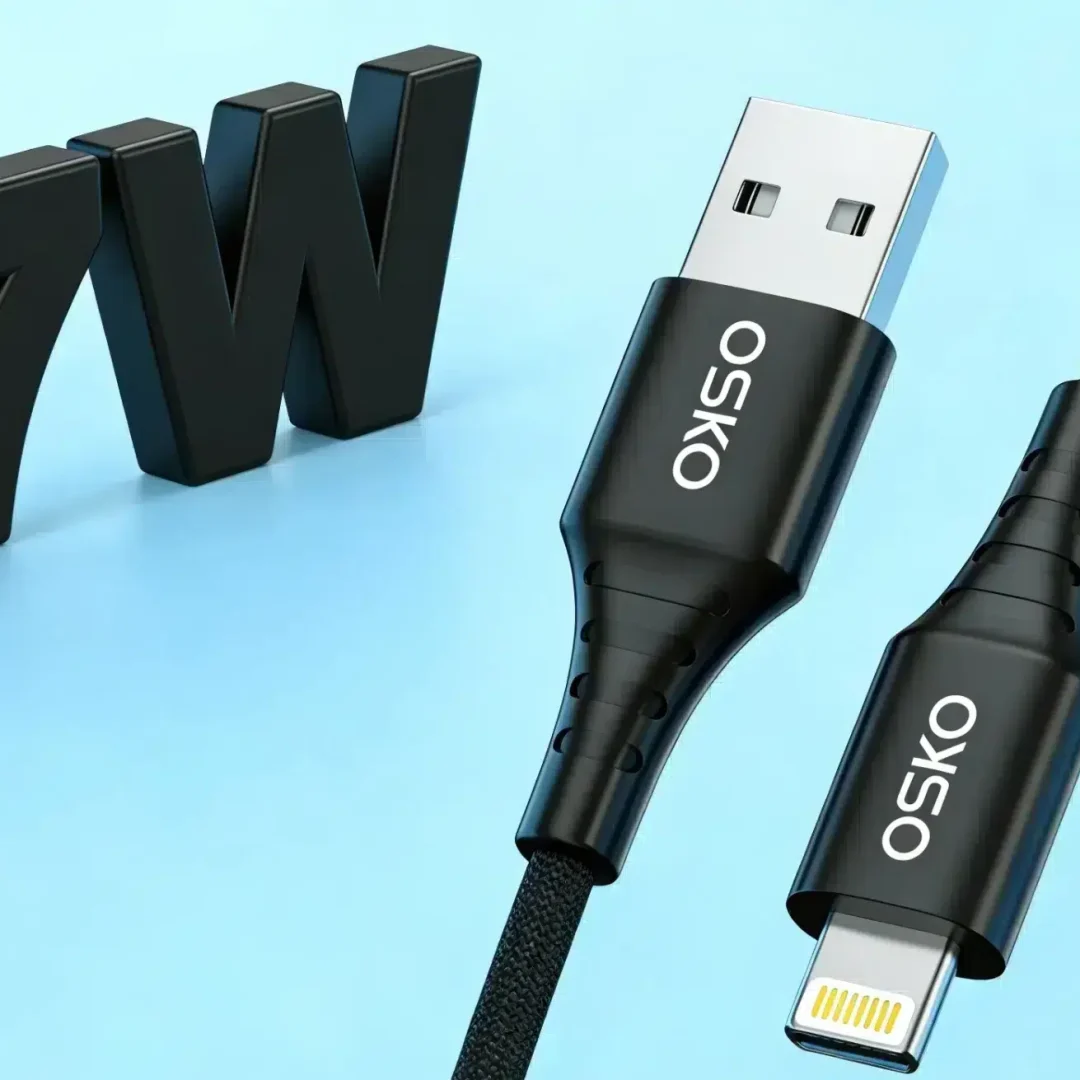
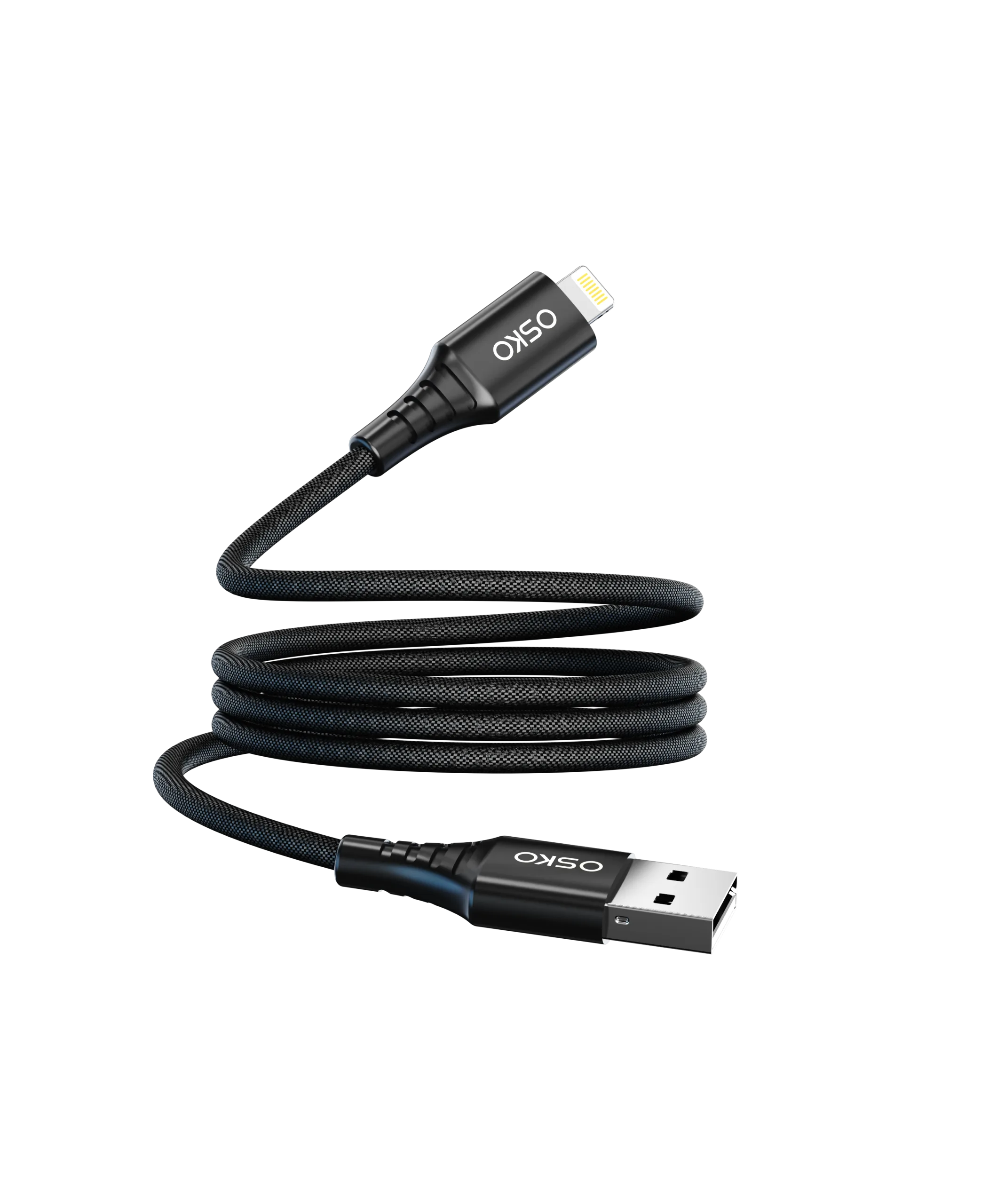
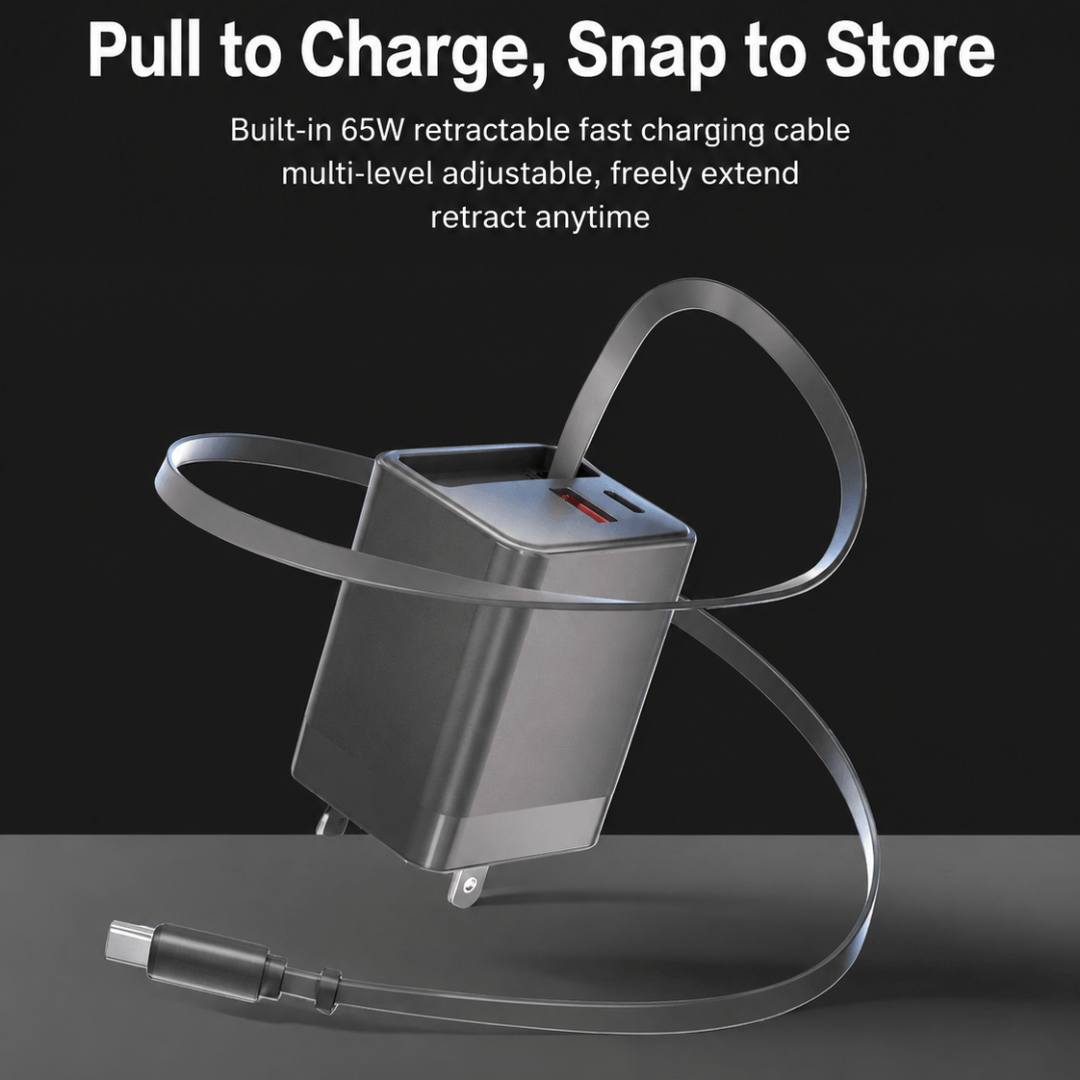
Introduction
When purchasing a USB-C cable, many buyers focus only on connector appearance or cable length. However, professional evaluation requires understanding detailed USB-C cable specifications, including power delivery capability, data transmission performance, conductor structure, insulation materials, and durability standards.
Although USB-C has become the universal connector for smartphones, tablets, laptops, monitors, and other electronic devices, not every USB-C cable provides the same performance.
Two cables with the same USB-C connector may have significant differences in:
Charging power
Data transfer speed
Heat control
Compatibility
Service life
For consumers, incorrect cable selection can result in slow charging or device compatibility issues.
For US retailers, distributors, and OEM buyers, understanding USB-C specifications helps avoid quality risks and develop products that meet customer expectations.
A professional USB-C cable manufacturer evaluates each cable through:
Electrical engineering
Material selection
Mechanical design
Reliability testing
Production quality control

Material Science & Electrical Performance
USB-C Cable Basic Specifications Overview
A USB-C cable specification usually includes:
| Specification Item | Description |
|---|---|
| Connector Type | USB Type-C male to USB Type-C male or USB-A to USB-C |
| Power Rating | Maximum charging power supported |
| Current Rating | Maximum supported current |
| Voltage Range | Electrical operating range |
| Data Speed | USB transmission capability |
| Cable Length | Physical cable distance |
| Material Structure | Jacket, insulation, conductor design |
| Certification | Compliance and testing standards |
Each specification affects real-world performance.
Power Specifications: 60W, 100W, and 240W USB-C Cables
One of the most important USB-C cable specifications is power capability.
USB Power Delivery (USB PD) allows USB-C cables to support higher charging power.
Common USB-C Power Ratings
| Cable Power Rating | Typical Application |
|---|---|
| 20W–30W | Smartphones and accessories |
| 60W | Phones, tablets, portable devices |
| 100W | Laptops and professional devices |
| 140W | High-performance laptops |
| 240W | Advanced USB-C power applications |
A cable designed for laptop charging requires stronger internal conductors than a basic phone charging cable.
USB PD and E-Marker Chip Requirements
Why E-Marker Technology Matters
High-power USB-C cables often include an E-marker chip.
The E-marker communicates important information between:
Charger
Cable
Device
It identifies:
Cable power capability
Current limit
Supported charging modes
For example:
A 240W USB-C cable requires advanced identification technology to safely support high-power charging.
Without proper communication, the system may reduce charging power.
Data Transfer Specifications
USB-C cables are not only charging products. Many also support data transmission.
Common data standards include:
| USB Standard | Maximum Speed |
|---|---|
| USB 2.0 | 480 Mbps |
| USB 3.2 Gen 1 | 5 Gbps |
| USB 3.2 Gen 2 | 10 Gbps |
| USB4 | Up to 40 Gbps |
A common mistake is assuming every USB-C cable supports high-speed data.
In reality:
Some USB-C cables are charging-only
Some support basic data transfer
Some support high-speed applications
Professional buyers should clearly define:
Charging requirement
Data requirement
Video requirement
Cable Conductor Specifications
The conductor is the core component responsible for power transmission.
A high-quality USB-C cable uses:
High-purity copper
Multi-strand conductors
Proper wire gauge design
Benefits:
Lower resistance
Higher charging efficiency
Reduced heat
Stable performance
Poor conductor design may cause:
Voltage loss
Slow charging
Cable overheating
Cable Structure and Material Specifications
A USB-C cable usually contains multiple layers:
Outer Jacket
Protects the internal structure.
Common materials:
| Material | Features |
|---|---|
| PVC | Economical and widely used |
| TPU | Flexible and durable |
| Nylon Braiding | High abrasion resistance |
Insulation Layer
The insulation protects conductors and maintains signal quality.
Common materials:
HDPE
TPE
PE
Good insulation helps reduce:
Signal interference
Electrical leakage
Internal damage
Shielding Layer
For high-speed data cables, shielding becomes important.
Shielding helps reduce:
Electromagnetic interference
Signal loss
Data instability
This is especially important for:
USB4 cables
Monitor connections
Docking stations

USB-C Cable Length Specifications
Cable length affects both usability and performance.
Common lengths:
| Length | Application |
|---|---|
| 0.5ft | Compact devices and accessories |
| 3ft | Portable charging |
| 6ft | Home and office charging |
| 10ft | Extended-distance applications |
Longer cables require better engineering because resistance increases with cable length.
A professional supplier optimizes:
Conductor size
Material structure
Power performance
Durability Specifications
For daily-use products, mechanical durability is critical.
A quality USB-C cable should withstand:
Repeated bending
Plug insertion cycles
Pulling force
Twisting stress
Premium cables often use:
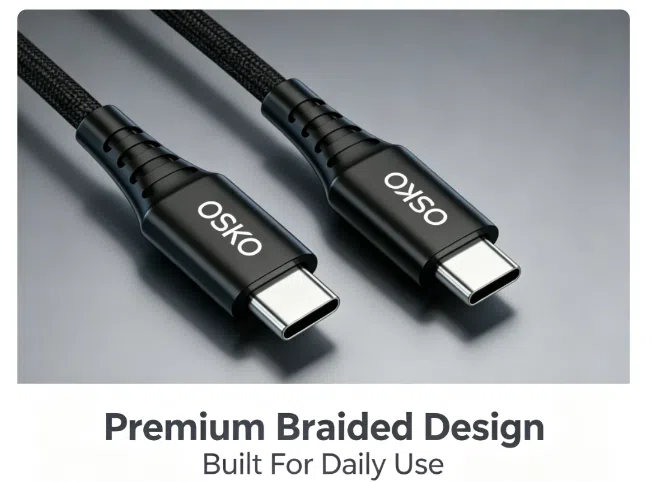
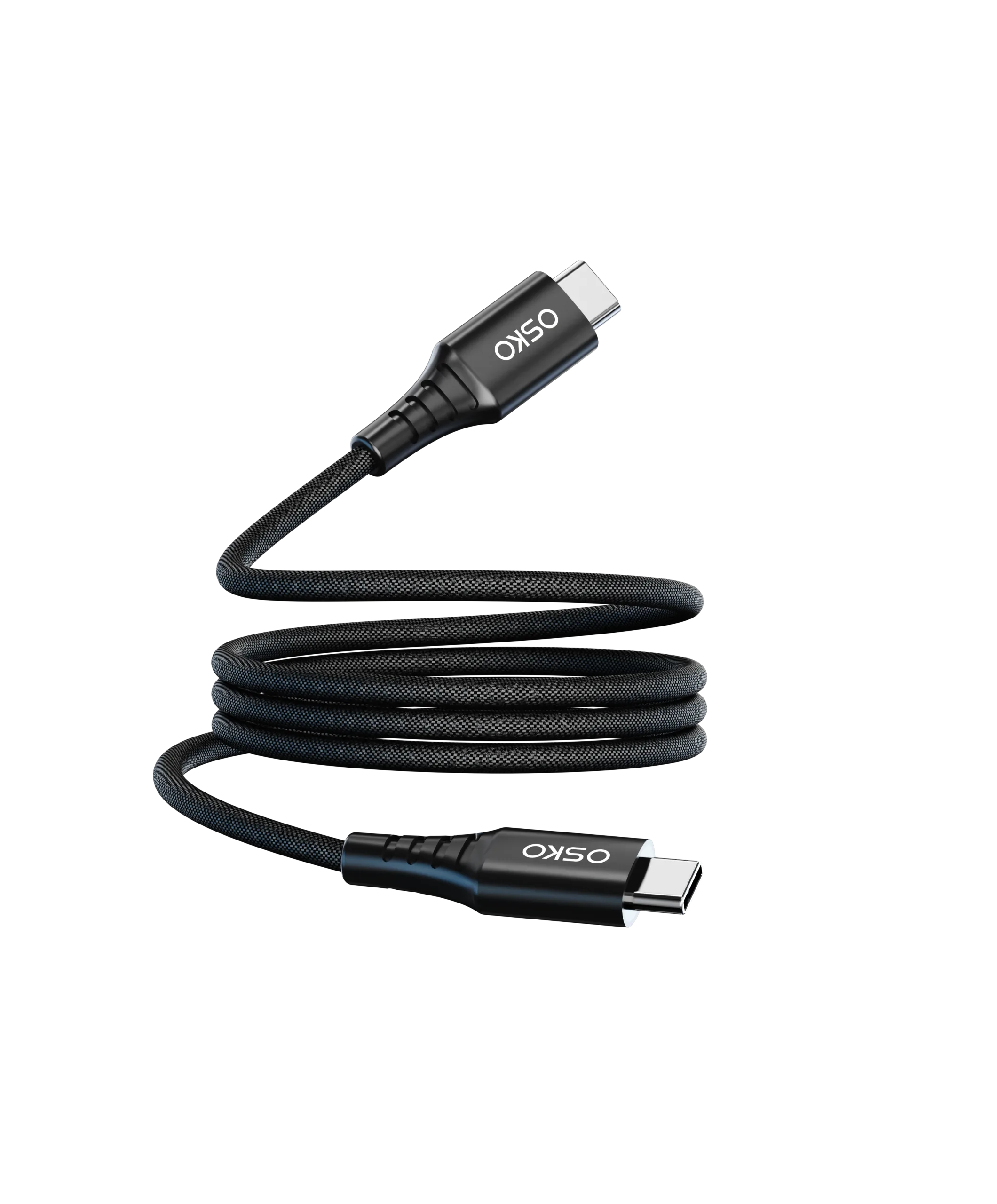
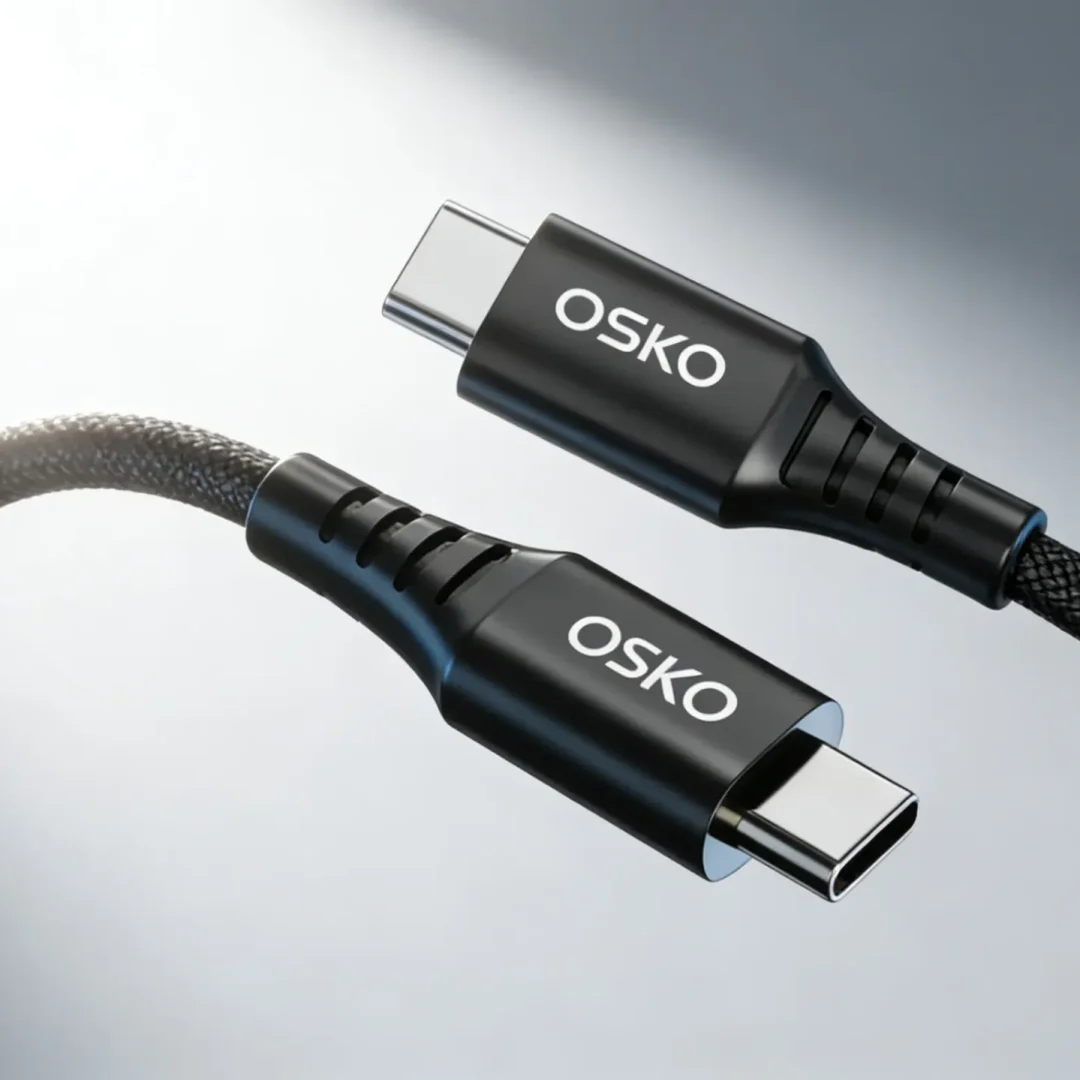
Nylon braided jacket
Reinforced connector
Strong strain relief
A braided USB-C cable is commonly selected for:
Travel USB cable products
Desk charging cable products
Car charging cable products
Home charging cable products
Case Study
US Computer Accessories Brand Developed 240W USB-C Cable Product Line
A US electronics brand planned to launch a premium USB-C cable series for laptops and high-power devices.
The company previously sourced standard USB-C cables but faced:
Laptop charging complaints
Cable overheating
Inconsistent product quality
Customer Requirements
The brand needed:
240W charging capability
Durable braided structure
Stable bulk production
Custom retail packaging
Long-term supplier cooperation
Engineering Problems
OSKO analyzed the existing samples.
Electrical Problems
Insufficient conductor design
Limited power handling capability
Poor charging consistency
Mechanical Problems
Connector stress damage
Weak bending protection
Short product lifespan
OSKO Engineering Solution
OSKO developed a customized USB-C cable structure:
Power Engineering
Optimized copper conductor
High-power charging design
E-marker integration
Material Engineering
Nylon braided outer layer
Improved insulation structure
Reinforced connector housing
Quality Control
Power testing
Heat testing
Durability testing
The project supported:
OEM USB cable manufacturing
ODM USB-C cable development
Wholesale USB cable supply
Retail charging accessories
Project Results
The new product achieved:
More stable charging performance
Improved durability
Reduced product returns
Stronger retail competitiveness
Selection Guide
How to Choose the Right USB-C Cable Specification
For Smartphones
Recommended:
Compact length
Flexible structure
For Tablets
Recommended:
60W–100W USB-C cable
Strong conductor design
Durable jacket
For Laptops
Recommended:
100W–240W USB-C cable
E-marker chip
High-quality copper conductor
For Professional Applications
Examples:
Docking stations
Displays
Data transfer systems
Recommended:
High-speed USB specification
Shielded structure
Stable signal performance
OEM Buyer Checklist
When sourcing USB-C cables, buyers should evaluate:
| Category | Key Questions |
|---|---|
| Power | Does it support required wattage? |
| Data | What transfer speed is needed? |
| Material | What jacket and insulation are used? |
| Durability | Has bending testing been completed? |
| Supplier | Can customization be provided? |
OSKO supports:
Heavy duty braided USB-C cable manufacturer
Durable nylon braided Type C charging cable factory
OEM ODM custom length USB C cables
White label 240W fast charging cable wholesale
Bulk custom 6ft 10ft USB-C cables
CE RoHS certified 240W USB C cable
USB-IF compliant Type C cable manufacturer
FAQ
Are all USB-C cables the same?
No. USB-C only describes the connector shape. Power, speed, and quality depend on internal specifications.
What is the best USB-C cable wattage?
It depends on the device. Smartphones usually need lower power, while laptops may require 100W or higher
Does a thicker USB-C cable mean better quality?
Not always. Internal conductor design and materials are more important than appearance.
How do I know if my USB-C cable supports 100W charging?
Check the product specifications or manufacturer documentation for power rating and E-marker information
Are braided USB-C cables better?
Braided cables usually provide stronger mechanical protection and longer lifespan, especially for heavy daily use.
Summary
Understanding USB-C cable specifications is essential for selecting the correct charging and data solution.
The most important factors include:
Power delivery capability
USB PD compatibility
E-marker technology
Conductor quality
Insulation materials
Data transmission requirements
Durability design
For consumers, choosing the correct specification ensures safe and efficient charging.
For US retailers, distributors, and OEM buyers, working with an experienced manufacturer like OSKO provides customized USB-C cable solutions with engineering support, quality control, and scalable production capability.
Contact Information
OSKO provides professional USB-C cable manufacturing solutions:
USB-C PD charging cables
60W/100W/240W USB-C cables
Braided USB-C cables
Custom length USB cables
OEM and ODM cable production
OSKO engineering team supports global brands with cable specification design, material optimization, performance testing, and reliable manufacturing solutions.