
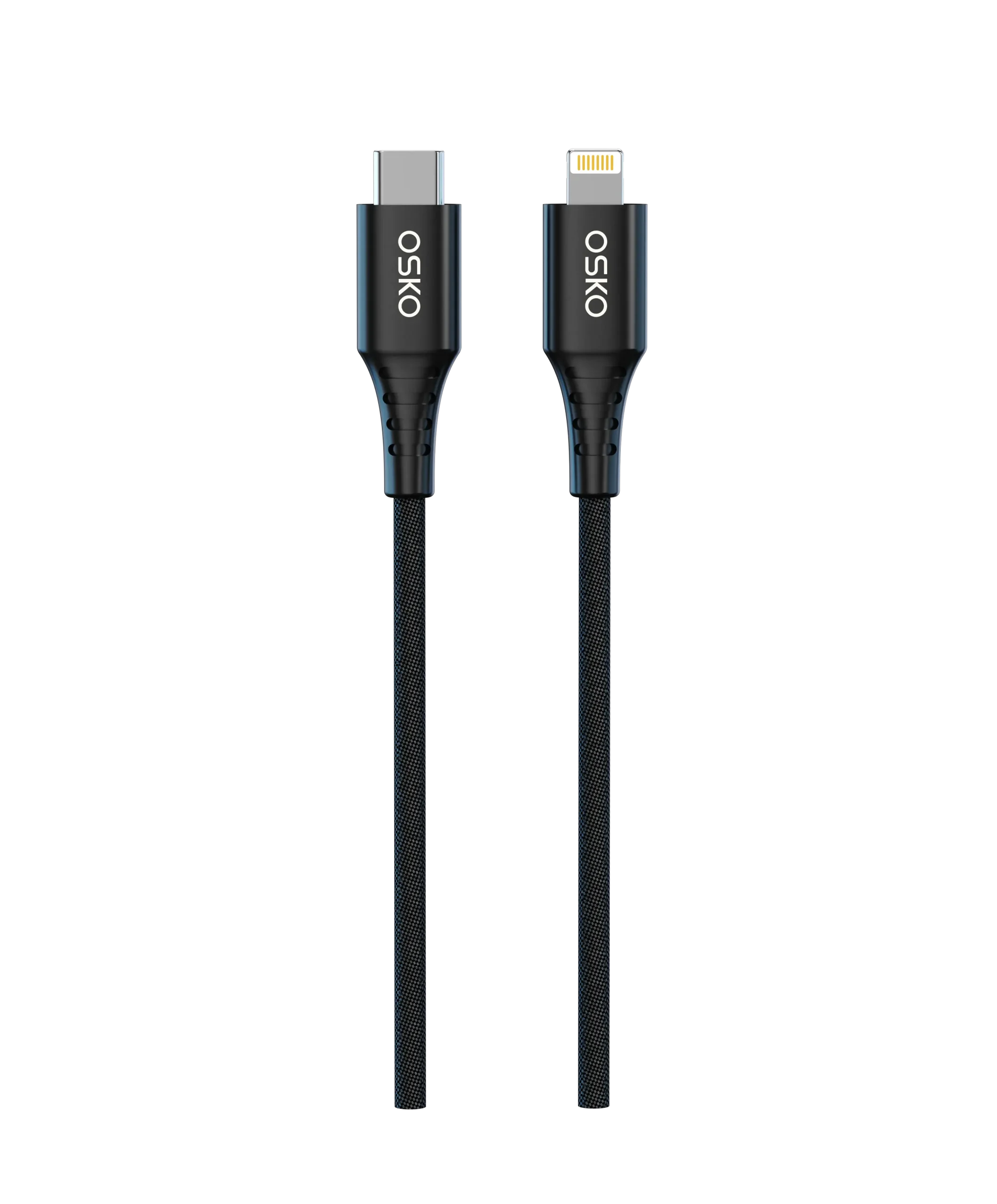
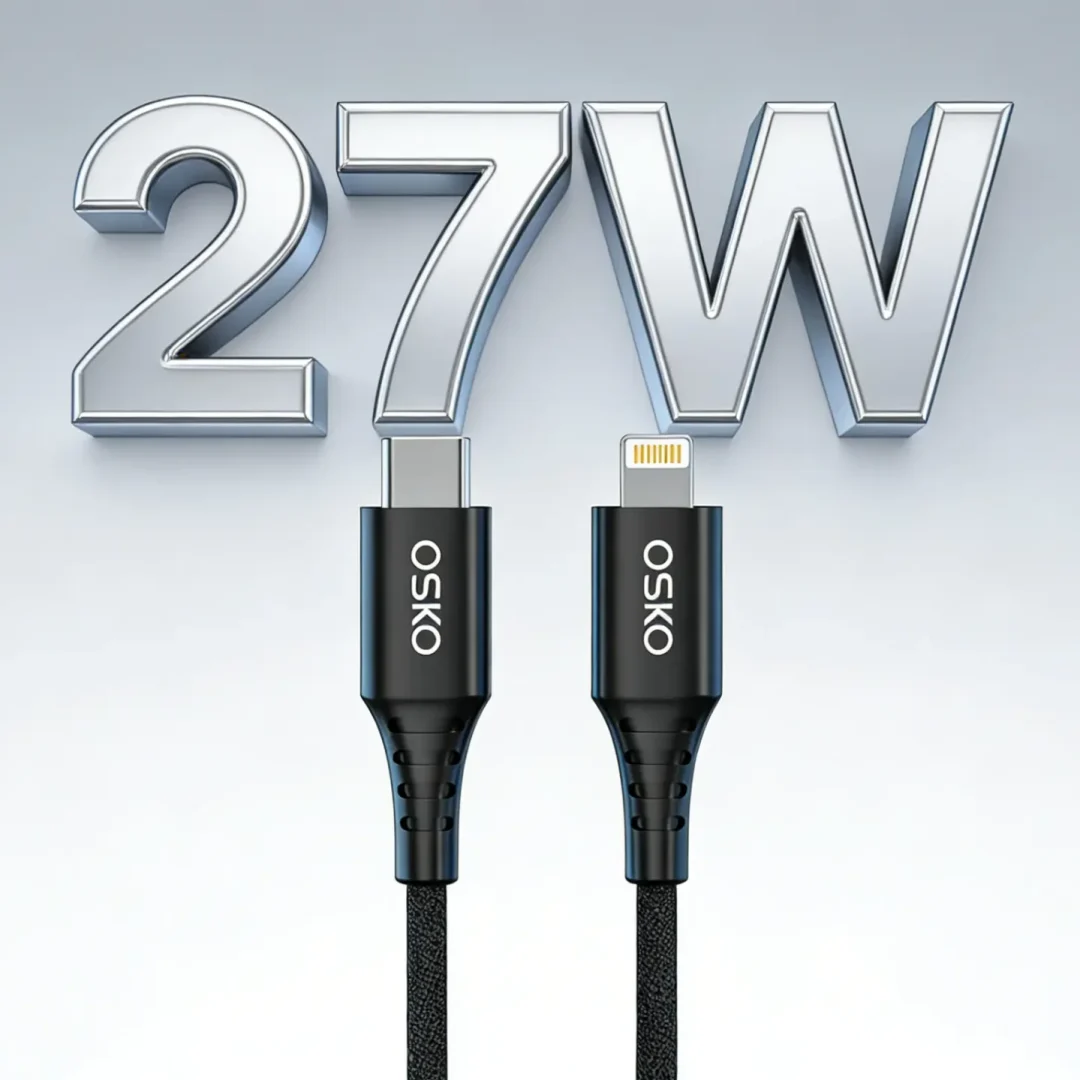
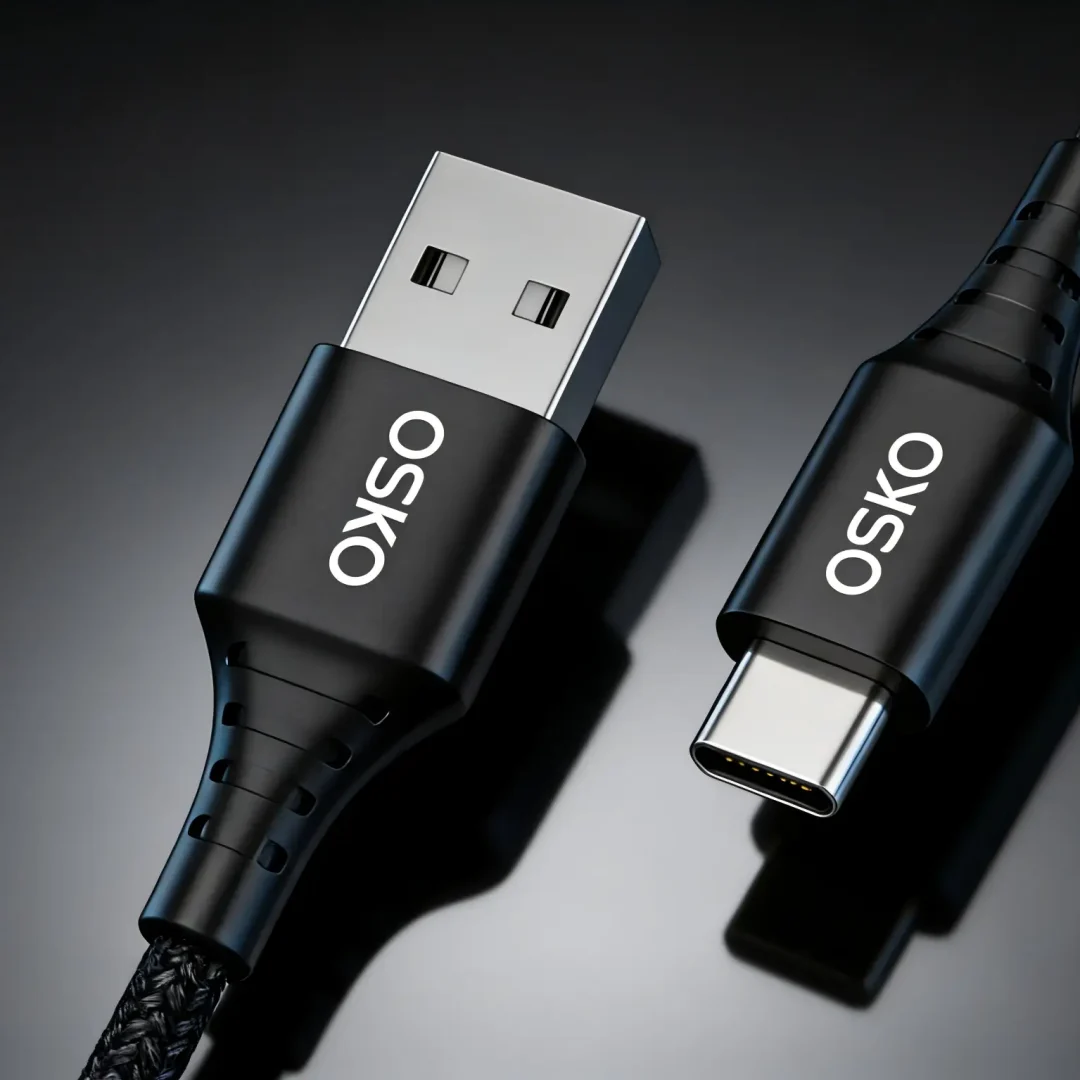
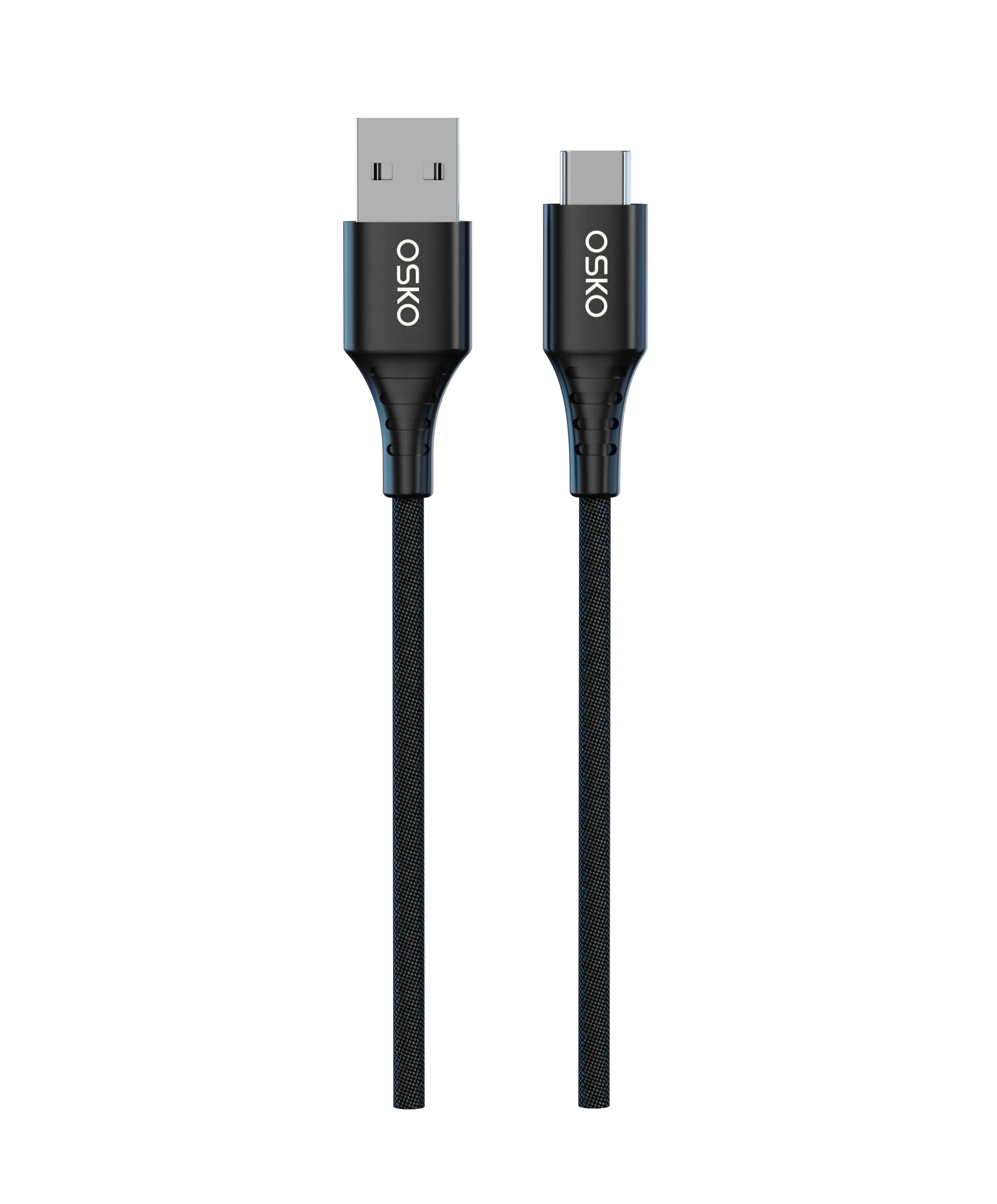
Introduction
For electronics brands, distributors, and retailers, choosing the right OEM USB-C cable manufacturer is a critical decision that directly affects product reliability, customer experience, and long-term supply stability.
As USB-C becomes the standard interface for smartphones, tablets, laptops, monitors, gaming devices, and professional equipment, buyers increasingly require more than a standard charging cable.
They need customized solutions that can support:
Different charging power levels
Multiple device ecosystems
Brand-specific designs
Retail packaging requirements
International compliance standards
Many companies experience challenges when sourcing USB-C cables, including:
Unstable fast charging performance
Poor connector durability
Cable overheating under high power
Inconsistent production quality
Limited OEM customization capability
A professional OEM USB-C cable manufacturer must combine electrical engineering, material science, production control, and quality testing to deliver reliable products.
This article explains how custom USB-C cables are engineered, what buyers should evaluate when selecting suppliers, and how OEM manufacturing supports different market applications.

Material Science & Dielectric Properties
USB-C cable performance depends on the interaction between conductor materials, insulation structure, shielding design, and mechanical protection.
A professional OEM factory must optimize every layer to achieve stable charging and data performance.
Conductor Material Engineering
The conductor is the foundation of USB-C cable performance.
A high-quality USB-C cable requires efficient current transmission with minimal resistance.
Common conductor options include:
| Conductor Material | Characteristics | Application |
|---|---|---|
| Copper-clad aluminum | Lower cost | Basic charging products |
| Standard copper | Balanced performance | Consumer electronics |
| Oxygen-free copper | High conductivity | Fast charging applications |
| Tinned copper | Oxidation resistance | Industrial environments |
For high-power USB-C PD applications, oxygen-free copper is commonly preferred because it reduces:
Voltage drop
Heat generation
Charging instability
This is especially important for cables supporting:
60W charging
100W laptop charging
240W USB-C Power Delivery
Dielectric Insulation and Signal Integrity
Unlike traditional charging cables, modern USB-C cables may also transmit high-speed data.
The insulation material affects:
Signal stability
Electrical safety
Heat resistance
Common insulation materials include:
| Material | Advantage |
|---|---|
| PE | Stable electrical properties |
| TPE | Flexible and durable |
| FEP | High-performance insulation |
| PVC | Cost-effective solution |
A professional manufacturer controls dielectric properties to maintain reliable transmission for:
USB data transfer
Display connections
High-speed docking systems
Shielding Structure Design
USB-C cables used for high-speed applications require effective electromagnetic protection.
A well-designed cable may include:
Aluminum foil shielding
Copper braid shielding
Individual pair shielding
Grounding wires
Proper shielding prevents:
Electromagnetic interference
Signal loss
Connection interruptions
This is essential for:
USB4 cables
Monitor connection cables
Docking station cables
Professional workstation applications
Outer Jacket and Mechanical Durability
The external jacket determines the cable’s resistance to daily use.
Common materials:
| Outer Material | Performance |
|---|---|
| PVC | Standard durability |
| TPU | Flexible and resistant |
| Nylon braid | Premium durability |
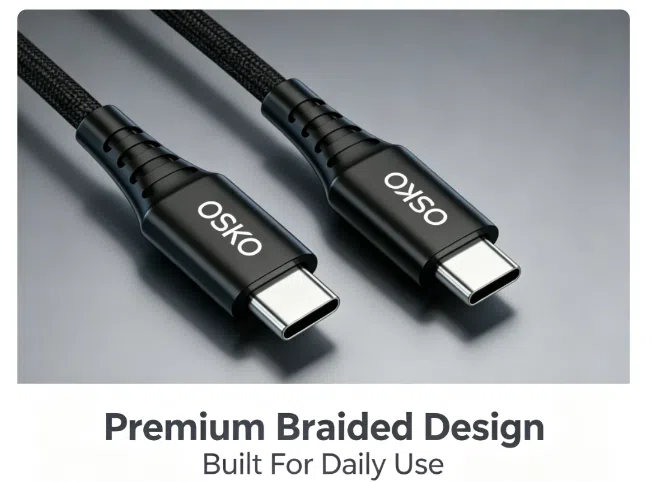
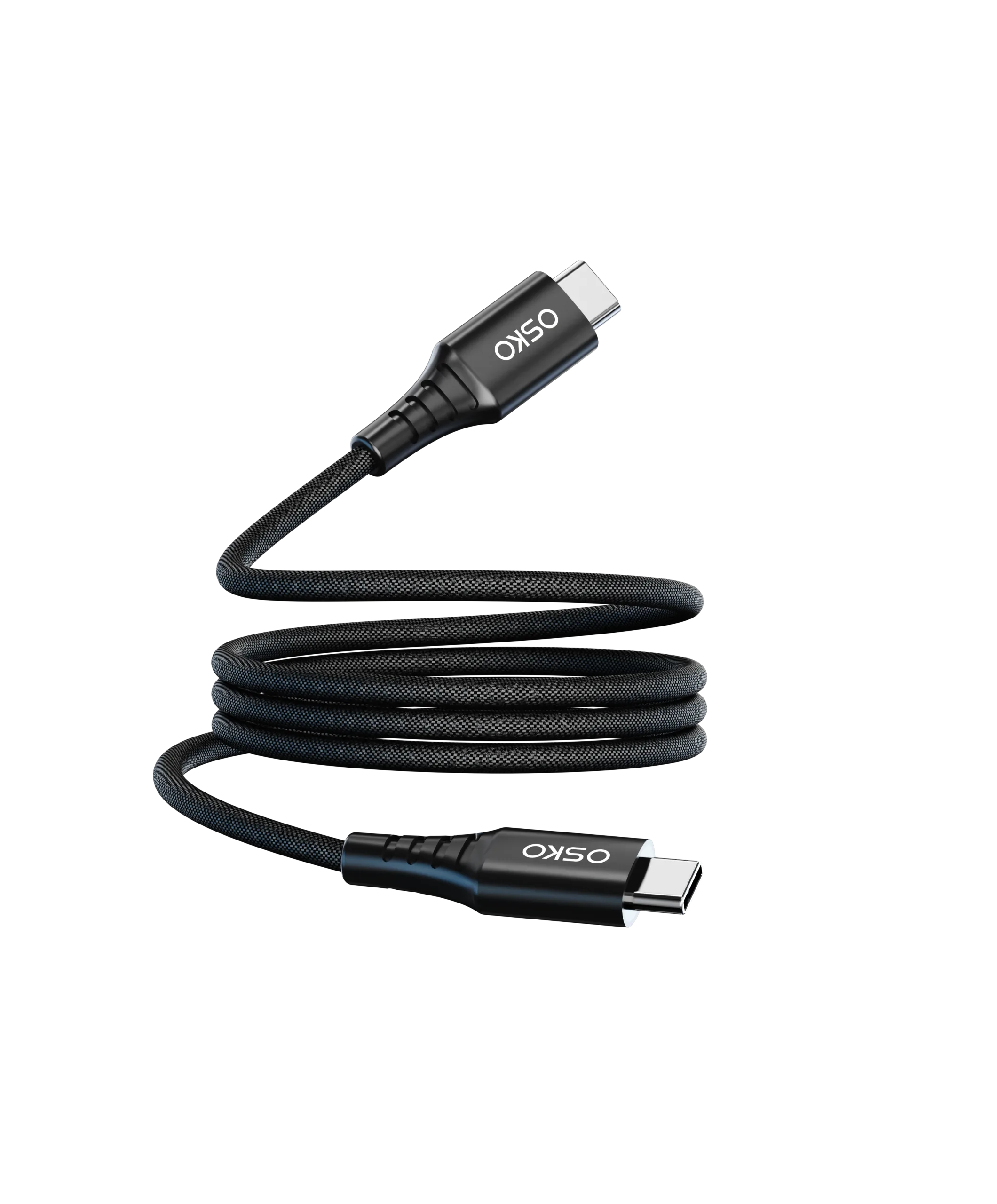
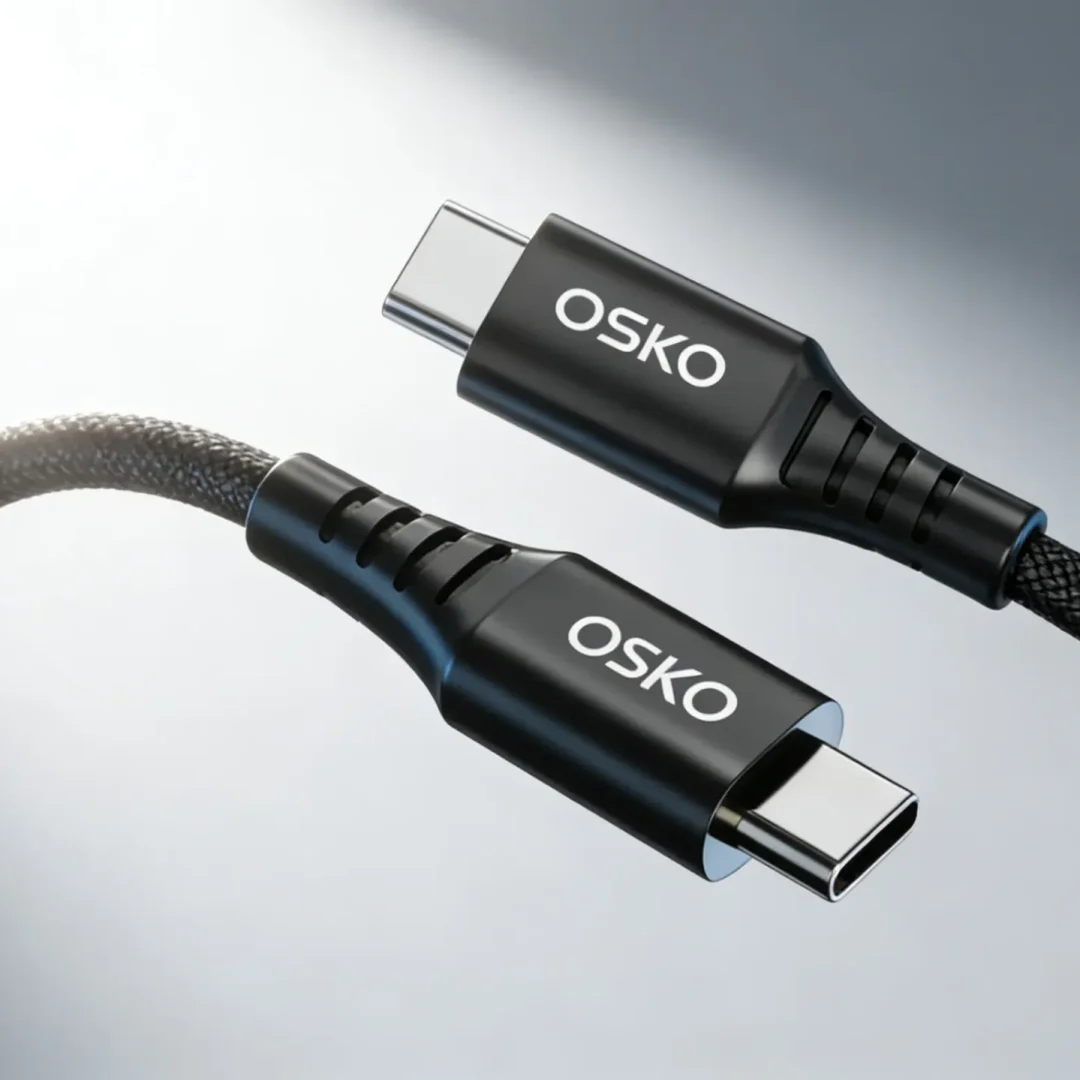
Many brands choose braided solutions from a braided USB-C cable supplier because they provide:
Better abrasion resistance
Longer bending lifespan
Premium retail appearance

Case Study
US Consumer Electronics Brand OEM USB-C Cable Development Project
Customer Background
A US-based electronics company planned to launch a private-label charging accessory range.
The product portfolio included:
Smartphone charging cables
Laptop charging cables
Travel charging accessories
Desktop charging solutions
Retail USB cable products
The customer required an OEM partner capable of supporting customized designs and stable monthly production.
Engineering Problems
The customer faced several issues with their previous supplier.
Charging Performance Problems
Previous cables showed:
Slow charging speed
Inconsistent PD negotiation
Excessive heat during laptop charging
Mechanical Reliability Issues
Customer feedback indicated:
Connector damage
Cable breakage near terminals
Reduced lifespan after repeated bending
Customization Limitations
The brand required:
Custom cable lengths
Brand colors
Logo printing
Retail packaging
The existing supplier could not provide flexible OEM solutions.
OSKO Engineering Solution
OSKO developed a customized USB-C cable manufacturing program.
The solution included:
High-quality copper conductor design
Reinforced connector structure
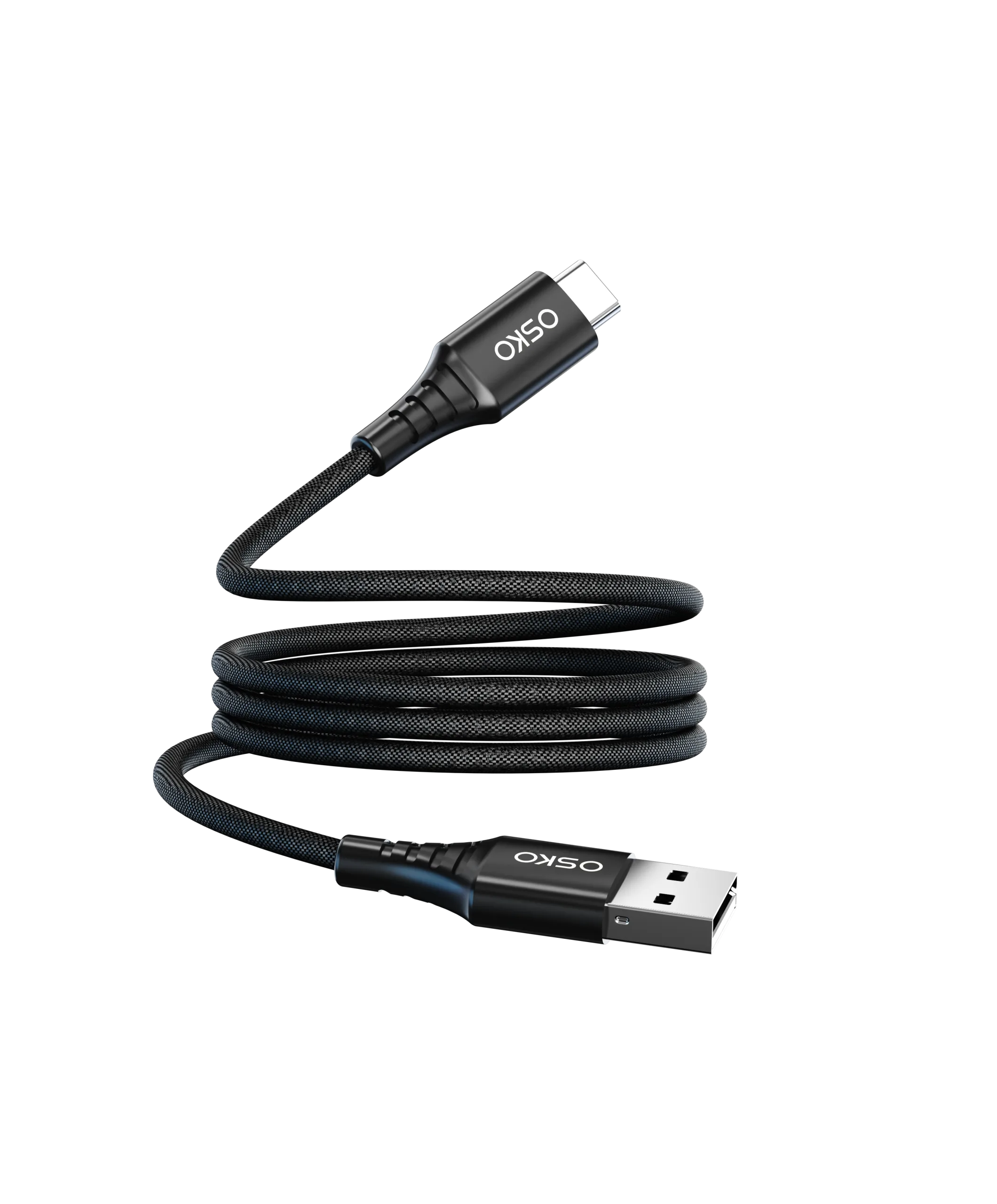
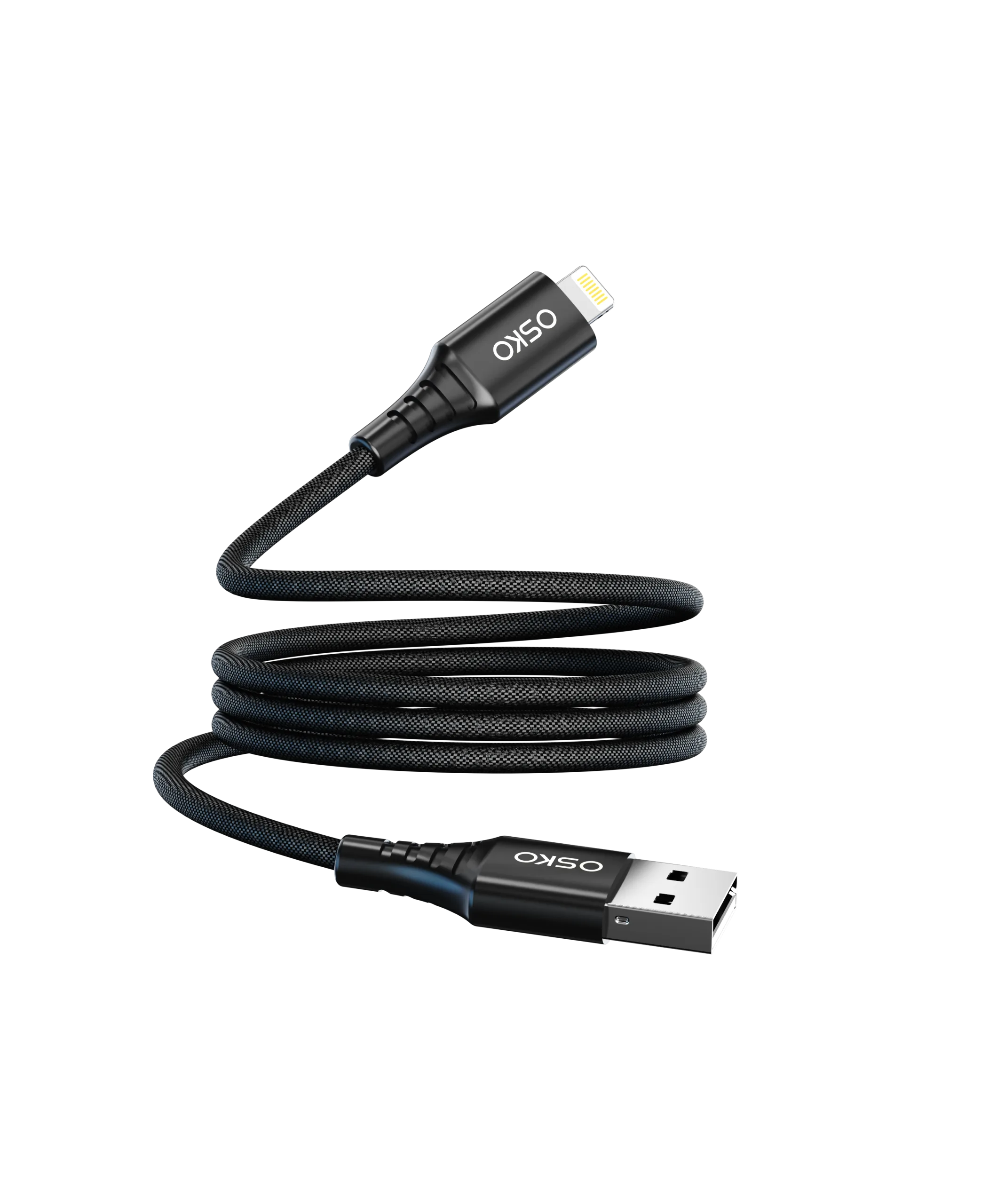
Nylon braided protection layer
Customized cable length options
Automated electrical testing
The project covered:
OEM USB cable
ODM USB cable
USB cable wholesale
Bulk USB cables
Retail USB cable
production requirements.
Project Results
After product optimization:
Charging stability improved
Cable durability increased
Production consistency improved
Retail customer satisfaction increased
The final products were distributed through online and offline channels across North America.
Selection Guide
Choosing an OEM USB-C cable supplier requires evaluating technical capability, production experience, and customization support.
Evaluate OEM Manufacturing Capability
A professional supplier should provide:
Product engineering support
Prototype development
Material selection guidance
Quality inspection
Production scalability
Important capabilities include:
OEM ODM custom length USB C cables
and
custom USB-C cable factory development.
Confirm Charging and Data Requirements
Different applications require different cable specifications.
| Application | Recommended Specification |
|---|---|
| Smartphone charging | 20W–30W USB-C cable |
| Tablet charging | 60W cable |
| Laptop charging | 100W cable |
| High-performance devices | 140W–240W cable |
| Data applications | USB4 high-speed cable |
Customization Options for Brands
OEM customers often require:
| Customization | Purpose |
|---|---|
| Cable length | Product differentiation |
| Color selection | Brand identity |
| Logo printing | Private label |
| Packaging design | Retail presentation |
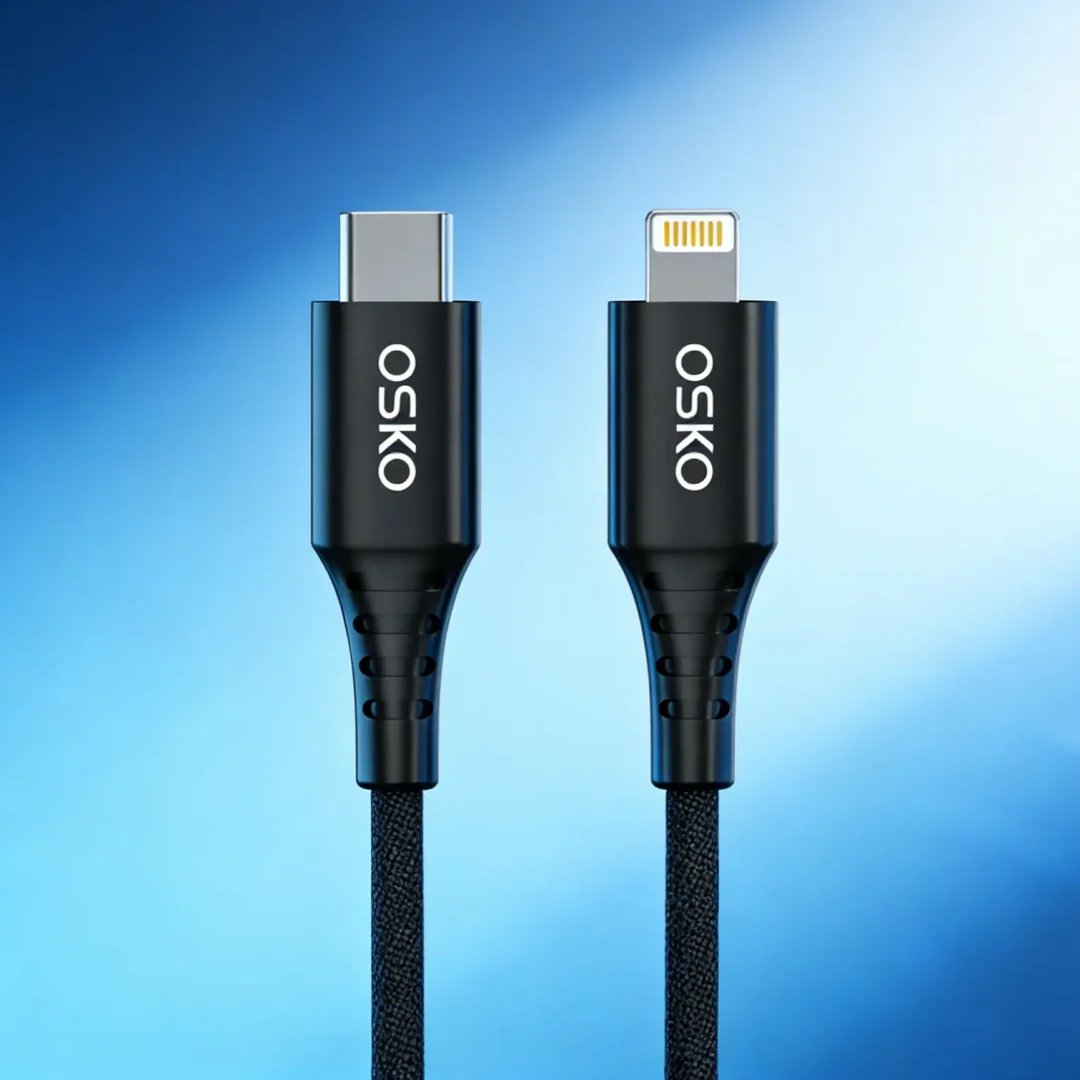
| Connector style | Application requirements |
Popular OEM solutions include:
Bulk custom color braided charging cables
Custom packaging braided charging cable factory
Bulk custom 6ft 10ft USB-C cables
Compliance Requirements
For US and international markets, compliance is essential.
| Certification | Purpose |
|---|---|
| USB-IF | USB compatibility |
| FCC | US electronic compliance |
| CE | European safety |
| RoHS | Material control |
| ISO9001 | Quality management |
Experienced factories may provide:
USB-IF compliant Type C cable manufacturer
and
ISO9001 certified braided USB cable factory
solutions.
FAQ
What is an OEM USB-C cable manufacturer?
An OEM USB-C cable manufacturer produces customized USB-C cables according to a brand’s specifications, including design, materials, packaging, and performance requirements.
What is the difference between OEM and ODM USB cables?
OEM means manufacturing according to customer designs, while ODM includes additional product development and engineering support from the supplier.
Can OEM USB-C cables support fast charging?
Yes. Professional manufacturers can develop USB-C cables supporting 60W, 100W, 140W, and 240W PD charging.
Can USB-C cables be customized by length and color?
Yes. OEM factories commonly provide:
Custom lengths
Custom colors
Logo printing
Packaging customization
How do I evaluate an OEM USB-C cable supplier?
Buyers should review:
Manufacturing capability
Testing procedures
Certifications
Material quality
Previous OEM experience
Summary
Selecting the right OEM USB-C cable manufacturer requires evaluating engineering capability, manufacturing experience, and customization flexibility.
A reliable supplier must understand:
Electrical design
Material performance
Charging protocols
Data transmission requirements
International compliance standards
For brands entering the USB-C accessory market, OEM manufacturing provides the ability to create differentiated products while maintaining stable quality and supply.
The best manufacturing partner should offer complete support from prototype development to mass production, including material selection, testing, packaging, and long-term supply management.
As USB-C continues expanding across consumer electronics, professional equipment, and industrial applications, experienced OEM manufacturers will play an essential role in delivering reliable charging and connectivity solutions.
Contact Information
OSKO provides professional OEM USB-C cable manufacturing services:
Custom USB-C charging cables
Fast charging USB-C PD cables
Nylon braided USB-C cables
USB4 high-speed cables
OEM and ODM development
Custom packaging solutions
Bulk wholesale supply