
Introduction
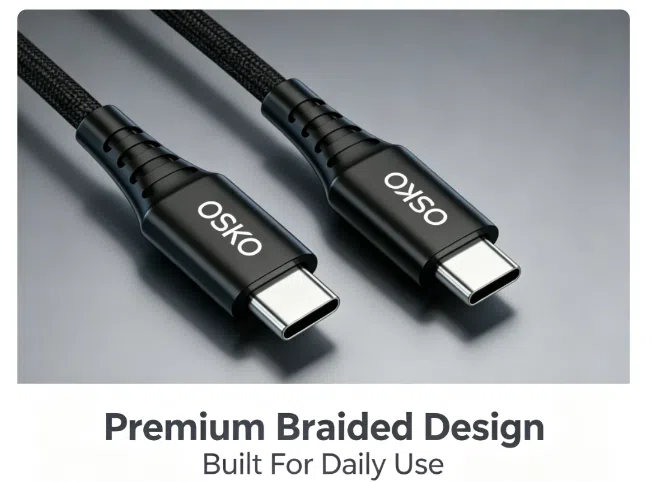
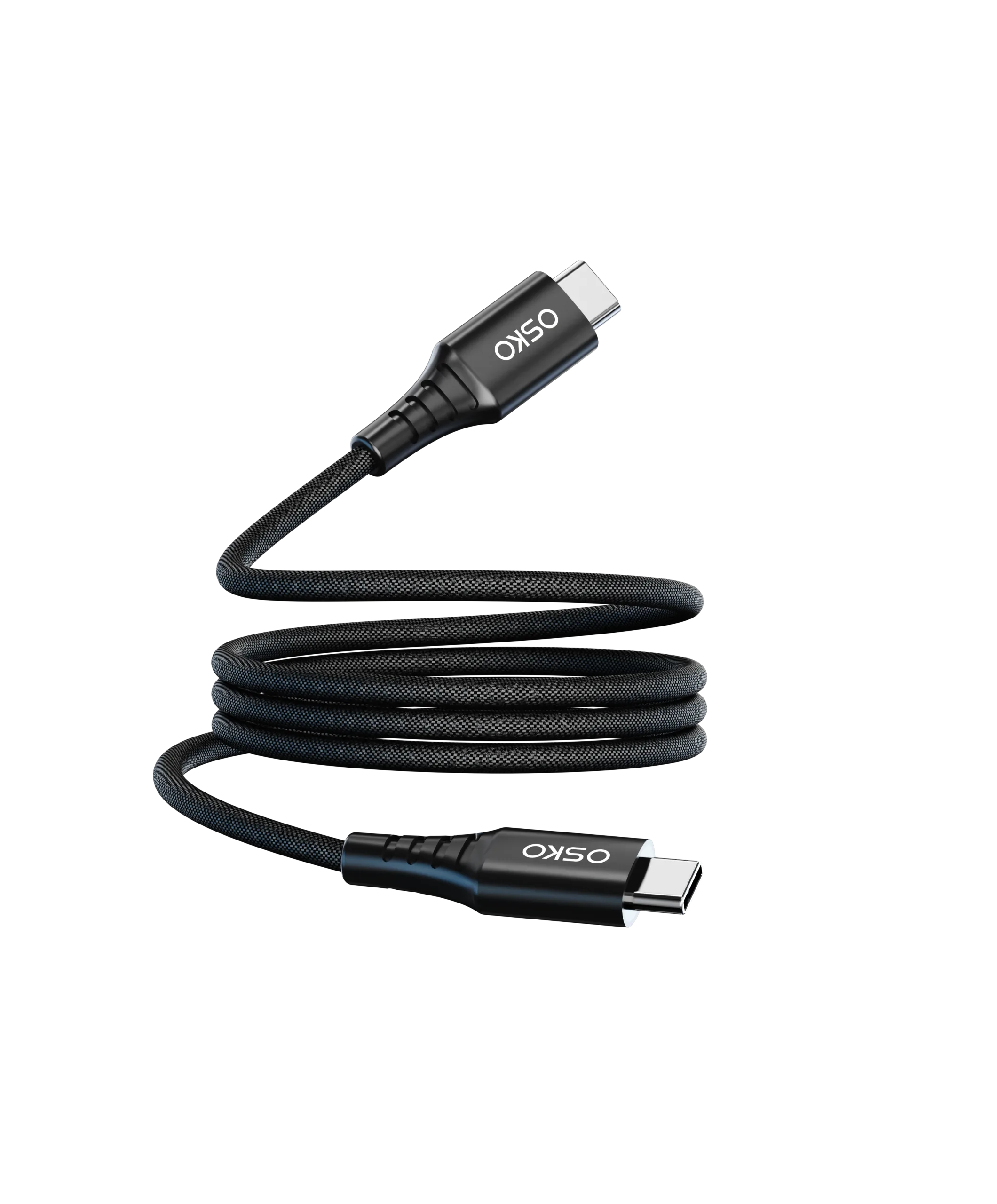
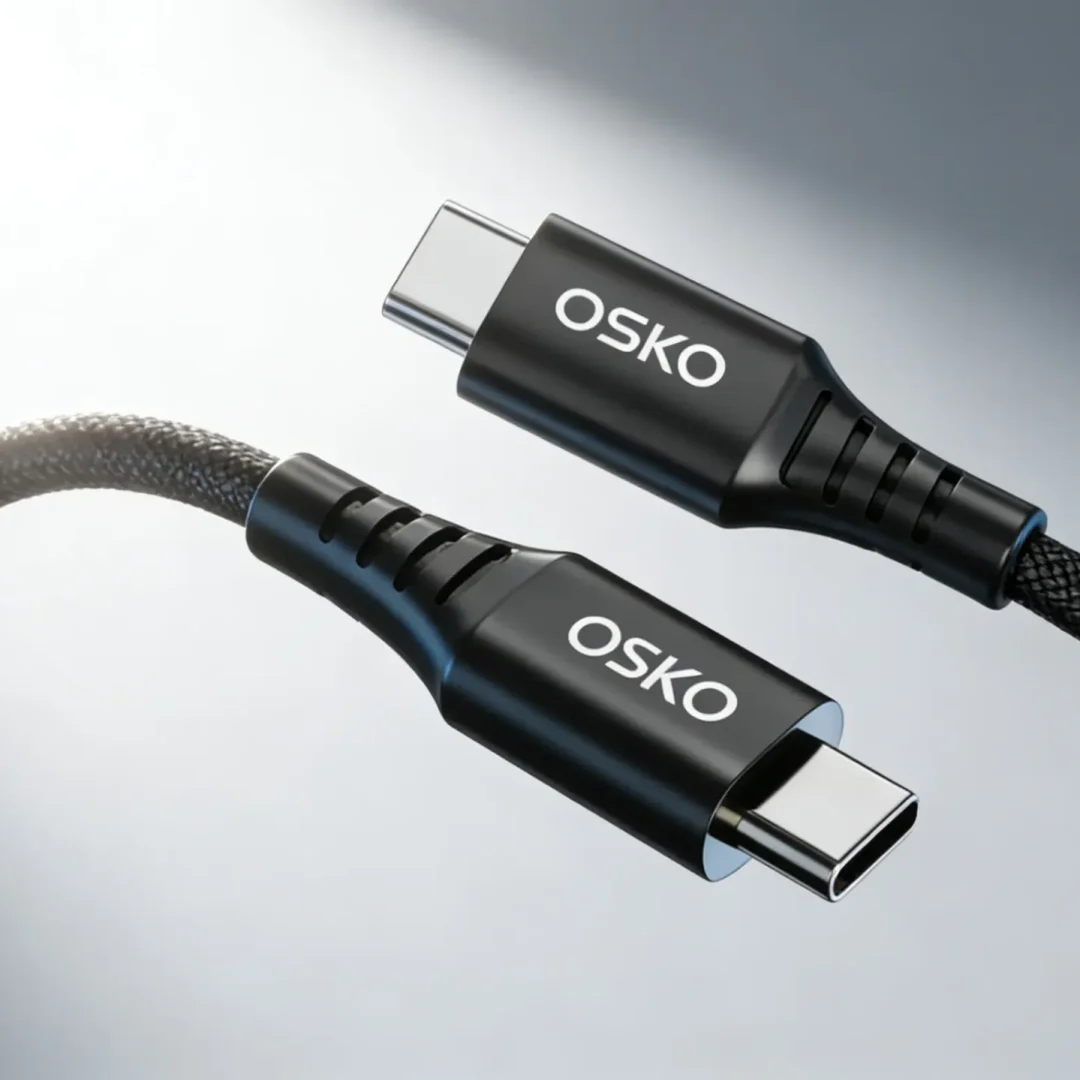
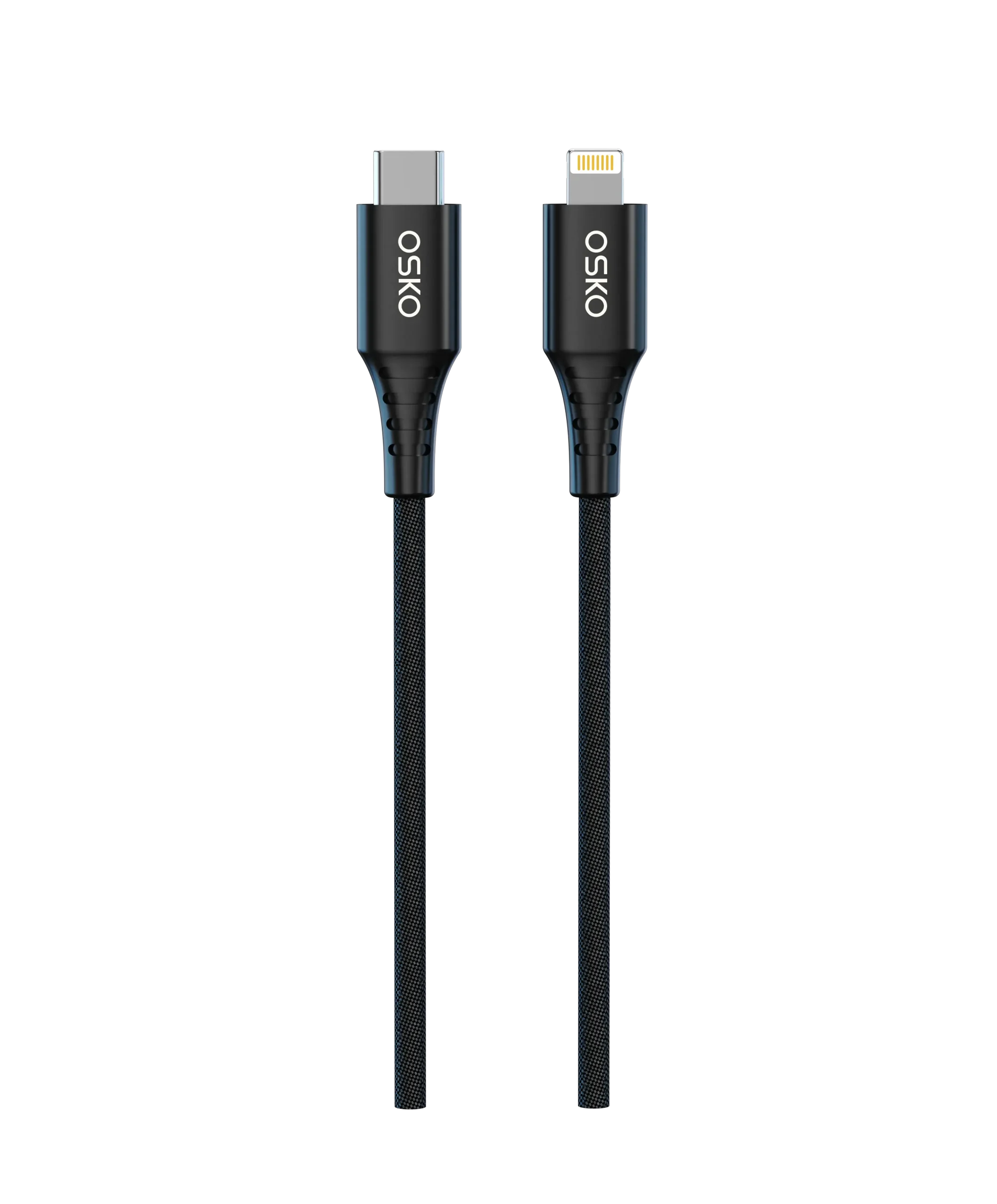
Yes, a Thunderbolt cable can work with USB-C devices because Thunderbolt 3, Thunderbolt 4, and Thunderbolt 5 use the USB-C connector design. However, compatibility does not mean identical performance.
The actual charging speed, data transfer rate, display capability, and device compatibility depend on the Thunderbolt cable specification, USB-C device capability, and supported communication protocols.
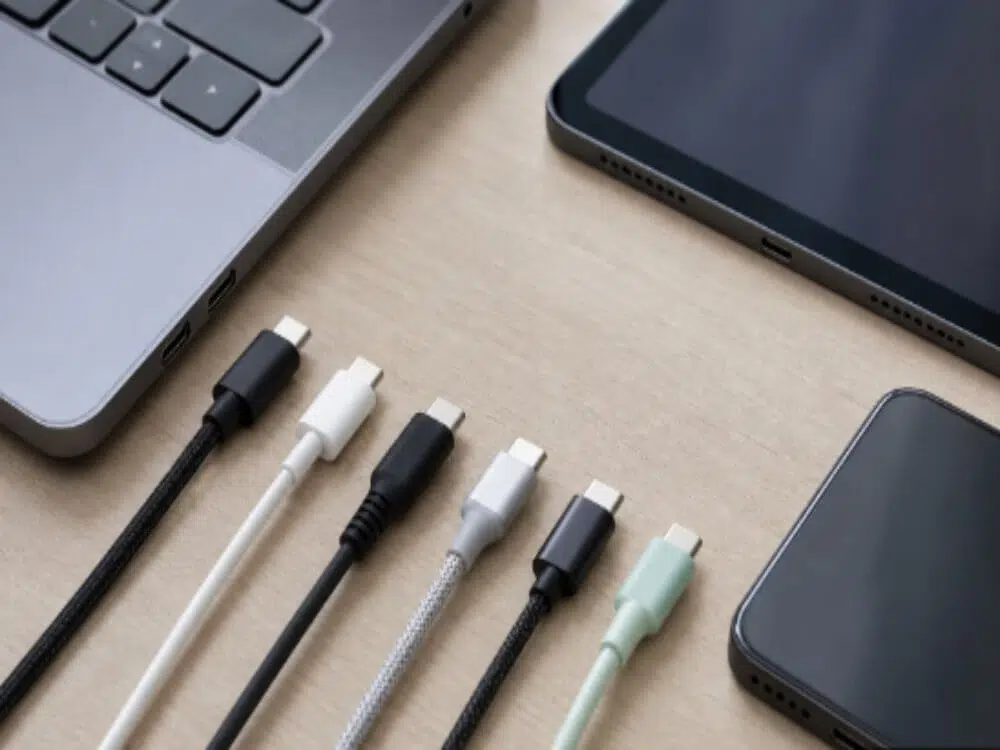
Many buyers confuse USB-C and Thunderbolt because they use the same physical connector. However, USB-C describes the connector type, while Thunderbolt defines the high-speed data transmission technology running through that connector.
For consumers, this difference affects daily device performance.
For OEM buyers, electronics brands, and distributors, understanding the difference between Thunderbolt cables and USB-C cables is critical when sourcing reliable products for laptops, docking stations, monitors, storage devices, and professional workstations.

Is Thunderbolt the Same as USB-C?
USB-C vs Thunderbolt: What Is the Difference?
No. Thunderbolt and USB-C are not the same technology.
The easiest way to understand:
USB-C = Connector Shape
Thunderbolt = High-Speed Communication Protocol
A USB-C port may support:
USB 2.0
USB 3.2
USB4
DisplayPort Alt Mode
Thunderbolt
However, not every USB-C port supports Thunderbolt.
Examples:
A laptop with a USB-C port may only support charging and basic data transfer.
A Thunderbolt 4 laptop port can support high-speed data, displays, and docking stations.
For cable buyers, the connector appearance alone cannot determine performance.
Will a Thunderbolt Cable Work with a USB-C Device?
Is Thunderbolt Cable Backward Compatible with USB-C?
Yes.
Thunderbolt cables are designed to support backward compatibility with many USB-C devices.
A Thunderbolt cable can usually connect with:
USB-C laptops
Tablets
Smartphones
USB-C monitors
External SSDs
Docking stations
USB-C accessories
However, the cable will only operate at the maximum capability supported by both devices.
Example:
A Thunderbolt 4 cable connected to a USB 3.2 laptop will work as a USB 3.2 cable.
A Thunderbolt cable connected to a USB 2.0 device will only provide USB 2.0 performance.
The cable cannot upgrade the hardware capability of the connected device.
Thunderbolt Cable vs USB-C Cable: Main Differences
How Are Thunderbolt and USB-C Cables Different?
Although both use the USB-C connector, their internal design and performance requirements are different.
| Feature | Standard USB-C Cable | Thunderbolt Cable |
|---|---|---|
| Connector | USB-C | USB-C |
| Data Speed | Up to 20Gbps (USB 3.2) | Up to 40Gbps or higher |
| Charging | USB PD supported | USB PD supported |
| Display Output | Device dependent | Advanced display support |
| PCIe Support | Usually unavailable | Supported |
| External GPU | No | Supported |
| Docking Station | Limited | Professional applications |
Thunderbolt cables are designed for demanding applications including:
Professional monitors
High-speed SSD storage
Video production equipment
Workstations
External GPUs
Can a USB-C Cable Replace a Thunderbolt Cable?
Does Every USB-C Cable Support Thunderbolt?
No.
Many USB-C cables are designed only for:
Charging
USB 2.0 data transfer
Basic accessories
They may not support:
40Gbps bandwidth
PCIe communication
Multi-monitor output
Thunderbolt docking stations
Comparison:
| Cable Type | Charging | Data Speed | Thunderbolt Support |
|---|---|---|---|
| USB 2.0 USB-C Cable | Yes | 480Mbps | No |
| USB 3.2 USB-C Cable | Yes | Up to 20Gbps | No |
| Thunderbolt 3 Cable | Yes | 40Gbps | Yes |
| Thunderbolt 4 Cable | Yes | 40Gbps | Yes |
For business purchasing, selecting a standard USB-C cable instead of a Thunderbolt-certified cable may create customer complaints and compatibility problems.
Does a Thunderbolt Cable Support USB Power Delivery?
Can Thunderbolt Cables Charge USB-C Devices?
Yes.
Most modern Thunderbolt cables support USB Power Delivery (USB PD).
Charging performance depends on:
Charger output power
Device charging requirements
Cable conductor size
E-marker chip
USB PD version
Common power levels include:
| USB PD Version | Maximum Power |
|---|---|
| USB PD 2.0 | 100W |
| USB PD 3.0 | 100W |
| USB PD 3.1 EPR | 240W |
High-power USB-C cables require an E-marker IC.
The E-marker chip provides information about:
Maximum current rating
Cable power capability
Supported protocols
Cable identification
Without proper E-marker communication, devices may reduce charging power for safety.

Why Do Thunderbolt Cables Require Advanced Manufacturing?
Internal Structure of High-Speed USB-C Cables
A professional Thunderbolt cable contains more complex internal construction than a normal charging cable.
Important components include:
High-Speed Differential Pairs
Used for:
Data transmission
Signal integrity
High-frequency communication
Advanced Shielding System
High-performance cables typically use:
Aluminum foil shielding
Copper braided shielding
Twisted pair structures
These reduce:
EMI interference
Signal loss
Data errors
Low Resistance Power Conductors
For high-power charging, manufacturers use:
Pure copper conductors
Larger AWG wire sizes
Heat-resistant insulation
Typical conductor selection:
| Power Requirement | Recommended AWG |
|---|---|
| 60W USB-C Cable | 24–26 AWG |
| 100W USB-C PD Cable | 22–24 AWG |
| 240W USB-C EPR Cable | 20–22 AWG |
Lower AWG numbers indicate thicker conductors.
Why Are E-Marker Chips Important in Thunderbolt Cables?
What Does an E-Marker IC Do?
An E-marker is a small integrated circuit inside high-performance USB-C cables.
It allows devices to identify:
Cable current capability
Power rating
USB protocol support
Manufacturer information
E-marker chips are commonly required for:
100W USB-C PD cables
240W USB-C PD 3.1 cables
High-performance Thunderbolt cables
For OEM buyers, E-marker programming capability is an important supplier evaluation factor.
How Do Manufacturers Ensure Thunderbolt Cable Quality?
Quality Control Standards for OEM Cable Production
Professional USB-C and Thunderbolt cable manufacturers use structured quality systems.
A reliable factory should have:
ISO9001 Quality Management System
ISO9001 helps control:
Supplier management
Raw material inspection
Production procedures
Quality tracking
Final inspection
Manufacturing quality processes usually include:
IQC
Incoming material inspection.
IPQC
Production process monitoring.
OQC
Final product inspection before shipment.
Why Is Lead-Free Solder Used in USB-C Cable Manufacturing?
SAC305 Lead-Free Solder Process
Professional cable factories commonly use SAC305 solder.
Composition:
Tin (Sn): 96.5%
Silver (Ag): 3.0%
Copper (Cu): 0.5%
Advantages:
RoHS compliance
Strong solder joints
Stable electrical performance
Typical processing:
Melting point: approximately 217°C
Production temperature: 240–260°C
Poor solder control can cause:
Increased resistance
Connector failure
Charging interruption
Reduced product lifespan
What Certifications Should OEM Buyers Request?
How to Verify a Reliable Thunderbolt Cable Manufacturer?
Before bulk purchasing, buyers should request:
| Certification | Purpose |
|---|---|
| ISO9001 | Quality management |
| RoHS | Hazardous substance control |
| REACH | Chemical compliance |
| UL Certification | Safety requirements |
| USB-IF Testing | USB specification verification |
| Thunderbolt Certification | Thunderbolt compliance |
Additional testing documents:
Signal integrity test reports
USB PD test reports
E-marker verification
Cable bending tests
Connector durability tests
How Should Businesses Choose a Thunderbolt Cable Supplier?
Questions OEM Buyers Should Ask Manufacturers
Before placing an order, confirm:
Technical Capability
Does the factory produce Thunderbolt-compatible cables?
Can they support USB4 cable production?
Do they have high-speed testing equipment?
Can they program E-marker chips?
Material Quality
Ask:
Are conductors pure copper?
What AWG sizes are available?
What shielding structure is used?
What insulation materials are applied?
Manufacturing Capability
Confirm:
ISO9001 certification
Production capacity
OEM customization ability
Quality inspection process
Why Choose an Experienced USB-C Cable Manufacturer?
For brands and distributors, supplier capability directly affects:
Product reliability
Customer reviews
Warranty costs
Market reputation
An experienced OEM cable manufacturer can provide:
Custom USB-C cable design
Thunderbolt-compatible solutions
USB PD cable development
Private label production
Bulk manufacturing support
Conclusion: Will a Thunderbolt Cable Work with USB-C?
A Thunderbolt cable generally works with USB-C devices because both use the USB-C connector. However, USB-C and Thunderbolt are not the same technology.
The actual performance depends on:
Cable protocol support
Data transmission speed
USB PD capability
E-marker implementation
Conductor quality
Manufacturing standards
For simple charging and basic data transfer, a standard USB-C cable may be enough.
For professional applications such as:
Thunderbolt docking stations
External SSDs
Multiple displays
Workstations
a certified Thunderbolt cable is the better choice.
For OEM buyers and global electronics brands, selecting a manufacturer with strong engineering capability and strict quality control is essential for long-term product success.
FAQ About Thunderbolt and USB-C Cable Compatibility
1. Will a Thunderbolt cable work with a USB-C laptop?
Yes. A Thunderbolt cable can connect to many USB-C laptops, but performance depends on whether the laptop supports Thunderbolt.
2. Can a USB-C cable replace Thunderbolt?
Only for basic applications. Standard USB-C cables usually cannot provide Thunderbolt-level bandwidth, PCIe support, or professional display features.
3. Does Thunderbolt cable support fast charging?
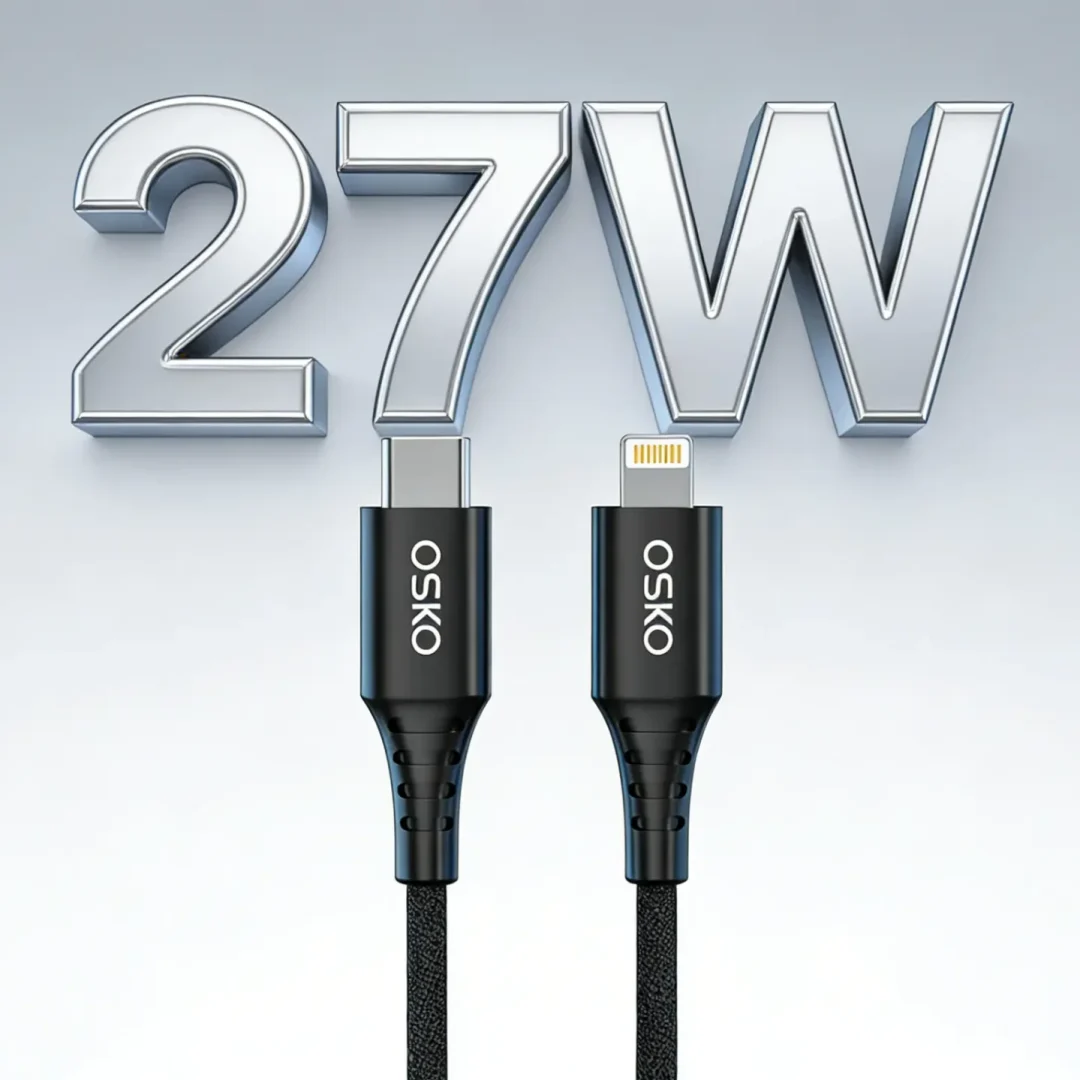
Yes. Many Thunderbolt cables support USB PD charging, including 100W and some 240W applications.
4. What should businesses check when buying Thunderbolt cables?
OEM buyers should verify:
Thunderbolt certification
USB PD support
E-marker capability
AWG conductor size
High-speed testing
Factory quality certification