
Introduction
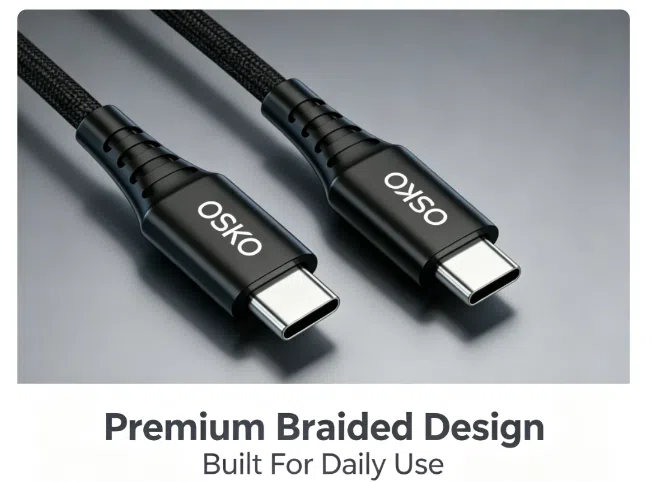
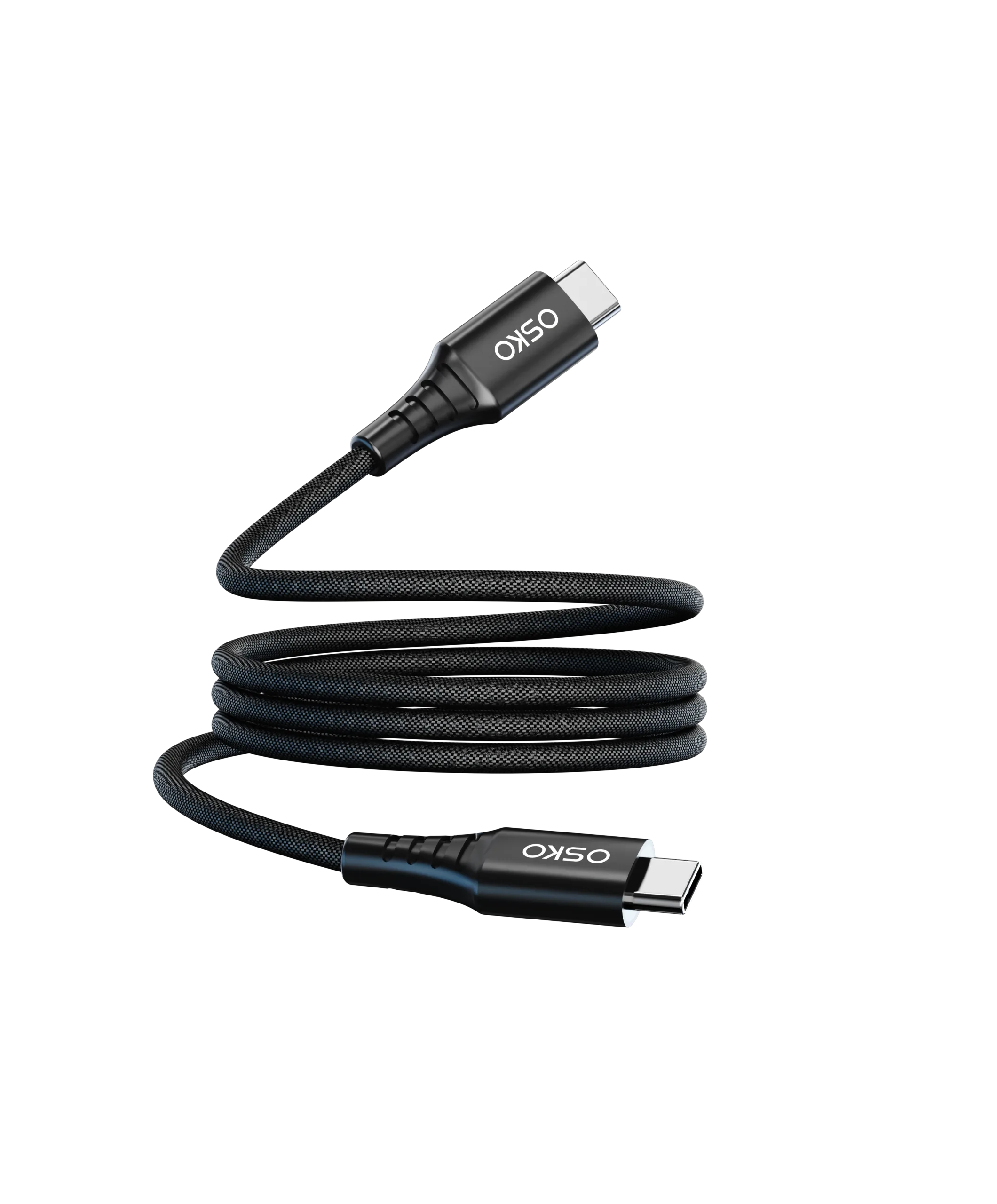
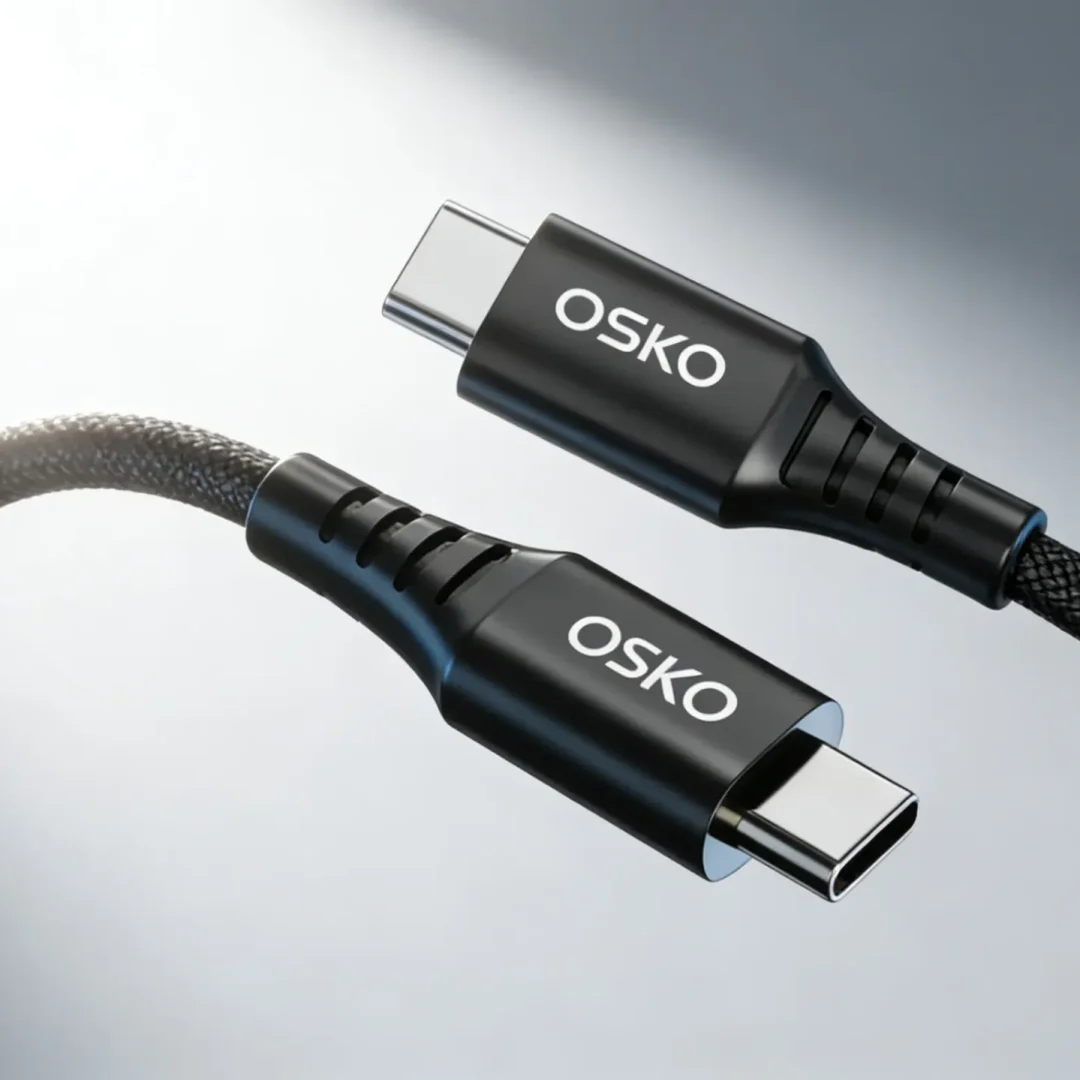
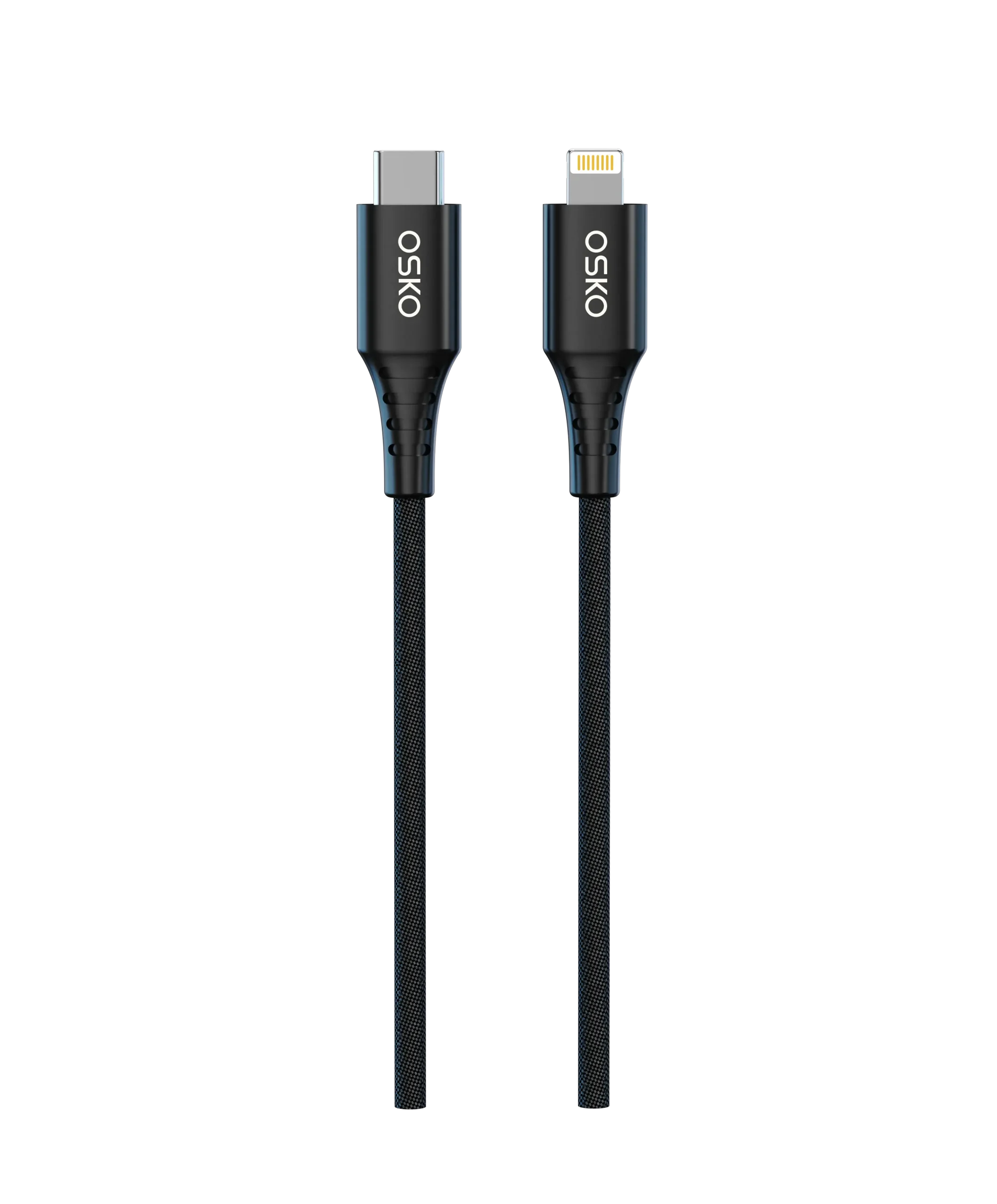
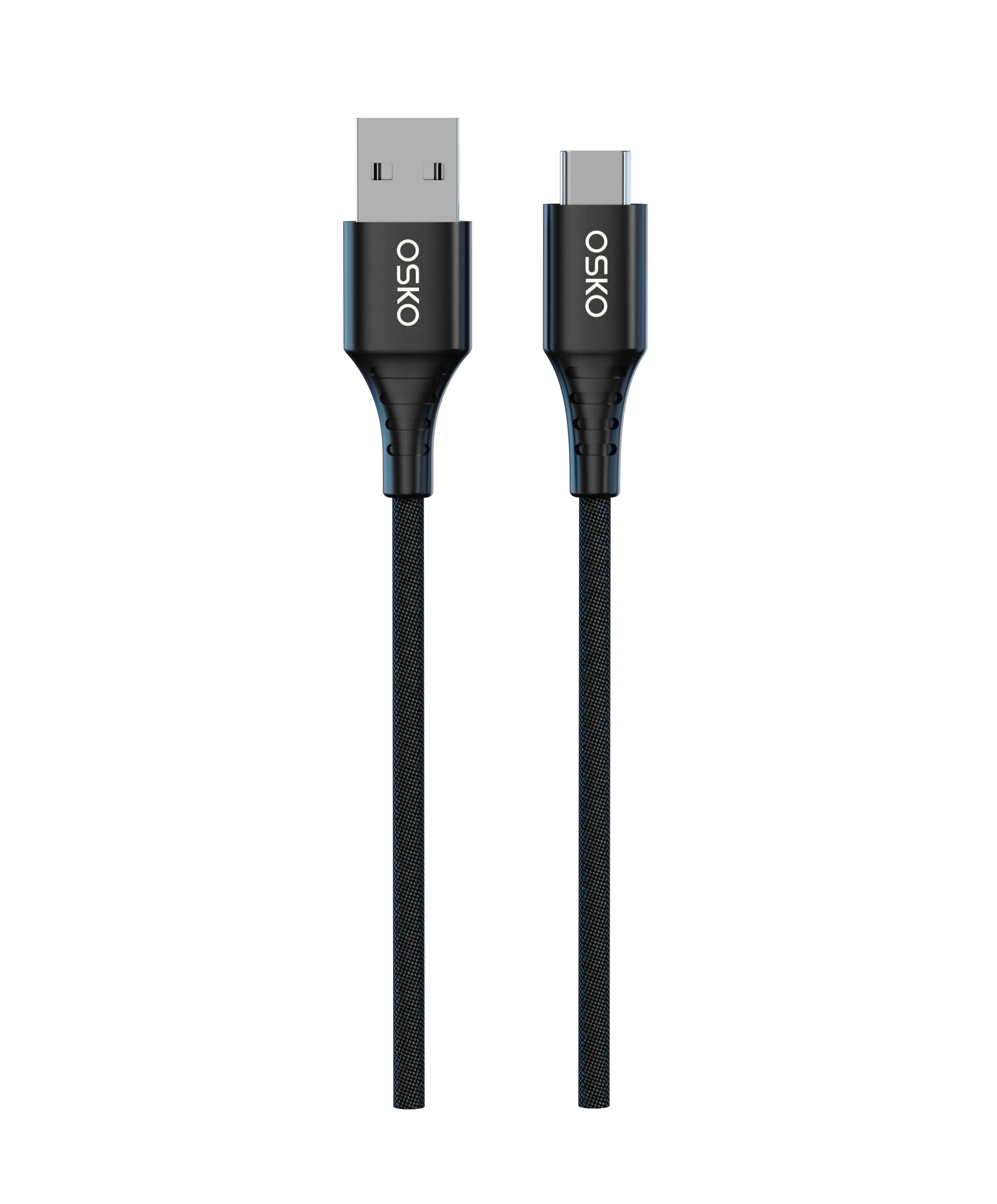
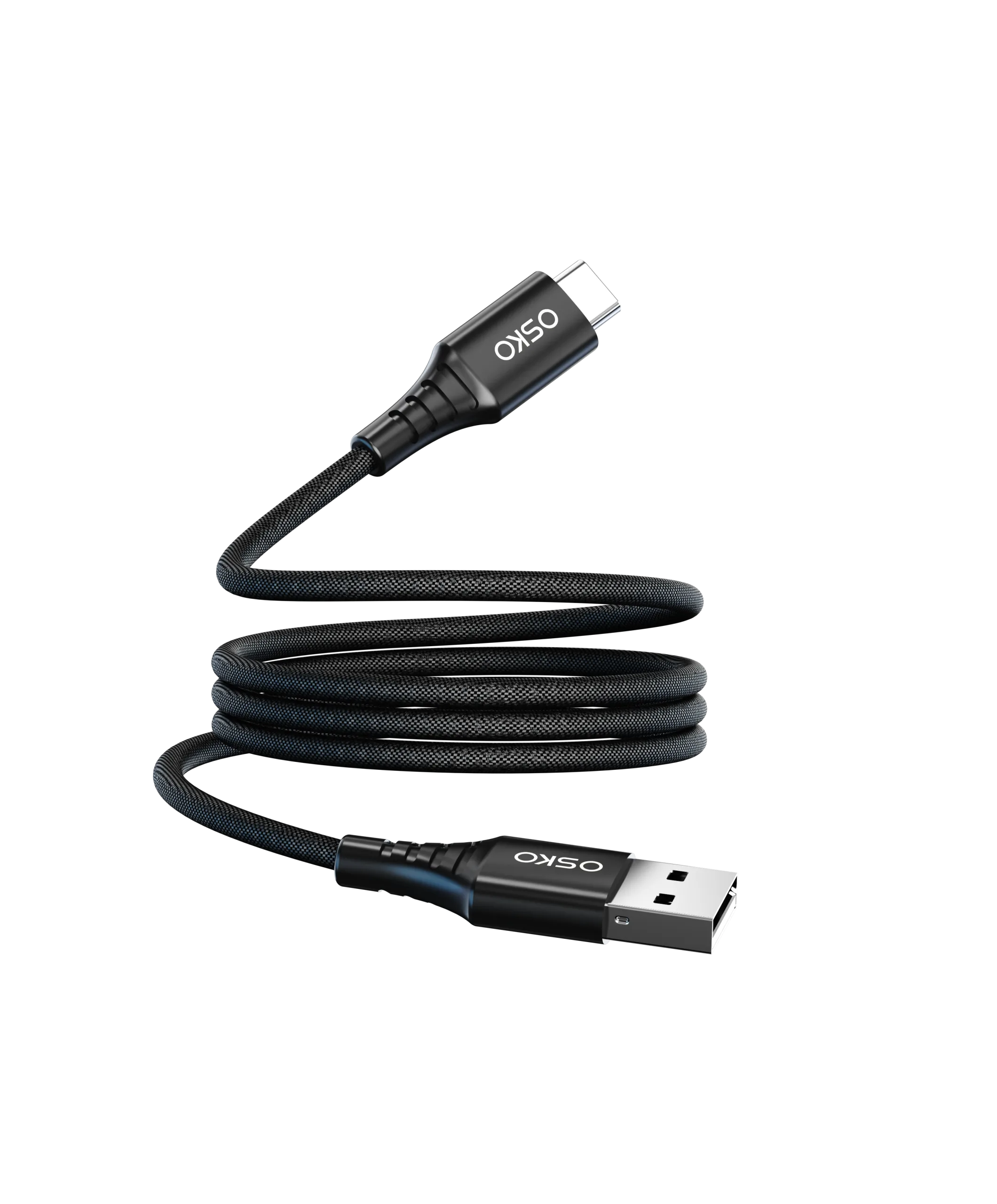
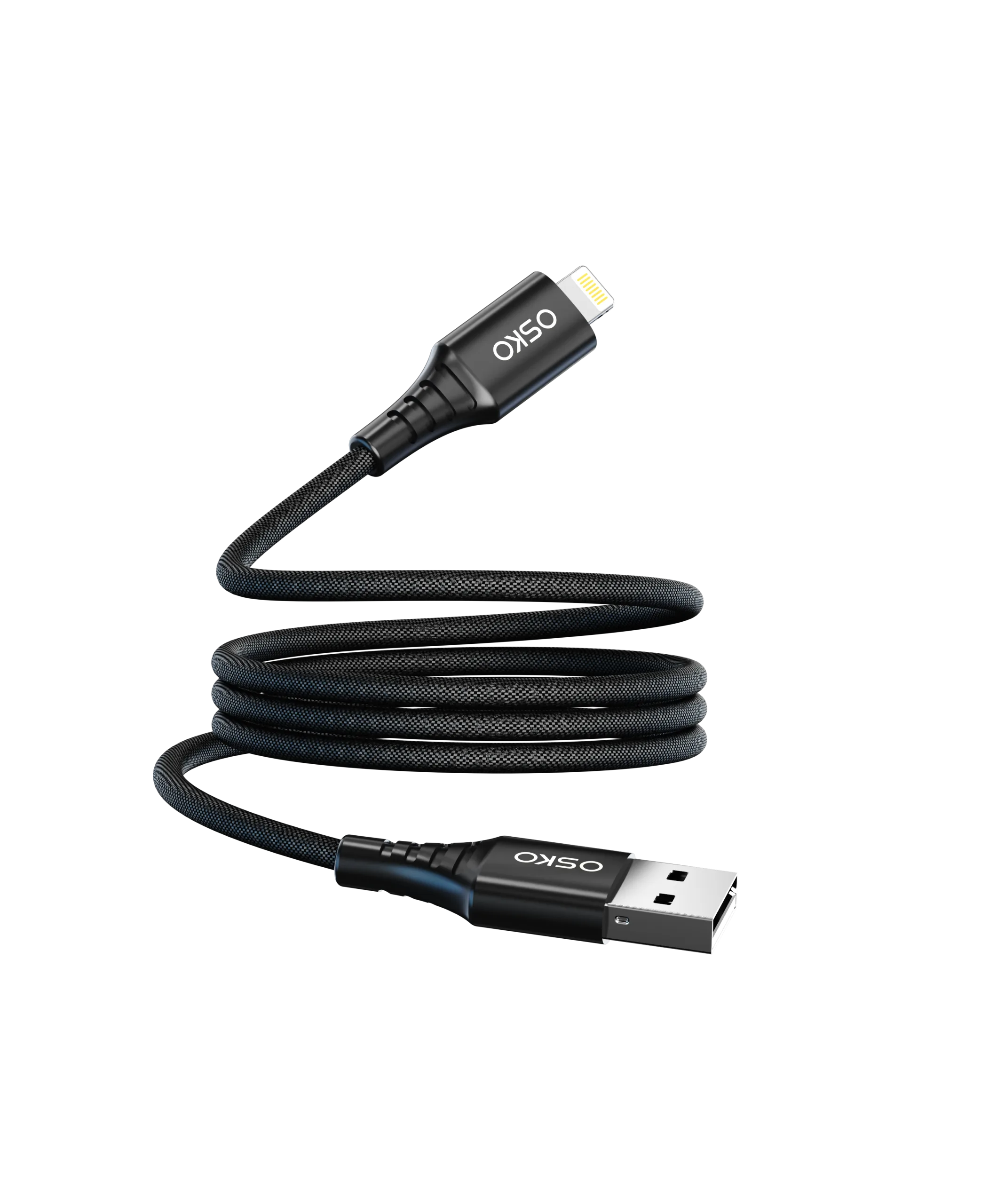
Choosing the right USB-C Cable 6ft requires more than selecting a longer cable length. As USB-C devices become increasingly common in homes, offices, and professional environments, users need charging cables that can maintain stable power delivery, reliable connection, and comfortable usability over extended distances.
A 6ft USB-C cable provides additional flexibility compared with standard 3ft or 10ft cables. It allows users to connect devices placed farther from power outlets, making it suitable for:
Office desk setups
Bedside charging
Conference rooms
Entertainment systems
Professional workstations
However, longer cables create additional engineering challenges. As cable length increases, electrical resistance also increases, which may affect charging efficiency, voltage stability, and thermal performance.
For electronics brands and procurement teams, developing a reliable long cable solution requires careful consideration of:
Conductor design
Power transmission capability
Signal integrity
Material selection
Mechanical durability
A poorly designed long cable may cause:
Slower charging speed
Unstable device connection
Excessive heat generation
Reduced product lifetime
OSKO specializes in OEM and ODM USB cable manufacturing, helping global electronics brands develop customized USB-C Charging Cable solutions with optimized electrical performance, durable materials, and consistent production quality.

Material Science & Dielectric Properties
Engineering Challenges of Long USB-C Cable Design
A standard USB-C cable and a 6ft USB-C cable may look similar externally, but their internal engineering requirements are different.
The longer transmission distance requires improved control of:
Electrical resistance
Signal loss
Heat generation
Mechanical flexibility
A professional Long USB-C Cable typically requires optimized internal construction.
| Cable Component | Engineering Function | Importance for 10ft Cable |
|---|---|---|
| Copper conductor | Transfers power and signals | Reduces voltage loss |
| Insulation layer | Maintains electrical separation | Supports stable performance |
| Shielding layer | Protects signals | Improves data reliability |
| E-marker chip | Communicates power capability | Supports higher charging power |
| Outer jacket | Protects internal structure | Improves flexibility |
| Connector reinforcement | Protects connection points | Increases lifetime |
Conductor Design and Voltage Drop Control
The biggest technical challenge for a 6ft charging cable is maintaining stable power delivery.
When current travels through a longer cable, resistance creates voltage loss.
The relationship can be simplified as:
Higher Length + Higher Resistance = Greater Voltage Drop
To reduce this effect, manufacturers optimize:
Copper conductor size
Copper purity
Internal cable structure
Current capacity
For example, a high-power laptop charging cable requires more advanced conductor design than a basic smartphone charging cable.
OSKO evaluates cable specifications according to:
Required wattage
Target devices
Cable length
Operating environment
to ensure stable charging performance.
USB-C Power Delivery Compatibility
Many modern devices use USB Power Delivery technology.
A long cable supporting fast charging must consider:
Power rating
Current capability
E-marker configuration
Device communication
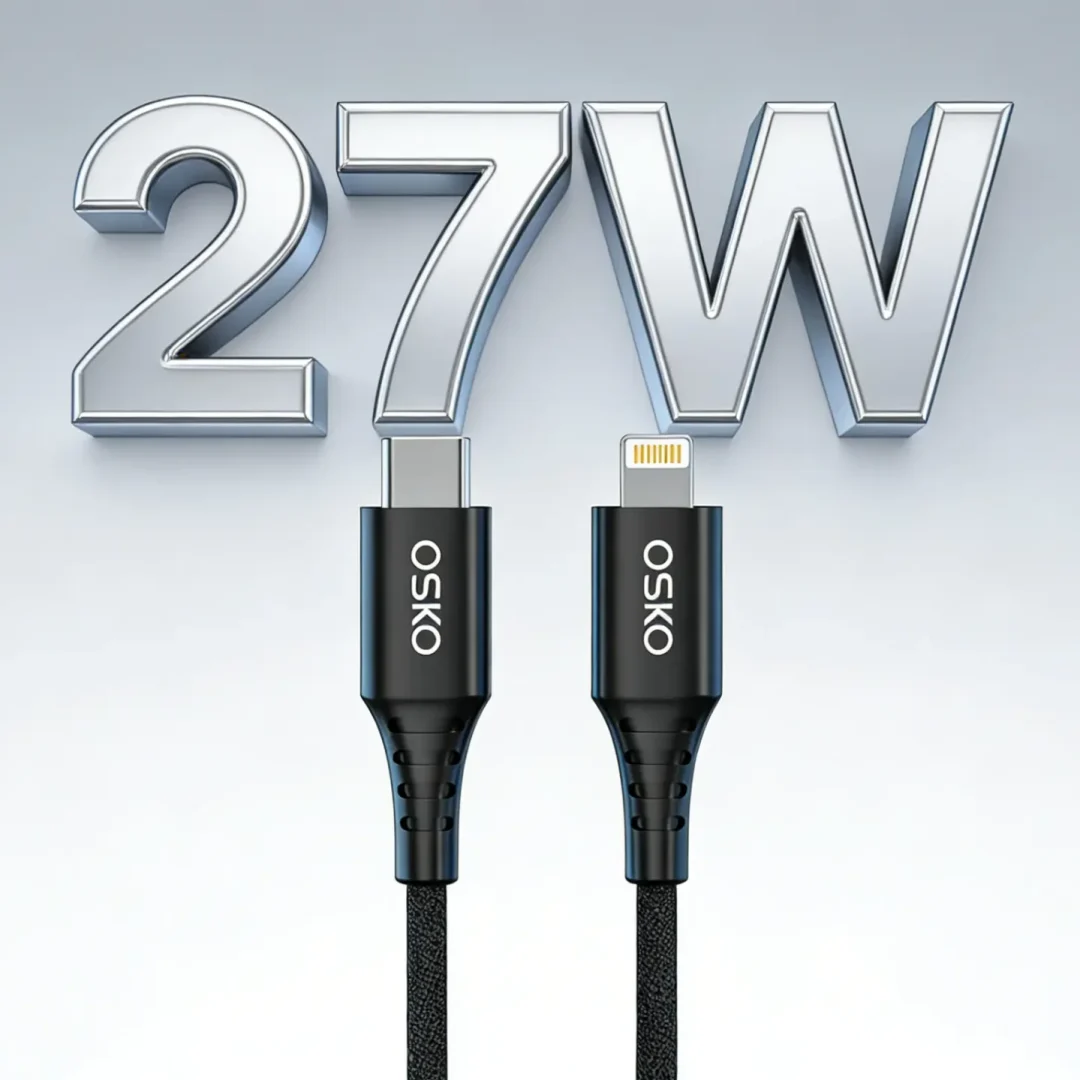
A USB-C to USB-C Cable is commonly selected for long-distance high-power applications because it supports modern USB PD charging systems.
Typical applications include:
| Device | Recommended Consideration |
|---|---|
| Smartphone | Standard USB-C charging |
| Tablet | Medium power support |
| Laptop | Higher wattage capability |
| Monitor | Stable power and data transmission |
| Docking station | High-performance cable structure |
Material Selection for Flexibility and Durability
A 10ft cable is often moved, rolled, and bent more frequently than shorter cables.
Therefore, mechanical durability is critical.
Important factors include:
Outer Jacket Material
The jacket affects:
Flexibility
Touch feeling
Wear resistance
Common options:
PVC
TPE
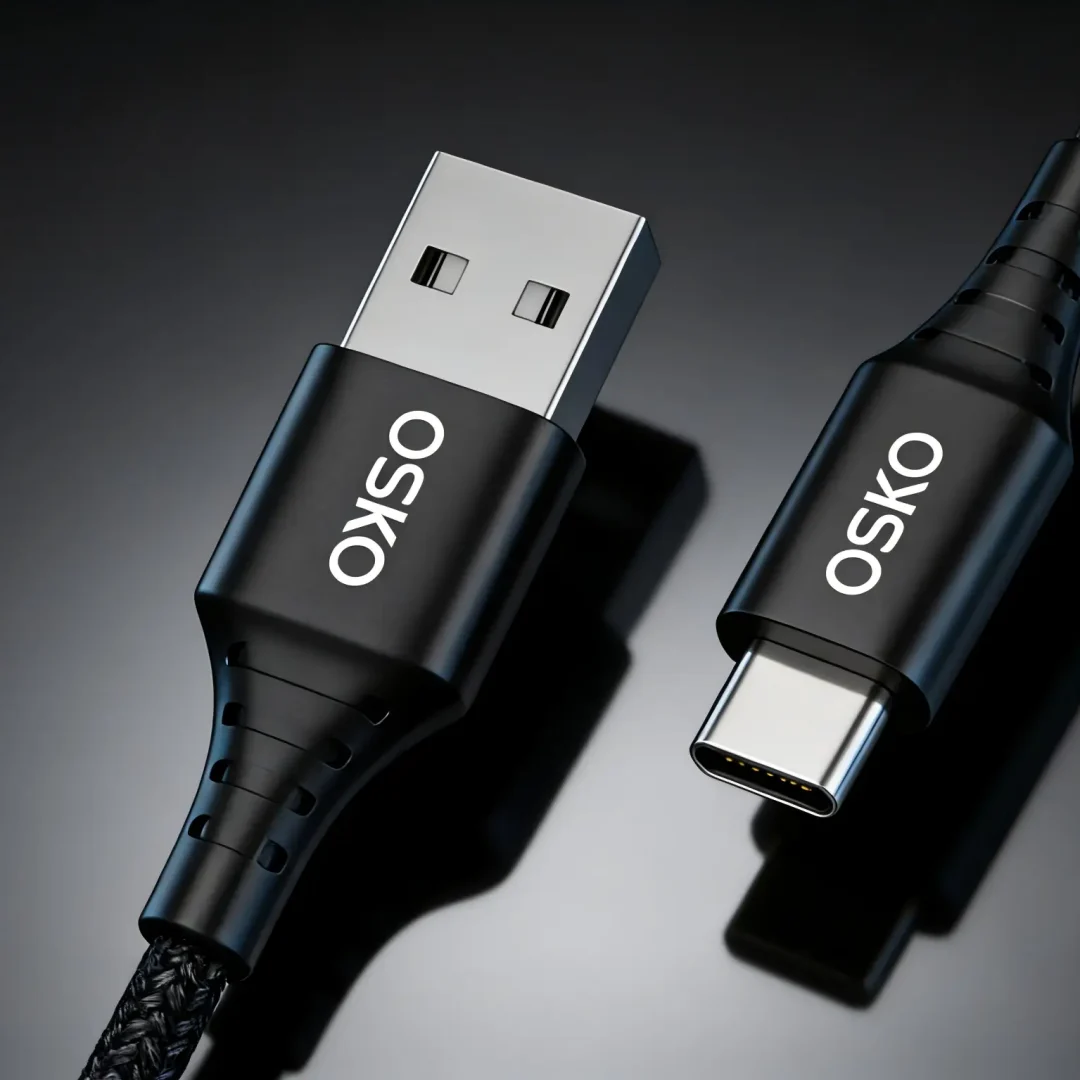
Nylon braided materials
Connector Strain Relief
The connector area experiences the highest mechanical stress.
A reinforced design helps prevent:
Cable separation
Internal conductor damage
Connection failure
For retail products, connector durability strongly affects customer satisfaction.
Case Study: 6ft USB-C Cable Solution for a Dutch Smart Office Equipment Brand
Customer Background
A Netherlands-based smart office equipment company developed a new workplace charging solution for modern offices.
The product range included:
Adjustable workstations
Desk charging accessories
USB-C powered office devices
The company wanted to launch a 6ft USB-C cable because many office users needed to connect devices positioned away from wall outlets.
Their procurement team required a supplier that could provide:
Reliable long-distance charging
Professional appearance
Stable mass production
Custom specifications
Engineering Challenges
1. Maintaining Charging Performance Over 6ft Length
The customer’s previous cable supplier provided long cables, but testing showed inconsistent charging performance.
Problems included:
Reduced charging speed
Voltage instability
Increased temperature during operation
The engineering team needed a better internal structure.
2. Balancing Flexibility and Durability
Office users expected the cable to:
Move around desks
Be frequently plugged and unplugged
Maintain a clean appearance
A cable that was too stiff reduced user experience, while a soft cable without reinforcement reduced durability.
3. Consistent Quality for Commercial Deployment
The customer planned large-scale office installations.
Their purchasing department focused on:
Batch consistency
Product reliability
Supplier technical support
OSKO Engineering Solution
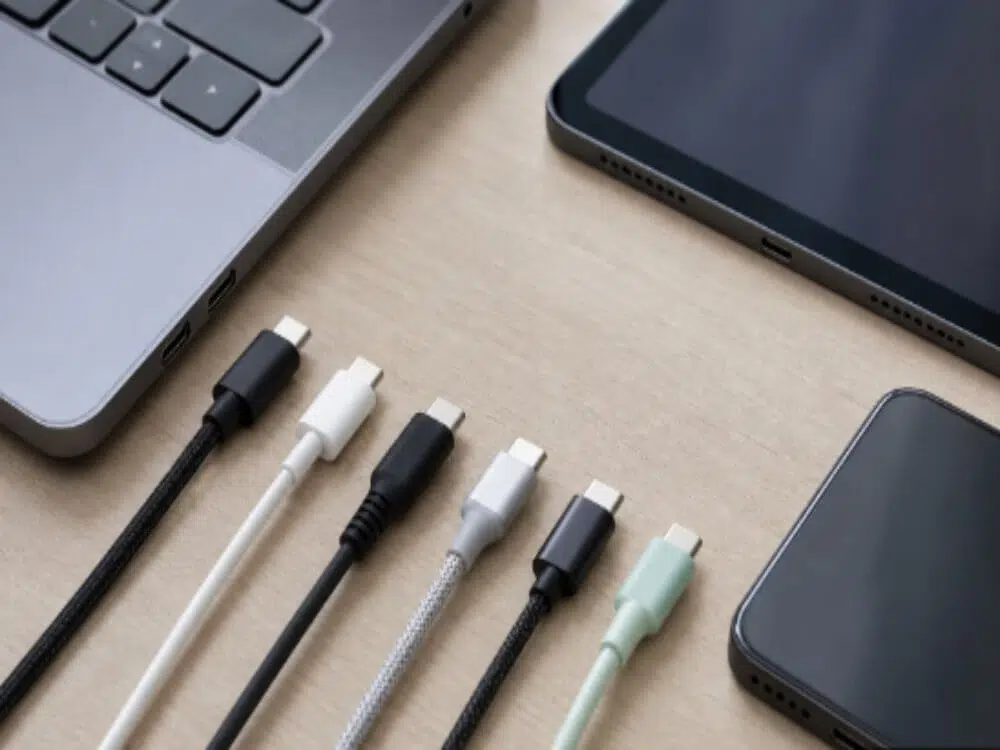
OSKO developed a customized USB-C Cable 6ft solution based on the customer’s office environment.
Optimized Electrical Structure
OSKO adjusted:
Conductor specifications
Cable resistance control
Internal layout design
to maintain stable power transmission across the longer cable length.
Enhanced Mechanical Design
The solution included:
Flexible outer materials
Reinforced connector structure
Improved bending resistance
This provided better durability for daily office use.
Production Quality Control
| Test Item | Purpose |
|---|---|
| Resistance test | Verify electrical performance |
| Charging test | Confirm power stability |
| Temperature test | Evaluate heat management |
| Bending test | Check mechanical durability |
| Batch inspection | Maintain consistency |
The final cable solution helped the customer provide a reliable long-distance charging accessory for professional office environments.
Selection Guide: How to Choose the Right USB-C Cable 6ft
1. Confirm Device Power Requirements
Before selecting a 10ft cable, buyers should identify:
Device charging wattage
Required current
Charger capability
Usage environment
A longer cable requires more careful specification matching.
2. Choose the Correct Charging Capability
For basic devices:
A standard USB-C Charging Cable may be sufficient.
For laptops and high-power devices:
A higher-performance Fast Charging Cable with optimized conductors may be required.
3. Consider Application Environment
| Application | Recommended Feature |
|---|---|
| Home charging | Flexible and durable design |
| Office desk | Long reach and clean appearance |
| Professional setup | High reliability and stable performance |
| Retail product | Attractive packaging and consistent quality |
4. Select an Experienced OEM Supplier
For brands developing long USB-C cables, supplier capability is essential.
A professional OEM USB Cable manufacturer should provide:
Engineering support
Material selection
Custom length options
Performance testing
Bulk production capability
OSKO supports customers from product development to large-scale manufacturing.
FAQ
Is a 10ft USB-C cable too long for fast charging?
No. A properly engineered 10ft cable can support fast charging when conductor design, power rating, and materials are correctly selected.
Does a longer USB-C cable charge slower?
It can if the cable has high resistance. Professional long cables use optimized conductors to reduce voltage loss.
What is the best use for a 10ft USB-C cable?
Common applications include home charging, office desks, entertainment systems, and professional workspaces.
Should I choose USB-C to USB-C for a 10ft cable?
For modern fast charging applications, USB-C to USB-C is usually the preferred choice because it supports USB PD technology.
Can OSKO customize 10ft USB-C cables?
Yes. OSKO provides OEM and ODM customization including cable length, materials, connectors, packaging, and electrical specifications.
Summary
Selecting a USB-C Cable 6ft requires careful engineering consideration because longer cable length increases challenges related to resistance, voltage stability, heat management, and durability.
For home users, office environments, and professional applications, a reliable long USB-C cable provides greater flexibility and convenience.
For electronics brands, choosing an experienced manufacturing partner is essential to ensure product quality and market competitiveness.
OSKO provides professional OEM and ODM USB-C Charging Cable solutions, including long cables, fast charging cables, USB-C to USB-C cables, and customized cable products.
Through engineering design, material optimization, and strict quality control, OSKO helps global customers develop reliable charging solutions for modern electronic devices.
Contact Information
OSKO USB Cable Manufacturing Solutions
OSKO specializes in:
OEM USB Cable Manufacturing
ODM USB-C Cable Development
Long USB-C Cable Solutions
Fast Charging Cable Production
For electronics brands, distributors, and procurement teams requiring reliable long-distance charging solutions, OSKO provides professional engineering support from concept development to mass production.