
Nylon Braided USB-A to USB-C Cable: A Complete Guide for OEM Buyers and Global Brands
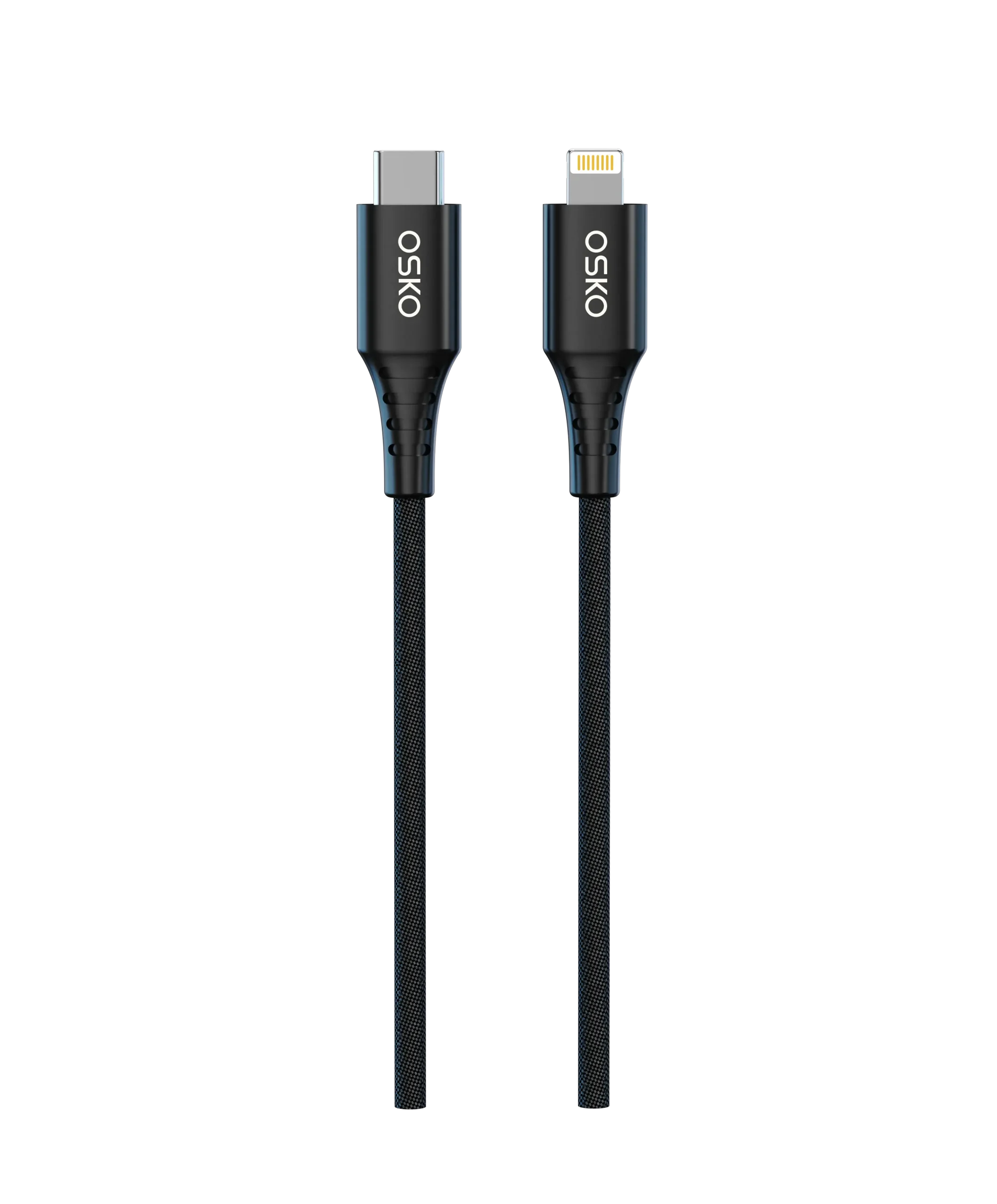
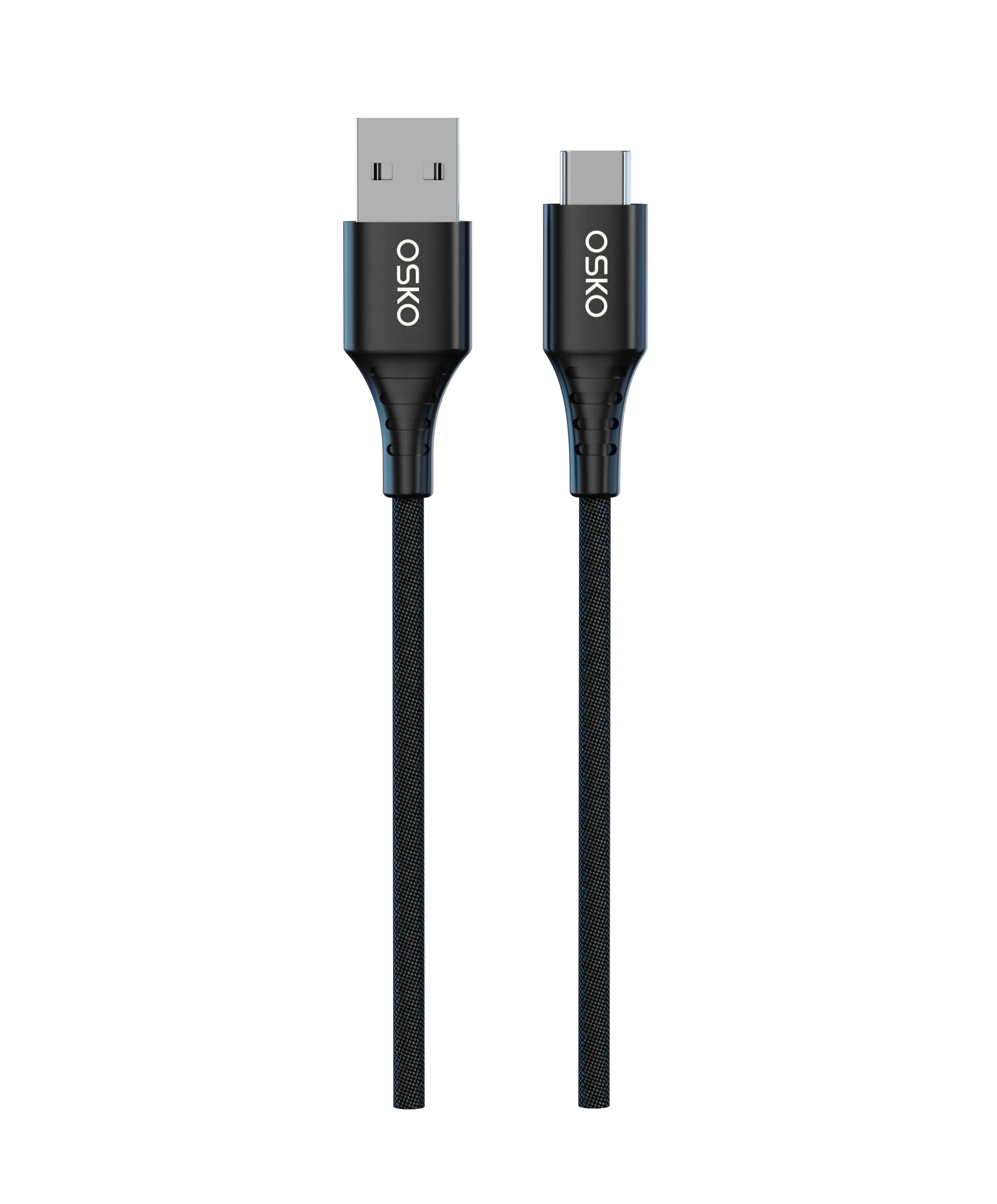
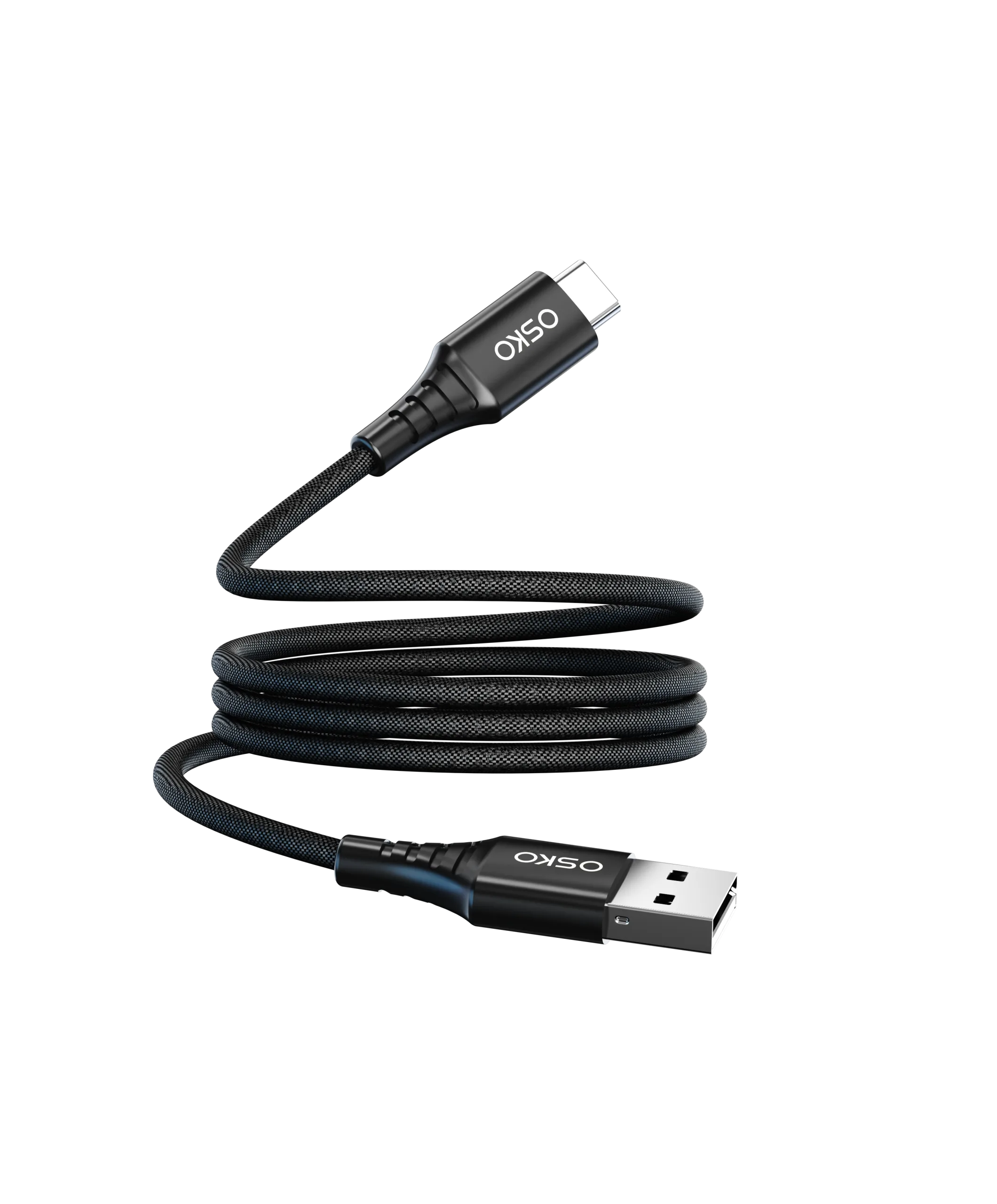
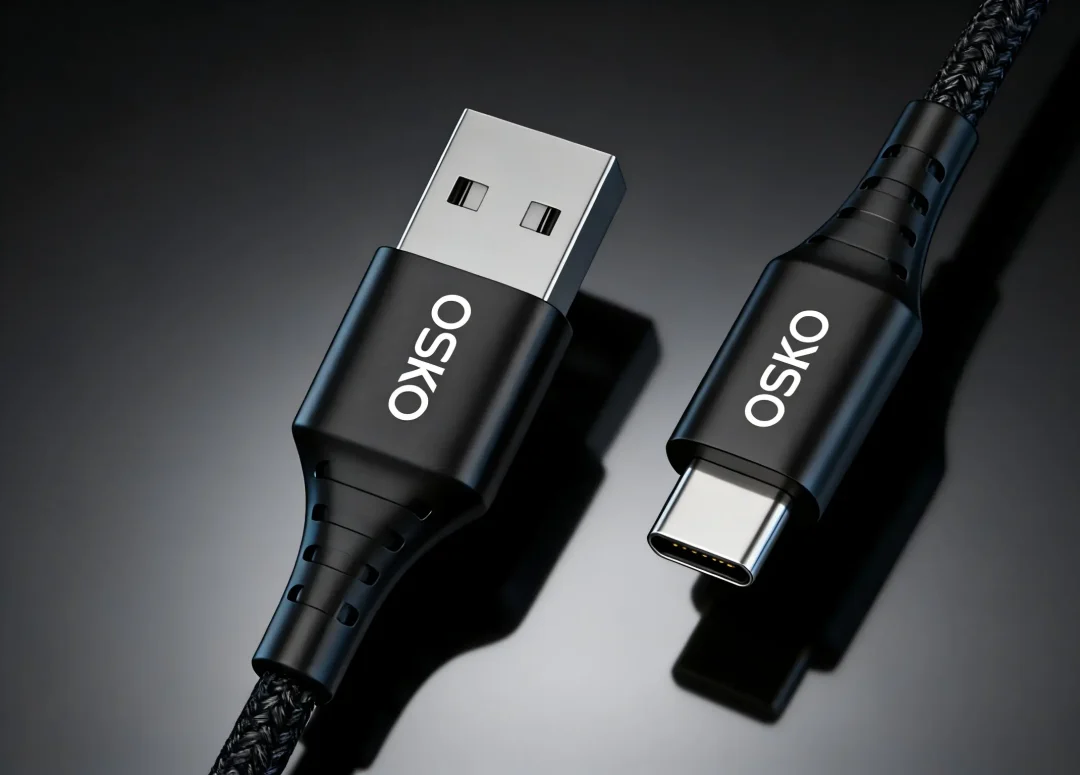
A nylon braided USB-A to USB-C cable is one of the most widely used charging and data transfer solutions for smartphones, tablets, power banks, Android devices, and electronic accessories.
For brands, distributors, and retailers searching for a reliable USB-C cable manufacturer, selecting the right cable design is more than choosing appearance. Cable structure, conductor quality, charging capability, durability, and production consistency directly affect customer satisfaction and product returns.
As a professional USB cable OEM manufacturer, OSKO focuses on developing reliable USB-A to USB-C charging cables with reinforced structures, stable electrical performance, and customized solutions for global markets including the United States, Germany, Australia, and the Netherlands.
What Is a USB-A to USB-C Cable?
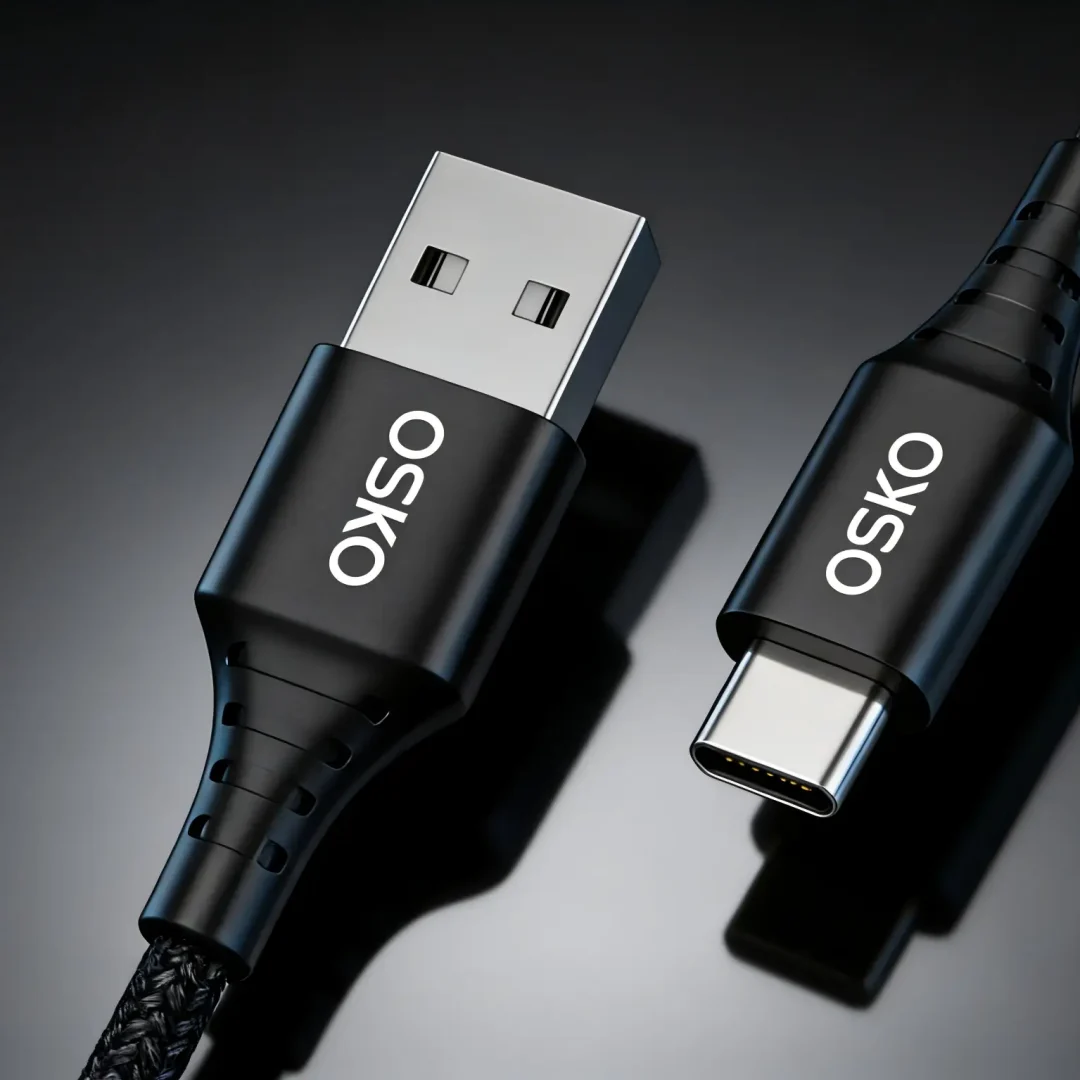
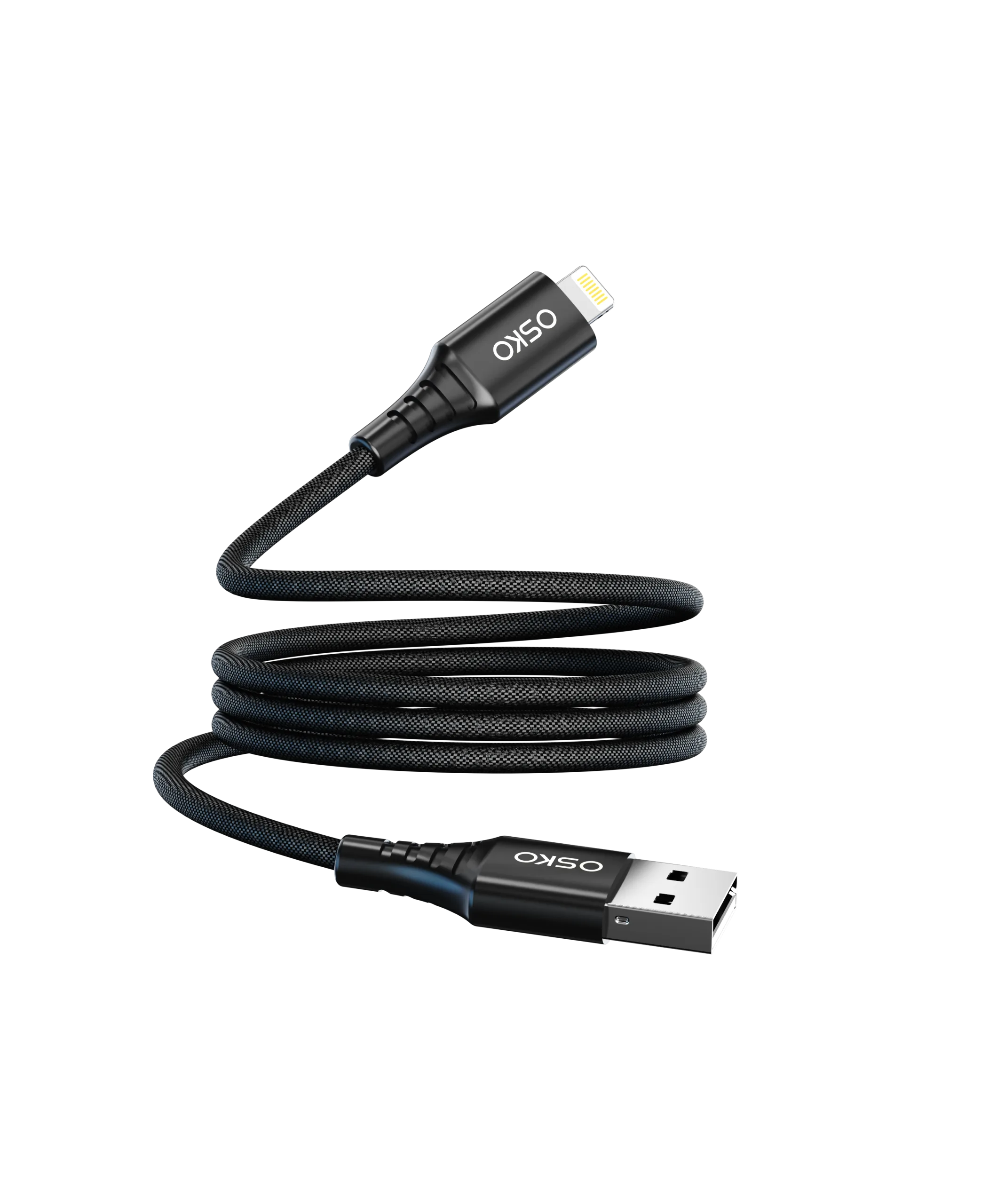
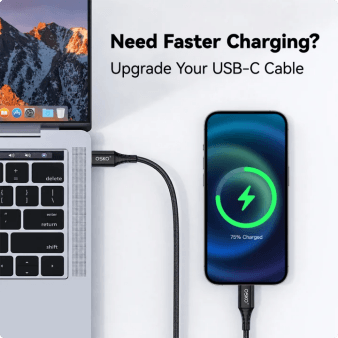
A USB-A to USB-C cable connects traditional USB-A charging ports with modern USB-C devices.
The USB-A connector has been widely used in:
Wall chargers
Computers
Car chargers
Power banks
Charging stations
The USB-C connector is a newer reversible interface designed for:
Faster charging
Higher power delivery
Improved connection reliability
Modern electronic devices
Unlike traditional USB connectors, USB-C can be inserted in either direction, making it easier for users during daily charging.
Common applications include:
Android smartphones
Tablets
Bluetooth devices
Wireless headphones
Gaming accessories
Portable electronics
Automotive charging solutions
Why Are Nylon Braided USB-C Cables Popular?
1. Improved Durability Compared With Standard PVC Cables
For consumers and commercial buyers, cable durability is one of the most important purchasing factors.
Traditional PVC cables may experience:
Jacket cracking
Cable bending damage
Connector separation
Internal wire breakage
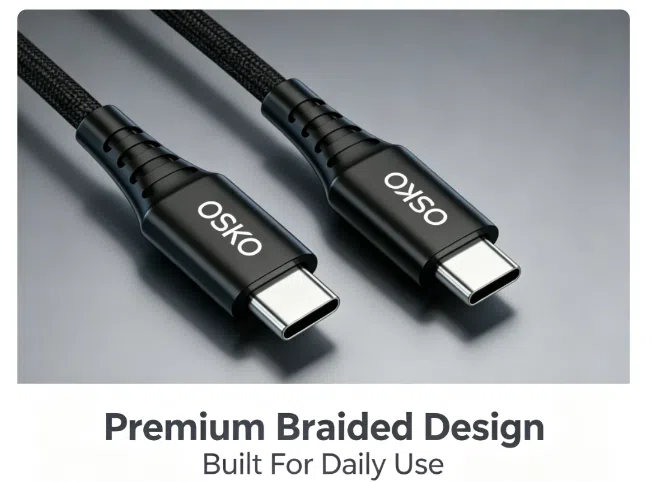
A nylon braided USB-C cable uses an external woven layer that improves:
Abrasion resistance
Flexibility
Tensile strength
Daily usage durability
For retail brands, durable braided cables help reduce warranty claims and improve customer reviews.
2. Reinforced Connector Design for Long-Term Use
The connector area is one of the most common failure points in charging cables.
Professional USB cable manufacturers improve durability through:
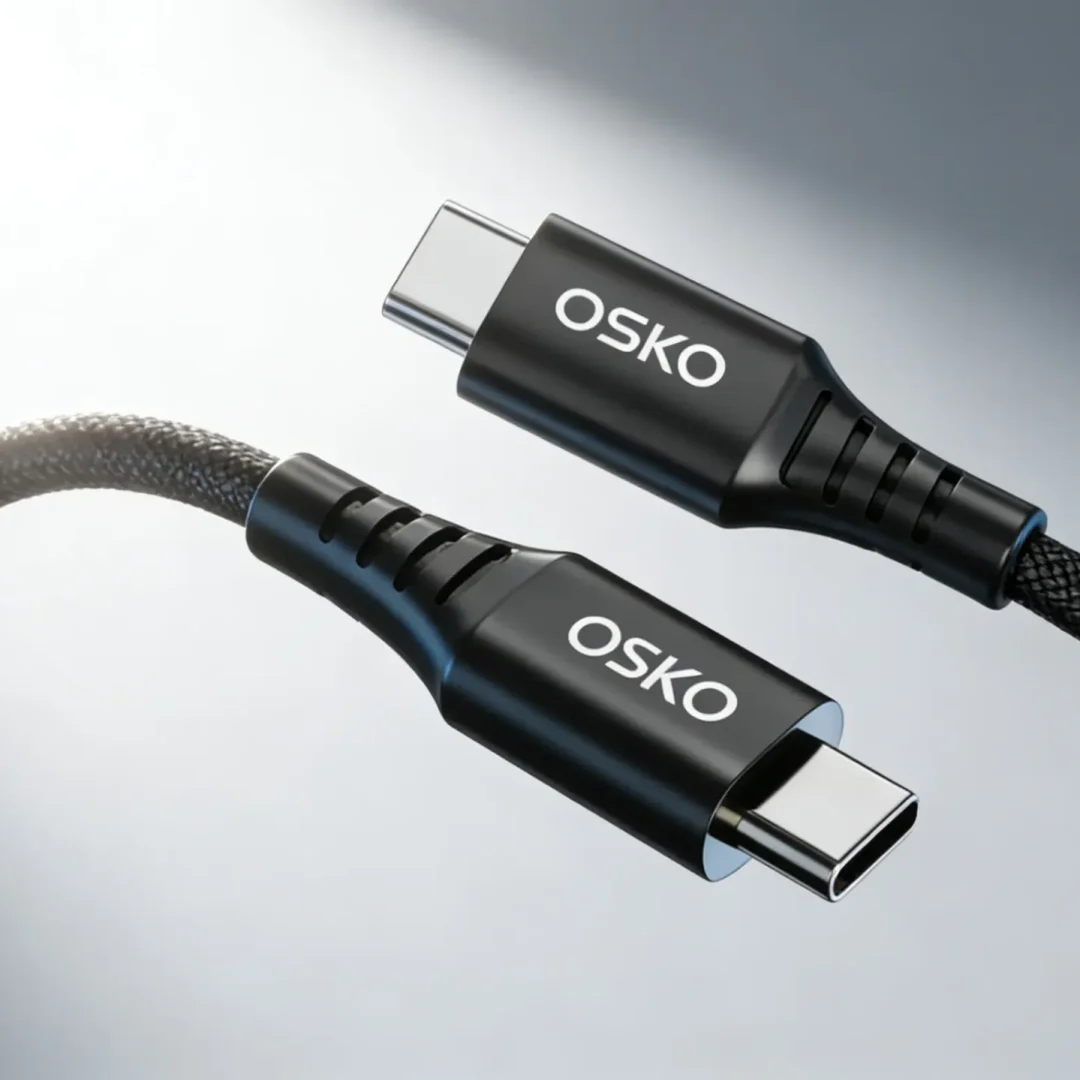
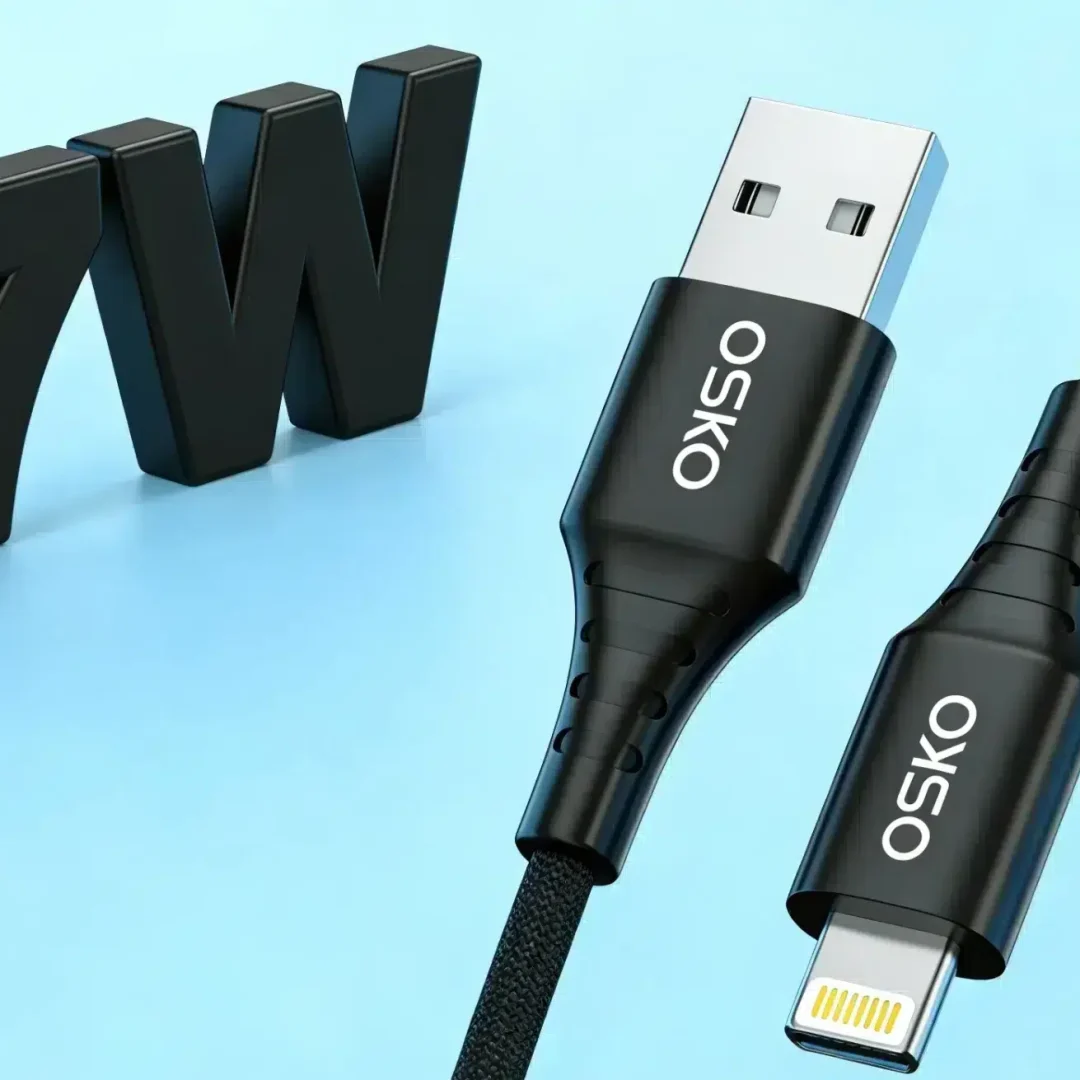
Extended SR strain relief design
Laser welding technology
Strong connector housing
High-quality metal shell
Multiple bending tests
A high-quality USB-A to USB-C cable should withstand thousands of bending cycles during normal usage.
For OEM buyers, connector reinforcement is especially important because product reliability directly affects brand reputation.
USB-A to USB-C Cable Charging Performance
How Fast Can a USB-C Cable Charge?
Charging performance depends on:
Cable conductor size
Current capability
Charger output
Device charging protocol
Cable internal structure
Typical USB-A to USB-C cable specifications include:
Standard Charging Cable
5V charging
2A–3A current
Smartphone charging applications
Fast Charging USB-C Cable
Supports up to 3A current
Compatible with QC fast charging
Suitable for Android smartphones and accessories
A quality USB-A to USB-C fast charging cable provides stable power transmission while reducing voltage loss.
USB-C Cable Data Transfer Speed Explained
Not all USB-C cables provide the same data performance.
USB-C cables may support different standards:
USB 2.0 USB-C Cable
Performance:
Data speed: up to 480 Mbps
Common for charging cables
Suitable for smartphones and accessories
USB 3.0 / USB 3.2 USB-C Cable
Performance:
Data speed: up to 5Gbps or higher
Suitable for larger file transfers
Better for professional applications
When selecting a USB-C cable supplier, buyers should confirm:
USB specification
Data transfer speed
Internal wire structure
Shielding design
Why USB-C Cable Quality Is Different Between Suppliers
Many buyers assume all USB-C cables are identical. However, professional testing shows significant differences between low-cost cables and engineered cables.
Main differences include:
Copper Conductor Quality
High-quality cables use:
Pure copper conductors
Correct AWG sizing
Stable resistance control
Poor conductor materials may cause:
Slow charging
Excessive heat
Power loss
Shielding Structure
Premium USB-C cables may include:
Aluminum foil shielding
Braided shielding
Multiple protection layers
Shielding helps reduce:
Electromagnetic interference
Signal instability
Data transmission errors
Connector Material
Important connector factors include:
Plating quality
Pin durability
Contact resistance
Mechanical strength
For OEM projects, these details determine whether a product performs consistently after mass production.
Engineering Case Study: Custom Nylon Braided USB-C Cable Development for European Retail Brand
A European electronics distributor planned to launch a private-label Android charging cable for Germany and the Netherlands markets.
Their main requirements were:
1.5-meter USB-A to USB-C cable
Premium braided appearance
Fast charging support
High durability
Custom packaging
Stable production quality
During product development, OSKO engineering team optimized:
Cable Structure
Increased conductor stability
Improved shielding design
Added reinforced SR protection
Material Selection
Selected:
Durable nylon braided jacket
High-strength connector housing
Reliable internal insulation materials
Production Control
Manufacturing process included:
Incoming material inspection
Electrical performance testing
Charging verification
Appearance inspection
Packaging quality check
The final product achieved the customer’s requirements for retail distribution and reduced concerns about cable breakage complaints.
This case demonstrates why choosing an experienced USB cable OEM manufacturer is essential for international brands.
How to Choose a Reliable USB-A to USB-C Cable Manufacturer?
Before selecting a supplier, professional buyers should evaluate:
1. Manufacturing Capability
Ask:
Does the factory produce USB cables directly?
Can they support OEM customization?
Can they provide samples before mass production?
2. Quality Control System
A reliable supplier should have:
IQC (Incoming Quality Control)
Checking:
Raw materials
Connector components
Cable materials
IPQC (In-Process Quality Control)
Monitoring:
Assembly process
Welding quality
Cable structure
OQC (Outgoing Quality Control)
Testing:
Charging performance
Data transfer
Appearance quality
3. Compliance Documents
Global buyers may require:
RoHS compliance
REACH compliance
CE certification
FCC certification
Material reports
USB-A to USB-C Cable Applications
Nylon braided USB-C cables are widely used in:
Consumer Electronics
Smartphones
Tablets
Wireless accessories
Automotive
Car chargers
USB charging ports
Android Auto applications
Commercial Distribution
Retail stores
Online marketplaces
Electronics brands
OEM Private Label Projects
Manufacturers can customize:
Cable length
Logo printing
Color
Packaging
Connector design
Why Choose OSKO as Your USB Cable Manufacturing Partner?
OSKO provides professional USB cable manufacturing solutions for global customers.
Our capabilities include:
OEM and ODM customization
Custom cable lengths
Custom colors
Private label packaging
Quality inspection systems
Engineering support
From prototype development to bulk production, OSKO helps brands create reliable charging cable products for competitive markets.
Conclusion
A nylon braided USB-A to USB-C cable is not only a charging accessory but also a product that represents brand quality.
For retailers, distributors, and electronics companies, selecting the right USB-C cable manufacturer can reduce product failures and improve customer satisfaction.
High-quality USB cables require:
Reliable materials
Strong connector design
Proper electrical engineering
Strict quality control
Professional manufacturing experience
OSKO provides customized USB cable solutions for brands looking for reliable OEM production, durable designs, and consistent global supply.
FAQ
1. What is a nylon braided USB-A to USB-C cable?
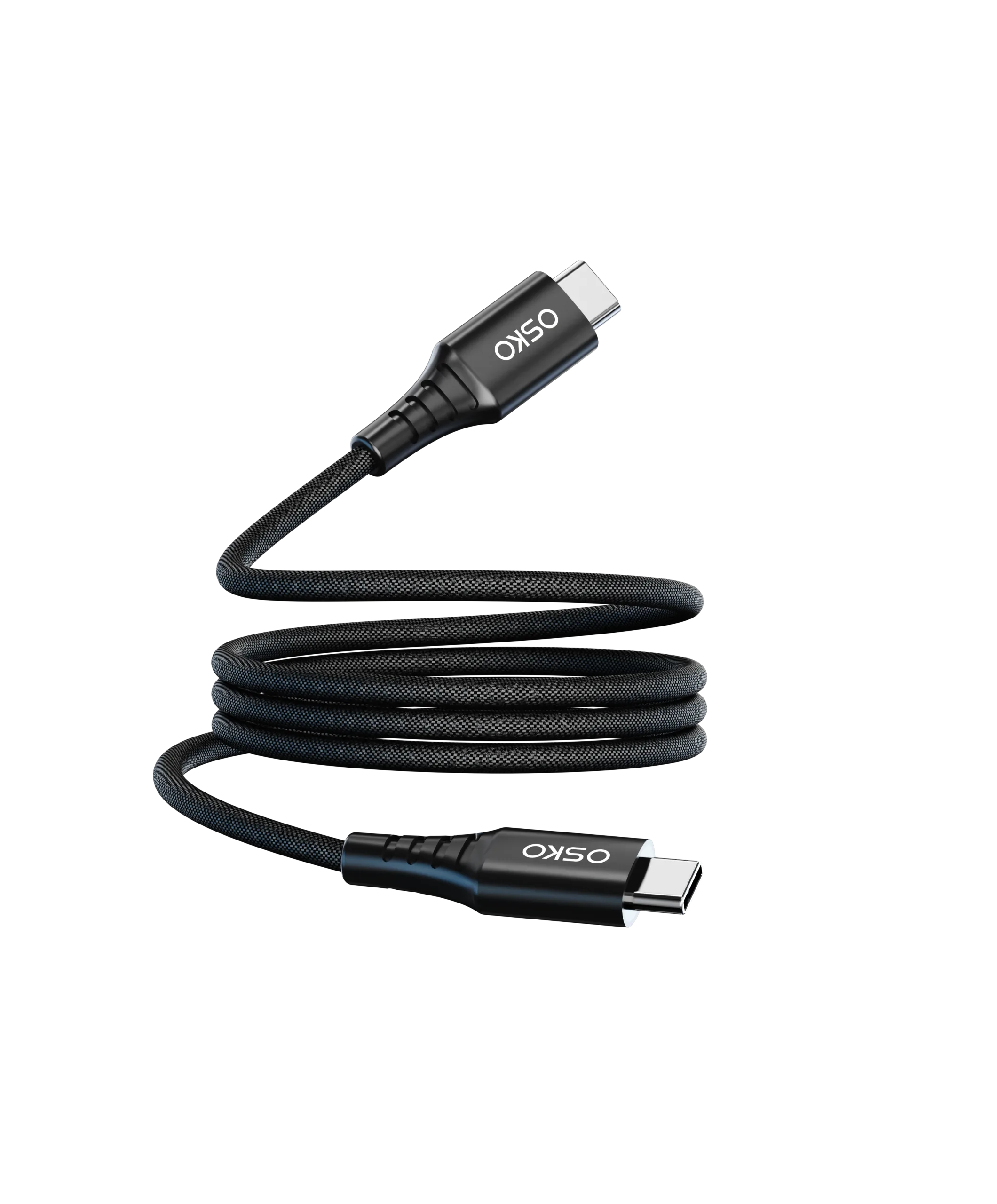
A nylon braided USB-A to USB-C cable is a charging and data cable with a woven nylon outer layer that improves durability, flexibility, and resistance to daily wear.
2. Are all USB-C cables the same?
No. USB-C cables can differ in charging power, data transfer speed, conductor quality, shielding structure, and durability.
3. How fast can a USB-A to USB-C cable charge?
Charging speed depends on cable design and charger output. Many fast charging USB-A to USB-C cables support up to 3A current for compatible devices.
4. Can USB-A to USB-C cables transfer data?
Yes. Most USB-A to USB-C cables support data transfer, but speeds depend on the USB standard. USB 2.0 supports up to 480 Mbps, while higher-speed versions support faster transfer rates.
5. Why choose a braided USB-C cable instead of PVC?
Nylon braided cables provide better protection against bending, abrasion, and daily wear compared with standard PVC cables.
6. What should buyers check when choosing a USB cable manufacturer?
Buyers should evaluate manufacturing capability, quality control processes, compliance documents, customization options, and production experience.
7. Can USB cable manufacturers provide OEM customization?
Yes. Professional USB cable factories can customize cable length, color, logo, packaging, and product specifications according to brand requirements.