
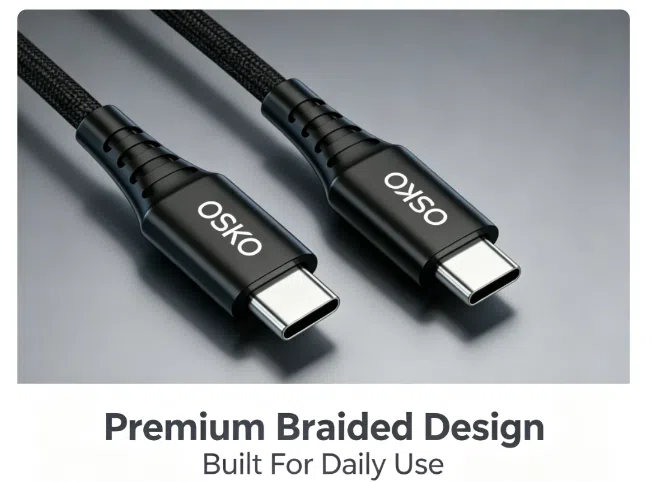
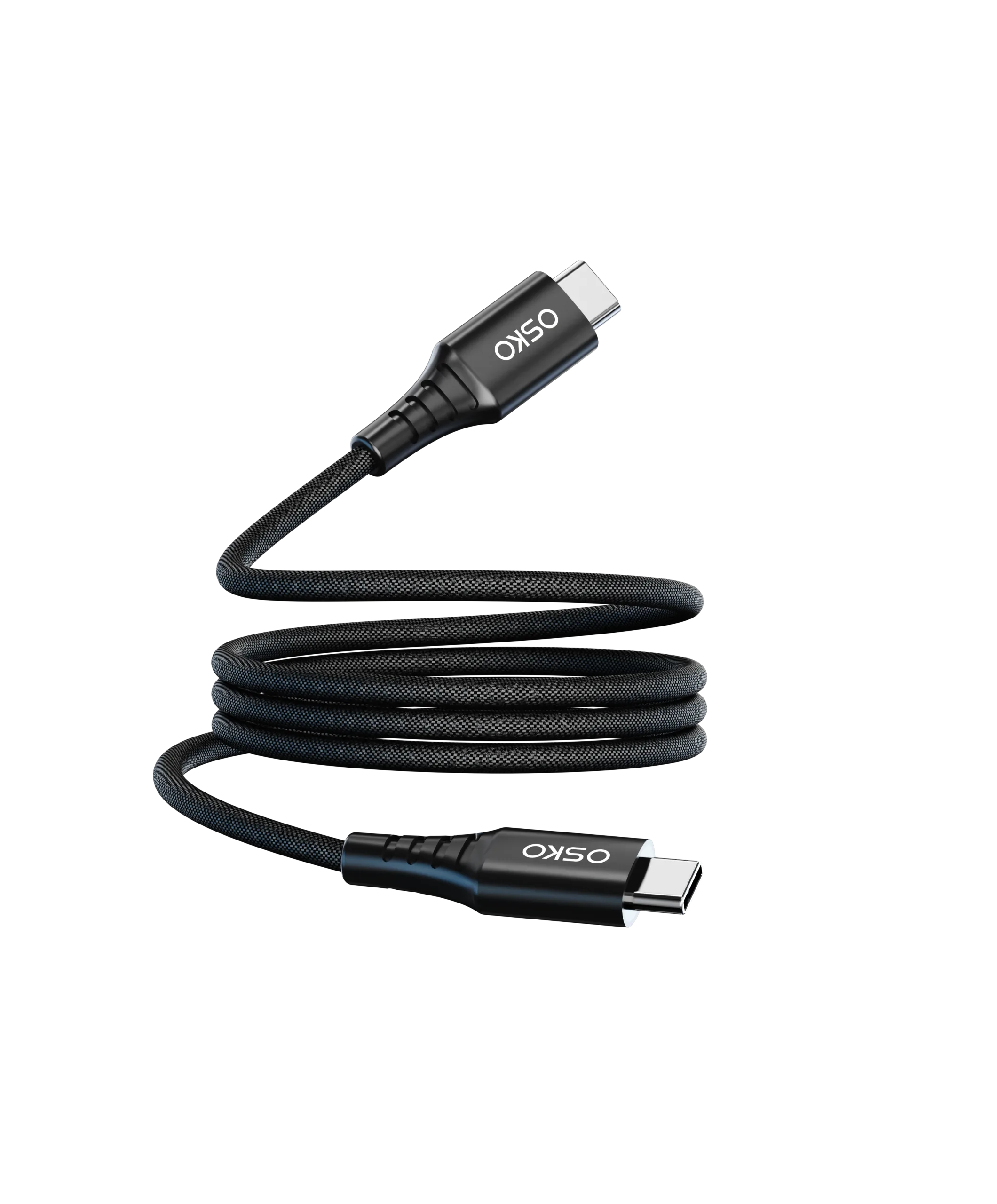
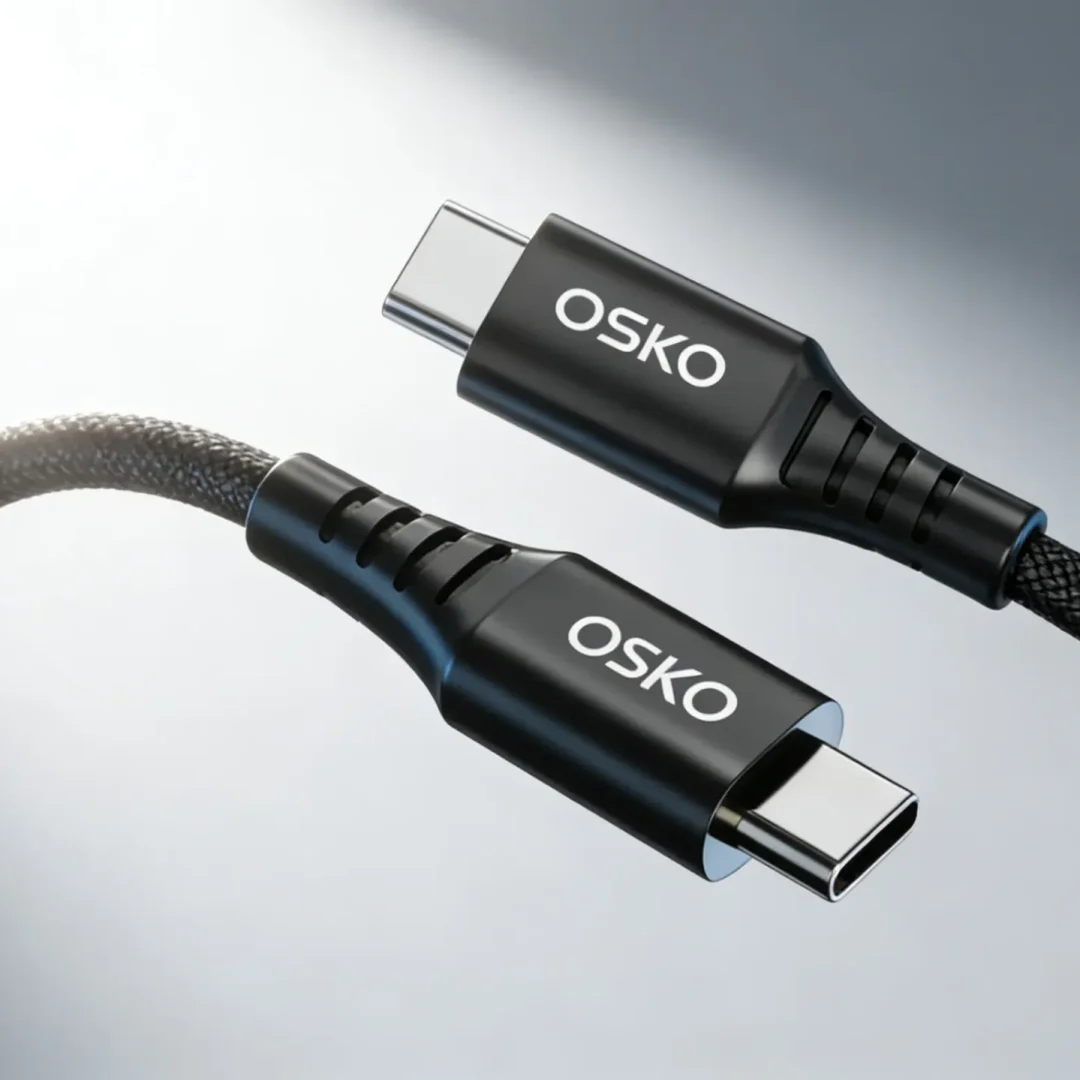
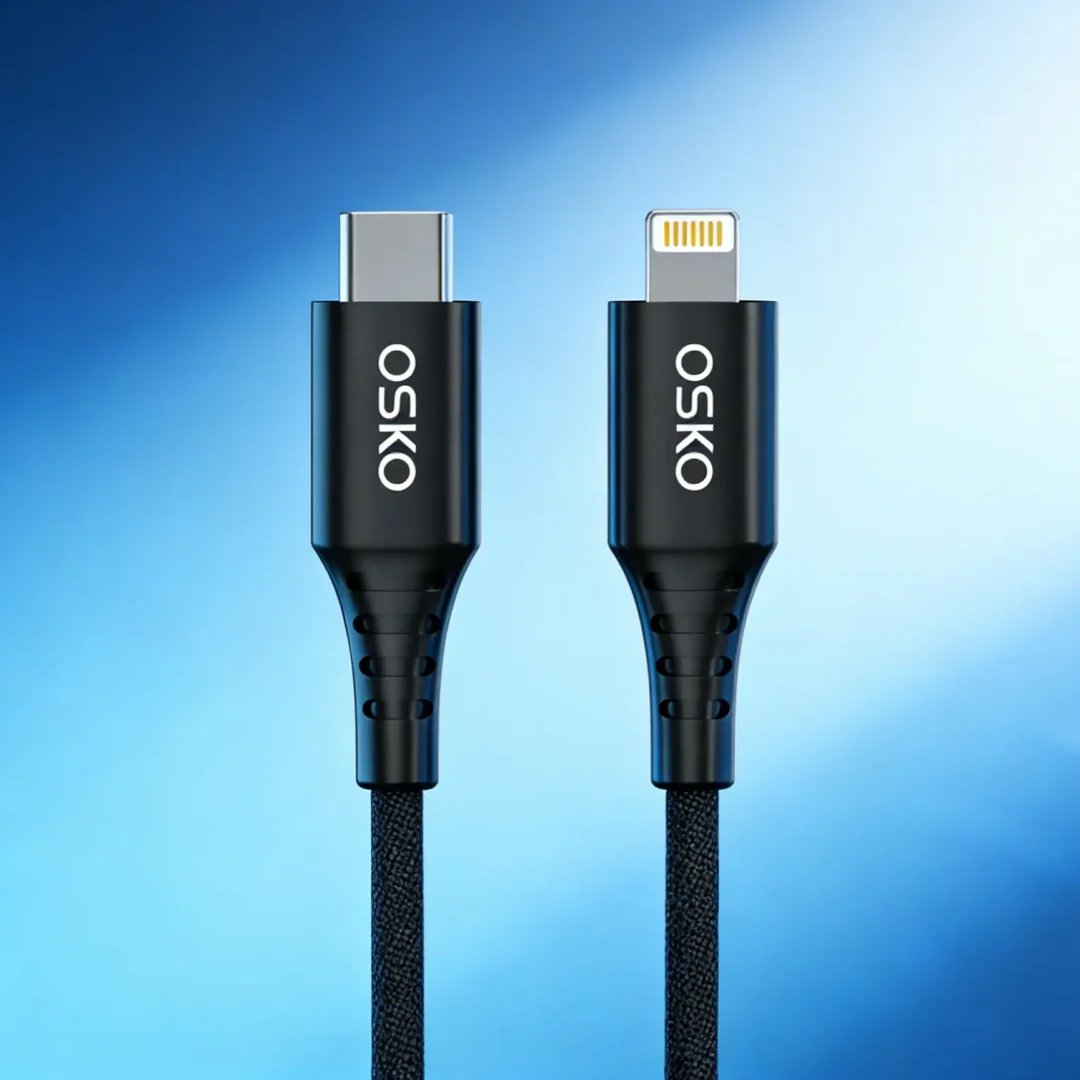
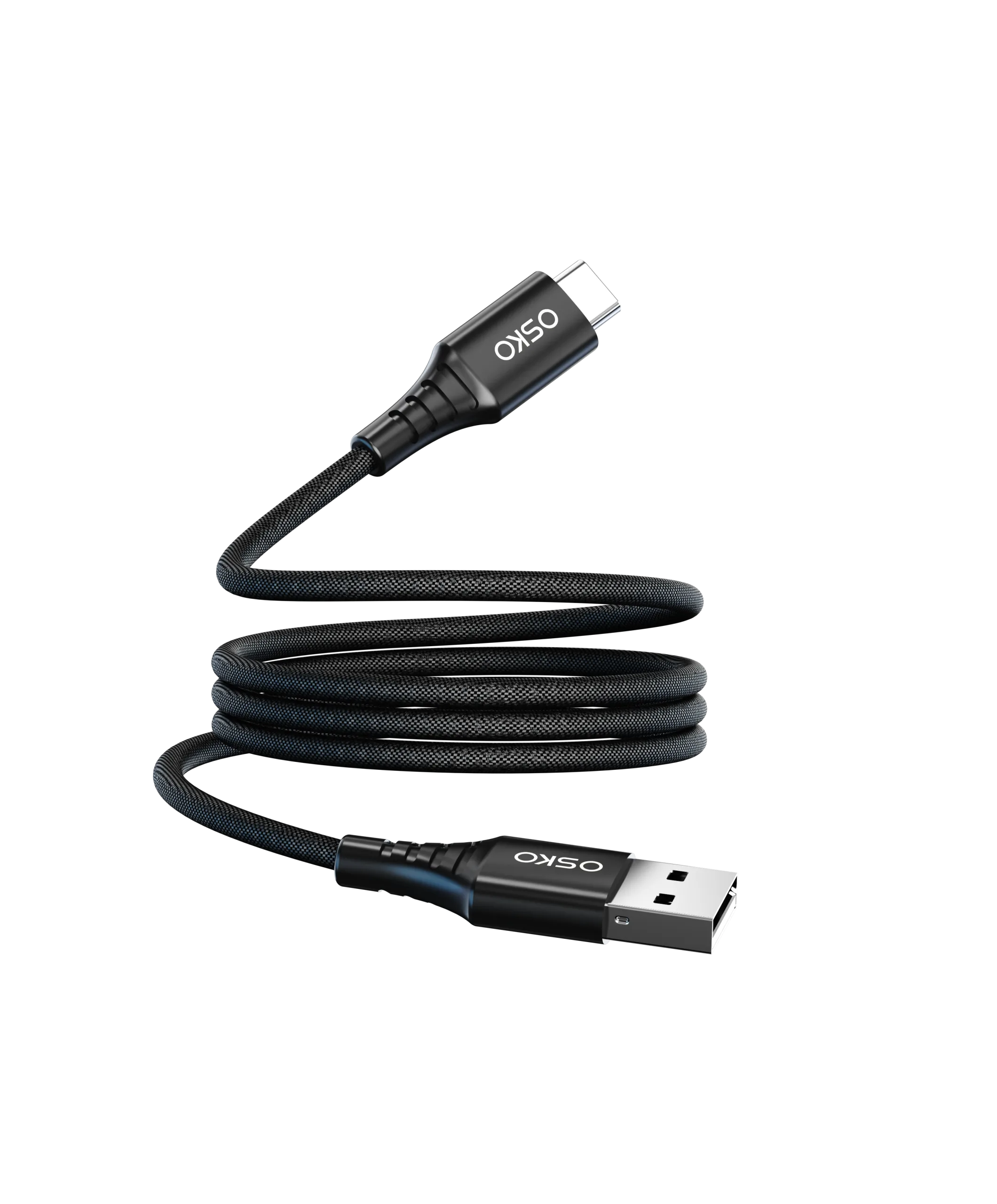
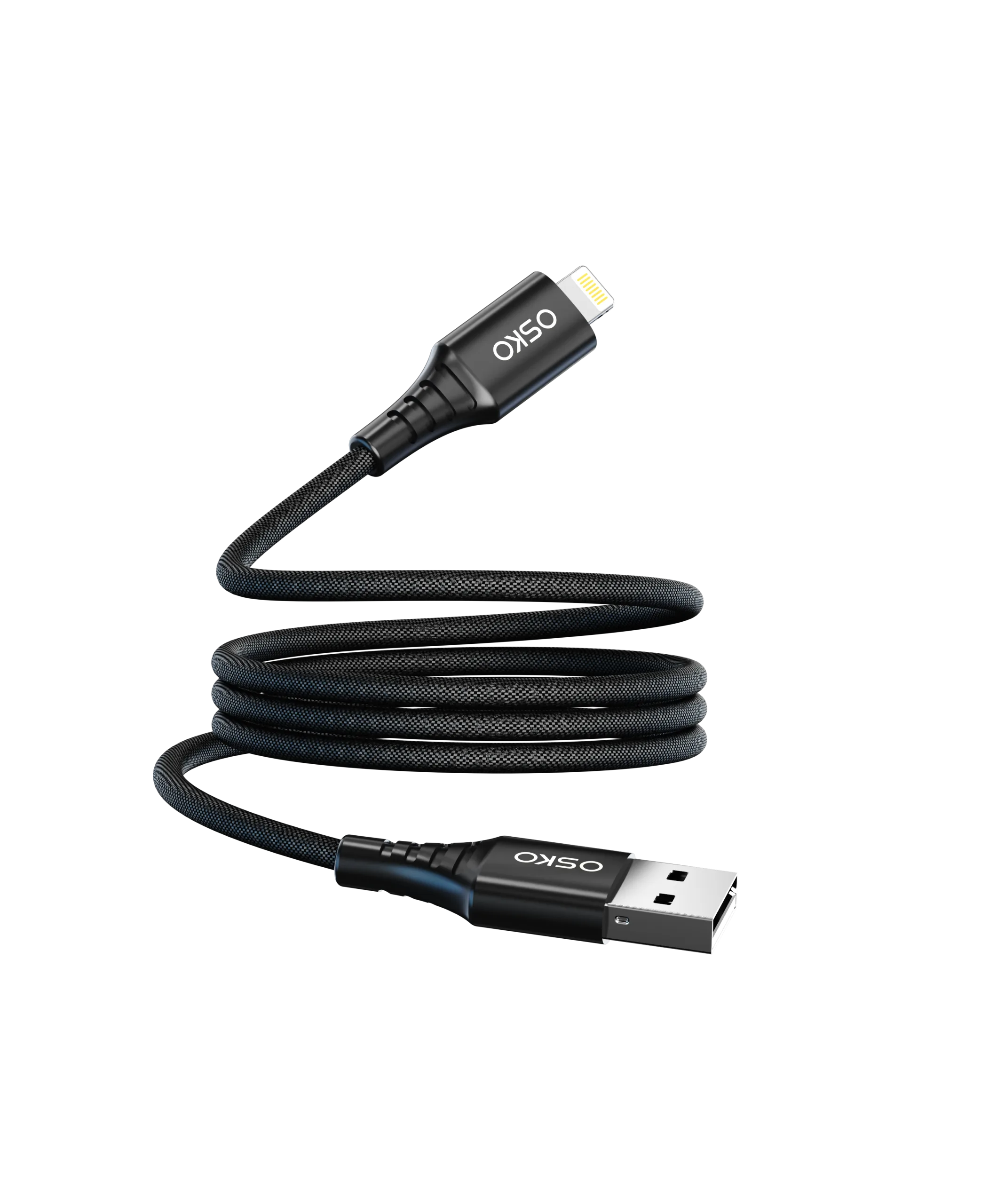
Introduction: Understanding the Four Wires Inside a USB-C Cable
A USB-C cable is one of the most commonly used charging and data transfer solutions for modern electronic devices, including smartphones, tablets, laptops, power banks, and automotive systems.
Although USB cables look simple from the outside, the internal structure is carefully designed to support both power transmission and data communication.
For a standard USB data cable, the internal four core wires usually include:
Two power wires
Two data signal wires
Understanding these four wires helps buyers, engineers, and consumers choose better-quality cables and identify why some cables support fast charging and data transfer while others only provide charging.
For professional buyers searching for a reliable USB cable manufacturer, internal cable construction is one of the most important factors affecting charging speed, durability, and product performance.
What Are the Four Wires Inside a USB Cable?
A traditional USB cable usually contains four main wires:
| Wire Color | Function | Purpose |
|---|---|---|
| Red | VCC (+5V Power) | Provides positive charging power |
| Black | GND (Ground) | Provides power return path |
| Green | D+ Data Signal | Transfers USB data signals |
| White | D- Data Signal | Transfers USB data signals |
These four wires form the basic USB 2.0 cable architecture used in many charging and data synchronization applications.
1. Red Wire: Positive Power Line (VCC)
The red wire is the positive power conductor inside a USB cable.
Its main function is:
Deliver electrical power
Supply charging current
Provide voltage to connected devices
Standard USB systems normally provide:
5V power output
Current depending on charger and cable design
During charging, the red wire works together with the black wire to deliver power from the charger to the device.
For higher-power USB-C charging cables, manufacturers usually increase conductor size and improve copper quality to reduce resistance and heat generation.
Professional USB cable manufacturers often use:
Pure copper conductors
Larger AWG wire size
Multi-strand copper structures
These improvements help support stable fast charging performance.
2. Black Wire: Ground Line (GND)
The black wire is the negative power conductor.
Its functions include:
Completing the electrical circuit
Returning current to the power source
Providing electrical stability
A poor-quality ground wire can cause:
Voltage drops
Slow charging
Increased cable temperature
Charging interruptions
For reliable USB charging cables, both positive and negative power wires must maintain low resistance.
This is especially important for:
USB-C fast charging cables
USB PD cables
Long-length charging cables
3. Green Wire: USB Data Positive (D+)
The green wire is one of the USB data communication wires.
Its role is:
Sending positive USB data signals
Supporting communication between devices
The D+ wire works together with the white wire to transmit information between:
Smartphones
Computers
USB accessories
Storage devices
Examples of data functions include:
File transfer
Device recognition
Synchronization
4. White Wire: USB Data Negative (D-)
The white wire is the negative data signal wire.
Together with the green wire, it creates a twisted differential signal pair.
The D+ and D- wires allow USB devices to communicate while reducing signal interference.
They are responsible for:
Data transmission
Device communication
USB connection detection
During simple charging, these two data wires may not actively transfer files, but they can still influence charging recognition on some devices.
How Do USB Cable Wires Work During Charging?
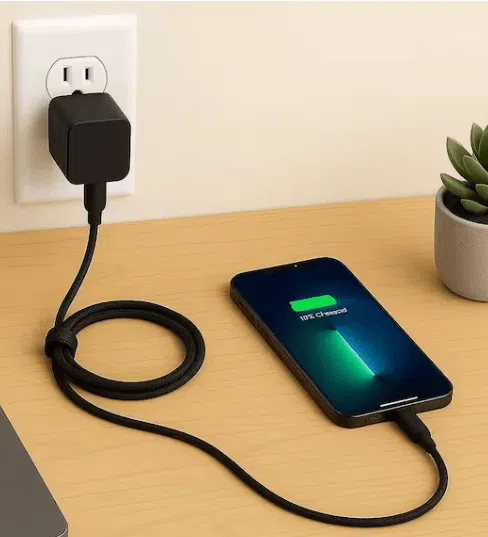
Many users think all four wires are used during charging. However, basic charging mainly relies on the power wires.
The charging process uses:
Red wire → Positive power
Black wire → Ground connection
The data wires:
Green wire → D+
White wire → D-
are mainly used for communication.
For example:
When connecting a smartphone to a computer:
Power wires provide electricity.
Data wires allow:
File transfer
Device identification
Synchronization
This is why some cables can charge devices but cannot transfer data.
Why Do High-Quality USB Cables Include Shielding?
Professional USB cables often include additional shielding layers around the internal wires.
Common shielding materials include:
Aluminum foil
Copper braid
Drain wire
The purpose of shielding is to reduce:
Electromagnetic interference (EMI)
Signal noise
Data transmission errors
High-quality USB-C data cables usually combine:
Pure copper conductors
Twisted data pairs
Shielding layers
Durable outer jackets
This design improves reliability for both charging and data applications.
Why Are Copper Wires Important in USB Cable Manufacturing?
The internal conductor material directly affects cable performance.
Premium USB cables typically use copper because it provides:
Excellent electrical conductivity
Lower resistance
Better charging efficiency
Improved durability
Low-quality cables may use cheaper materials, which can lead to:
Slow charging speed
Excessive heat
Unstable connections
Shorter product lifespan
For OEM buyers, selecting a factory that controls raw materials is essential.
USB-C Cable Internal Structure for Fast Charging
Modern USB-C cables are more advanced than traditional four-wire USB cables.
High-power USB-C cables may include:
Additional power conductors
E-Marker chips
Shielding layers
Improved insulation materials
For example:
USB-C 60W Cable
May require:
Higher current capability
Better conductor size
Stable insulation design
USB-C 100W / 240W Cable
Requires:
E-Marker IC
Higher current rating
Advanced cable structure
Better thermal control
A professional USB-C cable manufacturer must design the internal structure according to charging requirements.
Engineering Case Study: Improving USB Cable Reliability for Australian Retail Market
An Australian electronics distributor planned to introduce a private-label USB-C charging cable for smartphone accessories.
The customer experienced problems with previous suppliers:
Slow charging complaints
Cable overheating
Short lifespan after repeated bending
OSKO engineering team analyzed the cable structure and improved:
Internal Wire Design
Optimized copper conductor selection
Improved power wire stability
Enhanced signal wire protection
Shielding Structure
Added:
Aluminum foil shielding
Improved insulation layers
to reduce interference during data transmission.
Durability Design
Improved:
Connector reinforcement
Strain relief structure
Braided outer jacket
After production testing, the new cable provided more stable charging performance and improved customer satisfaction in retail channels.
This example shows why internal wire design is critical when selecting a professional USB cable OEM manufacturer.
How to Choose a High-Quality USB Data Cable?
When purchasing USB cables, buyers should check:
1. Conductor Material
Recommended:
Pure copper wire
Stable AWG specification
Low resistance design
2. Charging Capability
Confirm:
Maximum current
Supported charging protocol
USB PD compatibility
3. Data Transfer Support
Check:
USB version
Transfer speed
Shielding design
4. Manufacturing Capability
Professional suppliers should provide:
Material control
Production inspection
Electrical testing
Compliance documents
Common Applications of USB-C Data Cables
USB-C cables are widely used in:
Consumer Electronics
Smartphones
Tablets
Laptops
Gaming devices
Automotive Applications
Car charging
Android Auto
Vehicle USB ports
Commercial Products
Retail accessories
Private label products
Electronic bundles
Industrial Applications
Barcode scanners
Equipment communication
Portable devices
Why Choose OSKO as Your USB Cable Manufacturer?
OSKO specializes in customized USB cable manufacturing solutions for global customers.
Our capabilities include:
USB-C cable production
USB-A to USB-C cable manufacturing
Custom cable length
Custom logo printing
OEM packaging
Quality inspection
We focus on:
Stable electrical performance
Reliable materials
Consistent mass production
International market requirements
For brands, distributors, and wholesalers looking for a professional USB cable supplier, OSKO provides complete manufacturing support from prototype development to bulk production.
Conclusion
The four wires inside a USB cable each have a specific function:
Red wire delivers power
Black wire provides grounding
Green wire transfers positive data signals
White wire transfers negative data signals
Although the internal structure looks simple, cable quality depends on conductor materials, shielding design, manufacturing processes, and electrical engineering.
For businesses sourcing USB cables, choosing an experienced USB cable manufacturer helps ensure better charging performance, reliable data transfer, and long-term product quality.
FAQ
1. What are the four wires inside a USB cable?
The four main wires in a traditional USB cable are red (power positive), black (ground), green (data positive), and white (data negative).
2. Do all four USB wires work during charging?
Basic charging mainly uses the red and black power wires. The green and white wires are mainly responsible for data communication.
3. Why do some USB cables charge but cannot transfer data?
Some charging-only cables do not include functional data wires, so they can provide power but cannot transmit information.
4. What material is used inside high-quality USB cables?
Premium USB cables usually use pure copper conductors because copper provides better conductivity, lower resistance, and more stable charging performance.
5. Why do USB cables need shielding?
Shielding helps reduce electromagnetic interference and improves signal stability during data transmission.
6. Are USB-C cables different from traditional USB cables internally?
Yes. Advanced USB-C cables may include additional power conductors, E-Marker chips, and improved shielding structures to support higher charging power and faster data speeds.
7. How can buyers choose a reliable USB cable manufacturer?
Buyers should evaluate conductor quality, factory capability, testing procedures, customization options, compliance documents, and production experience before selecting a supplier.