
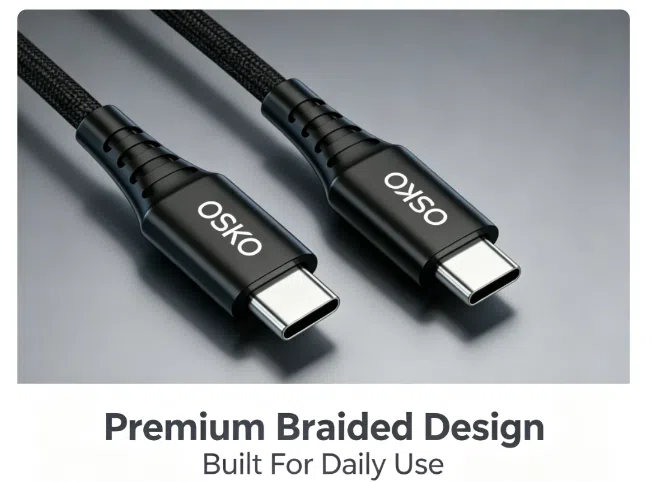
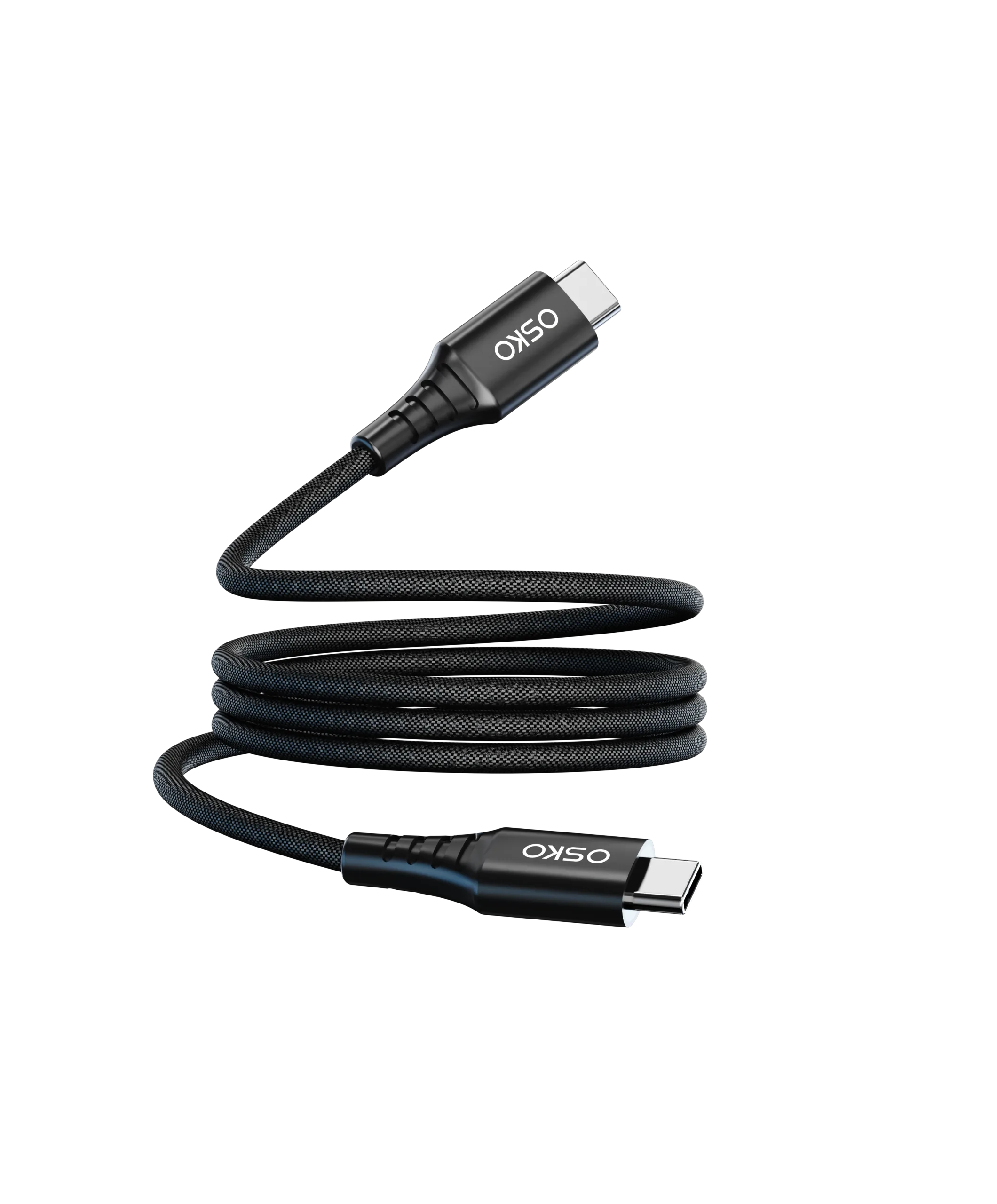
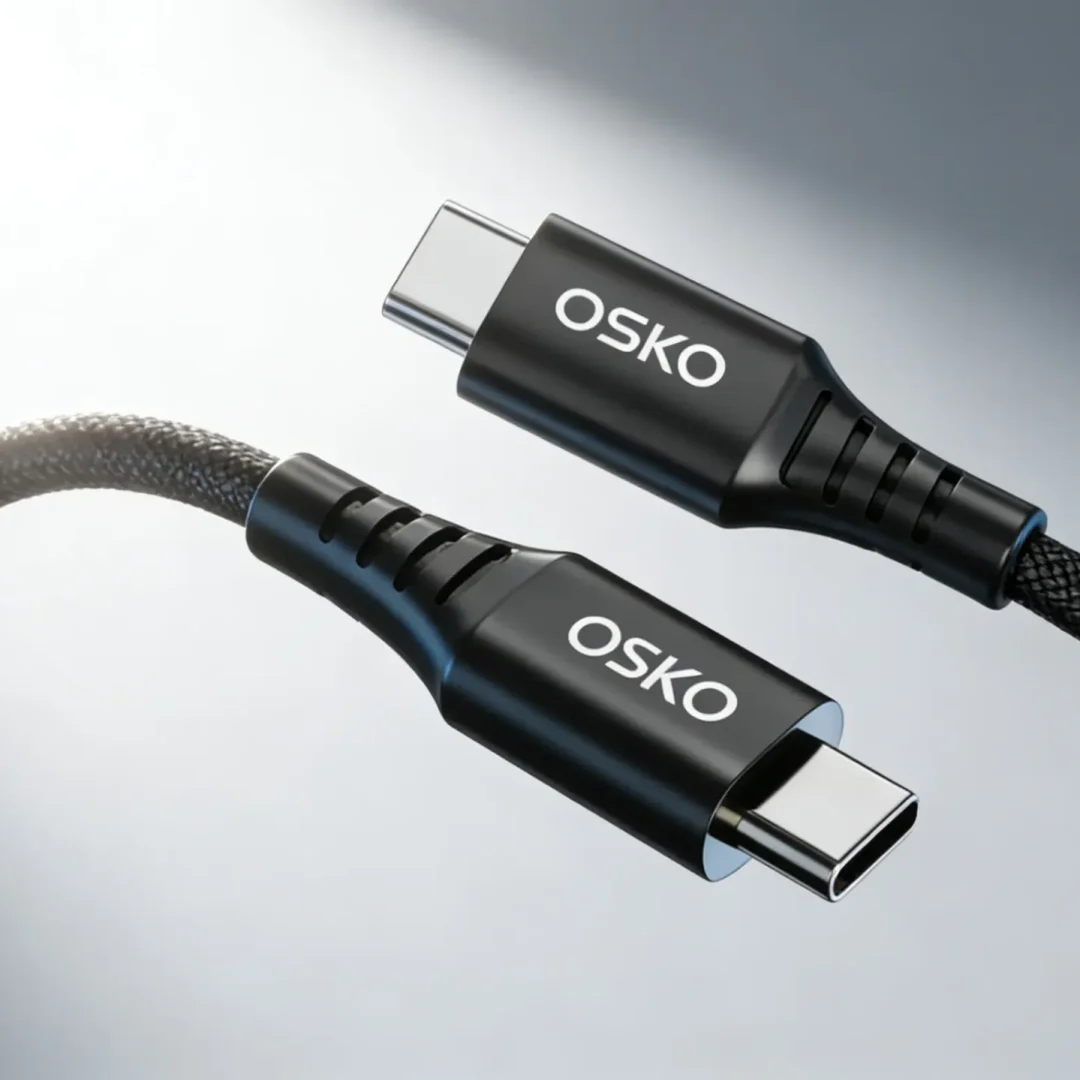
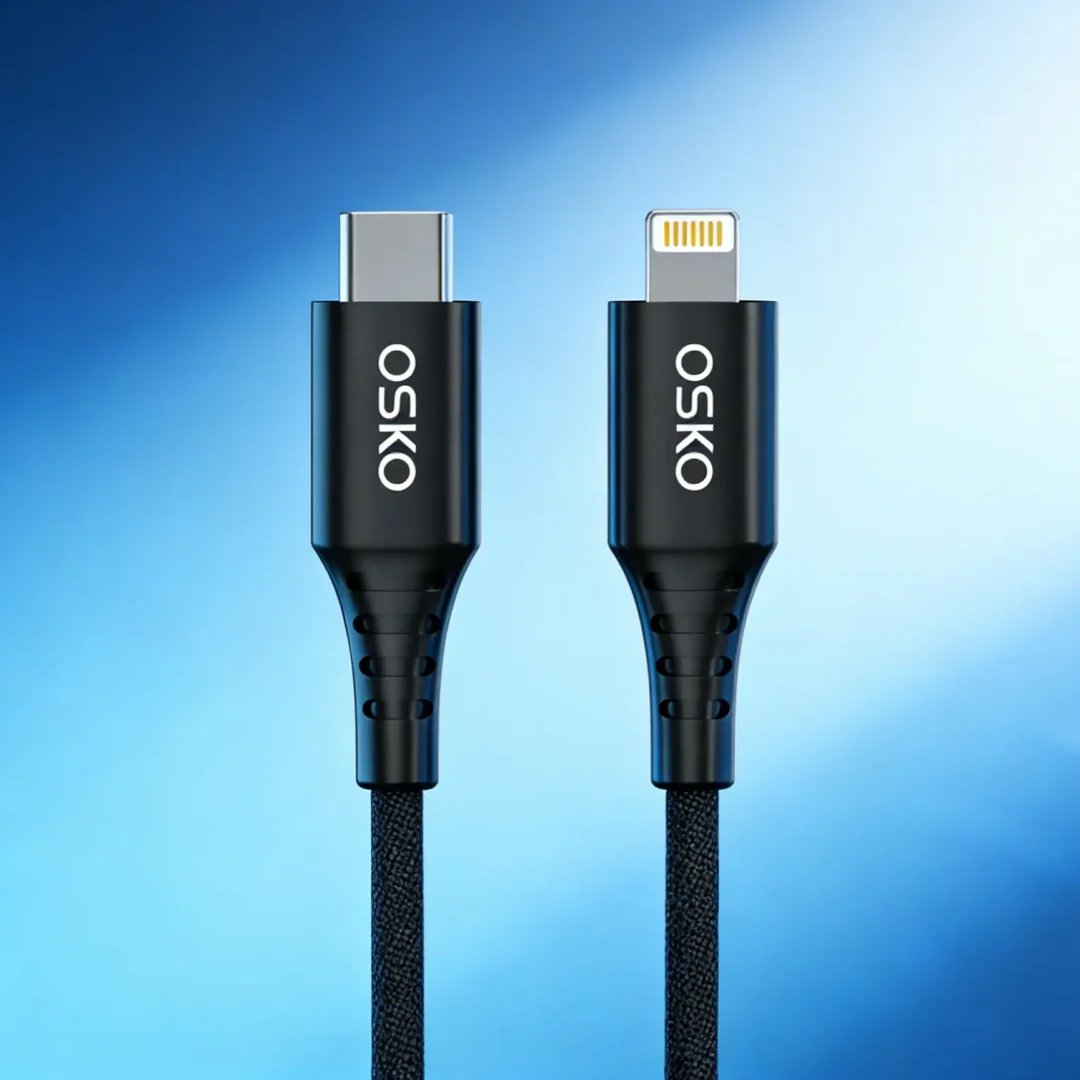
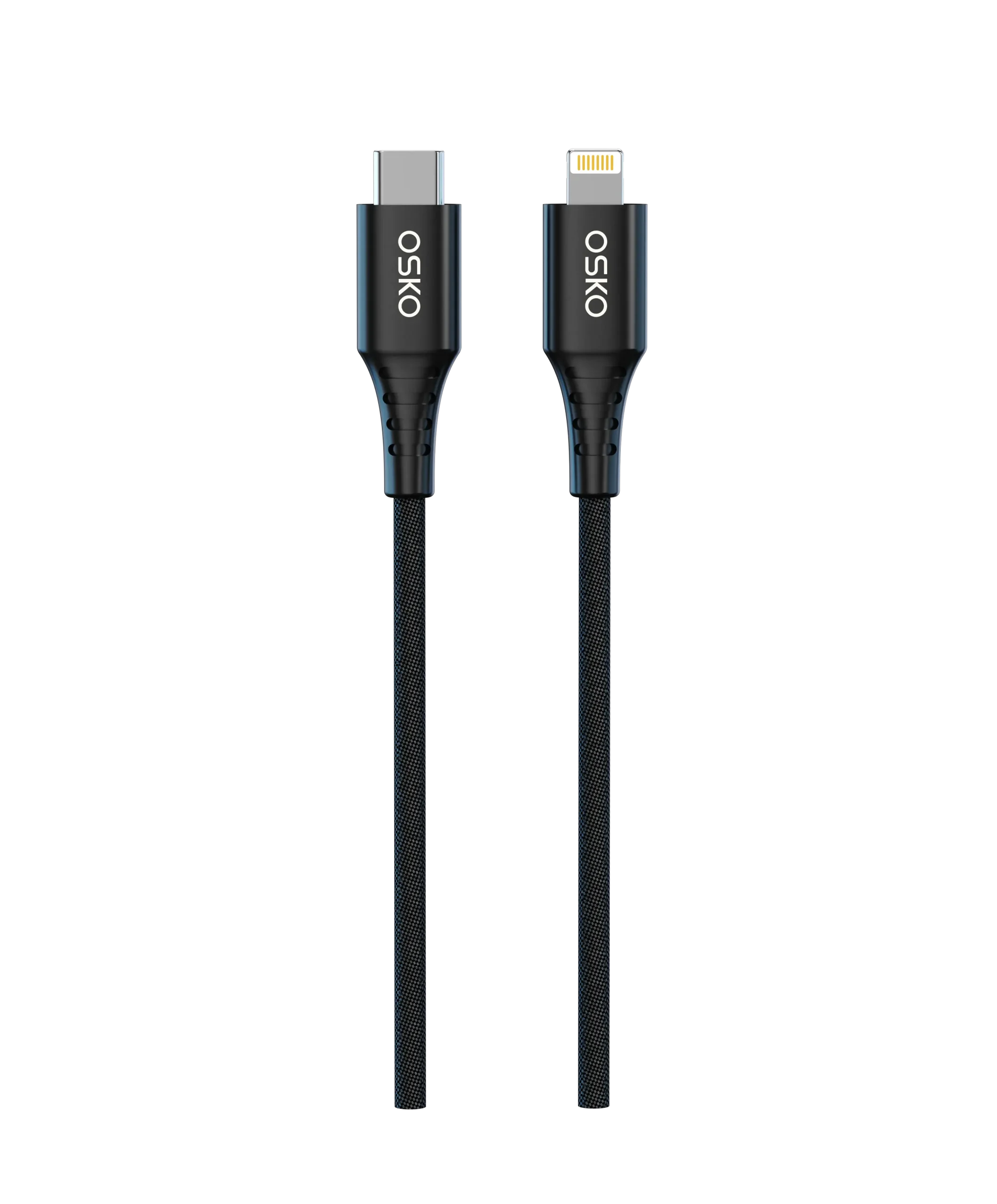
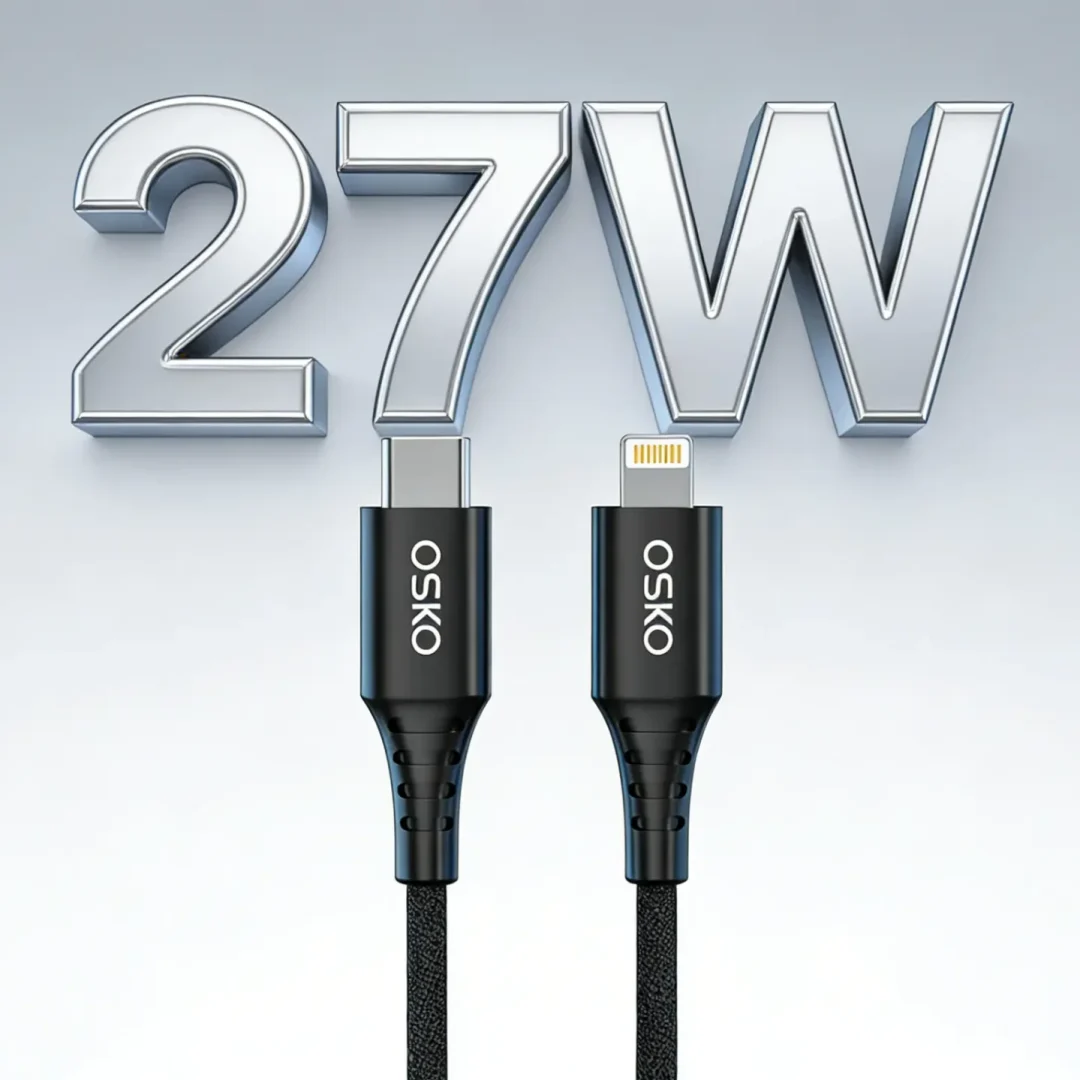
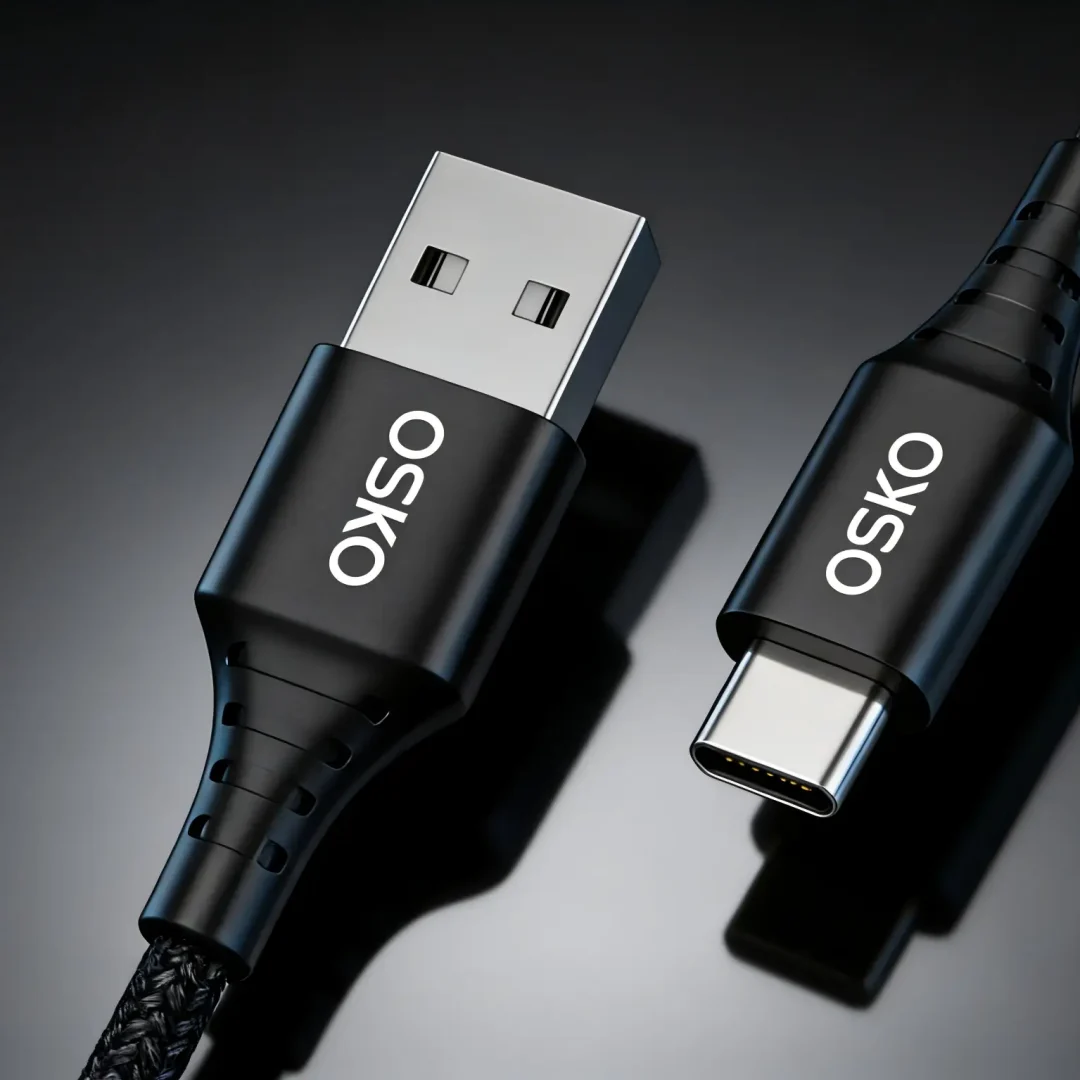
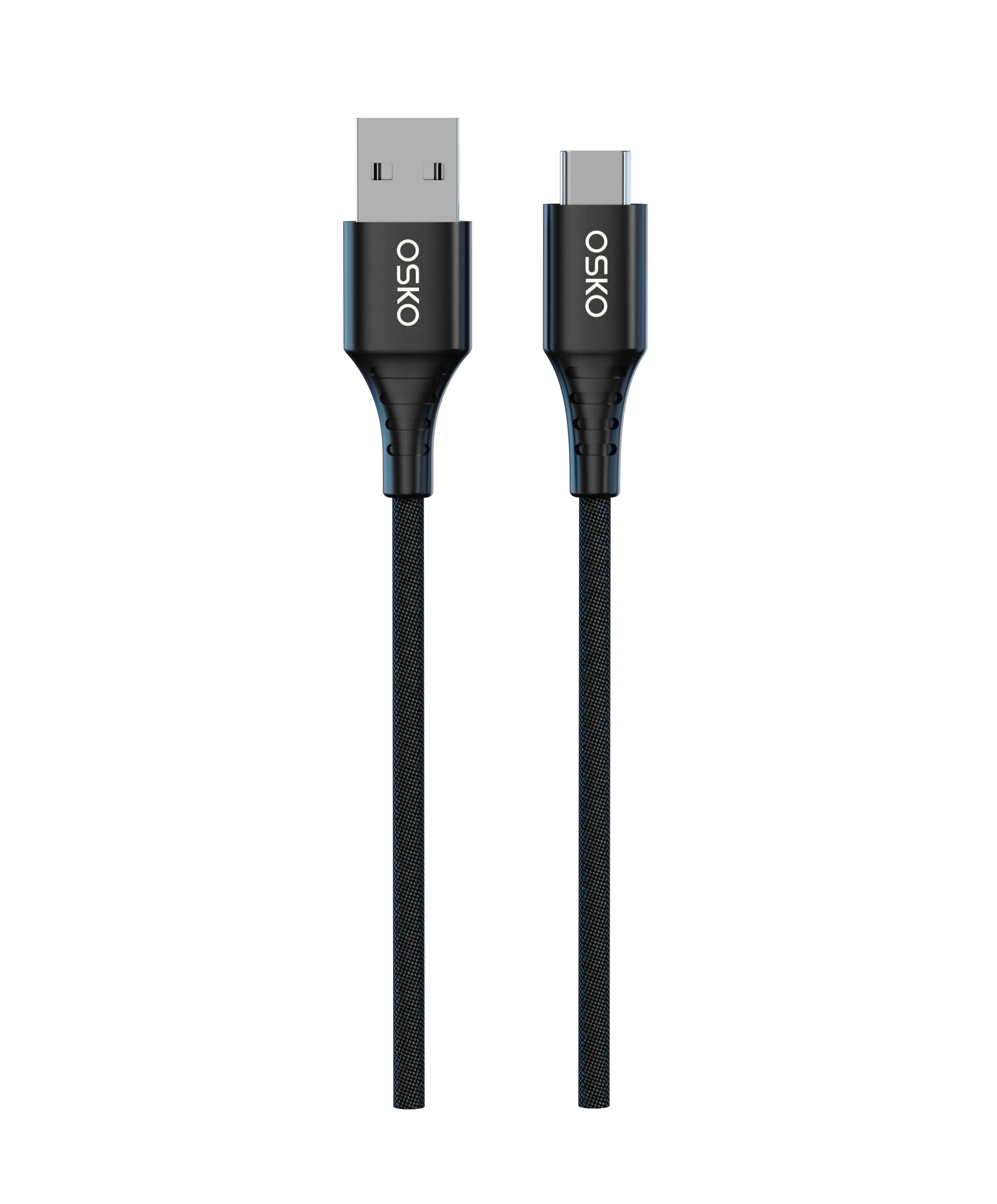
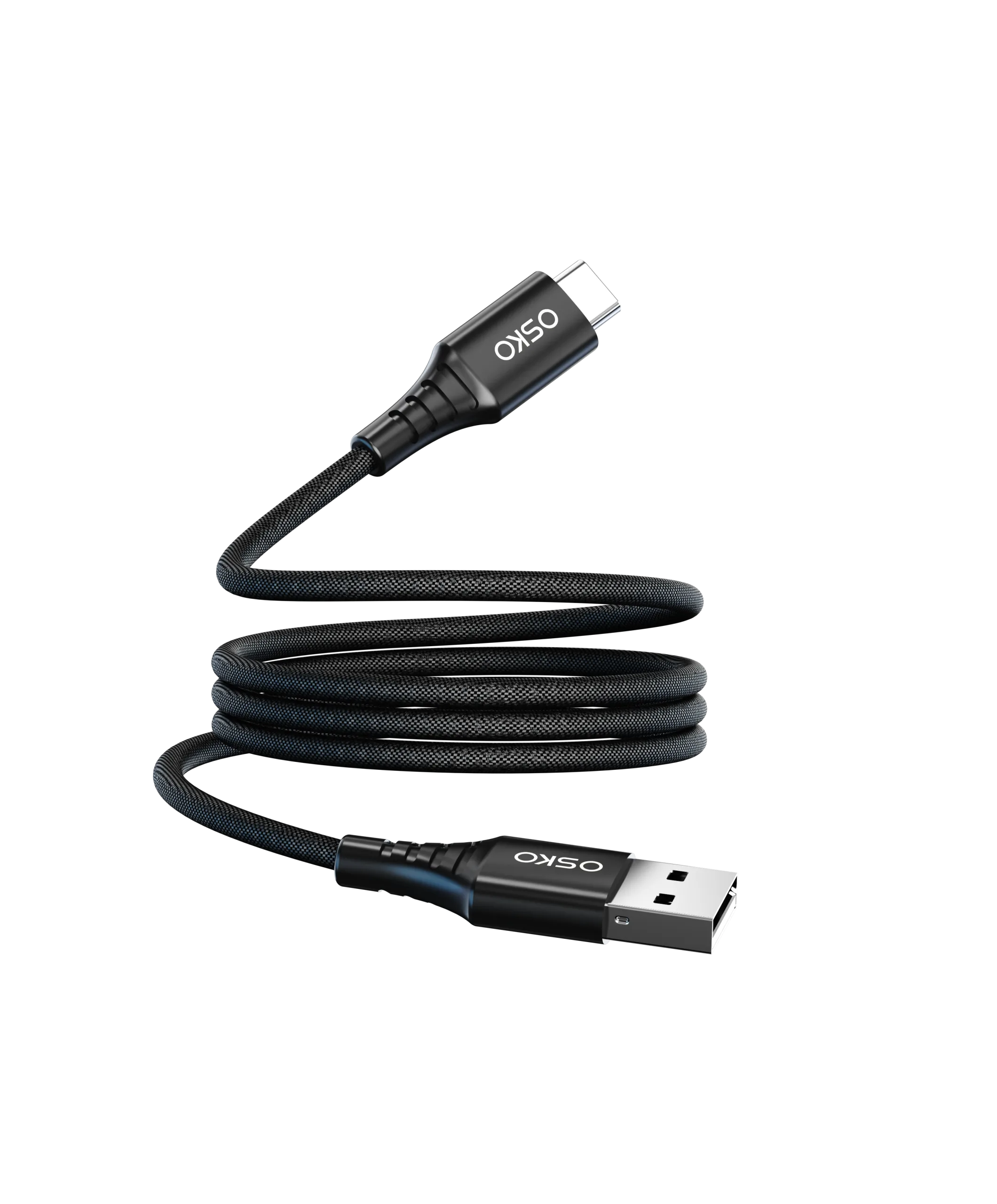
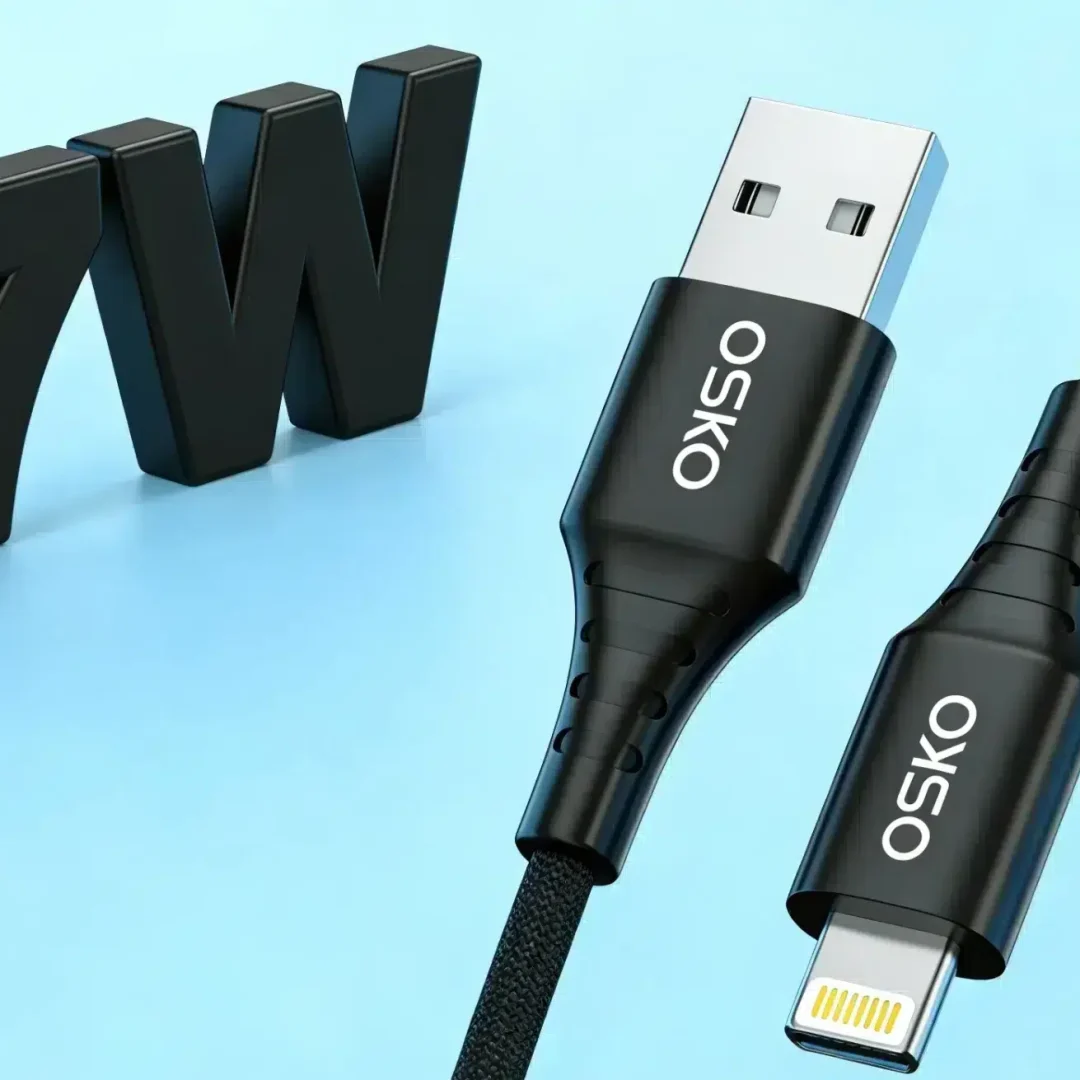
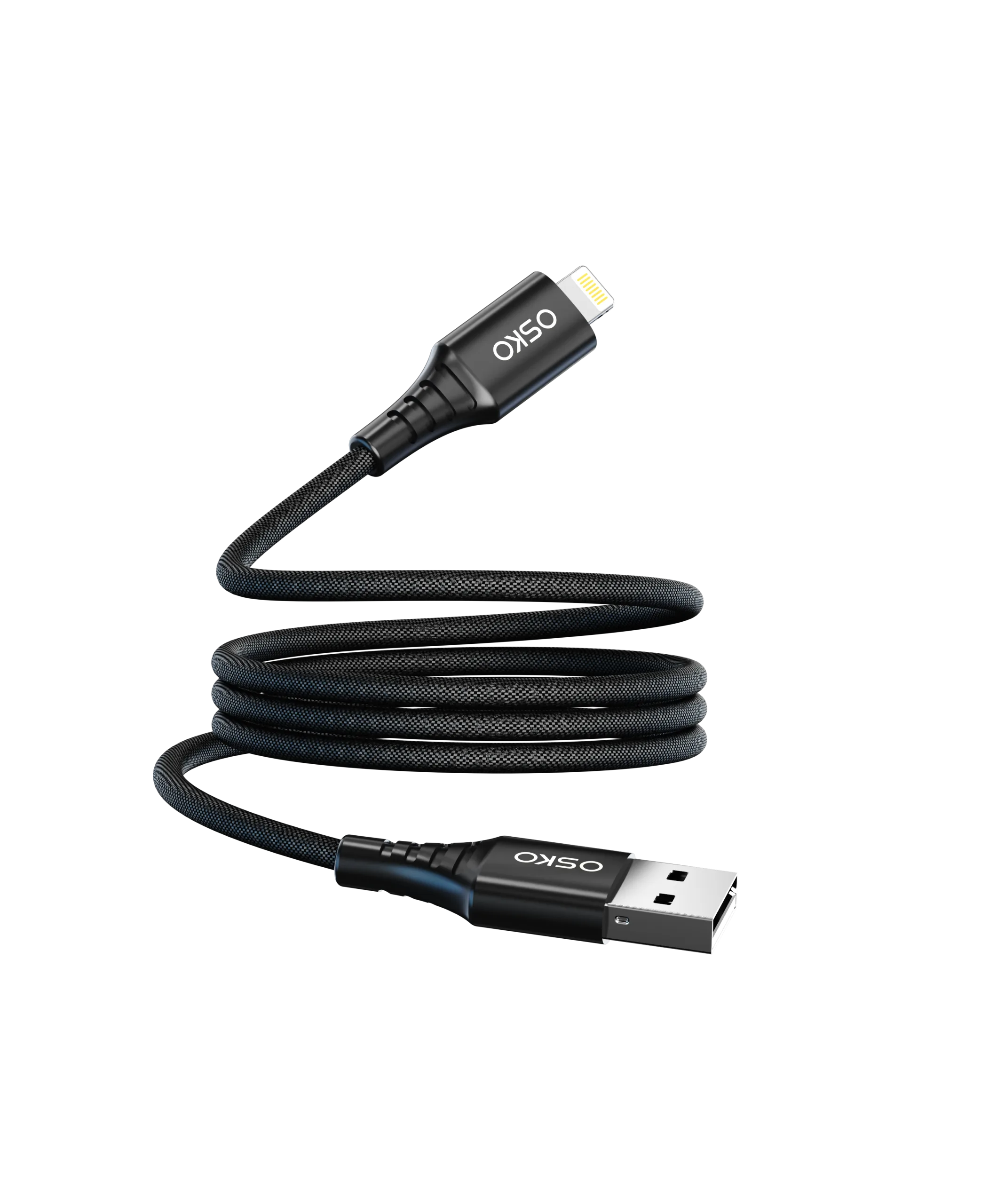
Introduction: Professional Lightning Cable Factory for iPhone Accessories
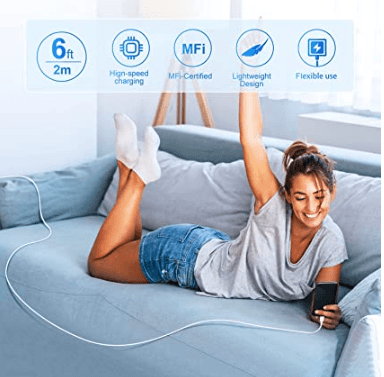
A Lightning cable for iPhone is one of the most widely used charging and data transfer accessories for Apple devices, including iPhones, iPads, AirPods, and iPod Touch products.
Although many modern Apple devices have transitioned to USB-C, millions of existing Apple products still require Lightning connectors. This creates continuous demand for reliable MFi certified Lightning cables, especially from retailers, distributors, and private-label brands.
For global buyers searching for an experienced Lightning cable manufacturer, product quality depends on more than appearance. Internal chip technology, connector reliability, cable materials, charging performance, and manufacturing control directly affect customer experience.
OSKO specializes in OEM Lightning cable manufacturing, providing customized solutions for brands in the United States, Germany, Australia, Netherlands, and other global markets.
What Is a Lightning Cable?
A Lightning cable is Apple’s proprietary connector system designed for charging and data communication.
It is widely used for:
iPhone charging
iPad charging
iPod Touch charging
AirPods charging cases
Apple accessories
Unlike traditional USB connectors, the Lightning connector features a compact reversible design.
Users can insert the connector in either direction, improving daily convenience.
A Lightning cable does more than deliver electrical power. It also supports:
Data synchronization
Photo transfer
Video transfer
Device communication
How Does an iPhone Lightning Cable Work?
A Lightning cable contains multiple internal electronic components.
Professional Lightning cables include:
Connector pins
Control chips
Passive components
Copper conductors
Insulation layers
Shielding materials
The built-in chip system allows communication between the cable and Apple devices.
This helps ensure:
Stable charging recognition
Device compatibility
Data communication
Safe power delivery
For brands selling Apple accessories, choosing a certified and professionally manufactured Lightning cable helps reduce compatibility problems and customer complaints.
Why Do Lightning Cables Need MFi Certification?
What Is MFi Certification?
MFi stands for Made for iPhone/iPad/iPod, Apple’s licensing program for accessory manufacturers.
MFi certification verifies that compatible accessories meet Apple’s technical requirements.
For commercial buyers, MFi certification provides confidence regarding:
Device compatibility
Connector performance
Electrical safety
Product reliability
A non-certified Lightning cable may experience:
“Accessory not supported” warnings
Charging interruptions
Poor connection stability
Reduced product lifespan
For retailers and distributors, sourcing from a reliable MFi Lightning cable manufacturer is essential for maintaining brand reputation.
What Makes a High-Quality Lightning Cable?
1. Premium Copper Conductors
The internal conductor directly affects charging and data performance.
High-quality Lightning cables use:
Thickened copper wires
Low-resistance conductors
Stable electrical design
Benefits include:
Faster charging
Better power efficiency
More stable synchronization
Poor-quality cables may use lower-grade materials, causing:
Slow charging
Excessive heat
Connection failures
2. Reinforced Connector Design
The connector area is the most stressed part of any charging cable.
Professional Lightning cable manufacturers improve durability through:
Reinforced SR strain relief
Strong connector housing
Precision molding
Improved internal structure
A durable Lightning cable should withstand repeated:
Plugging
Bending
Daily handling
3. Nylon Braided Outer Jacket
Premium Lightning cables often use nylon braided materials.
Compared with standard PVC cables, braided cables provide:
Better abrasion resistance
Improved flexibility
Higher tensile strength
Premium appearance
For retail brands, nylon braided iPhone cables are popular because customers associate durability with product value.
Lightning Cable Fast Charging Performance
How Fast Can an iPhone Lightning Cable Charge?
Lightning cables support charging performance based on:
Cable specification
Charger output
Device model
Power adapter capability
Modern iPhone fast charging commonly uses:
USB-C Power Adapter
USB-C to Lightning cable
PD charging technology
A high-quality Lightning cable helps maintain stable charging performance while protecting devices from unstable power delivery.
Lightning Cable Data Transfer Capability
A Lightning cable can support more than charging.
It can also transfer:
Photos
Videos
Files
Device backups
When connected to a computer, the Lightning cable allows communication between:
iPhone
iPad
MacBook
Windows computers
Reliable data transfer requires:
Quality internal wiring
Stable connector contacts
Proper shielding design
Engineering Case Study: Custom MFi Lightning Cable Solution for US Electronics Distributor
A US consumer electronics distributor planned to launch a private-label iPhone charging cable product line.
Their previous supplier had several issues:
Cable jacket damage after repeated bending
Customer complaints about charging instability
High return rates from online sales
OSKO engineering team redesigned the cable structure.
Material Improvement
Selected:
High-quality copper conductor
Nylon braided jacket
Reinforced connector protection
Reliability Optimization
Implemented:
Connector stress improvement
Electrical performance testing
Charging compatibility verification
Production Control
Manufacturing process included:
Incoming material inspection
Connector testing
Charging function testing
Appearance inspection
Final quality verification
The customized Lightning cable achieved improved durability and stable performance for retail distribution.
This case demonstrates the importance of selecting a professional iPhone USB cable factory rather than relying only on low-cost suppliers.
Lightning Cable OEM Customization Options
Professional cable manufacturers can provide:
Cable Specifications
Cable length
Wire structure
Charging capability
Color options
Appearance Customization
Logo printing
Custom packaging
Brand colors
Retail box design
Business Solutions
Suitable for:
Electronics brands
Amazon sellers
Retail distributors
Mobile accessory wholesalers
How to Choose a Reliable Lightning Cable Manufacturer?
Before cooperation, buyers should evaluate:
Manufacturing Experience
Ask:
Does the factory specialize in USB cables?
Can they provide OEM services?
Do they support bulk production?
Quality Control System
A professional factory should have:
IQC
Incoming inspection of:
Connector components
Cable materials
Electronic parts
IPQC
Production monitoring:
Assembly process
Welding quality
Cable structure
OQC
Final inspection:
Charging performance
Data transfer
Appearance quality
What Certifications Should Lightning Cable Buyers Request?
For international markets, buyers may require:
MFi certification
RoHS compliance
REACH compliance
CE certification
FCC certification
These documents help support market entry in:
United States
European Union
Australia
Other regulated markets
Why Choose OSKO as Your Lightning Cable Supplier?
OSKO provides professional Lightning cable OEM and ODM manufacturing services.
Our capabilities include:
MFi Lightning cable production
Custom cable design
Private label solutions
Bulk manufacturing
Quality inspection
Global export experience
We help brands develop reliable charging accessories with:
Stable performance
Durable construction
Consistent production quality
Competitive supply solutions
Conclusion
A high-quality Lightning cable for iPhone requires advanced manufacturing technology, reliable materials, and strict quality control.
For brands and distributors, selecting the right Lightning cable manufacturer can reduce compatibility issues, improve customer satisfaction, and strengthen market competitiveness.
Professional Lightning cable production requires:
MFi certification capability
Quality connector design
Premium copper conductors
Durable cable jackets
Complete testing procedures
OSKO provides customized Lightning cable solutions for global customers looking for reliable OEM manufacturing and long-term supply partnerships.
FAQ
1. What is a Lightning cable used for?
A Lightning cable is used for charging and data transfer on Apple devices including iPhones, iPads, iPod Touch devices, AirPods charging cases, and other Apple accessories.
2. What is an MFi certified Lightning cable?
An MFi certified Lightning cable is an Apple-approved accessory that has passed Apple’s Made for iPhone/iPad/iPod requirements for compatibility and performance.
3. Are all Lightning cables the same quality?
No. Lightning cables differ in chip quality, conductor materials, connector design, durability, and manufacturing standards.
4. Can a Lightning cable transfer data?
Yes. A Lightning cable can transfer photos, videos, files, and synchronize data between Apple devices and computers.
5. Why do Lightning cables break easily?
Low-quality Lightning cables often fail because of weak connector reinforcement, poor materials, and insufficient strain relief design.
6. What should buyers look for when choosing a Lightning cable supplier?
Buyers should check MFi certification capability, manufacturing experience, quality control systems, material standards, testing procedures, and OEM customization options.
7. Can Lightning cables be customized with a brand logo?
Yes. Professional Lightning cable factories can customize cable colors, logo prihttps://oskotech.com/service/nting, packaging, cable length, and other specifications for private-label projects.