


Introduction: Can USB-C Be Used for Ethernet?
Wireless networks have become the standard connection method for many modern devices, but Wi-Fi is not always the most reliable option. Weak signals, network congestion, and unstable connections can affect online meetings, gaming, cloud applications, and large file transfers.
This leads many laptop users to ask an important question:
Can USB-C be used for Ethernet?
The answer is yes.
A USB-C port can connect to an Ethernet network by using a compatible USB-C to Ethernet adapter, USB-C hub, or docking station. This allows modern laptops and tablets without built-in Ethernet ports to access wired internet connections.
For professionals, students, gamers, and business users, a USB-C Ethernet connection provides several advantages:
More stable internet connection than many Wi-Fi environments
Lower latency for gaming and video conferencing
Faster and more reliable large file transfers
Convenient wired networking for USB-C laptops
As USB-C continues becoming the standard connection interface for devices such as MacBook, Windows laptops, tablets, and mobile workstations, USB-C Ethernet accessories have become increasingly important.

How Does USB-C Connect to Ethernet?
USB-C itself is not an Ethernet port.
Instead, USB-C works as a high-speed data interface that can communicate with Ethernet networks through additional hardware.
There are three common solutions:
1. USB-C to Ethernet Adapter
A USB-C Ethernet adapter is the simplest solution for users who only need wired internet access.
The adapter usually includes:
USB-C connector for the laptop or tablet
RJ45 Ethernet port for the network cable
The setup process is simple:
- Plug the USB-C connector into your device.
- Connect an Ethernet cable from your router or network switch to the adapter.
- Your device automatically detects the wired network connection.
Most modern USB-C Ethernet adapters support plug-and-play operation without complicated installation.
This option is ideal for:
Business travelers
Office workers
Students
Users who occasionally need wired internet
For example, a professional working from a hotel may experience unstable Wi-Fi. A compact USB-C Ethernet adapter allows them to connect directly to the hotel network for a more reliable connection.
2. USB-C Hub With Ethernet Port
A USB-C hub provides more functionality than a simple Ethernet adapter.
Instead of adding only one connection, a USB-C hub can expand a single USB-C port into multiple interfaces.
Common ports include:
USB-A ports
USB-C charging ports
HDMI display output
SD card reader
Ethernet port
A USB-C hub with Ethernet port is especially useful for laptop users who need a complete workstation setup.
For example:
A designer using a MacBook may need:
Ethernet connection for stable cloud access
HDMI connection for an external monitor
USB-A connection for a mouse and keyboard
USB-C Power Delivery charging
A USB-C hub can combine all these functions into one compact accessory.
3. USB-C Docking Station
For professional environments, a docking station provides the most advanced USB-C Ethernet solution.
A docking station is designed for users who need multiple high-performance connections every day.
Typical features include:
Gigabit Ethernet
Multiple display support
High-speed USB ports
Power Delivery charging
Audio connections
Common users include:
Corporate employees
Software developers
Engineers
Content creators
Remote workers
A docking station can transform a lightweight laptop into a full desktop workstation.
Benefits of Using USB-C Ethernet Instead of Wi-Fi
1. More Stable Internet Connection
One of the biggest advantages of Ethernet is reliability.
Wi-Fi performance can be affected by:
Distance from router
Walls and obstacles
Wireless interference
Multiple connected devices
A wired Ethernet connection provides a direct connection between your device and network equipment.
This makes USB-C Ethernet ideal for:
Online meetings
Remote work
Online gaming
Video streaming
Cloud file synchronization
2. Lower Network Latency
For applications requiring quick response times, latency matters.
Gamers, financial professionals, and video conference users often prefer Ethernet because it provides a more consistent connection compared with wireless networks.
A USB-C Gigabit Ethernet adapter can help reduce connection interruptions and improve overall network performance.
3. Faster File Transfer Performance
Modern businesses frequently transfer large files, including:
High-resolution videos
Engineering drawings
Design files
Database backups
A stable Ethernet connection combined with a high-speed USB-C interface creates an efficient workflow.
What to Consider When Choosing a USB-C Ethernet Adapter?
Choosing the right USB-C network accessory depends on your device and usage requirements.
Check Ethernet Speed Support
The most common Ethernet standards include:
100Mbps Ethernet
Suitable for basic browsing and simple office tasks.
Gigabit Ethernet (1000Mbps)
Recommended for:
Remote workers
Video conferencing
Large file transfers
Business applications
2.5Gbps Ethernet
Designed for advanced users requiring higher network performance.
When purchasing a USB-C Ethernet adapter, check whether it supports your network speed.
Check USB-C Compatibility
Not every USB-C port has identical capabilities.
Some USB-C ports support:
Data transfer only
Others support:
Charging
Video output
High-speed data
Before purchasing, confirm compatibility with your device model.
Common compatible devices include:
MacBook Air
MacBook Pro
Dell XPS
Lenovo ThinkPad
Microsoft Surface
ASUS ZenBook
HP Spectre
Consider Build Quality and Durability
A reliable USB-C accessory should withstand daily use.
Important design factors include:
Strong connector construction
Heat-resistant materials
Stable internal chipset
Durable cable structure
For frequent business travel, a compact and durable design is especially valuable.
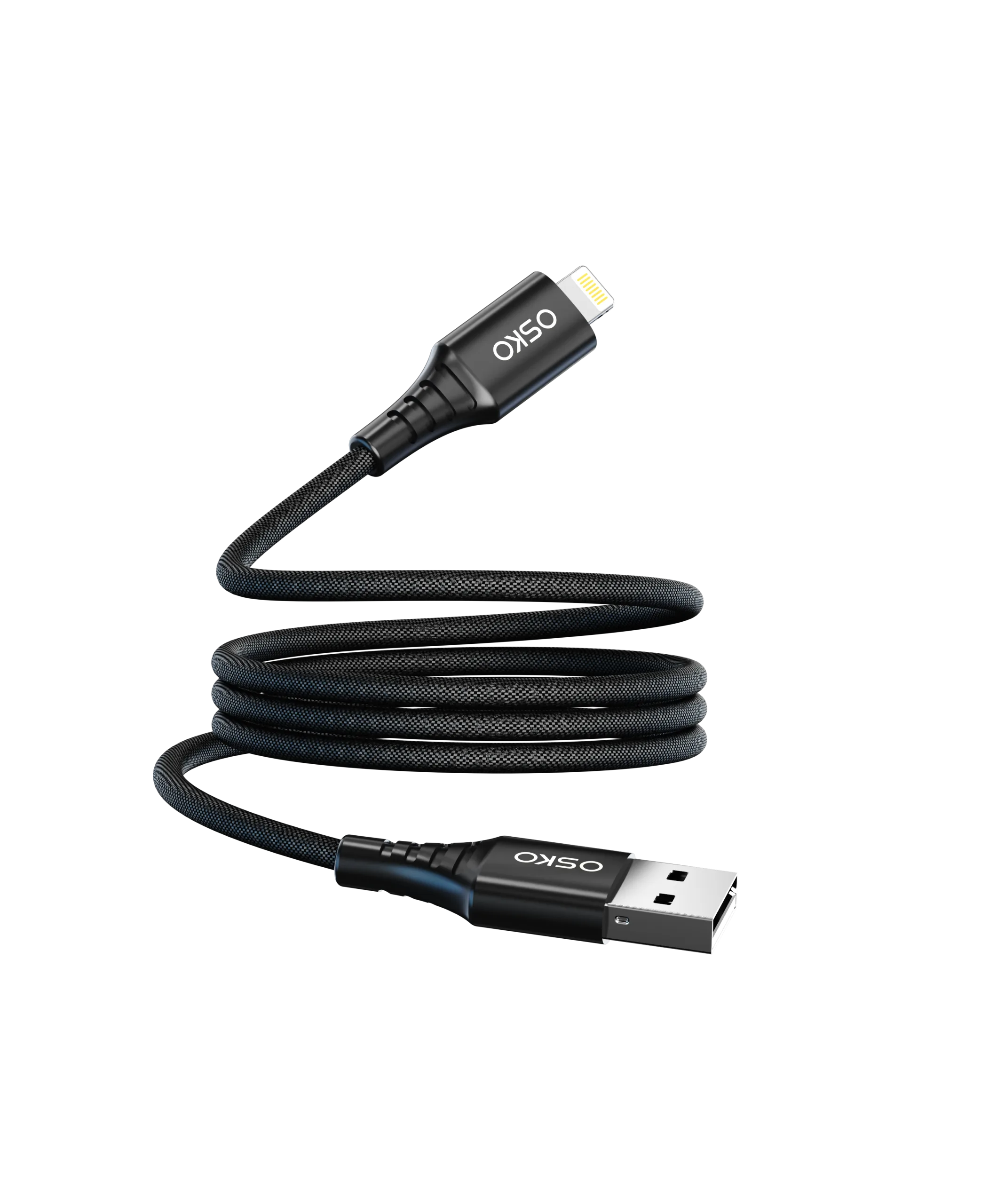
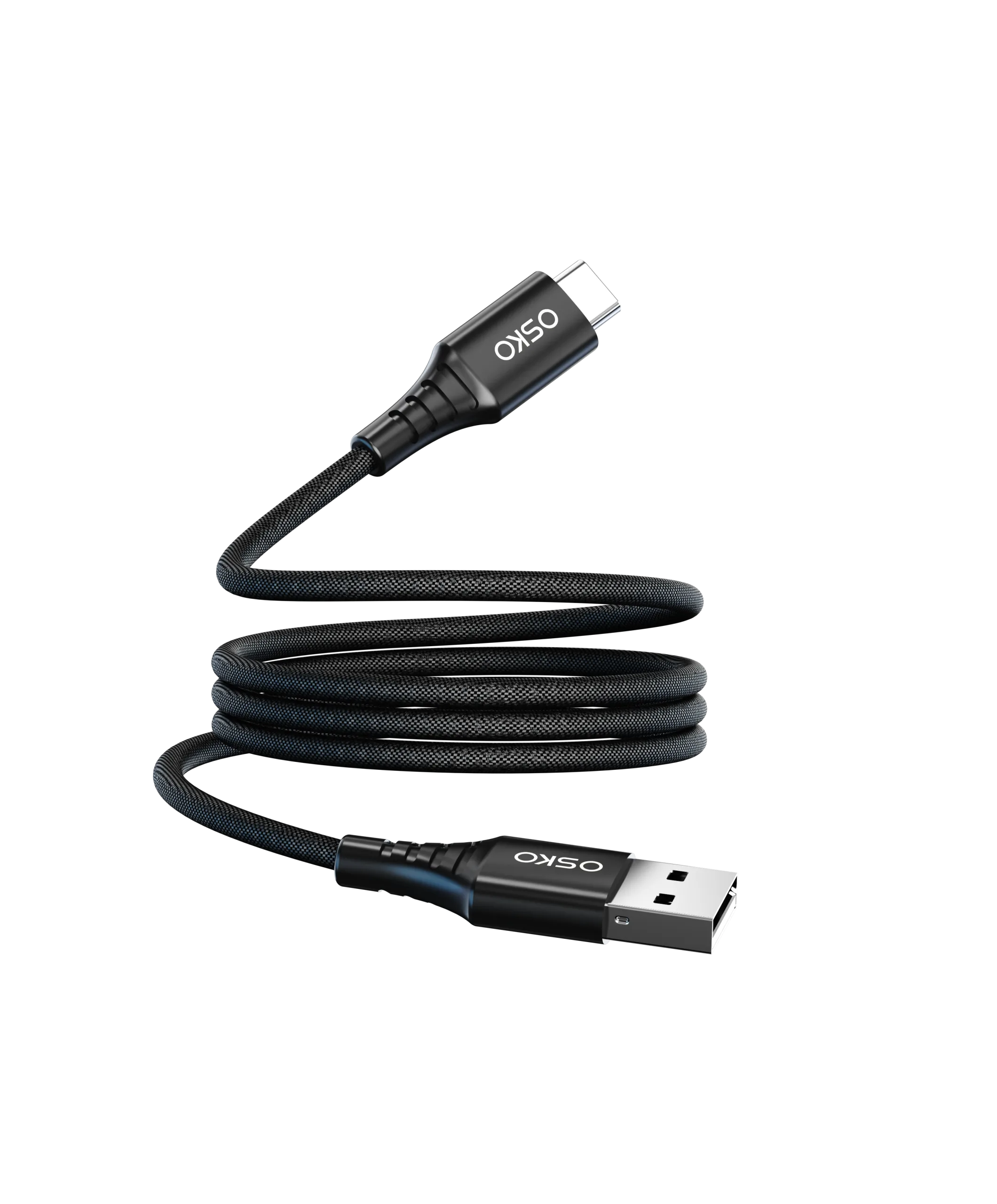
OSKO USB-C Cable Solutions for Modern Connectivity
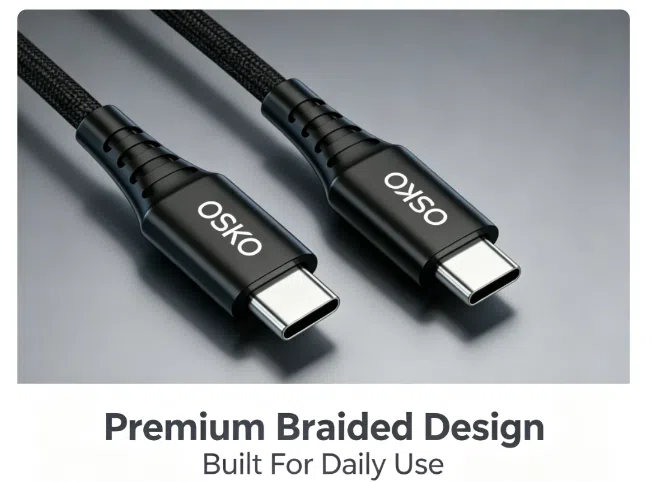
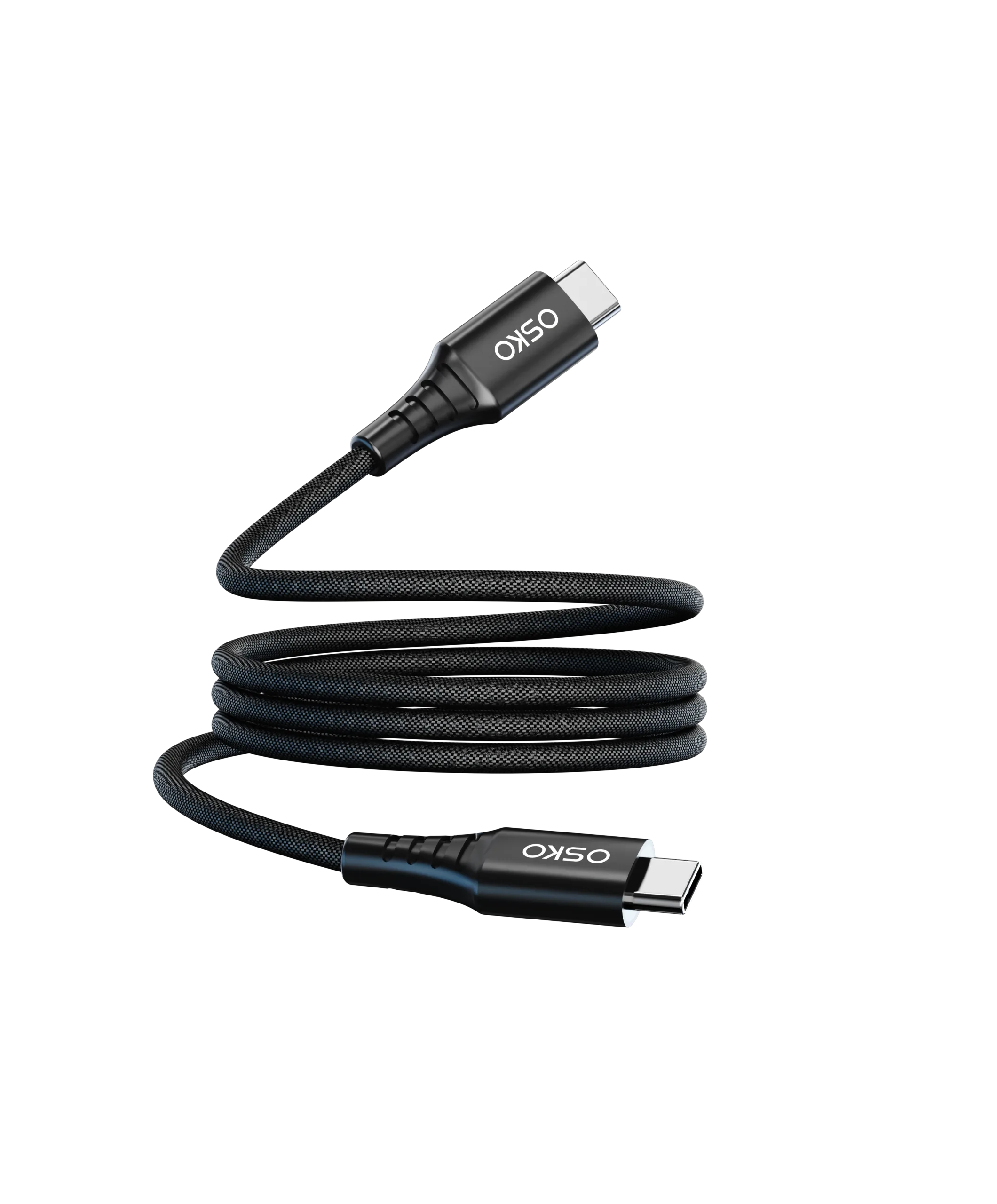
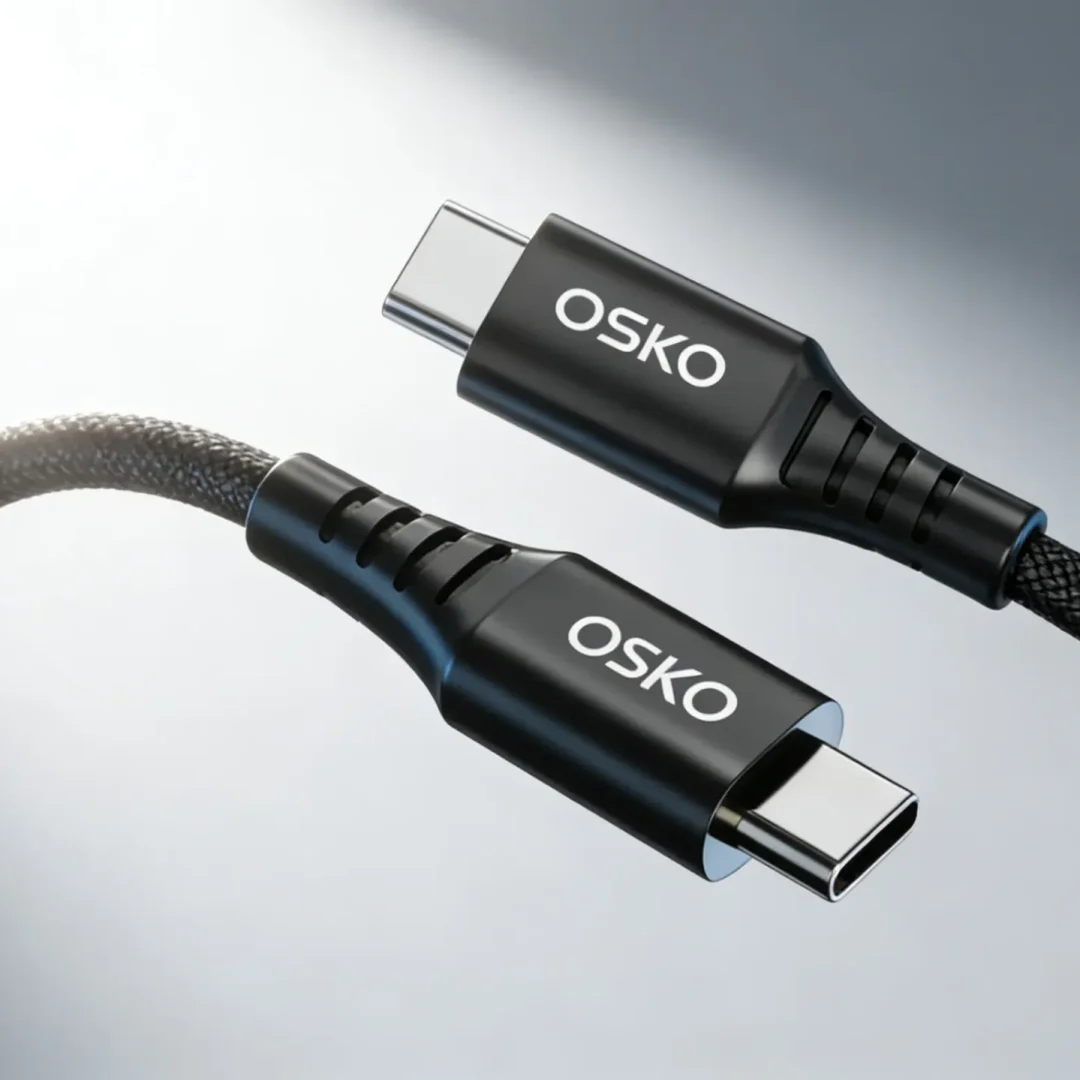
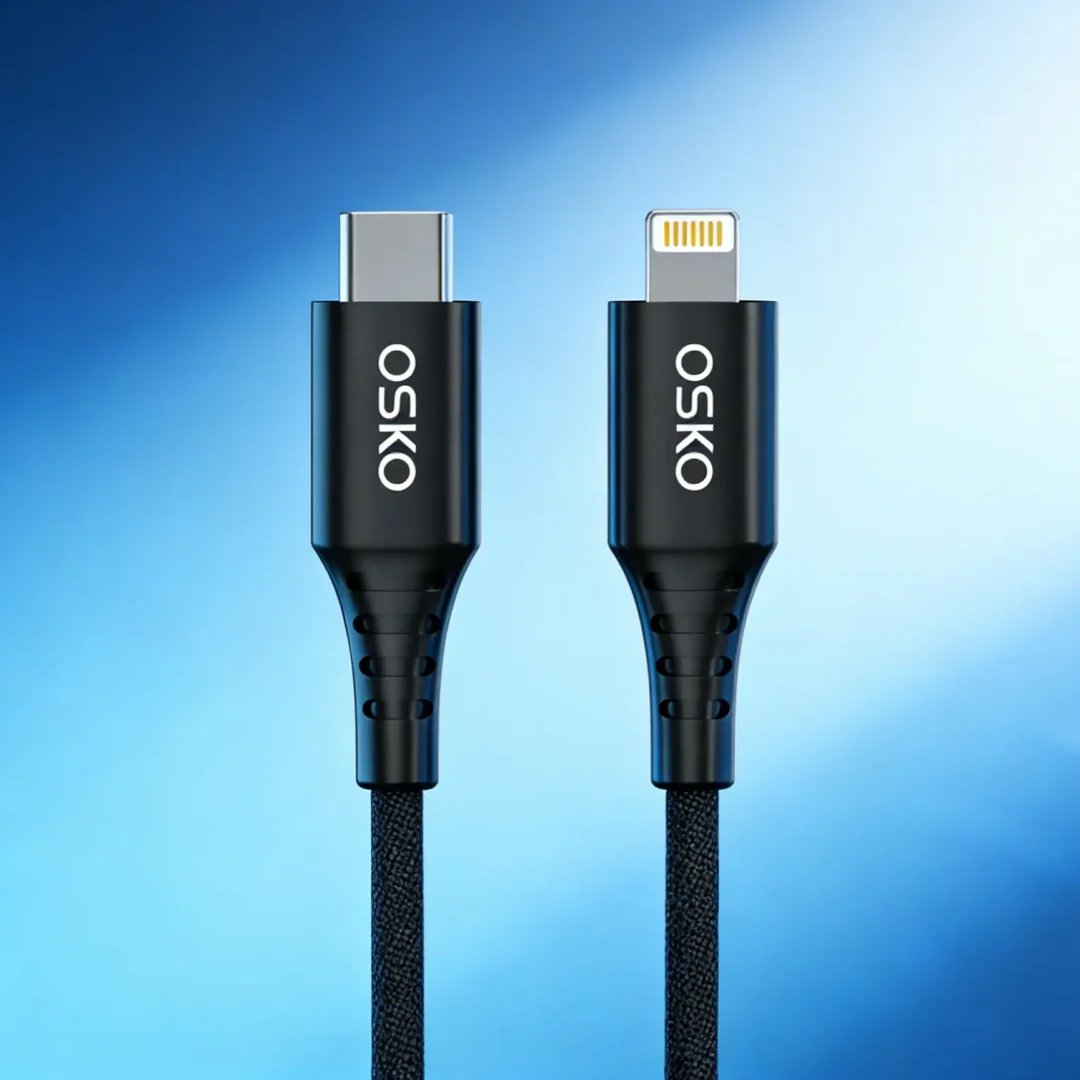
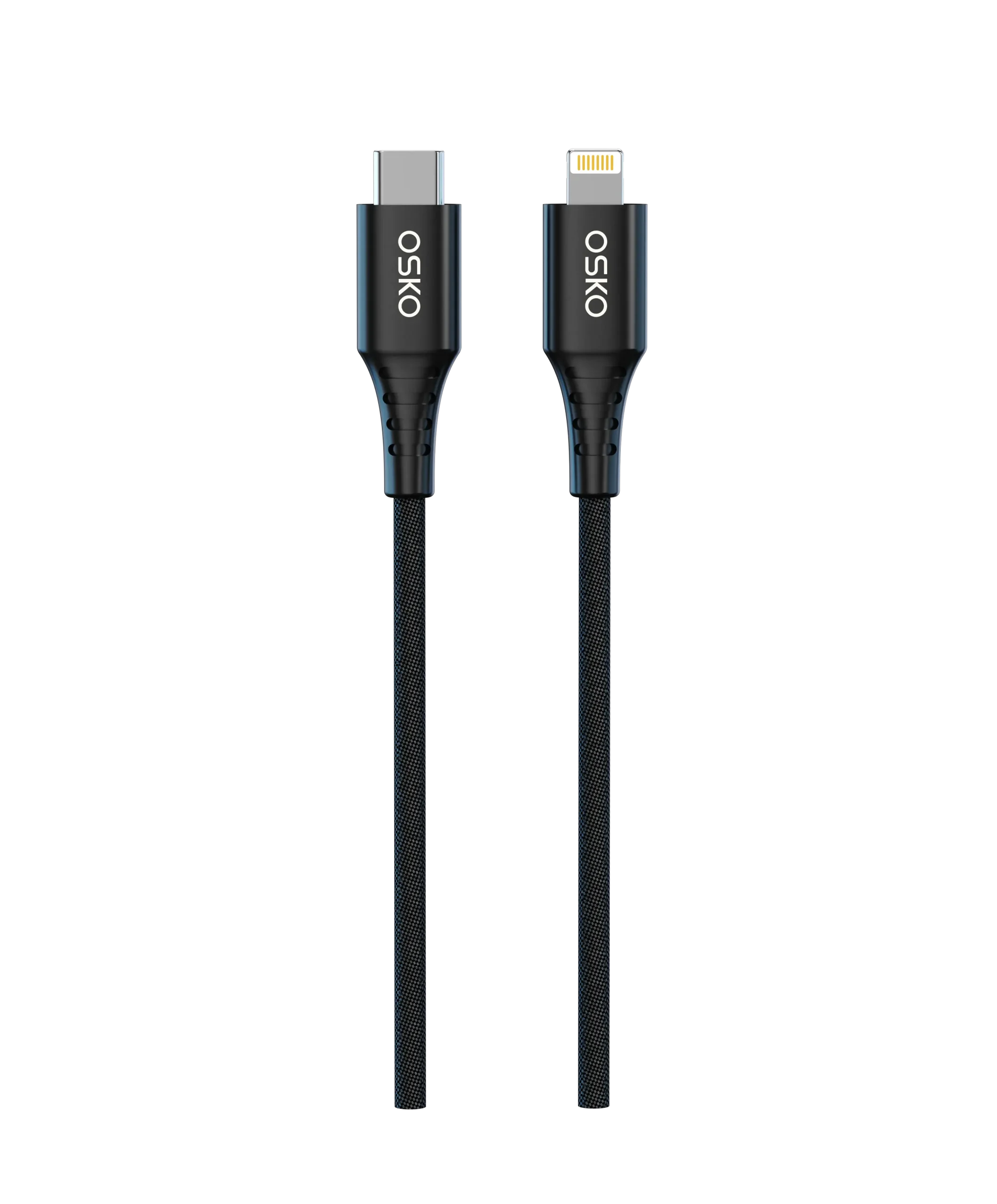
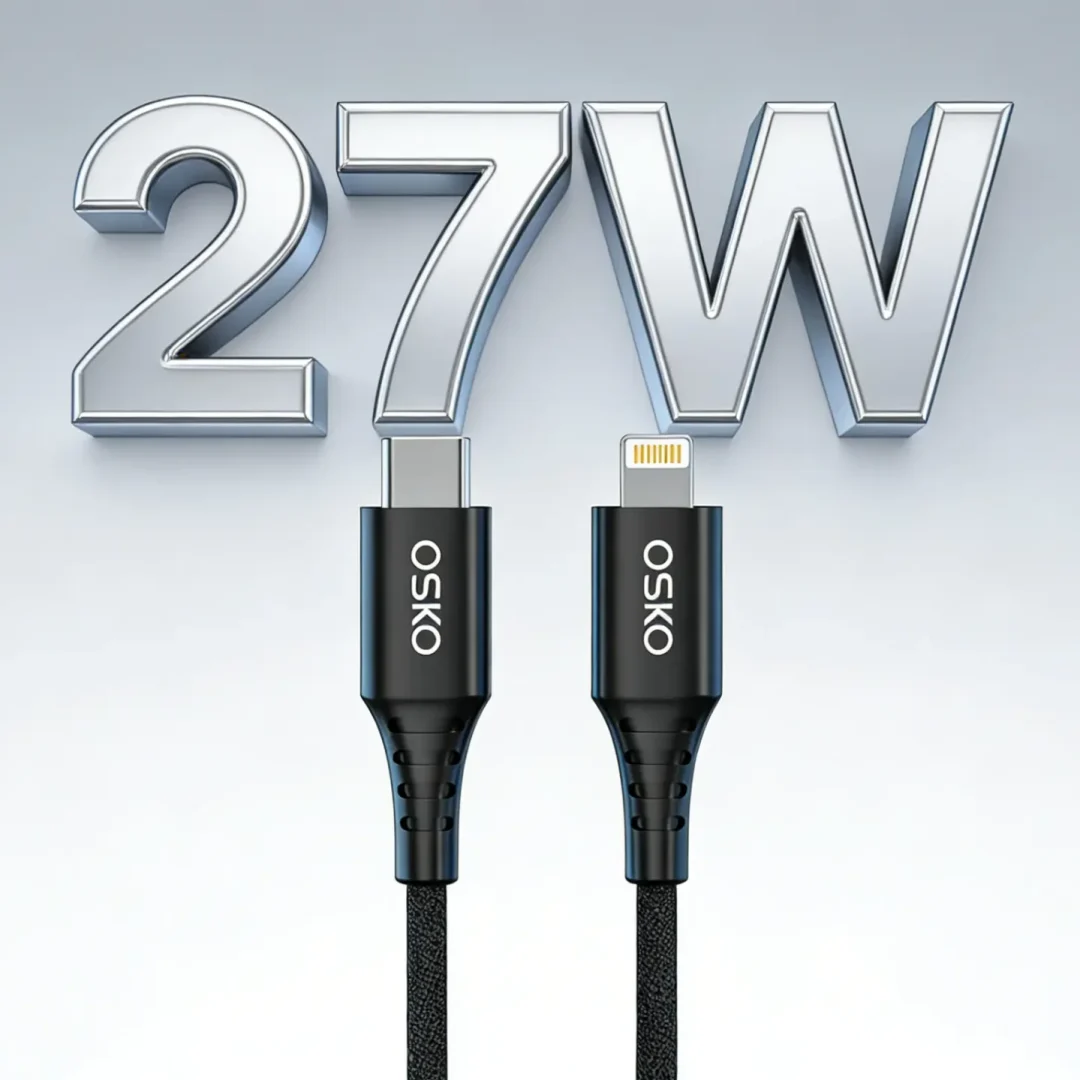
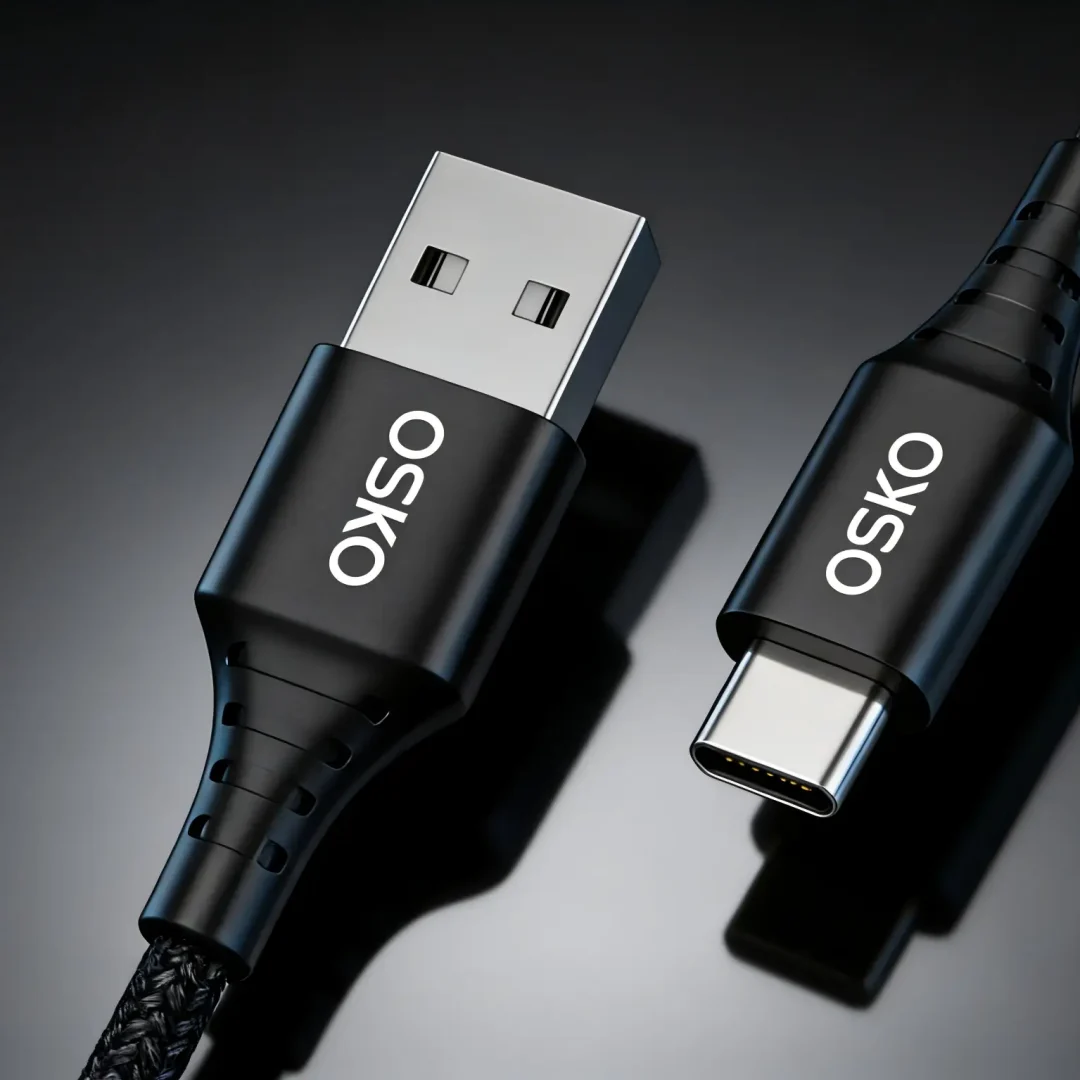
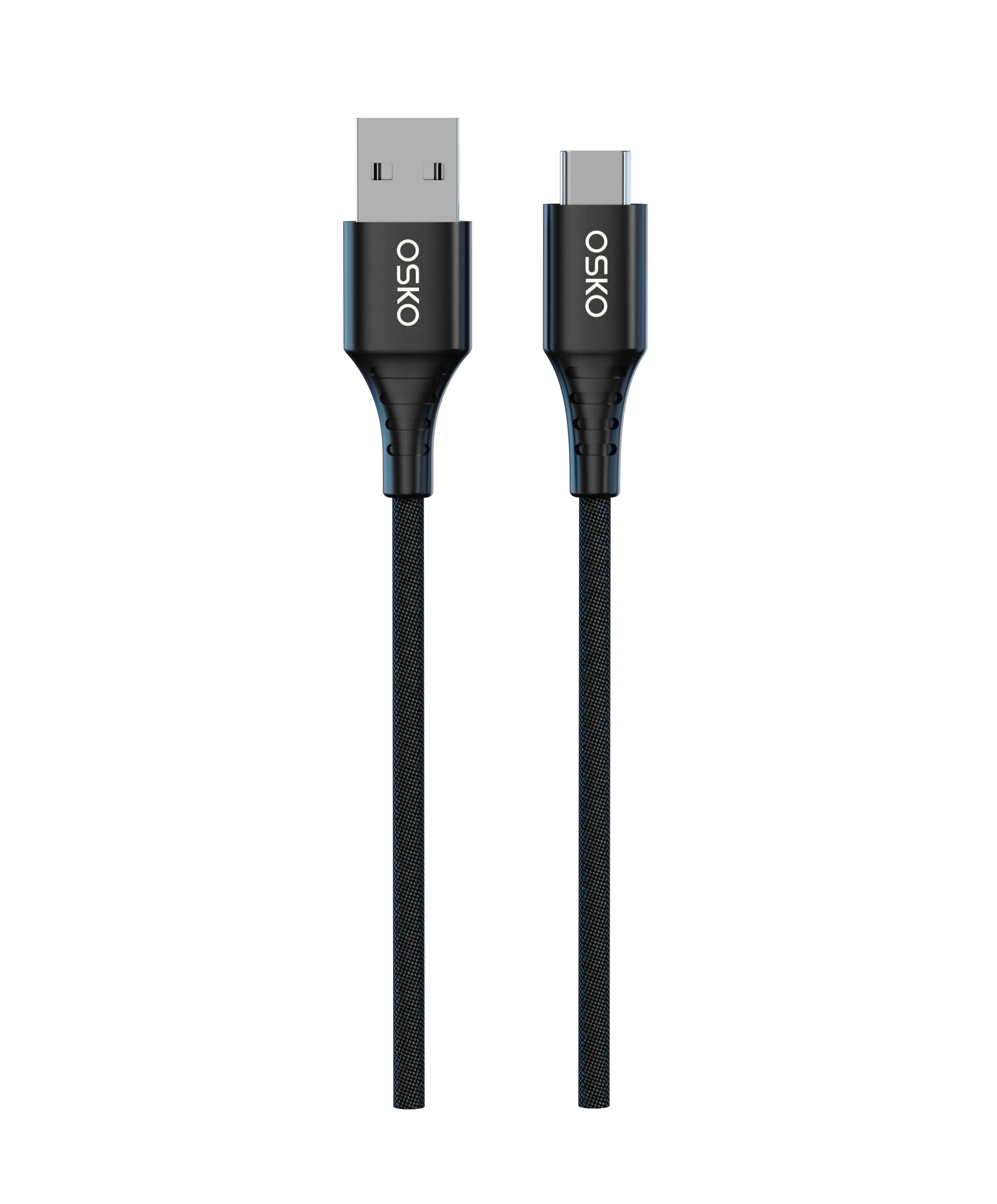
As a professional USB cable manufacturer, OSKO focuses on developing reliable USB-C solutions for consumer electronics, business applications, and OEM customers.
Modern USB-C accessories require more than basic connectivity.
They need:
Stable signal transmission
Durable construction
Long service life
Compatibility with different devices
OSKO USB-C cables are designed for applications including:
Laptop charging
Data synchronization
Office environments
Portable workstations
Custom OEM projects
For companies looking for customized USB-C solutions, OSKO provides OEM/ODM manufacturing services including:
Custom cable length
Connector customization
Logo printing
Packaging solutions
Bulk production support
Practical Engineering Case: Stable Network Solution for Remote Design Team
A European engineering company using multiple USB-C laptops faced unstable Wi-Fi connections during large CAD file transfers.
Their team required:
Reliable Ethernet connection
Portable workstation accessories
Durable cables for daily office use
The company selected USB-C networking accessories combined with high-quality USB-C cables for their employees.
After implementation:
Large engineering files transferred more consistently
Online meetings experienced fewer interruptions
Employees could quickly connect laptops in different office locations
From an engineering and procurement perspective, selecting reliable USB-C accessories reduced downtime and improved workplace efficiency.
This type of application demonstrates why USB-C connectivity has become an important part of modern business infrastructure.
How to Set Up USB-C Ethernet Connection
Follow these steps to connect your device:
Step 1: Connect Ethernet Cable
Plug the Ethernet cable into your router, modem, or network switch.
Connect the other end to the USB-C Ethernet adapter.
Step 2: Connect Adapter to Device
Insert the USB-C connector into your laptop or tablet.
Most modern operating systems will automatically detect the adapter.
Step 3: Check Network Settings
On Windows:
Settings → Network & Internet → Ethernet
On macOS:
System Settings → Network → Ethernet
Make sure the wired connection is enabled.
Step 4: Test Internet Connection
Open a browser and visit a website.
If the connection does not work:
Check cable connections
Restart the adapter
Update network drivers
Try another Ethernet cable
Conclusion: Is USB-C Good for Ethernet?
So, can USB-C be used for Ethernet?
Yes.
USB-C provides a practical solution for adding Ethernet connectivity to modern laptops and tablets.
Whether you choose a simple USB-C Ethernet adapter, a multi-port USB-C hub, or a professional docking station, USB-C makes wired networking accessible for devices that no longer include traditional Ethernet ports.
For users in the United States, Germany, Australia, and the Netherlands, USB-C Ethernet accessories are becoming increasingly valuable as remote work, cloud applications, and digital collaboration continue growing.
A reliable USB-C connection is not just about faster internet.
It is about creating a more stable, efficient, and productive digital workspace.
FAQ: Can USB-C Be Used for Ethernet?
Can USB-C connect to Ethernet?
Yes. USB-C can connect to Ethernet by using a USB-C to Ethernet adapter, USB-C hub, or docking station with an RJ45 Ethernet port.
Does USB-C support Gigabit Ethernet?
Yes. A compatible USB-C Ethernet adapter can support Gigabit Ethernet speeds. The final speed depends on the adapter, USB-C port specification, Ethernet cable quality, and network equipment.
Is USB-C Ethernet faster than Wi-Fi?
In many situations, USB-C Ethernet provides a faster and more stable connection than Wi-Fi because wired networks experience less interference and lower latency.
Do USB-C Ethernet adapters need drivers?
Most modern USB-C Ethernet adapters support plug-and-play operation and do not require manual driver installation. Some older systems may require additional drivers.
Can I use USB-C Ethernet on MacBook?
Yes. MacBook models with USB-C ports can use USB-C Ethernet adapters or docking stations for wired network connections.
What is the best USB-C Ethernet adapter for laptop?
The best USB-C Ethernet adapter depends on your needs. For basic users, a compact Gigabit Ethernet adapter is enough. For professionals, a USB-C hub or docking station with Ethernet, HDMI, and USB ports may be more suitable.
Does USB-C Ethernet work for gaming?
Yes. USB-C Ethernet can improve gaming stability by providing a more consistent wired connection with lower latency compared with unstable Wi-Fi networks.
Can USB-C Ethernet charge my laptop?
A USB-C Ethernet adapter usually does not provide charging. However, many USB-C hubs and docking stations include Power Delivery charging support, allowing you to charge your laptop while using Ethernet.
What Ethernet cable should I use with a USB-C adapter?
For Gigabit Ethernet performance, Cat5e or higher Ethernet cables are recommended. Cat6 cables are commonly used for better future compatibility.