
Will iPhone 15 Have USB-C? Exploring Apple’s Switch to USB-C Charging Technology
For years, iPhone users have relied on Apple’s Lightning connector for charging and data transfer. However, with the rapid adoption of USB-C across smartphones, laptops, tablets, and other electronic devices, one question has become increasingly popular among consumers and technology buyers:
Will iPhone 15 have USB-C?
The answer is yes. Starting with the iPhone 15 series, Apple officially replaced the Lightning port with USB-C, marking one of the biggest changes in iPhone connectivity history.
This transition brings important improvements, including wider device compatibility, easier cable management, improved data transfer options, and support for modern USB-C charging accessories.
For consumers, retailers, and electronic accessory distributors, understanding iPhone 15 USB-C compatibility is essential when selecting charging cables and accessories for the latest Apple devices.

What Is USB-C and Why Is It Becoming the Universal Charging Standard?
USB-C, also known as USB Type-C, is a modern connector standard developed by the USB Implementers Forum (USB-IF).
Unlike older USB-A and Lightning connectors, USB-C features a small oval-shaped reversible design, allowing users to connect the cable in either direction without checking the plug orientation.
This simple design improvement solves one of the biggest frustrations with traditional USB connectors — incorrect insertion.
Beyond convenience, USB-C offers significant technical advantages:
Higher charging power capability
Faster data transfer speeds
Support for video output
Compatibility with multiple device categories
A high-quality USB-C cable can support technologies such as USB Power Delivery (USB PD), DisplayPort Alternate Mode, and Thunderbolt connectivity depending on its design and specifications.
Why Did Apple Replace Lightning With USB-C?
Apple used the Lightning connector for more than ten years, beginning with the iPhone 5 in 2012.
However, the technology market gradually moved toward USB-C because it became the common charging interface for Android smartphones, MacBooks, Windows laptops, tablets, and professional electronics.
One major factor behind Apple’s transition was the European Union’s common charger regulation, which requires many electronic devices sold in Europe to adopt USB-C charging.
For Apple users, this means fewer cables are needed in daily life.
A single USB-C charging cable can now potentially support:
iPhone 15
iPad
MacBook
Android smartphones
USB-C accessories
Portable monitors
Power banks
This change also benefits global accessory manufacturers and distributors because USB-C has become a worldwide standard across markets including the United States, Germany, Australia, and the Netherlands.
What Benefits Does USB-C Bring to iPhone 15 Users?
1. Universal Charging Compatibility
One of the biggest advantages of the iPhone 15 USB-C port is improved compatibility.
Before this transition, iPhone users often needed separate Lightning cables for Apple devices and USB-C cables for laptops or Android products.
With USB-C, users can simplify their charging setup by using fewer cables.
For travelers, business users, and technology professionals, this creates a more convenient charging environment.
2. Improved Fast Charging Capability
Does USB-C make iPhone charging faster?
USB-C itself does not automatically guarantee faster charging. The charging speed depends on three factors:
iPhone charging technology
Power adapter output
USB-C cable specifications
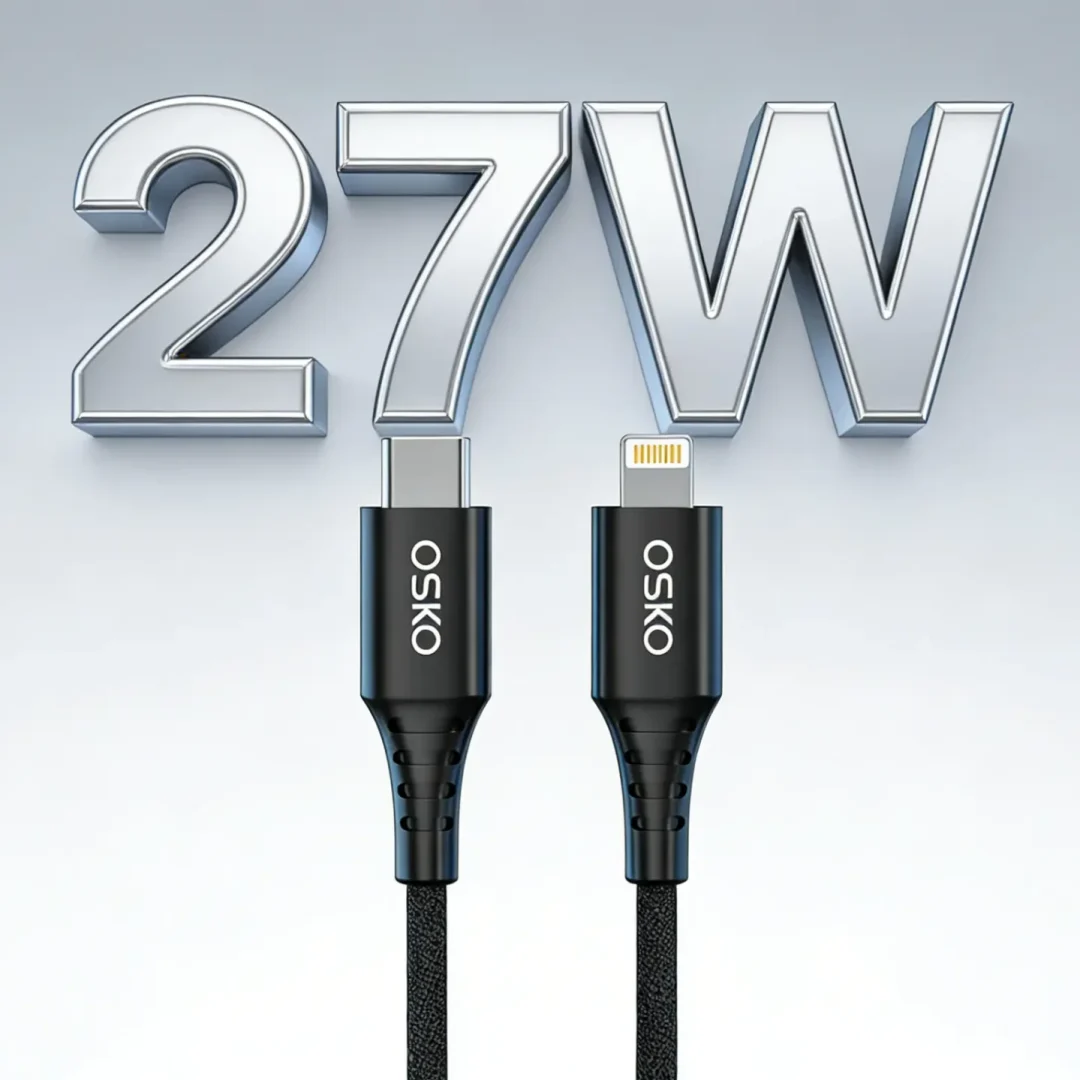
When paired with a compatible USB-C Power Delivery charger, iPhone 15 models can achieve efficient fast charging performance.
For reliable charging, users should select a USB-C cable designed for power delivery rather than basic charging cables.
3. Better Data Transfer Performance
USB-C provides greater potential for high-speed data transfer compared with Lightning.
However, different iPhone 15 models support different USB standards.
The iPhone 15 and iPhone 15 Plus support USB 2.0 data speeds, while iPhone 15 Pro models support faster USB 3 transfer speeds.
For professional users who transfer large video files, photos, or work documents, choosing the correct USB-C cable becomes important.
A cable designed only for charging may not provide the same performance as a USB-C data cable.
4. External Display and Professional Applications
USB-C expands iPhone connectivity possibilities.
With compatible accessories, users can connect iPhone 15 devices to:
External monitors
Projectors
USB-C hubs
Storage devices
This creates new possibilities for mobile productivity, especially for photographers, content creators, and business users.
Are All USB-C Cables Compatible With iPhone 15?
A common misunderstanding is that every USB-C cable provides the same performance.
The answer is no.
USB-C describes the connector shape, not the complete cable capability.
Different USB-C cables may support different:
Charging power levels
Data speeds
Video transmission functions
Internal components
For example:
A basic USB-C cable may support standard charging only.
A premium USB-C PD cable may include:
E-marker chip
Higher quality copper conductors
Better shielding
Reinforced connectors
Higher wattage support
When purchasing an iPhone 15 USB-C charging cable, users should check whether the cable supports the required charging power and data requirements.
How to Choose the Best USB-C Cable for iPhone 15?
1. Check Power Delivery Support
For fast charging, choose a USB-C cable supporting USB Power Delivery.
PD-compatible cables can safely manage higher charging power while protecting connected devices.
2. Select the Correct Cable Length
Cable length affects convenience and charging efficiency.
Common options include:
3ft USB-C cable: suitable for desks and bedside charging
6ft USB-C cable: better for offices, cars, and longer-distance charging
Custom lengths: suitable for retail brands and OEM projects
3. Consider Cable Durability
For daily users, cable lifespan is an important factor.
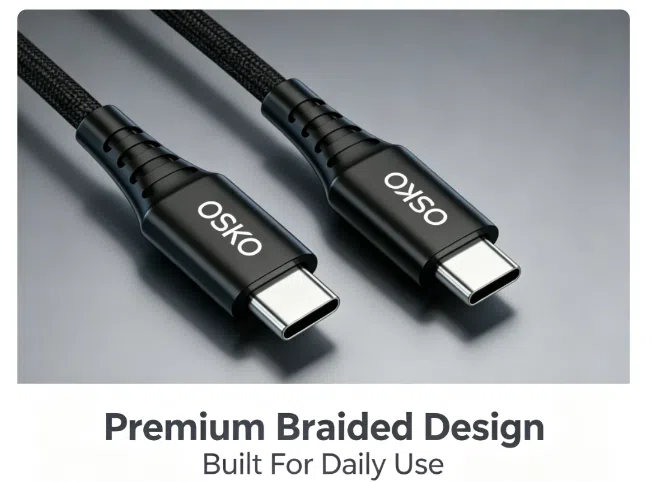
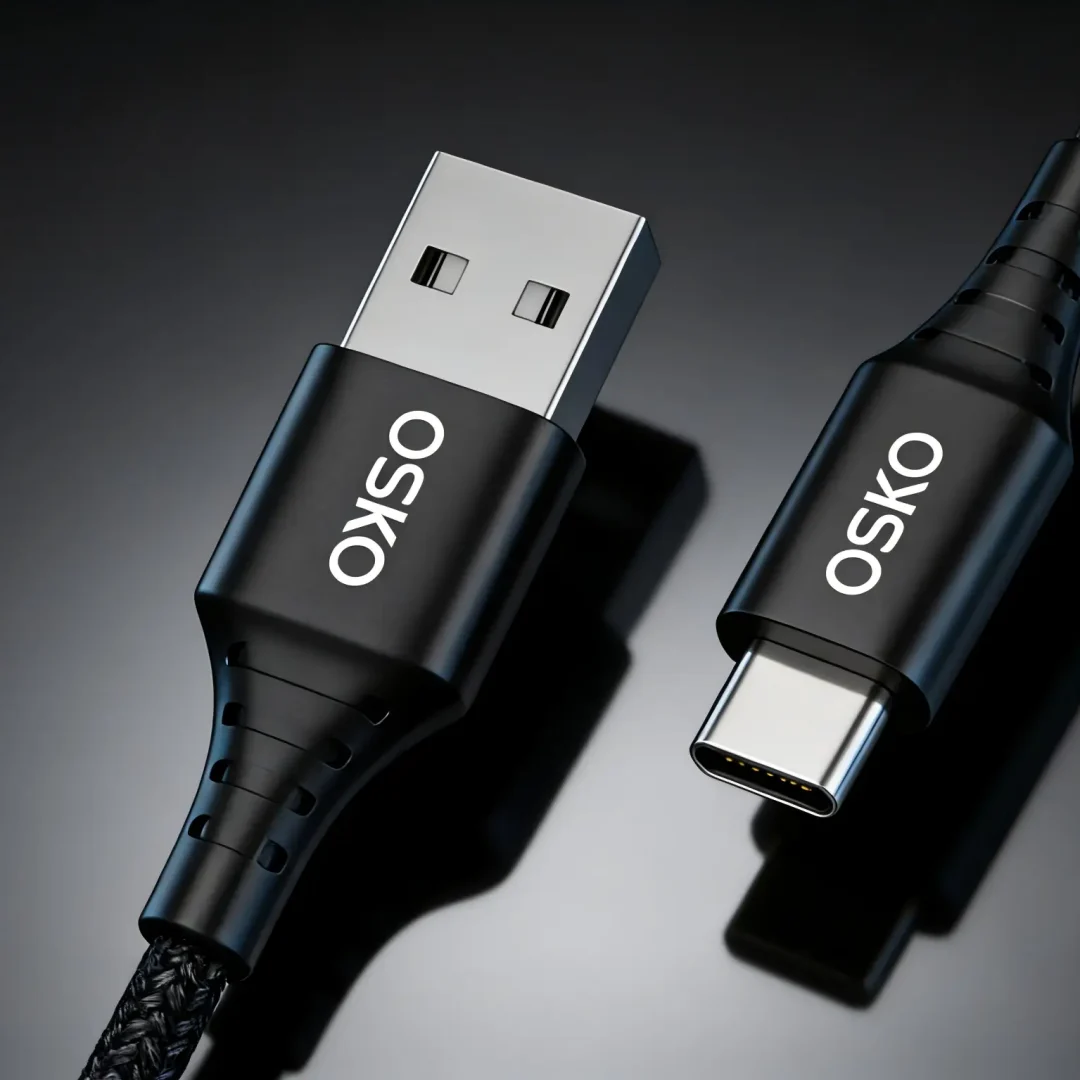
High-quality braided nylon cables provide:
Better abrasion resistance
Reduced bending damage
Longer service life
For retailers and distributors, durable construction helps reduce customer complaints and product returns.
Engineering Case Study: How OSKO Developed a Durable USB-C Cable Solution for Retail Buyers
A US consumer electronics distributor planned to introduce an iPhone 15 compatible charging cable series after Apple’s transition to USB-C.
Their main challenges were:
High return rates from low-quality cables
Customer complaints about connector damage
Difficulty finding reliable OEM suppliers
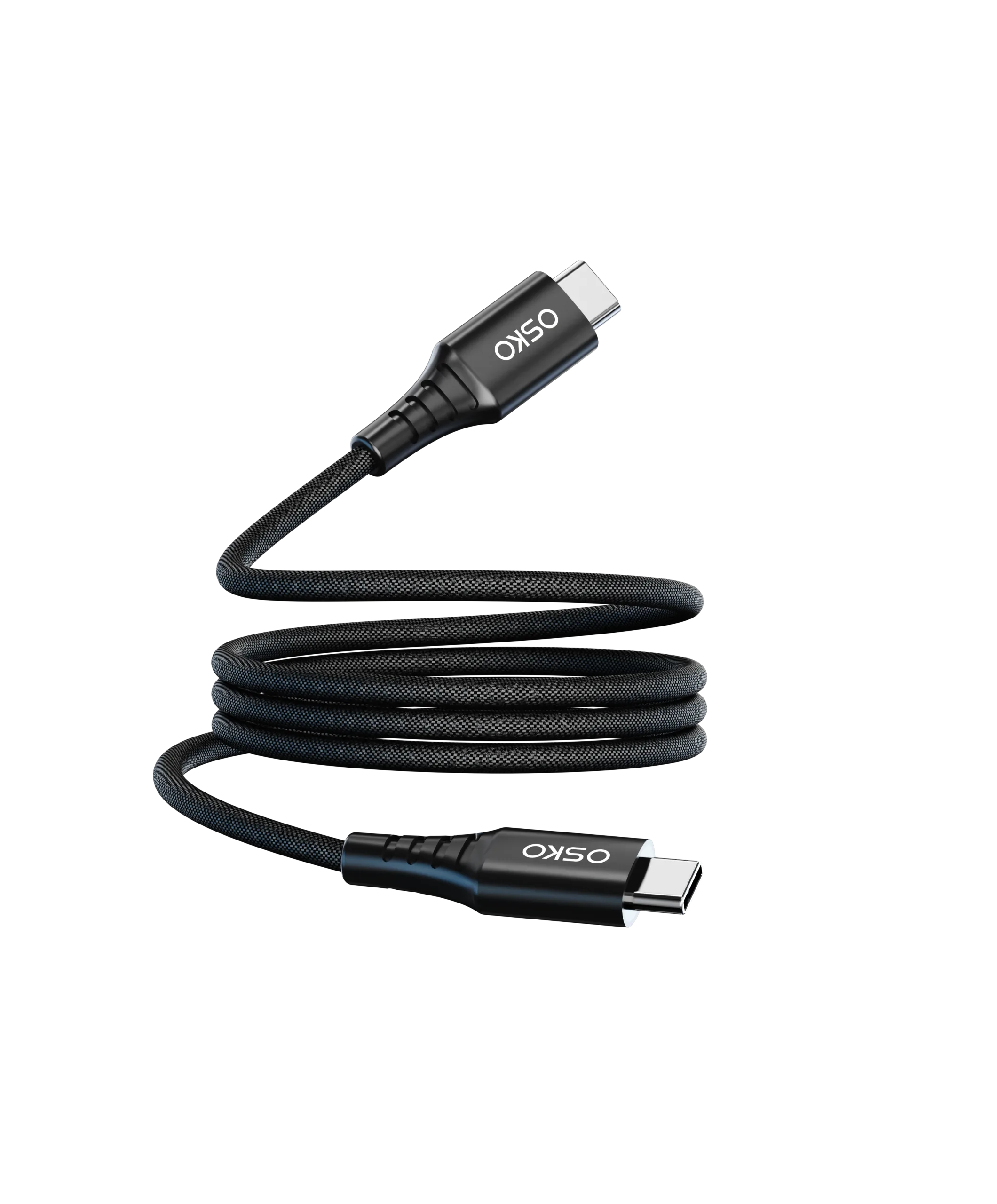
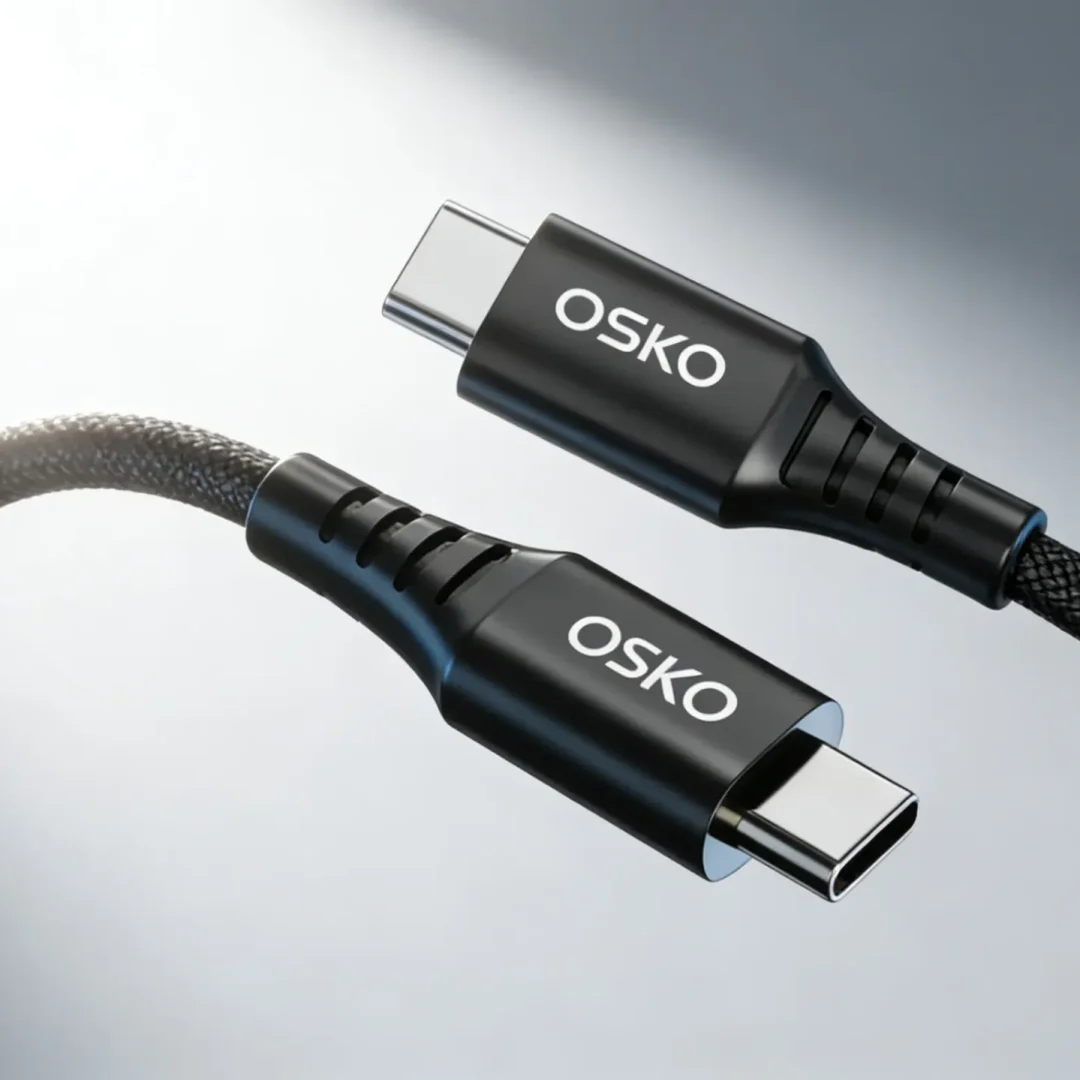
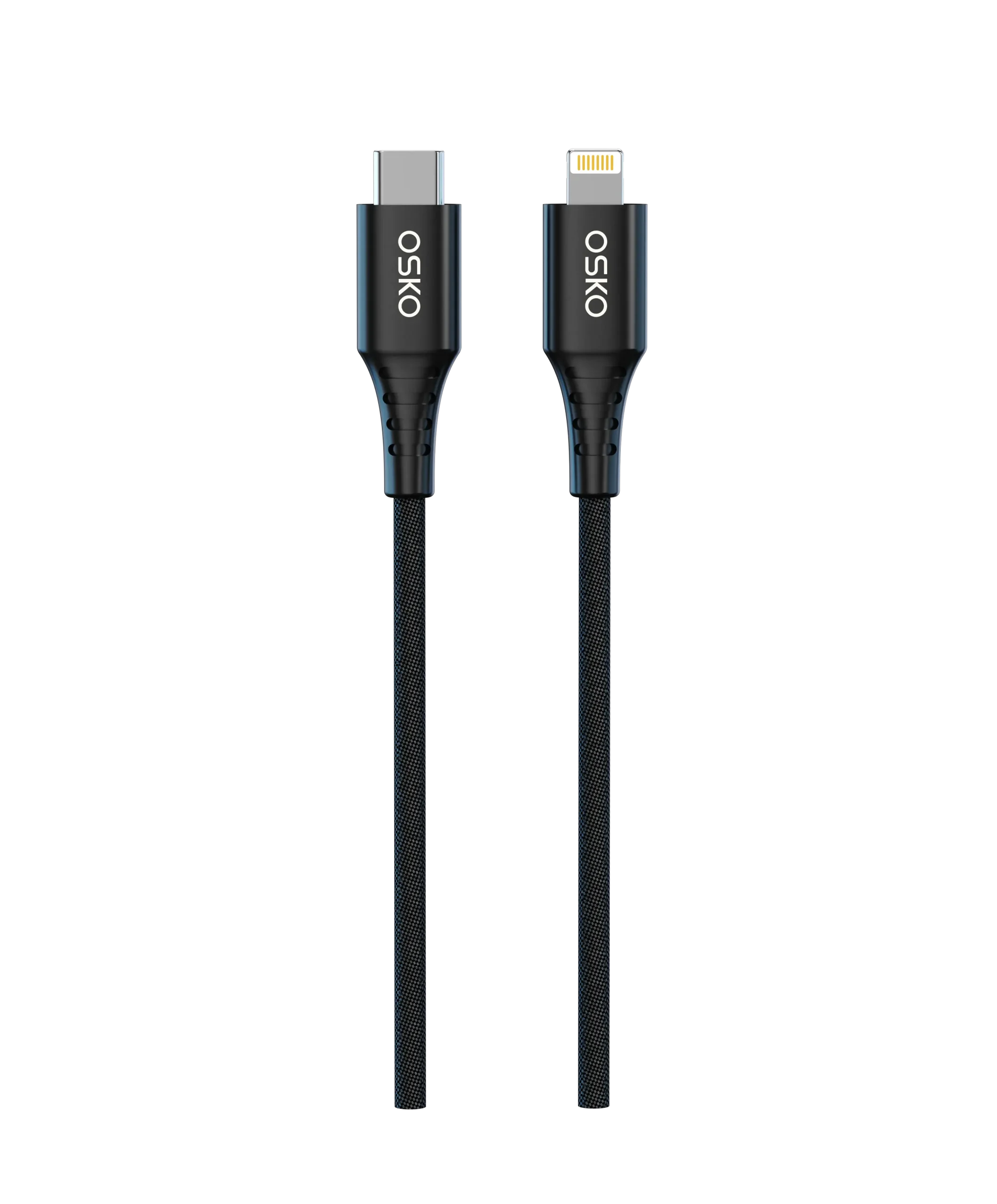
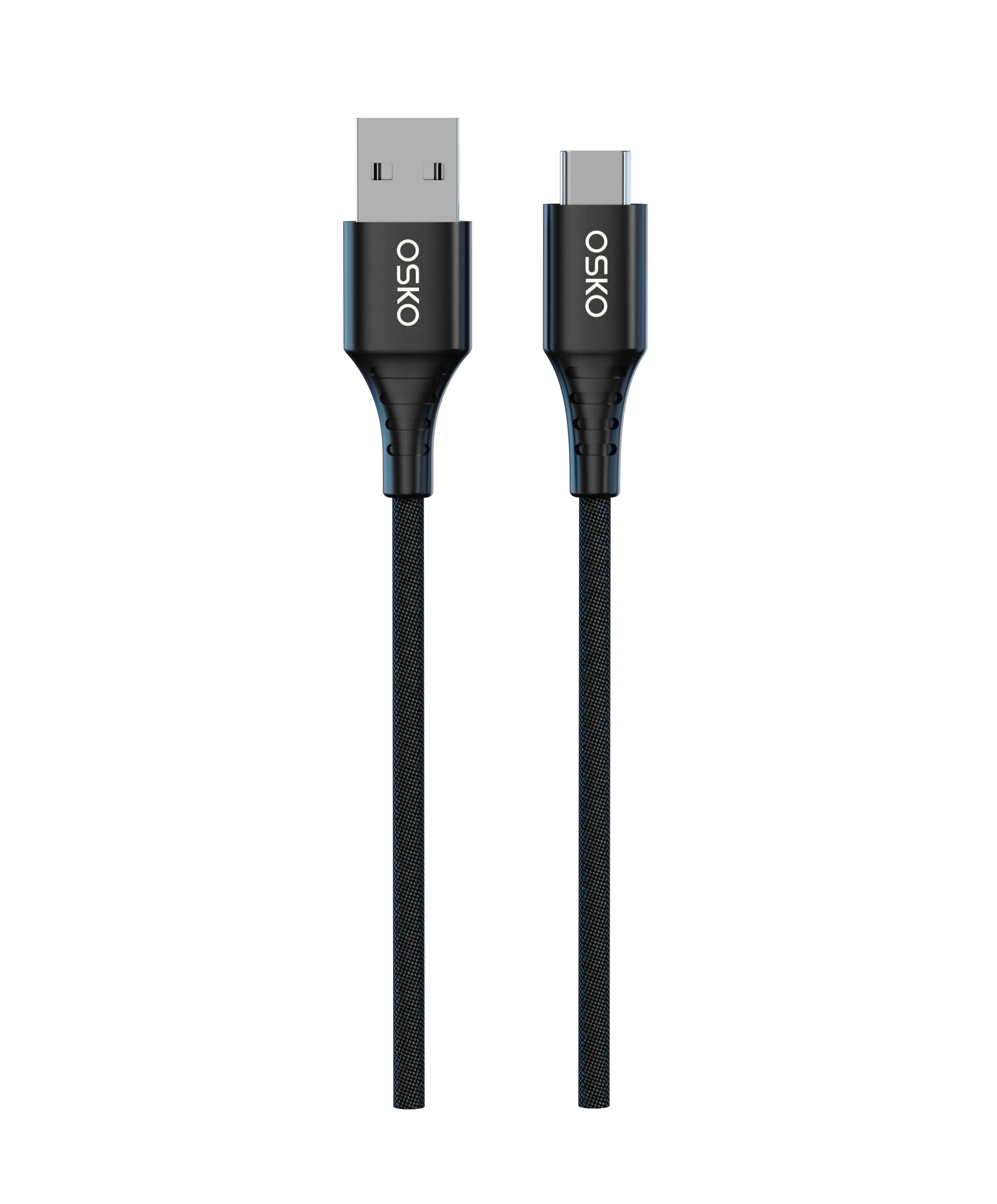
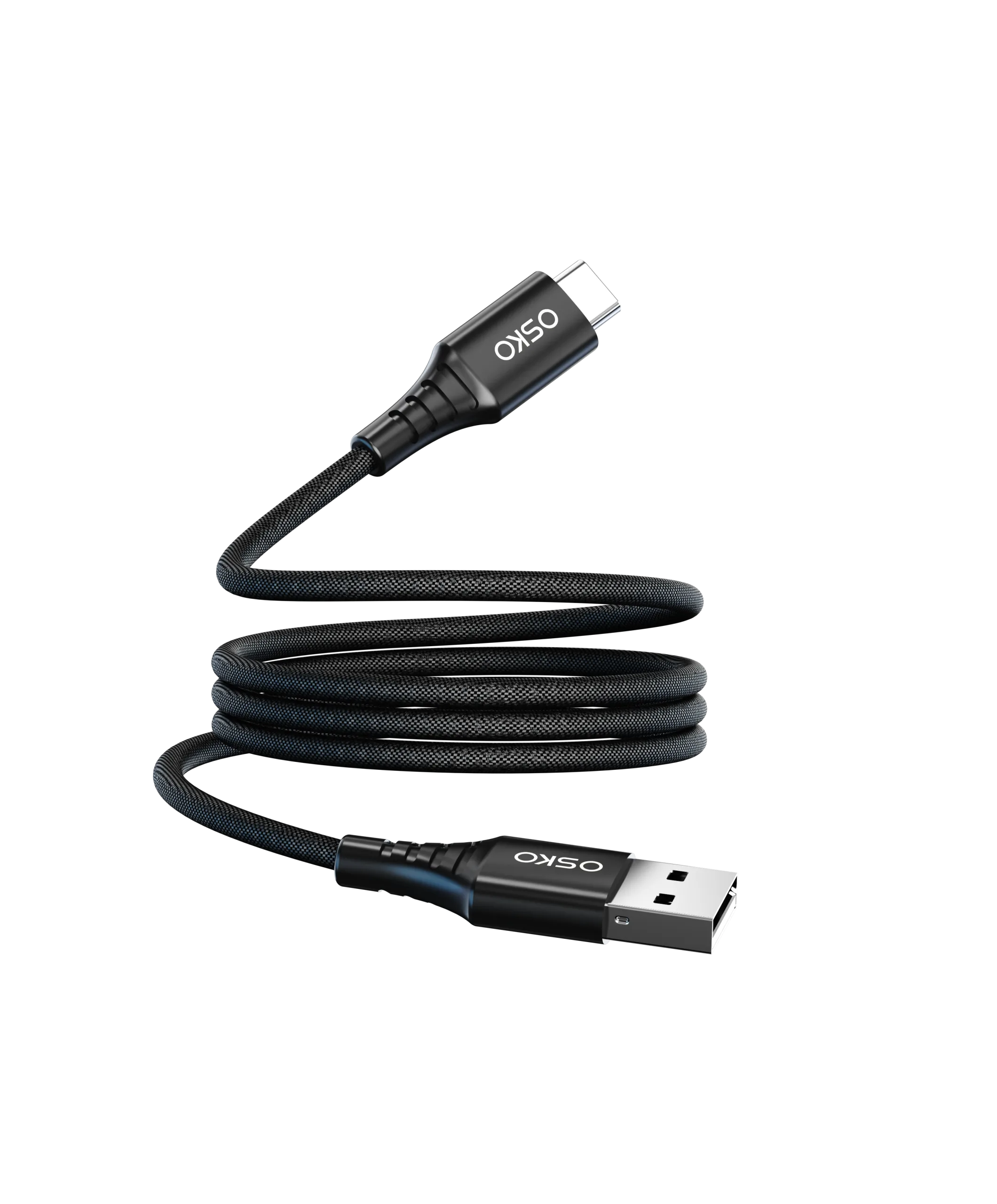
OSKO engineers developed a customized USB-C to USB-C cable solution with:
Reinforced connector housing
Nylon braided outer jacket
Optimized copper conductor structure
Stable USB PD charging performance
Customized packaging for retail shelves
During product testing, the cable design focused on repeated bending resistance and long-term daily usage scenarios.
The final OEM solution helped the distributor create a premium charging cable category targeting Apple users upgrading from Lightning to USB-C.
This case demonstrates why selecting a professional USB cable manufacturer is important for brands entering the growing iPhone USB-C accessory market.
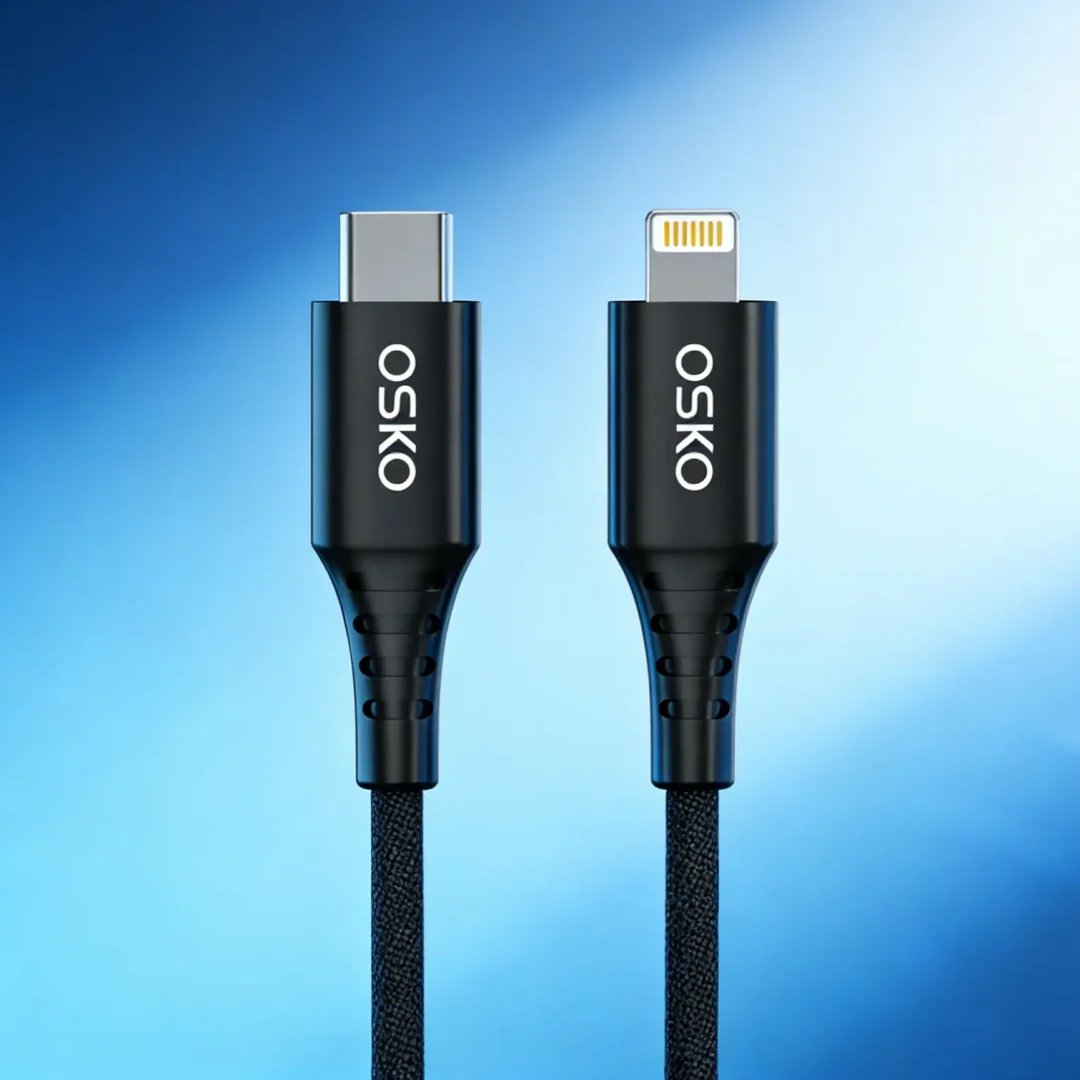
USB-C vs Lightning: Which One Is Better?
| Feature | USB-C | Lightning |
|---|---|---|
| Connector Design | Reversible | Reversible |
| Industry Standard | Universal | Apple Proprietary |
| Device Compatibility | Smartphones, laptops, tablets | Mainly Apple devices |
| Charging Capability | Higher power support | Lower power capability |
| Data Transfer | Higher potential speed | More limited |
For most modern users, USB-C provides better flexibility because it works across a wider range of devices.
Future of iPhone USB-C Accessories
The adoption of USB-C by Apple creates new opportunities for accessory manufacturers, wholesalers, and retailers.
The global market demand for:
USB-C charging cables
USB-C fast charging accessories
iPhone 15 charging solutions
OEM USB-C cables
is expected to continue growing as more consumers upgrade their devices.
For businesses in the US, Germany, Australia, and the Netherlands, offering reliable USB-C products can help capture demand from customers moving away from Lightning accessories.
Conclusion
So, does iPhone 15 use USB-C?
Yes. Apple introduced USB-C with the iPhone 15 series, replacing the Lightning connector and moving toward a more universal charging ecosystem.
USB-C brings better compatibility, improved charging flexibility, and greater connectivity options for modern users.
However, choosing the right cable remains important because not all USB-C cables provide the same charging speed, durability, or data performance.
For consumers, selecting a certified and durable USB-C cable ensures a better charging experience.
For brands and distributors, partnering with an experienced USB-C cable manufacturer like OSKO helps create reliable products that meet modern market expectations.
FAQ About iPhone 15 USB-C
Does iPhone 15 use USB-C instead of Lightning?
Yes. The iPhone 15 series uses USB-C ports instead of Lightning connectors. This allows users to use the same type of cable for many smartphones, tablets, and laptops.
Can I use my old Lightning cable with iPhone 15?
No. iPhone 15 requires a USB-C cable for direct charging. Existing Lightning accessories require adapters to work with the new USB-C port.
Does iPhone 15 USB-C support fast charging?
Yes. iPhone 15 supports fast charging when used with a compatible USB-C Power Delivery charger and high-quality USB-C cable.
Are all USB-C cables suitable for iPhone 15?
No. USB-C cables have different specifications. Some support only basic charging, while others support fast charging, higher power levels, and faster data transfer.
What USB-C cable should I buy for iPhone 15?
Choose a USB-C cable that supports USB Power Delivery, offers reliable construction, and matches your charging and data transfer requirements.
Can iPhone 15 charge other devices through USB-C?
Yes. iPhone 15 supports wired reverse charging through USB-C, allowing it to provide limited power to compatible accessories.
Is USB-C better than Lightning for iPhone users?
For most users, USB-C provides better compatibility, higher power capability, and easier integration with modern electronic devices.
OSKO provides professional OEM and ODM USB cable manufacturing solutions, including USB-C to USB-C cables, fast charging cables, braided nylon cables, and customized charging solutions for global brands, distributors, and retailers.