
USB-C Charging Cable Guide: The Future of Universal Connectivity
The way we charge and connect electronic devices has changed significantly over the past decade. From traditional USB-A connectors to proprietary charging ports, consumers and businesses have searched for a more universal, reliable, and powerful connection solution. Today, the USB-C charging cable has become one of the most important technologies in modern electronics, powering smartphones, tablets, laptops, gaming devices, monitors, and professional equipment.
Unlike older connectors, a USB Type-C cable combines charging, data transfer, and video transmission into one compact interface. Its reversible design eliminates the frustration of inserting cables incorrectly, while advanced USB Power Delivery (USB PD) technology enables higher charging power for everything from smartphones to laptops.
For consumers in markets such as the United States, Germany, Australia, and the Netherlands, USB-C has quickly become the preferred charging standard due to its convenience and compatibility. For electronics retailers, distributors, and procurement teams, selecting a reliable USB-C cable supplier has become essential to ensure product quality, customer satisfaction, and long-term market competitiveness.
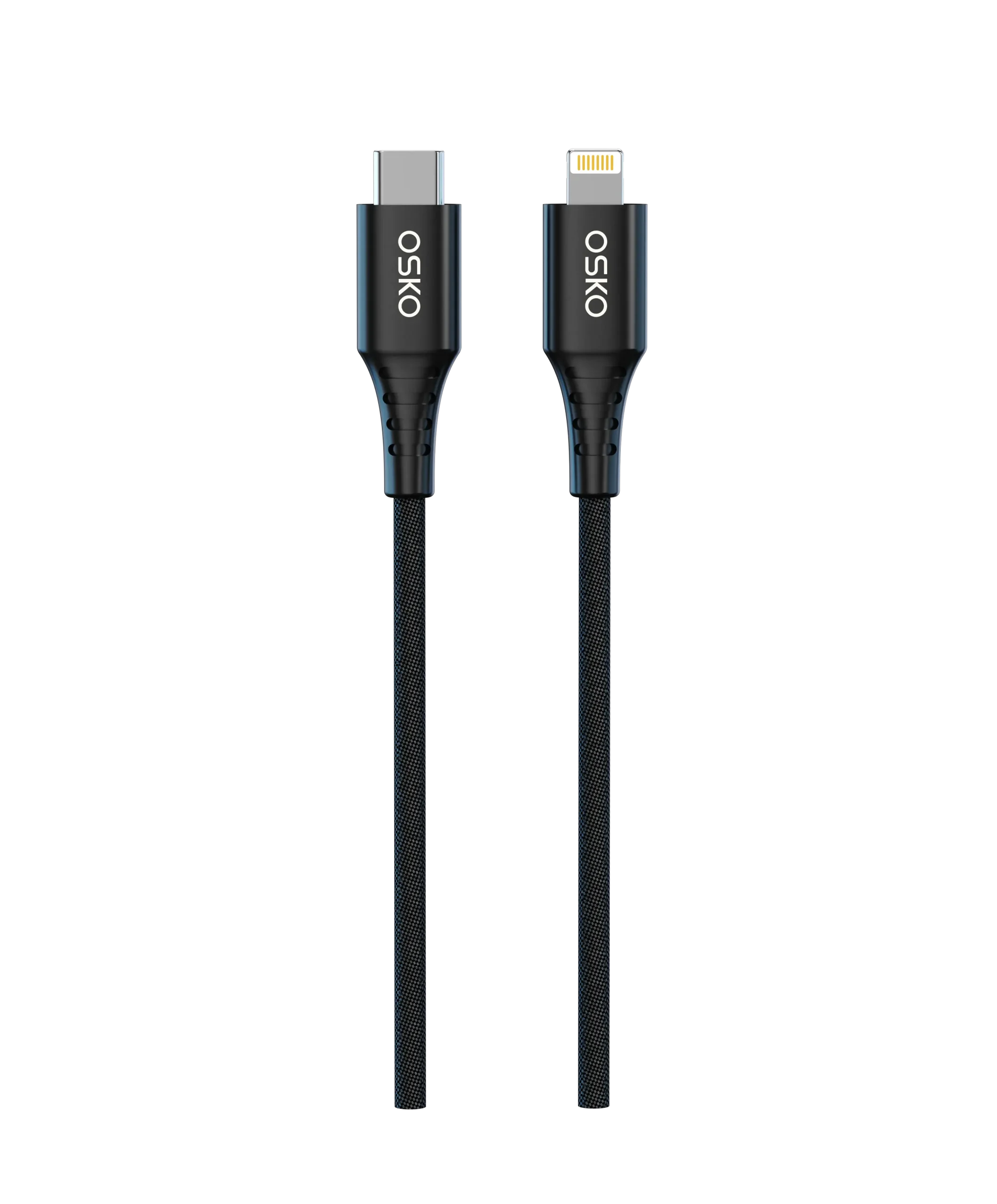
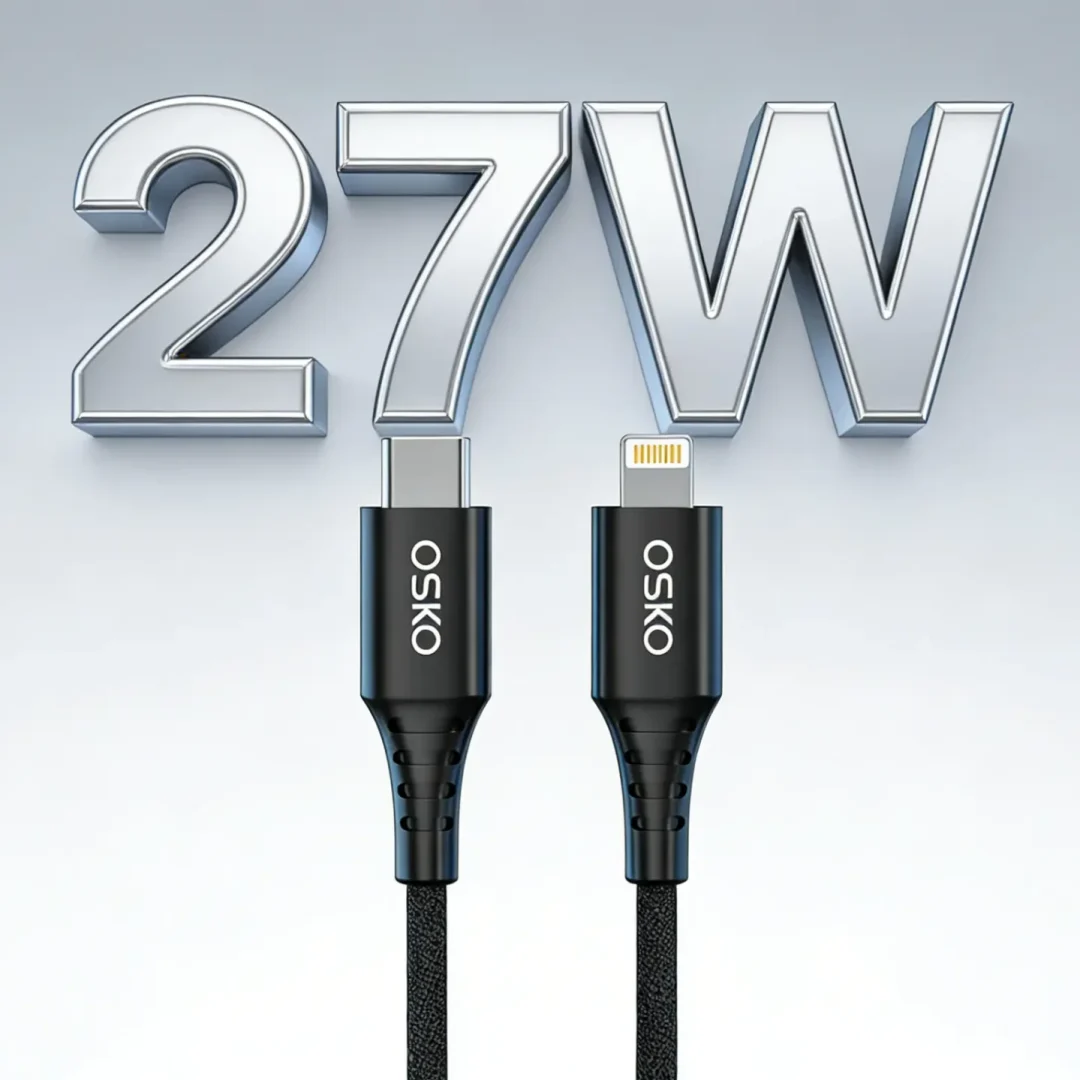
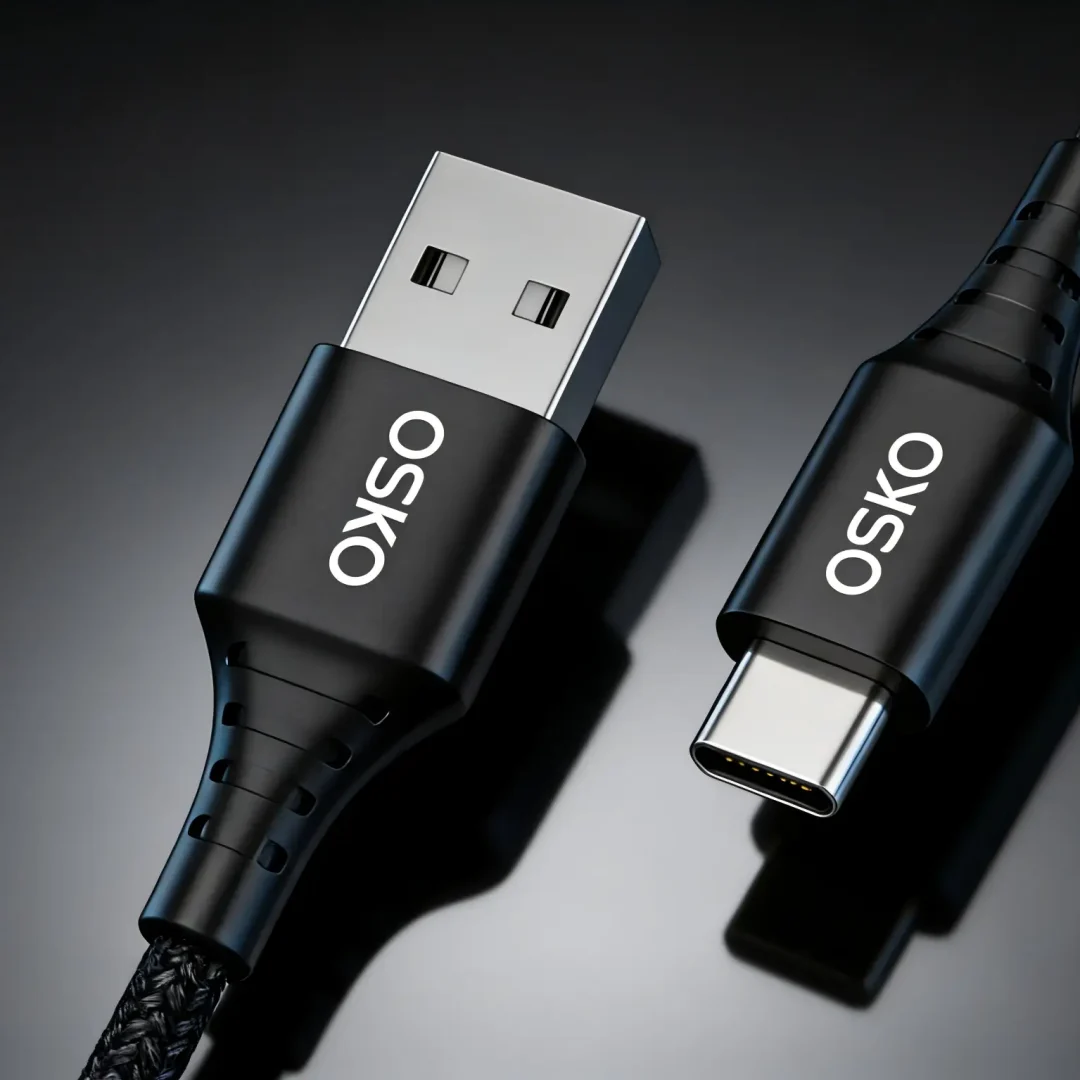
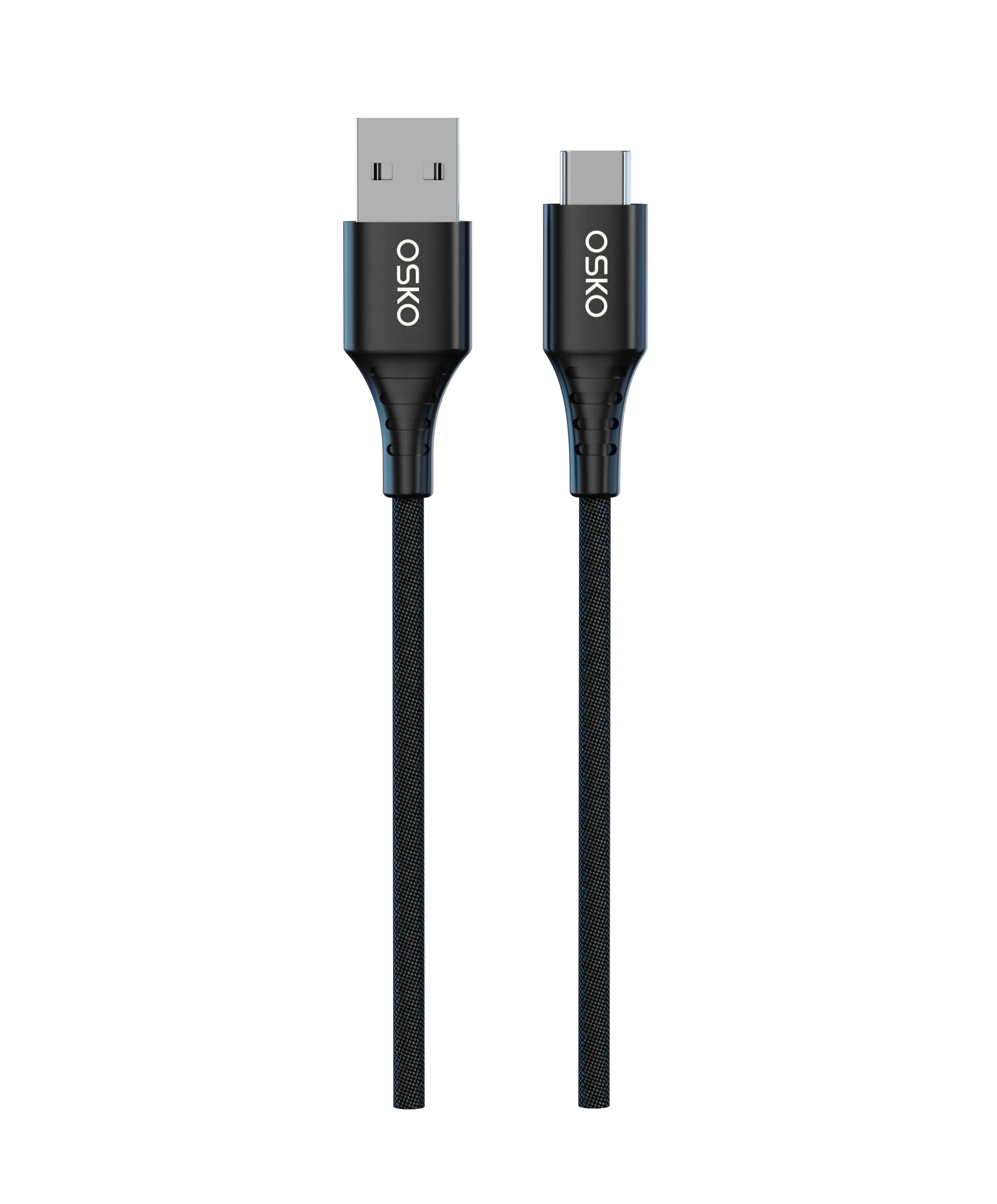
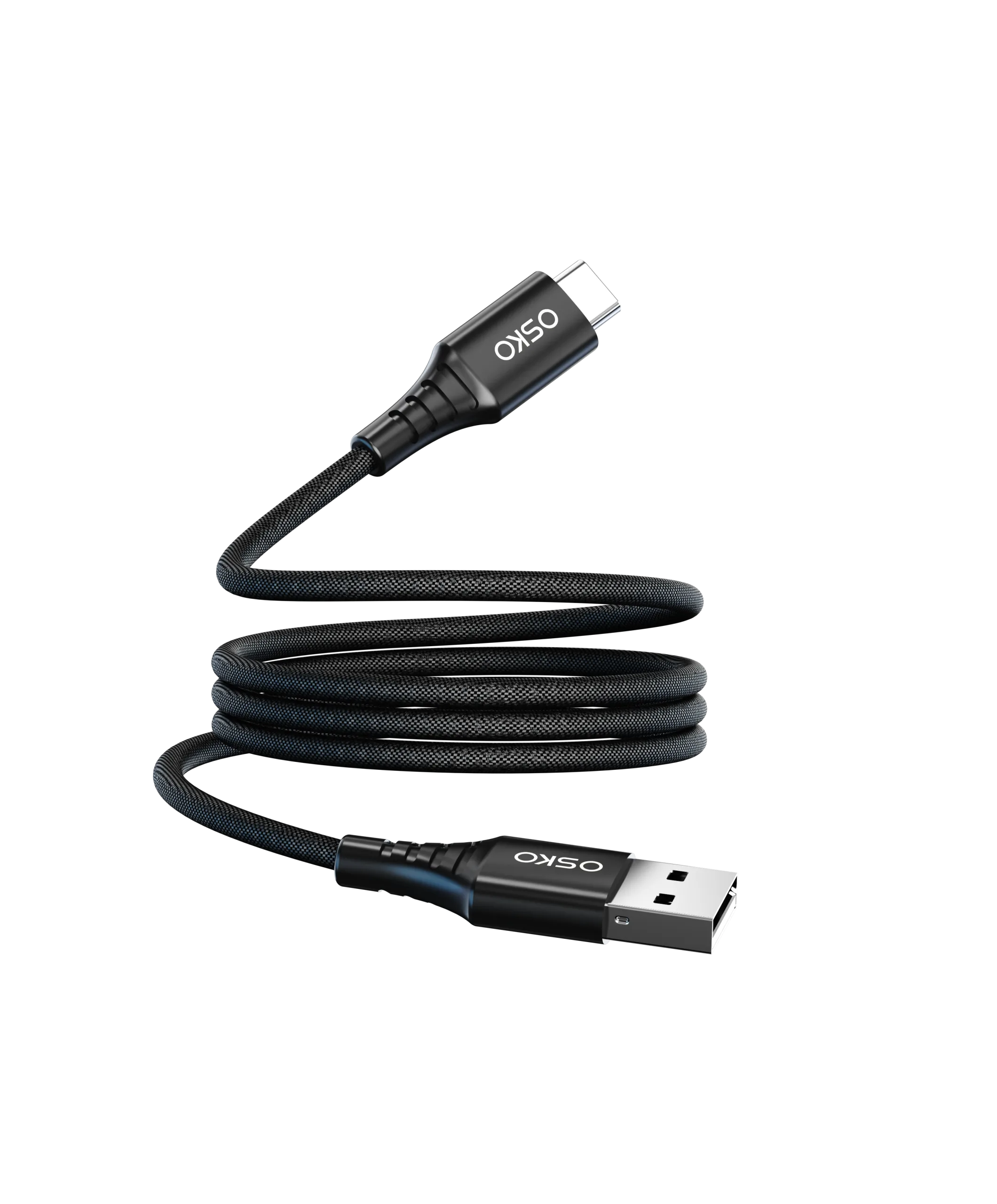
As a professional USB-C cable manufacturer, OSKO focuses on developing durable charging solutions designed for global markets, including high-performance braided USB-C cables, OEM customization, and wholesale supply solutions.

Why USB-C Is Becoming the Global Charging Standard
The rapid adoption of USB-C is not accidental. It represents a major improvement over previous generations of charging technology.
Traditional USB-A connectors were designed primarily for data transfer and basic charging. However, modern devices require significantly higher power levels and faster communication speeds. Smartphones now support fast charging, laptops require higher wattage power delivery, and professionals need efficient solutions for transferring large files.
USB-C solves these challenges by providing:
Higher charging power
Faster data transmission
Reversible connection design
Support for multiple protocols
Compatibility across different brands
A single USB-C charging cable can now support multiple devices, reducing the need for different cables and chargers.
For example, a user can charge:
iPhone 15 and newer USB-C iPhones
Samsung Galaxy smartphones
MacBook Air and MacBook Pro
iPad Pro and iPad Air
Windows laptops
Nintendo Switch and gaming devices
USB-C monitors and docking stations
This universal compatibility is one of the main reasons USB-C has become the preferred standard among technology manufacturers worldwide.
Understanding USB-C Technology: More Than Just a Connector
Many users think USB-C is simply a different physical connector shape. However, USB-C is actually a complete connection ecosystem involving power delivery, data protocols, and alternate modes.
USB-C Connector Design
The physical design of USB-C provides several advantages compared with previous connectors.
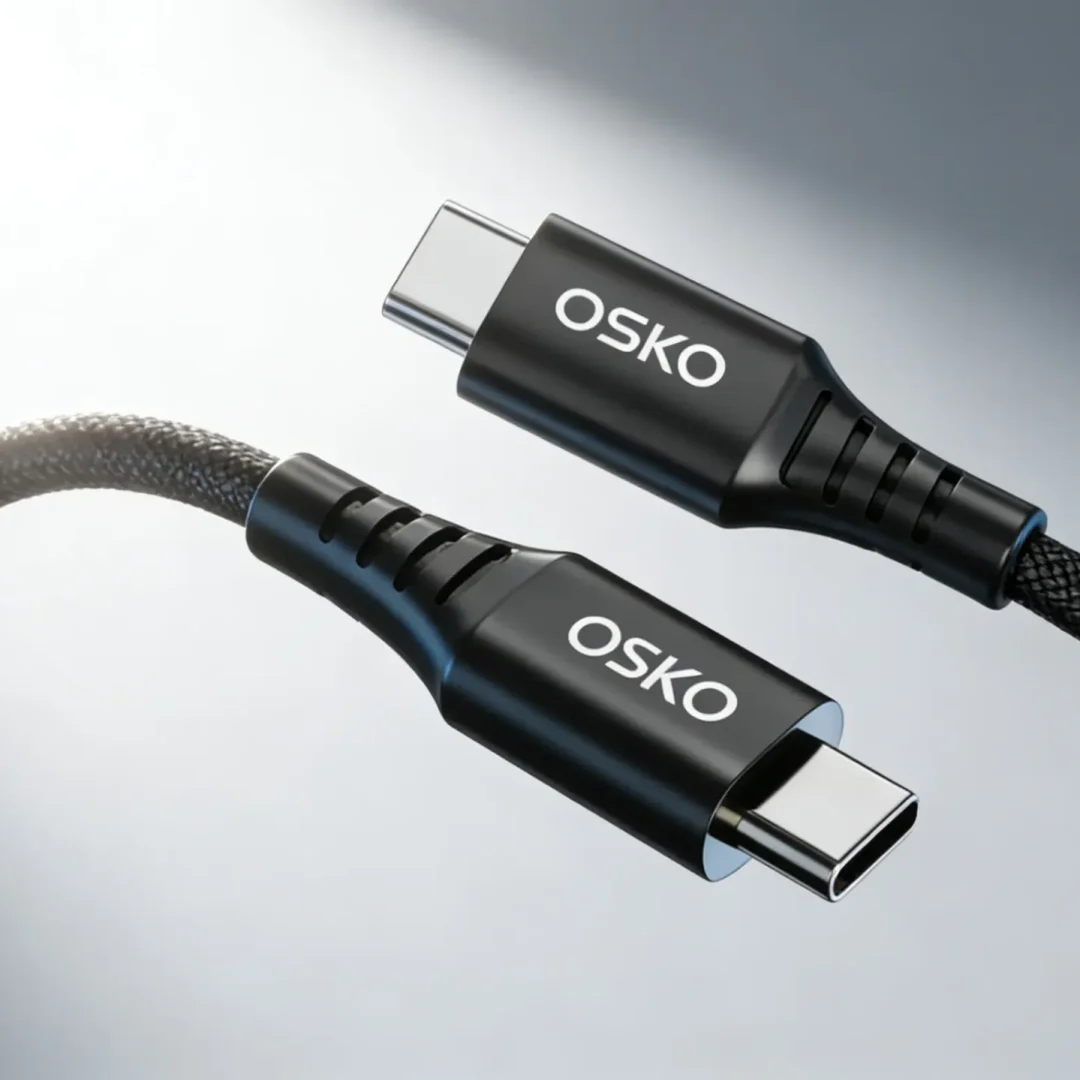
A USB-C connector features:
Oval symmetrical shape
24-pin internal design
Reversible plug orientation
Improved durability
Compact size for modern devices
Unlike USB-A connectors, users do not need to check the direction before inserting the cable. This simple improvement significantly enhances everyday usability.
For manufacturers, the smaller connector size also allows thinner device designs while maintaining powerful charging capabilities.
USB Power Delivery (USB PD): The Technology Behind Fast Charging
One of the biggest advantages of a modern USB-C fast charging cable is support for USB Power Delivery technology.
USB PD allows devices and chargers to communicate intelligently and determine the optimal power level required.
Instead of delivering a fixed amount of power, USB PD adjusts voltage and current based on device requirements.
Examples:
Smartphones may require 20W–30W charging
Tablets may require 30W–45W charging
Ultrabooks may require 60W–100W charging
High-performance laptops may require up to 240W with USB PD 3.1
This makes USB-C suitable for both mobile accessories and professional computing equipment.
For example, a 100W USB-C cable for MacBook can provide sufficient power for many laptop models while also supporting data transfer through the same connection.
Why Cable Quality Matters for USB-C Fast Charging
Although USB-C has become a universal standard, not every USB-C cable delivers the same performance.
Many low-quality cables look identical externally but differ significantly in internal construction.
Important factors include:
1. Internal Copper Conductor Quality
The conductor inside a cable determines how efficiently electrical current travels.
Premium USB-C cables typically use:
Poor-quality cables may create higher resistance, causing:
High-purity copper wires
Multiple conductor layers
Improved shielding structures
Slower charging
Excessive heat
Unstable power delivery
2. E-Marker Chip Technology
High-power USB-C cables often require an E-Marker chip.
The E-Marker chip communicates cable specifications between the charger and device.
It identifies:
Maximum supported wattage
Current capability
Data transfer capability
Safety parameters
For example, a 100W or 240W USB-C PD cable requires proper electronic identification to safely handle higher power levels.
Without correct identification, devices may limit charging speed or refuse high-power charging.

3. Cable Structure and Durability
For daily users and commercial buyers, durability is an important purchasing factor.
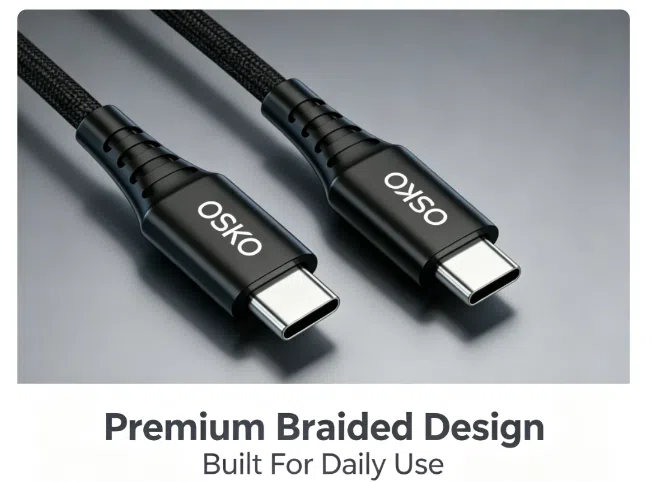
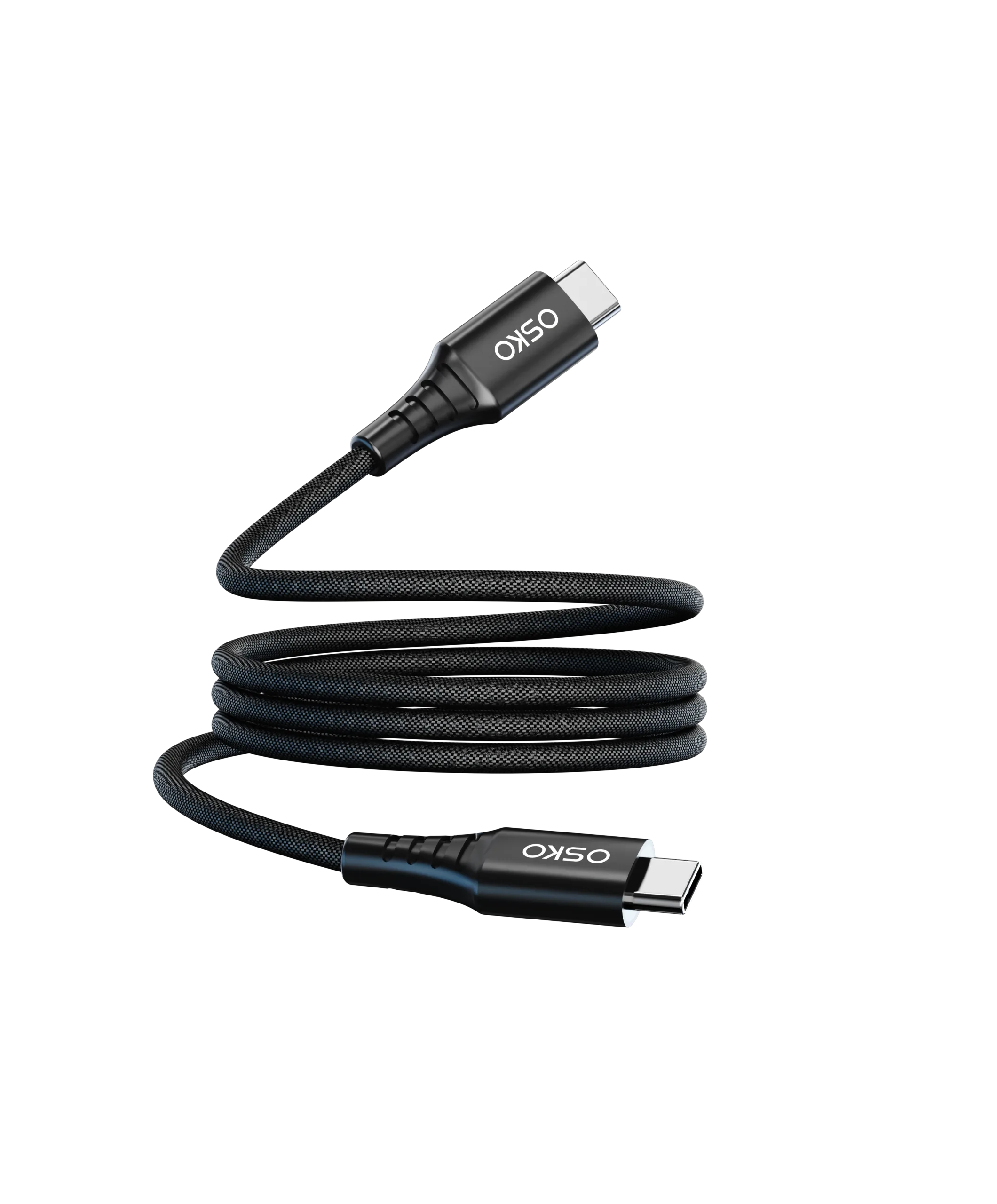
A professional-grade durable braided USB-C charging cable typically includes:
Nylon braided outer jacket
Reinforced connector joints
Stress-resistant internal structure
Improved bending protection
These features help reduce common failures such as:
Broken connectors
Cable splitting
Charging interruptions
OSKO USB-C cables are engineered with reinforced construction and durability testing to meet the requirements of frequent-use environments, including offices, retail stores, travel applications, and commercial distribution channels.

USB-IF Certification: Why Professional Buyers Should Pay Attention
USB-IF (USB Implementers Forum) certification represents compliance with official USB specifications.
For businesses purchasing cables in bulk, certification helps reduce risks associated with inconsistent quality.
A compliant USB-C cable with USB-IF certification provides confidence in:
Electrical safety
Compatibility
Performance consistency
Protocol support
For distributors and retailers in the US and European markets, product reliability directly affects customer reviews, return rates, and brand reputation.
Choosing an experienced USB-C cable manufacturer with quality control procedures is therefore critical.
USB-C vs Thunderbolt: Understanding the Difference
Many users confuse USB-C and Thunderbolt because they use the same physical connector. However, they are not the same technology.
USB-C describes the connector shape, while Thunderbolt describes a high-performance data transfer protocol.
A device with a USB-C port does not automatically support Thunderbolt.
USB-C vs Thunderbolt Comparison
| Feature | USB-C | Thunderbolt |
|---|---|---|
| Connector Type | USB Type-C connector | Uses USB-C connector |
| Data Speed | Up to 40Gbps depending on standard | Up to 40Gbps |
| Charging Support | Up to 240W with USB PD 3.1 | Supports USB PD charging |
| Video Output | Supports DisplayPort Alt Mode | Supports multiple high-resolution displays |
| Main Applications | Charging, data transfer, daily devices | Professional workstations, creators, advanced setups |
Thunderbolt technology is mainly designed for professional users who need extremely fast data transfer, such as:
Video editors
Graphic designers
Engineers
Content creators
Professional photographers
For normal charging and everyday device connections, a high-quality USB-C fast charging cable is usually sufficient.
For professional applications involving external GPUs, multiple 4K displays, or large media files, Thunderbolt-certified accessories may be the better choice.
How to Choose the Right USB-C Cable for Your Device
Choosing the correct USB-C cable depends on your specific requirements.
A common mistake is selecting a cable only based on appearance or price. The connector may look identical, but internal performance can vary significantly.
1. Choose Based on Charging Power Requirements
Different devices require different charging capabilities.
Smartphones
Most smartphones require:
18W–30W USB PD charging
USB-C to USB-C cable
Suitable for:
iPhone USB-C models
Samsung Galaxy devices
Google Pixel smartphones
Tablets
Tablets usually require:
30W–45W charging capability
A quality USB-C PD cable ensures stable charging performance.
Laptops
Laptop charging requires higher power output.
For example:
MacBook Air: around 30W–35W
MacBook Pro: 60W–100W
High-performance laptops: 100W+
For these applications, buyers should choose a 100W USB-C cable for laptop charging or higher-rated solutions.
2. Consider Data Transfer Requirements
Not every USB-C cable supports high-speed data transfer.
Some USB-C cables are designed only for charging.
If users need to transfer:
4K videos
Large files
Professional photos
Backup data
they should choose a cable with higher USB data specifications.
Common standards include:
USB 2.0: up to 480Mbps
USB 3.2: up to 20Gbps
USB4: up to 40Gbps
The correct cable choice depends on the device and application.
3. Select the Right Cable Length
Cable length affects both convenience and performance.
Common USB-C cable lengths include:
3ft USB-C Cable
Best for:
Desktop charging
Office desks
Power banks
Short-distance connections
6ft USB-C Cable
Suitable for:
Bedroom charging
Travel
Vehicle charging
Office environments
Custom Length USB-C Cable
For businesses, custom lengths are often required.
Retailers, device manufacturers, and corporate buyers may need:
0.3m cables
1m cables
2m cables
Custom OEM lengths
Professional USB cable manufacturers can provide customized solutions based on market requirements.
Engineering Case Study: OSKO Develops a High-Durability USB-C Cable Solution for European Retail Distribution
A European electronics distributor specializing in smartphone accessories planned to launch a premium USB-C charging cable line after the increasing adoption of USB-C devices.
Their procurement team identified several challenges:
Low-cost cables in the market had high return rates
Customers complained about connector damage
Existing suppliers could not provide consistent quality
Retail packaging requirements differed between countries
The distributor required a cable solution suitable for Germany and Netherlands retail markets, where customers expect strong durability and reliable charging performance.
OSKO Engineering Solution
OSKO’s engineering team developed a customized USB-C charging cable featuring:
Premium braided nylon outer layer
Reinforced connector structure
High-quality copper conductors
Stable USB PD charging support
Customized retail packaging
Batch quality inspection process
During product validation, engineers focused on:
Repeated bending resistance
Connector stress testing
Charging stability testing
Material durability evaluation
The final product solution helped the distributor create a premium charging accessory category targeting customers upgrading to USB-C smartphones and laptops.
This project demonstrates the importance of working with an experienced OEM USB-C cable manufacturer instead of selecting suppliers based only on price.
Why Businesses Choose OSKO as Their USB-C Cable Supplier
For wholesalers, retailers, and brand owners, choosing the right manufacturing partner is essential.
OSKO provides:
OEM and ODM Manufacturing
Businesses can customize:
Cable length
Connector design
Logo printing
Packaging
Color options
Quality-Focused Production
OSKO focuses on:
Material inspection
Production testing
Charging performance verification
Reliability evaluation
Professional USB-C Solutions
Product solutions include:
USB-C to USB-C cables
USB-C fast charging cables
USB-C PD cables
Braided charging cables
Custom OEM cables
For global businesses searching for a reliable USB-C cable supplier, OSKO provides manufacturing experience and flexible production support.
USB-C Cable Buying Checklist
Before purchasing a USB-C cable, consider the following:
✔ Does it support your required charging wattage?
✔ Does it support USB PD fast charging?
✔ Does it meet your data transfer requirements?
✔ Is the cable construction durable enough for daily use?
✔ Does the supplier provide quality control documentation?
✔ Does the manufacturer support OEM customization?
Choosing the correct cable can improve charging efficiency, reduce replacement costs, and provide a better user experience.
Frequently Asked Questions About USB-C Charging Cables
Are all USB-C cables capable of fast charging?
No. USB-C only describes the connector type. Charging speed depends on cable design, power rating, charger output, and device compatibility. A USB-C PD cable with proper specifications is required for fast charging.
What is the best USB-C cable for fast charging?
The best USB-C cable depends on your device. For smartphones, a 60W USB-C PD cable is usually more than enough. For laptops such as MacBook Pro, a 100W USB-C cable or higher may be required.
Can a USB-C cable charge a laptop?
Yes. USB-C cables that support USB Power Delivery can charge many laptops. However, the cable wattage rating must match the laptop’s power requirements.
Does a longer USB-C cable charge slower?
Longer cables can experience higher resistance, which may affect charging efficiency. High-quality cables with proper conductor design can maintain stable performance even at longer lengths.
What is the difference between USB-C charging cable and USB-C data cable?
A USB-C charging cable focuses mainly on power delivery, while a USB-C data cable supports file transfer speeds. Some premium cables support both fast charging and high-speed data transfer.
Do USB-C cables work with iPhone?
Yes. Newer iPhone models use USB-C ports and require USB-C charging cables. USB-C cables can also connect iPhones with chargers, laptops, and other USB-C accessories.
Is USB-IF certification important for USB-C cables?
USB-IF certification helps verify that a cable meets official USB standards. For businesses and professional buyers, certified products can reduce compatibility and safety risks.
Can one USB-C cable replace multiple cables?
In many cases, yes. A quality USB-C cable can charge smartphones, tablets, laptops, and other USB-C devices, reducing the need for multiple cable types.
Summary
USB-C has transformed modern device connectivity by combining charging, data transfer, and device compatibility into one universal standard.
Compared with older connectors, USB-C offers:
Faster charging through USB PD
Higher power capability
Improved compatibility
Reversible connection design
Support for advanced applications
However, not every USB-C cable provides the same performance. Cable quality, internal materials, certification, and manufacturing standards all influence reliability.
For consumers, choosing a high-quality USB-C charging cable ensures safer and faster charging.
For retailers, distributors, and technology brands, partnering with an experienced USB-C cable manufacturer helps create products that meet global market expectations.
OSKO continues developing professional USB-C cable solutions for worldwide customers, supporting OEM customization, wholesale supply, and reliable charging technology.
Contact OSKO
OSKO is a professional USB cable manufacturer specializing in:
USB-C charging cables
USB-C PD fast charging cables
Braided nylon USB cables
OEM and ODM cable solutions
Wholesale charging accessories
For customized USB-C cable solutions, contact OSKO for professional manufacturing support.