
Introduction
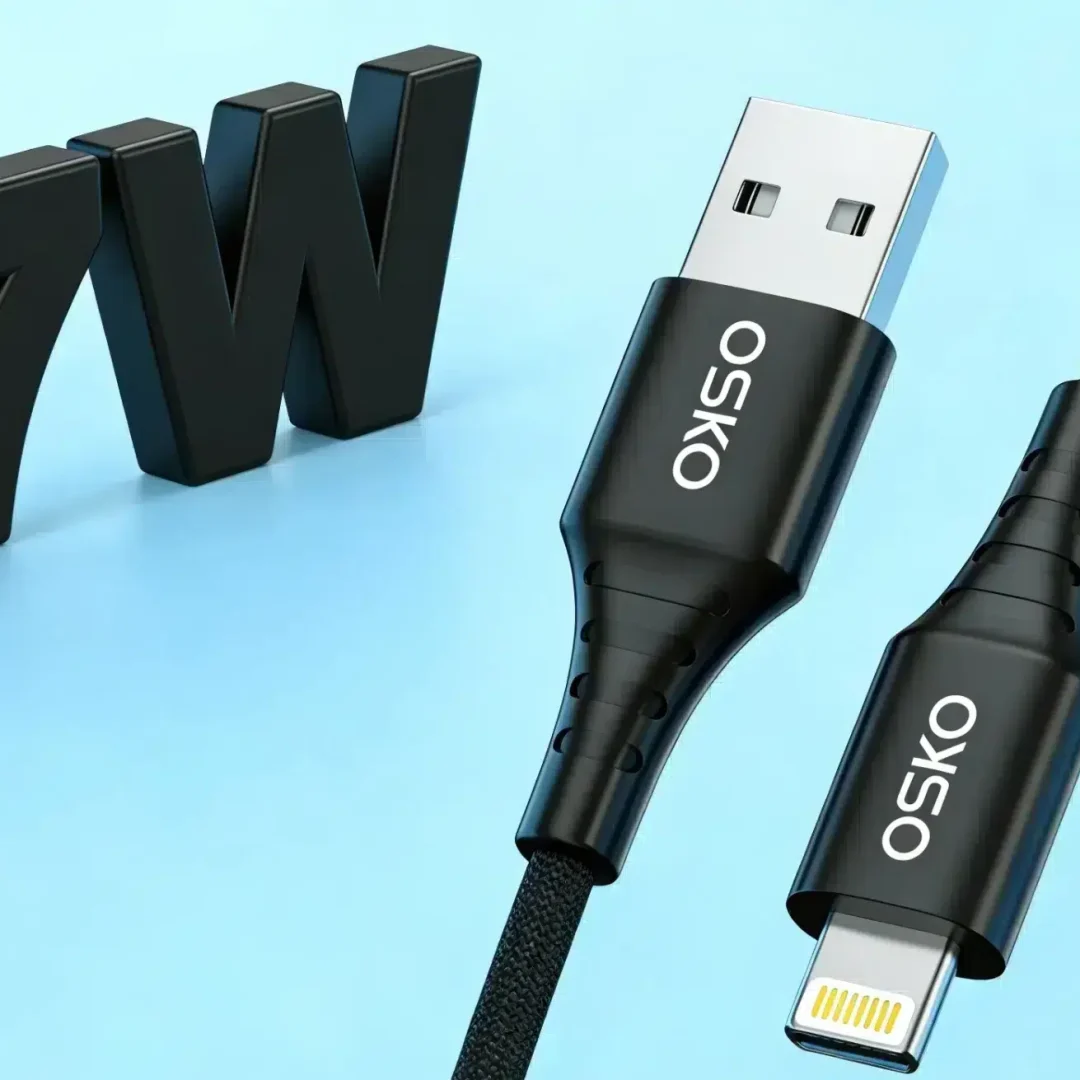
Is USB-C the same as Lightning? No. Although both connectors are small, reversible, and commonly used for charging and data transfer, USB-C and Lightning are different connector systems with different designs, ecosystems, capabilities, and compatibility requirements.
USB-C is an industry-standard connector used across smartphones, tablets, laptops, monitors, power banks, gaming accessories, automotive electronics, and many other products. Lightning, by contrast, was developed by Apple and has historically been used on iPhones, iPads, AirPods, and other Apple accessories.
The difference has become especially important since Apple introduced USB-C on the iPhone 15 series. Users upgrading from an older Lightning iPhone now need to understand which cable they actually need.
For consumers, the question is usually simple: Do I need USB-C or Lightning for my iPhone?
For retailers, wholesalers, and accessory brands, the question is broader: which cable configuration should be stocked, what charging and data specifications should be advertised, and how can the product be manufactured consistently?
This guide explains the practical differences between USB-C vs Lightning, including compatibility, charging, data transfer, video connectivity, cable construction, and buying considerations for consumers and commercial buyers.

What Is USB-C?
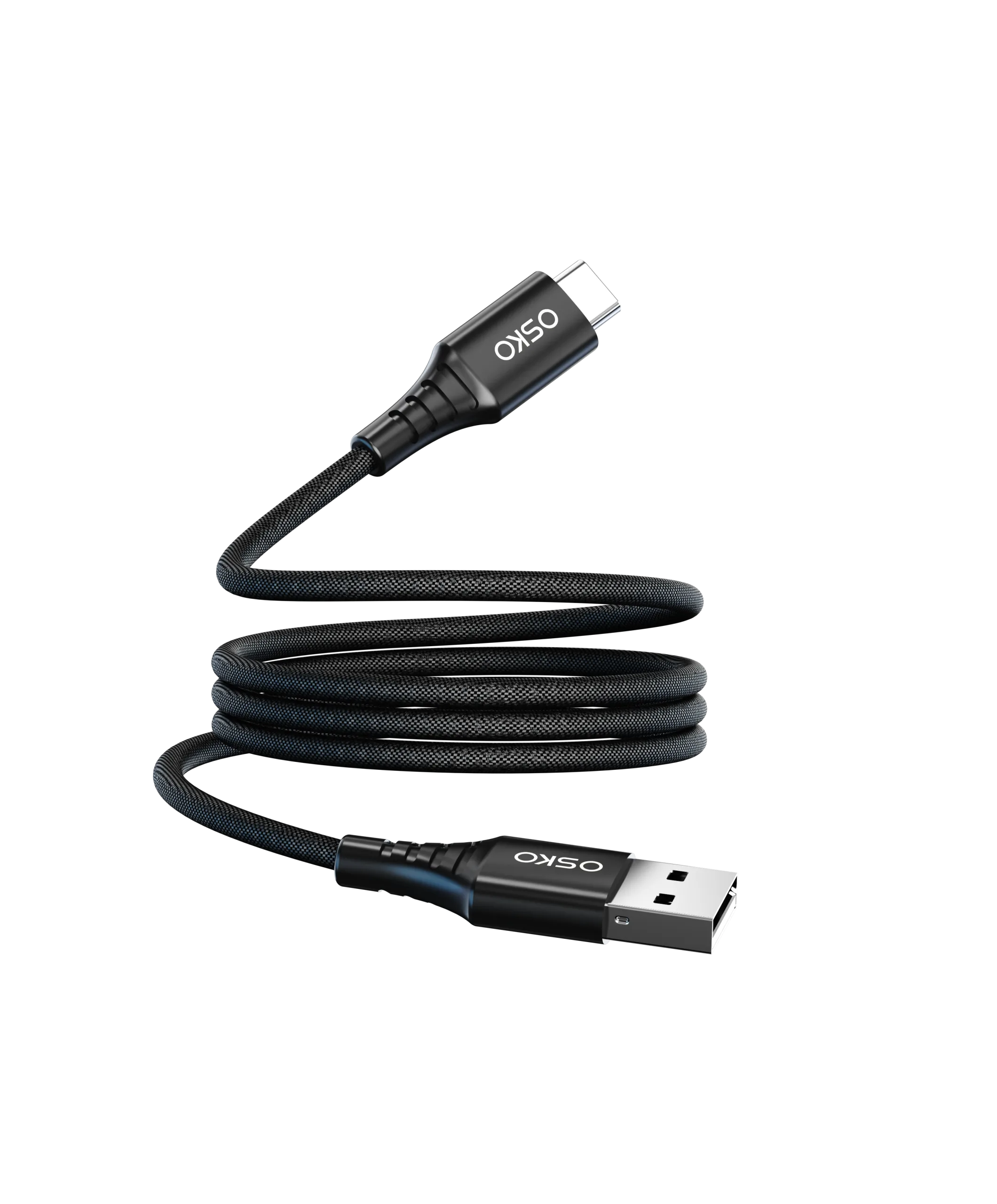
USB-C, also called USB Type-C, is a compact, reversible connector introduced as part of the USB ecosystem.
Its symmetrical shape means users can insert the connector in either orientation. This is one of the reasons USB-C became popular across consumer electronics.
However, an important technical distinction is often overlooked:
USB-C is a connector type, not a guarantee of a specific charging speed or data-transfer rate.
Different USB-C cables can support very different capabilities.
For example, one USB-C cable may support USB 2.0 data transfer at up to 480 Mbps, while another may support 5Gbps, 10Gbps, 20Gbps, or higher depending on the applicable USB specification and device compatibility.
USB-C can also be used with USB Power Delivery, allowing compatible systems to negotiate higher power levels than older USB implementations.
Depending on the product, USB-C may support:
Charging
Data transfer
USB Power Delivery
External displays
Audio
Storage devices
Hubs and docking stations
Peripherals such as keyboards and mice
The actual functionality depends on the connected devices and the cable specification.
What Is Lightning?
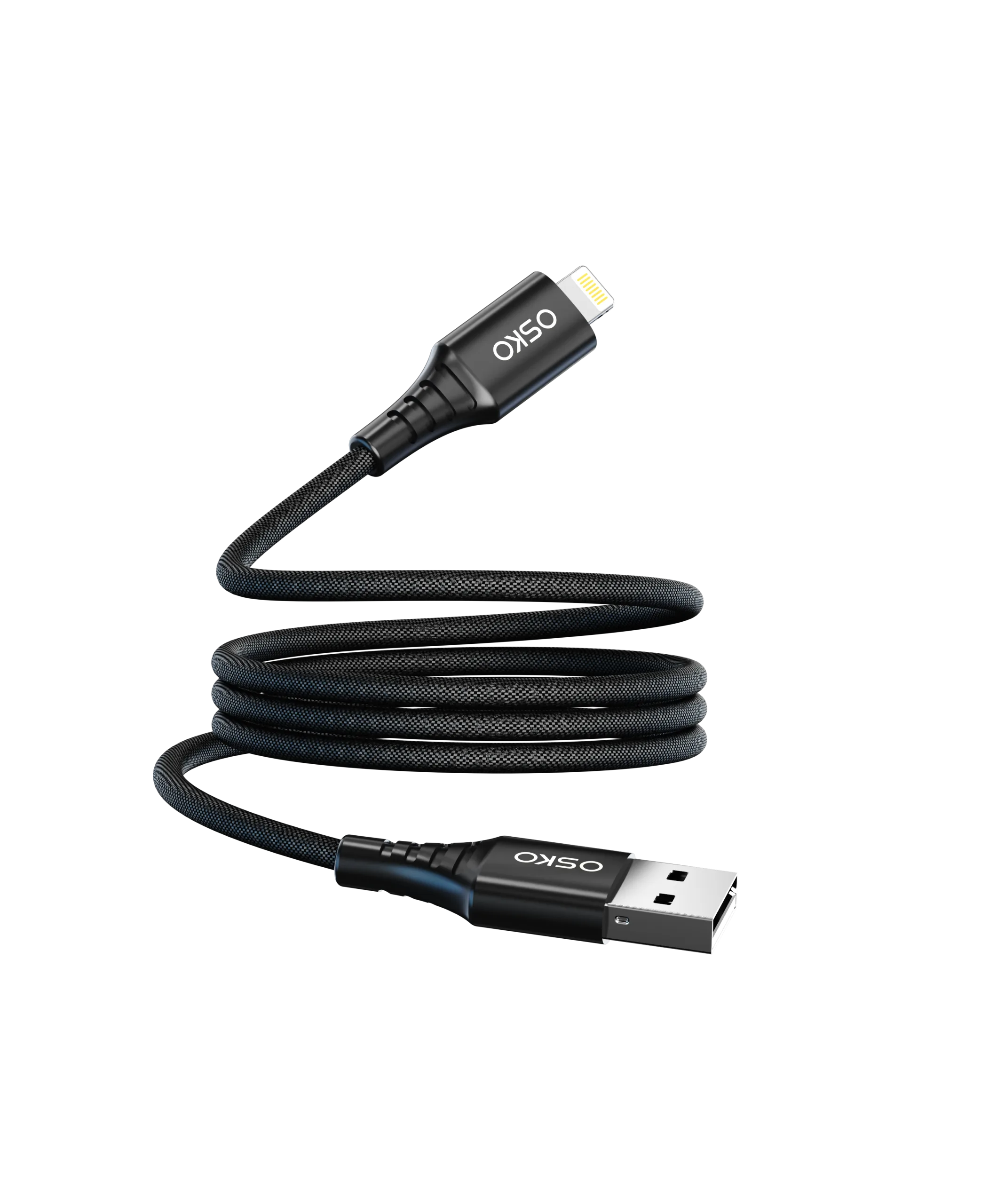
Lightning is a proprietary connector introduced by Apple in 2012 to replace the older 30-pin connector used by earlier Apple devices.
Its small, reversible design made it convenient for iPhone and iPad users. Lightning accessories became a major part of Apple’s mobile ecosystem for more than a decade.
Lightning cables have been used for:
Charging
Data synchronization
Connecting Apple accessories
Audio applications on compatible devices
Certain accessory and adapter configurations
However, Lightning is not a universal connector like USB-C.
Its primary ecosystem has been Apple’s products and accessories.
The market has gradually shifted toward USB-C, particularly after Apple introduced USB-C on the iPhone 15 generation and as USB-C became increasingly common across consumer electronics.
USB-C vs Lightning: What Is the Difference?
The most important differences are compatibility, ecosystem, charging architecture, data capabilities, and accessory flexibility.
| Feature | USB-C | Lightning |
|---|---|---|
| Connector type | Industry-standard USB connector | Apple’s proprietary connector |
| Reversible | Yes | Yes |
| Used by multiple brands | Yes | Primarily Apple ecosystem |
| iPhone support | iPhone 15 and later | Earlier Lightning iPhones |
| USB Power Delivery | Supported by compatible systems | Different charging architecture |
| Data speeds | Depends on USB specification | Varies by device/accessory, commonly USB 2.0-class |
| Video connectivity | Supported on compatible devices | Usually requires an appropriate adapter |
| Cross-device compatibility | Broad | More limited |
| Long-term accessory trend | Strong growth | Legacy Apple ecosystem |
Compatibility
The biggest difference between USB-C and Lightning is compatibility.
USB-C is widely used by manufacturers around the world.
A single USB-C ecosystem can include smartphones from different brands, tablets, laptops, monitors, power banks, headphones, and other accessories.
Lightning has historically been associated with Apple devices.
This means a consumer who owns both an Android smartphone and an iPhone with USB-C may be able to use the same type of USB-C charging cable for both devices.
With an older Lightning iPhone, however, the user still needs a Lightning connector.
This makes the connector on the device the first thing to check before purchasing a replacement cable.
Is USB-C Faster Than Lightning?
In many applications, USB-C can provide higher data-transfer capabilities than older Lightning implementations, but the answer requires some technical context.
USB-C itself does not define one universal data speed.
A USB-C cable may support USB 2.0, USB 3.x, USB4, or other compatible technologies depending on its design.
Lightning accessories have commonly operated at USB 2.0-class data rates, although the overall performance depends on the specific Apple device and accessory.
This means comparing “USB-C” and “Lightning” using only one maximum number can be misleading.
For example:
USB-C connector ≠ automatically 40Gbps
and
Lightning connector ≠ automatically one universal data specification for every Apple accessory.
When purchasing a cable for file transfer, buyers should look for the actual data-transfer specification.
This becomes especially important for photographers, videographers, content creators, and business users transferring large files between a phone and computer.
USB-C vs Lightning Charging Performance
Charging is another area where USB-C has become increasingly important.
USB-C can work with USB Power Delivery, a charging protocol designed to negotiate power between compatible devices and chargers.
A USB-C iPhone can therefore be paired with a suitable USB-C PD charger and USB-C cable.
However, the cable does not determine charging speed by itself.
Actual charging performance depends on:
iPhone model
Charger output
USB Power Delivery support
Cable capability
Device charging limits
Battery temperature
Charging conditions
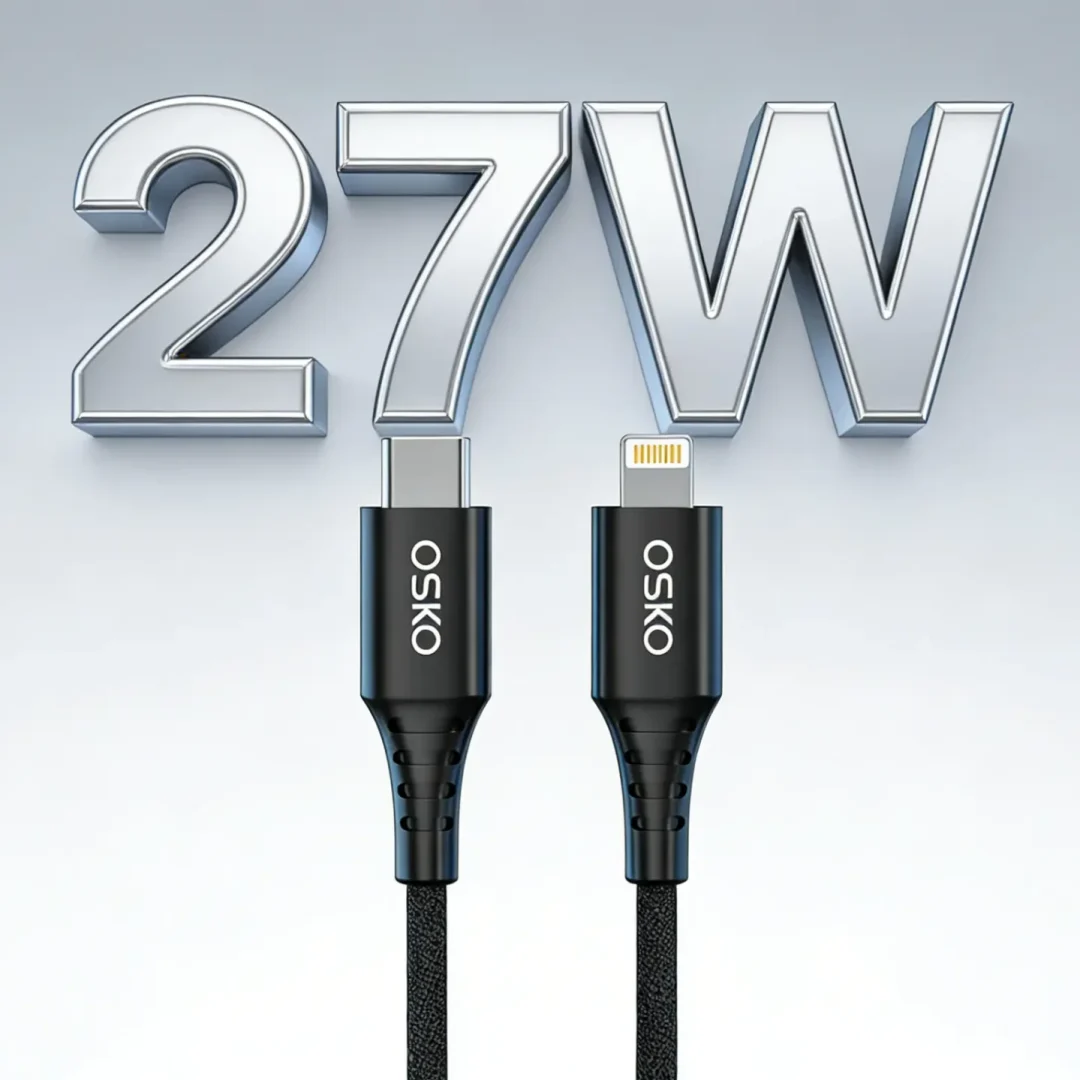
This is why a 240W USB-C cable does not make an iPhone charge at 240W.
The 240W figure represents a possible cable/system power class under appropriate USB PD conditions. The iPhone will only draw power within the limits supported by its charging system.
For most iPhone users, selecting a reliable USB-C cable and compatible PD charger is more useful than choosing a cable based solely on its maximum advertised wattage.
USB-C and Lightning for iPhone Users
Apple’s transition to USB-C created a simple dividing line between newer and older iPhones.
| iPhone generation | Port | Recommended direct cable |
|---|---|---|
| iPhone 14 and earlier | Lightning | USB-C to Lightning or USB-A to Lightning |
| iPhone 15 and later | USB-C | USB-C to USB-C |
This distinction is particularly important when purchasing online.
A customer searching for a USB-C cable for iPhone 15 generally needs a USB-C to USB-C cable.
A customer with an iPhone 14 may instead need a USB-C to Lightning cable if they are using a modern USB-C charger.
This is also why retailers should avoid using “iPhone charging cable” as the only product description. The connector configuration should be clearly stated.
Can You Plug USB-C Directly Into Lightning?
No.
A USB-C plug cannot be inserted directly into a Lightning port because the connectors have different physical designs.
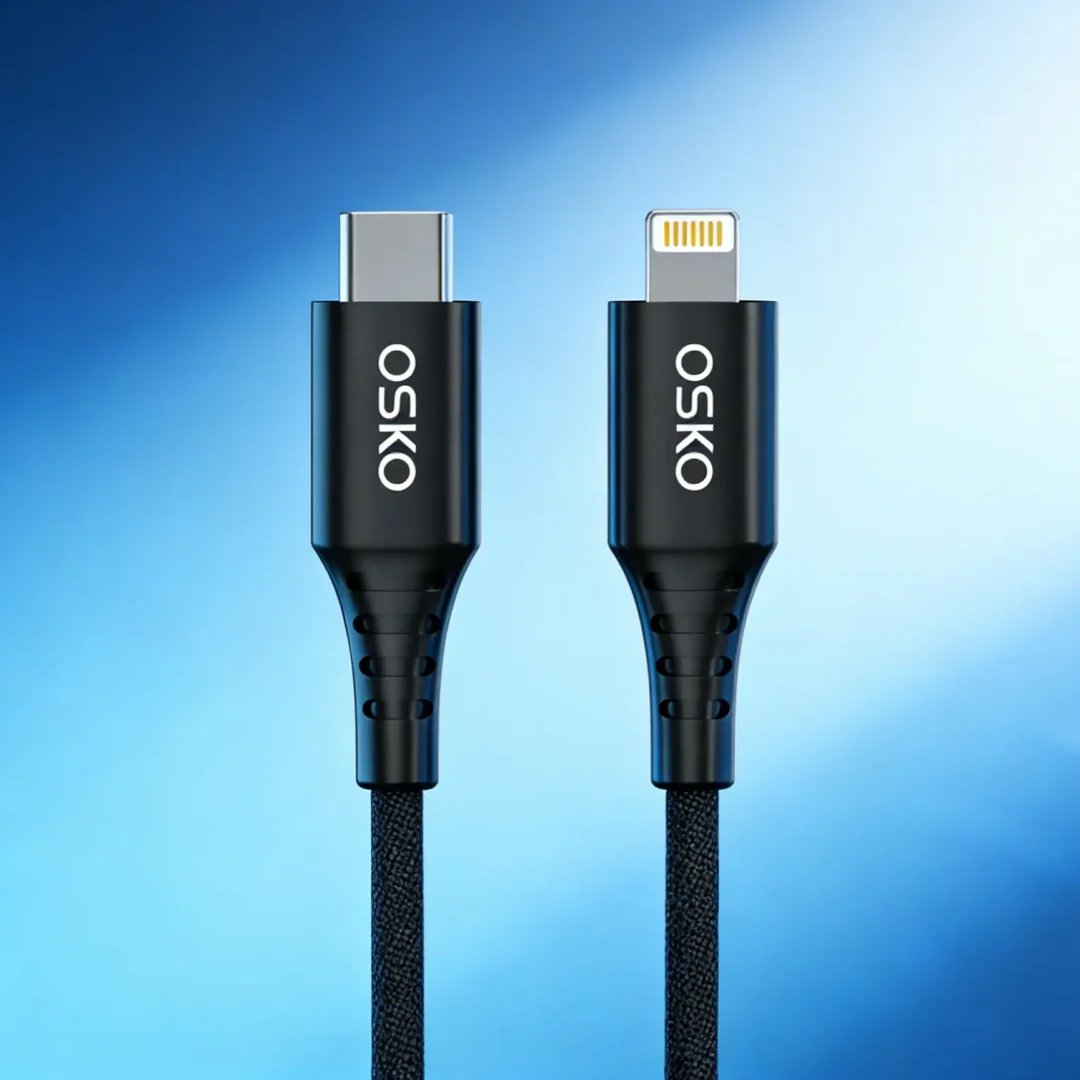
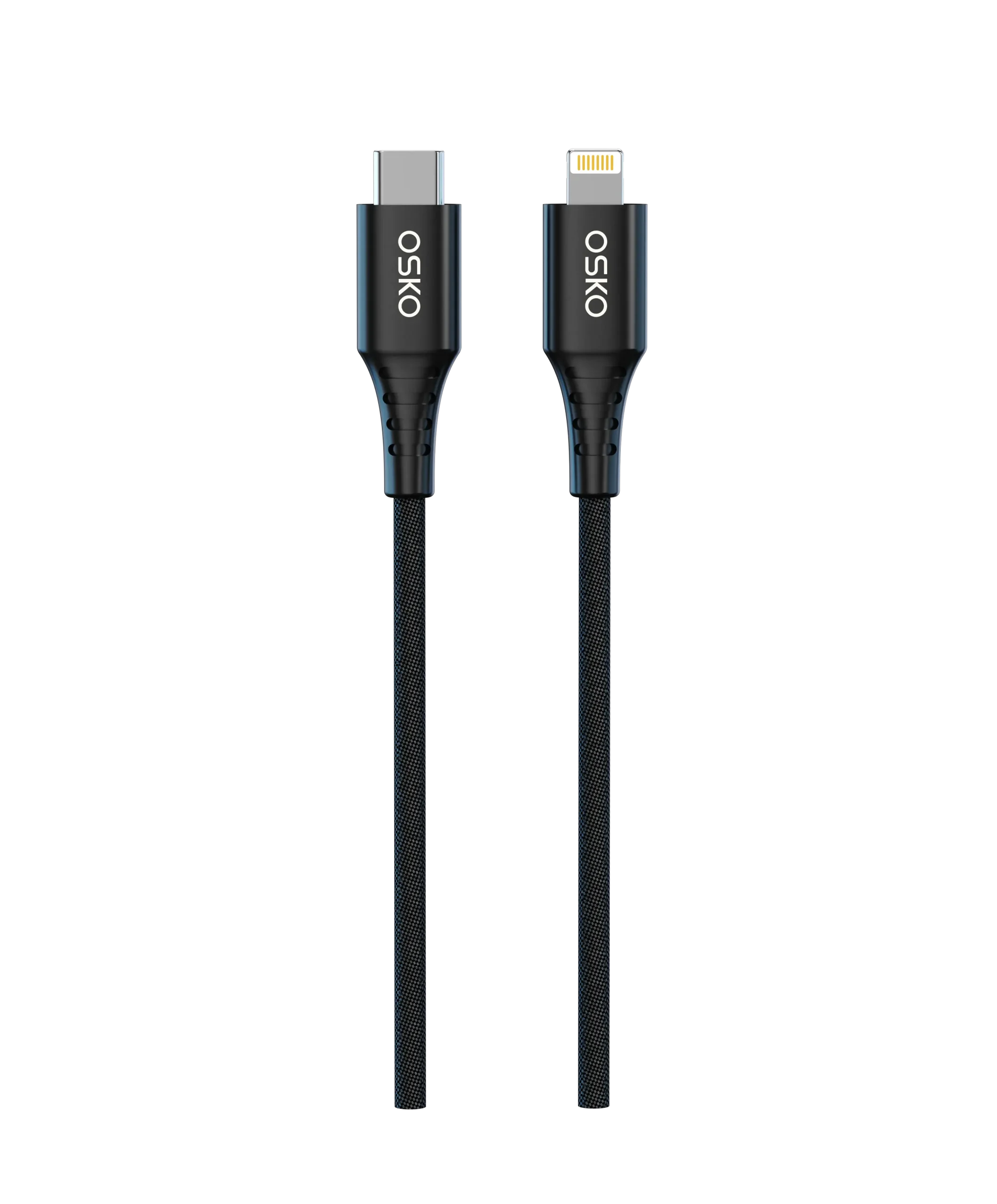
If you have a Lightning iPhone and a USB-C charger, you need a USB-C to Lightning cable.
If you have a USB-C iPhone and a USB-C charger, you normally need a USB-C to USB-C cable.
This distinction sounds obvious, but it is one of the most common sources of confusion when customers purchase cables online.
A product title such as USB-C to Lightning charging cable clearly describes a cable with USB-C on one end and Lightning on the other.
USB-C vs Lightning for Data Transfer
Data transfer is where buyers should pay particularly close attention to specifications.
A cable can physically fit a device while still offering limited data performance.
For example, some USB-C charging cables use USB 2.0 data lines and support up to 480 Mbps. They may be perfectly suitable for everyday charging and basic synchronization.
Other USB-C cables are designed for faster data transfer and include additional high-speed conductors.
The difference can be significant when moving:
4K video
ProRes video
RAW photographs
Large project files
External-drive data
Professional media libraries
For consumers who primarily charge an iPhone, a 480 Mbps USB-C cable may be adequate.
For professional data transfer, the buyer should select a cable specifically rated for the required USB data standard.

Video Output and External Accessories
USB-C can also simplify connectivity with external accessories.
Depending on the iPhone model and supported accessories, USB-C can be used to connect displays, storage devices, hubs, and other peripherals.
However, compatibility still depends on the device.
A USB-C connector does not automatically mean that every USB-C accessory or display feature will work.
This is another reason that cable marketing should avoid broad claims such as “works with everything.”
For commercial buyers, product descriptions should clearly distinguish:
Charging capability
from
Data-transfer capability
from
Video capability.
These are separate technical characteristics.
What Cable Should You Buy for a USB-C iPhone?
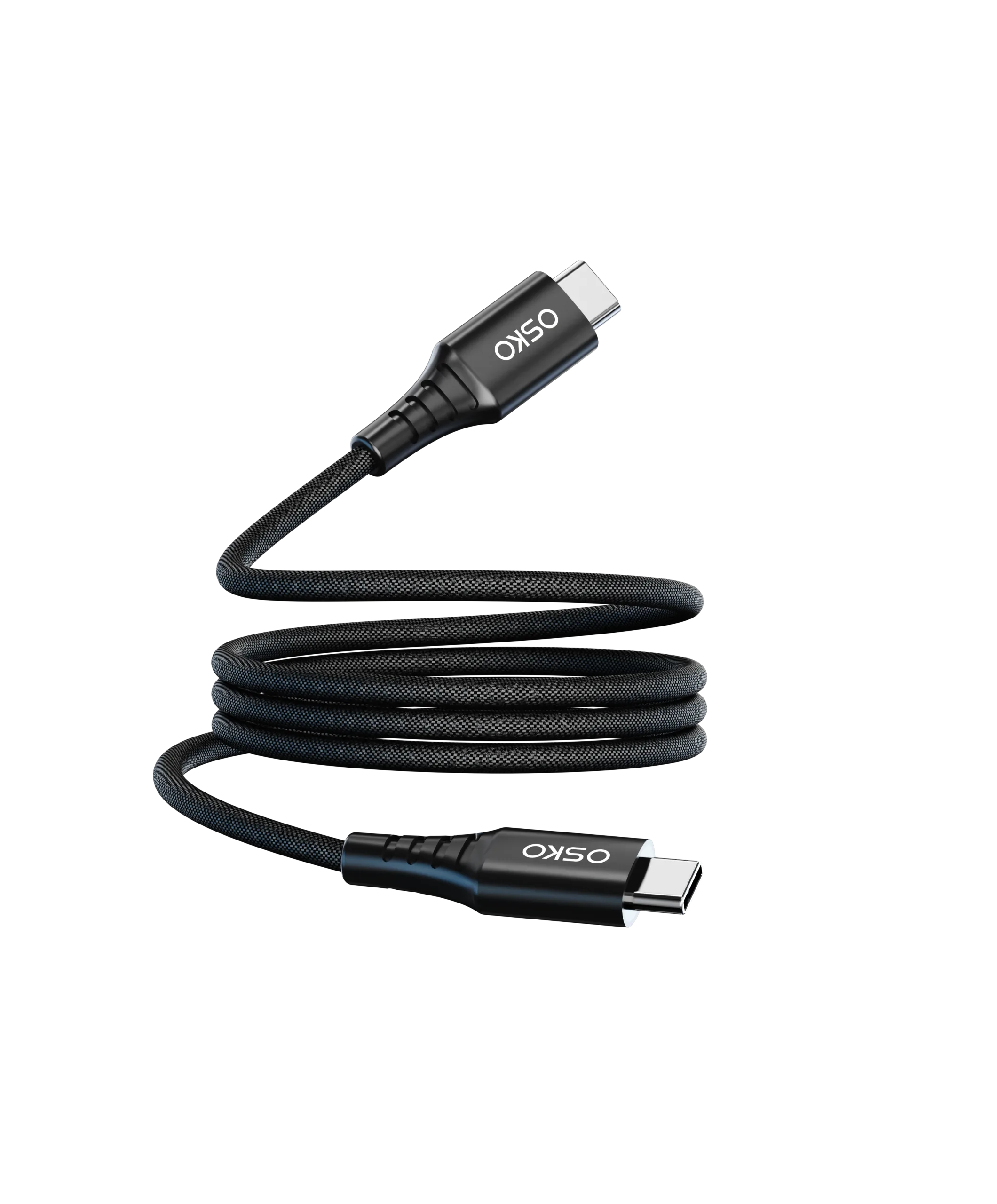
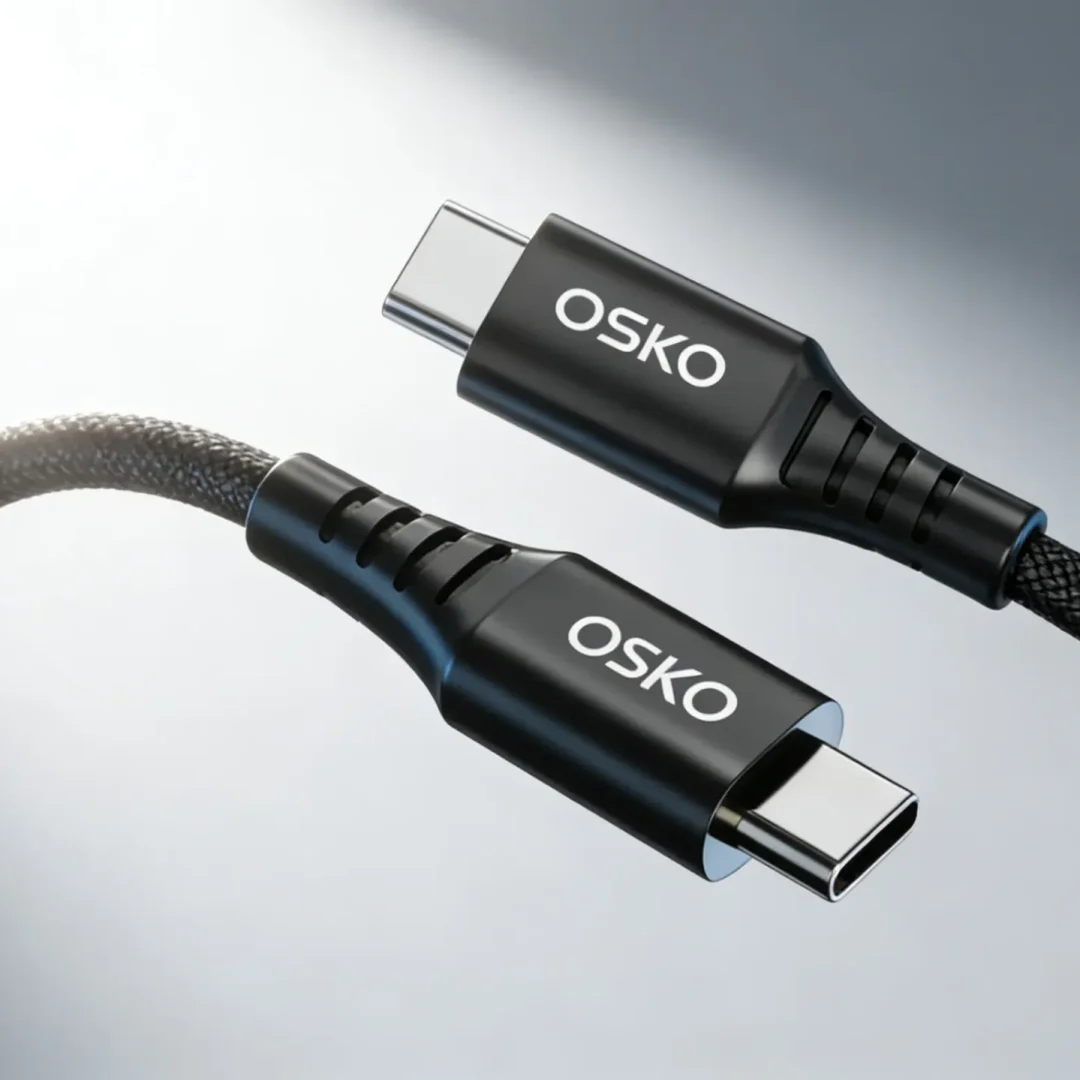
If you own an iPhone 15 or later, a USB-C to USB-C cable is the standard choice for connecting the phone to a USB-C charger.
For everyday charging, look for:
Appropriate power capability
Reliable connectors
Good strain relief
Flexible construction
Durable outer jacket
Correct cable length
Clearly stated data specification
A 3ft cable is convenient for desks, offices, and bedside charging.
A 6ft cable provides greater flexibility around beds, sofas, hotel rooms, and other areas where the power outlet is farther away.
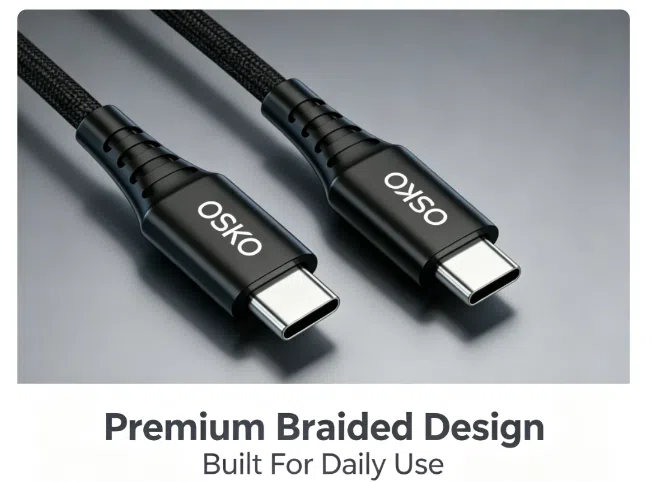
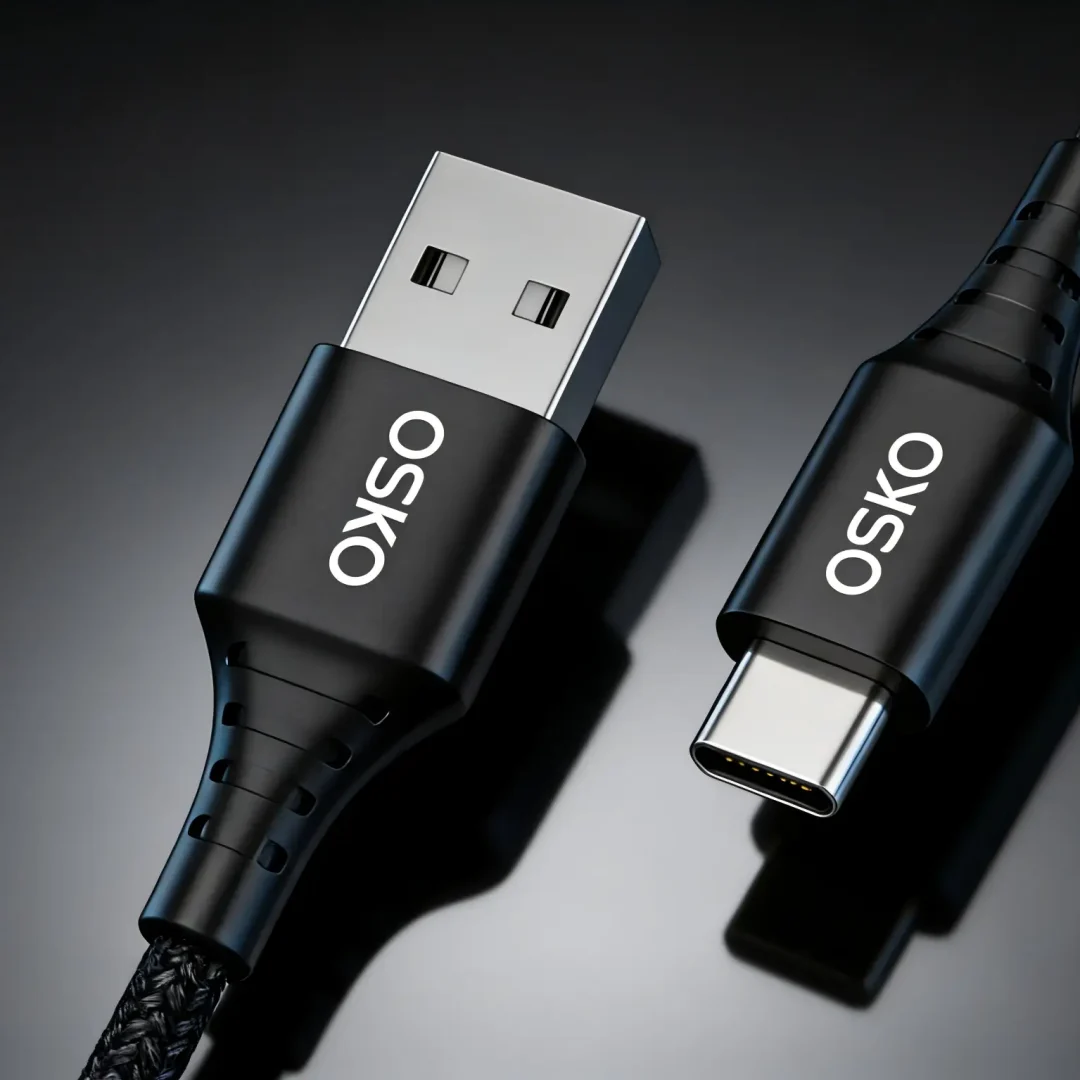
If you frequently travel, a durable braided cable can also be useful because it may provide better abrasion resistance and a more premium feel.
Choosing a USB-C Cable for Older Lightning iPhones
If you own an iPhone 14 or earlier, the situation is different.
A USB-C to Lightning cable can be a useful choice when you already own a USB-C wall charger or power bank.
For example:
USB-C PD charger → USB-C to Lightning cable → Lightning iPhone
This setup allows an older Lightning iPhone to use a modern USB-C charging source.
When selecting a Lightning cable, buyers should consider the relevant Apple accessory requirements, cable construction, charging compatibility, length, and supplier documentation.
For commercial products, MFi status and supporting documentation should be verified rather than assumed from packaging claims.
Material and Durability Considerations
The connector is only one part of a charging cable.
The internal conductor, insulation, shielding where applicable, reinforcement, strain relief, and outer jacket all influence the final product.
For everyday retail cables, PVC is commonly used because it provides a practical balance of flexibility and cost.
Braided nylon can provide a more durable outer surface and a premium appearance.
However, a braided cable is not automatically a durable cable.
A cable’s failure point is often near the connector, where repeated bending creates mechanical stress.
A professional cable design should therefore consider:
Strain-relief geometry
Connector housing
Cable-to-connector transition
Internal reinforcement
Conductor quality
Insulation
Outer jacket
Bending performance
For commercial buyers, meaningful mechanical testing is more valuable than generic claims such as “ultra durable” or “military grade.”
Engineering Case Study: Selecting USB-C Cables for a European E-Commerce Brand
A Dutch e-commerce brand was preparing to expand its charging-accessory range as more customers purchased USB-C smartphones and newer iPhone models.
The initial product requirement was simply described as a “universal USB-C charging cable.”
During supplier evaluation, the procurement team discovered that quotations with nearly identical product photos represented very different cable specifications.
Some products supported only USB 2.0 data transfer. Others had different conductor structures and power ratings. Connector finishing also varied considerably between samples.
The buyer wanted a product that could be marketed for everyday charging across smartphones and tablets without creating unrealistic performance expectations.
OSKO approached the project by separating the requirements into electrical, mechanical, and commercial specifications.
The team first confirmed the required charging power and data-transfer target. Cable length and outer-jacket construction were then defined according to the intended retail application.
A braided configuration was selected for the premium product line, while the connector transition was strengthened to address the buyer’s durability concerns.
OSKO also helped define a clearer product specification so that the approved sample could become the reference standard for mass production and future repeat orders.
From a procurement perspective, this prevented a common problem: comparing suppliers based only on unit price when the underlying products were not actually equivalent.
The case illustrates why an experienced USB-C cable manufacturer should be able to discuss both engineering specifications and procurement requirements.
USB-C vs Lightning for Retailers and Wholesalers
The connector transition is also changing how charging-cable businesses manage inventory.
A retailer may now need to distinguish between:
USB-C to USB-C cables for newer USB-C iPhones and other USB-C devices.
USB-C to Lightning cables for older Lightning iPhones and Apple accessories.
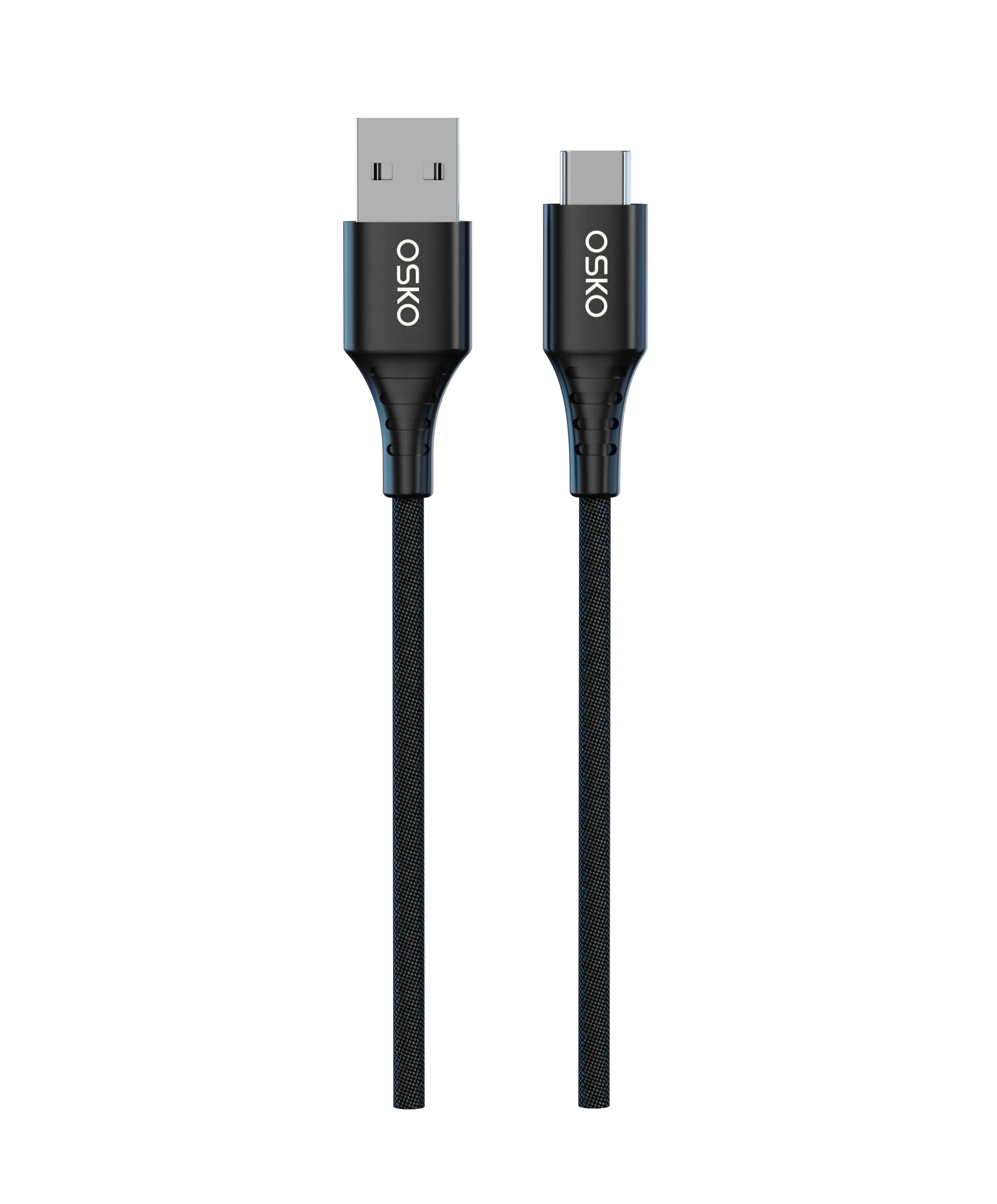
USB-A to USB-C cables for customers who still use USB-A chargers or vehicle ports.
USB-A to Lightning cables for legacy charging environments.
Rather than eliminating one category immediately, retailers should analyse their customer base and installed-device mix.
For e-commerce sellers, clear product titles and comparison charts can reduce incorrect purchases.
For wholesalers, accurate specifications make it easier to supply different retail channels.
For private-label brands, consistent cable construction and packaging become especially important because product returns can quickly affect margins.
OEM and Wholesale USB-C Cable Manufacturing
The growing adoption of USB-C also creates opportunities for brands that want to develop private-label charging accessories.
An OEM USB-C cable project may involve much more than putting a logo on a standard cable.
Commercial buyers may specify:
Cable type
Cable length
Power rating
Data-transfer specification
Connector configuration
Jacket material
Cable colour
Logo
Packaging
Carton configuration
Testing requirements
Target market
MOQ
OSKO specialises in OEM and ODM USB cable solutions for brands, wholesalers, distributors, and e-commerce businesses.
The typical OEM cable MOQ starts at 5,000 units, and samples can be arranged for testing before bulk production.
For US, German, Australian, and Dutch buyers, the sample stage is particularly useful for confirming product performance, packaging, appearance, and construction before committing to a larger order.
A professional supplier should also be able to maintain the approved product specification across repeat production rather than treating every order as an independent batch.
USB-C vs Lightning: Which One Is Better?
There is no universal answer because the correct connector depends on the device.
For newer iPhones, USB-C is the more relevant connector because it provides access to the broader USB-C ecosystem.
For older Lightning iPhones and accessories, Lightning remains necessary.
From a long-term market perspective, USB-C has a significant advantage because it is used across a much wider range of products.
For consumers, this means fewer connector types to carry.
For manufacturers and retailers, it means USB-C is increasingly important when planning new charging-cable product lines.
The key is to avoid thinking of USB-C simply as “the faster version of Lightning.”
They are different connector systems, and their actual performance depends on the implementation.
FAQ
Is USB-C the same as Lightning?
No. USB-C and Lightning are different connector systems. USB-C is an industry-standard connector used by many manufacturers, while Lightning is Apple’s proprietary connector used across its older mobile-device ecosystem.
Can I use a USB-C cable with an iPhone?
Yes, if the iPhone has a USB-C port. iPhone 15 and later models use USB-C and can connect directly to USB-C cables.
Can I use a USB-C cable with an iPhone 14?
Not a standard USB-C-to-USB-C cable directly. iPhone 14 and earlier models use Lightning, so you need a USB-C to Lightning cable when connecting them to a USB-C charger.
Can USB-C plug directly into Lightning?
No. The connectors have different physical designs. You need a USB-C to Lightning cable or an appropriate adapter.
Is USB-C faster than Lightning?
USB-C can support higher data-transfer rates and more flexible charging configurations, but actual performance depends on the specific USB standard, device, cable, and charger. USB-C itself does not guarantee a particular speed.
Does USB-C charge iPhones faster?
USB-C enables newer iPhones to work with USB-C charging systems, including compatible USB Power Delivery chargers. The actual charging rate depends on the iPhone, charger, cable, and charging conditions.
Can every USB-C cable charge an iPhone?
A suitable USB-C cable can be used for charging a USB-C iPhone, but USB-C cables have different power and data capabilities. Buyers should choose a cable appropriate for their charging and data requirements.
Is every USB-C cable 40Gbps?
No. USB-C is a connector type. Data rates vary by the USB specification implemented by the cable and the connected devices. Many charging-focused USB-C cables support USB 2.0 data rates rather than 40Gbps.
Can a 240W USB-C cable charge an iPhone at 240W?
No. A 240W rating describes the cable’s supported power class under appropriate conditions. The iPhone determines how much power it can actually draw from the charger.
Do Lightning cables support fast charging?
Compatible USB-C to Lightning cables can support fast-charging setups with appropriate USB-C PD chargers and supported Lightning iPhones. The charging capability depends on the complete charging system.
Do USB-C iPhones need MFi cables?
USB-C iPhones use the USB-C ecosystem rather than requiring a Lightning-style MFi connector. Buyers should focus on the cable’s actual USB, power, compatibility, and compliance specifications.
What is the best USB-C cable for iPhone 15?
For everyday charging, a reliable USB-C to USB-C cable with appropriate power capability, good connector construction, and the correct length is usually sufficient. If you transfer large files, select a cable with a suitable high-speed data specification.
Is a braided USB-C cable better?
A braided jacket can improve abrasion resistance and provide a premium appearance, but it does not by itself guarantee long-term durability. Strain relief, connector construction, conductors, insulation, and manufacturing quality are also important.
Should I buy a 3ft or 6ft USB-C cable for iPhone?
A 3ft cable is convenient for desks and bedside tables. A 6ft cable is better when you need more distance from the charger, such as beside a sofa or bed.
Can USB-C iPhones connect to external displays?
Compatible USB-C iPhone models can support certain external-display connections, but capabilities depend on the specific iPhone model, display, adapter, and cable.
Can OSKO manufacture USB-C cables for iPhone?
Yes. OSKO provides OEM and ODM USB cable manufacturing for brands, wholesalers, distributors, and e-commerce businesses. Commercial projects can include cable specifications, materials, colours, branding, packaging, and other requirements. Typical OEM cable MOQ starts at 5,000 units.
Summary
So, is USB-C the same as Lightning? No.
They may look similar because both connectors are compact and reversible, but they belong to different ecosystems.
Lightning was developed by Apple and became the standard connector for generations of iPhones and other Apple accessories.
USB-C is an industry-standard connector that has become widely adopted across smartphones, tablets, laptops, monitors, chargers, power banks, and other electronics.
The introduction of USB-C on the iPhone 15 generation significantly changed Apple’s cable ecosystem. Newer iPhone users can now use USB-C to USB-C cables alongside many other modern devices, while older Lightning iPhones still require Lightning-compatible cables.
For consumers, the most important step is to check the connector on the device before buying.
For retailers and wholesalers, the priority is to clearly separate USB-C-to-USB-C, USB-C-to-Lightning, USB-A-to-USB-C, and USB-A-to-Lightning product categories.
For OEM buyers, the cable connector is only the starting point. Electrical performance, data specifications, materials, durability, quality control, packaging, documentation, and production consistency all need to be defined before mass production.
As the industry continues moving toward USB-C, reliable cable engineering and accurate product specifications will become increasingly important for both consumers and commercial buyers.
Contact Information
OSKO is a professional USB cable manufacturer specialising in OEM and ODM charging cable solutions.
For wholesale, OEM, or private-label USB-C cable projects, buyers can provide:
Cable type
Connector configuration
Cable length
Target quantity
Charging requirement
Data-transfer requirement
Material preference
Cable colour
Logo requirements
Packaging requirements
Target market
Required documentation
OSKO can review the requirements, recommend an appropriate cable configuration, arrange samples for testing, and provide a quotation based on the confirmed specifications.
For OEM USB-C cables, USB-C charging cables, or wholesale cable projects, contact OSKO to discuss your requirements and request a quotation.