
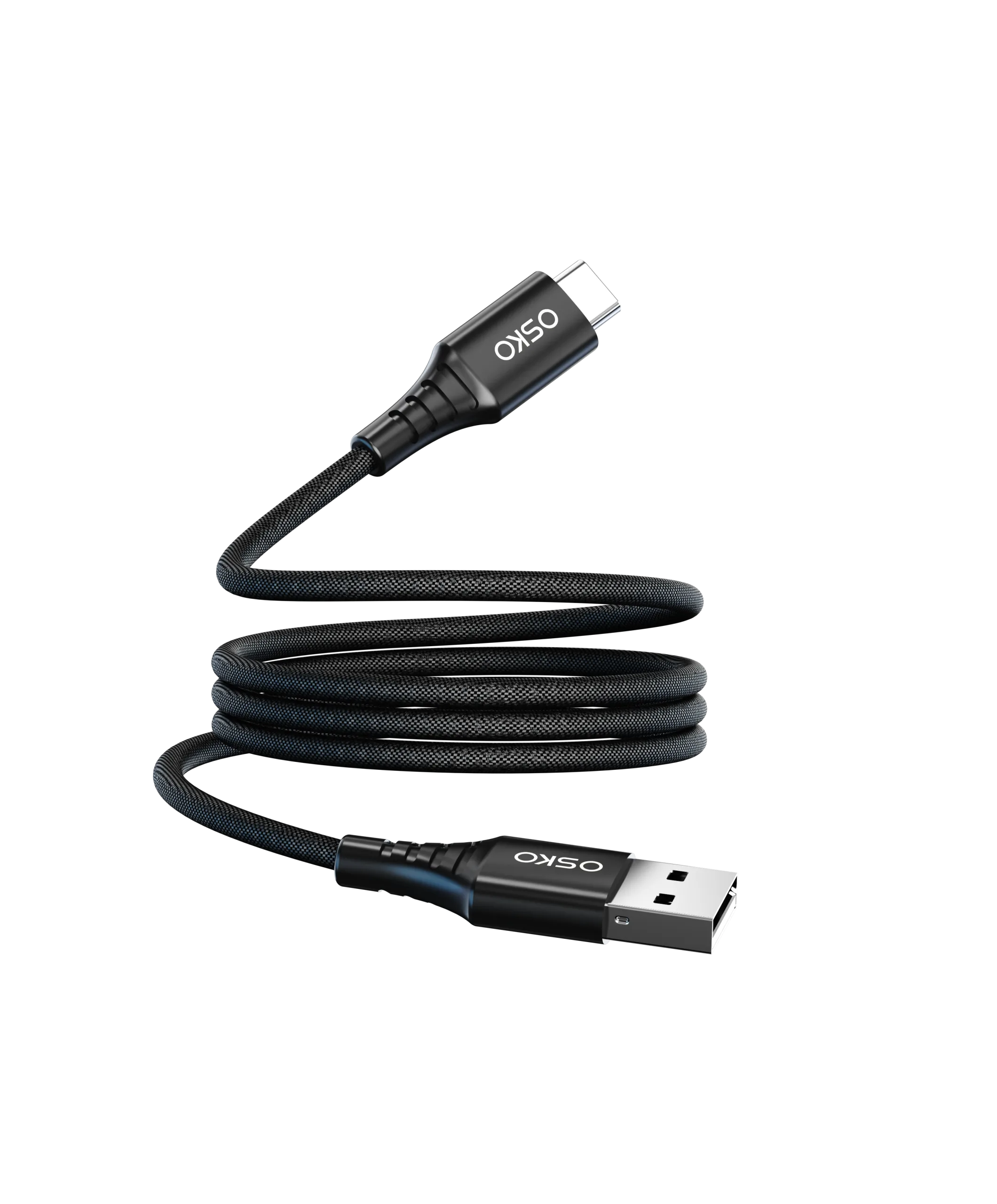
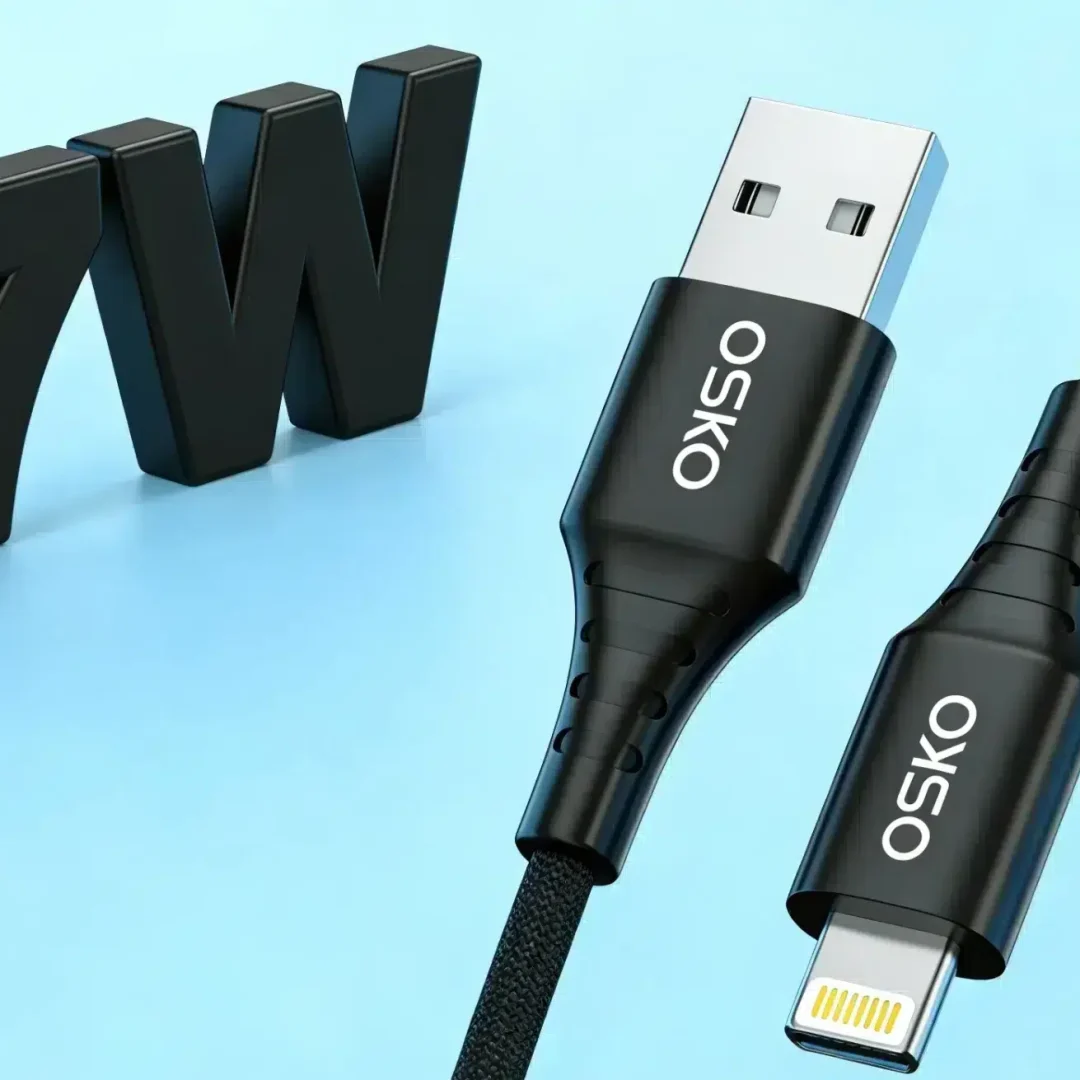
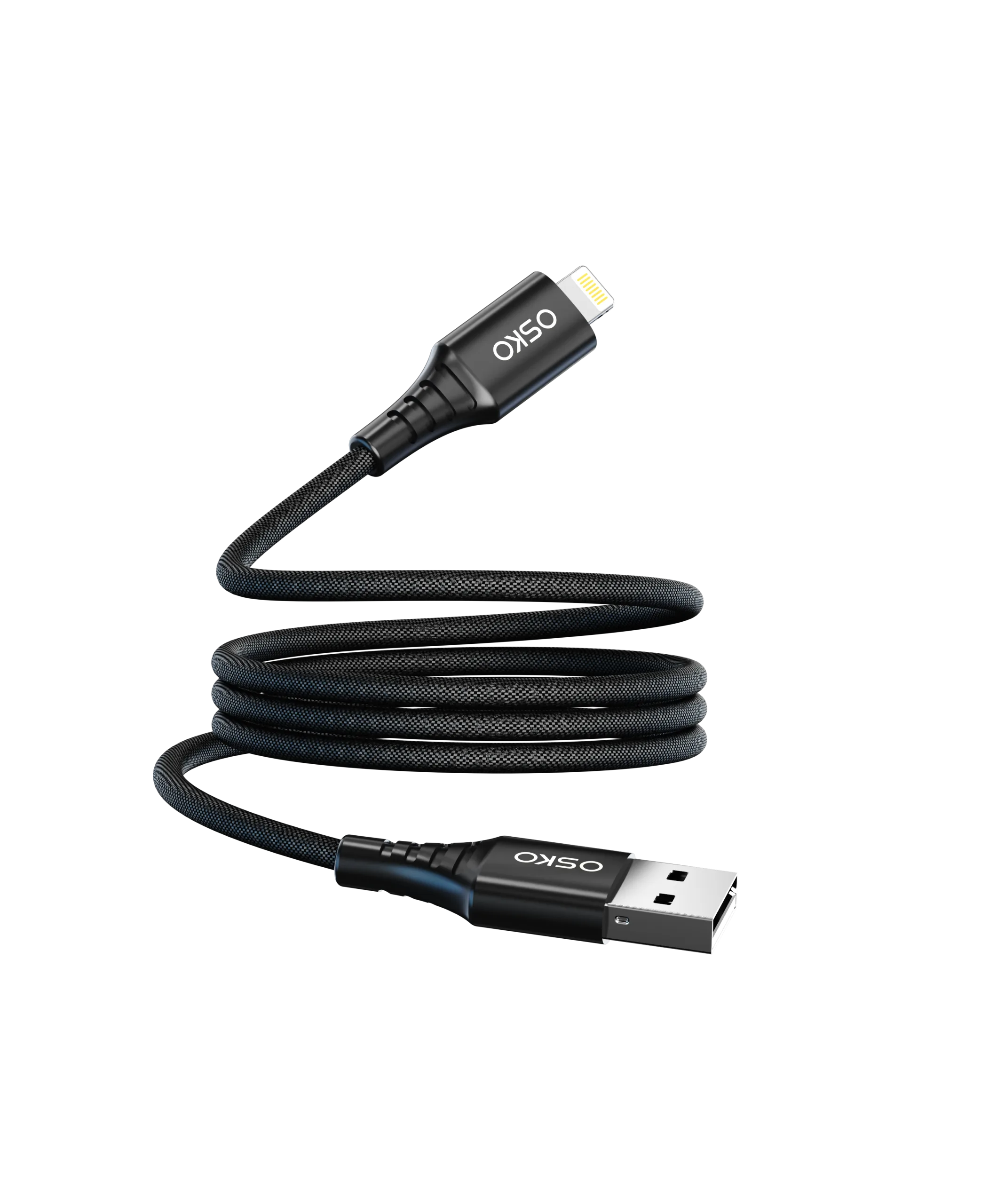
For years, the iPhone was closely associated with Apple’s proprietary Lightning connector. That made the Lightning cable a familiar product for consumers and a major category for accessory brands, retailers, and cable suppliers.
That era has changed.
Apple introduced USB-C to the iPhone 15 lineup in 2023, replacing Lightning on those models. Apple continues to use USB-C on its newer iPhone generations. Current Apple specifications for models such as iPhone 17, iPhone 17e, iPhone Air, and iPhone 18 Pro list a USB-C connector for charging and connectivity.
So the important question is no longer “Is Apple going to switch to USB-C?”
The better question is: What does Apple’s transition to USB-C mean for iPhone users, cable manufacturers, retailers, distributors, and private-label accessory brands?
The answer is more interesting than simply buying a different connector.

Apple’s Transition to USB-C Is Now a Product Reality
Apple’s move toward USB-C began well before the iPhone.
The company introduced USB-C on the iPad Pro in 2018, while its MacBook strategy had already moved heavily toward USB-C and Thunderbolt. The iPhone was the major remaining Apple product category where Lightning remained central.
That changed with the iPhone 15.
Apple described the iPhone 15 as using USB-C for charging and data transfer, allowing the same type of connector ecosystem to work across iPhone, Mac, iPad, and compatible accessories.
The shift also aligned with regulatory changes in Europe. The EU’s common-charger requirements made USB-C the harmonized charging port for many categories of portable electronics beginning December 28, 2024. The requirements were extended to laptops from April 28, 2026.
For accessory companies, this creates a much clearer product direction: USB-C is no longer simply an alternative to Lightning. It is a core connector standard across the modern Apple ecosystem.
Why Apple Moved From Lightning to USB-C
There is no single reason for Apple’s transition to USB-C. Several technical and market factors are involved.
One cable can serve more devices
USB-C creates a more interoperable physical connector ecosystem. A consumer may already own USB-C accessories for a MacBook, iPad, Android phone, power bank, car charger, or other electronics.
For retailers, that creates opportunities around multi-device charging rather than a product category limited to one connector ecosystem.
Charging and accessory compatibility are becoming easier to understand
With Lightning, customers often needed a dedicated Lightning cable for Apple devices.
With USB-C, a consumer can use a compatible USB-C charging cable across a broader range of products.
However, this does not mean every USB-C cable performs identically.
A USB-C connector does not automatically define charging wattage, data speed, or USB protocol. A basic USB-C cable and a high-speed USB4 cable can have very different internal designs and capabilities.
Data performance can be higher on specific iPhone models
One of the most important changes is that USB-C allows Apple to support different levels of data performance across iPhone models.
For example, Apple’s iPhone 15 Pro models support USB 3 data transfer up to 10Gb/s when used with a suitable USB 3 cable.
By contrast, Apple’s standard iPhone 17 specifications list USB 2 up to 480Mb/s over the USB-C connector.
This is an important purchasing lesson:
USB-C does not automatically mean high-speed data.
For an iPhone USB-C cable, buyers should check both the connector and the actual data specification.
What the EU USB-C Rules Mean for Cable Buyers
The European common-charger legislation has accelerated the move toward USB-C across the electronics market.
The EU states that USB-C is the common charging port for covered products and that harmonized charging requirements are designed to improve interoperability.
For distributors and European retailers, this has several practical implications.
USB-C charging accessories are increasingly relevant for Germany and other EU markets. A buyer searching for USB-C Kabel Großhandel or a “USB-C cable supplier Germany” is not necessarily looking only for a connector. They may also need documentation, packaging information, power specifications, and products designed for the applicable market.
The same principle applies to international buyers.
A US distributor may search for iPhone USB-C cable wholesale.
An Australian wholesaler may search for bulk USB-C charging cables Australia.
A Dutch importer may use “USB-C kabel groothandel Netherlands.”
Different search language, same underlying procurement questions: specifications, MOQ, quality, compliance, lead time, and customization.
USB-C iPhone Does Not Mean Every USB-C Cable Is the Same
This is where consumers and purchasing teams often make mistakes.
There are at least four separate factors to evaluate:
| Specification | Why it matters |
|---|---|
| Connector type | Determines physical compatibility |
| Charging capability | Determines supported power under the complete system |
| Data capability | Determines potential transfer speed |
| Construction quality | Affects durability, resistance, mechanical performance, and reliability |
For example, a USB-C charging cable for iPhone may be perfectly suitable for everyday charging while using USB 2 data performance.
A professional user transferring large video files may need a different cable.
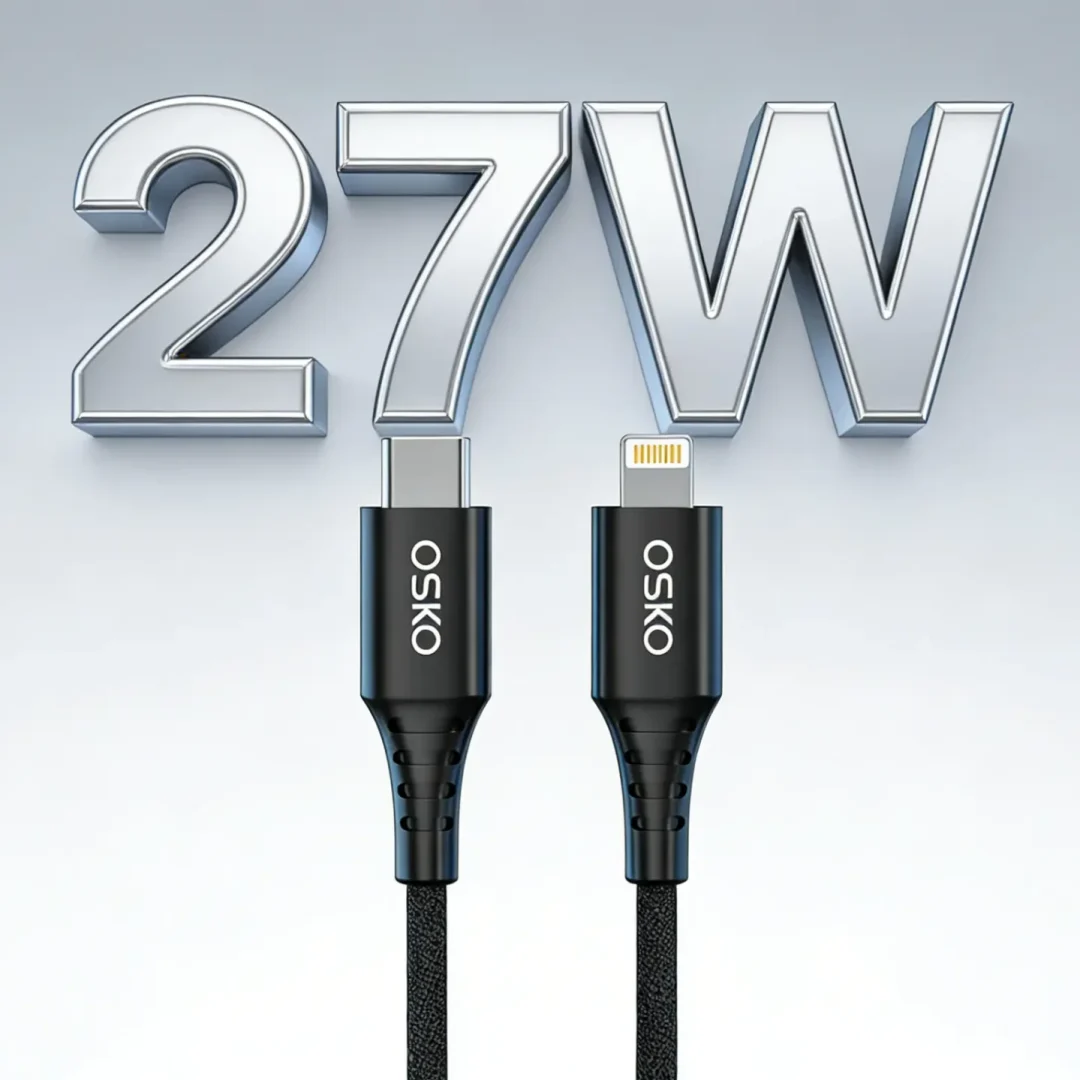
A laptop accessory buyer may need a higher-power USB-C PD cable.
A retailer should therefore avoid marketing every USB-C product simply as a “fast USB-C cable.”
The product specification needs to match the actual design.
What Happened to Lightning Cables?
Lightning has not suddenly disappeared.
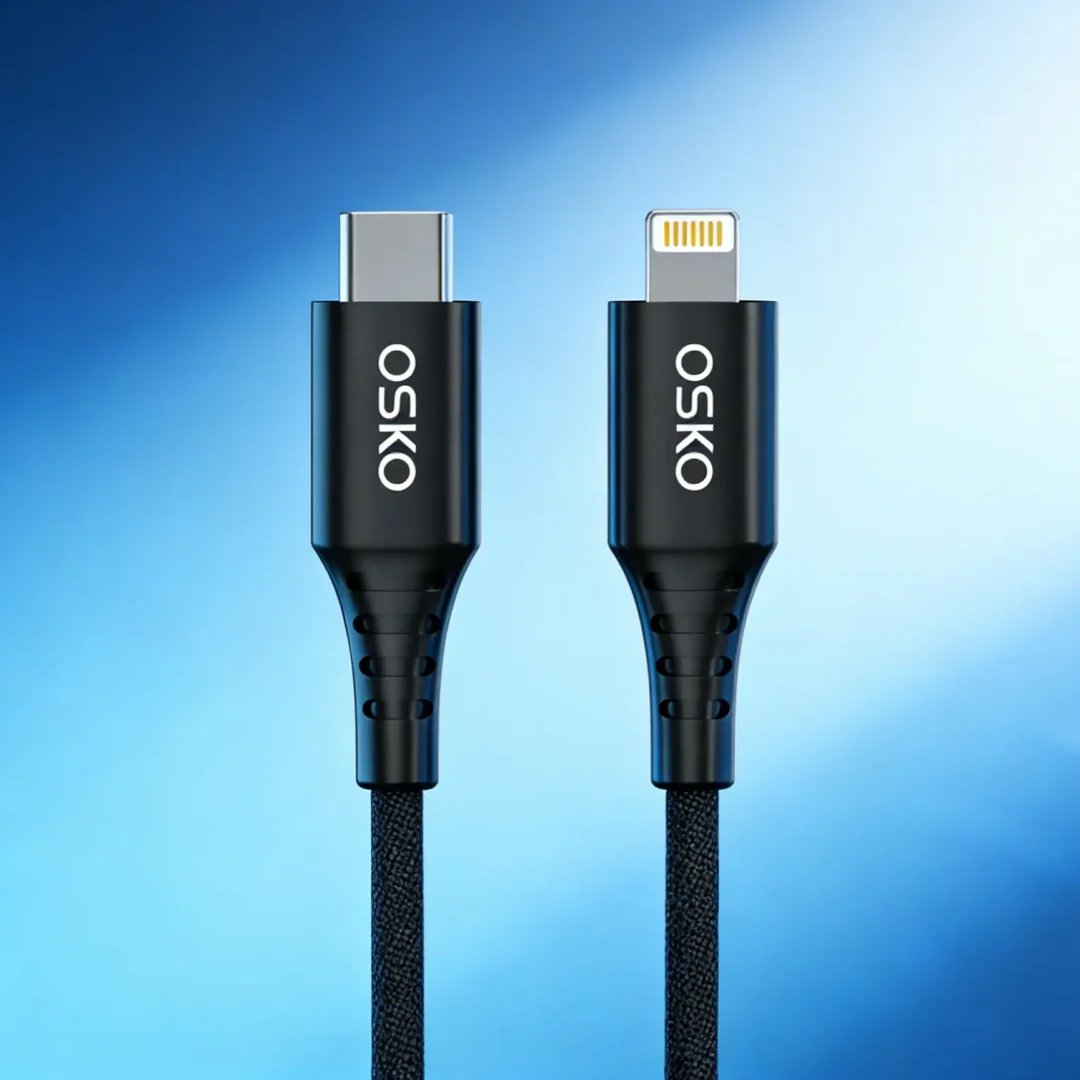
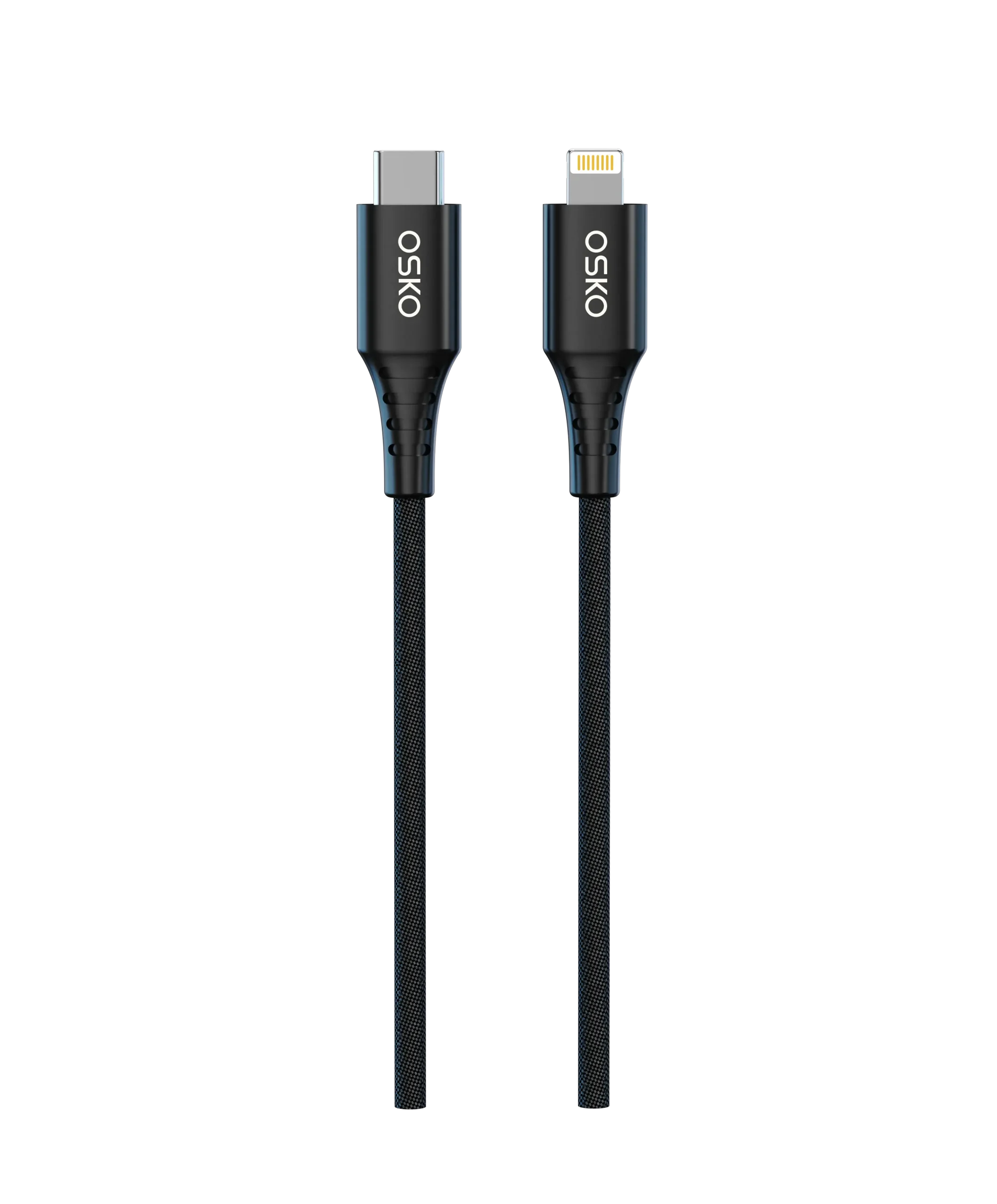
Millions of older iPhones, iPads, accessories, AirPods products, and other devices remain in use. That means USB-C to Lightning cables continue to have a commercial role even as new iPhone models move to USB-C.
This creates two distinct product opportunities for accessory businesses.
The first is the replacement and legacy market for Lightning devices.
The second is the growing USB-C market for newer Apple products.
A distributor may therefore continue stocking Lightning products while increasing its USB-C inventory rather than replacing the entire catalog overnight.
For OEM brands, this distinction is important when deciding production quantities and inventory strategy.
Does USB-C Make MFi Obsolete?
No, but the role of MFi needs to be understood correctly.
Apple’s MFi Program covers third-party accessories that use Apple’s licensed technologies and components. Apple’s current MFi FAQ specifically states that USB-C charging accessories that do not use MFi-licensed technologies or components are not part of the MFi Program.
That means a standard USB-C charging cable for an iPhone should not automatically be marketed as an “MFi cable.”
On the other hand, Lightning accessories and certain products using Apple proprietary technologies may fall under MFi requirements.
For a distributor buying an OEM iPhone charging cable, the correct question is not simply “Is it Apple compatible?”
The better questions are:
Is the product USB-C or Lightning?
Does the product use any MFi-licensed technology?
Does the product require MFi certification?
Can the supplier provide the relevant documentation?
Is the product actually searchable in Apple’s MFi accessory database where applicable?
This distinction is especially important for private-label brands that intend to put compliance claims directly on packaging.
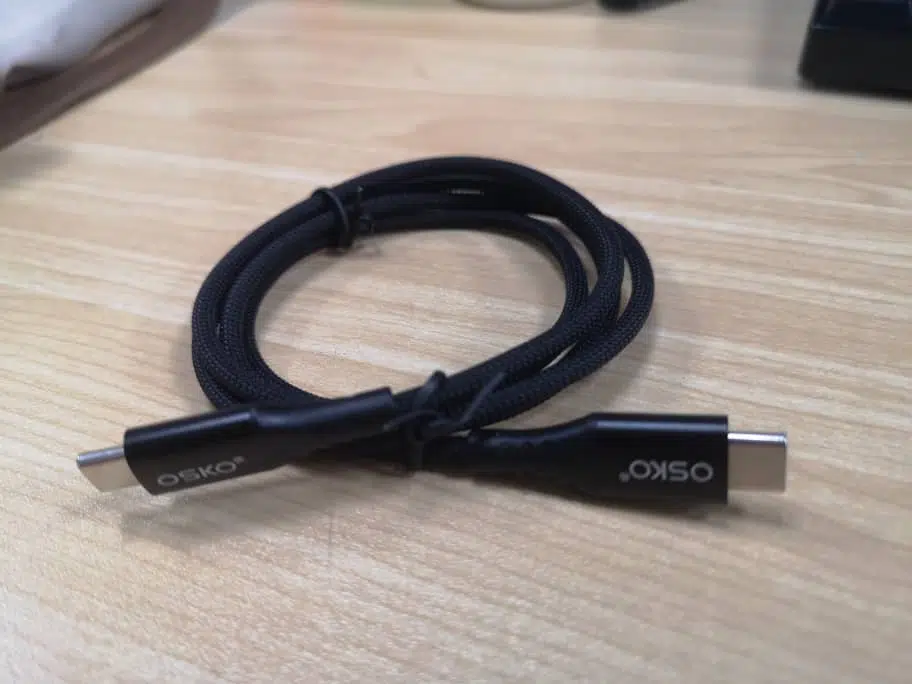
What Apple’s USB-C Transition Means for OEM Cable Manufacturers
Apple’s connector change is also changing the product mix for cable manufacturers.
A modern OEM USB cable supplier may need to support:
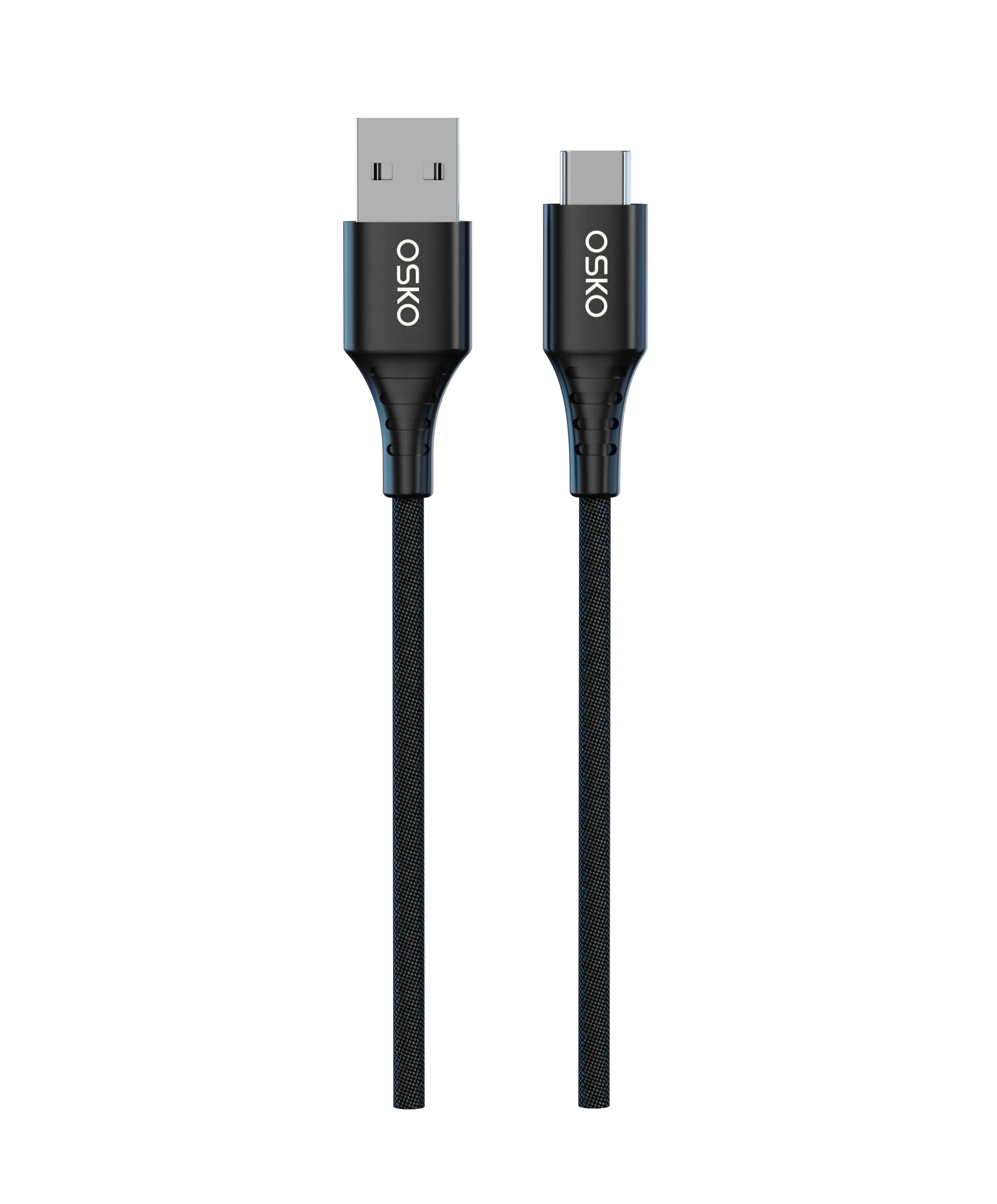
Useful for legacy chargers, computers, vehicles, and existing power sources.
Important for modern wall chargers, laptops, tablets, power banks, and current-generation devices.
Still relevant for customers using Lightning-equipped Apple devices.
For brands, the opportunity is not simply to manufacture more USB-C cables. It is to create a product range based on different use cases.
A retailer might need a compact 3ft iPhone USB-C cable for everyday use.
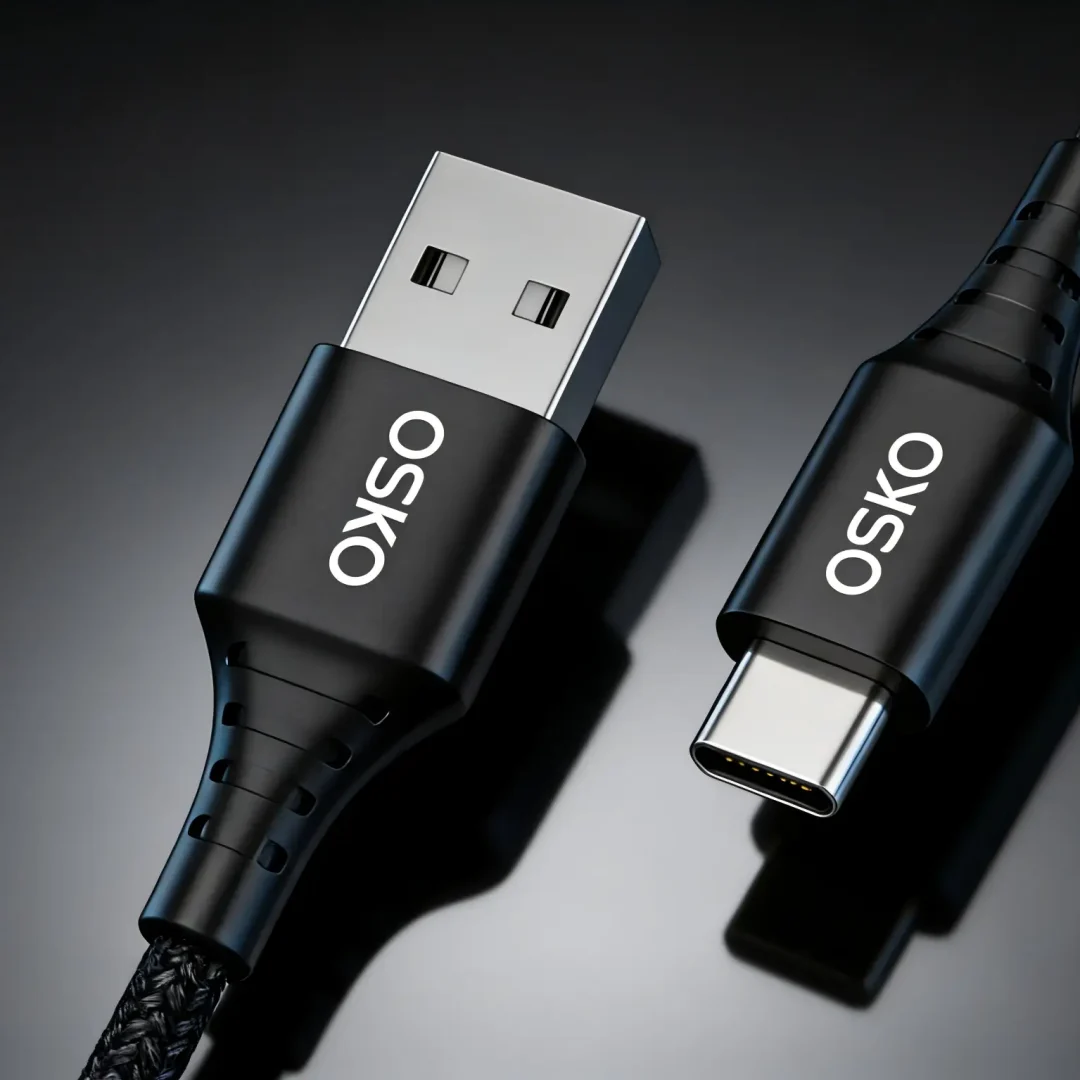
A travel brand may prefer a durable 6ft braided cable.
A computer-accessory distributor may require a higher-power USB-C PD cable.
A private-label brand may require custom colors, logo printing, packaging, and controlled specifications.
What Retailers Should Check Before Ordering USB-C iPhone Cables
Moving from Lightning to USB-C creates a new sourcing problem: more choice also means more technical variation.
Before buying bulk USB-C cables for iPhone, check the following:
Confirm the exact cable type
Do not mix up USB-C to USB-C with USB-A to USB-C. They may serve different charger and device environments.
Confirm power claims
Do not assume “USB-C” means 60W, 100W, or 240W. The actual power capability depends on the cable design and the complete charger-device system.
Confirm data performance
A cable advertised for charging does not automatically provide high-speed data.
Test connector durability
Check insertion, removal, fit, strain relief, and mechanical behavior.
Test the cable under realistic use
Samples should be tested with the devices and chargers your customers actually use.
Verify market documentation
For the US, Europe, Australia, or other markets, determine which compliance and product documentation applies to the exact configuration.
A Practical OEM Example
Imagine a US mobile-accessory distributor that historically sold mostly Lightning cables.
After reviewing its product range, the purchasing team decides not to replace Lightning products all at once. Instead, it creates a two-stage product strategy.
The existing Lightning range remains available for legacy iPhone customers.
New development focuses on USB-C to USB-C and USB-A to USB-C products for newer iPhones, tablets, power banks, computers, and charging accessories.
The team then creates a standard specification covering cable length, connector type, charging target, data capability, jacket material, braid density, strain relief, packaging, and QC requirements.
Samples are tested before mass production.
This approach reduces the risk of building inventory around assumptions and creates a product roadmap that reflects the actual transition in the market.
For an OEM brand, this is more useful than simply asking a factory, “Can you make an Apple USB-C cable?”
The Future of iPhone Charging Is More About Ecosystems Than Connectors
Apple’s move to USB-C changes more than the physical port.
It changes how consumers think about charging accessories.
Instead of maintaining separate cable ecosystems for different brands, users increasingly expect one USB-C charger and several compatible cables to serve multiple devices.
That creates opportunities for:
USB-C cable wholesale
Private-label charging cables
Multi-device charging solutions
Travel charging accessories
Car charging cables
Power-bank cables
High-power USB-C PD cables
USB-C cable bundles for retailers
For cable manufacturers, this means product differentiation increasingly depends on engineering, reliability, packaging, and application-specific design rather than connector novelty alone.
FAQ
Is Apple completely switching from Lightning to USB-C?
For current iPhone generations, USB-C is the standard physical connector. Apple introduced USB-C with the iPhone 15 in 2023, and newer iPhone models continue the USB-C design.
Which iPhones use USB-C?
The iPhone 15 generation introduced USB-C, and newer generations such as iPhone 17, iPhone 17e, iPhone Air, and iPhone 18 Pro models use USB-C connectors according to Apple’s technical specifications.
Is USB-C faster than Lightning?
Not automatically. USB-C describes the connector interface, while actual charging and data performance depends on the device, cable, charger, protocol, and cable design. Some USB-C iPhones support only USB 2 data speeds, while specific Pro models support USB 3.
Do I still need a Lightning cable?
Yes, for older Lightning-equipped Apple devices and accessories. This means Lightning cables still have a replacement and legacy market even though new iPhones have moved to USB-C.
Do USB-C iPhone cables need MFi certification?
Standard USB-C charging accessories that do not use Apple’s MFi-licensed technologies are not part of Apple’s MFi Program. MFi can still apply to products using specific Apple proprietary technologies, including certain Lightning and CarPlay-related implementations.
What is the best USB-C cable for an iPhone?
The right cable depends on the application. For everyday charging, a properly engineered USB-C charging cable may be sufficient. Users who need high-speed data transfer should verify the actual USB data specification rather than relying on the USB-C connector name alone.
Can I use the same USB-C cable for an iPhone, iPad, MacBook, and power bank?
A suitable USB-C cable can work across multiple devices, but compatibility does not guarantee identical charging or data performance. Check the power and data requirements of each device and use a cable designed for the intended load.
Where can businesses buy USB-C iPhone cables in bulk?
Retailers, distributors, and accessory brands can source from a specialized USB-C cable manufacturer or OEM supplier. For wholesale orders, request exact specifications, samples, MOQ, customization options, QC documentation, packaging details, and shipping terms before production.
What should a German or Dutch buyer look for in a USB-C cable supplier?
European buyers should evaluate technical specifications, applicable conformity documentation, packaging requirements, production QC, and supplier traceability. Search terms such as USB-C Kabel Großhandel, USB-C Kabel Hersteller, and USB-C kabel groothandel often indicate a commercial sourcing intent rather than a simple consumer search.
Summary
Apple’s transition from Lightning to USB-C is no longer a future possibility. It has become a defining part of the modern iPhone accessory market.
For consumers, USB-C means greater interoperability across charging ecosystems.
For retailers, it creates new product demand while leaving a meaningful legacy market for Lightning cables.
For distributors and private-label brands, the opportunity is broader: USB-C cables can now serve iPhones alongside tablets, laptops, power banks, vehicles, and other electronics.
The critical purchasing lesson is simple: USB-C is a connector, not a complete product specification.
Charging power, data speed, construction quality, connector durability, compliance requirements, and intended application all need to be defined before production.
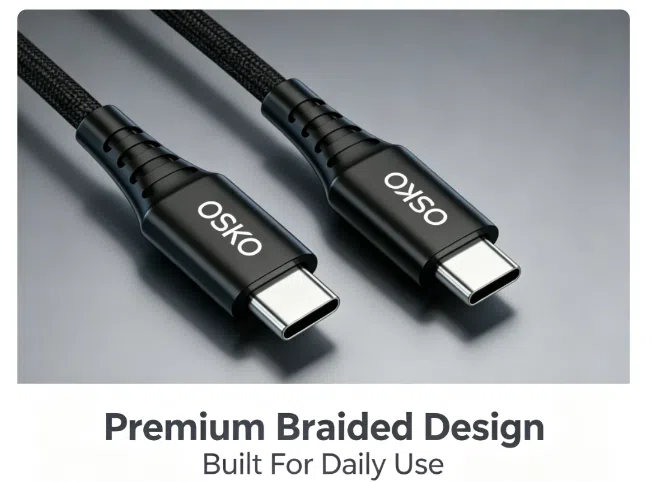
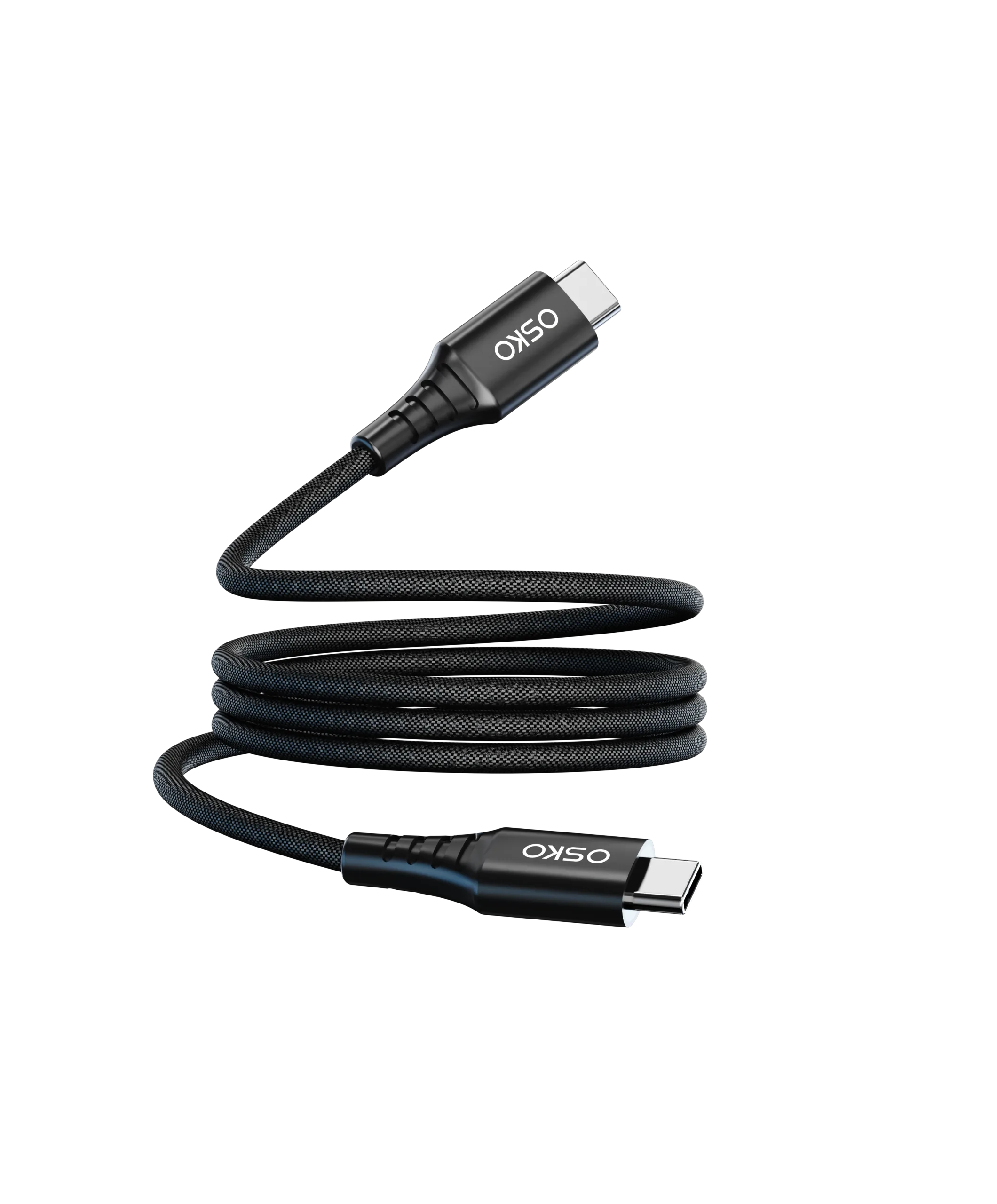
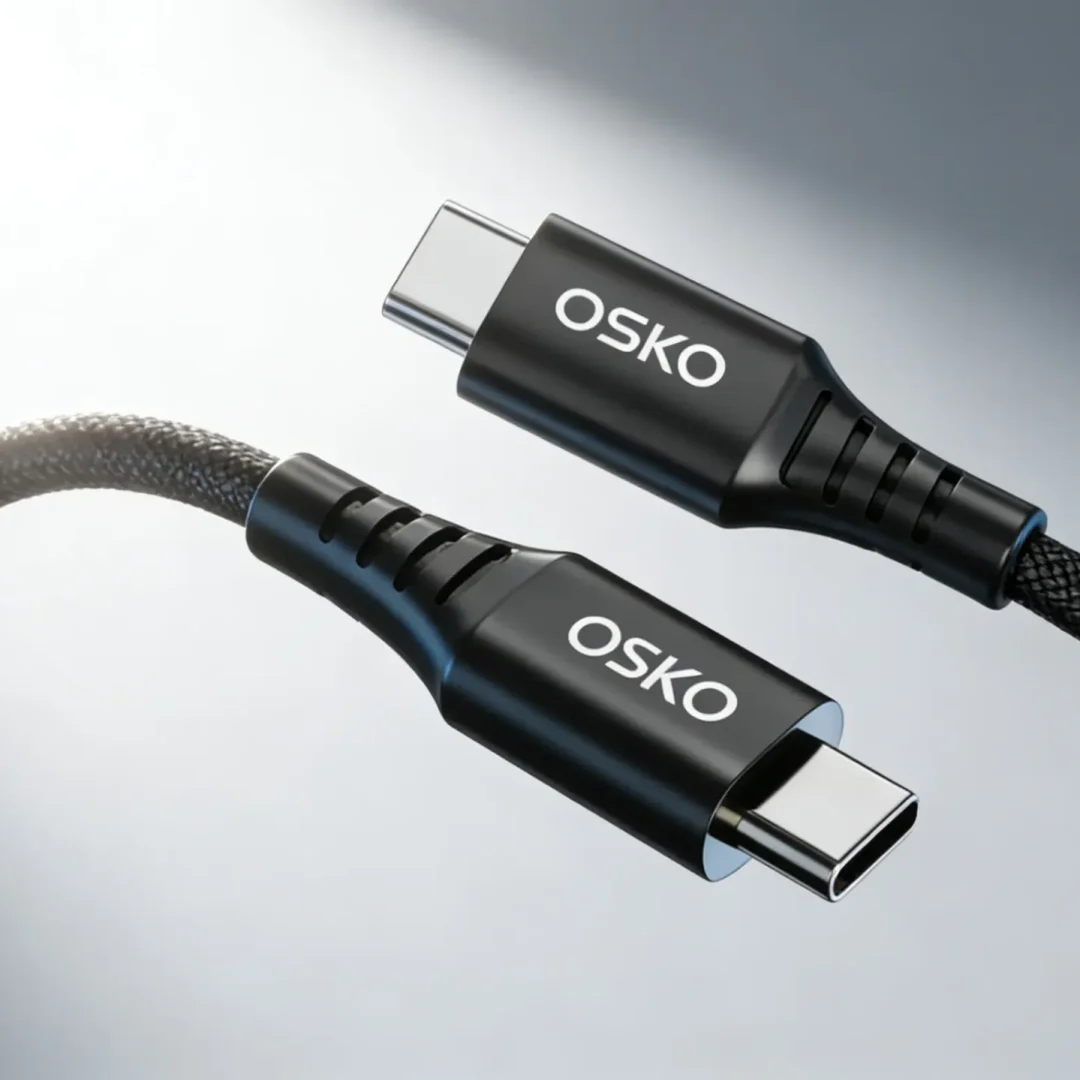
OSKO specializes in OEM and ODM USB cable solutions for brands, distributors, wholesalers, and retailers, including USB-C charging cables, braided cable designs, custom branding, private-label packaging, samples, and production QC.
For businesses building a new iPhone USB-C cable wholesale program, the strongest starting point is a clear technical specification, tested samples, and a supplier capable of maintaining the same quality from prototype through mass production.