
Introduction
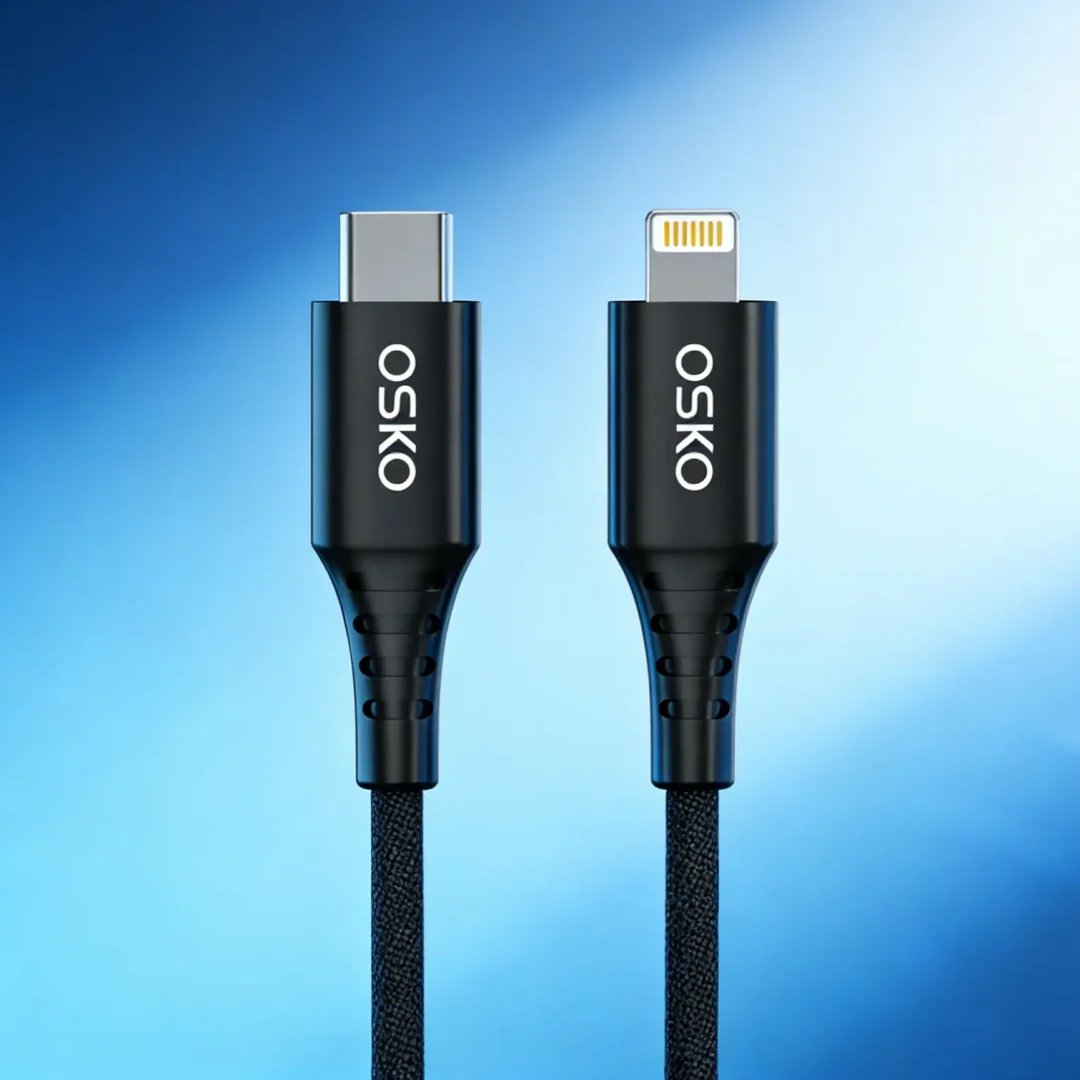
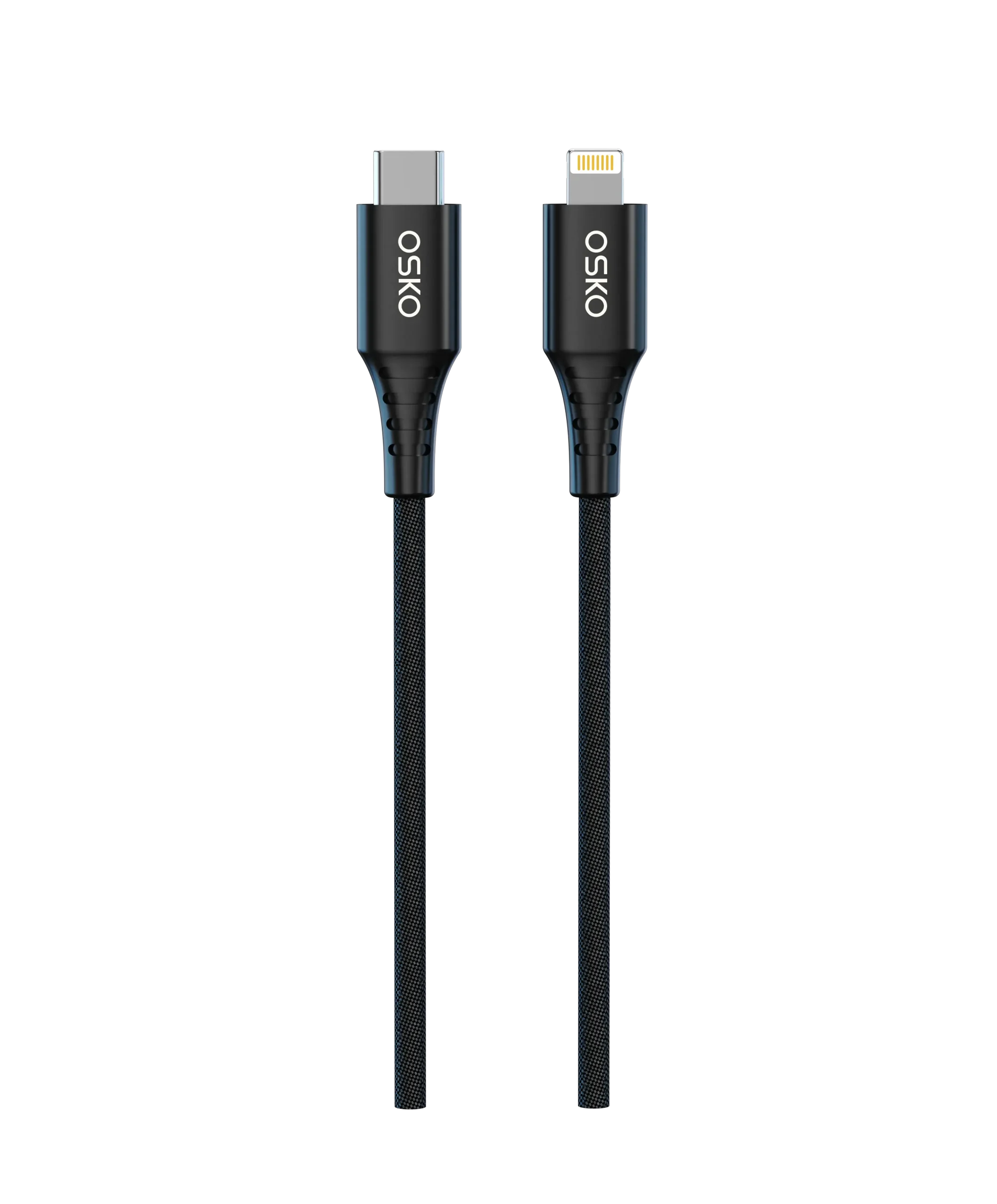
The right USB-C to Lightning cable can make a noticeable difference in everyday charging, data transfer, and long-term reliability. For iPhone and iPad users with Lightning ports, the cable is the connection between the device and the USB-C charger, power adapter, computer, or car charging system. A poorly made cable may lead to intermittent charging, connector damage, weak strain relief, or inconsistent data transfer.
For consumers, choosing the best USB-C to Lightning cable usually comes down to compatibility, charging performance, durability, and length. For retailers, distributors, and procurement teams, the requirements are broader: consistent quality, reliable connectors, appropriate certifications, packaging options, stable supply, and predictable performance across production batches.
This guide explains what to look for when buying a USB-C to Lightning charging cable in 2026, whether you need a dependable cable for daily iPhone use or are sourcing Lightning cables for a retail, wholesale, or private-label business.
Why USB-C to Lightning Is Still Relevant
Although Apple has moved many newer products toward USB-C, a large installed base of iPhones, iPads, AirPods, and other Apple devices still uses Lightning connectors. This creates an ongoing market for reliable Lightning charging cables.
The USB-C side also makes these cables convenient with modern chargers, laptops, power banks, and vehicle charging systems. Many newer USB-C power adapters are designed around USB Power Delivery, making USB-C to Lightning a practical option for compatible Lightning devices.
For users who already own a USB-C wall charger, replacing an older USB-A to Lightning cable with a quality USB-C to Lightning cable can simplify their charging setup.
For retailers, this also means there is still demand for different cable lengths and product configurations, particularly:
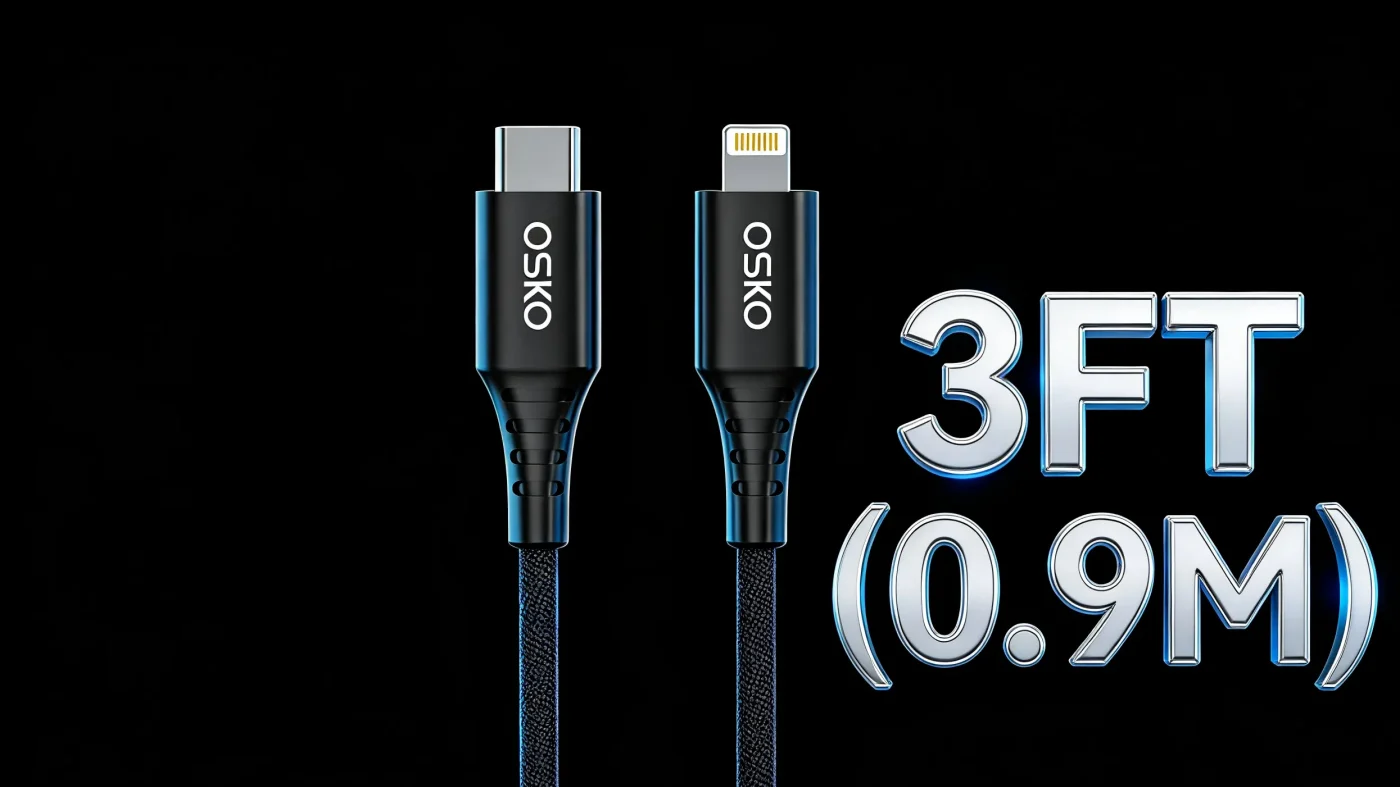
3ft USB-C to Lightning cables for desks and bedside charging
6ft USB-C to Lightning cables for greater reach
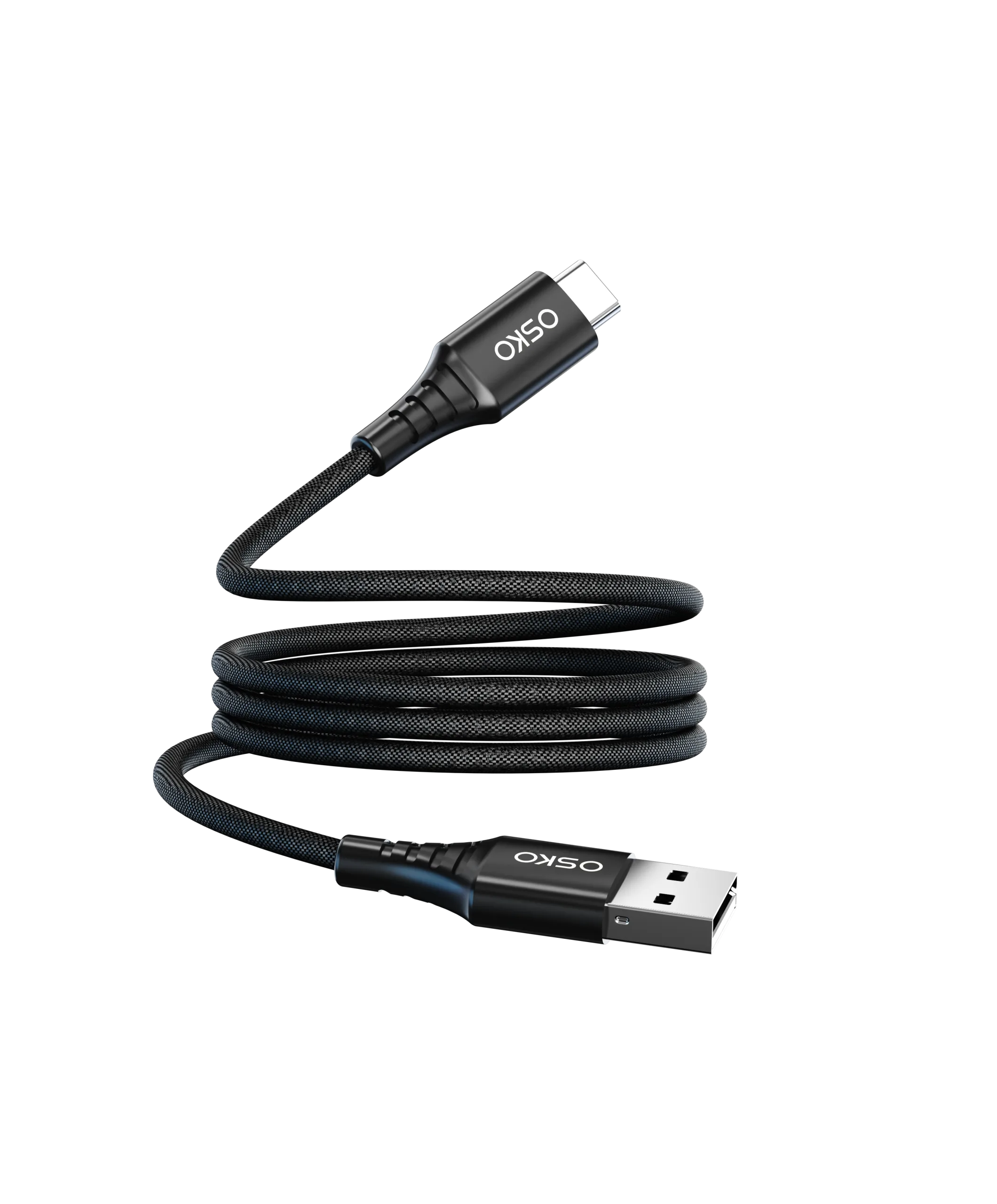
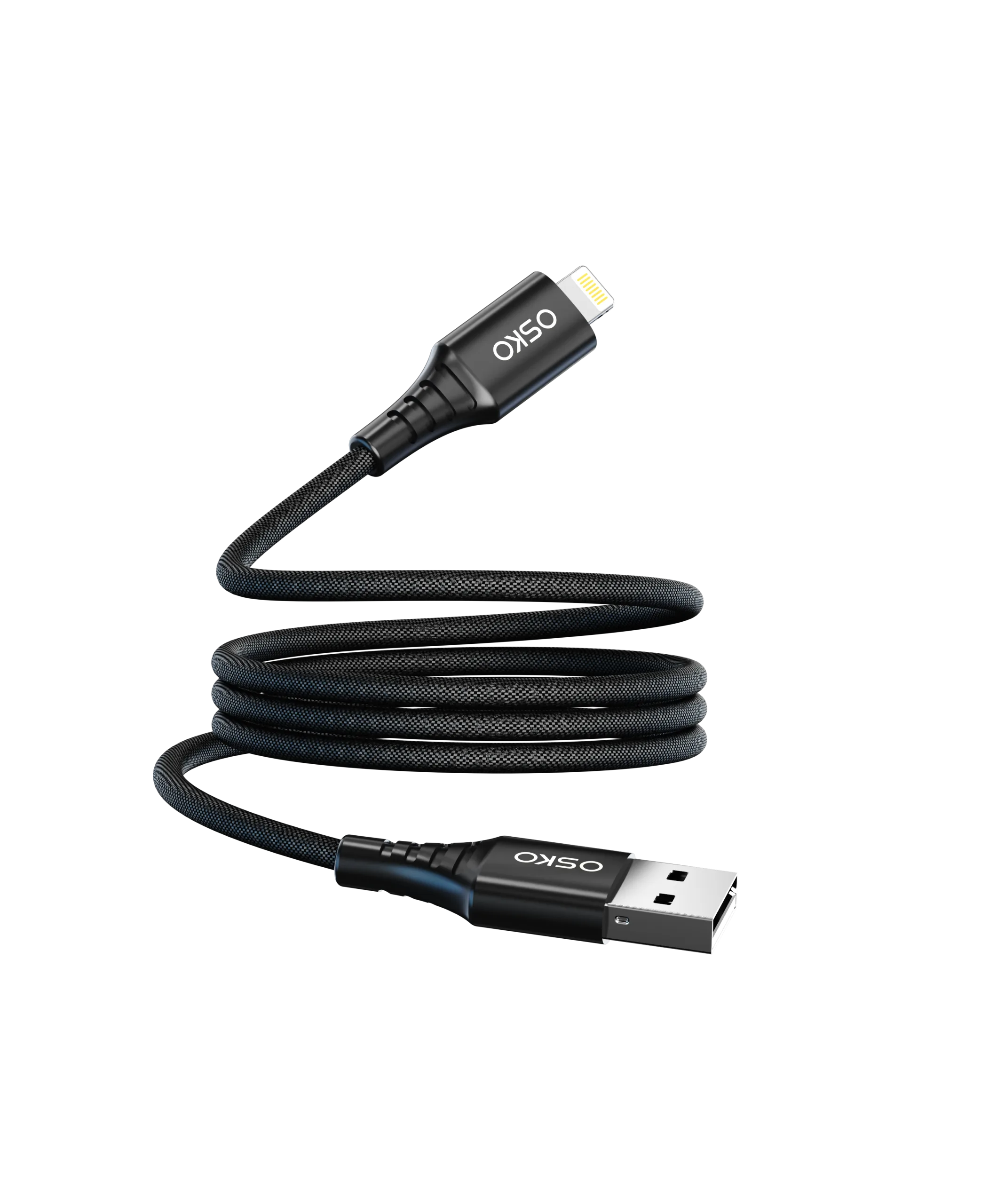
Braided Lightning cables for customers who prioritise durability
MFi-certified Lightning cables for Apple-device compatibility
Private-label Lightning cables for online stores and accessory brands
The key is not simply choosing a cable with a USB-C connector. The construction and compatibility of the Lightning connector matter just as much.
Material Science & Dielectric Properties
Cable construction has a direct effect on durability, flexibility, electrical performance, and the user’s overall experience.
A typical charging cable contains several functional layers, including the conductor, insulation, shielding where applicable, filler or reinforcement materials, and the outer jacket.
Conductors
Copper is commonly used because of its good electrical conductivity and manufacturability. Cable designs may use different conductor structures and gauges depending on the required current, flexibility, cost target, and application.
For charging applications, conductor resistance matters. Higher resistance can contribute to voltage drop and power loss, particularly when the cable is long or the connected device draws substantial current.
For this reason, a procurement team should evaluate actual electrical specifications rather than judging a cable only by its appearance.
Insulation
The insulation around the conductors helps prevent electrical contact between individual wires and protects the internal structure from environmental stress.
Material selection influences flexibility, dielectric performance, temperature resistance, and long-term mechanical behaviour.
For consumer charging cables, thermoplastic materials are widely used because they provide a practical balance between flexibility, manufacturing efficiency, and protection.
Outer Jacket
The outer jacket is the first line of mechanical protection.
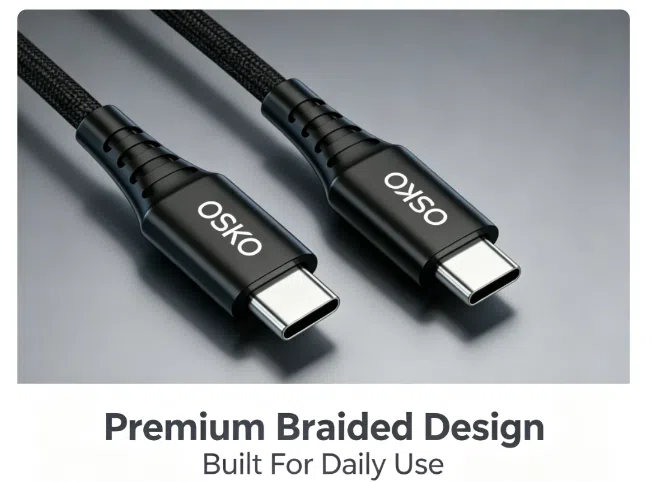
PVC remains common because it is economical and flexible. Braided nylon, however, is often selected for products positioned toward the premium or durability segment.
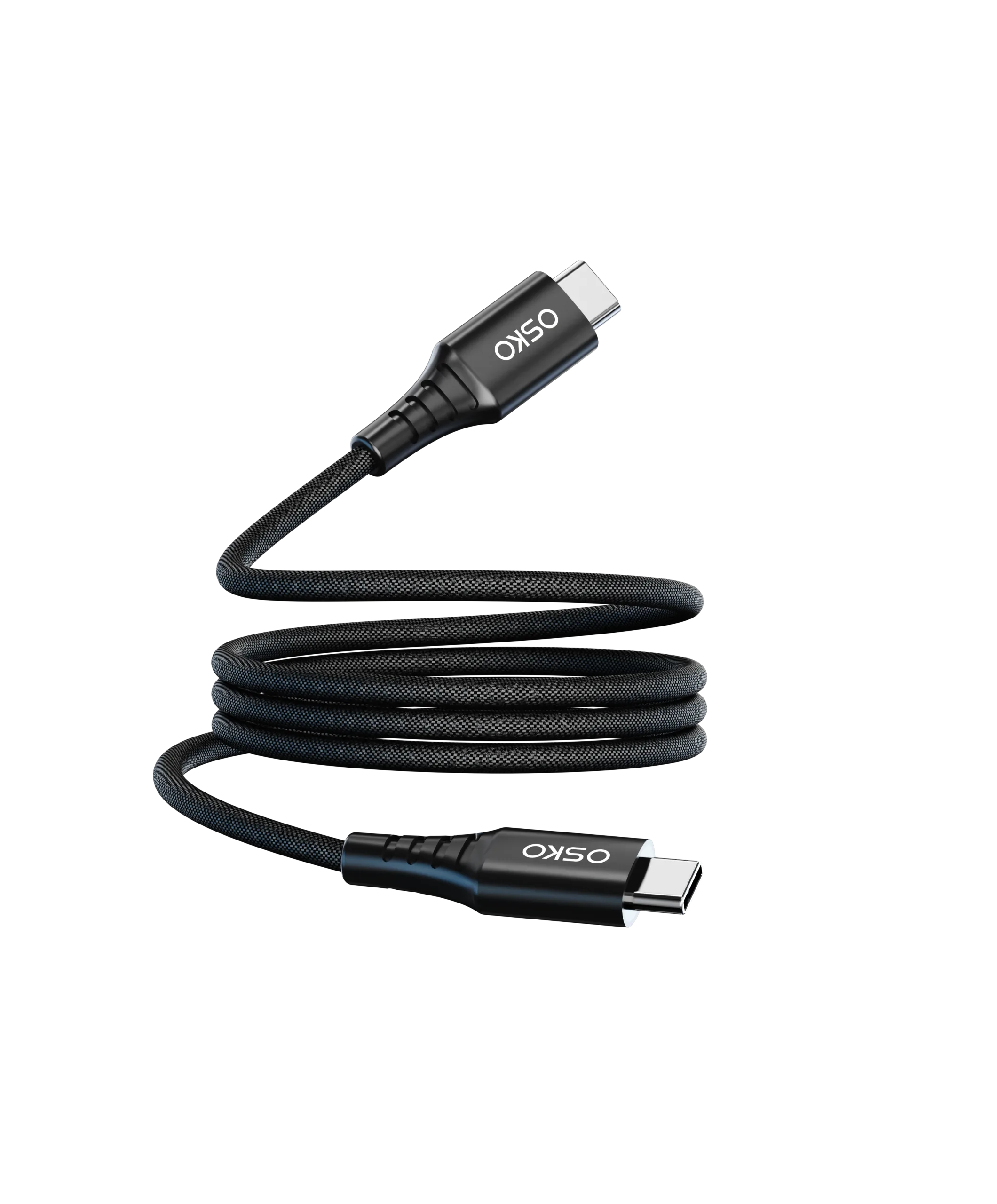
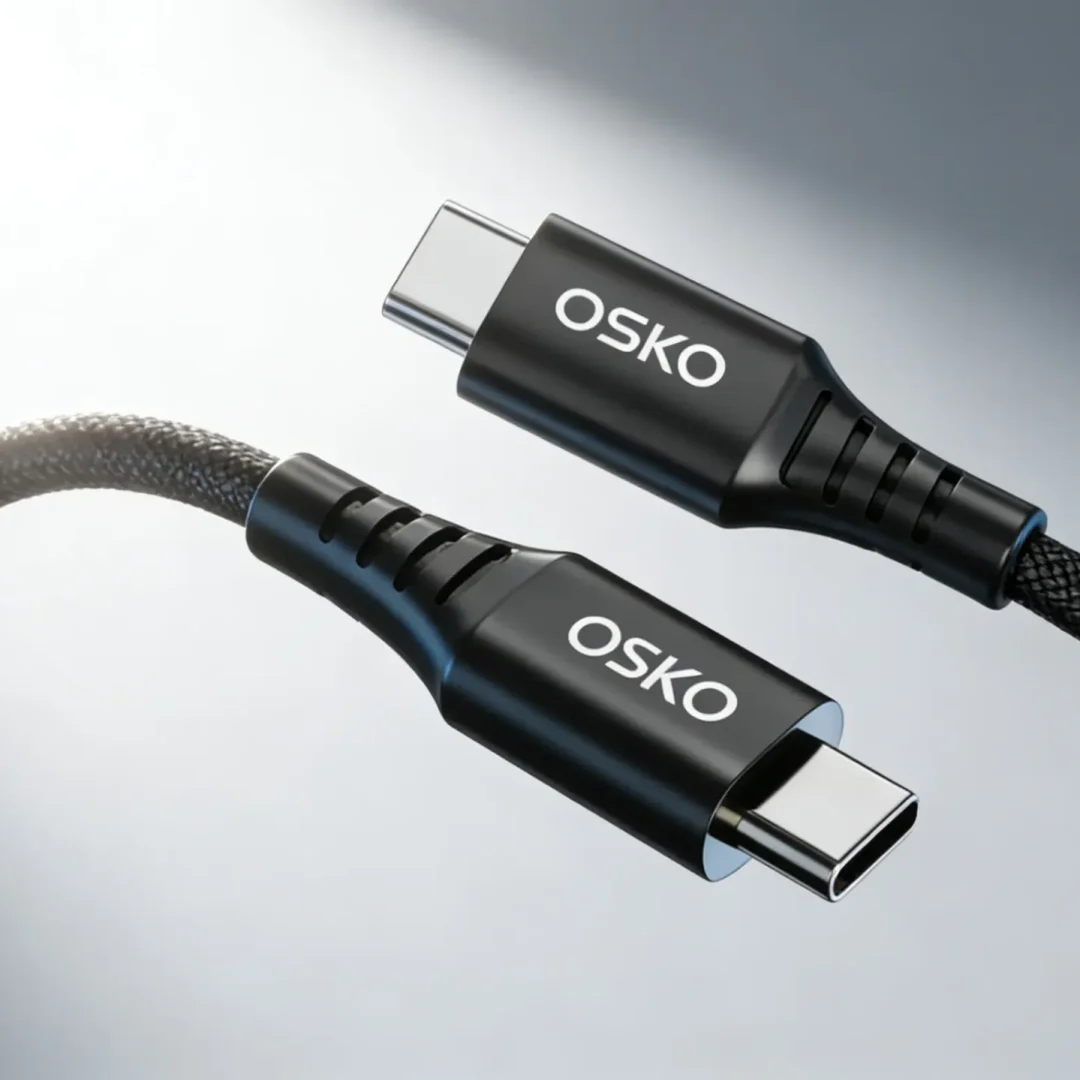
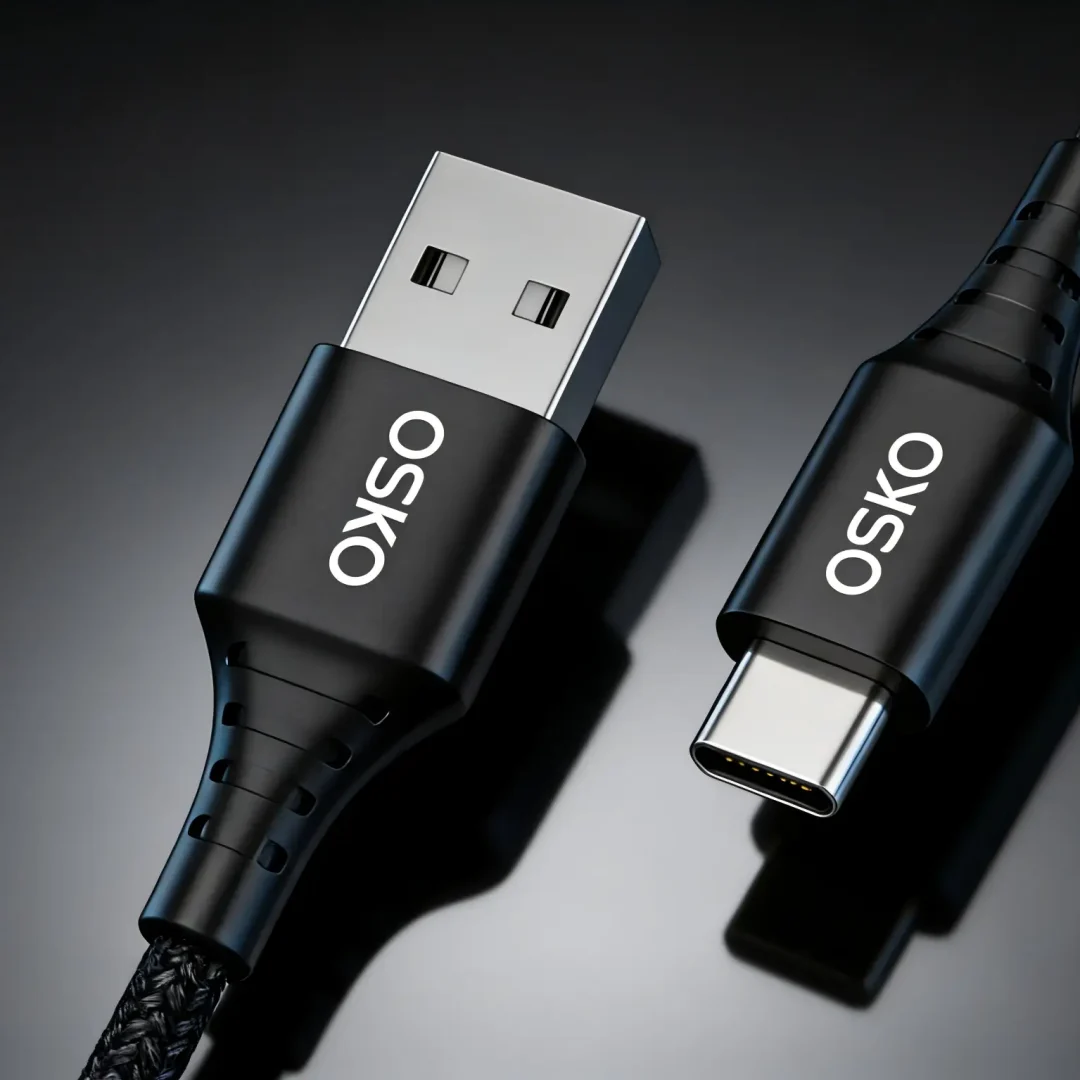
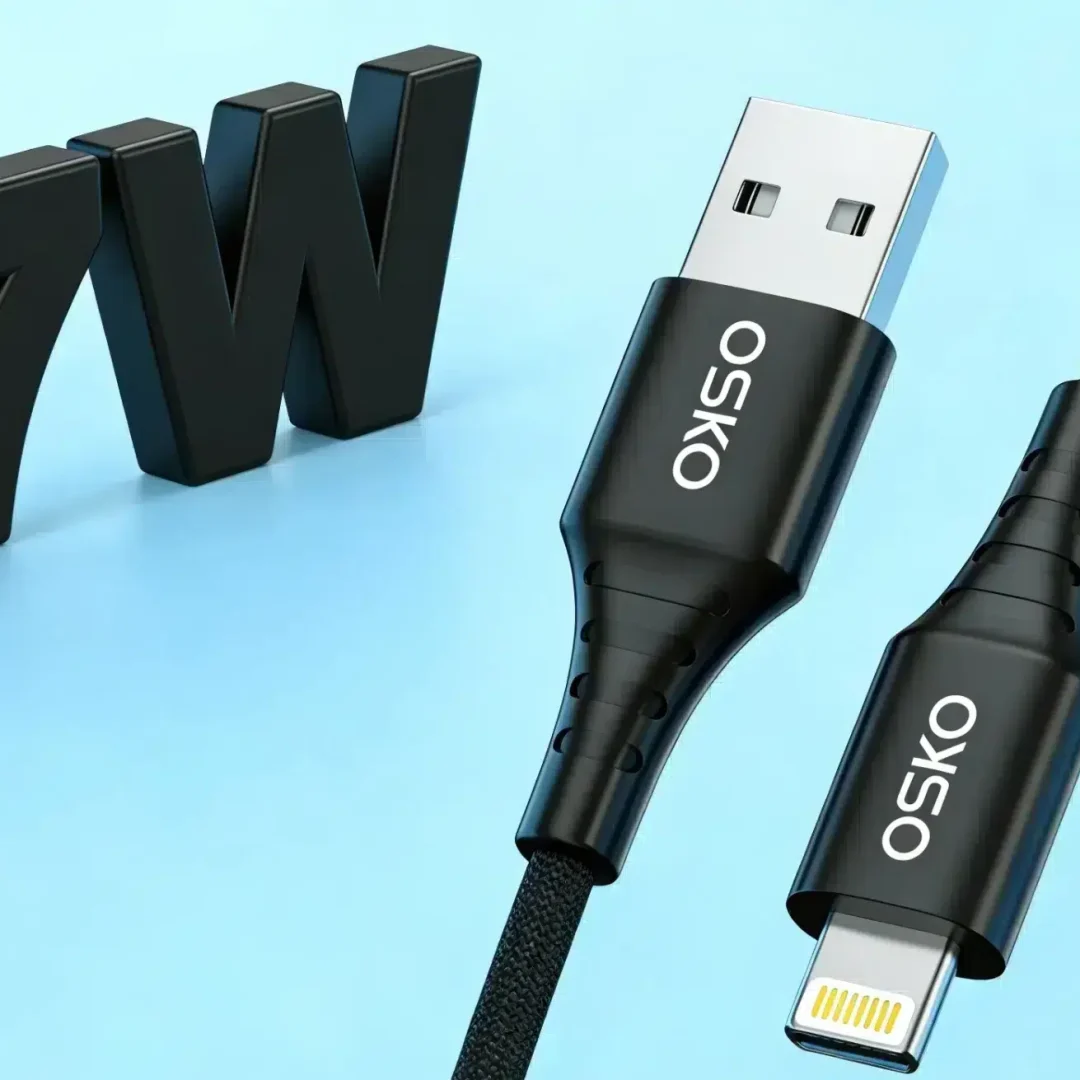
A durable USB-C to Lightning cable may combine an internal reinforcement structure with a braided exterior and strengthened connector housing. This helps reduce damage caused by bending, pulling, twisting, and repeated plugging and unplugging.
The important point is that a braided exterior alone does not automatically make a cable durable. The connector-to-cable transition, internal reinforcement, conductor quality, and assembly process all influence the final product.
MFi Certification and Apple Compatibility
One of the most important considerations when purchasing a Lightning cable is compatibility with Apple devices.
MFi, or Made for iPhone/iPad/iPod, is Apple’s accessory licensing program. For Lightning accessories, appropriate MFi compliance and authentication are important considerations when developing products intended for Apple devices.
This is especially relevant for retailers and distributors because compatibility problems can quickly result in customer complaints and returns.
When sourcing an MFi certified Lightning cable, buyers should not rely solely on packaging language. Commercial buyers should request appropriate documentation from the manufacturer or supplier and confirm that the supplied product corresponds to the claimed configuration.
For OEM and private-label projects, this verification should happen before mass production rather than after the product reaches the market.

Charging Speed: What USB-C to Lightning Actually Changes
One of the biggest reasons consumers choose USB-C to Lightning is fast charging compatibility.
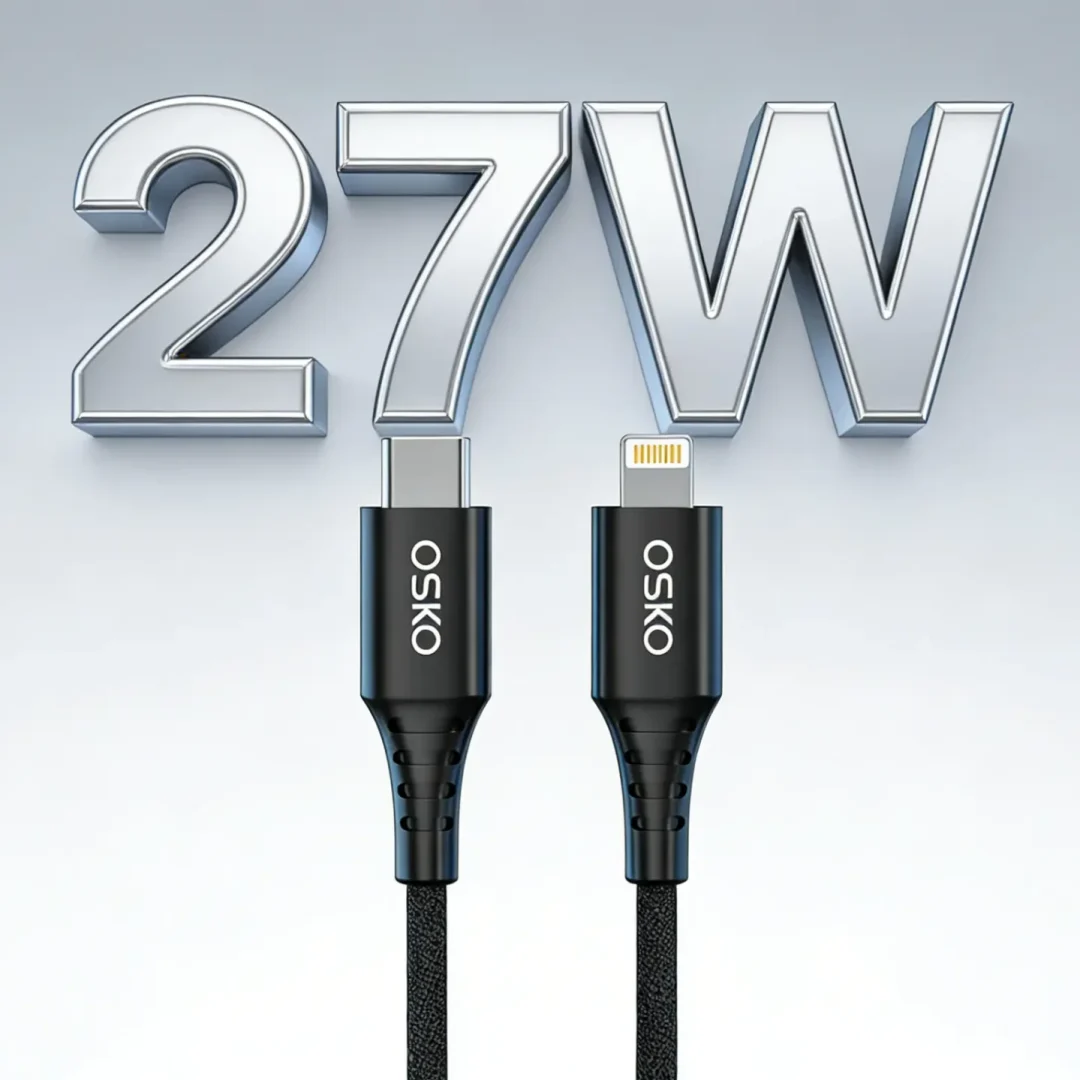
A USB-C to Lightning cable can be used with compatible USB-C power adapters and USB Power Delivery charging systems. However, the cable itself does not determine the entire charging speed.
Actual charging performance depends on several factors:
The iPhone or iPad model
The USB-C power adapter
USB Power Delivery compatibility
Cable electrical design
Device charging limits
Battery temperature and charging conditions
A common example is an iPhone connected to a suitable USB-C PD charger using a compatible Lightning cable. Under supported conditions, the combination can provide substantially faster charging than many older USB-A charging setups.
Therefore, marketing a cable simply as a “fast charging cable” is not enough. A stronger product specification should explain the supported charging configuration.
This is particularly important for international markets where technically informed consumers increasingly compare cable specifications before purchasing.
3ft vs. 6ft USB-C to Lightning Cable
Cable length is a simple specification, but it has a strong impact on customer satisfaction.
| Cable Length | Typical Application | Buyer Advantage |
|---|---|---|
| 3ft / 0.9m | Desk, bedside table, office | Compact and easy to manage |
| 6ft / 1.8m | Bedroom, sofa, home | Greater charging flexibility |
| Longer than 6ft | Special installations | Extended reach but potentially more cable resistance and bulk |
A 3ft USB-C to Lightning cable is usually suitable for desktop charging, power banks, office workstations, and bedside tables where the charger is close to the device.
A 6ft USB-C to Lightning cable is more convenient when the wall outlet or charger is farther away. It can be particularly useful at home, in hotels, or beside a sofa.
For retailers, offering both 3ft and 6ft versions can cover two different purchase intentions without creating an unnecessarily complicated product range.
Durability: More Than a Braided Jacket
Cable failures often happen near the connector rather than in the middle of the cable.
The connector transition experiences repeated bending when users pick up a phone while it is charging. Over time, this can stress the conductors and insulation.
A well-designed cable should therefore pay attention to:
Strain-relief geometry
Connector housing strength
Cable-to-connector bonding
Internal reinforcement
Outer jacket flexibility
Bending resistance
Plug insertion and removal cycles
For premium products, braided nylon can provide additional abrasion resistance and a more robust tactile feel.
For a manufacturer, durability testing should also simulate real usage rather than relying only on visual inspection.
A practical quality-control program may include bending tests, connector pull tests, electrical continuity tests, insulation checks, charging tests, and appearance inspection.
This is where the difference between a low-cost generic cable and a professionally manufactured cable becomes more obvious.
Case Study: Developing a Private-Label Lightning Cable for an Australian Retailer
An Australian electronics retailer was preparing a private-label charging cable range for online and physical retail channels. The initial requirement appeared straightforward: a USB-C to Lightning cable in black with a braided exterior.
However, the procurement team identified several problems during supplier comparison.
Some samples had attractive packaging but inconsistent connector finishing. Others passed basic charging tests but showed excessive movement at the connector transition after repeated bending. The buyer was also concerned about maintaining the same appearance and electrical performance across larger production batches.
OSKO approached the project from both an engineering and procurement perspective.
Instead of treating the project as a simple cable-price comparison, the team reviewed the required cable length, connector construction, jacket material, charging requirements, production specifications, and inspection criteria.
Sample testing was performed before confirming the production configuration. The cable structure was then standardised so the purchasing team had a clearer specification for mass production.
The final product used a braided outer construction with reinforced connector transitions and was positioned as a premium private-label charging cable rather than a low-price generic accessory.
For the buyer, the main result was not simply a lower unit price. The more important result was improved specification consistency and reduced uncertainty when moving from samples to larger-volume purchasing.
This is an important lesson for international buyers: the cheapest quotation is not necessarily the lowest procurement cost when product returns, inconsistent batches, packaging problems, and customer complaints are included.
USB-C to Lightning Cable Selection Guide for Retail Buyers
For consumers, selecting a cable is relatively simple. For wholesalers, distributors, and e-commerce sellers, the evaluation should be more systematic.
Confirm Device Compatibility
First determine whether the target devices use Lightning connectors.
If the product is designed for newer USB-C iPhones or iPads, a USB-C-to-USB-C cable may be more appropriate.
If the target market still includes Lightning-based Apple devices, a USB-C to Lightning configuration remains relevant.
Define the Charging Requirement
Specify the intended charging environment instead of using a generic “fast charging” description.
For example:
USB-C charger + compatible Apple Lightning device + suitable USB-C to Lightning cable
This provides a clearer product proposition than claiming that the cable alone determines charging speed.
Select the Right Length
For most consumer retail programs, 3ft and 6ft versions provide useful coverage.
A 3ft version works well for compact packaging and desktop use, while 6ft is attractive to customers who want greater freedom when charging in bedrooms, living rooms, or travel environments.
Choose the Jacket Material
PVC can be appropriate for price-sensitive products.
Braided nylon is better suited to premium positioning where customers expect a more durable exterior and higher perceived value.
The correct choice depends on the target retail price, expected usage, and brand positioning.
Check Certification and Documentation
For Lightning products, buyers should verify relevant MFi status and supporting documentation.
European buyers may also need to consider applicable EU compliance requirements, while businesses selling in the United States or Australia should confirm the regulatory and documentation requirements relevant to their specific product and sales channel.
Do not treat one certification or marking as a substitute for all other compliance obligations.
OEM and Wholesale USB-C to Lightning Cable Sourcing
For wholesalers, mobile accessory distributors, electronics retailers, and e-commerce brands, purchasing a charging cable is fundamentally different from buying one unit for personal use.
The procurement team may need:
Stable production specifications
Consistent connector quality
Private-label packaging
Custom cable colours
Custom logo printing
Different cable lengths
Pre-production samples
Batch inspection
Compliance documentation
Reliable production lead times
Repeat-order consistency
For an OEM USB-C to Lightning cable, the manufacturer should be able to translate a commercial product requirement into a controlled production specification.
OSKO supports OEM and ODM cable projects for brands, wholesalers, distributors, and other commercial buyers. Depending on the project, customization can cover cable construction, colour, branding, packaging, and product configuration.
For OEM projects, OSKO’s typical cable MOQ starts at 5,000 units. Samples can be arranged for testing before larger production runs.
For buyers in the United States, Germany, Australia, and the Netherlands, this type of pre-production process can be particularly useful when the cable will be sold under a private label and product consistency directly affects customer reviews and return rates.
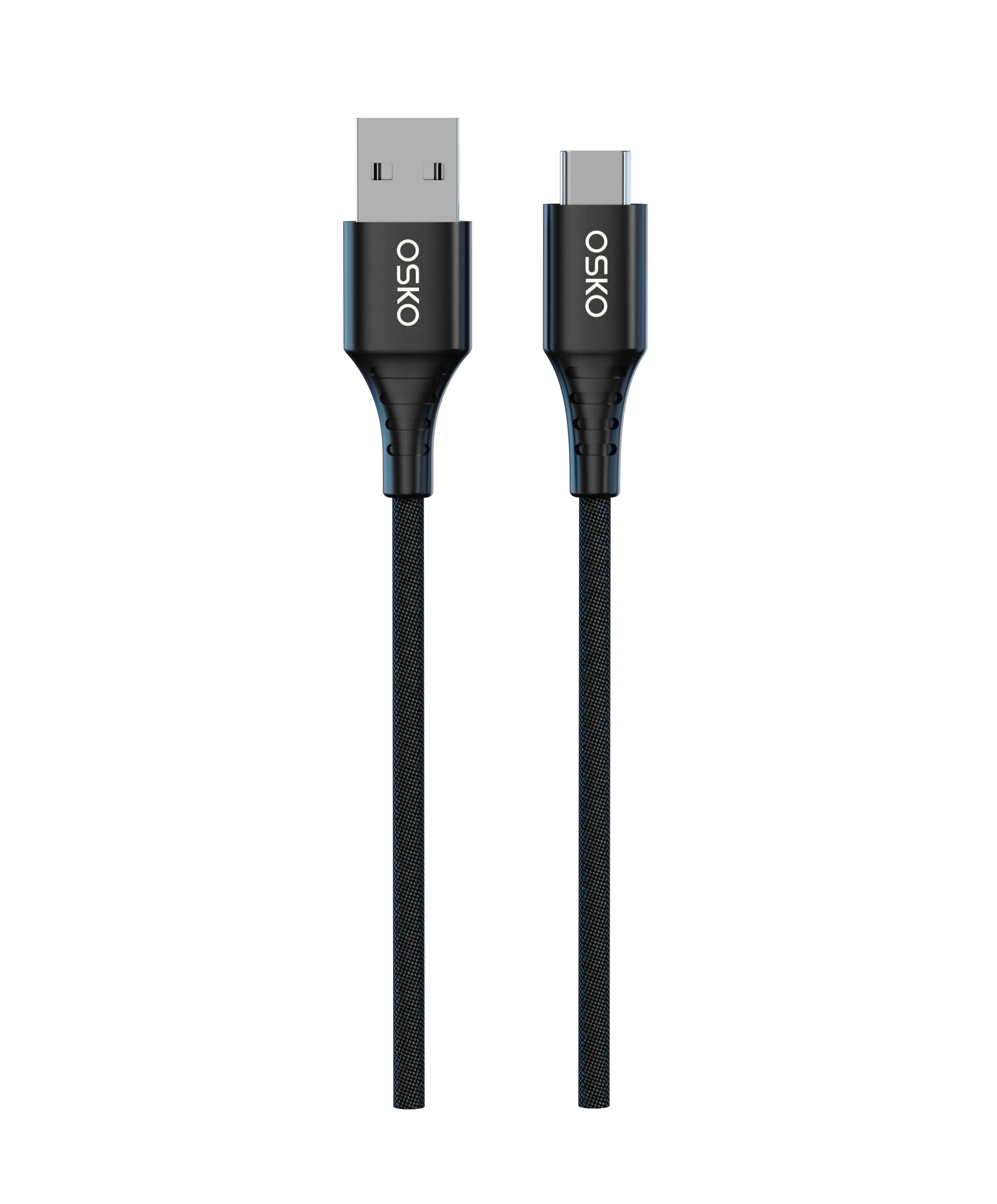
USB-C to Lightning vs. USB-A to Lightning
| Feature | USB-C to Lightning | USB-A to Lightning |
|---|---|---|
| Connector on charger side | USB-C | USB-A |
| Compatible with modern USB-C chargers | Yes | Requires USB-A port |
| USB PD charging environment | Suitable when system supports it | Generally not the same PD setup |
| Common application | Modern chargers, laptops, power banks | Older chargers and legacy USB-A ports |
| Retail positioning | Modern / fast-charging focused | Legacy / budget focused |
| Best for new product lines | Often preferred | Useful for existing USB-A ecosystems |
USB-C to Lightning is generally the more relevant choice when building a modern charging accessory range around USB-C power adapters.
USB-A to Lightning still has a place where customers use older chargers, vehicles, computers, hubs, or other USB-A equipment.
For retailers, the decision should therefore be based on the target customer’s existing charging environment rather than simply choosing whichever connector is newer.
How to Choose the Best USB-C to Lightning Cable
A practical buying checklist is:
Compatibility: Confirm the cable is designed for the intended Lightning devices.
MFi: Verify the relevant Apple accessory licensing/compliance status rather than relying only on marketing claims.
Charging: Check the complete charger-device-cable combination.
Construction: Examine the conductor, insulation, connector housing, strain relief, and jacket.
Durability: Look for meaningful mechanical testing rather than relying solely on “premium” or “heavy-duty” wording.
Length: Choose 3ft for compact everyday use and 6ft for greater reach.
Data transfer: Confirm the supported data specification if synchronization or file transfer is important.
Supplier quality: For wholesale orders, evaluate samples, QC procedures, documentation, and batch consistency.
Packaging: Private-label buyers should confirm packaging dimensions, artwork, labelling, and carton specifications before production.
FAQ
What is the best USB-C to Lightning cable for iPhone?
The best cable depends on the iPhone model, charger, length, and durability requirements. For everyday use, a well-built MFi-compliant USB-C to Lightning cable with appropriate strain relief and a suitable charging specification is a strong choice.
Is USB-C to Lightning faster than USB-A to Lightning?
USB-C to Lightning can enable fast charging when paired with a compatible USB-C Power Delivery charger and supported Apple device. Charging speed depends on the complete charging system, not the cable alone.
Does a USB-C to Lightning cable support fast charging?
Yes, compatible USB-C to Lightning cables can be used in fast-charging setups with supported Apple devices and USB-C PD chargers. Buyers should check the specifications of the specific cable and charging equipment.
Is MFi certification important for a Lightning cable?
Yes. MFi is an important consideration for Lightning accessories because it relates to Apple’s accessory ecosystem and compatibility requirements. Commercial buyers should verify the supplier’s relevant documentation.
Is a 3ft or 6ft Lightning cable better?
Neither is universally better. A 3ft cable is convenient for desks and bedside tables, while a 6ft cable provides greater flexibility when the charging outlet is farther away.
Are braided Lightning cables more durable?
A braided exterior can improve abrasion resistance and provide a stronger feel, but overall durability also depends on internal construction, connector design, strain relief, conductor quality, and manufacturing quality.
Can I use a USB-C to Lightning cable with an iPad?
It depends on the iPad model. iPads with Lightning ports can use a compatible USB-C to Lightning cable, while iPads with USB-C ports require a USB-C-to-USB-C cable for a direct USB-C connection.
What should I check before buying USB-C to Lightning cables wholesale?
Check the exact connector configuration, length, charging requirements, data specification, MFi status, materials, connector construction, packaging, MOQ, sample quality, QC process, compliance documentation, and production consistency.
Can OSKO manufacture USB-C to Lightning cables for private-label brands?
Yes. OSKO provides OEM and ODM cable solutions for commercial buyers. Projects can include cable specifications, colours, branding, packaging, and other production requirements. The typical OEM cable MOQ starts at 5,000 units, with samples available for testing before bulk production.
Summary
The best USB-C to Lightning cable is not simply the cable with the highest advertised charging number or the most attractive braided jacket. Reliable performance comes from the complete product design: connector quality, conductor structure, insulation, strain relief, outer jacket, compatibility, manufacturing control, and appropriate testing.
For consumers, the most important factors are device compatibility, MFi status, charging setup, cable length, and durability.
For retailers and commercial buyers, the evaluation should go further. Product consistency, documentation, quality control, packaging, MOQ, and supplier responsiveness can have a major impact on the total cost of ownership.
For the current Lightning accessory market, 3ft and 6ft USB-C to Lightning cables remain practical configurations, while braided construction and private-label packaging can support premium retail positioning.
If you are sourcing USB-C to Lightning cables wholesale, developing a private-label charging cable, or looking for an OEM manufacturer for a new accessory range, evaluating the engineering specification before discussing unit price is one of the best ways to reduce procurement risk.
Contact Information
OSKO is a professional USB cable manufacturer specialising in OEM and ODM charging cable solutions.
For wholesale, OEM, or private-label USB-C to Lightning cable projects, buyers can provide:
Cable type
Cable length
Target quantity
Colour
Logo requirements
Packaging requirements
Target market
Required certifications or documentation
OSKO can then review the requirements, recommend a suitable configuration, arrange samples where applicable, and provide a quotation based on the confirmed specifications.
For OEM and wholesale inquiries, contact OSKO to discuss your cable requirements and request a quotation.