
Introduction
Custom USB-C cable manufacturing has become an important product development strategy for electronics brands, retailers, distributors, and technology companies looking to create differentiated charging solutions.
In 2026, USB-C cables are no longer simple accessories. They are designed for increasingly demanding applications, including:
Smartphone fast charging
Laptop power delivery
Gaming devices
Automotive systems
Office charging stations
Consumer electronics bundles
A successful custom USB-C cable requires more than adding a logo to an existing product.
Brands need to consider:
Cable structure
Power rating
Material selection
Connector design
Data transfer requirements
Certification compliance
Packaging customization
Production consistency
A professional OEM USB-C cable manufacturer provides complete development support from engineering design to final production.
For brands entering global markets, selecting the right manufacturing partner helps reduce:
Product failures
Customer returns
Certification risks
Supply chain problems

Material Science & Dielectric Properties
Understanding Custom USB-C Cable Design
A USB-C cable contains multiple technical layers that determine its performance.
The basic structure includes:
| Component | Function |
|---|---|
| Copper conductor | Power and data transmission |
| Insulation layer | Electrical protection |
| Shielding layer | Signal stability |
| E-marker chip | High-power identification |
| Outer jacket | Mechanical protection |
| Connector assembly | Device connection |
Custom manufacturing begins by defining the technical requirements of each component.
Selecting the Right USB-C Cable Specification
Before production, brands need to define:
Connector type
Cable length
Charging power
Data speed
Material
Color
Packaging
Common USB-C cable options include:
| Product Type | Application |
|---|---|
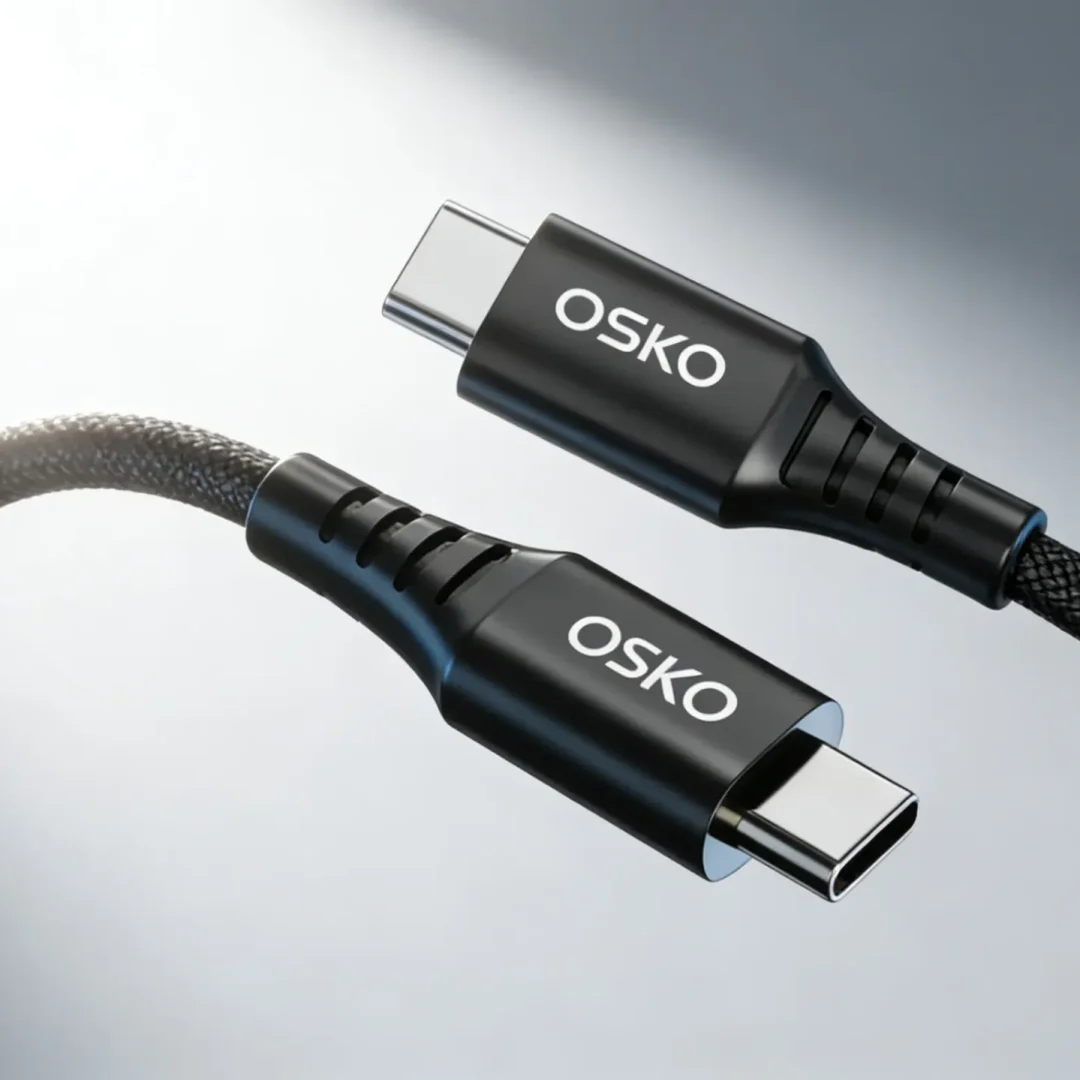
| USB-C to USB-C cable | Modern charging devices |
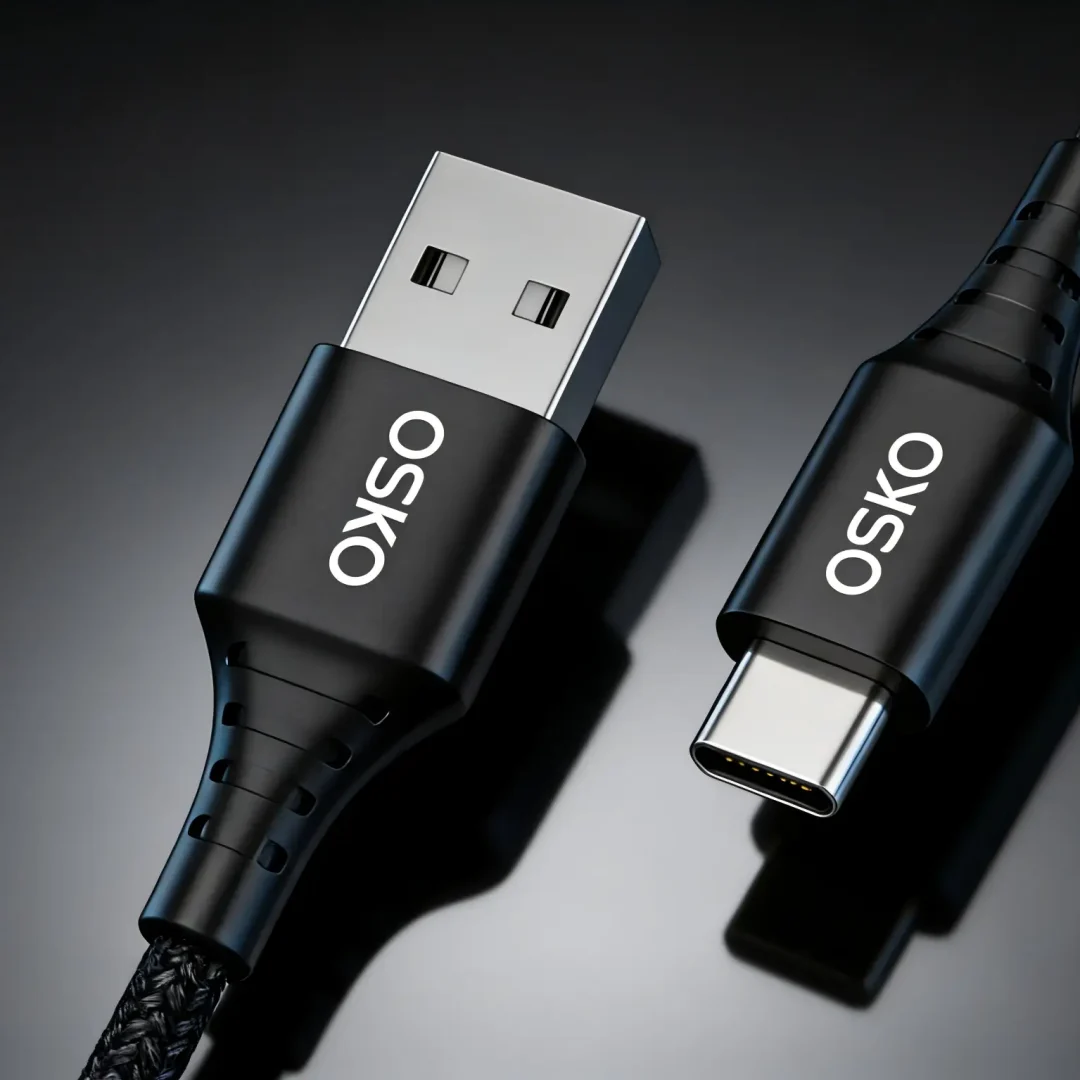
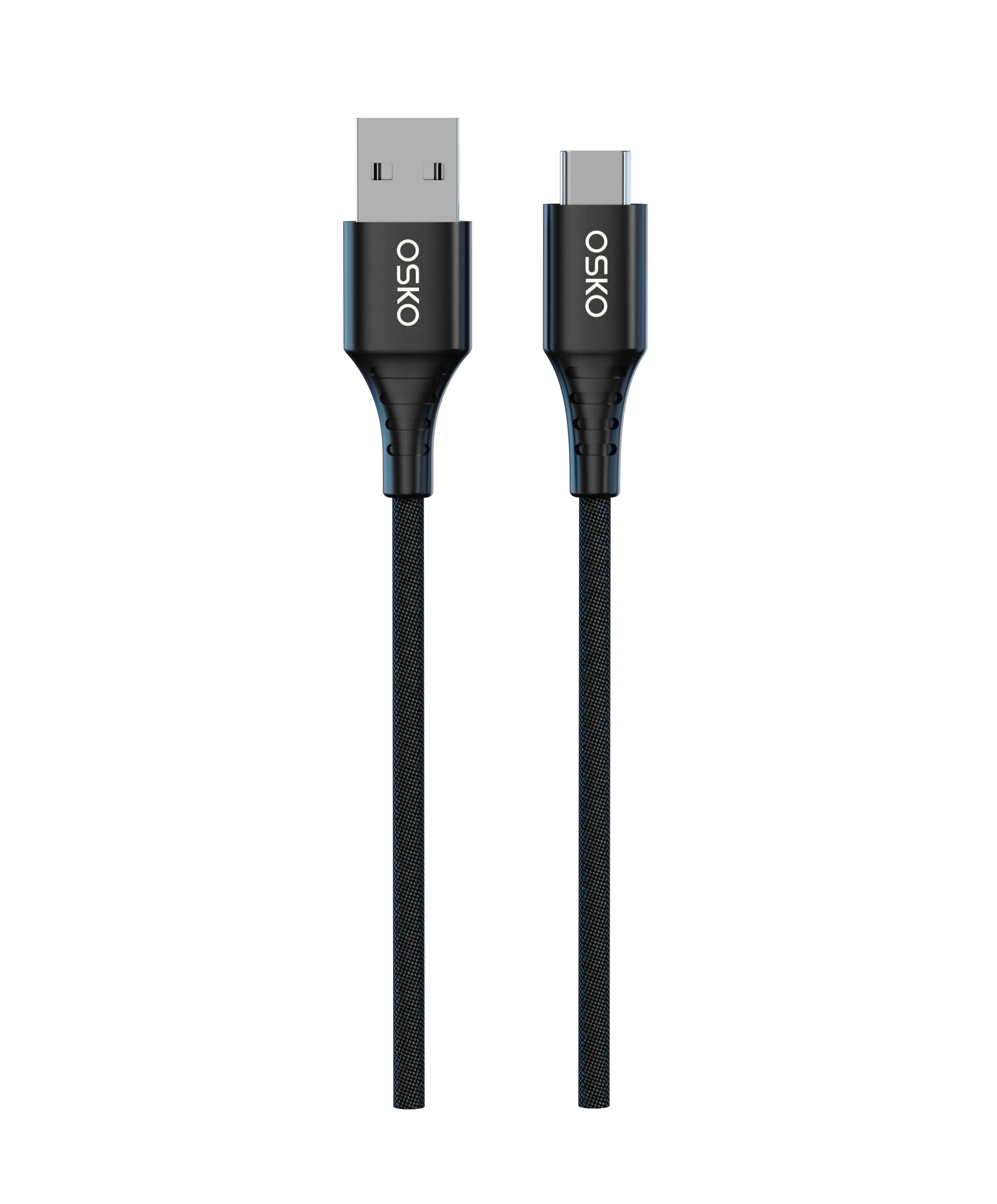
| USB-A to USB-C cable | Existing chargers and vehicles |
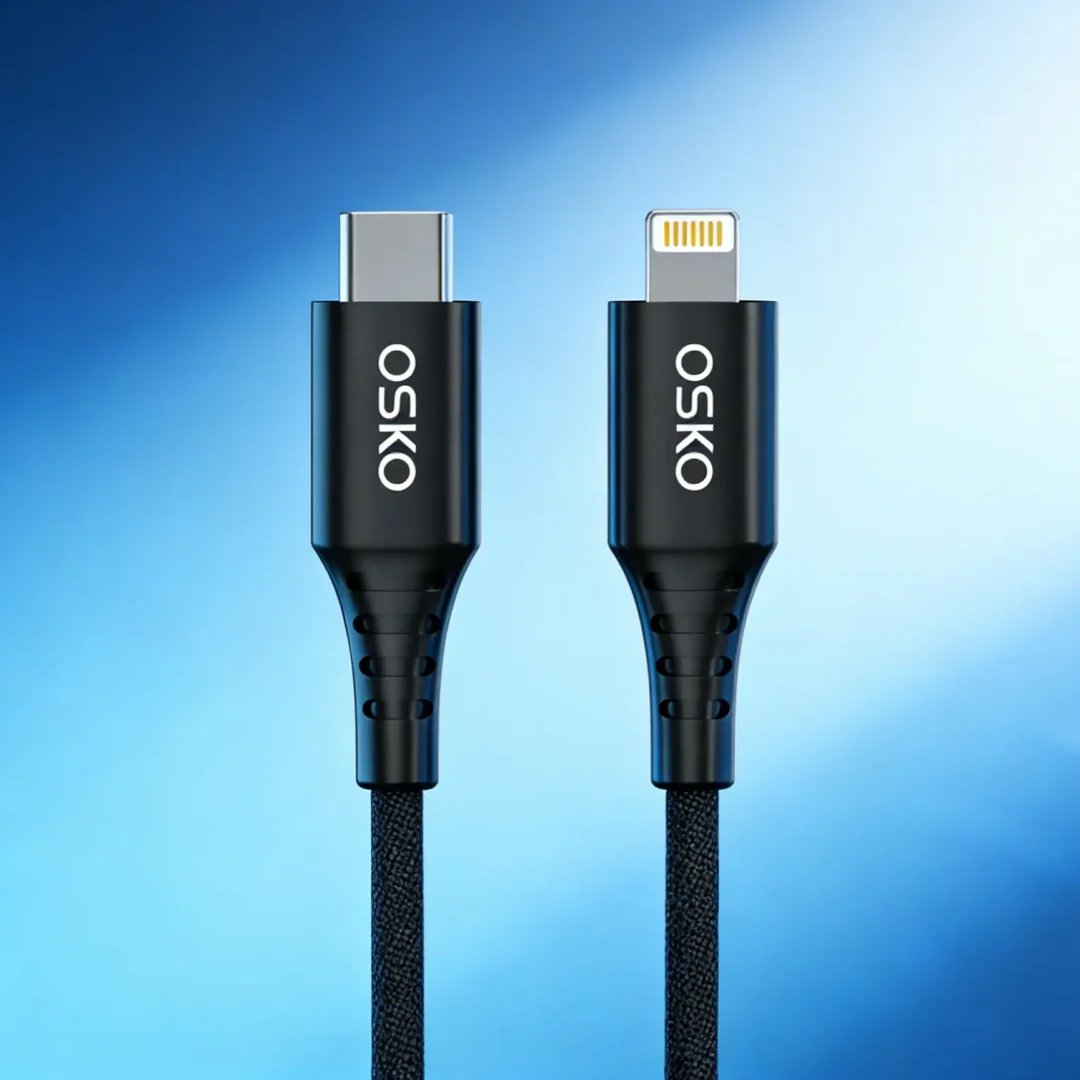
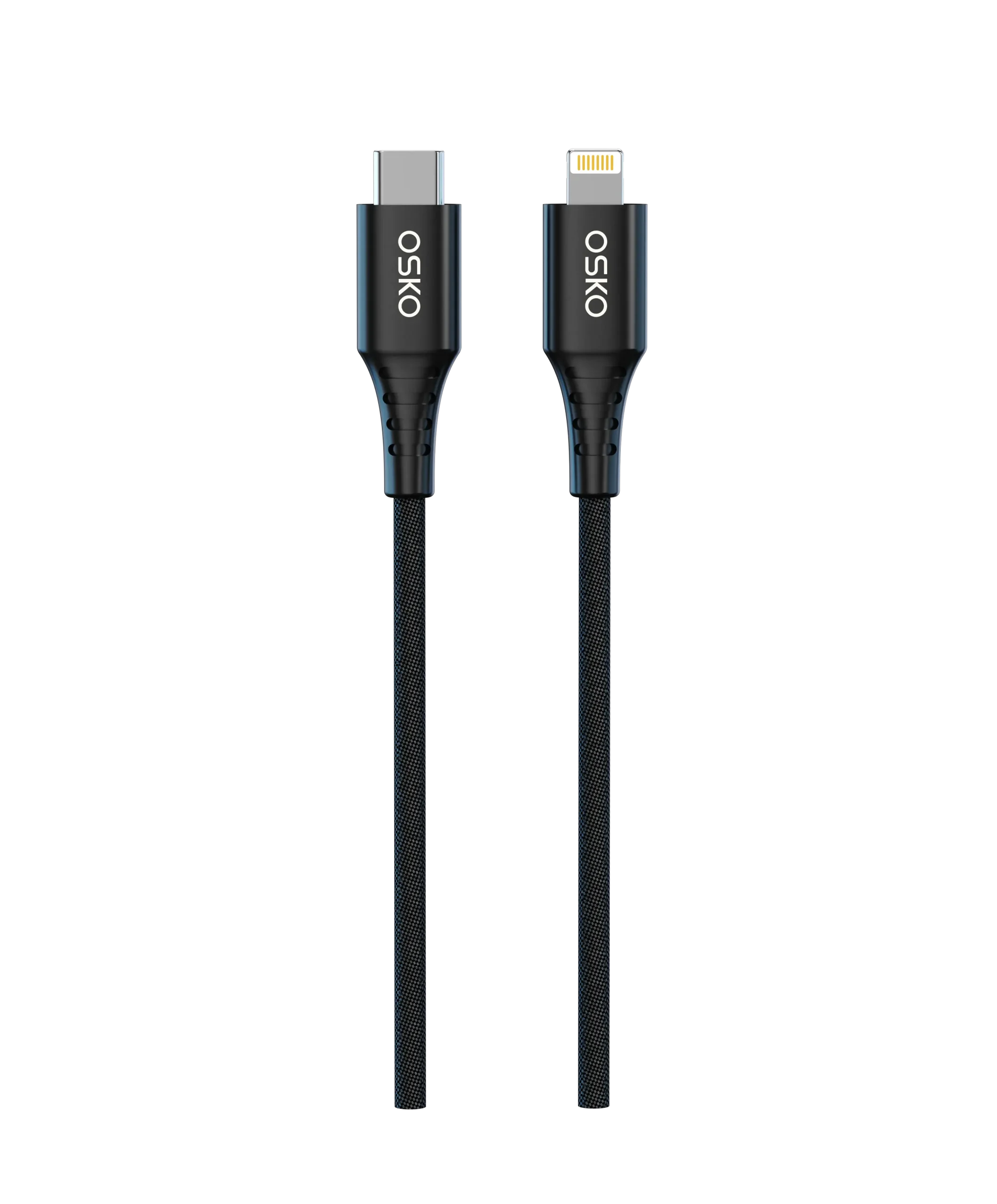
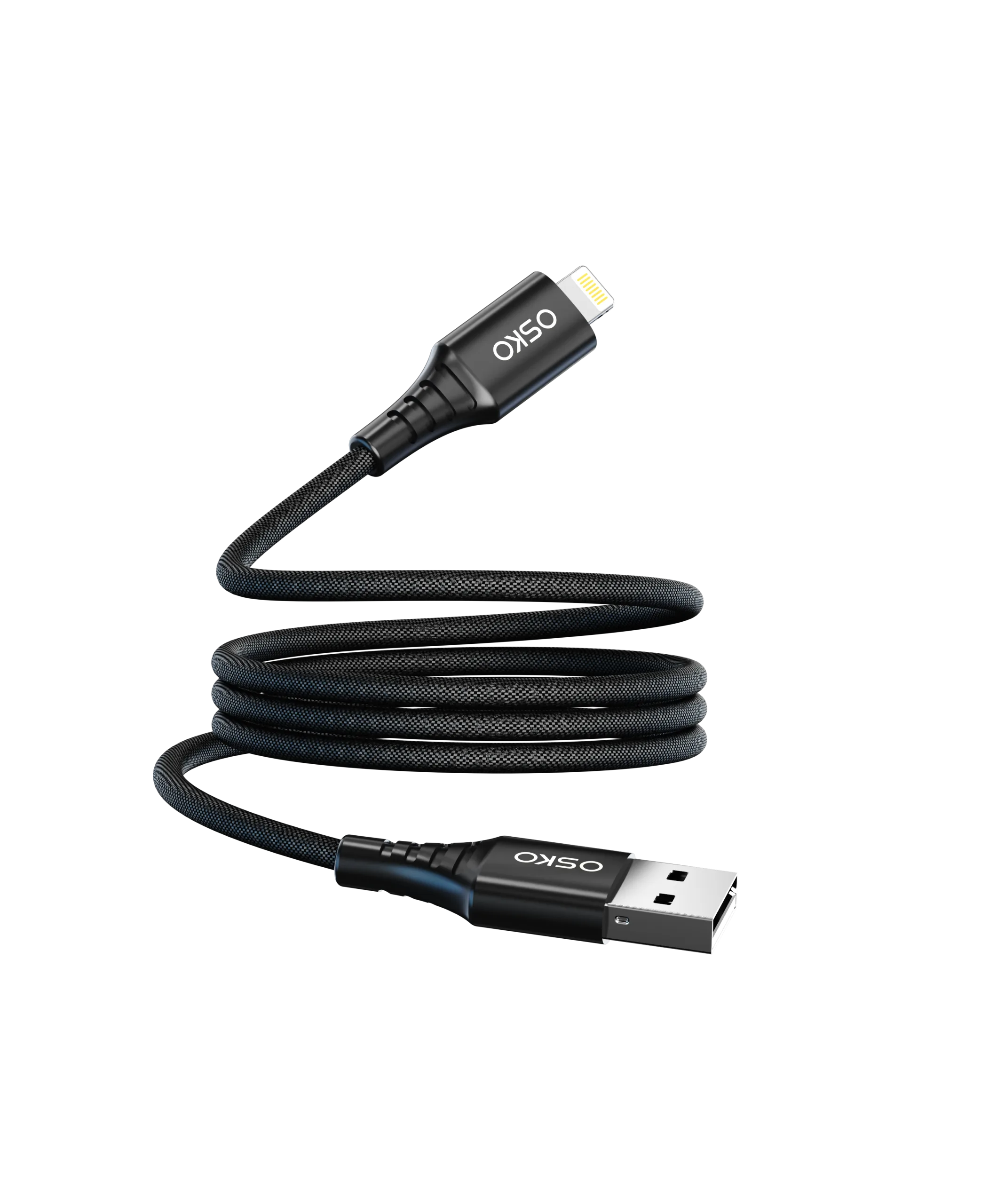
| USB-C to Lightning cable | Apple legacy devices |
| USB4 USB-C cable | High-speed data and video |
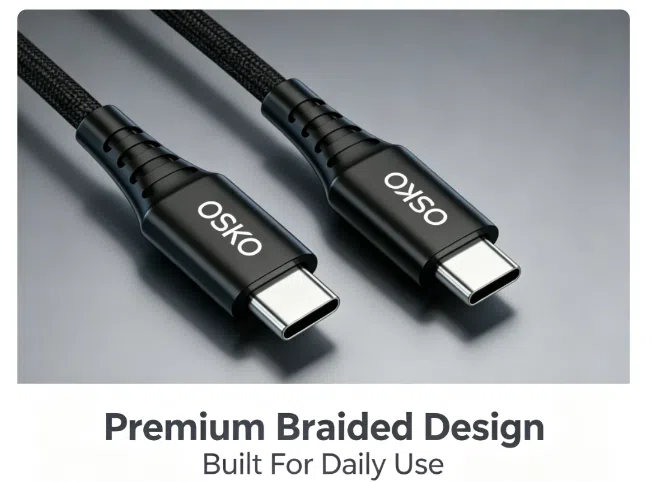
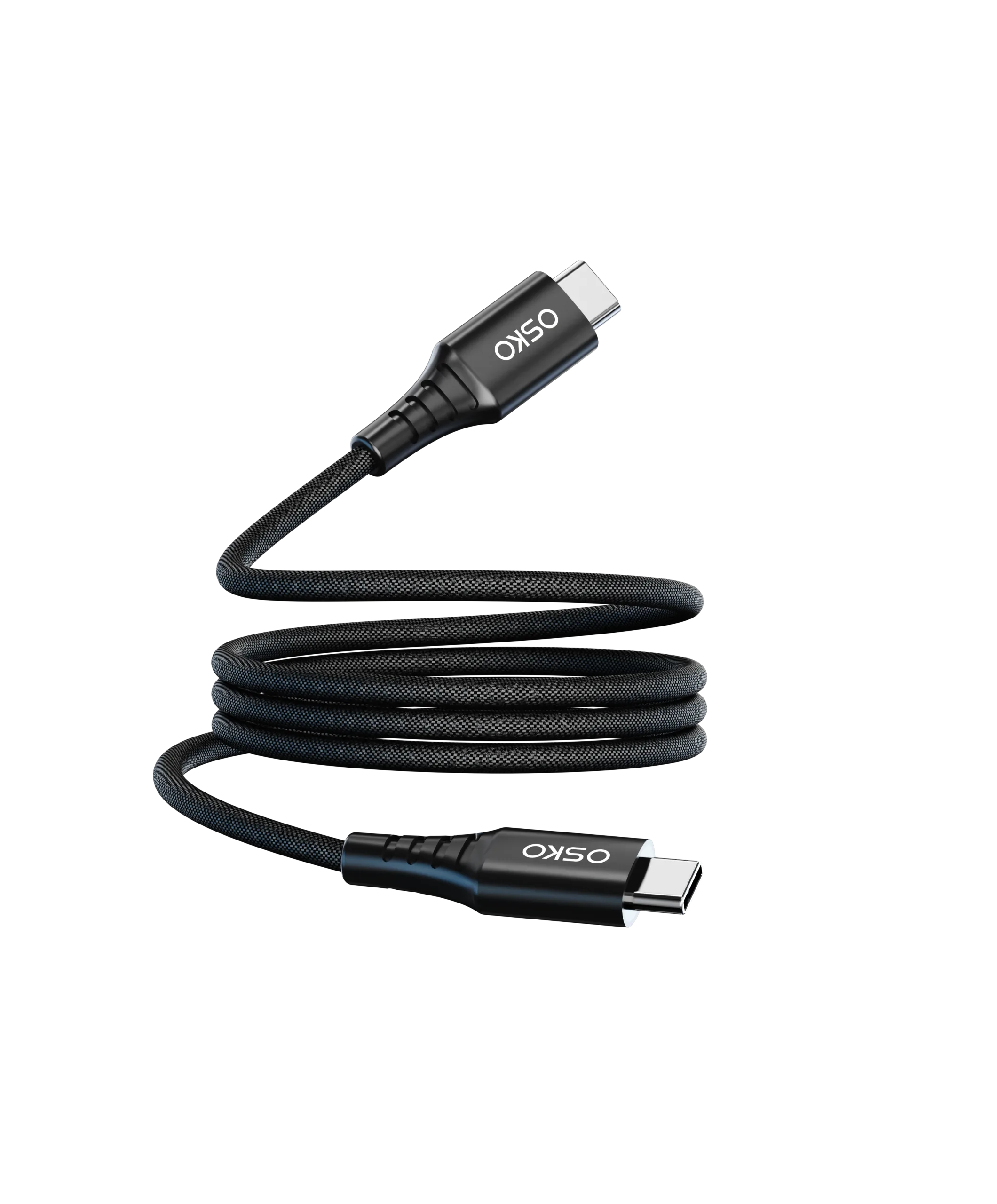
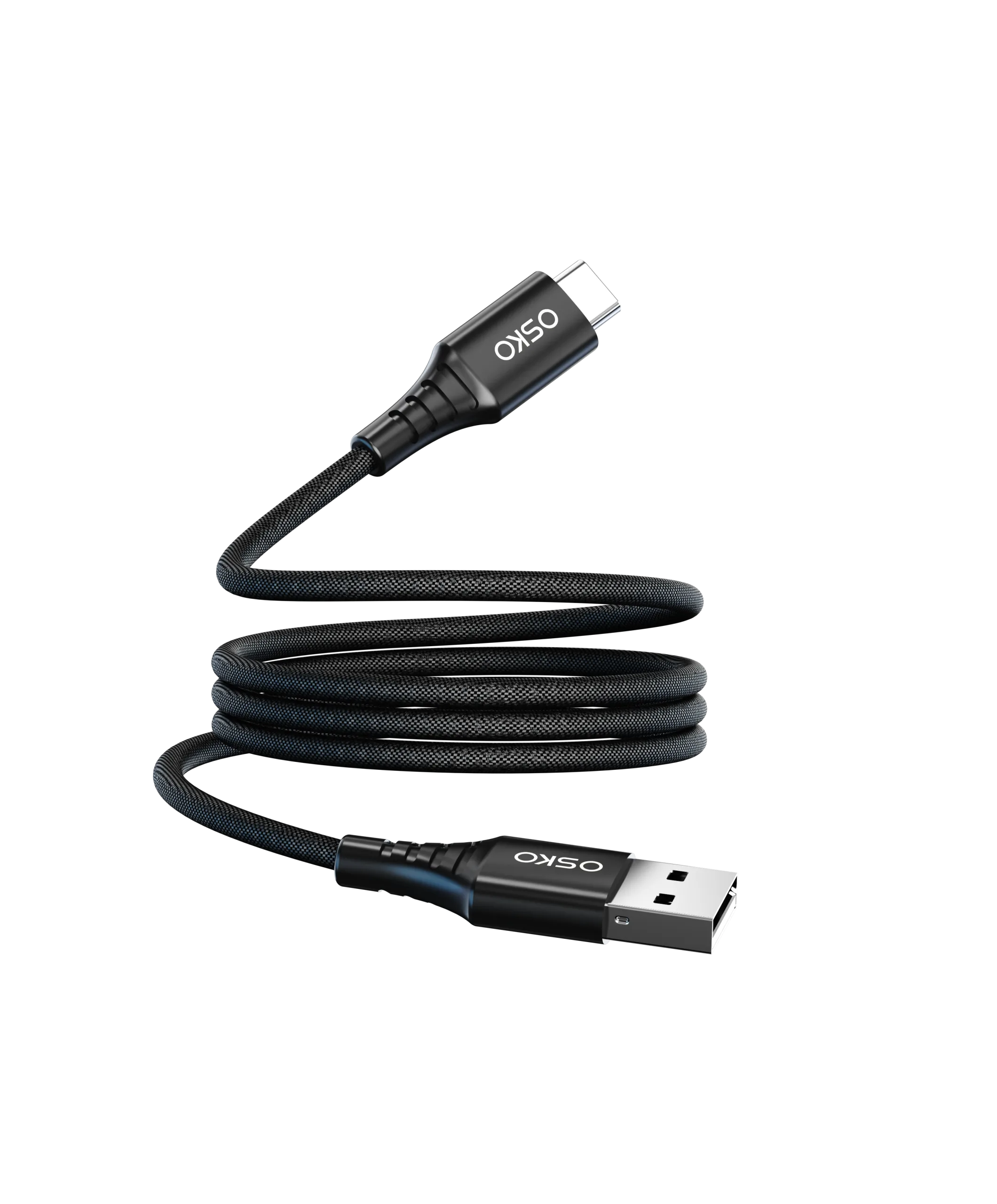
| Braided USB-C cable | Premium retail products |
Power Requirements and USB-C PD Design
Power capability is one of the most important factors in custom USB-C cable development.
60W USB-C Cable
Suitable for:
Smartphones
Tablets
Small laptops
Advantages:
Lightweight design
Lower cost
High market demand
100W USB-C Cable
Designed for:
MacBook Pro
Windows laptops
Professional tablets
Docking systems
Requires:
Larger conductor design
Better heat control
Stable PD communication
240W USB-C Cable
The highest USB PD 3.1 power level.
Used for:
Gaming laptops
Workstations
High-performance devices
Requires:
E-marker chip
Advanced conductor structure
Strict safety testing
Brands developing premium products often choose:
White label 240W fast charging cable wholesale
solutions for high-value markets.
Material Selection for Custom USB-C Cables
Material selection affects:
Durability
Appearance
Cost
User experience
PVC USB-C Cable
PVC is commonly used for:
Large-volume retail products
Promotional accessories
Cost-focused markets
Advantages:
Lower manufacturing cost
Stable production
Easy customization
TPU USB-C Cable
TPU provides:
Better flexibility
Improved bending resistance
Higher durability
Applications:
Travel cables
Daily-use accessories
Nylon Braided USB-C Cable
Nylon braiding is popular for premium products.
Benefits:
Better abrasion resistance
Reduced tangling
Premium appearance
Longer service life
Brands often choose:
Durable nylon braided Type C charging cable factory
solutions for retail positioning.
Connector Customization and Engineering
The USB-C connector is a critical component affecting reliability.
Custom connector options include:
Standard USB-C housing
Aluminum alloy shell
Custom color connector
Logo printing
Right-angle design
Right-Angle USB-C Cable Design
Right-angle connectors are increasingly used in:
Gaming setups
Car applications
Desktop charging
Advantages:
Reduced cable bending stress
Better space management
Improved user experience
Common products include:
Braided right angle USB-C cable wholesale
solutions.

Custom USB-C Cable Manufacturing Process
A professional factory follows a structured production process.
Engineering Review
The manufacturer evaluates:
Product requirements
Power specification
Cable structure
Material selection
Testing requirements
Engineering validation helps prevent production problems.
Prototype Development
Before mass production, factories create samples.
Prototype evaluation includes:
Appearance review
Charging test
Compatibility test
Durability inspection
Brands can confirm:
Cable feel
Connector design
Packaging appearance
Material Preparation
Production begins after approval.
Materials include:
Copper wire
Insulation materials
Braiding materials
Connectors
Chips
Packaging components
Cable Assembly Production
The manufacturing process includes:
Wire processing
Insulation extrusion
Core assembly
Shielding
Braiding
Connector installation
Injection molding
Testing and Quality Control
Every custom USB-C cable project requires testing.
Important tests include:
| Test | Purpose |
|---|---|
| Continuity test | Verify internal wiring |
| Resistance test | Check electrical performance |
| PD charging test | Confirm power delivery |
| Data test | Verify transfer speed |
| Bending test | Evaluate durability |
| Tensile test | Check mechanical strength |
| Temperature test | Monitor heat performance |
Certification Requirements for Global Markets
Brands selling internationally need compliance support.
Common certifications include:
| Certification | Purpose |
|---|---|
| USB-IF | USB specification compliance |
| CE | European safety |
| RoHS | Material restrictions |
| FCC | US electronic requirements |
| ISO9001 | Manufacturing quality system |
Professional suppliers may provide:
USB-IF compliant Type C cable manufacturer
CE RoHS certified 240W USB C cable
FCC approved nylon braided USB C cable supplier
Case Study
North American Electronics Brand Launches Private Label USB-C Cable Series
Customer Background
A US consumer electronics brand wanted to create its own branded charging accessory line.
The product range included:
Smartphone charging cables
Laptop charging cables
Travel accessories
Desktop charging solutions
The company required:
Custom logo
Premium materials
Multiple cable lengths
Retail packaging

Customer Challenges
The brand previously sourced generic products.
Main problems:
Limited customization options
Inconsistent quality
No engineering support
Difficult certification management
The company needed a manufacturing partner capable of full product development.
OSKO Solution
OSKO provided a complete custom manufacturing solution.
| Customer Requirement | OSKO Solution |
|---|---|
| Premium appearance | Nylon braided structure |
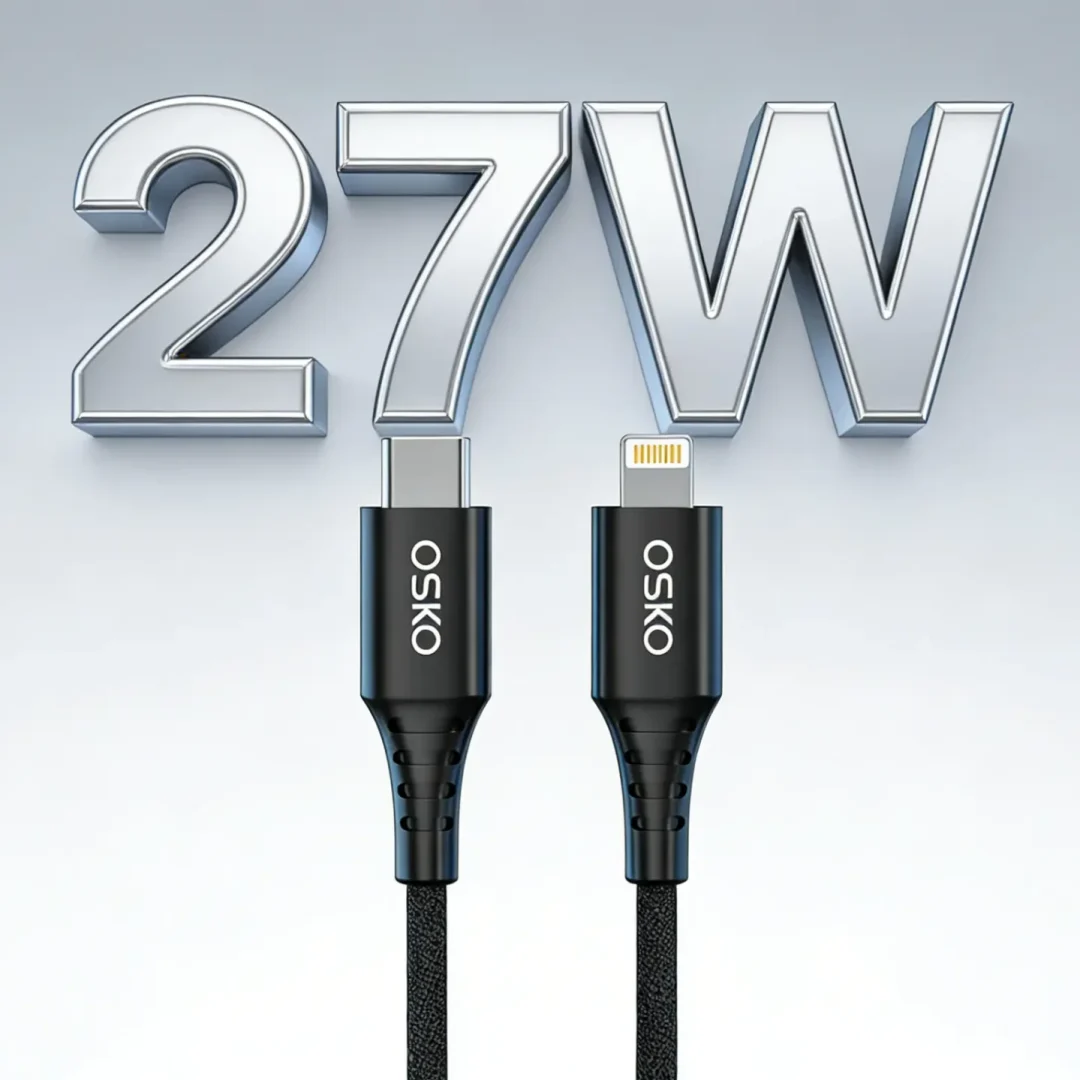
| Fast charging | 60W / 100W / 240W options |
| Brand identity | Custom logo and packaging |
| Reliability | Full factory testing |
| Market compliance | Certification support |
The project covered:
ODM USB cable development
Private label USB-C cable
Bulk custom color braided charging cables
Custom packaging braided charging cable factory
Selection Guide
How Brands Choose a Custom USB-C Cable Manufacturer
Evaluate Engineering Capability
A reliable manufacturer should provide:
Product design support
Material recommendations
Prototype development
Testing capability
Review Production Capability
Important factors include:
Factory equipment
Quality control process
Monthly production capacity
Experience with international markets
Consider Customization Options
Brands should evaluate:
| Custom Feature | Available Options |
|---|---|
| Length | 0.5ft / 3ft / 6ft / 10ft |
| Material | PVC / TPU / Nylon braid |
| Color | Custom colors |
| Logo | Printing or molding |
| Packaging | Retail packaging |
Examples include:
Bulk custom 6ft 10ft USB-C cables
Bulk short 0.5ft braided Type C cables OEM
ODM custom length USB C cables
FAQ
What is custom USB-C cable manufacturing?
Custom USB-C cable manufacturing involves designing and producing cables according to a brand’s specifications, including materials, power rating, length, appearance, and packaging.
Can brands customize USB-C cable colors and logos?
Yes. Manufacturers can customize:
Cable colors
Connector appearance
Logo printing
Packaging design
What is the difference between OEM and ODM USB-C cables?
OEM production follows the customer’s design specifications, while ODM includes manufacturer-supported design and engineering development.
How long does custom USB-C cable production take?
Production time depends on:
Design complexity
Sample approval
Material availability
Order quantity
What certifications should custom USB-C cables have?
Depending on the target market:
USB-IF
CE
RoHS
FCC
ISO9001
Summary
Custom USB-C cable manufacturing requires a combination of engineering expertise, material knowledge, production capability, and quality control.
A successful product development process includes:
Specification planning
Material selection
Prototype testing
Manufacturing control
Certification compliance
Packaging customization
For brands developing:
OEM USB-C cables
Private label charging cables
Wholesale USB-C products
Retail accessories
choosing an experienced USB-C cable manufacturer ensures reliable quality, scalable production, and stronger market competitiveness.
A professional manufacturing partner helps transform a basic charging cable into a customized product solution designed for global electronics markets.