
Introduction
A charging cable can look perfect when it leaves the package and still become unreliable after months of everyday use. Intermittent charging, loose connectors, damaged jackets and broken conductors are common reasons consumers replace USB cables.
For retailers, wholesalers, distributors and private-label brands, these failures create a larger problem: returns, warranty claims, negative reviews and lost repeat business.
That is why choosing a durable USB cable manufacturer is about much more than comparing the lowest unit price. Cable durability depends on conductor construction, insulation, shielding, connector design, strain relief, jacket materials, manufacturing consistency and mechanical testing.
A professionally engineered durable USB cable should maintain both mechanical integrity and electrical performance throughout its expected service life. For brands selling into the United States, Germany, Australia and the Netherlands, this becomes particularly important when cables are marketed as fast charging, heavy-duty, travel-ready or premium products.
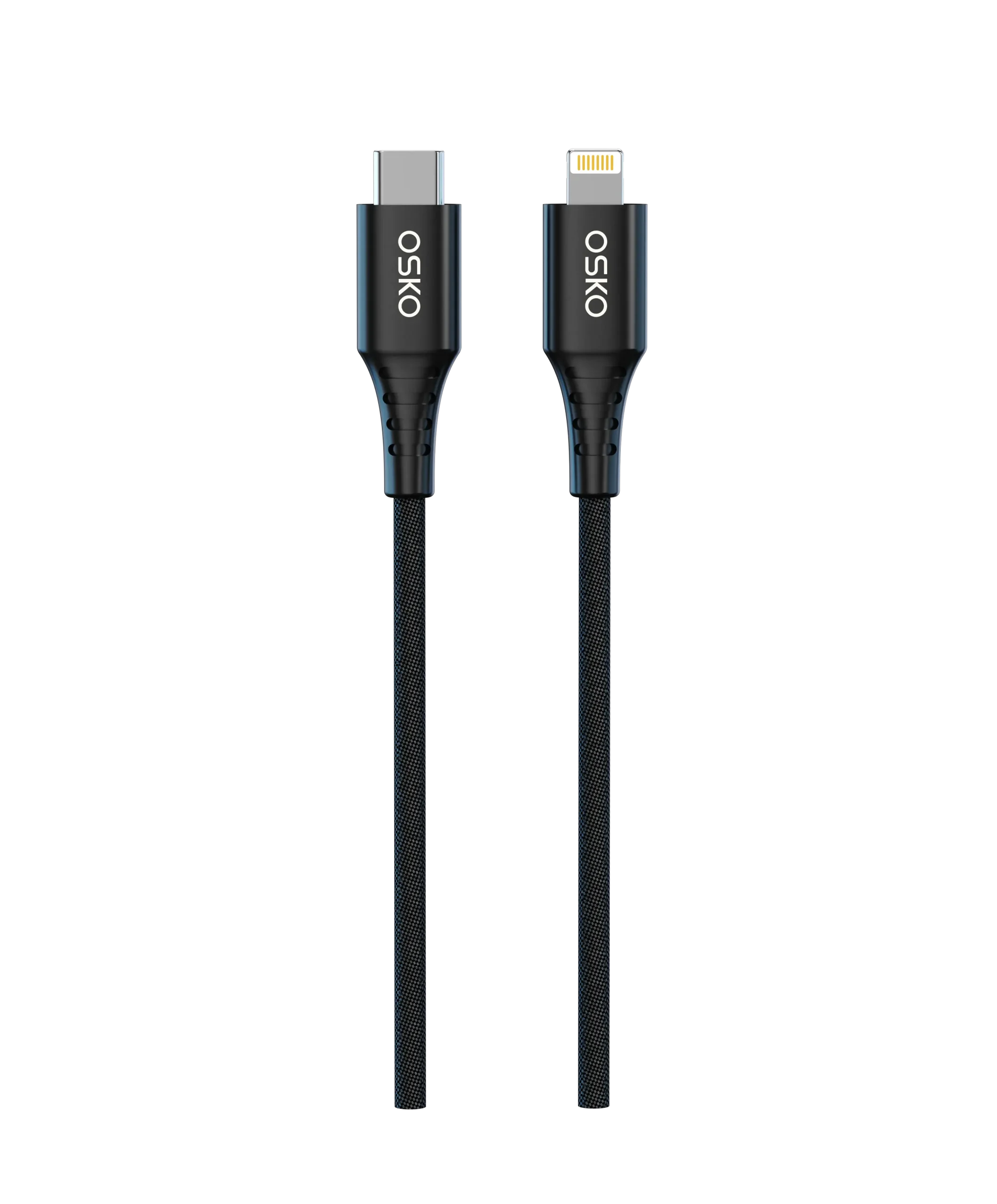
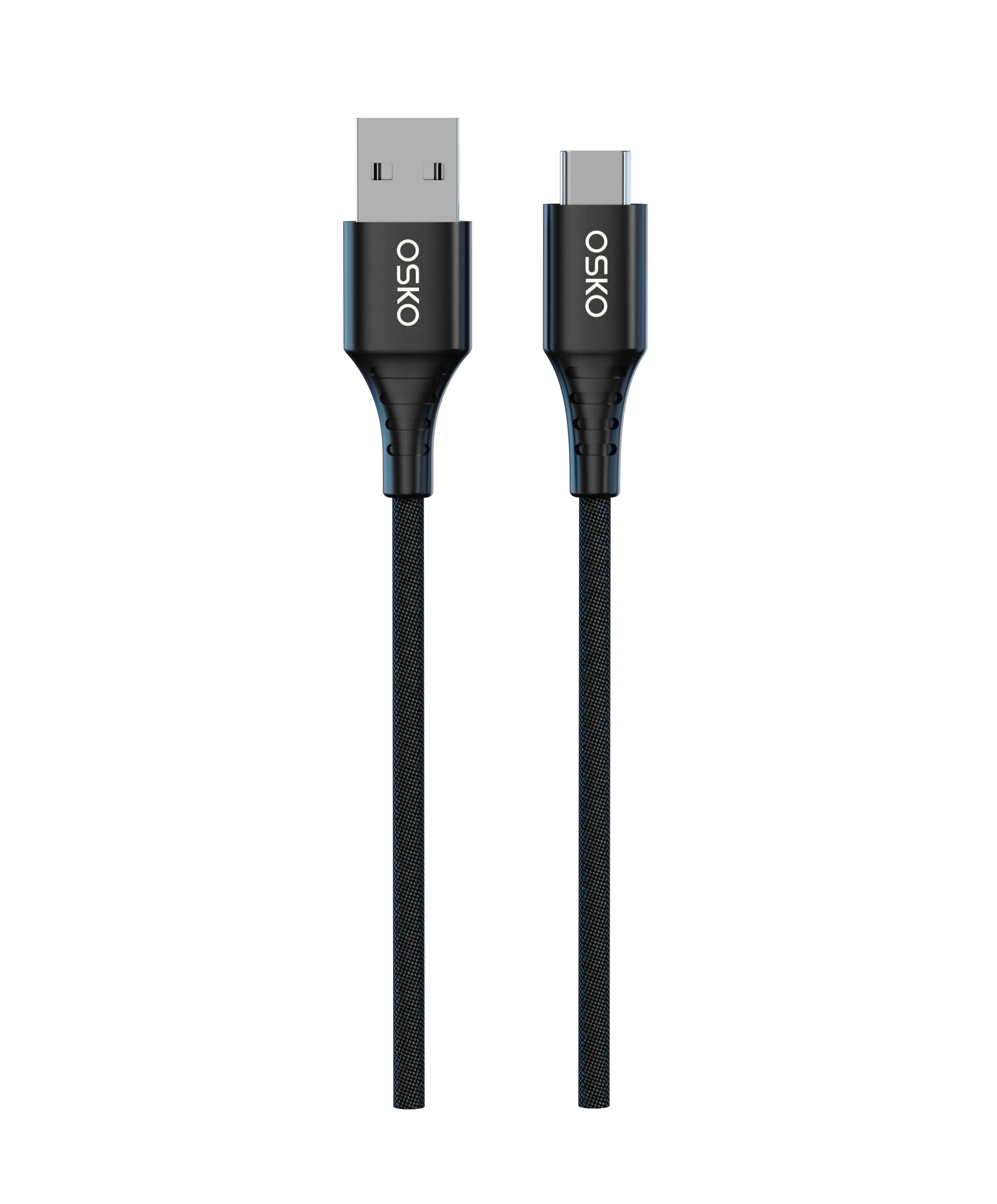
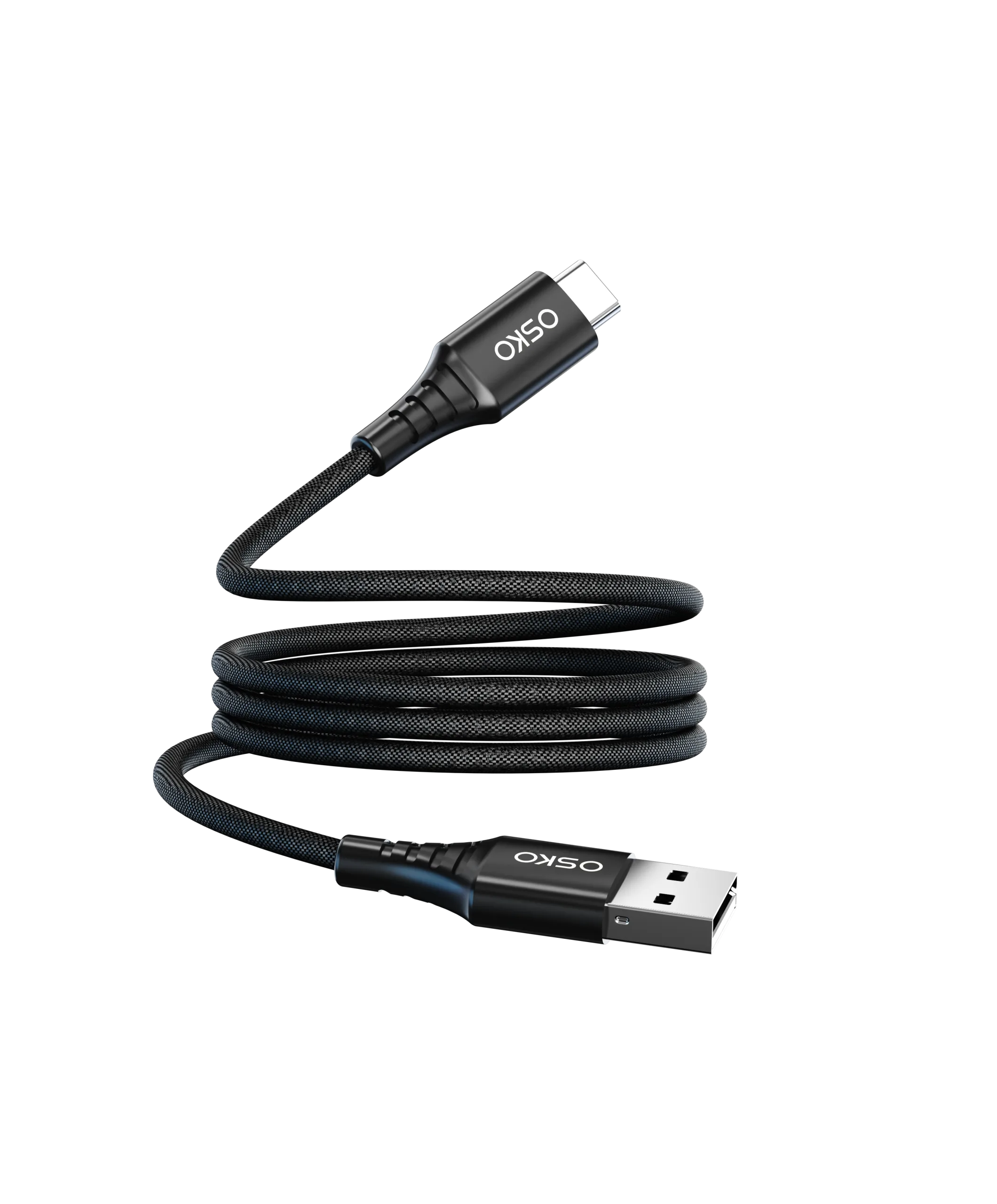
OSKO provides OEM and ODM USB cable manufacturing for brands, wholesalers, distributors and other buyers looking for consistent production quality, customized designs and private-label charging cable solutions.
Where Durable USB Cables Are Used
The correct cable construction depends on the application. A cable designed for occasional home charging does not necessarily need the same mechanical design as one used in a vehicle, retail environment or professional workplace.
Retail Charging Cables
Retail customers commonly look for a combination of:
Long service life
Reliable charging
Fast charging compatibility
Flexible construction
Tangle resistance
Attractive appearance
Good value
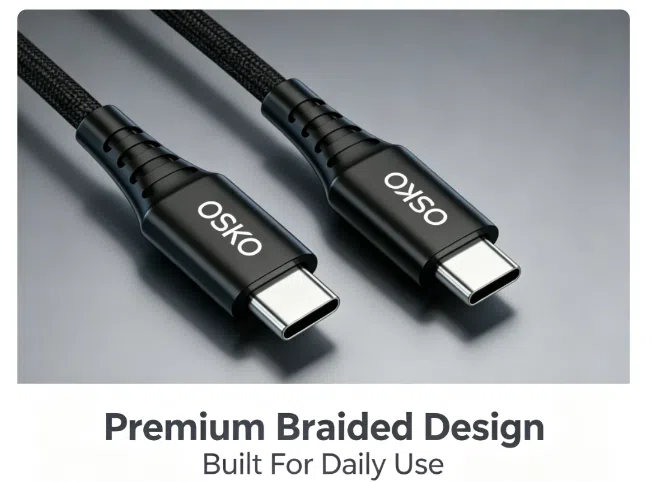
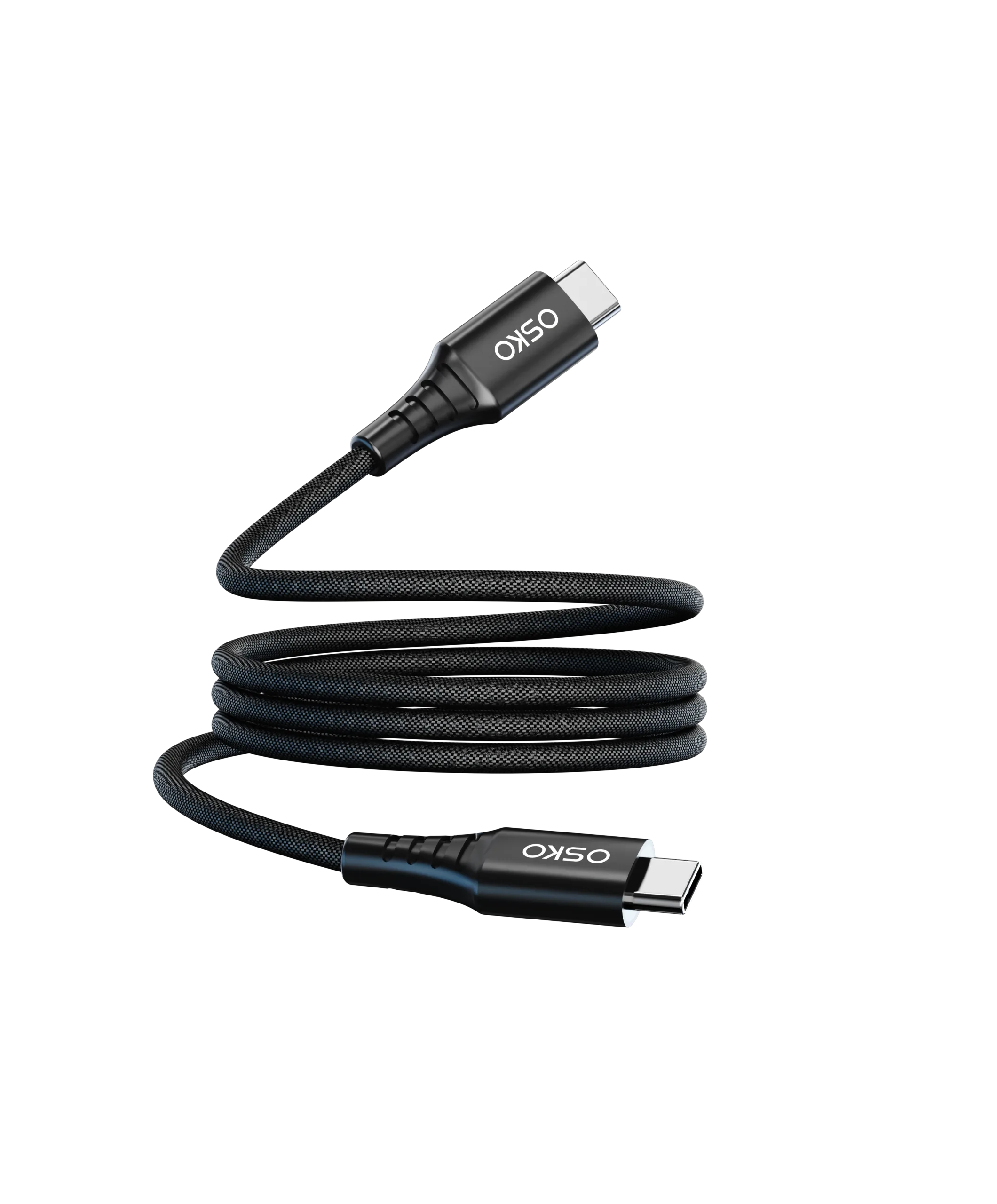
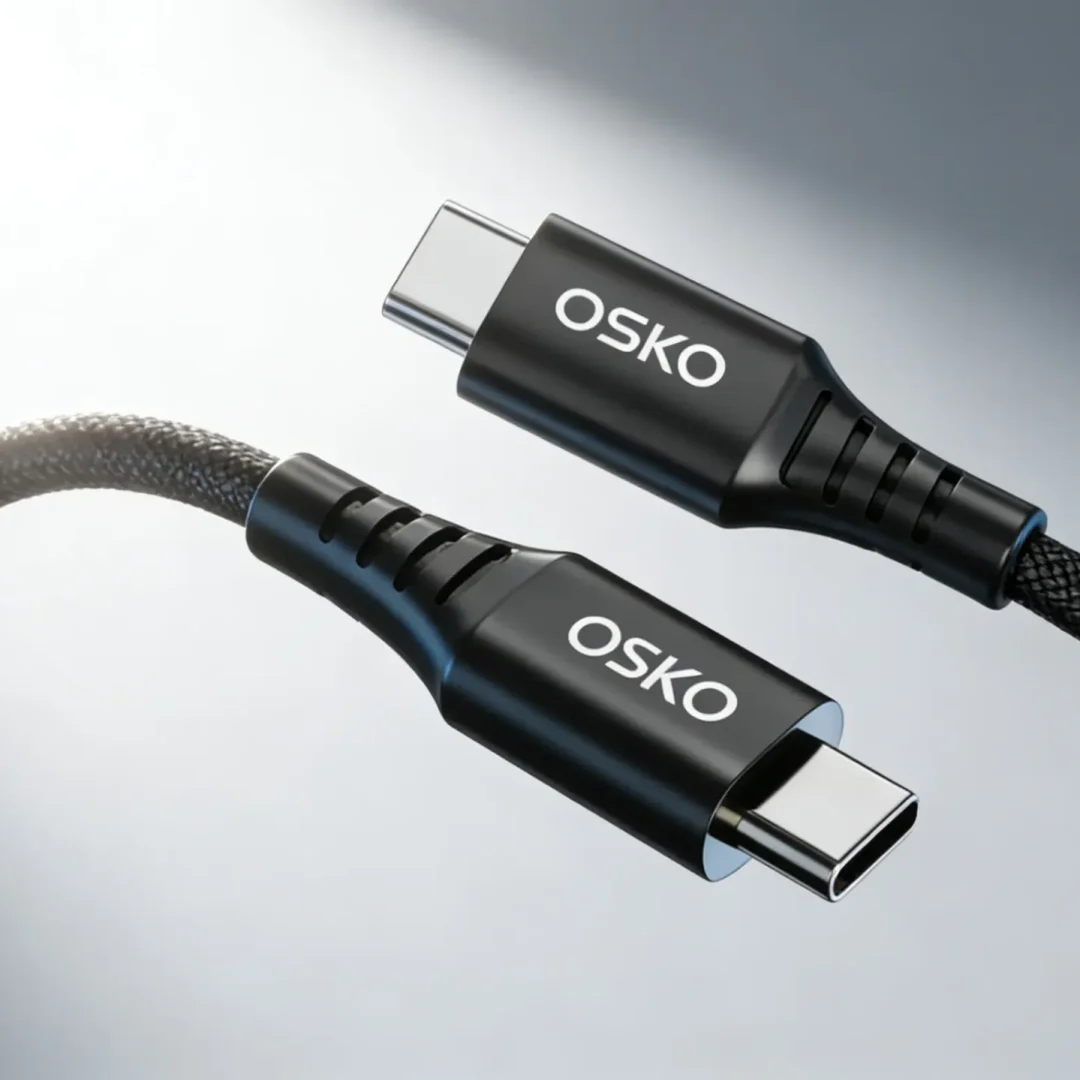
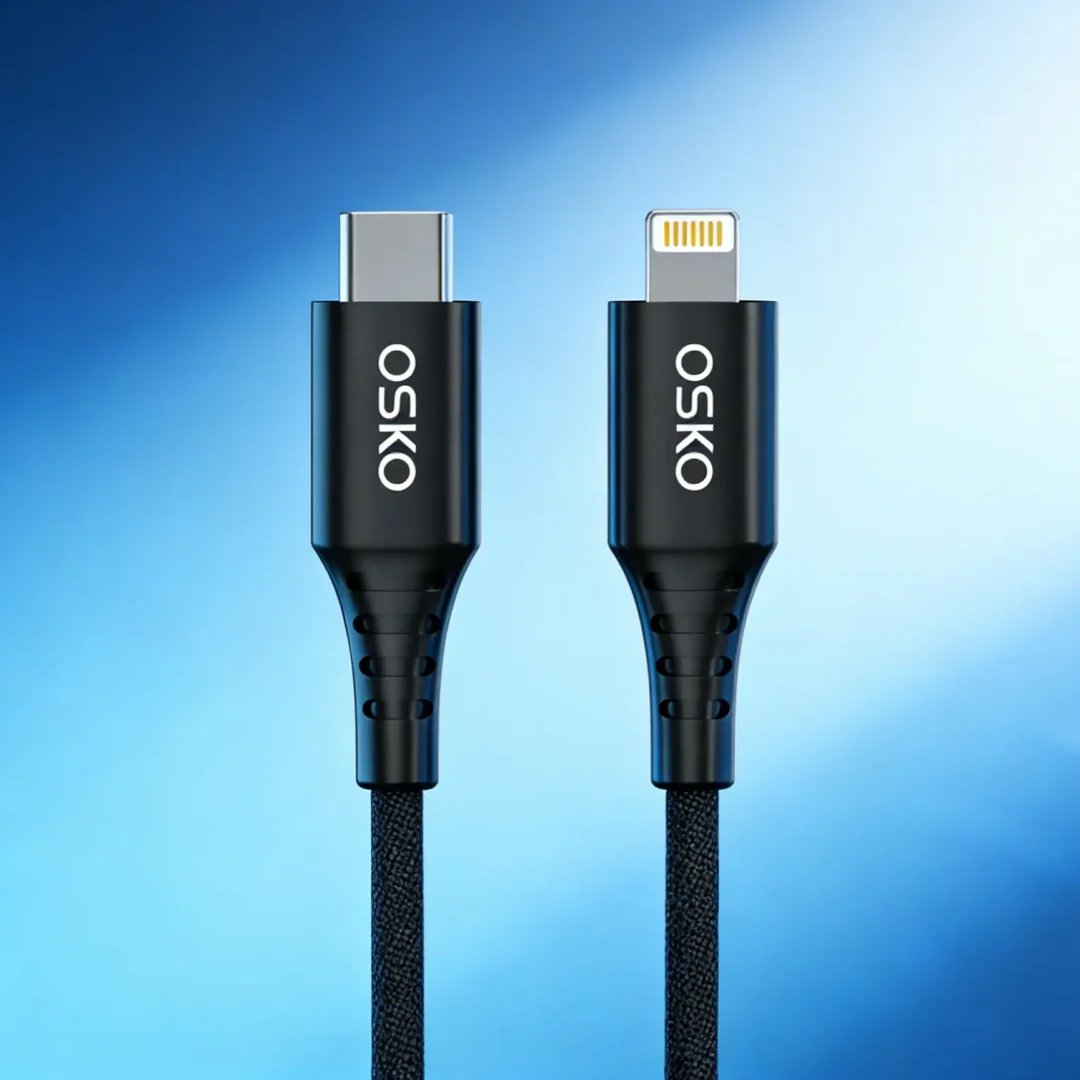
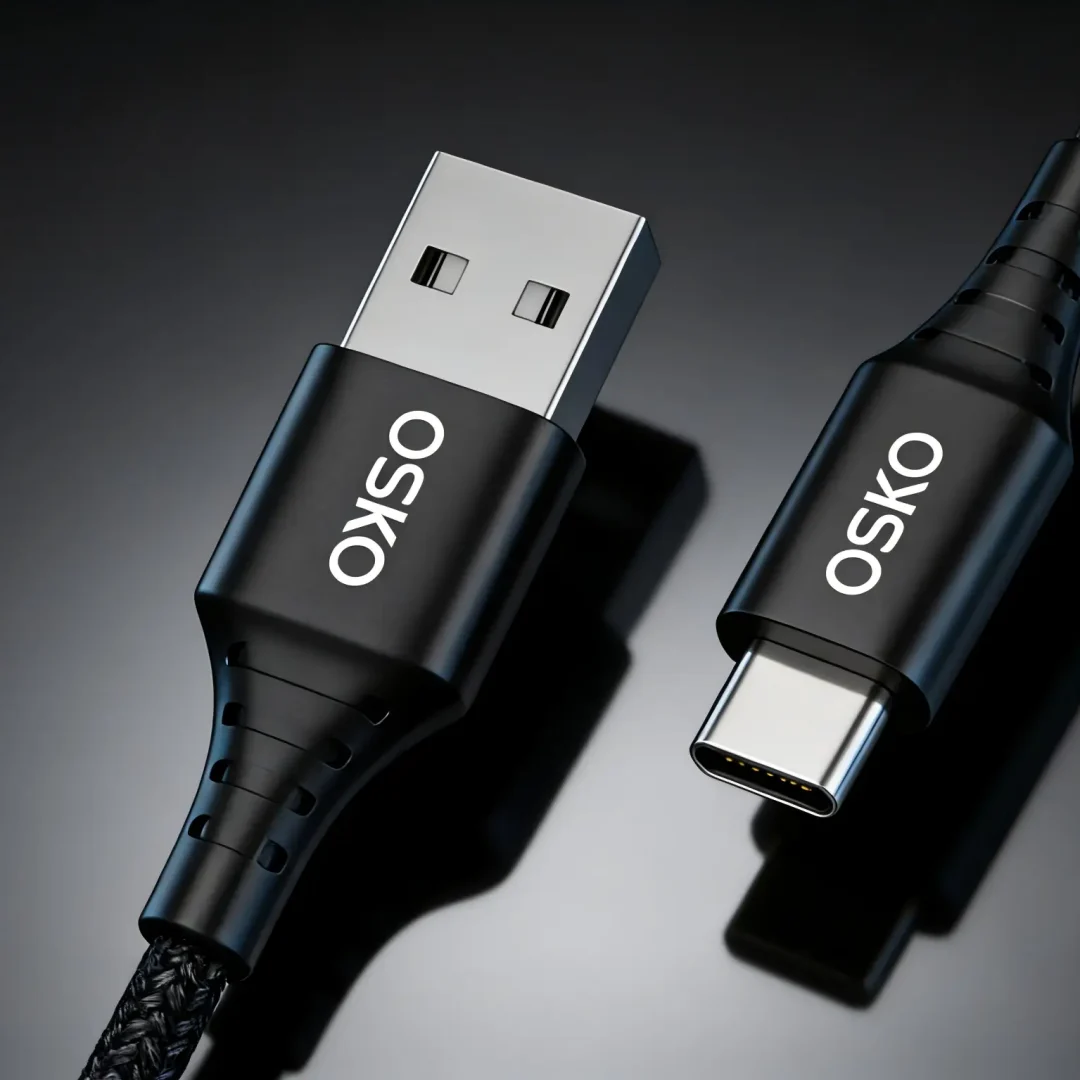
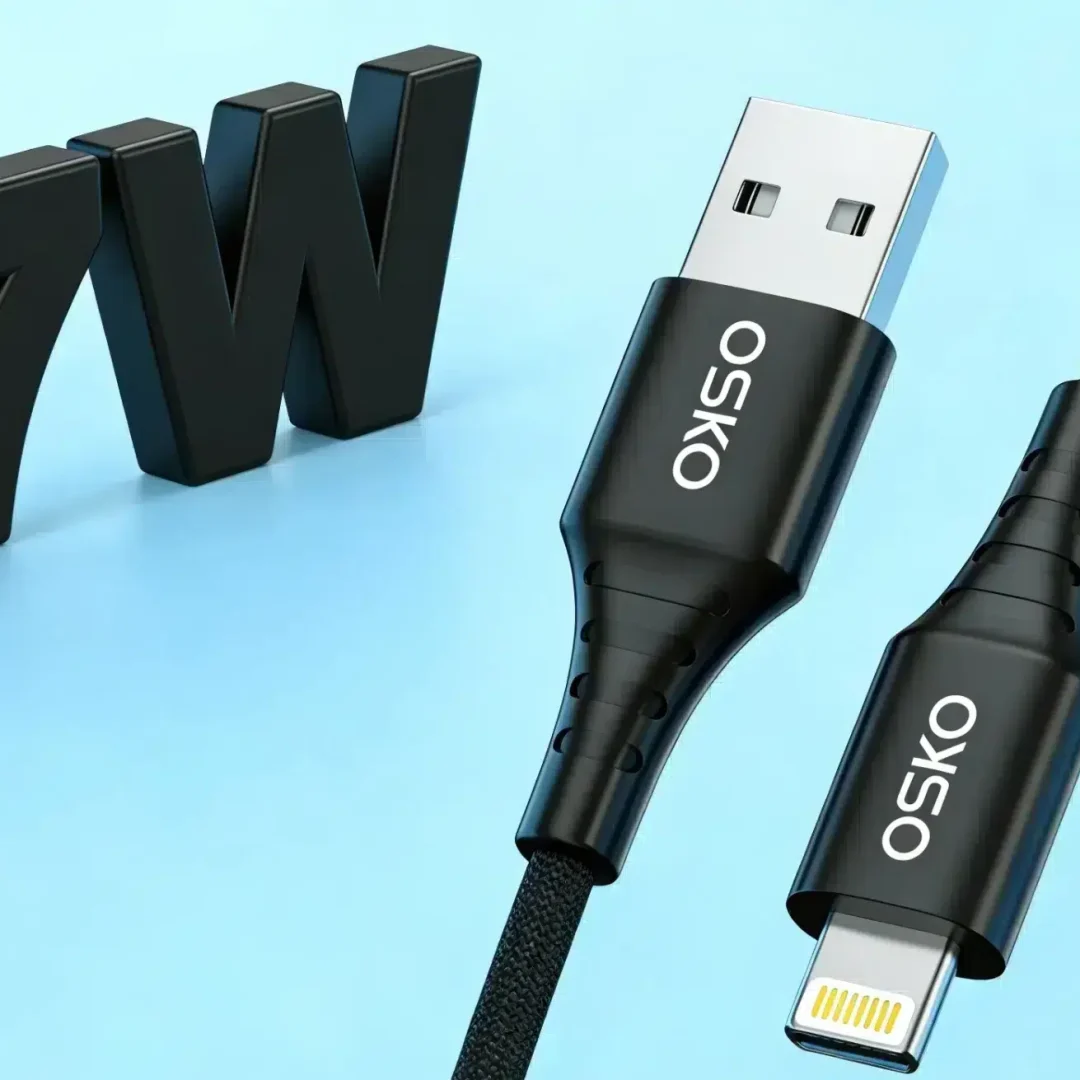
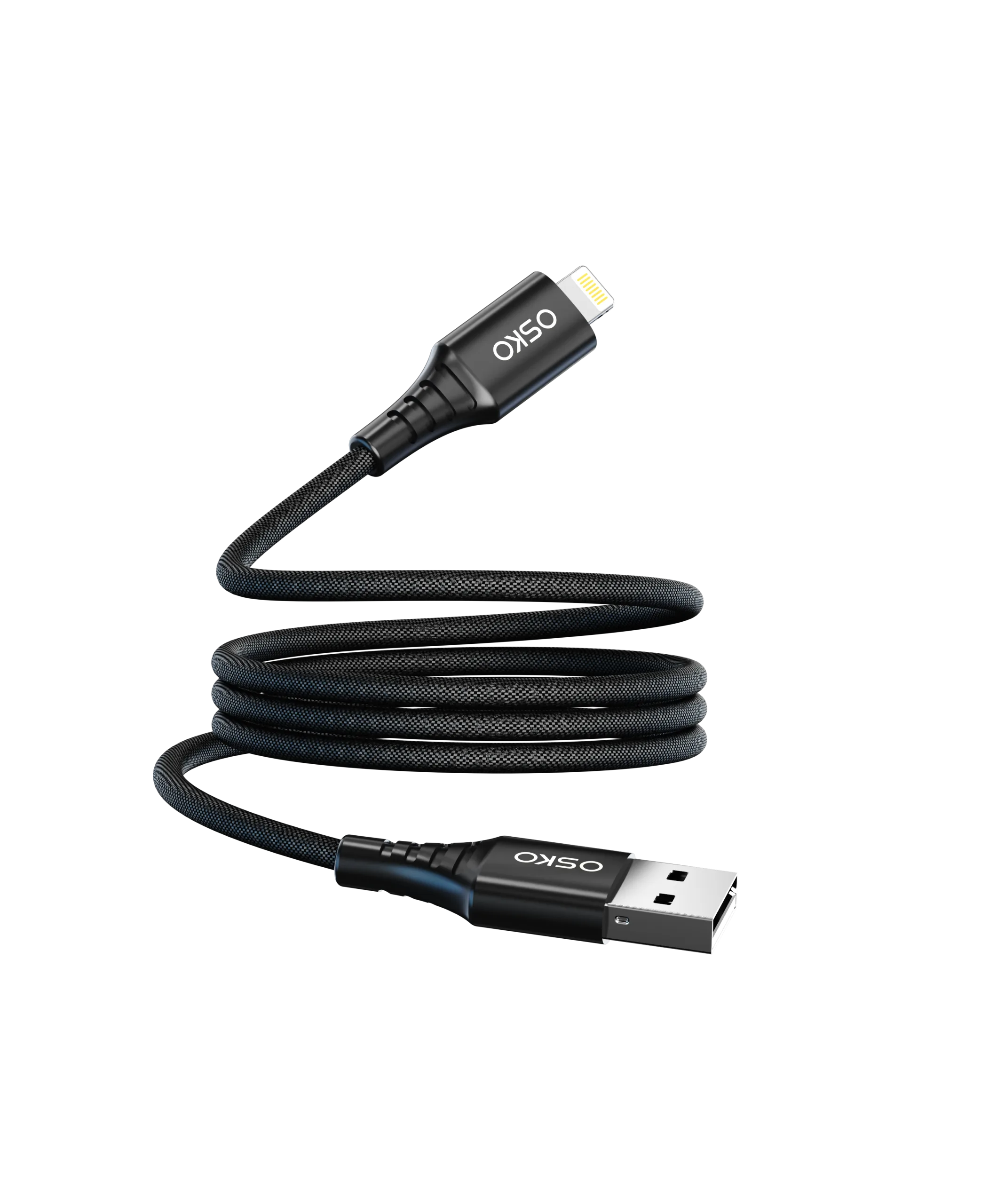
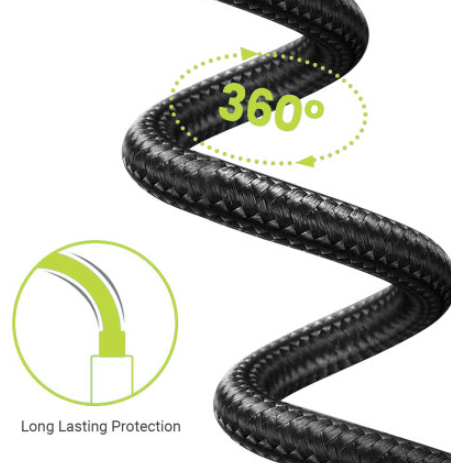
This is one reason nylon braided USB cables remain popular in consumer electronics. The braided jacket can provide better abrasion resistance and a more premium appearance than many basic PVC constructions.
For retailers and online sellers, the product presentation also matters. A durable cable with reinforced connectors and a high-quality finish can support a higher perceived product value.
Travel and Portable Charging
Travel cables are exposed to repeated packing, bending and pulling.
A typical travel cable may be:
Rolled into a bag
Folded around a charger
Connected and disconnected several times a day
Stored in tight spaces
Exposed to different temperatures
For this application, buyers should evaluate bend performance, jacket flexibility and connector strain relief rather than judging quality by cable thickness alone.
Desk and Office Charging
Office environments often involve frequent connection and disconnection between:
Smartphones
Tablets
Laptops
USB hubs
Docking stations
Power adapters
A long-life USB-C cable for desk use needs a balanced combination of flexibility, connector strength and electrical performance.
Automotive Applications
Car charging creates another set of engineering challenges.
Cables used inside vehicles can experience:
Continuous vibration
Repeated movement
Temperature changes
Limited storage space
Frequent plugging and unplugging
For automotive charging and CarPlay-related applications, connector fit, cable flexibility and strain relief should be considered together.
OEM and Wholesale Cable Programs
For wholesalers and private-label brands, durability affects the entire commercial lifecycle of the product.
A failed cable can result in:
Product return → replacement cost → customer service workload → negative review → reduced repeat purchase
For this reason, procurement teams often evaluate a supplier’s testing procedures and manufacturing consistency alongside the initial quotation.
What Makes a USB Cable Durable?
There is no single component that determines cable lifespan.
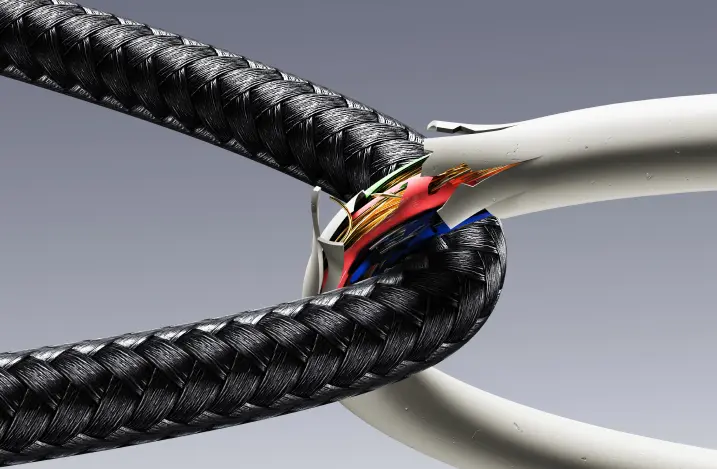
A reliable charging cable is the result of several engineering elements working together.
| Component | What Buyers Should Evaluate |
|---|---|
| Conductors | Copper quality, strand construction and resistance |
| Insulation | Electrical protection and flexibility |
| Shielding | EMI control where applicable |
| Connector | Contact quality and mechanical strength |
| Strain relief | Stress distribution at connector transitions |
| Jacket | Abrasion resistance and flexibility |
| Manufacturing | Assembly consistency and process control |
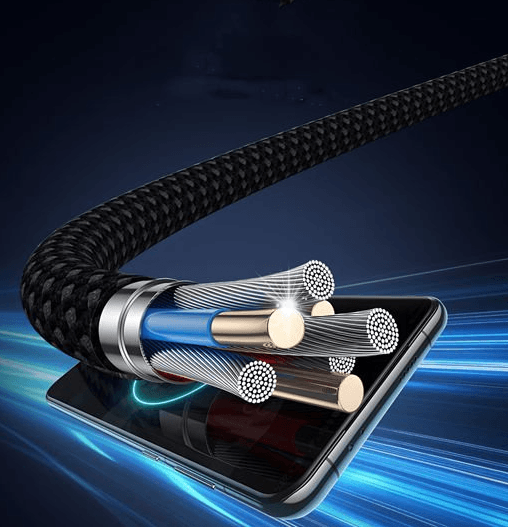
| Testing | Bend, pull, electrical and functional testing |
This is why experienced buyers should evaluate the complete cable construction rather than choosing a product based only on appearance or advertised wattage.
Conductor Quality and Electrical Reliability
The conductor is one of the most important internal components of a charging and data cable.
Common conductor constructions include copper-based multi-strand designs and tinned copper constructions for applications where additional environmental or mechanical considerations are required.
A properly engineered conductor system helps control:
Electrical resistance
Voltage drop
Heat generation
Current-carrying capability
Flexibility
Long-term mechanical reliability
Buyers should be careful with marketing terms such as “premium copper” or “oxygen-free copper.” The exact conductor specification, gauge, strand structure and electrical test results are more useful than a marketing label alone.
For a durable USB cable manufacturer, conductor selection should be matched to the cable’s intended power and data requirements.
Connector Design and Strain Relief
The connector transition is one of the highest-stress areas of a USB cable.
Every time a cable is bent close to the plug, mechanical force is transferred to the connector, solder joints and internal conductors.
Professional cable designs may use:
Extended strain relief
Flexible overmolding
Reinforced connector housings
Controlled bending transitions
Internal mechanical reinforcement
A good strain-relief design allows the cable to flex gradually instead of creating a sharp bending point immediately behind the connector.
For brands selling long-life USB-C charging cables, this area deserves particular attention during sample approval.
Cable Jacket Materials: PVC, TPE and Nylon
The jacket protects the internal structure from abrasion and everyday handling.
PVC Cable Jackets
PVC remains widely used because it is economical and relatively easy to manufacture.
Typical advantages include:
Competitive cost
Lightweight construction
Broad manufacturing availability
However, the performance of a PVC cable depends heavily on the formulation and construction.
TPE Cable Jackets
TPE can provide a softer and more flexible feel.
Typical characteristics include:
Good flexibility
Soft-touch feel
Suitable environmental performance
Comfortable everyday handling
TPE can be useful where flexibility and a smooth exterior are more important than a woven appearance.
Nylon Braided Jackets
Nylon braiding adds an additional textile layer around the cable.
Potential advantages include:
Better surface abrasion resistance
Improved resistance to everyday scuffing
Premium appearance
Good handling characteristics
Reduced tendency to feel sticky
However, a braided jacket alone does not make a cable waterproof. Water resistance depends on the complete construction, including insulation, connector sealing and tested enclosure design.
This distinction is important for buyers searching for a custom nylon braided USB cable manufacturer.
Why Nylon Braided USB Cables Are Popular
Braided USB cables have become particularly common in premium retail and private-label product lines.
The main reason is that the exterior construction combines practical durability with strong product presentation.
A high-quality braided cable can provide additional protection against:
Desk friction
Backpack abrasion
Repeated handling
Cable storage
Everyday bending
However, buyers should not assume that every braided cable has the same lifespan.
A strong textile jacket cannot compensate for weak conductors, poor soldering or inadequate strain relief.
The overall design matters.
Fast Charging and Cable Durability
Fast charging increases the importance of proper cable engineering.
A cable advertised for higher-power applications needs suitable conductors, connectors and overall construction for the intended electrical load.
For example:
| Typical Application | Cable Consideration |
|---|---|
| Smartphones | Current capability and connector compatibility |
| Tablets | Charging current and device compatibility |
| Laptops | USB-C power capability and cable specification |
| High-power notebooks | USB-C PD capability and appropriate cable design |
| Data + charging | Electrical performance and data specification |
Power capability should never be determined from the connector shape alone.
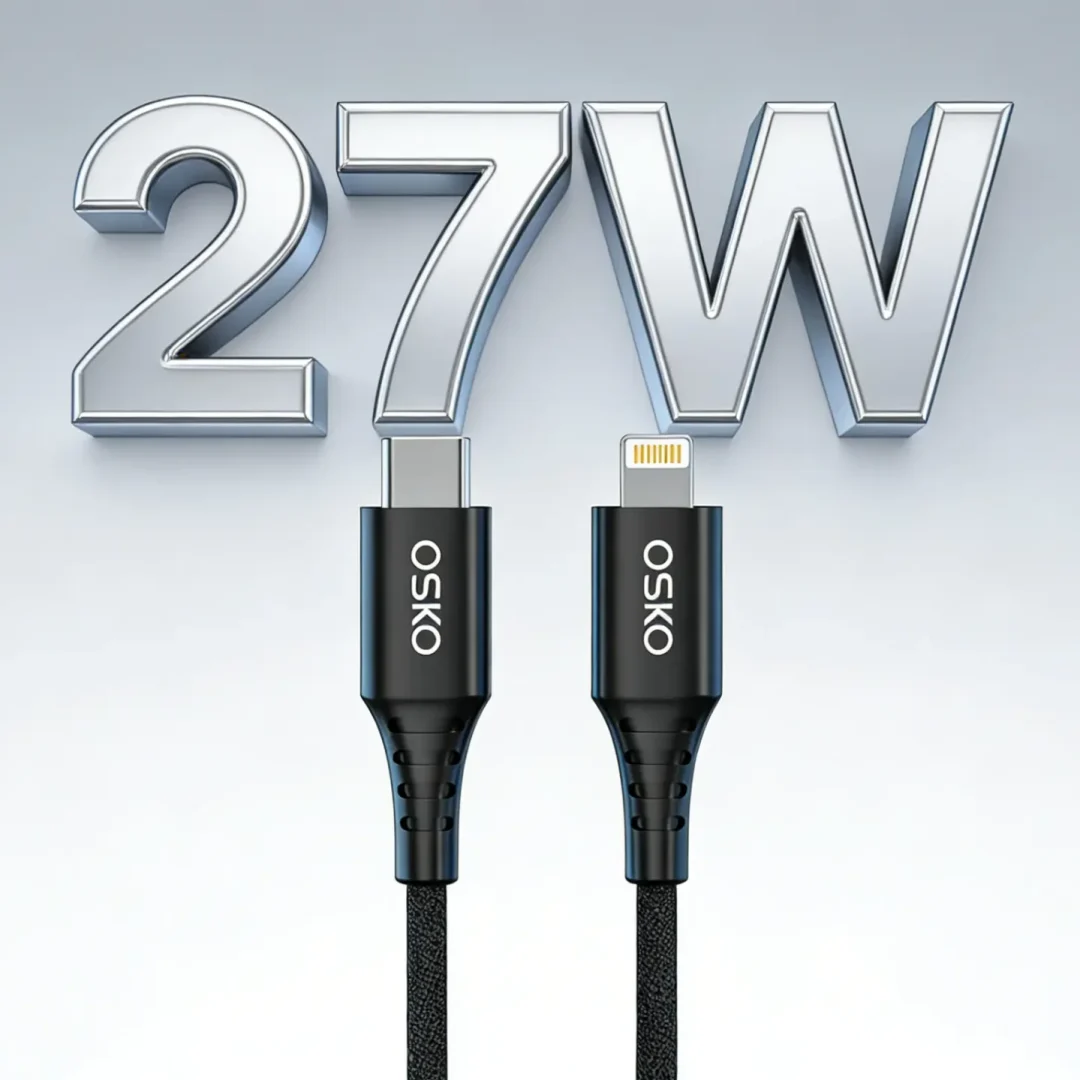
A USB-C connector does not automatically mean that a cable supports 100W or 240W. The actual charging capability depends on the cable design, current rating, USB Power Delivery implementation, source, charger and device.
For buyers sourcing fast charging USB cables wholesale, the correct approach is to request the actual electrical specifications and test documentation for the intended model.
E-Marker and High-Power USB-C Cables
E-Marker technology is relevant to certain USB-C cable implementations, particularly where the cable’s current or performance capabilities require electronic identification.
For high-power USB-C products, buyers should verify:
Rated current
Supported power capability
E-Marker implementation where applicable
USB specification
Connector configuration
Charging compatibility
Test documentation
This is especially important for buyers sourcing OEM USB-C charging cables for laptops and high-power devices.
A supplier should be able to explain why a particular cable uses an E-Marker rather than simply adding the term to a product description.
Manufacturing Processes That Improve Cable Lifespan
Durability is strongly influenced by manufacturing consistency.
A professional USB cable factory should have controlled production processes from conductor preparation through final inspection.
Precision Overmolding
Overmolding creates the transition between the connector and cable body.
Properly designed overmolding can improve:
Stress distribution
Connector retention
Mechanical protection
Everyday bend performance
The geometry and material formulation are both important.
Consistent Soldering and Assembly
Poor internal connections can cause intermittent charging or data failures even when the outside of the cable looks perfect.
Controlled assembly helps maintain:
Consistent electrical connections
Stable production quality
Lower defect rates
Better repeatability between batches
Pull Testing
Pull testing evaluates mechanical strength between the connector and cable assembly.
It can help identify weaknesses that may not be visible during a normal visual inspection.
Bend Testing
Bend testing simulates repeated movement around the connector transition.
Buyers should ask:
How many cycles were tested?
What test method was used?
What failure criteria were applied?
Was the entire cable tested or only a sample?
Was electrical performance checked after mechanical testing?
Claims such as “30,000 bends tested” are much more meaningful when the testing method and acceptance criteria are clearly defined.
How to Evaluate a Durable USB Cable Supplier
When comparing manufacturers, procurement teams should look beyond the sample price.
| Evaluation Area | What to Ask |
|---|---|
| Materials | What conductor, insulation and jacket materials are used? |
| Electrical | What power and data specifications are supported? |
| Mechanical | What bend and pull tests are performed? |
| Connector | How is strain relief reinforced? |
| QC | What inspections are performed during production? |
| Customization | Can the cable, color, logo and packaging be customized? |
| MOQ | What is the minimum production quantity? |
| Samples | Can pre-production samples be tested? |
| Compliance | What applicable test reports and declarations are available? |
| Production | Can the supplier maintain consistent quality at volume? |
For US and European buyers, documentation is particularly important. Do not assume that a supplier’s general company certification automatically applies to every individual cable model.
Certifications and Compliance Documentation
Compliance requirements vary according to product, market and sales channel.
Common documents buyers may encounter include:
| Documentation | Typical Relevance |
|---|---|
| CE | European market conformity requirements |
| RoHS | Restriction of certain hazardous substances |
| REACH | Chemical-related requirements in the EU |
| FCC | Relevant US electromagnetic compatibility requirements for applicable products |
| USB-IF | USB specification compliance or certification where applicable |
| ISO 9001 | Quality management system certification |
The important point for procurement is to verify that the documentation actually corresponds to the product being purchased.
For example, a factory having ISO 9001 certification does not automatically mean that every cable model is USB-IF certified.
A professional USB cable supplier should be able to provide appropriate documentation for the specific product and market.
Engineering Case Study: Private-Label Cable Program for a European Distributor
Customer Background
A European mobile-accessory distributor wanted to replace a low-cost charging cable with a more durable private-label product.
The cable was intended for retail distribution through electronics stores and online channels.
Initial Problems
The previous product had generated complaints related to:
Connector damage
Jacket wear
Intermittent charging
Inconsistent product quality between batches
The buyer needed a more stable product without turning the retail price into a premium-only proposition.
OSKO Engineering Approach
OSKO reviewed the intended application and focused on four areas:
Cable construction:
A braided outer jacket was selected to improve everyday abrasion resistance and product appearance.
Connector transition:
The strain-relief geometry was reinforced to reduce concentrated bending stress around the plug.
Electrical construction:
The conductor and cable structure were matched to the intended charging and data requirements rather than selecting specifications based only on marketing wattage.
Quality control:
Production inspection and mechanical testing were incorporated into the manufacturing process.
The project also included private-label packaging and customized branding.
Procurement Outcome
The buyer gained a cable platform designed around durability and repeatable manufacturing rather than simply replacing one low-cost cable with another.
For distributors, this type of engineering approach can help reduce the commercial impact of premature cable failures while creating a more consistent private-label product.
Durable USB Cable Buying Guide for Wholesale Buyers
Before placing a bulk order, ask your supplier these questions:
What is the actual cable specification?
Confirm connector type, cable length, conductor construction, power capability and data speed.
What testing has been completed?
Request bend, pull, electrical and functional test information where applicable.
Can I test samples before mass production?
For OEM projects, sample approval should normally happen before large-scale manufacturing.
Can the cable be customized?
Ask whether the manufacturer supports:
Logo printing
Cable color
Connector housing design
Cable length
Packaging
Private labeling
Custom specifications
What is the MOQ?
For custom OEM projects, MOQ may differ from standard stock products.
Can the manufacturer support repeat orders?
This is particularly important for wholesalers and distributors. Consistent materials and production specifications are critical when reordering the same SKU.
OEM, ODM and Private-Label USB Cable Manufacturing
A professional manufacturer can support different levels of customization.
OEM USB Cable
OEM production is suitable for brands that already have defined product requirements.
Typical customization may include:
Cable length
Color
Logo
Connector appearance
Packaging
Labeling
ODM USB Cable
ODM is more suitable when the buyer needs assistance developing the product itself.
The process may include:
Requirement analysis → engineering proposal → prototype → sample testing → production → quality inspection
This approach can be useful for brands launching a new charging cable range.
Private-Label USB Cables
Private labeling allows distributors and retailers to sell a manufacturer-developed cable under their own brand.
For buyers searching for a private label USB charging cable supplier, the key considerations are product consistency, packaging flexibility, MOQ, sample testing and long-term supply capability.
Why Buyers Should Not Choose a USB Cable by Price Alone
The lowest quotation does not necessarily represent the lowest total cost.
Consider the commercial cost of:
Product returns
Replacement shipments
Customer service
Negative reviews
Warranty claims
Retailer complaints
Lost repeat purchases
A slightly higher-quality cable may have a different total cost profile if it reduces failure-related expenses.
For this reason, professional procurement teams should compare total product value, not only unit price.
FAQ: Durable USB Cables and OEM Sourcing
What makes a USB cable durable?
Durability depends on the complete construction, including conductor quality, insulation, connector strength, strain relief, jacket material, assembly quality and mechanical testing.
Are nylon braided USB cables more durable than PVC cables?
A well-designed nylon braided cable can provide better surface abrasion resistance and a more robust exterior than many basic PVC constructions. However, the internal construction and connector design still determine overall reliability.
How many bends should a durable USB cable withstand?
There is no universal number that applies to every cable. Commercial products may be tested at different cycle counts, such as 10,000, 20,000 or 30,000+ cycles. Buyers should always ask for the test method and acceptance criteria.
Does a thicker USB cable mean better quality?
Not necessarily. A thicker cable can contain larger conductors or additional construction, but thickness alone does not prove better performance. Conductor quality, connector engineering and strain relief are more meaningful evaluation factors.
Can a durable USB cable support fast charging?
Yes. Durability and charging performance are separate engineering considerations, and a properly designed cable can combine both. Actual charging performance depends on the cable, charger, device and supported charging protocol.
Does every USB-C cable support 100W or 240W?
No. USB-C describes the connector family, not a universal power rating. Buyers should verify the cable’s actual power capability and applicable USB Power Delivery specifications.
Does a braided USB cable mean it is waterproof?
No. A braided exterior does not automatically provide waterproofing. Water resistance depends on the entire cable construction and must be supported by appropriate testing if an IP rating is claimed.
What should I ask a USB cable manufacturer before placing a bulk order?
Ask for the cable specification, conductor details, charging capability, data performance, connector design, test results, applicable compliance documentation, MOQ, sample availability and customization options.
Can a USB cable manufacturer make custom lengths and packaging?
Many OEM manufacturers can customize cable length, color, logo, packaging and other product details. The available options and MOQ should be confirmed for each project.
What is the difference between OEM and ODM USB cable manufacturing?
OEM generally means manufacturing to the buyer’s defined specifications, while ODM typically involves greater supplier participation in product development and engineering.
What MOQ is typical for custom USB cables?
MOQ varies according to cable design, customization, materials and packaging. Buyers should request a project-specific quotation rather than assuming that one MOQ applies to every model.
How can I test a USB cable before a large order?
Request production samples and test charging, data transfer, connector fit, flexibility and physical construction. For commercial projects, buyers can also request applicable laboratory or factory test documentation.
Summary: How to Choose a Durable USB Cable Manufacturer
A durable USB cable is the result of engineering rather than appearance alone.
For retailers, wholesalers, distributors and private-label brands, the most important factors include:
Conductor and insulation quality
Connector construction
Strain-relief design
Jacket material
Charging and data specifications
Mechanical testing
Production consistency
Applicable compliance documentation
OEM customization capability
For buyers in the United States, Germany, Australia and the Netherlands, a reliable durable USB cable manufacturer should be able to provide more than a competitive quotation. The supplier should understand the intended application, explain the technical specifications clearly, support sample testing and maintain consistent production quality for repeat orders.
OSKO focuses on OEM and ODM USB cable manufacturing for brands, wholesalers, distributors and retailers looking for durable charging cable solutions with customized branding and packaging.
Request OEM Durable USB Cable Solutions from OSKO
OSKO offers:
USB-C fast charging cables
Nylon braided charging cables
Custom cable lengths and colors
Private-label packaging
Wholesale cable solutions
Product samples for evaluation
For a custom project, buyers can provide the cable type, connector configuration, length, required power/data performance, quantity, logo and packaging requirements.