
Introduction
A fast charging cable should deliver stable power, but many users experience slow charging due to cable structure, material limitations, protocol compatibility, or poor manufacturing quality.
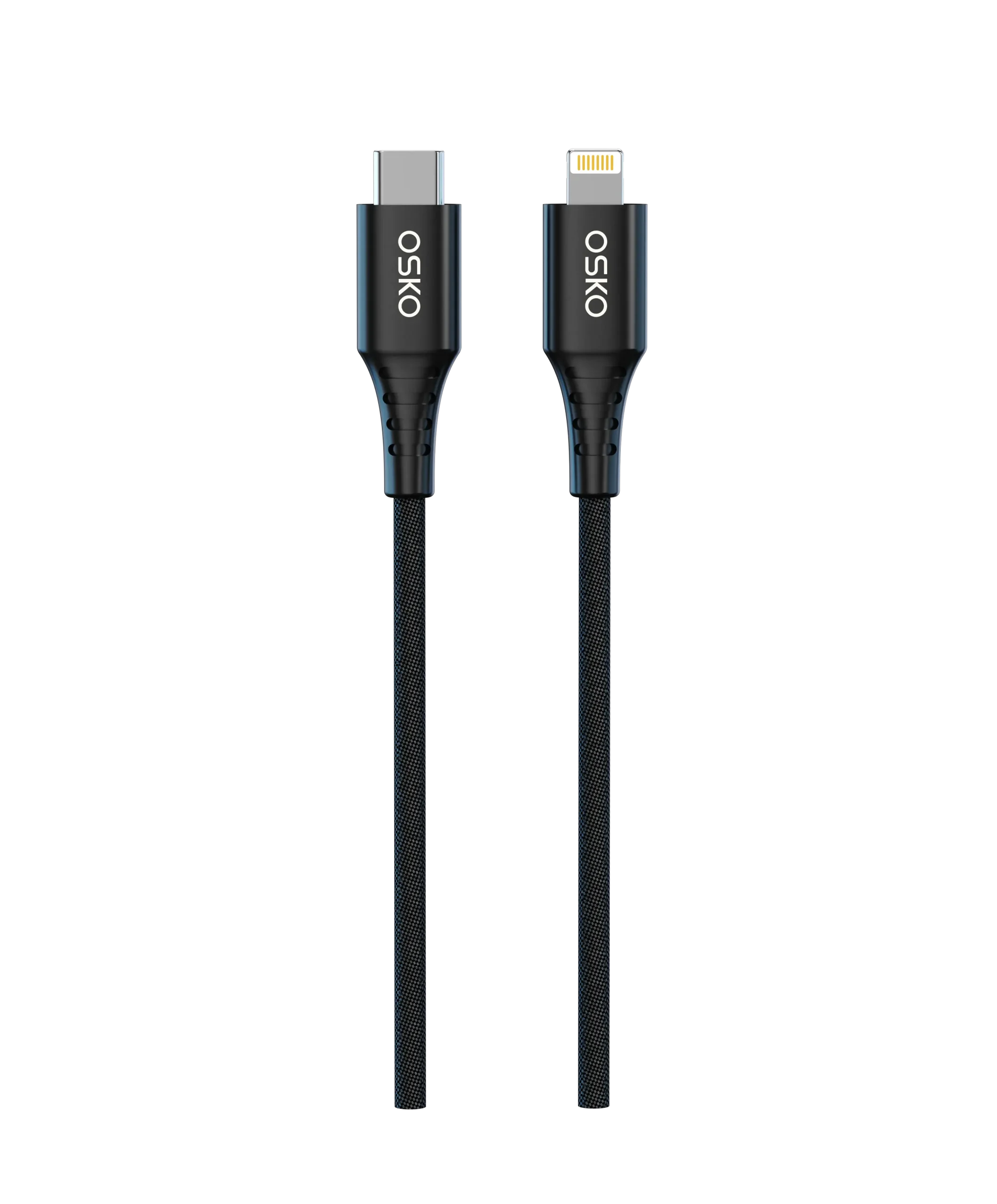
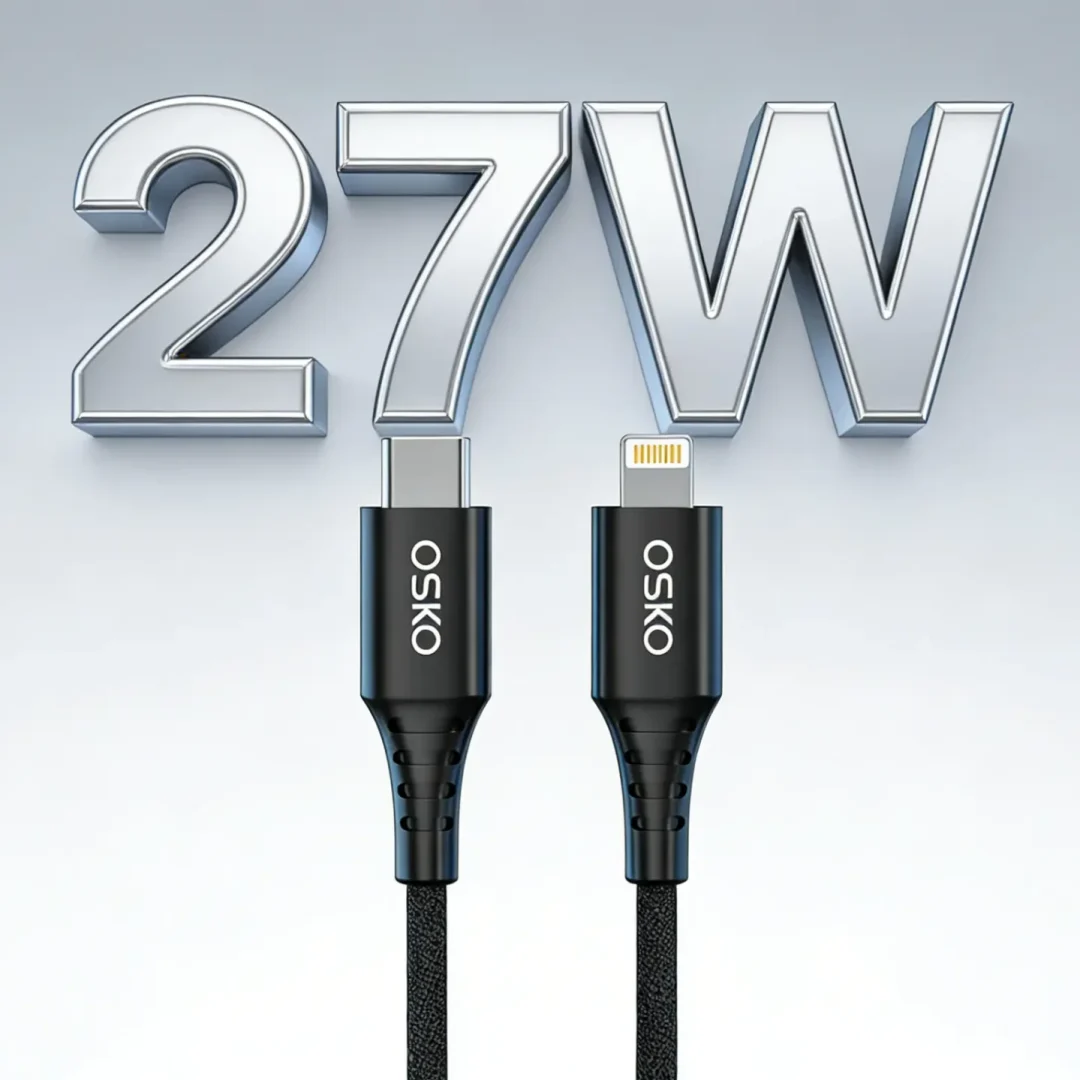
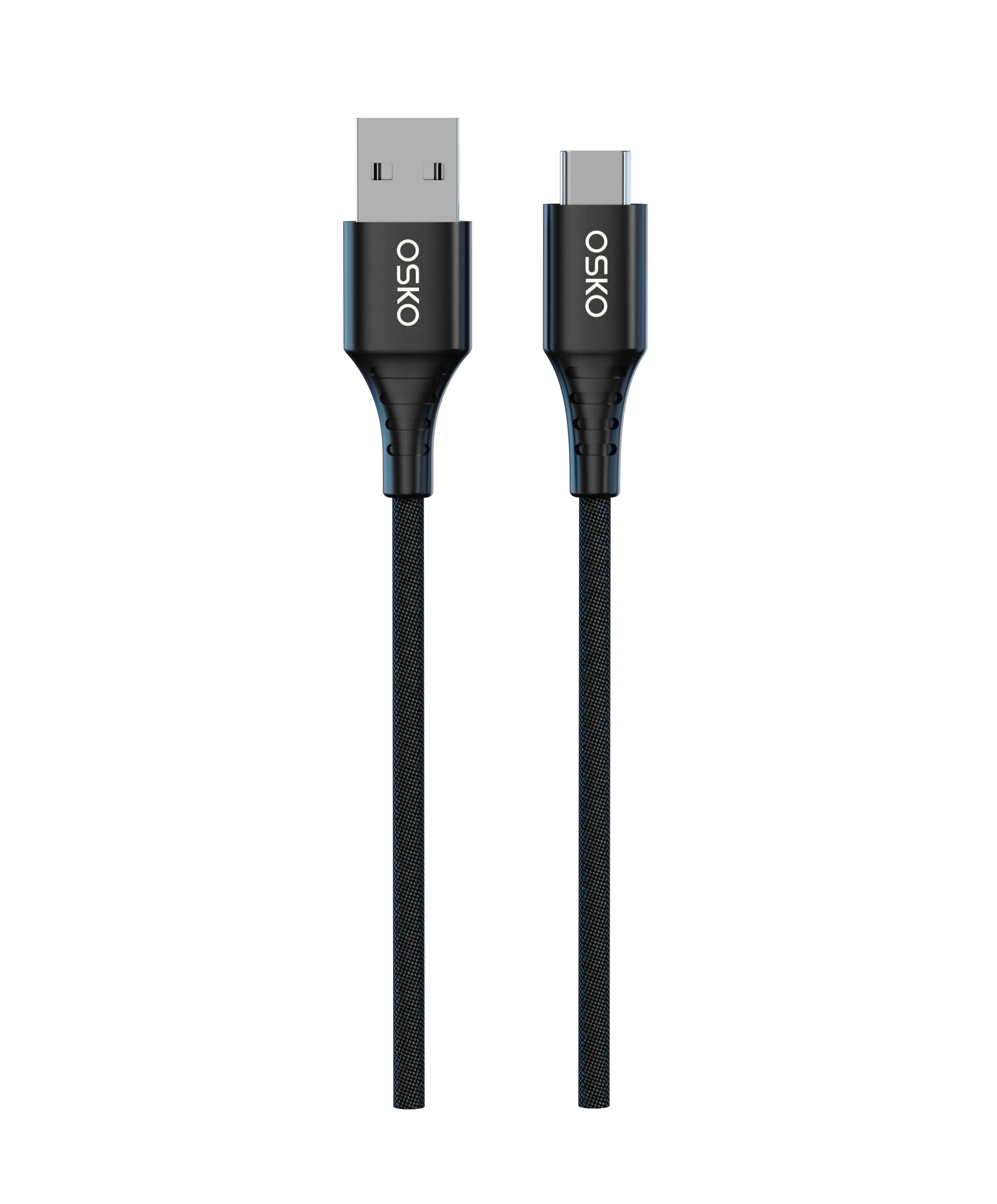
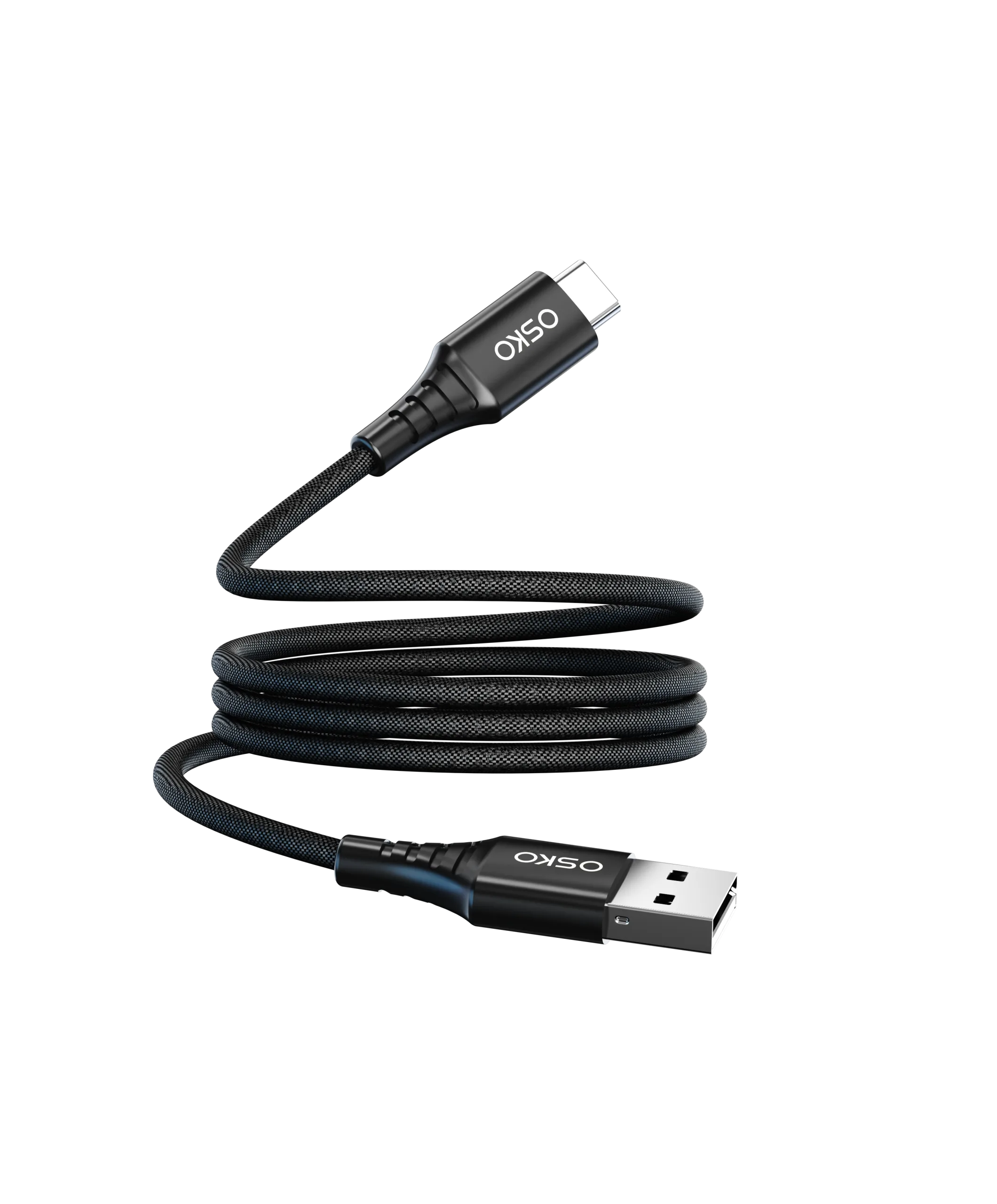
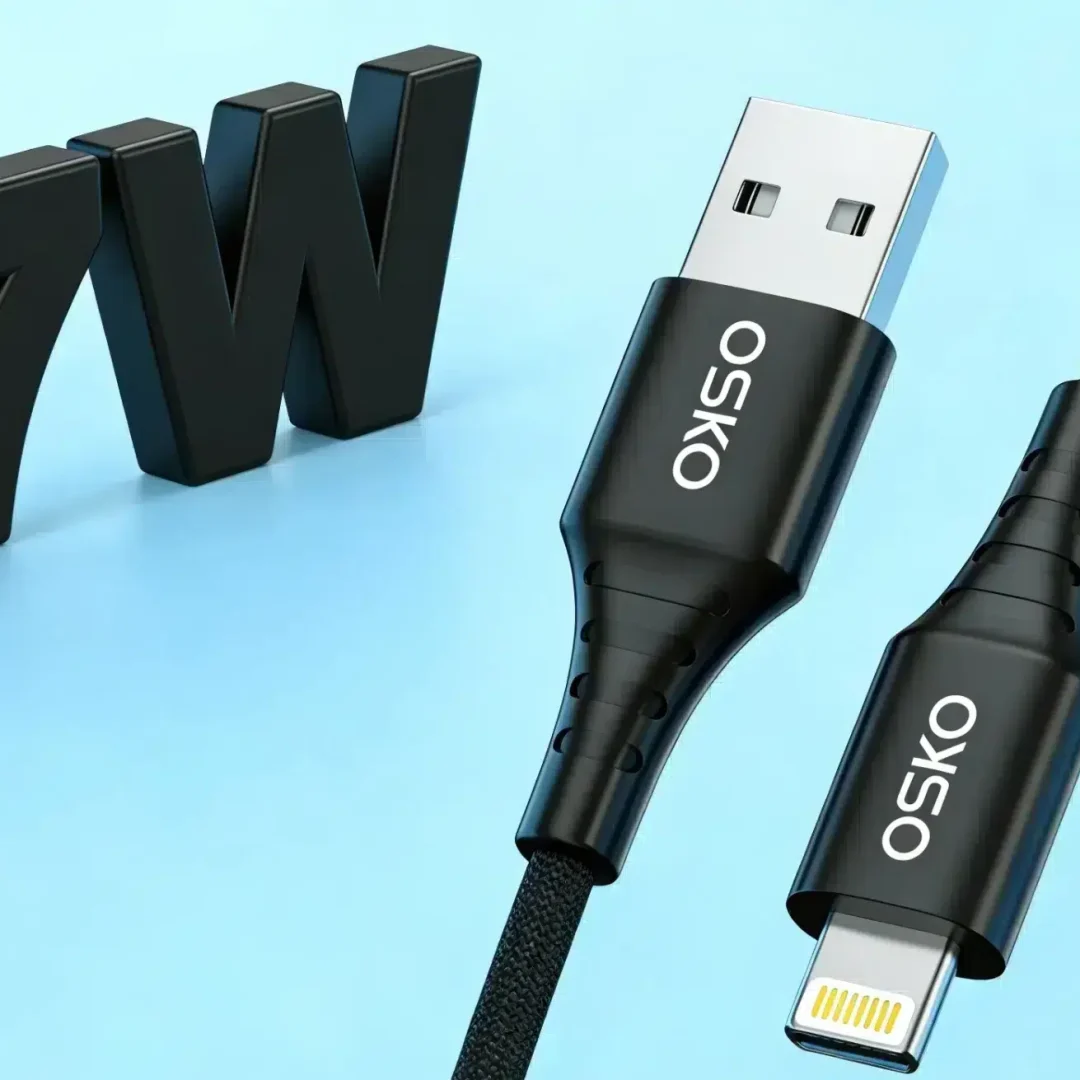
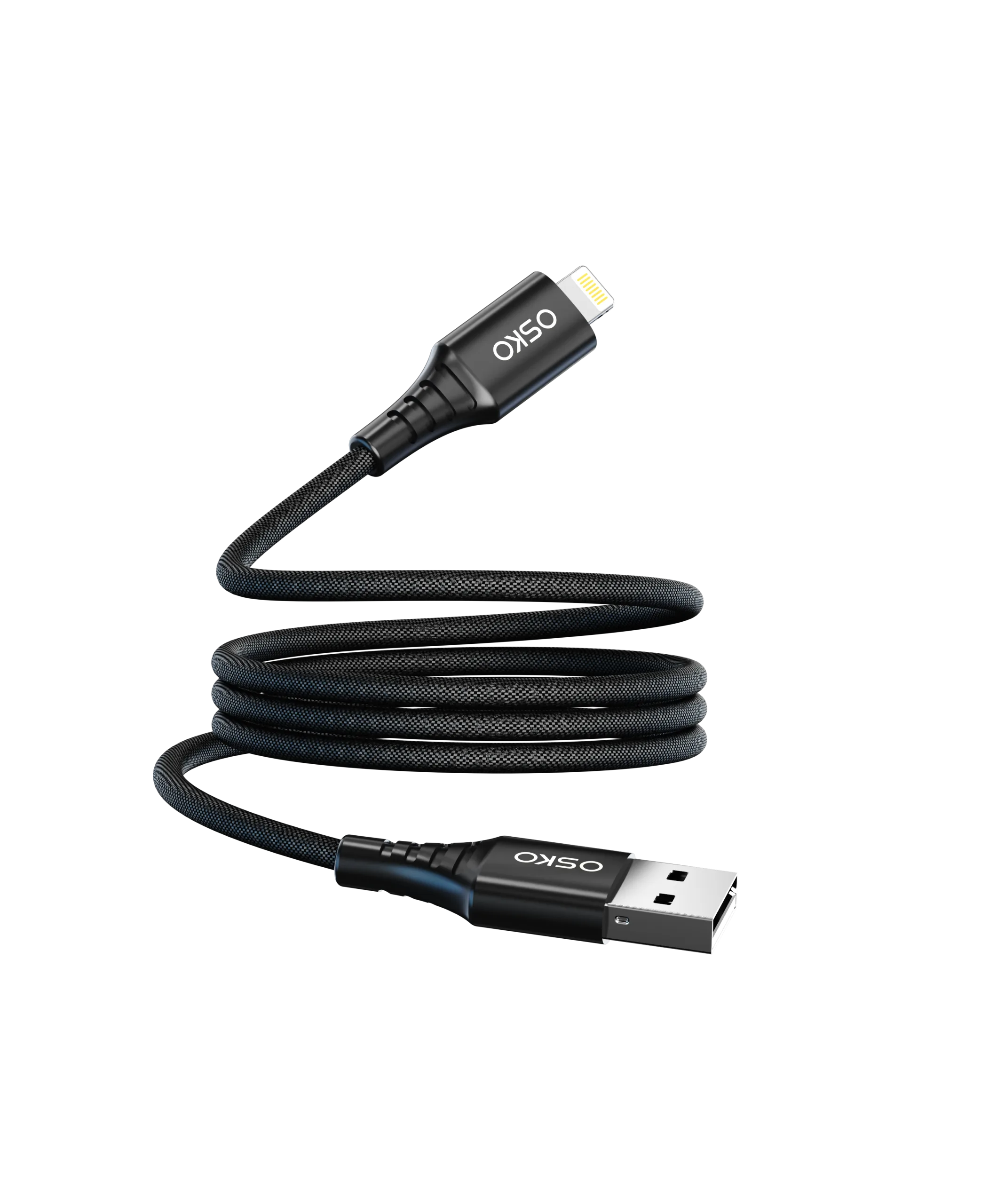
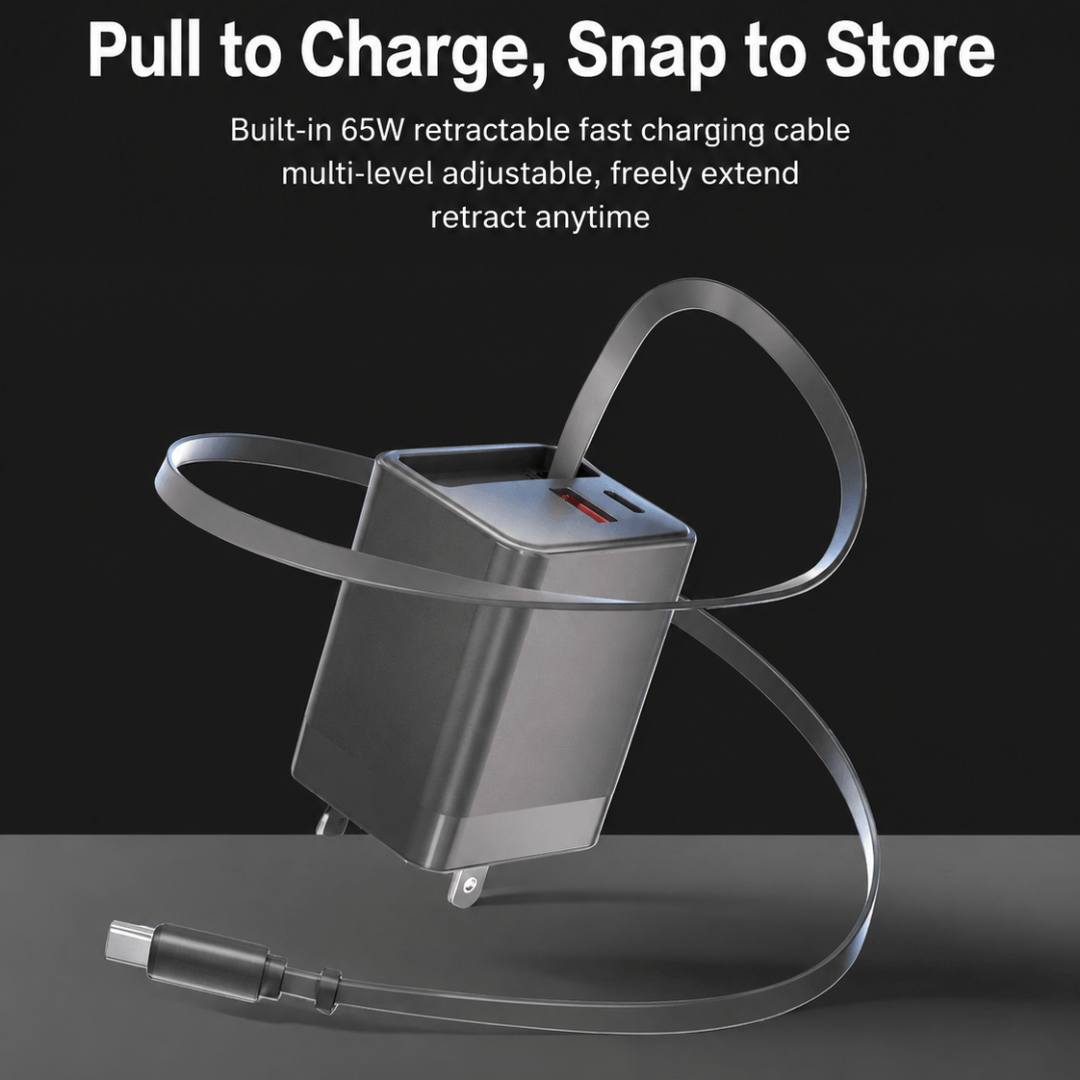
Our fast charging cable solution helps brands, wholesalers, and OEM buyers develop reliable USB-C charging cables with optimized power delivery, consistent performance, and scalable production support.
Get a Quote
Request Technical Specification
Start OEM Project

2. Customer Pain Points
When customers search for “fast charging cable not charging fast,” they usually face these problems:
1. Cable Supports Charging but Not Fast Charging
Many cables can transfer power but cannot reach high charging speeds.
Common reasons:
Insufficient wire gauge
Poor conductor material
Missing E-marker chip
Limited current capacity
Example:
A cable advertised as “fast charging” may only support:
5V/2A (10W)
5V/3A (15W)
instead of:
100W USB-C PD
240W USB-C PD
2. Incorrect Cable and Charger Combination
Fast charging requires compatibility between:
Charger output
Cable capability
Device charging protocol
A high-power charger cannot achieve maximum output if the cable cannot handle the required power.
3. Unstable Quality Causes Charging Drops
Low-quality cables may experience:
Charging interruption
Heat buildup
Voltage drop
Slow charging speed
This creates customer complaints and product returns.
4. Difficult Product Specification Selection
For buyers sourcing charging cables, choosing specifications can be complicated:
60W or 100W?
With or without E-marker?
Braided or TPE?
Professional technical guidance is required.
3. Solution Overview
Through optimized electrical design + proper component selection + standardized performance testing + OEM engineering support, we provide a complete fast charging cable solution.
Our approach helps customers develop charging cables that deliver stable power performance, reduce after-sales issues, and meet different market requirements.
4. Technical Causes & Engineering Solutions
4.1 Cause 1: Insufficient Cable Current Capacity
Problem:
Charging speed depends heavily on current transmission capability.
A cable with thin conductors creates:
Higher resistance
Voltage loss
Heat generation
Result:
The device automatically reduces charging power.
Technical Solution:
We optimize:
Copper conductor size
Internal wiring structure
Resistance control
Power transmission design
Examples:
| Cable Type | Typical Application |
|---|---|
| 3A Cable | Standard fast charging |
| 5A Cable | Higher power PD charging |
| E-marker Cable | 100W+ USB-C applications |
Benefit:
Stable current delivery and improved charging efficiency.
4.2 Cause 2: Missing E-Marker Chip in High-Power USB-C Cables
Problem:
For higher power USB-C charging, an E-marker chip may be required.
Without proper identification:
Charger limits output
Device reduces charging speed
High-power charging cannot activate
Technical Solution:
Support:
E-marker chip integration
PD protocol compatibility
High-power USB-C cable design
Applications:
100W laptop charging
140W notebook charging
240W USB-C charging systems
Benefit:
Ensures cables communicate correctly with chargers and devices.
4.3 Cause 3: Poor Connector and Contact Quality
Problem:
Charging performance can decline due to:
Weak connector contacts
Poor plating materials
Loose connection
Technical Solution:
Improve:
Connector manufacturing precision
Contact stability
Housing strength
Plug durability
Benefit:
Provides reliable charging performance after repeated use.
4.4 Cause 4: Cable Material Limitations
Problem:
Low-quality materials cause:
Faster wear
Internal wire damage
Poor flexibility
Technical Solution:
Offer:
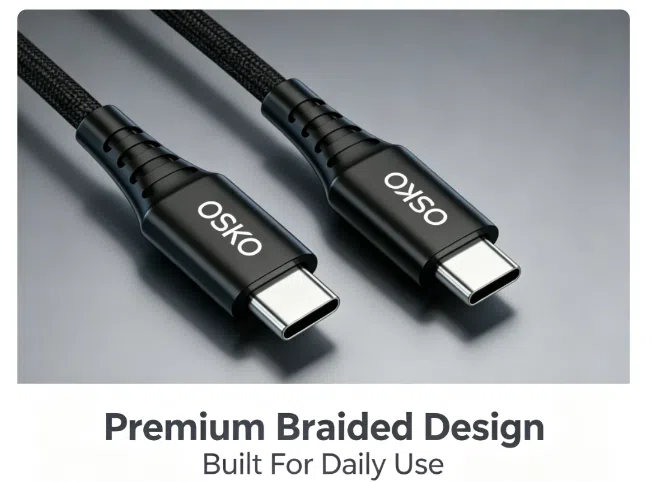
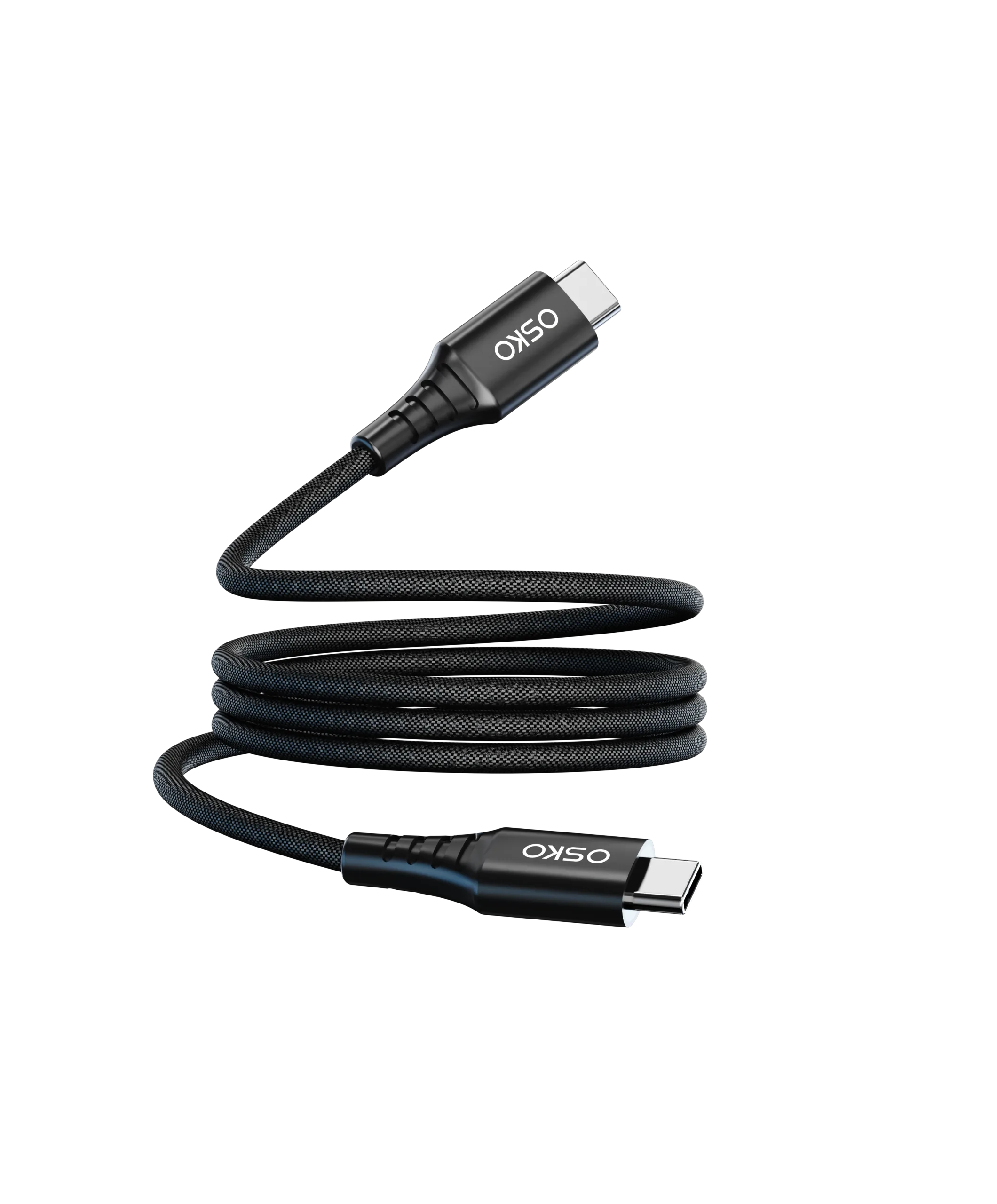
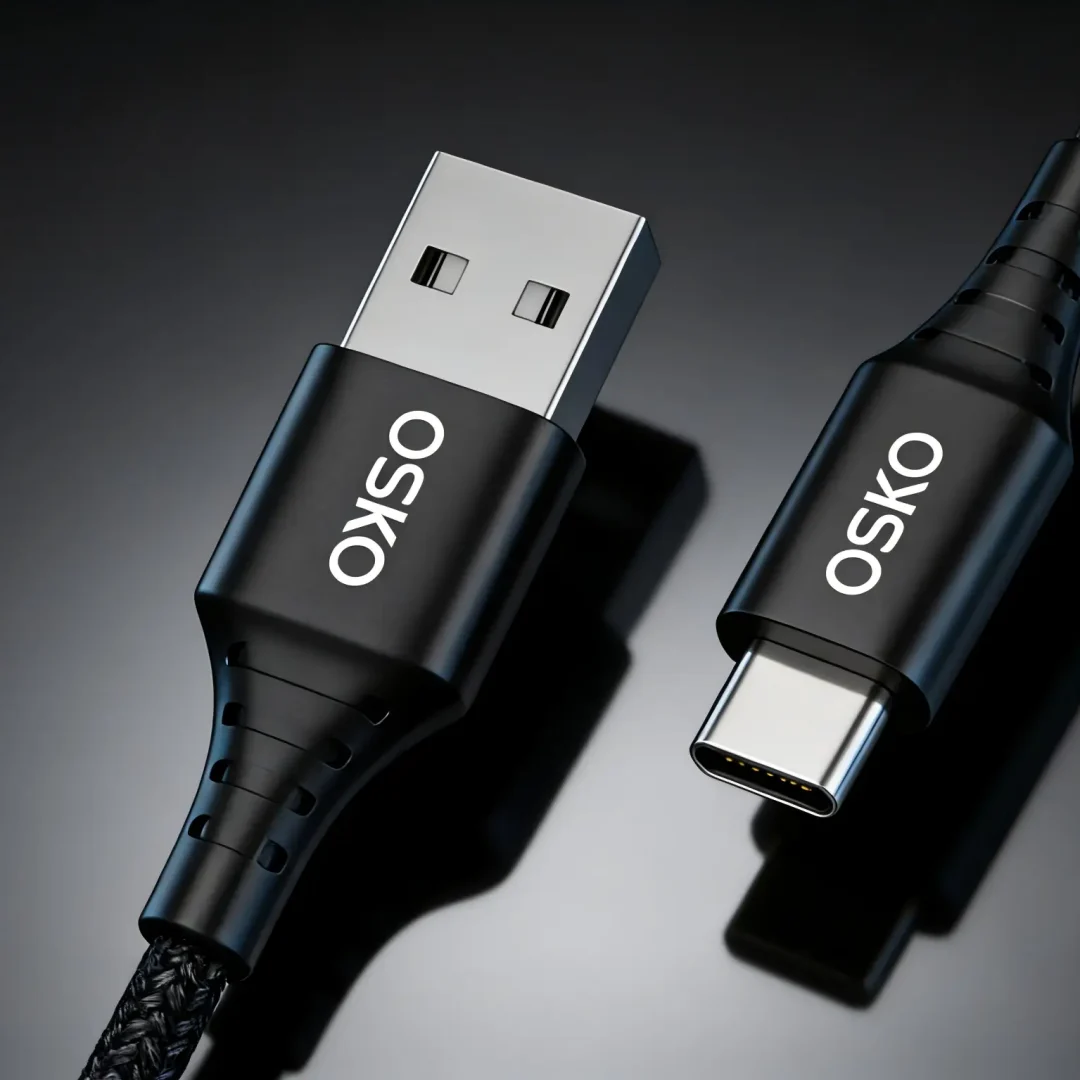
Nylon Braided Cable
Advantages:
Better abrasion resistance
Improved bending durability
Premium appearance
TPE Cable
Advantages:
Flexible
Lightweight
Cost-effective
Silicone Cable
Advantages:
Soft touch
High flexibility
4.5 Cause 5: Lack of Performance Testing
Problem:
Without proper testing, suppliers cannot guarantee charging performance.
Technical Solution:
Testing includes:
Electrical Testing
Voltage stability
Current output
Resistance testing
Durability Testing
Bend testing
Pull-force testing
Connector durability testing
Production Testing
Batch inspection
Quality consistency monitoring
Benefit:
Reduces customer complaints and improves brand reliability.
5. Fast Charging Cable Solution Modules
Module 1: Power Delivery Cable Development
Support:
USB-C PD cable
60W charging cable
100W charging cable
140W charging cable
240W charging cable
Suitable for:
Smartphones
Tablets
Laptops
Gaming devices

Module 2: OEM Customization
Support customization:
Cable length
Cable diameter
Material selection
Color
Logo
Packaging
Suitable for:
Electronics brands
Amazon sellers
Retail distributors
Module 3: Quality Assurance
Provide:
Standard testing procedures
Production inspection
Batch consistency control
Helping brands reduce:
Returns
Complaints
Warranty costs
Module 4: Supply Chain Support
Support:
Prototype development
Bulk production
Repeat orders
Market expansion
6. Applicable Scenarios
The fast charging cable solution is suitable for:
Smartphone Accessory Brands
Developing:
USB-C charging accessories
iPhone charging products
Android charging products
Laptop & Tablet Accessory Suppliers
Supporting:
USB-C PD charging solutions
High-power charging cables
Amazon & E-commerce Sellers
Reducing:
Negative reviews
Product returns
Performance complaints
Wholesale Distributors
Building:
Stable inventory
Consistent product quality
7. Success Story
Customer Challenge
A U.S. electronics accessory brand received customer complaints that their “fast charging cables” were not achieving expected charging speeds.
Main issues:
Incorrect cable specifications
No clear power rating
Inconsistent supplier quality
Solution
We provided:
Cable specification optimization
Power rating clarification
Updated cable structure design
Standardized testing procedure
Result
After improvement:
Charging performance became more consistent
Customer complaints decreased
Product positioning became clearer
Repeat orders increased
8. Why Choose Us
Technical Understanding of Charging Systems
We focus on:
- Power delivery requirements
- Cable electrical performance
- Real-world charging applications
Complete OEM Development
Support from:
- Product concept
- Engineering validation
- Mass production
Reliable Communication
Provide:
- Fast quotation
- Technical support
- Production updates
Helping customers shorten product development cycles.
Contact Us
To develop your fast charging cable solution, please provide:
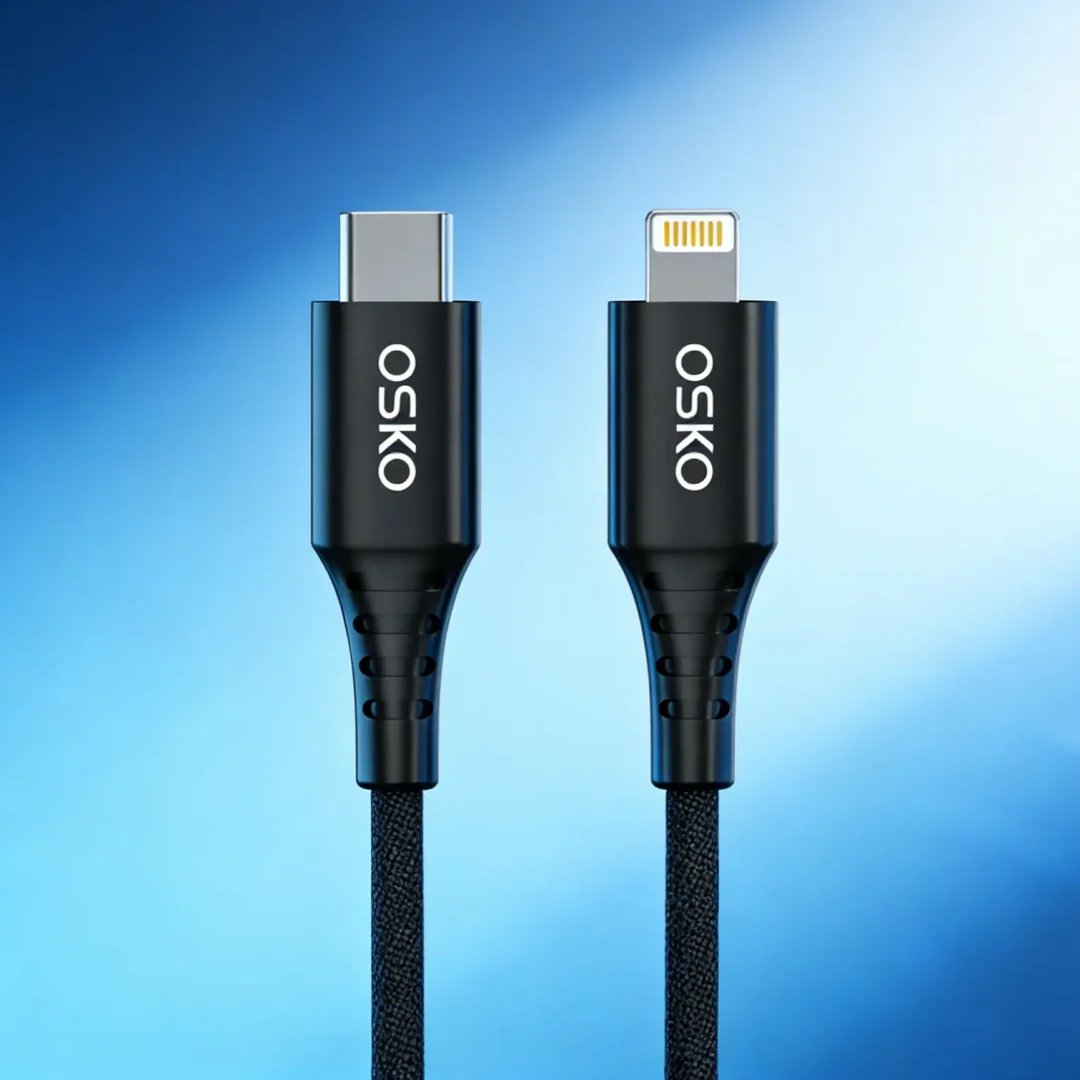
- Cable type (USB-C / Lightning / USB-A)
- Required charging power (60W / 100W / 240W)
- Target market
- Quantity
- Custom requirements
We will recommend a suitable technical solution.
FAQ
Q1: Why is my fast charging cable not charging fast?
Possible reasons include insufficient cable power rating, poor cable quality, incompatible charging protocols, or charger limitations.
Q2: Does a USB-C cable affect charging speed?
Yes. USB-C cables have different current ratings and power capabilities. A low-power cable may limit charging speed.
Q3: Do all USB-C cables support 100W charging?
No. High-power charging cables may require proper internal design and E-marker chips.
Q4: Is a braided cable better for fast charging?
Braided materials improve durability, but charging speed depends mainly on electrical design and power capability.
Q5: How can brands choose the right fast charging cable supplier?
Brands should evaluate technical capability, testing standards, customization support, and production consistency.