
Introduction
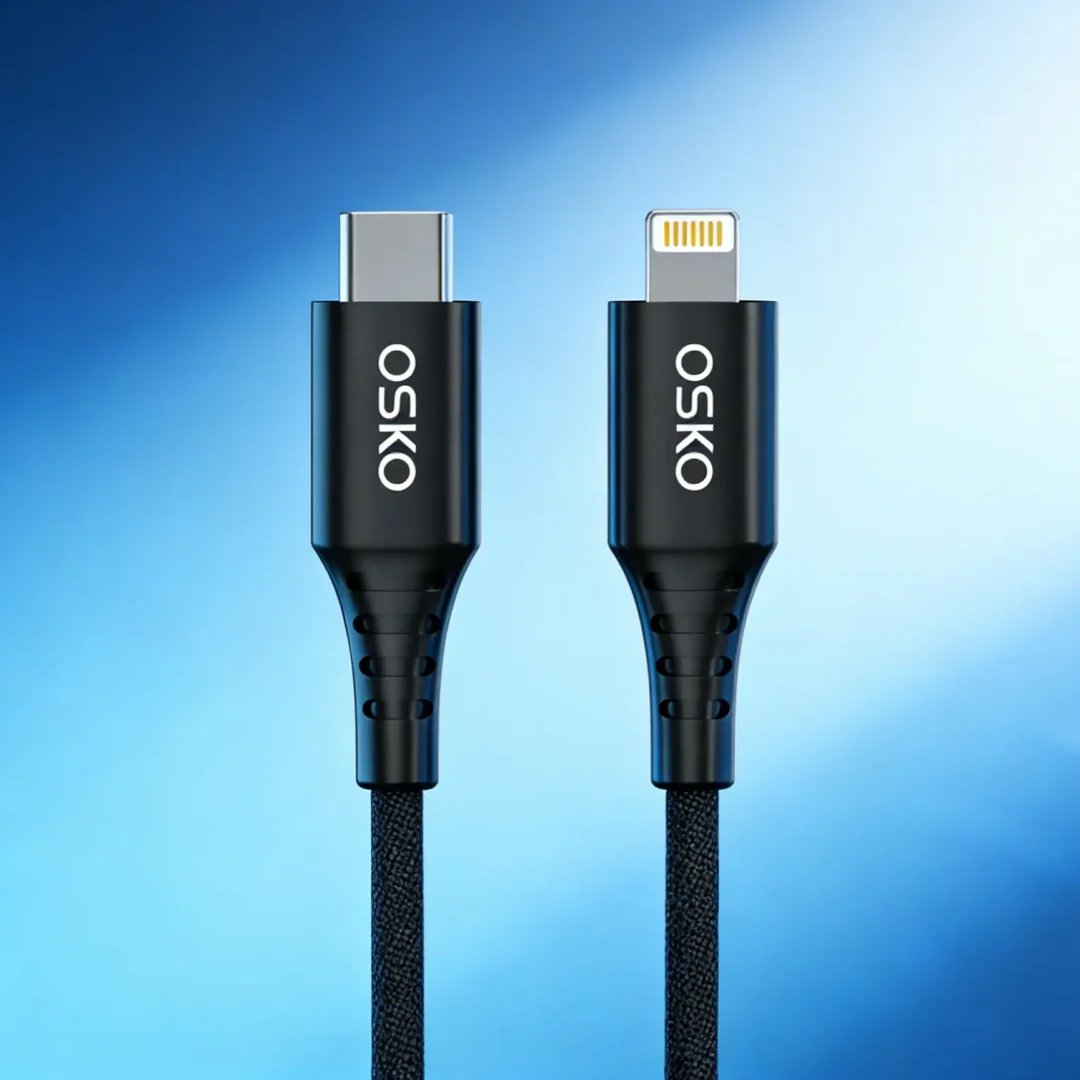
Choosing the right Lightning cable is more complex than simply selecting a charging accessory. It involves understanding electrical performance, material engineering, and Apple ecosystem compatibility requirements.
In real-world use, Lightning cables differ significantly in charging speed, durability, and long-term reliability. These differences come from internal conductor quality, shielding design, and whether the product meets Apple’s MFi certification standards.
For users and distributors in North America and Europe, selecting the right Lightning cable is essential for ensuring stable fast charging, device safety, and consistent user experience.
Material Science & Dielectric Properties
The performance of a Lightning cable is fundamentally determined by its internal material structure and electrical design.
Conductor Material and Electrical Efficiency
The conductor is the core of any Lightning cable.
Common conductor types include:
Aluminum-clad copper (low cost, lower performance)
Standard copper (balanced performance)
Tinned copper (improved stability)
Oxygen-free copper (premium fast charging performance)
Higher-quality conductors reduce resistance and improve charging efficiency, especially in fast charging Lightning cable systems.
Lower-grade conductors may result in:
Slow charging speed
Excess heat generation
Reduced battery efficiency over time
Insulation and Signal Stability
Lightning cables transmit both power and data signals, requiring stable insulation systems.
Common materials include:
PVC insulation for basic cables
TPE insulation for flexible mid-range cables
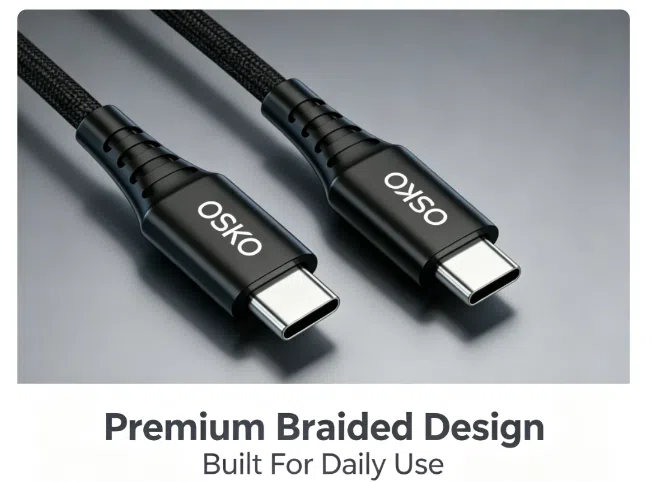
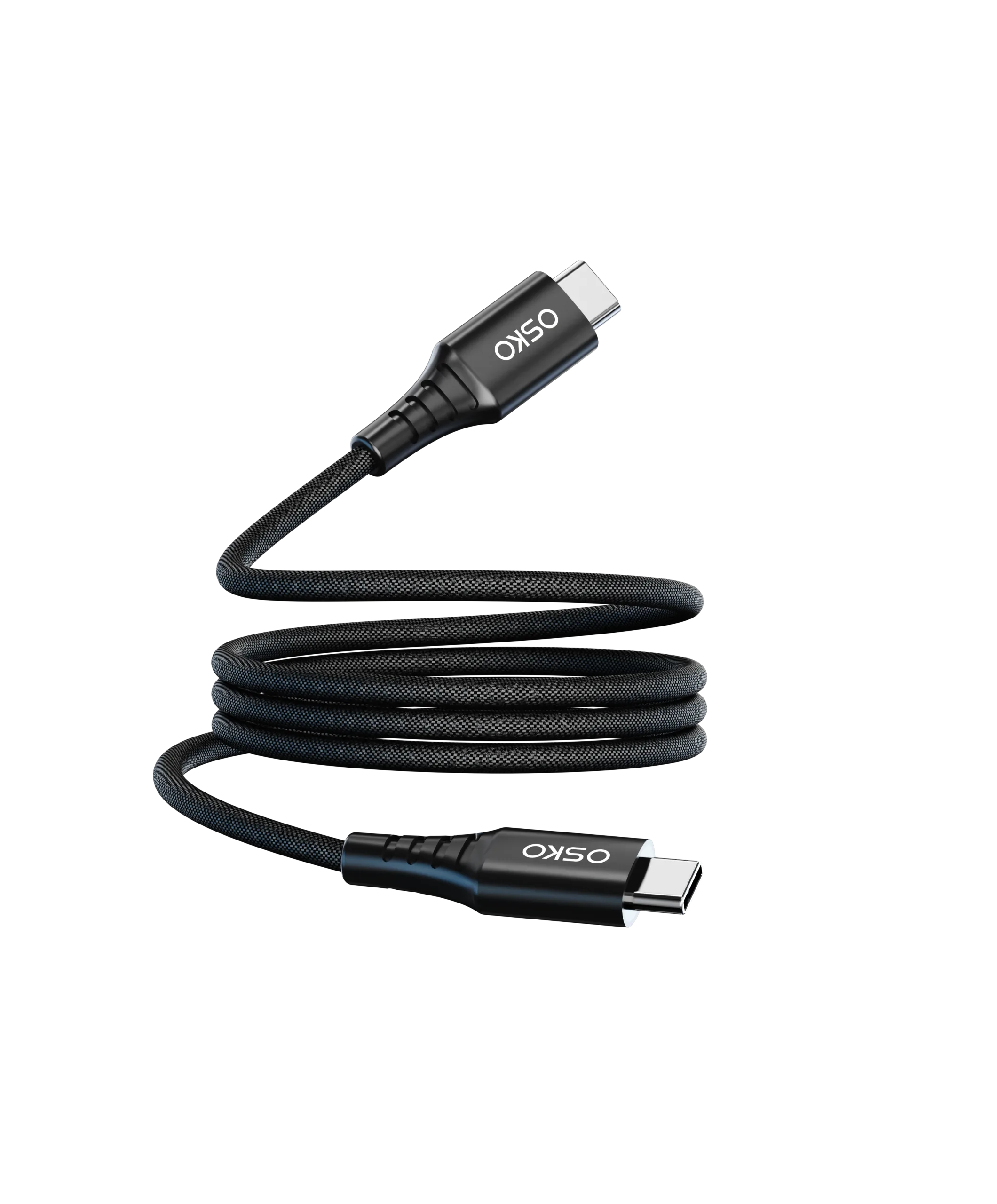
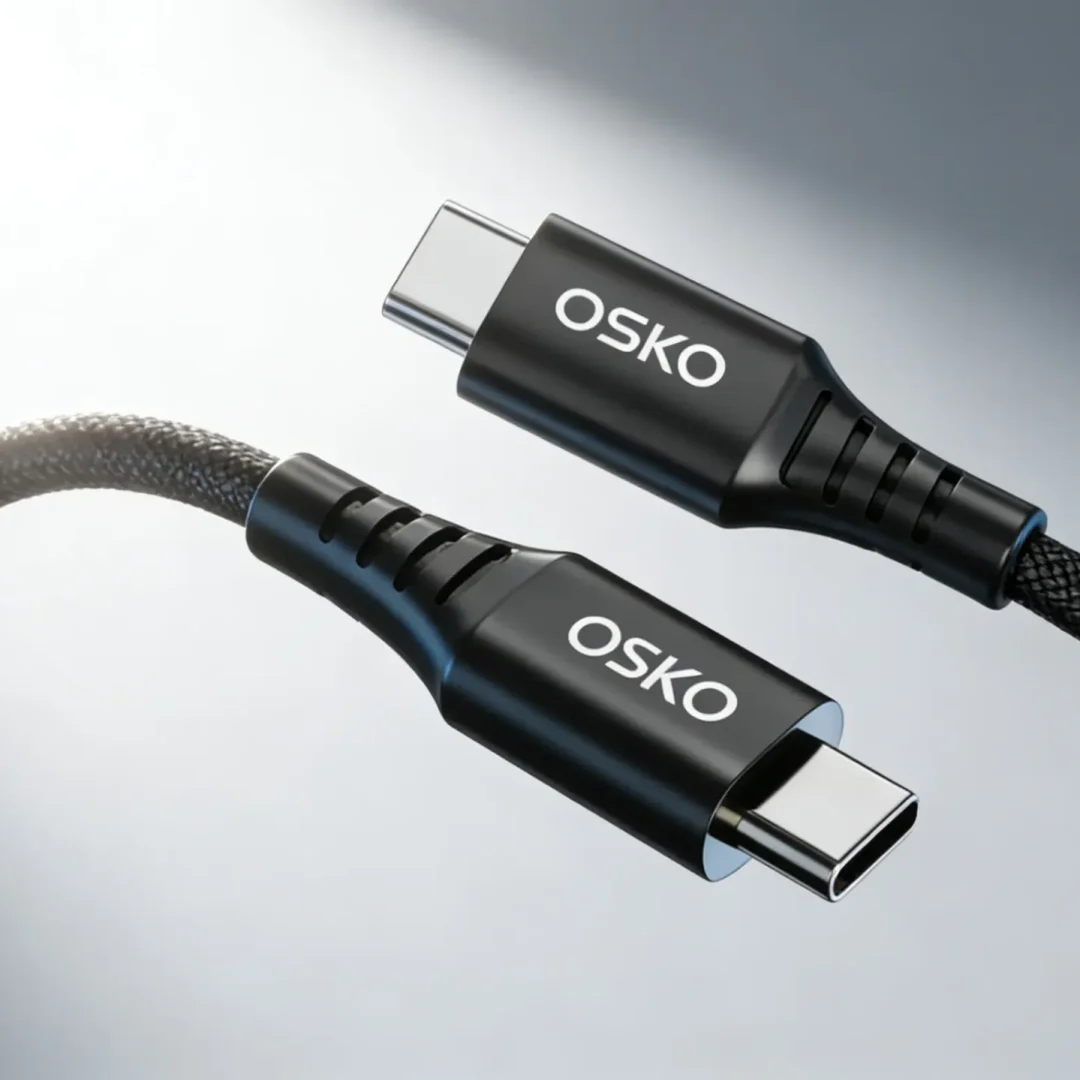
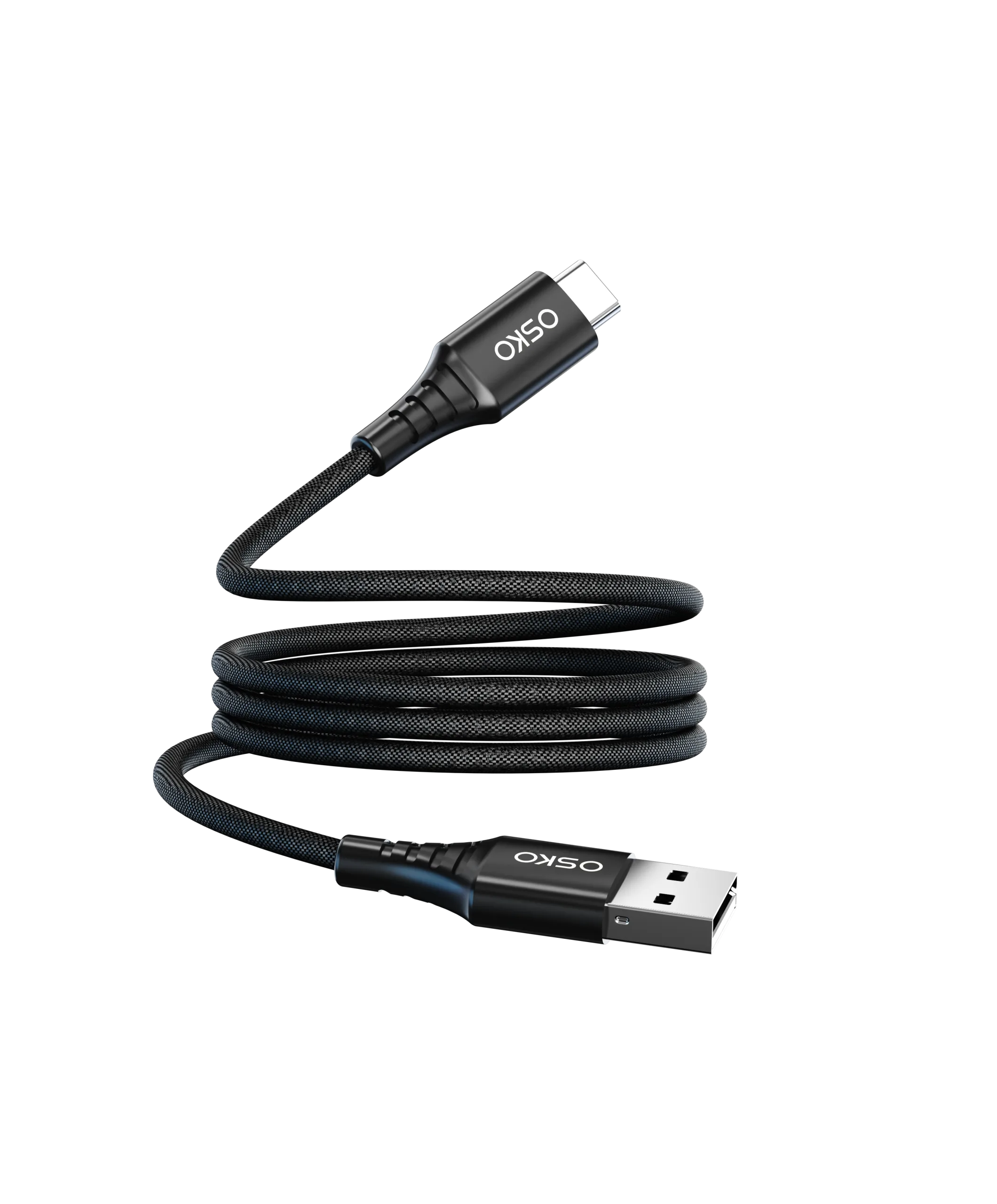
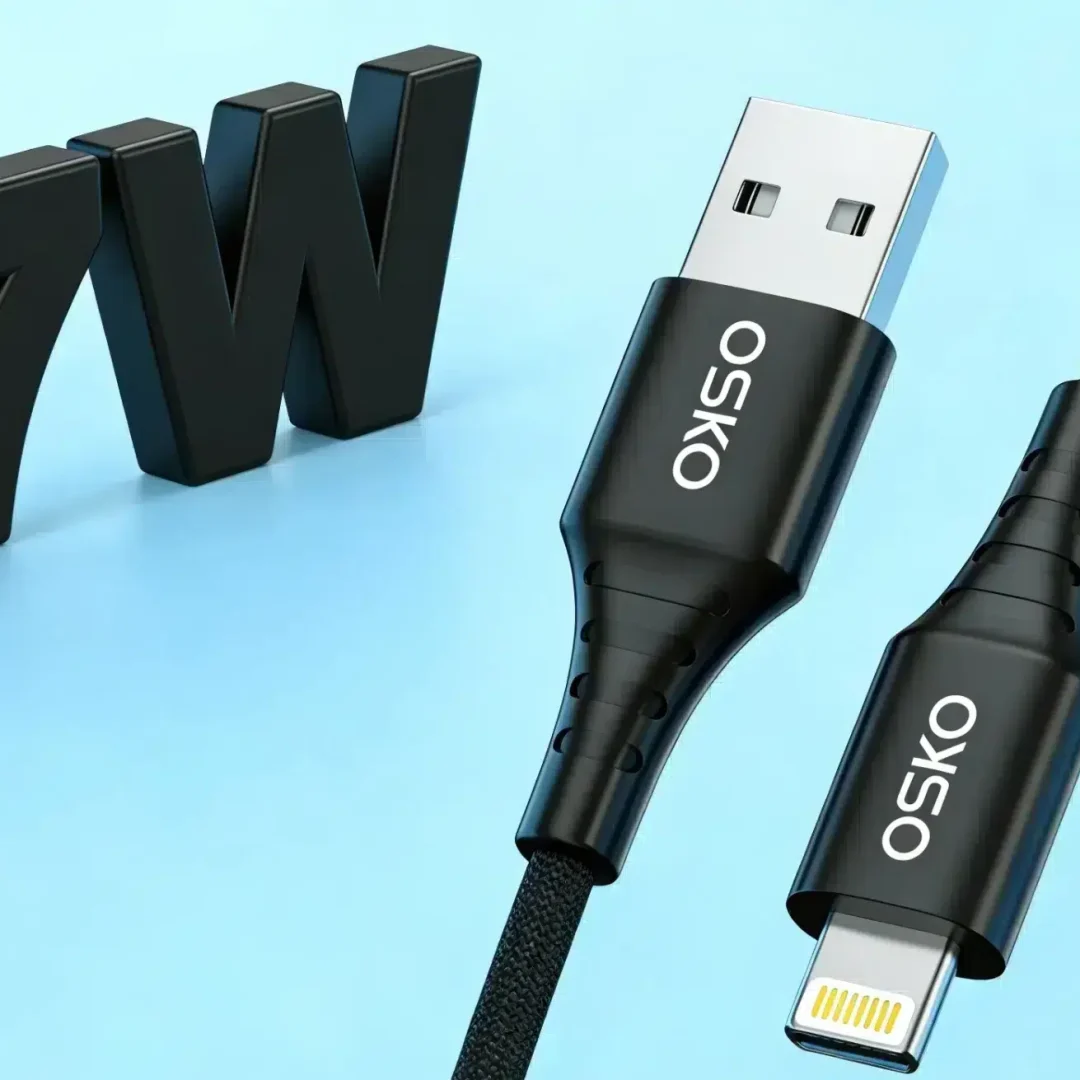
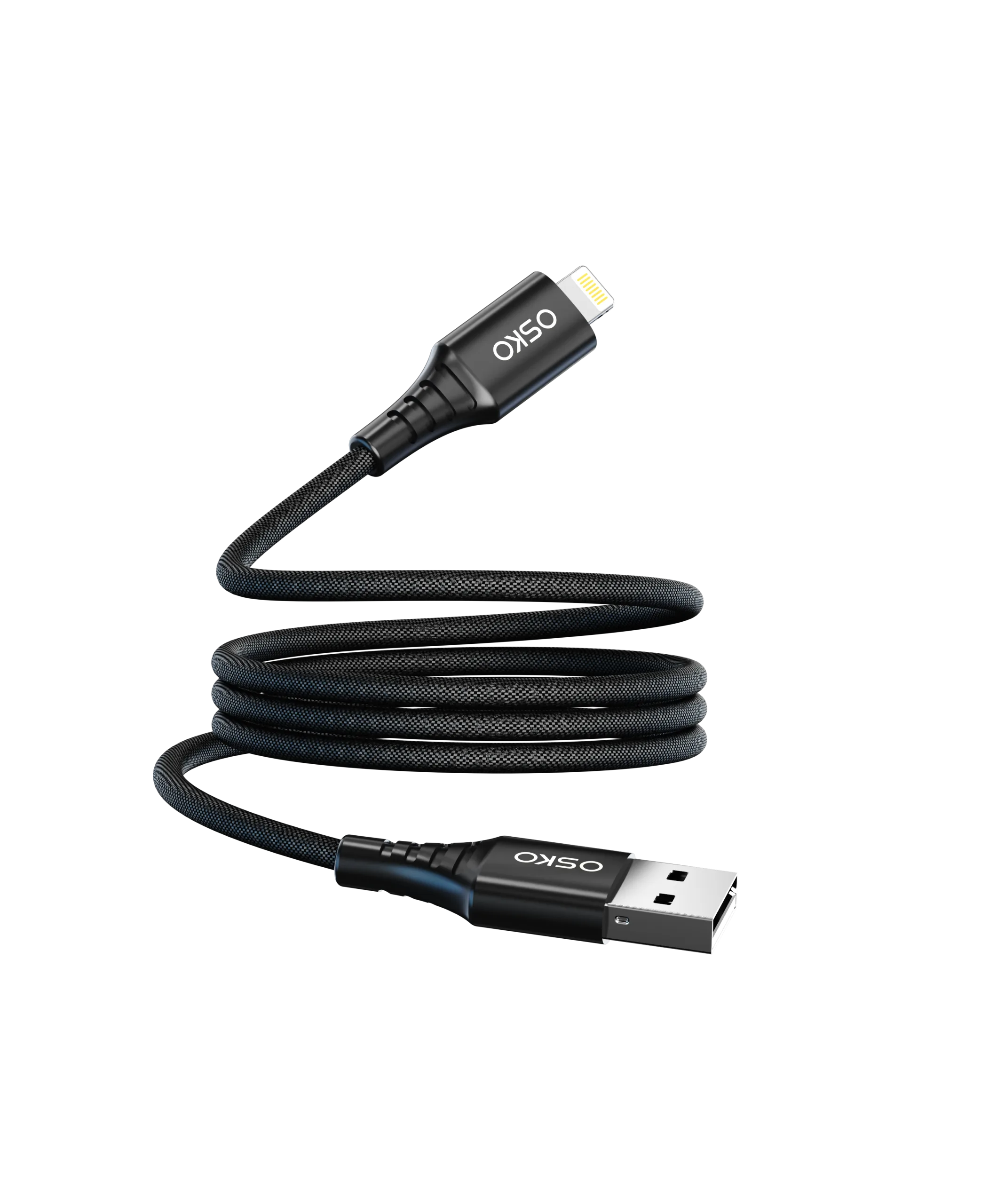
Nylon braided outer jackets for high durability applications
These materials directly affect flexibility, heat resistance, and long-term durability in iPhone charging cable quality standards.
Poor insulation increases electromagnetic interference and reduces charging stability.
Shielding Structure and EMI Protection
Shielding is essential for maintaining signal integrity in Lightning cables.
High-quality cables typically include:
Aluminum foil shielding
Multi-layer copper braiding
EMI noise reduction structures
This ensures stable data transfer and consistent charging performance.
Low-cost cables often lack proper shielding, leading to instability or device warnings.
MFi Certification Compliance
MFi (Made for iPhone) certification is one of the most important factors in Lightning cable selection.
MFi-certified cables guarantee:
Full compatibility with Apple devices
Stable fast charging performance
Safe voltage negotiation
Reduced risk of device warnings or failure
This is a critical requirement for USB cable compatibility within Apple ecosystems.
Case Study
Global Retail Quality Control Improvement Project
A European electronics retailer experienced inconsistent performance across its Lightning cable inventory.
Customer Issues
The company faced:
Uneven charging speeds across product lines
High return rates for non-certified cables
Customer complaints about cable durability
Device warning messages for incompatible accessories

Engineering Diagnosis
The root causes included:
Mixed supplier quality without standardized grading
Lack of MFi certification enforcement
Weak shielding in low-cost products
Inconsistent conductor materials across batches
Some products failed to meet proper Lightning cable selection guide standards.
OSKO Engineering Solution
OSKO implemented a structured cable engineering system:
Standardized oxygen-free copper conductors
Reinforced TPE and nylon braided jackets
Full MFi-certified production compliance
Enhanced shielding for EMI protection
OEM integration included:
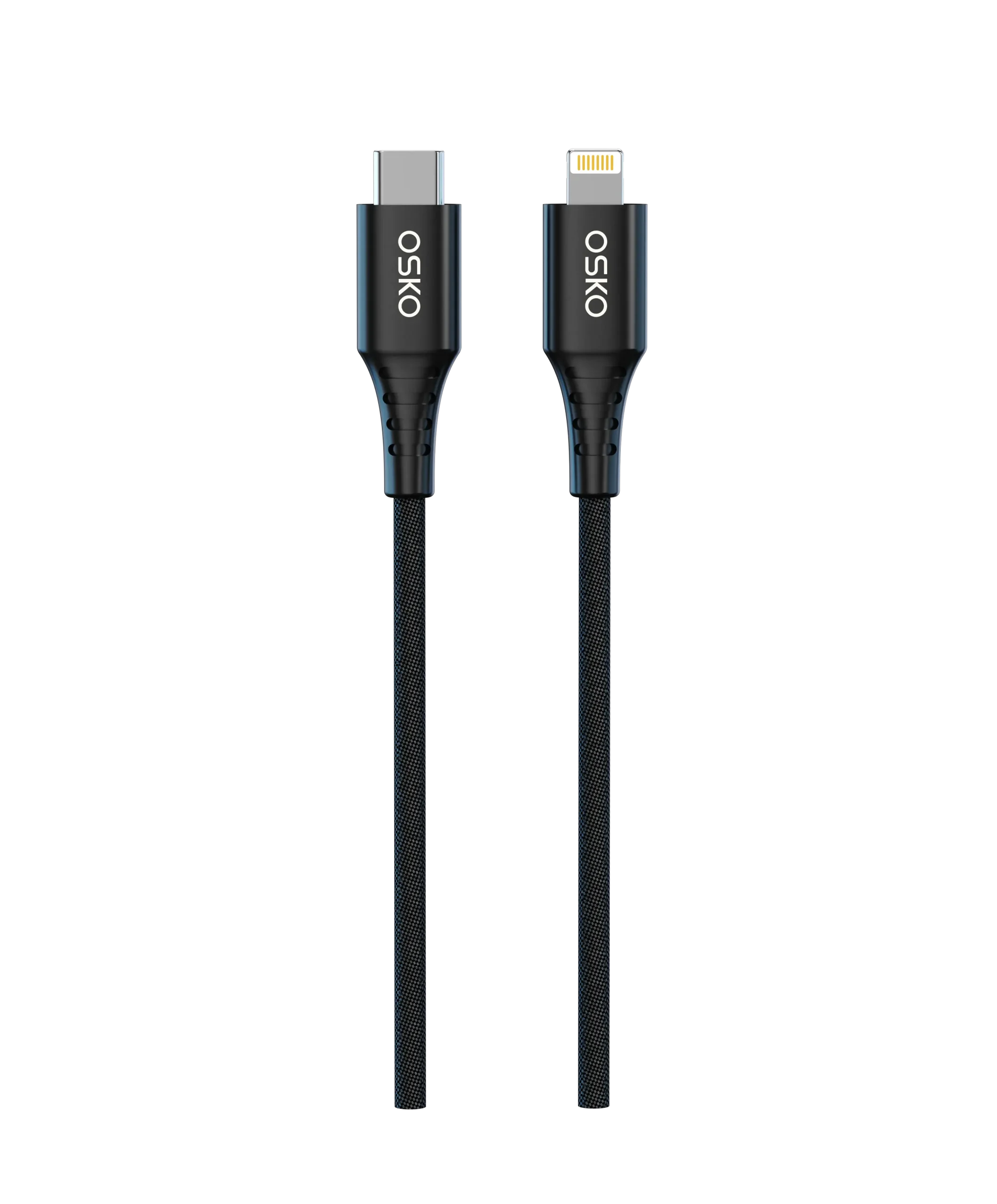
Braided Lightning cable OEM customization
Multi-device OEM USB cable manufacturer solutions
Retail-ready packaging systems for global distribution
Results
After implementation:
Product return rates decreased significantly
Charging consistency improved across all SKUs
Customer satisfaction increased in US and EU markets
Brand reliability strengthened in retail channels
Selection Guide
Connector Compatibility
Lightning cables are used across Apple devices including:
iPhone (older models up to iPhone 14 series)
iPad (selected models)
AirPods charging cases
For newer devices, USB-C alternatives may apply, but Lightning remains widely used in legacy ecosystems.
Material and Build Quality
High-quality Lightning cables typically include:
| Material Type | Function | Performance Impact |
|---|---|---|
| Oxygen-free copper | Power efficiency | Fast charging stability |
| TPE insulation | Flexibility | Heat resistance and durability |
| Nylon braided jacket | Mechanical protection | Extended lifespan |
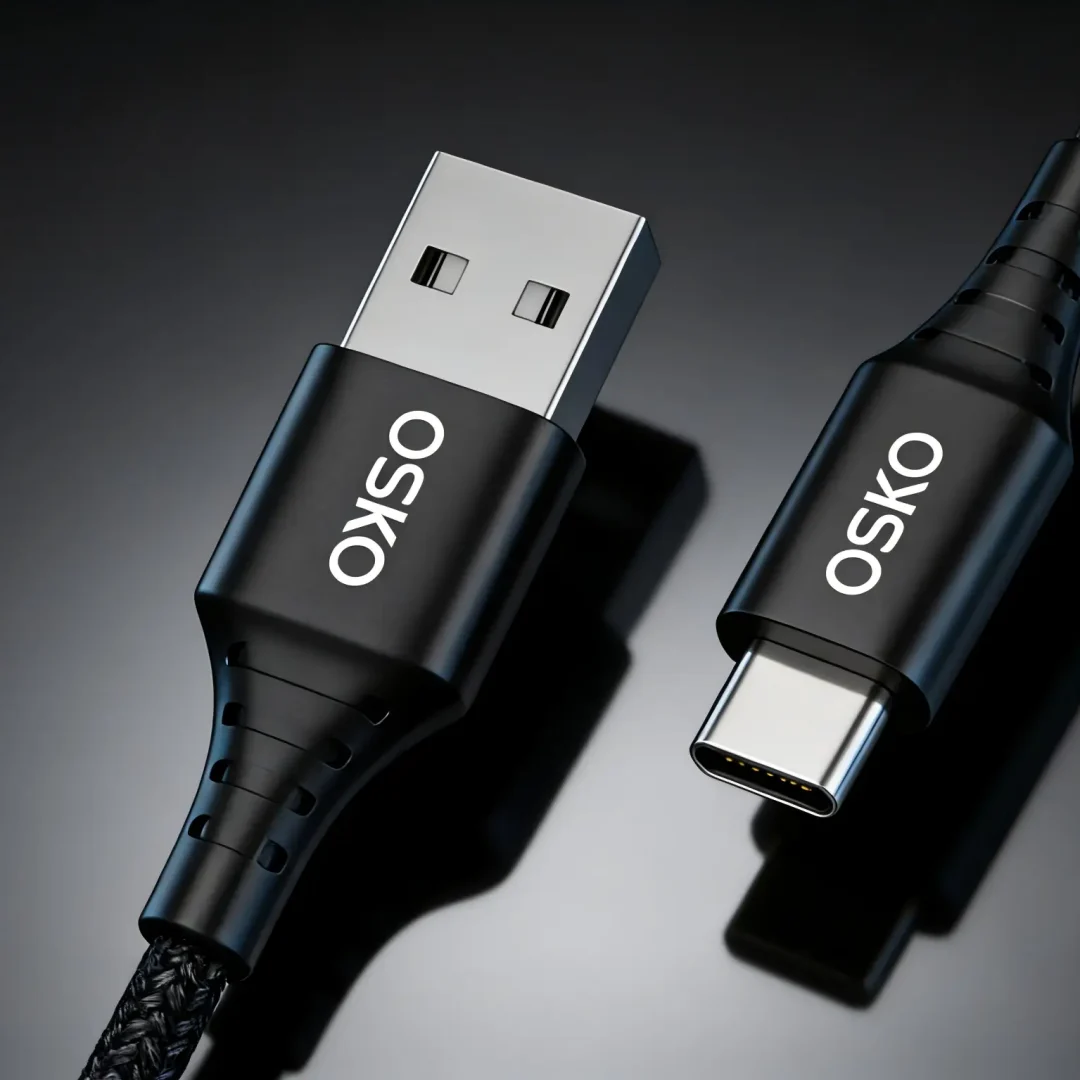
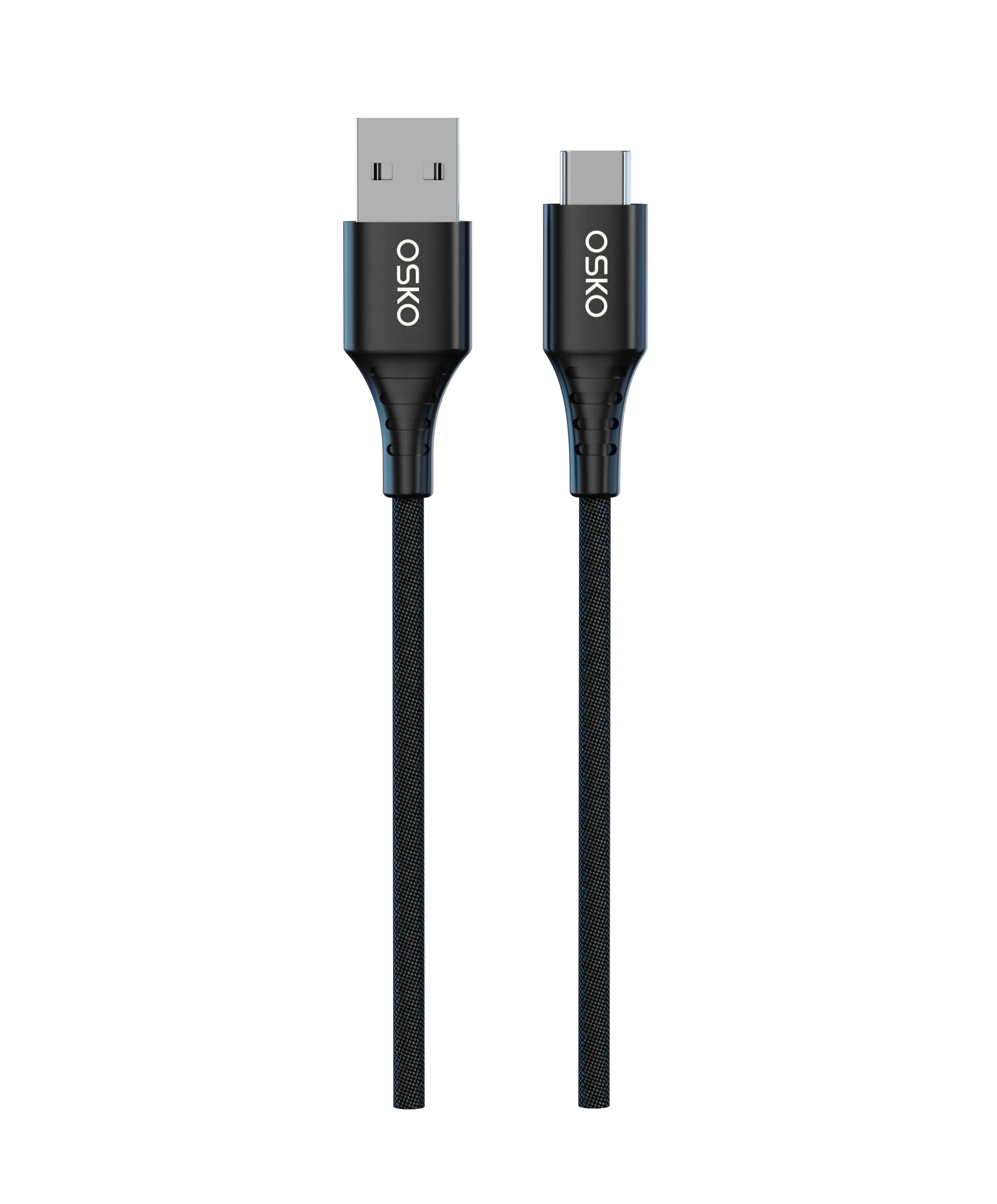
Premium manufacturers such as Durable nylon braided Type C charging cable factory often apply similar engineering principles across Lightning product lines.
Fast Charging Performance
Fast charging requires:
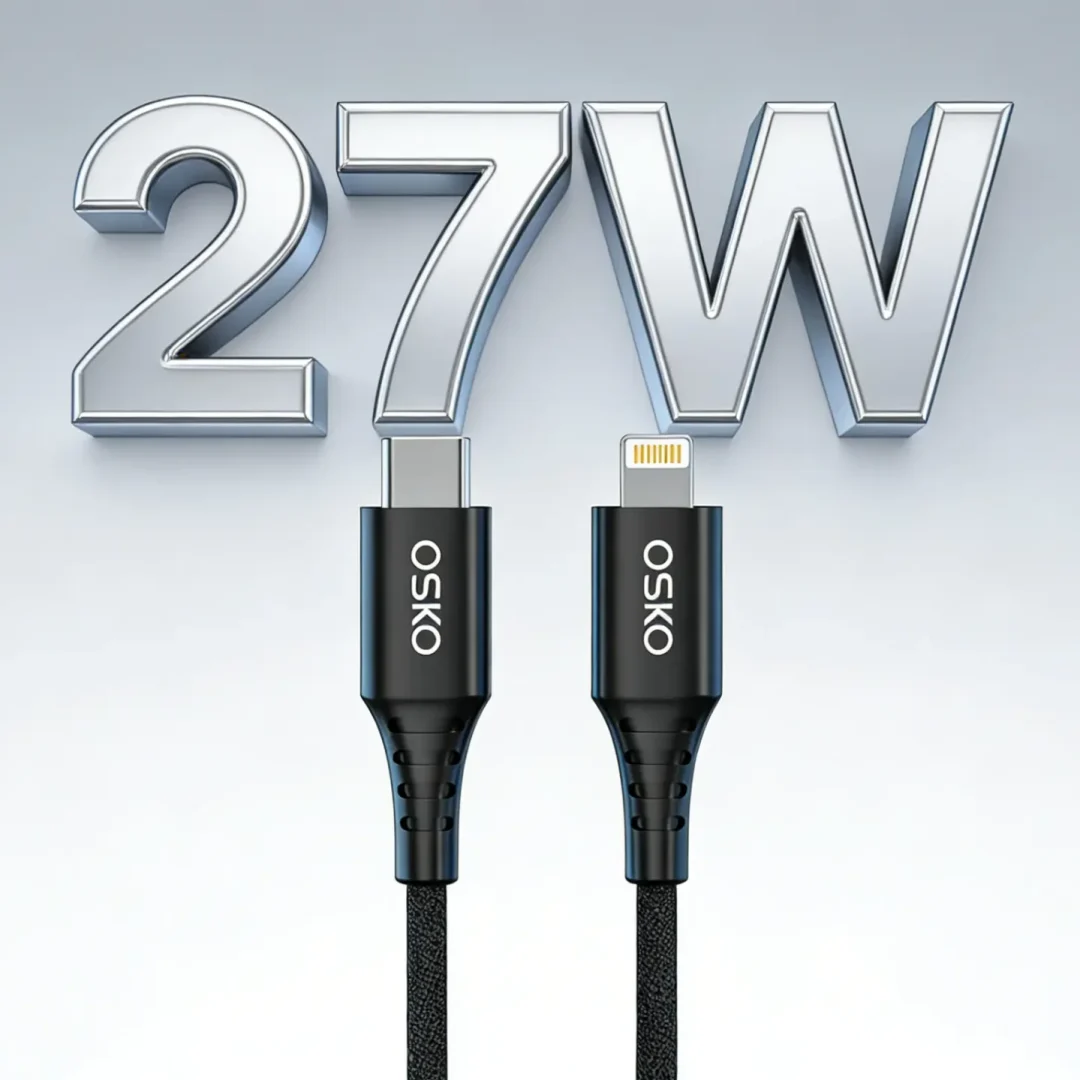
USB Power Delivery compatibility
Low-resistance conductor design
Stable voltage regulation
Certified USB-IF compliant Type C cable manufacturer systems ensure compatibility in hybrid charging ecosystems.
OEM and Wholesale Considerations
For global buyers, selection criteria include:
MFi certification verification
Batch consistency control
Packaging customization
Supply chain scalability
Common product categories include:
Wholesale 60w braided usb c cable
Bulk custom 6ft 10ft USB-C cables
OEM ODM custom length USB C cables
White label 240W fast charging cable wholesale
These are widely used in retail and e-commerce distribution systems.
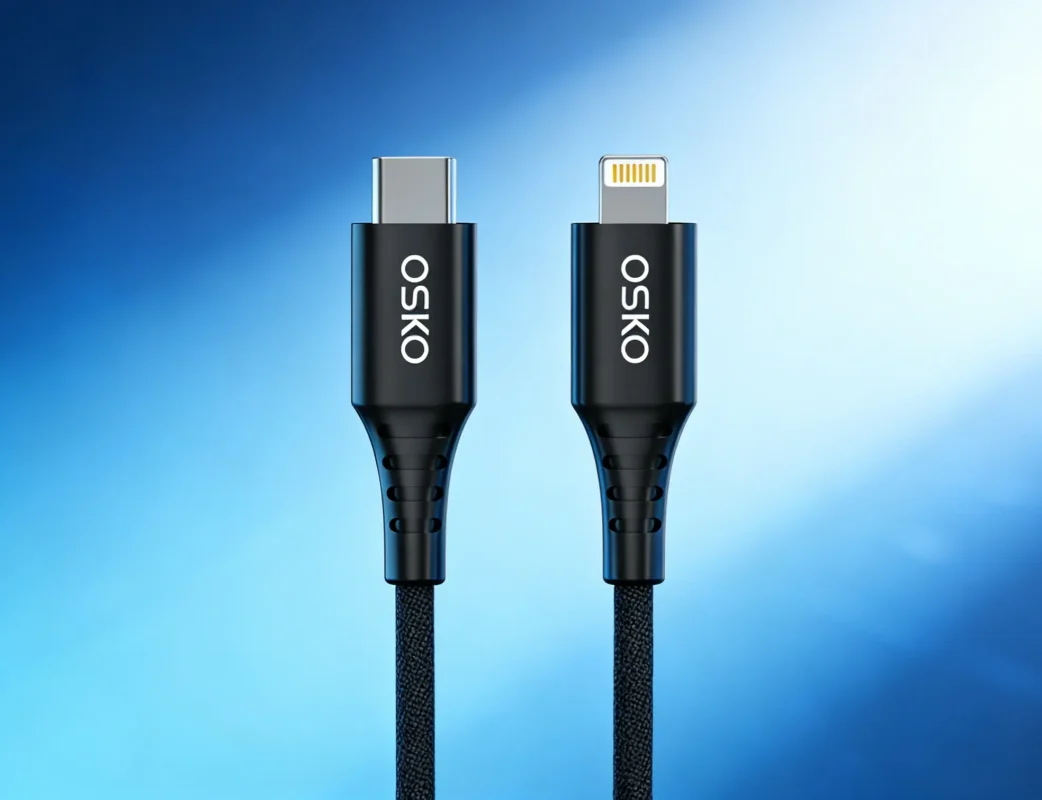
Application Scenarios
Different environments require different Lightning cable designs:
Desk charging: short, durable cables
Travel use: lightweight flexible cables
Home use: longer braided cables for convenience
Car charging: reinforced compact cables for vibration resistance
Special designs like Braided right angle USB-C cable wholesale are used in gaming and automotive environments.
FAQ
What is the most important factor when choosing a Lightning cable?
MFi certification is the most critical factor for compatibility and safety.
Are all Lightning cables the same?
No. They differ in conductor quality, shielding, and certification.
Do braided Lightning cables last longer?
Yes. Braided jackets significantly improve mechanical durability.
Why do some Lightning cables charge slowly?
Usually due to poor conductor materials or lack of proper certification.
Can non-MFi cables damage iPhones?
They may not damage devices immediately, but can cause instability or long-term compatibility issues.
Summary
Choosing the right Lightning cable requires understanding three key engineering factors: material quality, shielding structure, and MFi certification compliance.
While appearance may be similar across products, internal conductor design and manufacturing standards determine real performance differences.
For OEM manufacturers and global buyers in North America and Europe, maintaining strict control over these parameters is essential for delivering reliable and compliant products.
Ultimately, the best Lightning cable is defined not by its exterior design, but by its engineered quality, certification integrity, and long-term performance stability.