
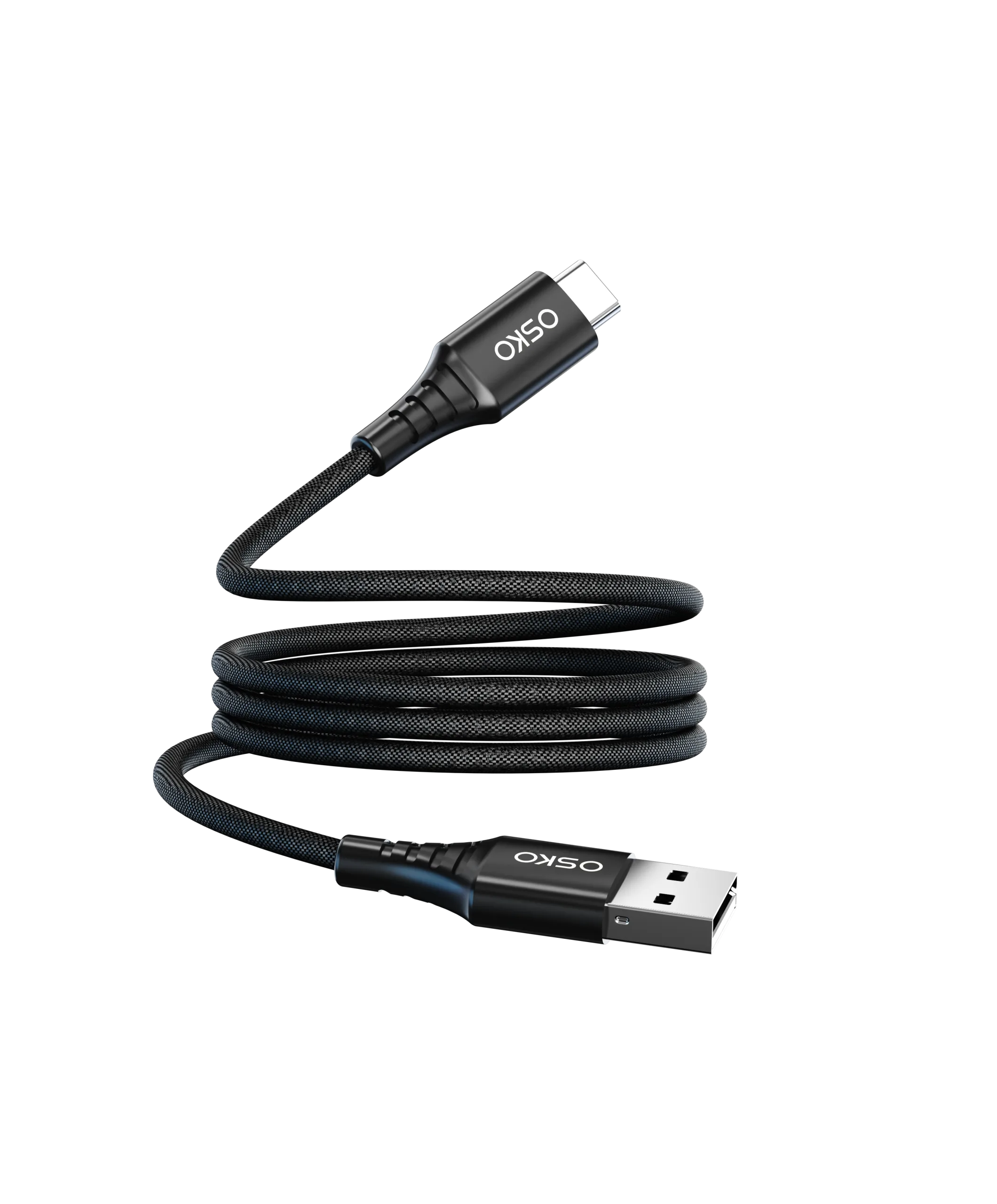
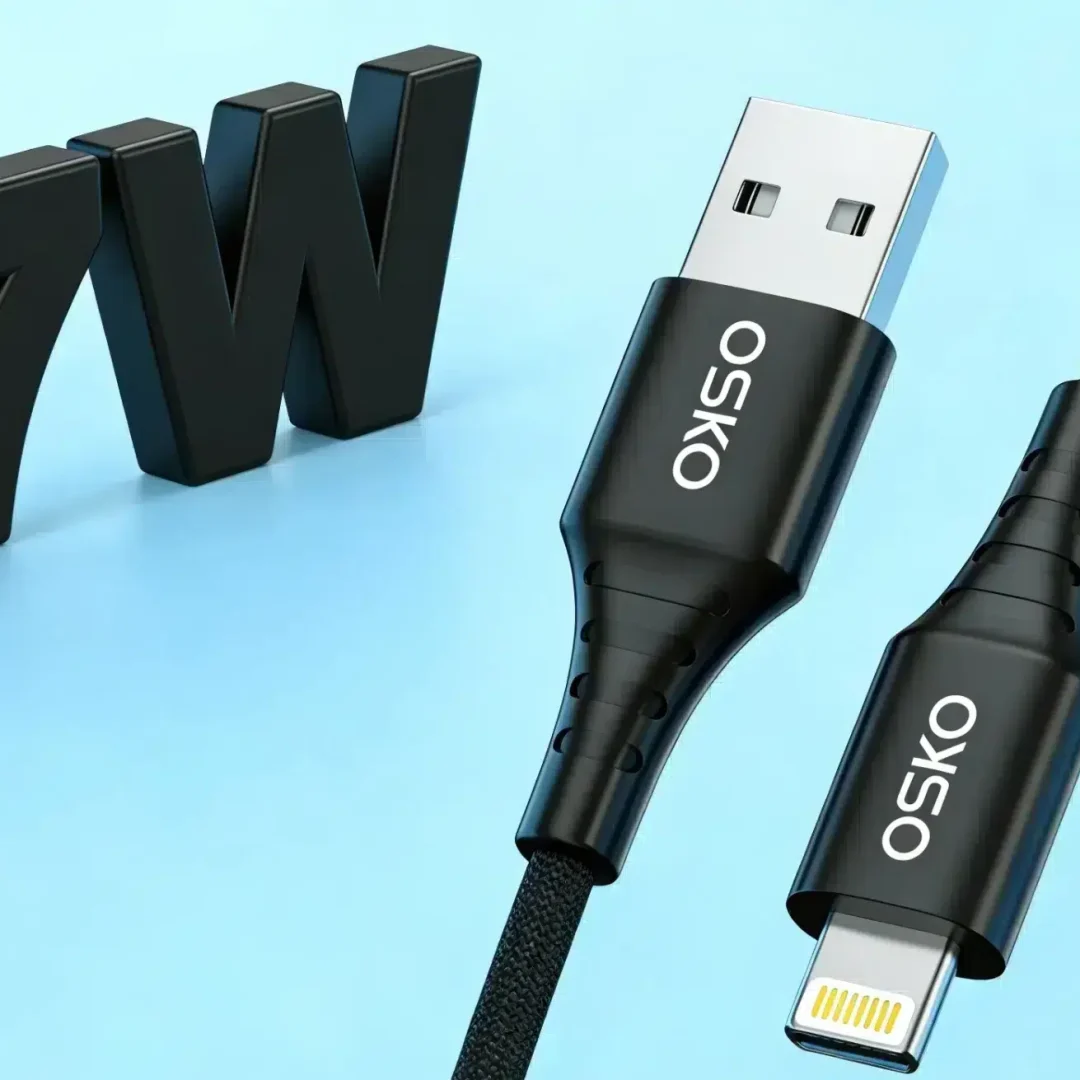
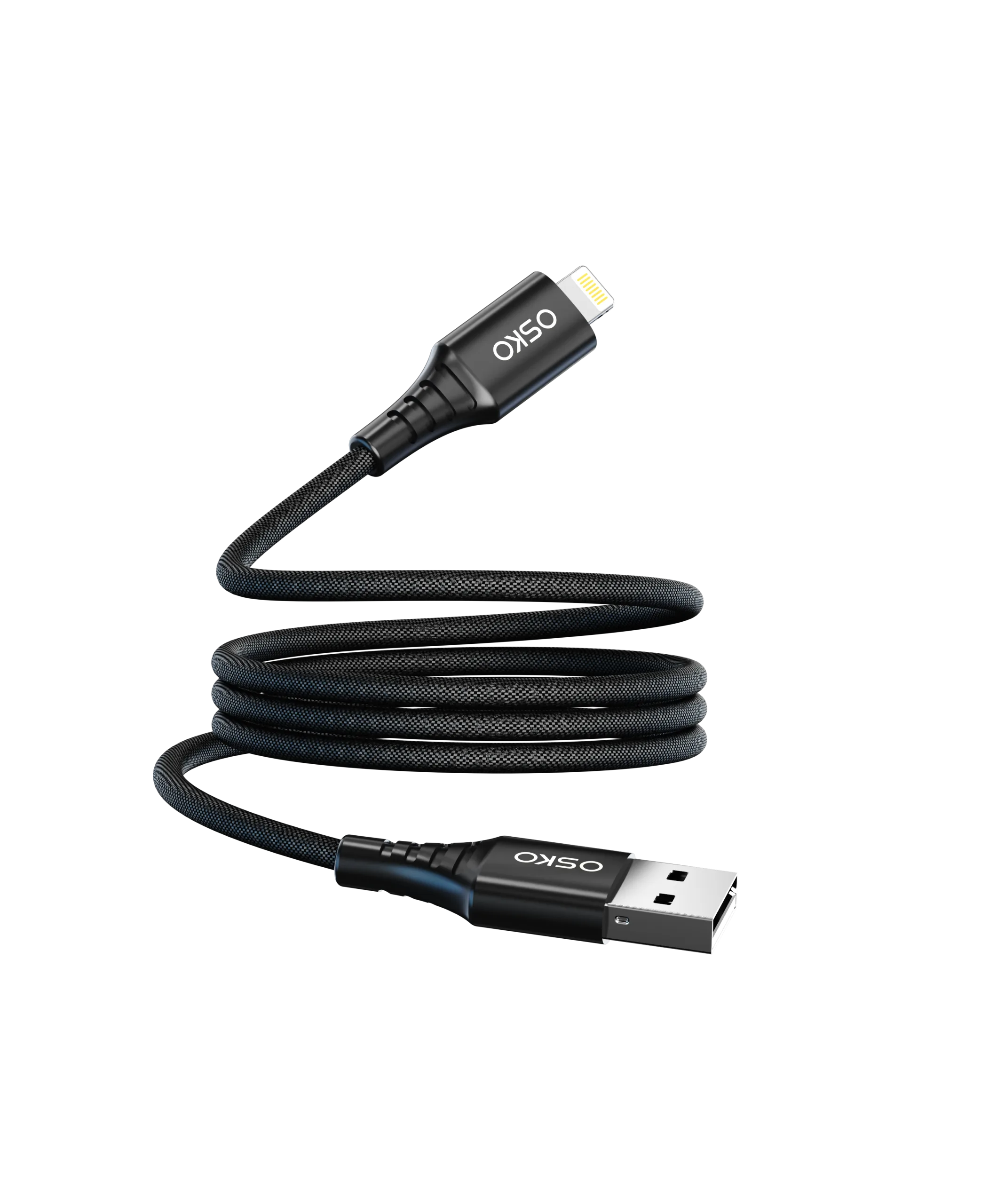
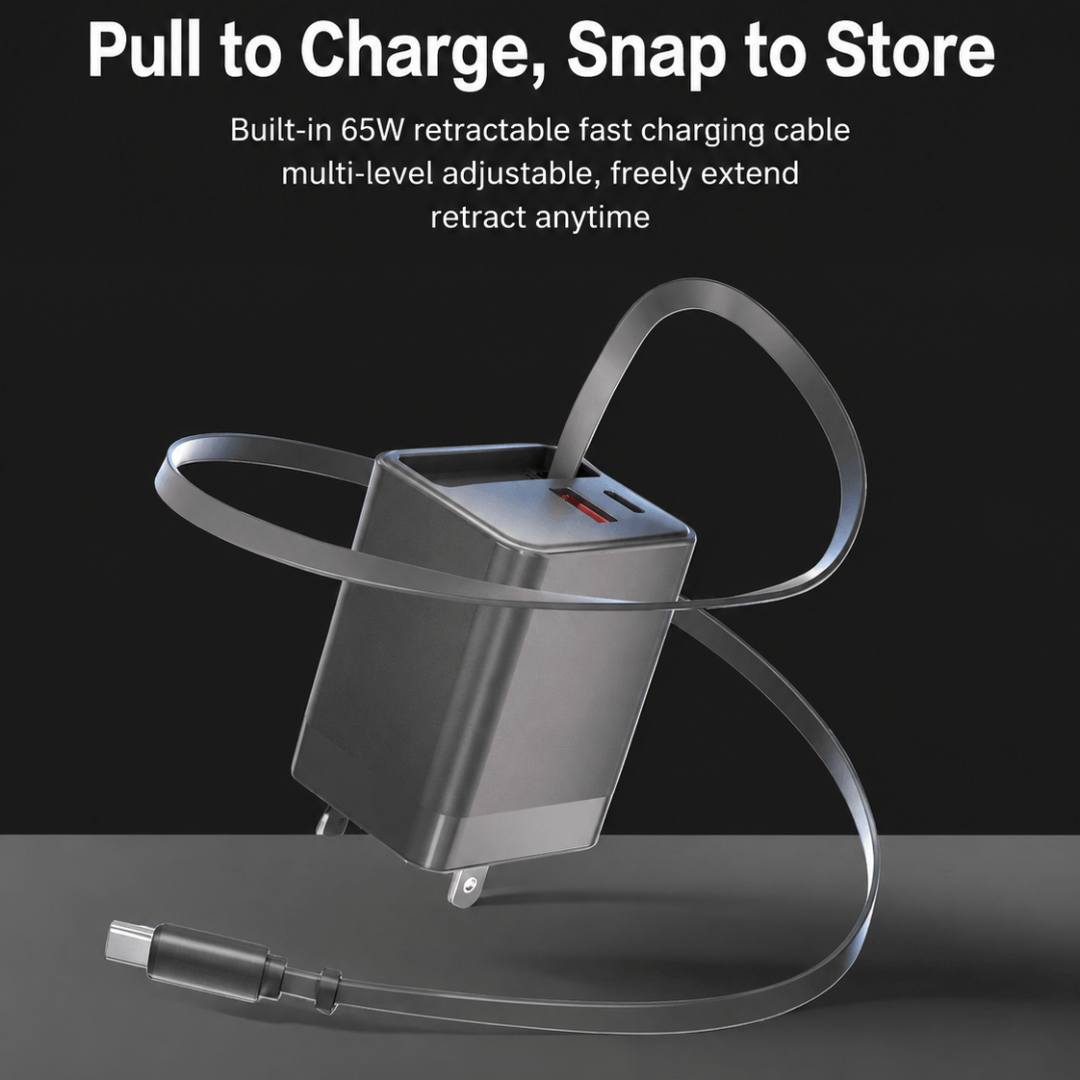
Introduction
Choosing a USB-C cable is no longer as simple as selecting a connector type. With USB-C becoming the standard interface for smartphones, tablets, laptops, monitors, power banks, and automotive charging systems, users often face two critical questions:
What USB-C cable length should I choose?
What power rating does my device actually need?
Many charging problems are caused by selecting the wrong cable specification:
A laptop charges slowly with a low-power cable
A long cable causes unstable charging
A charging-only cable cannot transfer data
A low-quality cable overheats under high current
The correct USB-C cable length and power rating depend on:
Device power requirements
Charger output capability
Cable conductor design
Usage environment
Required mobility
For consumers, choosing the correct cable improves charging efficiency and device safety.
For brands, retailers, and distributors, understanding these specifications helps develop reliable products through OEM USB-C cable manufacturing, wholesale supply, and customized accessory solutions.

Material Science & Dielectric Properties
Understanding USB-C Cable Power Rating
A USB-C cable power rating indicates how much electrical power the cable can safely handle.
The basic calculation is:
Power (W) = Voltage (V) × Current (A)
USB-C Power Delivery (PD) technology allows higher charging levels compared with traditional USB cables.
Common USB-C power ratings:
| USB-C Cable Rating | Maximum Current | Typical Application |
|---|---|---|
| 15W USB-C Cable | 3A | Basic devices |
| 60W USB-C Cable | 3A | Smartphones, tablets, MacBook Air |
| 100W USB-C Cable | 5A | Laptops, MacBook Pro |
| 140W USB-C Cable | 5A | High-performance laptops |
| 240W USB-C Cable | Higher PD 3.1 power | Future high-power devices |
Selecting a cable with insufficient power capability can limit charging speed.
How to Choose USB-C Cable Power Rating for Different Devices
Different devices require different charging levels.
Smartphones
Most modern smartphones require:
18W–45W charging
USB-C PD compatibility
Recommended:
Advantages:
Supports fast charging
Provides future compatibility
Works with power banks and chargers
Tablets
Tablets generally require:
20W–45W power
A 60W cable provides sufficient performance for:
iPad models
Android tablets
Portable devices
MacBook and Windows Laptops
Laptop charging requires higher power.
Recommended:
| Device Type | Recommended Cable |
|---|---|
| Ultrabook | 60W USB-C cable |
| MacBook Pro | 100W USB-C cable |
| Gaming laptop | 100W–240W USB-C cable |
A high-performance laptop cable usually requires:
Larger copper conductors
Better insulation
E-marker chip
Why E-Marker Chips Matter in High-Power USB-C Cables
When power exceeds standard charging levels, USB-C cables require an electronic identification chip.
The E-marker communicates:
Cable current capacity
Power limitation
Safety information
For example:
A 100W USB-C cable informs the charger:
“This cable supports 5A current.”
Without E-marker communication:
The charger may reduce output
Fast charging may not activate
Laptop charging performance may decrease
How USB-C Cable Length Affects Charging Performance
Cable length directly affects electrical resistance.
A longer cable means:
More conductor distance
Higher resistance
Greater voltage drop
The relationship:
Longer cable → Higher resistance → Potential power loss
USB-C Cable Length Selection Guide
1ft USB-C Cable
Best for:
Power banks
Portable charging
Travel kits
Advantages:
Easy storage
Low resistance
Minimal cable clutter
Limitations:
Less convenient for desk use
3ft USB-C Cable
The most common everyday length.
Suitable for:
Phone charging
Bedside charging
Office use
Car charging
Advantages:
Good balance between mobility and performance
6ft USB-C Cable
Popular for:
Desk setups
Home offices
Hotels
Workstations
Advantages:
Greater flexibility
Easier device positioning
However, longer cables require better engineering.
Professional suppliers often develop:
Bulk custom 6ft 10ft USB-C cables
for commercial applications.

10ft USB-C Cable
Used for:
Conference rooms
Large desks
Entertainment systems
Challenges:
Higher signal loss risk
Requires better conductor design
Premium versions require:
High-quality copper
Strong shielding
Optimized resistance
Cable Material and Power Stability
Power rating is not only determined by specifications.
Cable materials affect real performance.
Copper Conductors
High-quality copper improves:
Current transmission
Charging efficiency
Heat control
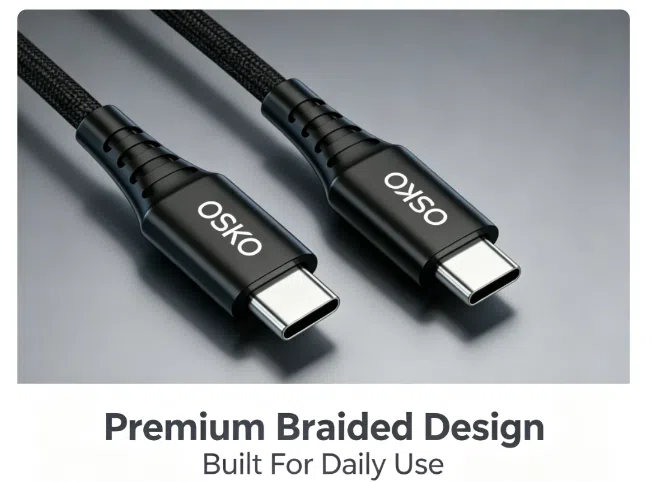
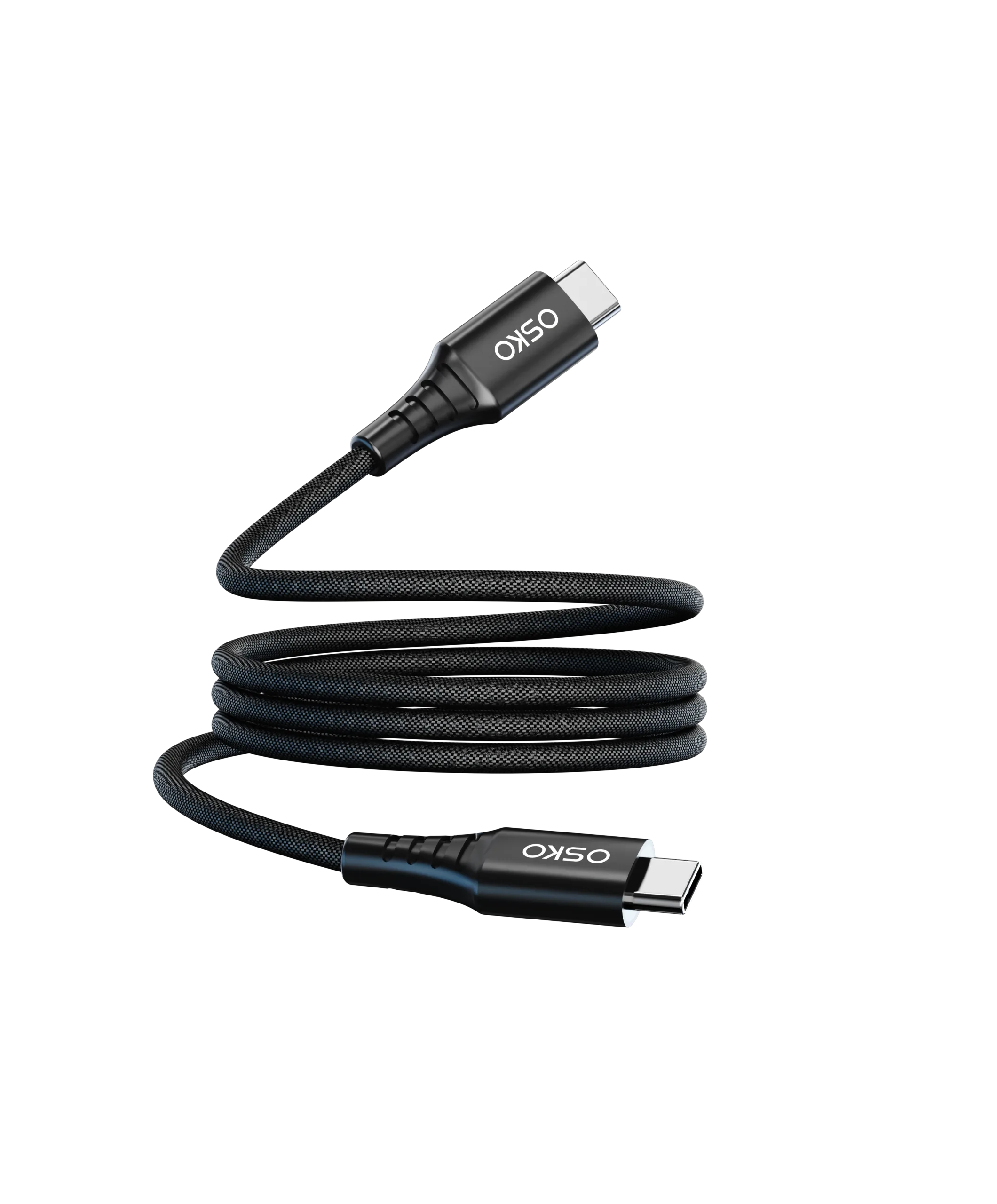
Nylon Braided Outer Layer
A braided structure improves:
Flexibility
Abrasion resistance
Mechanical protection
Applications include:
Premium retail cables
Travel USB cables
Desk charging cables
A professional Heavy duty braided USB-C cable manufacturer can customize:
Length
Color
Power rating
Packaging
Shielding Structure
Shielding protects against:
Electromagnetic interference
Signal instability
Important for:
Data cables
Video cables
Long-distance USB-C cables
Case Study
US Electronics Retailer Develops Custom USB-C Cable Product Line
Customer Background
A North American electronics brand planned to expand its charging accessory category.
Target markets:
Online retail
Office users
Mobile professionals
Laptop users
Required products:
3ft charging cable
6ft desk cable
100W laptop cable
Custom packaging
Customer Challenges
Different User Requirements
The customer previously sold one cable model for all devices.
Problems:
Smartphone users paid for unnecessary specifications
Laptop users experienced slow charging
Long cables had unstable performance
Need for Product Segmentation
The brand needed:
Different power ratings
Different lengths
Clear product positioning
OSKO Solution
OSKO created a multi-category USB-C cable solution.
| Product | Specification | Application |
|---|---|---|
| Short cable | 60W | Power banks |
| Standard cable | 60W | Phones/tablets |
| Long cable | 100W | Laptop charging |
| Premium cable | 240W | High-power devices |
The solution supported:
OEM USB-C cable manufacturer
ODM USB cable supplier
USB-C cable wholesale
Bulk USB cables
Retail USB cable solutions
Selection Guide
How to Select the Right USB-C Cable
Match Cable Power With Device Requirements
Before purchasing:
- Check device charging requirement
- Confirm charger output
- Select equal or higher cable rating
Example:
| Device | Recommended Cable |
|---|---|
| Smartphone | 60W USB-C cable |
| Tablet | 60W USB-C cable |
| MacBook Air | 60W USB-C cable |
| MacBook Pro | 100W USB-C cable |
| High-performance laptop | 140W–240W USB-C cable |
Match Cable Length With Usage Scenario
| Usage Scenario | Recommended Length |
|---|---|
| Travel | 1ft–3ft |
| Car charging | 3ft |
| Office desk | 6ft |
| Conference room | 10ft |
For Wholesale and OEM Buyers
When selecting a USB-C cable supplier, evaluate:
| Factor | Importance |
|---|---|
| Power testing | Charging reliability |
| Cable resistance | Performance stability |
| Material quality | Product lifespan |
| Certification | Global market compliance |
| Customization ability | Brand development |
Qualified suppliers can provide:
OEM ODM custom length USB C cables
Bulk custom color braided charging cables
USB-IF compliant Type C cable manufacturer
ISO9001 certified braided USB cable factory
CE RoHS certified USB-C cable solutions
FAQ
Is a longer USB-C cable slower?
Not always. A high-quality long cable can maintain charging performance, but poor-quality cables may experience voltage drop.
Is a 100W USB-C cable better than a 60W cable?
Not necessarily. A higher-power cable is only beneficial if the device and charger support higher power.
Can I use a 240W USB-C cable for my phone?
Yes. USB-C PD automatically negotiates the required power. The device only receives the power it needs.
Does cable thickness affect charging speed?
Yes. Thicker conductors generally reduce resistance and improve high-current performance.
What USB-C cable length is best for car charging?
A 3ft USB-C cable is usually ideal because it provides enough reach while minimizing cable clutter
Summary
Selecting the right USB-C cable length and power rating requires balancing device requirements, charging performance, and usage environment.
The key considerations are:
Device power demand
USB-C PD compatibility
Cable current rating
Cable length
Internal material quality
For everyday devices:
60W is suitable for phones and tablets
100W is recommended for many laptops
240W supports advanced high-power applications
Cable length should match the scenario:
Short cables for portability
Medium cables for daily use
Long cables for professional setups
For businesses, retailers, and distributors, partnering with an experienced USB-C cable manufacturer ensures reliable engineering, customization, and consistent production for global markets.
Contact Information
OSKO provides professional USB-C cable manufacturing solutions:
60W / 100W / 240W USB-C cables
Custom length USB-C cables
Nylon braided charging cables
OEM and ODM USB cable production
Private label USB-C cables
Bulk wholesale cable solutions