
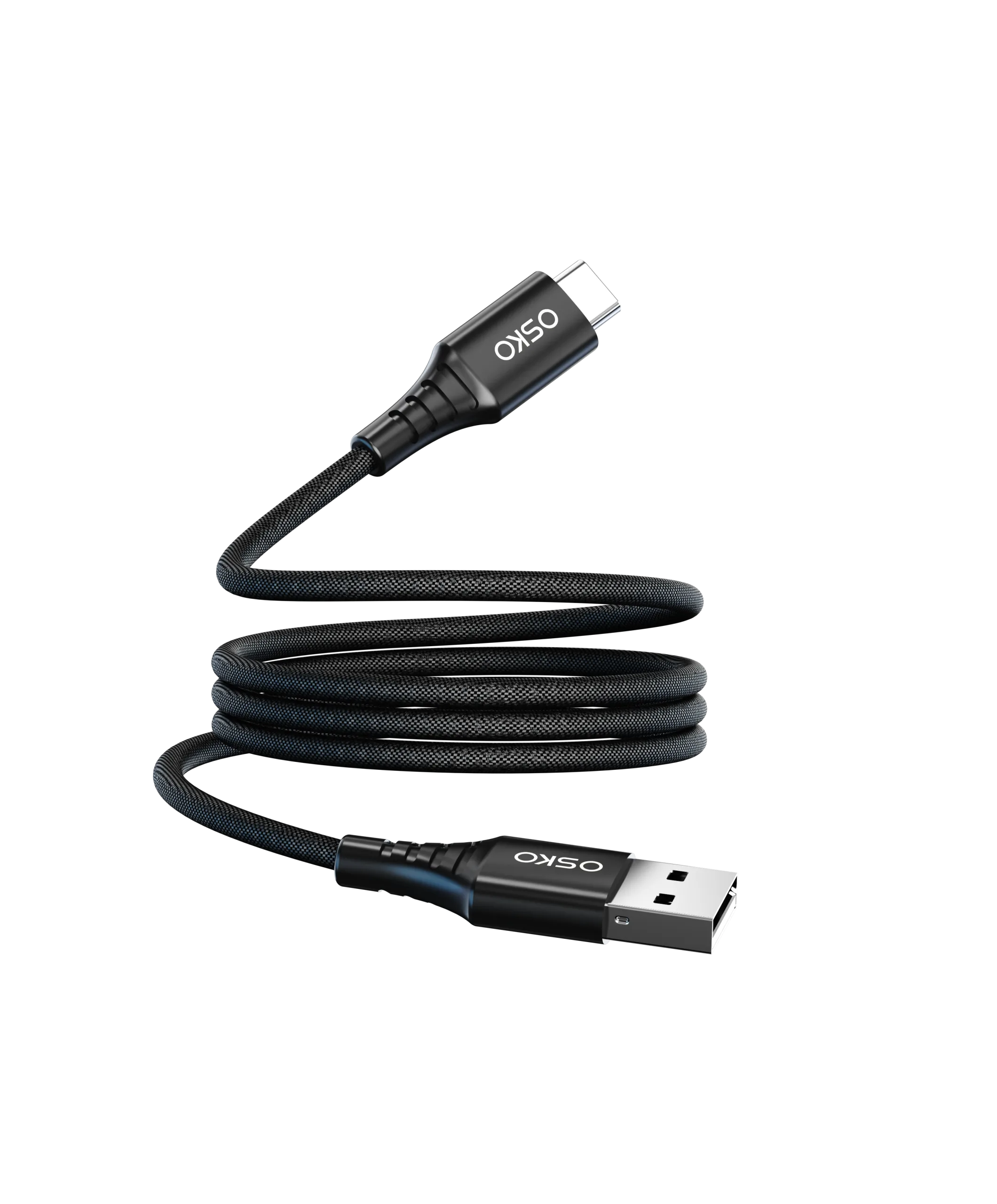
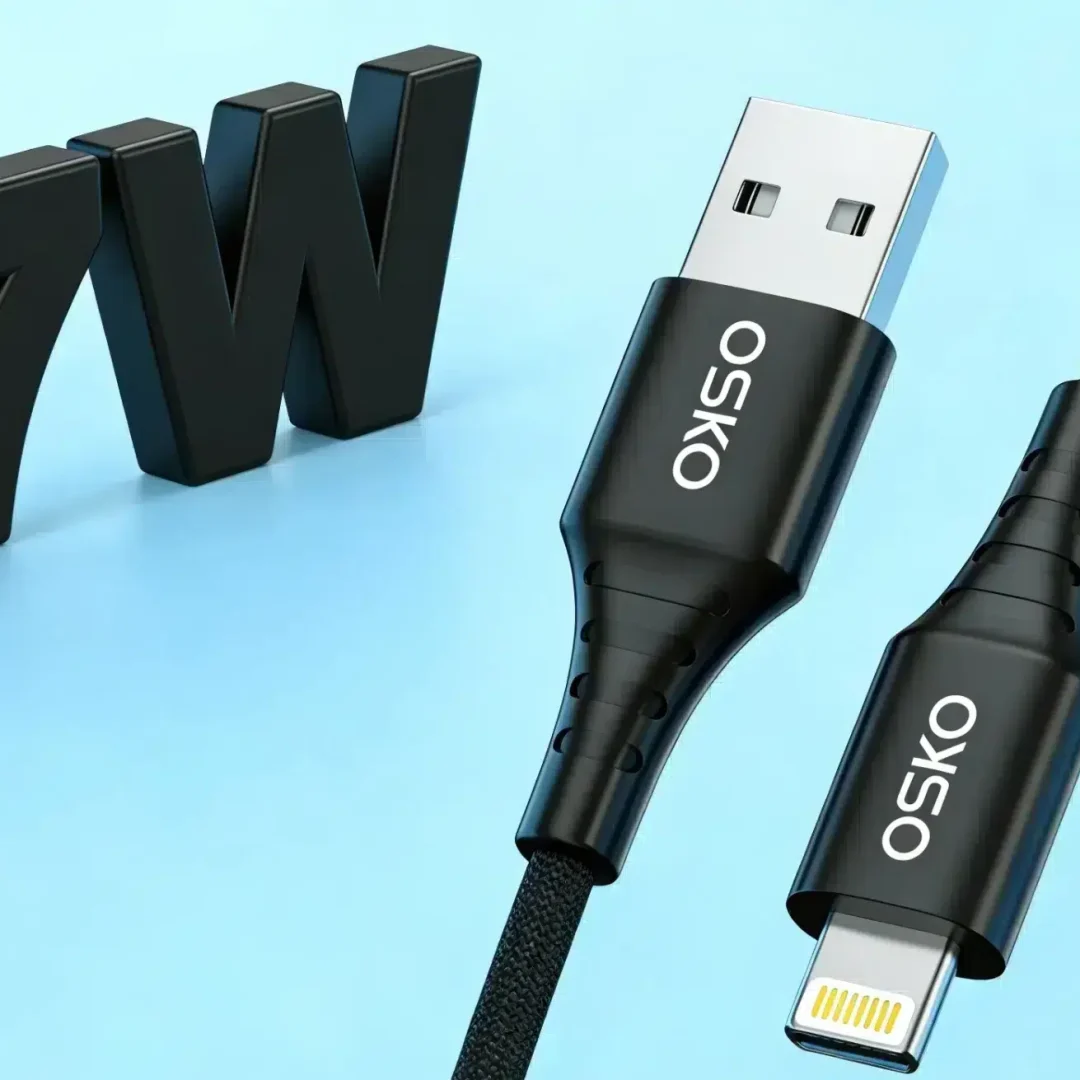
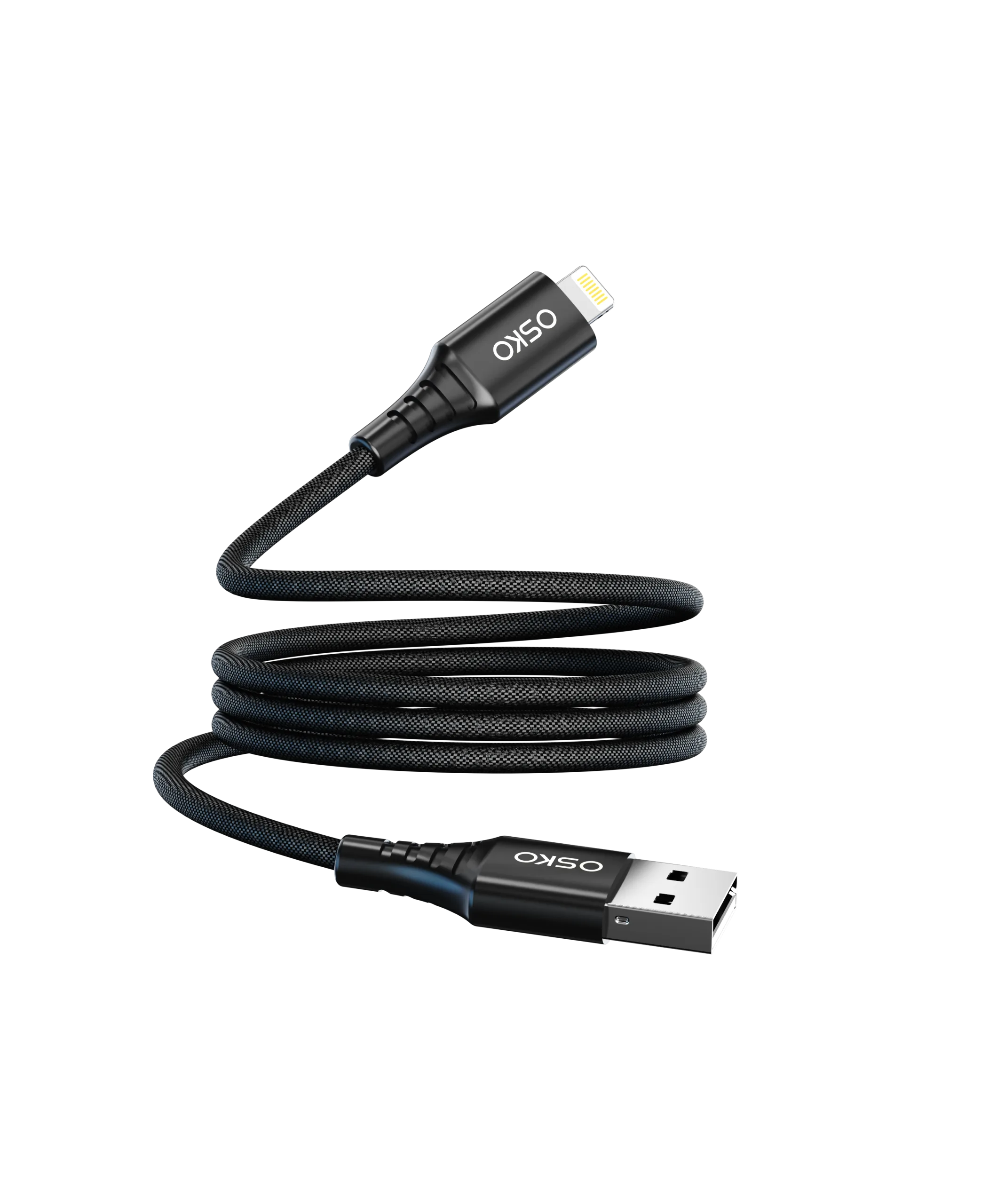
If you are an e-commerce brand owner scouting the consumer electronics category on Amazon US, you already know it is one of the most lucrative yet brutally competitive battlegrounds on the internet. Type-C charging cables are an absolute staple. Every consumer needs them, they are small enough to keep Amazon FBA storage fees low, and the replenishment cycle is continuous. But if you scrape the data on top-selling listings using tools like Helium 10 or Jungle Scout, you will notice a striking, undeniable pattern: standard white TPE or basic plastic cables are relegated to the bottom-barrel, low-margin multi-packs. The listings commanding premium price points, stacking tens of thousands of 5-star reviews, and holding the coveted “Amazon’s Choice” badges are almost universally nylon braided USB-C cables.
For new or expanding brands looking to penetrate this high-volume space, the choice of material isn’t just an aesthetic preference—it is a core business strategy that dictates your click-through rates (CTR), conversion rates (CVR), and, most importantly, your return rate.
However, entering the Amazon US marketplace requires more than just buying blank stock from a random trading company. It requires an intimate understanding of why this specific material dominates consumer behavior, how to navigate strict Amazon compliance, and how to choose a high-spec heavy duty braided USB-C cable manufacturer that can safeguard your digital storefront. This comprehensive guide breaks down the anatomy of Amazon success in the 3C accessory niche.
1. The Psychology of the American Consumer: Perceived Value and the Anti-Fraying Obsession
To win on Amazon US, you must understand the pain points of the average American shopper. The standard white plastic cable that used to come bundled inside smartphone boxes has conditioned the market to expect immediate failure. Consumers are intimately familiar with the dreaded “neck split”—the inevitable tearing of the TPE jacket right at the stress joint within three months of typical bedside or vehicular use.
When a shopper searches for a replacement charging wire on Amazon, they are actively looking to break this cycle of planned obsolescence. This is where high-density nylon braiding excels as a marketing hook:
Transforming Commodities Into Premium Assets
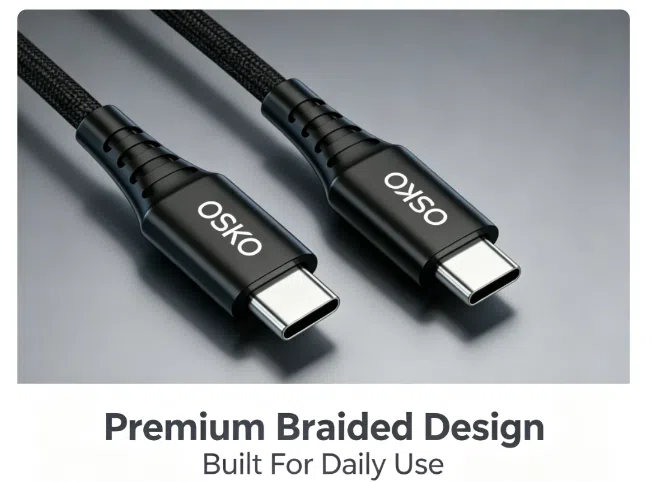
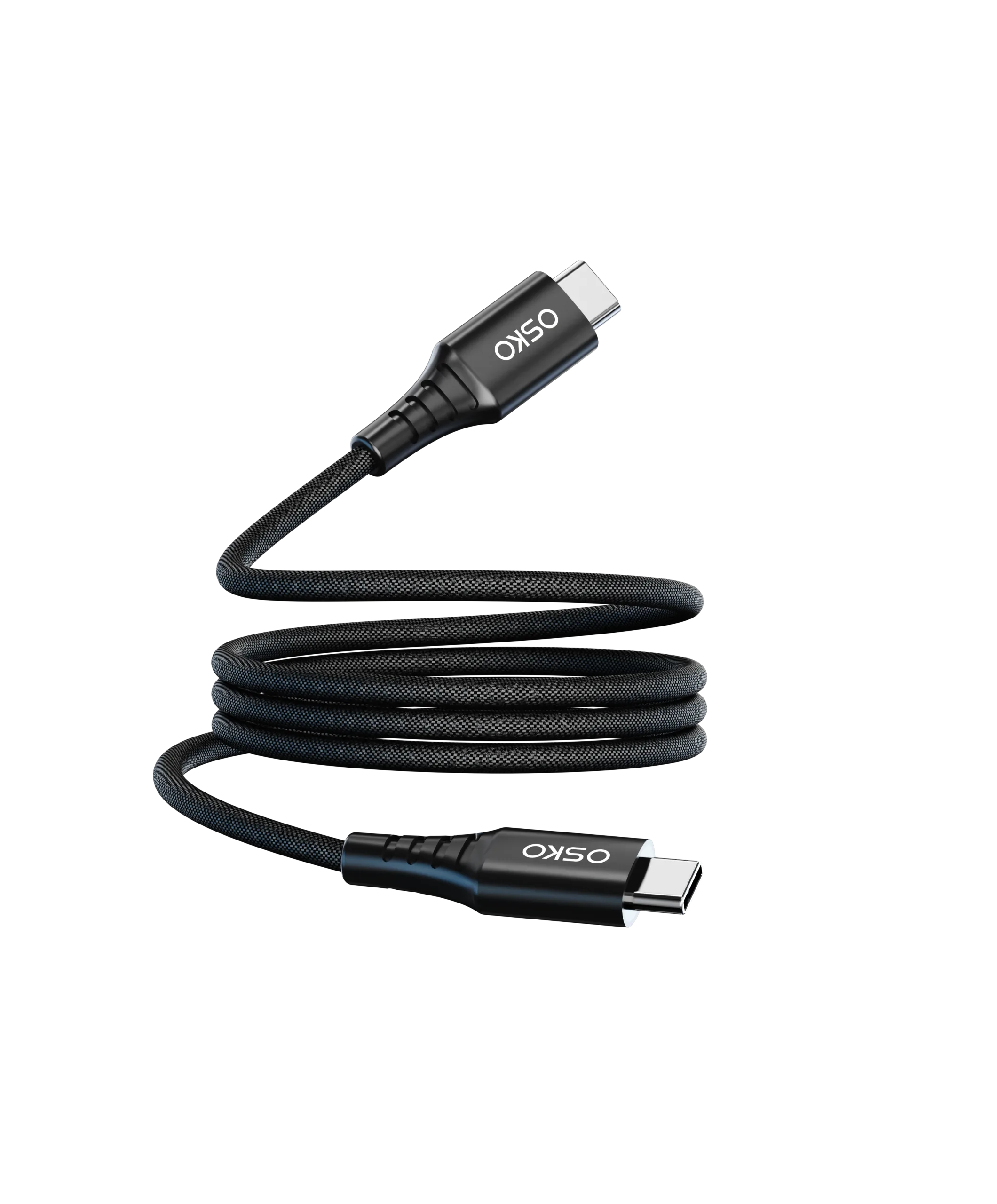
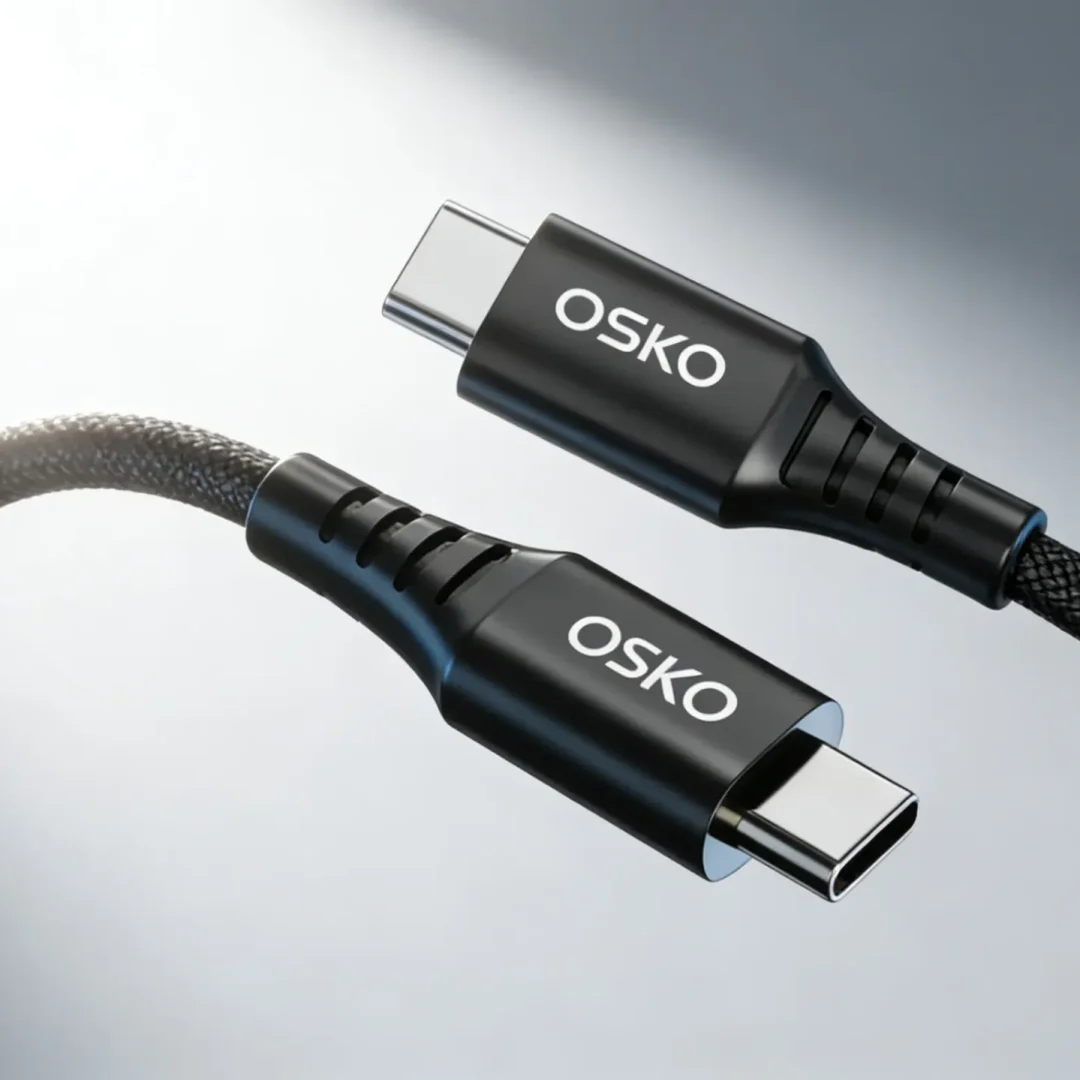
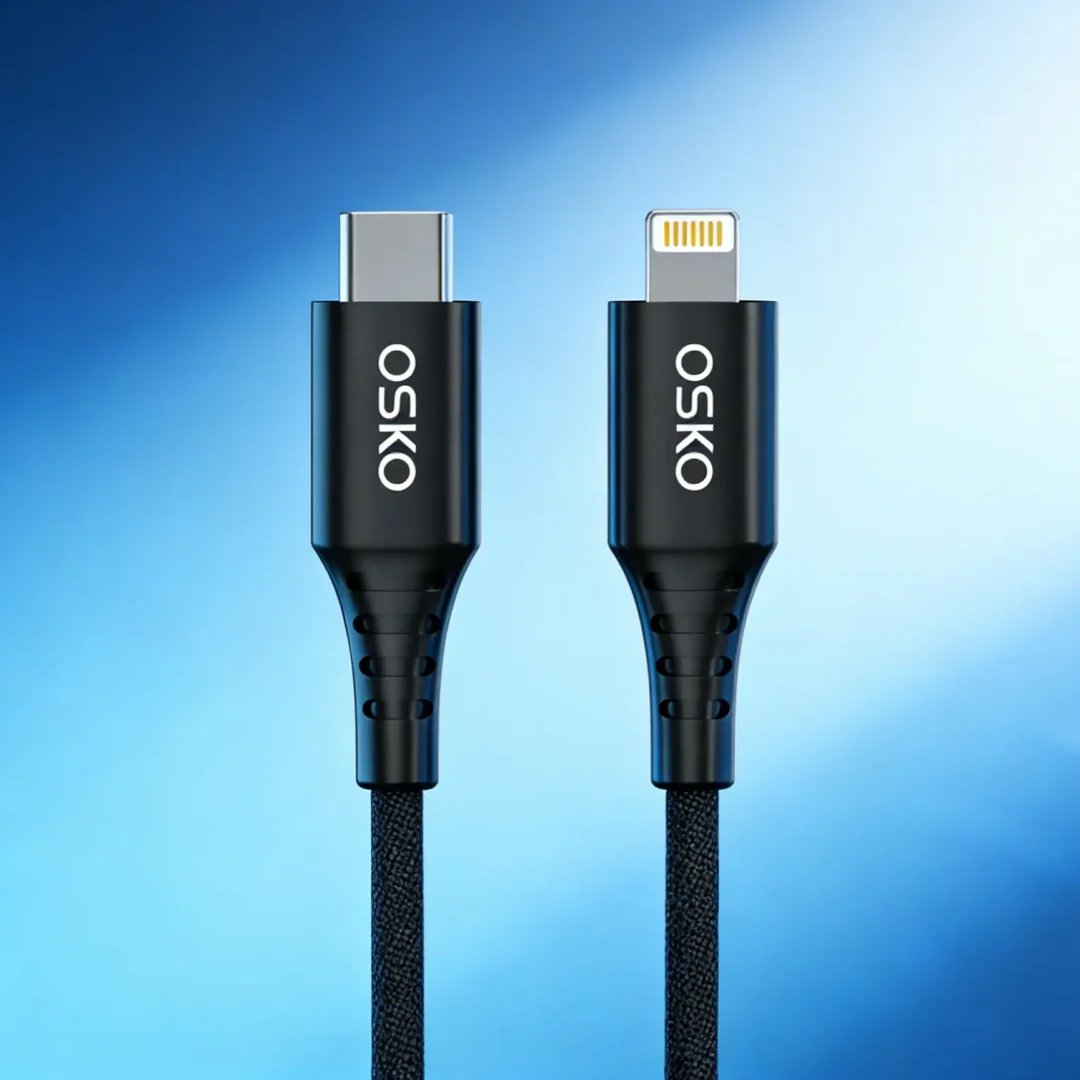
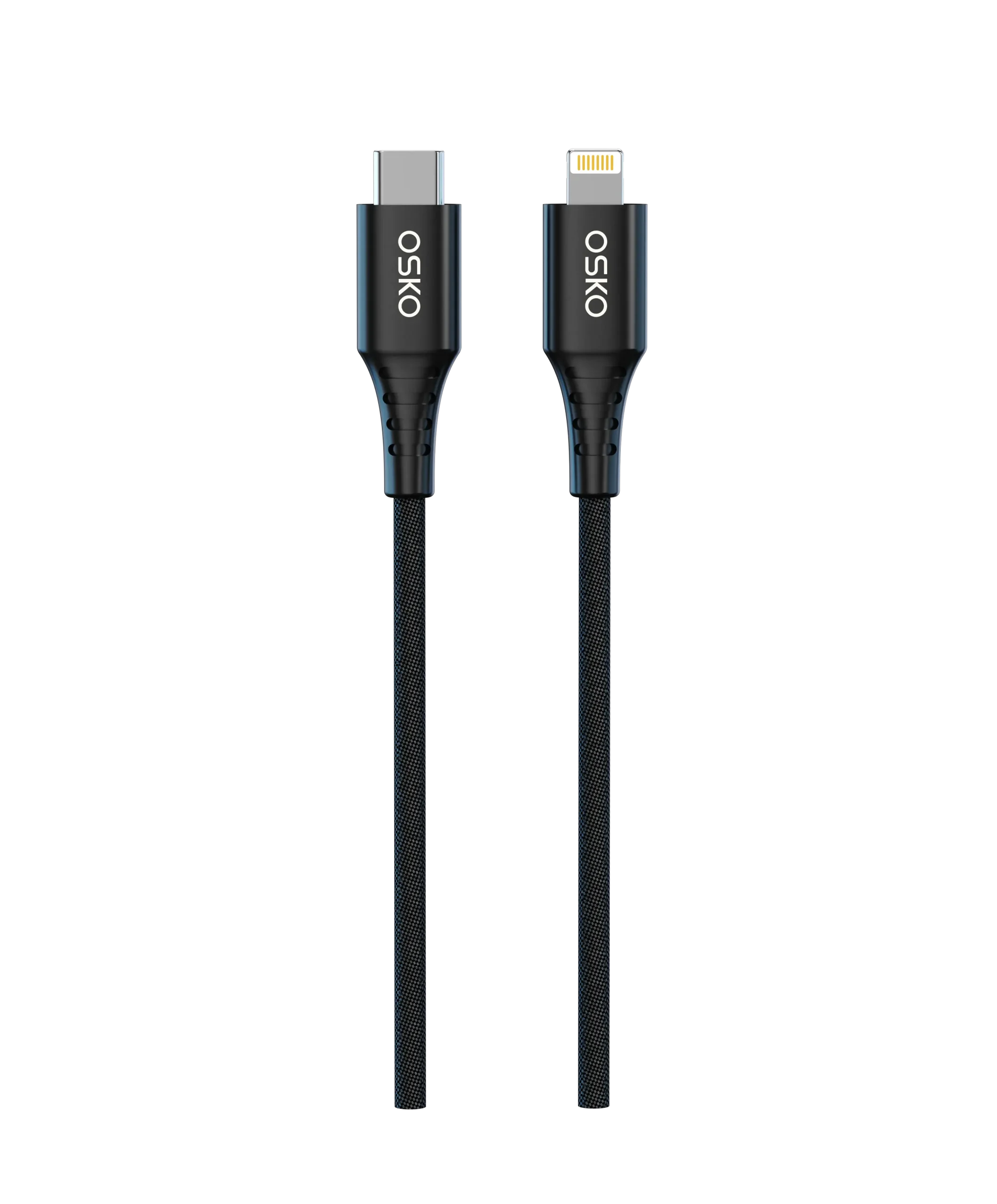
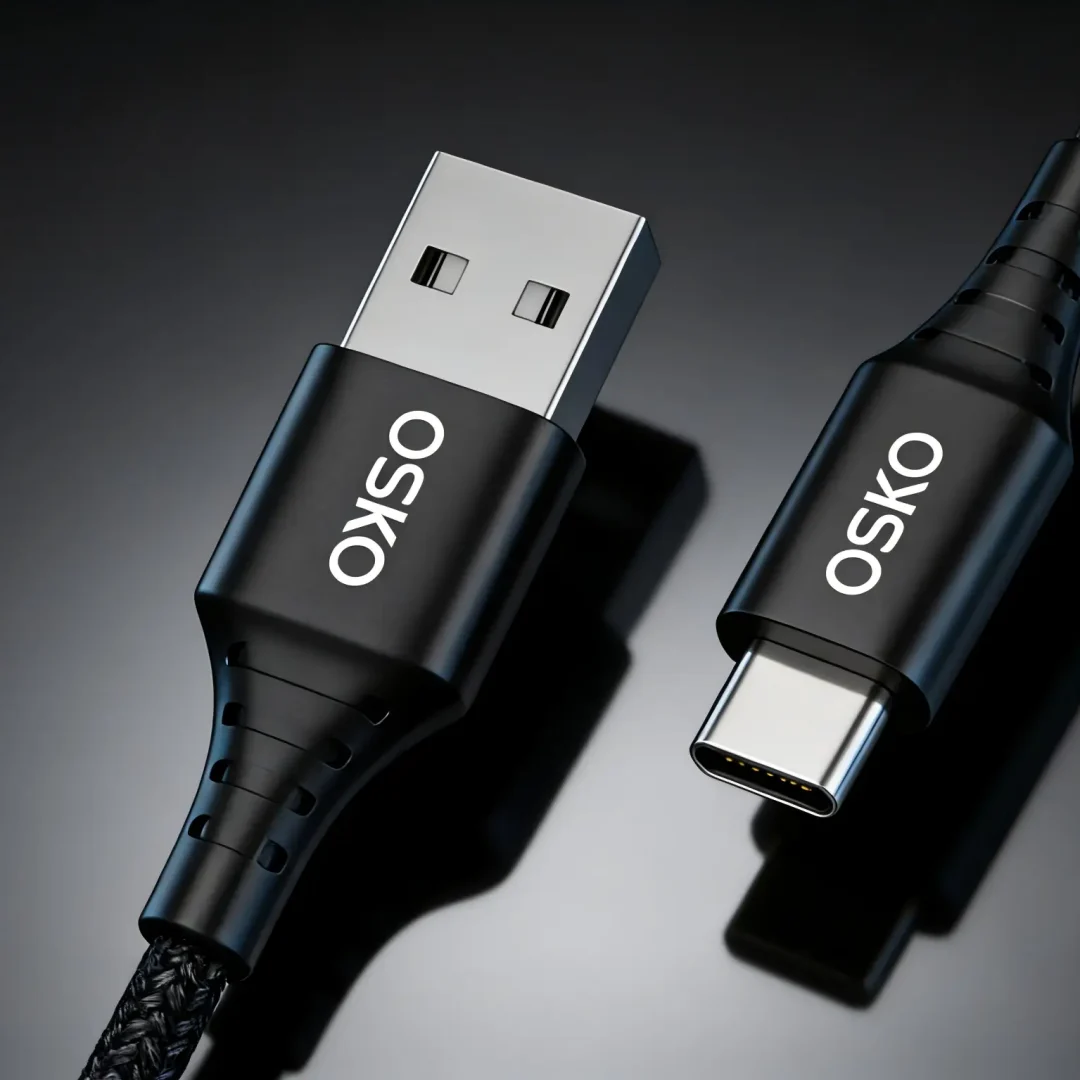
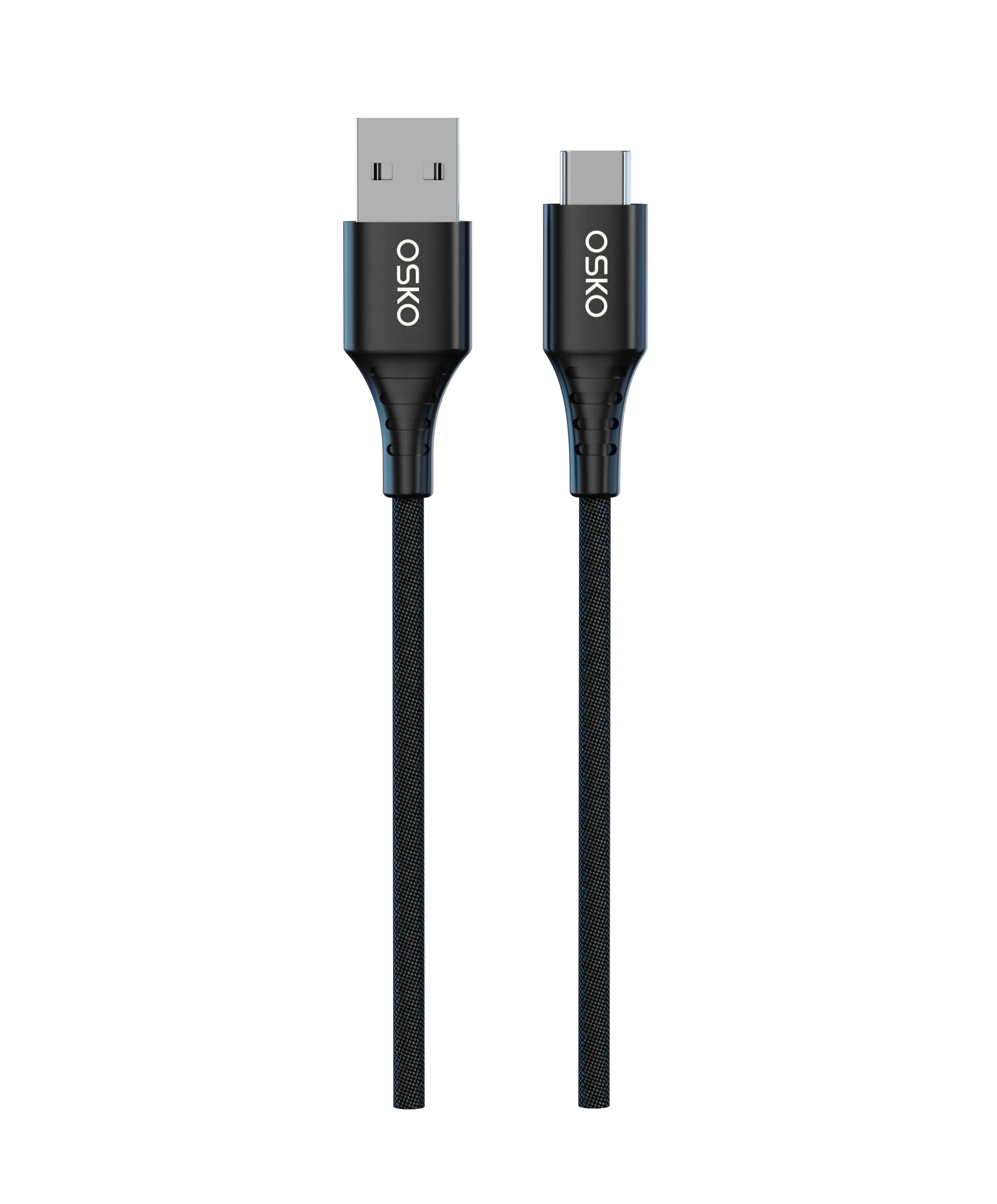
A basic TPE cable feels clinical, cheap, and disposable. In contrast, a private label nylon braided Type C cable instantly communicates luxury and rugged reliability the moment the consumer slides it out of the packaging. The tactile feedback of a tightly woven 16-spindle or 24-spindle jacket alters the perceived value of the item. On Amazon, where shoppers cannot touch the product before buying, your high-resolution hero images and A+ content must convey this premium build quality visually. A macro-shot of a flawless, double-braided nylon weave allows you to justify a $14.99 price point for a single cable, whereas a standard plastic wire is trapped in a race to the bottom at $8.99 for a 3-pack.
The Power of “Heavy Duty” and “Tangle-Free” Copywriting
American consumers search with high intent. Keywords like “tangle-free USB-C cable” or “heavy duty iPhone charging wire” see hundreds of thousands of organic searches monthly. Nylon braiding inherently solves these two primary consumer frustrations:
- The Tangle-Free Factor: The natural structural memory and rigidity of tightly woven nylon threads prevent the internal copper lines from folding in on themselves, ensuring the cable smoothly unfurls from a backpack or car glove box every single time.
- Pet and Abrasion Resistance: Households with pets are a massive demographic in the US. Nylon jackets provide an essential layer of armor against pet chewing and the constant friction of being pulled across sharp desk edges.
2. Preventing the Silent Killer of Amazon Listings: Crushing the Return Rate
Many rookie e-commerce brands focus entirely on driving traffic and optimizing their Amazon PPC campaigns, only to watch their businesses collapse due to high return rates. On Amazon, a return rate climbing above 3% to 5% in the electronics category triggers a catastrophic chain reaction:
- Amazon’s A9 algorithm suppresses your organic keyword rankings because your product is deemed a poor customer experience.
- Your FBA (Fulfillment by Amazon) processing fees skyrocket as you absorb the cost of unfulfillable returns.
- Negative 1-star reviews accumulate, permanently damaging your conversion velocity.
In the cable world, 99% of returns happen because of internal wire shearing or joint snap. By shifting your product architecture to a reinforced, nylon-braided blueprint, you are systematically engineered to eliminate these structural points of failure.
Mastering the Strain Relief (SR) Engineering
The absolute true point of failure for any cable is the intersection where the flexible cord meets the rigid aluminum or plastic connector shell. Cheap manufacturers save costs by using short, rigid PVC molds that snap under minimal stress.
To survive the rigorous demands of American households, your production run must feature an elongated, segmented flexible SR joint molded from premium TPU materials. When your product listing can legitimately boast that your inventory has survived a certified 15,000+ or 20,000+ 90-degree bend lifespan test, you build an ironclad shield against product defects and subsequent negative Amazon reviews.
Internal Gauge Architecture: Copper vs. Power Delivery
The outer nylon jacket is only as good as the internal copper it protects. As the US market transitions entirely to power-hungry ecosystems—such as charging 16-inch MacBooks, iPads, and high-wattage Android devices—the old internal wire standards are obsolete. If an Amazon customer plugs a cheap, thin cable into a high-wattage charger and experiences lagging charge speeds or excessive heat, they will drop an immediate 1-star review.
Your manufacturing partner must construct your lines using low-resistance, high-purity tinned copper cores with a generous wire gauge configuration (such as 22AWG/20AWG for power lines). This internal mass, protected by the rugged external nylon shell, ensures maximum current flow with zero thermal risk, completely eliminating performance-based customer complaints.
3. Future-Proofing Your Storefront: The Irreversible Shift to 240W PD 3.1 and USB4
If you launch an Amazon brand using old USB 2.0 or basic 60W power specifications, you are investing in a dying market. The smart capital on Amazon US is moving aggressively toward ultra-high-spec connectivity. To stand out from the sea of generic sellers, new brands must launch products that align with the latest hardware trends:
Dominating the Charging Space with 240W PD 3.1 Wholesale Lines
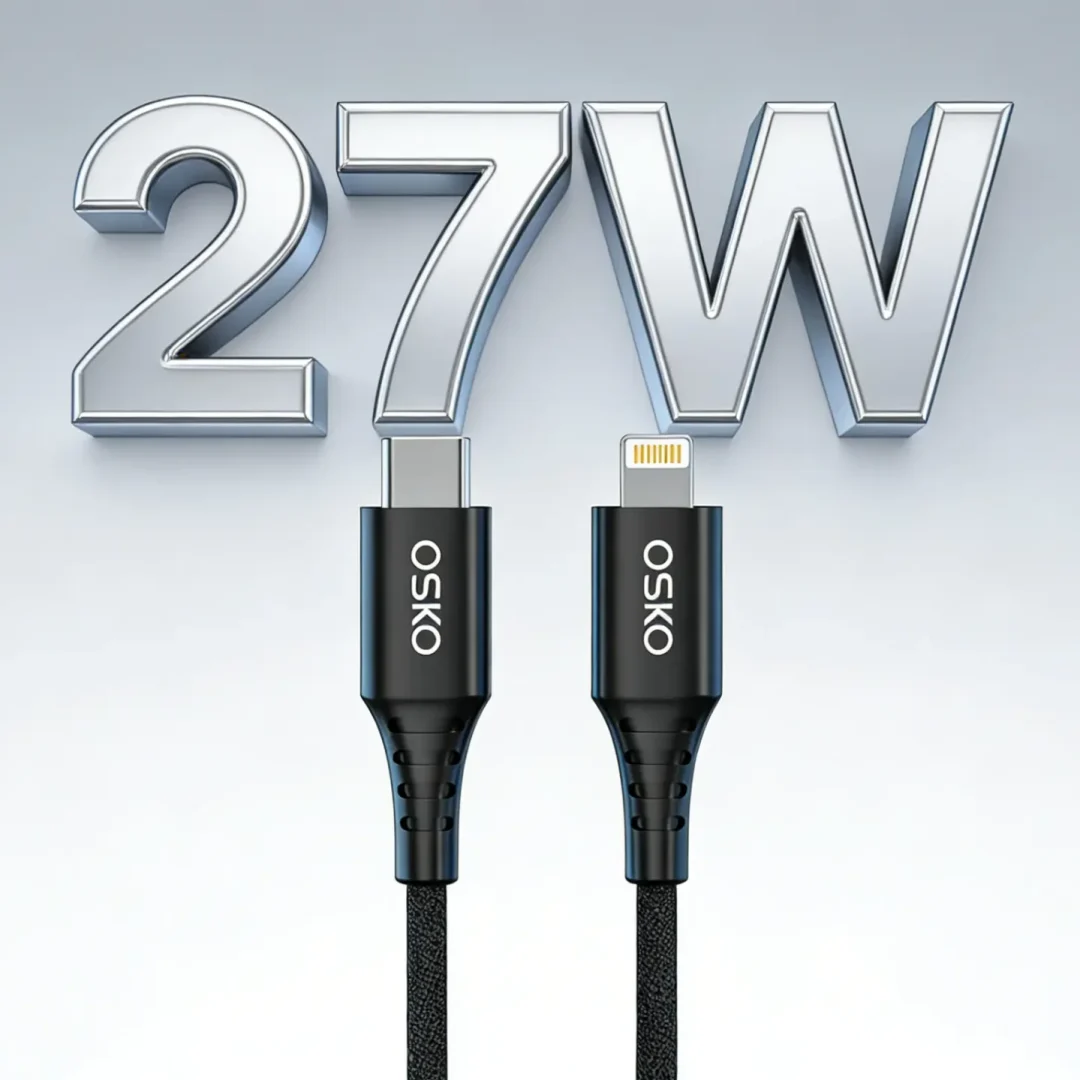
The USB-IF’s Extended Power Range (EPR) architecture allows Type-C cables to deliver up to 240W (48V/5A) of power. Consumers are actively looking for singular, high-performance cables that can replace all of their individual device chargers. Launching a 240W USB-C to USB-C cable wholesale line allows your brand to capture the high-margin, tech-forward demographic on Amazon.
At this extreme wattage level, safety is paramount. Your cables must be integrated with genuine, verified E-Marker smart chips embedded within the connector mold. This chip serves as the digital gatekeeper, actively communicating with the laptop and wall charger to regulate voltage. Without it, you run the risk of catastrophic device damage, which can lead to severe legal liabilities on US soil.
The Ultimate Data Play: USB4 40Gbps Coaxial Architecture
For high-end tech listings targeting content creators, remote professionals, and dual-monitor enthusiasts, standard charging lines won’t suffice. Providing an OEM Nylon Braided USB4 cable 40Gbps establishes your storefront as an elite tech provider.
Achieving a stable 40Gbps data throughput without signal interference requires an internal coaxial or heavily shielded twisted pair (STP) architecture wrapped in multiple layers of aluminum foil and dense tinned copper braiding. This level of technical complexity filters out 95% of low-tier Amazon competitors who lack the manufacturing capability to pass high-frequency testing.
4. The Amazon FBA Reality Check: Strict US Customs and Legal Compliance
Amazon US operates under the strict jurisdiction of United States federal and state laws. The platform has automated compliance bots that crawl listings daily. If your brand cannot provide third-party, accredited laboratory certificates matching your product listings within a tight window, your inventory will be frozen, and your seller account could face permanent suspension.
When selecting an offshore production asset, working with an FCC approved nylon braided USB C cable supplier is a fundamental non-negotiable baseline. But to truly protect your business from
The European Passports for Global Brands
Even if your primary focus is the US, many Amazon sellers scale
Conquering California Proposition 65
The state of California represents one of the largest consumer economies in
To safely trade on the platform without the fear of predatory civil
5. Tailoring for Success: Private Label and Customization Strategies for Amazon
To achieve a sustainable competitive advantage on Amazon, you cannot simply slap
Strategic Visual Differentiation
- Bespoke Weave Patterns: Move beyond boring solid black or gray. Design unique multi-tone double-braided patterns (e.g., metallic silver mixed with deep charcoal, or high-visibility reflective neon threads) that create striking, scroll-stopping main images for your Amazon search results pages.
- Anodized Shell Enhancements: Color-match your aluminum alloy or zinc alloy connector shells to match the latest aesthetic finishes of popular flagship laptops and smartphones (such as Apple’s Space Gray or Titanium hues), creating a unified, premium ecosystem feel.
- Laser-Etched Precision Branding: Eliminate cheap silk-screened ink logos that wear off. Opt for precision CNC-tooled recesses or clean laser-engraved branding on the metal plugs to establish a permanent, high-end visual hallmark.
Optimizing Length and Packaging for Amazon Logistics
- The US Length Imperative: While international markets often lean on standard 1-meter metrics, the American consumer market heavily favors extended dimensions. Offering customized runs of 6ft and 10ft dimensions caters directly to high-volume search queries for flexible couch, bed, or office charging setups.
- Eco-Friendly, Space-Saving Packaging: Amazon heavily rewards brands that use sustainable packaging under their “Frustration-Free Packaging” and Climate Pledge Friendly programs. Designing compact, eco-friendly kraft paper slide-boxes or minimalist card hang-packs not only appeals to modern green consumers but also radically minimizes the physical footprint of your inventory, slashing your inbound shipping costs and FBA fulfillment fees.
6. Strategic Partnership: Scaling Your Brand with OSKO
Launching and scaling an electronics brand on Amazon US is a high-yield opportunity, but it requires a bulletproof supply chain. Saving a few cents on unshielded, non-certified lines from a middleman broker introduces massive vulnerabilities to your e-commerce enterprise.
At OSKO, we understand the unique pressure points of Amazon FBA operators. We don’t just manufacture cables; we provide fully compliant, engineered connectivity solutions designed to minimize your returns, maximize your margins, and withstand the strict scrutiny of Amazon compliance audits.
From high-density double-nylon braiding to advanced PD 3.1 240W lines and elite USB4 40Gbps architectures, our factory delivers world-class hardware backed by genuine, verifiable CE, RoHS, FCC, and Prop 65 certifications.
Are you ready to claim your market share on Amazon US with a premium private label lineup?
Contact our international B2B development desk today to review our technical digital catalogs, request physical testing samples, and receive a comprehensive, tiered OEM/ODM production quote within 24 hours.