
Introduction
The role of the USB-C cable has changed significantly in recent years. Originally introduced as a simple charging connector, USB-C has become one of the most important connectivity standards for modern electronics.
Today, a high-quality USB-C charging cable is no longer only used for powering smartphones. It can support fast charging, high-speed data transfer, external displays, laptops, gaming devices, and professional workstation applications.
For consumers in the United States, Germany, Australia, and the Netherlands, USB-C has become the preferred connection solution because it combines convenience, performance, and compatibility in one compact connector.
For brands, distributors, and electronics retailers, choosing the right USB-C cable supplier is equally important. Cable construction, conductor quality, power capability, certification, and durability directly affect customer experience and product reputation.
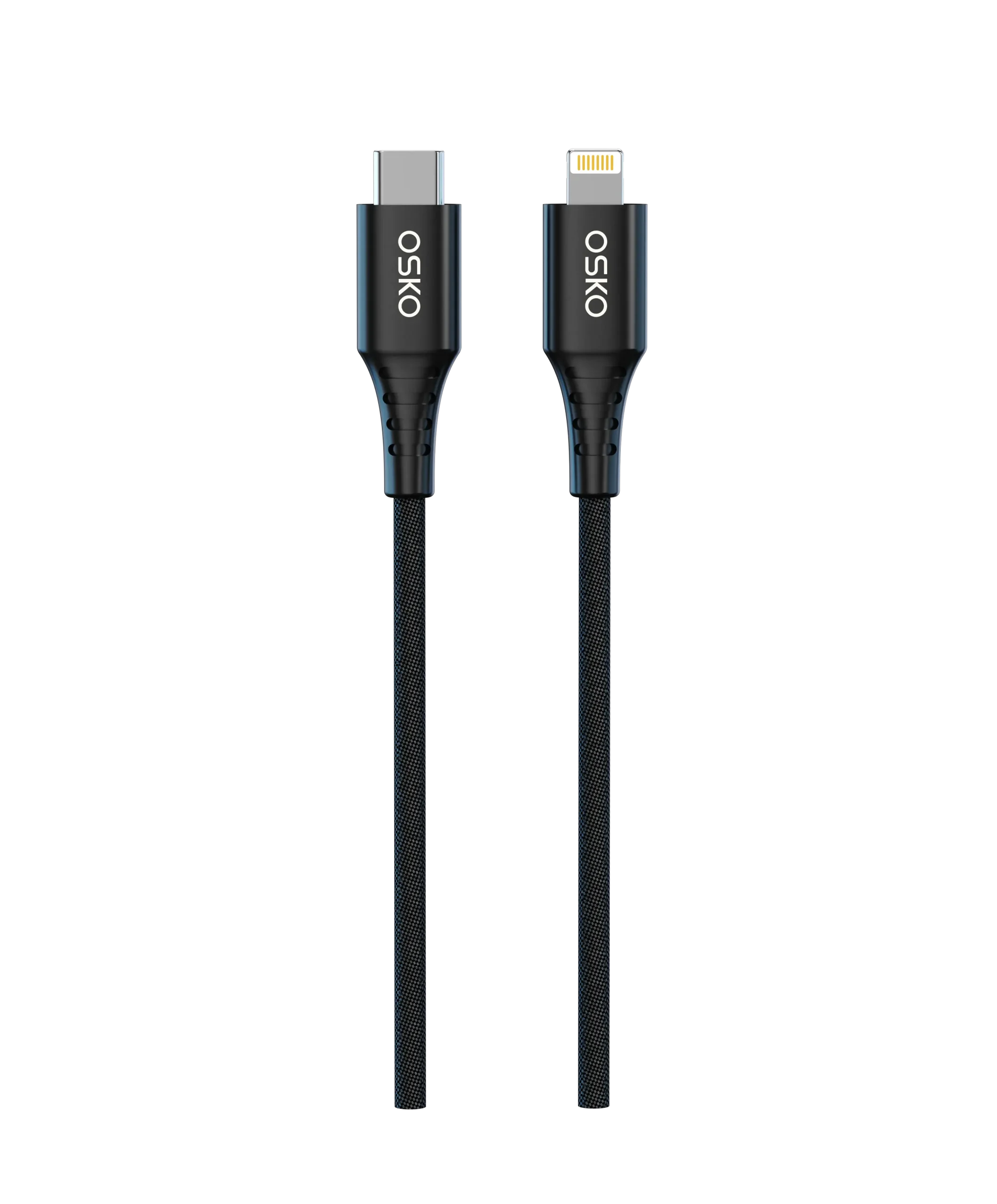
A professional OEM USB-C cable manufacturer can provide customized solutions including cable length, connector design, nylon braided materials, private label packaging, and bulk production for different market requirements.
This article explains the technology behind USB-C cables, their applications beyond charging, and how businesses can select reliable USB-C cable solutions for modern devices.

Why USB-C Cables Have Become the Universal Connection Standard
USB-C, also known as USB Type-C, was designed to solve many limitations of previous USB connectors.
Unlike traditional USB-A connectors, USB-C features a reversible design, meaning users can plug the cable in either direction without checking the connector orientation.
This simple improvement has greatly enhanced daily usability.
Modern USB-C cables provide several advantages:
Reversible connector design
Higher power delivery capability
Faster data transmission
Support for multiple communication protocols
Compatibility across multiple device categories
Today, USB-C is widely used in:
Smartphones
Tablets
Laptops
Gaming consoles
Portable monitors
Power banks
Docking stations
Automotive accessories
The increasing adoption of USB-C has also accelerated demand for reliable USB-C charging cable and fast charging USB-C cables in global markets.
USB-C Cable Applications Beyond Charging
Many users still think of a USB-C cable as only a charging accessory. However, modern USB-C technology provides much broader functionality.
1. High-Speed Data Transfer
One of the biggest advantages of a USB-C cable is its ability to transfer large amounts of data quickly.
Different USB-C cable specifications support different speeds:
| USB Standard | Data Transfer Speed | Application |
|---|---|---|
| USB 2.0 | Up to 480 Mbps | Charging, basic syncing |
| USB 3.1 Gen 1 | Up to 5 Gbps | Photos, videos, external storage |
| USB 3.2 Gen 2 | Up to 10 Gbps | Professional data transfer |
| USB4 | Up to 40 Gbps | Advanced computing applications |
For everyday users, a USB 2.0 USB-C cable is enough for charging and basic synchronization.
However, photographers, video editors, gamers, and business users often require higher-speed USB-C data cables for transferring large files efficiently.
A professional USB-C cable manufacturer must carefully control:
Conductor quality
Internal wiring structure
Shielding performance
Impedance consistency
These factors directly influence signal stability and transfer performance.
2. USB Power Delivery (USB PD) Fast Charging
USB-C has transformed charging technology through USB Power Delivery.
Unlike older charging standards, USB PD allows intelligent communication between the charger, cable, and device.
The system automatically determines:
Required voltage
Current level
Charging speed
Power safety limits
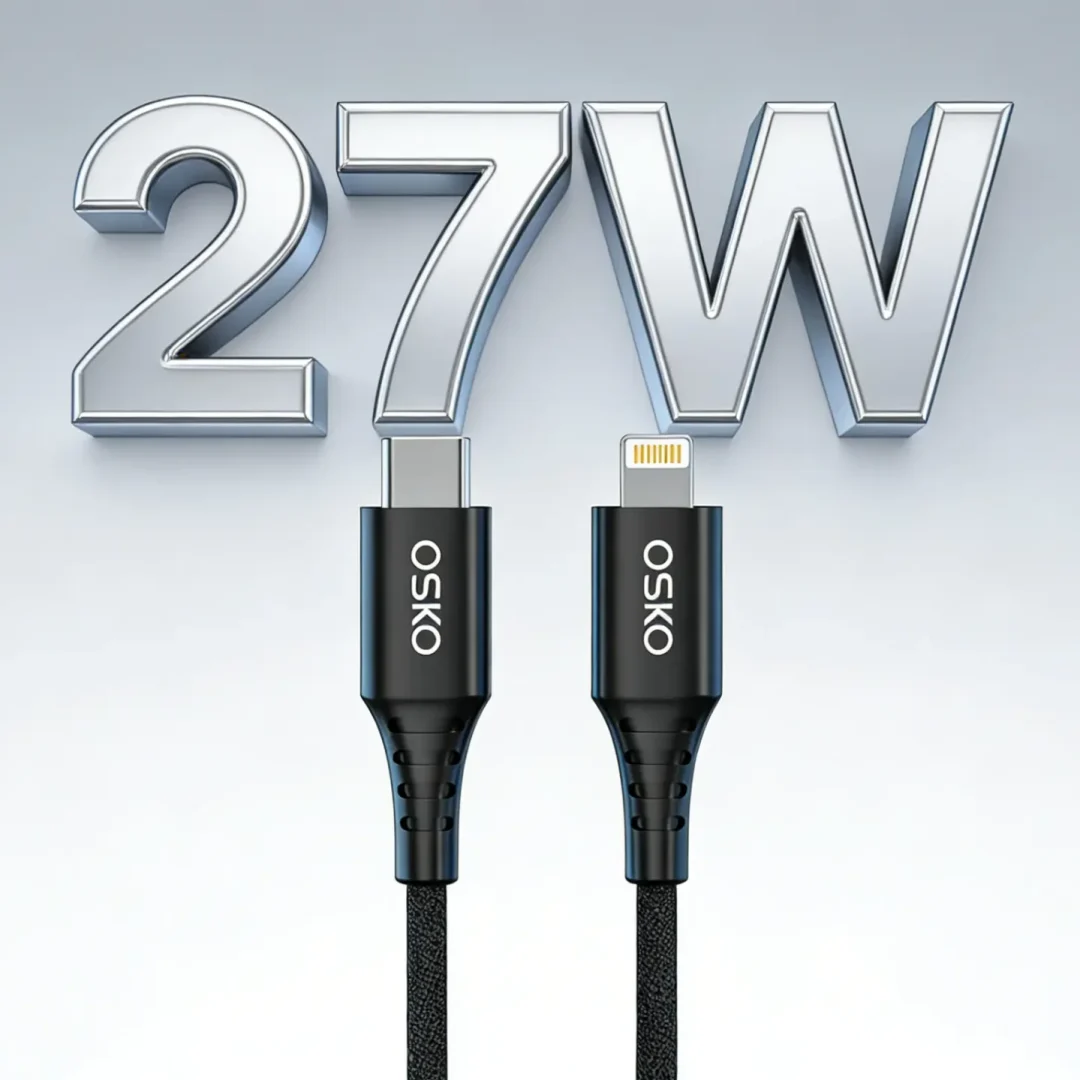
Depending on the cable design and supported components, USB-C PD cables can support power levels from basic charging to high-power applications.
Common USB-C power ratings include:
| Power Level | Application |
|---|---|
| 30W | Smartphones and tablets |
| 60W | Tablets, ultrabooks, mobile devices |
| 100W | Professional laptops |
| 140W–240W | High-performance laptops and workstations |
For high-power applications, an E-Marker chip USB-C cable is required to communicate power capability safely.
This is especially important for:
MacBook Pro users
Gaming laptops
USB-C docking stations
High-performance monitors
3. USB-C Cable Supports Video Output
Another important advantage of USB-C technology is video transmission.
Certain USB-C cables support:
DisplayPort Alt Mode
Thunderbolt protocols
HDMI conversion
External monitor connections
This allows users to connect:
Laptops to monitors
Tablets to external displays
Gaming devices to larger screens
For professionals working with multiple displays, a single USB-C connection can replace several traditional cables.
This makes USB-C cables especially valuable in:
Corporate offices
Creative studios
Home offices
Educational environments

4. One Cable for Multiple Devices
The biggest advantage of USB-C is ecosystem compatibility.
A single USB-C cable can support many devices including:
iPhone 15 and newer USB-C models
Android smartphones
iPads
MacBooks
Windows laptops
Nintendo Switch
Wireless accessories
This universal compatibility reduces the need for multiple charging cables.
For consumers, this means less cable clutter.
For retailers and brands, USB-C cables represent a high-demand accessory category with broad market potential.
USB-C Cable Types Explained
Not all USB-C cables provide the same performance.
Understanding different cable categories helps buyers choose the right solution.
USB-C Charging Cable
A basic USB-C charging cable is designed mainly for power delivery.
Typical applications:
Smartphones
Tablets
Power banks
Important factors include:
Charging wattage
Cable durability
Connector quality
USB-C Data Cable
A USB-C data cable supports both charging and data transfer.
Common uses:
File synchronization
External storage
Device backup
Higher-performance models may include:
Advanced shielding
High-speed internal conductors
USB 3.2 or USB4 compatibility
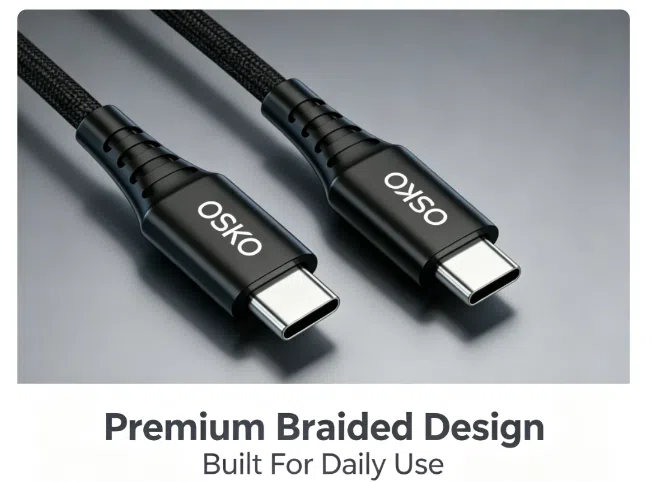
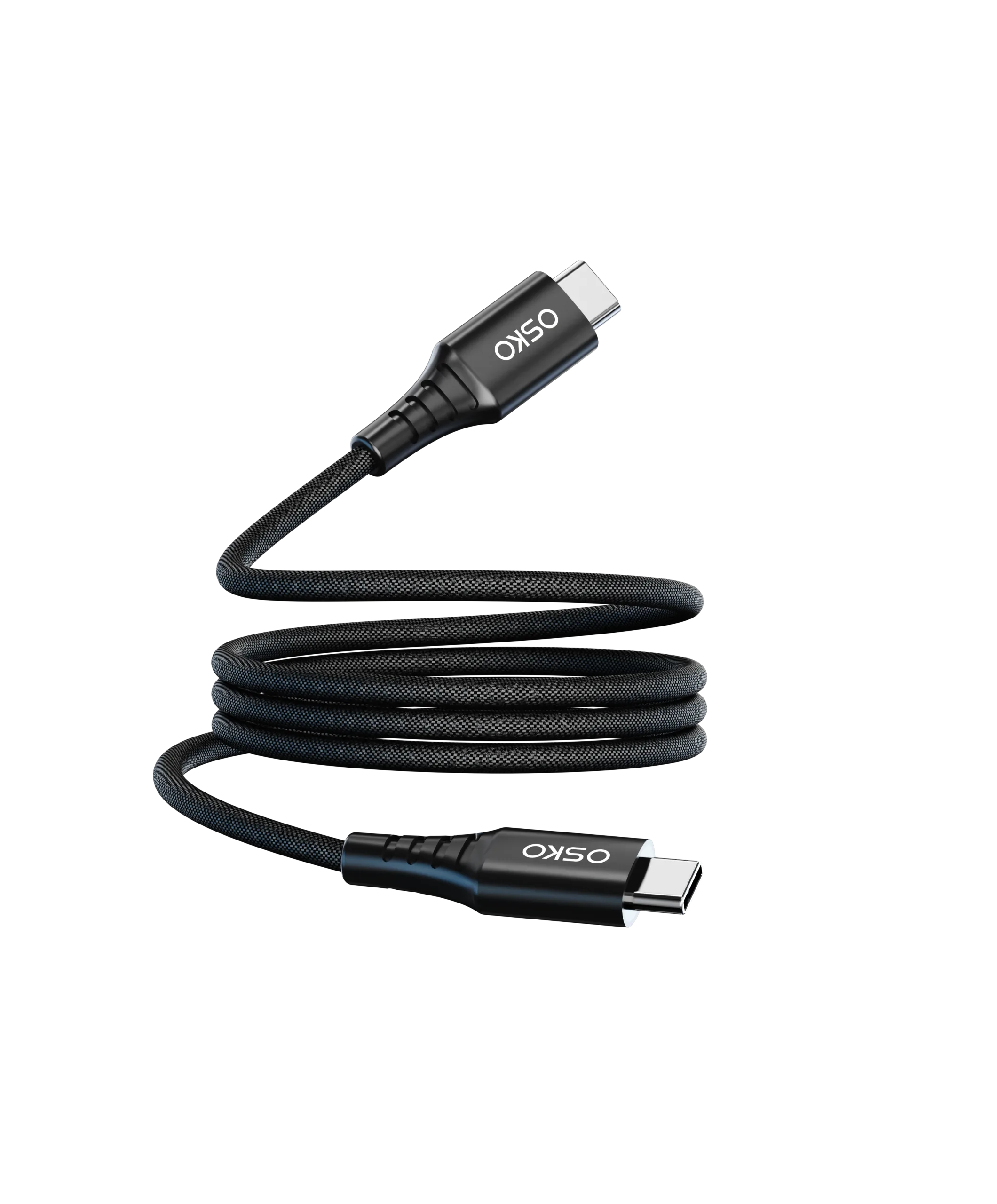
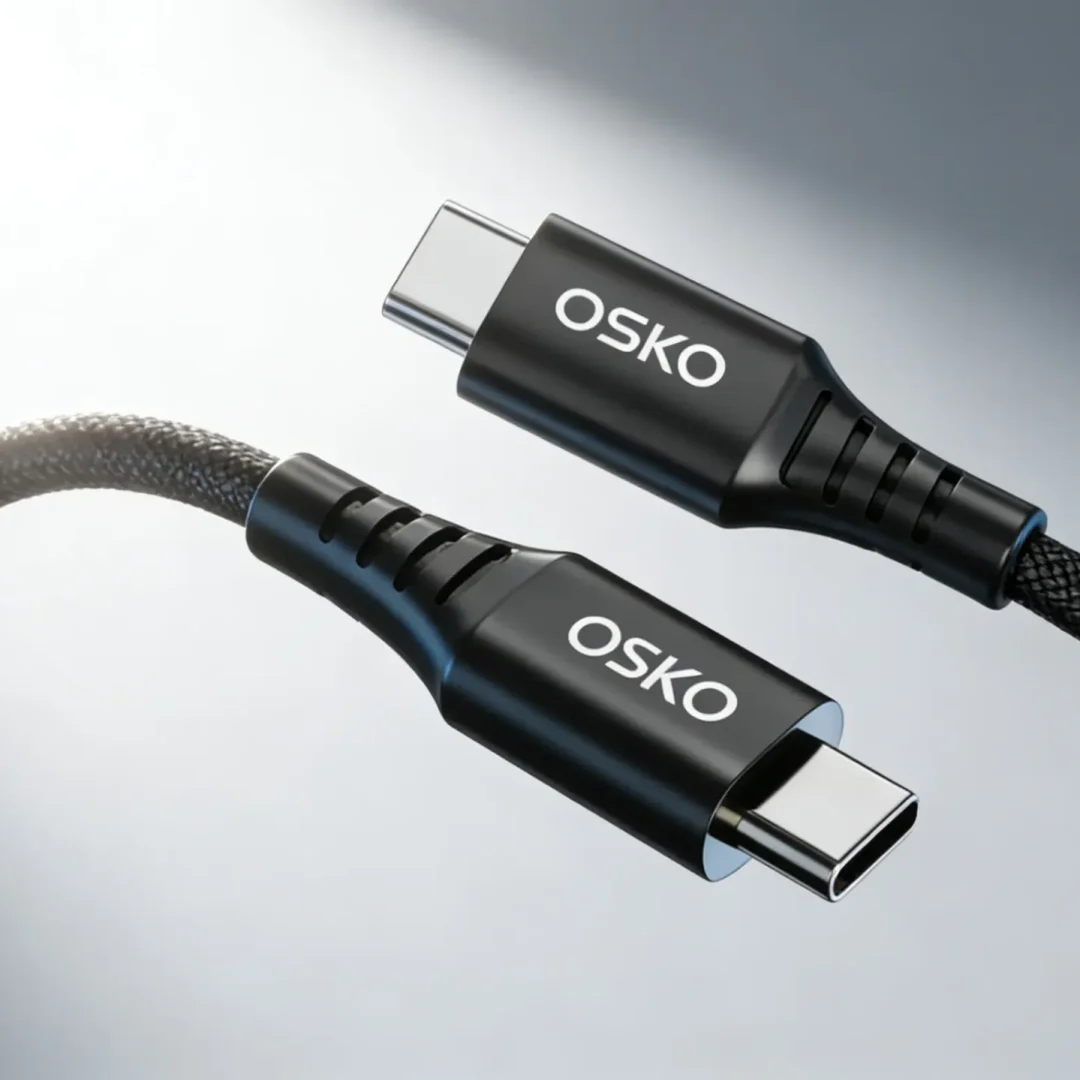
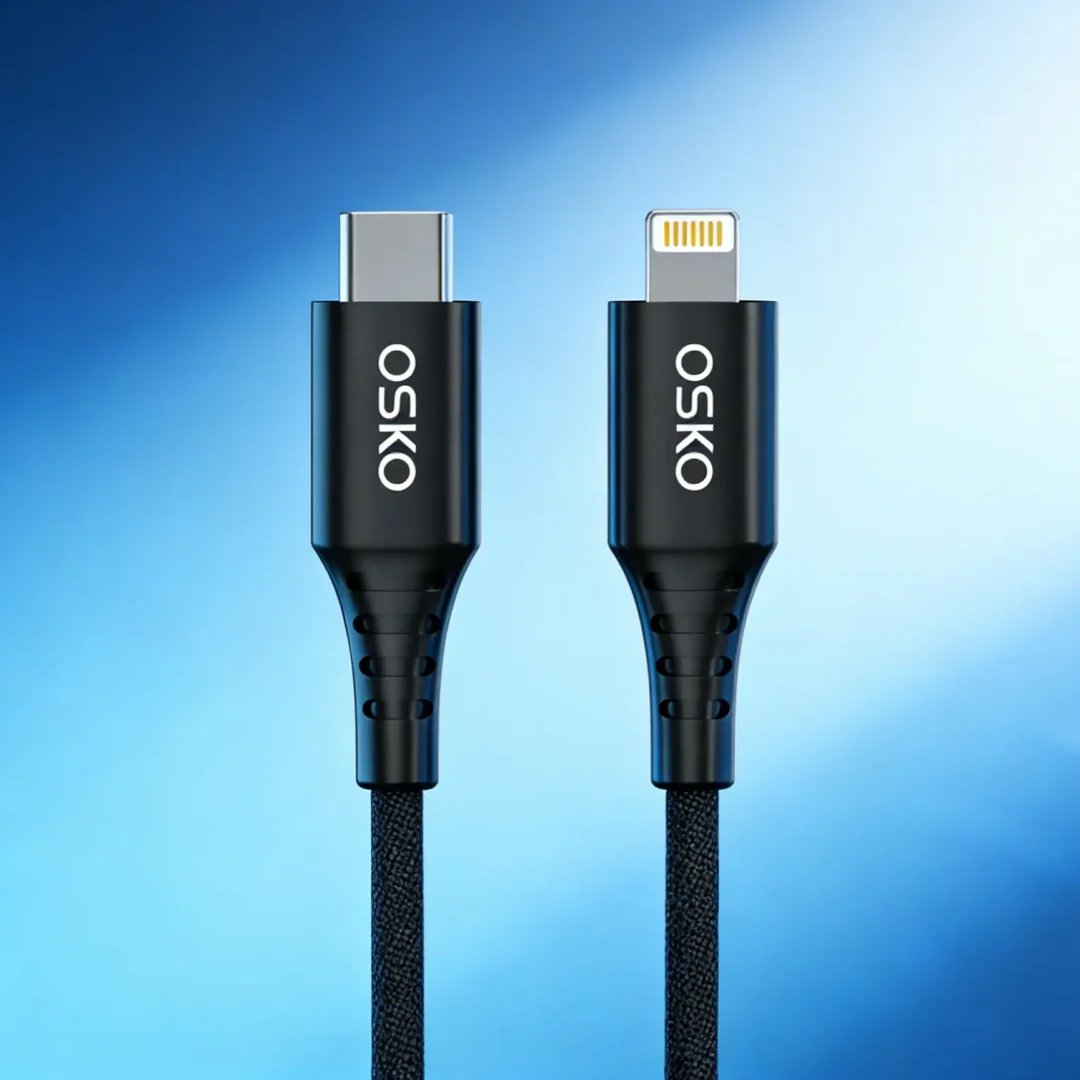
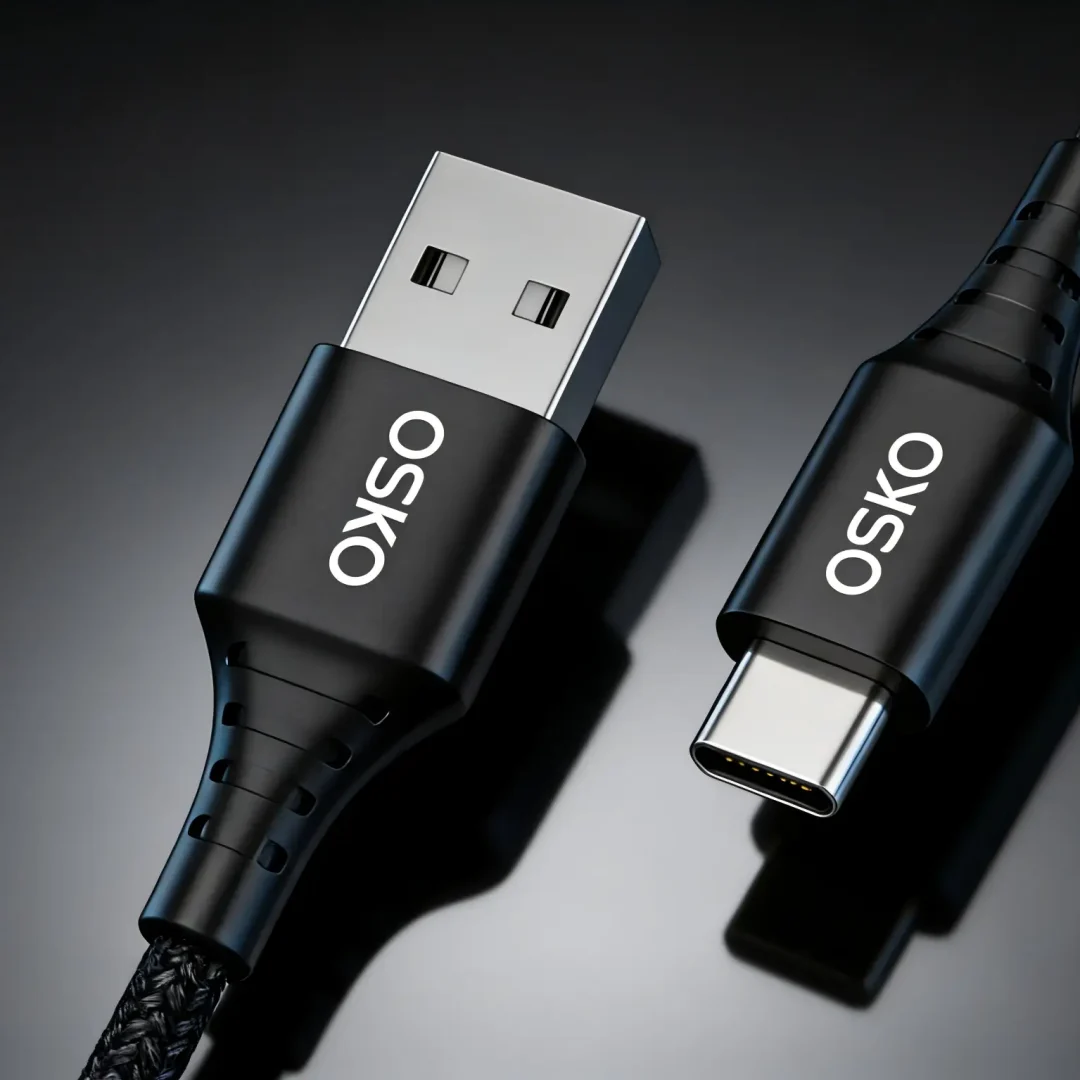
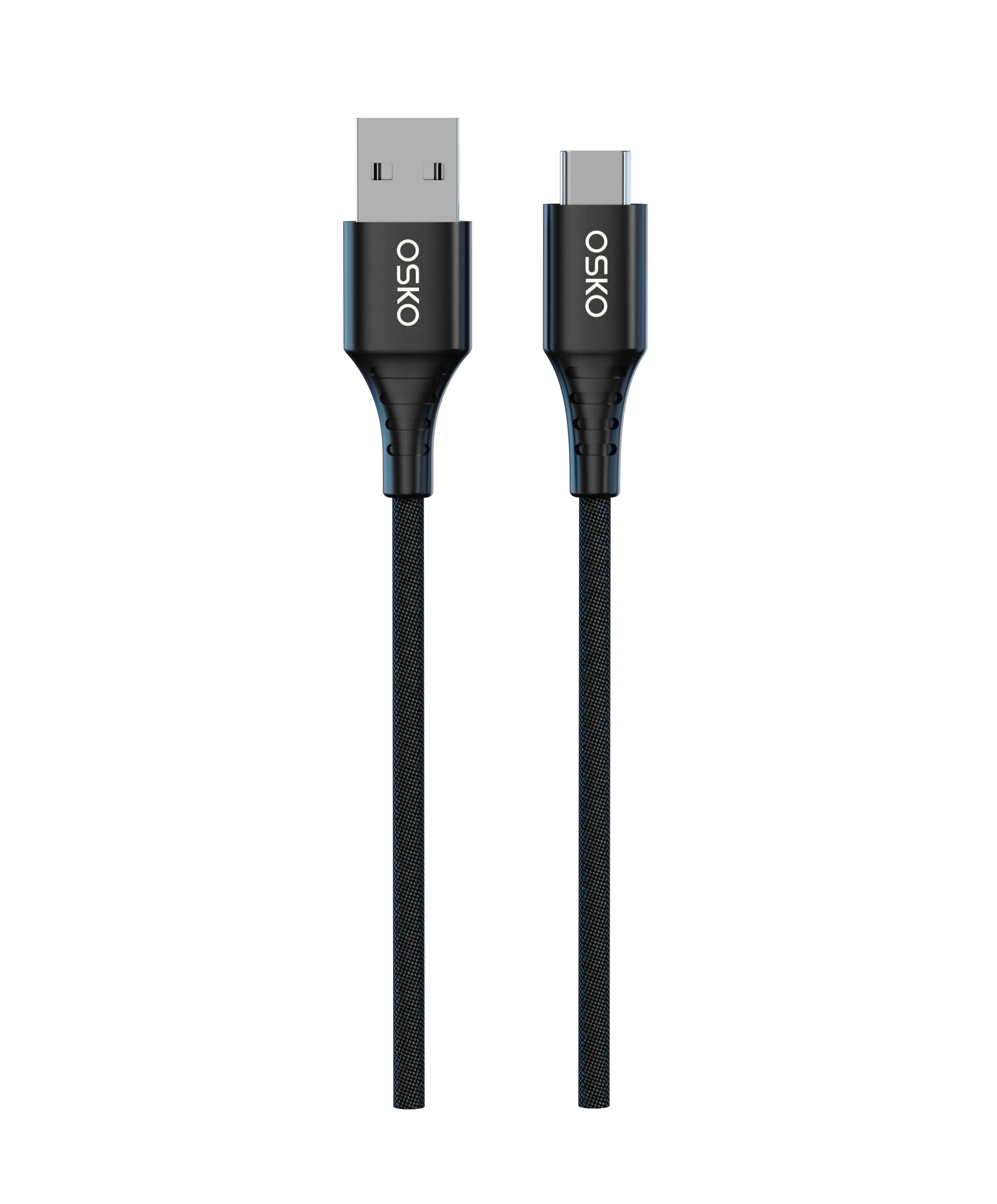
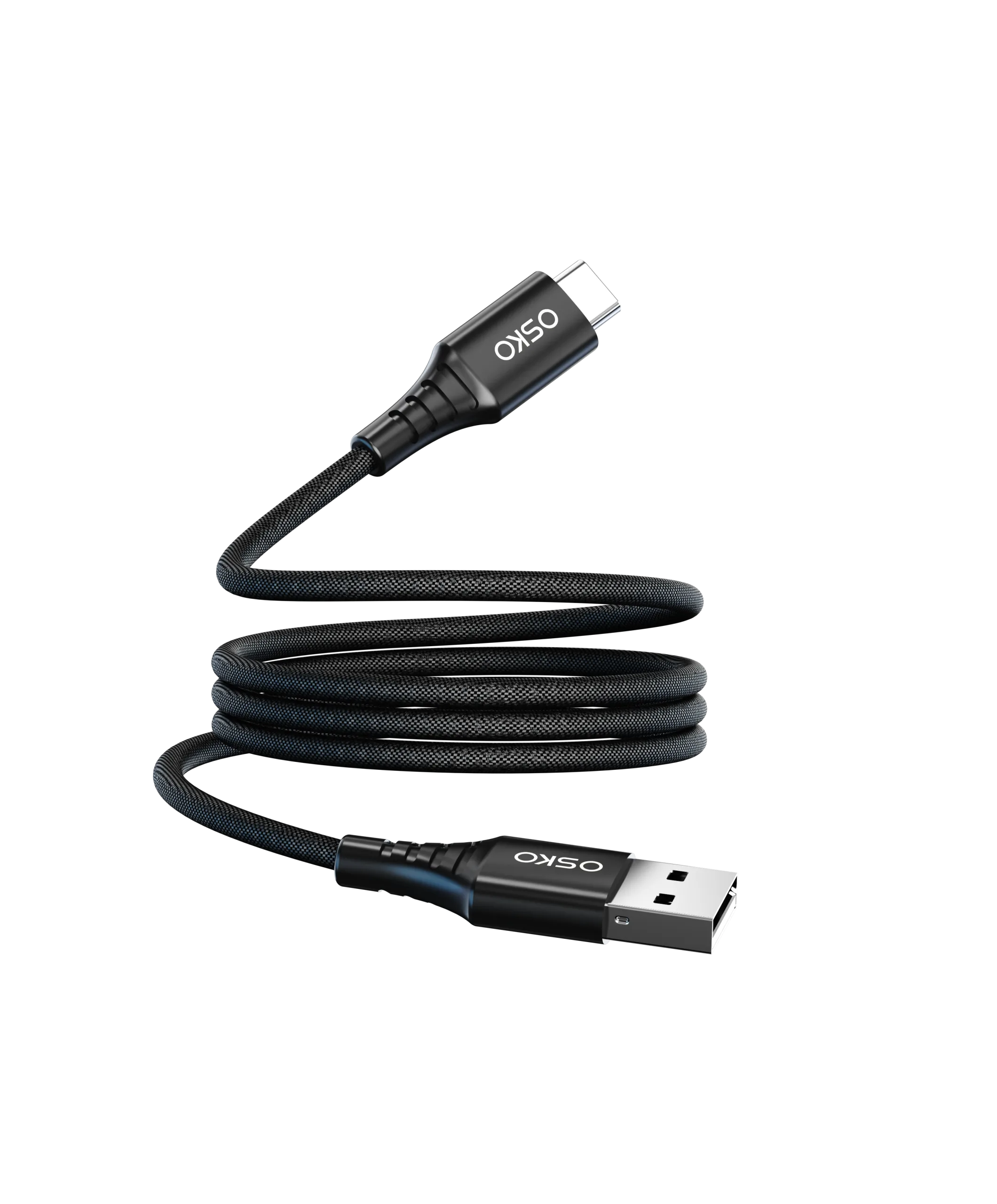
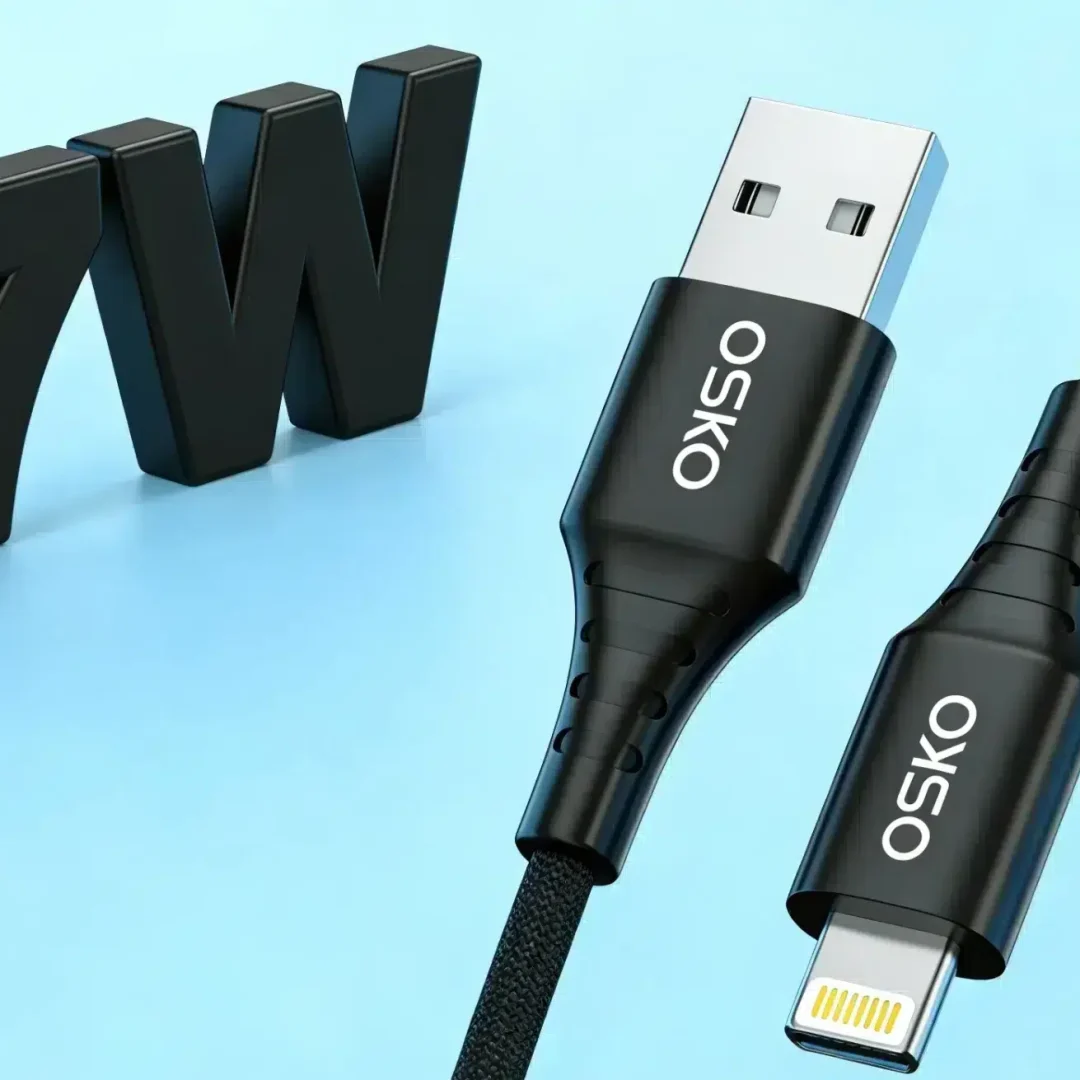
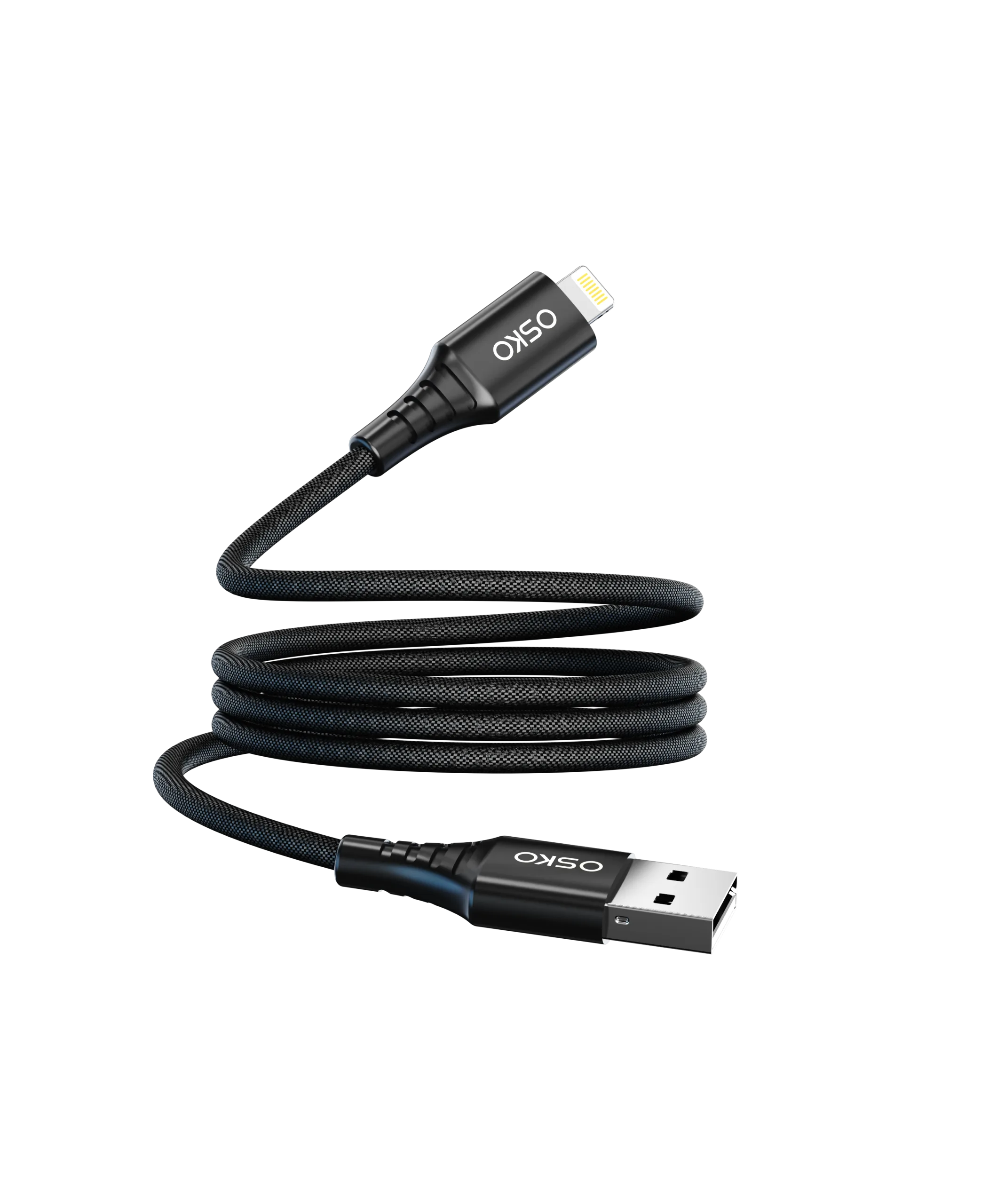
Nylon Braided USB-C Cable
A nylon braided USB-C cable is popular among consumers and retailers because of its durability.
Compared with standard PVC cables, braided designs provide:
Better abrasion resistance
Improved bending protection
Premium appearance
Longer product lifespan
For retail markets in the US and Europe, braided USB-C cables are especially popular because customers associate them with higher quality.
How to Choose a Professional USB-C Cable Supplier
For wholesalers, importers, and private-label brands, selecting the right manufacturer is critical.
A reliable OEM USB-C cable supplier should provide:
Material Quality
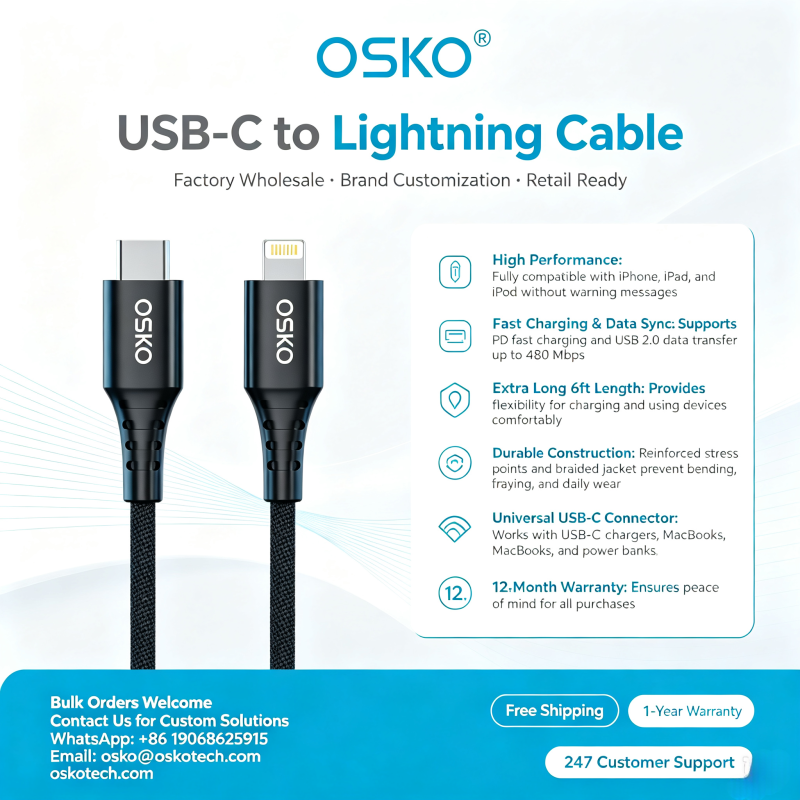
Premium USB-C cables typically use:
Oxygen-free copper conductors
Multi-layer shielding
Reinforced connectors
Durable outer jackets
These materials improve charging stability and reduce failure rates.
Manufacturing Capability
Professional factories should support:
Custom cable lengths
Custom colors
Logo printing
Retail packaging
Private labeling
Bulk production
This allows brands to create differentiated products instead of competing only on price.
Quality Control Standards
A high-quality USB-C cable factory should perform:
Charging performance tests
Data transfer testing
Bend testing
Pull testing
Connector durability testing
For example, OSKO develops USB-C cable solutions with durability-focused designs, including reinforced structures and bending tests to improve long-term reliability.
OEM Case Study: Improving Product Reliability for a European Electronics Brand
Customer Background
A European consumer electronics retailer wanted to launch a premium USB-C charging cable series for online marketplaces in Germany and the Netherlands.
Their previous supplier mainly focused on low-cost PVC cables.
Customer Problems
The retailer experienced:
High customer return rates
Broken connectors after several months
Negative reviews about charging instability
Difficulty maintaining consistent product quality
The company needed a more reliable USB-C cable solution that could support fast charging while improving customer satisfaction.
OSKO Engineering Solution
OSKO analyzed the product requirements and developed a customized solution:
Nylon braided outer jacket for improved durability
Reinforced connector housing
High-quality copper conductor design
Stable charging performance testing
Custom retail packaging
The cable design was optimized for:
Smartphones
Tablets
Laptops
Daily home and office charging
Results
After product improvement:
Customer complaints decreased
Product ratings improved
Repeat purchase rate increased
The brand successfully expanded its USB-C accessory lineup
This case demonstrates that cable quality is not only a manufacturing issue but also directly affects brand reputation and long-term business growth.
USB-C Cable Market Trends in the US and Europe
United States Market
US consumers increasingly prefer:
Fast charging USB-C cables
Nylon braided charging cables
Laptop charging cables
Multi-device charging solutions
Online marketplaces continue driving demand for durable and premium USB-C accessories.
Germany Market
German buyers usually focus on:
Product reliability
Safety compliance
Environmental standards
Long service life
USB-C cable suppliers targeting Germany should emphasize:
CE compliance
RoHS compliance
Quality testing
Sustainable packaging
Australia Market
Australian consumers often need:
Longer charging cables
Durable travel cables
Heat-resistant materials
Popular products include:
6ft USB-C cables
Braided USB-C cables
Car charging cables
Netherlands Market
Dutch customers value:
Practical design
Sustainable products
Universal compatibility
USB-C cables with eco-friendly packaging and reliable performance have strong market potential.
FAQ
What is a USB-C cable used for?
A USB-C cable is used for charging, data transfer, and connecting devices such as smartphones, tablets, laptops, monitors, and gaming devices. Depending on the cable specification, it can also support video output and high-power charging.
Are all USB-C cables the same?
No. USB-C cables may look similar but can have different charging speeds, data transfer rates, materials, and power capabilities. Some support only basic charging, while advanced models support USB PD, high-speed data transfer, and up to 240W charging.
Does a USB-C cable charge faster than USB-A?
Generally, yes. USB-C cables support newer charging technologies such as USB Power Delivery, allowing higher power output compared with traditional USB-A charging cables.
What is the best USB-C cable for fast charging?
The best USB-C fast charging cable depends on your device requirements. For smartphones and tablets, a 60W USB-C cable is usually sufficient. For laptops, users may need a 100W or 240W E-Marker USB-C cable.
Why are nylon braided USB-C cables better?
Nylon braided USB-C cables provide better protection against bending, twisting, and daily wear. They are often preferred by consumers who want longer-lasting charging cables.
Can USB-C cables transfer video?
Yes. Certain USB-C cables support video output through DisplayPort Alt Mode or Thunderbolt technology, allowing connection to monitors and external displays.
How do I choose an OEM USB-C cable manufacturer?
Choose a manufacturer with experience in cable engineering, quality control systems, customization capability, and international compliance support.
Summary
USB-C cables have evolved far beyond simple charging accessories. With support for fast charging, high-speed data transfer, video output, and universal compatibility, USB-C has become the foundation of modern device connectivity.
For consumers, choosing a high-quality USB-C cable improves charging reliability and daily convenience.
For brands, wholesalers, and distributors, working with an experienced OEM USB-C cable manufacturer helps create competitive products with better durability, customization options, and market acceptance.
As USB-C adoption continues expanding across the United States, Germany, Australia, and the Netherlands, reliable USB-C cable solutions will remain an essential part of the global electronics market.
Request OEM USB-C Cable Solutions from OSKO
OSKO provides professional USB-C cable manufacturing services for global brands, wholesalers, and distributors.
Our capabilities include:
OEM and ODM USB-C cable production
Fast charging USB-C cables
Nylon braided USB-C cables
Custom cable lengths and colors
Private label packaging
Bulk USB-C cable supply
Engineering support and quality testing
Contact OSKO for samples, technical specifications, and customized USB-C cable solutions for your market.