
Choosing the right material for your USB cables is crucial for durability, performance, and brand reputation. With multiple options like TPE (Thermoplastic Elastomer), braided nylon, and liquid silicone, it can be challenging for businesses to determine which material best suits their needs. In this guide, we break down the pros and cons of each material and provide recommendations to help you select the perfect cable for your brand.
Why Cable Material Matters
The material of a USB cable affects more than just appearance. It impacts:
- Durability and lifespan
- Flexibility and tangle resistance
- Safety and heat resistance
- Brand perception and premium feel
For brands looking to offer high-quality USB-C, Lightning, or fast-charging cables, selecting the right material can enhance customer satisfaction and reduce warranty claims.
1. TPE (Thermoplastic Elastomer) USB Cables
TPE cables are widely used for their flexibility, affordability, and safe charging properties.
Advantages:
- Soft and flexible, preventing cable breakage
- Lightweight and easy to handle
- Cost-effective for OEM or bulk production
- Supports fast charging protocols like USB PD and Quick Charge
Best for: Budget-friendly USB-C cables, entry-level fast-charging cables, or private-label OEM solutions where cost efficiency matters.
2. Braided Nylon USB Cables
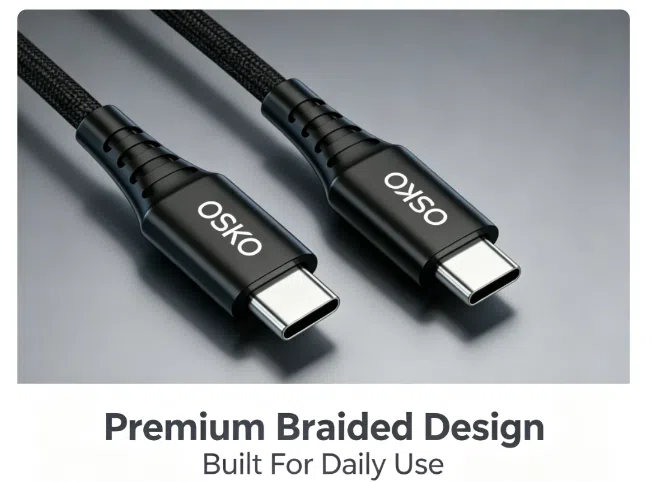
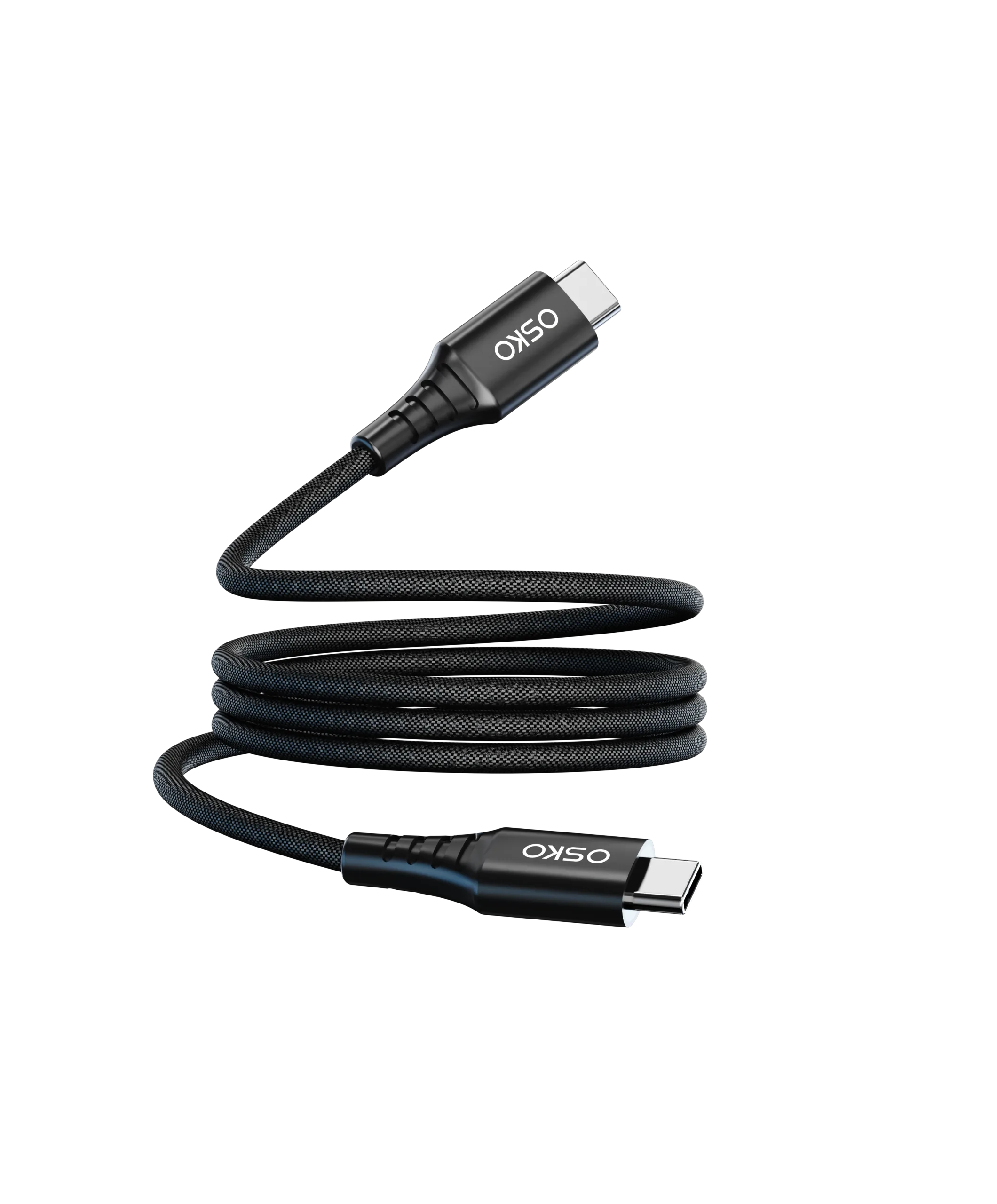
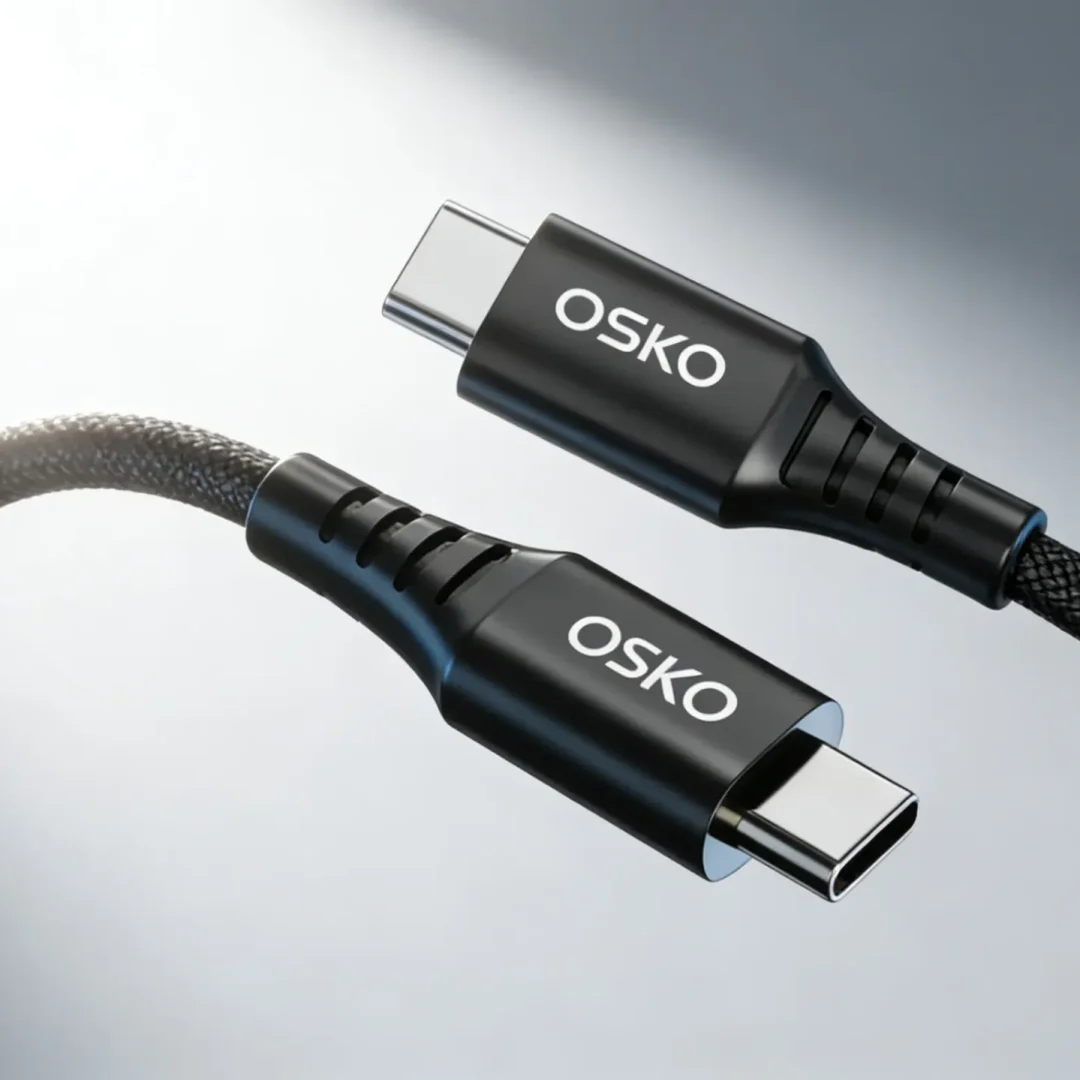
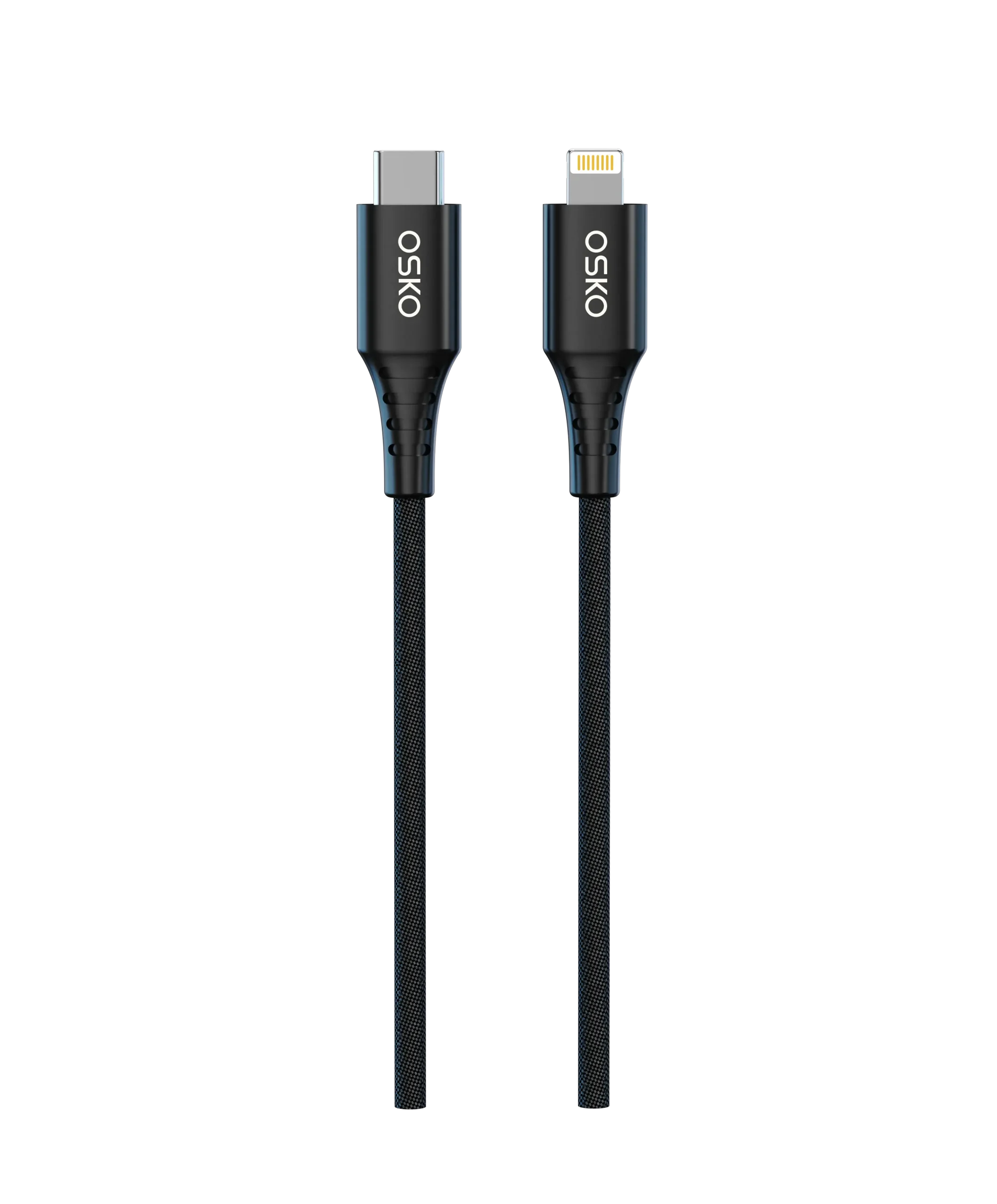
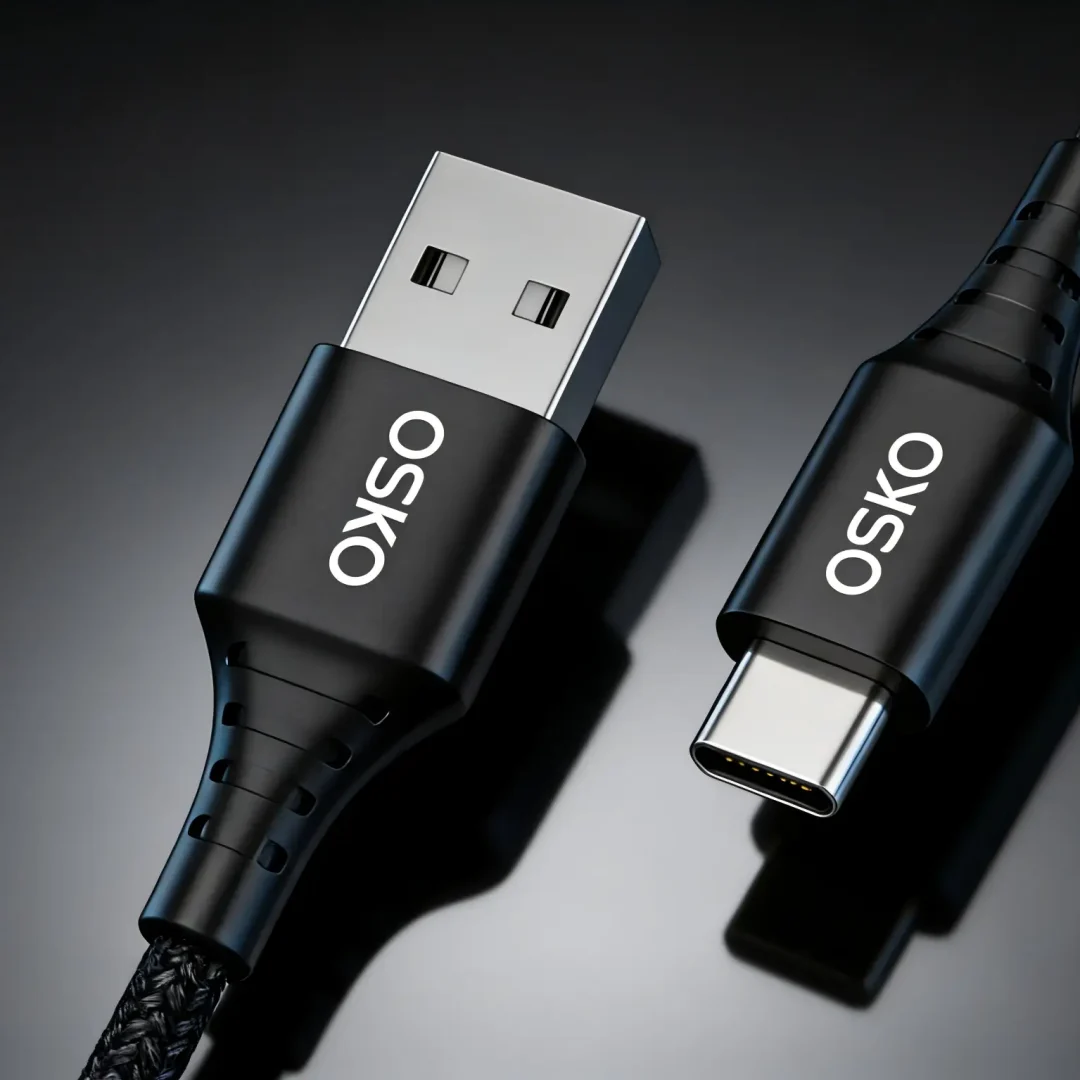
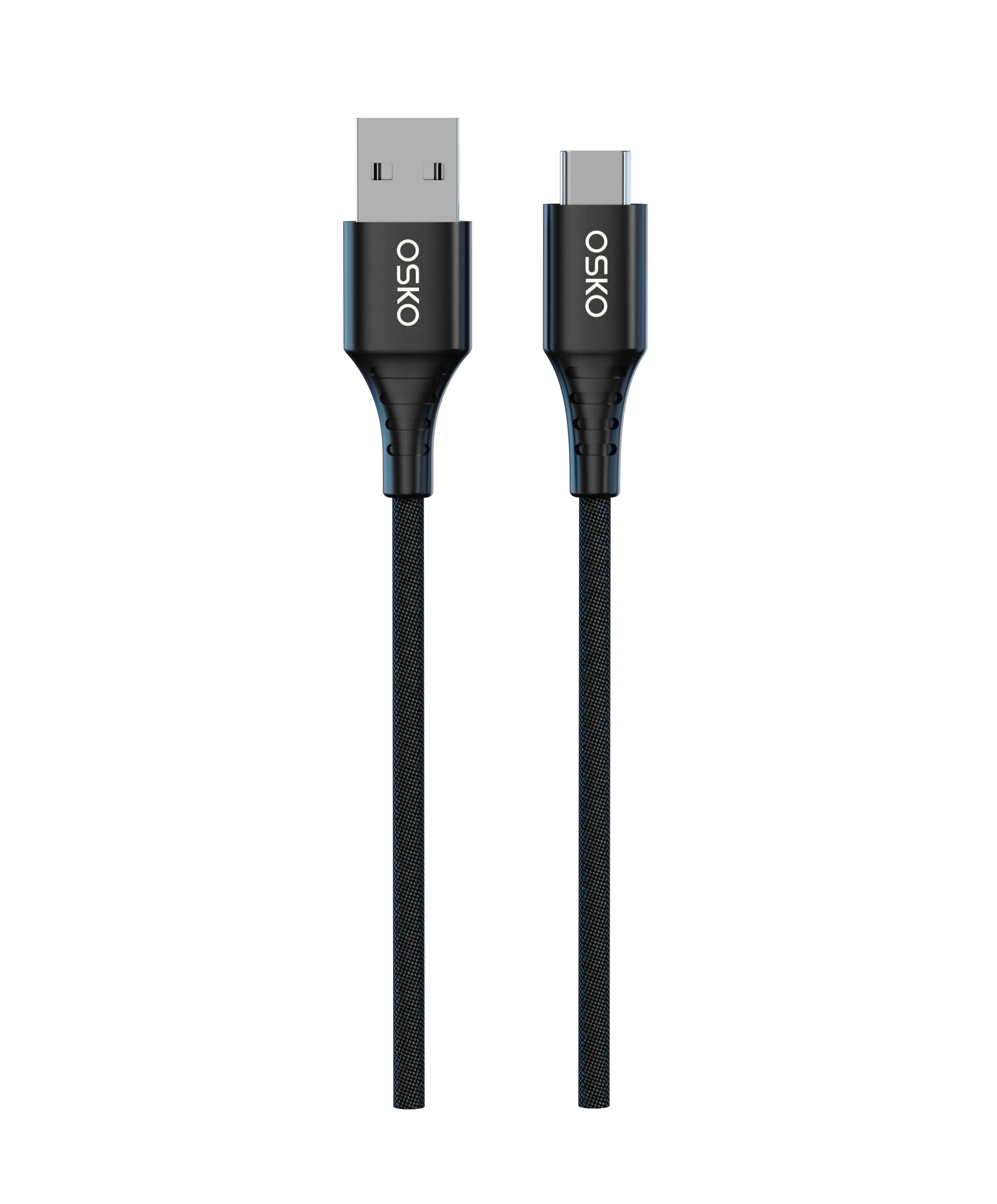
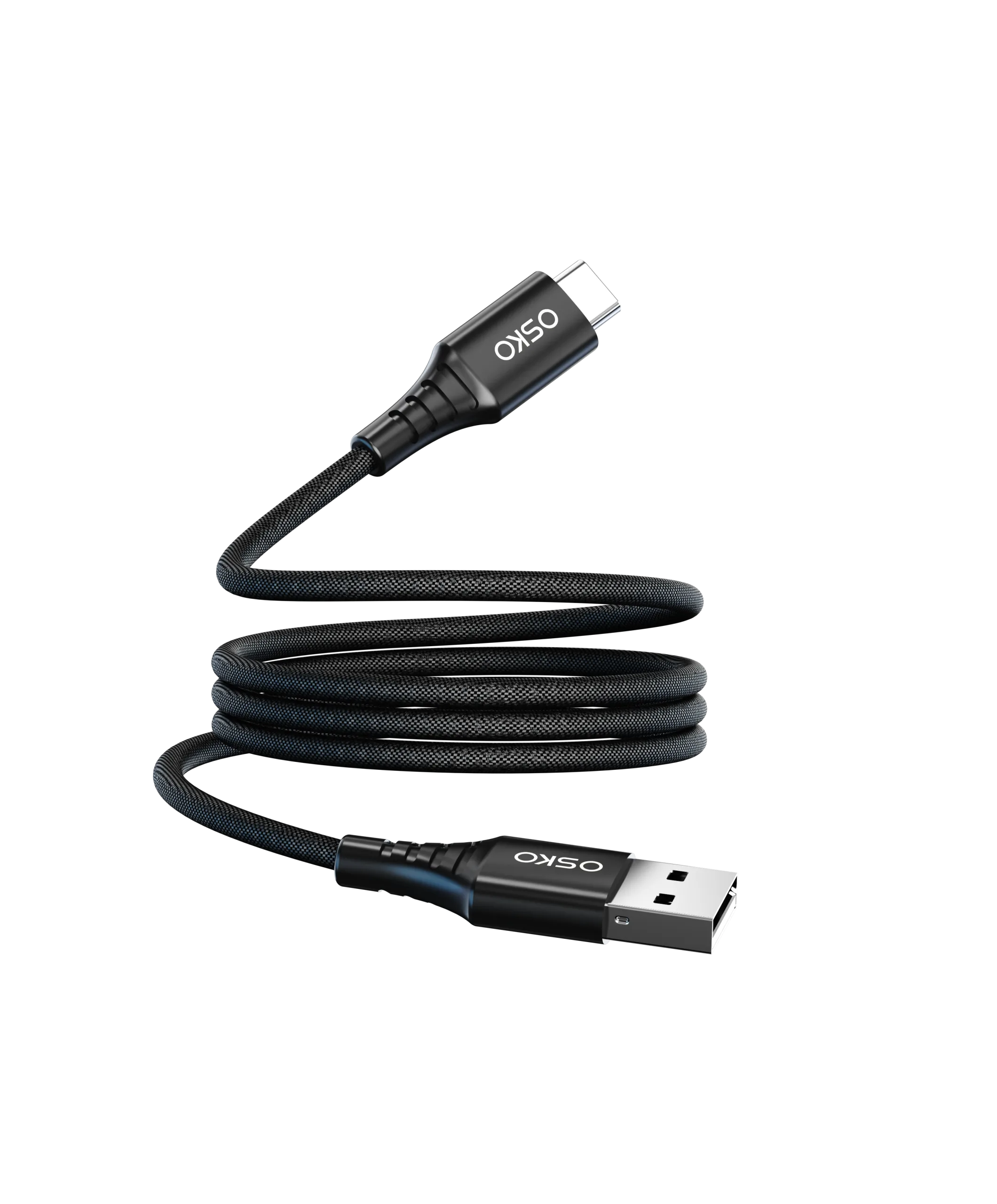
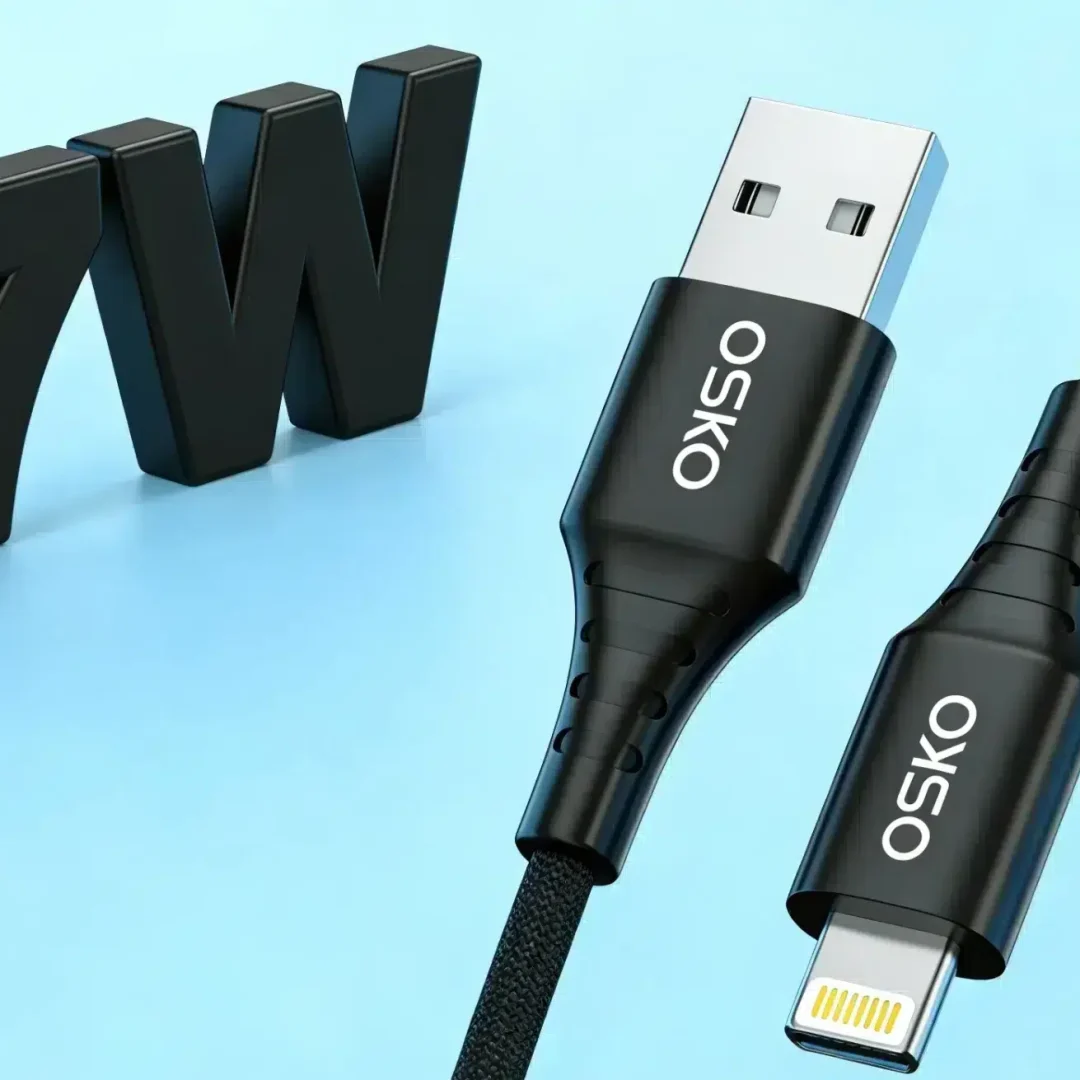
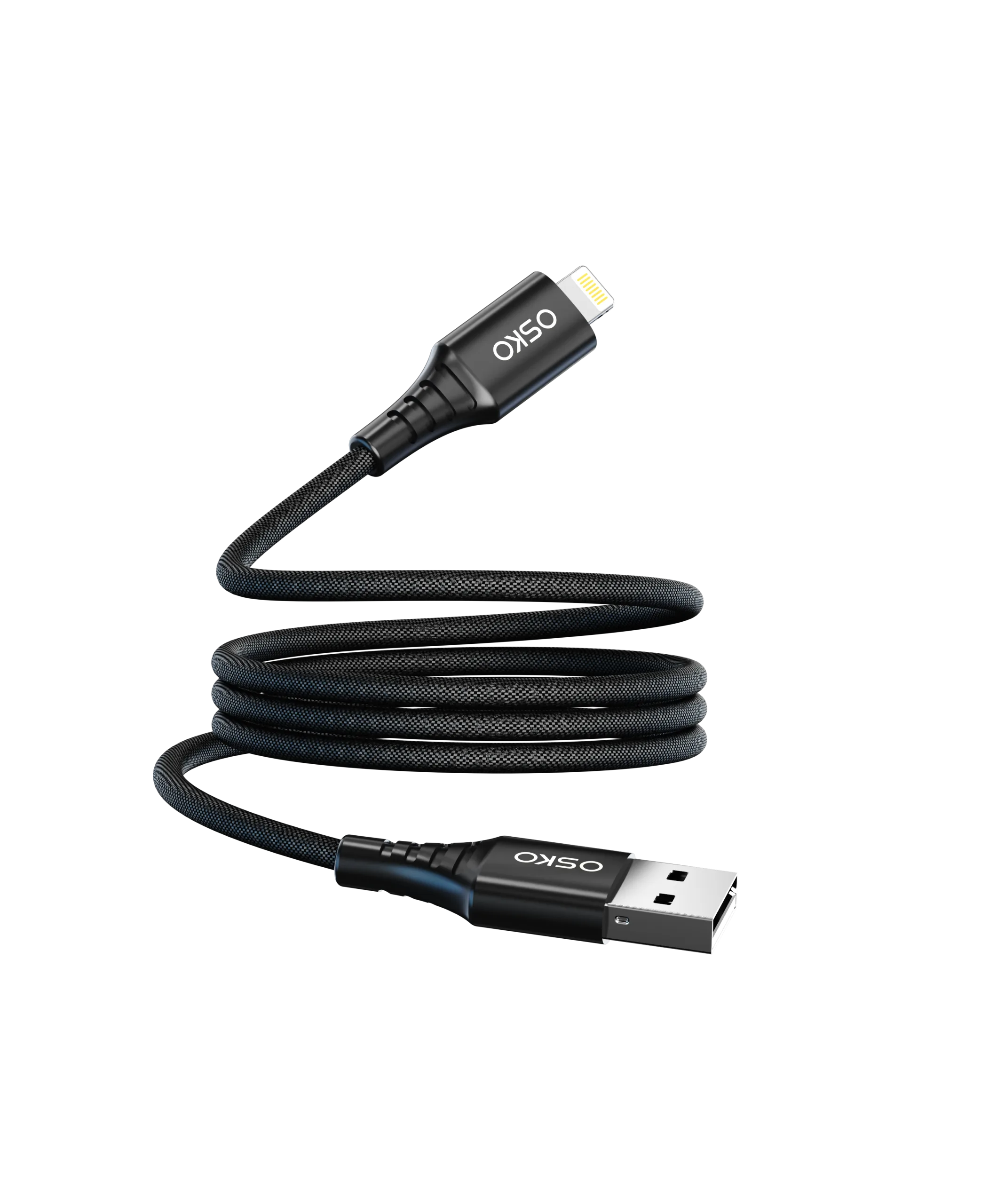
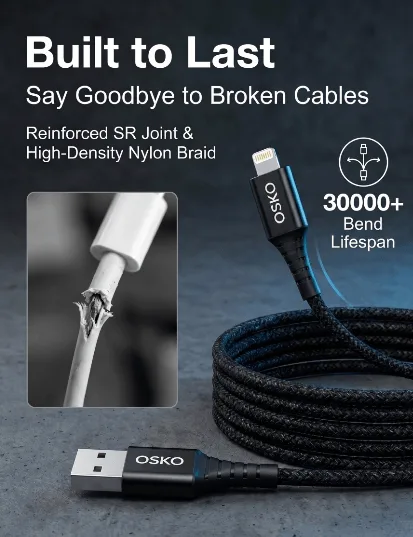
Braided cables are known for premium feel and extra durability. They are reinforced with woven nylon or fabric for enhanced strength.
Advantages:
- Extremely durable and resistant to fraying
- Tangle-resistant, ideal for frequent use
- Premium look and feel, enhancing brand perception
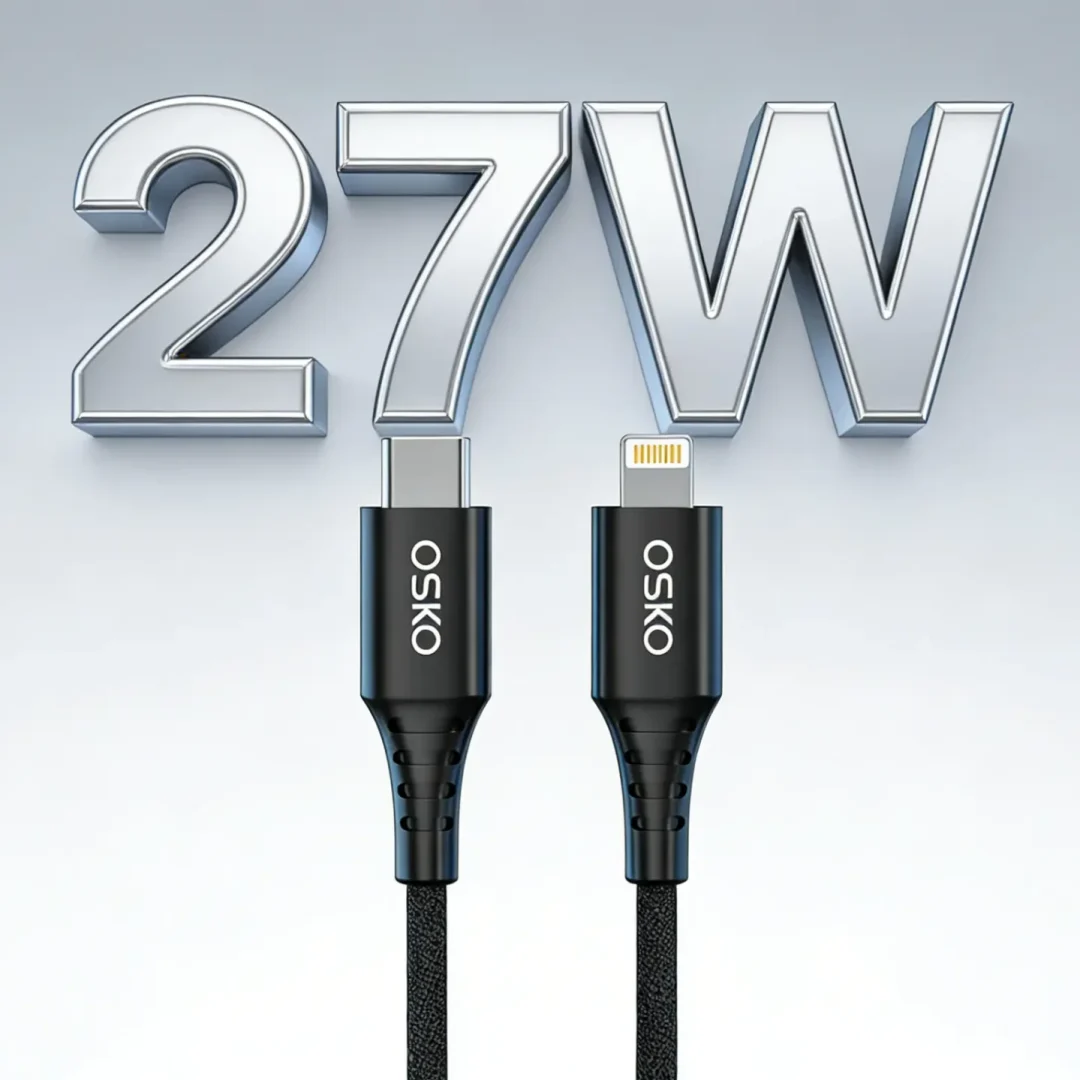
- Supports high-wattage charging up to 240W in USB-C cables
Best for: High-end custom USB-C cables, private-label braided cables, and cables that need brand differentiation.
3. Liquid Silicone USB Cables
Liquid silicone cables are softer and more flexible than TPE, with a unique smooth texture that appeals to premium users.
Advantages:
- Extremely soft, smooth, and comfortable to handle
- Heat-resistant and safe for long-term charging
- Resists bending, stretching, and deformation
- Allows for vibrant colors and unique designs
Best for: Premium custom cables, MFi-certified Lightning cables, and branded fast-charging cables where aesthetics and tactile experience are important.
Choosing the Right Material for Your Brand
When deciding between TPE, braided, and liquid silicone USB cables, consider:
- Target Audience – Budget-conscious users may prefer TPE, while tech enthusiasts appreciate braided or silicone cables.
- Usage Environment – Braided cables are great for frequent travel, while silicone cables excel for aesthetic premium products.
- Charging Needs – All three materials can support USB PD and fast charging, but braided and silicone often handle higher power and repeated bends better.
- Brand Positioning – A premium brand benefits from braided or silicone cables with custom logos, colors, and packaging.
Conclusion
Selecting the right cable material can boost brand reputation, reduce returns, and improve customer satisfaction.
- TPE USB cables: Affordable, flexible, cost-effective for OEM solutions
- Braided USB-C cables: Durable, premium, perfect for private-label branding
- Liquid Silicone USB cables: Smooth, heat-resistant, ideal for high-end and MFi-certified cables
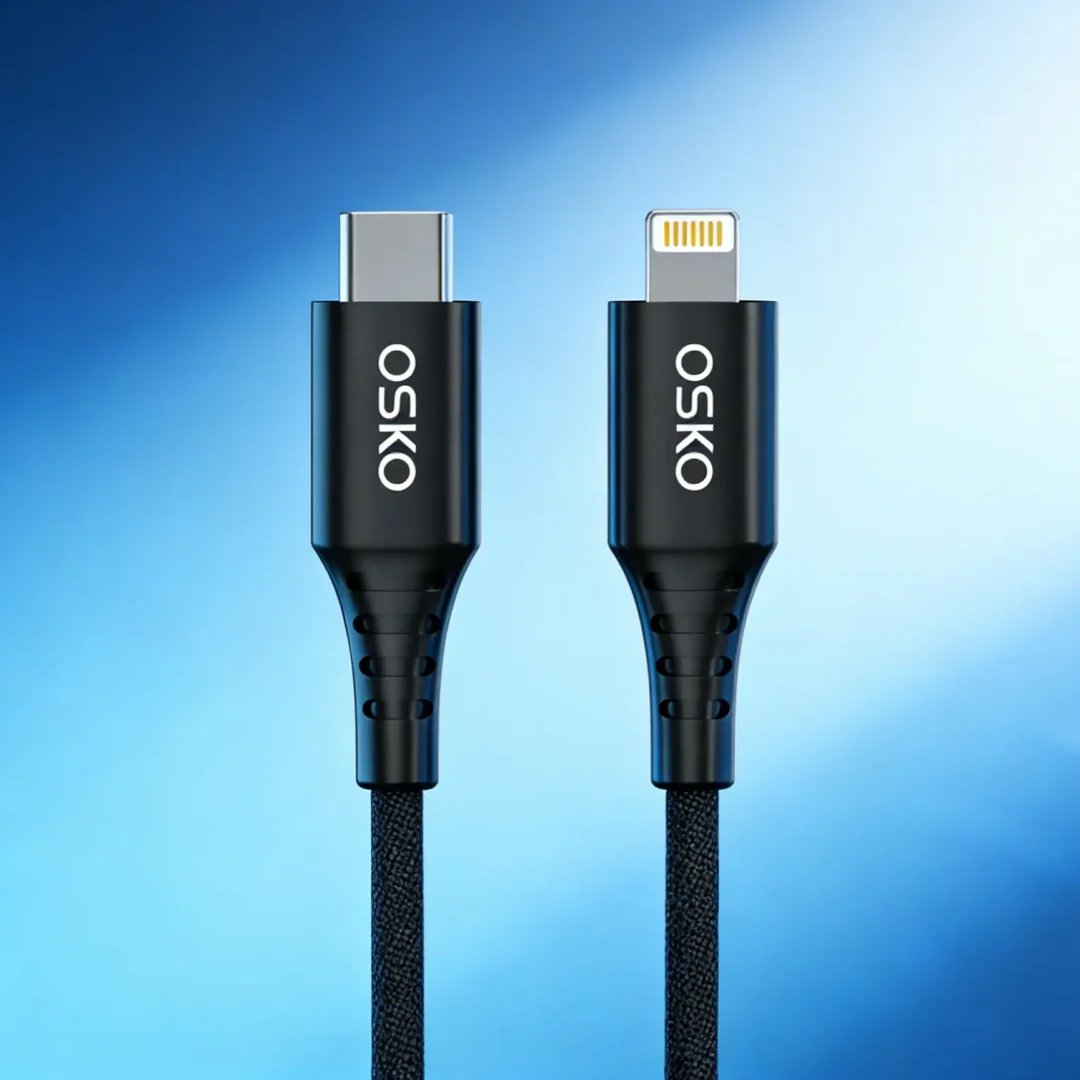
At OSKO, we specialize in OEM and ODM USB cable solutions, offering TPE, braided, and liquid silicone cables for fast charging, USB-C, Lightning, and custom designs. Our cables are certified, durable, and fully customizable to enhance your brand’s visibility and reliability.
Explore our range of high-quality USB cables today and find the perfect material for your brand.