
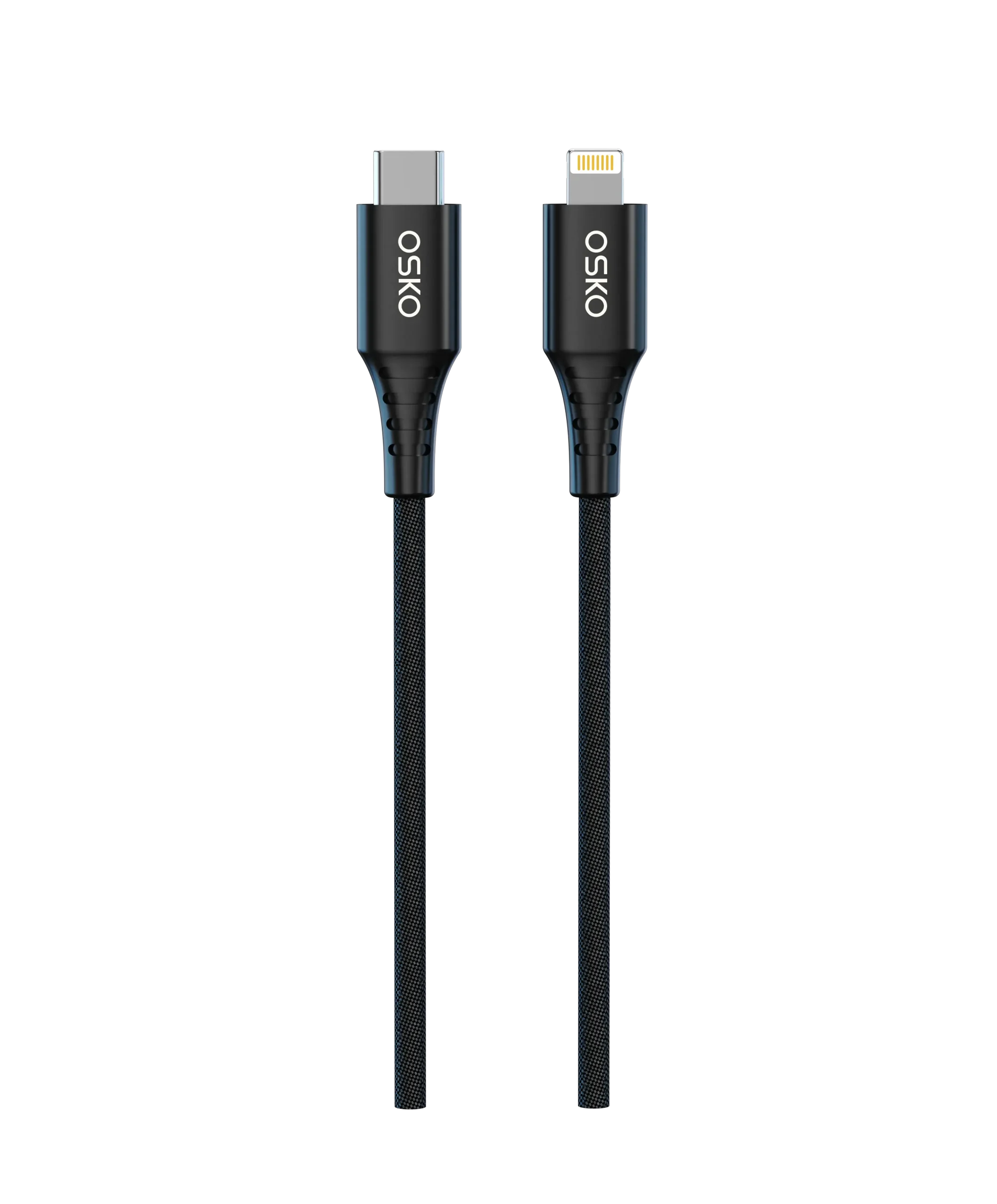
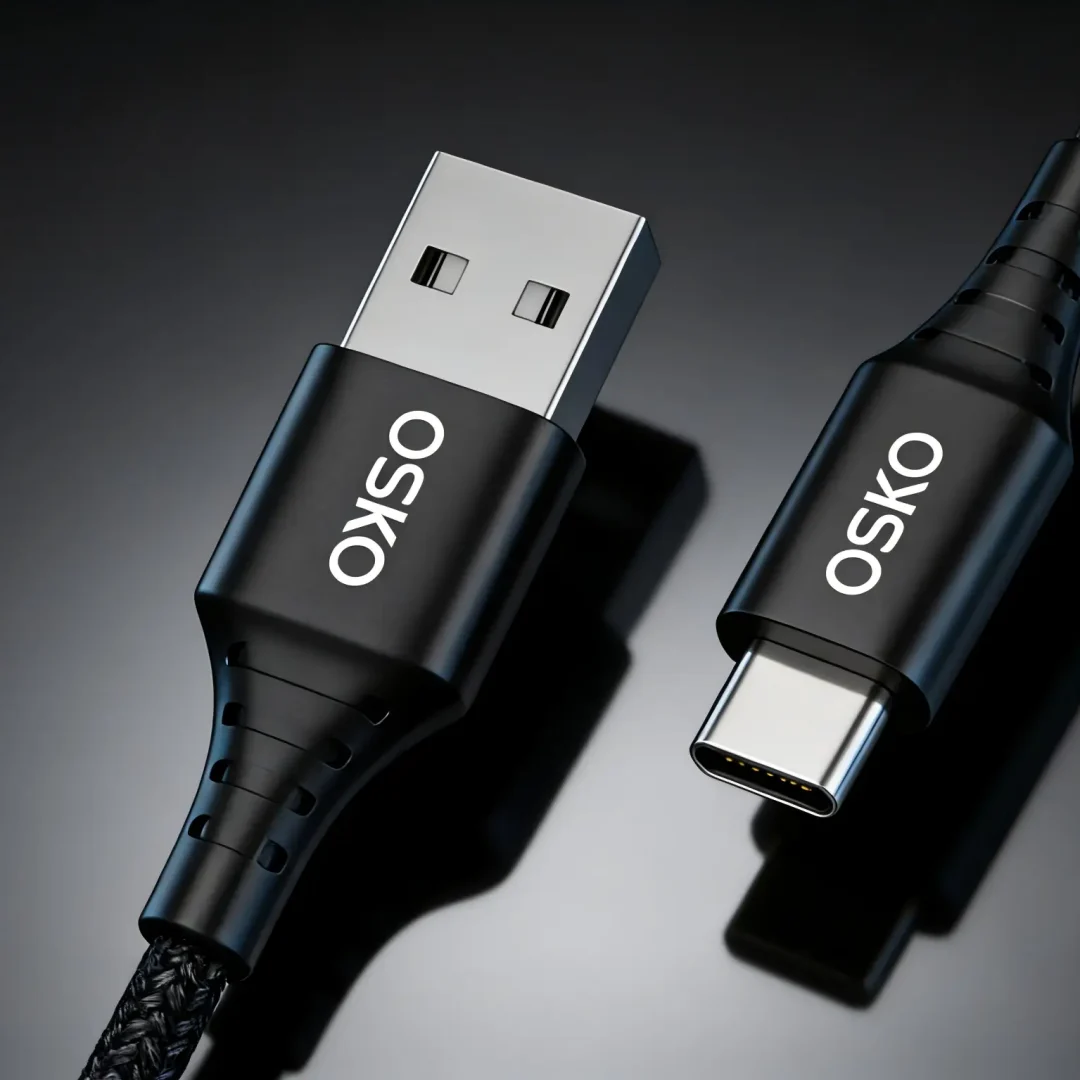
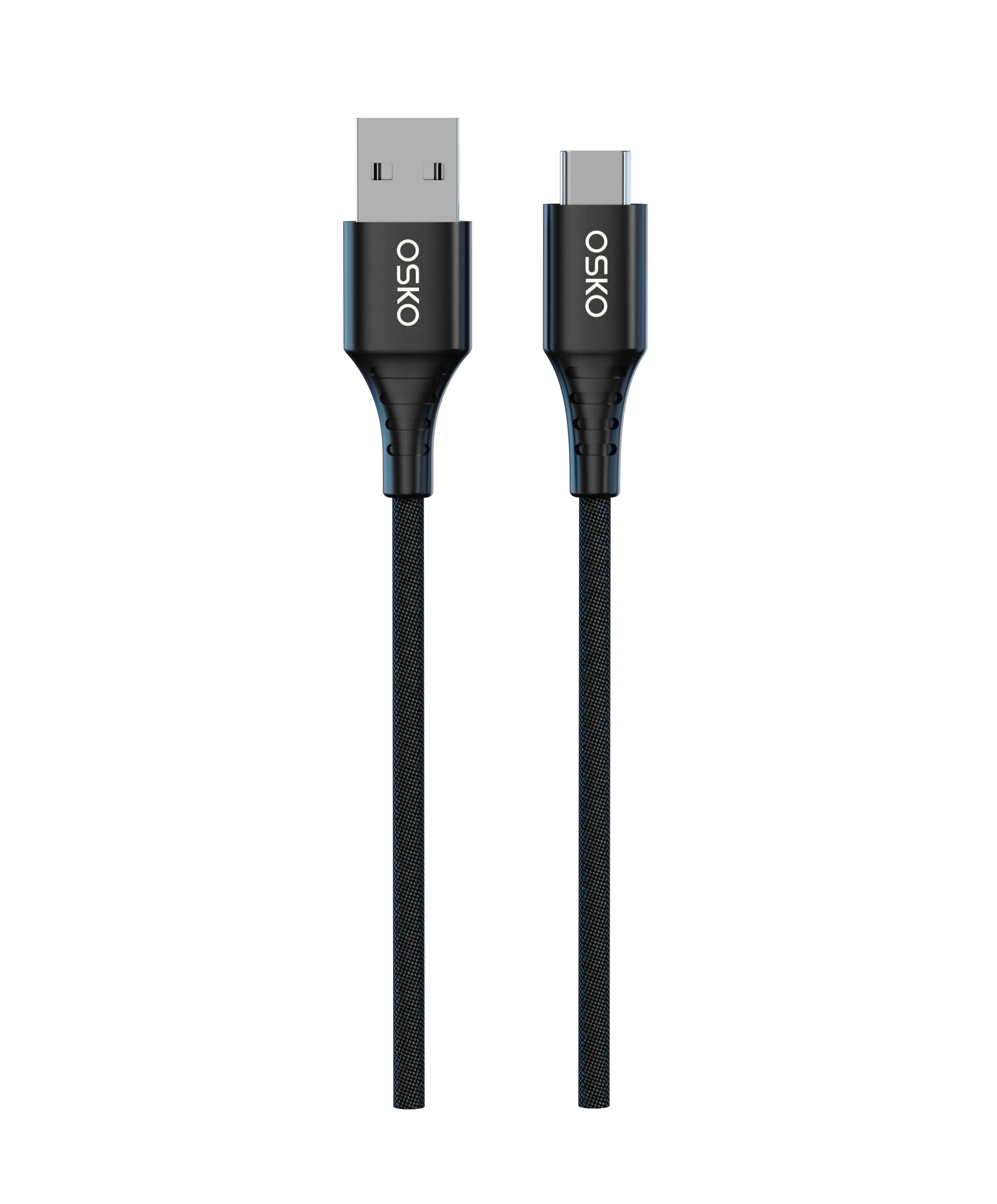
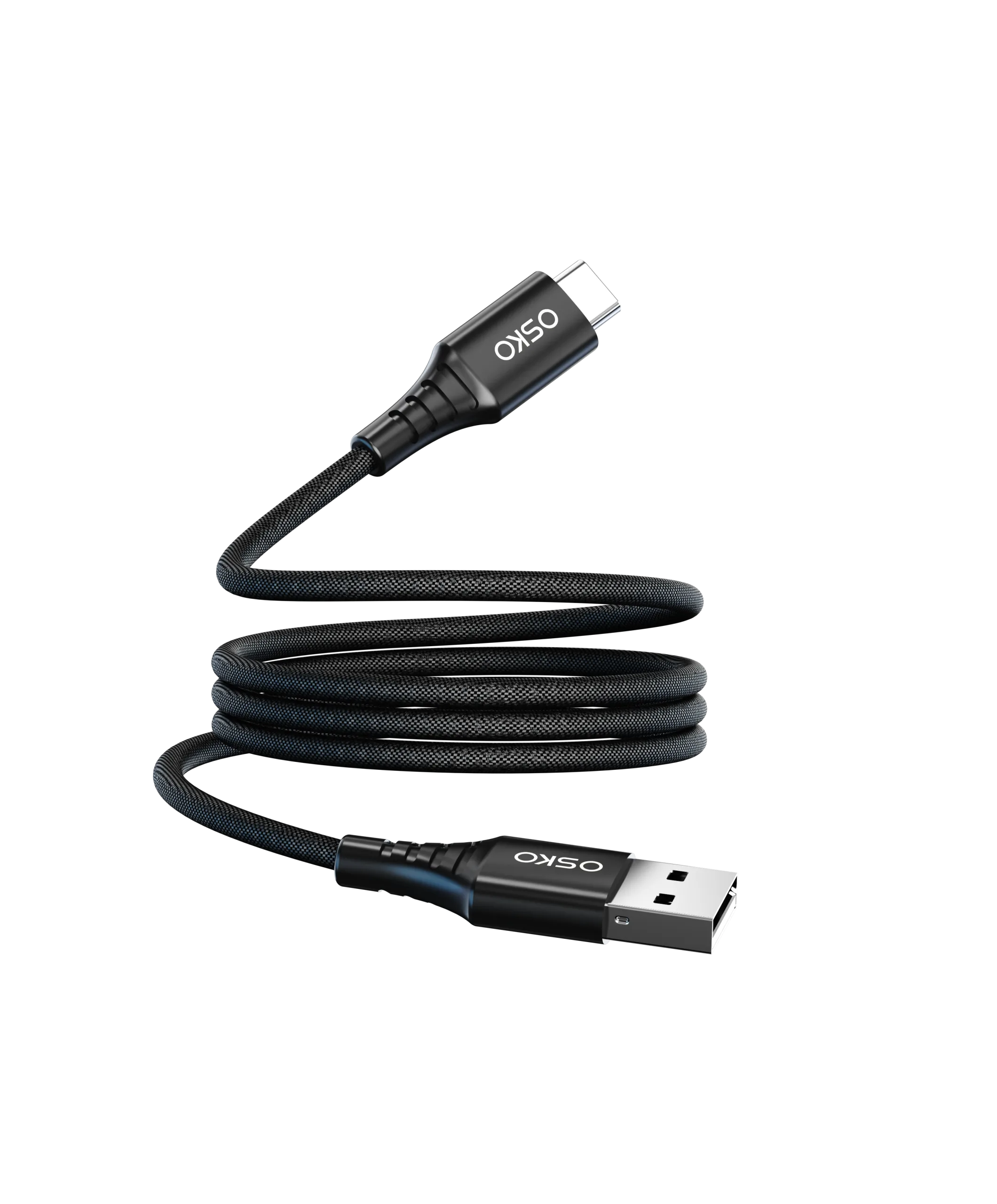
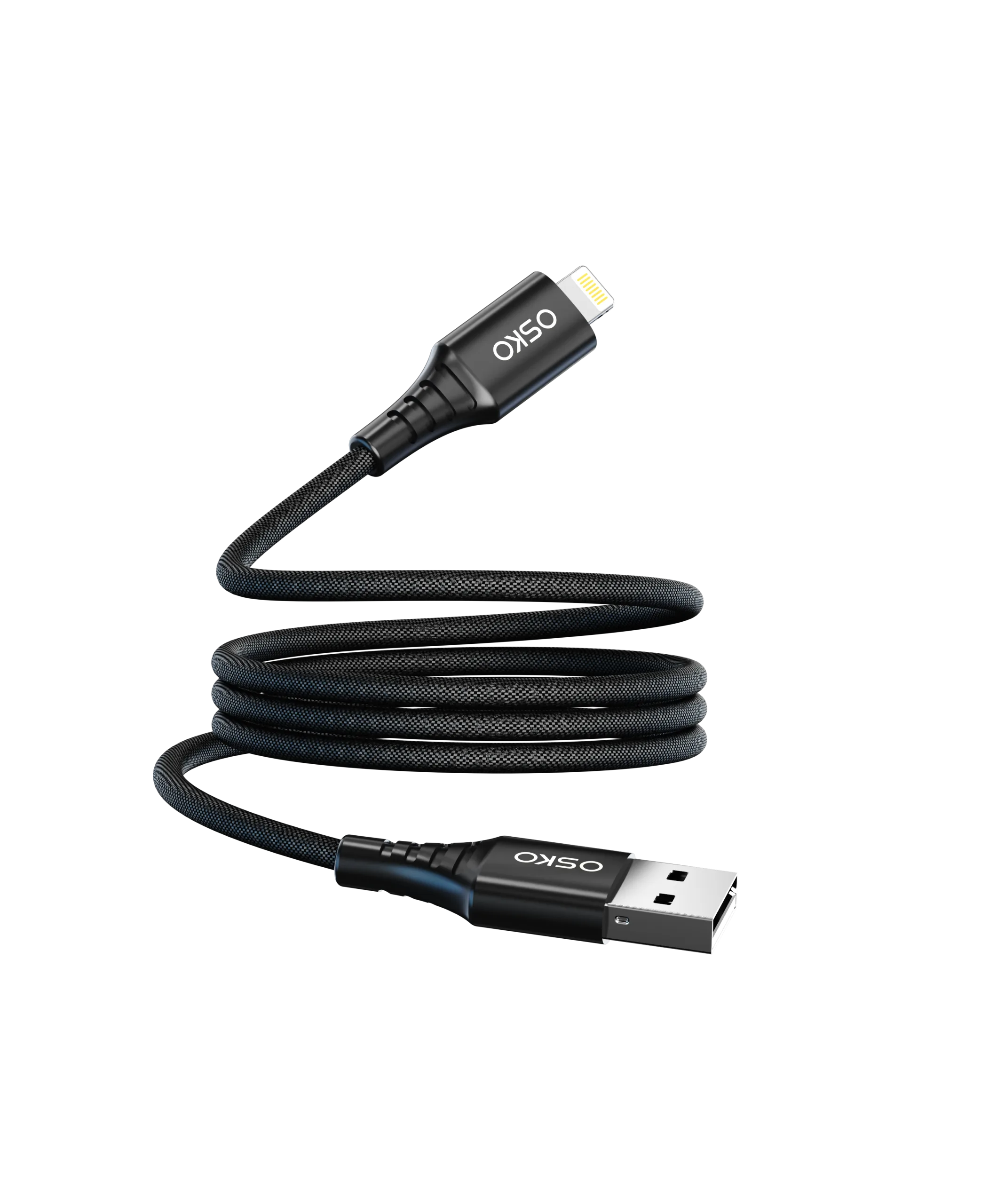
The choice of USB cable jacket material directly affects cable durability, flexibility, appearance, production cost, and customer experience.
For custom USB cable manufacturing, the three most common jacket materials are:
PVC USB cables
TPE USB cables
Nylon braided USB cables
Each material has different advantages.
PVC offers cost efficiency and stable production performance.
TPE provides excellent flexibility, softness, and premium user experience.
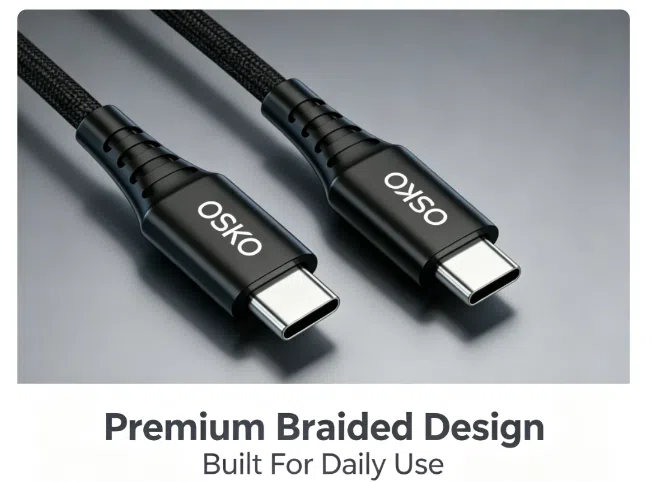
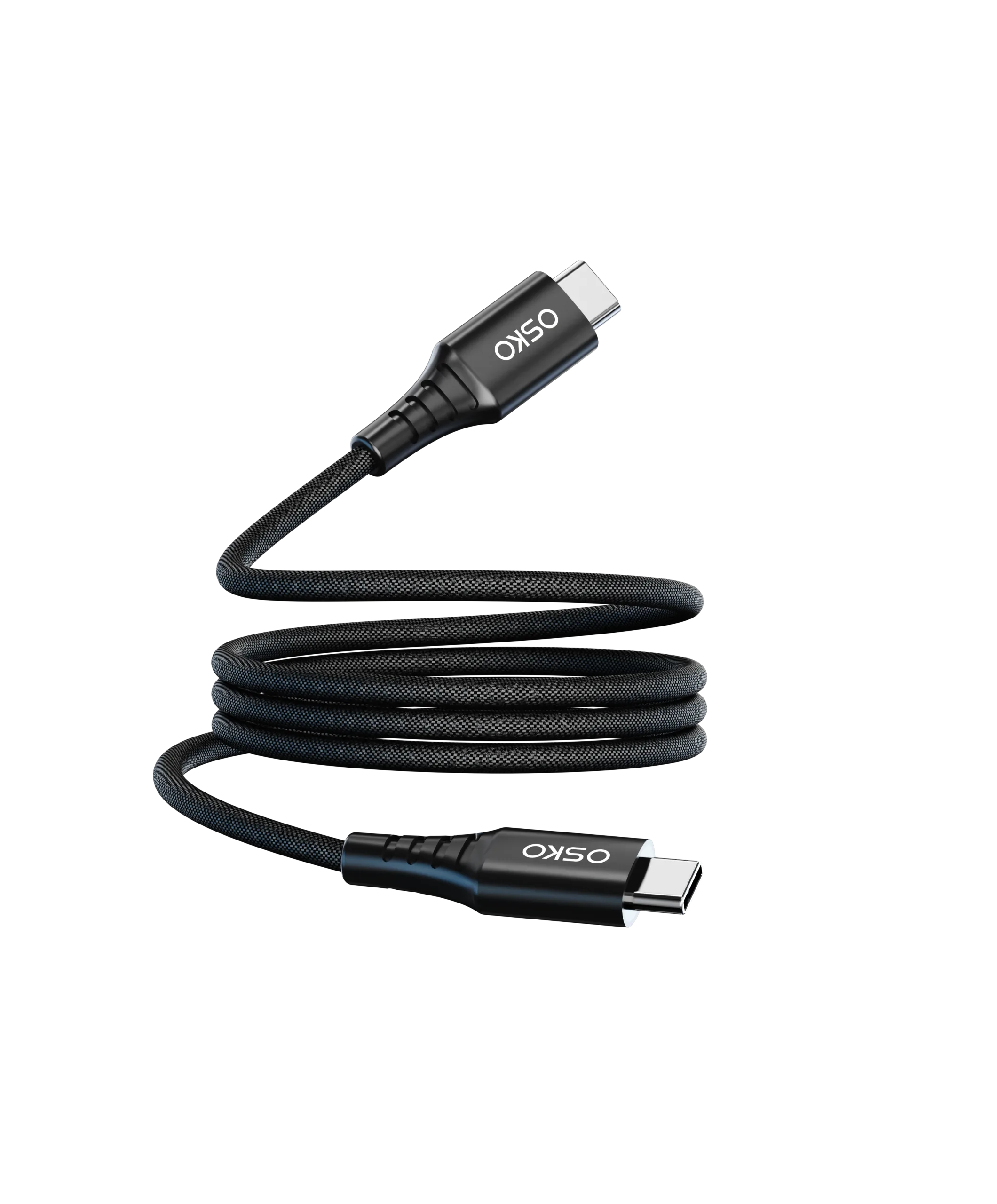
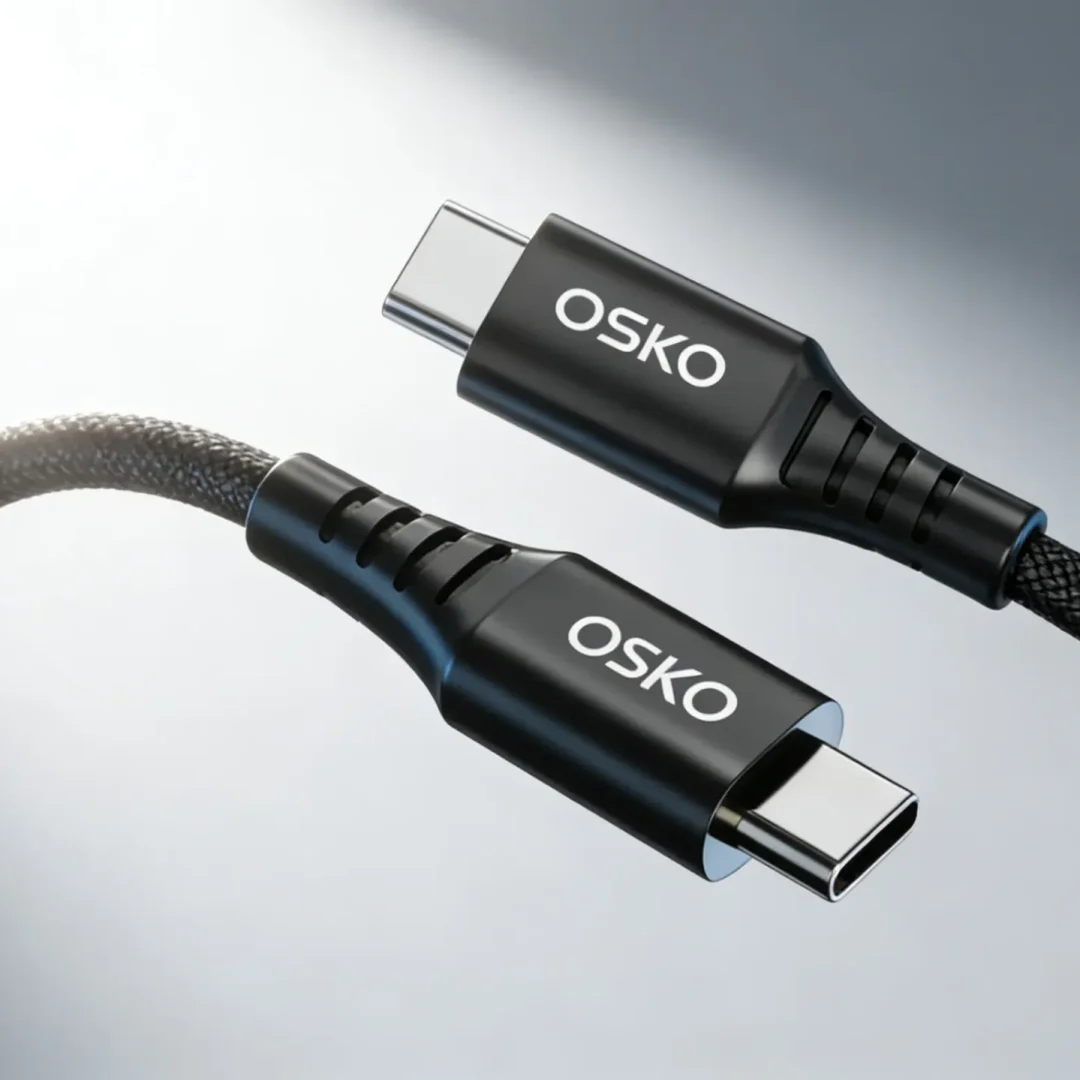
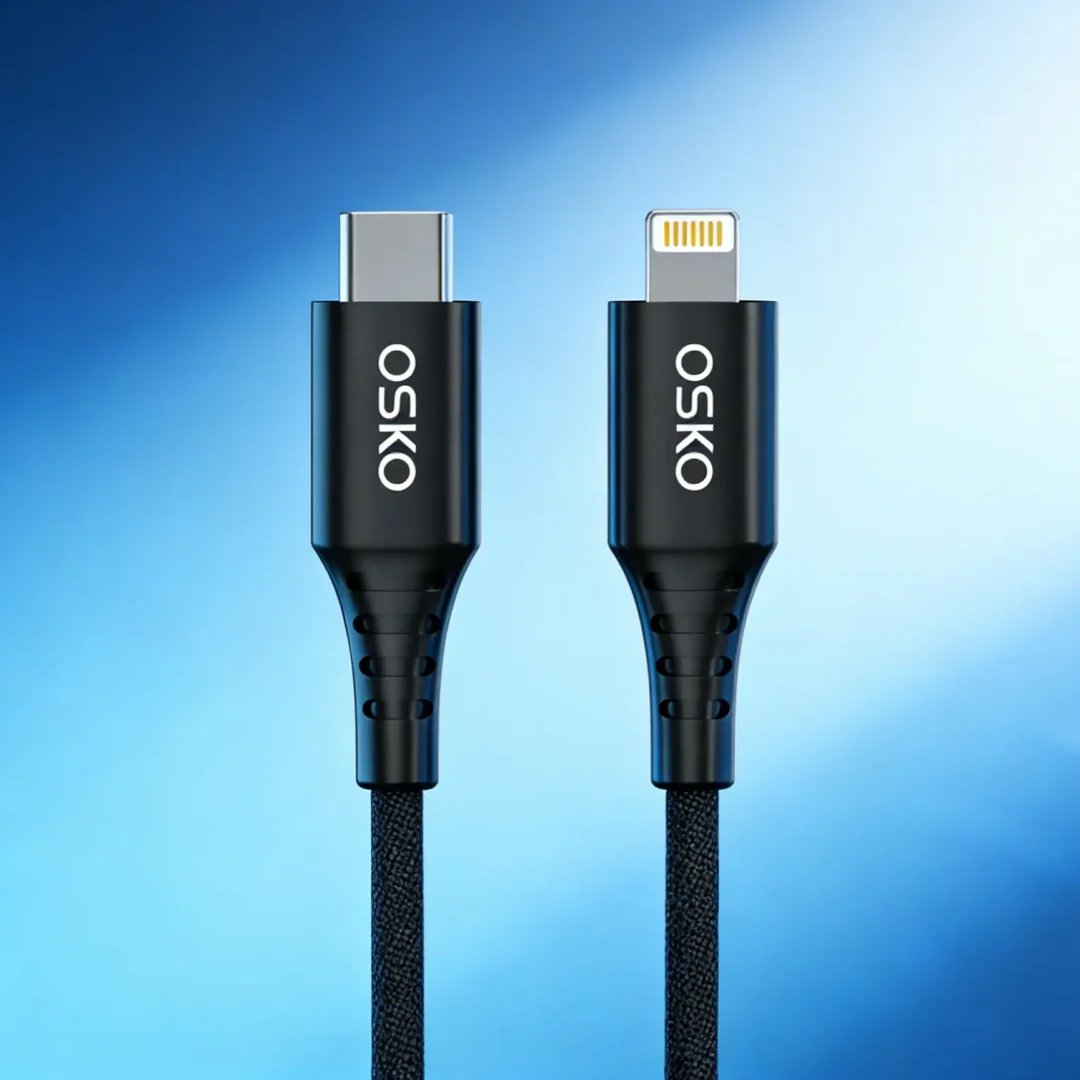
Nylon braided construction delivers superior abrasion resistance and a high-end appearance.
For OEM brands, distributors, and electronics companies, selecting the correct cable material is an important decision that impacts product positioning, warranty costs, and customer satisfaction.

Why Does USB Cable Jacket Material Matter?
How Does the Outer Jacket Affect USB Cable Performance?
Many buyers focus only on charging speed and connector design, but the cable jacket plays an important role in overall performance.
The outer jacket protects internal components including:
Copper conductors
Data transmission wires
Shielding layers
Insulation materials
A suitable jacket material improves:
Cable lifespan
Bend resistance
Flexibility
Abrasion protection
Product appearance
User experience
For OEM USB cable projects, material selection should consider:
Target market
Product price level
Expected usage environment
Required durability
Brand positioning
What Is PVC USB Cable Material?
Why Is PVC Widely Used in USB Cable Manufacturing?
PVC (Polyvinyl Chloride) is one of the most widely used materials for USB charging cables because it provides a good balance between cost and performance.
PVC cable jackets offer:
Cost Advantage
PVC is economical and suitable for:
High-volume production
Promotional USB cables
Entry-level accessories
Retail charging products
Good Mechanical Protection
PVC provides:
Stable insulation
Basic abrasion resistance
Good protection for internal wires
Easy Manufacturing Process
For factories, PVC provides:
Efficient extrusion processing
Stable production
Wide color customization options
However, PVC also has limitations:
Less flexible than TPE
Can become harder in cold temperatures
Lower premium feeling compared with braided designs
What Is TPE USB Cable Material?
Why Are TPE USB Cables Popular in Premium Accessories?
TPE (Thermoplastic Elastomer) combines the flexibility of rubber with the processing advantages of plastic.
Compared with PVC, TPE provides:
Softer touch
Better flexibility
Improved bending performance
Better cold resistance
Premium user experience
TPE USB cables are commonly used for:
Smartphone charging cables
Premium accessories
Consumer electronics
Wearable devices
Portable electronics
For brands targeting mid-range and premium markets, TPE is often preferred because consumers perceive it as more comfortable and higher quality.

What Is a Nylon Braided USB Cable?
Why Do Premium Brands Choose Nylon Braided Cables?
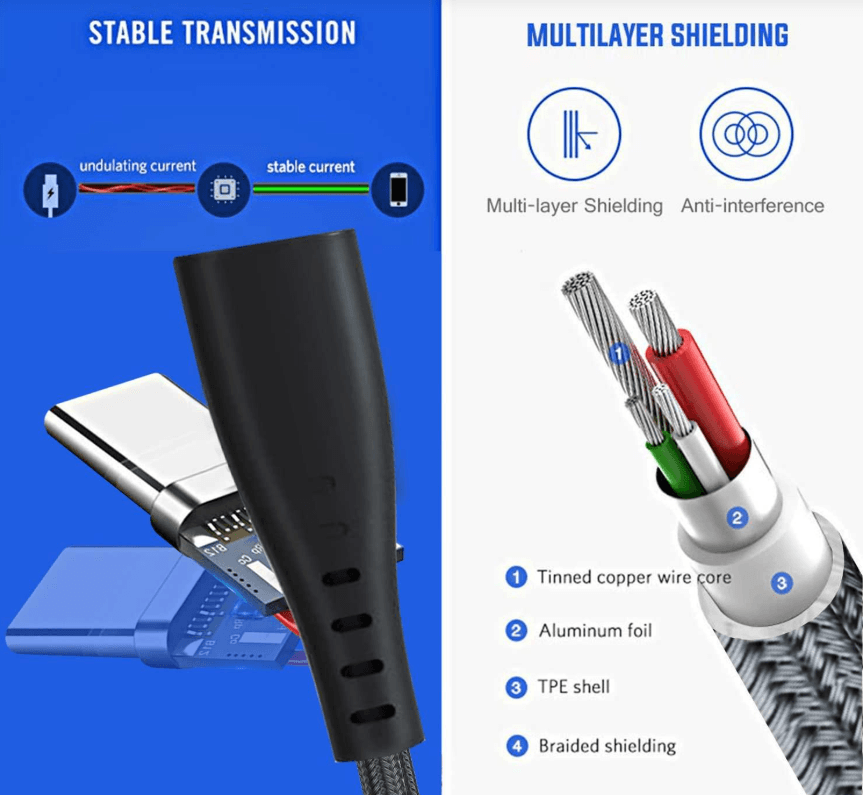
A nylon braided USB cable is not made completely from nylon.
The typical structure includes:
- Internal copper conductors
- Insulation layer
- PVC or TPE inner jacket
- External nylon braided layer
The nylon braid provides additional protection.
Main advantages include:
Superior Abrasion Resistance
Nylon protects the cable from:
Daily friction
Scratching
Surface wear
Better Durability
Braided cables usually provide:
Higher tensile strength
Improved bending resistance
Longer service life
Premium Appearance
Nylon braided cables are popular for:
Gaming accessories
Laptop charging cables
Premium smartphone accessories
Private label products
For OEM brands, braided construction can improve product value perception.
TPE vs Nylon Braided vs PVC USB Cable Comparison
Which USB Cable Material Is Best for OEM Manufacturing?
| Feature | PVC USB Cable | TPE USB Cable | Nylon Braided USB Cable |
|---|---|---|---|
| Cost | Low | Medium | High |
| Flexibility | Good | Excellent | Good |
| Soft Touch | Medium | Excellent | Good |
| Abrasion Resistance | Medium | Good | Excellent |
| Bend Resistance | Good | Excellent | Excellent |
| Premium Appearance | Basic | Premium | High Premium |
| Manufacturing Complexity | Low | Medium | Higher |
| Target Market | Budget products | Mid-range products | Premium products |
There is no single “best” material.
The correct choice depends on:
Product positioning
Customer expectations
Target selling price
Application requirements
Which USB Cable Material Lasts the Longest?
Is Nylon Braided Better Than TPE and PVC?
From an external protection perspective, nylon braided cables generally provide the highest resistance against physical damage.
Typical durability ranking:
- Nylon Braided USB Cable
- TPE USB Cable
- PVC USB Cable
However, actual cable lifespan depends on more than jacket material.
Other important factors include:
Copper conductor quality
Connector reinforcement
Strain relief design
Solder quality
Manufacturing process
A well-designed PVC cable can outperform a low-quality braided cable.
Does Cable Jacket Material Affect Fast Charging Performance?
Can Material Change USB Charging Speed?
No.
The jacket material itself does not determine charging speed.
Charging performance mainly depends on:
Copper conductor quality
Wire gauge (AWG)
Resistance level
Connector design
USB PD compatibility
For fast charging USB-C cables, common conductor specifications include:
| Charging Power | Recommended AWG |
|---|---|
| Standard Charging | 26-28 AWG |
| USB PD 60W | 24-26 AWG |
| USB PD 100W | 22-24 AWG |
| USB PD 240W | 20-22 AWG |
However, jacket material affects:
Heat management
Mechanical durability
Long-term reliability
Which Material Is Best for OEM USB Cable Branding?
How Should Brands Choose Cable Jacket Materials?
Different markets require different material choices.
PVC USB Cable
Best for:
Promotional products
Large-volume orders
Cost-sensitive markets
Entry-level accessories
Advantages:
Lowest production cost
Easy customization
Stable supply
TPE USB Cable
Best for:
Smartphone accessories
Consumer electronics brands
Premium retail products
Advantages:
Comfortable touch
Flexible design
Better user experience
Nylon Braided USB Cable
Best for:
Premium brands
Gaming products
Laptop accessories
Professional electronics
Advantages:
Premium appearance
Strong durability
Higher perceived value
How Do Professional USB Cable Manufacturers Control Quality?
What Should OEM Buyers Check Before Ordering?
A reliable custom USB cable manufacturer should have structured quality management.
ISO9001 Quality Management System
ISO9001 controls:
Raw material management
Production procedures
Supplier control
Product traceability
Quality improvement
Professional factories normally use:
IQC
Incoming Quality Control
Checks:
Jacket materials
Copper wires
Connector components
IPQC
In-process inspection:
Extrusion quality
Assembly accuracy
Solder performance
OQC
Final inspection:
Charging testing
Data testing
Appearance inspection
Why Is Lead-Free Solder Important in USB Cable Manufacturing?
What Is SAC305 Solder?
Professional USB cable factories commonly use SAC305 lead-free solder.
Composition:
Tin (Sn): 96.5%
Silver (Ag): 3%
Copper (Cu): 0.5%
Advantages:
RoHS compliant
Strong solder joints
Stable electrical performance
Typical processing:
Melting point: approximately 217°C
Solder temperature: 240–260°C
Reliable soldering improves:
Connector durability
Electrical stability
Product lifespan
What Certifications Should OEM USB Cable Buyers Request?
For international B2B purchasing, buyers should verify:
| Certification | Purpose |
|---|---|
| ISO9001 | Quality management |
| RoHS | Environmental compliance |
| REACH | Chemical compliance |
| UL Certification | Safety requirements |
| USB-IF Testing | USB standard verification |
Additional documents:
Material specifications
Bend test reports
Tensile strength reports
Electrical test reports
Reliability testing records
How Should Businesses Choose a USB Cable Material Supplier?
Questions OEM Buyers Should Ask
Before starting a custom USB cable project:
Material Selection
Ask:
Which jacket material is recommended?
Can custom colors be produced?
What is the expected bend lifespan?
Manufacturing Capability
Confirm:
ISO9001 certification
Production capacity
Quality inspection process
Material traceability
Product Testing
Request:
Bend testing
Pull-force testing
Abrasion testing
Charging performance testing
Choosing the right supplier helps reduce:
Product returns
Customer complaints
Quality risks
Conclusion: Choosing the Right USB Cable Jacket Material
PVC, TPE, and nylon braided materials each serve different purposes in USB cable manufacturing.
PVC USB cables are ideal for cost-effective, high-volume production.
TPE USB cables provide excellent flexibility and premium user comfort.
Nylon braided USB cables deliver superior durability, abrasion resistance, and premium market positioning.
For OEM and ODM buyers, the best USB cable material depends on:
Product positioning
Target customers
Budget requirements
Durability expectations
Working with an experienced USB cable manufacturer that provides quality control, customization capability, and compliance documentation is the key to developing reliable charging products.
FAQ: USB Cable Material Comparison
1. Which USB cable material is best?
There is no universal best material. PVC is best for low-cost products, TPE is best for flexibility, and nylon braided cables are best for premium durability.
2. Is nylon braided USB cable better than PVC?
Nylon braided cables usually provide better abrasion resistance and premium appearance, but PVC cables remain popular because they offer lower cost and reliable performance.
3. Does TPE USB cable charge faster?
No. Charging speed depends on conductor size, copper quality, USB PD support, and cable design. TPE mainly improves flexibility and durability.
4. What material should OEM brands choose for USB cables?
OEM brands should select materials based on target customers, product positioning, durability requirements, and production budget.