
Introduction
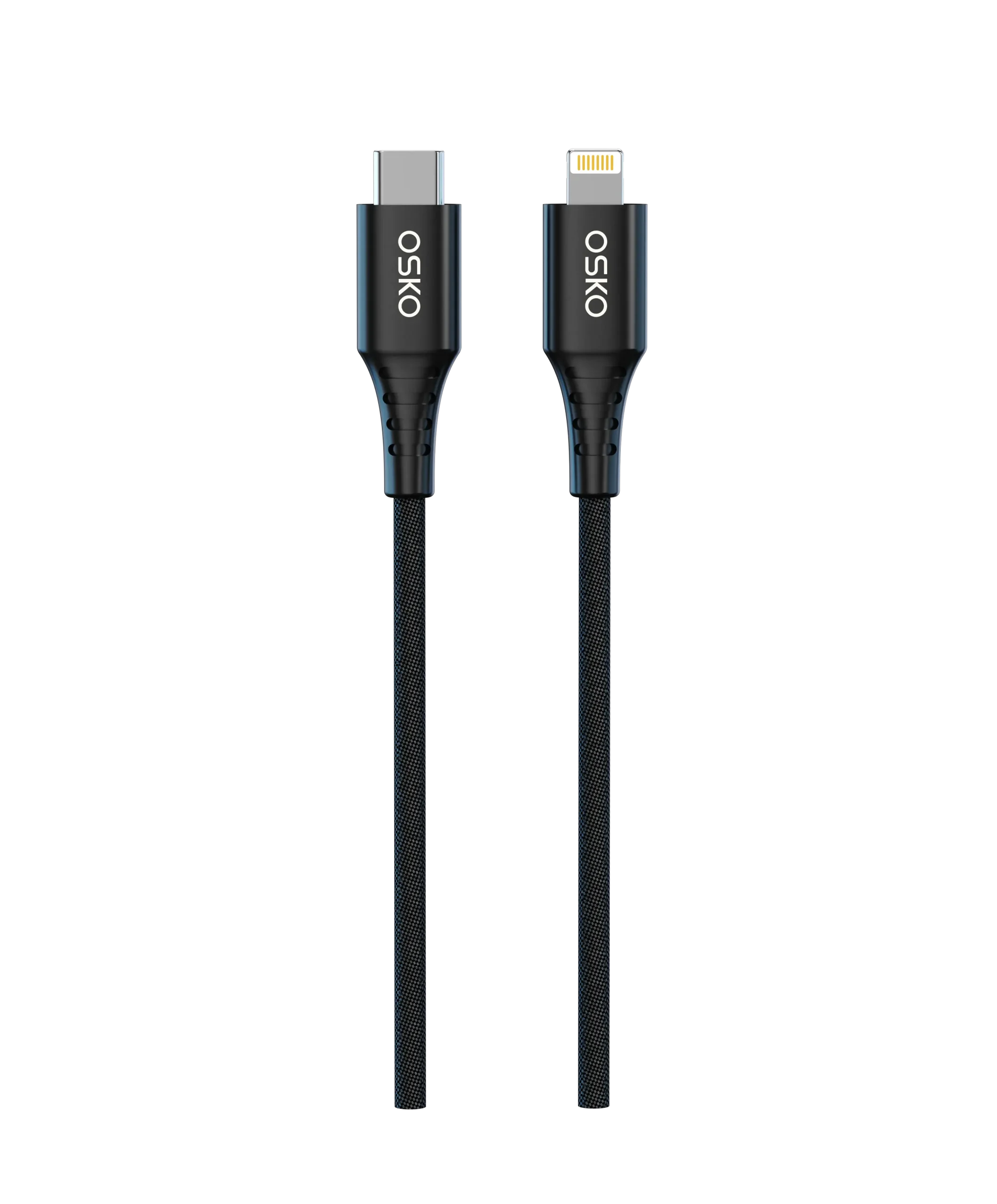
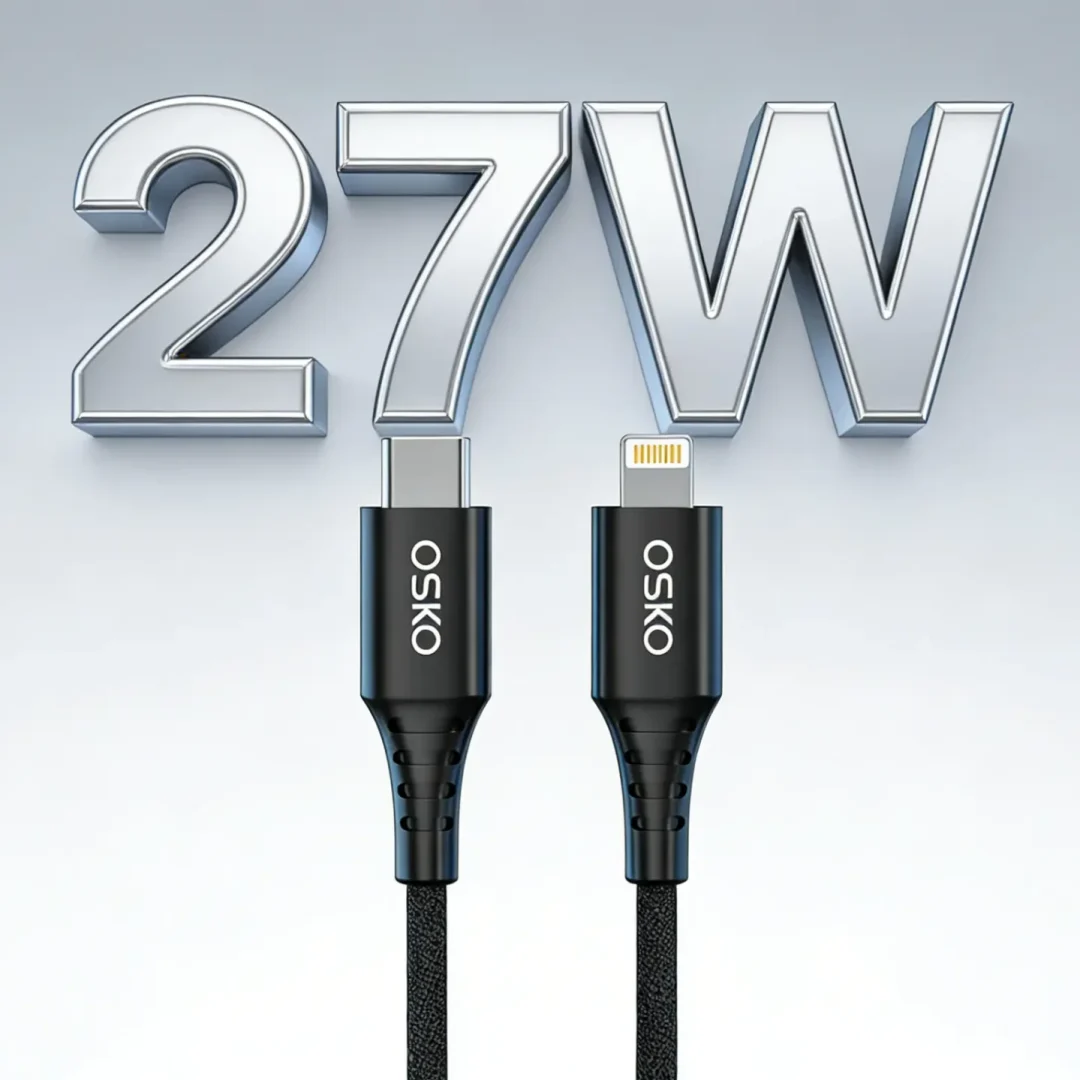
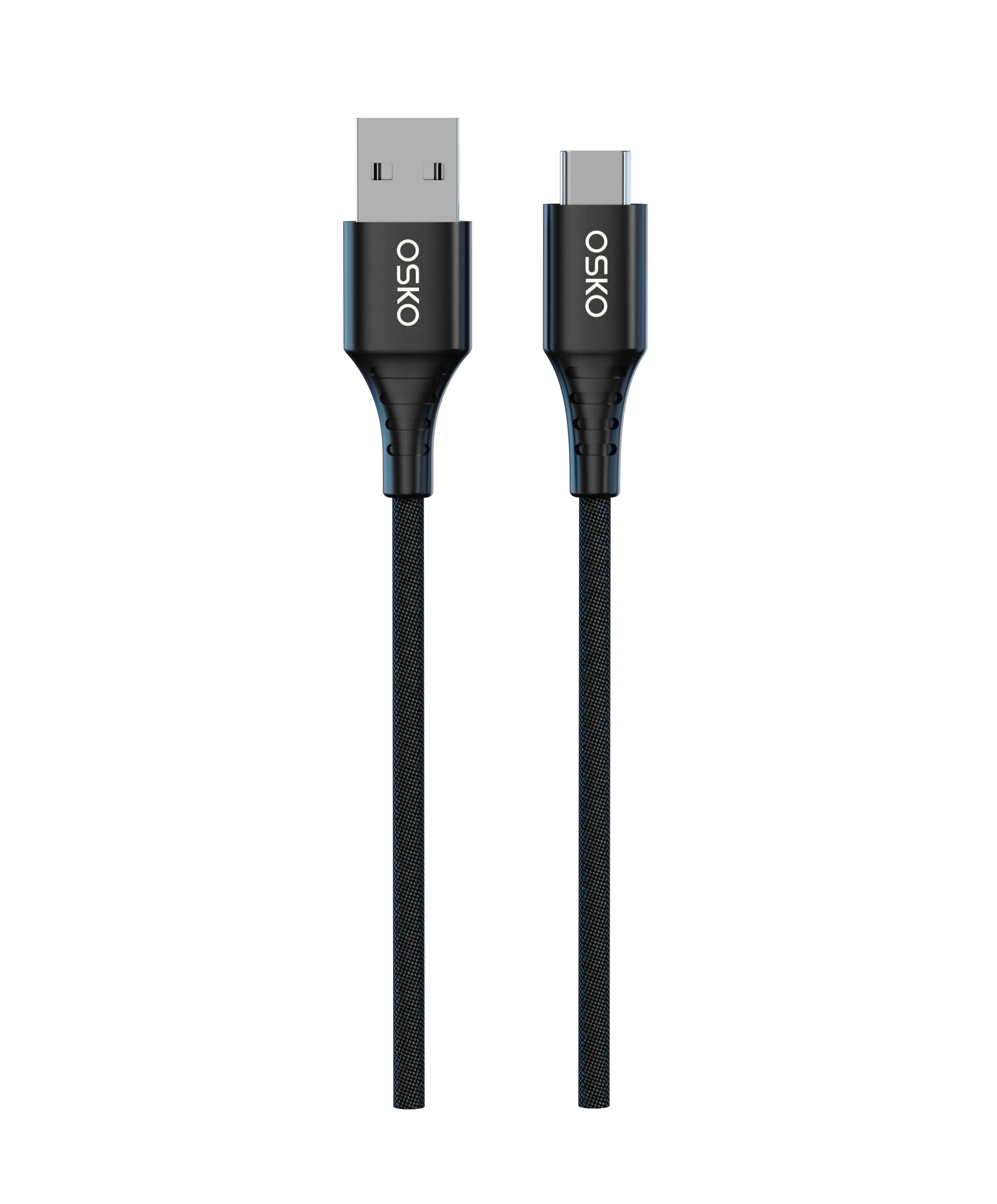
If your brand is still sourcing 60W or 100W Type-C cables as flagship accessories, you are competing in a commoditized market. The 100W space has become saturated with low-cost, low-margin cables flooding e-commerce platforms like Amazon. To capture premium customers, your brand must leap into USB PD 3.1 architecture with 240W capacity.
This article explains the technical differences between PD 3.0 and PD 3.1, the manufacturing and material requirements, compliance considerations, and how brands can leverage these upgrades for high-margin private label offerings.
1. Architectural Engineering: From 100W to 240W
PD 3.0, also known as Standard Power Range (SPR), capped power delivery at 100W (20V/5A). PD 3.1 introduces Extended Power Range (EPR), allowing up to 48V/5A or 240W safely.
| Technical Metric | USB PD 3.0 (SPR) | USB PD 3.1 (EPR) |
|---|---|---|
| Maximum Wattage Ceiling | 100W | 240W |
| Peak Voltage Handling | 20V | 48V |
| Fixed Amperage Limit | 5A | 5A |
| Smart IC Enforcement | Optional (>60W) | Mandatory (E-Marker 2.0) |
2. Physics of Extended Power Range (EPR)
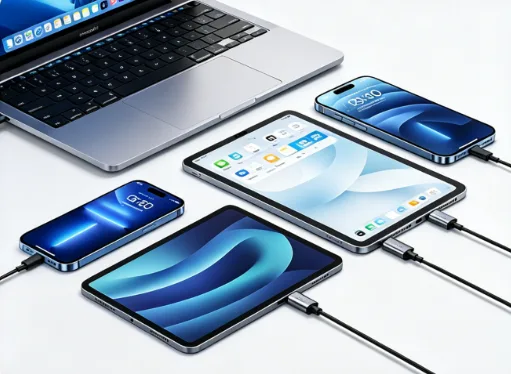
Under PD 3.0, pushing beyond 20V would increase amperage, creating thermal risks. PD 3.1 scales the voltage instead, introducing three new fixed tiers: 28V (140W), 36V (180W), 48V (240W). This allows safe, high-power delivery over standard Type-C cables.
3. Hardware Requirements for PD 3.1
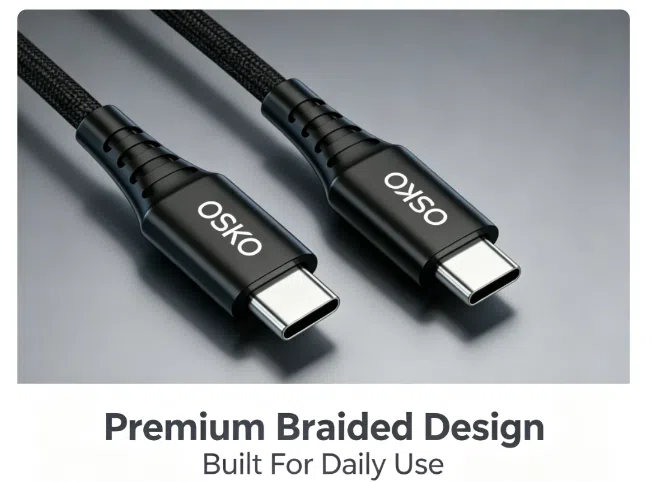
Elite-Tier Manufacturing Precision
48V requires advanced internal construction:
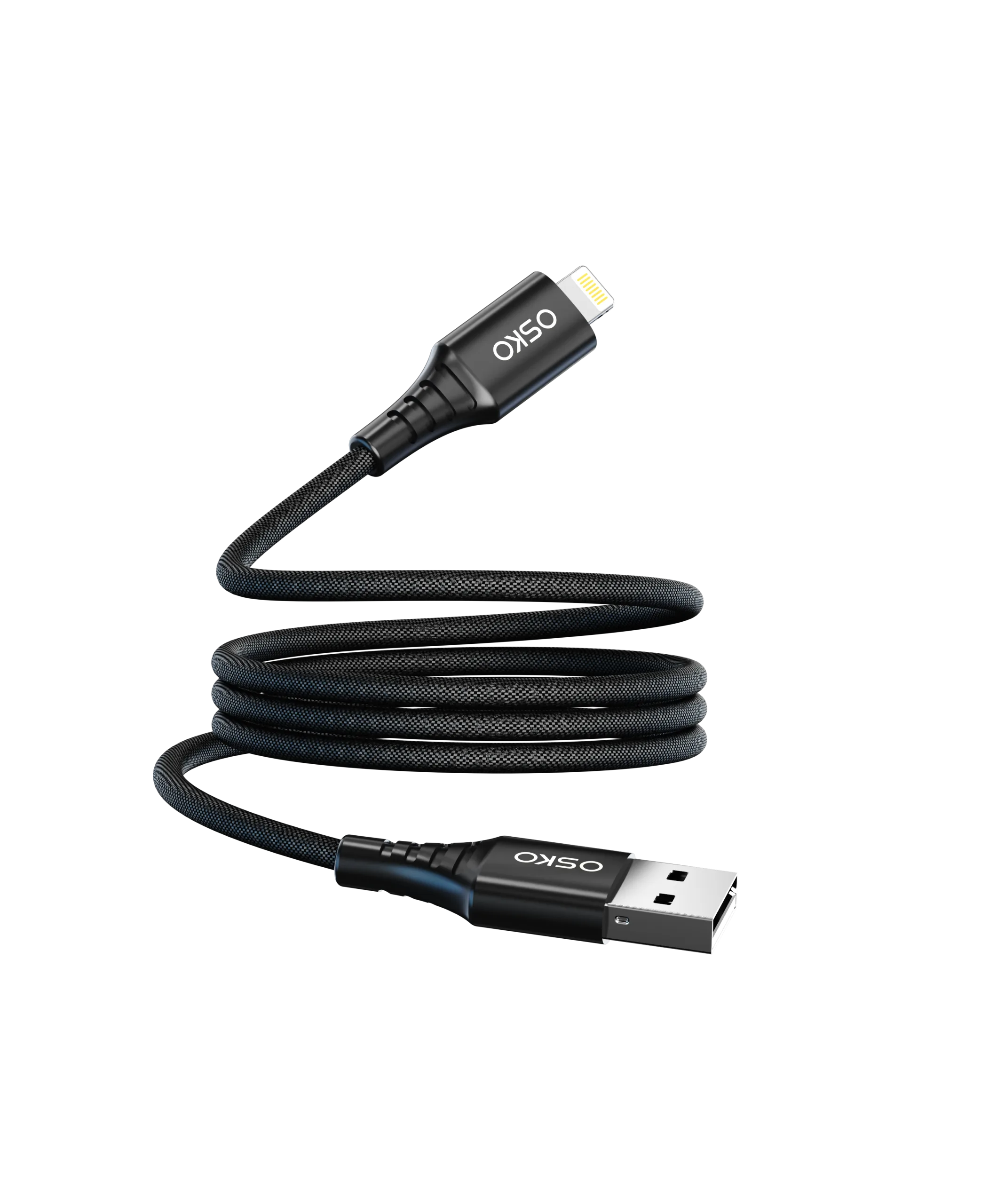
- High-density nylon braid for durability
- Coaxial/shielded twisted pairs for low EM interference
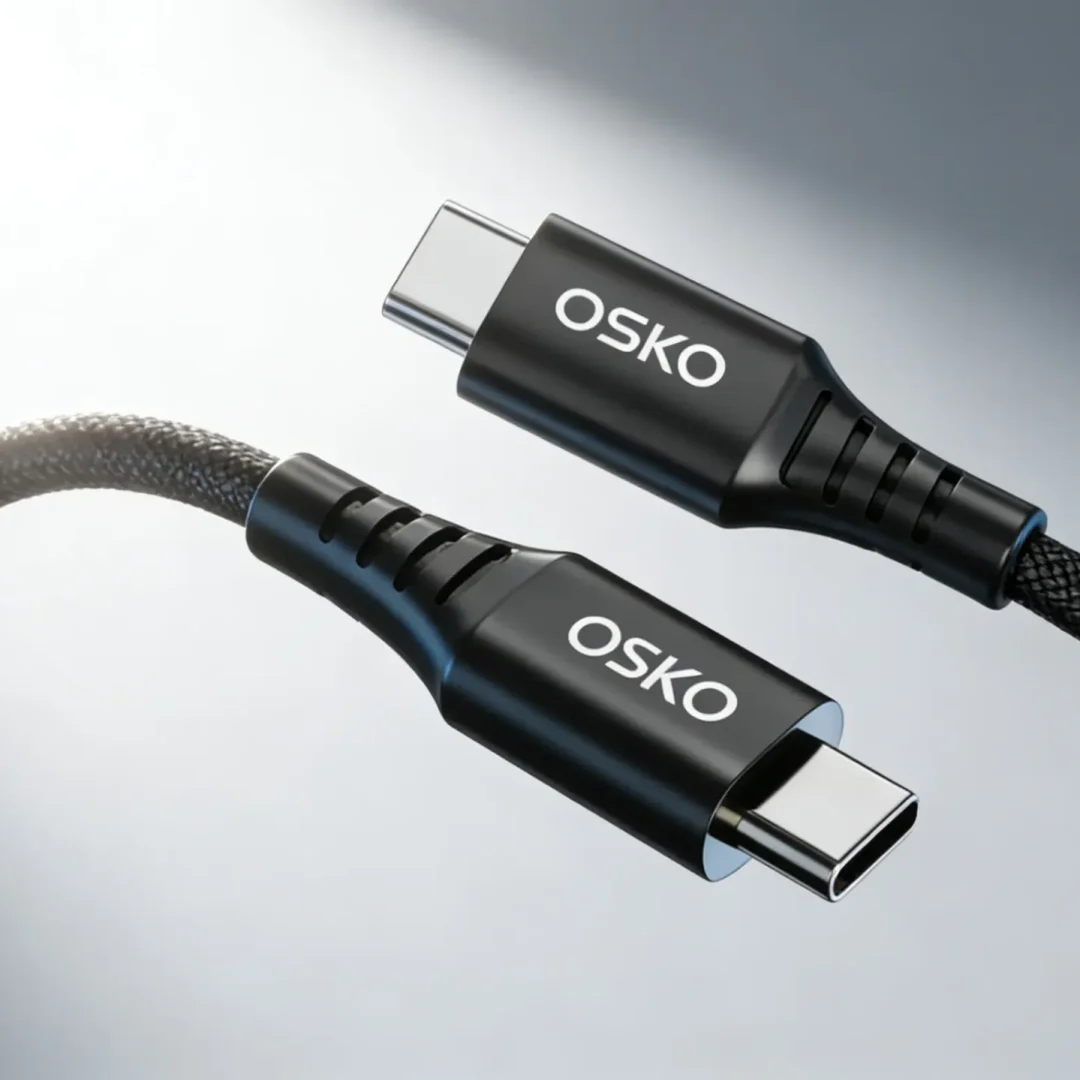
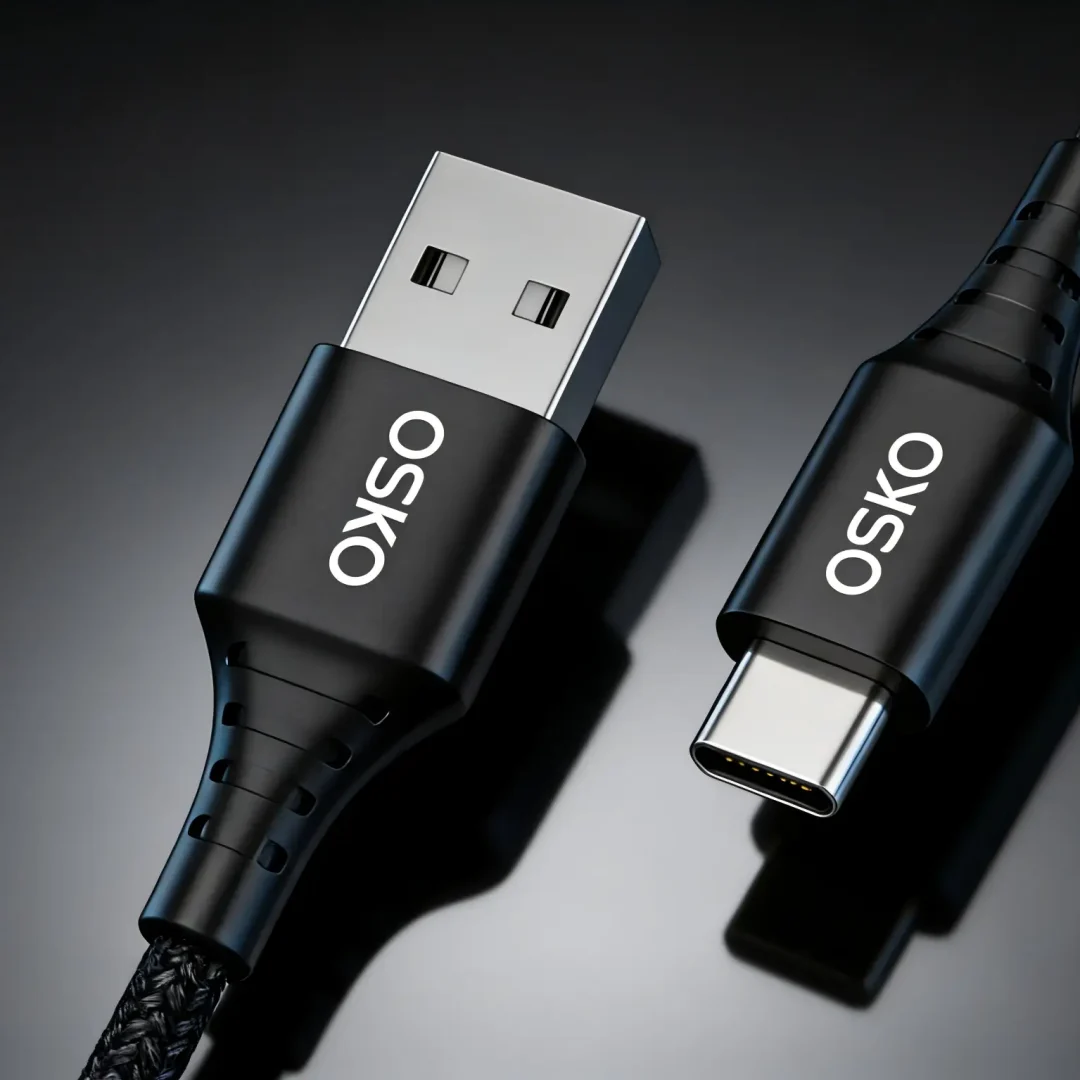
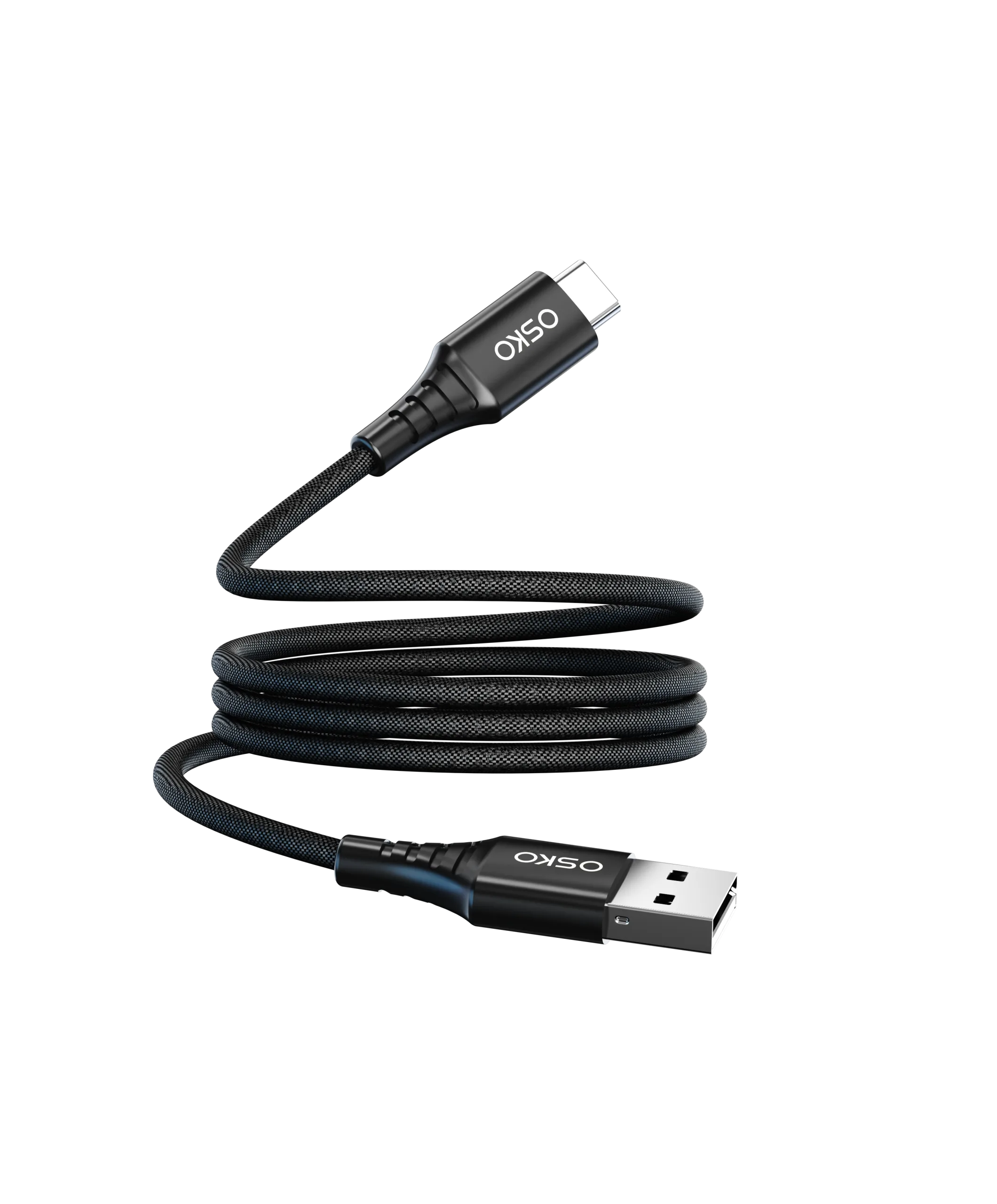
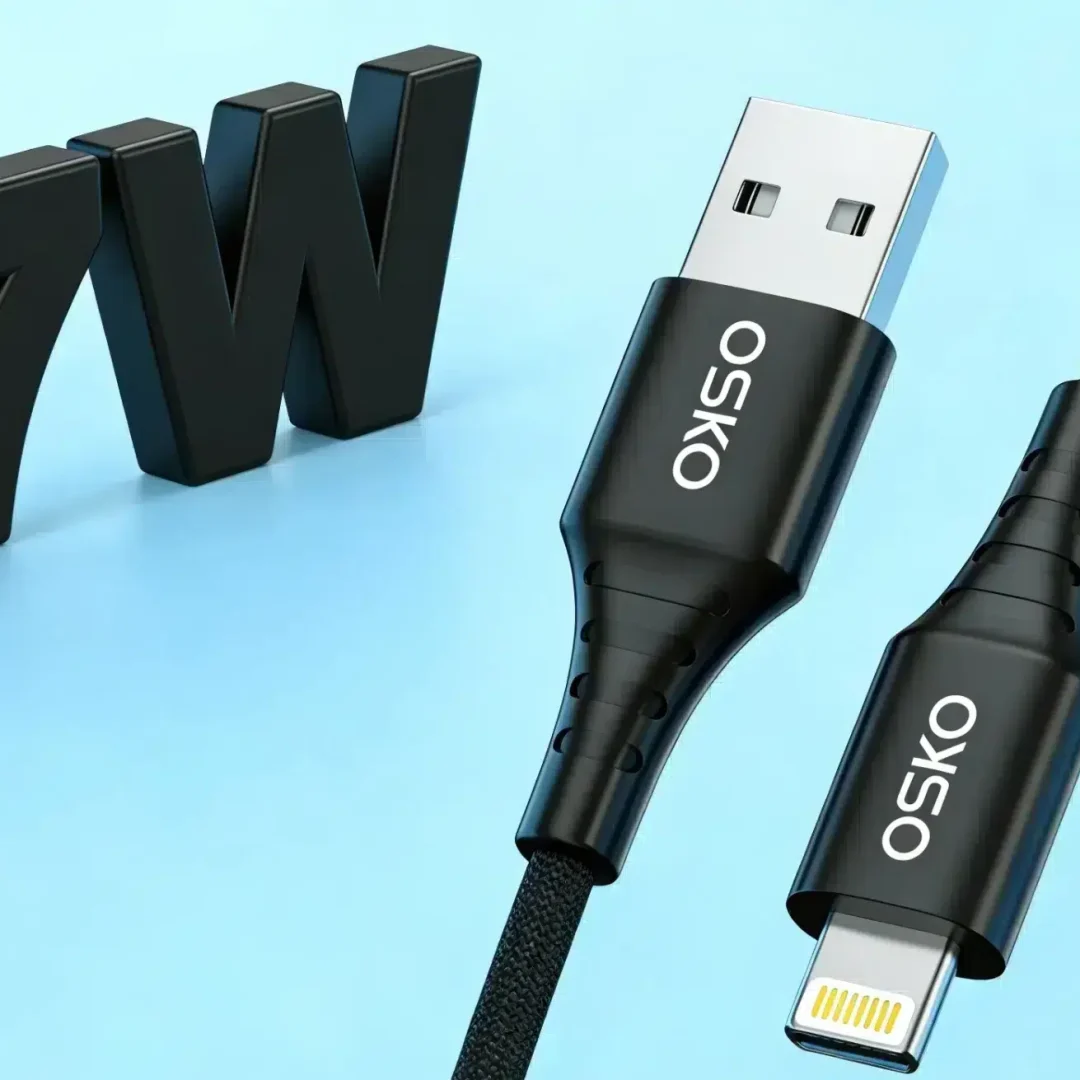
- CNC alloy shells for heat and mechanical resilience
- E-Marker 2.0 Smart IC for safe voltage handshake
- TPU segmented strain relief for mechanical stability
Internal Insulation & Wire Gauge
- 22AWG or 20AWG tinned copper cores
- Multi-layer aluminum-mylar shielding
- Reinforced copper braiding for thermal dissipation
4. Western Compliance: Certifications
Premium brands must ensure legal compliance:
- CE & RoHS for European EMC and low-voltage safety
- FCC approved for electromagnetic interference in the US
- Prop 65 compliance for California heavy metals
5. Brand Commercialization & Private Label Optimization
To capture high-margin segments:
- High-density multi-tone nylon weaving for visual differentiation
- CNC anodized metal shells to match premium laptop aesthetics
- Laser etched branding for long-lasting visibility
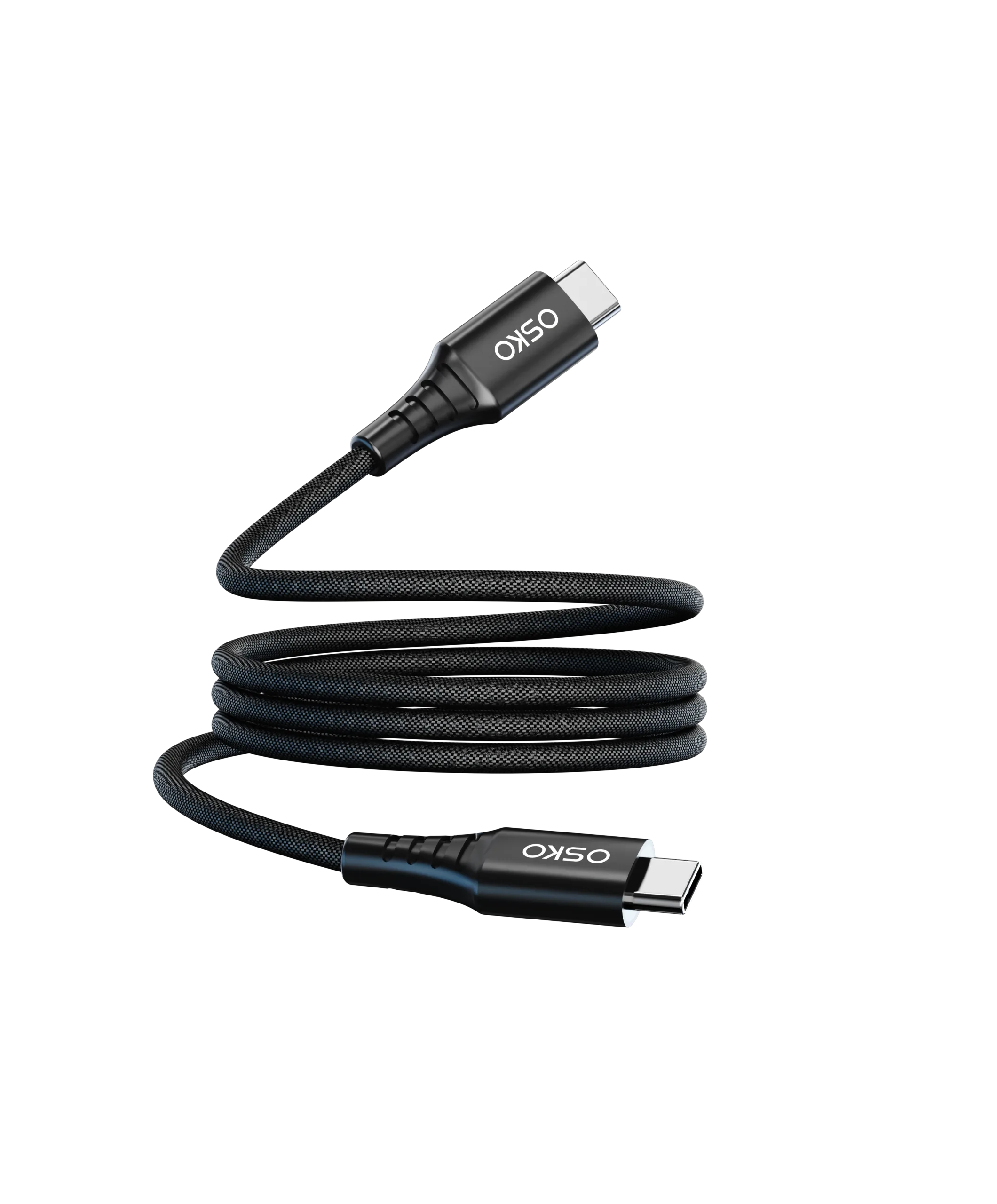
- Custom lengths: 3ft, 6ft, 10ft to suit consumer setups
- FBA optimized eco-packaging to reduce shipping costs
6. Strategic Partnerships for 2026
Working with verified OEM/ODM partners ensures:
- Elite-tier manufacturing with E-Marker 2.0 ICs
- Verified CE, RoHS, FCC, and Prop 65 certificates
- High-density braided jackets and reinforced strain relief
- Fast production of custom private label 240W USB-C cables.
7. Market Positioning
Moving to PD 3.1 240W cables allows your brand to:
- Break away from low-margin commoditized 100W products
- Capture premium, power-user segments
- Reduce returns and warranty claims due to robust hardware
Conclusion
Upgrading to PD 3.1 240W USB-C cables is a technical and strategic necessity for premium electronics brands in 2026. By focusing on high-end manufacturing, compliance, and visual differentiation, your brand can dominate the high-power USB-C segment, maximize ROI, and secure a safe, reliable supply chain.
For B2B and private label brands, this is the single most profitable product leap this year.