
Introduction
The topic of USB-C cable for iPhone has become increasingly important as Apple transitions its ecosystem toward USB-C standardization and high-speed charging requirements in global markets.
For users, the main concern is simple: which USB-C cable works safely and supports fast charging for iPhone devices. However, from an engineering and OEM perspective, compatibility depends on multiple factors including connector type, USB Power Delivery protocol, and certification compliance.
In US and European markets, iPhone charging cables are not only evaluated by appearance but by strict electrical, safety, and certification standards.
OSKO develops iPhone-compatible cable systems based on real USB-PD engineering and MFi ecosystem requirements.
Material Science & Charging Architecture
USB-C to Lightning vs USB-C to USB-C for iPhone
There are two main categories:
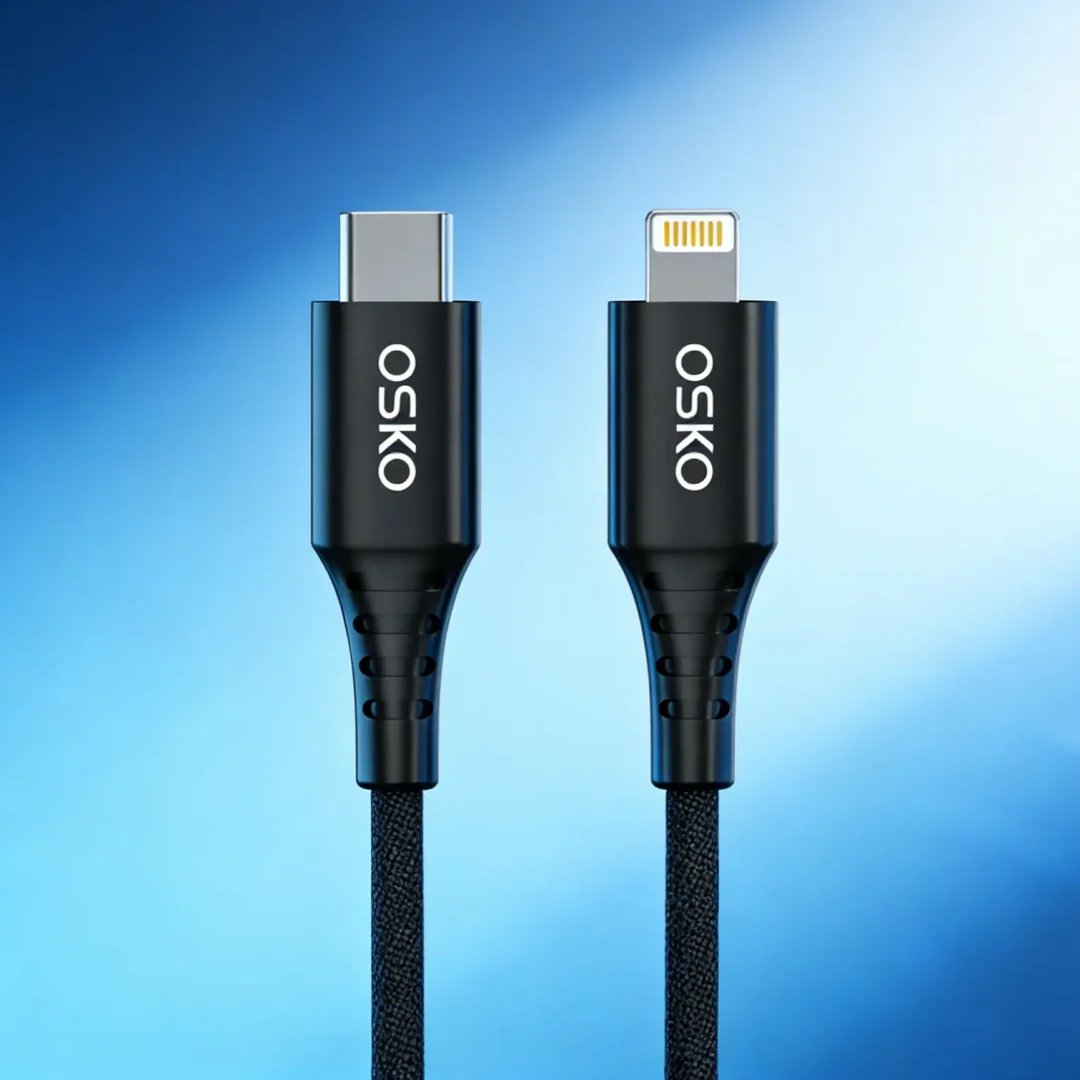
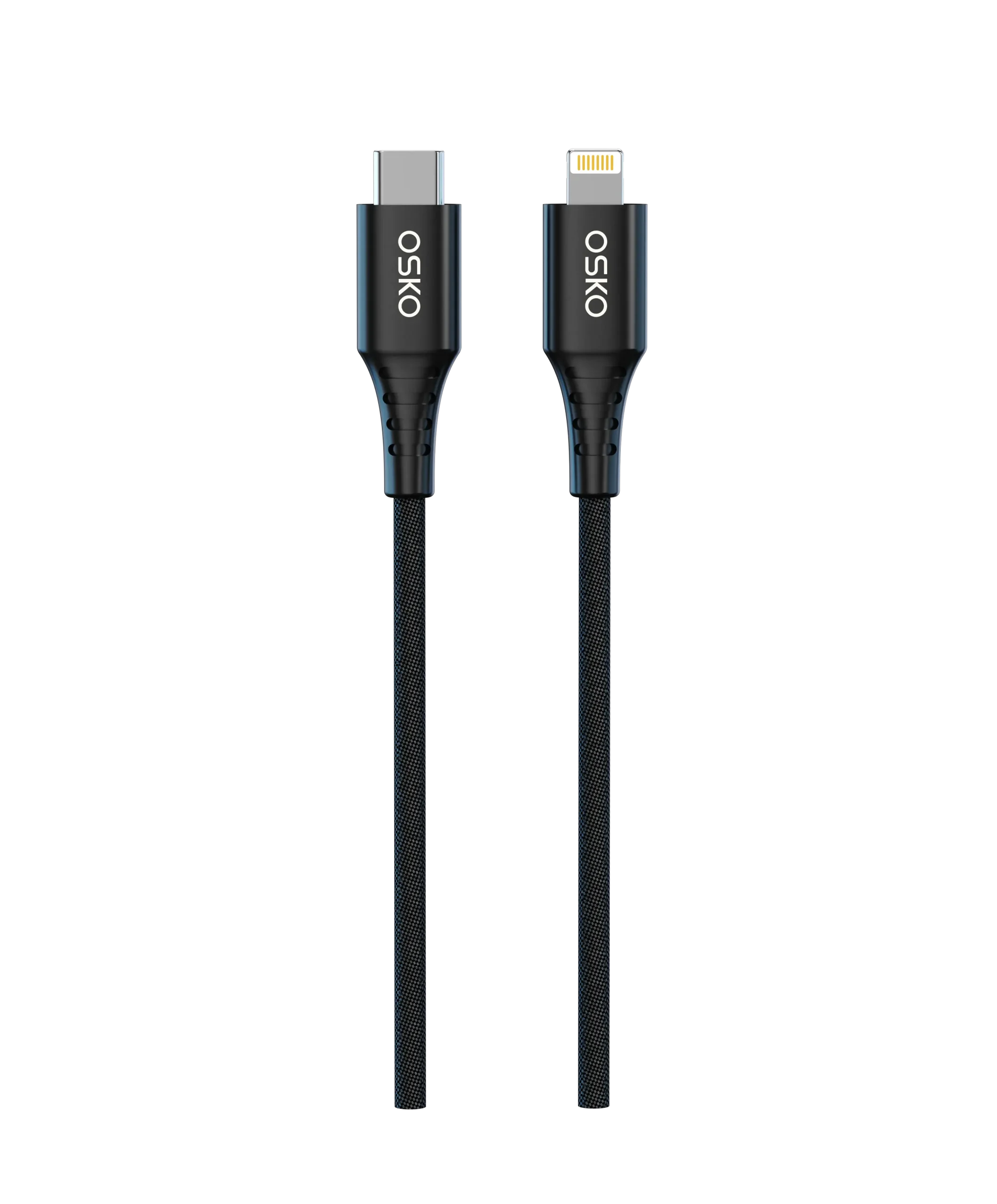
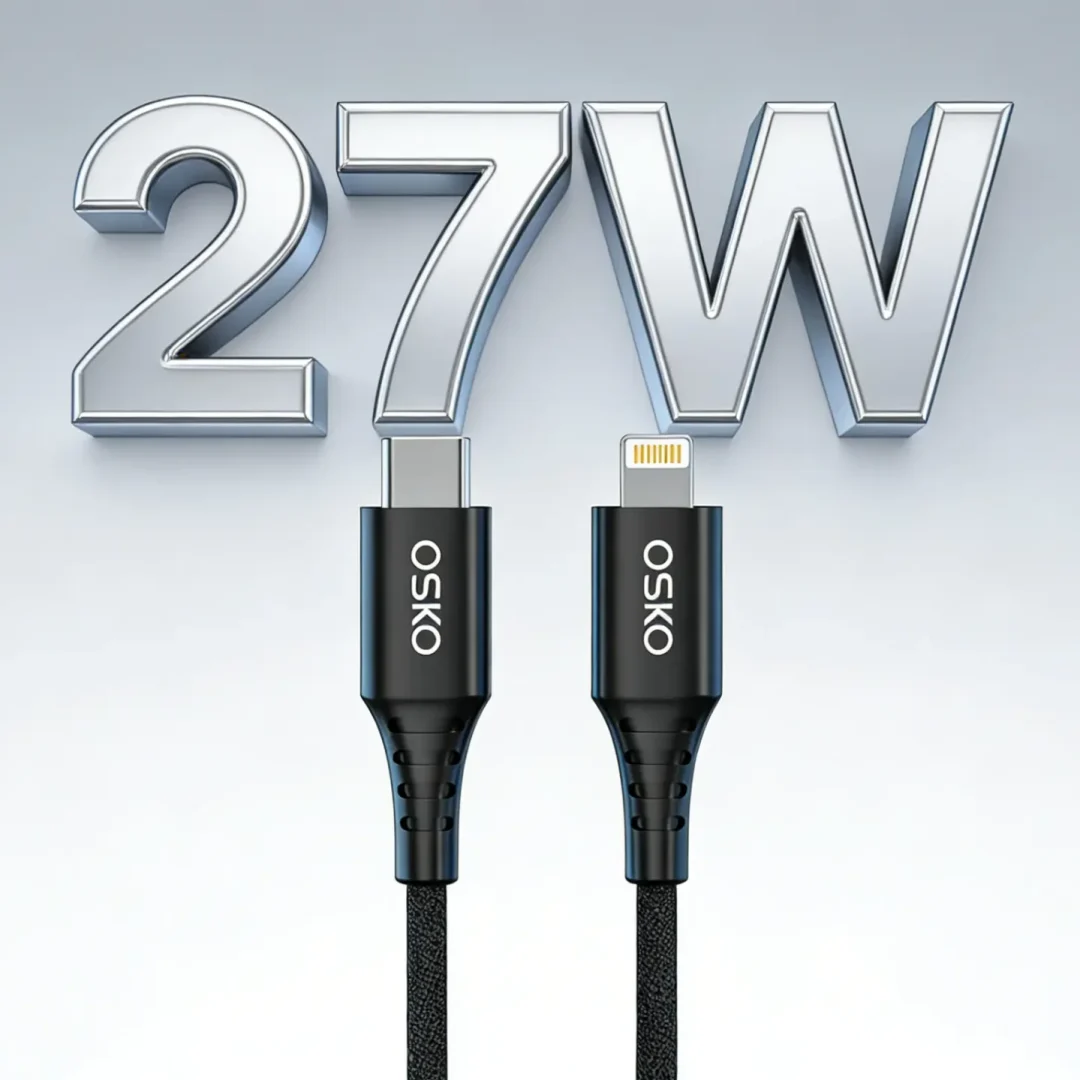
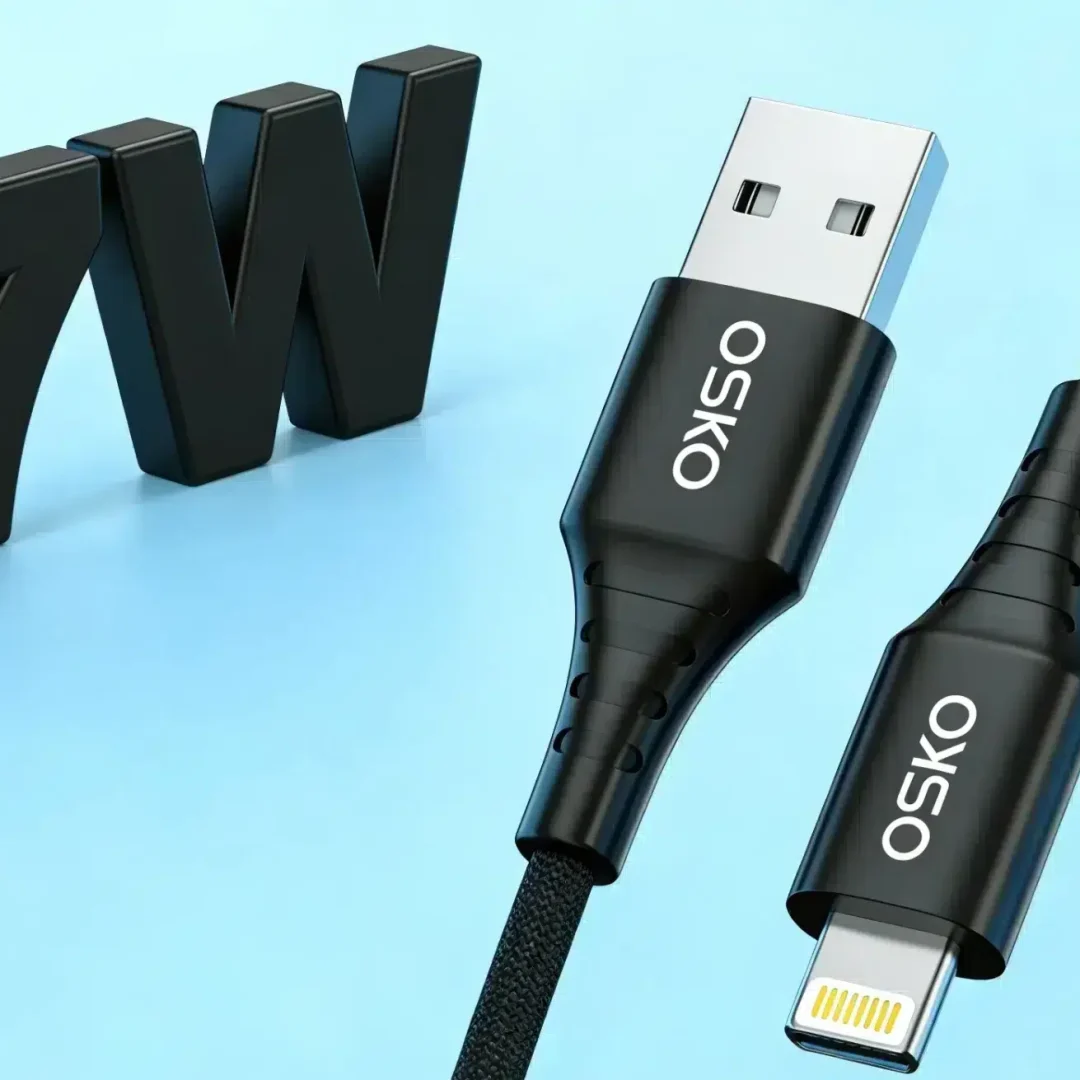
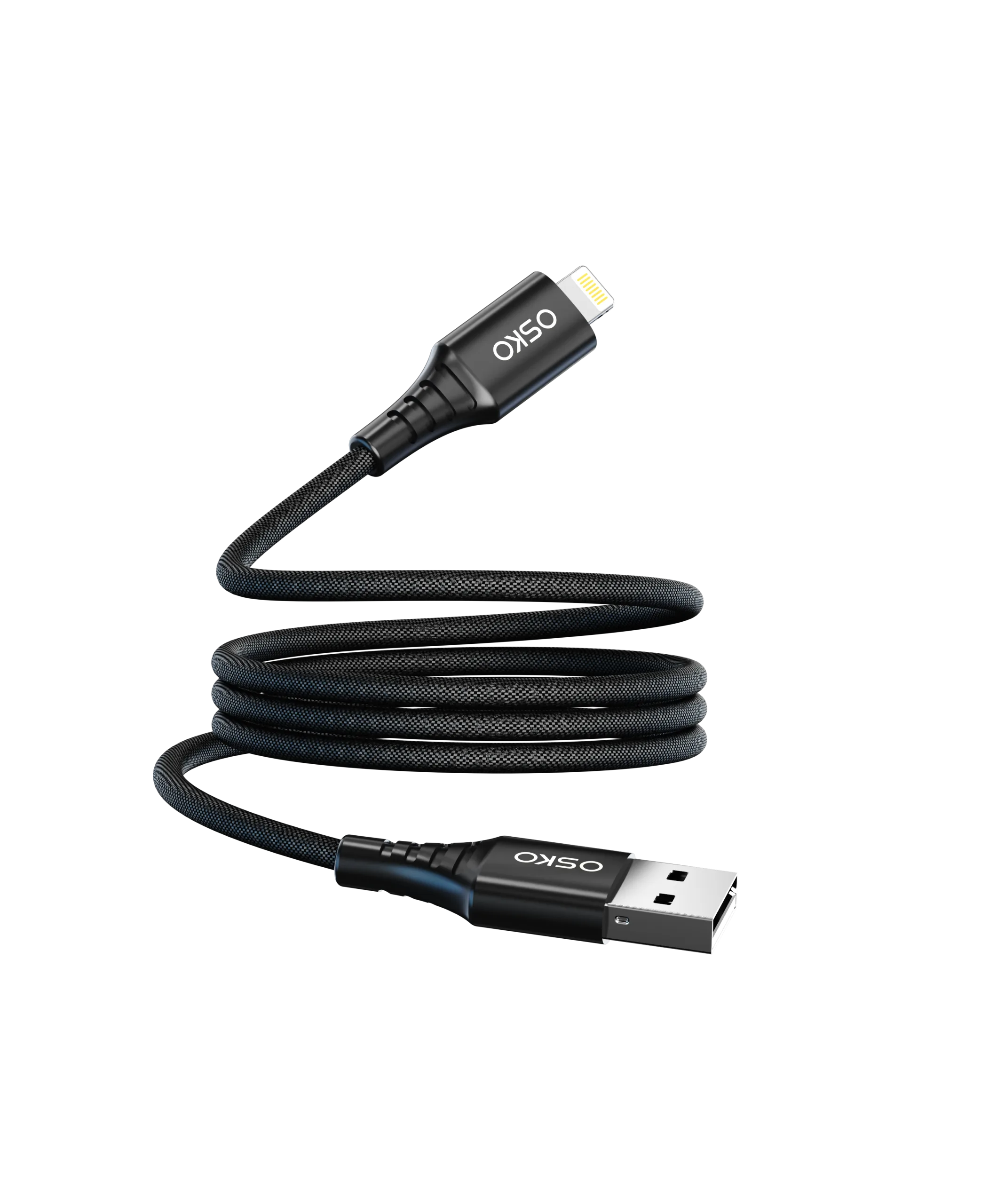
USB-C to Lightning Cable
Used for older iPhone models:
Requires Apple MFi certification
Supports up to ~27W fast charging
Uses Lightning connector on iPhone side
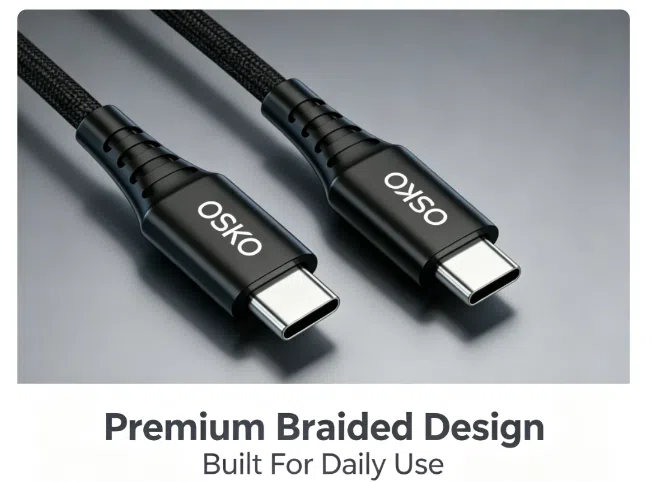
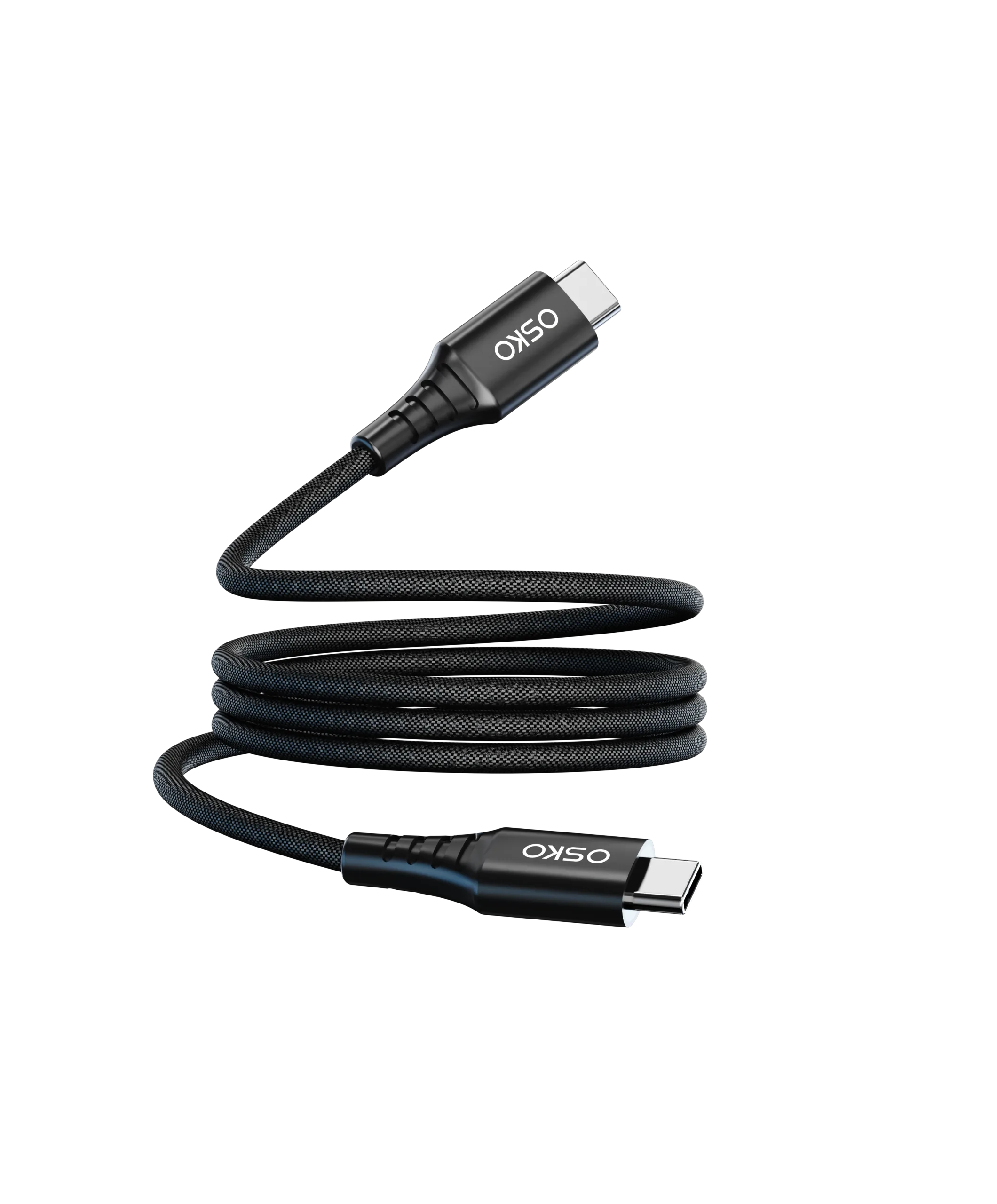
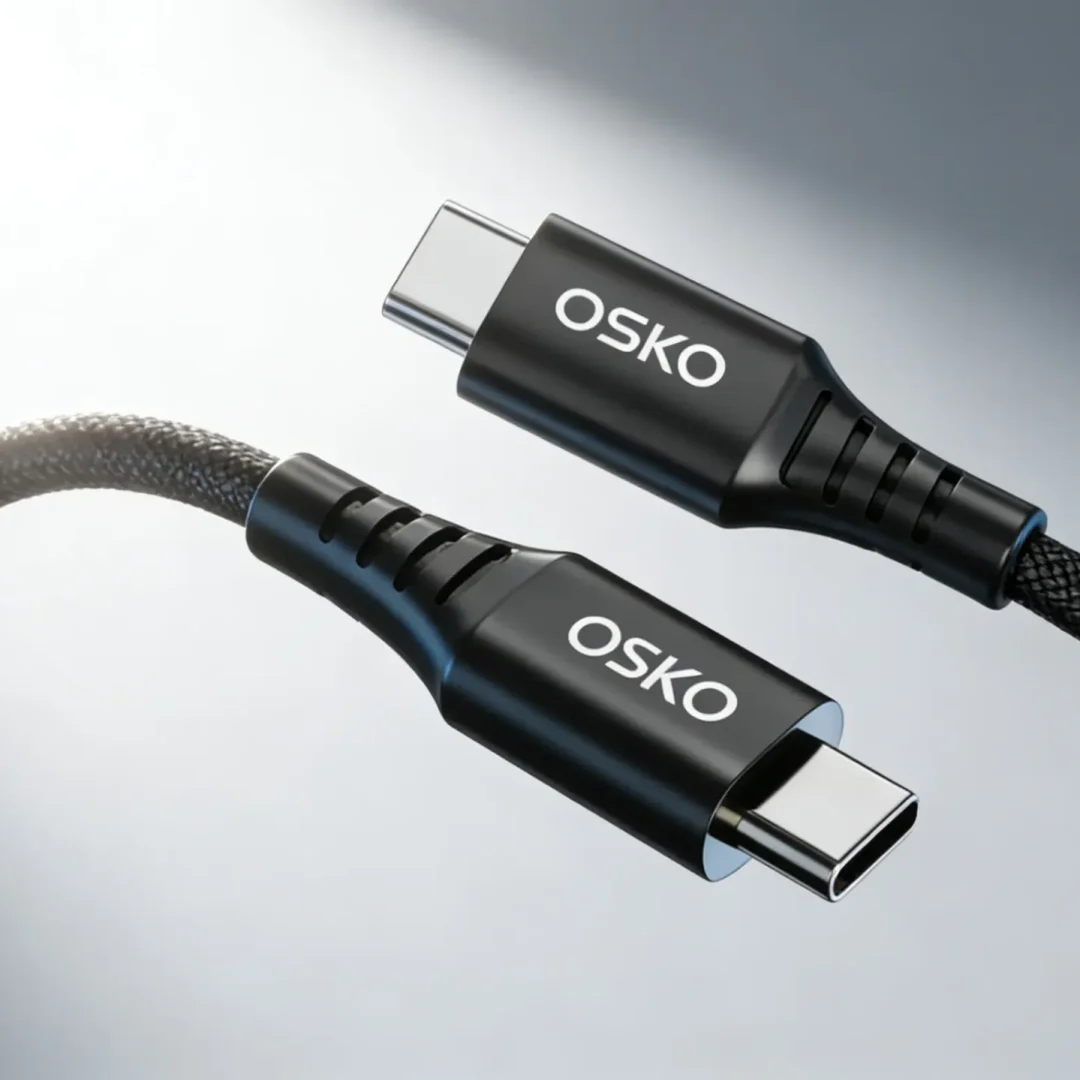
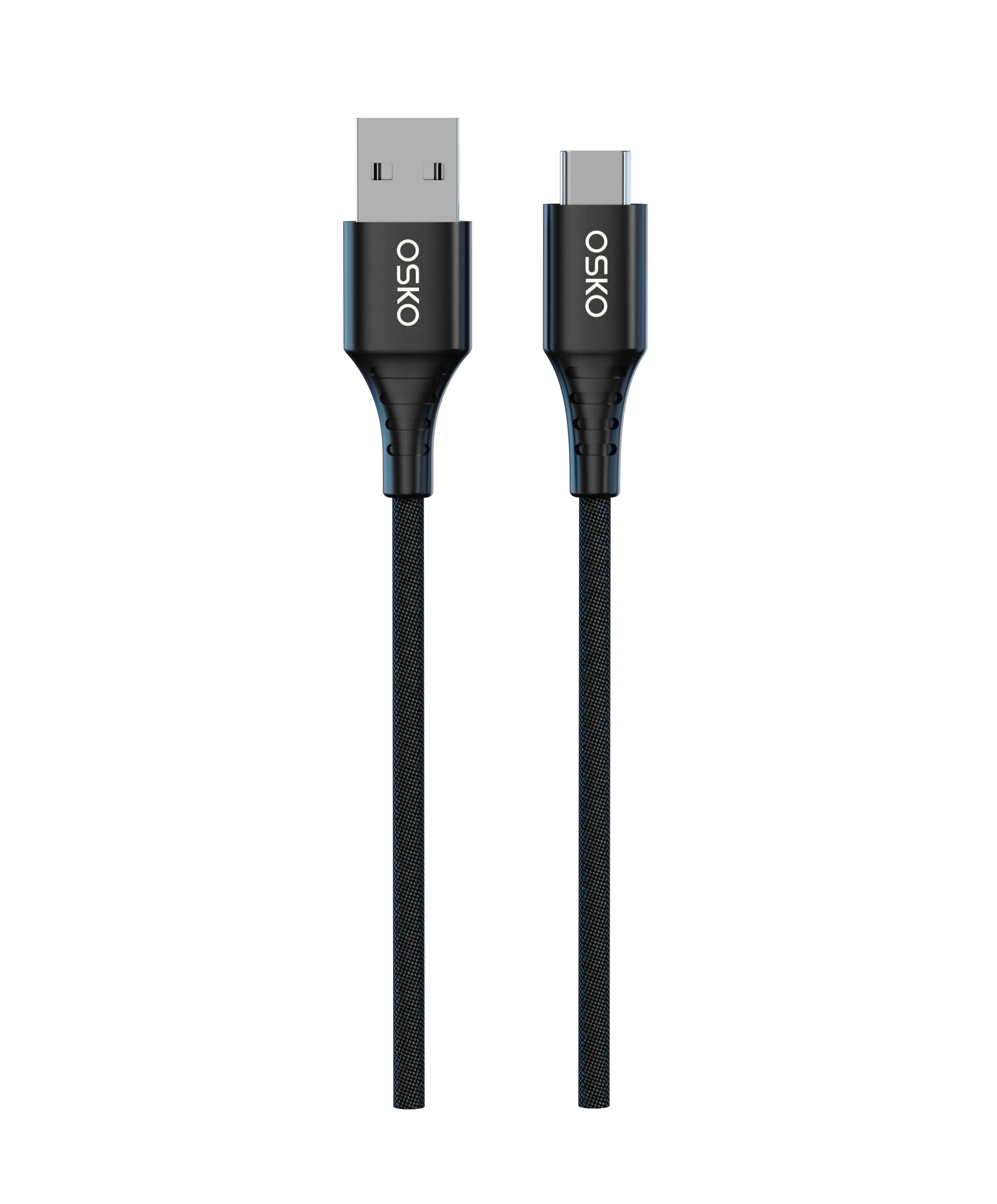
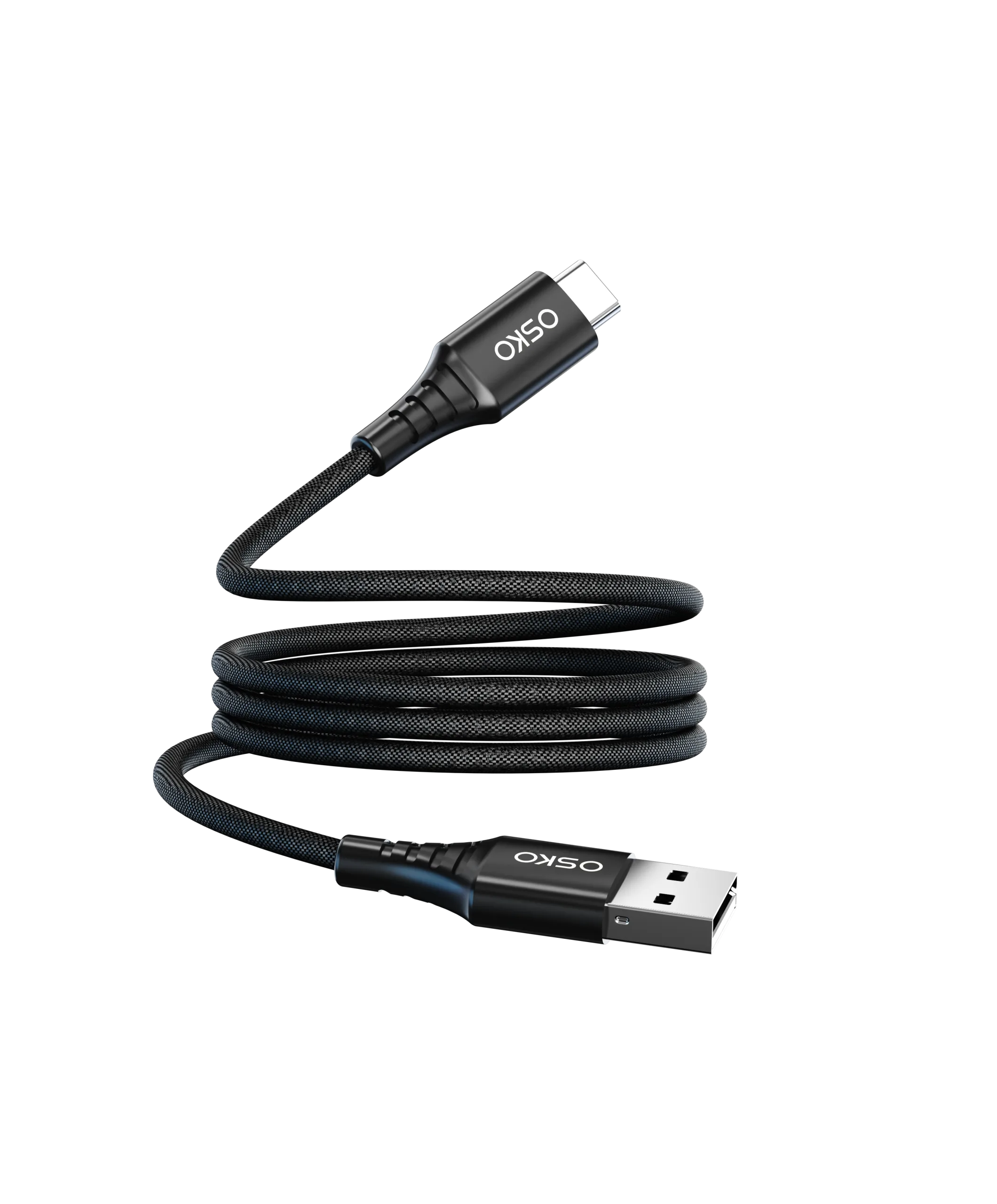
USB-C to USB-C Cable
Used for newer iPhone models:
Direct USB-C interface on both ends
Supports USB Power Delivery (USB-PD)
Enables higher-speed fast charging (up to ~20W–30W typical iPhone limit)
The transition toward USB-C iPhones simplifies cable ecosystems but increases demand for certified USB-PD performance.
USB Power Delivery (USB-PD) in iPhone Charging
iPhone fast charging depends on USB-PD negotiation:
Voltage typically 9V
Current varies depending on charger and cable quality
Cable must support stable resistance and communication
A low-quality cable can cause:
Slow charging
Heat buildup
Interrupted charging cycles
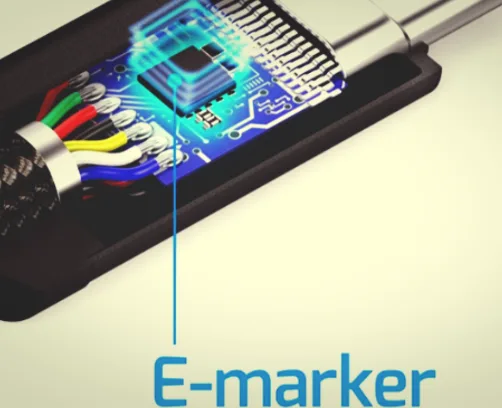
E-Marker Chip Relevance
For higher-power USB-C cables:
E-Marker ensures safe power negotiation
Identifies cable capability
Prevents overcurrent risks
While iPhones do not require extreme wattage, E-Marker improves stability in multi-device ecosystems.
Material Engineering Considerations
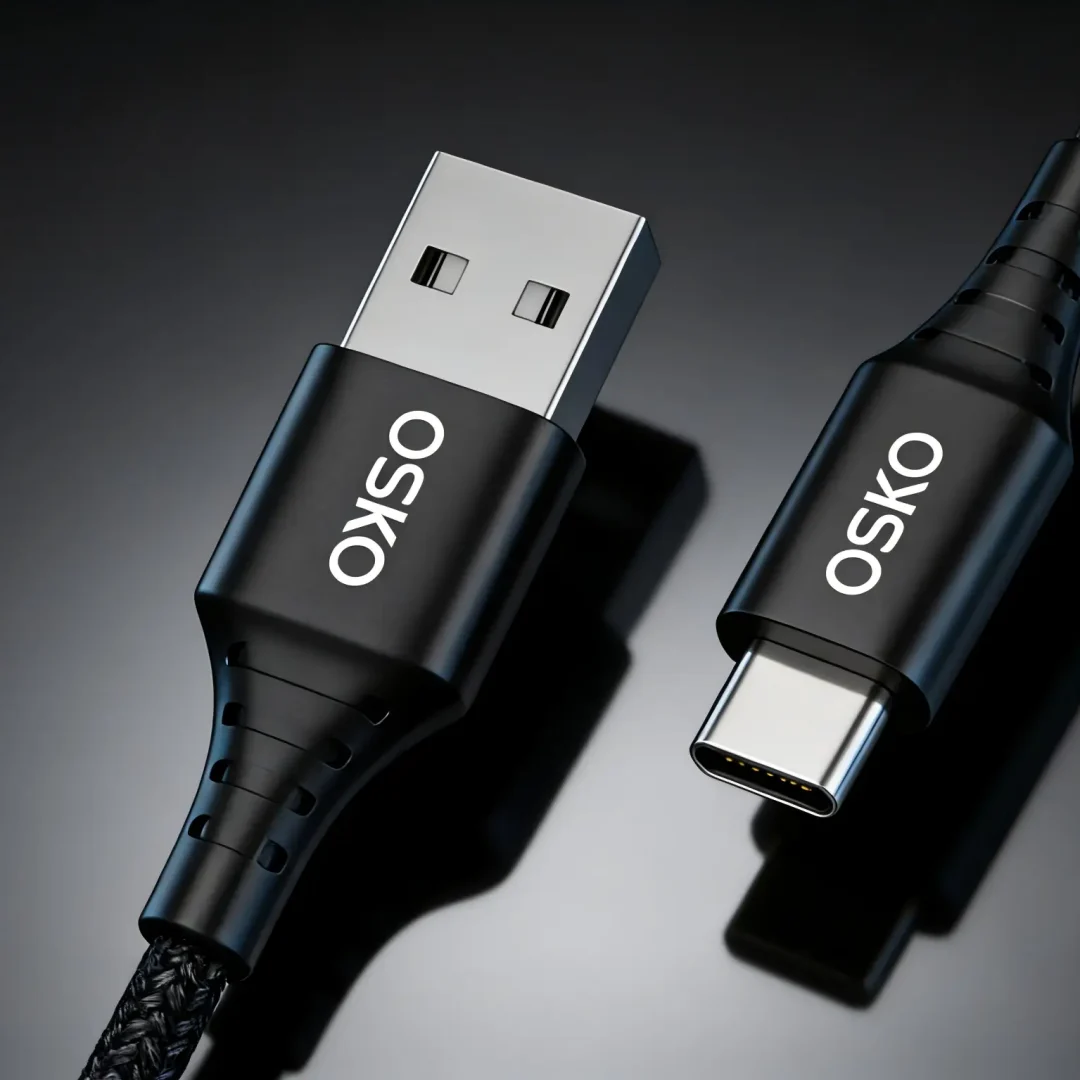
Premium iPhone USB-C cables typically use:
Oxygen-free copper conductors
Nylon braided or TPE flexible jackets
Reinforced strain relief at connector joints
These materials ensure:
Stable charging performance
Longer product lifespan
Reduced internal wire breakage
Case Study
US Mobile Accessory Brand iPhone Cable Compatibility Optimization Project
Customer Background
A US-based mobile accessory brand selling iPhone charging cables faced compatibility complaints after expanding product listings for both Lightning and USB-C iPhone models.
Their main issue was inconsistent fast charging performance across different iPhone generations.
Engineering Problems Identified
Key issues included:
Mixed use of uncertified Lightning cables
Inconsistent USB-PD negotiation performance
Lack of MFi certification in Lightning versions
Weak strain relief causing connector failure
Confusion in product labeling between cable types
OSKO Engineering Solution
OSKO implemented a dual-system compatibility strategy:
Introduced MFi-certified Lightning cable production line
Standardized USB-C to USB-C PD cable architecture
Optimized copper conductor resistance for stable charging
Reinforced connector housing for iPhone usage cycles
Aligned product segmentation for different iPhone generations
Compliance framework included:
USB-IF compliant Type C cable manufacturer validation
MFi certification support for Lightning products
FCC EMI testing for signal stability
RoHS environmental compliance for EU distribution
ISO9001 manufacturing quality system
Result
Reduced customer confusion between cable types
Improved fast charging consistency across iPhone models
Lower return rates in US e-commerce channels
Increased conversion rates for product listings
Stronger OEM partnership demand
Selection Guide
How to Choose the Right USB-C Cable for iPhone
1. Identify Your iPhone Model
Older iPhones → USB-C to Lightning cable
Newer USB-C iPhones → USB-C to USB-C cable
2. Check Fast Charging Support
Look for:
USB Power Delivery (USB-PD) support
Stable 20W–30W charging performance
Low resistance copper conductors
3. Certification Requirements
For US/EU markets:
MFi certification (Lightning cables)
USB-IF compliance (USB-C cables)
FCC and CE safety standards
RoHS environmental compliance
4. Material Quality
Recommended structures:
Nylon braided for durability
TPE for flexibility
Reinforced strain relief connectors
5. Cable Length Selection
3ft: travel use
6ft: desk and home charging
10ft: extended workspace or bed use
Comparison Table
| Cable Type | Device Compatibility | Charging Standard | Certification |
|---|---|---|---|
| USB-C to Lightning | iPhone (older models) | USB-PD ~27W | MFi required |
| USB-C to USB-C | New iPhone models | USB-PD 20–30W | USB-IF recommended |
Application Scenarios
USB-C cables for iPhone are widely used in:
OEM USB cables for branded smartphone accessories
ODM USB cables for customized cable design projects
USB cables for wholesale distribution channels
Desktop charging cables for office workstation environments
Travel USB cables for portable charging kits
Car charging cables for automotive charging systems
Home USB cables for multi-device household setups
FAQ
Can I use any USB-C cable for iPhone fast charging?
Not all cables support USB-PD properly, so quality and certification matter.
Is USB-C faster than Lightning for iPhone?
USB-C offers more stable and future-proof charging architecture.
Do I need MFi certification for USB-C cables?
Only for USB-C to Lightning cables.
What wattage is best for iPhone charging?
Typically 20W–30W is sufficient for most iPhones.
Why does my iPhone charge slowly with some cables?
Usually due to high resistance or lack of USB-PD support.
Summary
The USB-C cable for iPhone ecosystem includes both USB-C to Lightning and USB-C to USB-C solutions, depending on device generation.
Performance depends on USB-PD support, material quality, and certification compliance rather than cable appearance alone.
OSKO engineers iPhone-compatible cable systems based on stable electrical performance, certified manufacturing standards, and real-world durability requirements for US and European markets.
Choosing the right cable ensures not only faster charging but also long-term device safety and reliability.
Contact Information
OSKO provides OEM/ODM iPhone cable solutions including:
USB-C to Lightning MFi certified cables
USB-C to USB-C fast charging cables
Nylon braided premium cable designs
Amazon-ready packaging and branding
Full certification and QC support
OSKO engineering team delivers certified, high-performance iPhone charging cable solutions for global markets.