
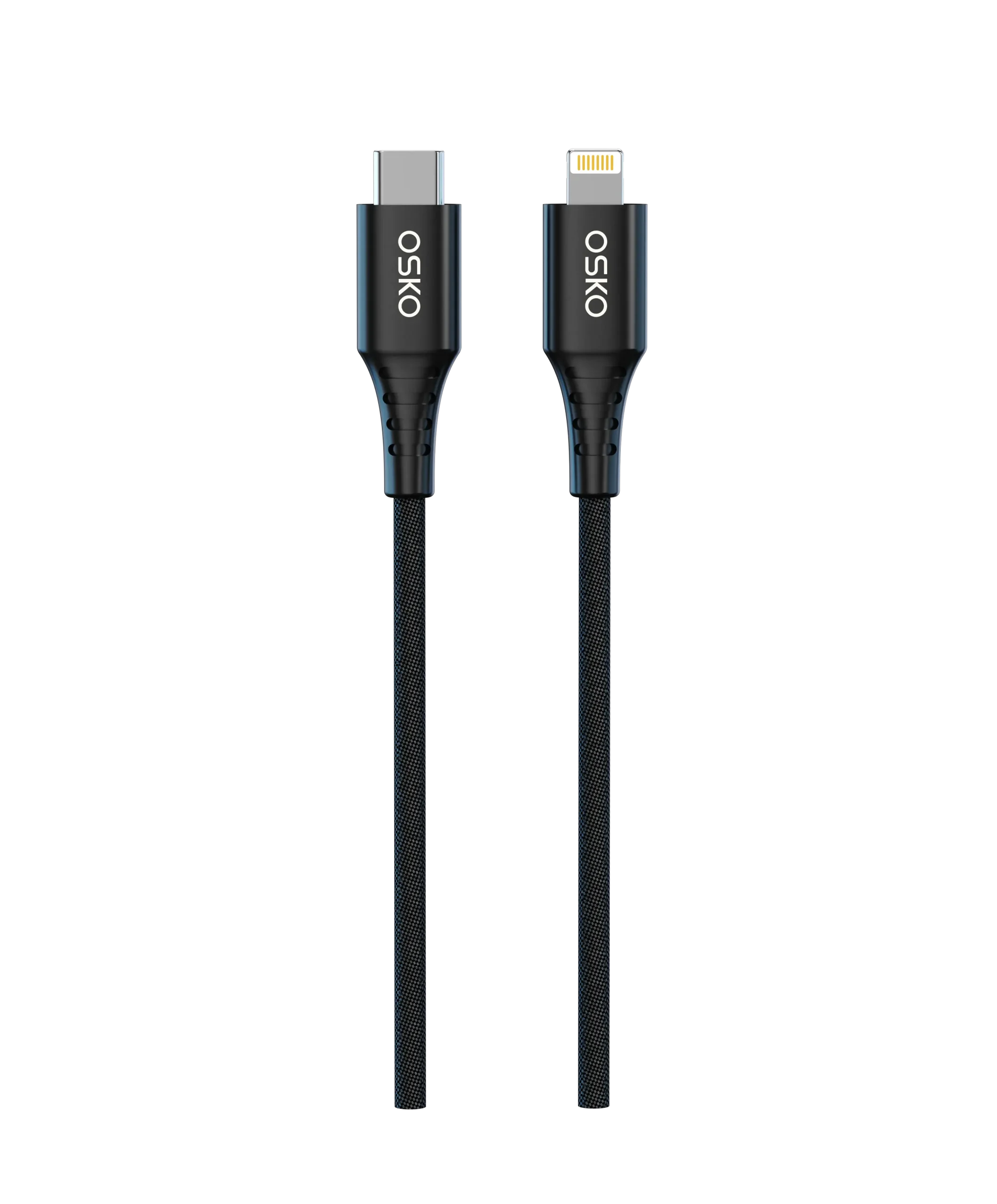
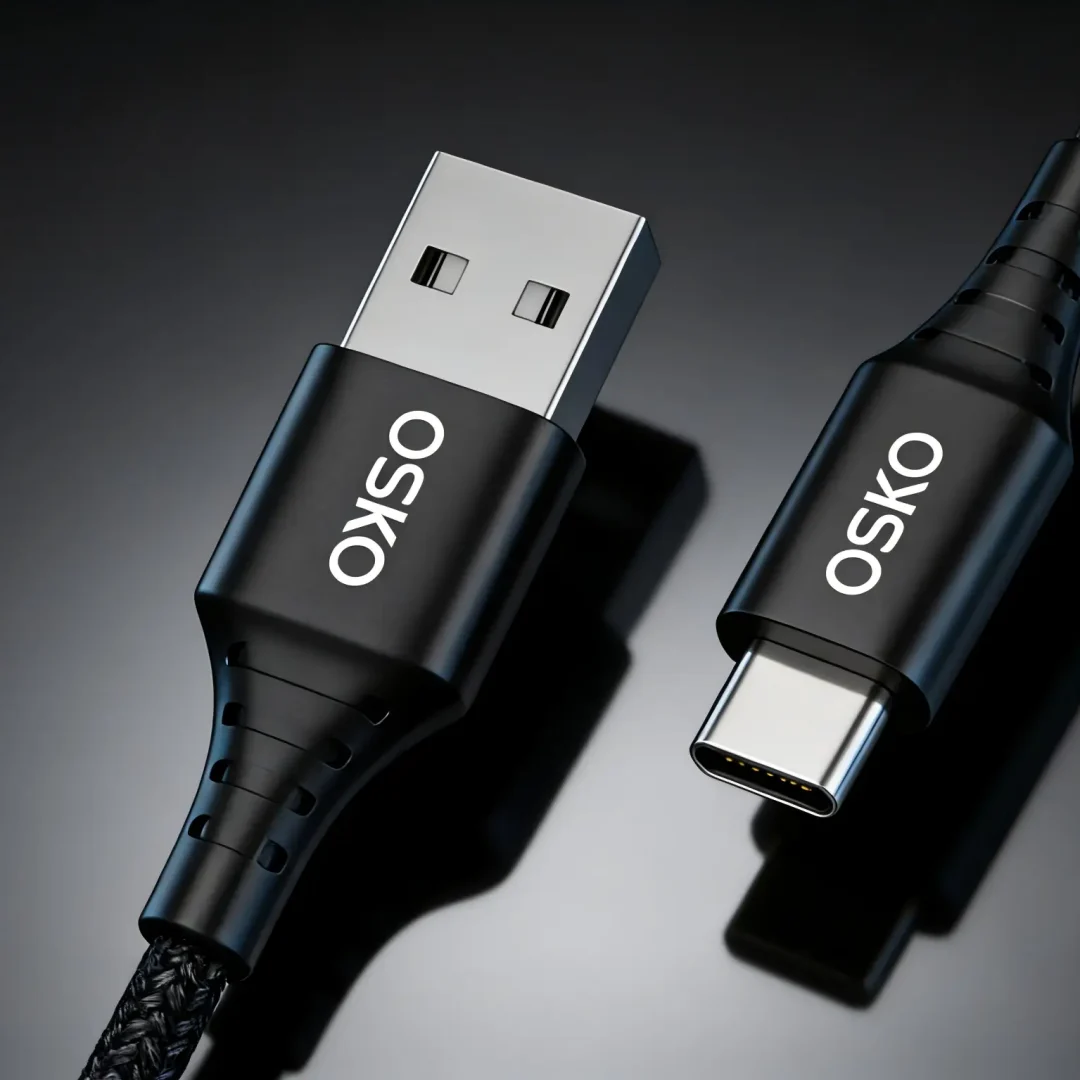
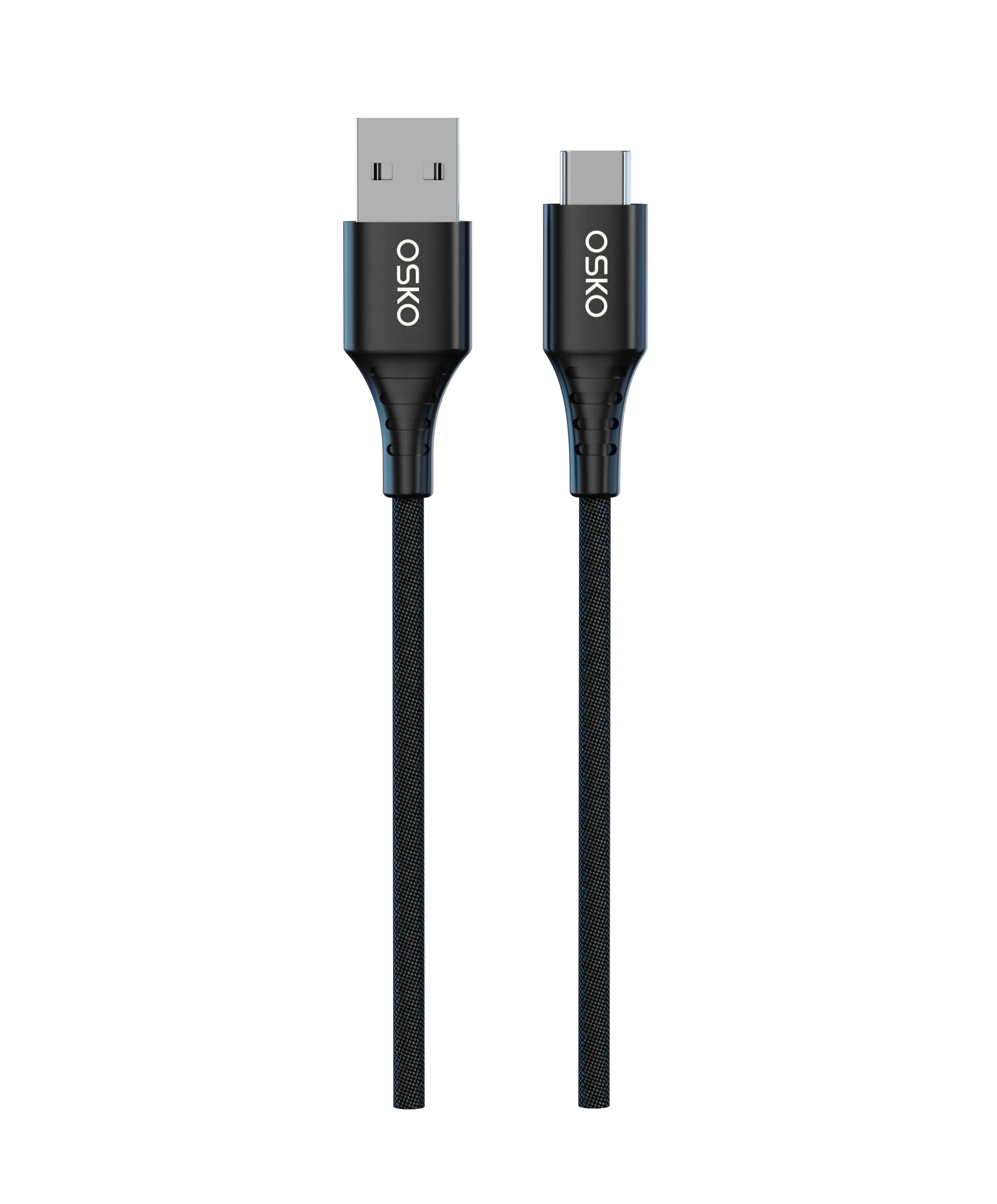
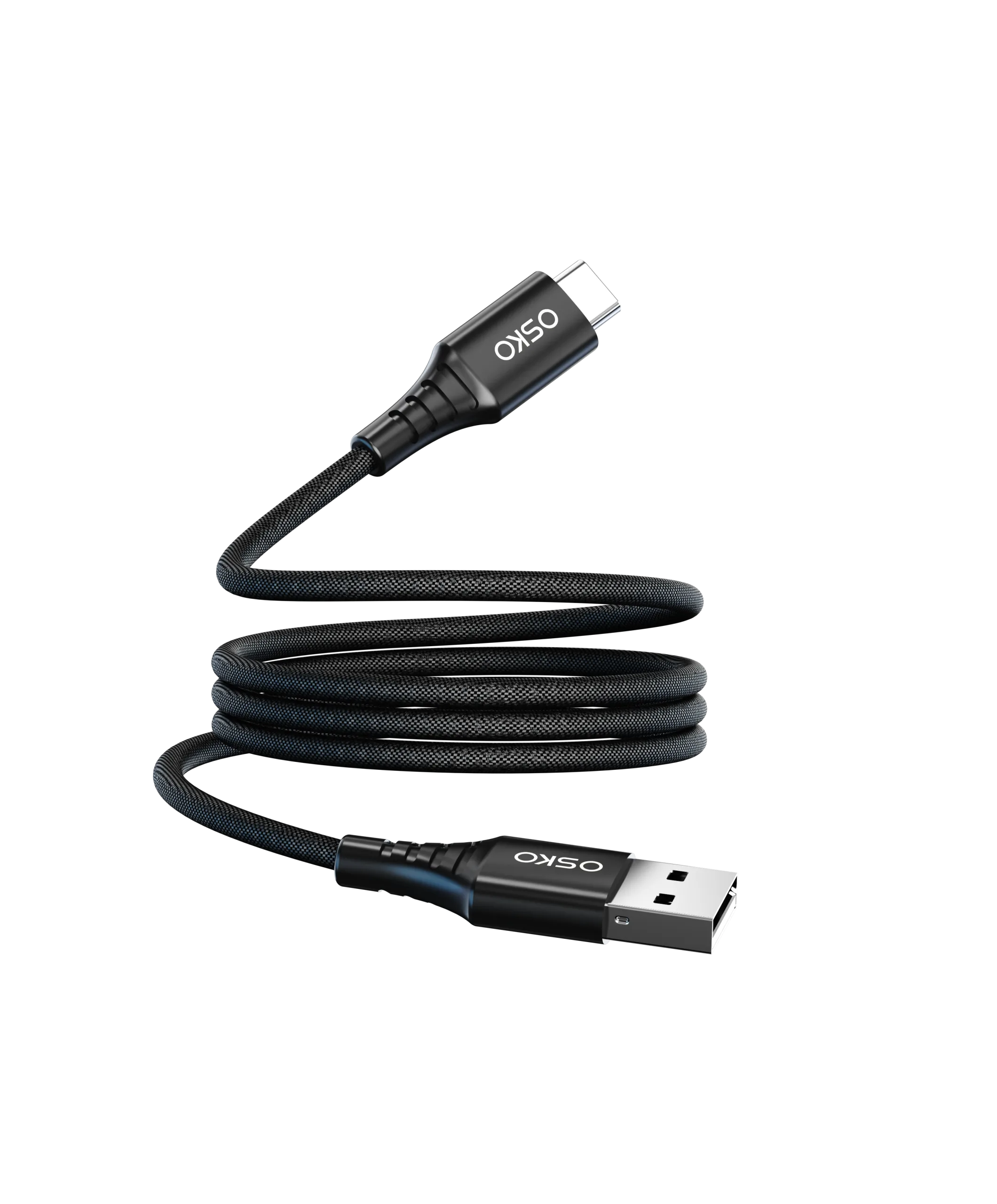
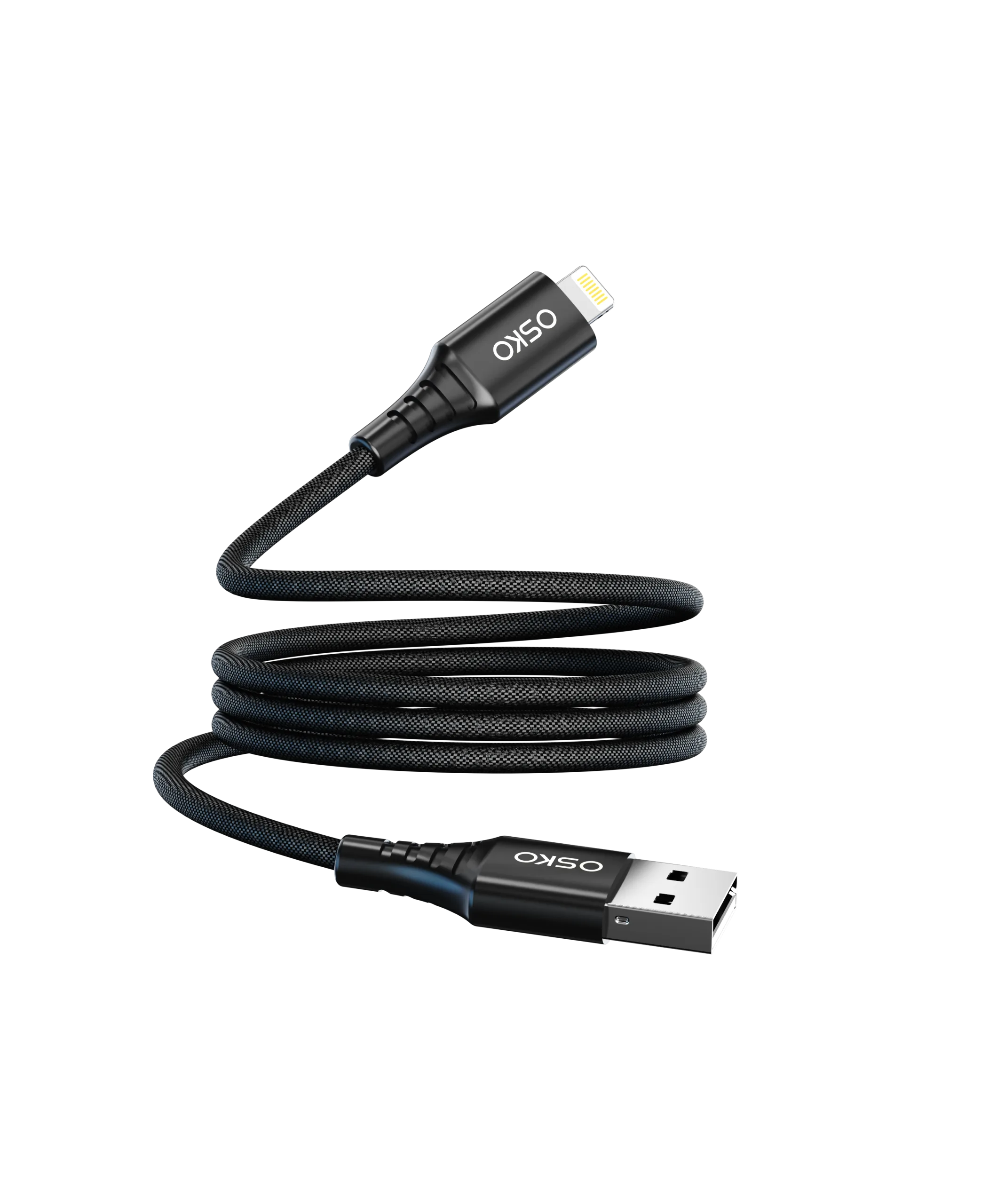
Have you ever picked up your USB-C charging cable and noticed that it feels warmer than expected?
Maybe your phone is charging normally, but the cable becomes noticeably warm after several minutes. Or perhaps the USB-C connector feels hotter than the middle of the cable.
A common question is:
Why does my USB-C cable get hot while charging?
In many situations, a slightly warm cable is normal. Electrical current naturally produces some heat because every real electrical conductor and contact has resistance.
However, excessive or localized heat can indicate a problem with the cable, connector, charging equipment, device, or electrical connection.
Understanding the difference between normal USB-C cable heat and abnormal overheating is important for consumers, retailers, and buyers sourcing charging cables in bulk.
This guide explains the main causes of USB-C cable overheating, what warning signs to look for, how charging power affects temperature, and what buyers should consider when selecting a high-quality USB-C charging cable.
Is It Normal for a USB-C Cable to Get Warm?
Yes.
A USB-C cable can become mildly warm during normal operation.
Whenever current flows through electrical resistance, some energy is dissipated as heat.
A simplified relationship is:
P = I²R
where:
P = resistive power loss
I = current
R = electrical resistance
This explains why cable design becomes increasingly important as current increases.
A cable carrying relatively low charging current may produce very little noticeable heat. A cable operating at a higher current can generate more heat if its total resistance is higher.
But charging power alone does not determine cable temperature.
The actual temperature depends on factors such as:
Current
Conductor resistance
Cable length
Connector contact resistance
Cable construction
Ambient temperature
Heat dissipation
Charger and device behavior
Connection quality
Therefore, warm does not automatically mean unsafe.
The important question is whether the temperature is reasonable for the application and whether there are other warning signs.
When Is a USB-C Cable Too Hot?
There is no single universal surface-temperature number that can be used to classify every USB-C cable as “safe” or “unsafe.”
Cable construction, environment, current, connector design, and applicable product requirements all matter.
Instead, pay attention to symptoms.
A USB-C cable overheating problem deserves investigation if you notice:
The cable becomes unusually hot to touch
The connector is significantly hotter than the rest of the cable
Charging repeatedly starts and stops
Charging becomes noticeably slower
The connector or housing changes color
The cable smells burnt
The insulation becomes soft or deformed
There is visible melting or discoloration
Heat appears only at one damaged section
The device repeatedly disconnects during charging
A cable that is simply warm during normal fast charging is very different from a connector that becomes extremely hot and shows visible damage.
What Causes USB-C Cable Overheating?
High Current and Charging Power
One of the most important factors is current.
Higher-power charging can involve higher current, higher voltage, or both.
For example, USB-C Power Delivery systems can support different power levels depending on the charger, device, cable, and negotiated charging mode.
A cable designed for a 60W application is not automatically equivalent to a cable designed for a higher-power application.
Likewise, a cable labeled “USB-C” does not automatically support 100W or 240W.
The complete system must support the required power level.
As current increases, conductor resistance becomes more significant because resistive loss follows the I²R relationship.
This is one reason professional cable manufacturers pay close attention to conductor size, material, length, termination, and connector design.

Cable Resistance and Conductor Design
The internal conductors are another major factor in heat generation.
A charging cable contains power conductors that carry current between the charger and device.
If the total conductor resistance is too high for the intended current, more electrical energy is converted into heat.
Resistance is influenced by:
Conductor material
Conductor cross-sectional area
Cable length
Strand construction
Temperature
Connection quality
This is why cable engineering cannot be reduced to simply saying “lower AWG is always better.”
Different conductors inside the same cable may have different construction requirements, and the appropriate design depends on the intended current, data performance, flexibility, length, and application.
For high-power charging, buyers should look for a documented cable rating rather than selecting a cable based only on an AWG number printed in a product listing.
Why Cable Length Can Affect Heat
Longer cables generally have more conductor resistance because there is more conductive material through which current must travel.
That does not mean every long USB-C cable will overheat.
A properly engineered 2m or 6ft cable can still provide stable charging within its specified capability.
The important issue is whether the conductor design is appropriate for the cable length and intended current.
For example, a buyer sourcing a 6ft USB-C charging cable should not simply assume that the cable will perform identically to a much shorter cable.
The manufacturer should account for:
Length + conductor resistance + connector design + power rating + thermal behavior
This is particularly relevant for laptop charging, desktop setups, automotive applications, and long-reach charging cables.
Why the USB-C Connector Can Get Hot
If the cable itself remains relatively cool but the connector becomes significantly hotter, the contact interface deserves attention.
The connector is part of the electrical path.
Potential causes include:
Poor contact
Connector wear
Contamination
Mechanical damage
Poor terminal termination
Excessive contact resistance
Incorrect connector assembly
The key issue is localized resistance.
When resistance is concentrated at a small contact area, heat can become concentrated around that location.
This is why connector quality matters in a professional USB-C charging cable.
A well-designed connector needs appropriate contact materials, mechanical geometry, termination, and surface finish.
Gold plating may help resist surface oxidation and corrosion, but it does not by itself make a cable a higher-power cable.
Dirt and Debris Inside the Charging Port
A surprisingly common source of connection problems is contamination.
USB-C ports can collect:
Pocket lint
Dust
Fabric fibers
Dirt
Other debris
Contamination can interfere with proper connector mating.
If electrical contact becomes inconsistent, localized resistance can increase.
Users may then experience:
Intermittent charging
Slow charging
Random disconnections
Connector heating
Difficulty maintaining a stable connection
If a cable becomes unusually hot only when connected to one particular device, the device’s charging port should also be inspected rather than immediately assuming that the cable is defective.
For safety, avoid using metal objects to scrape inside a charging port. Follow the device manufacturer’s cleaning guidance.

Fast Charging and USB-C Cable Heat
Fast charging can make a cable warmer than low-power charging.
Technologies such as:
USB Power Delivery
USB PD PPS
Qualcomm Quick Charge
Other proprietary charging systems
can change the voltage and current delivered to the device.
However, fast charging does not automatically mean dangerous heat.
A properly designed cable should operate within its specified electrical and thermal limits.
The key distinction is:
More power can increase heat generation, but excessive heat is not an intended feature of fast charging.
A properly engineered fast charging USB-C cable is designed to handle its rated operating conditions.
Can a USB-C Cable Get Hot When Charging a Laptop?
Yes.
Laptop charging can place greater demands on a cable than many smartphone charging applications.
For example, a laptop may require a USB-C cable capable of supporting a higher power level than a basic phone charging cable.
When choosing a USB-C cable for laptop charging, buyers should check:
Required charging power
Cable current rating
USB Power Delivery capability
Cable length
Connector design
E-Marker requirements where applicable
Charger compatibility
Device compatibility
A cable should not be selected simply because it has a USB-C connector.
USB-C describes the connector and interface ecosystem; it does not mean every USB-C cable supports the same charging or data capability.
Can a Damaged USB-C Cable Overheat?
Yes.
Repeated bending, pulling, twisting, or crushing can eventually damage internal conductors or connector terminations.
A cable can appear normal from the outside while internal strands have already experienced fatigue.
Potential warning signs include:
Charging that stops when the cable is moved
Intermittent connection
One section becoming hotter than the rest
Visible jacket damage
Bent connector
Exposed conductor
Burning smell
Discoloration
If a cable shows visible damage or develops abnormal heat, replacement is safer than continuing to use it.
A cable should not be repaired with ordinary tape when the internal electrical structure has been compromised.

Does the Braided Jacket Prevent Overheating?
Not by itself.
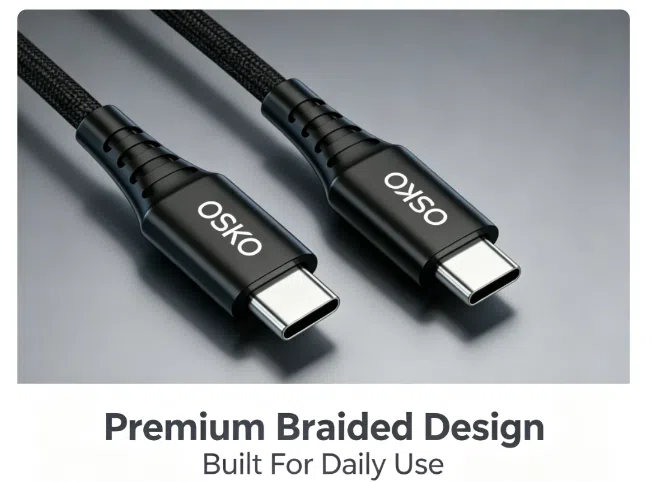
Nylon braiding can provide mechanical protection, abrasion resistance, and a premium exterior finish.
But the braid itself does not determine the cable’s electrical resistance.
A premium braided USB-C cable still needs appropriate:
Conductors
Insulation
Connector contacts
Termination
Strain relief
Power rating
Thermal design
This is an important distinction for both consumers and wholesale buyers.
A braided cable can be mechanically durable while still having poor electrical construction.
Conversely, a non-braided cable can have a well-engineered electrical design.
The complete construction matters.
Can a Bad Charger Make a USB-C Cable Hot?
The charger is part of the overall charging system, so it should not be ignored.
An incompatible, damaged, poorly designed, or faulty charger can create abnormal charging behavior.
Modern USB-C Power Delivery systems use communication and negotiation between compatible devices.
However, simply using a third-party charger does not mean the charger is unsafe.
The important consideration is whether the charger is appropriate for the device and cable and whether it meets applicable safety and performance requirements.
If a cable becomes hot with one charger but remains normal with another known-good charger, compare the complete charging setup rather than blaming the cable immediately.
Does Using Your Phone While Charging Make the Cable Hotter?
It can increase overall system heat, but the effect on the cable is not always direct.
Gaming, video streaming, navigation, mobile data use, and other processor-intensive activities can increase the device’s power consumption and thermal load.
At the same time, the battery may be charging.
This can make the phone itself significantly warmer.
However, if the USB-C cable connector is unusually hot, the connector, charging port, cable, and charger should also be considered.
In other words:
Device heat and cable heat are related, but they are not necessarily caused by the same mechanism.
Environmental Temperature Makes a Difference
A cable operating in a cool room has more opportunity to dissipate heat than the same cable operating inside a hot vehicle.
Common high-temperature environments include:
Parked cars
Direct sunlight
Enclosed spaces
Under blankets
Poorly ventilated desks
Hot outdoor conditions
Ambient temperature does not necessarily cause a cable to overheat by itself.
Instead, it reduces the available temperature margin for the complete charging system.
This is particularly relevant for Australian summer conditions, automotive charging, and portable charging applications.
How to Prevent USB-C Cable Overheating
Choose the Correct Cable Rating
The first step is to match the cable to the intended charging application.
If your device and charger require a specific power level, choose a cable rated for that application.
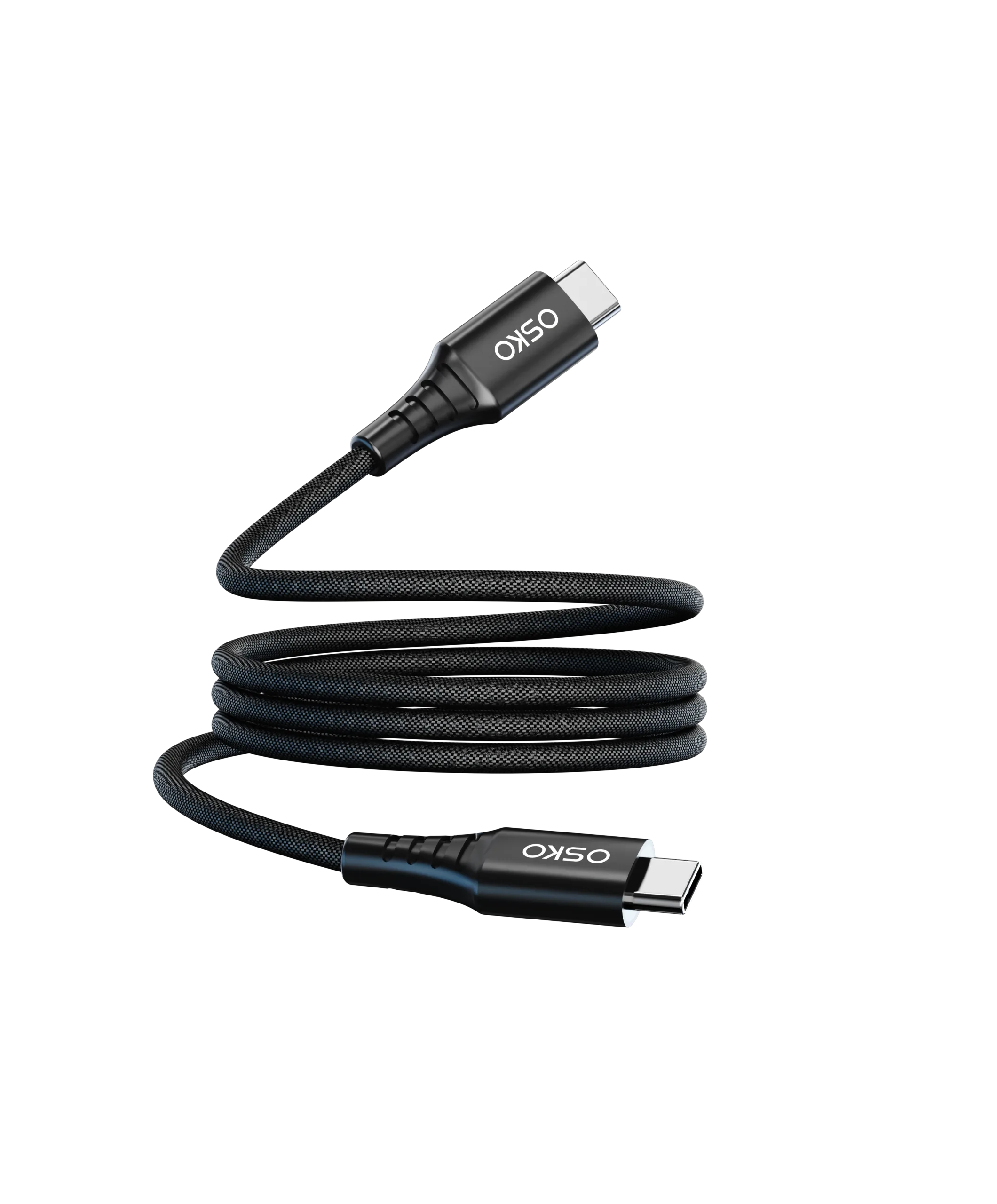
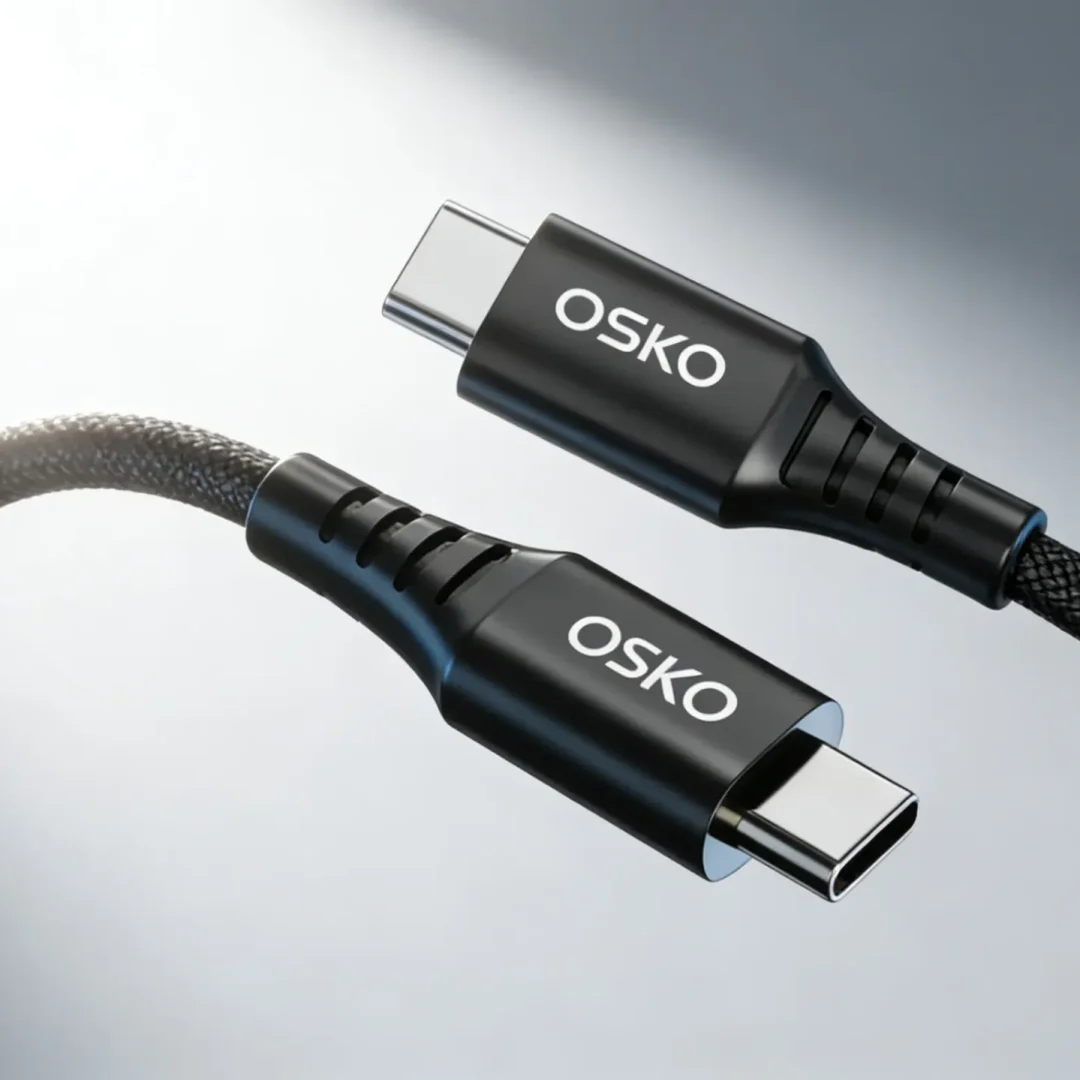
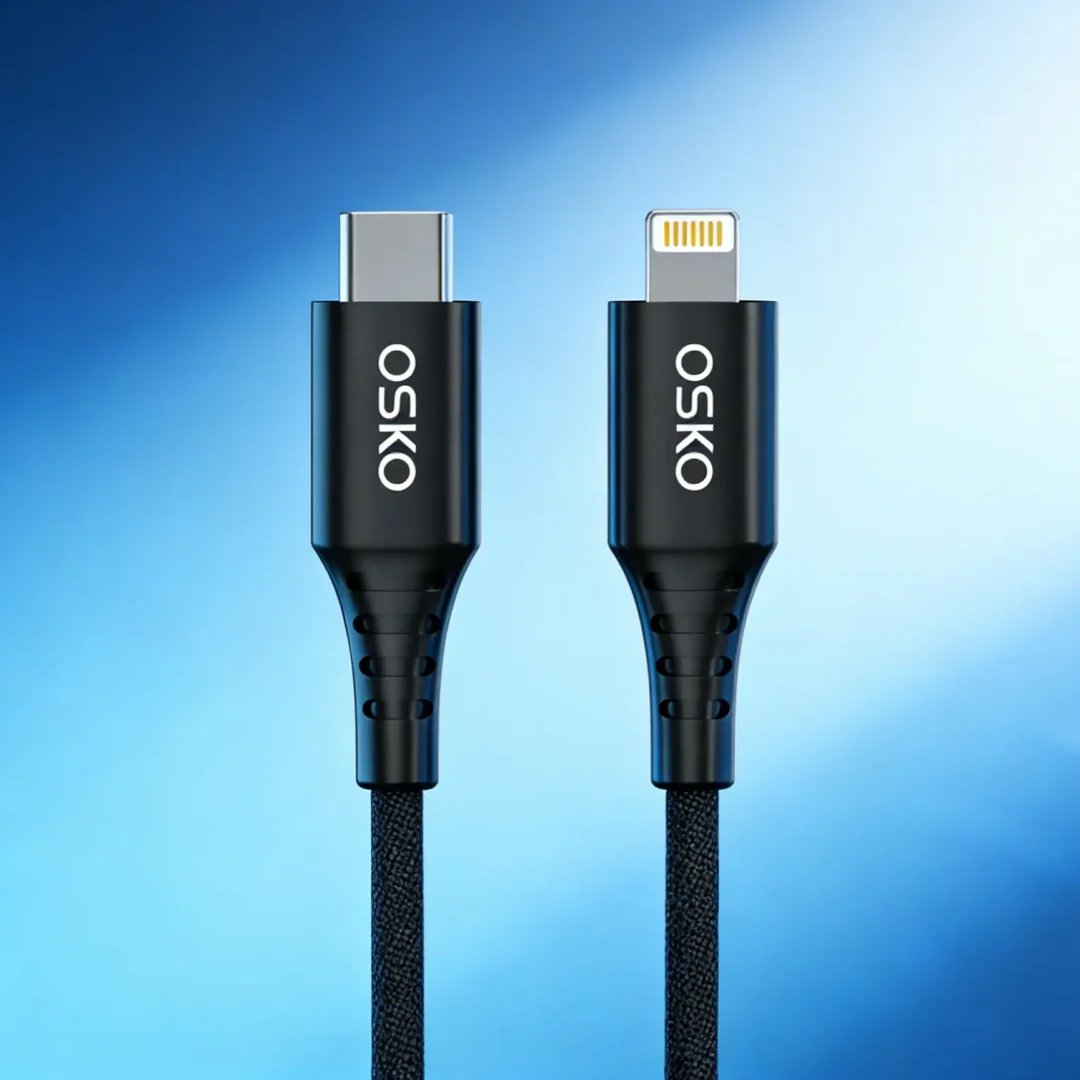
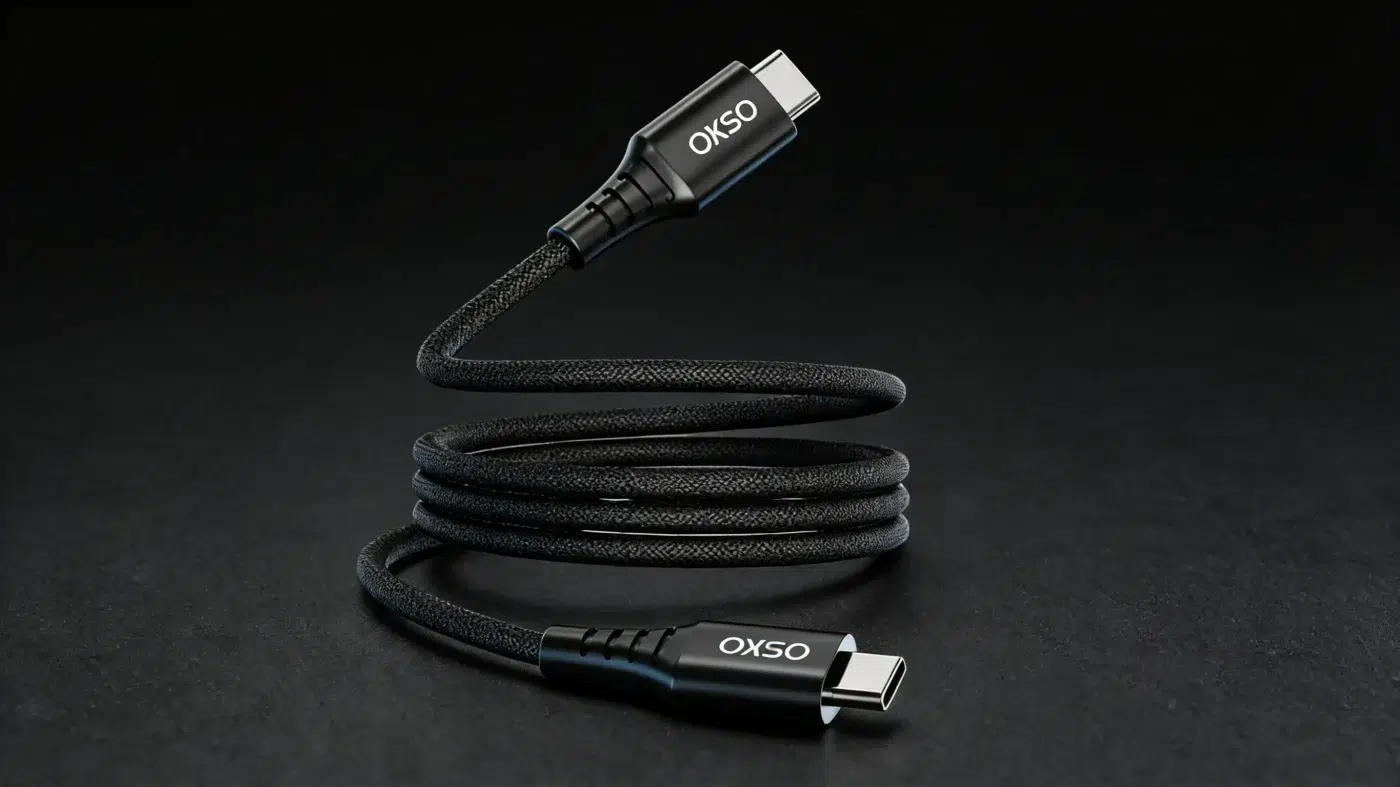
For example, OSKO offers a 60W USB-C to USB-C cable designed for compatible charging applications.
Do not assume that every USB-C cable supports the same power.
Use a Quality Charger
The charger should be appropriate for the device and support the required charging protocol.
A good cable cannot compensate for a damaged or unsuitable power adapter.
For professional applications, buyers should evaluate the charger and cable as a complete system.
Avoid Damaged Cables
Replace cables showing:
Frayed insulation
Exposed conductors
Bent connectors
Loose connectors
Melted sections
Burning smell
Repeated charging interruptions
Unusual localized heating
These are not normal signs of wear.
Keep Charging Ports Clean
Dust and lint can interfere with proper connector mating.
Keep the charging port clean according to the device manufacturer’s instructions.
Avoid aggressive cleaning methods that can damage the connector.
Allow Heat to Escape
Avoid charging devices underneath:
Pillows
Blankets
Clothing
Other insulating materials
A well-ventilated charging environment allows heat to dissipate more effectively.
Avoid Unnecessary Cable Coiling During High-Power Charging
A tightly coiled cable can have less surface area exposed to surrounding air.
For higher-power applications, allowing the cable to remain reasonably spread out can help heat dissipate.
The exact thermal behavior depends on cable construction and operating conditions.
What Should Wholesale Buyers Check?
For a consumer, selecting a good cable may be enough.
For a retailer or distributor ordering thousands of units, the evaluation should go further.
A USB-C cable wholesale supplier should be able to explain:
| Buyer Question | Why It Matters |
|---|---|
| What is the cable’s rated power? | Defines intended charging application |
| What is the cable length? | Affects conductor resistance |
| What is the conductor construction? | Influences electrical performance |
| What connector material is used? | Affects mechanical and contact reliability |
| How are terminals assembled? | Important for connection quality |
| Is E-Marker used where required? | Relevant to applicable high-current USB-C designs |
| How is charging tested? | Helps verify production consistency |
| Are cables tested in batches? | Reduces quality variation |
| What durability tests are performed? | Important for retail reliability |
| What is the MOQ? | Determines procurement planning |
| Can samples be provided? | Allows buyer validation before bulk production |
This is especially important for bulk USB-C charging cables sold under a private-label brand.
Engineering Case Study: 60W USB-C Cable for Everyday Retail Use
Consider a 60W USB-C to USB-C cable intended for desk use, travel, and everyday charging.
The product requirements include:
USB-C to USB-C configuration
60W charging capability
Braided exterior
Flexible everyday use
Reliable connector fit
Retail-ready construction
The engineering challenge is not simply to make the cable look premium.
The cable must maintain acceptable electrical performance across the conductor, connector, termination, and strain-relief system.
For OSKO, this type of product is evaluated as a complete assembly.
The development process considers:
Conductor design → cable length → connector construction → terminal termination → strain relief → jacket → charging validation → mechanical testing → production QC
This approach helps prevent a common procurement mistake: evaluating the cable only by its exterior appearance or advertised wattage.
For a brand or distributor, the practical goal is a product whose electrical and mechanical characteristics are repeatable from the approved sample through mass production.
How Long Should a USB-C Cable Last?
There is no universal lifespan for every USB-C cable.
Service life depends on:
Connector insertion frequency
Bending
Pulling
Storage
Temperature
Cable construction
Connector quality
Usage environment
A well-designed cable can provide long service life under normal conditions, while a heavily abused cable may fail much earlier.
Instead of promising a fixed number of years, buyers should look at actual mechanical test requirements and the manufacturer’s validation data.
For commercial products, durability testing can include:
Bend testing
Pull testing
Connector insertion/removal testing
Strain-relief testing
Electrical continuity testing
USB-C Cable Heat: Quick Troubleshooting Guide
| Symptom | Possible Cause | What to Check |
|---|---|---|
| Cable is mildly warm | Normal electrical loss | Check whether charging is stable |
| Connector is much hotter than cable | Contact resistance or poor connection | Inspect connector and port |
| Cable heats along its entire length | Higher current or conductor resistance | Check cable rating and application |
| Charging repeatedly stops | Connection, cable, charger, or device issue | Test with known-good components |
| Cable smells burnt | Damage or overheating | Stop using and replace |
| Connector changes color | Excessive localized heating or damage | Stop using immediately |
| Cable becomes hot only in a car | High ambient temperature | Improve ventilation and inspect setup |
| Charging slows while cable heats | Thermal protection or system limitation | Check charger, device, cable and environment |
FAQ
Why does my USB-C cable get hot while charging?
A USB-C cable can become warm because electrical current flowing through resistance produces heat. Higher current, longer cable length, connector resistance, ambient temperature, and cable construction can all influence temperature.
Is it normal for a USB-C charging cable to get warm?
Yes. Mild warmth can be normal during charging, especially during higher-power operation. Excessive heat, burning smells, discoloration, melting, or repeated charging interruptions are warning signs that should not be ignored.
Why does my USB-C cable get hot near the connector?
Localized heating near the connector can be associated with contact resistance, contamination, connector wear, poor termination, or mechanical damage. Check both the cable connector and the device charging port.
Does a 100W USB-C cable get hotter than a 60W cable?
Not necessarily. A 100W-rated cable may carry more power, but actual temperature depends on current, conductor resistance, cable length, connector design, environment, and the complete charging system.
Can a USB-C cable overheat a phone?
An abnormal cable or connector condition can contribute to excessive heat around the charging connection. However, phone temperature can also be affected by battery condition, processor workload, ambient temperature, and the charger.
Can a USB-C cable catch fire?
A damaged or severely defective electrical connection can create a safety hazard. If a cable becomes extremely hot, smells burnt, melts, sparks, or shows visible damage, stop using it and replace it.
Does a longer USB-C cable get hotter?
A longer cable generally has more conductor resistance, which can increase electrical loss under the same current. A properly engineered longer cable can still operate within its specified limits.
Is a braided USB-C cable safer?
Braiding itself does not guarantee electrical safety. It can improve mechanical protection, but safe charging depends on the complete cable design, conductor sizing, connector construction, insulation, termination, and testing.
Do I need a special USB-C cable for laptop charging?
You may. Check the laptop’s required charging power and the capabilities of the charger and cable. Higher-power applications may require a cable specifically rated for the required current and USB Power Delivery capability.
Does USB-C support 240W charging?
USB-C Power Delivery can support power levels up to 240W under USB PD Extended Power Range when the charger, device, cable, and implementation support the required specification. A USB-C connector alone does not mean the cable supports 240W.
Why does my USB-C cable get hot in my car?
High ambient temperatures inside a vehicle can reduce heat dissipation. Direct sunlight, enclosed spaces, and high charging loads can further increase system temperature.
How can I stop my USB-C cable from overheating?
Use a cable with an appropriate power rating, a compatible charger, undamaged connectors, and proper cable construction. Keep charging ports clean and avoid charging in hot or poorly ventilated environments.
What should I look for in a high-quality USB-C charging cable?
Check the cable’s rated power, conductor construction, connector quality, length, data capability where relevant, durability testing, charging validation, and manufacturer quality-control process.
What should wholesalers ask a USB-C cable manufacturer?
Ask for the cable specification, power rating, conductor construction, connector details, testing procedures, sample availability, MOQ, lead time, customization options, packaging capability, and relevant compliance documentation.
Summary
A warm USB-C charging cable is not necessarily a problem.
Electrical current naturally creates some heat, and higher-power charging can increase thermal load.
The real concern is excessive or localized heat.
Common causes include:
High current
Excessive cable resistance
Inappropriate cable design
Connector contact resistance
Contamination
Damaged conductors
Poor termination
High ambient temperature
Unsuitable charging equipment
The solution is not simply to buy the thickest or most expensive cable.
Instead, match the cable to the required power and data application and evaluate the complete construction.
For brands, retailers, and distributors, this means looking beyond the product photograph.
A professional USB-C cable manufacturer should be able to provide clear specifications, samples, testing information, quality-control procedures, and appropriate OEM or ODM support.
OSKO provides USB-C and charging cable solutions for retail, wholesale, and private-label applications, including custom cable configurations, braided cable products, logo and packaging customization, sample testing, and bulk production.
Request USB-C Cable Samples from OSKO
If you are sourcing fast charging USB-C cables, bulk USB-C charging cables, or custom private-label cables, send OSKO your cable type, length, required charging power, quantity, branding, packaging, and target market.
OSKO can help evaluate the appropriate cable construction and provide samples for testing before mass production.
Contact OSKO for USB-C cable samples, technical specifications, OEM/ODM manufacturing, and wholesale pricing.