
Introduction
For distributors, retailers, and electronics brands, choosing the right USB-C cable manufacturer is a critical step when building a reliable charging accessory supply chain.
Wholesale buyers often face several sourcing challenges:
Low-quality cables causing customer complaints
Unstable charging performance across different devices
Inconsistent production quality between batches
Limited customization options
Lack of certification support for international markets
A USB-C cable is no longer only a charging accessory. With the rapid adoption of USB-C interfaces across smartphones, tablets, laptops, monitors, and automotive devices, buyers need products that support different power levels, data speeds, and application environments.
A professional supplier should provide more than manufacturing capacity. The ideal partner should offer:
Engineering support
Material selection guidance
OEM and ODM development
Quality inspection
Compliance documentation
Stable bulk production
This USB-C cable manufacturer guide for wholesale buyers explains how to evaluate suppliers, understand technical specifications, and select the right cable solutions for retail, commercial, and industrial applications.

Material Science & Dielectric Properties
The performance of a USB-C cable depends on its internal structure, material selection, and manufacturing precision.
A professional factory controls every component, from copper conductors to outer protection layers.
Conductor Material and Electrical Performance
The conductor determines how efficiently electrical current and data signals travel through the cable.
Different materials provide different performance levels.
| Conductor Material | Advantages | Application |
|---|---|---|
| Copper-clad aluminum | Lower cost | Entry-level charging |
| Standard copper | Balanced performance | Consumer electronics |
| Oxygen-free copper | High conductivity | Fast charging cables |
| Tinned copper | Corrosion resistance | Industrial applications |
For wholesale buyers targeting premium markets, higher-quality copper conductors are preferred because they provide:
Lower resistance
Better charging stability
Reduced heat generation
Longer product lifespan
This is especially important for cables supporting:
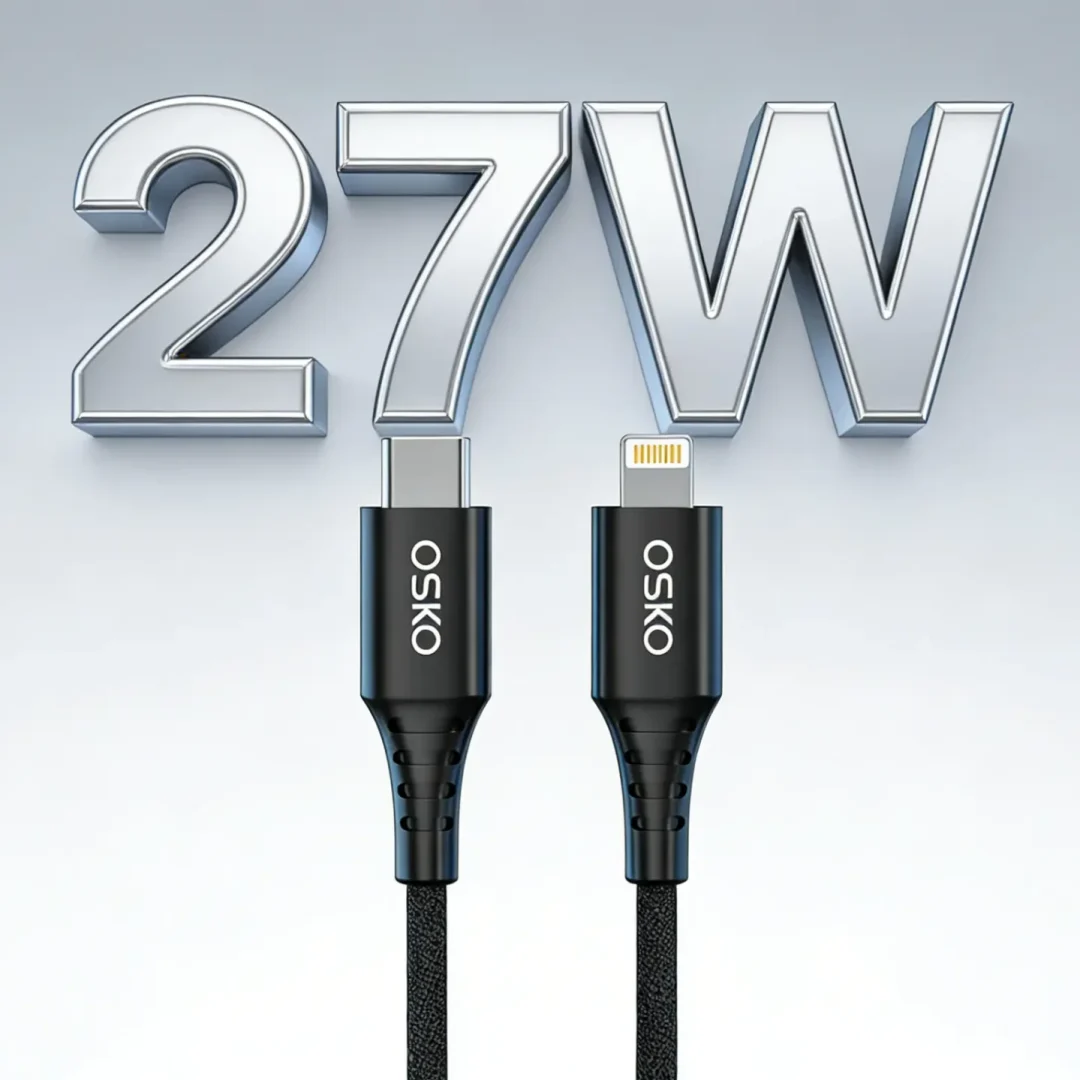
60W laptop charging
100W USB-C PD charging
240W high-power charging
USB-C Cable Structure Design
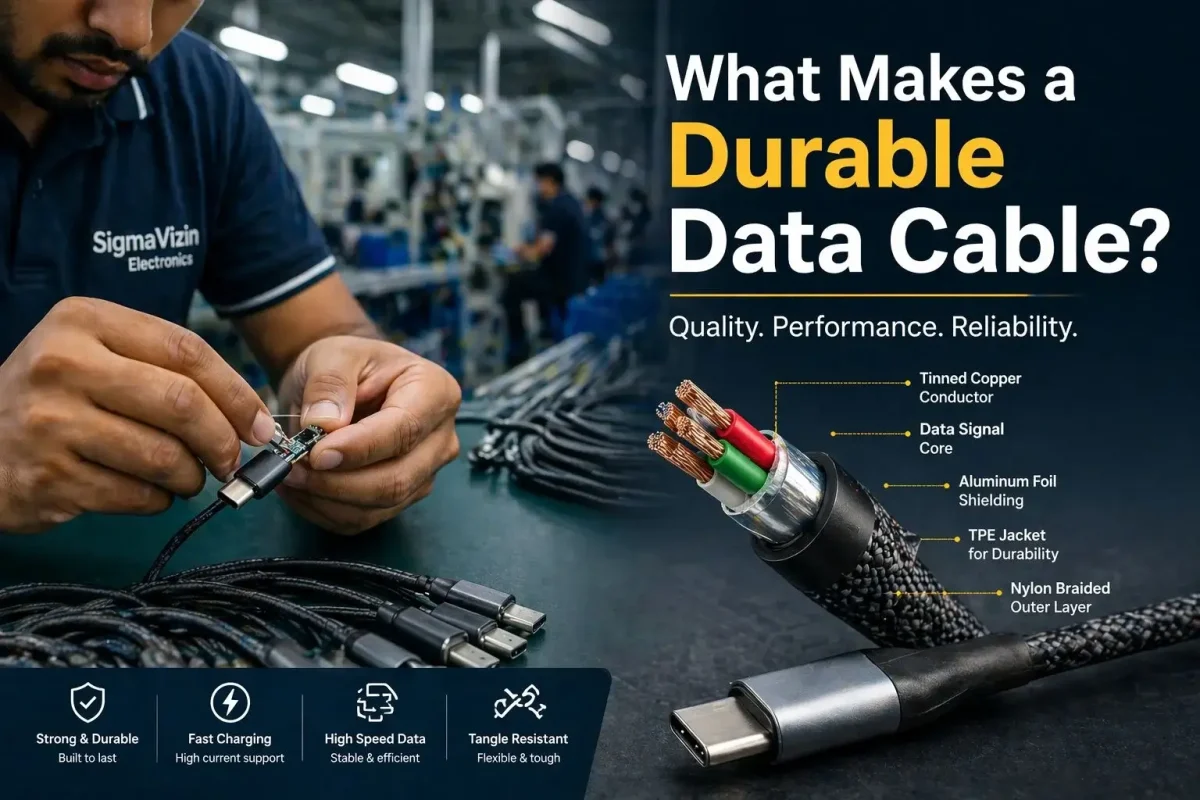
A high-quality USB-C cable normally includes multiple protective layers.
| Component | Function |
|---|---|
| Inner conductor | Transfers power and data |
| Insulation layer | Prevents electrical leakage |
| Shielding layer | Protects signal quality |
| Drain wire | Maintains grounding |
| Outer jacket | Improves durability |
Each layer influences:
Charging speed
Data stability
Heat management
Mechanical reliability
Wholesale buyers should request detailed specifications instead of comparing suppliers only by price.
Braided Cable Material Selection
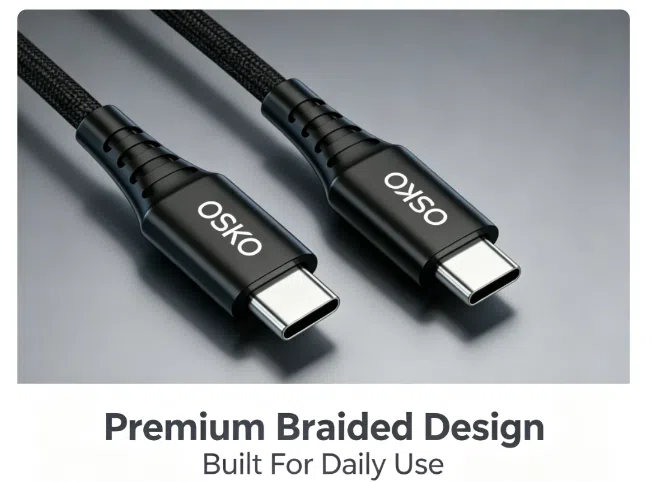
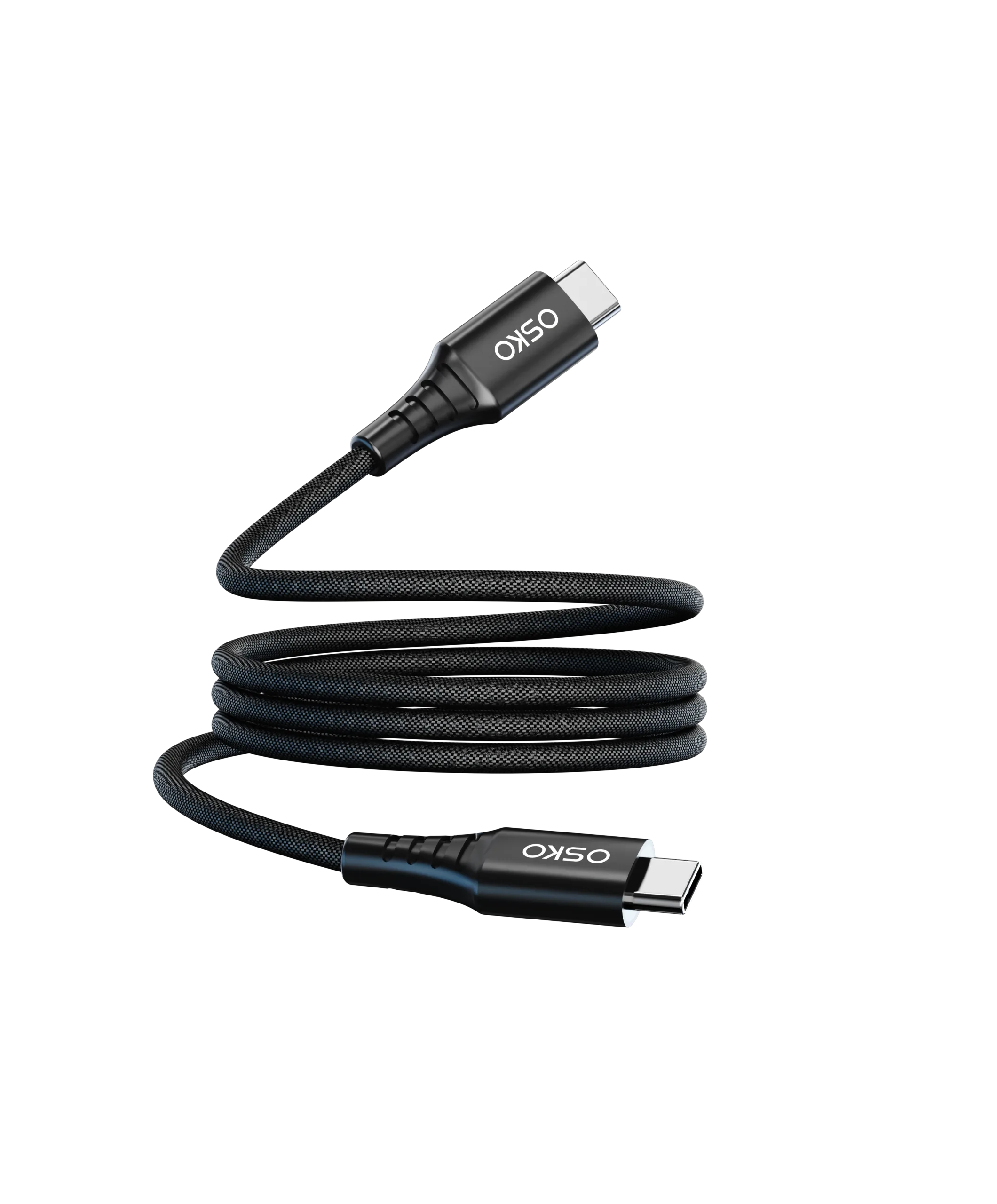
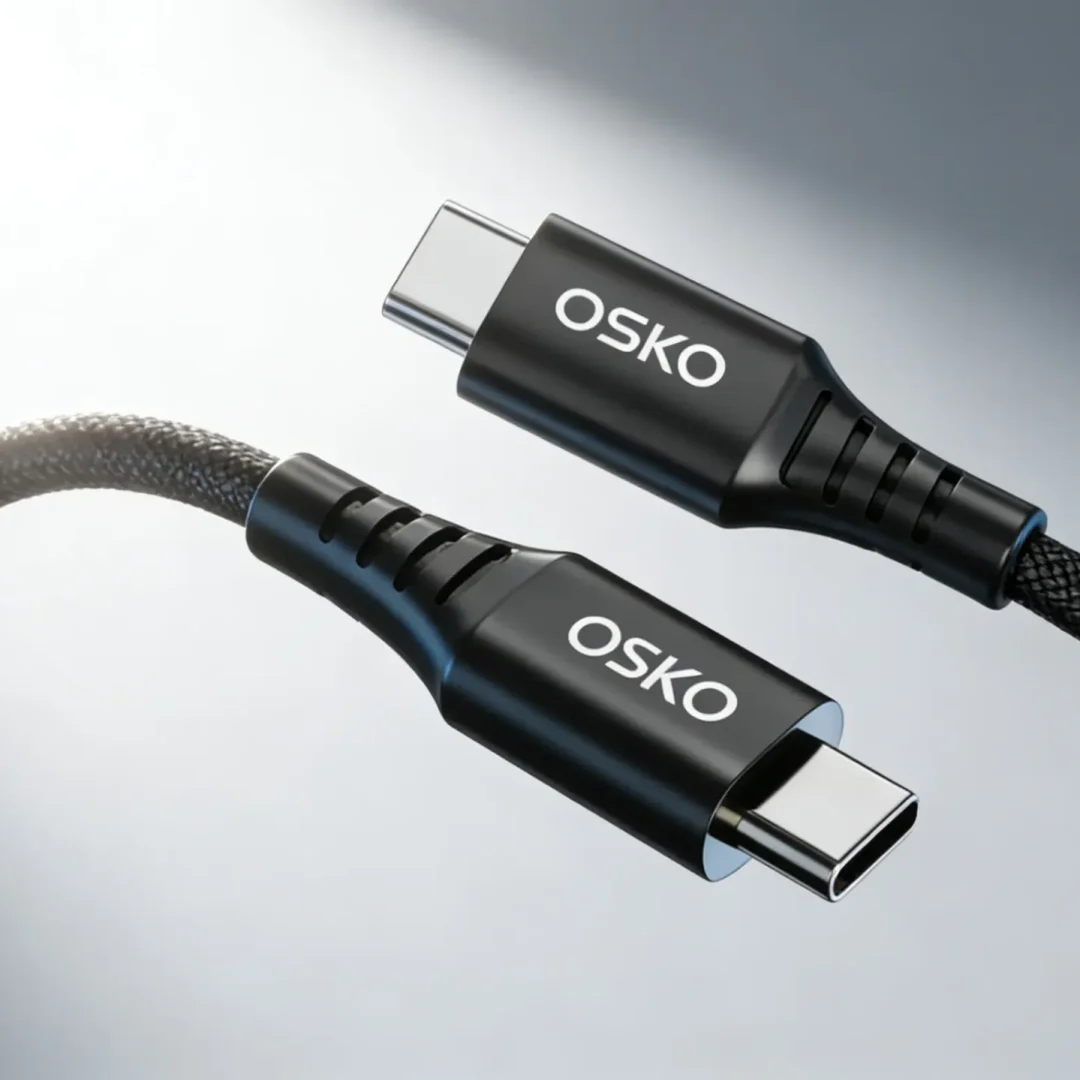
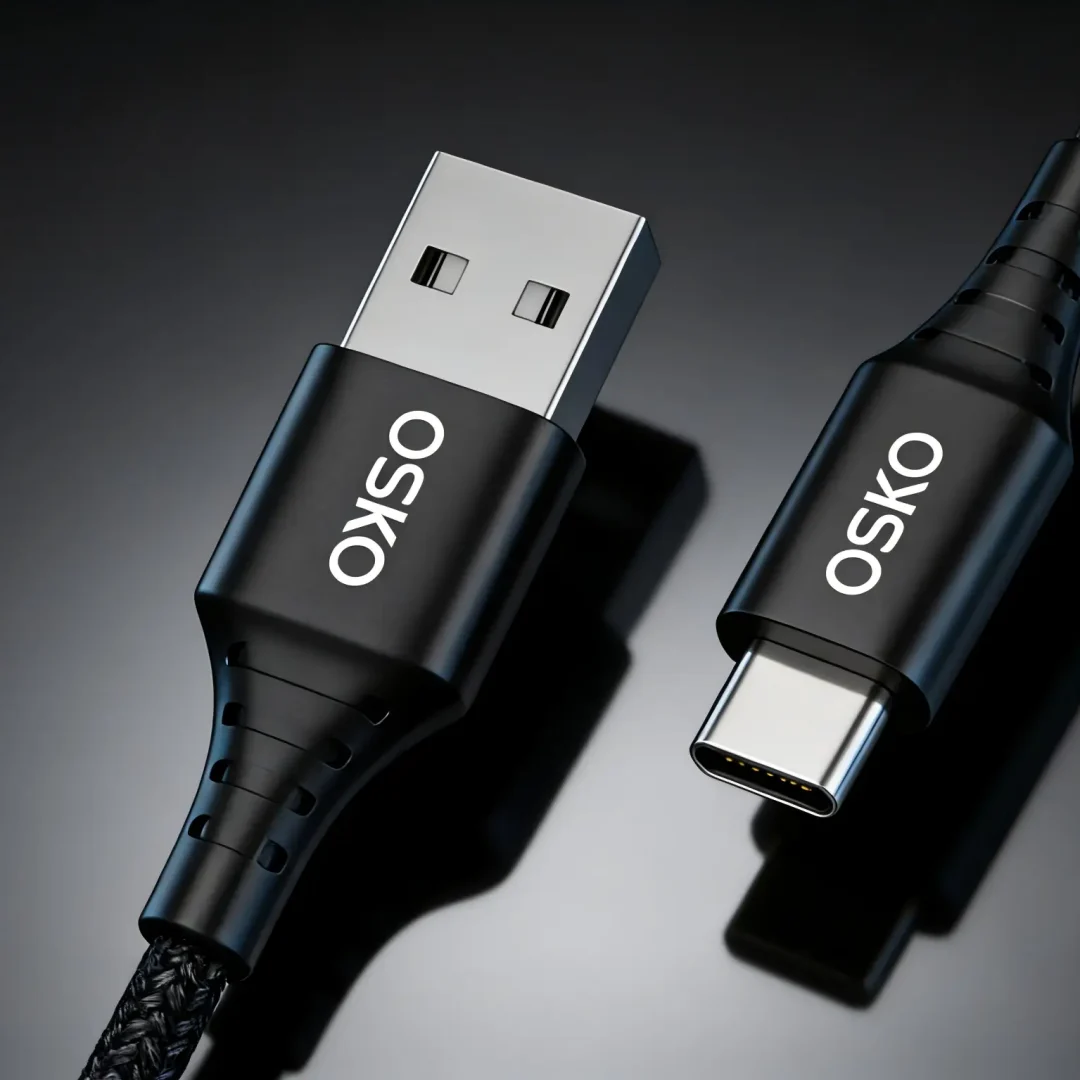
Many retail brands prefer braided USB-C cables because consumers associate them with durability and premium quality.
Common outer materials include:
| Material | Characteristics |
|---|---|
| Nylon braid | Premium feel and abrasion resistance |
| Polyester braid | Cost-effective durability |
| TPU | Flexible protection |
| PVC | Standard economical option |
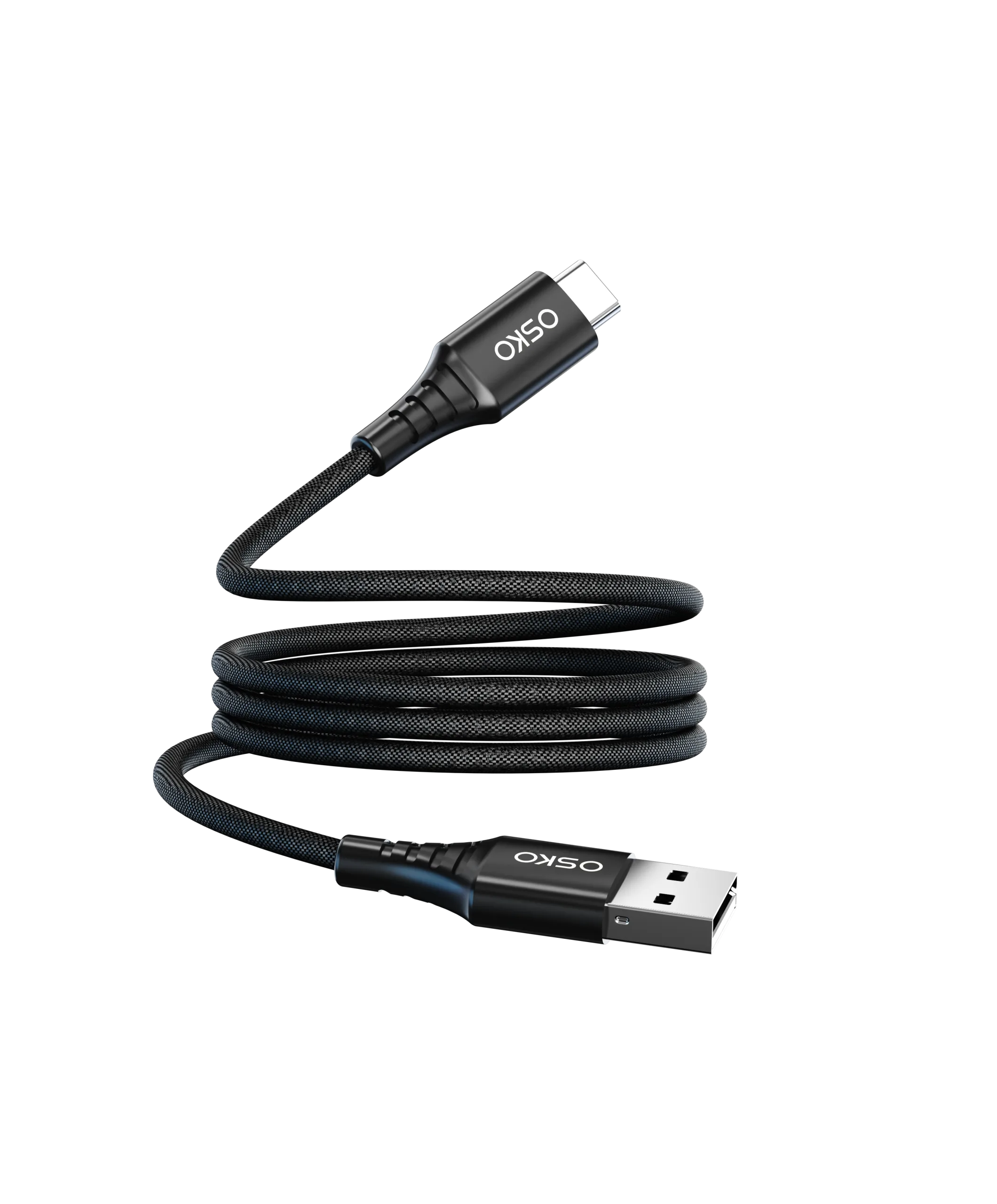
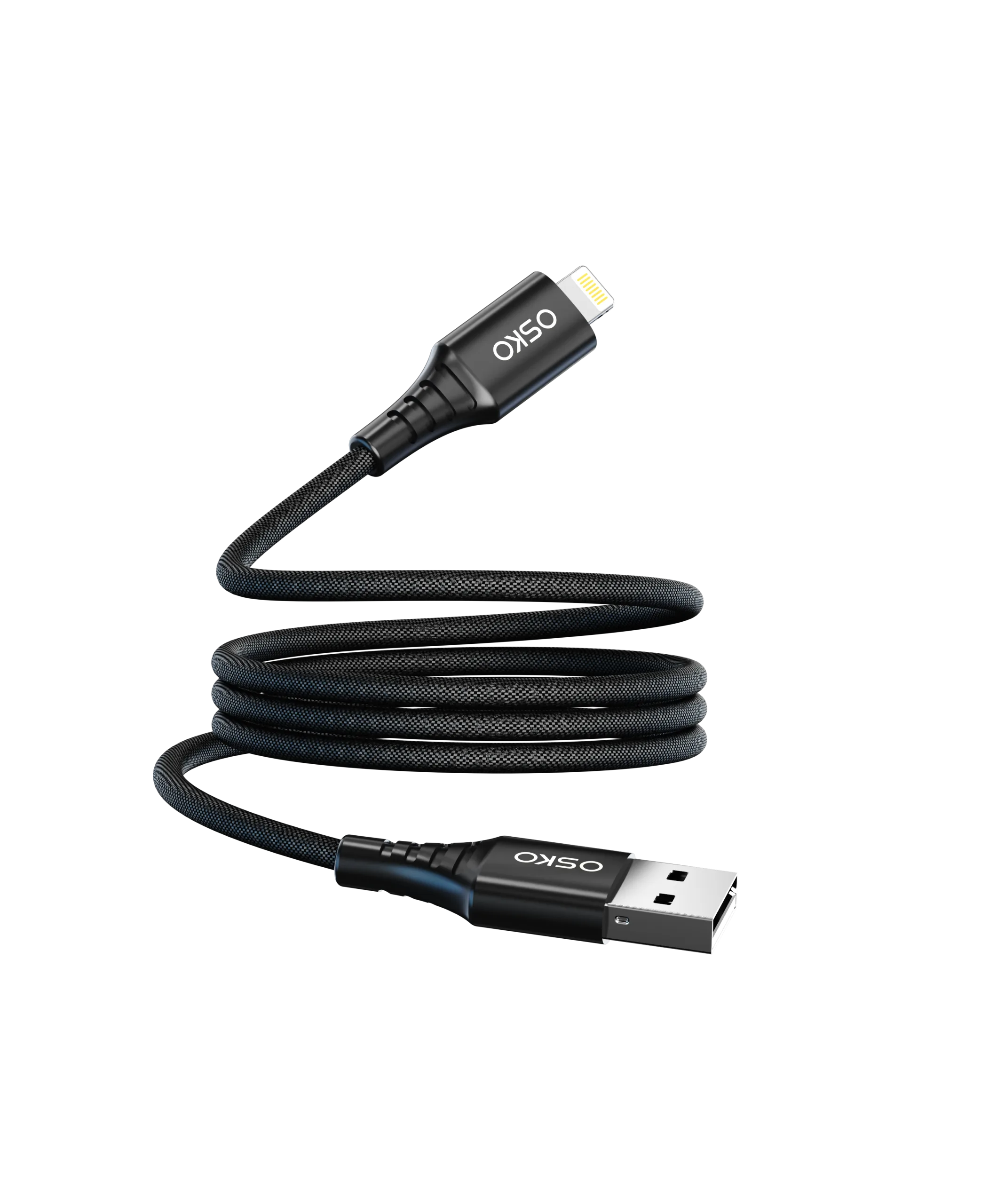
A professional braided USB-C cable factory can customize:
Cable color
Braiding pattern
Thickness
Length
Packaging
This allows brands to create differentiated products for competitive markets.
Charging Power and Compatibility
USB-C cables must match the requirements of target devices.
Different customers require different charging capabilities.
| Power Rating | Common Application |
|---|---|
| 20W–30W | Smartphones |
| 60W | Tablets and portable computers |
| 100W | Business laptops |
| 140W–240W | High-performance laptops |
Wholesale buyers should confirm:
Supported charging protocols
Maximum wattage
Connector specifications
Compatibility testing
A reliable USB-C charging cable supplier should clearly provide performance data before production.
Case Study
US Wholesale Distributor Bulk USB-C Cable Supply Project
Customer Background
A US electronics distributor wanted to expand its charging accessory category with a complete USB-C cable product range.
The product line targeted:
Retail stores
Online marketplaces
Corporate buyers
Consumer electronics channels
The distributor required a supplier capable of handling:
Bulk USB-C cables
Custom packaging
Multiple cable lengths
Different charging specifications
Customer Engineering Challenges
Quality Consistency Issue
The previous supplier delivered products with:
Different cable flexibility between batches
Connector durability problems
Charging speed complaints
This resulted in increased returns and customer dissatisfaction.
Product Differentiation Challenge
The market contained many similar USB-C cables.
The customer needed:
Custom colors
Premium braided designs
Brand packaging
Multiple product tiers
Compliance Requirements
Because products were sold in North America, the customer required:
Safety documentation
Material compliance
Stable manufacturing records
OSKO Manufacturing Solution
OSKO developed a customized USB-C cable supply solution.
The engineering process included:
Material evaluation
Cable structure optimization
Electrical performance testing
Production quality control
The product program included:
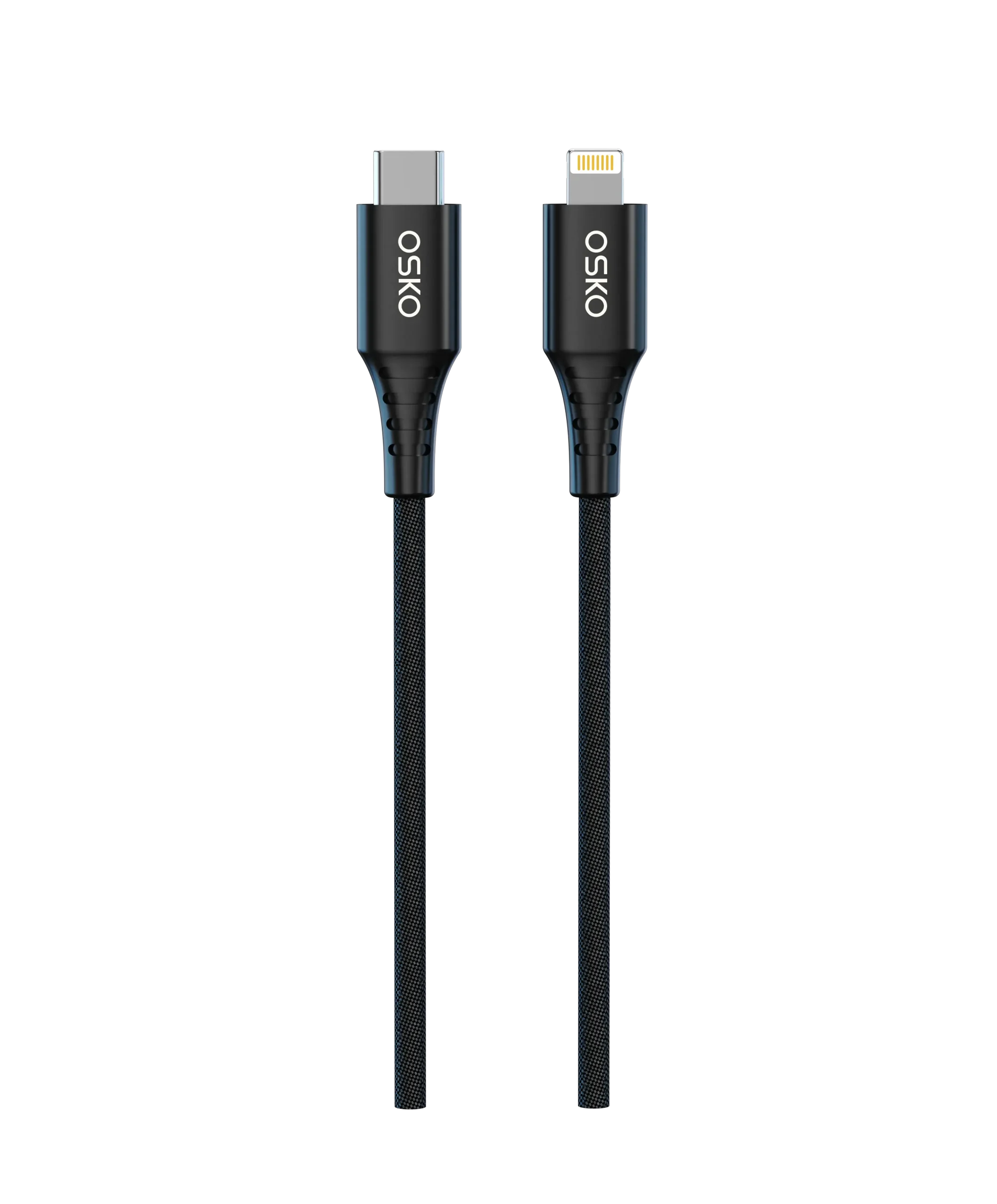
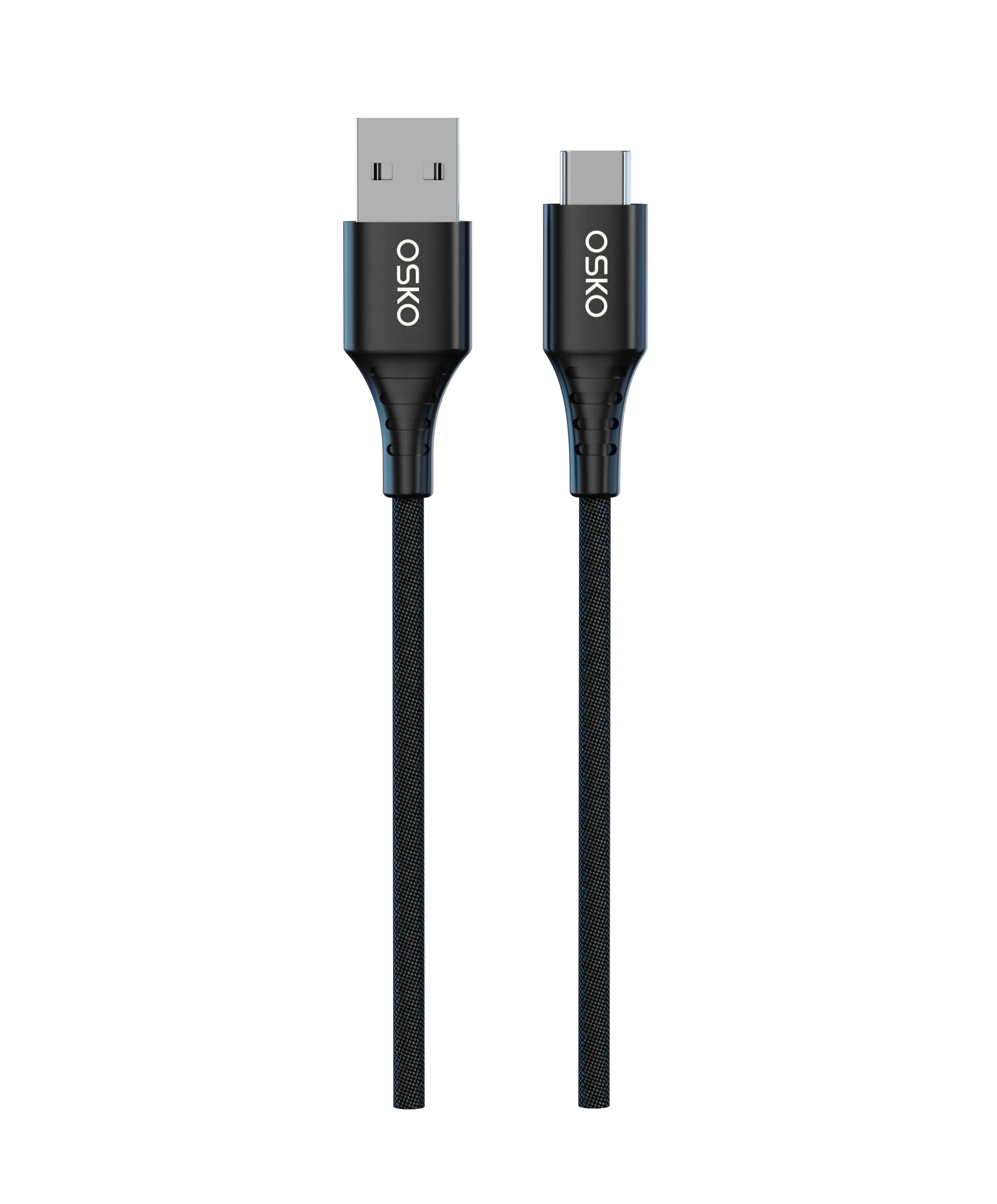
OEM USB cable
ODM USB cable
USB cable wholesale
Bulk USB cables
Retail USB cable
solutions.
Customization included:
3ft USB-C cables
6ft USB-C cables
Custom colors
Retail packaging
Project Results
After implementation:
Product quality became more consistent
Customer complaints decreased
Product categories expanded
Supply chain stability improved
The distributor successfully developed a complete USB-C accessory portfolio.
Selection Guide
Choosing the right supplier requires evaluating technical capability, production experience, and business support.
Evaluate Factory Capability
A reliable USB-C cable manufacturer should provide:
Product development support
Prototype samples
Mass production capability
Quality testing
Packaging customization
Important capabilities include:
OEM ODM custom length USB C cables
and
custom USB-C cable development services.

Review Quality Control Process
Wholesale buyers should ask suppliers about:
| Quality Check | Purpose |
|---|---|
| Continuity test | Checks electrical connection |
| Charging test | Confirms power performance |
| Hi-pot test | Ensures electrical safety |
| Bending test | Evaluates durability |
| Connector test | Checks mechanical strength |
A professional factory should have documented inspection procedures.
Consider OEM and Private Label Options
Many wholesale buyers need customized products.
Common requirements include:
| Customization | Purpose |
|---|---|
| Logo printing | Brand recognition |
| Cable color | Product differentiation |
| Length options | Different applications |
| Packaging | Retail presentation |
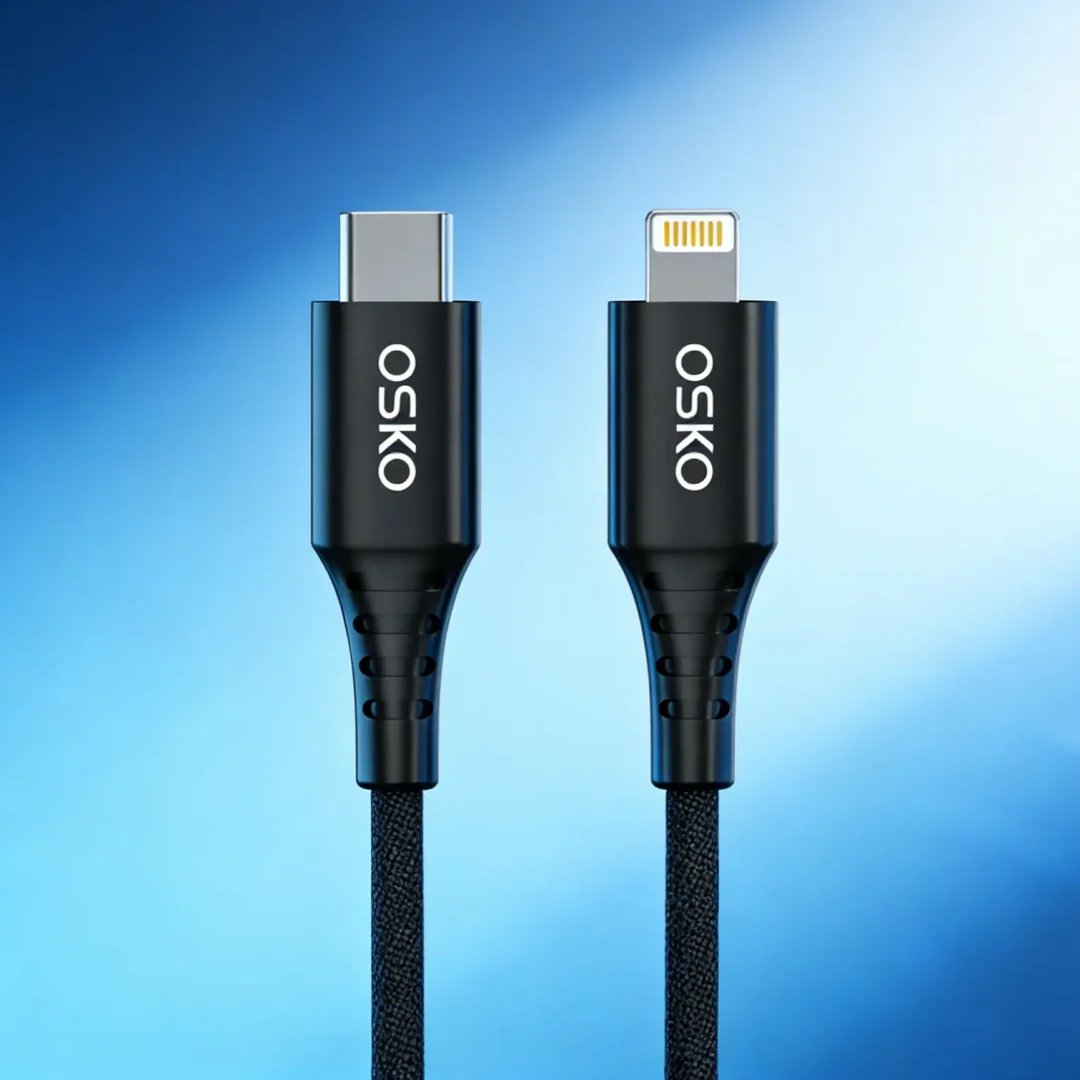
| Connector design | Market positioning |
Popular solutions include:
Private label USB-C cable
USB-C cable with logo
Bulk custom color braided charging cables
Custom packaging braided charging cable factory
Certification Requirements
International buyers should review compliance capabilities.
| Certification | Market Purpose |
|---|---|
| USB-IF | USB performance compatibility |
| FCC | US electronic compliance |
| CE | European safety |
| RoHS | Environmental requirements |
| ISO9001 | Quality management |
Professional suppliers may provide:
USB-IF compliant Type C cable manufacturer
and
CE RoHS certified 240W USB C cable
solutions.
FAQ
How do I choose a reliable USB-C cable manufacturer?
Wholesale buyers should evaluate:
Factory experience
Quality systems
Certification support
Production capacity
OEM capability
What is the difference between OEM and ODM USB-C cables?
OEM means producing according to customer specifications, while ODM includes additional design and engineering development support.
What cable length is most popular for wholesale markets?
Common options include:
3ft for portable charging
6ft for home and office
10ft for extended applications
Are braided USB-C cables better for retail products?
Braided cables generally provide better durability and premium appearance, making them popular for retail and private label products.
Can wholesale buyers customize USB-C cables?
Yes. Professional factories can customize:
Length
Color
Logo
Packaging
Charging specifications
Summary
Selecting the right USB-C cable manufacturer is essential for wholesale buyers who want reliable products, stable supply, and competitive market positioning.
A professional supplier should provide:
Advanced material engineering
Reliable charging performance
OEM and ODM customization
Quality control systems
International compliance support
For distributors, retailers, and brands, choosing a manufacturing partner with strong engineering capability helps reduce product risks and build long-term business growth.
As USB-C continues becoming the universal charging standard across consumer electronics, wholesale buyers who work with experienced manufacturers can develop higher-quality products and stronger market advantages.
Contact Information
OSKO provides complete USB-C cable manufacturing solutions for global wholesale buyers:
USB-C charging cables
Fast charging PD cables
Braided USB-C cables
OEM and ODM USB cables
Private label cable solutions
Custom length and packaging
Bulk wholesale production
OSKO supports global distributors and brands with engineering development, quality control, and customized USB-C cable manufacturing solutions.