
Introduction
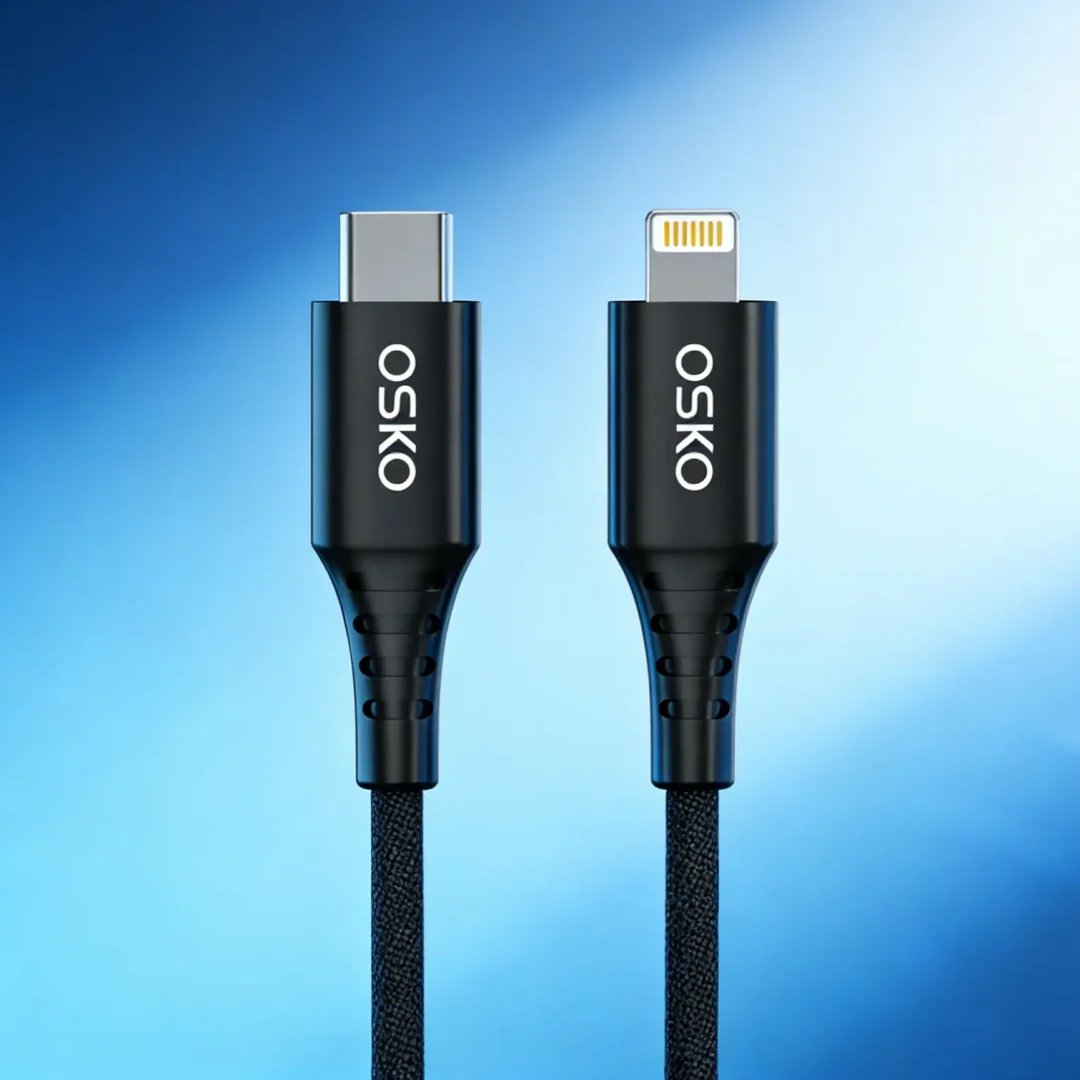
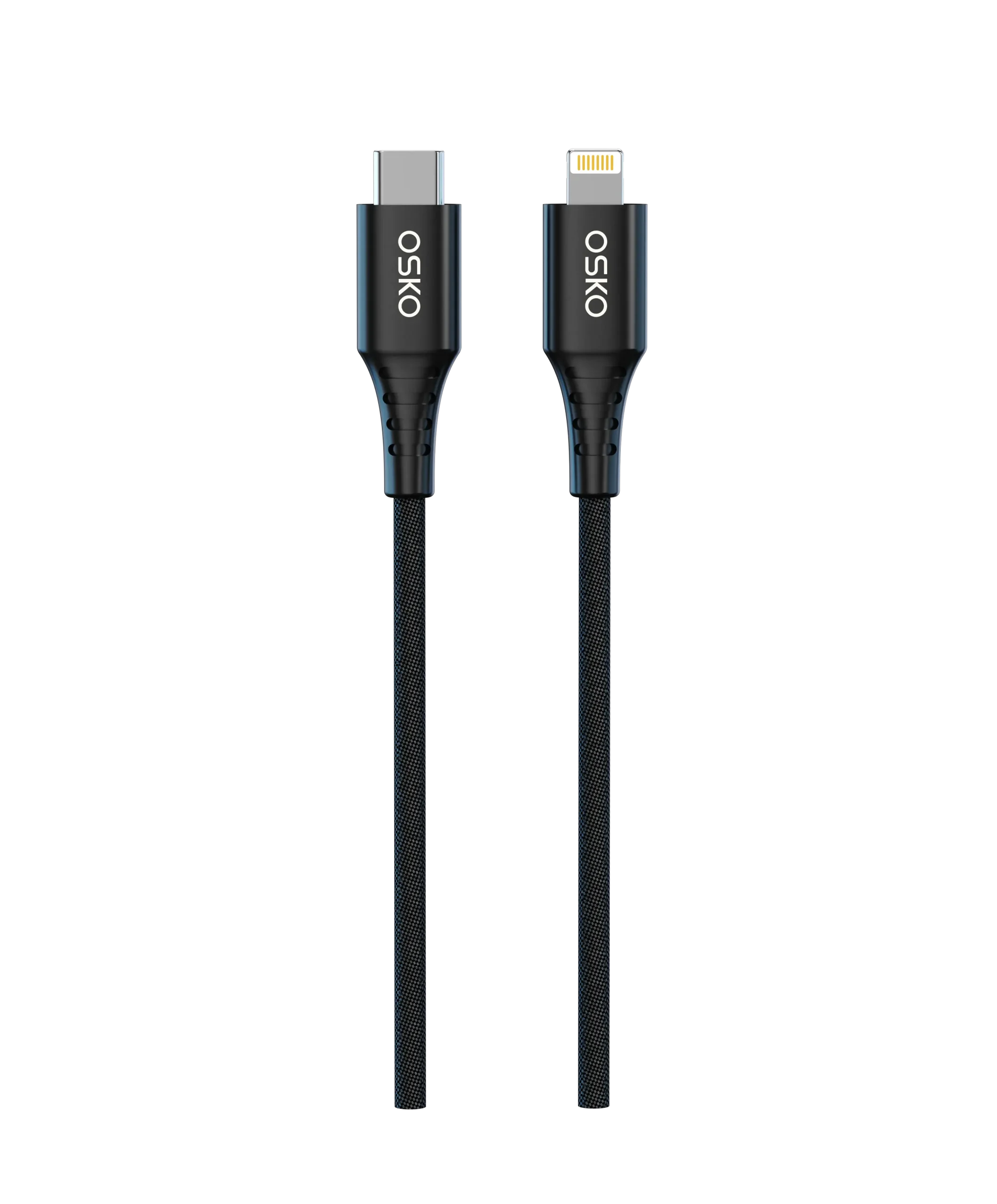
The USB-C to Lightning cable Apple ecosystem has become the standard fast charging solution for iPhone and iPad users in North America and Europe.
Unlike older USB-A to Lightning cables, USB-C to Lightning cables enable higher power delivery, faster charging speeds, and improved energy efficiency when paired with a USB-C Power Delivery (PD) charger.
However, not all cables labeled as “Apple compatible” provide the same performance.
Many users encounter issues such as:
Slow charging even with fast chargers
“Accessory not supported” warnings
Cable failure after short-term use
Inconsistent charging performance between brands
These issues are mainly caused by differences in MFi certification, internal chip quality, and manufacturing standards.
Understanding how Apple-certified Lightning cables work is essential for both consumers and OEM buyers.

How USB-C to Lightning Cable Works with Apple Devices
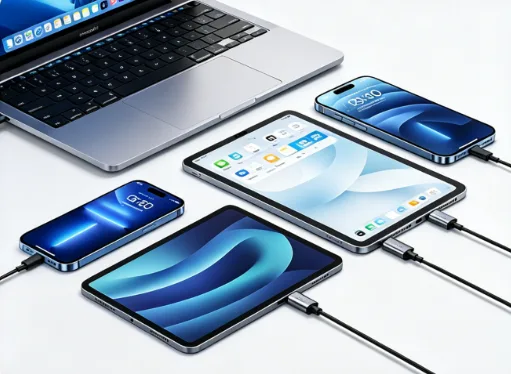
A USB-C to Lightning cable connects:
A USB-C PD charger (power source)
An Apple Lightning device (iPhone, iPad, AirPods case)
The cable acts as a communication bridge that ensures safe and optimized power delivery.
Fast Charging Mechanism
When properly configured, the system supports:
| Apple Device | Fast Charging Power |
|---|---|
| iPhone 8–11 | Up to 18W |
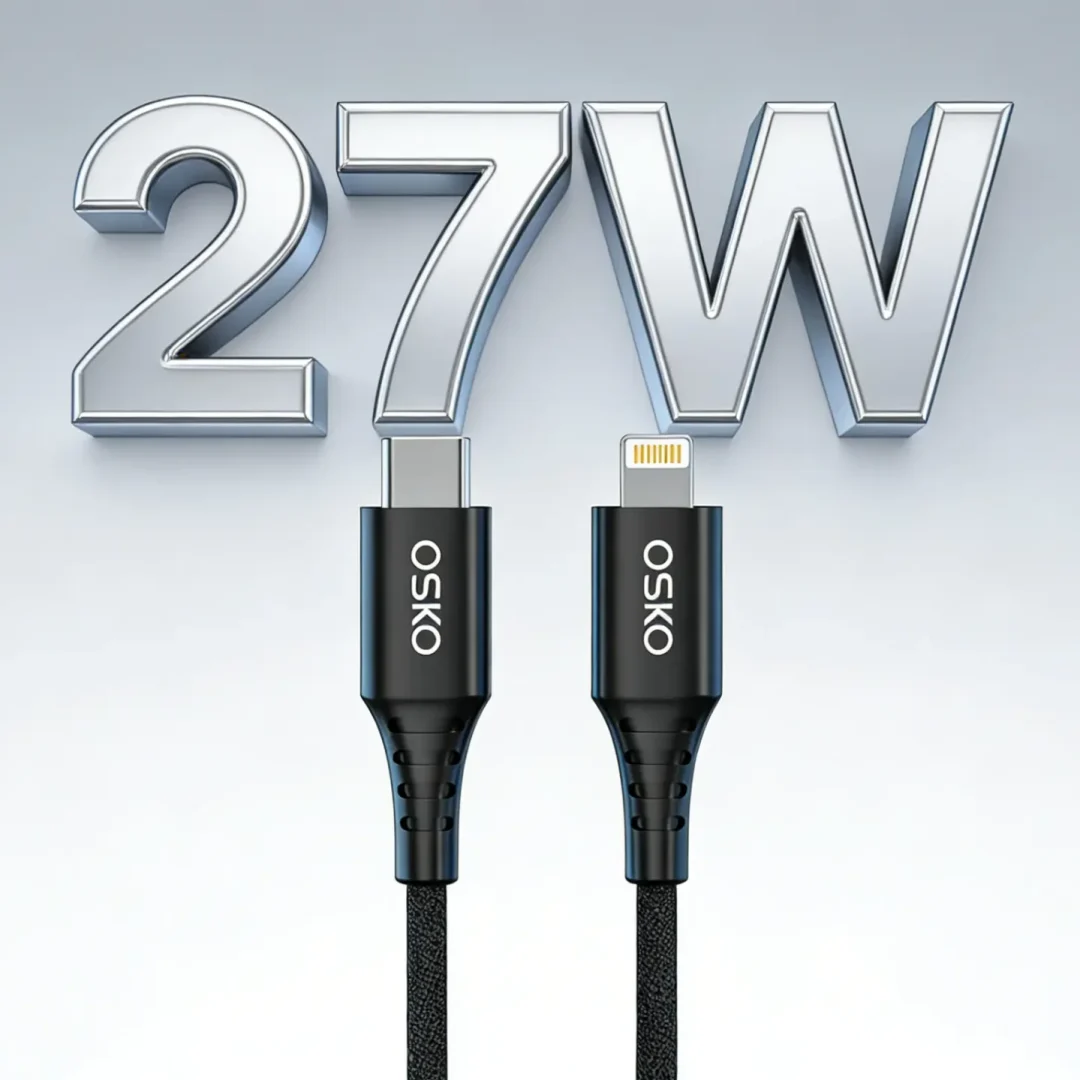
| iPhone 12–16 series | Up to 20W–27W |
| iPad models | Up to 30W+ |
Fast charging only works when all three components are compatible:
USB-C PD charger
MFi-certified Lightning cable
Apple device with fast charge support
Why Apple MFi Certification Is Critical
MFi stands for Made for iPhone / iPad / iPod.
This certification is required for any third-party Lightning cable that wants to work reliably within the Apple ecosystem.
What MFi Ensures
An MFi-certified cable includes an Apple-approved authentication chip that guarantees:
Device compatibility
Safe charging voltage negotiation
Stable data transmission
iOS update compatibility
Risks of Non-MFi Cables
Non-certified cables often cause:
Charging interruptions
Error messages (“Accessory not supported”)
Reduced charging speed
Shortened product lifespan
For North American and European markets, MFi certification is not optional for premium retail positioning—it is a baseline requirement.
Internal Structure of Apple USB-C to Lightning Cables
Understanding cable structure helps buyers evaluate quality.
Copper Conductors
High-quality Apple-compatible cables use:
Oxygen-free copper
Multi-strand conductors
Low-resistance wiring design
Benefits:
Faster charging
Lower heat generation
Improved durability
Lightning Connector Chip
The Lightning connector contains:
MFi authentication chip
Power management controller
Device handshake system
This chip is the most important component for Apple compatibility.
Insulation and Shielding
To ensure stable performance:
TPE or PVC insulation is used
Aluminum foil shielding reduces interference
Twisted data lines improve signal stability
Outer Jacket
Common designs include:
Standard PVC (entry-level)
TPE soft-touch (mid-range)
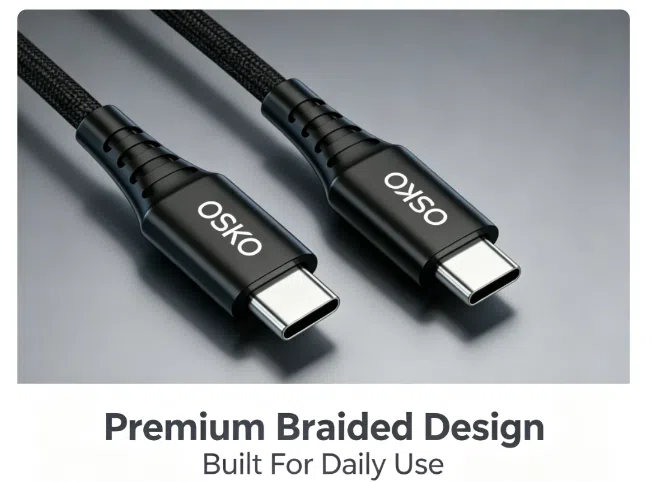
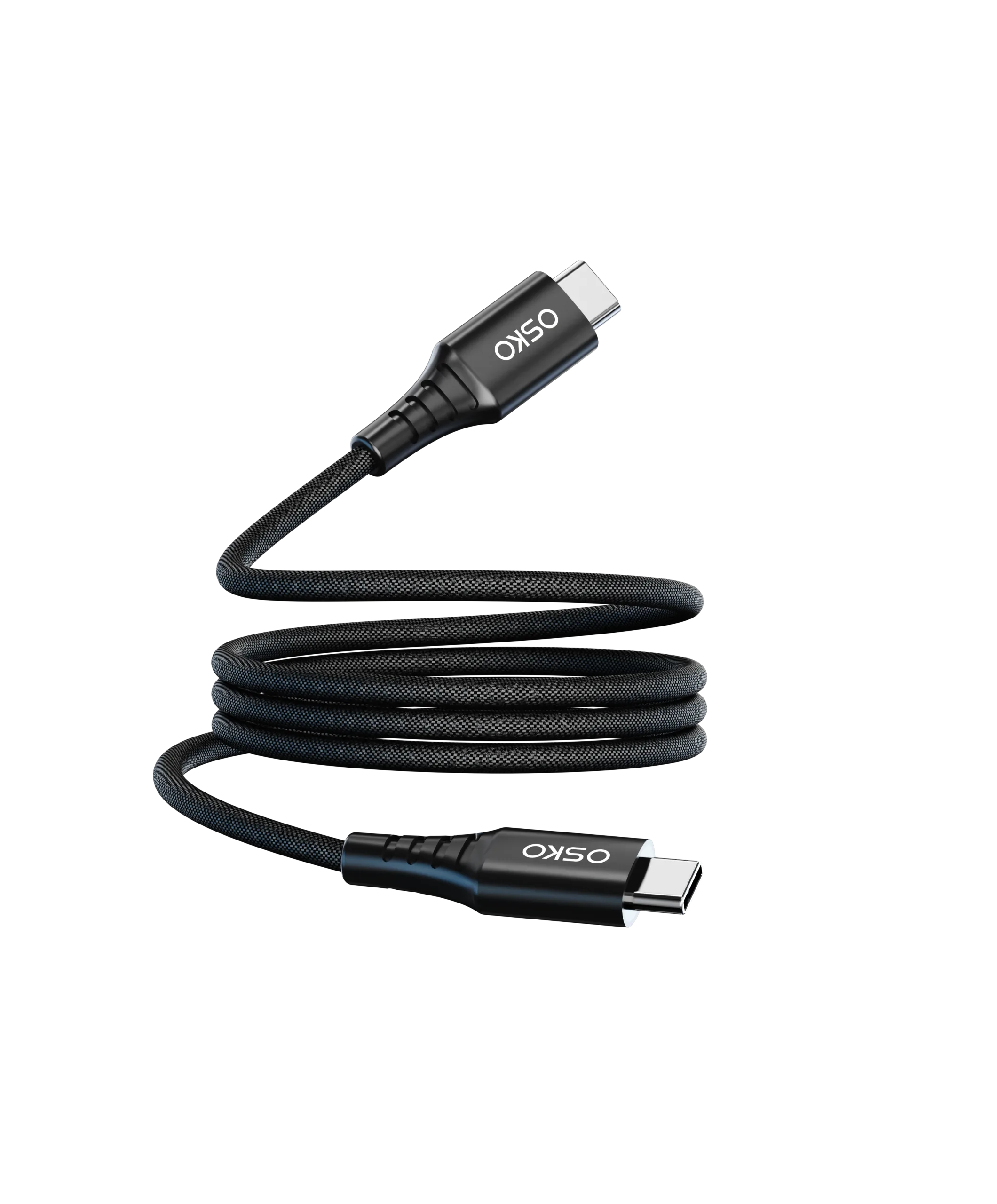
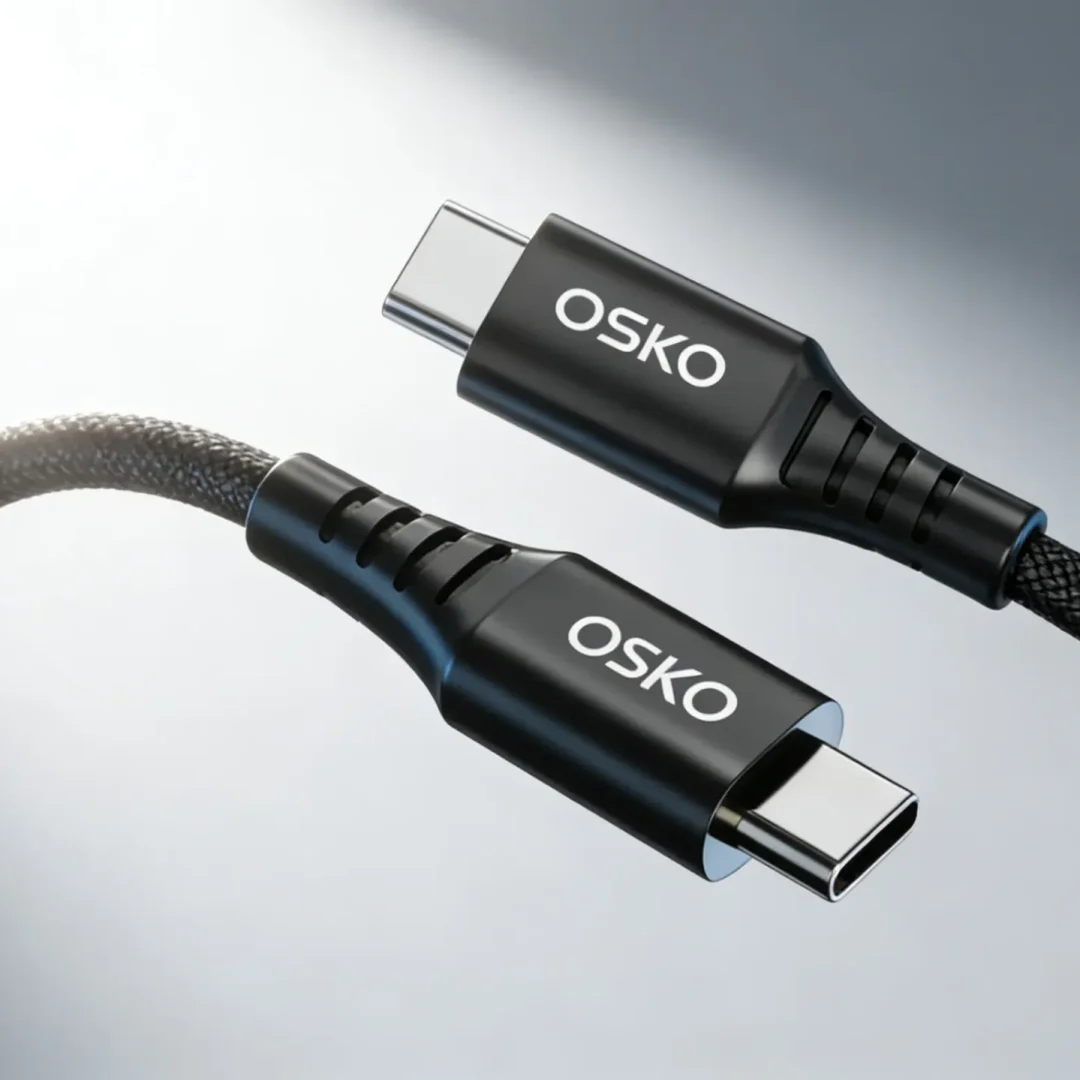
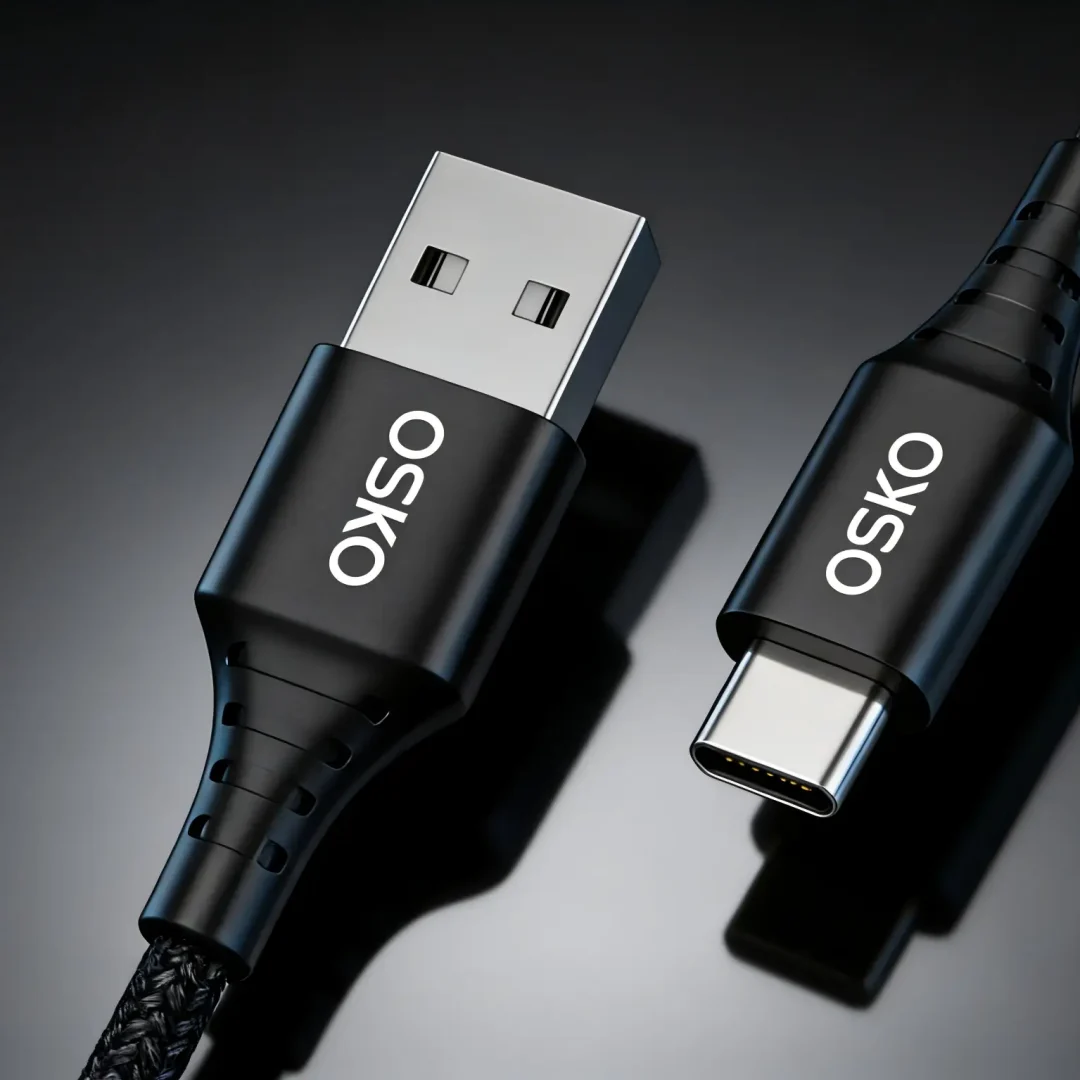
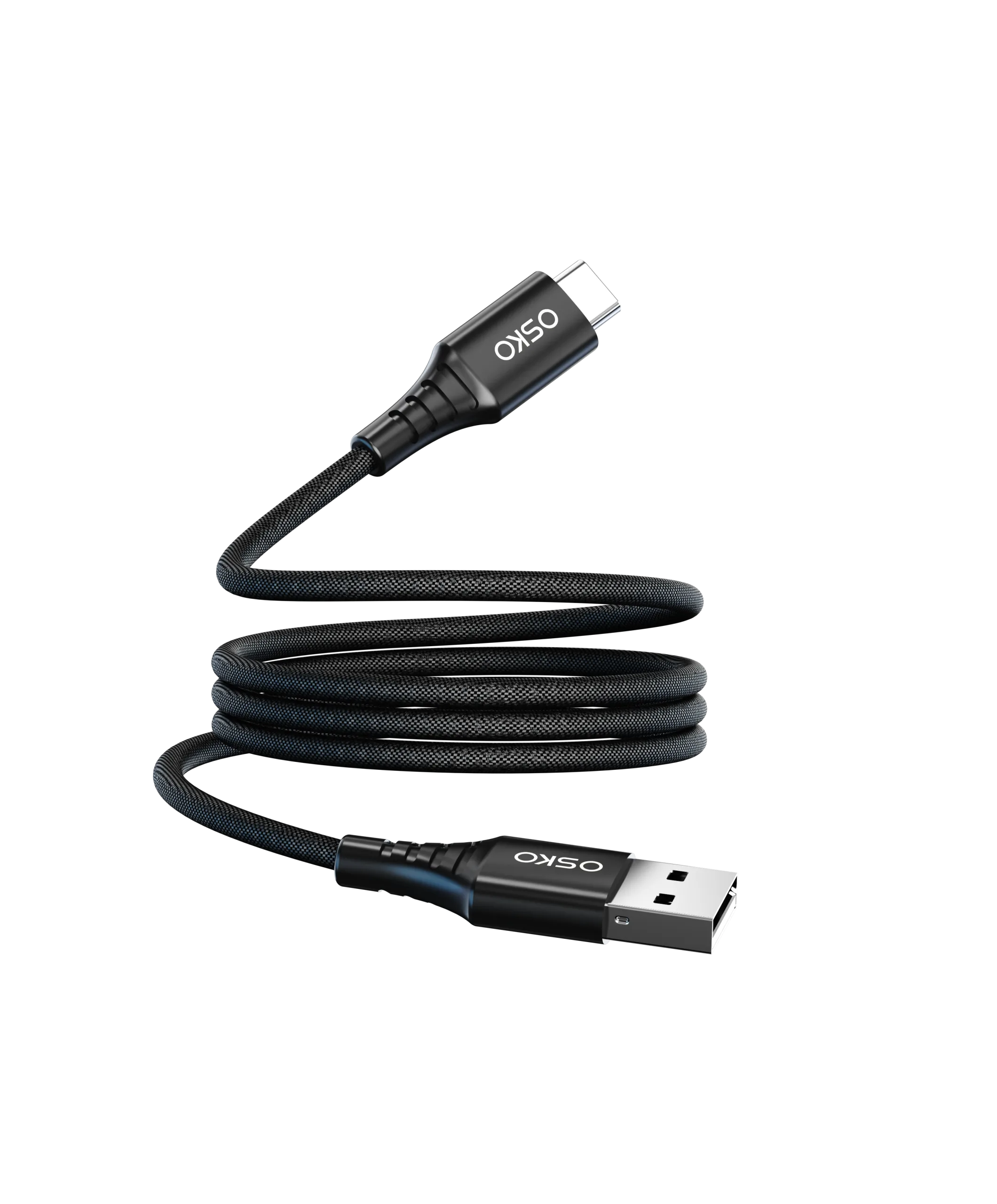
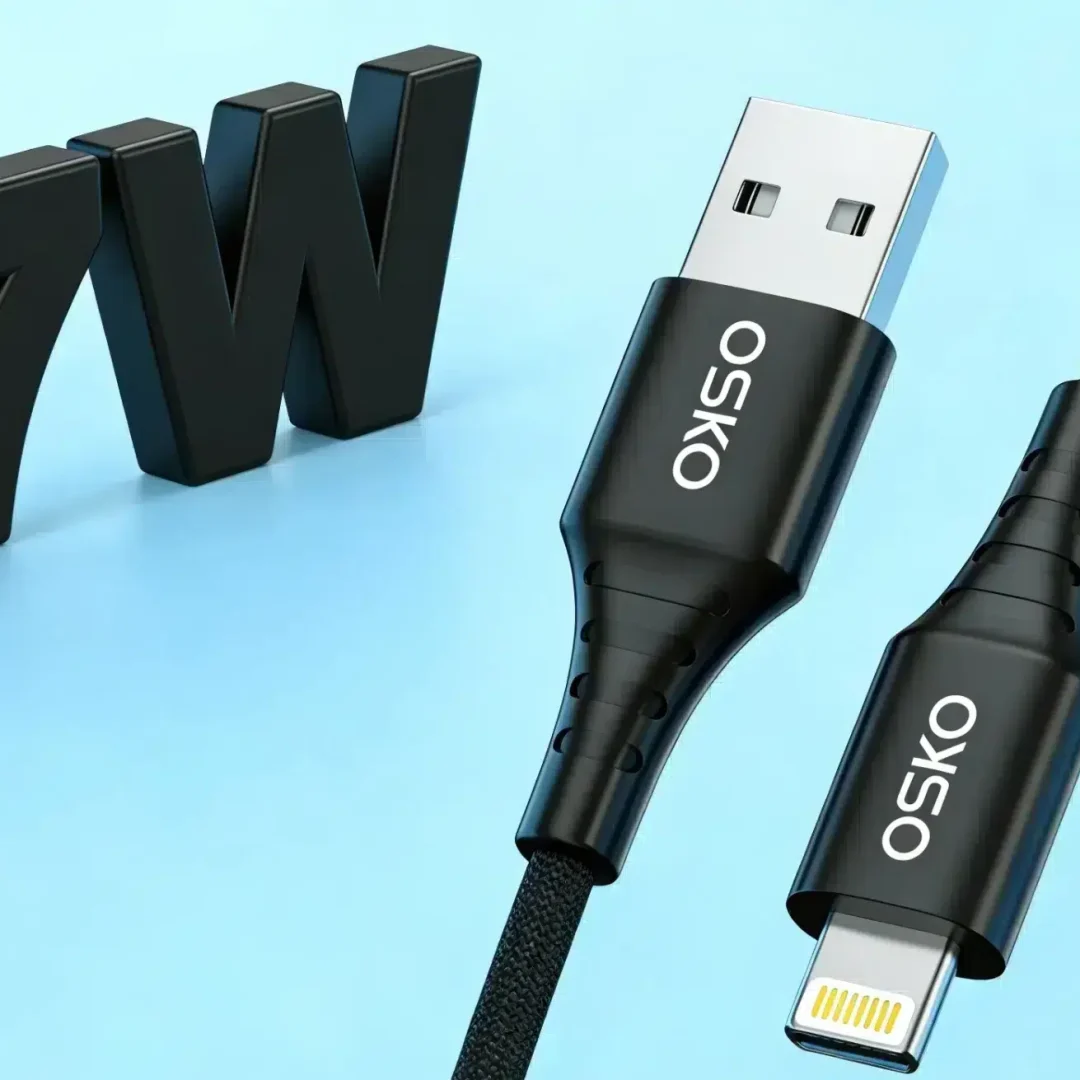
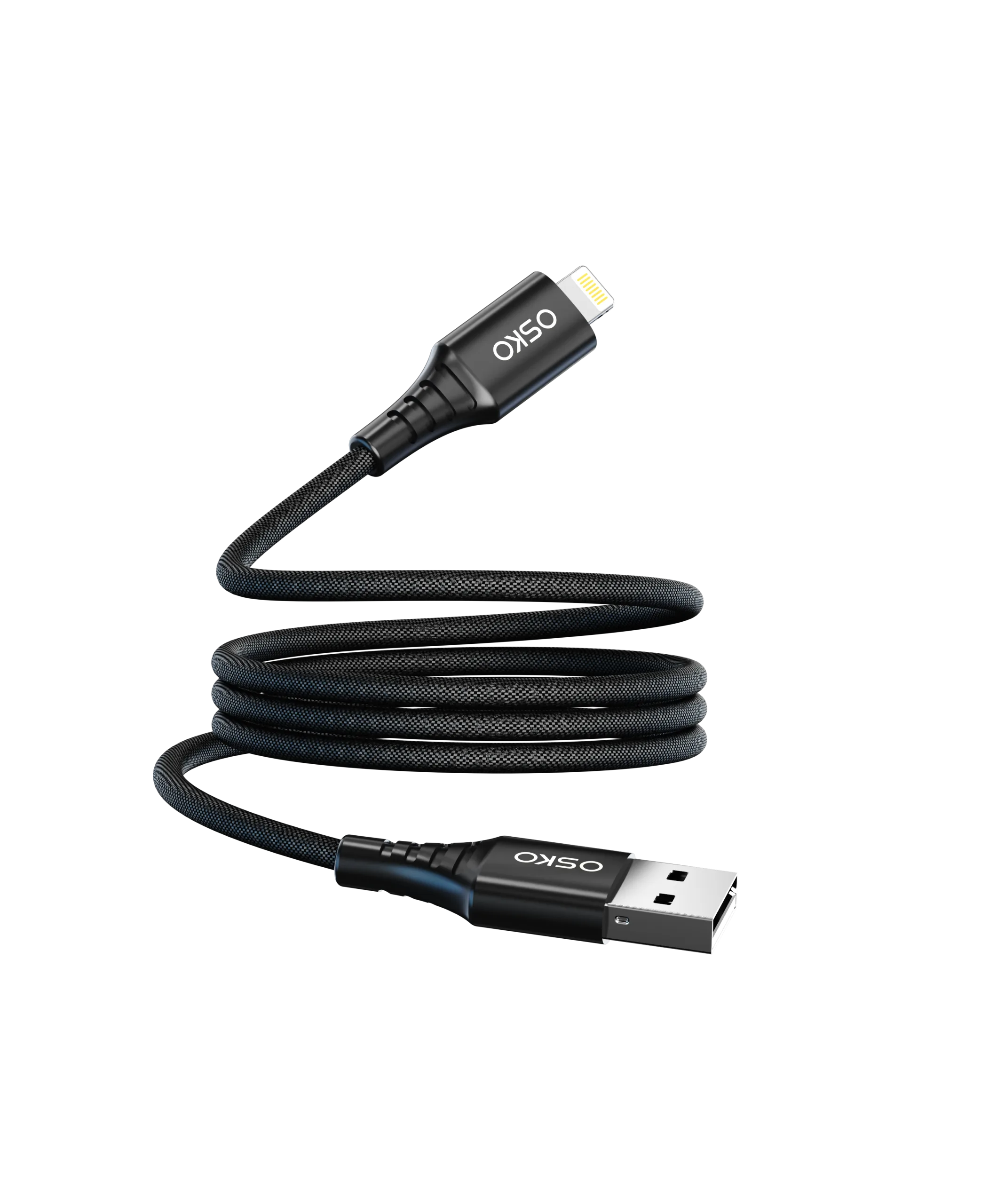
Nylon braided (premium OEM/retail segment)
Braided designs are widely used in Apple Lightning cable OEM manufacturing due to durability and premium appearance.
Apple Fast Charging Requirements
To achieve true Apple fast charging performance, three conditions must be met:
1. USB-C Power Delivery Charger
Must support at least:
18W–20W output (minimum)
USB Power Delivery protocol
2. MFi Certified Cable
Ensures Apple authentication and safe power negotiation.
3. High-Quality Internal Conductors
Reduces resistance and ensures stable current flow.
Applicable Scenarios
Home Charging
Most common use case:
Bedside charging
Living room charging
Daily iPhone use
A 3ft or 6ft cable is typically preferred.
Office Use
Used for:
Desk charging
Video calls while charging
Connecting to MacBooks or chargers
Travel and Mobile Use
Ideal for:
Airports
Hotels
Power banks
Car chargers
Compact 3ft braided cables are especially popular.
Retail and OEM Branding
Many global brands source:
Private label Apple Lightning cables
OEM nylon braided cables
Custom packaging solutions
This is especially common in Apple Lightning cable supplier China OEM production.

Comparison: MFi vs Non-MFi Lightning Cables
| Feature | Non-MFi Cable | MFi Certified Cable |
|---|---|---|
| Apple Compatibility | Unstable | Fully compatible |
| Fast Charging | Limited | Supported |
| Error Messages | Frequent | None |
| Durability | Low–Medium | High |
| Retail Approval | Weak | Strong |
OEM Manufacturing Considerations
When sourcing from an Apple Lightning cable OEM factory, buyers should evaluate:
MFi Certification Capability
Factories must:
Source Apple-approved chips
Pass MFi certification testing
Maintain production traceability
Material Quality
High-end manufacturers use:
Oxygen-free copper conductors
Reinforced strain relief
Nylon braided or TPE jackets
Production Consistency
Important for:
Amazon sellers
Retail chains
Wholesale distributors
Consistency reduces returns and protects brand reputation.
Customization Options
OEM factories typically offer:
Logo printing
Custom cable length (3ft, 6ft, 10ft)
Color customization
Retail packaging design
Case Study: North American E-Commerce Brand
Background
A US-based brand selling Apple accessories experienced:
High return rates
Slow charging complaints
“Not supported” errors
Root Cause
The supplier used non-MFi chips and inconsistent conductor quality.
OSKO Solution
Upgraded to MFi-certified Lightning cable production
Implemented oxygen-free copper conductors
Added nylon braided premium design
Improved QC testing standards
Results
Reduced return rates
Improved Amazon ratings
Increased customer trust
Higher repeat purchase rate
Purchase Recommendations
| Use Case | Recommended Cable Type |
|---|---|
| Daily Charging | 3ft MFi USB-C to Lightning Cable |
| Office Use | 6ft Braided Lightning Cable |
| Travel | Durable 3ft Nylon Cable |
| Retail Brand | OEM Private Label Cable |
| Wholesale | Bulk MFi Certified Cables |
FAQ
Is USB-C to Lightning cable officially supported by Apple?
Yes. Apple officially supports USB-C to Lightning cables for fast charging.
Do I need MFi certification?
Yes. It ensures compatibility, safety, and stable charging performance.
Why is my Apple Lightning cable charging slowly?
Common reasons include:
Low-power charger
Non-MFi cable
Poor conductor quality
Are braided Apple Lightning cables better?
They are more durable, but charging speed depends on internal design, not braiding.
Summary
The USB-C to Lightning cable Apple ecosystem remains essential for fast charging iPhones and iPads in global markets.
True performance depends on three key factors:
MFi-certified authentication chips
USB-C Power Delivery charger compatibility
High-quality copper conductor design
For OEM brands, distributors, and retailers, focusing on certified manufacturing, consistent quality control, and premium materials is essential for success in North America and Europe.
Request OEM Apple Lightning Cable Solutions
OSKO provides:
MFi-certified USB-C to Lightning cables
Nylon braided premium cables
Fast charging 20W–27W solutions
OEM & ODM manufacturing
Custom branding and packaging
Wholesale supply for global markets