
Introduction: Why Cable Durability Matters
A charging cable may look simple, but it can experience thousands of connection cycles, bends, pulls and twists during its service life.
For consumers, a damaged cable usually means slow charging, intermittent connections or replacing the cable earlier than expected. For retailers, wholesalers and private-label brands, the consequences can be more expensive: product returns, negative reviews, warranty claims and lower customer confidence.
This is why the USB-C to USB-A nylon braided fast charging cable remains an important product category for accessory brands and distributors.
The USB-C connector provides compatibility with a wide range of newer smartphones, tablets, power banks and other electronics, while USB-A remains common on existing wall chargers, computers, car chargers and charging hubs.
A well-designed USB-A to USB-C fast charging cable therefore offers a practical bridge between older USB-A power sources and newer USB-C devices.
However, the braid is only one part of the product.
Real-world performance depends on the complete cable structure, including the conductor, wire gauge, insulation, connector, strain relief and manufacturing quality.
For buyers sourcing products for the United States, Germany, Australia and the Netherlands, understanding these factors makes it easier to compare suppliers and avoid low-quality bulk cables.

What Is a USB-C to USB-A Nylon Braided Cable?
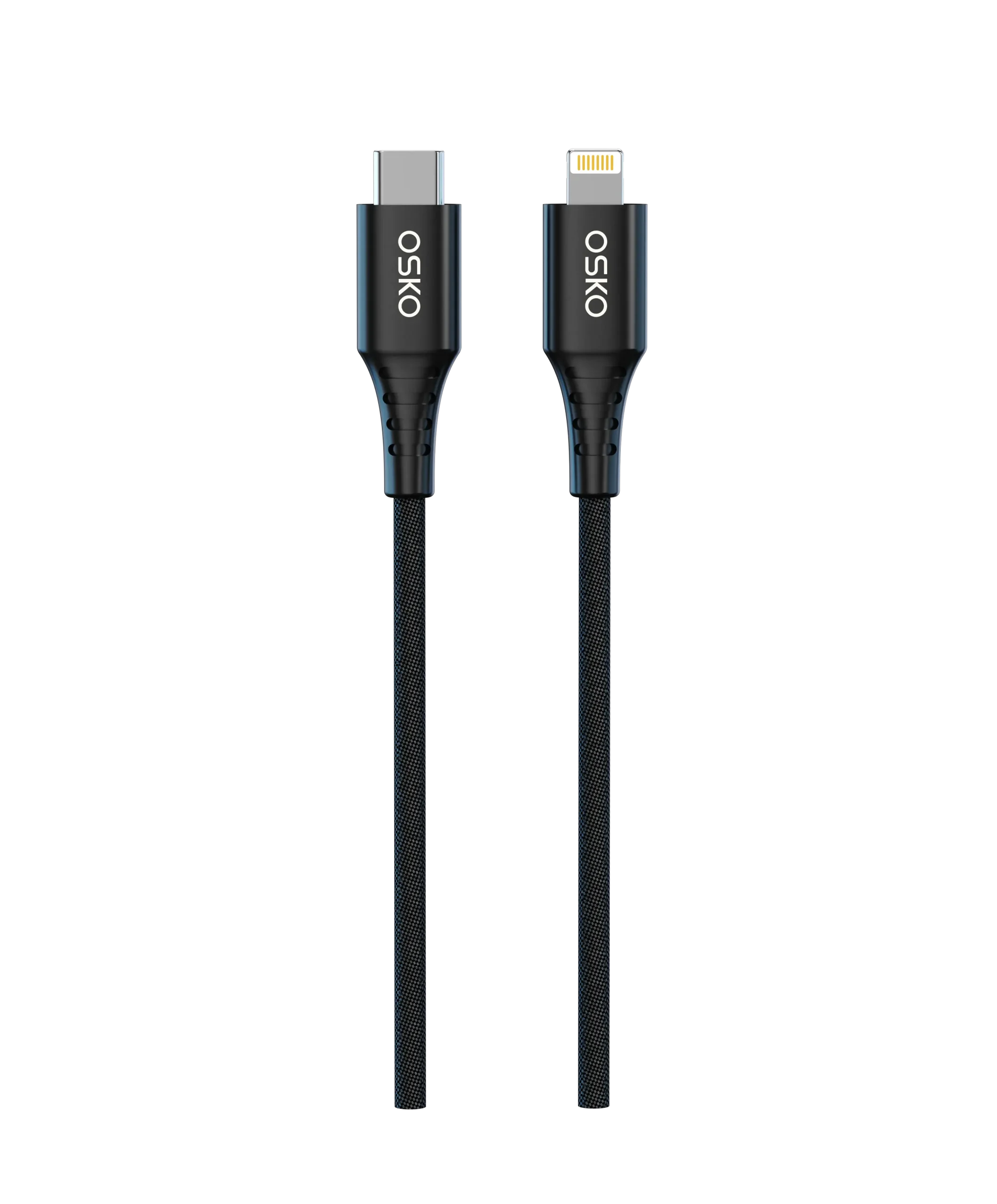
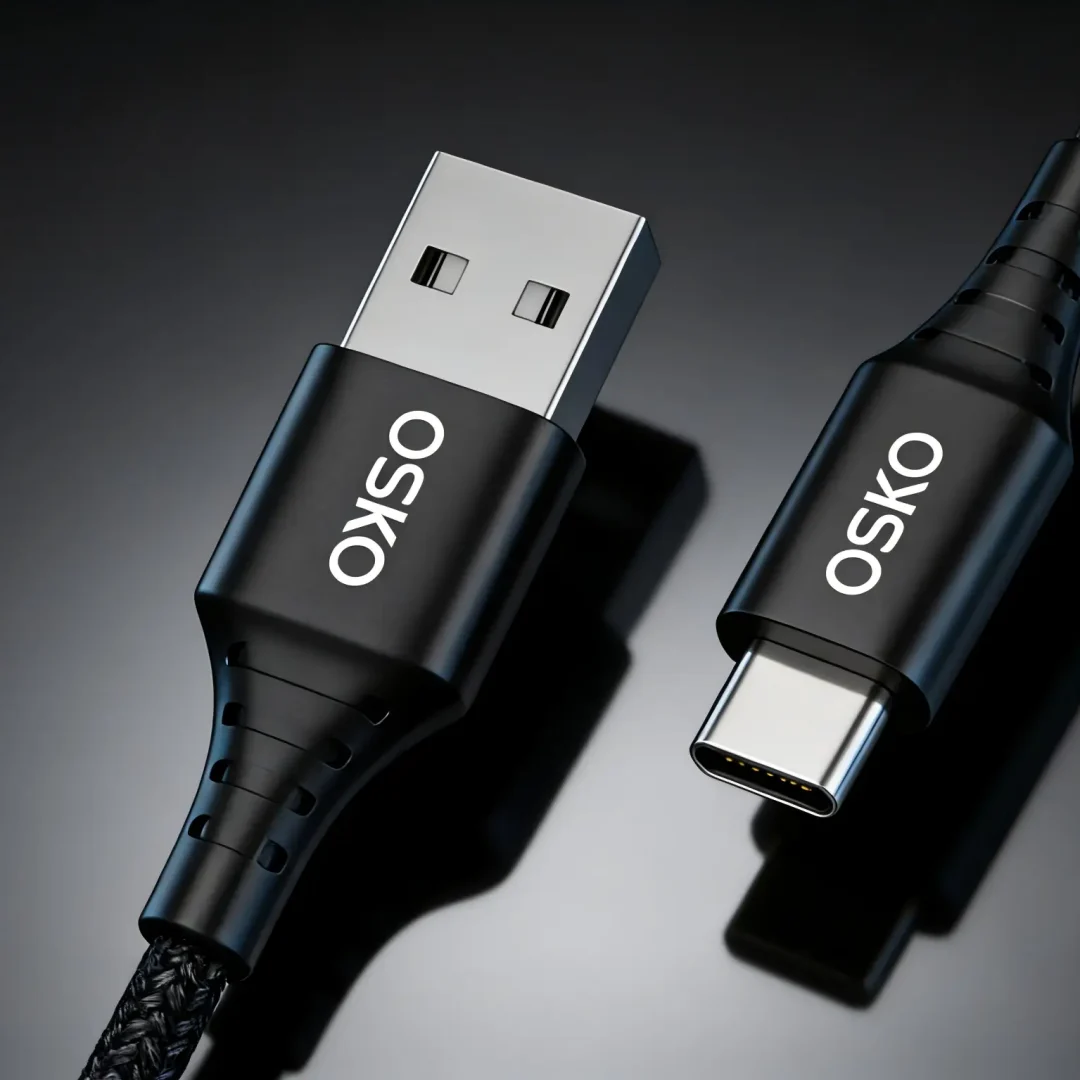
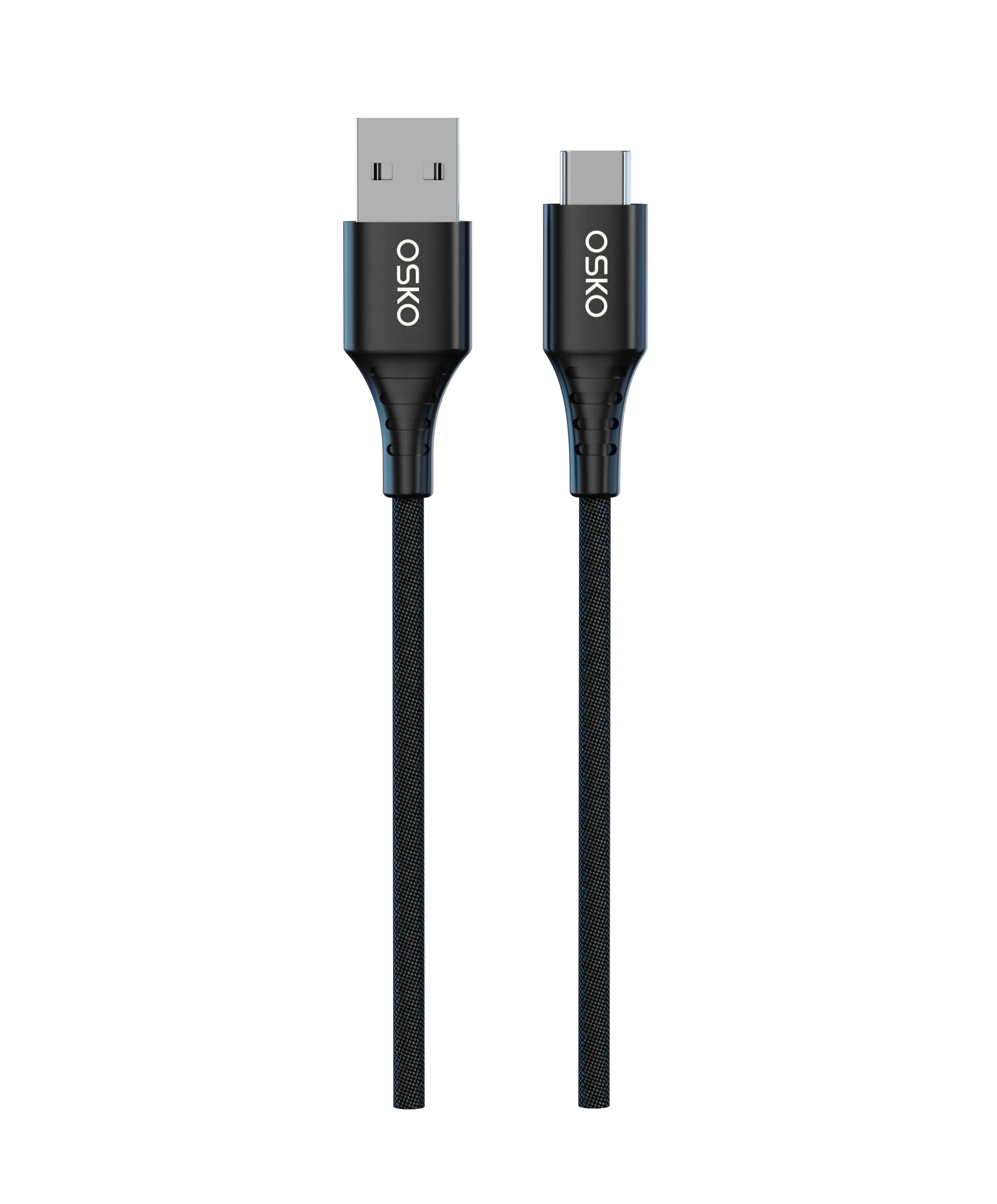
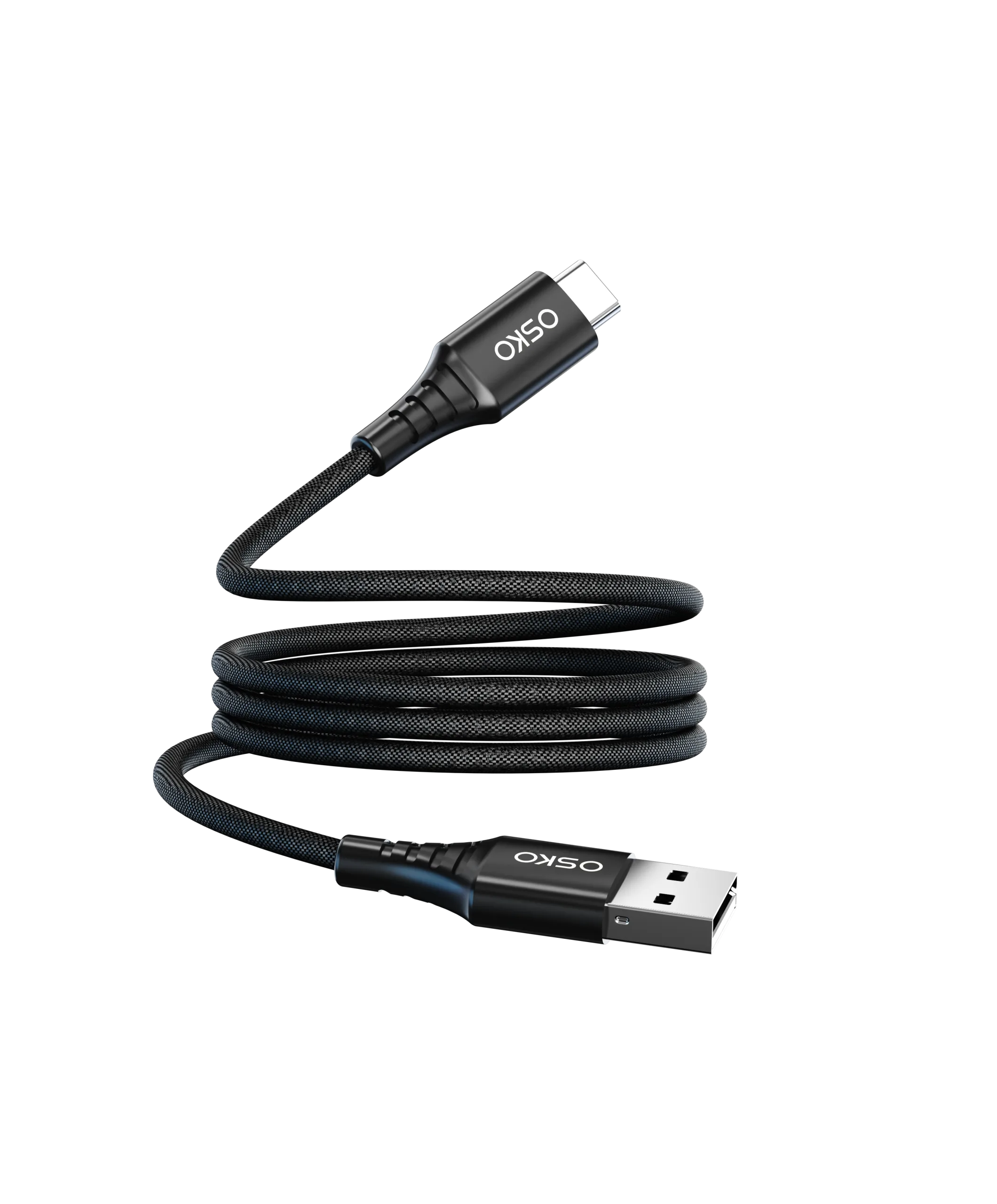
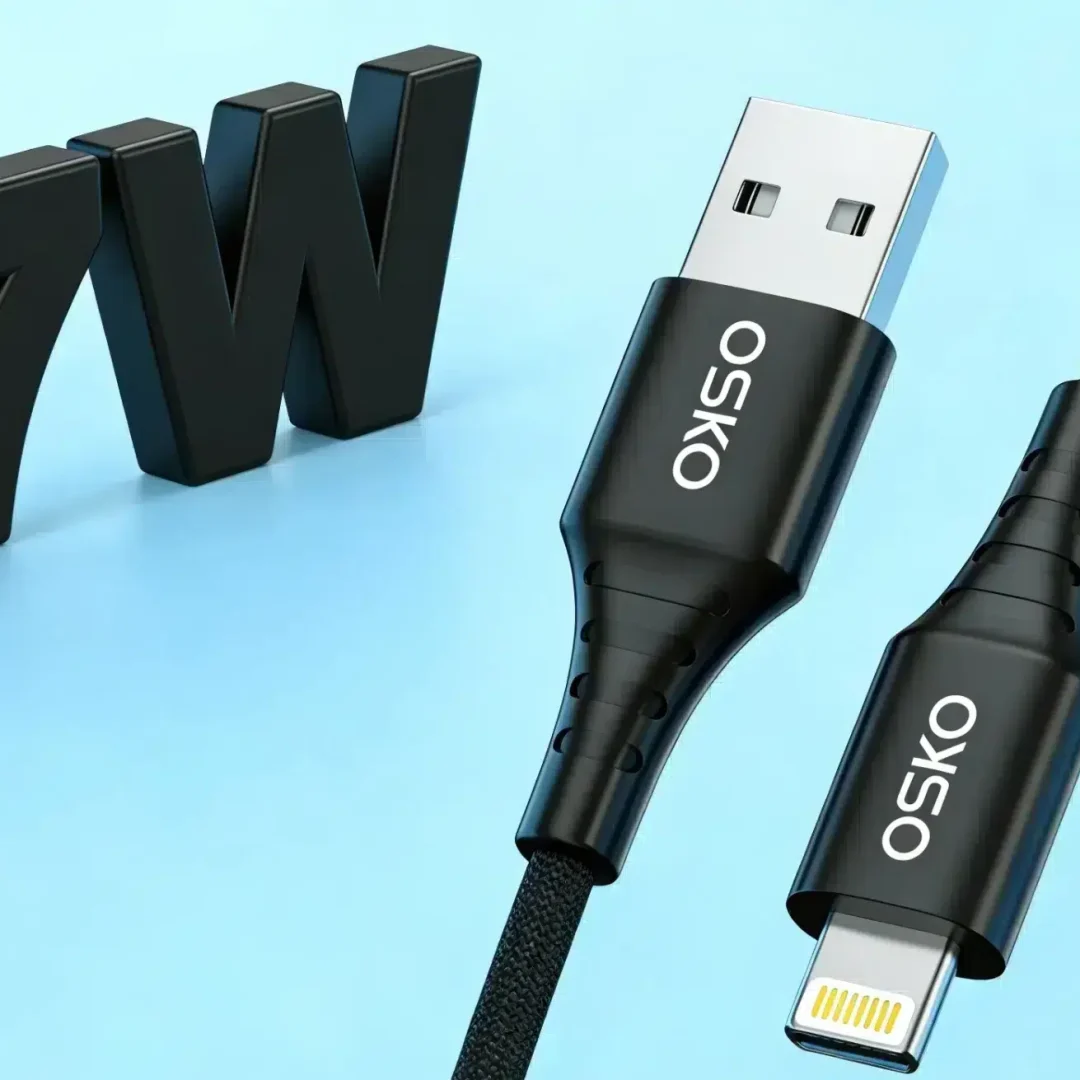
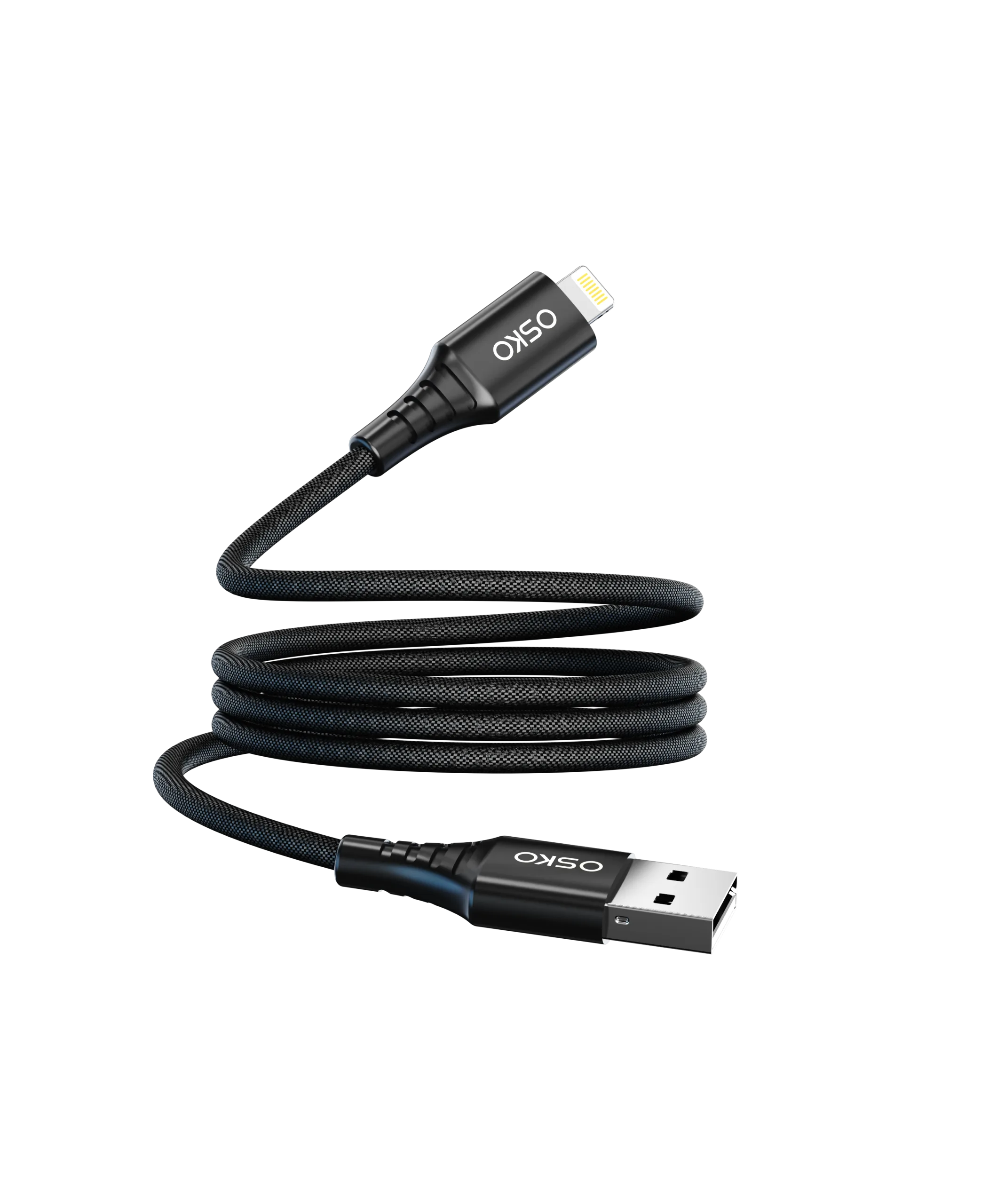
A USB-C to USB-A cable has a USB-A connector on one end and a USB-C connector on the other.
It can be used for compatible charging and data-transfer applications, depending on the cable construction and connected devices.
Typical applications include:
Smartphones
Tablets
Wireless earbuds
Power banks
Bluetooth speakers
Game controllers
USB-A wall chargers
Car chargers
Computers and laptops with USB-A ports
Automotive accessories
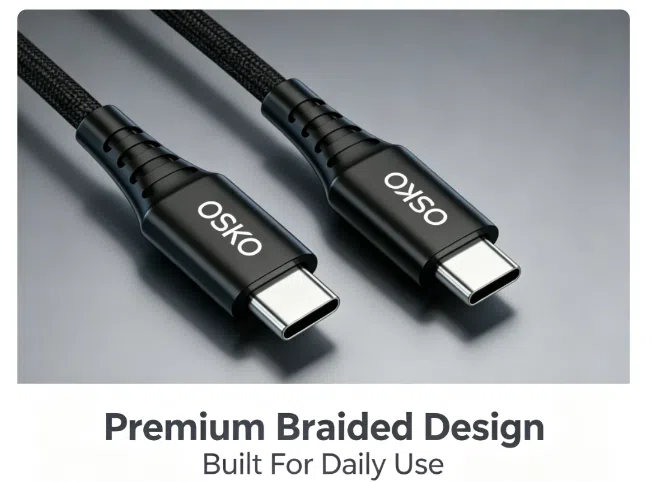
The main difference between a standard PVC cable and a nylon braided version is the outer mechanical structure.
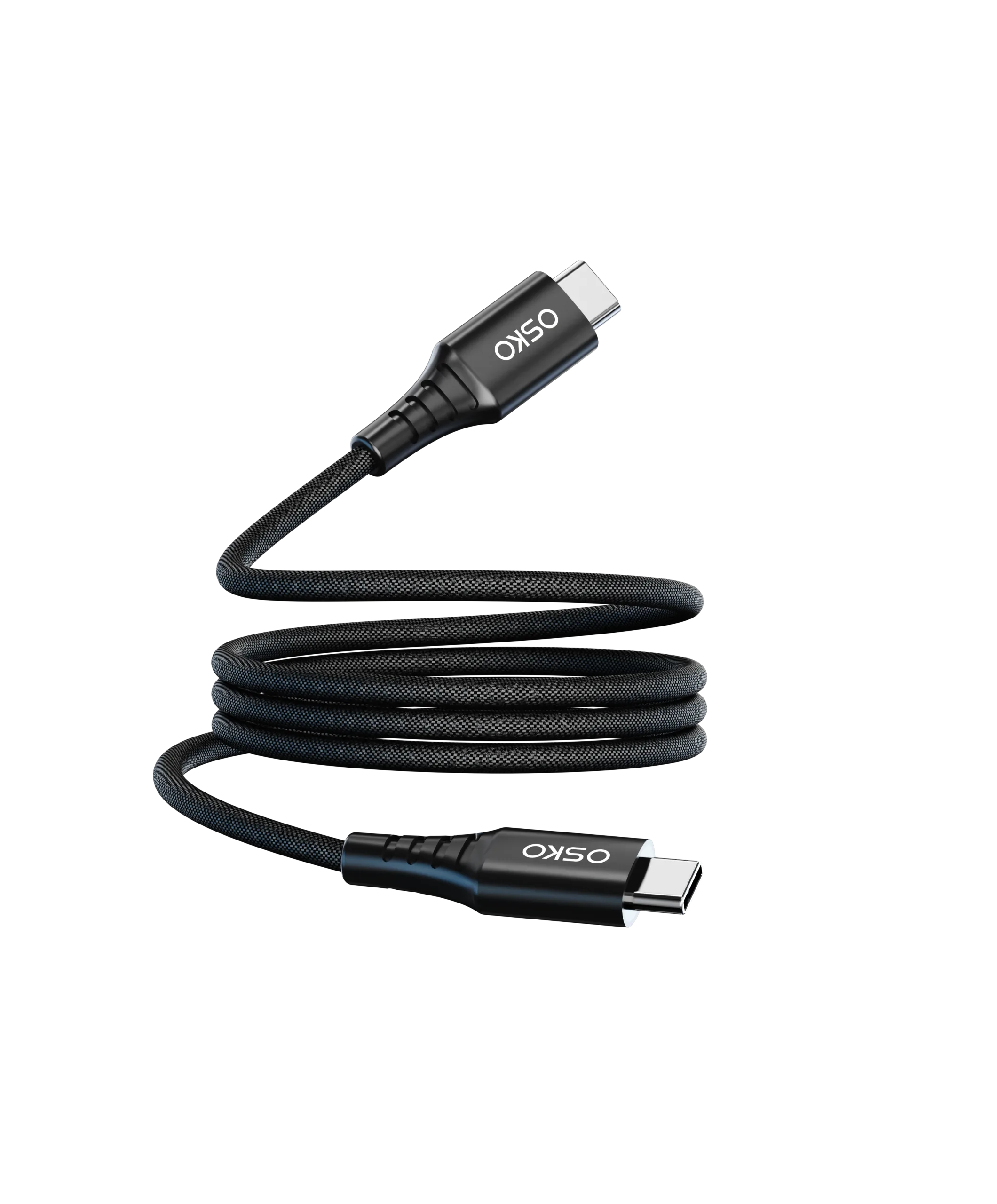
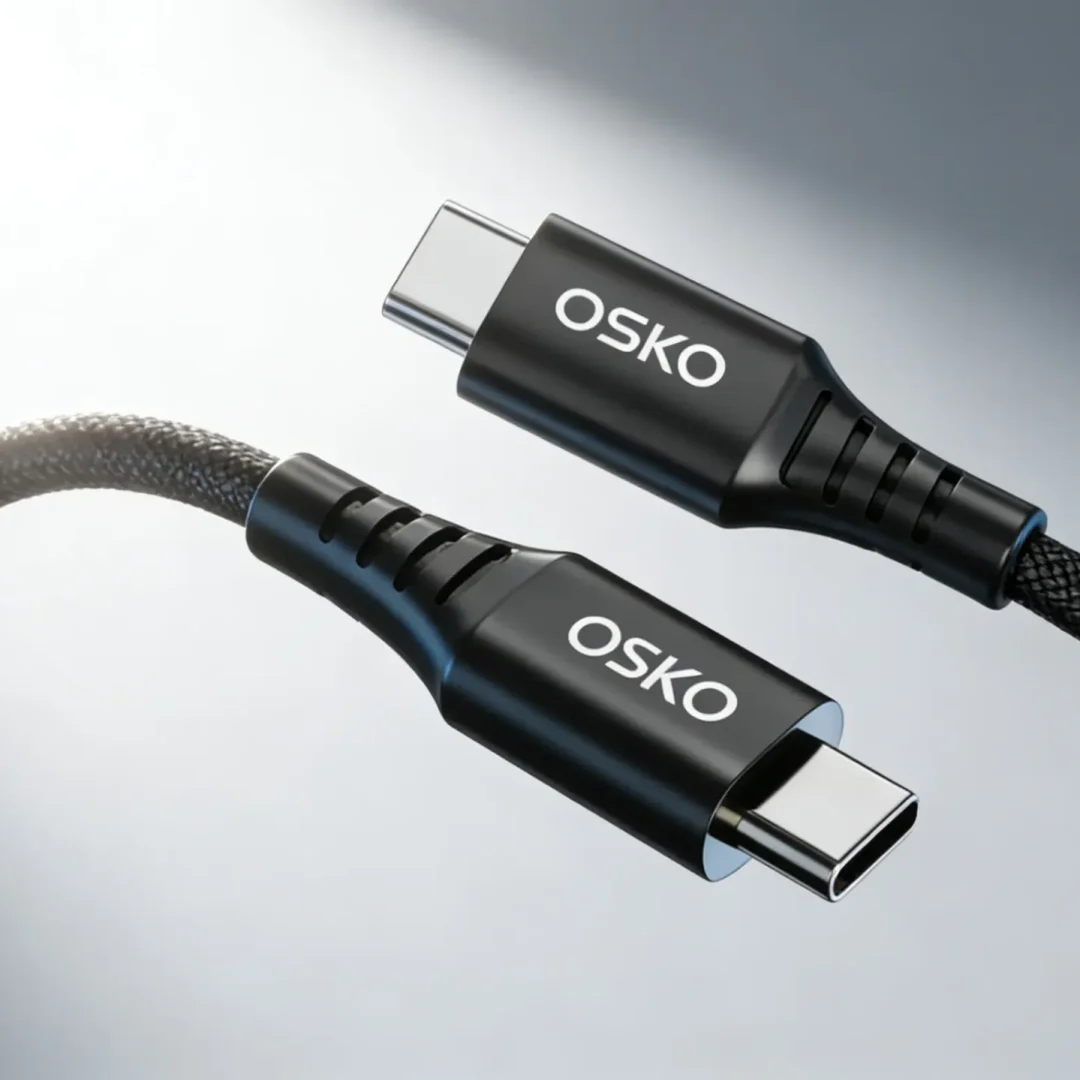
A nylon braid surrounds the underlying cable jacket and helps protect it from everyday abrasion, rubbing and repeated bending.
Why Nylon Braiding Is Used
A properly manufactured braided cable can provide:
Better abrasion resistance
Improved bend durability
Better resistance to surface wear
Reduced tendency to tangle
A more premium appearance
More opportunities for brand customization
However, buyers should not assume that a braided exterior automatically means superior electrical performance.
A strong cable still requires appropriate copper conductors, reliable connector assembly and effective strain relief.
Nylon Braided Cable vs PVC Cable
The outer jacket affects how a cable handles everyday mechanical stress, but it is not the only factor determining service life.
| Feature | Standard PVC Cable | Nylon Braided USB-C Cable |
|---|---|---|
| Abrasion resistance | Basic | Higher |
| Surface durability | Standard | Improved |
| Bend resistance | Depends on design | Generally improved |
| Tangling | More likely | Generally reduced |
| Appearance | Conventional | Premium |
| Private-label positioning | Standard | Strong |
| OEM customization | Available | Highly flexible |
| Suitable applications | Basic charging | Home, office, travel and automotive |
For a retailer, the main advantage of a braided design is not simply appearance. It provides another mechanical protection layer around the cable.
For a wholesale buyer, however, the entire construction should be evaluated rather than purchasing based only on the braid.
What Determines USB-A to USB-C Charging Performance?
Charging performance is determined by the complete charging system:
Power source → USB-A port → cable → USB-C device
The cable cannot create more power than the charger and device are designed to provide.
A quality USB-A to USB-C fast charging cable should maintain stable electrical transmission while minimizing unnecessary resistance and heat.
Copper Conductor
The internal conductor is one of the most important components.
Higher-quality cable designs typically use suitable copper conductors with an appropriate strand structure and wire gauge for the intended current.
A properly engineered conductor helps control:
Electrical resistance
Voltage drop
Heat generation
Charging stability
Long-term reliability
For example, a cable designed for a higher-current application generally requires more attention to conductor size than a basic low-power charging cable.
Connector Quality
The USB-A and USB-C connectors must maintain reliable electrical contact.
Poor connector construction can result in:
Intermittent charging
Loose connections
Increased contact resistance
Mechanical failure
Reduced product lifespan
For this reason, professional USB cable manufacturers inspect connector components and assembly quality during production.
Strain Relief
The cable is particularly vulnerable where the flexible cable meets the rigid connector.
This transition area experiences concentrated mechanical stress during bending.
A reinforced strain-relief structure can help distribute this force and reduce the likelihood of internal conductor damage.
Can a USB-A to USB-C Cable Support Fast Charging?
Yes, but the actual charging speed depends on the complete system.
The charger, phone or other device, charging protocol and cable all need to be compatible.
USB-A-based charging systems may support technologies such as:
Standard USB charging
Qualcomm Quick Charge on compatible equipment
Samsung AFC on compatible devices
Other manufacturer-specific charging systems
A product marketed as a 60W USB-C to USB-A cable should therefore be evaluated together with the intended charger and device rather than assuming that every USB-A source will deliver 60W.
For OEM buyers, the product specification should clearly state the tested power capability and intended charging environment.
This is particularly important when selling products in competitive marketplaces where customers compare charging performance directly from product listings.
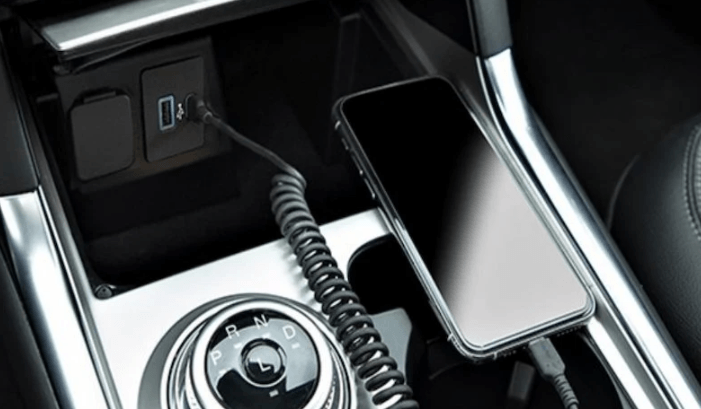
Why Choose a Braided USB-C Cable for Automotive Use?
Automotive charging creates a different set of mechanical conditions from normal desk charging.
A cable inside a vehicle may experience:
Frequent plugging and unplugging
Vibration
Repeated bending
Temperature fluctuations
Limited storage space
Pulling when passengers use the phone
A braided USB-C cable for cars can provide additional protection against everyday surface wear and bending.
Common applications include:
USB-A car chargers
Dashboard charging
Smartphone charging
Compatible Apple CarPlay accessories
Compatible Android Auto accessories
Passenger charging systems
For automotive accessory distributors, cable construction can therefore become an important product differentiator.
The cable should still be matched to the specific vehicle, charger and device requirements. A braided jacket does not by itself guarantee compatibility with every CarPlay or Android Auto system.
Choosing the Right Cable Length
Cable length is an important commercial consideration because different users have different charging environments.
| Length | Typical Application | Product Positioning |
|---|---|---|
| 1 ft / 0.3 m | Power banks, compact setups | Portable |
| 3 ft / 1 m | Desk and everyday charging | Standard |
| 6 ft / 1.8 m | Bedside, home and office | Extended |
| 10 ft / 3 m | Long-distance charging | Specialty |
For many retail products, 3ft and 6ft USB-C cables provide practical options for different use cases.
For OEM brands, offering two lengths can also help create a product family without completely changing the cable architecture.
Where Are Nylon Braided USB-C Cables Used?
Home Charging
Consumers commonly use charging cables beside beds, desks and living-room charging stations.
A durable braided structure can be useful where the cable is repeatedly bent, moved or stored.
Office Charging
Shared workspaces and meeting rooms can place significant mechanical demands on charging accessories.
A well-built braided cable can provide a more durable solution for:
Employee charging stations
Meeting rooms
Reception areas
Shared desks
Corporate electronics programs
Travel
Travel cables are frequently packed, unpacked and wrapped.
A nylon braided construction can help protect the exterior from repeated handling while providing a premium appearance.
Automotive
Vehicle charging combines frequent movement with temperature changes and limited storage space.
This makes reinforced braided cables particularly relevant to automotive accessory suppliers.
OEM and Private Label USB-C Cable Manufacturing
For brands and distributors, purchasing a generic cable is only one sourcing option.
An experienced OEM USB cable manufacturer can develop a product around the buyer’s target market, price point and application.
Custom Cable Specifications
Depending on the project, buyers may request:
USB-A to USB-C
USB-C to USB-C
Custom cable length
Custom conductor structure
Different braid colors
Connector housing options
Reinforced strain relief
Different charging specifications
Private Label Options
A private label USB charging cable can also be customized with:
Brand logo
Cable color
Retail packaging
Product labels
Custom inserts
Retail box design
Bulk packaging
For Amazon sellers, electronics distributors and brick-and-mortar retailers, packaging customization can help distinguish a cable from generic products with similar specifications.
What Should Wholesale Buyers Check Before Ordering?
When sourcing USB-C cable wholesale, price should not be the only comparison point.
A professional procurement process should evaluate several areas.
Product Specifications
Confirm:
Connector type
Cable length
Charging capability
Data-transfer capability
Conductor construction
Jacket material
Braid construction
Connector design
Manufacturing Quality
Ask the supplier about:
Incoming material inspection
Assembly inspection
Electrical testing
Continuity testing
Resistance testing
Bend testing
Tensile testing
Final inspection
Samples Before Mass Production
For OEM projects, sample approval is particularly important.
The buyer should test:
Charging behavior
Connector fit
Cable flexibility
Bend performance
Appearance
Packaging
Compatibility with target devices
This helps reduce the risk of discovering specification problems after mass production.
Engineering Case Study: German Retail Cable Program
A German electronics retailer was sourcing standard USB charging cables for online and physical retail channels.
The buyer wanted a more durable USB-C to USB-A charging cable without moving completely into a specialized industrial cable category.
The original product had acceptable pricing but generated complaints related to connector damage, jacket wear and inconsistent charging performance.
Engineering Requirements
The project required:
USB-A to USB-C configuration
Nylon braided exterior
Improved strain relief
Stable charging performance
Consistent bulk production
Custom retail packaging
OSKO Manufacturing Approach
OSKO evaluated the complete cable structure rather than changing only the outer braid.
The solution included:
Reinforced connector construction
Improved strain-relief geometry
Braided nylon outer protection
Optimized conductor configuration
Production electrical inspection
Customized packaging
The project demonstrates an important sourcing principle:
Cable durability is a system-level engineering issue, not simply an outer-jacket feature.
For a retailer, this approach can help create a more consistent product experience across repeated production batches.
How to Choose a Reliable USB-C Cable Manufacturer
Before placing a bulk order, buyers should look beyond the factory’s product photos.
Manufacturing Capability
Check whether the supplier supports:
OEM production
ODM development
Private labeling
Bulk production
Custom packaging
Sample testing
Technical Capability
Ask for information about:
Conductor materials
Wire gauge
Charging specifications
Connector construction
Strain relief
Testing procedures
Applicable compliance documentation
Production Consistency
A good sample is not enough.
The manufacturer should have processes designed to keep mass-production units consistent with the approved sample.
For wholesalers and private-label brands, this can be especially important because one inconsistent batch can affect customer reviews and inventory planning.
FAQ: USB-C to USB-A Nylon Braided Fast Charging Cable
Is a nylon braided USB-C cable better than a PVC cable?
A nylon braided cable generally offers better abrasion resistance and can provide improved mechanical durability compared with a basic PVC design. However, overall cable quality also depends on the conductor, connector, insulation and strain-relief construction.
Can USB-A to USB-C cables support fast charging?
Yes. A properly engineered USB-A to USB-C cable can support compatible fast-charging systems. The actual charging power depends on the charger, device, cable specifications and charging protocol.
Is a braided USB-C cable suitable for cars?
Yes. Braided cables are commonly used in automotive charging because the outer braid can provide additional protection against bending, movement and surface wear. Compatibility with a specific CarPlay or Android Auto system should be verified separately.
What is the best USB-C cable length for everyday use?
For many home, office and retail applications, 3ft and 6ft cables provide practical choices. Shorter cables are convenient for portable setups, while 6ft cables provide more flexibility around desks, beds and vehicles.
Can I order custom USB-C to USB-A cables with my logo?
Yes. OEM and private-label manufacturers can typically customize the cable length, braid color, connector housing, logo and retail packaging, depending on the project requirements and MOQ.
What should I ask a USB cable manufacturer before placing a bulk order?
Ask about the cable’s conductor structure, charging specifications, testing procedures, MOQ, sample availability, production lead time, packaging options and compliance documentation applicable to your target market.
Are nylon braided USB cables waterproof?
Not necessarily. Nylon braiding improves mechanical protection but does not automatically make a cable waterproof. If waterproof performance is required, buyers should request a product specifically designed and tested for the required level of water resistance.
How can I source USB-C cables for wholesale?
Start by defining the connector type, length, charging requirement, quantity, target market and packaging needs. Then request samples and technical specifications from an experienced USB cable manufacturer before moving to bulk production.
Conclusion: Choosing the Right Braided USB-C Cable
A USB-C to USB-A nylon braided fast charging cable combines a familiar USB-A interface with USB-C device compatibility and an additional layer of mechanical protection.
Its performance, however, depends on much more than the braided exterior.
For buyers, the key factors include:
Conductor quality
Appropriate wire gauge
Connector construction
Strain relief
Charging capability
Data-transfer requirements
Bend durability
Production quality control
Target-market compliance
For US, German, Australian and Dutch wholesalers, distributors and private-label brands, selecting an experienced manufacturer can simplify product development and improve consistency from sample to mass production.
OSKO provides OEM and ODM cable solutions including:
USB-C to USB-A nylon braided cables
USB-C to USB-C charging cables
Fast charging cable solutions
Custom cable lengths
Custom colors
Private-label packaging
Wholesale production
OEM development support
For a custom project, buyers can provide the cable type, length, quantity, target market, charging requirements and branding specifications. OSKO can then evaluate the required cable structure and manufacturing solution.
Need a custom USB-C to USB-A cable for wholesale or private label? Contact OSKO for samples, specifications and an OEM quotation.